
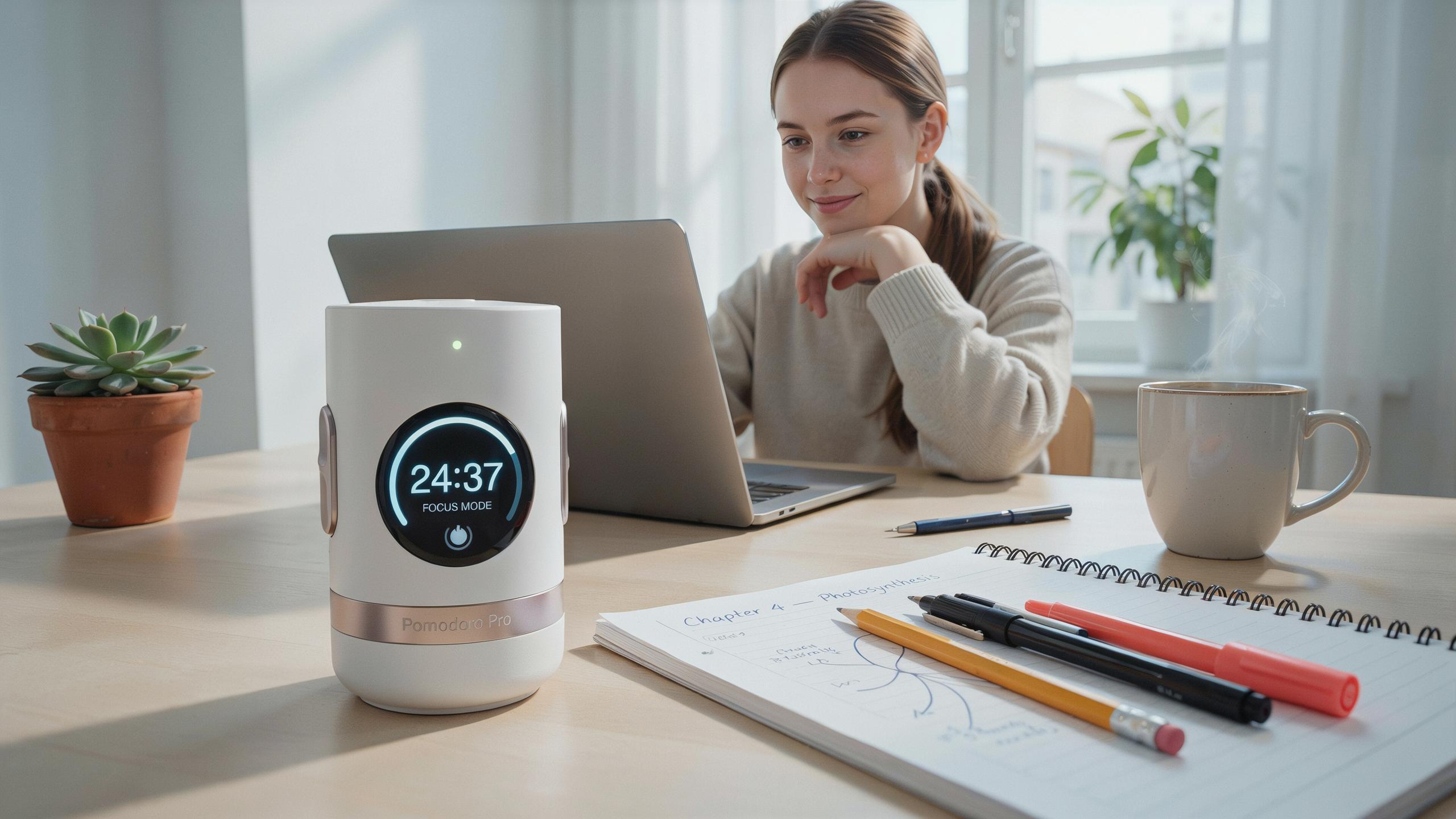
The Importance Of Focused Study Time For Students

Understanding Concentration Challenges
Students face real obstacles to concentration. Phones buzz with notifications. Background noise competes for attention. Other people interrupt study sessions. These distractions split focus and waste time. Research in cognitive science shows that switching between tasks costs mental energy. Each interruption forces the brain to restart its focus process. Students lose momentum and retention suffers. Academic performance drops when concentration breaks repeatedly.
The cost of distraction accumulates fast. A student interrupted every five minutes cannot build deep understanding. Shallow processing replaces real learning. Test scores reflect this fragmented attention. Memory formation requires sustained focus periods. Without concentration, students study longer but retain less. They work harder for worse results. Addressing these challenges directly improves outcomes.
The Benefits Of Structured Study Sessions
Breaking study time into blocks works. The Pomodoro Technique and similar methods prove this through widespread adoption across educational settings. Focused intervals followed by breaks train the brain to concentrate intensely. Students accomplish more in less time. Energy levels stay higher when work alternates with rest. Mental fatigue decreases when sessions have clear endpoints. Students know exactly when their work period ends.
Structured sessions also reduce burnout. Marathon study sessions drain motivation and create dread around learning. Short, defined blocks feel manageable. Students complete them consistently. Progress becomes visible and measurable. Retention improves because the brain consolidates information during breaks. Study becomes sustainable rather than punishing. Academic performance increases when study habits match how the brain actually works.
What Is A Study Focus Timer Gadget
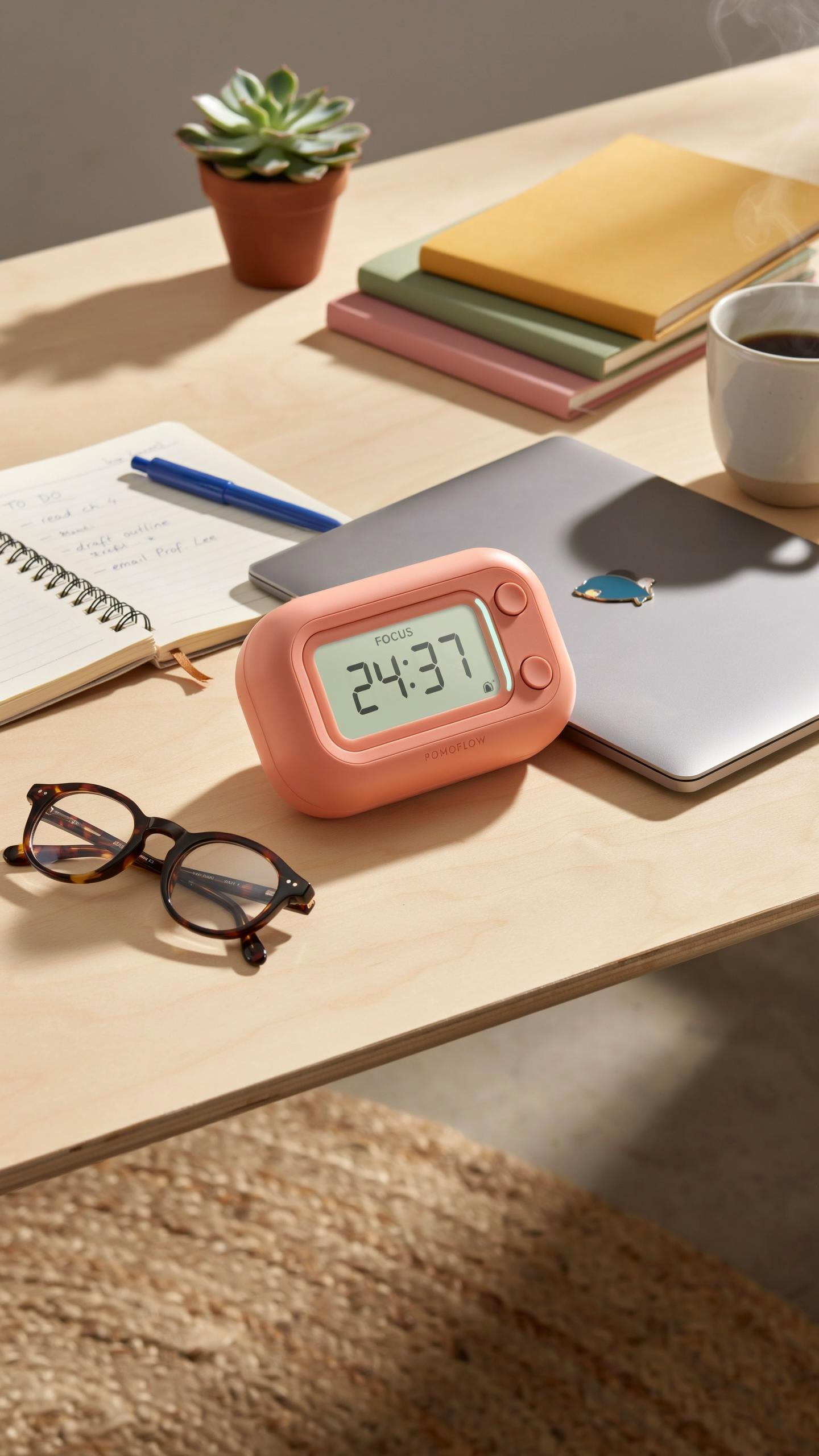
Defining The Study Timer
A study focus timer gadget is a device or application that measures study intervals and break periods. Students use it to structure work sessions into defined time blocks. The timer creates accountability by forcing completion of timed segments before switching tasks. It removes the need to manually track time, eliminating distractions from checking clocks. The core function is straightforward: start the timer, focus until it stops, then take a break.
Study timers operate on the principle of time-blocking. They segment long study sessions into manageable chunks, typically ranging from 25 to 50 minutes per block. This approach prevents mental fatigue and maintains concentration levels throughout study periods. Students reset the timer after each session, creating a rhythm that the brain learns to follow. The repetition builds focus capacity over weeks of consistent use.
Beyond Basic Timers: Key Features To Look For
Advanced study focus timer gadgets include notification systems that alert students when time expires. Visual displays show remaining time, allowing students to pace their work mentally. Some devices vibrate or emit soft sounds rather than jarring alarms, reducing stress during transitions. The best models let users customize session lengths and break durations to match their learning patterns. Flexibility in timing options prevents the gadget from becoming a one-size-fits-all constraint.
Premium study timers track productivity data across multiple sessions. They record how many blocks students complete daily and identify peak focus hours. Some gadgets sync with calendars or task management apps, integrating timers into existing workflows. Progress tracking motivates students by showing concrete evidence of consistent study habits. These features transform the timer from a simple clock into a productivity intelligence tool that reveals personal study patterns.

How A Study Focus Timer Enhances Exam Prep

Optimizing Revision Schedules
A study focus timer forces you to allocate specific time blocks to each subject based on exam weight and your weak areas. You stop guessing how long to spend on topics and start measuring it. This prevents time waste on subjects you already know while ensuring difficult material gets adequate attention before test day.
Timers create accountability through visibility. When you set a timer for calculus problems versus history review, you track which subjects consume your prep time. This data reveals whether your schedule matches your actual exam breakdown. You adjust allocation the next study session based on real time spent, not assumptions.
Imagine the focused hours, each tick a gentle push towards your dreams. With this little gadget, every student can unlock their full potential, a beautiful journey of knowledge, one focused moment at a time.
Reducing Pre Exam Anxiety
Structured study schedules built with timers eliminate the panic of “I don’t know what to study or how much time I have left.” You enter exam day knowing you covered material methodically. Your brain registers this preparation as proof of readiness, which reduces anxiety. The timer transformed vague worry into concrete progress tracking.

Timers also prevent cramming, which triggers anxiety spikes. Breaking revision into manageable timed sessions over weeks builds confidence incrementally. Each completed timer session is a win your brain registers. By exam day, you have accumulated evidence of preparation rather than facing the stress of last-minute learning.
Integrating Digital Timers Into Your Study Desk Setup
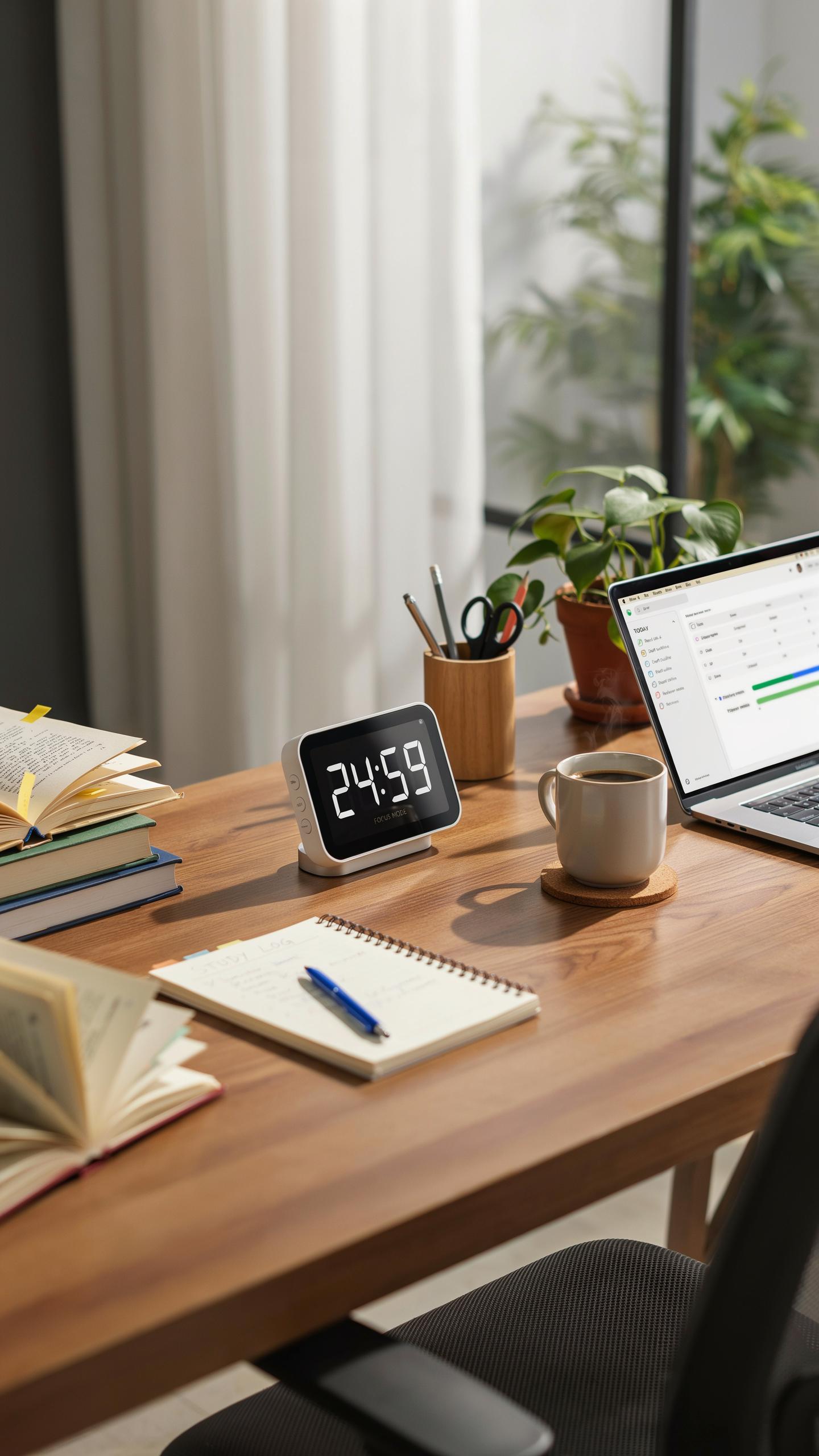
Choosing The Right Placement For Optimal Visibility
Position your timer at eye level or slightly above your primary study surface. This placement keeps you aware of elapsed time without forcing awkward head movements. Desk-mounted timers work best when placed to the upper right or left corner, outside your direct writing zone. Distance matters: 12 to 18 inches from your body allows you to glance without turning your head. Avoid placing timers directly behind your monitor or laptop screen, as this creates visual obstruction and defeats the purpose of time awareness.
A timer placed too far becomes useless. A timer placed too close becomes intrusive and breaks concentration. The sweet spot is roughly arm’s length away, positioned where peripheral vision catches it naturally. This setup trains your brain to track time passively rather than constantly checking. You maintain focus on work while remaining aware of your study session’s duration. This balance drives the core benefit of using a timer effectively.
Combining With Other Study Essentials

A study focus timer works best alongside physical tools like notebooks, pens, and reference materials. Position the timer to the side of your primary workspace so it does not interfere with writing or note-taking. Keep your timer accessible but separate from items you handle frequently. Your dominant hand side remains reserved for active work like writing or typing. The timer occupies neutral territory where you see it but do not touch it during sessions.
Integrate the timer into your desk layout as a reference tool, not an obstacle. Pair it with a notebook for logging session times and tracking study patterns over days or weeks. Your desk becomes a strategic hub: active work area in the center, timer for time awareness on the perimeter, and reference materials within reach. This arrangement supports the Pomodoro Technique and other interval-based study methods without creating clutter. Clean desk organization directly impacts your ability to maintain focus during timed study blocks.
The Pomodoro Timer Technique A Proven Method

Understanding The Pomodoro Method
Francesco Cirillo developed the Pomodoro Technique in the late 1980s as a time management system. The core structure uses 25 minutes of focused work followed by a 5 minute break. After completing four cycles, you take a longer 15 to 30 minute break. This pattern works because it matches how your brain handles sustained attention and mental fatigue.

The technique reduces procrastination by making work feel less overwhelming. Breaking tasks into 25 minute chunks makes them manageable and less intimidating. Your brain knows a break is coming, so it commits fully to the work period. This cycle trains your concentration and builds a rhythm that becomes automatic over time.
Applying The Technique With A Study Timer Gadget
Use a physical timer, smartphone app, or dedicated study gadget to run your Pomodoro cycles. Set it for 25 minutes before each study session. When the timer goes off, stop working immediately and take your 5 minute break. This hard stop prevents work from bleeding into rest time and keeps your schedule precise.
Physical timers work better than phone apps for many students because they sit on your desk and you cannot access distractions. Study focus timer gadgets designed for students often include visual countdown displays. You can see time remaining without checking your phone. This reduces the urge to multitask and keeps your attention locked on one task for the full 25 minutes.
Different Types Of Study Timers For Every Student

Analog Vs. Digital Study Timers

Analog timers use mechanical or wind-up mechanisms to track time. You turn a dial, set your duration, and the timer counts down through physical movement. Digital timers display numbers on a screen and let you input exact minutes and seconds. Analog models require no batteries and work anywhere. Digital versions offer precision and often include features like alarms or interval settings that analog cannot match.
Analog timers work well for students who need a distraction-free experience. The absence of screens reduces the temptation to check notifications or other digital content. Digital timers excel when you need exact intervals for specific study techniques like the Pomodoro method. Choose analog if you struggle with screen addiction. Choose digital if you need flexible timing options and preset study intervals.
Specialized Timers: Visual And Silent Options
Visual timers use color changes or moving discs to show time remaining without sound. These work best for students in shared spaces like libraries or dorms where audio alerts disturb others. Some models display a red or amber zone as time runs out, giving you a heads-up before the alarm. The visual component helps students track progress without constant number-checking. These timers appeal to learners who respond better to sight cues than audio signals.
Silent timers eliminate noise entirely and rely on visual feedback only. They benefit students who find beeping sounds stressful or who share study environments where sound matters. Some silent models vibrate when time expires, combining tactile feedback with visual cues. This approach works for neurodivergent students who process visual information more effectively than audio. Silent timers also suit early morning or late-night study sessions when others are sleeping nearby.
Choosing The Best Study Focus Timer Gadget Key Considerations

Battery Life And Portability
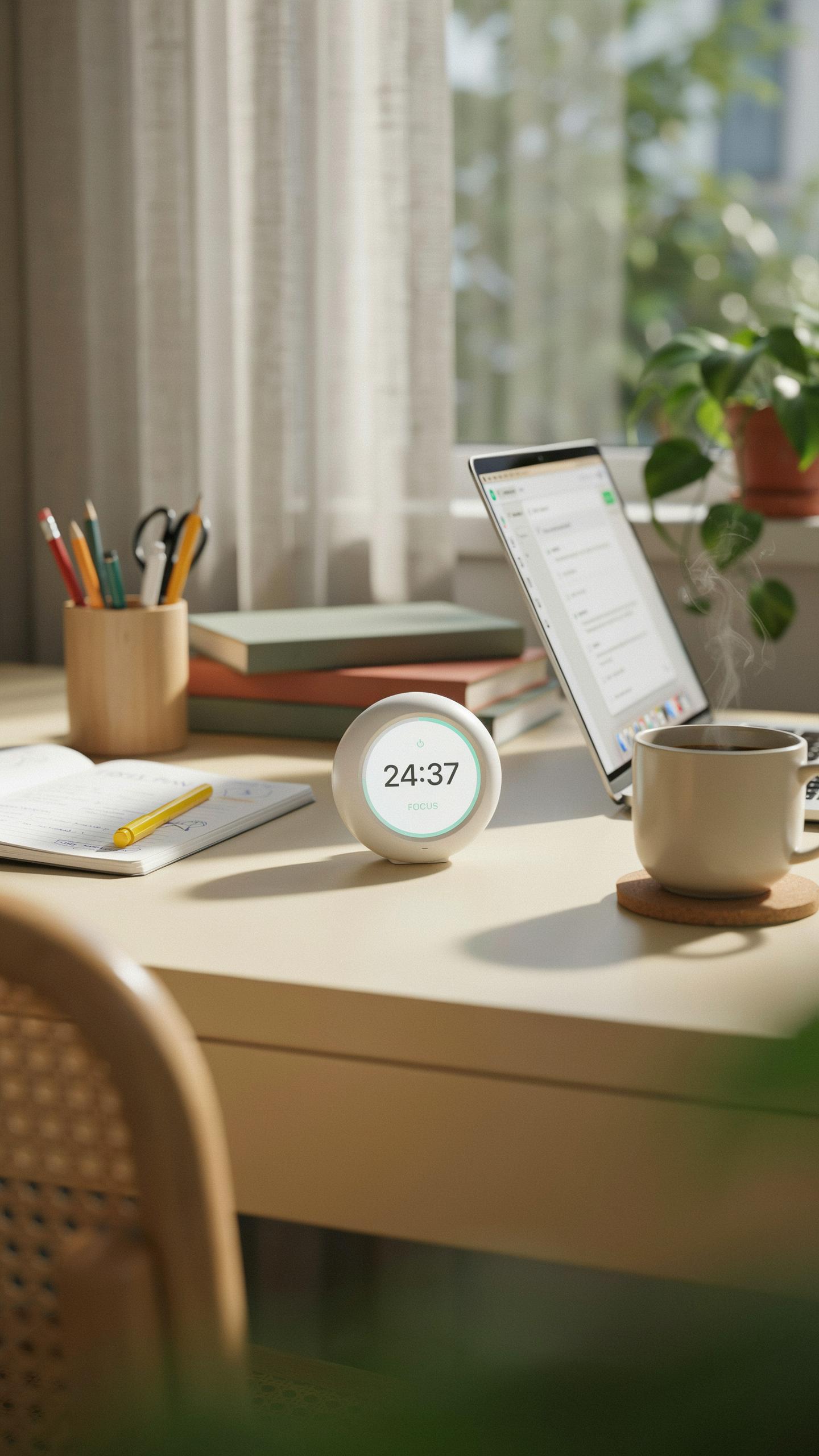
A study focus timer gadget lives or dies based on its power source. Students move between classrooms, libraries, and homes daily. A timer that requires constant charging becomes a liability, not a tool. Alkaline batteries, rechargeable cells, or solar charging each offer trade-offs. Battery life directly impacts whether you actually use the device or leave it behind.
Portability matters because studying happens everywhere. Your timer must fit in a backpack pocket without adding weight or bulk. Size and weight determine whether you carry it consistently. A gadget you leave at home provides zero academic benefit. Choose a study focus timer that travels as easily as your textbooks do.
User Friendly Interface And Durability
Intuitive controls save time during study sessions. You should start a timer in under three seconds without reading instructions. Complex menus or unclear buttons drain focus before your study block even begins. Students need immediate functionality. A timer with poorly designed buttons or confusing displays creates friction that undermines its purpose.
Durability determines long-term value. Study gadgets experience drops, pressure in bags, and daily handling. Materials matter: reinforced plastic or metal casings withstand regular use better than fragile components. Buttons and screens must survive repeated contact. A timer that breaks after one semester costs more than one built to last through your entire academic career.

Beyond The Timer Creating An Optimal Study Desk Environment
Ergonomics And Comfort: Setting Up Your Study Space
Your chair height directly impacts focus duration. When your feet rest flat on the floor and your knees bend at ninety degrees, you reduce strain on your lower back and legs. This positioning lets you sit for longer periods without discomfort breaking your concentration during study sessions with your timer gadget.
Desk height matters equally. Your desk should position your elbows at ninety degrees when your arms rest on the surface. This prevents shoulder tension and neck strain that accumulate during extended study periods. Proper ergonomics remove physical distractions, letting you concentrate fully on material rather than bodily discomfort.
Minimizing Distractions: Tips For A Productive Desk
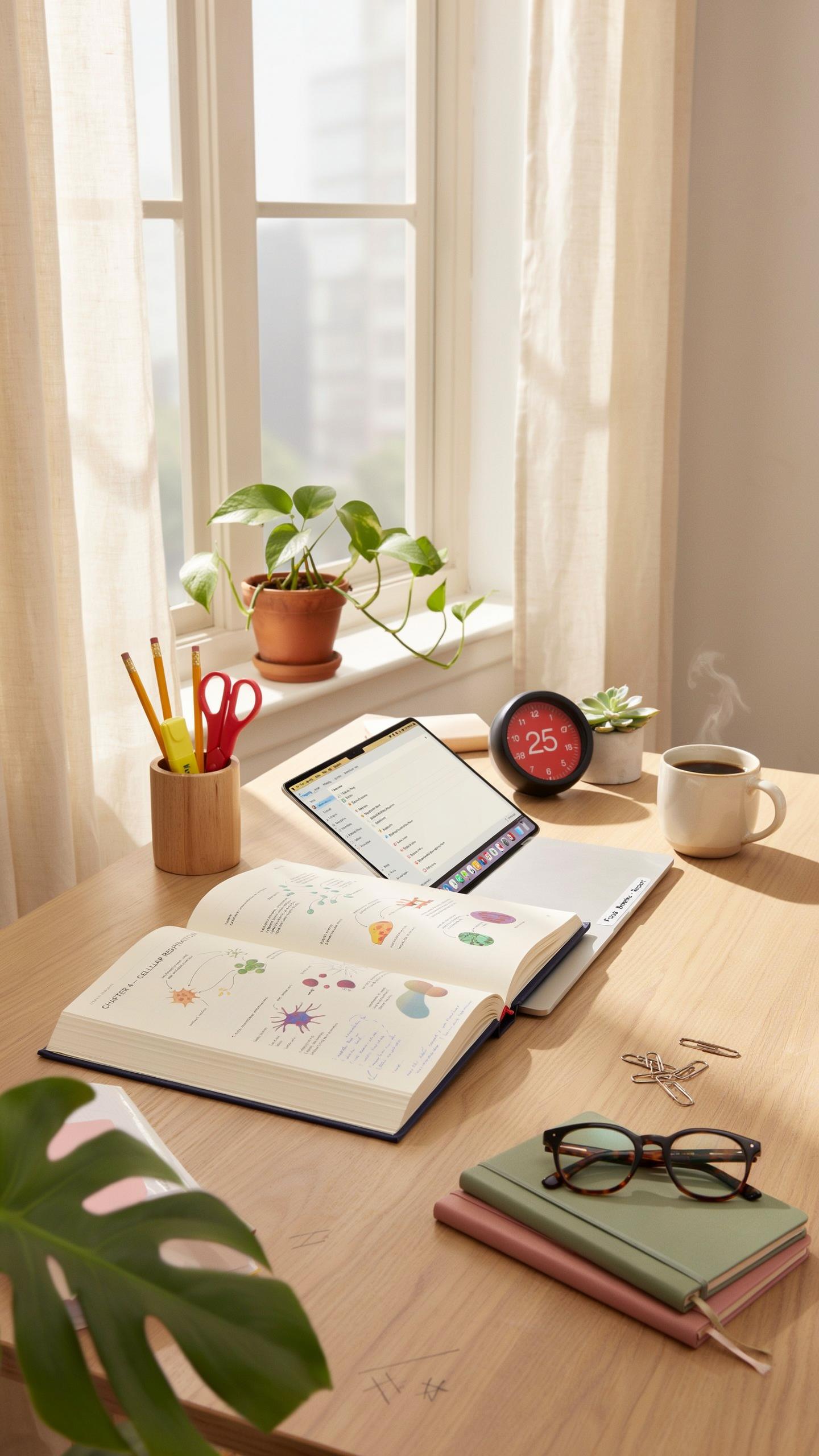
Physical clutter competes for your attention and fragments focus. Remove items unrelated to your current study task from your desk surface. Keep only your materials, your study focus timer gadget, and one beverage container within arm’s reach. This visual simplicity trains your brain to treat the desk as a work zone.
- Phone placement: Store your phone in another room or use airplane mode during timer sessions. Visual proximity triggers checking behavior regardless of notifications.
- Cable management: Bundle cords behind your desk or use clips to secure them. Loose cables create visual noise that pulls peripheral attention.
- Shelf organization: Place books and materials on shelves above desk level rather than on the surface itself. This keeps your work zone clear and functional.
- Noise control: Use white noise apps or earplugs if your environment has unpredictable sounds. Consistency in background noise prevents startling interruptions.
- Lighting placement: Position your light source to eliminate screen glare and shadows on your workspace. Poor lighting forces you to adjust position repeatedly, breaking focus.
External interruptions dissolve when people cannot access your desk easily. Position your chair to face away from high-traffic areas or doorways. This orientation reduces the temptation to glance at movement happening behind you. Your study focus timer gadget works best when your environment protects against casual interruptions.
Making Study Smarter With Advanced Timer Features
Programmable Intervals And Custom Alarms
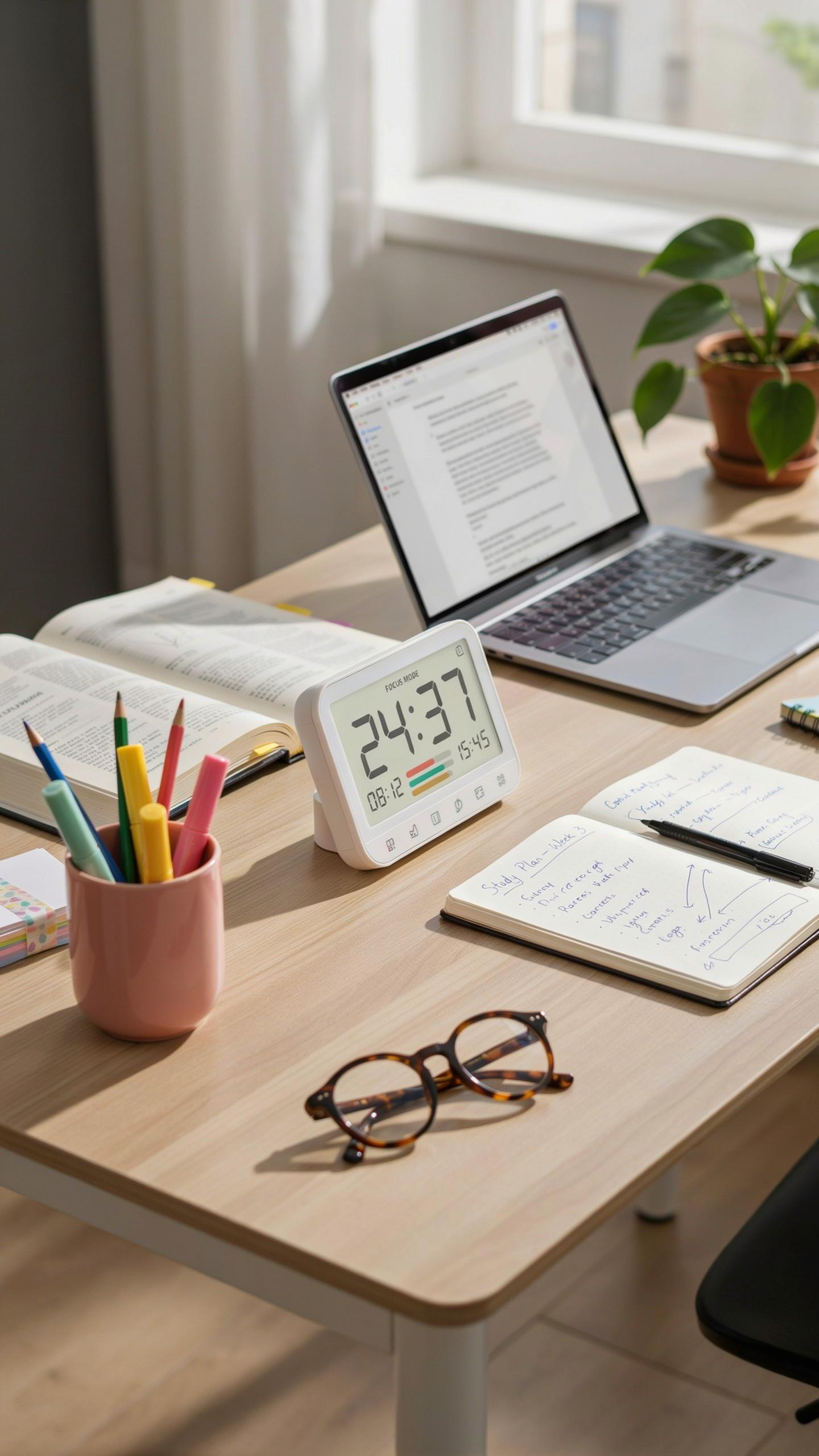
Modern study focus timers let you set intervals that match your actual study patterns. The Pomodoro Technique uses 25-minute work blocks, but your brain might need 40 minutes or 50 minutes to reach deep focus. Custom alarms serve a tactical purpose: they signal transitions without jarring you out of concentration. You choose when notifications fire and how they sound. This control removes friction from your study sessions.
Programmable features handle varied subjects differently. Math requires longer uninterrupted blocks than language review. Chemistry labs need breaks for note processing. Your timer adapts to the task, not the reverse. This flexibility prevents the common problem where students abandon timers because the preset intervals don’t fit their actual workflow. When your tool matches your needs, you use it consistently.
Tracking Progress Integrated Logging And Analytics
Study timers with built-in analytics show you how many hours you actually studied versus how many you think you studied. Most students overestimate focus time by 30 to 50 percent. Data reveals the truth. You see patterns across days and weeks: when you focus best, which subjects drain your concentration fastest, whether your sessions are getting longer as your stamina improves. This information is actionable feedback, not motivation fluff.
Logging features create accountability through simple visualization. Your timer records session length, subject area, and completion rates. Over two weeks, trends emerge. You notice that morning sessions run 15 percent longer than evening attempts. You discover that 90-minute blocks work better than traditional hour-long study periods for complex material. Analytics convert vague impressions into concrete data you can adjust your schedule around. Better data drives better study decisions.
Real Student Experiences Success Stories With Study Timers

Testimonials And Case Studies
Sarah, a sophomore engineering student, struggled with procrastination and scattered focus across four-hour study sessions. She started using a twenty-five minute Pomodoro timer with a physical gadget designed for desk use. Within three weeks, her quiz scores jumped from low Cs to high Bs. She attributed the shift to tracking actual work time versus perceived work time.
Marcus, a high school junior preparing for standardized tests, combined a study timer with practice problems. His initial diagnostic score placed him at the forty-fifth percentile. After eight weeks of timed study blocks using a dedicated timer gadget, he reached the seventy-second percentile. He credits consistent time tracking with revealing which subjects needed deeper focus.
Practical Advice From High Achieving Students
James, a business major maintaining a 3.8 GPA, treats his timer gadget like a contract with himself. He sets specific targets: complete chapter readings in four blocks, solve problem sets in three blocks, and review notes in two blocks. He ignores his phone during timer intervals and starts each block with clear objectives. This eliminates the decision fatigue that normally derails study sessions.
Elena, a pre-med student juggling twelve credit hours, uses visual timer gadgets that show remaining time through color changes or shrinking displays. She avoids app-based timers because phone notifications distract her. She runs back-to-back timers with five-minute breaks between blocks. She adjusts block lengths based on subject difficulty: complex subjects get twenty-five minute blocks, review material gets fifteen-minute blocks.
Frequently Asked Questions

What exactly is a study focus timer gadget for students and how does it work?
A study focus timer gadget for students is a specialized tool designed to help manage study sessions effectively. It typically uses techniques like the Pomodoro Method, breaking work into focused intervals followed by short breaks. This structure helps improve concentration and reduces burnout, making study time more productive and less overwhelming.
How can I effectively integrate a study focus timer gadget into my existing study routine?
Start by setting realistic study blocks, perhaps 25 minutes of focus followed by a 5-minute break. During the focus period, eliminate distractions. Use the breaks to stretch, grab a drink, or briefly disengage before the next session. Consistency is key; over time, your brain will adapt to this structured learning approach.
Are there affordable or free options for a study focus timer gadget, or do I need to buy a specific device?
Absolutely! While dedicated devices exist, many excellent free or low-cost options are available. Numerous smartphone apps offer timer functions specifically designed for structured study, incorporating features like customizable intervals and progress tracking. You don’t necessarily need to purchase a physical study focus timer gadget to benefit from this method.