The Dorm Dilemma Why Noise Cancelling Headphones Are Essential
The Challenge Of Dorm Living
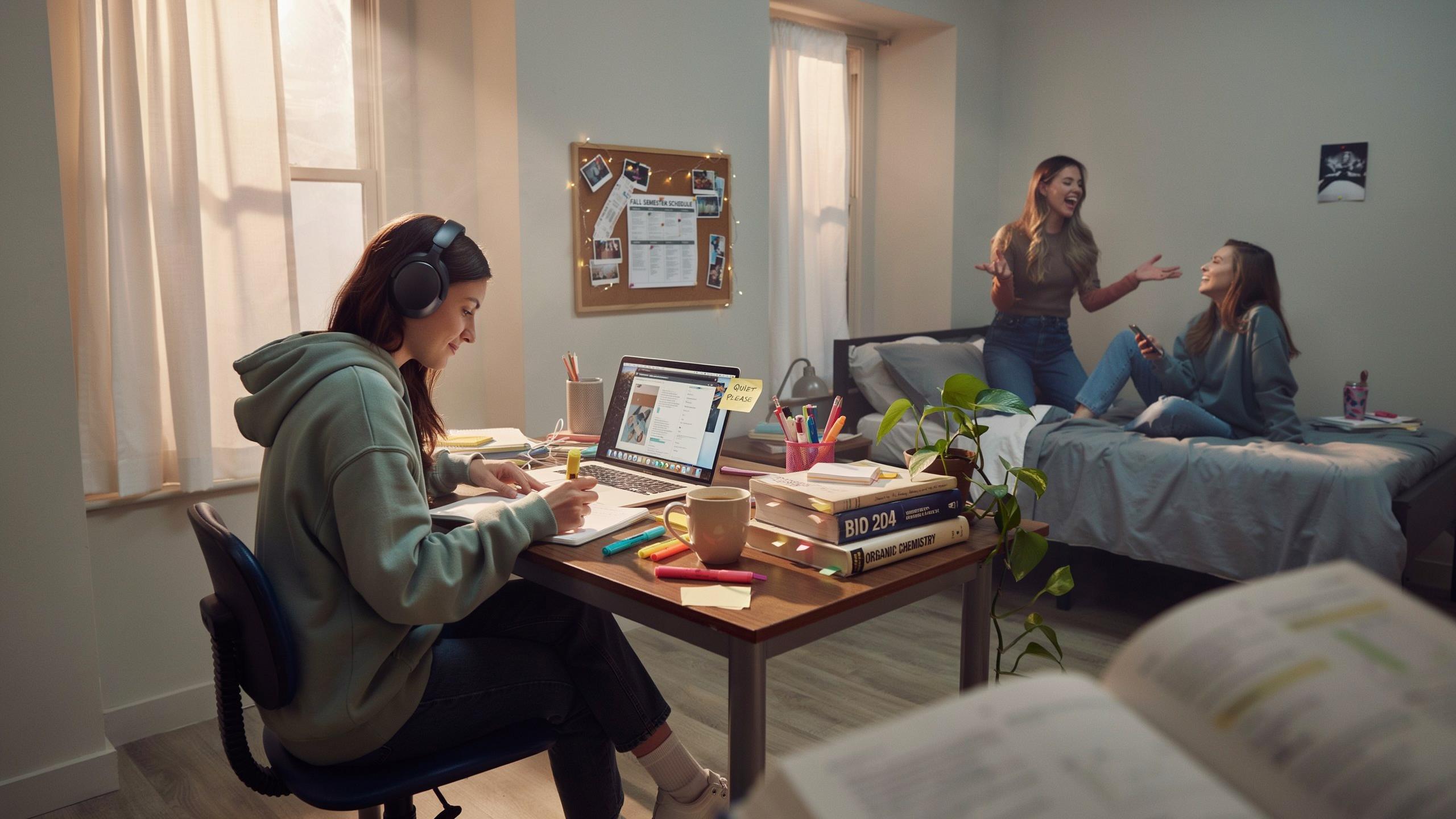
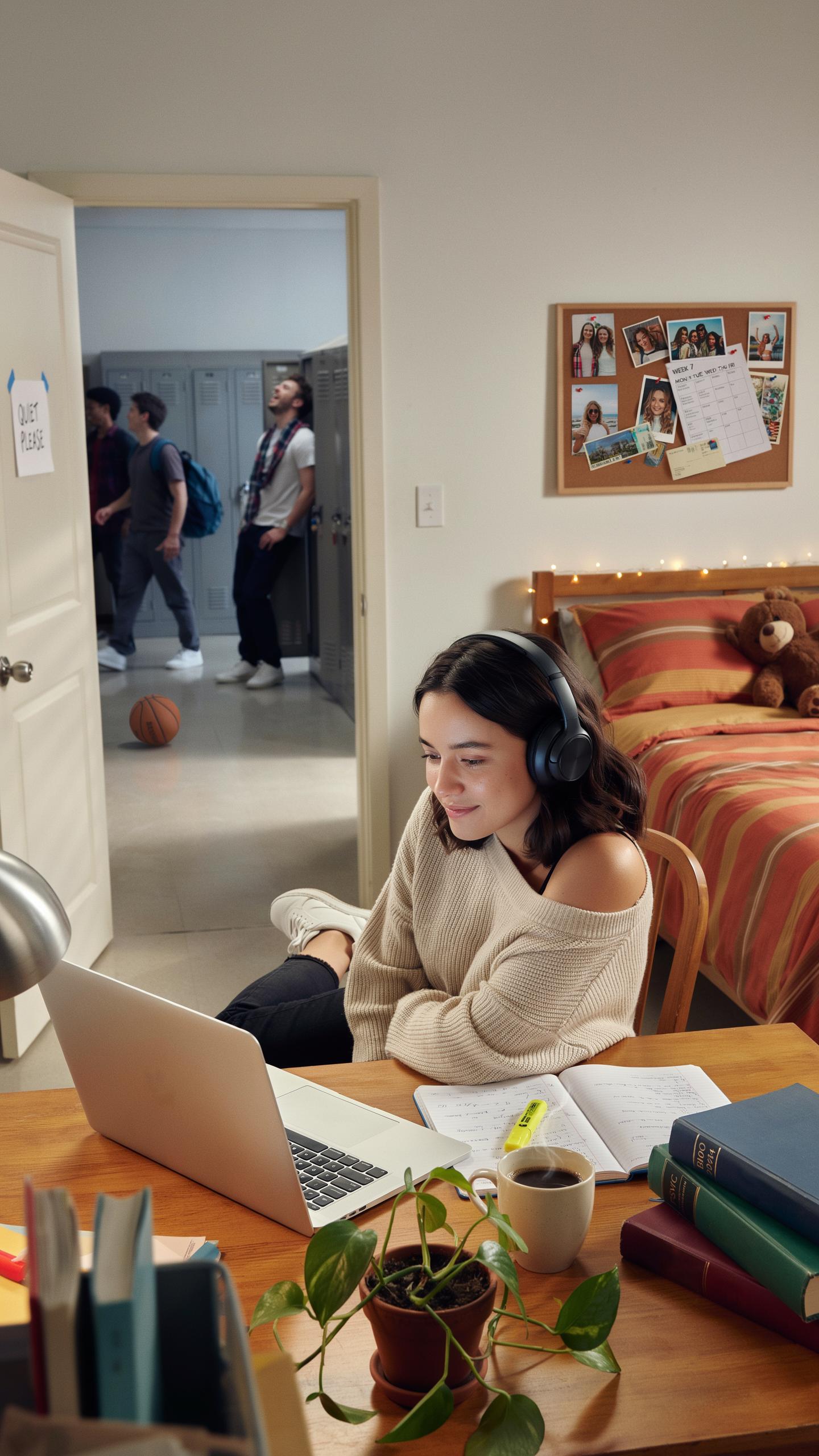
Dorm rooms are inherently noisy environments. Thin walls transmit sound from neighboring rooms. Hallways funnel foot traffic and conversations directly into your space. Common areas generate constant activity. You share ventilation systems that carry noise throughout the building. These structural realities mean silence is rare, not occasional.
Your study environment lacks control. You cannot soundproof walls or reduce foot traffic. Roommates follow their own schedules independent of yours. Visitors, parties, and everyday activity operate on unpredictable timelines. Traditional earplugs fail because they only muffle sound without blocking it completely. Noise cancelling headphones address this gap by actively fighting sound waves rather than simply reducing volume.
The Impact Of Noise On Studying
Constant noise disrupts concentration and memory formation. Research consistently shows that environmental distractions impair learning capacity. Your brain expends energy filtering out sound instead of processing study material. This cognitive load reduces retention and comprehension. Even background noise you think you ignore still taxes mental resources and slows information processing.
Poor study conditions directly harm academic performance. Students in noisy environments take longer to complete assignments and require more breaks. Test scores decline when preparation occurs amid distractions. Sleep deprivation from noise compounds these effects. Noise cancelling headphones eliminate these barriers by creating acoustic isolation on demand, allowing your brain to focus solely on learning material.
Understanding Noise Cancelling Technology
How Active Noise Cancellation (ANC) Works
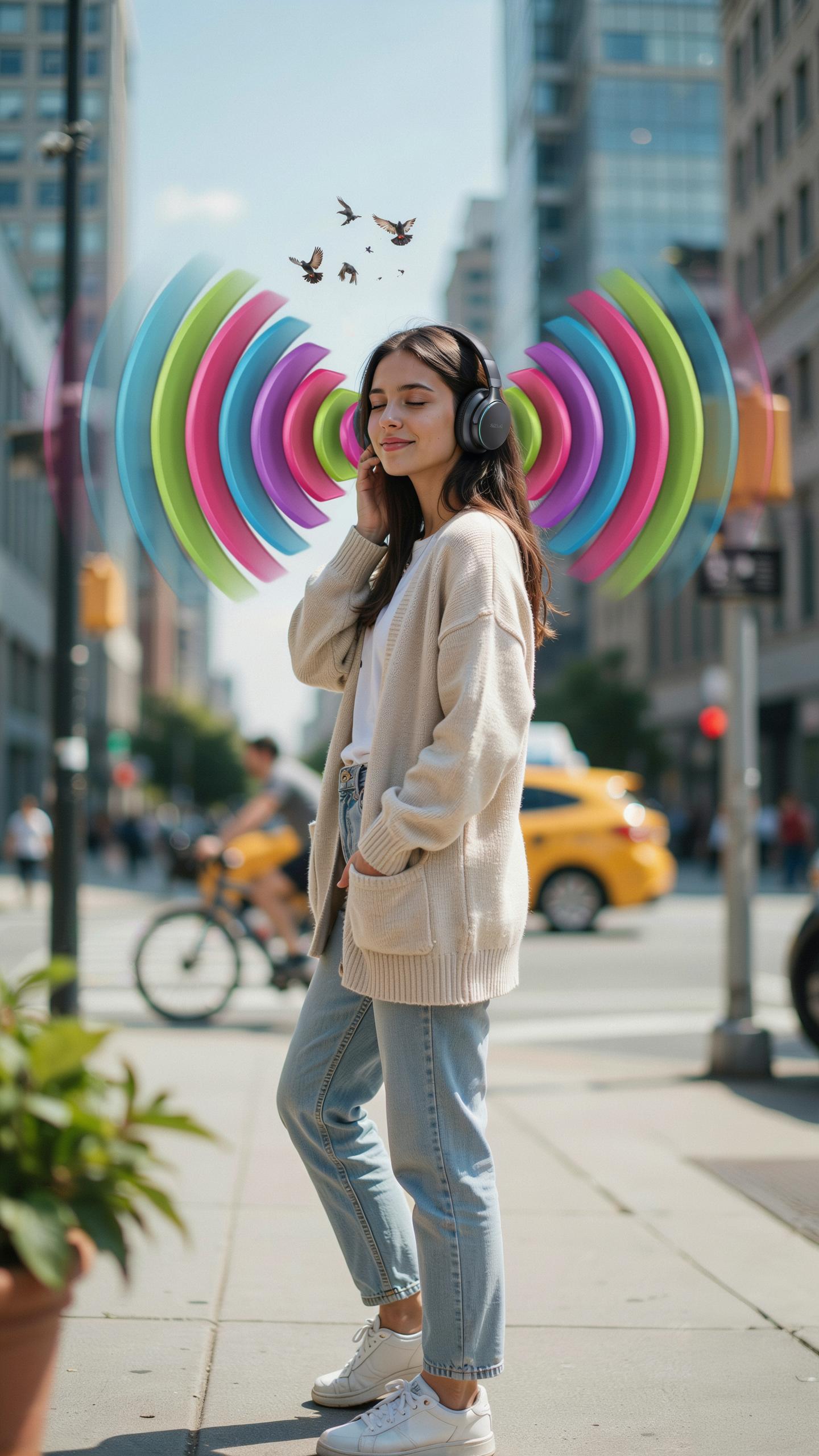
Active noise cancellation uses a microphone to detect incoming sound waves and generates an inverse sound wave to cancel them out. This process happens in real time. The headphone’s processor analyzes the ambient noise, creates an opposing frequency, and plays it through the speaker. The two waves meet and neutralize each other, reducing the sound you hear. ANC works best on consistent, low-frequency noise like engine hum, HVAC systems, and traffic. It struggles with sudden, unpredictable sounds like voices or door slams.
Battery power drives the ANC system, so these headphones require charging. Most ANC headphones deliver noticeable reduction rather than complete silence. The effectiveness depends on headphone design, microphone quality, and the type of noise in your environment. Dorm noise like voices and doors presents a challenge for ANC because these sounds change rapidly. Understanding this limitation helps you set realistic expectations for study sessions in loud residences.
Passive Noise Isolation Vs. Active Noise Cancellation
Passive isolation relies on physical design and materials to block sound. The headphone’s ear cups seal around your ears, and dense padding absorbs sound energy before it reaches your ears. This method requires no battery and works instantly. Passive isolation excels at blocking high-frequency sounds like voices and music. It performs differently depending on fit and ear size, so effectiveness varies between users.
Active noise cancellation electronically cancels specific sound frequencies while allowing others through. It handles low-frequency rumble better than passive methods but needs power to function. For dorm studying, combining both approaches delivers better results than either method alone. High-quality ANC headphones include strong passive isolation plus active cancellation technology. This dual approach gives you flexibility to study in various noise environments with reduced distractions.

Key Features To Look For In Best Noise Cancelling Headphones
Comfort And Fit For Long Study Sessions
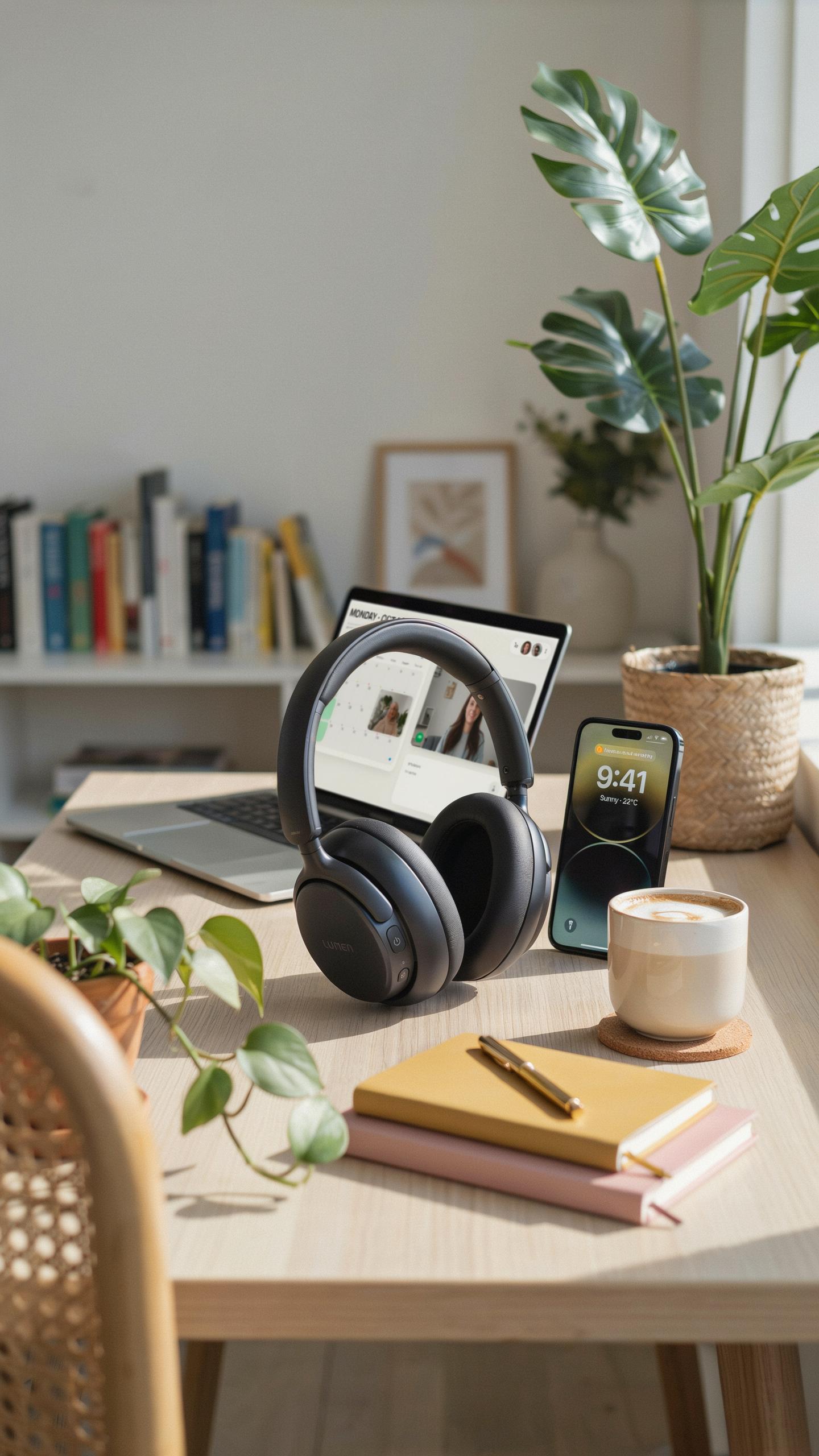
Extended wear demands headphones that distribute weight evenly across your head and ears. Materials matter here. Memory foam ear cushions conform to individual ear shapes, reducing pressure points. Lightweight designs under 250 grams prevent neck strain during four-plus hour study blocks. Adjustable headbands accommodate different head sizes without slipping during movement. Choose models with breathable padding to prevent heat buildup and ear fatigue.
Clamping force directly impacts comfort duration. Too tight causes headaches within an hour. Too loose means constant readjustment breaks your focus. Test headphones for at least 20 minutes before purchasing. Pay attention to ear cup size relative to your ear dimensions. Over-ear designs typically outperform on-ear models for marathon study sessions because they sit on your head rather than pressing directly on ear cartilage.
In the quiet hum of your headphones, the world outside fades, and the echoes of learning become your most cherished companions.
Battery Life And Connectivity Bluetooth Headphones
Bluetooth wireless connectivity eliminates cable tangling and gives you freedom to move between library sections or dorm rooms without unplugging. Modern Bluetooth 5.0 and 5.3 standards provide stable connections up to 30 feet in open spaces. Connection drops rarely occur with current technology when your phone stays within range. Pairing happens once then reconnects automatically when powered on.

Battery life requirements depend on your study patterns. Expect 20 to 40 hours from premium models on a single charge. Budget options deliver 15 to 25 hours. Calculate your weekly study hours and divide by the battery claim. Most students benefit from models offering at least 30 hours since charging weekly prevents mid-session interruptions. Verify the manufacturer’s battery claims through independent reviews rather than trusting marketing specs alone.
Top Picks Best Noise Cancelling Headphones For Students

Premium Options For Uninterrupted Focus
Sony WH-1000XM5 headphones deliver industry-leading noise cancellation through dual noise sensor technology. They block 99 percent of ambient sound in dorms, offering up to 12 hours of battery life. The sound quality supports focused study sessions without fatigue. Build quality handles daily dorm use without breaking down.
Bose QuietComfort 45 headphones provide consistent noise reduction across frequency ranges. They excel at blocking low frequency sounds like HVAC systems and traffic. Comfort matters during six hour study marathons. Battery performance reaches 24 hours, eliminating daily charging requirements for week-long study blocks.
Budget Friendly Choices For Every Student

Soundcore by Anker Space Q45 headphones deliver aggressive noise cancellation at half the premium price point. They block environmental noise effectively while maintaining 50 hour battery life per charge. Build materials withstand dorm abuse and accidental drops. Students report sustained focus during lengthy study sessions without premium brand pricing.
JBL Tune 670NC headphones offer functional noise cancellation for under 100 dollars. They cancel mid to high frequency distractions like roommate conversations and hallway noise. Weight distribution prevents ear fatigue during extended wear. Battery life reaches 44 hours, covering multiple study weeks without recharging concerns.
Beyond Noise Cancellation Additional Headphone Features
Sound Quality And Audio Fidelity
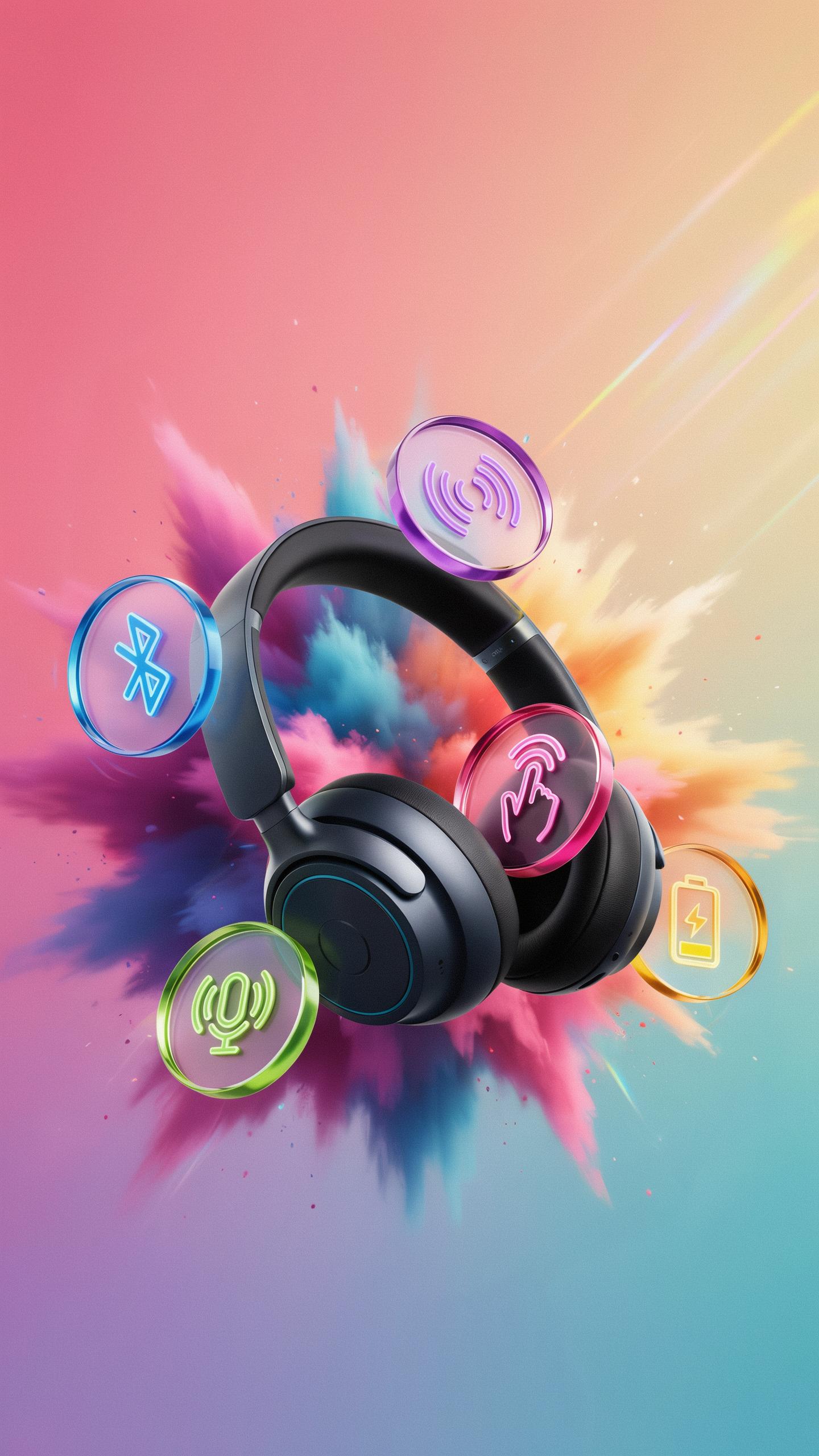
Sound quality matters because you will spend hours wearing these headphones while studying. Poor audio forces your brain to work harder to process unclear speech or music. This creates fatigue and reduces your ability to concentrate. Frequency response, driver size, and codec support all impact what you actually hear through the headphones.

Lectures require clarity in the midrange where human speech sits. Music and background audio benefit from balanced bass and treble. Bluetooth codecs like aptX and LDAC affect sound quality by determining how much audio data gets compressed before transmission. Test headphones with content you actually use before buying.
Microphone Quality For Online Classes And Calls
Your microphone becomes critical when you attend virtual classes or study group calls. A weak microphone forces others to strain hearing you. Noise cancellation in microphones uses a separate system from playback noise cancellation and works independently. This feature matters because it removes background noise from your voice stream before sending it to others.
Microphone placement and sensitivity determine voice pickup quality. Top-tier headphones place mics on both ear cups or use boom arms for positioning. Sample microphone performance with test calls before relying on it for classes. Most entry-level headphones have acceptable mics for basic communication, but they lack the clarity that premium models provide.
Maximizing Your Study Environment With Noise Cancelling Headphones
Creating A Personal Sound Sanctuary

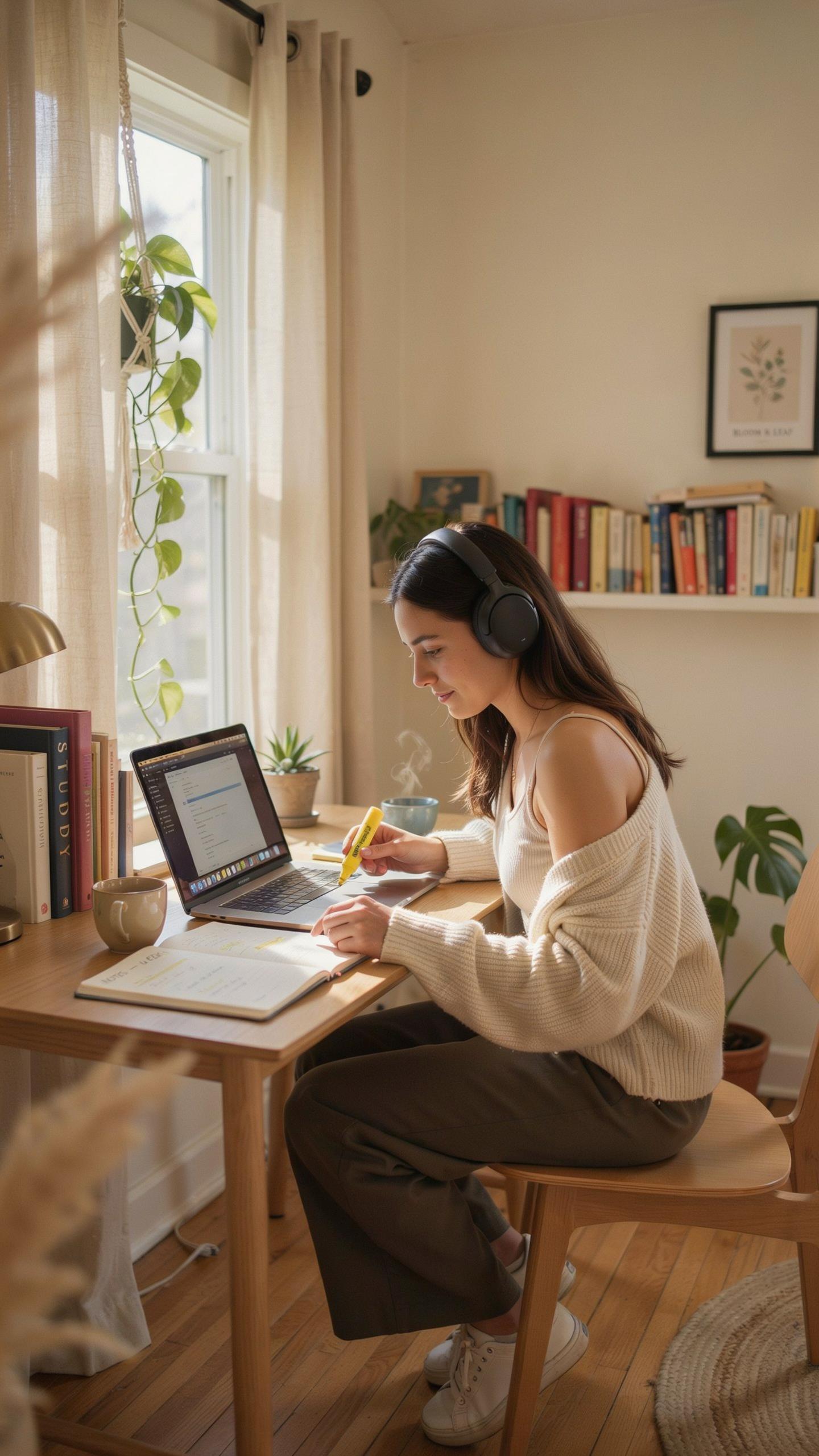
Noise cancelling headphones work by using microphones to detect ambient sound, then generating inverse sound waves that cancel out incoming noise. In dorm settings, this technology eliminates low frequency sounds like HVAC systems, traffic, and roommate activity. The result is a controlled acoustic environment where you dictate what reaches your ears, not your surroundings.
Deploy headphones strategically based on noise patterns in your dorm. Use them during peak hours when foot traffic peaks or when roommates are most active. Position yourself away from doors and windows to let the technology perform at peak efficiency. Even with headphones off, the physical barrier they create signals others that you are focused, reducing interruptions.
Integrating Headphones With Study Apps And Tools
Pairing noise cancelling headphones with focus applications creates a dual-layer productivity system. Apps like Forest, Focus@Will, and Pomodoro timers rely on audio cues and ambient soundscapes to maintain concentration. Noise cancellation removes distracting environmental sounds while these apps supply intentional audio that supports sustained attention and task completion.
Select apps that match your study format. Forest uses gamification with sound effects, while Focus@Will provides curated music scientifically tested for concentration. Combine headphones with blocking software that restricts social media and entertainment sites during study sessions. This integration removes both acoustic and digital distractions, creating an environment engineered entirely for learning rather than competing for your focus.
Maintaining Your Tech Gadgets Headphone Care

Cleaning And Storage Tips For Longevity
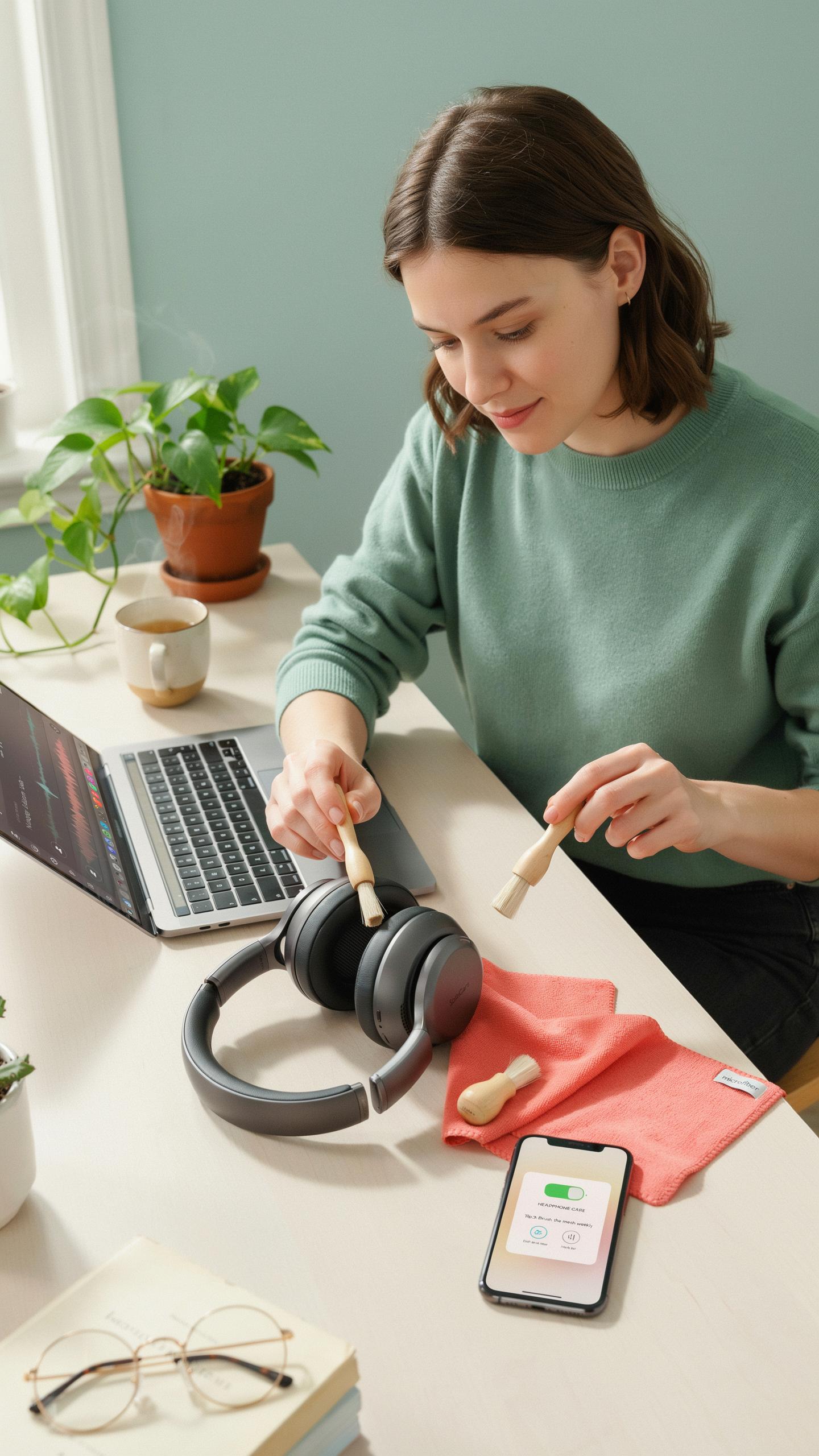
Dust and earwax accumulate on headphone surfaces and degrade audio quality over time. Wipe ear cups and headbands weekly with a dry microfiber cloth. For ear pads, use a slightly damp cloth with water only. Never submerge headphones or apply liquids directly to drivers. Allow parts to air dry completely before use or storage.
Store headphones in a padded case when not in use. Keep them away from direct sunlight, extreme heat, and moisture. Store in a cool, dry location between 50 and 80 degrees Fahrenheit. Avoid coiling cables tightly around the headphone body as this stresses connections. Loosen cables loosely or use a cable organizer to prevent internal wire damage.
Troubleshooting Common Headphone Issues
One ear produces no sound when the other works normally. Check the audio balance setting in your device’s sound menu and move it to center. Inspect the 3.5mm jack or charging port for debris and clean gently with a dry cotton swab. Restart your device and reconnect via Bluetooth. If the problem persists, test with a different audio source to isolate the cause.
Noise cancellation stops working or sounds weak during use. Verify active noise cancellation is toggled on in your headphone app or menu. Restart the headphones completely by powering off and back on. Check that batteries have adequate charge since noise cancellation requires more power than passive listening. Ensure ear seals sit properly on your ears as gaps reduce cancellation effectiveness.

Wireless Noise Cancelling Headphones The Ultimate Freedom

The Benefits Of Going Wireless
Wireless headphones eliminate cable drag and tangling, letting you move freely between your desk, library study areas, and dorm common spaces without repositioning equipment. You can study at multiple locations during the day without managing wires. This mobility matters when you need to shift positions frequently to maintain focus and comfort during long study sessions.
Battery life determines how long you can study without interruption. Most modern wireless noise cancelling headphones deliver eight to forty hours of active use per charge, depending on the model and whether noise cancellation runs continuously. Check the manufacturer’s specifications before purchasing to ensure the battery covers your typical study session length plus buffer time.
Choosing The Right Wireless Technology
Bluetooth remains the standard wireless protocol for headphones because it balances power consumption, range, and compatibility across devices. Bluetooth 5.0 and newer versions offer improved stability and reduced latency compared to earlier iterations, which matters when switching between your laptop, phone, and tablet during study sessions. Most dorm study scenarios operate well within Bluetooth’s effective range of roughly thirty feet.
Proprietary wireless systems exist but create compatibility problems across devices. Some gaming or studio headphone brands use closed systems that only work with their receiver dongles, which wastes USB ports on your laptop during studying. Stick with standard Bluetooth unless you have specific equipment requiring proprietary connections. This approach keeps your setup flexible and future-proof.
Making The Smart Choice Investing In Quality Headphones
Considering Your Specific Needs And Budget
Your study habits determine which features matter. If you work in constant noise, active noise cancellation becomes essential. If you study in moderately quiet spaces, passive isolation suffices. Battery life matters for all-day use. Comfort during extended wear prevents fatigue. Budget constraints force trade-offs between features. Identify your non-negotiables before shopping.
Price ranges span from 100 to 400 dollars for serious noise cancelling headphones. Entry-level models cancel ambient noise adequately for dorm environments. Mid-range options offer better sound quality and longer battery life. Premium models add convenience features but don’t necessarily improve study performance. Match your budget to actual needs, not marketing hype. Overspending on unused features wastes money.
Where To Find The Best Deals On Headphones
Research multiple retailers before purchasing. Compare prices across vendors to avoid overpaying. Return policies matter when buying technology. Check warranty coverage for defects. Read verified user reviews from students specifically, not just audiophiles. Stock rotates seasonally, with discounts during back-to-school periods and major sales events.
- Amazon: Extensive selection with quick shipping, verified purchase reviews from students, and flexible return policies within 30 days for most headphone models.
- Best Buy: In-store testing available so you can try headphones before buying, price matching policies, and Geek Squad support for technical questions.
- Target: Competitive pricing on popular brands, frequent sales during back-to-school season, and convenient returns at physical store locations.
- Costco: Lower prices on quality models for members, generous return policy, and bulk purchasing options if multiple students need headphones.
- Manufacturer Direct Websites: Official brand sites sometimes offer exclusive discounts, extended warranty options, and direct customer support channels.
- Walmart: Budget-friendly options available both online and in-store with comparable pricing to competitors and straightforward return processes.
Timing your purchase strategically saves money. Back-to-school sales in August and September offer substantial discounts. Black Friday and holiday sales in November and December provide additional opportunities. End-of-season clearance clears inventory. Set price alerts on comparison sites to catch drops automatically.
Frequently Asked Questions
What exactly are noise cancelling headphones and how do they help with studying?
Noise cancelling headphones for studying actively reduce unwanted ambient sounds by generating an opposing sound wave. This technology creates a quieter environment, making it much easier to concentrate on your textbooks or online lectures, even amidst the typical dorm room commotion. They essentially create a personal, portable quiet zone for focused learning.
How can I choose the best noise cancelling headphones for studying when there are so many options?
When selecting noise cancelling headphones for studying, prioritize comfort for long wear, effective noise cancellation (especially for low-frequency sounds like chatter), and battery life. Look for models with a balanced sound profile suitable for spoken word and music, and consider if you prefer over-ear or on-ear designs for optimal sound isolation and personal preference.
Are there affordable noise cancelling headphone options that still work well for a student budget?
Absolutely! While premium models exist, many brands offer excellent budget-friendly noise cancelling headphones for studying. Look for sales, student discounts, and reputable brands with mid-range options. Often, slightly older models from top manufacturers can provide fantastic performance at a fraction of the cost, making quiet study accessible to all.