
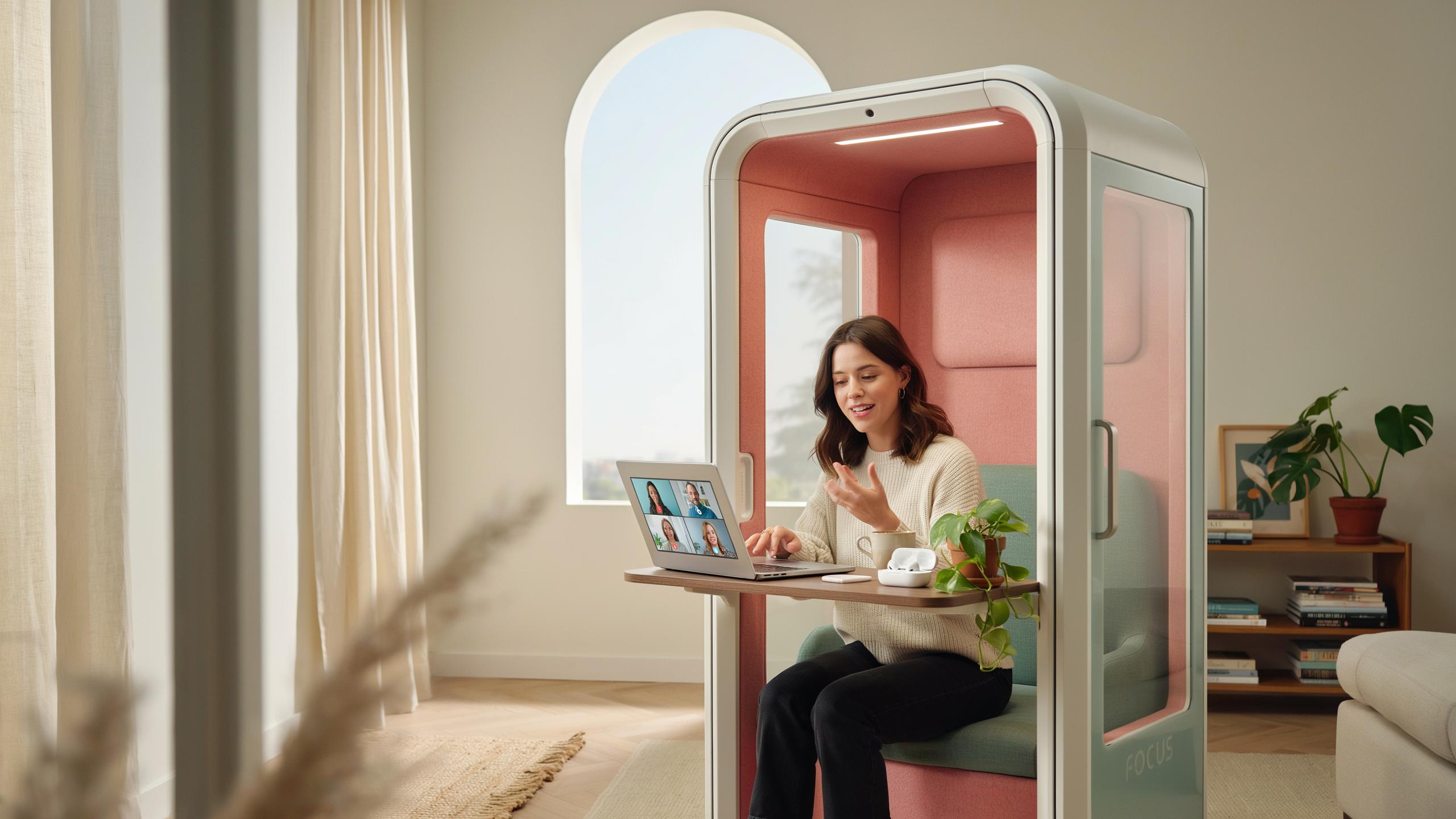
The Rise Of The Home Office And The Need For A Privacy Phone Booth
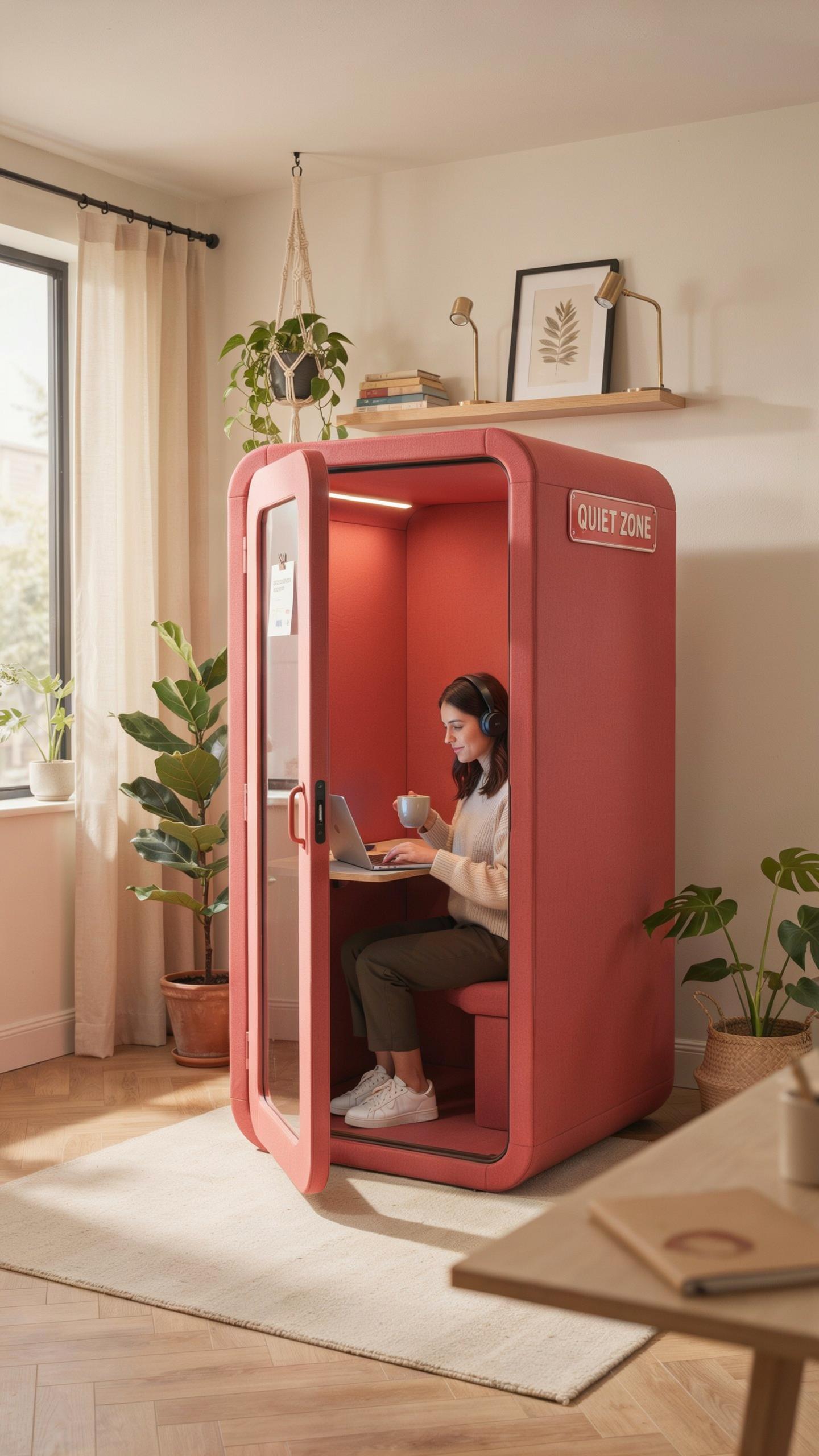
The Evolution Of Remote Work
Remote work accelerated dramatically after 2020. Companies discovered they could maintain productivity without physical offices. This shift forced workers to carve out workspace in bedrooms, kitchens, and living rooms. Home environments lack the built-in infrastructure offices provide. Most people now juggle professional calls alongside household noise and family interruptions. The challenge is real: maintaining professional communication quality in spaces designed for living, not working.
Working from home exposed a critical gap in home design. Bedrooms and spare rooms have minimal sound control. Outside noise enters freely through windows and walls. Family members, pets, and appliances create constant background sound. Video calls reveal every distraction to colleagues and clients. People recognized they needed a dedicated solution to isolate themselves acoustically during work hours.
Defining The Need For Acoustic Privacy
Home environments generate consistent noise that derails professional communication. Traffic sounds penetrate windows. Neighbors generate unpredictable noise. Household appliances run during work hours. Family members move through living spaces. Dogs bark. Children play. This ambient noise degrades call quality and breaks concentration during important meetings and client interactions.
Acoustic privacy directly impacts work performance and professional credibility. Background noise during video calls undermines credibility with clients and colleagues. The listener struggles to focus on content when competing with distractions. Clear audio matters for sales calls, client presentations, and sensitive conversations. Workers need a space where they control the acoustic environment completely. A noise cancelling desk phone booth delivers this isolation without requiring expensive home renovation or a dedicated spare room.

What Is A Noise Cancelling Desk Phone Booth
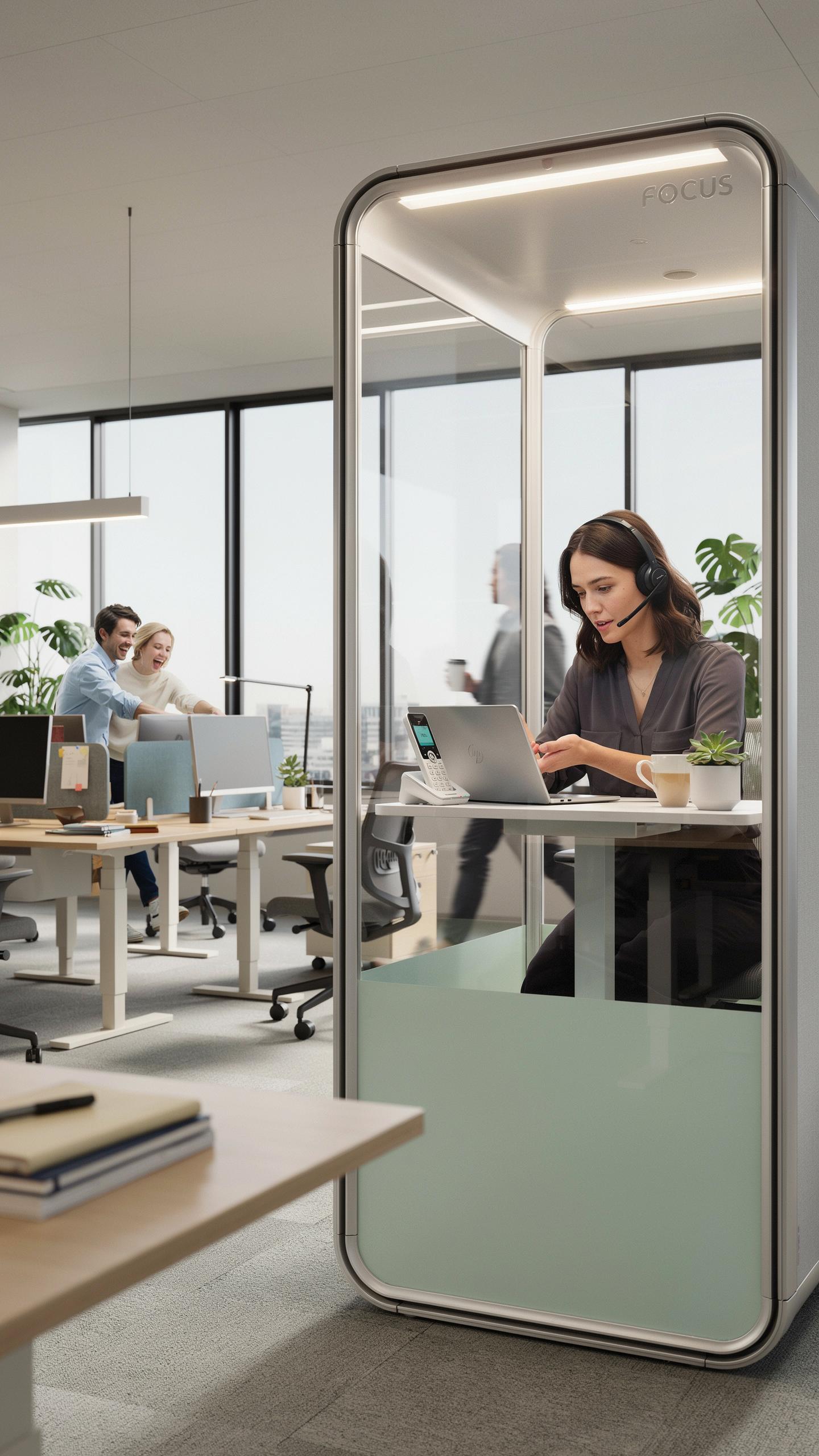
Understanding The Technology Behind Noise Cancellation
Active noise cancellation works by capturing ambient sound through microphones, then generating inverse sound waves that cancel the original noise. Passive noise cancellation relies on physical barriers and materials that absorb sound energy. Desk phone booths combine both methods to reduce external noise during calls. The microphone placement inside the booth captures your voice clearly while rejecting background noise. Sound-absorbing materials like foam or fiberglass line the interior walls to trap sound waves before they escape or enter the space.
Passive barriers form the foundation of desk booth design. The booth enclosure creates distance between your space and surrounding noise sources. Materials with high noise reduction coefficients absorb mid to high frequency sounds effectively. Low frequency sounds require thicker materials or specialized construction. Most desk booths prioritize practical sound reduction rather than complete silence. This approach balances cost, portability, and real world performance for home office environments.
In the digital quiet of your personal sanctuary, find the focus to connect authentically, reminding us that even in solitude, brilliance can be shared.
Key Features And Components
Desk phone booths contain specific structural and acoustic elements that work together. The frame provides stability and supports the acoustic materials. Interior dimensions affect how sound behaves within the confined space. Ventilation systems prevent air stagnation during extended use. Cable management routes power and network connections without compromising the seal. Acoustic paneling covers most interior surfaces to absorb sound energy consistently. Desktop mounting or freestanding legs determine installation flexibility in different home office layouts.

Access points and ergonomic considerations shape usability during calls. A hinged or sliding door allows entry while maintaining acoustic integrity when closed. Internal shelving or hooks hold devices, headsets, or papers during work. Lighting options help visibility in the compact interior space. Sound transmission class ratings indicate how much noise the booth blocks from external sources. Build quality determines longevity and how well seals maintain performance over time.
Benefits Of A Noise Cancelling Desk Phone Booth For Video Calls
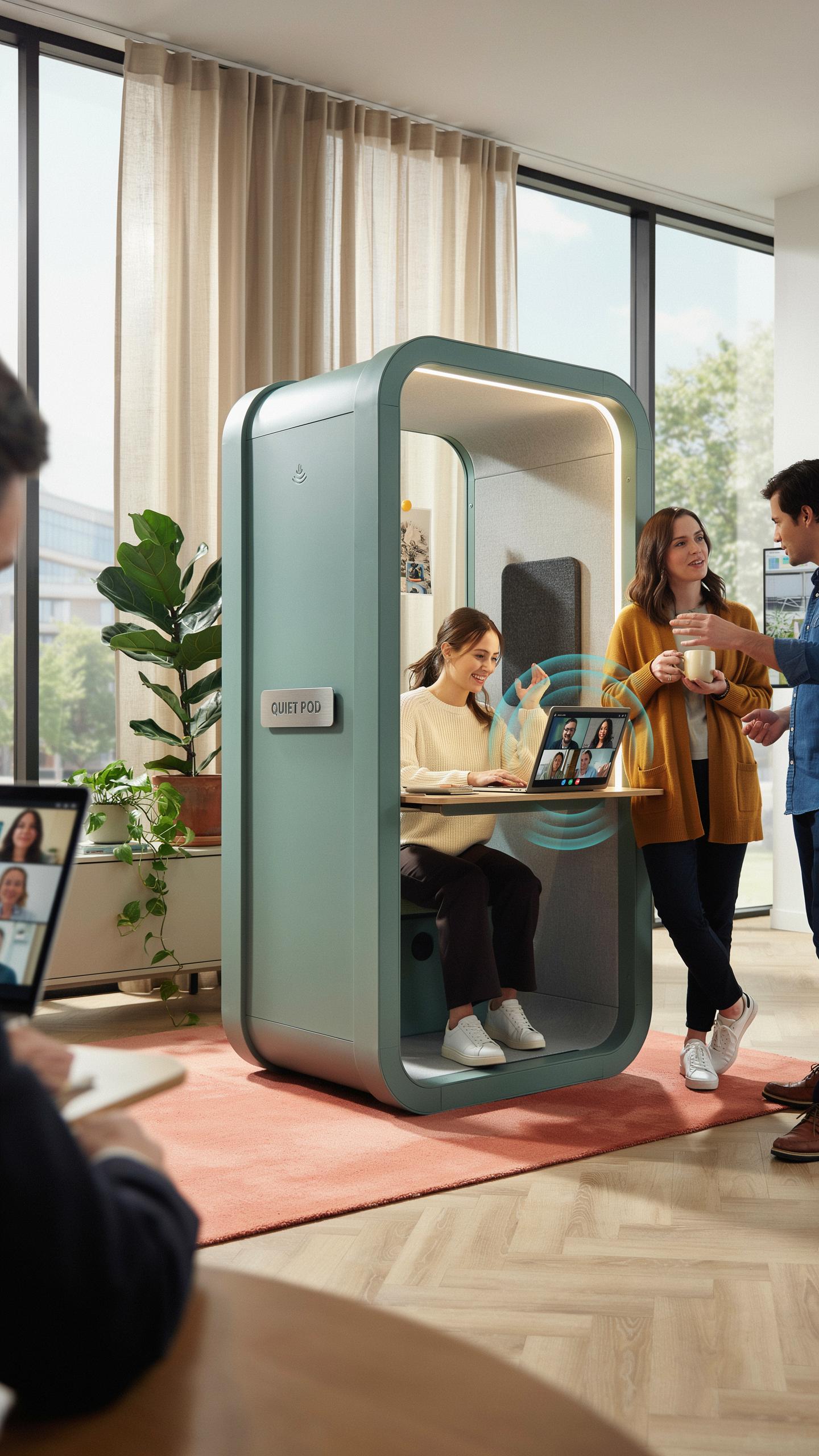
Crystal Clear Audio And Professionalism
Background noise disrupts microphone input during video calls. A noise cancelling desk phone booth isolates your audio from ambient sound, whether that’s traffic, HVAC systems, or household activity. Your microphone captures only your voice. Remote participants hear you clearly without strain. This directly impacts how others perceive your competence and reliability on calls.
Professional environments demand clean audio. Clients and colleagues form judgments based on call quality. A booth eliminates the need for participants to ask you to repeat yourself. You control the acoustic environment instead of fighting it. This consistency builds confidence in your communication and your work output.
Enhanced Focus And Productivity
Dedicated quiet space removes distractions that fragment attention. A desk phone booth creates a physical and psychological barrier between you and interruptions. Your brain stops processing background noise and can redirect that cognitive load to the call itself. Concentration improves measurably when external stimuli decrease.

Productivity gains compound over time. Fewer interruptions mean fewer context switches. You complete calls faster because you’re not repeating information or struggling to hear. The booth becomes a tool that returns time to your day. This efficiency applies to every video call you take, adding up to meaningful gains in your work capacity.
Office Phone Booths Vs Home Desk Booths Key Differences
Design And Portability Considerations
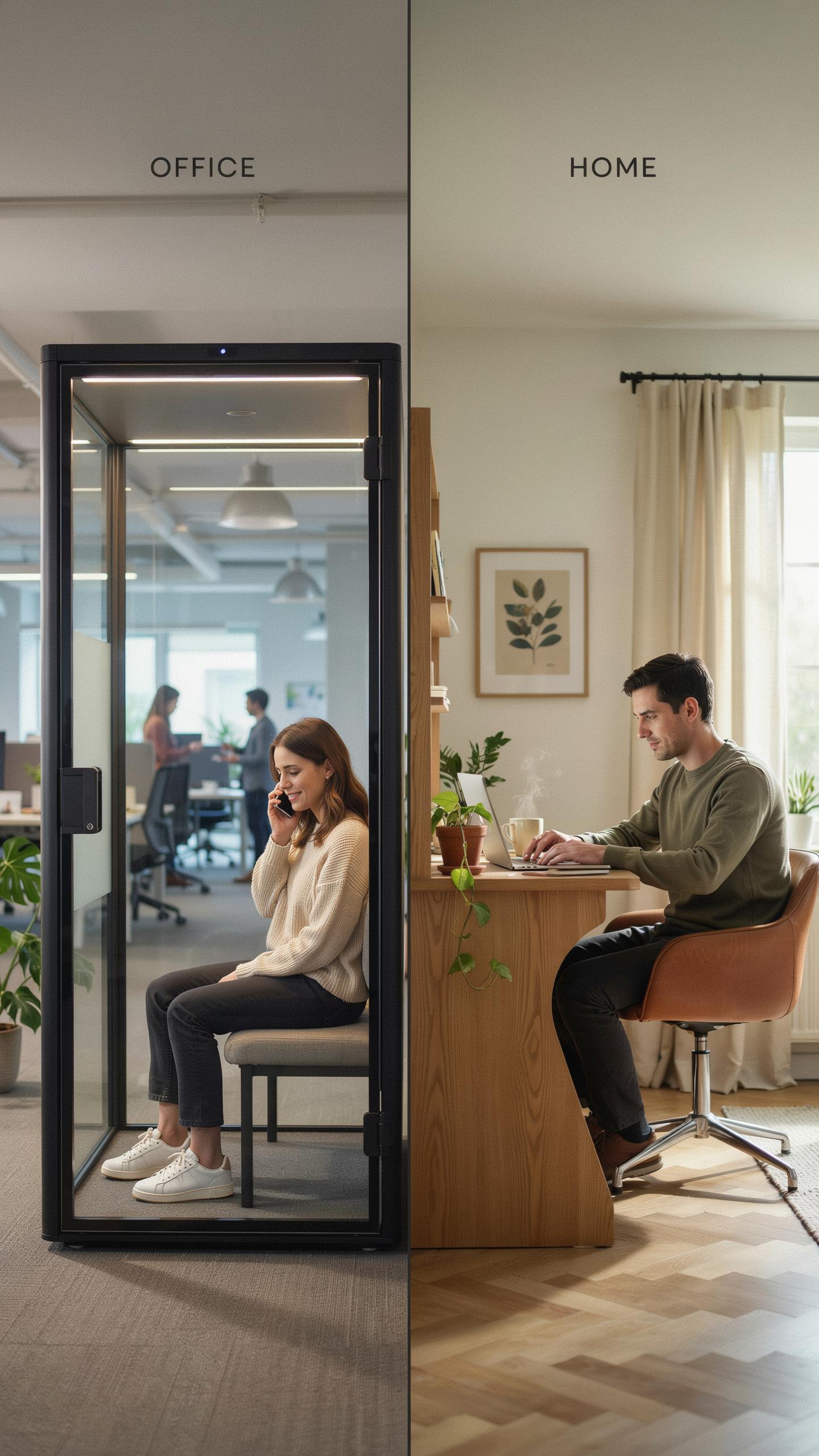
Office phone booths prioritize durability and permanent installation. They use rigid steel frames, solid panels, and integrated HVAC systems designed to handle constant daily use. Home desk booths take a different approach. They feature lightweight aluminum frames, modular panels, and fold-flat designs. Most home models weigh between 50 to 100 pounds and break down into manageable pieces for transport and storage.
The portability gap matters for practical reasons. Office booths stay in one location, often requiring professional installation. Home desk booths ship directly to your door and assemble in under an hour without tools. This difference shapes how each solves the core problem: office booths handle traffic flow in shared spaces, while desk booths address isolation in personal work environments.
Installation And Space Requirements
Home desk booths demand minimal preparation. They fit in corners, against walls, or under windows. Standard desk booth models occupy roughly 3 feet by 3 feet by 7 feet tall, fitting comfortably in rooms between 120 and 150 square feet. Most sit directly on existing flooring without anchoring or permanent mounting. You move them by rolling wheels or lifting handles.

Installation complexity depends on your setup. Desk booths need a stable floor surface and nearby electrical outlet for acoustic ventilation fans. No special permits, inspections, or structural modifications apply to residential installations. Compare this to office booths, which require floor planning, structural assessment, and sometimes HVAC integration. The desk booth solves the home office challenge without disrupting your space or lease agreements.
Modern Phone Booth Design And Aesthetics For The Home
Integrating Style With Functionality
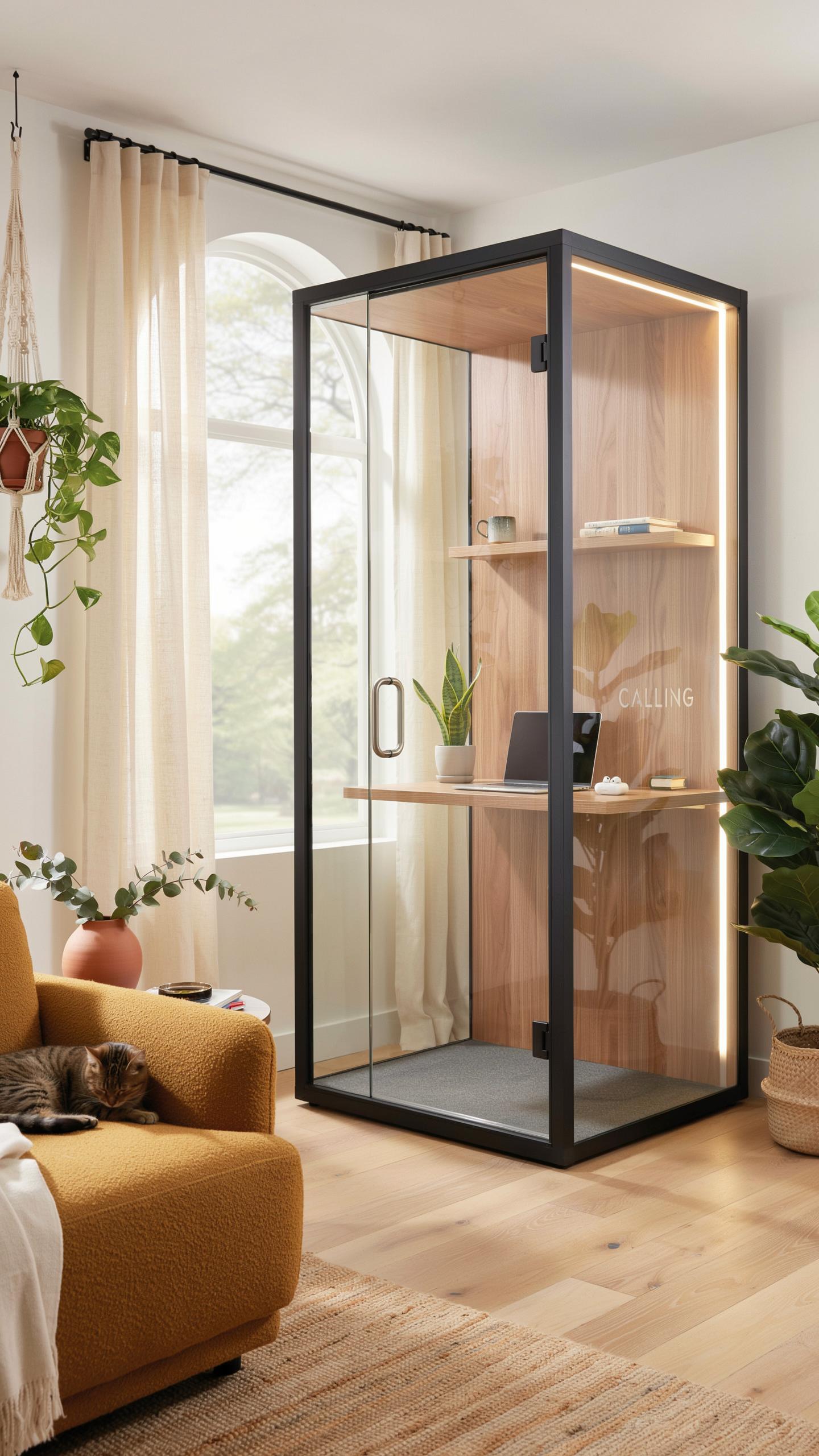
Modern phone booths work with minimalist and industrial design trends that dominate residential spaces. Clean lines, neutral colors, and compact footprints let these booths fit into home offices without disrupting existing décor. Manufacturers now offer finishes that match popular interior styles rather than standing out as office equipment. This shift reflects demand from remote workers who need function without sacrificing room aesthetics.
The best booths prioritize visibility and airflow alongside visual appeal. Glass panels or open-top designs prevent the booth from feeling like an isolation chamber. Matte finishes reduce glare during video calls while maintaining professional appearance. Booth height and width dimensions align with standard desk setups, creating visual balance in residential environments rather than institutional appearance.
Material Choices And Interior Comfort
Acoustic foam forms the foundation of sound absorption in most desk phone booths. This material traps sound waves through its porous structure rather than reflecting them back. Quality matters significantly because cheap foam degrades quickly and loses effectiveness. Manufacturers layer foam with different densities to target specific frequency ranges that dominate speech and background noise.
- Melamine Foam: High-performance acoustic material that absorbs mid and high frequencies effectively. Resists moisture and maintains shape over years of use. More expensive than standard foam but delivers superior noise reduction for video calls.
- MDF Wood Panels: Medium-density fiberboard provides structural integrity and contributes to low-frequency absorption. Creates professional appearance and withstands daily wear. Requires proper finishing to prevent moisture damage in humid environments.
- Fabric Coverings: Acoustic cloth wrapping over foam absorbs sound while hiding internal structure. Allows airflow passage unlike solid materials. Choices include felt, mesh, or specialty fabrics that complement home décor colors.
- Powder-Coated Steel Frame: Lightweight metal skeleton supports booth structure without excess weight. Resists corrosion and maintains durability across climate variations. Allows quick assembly and disassembly for room reconfiguration.
- Ventilation Materials: Perforated panels or acoustic vents prevent heat buildup during extended calls. Maintain air circulation without compromising sound isolation. Essential for user comfort during long work sessions in enclosed spaces.
Interior comfort depends on material selection matching acoustic performance with user experience. Booths using only thin foam feel claustrophobic and offer minimal isolation. Proper thickness, typically two to four inches of acoustic material, balances sound control with workable interior dimensions. Ventilation holes and open sections prevent stuffiness while maintaining call quality for video conferencing.
Choosing The Right Noise Cancelling Desk Phone Booth
Factors To Consider: Size, Acoustics, And Ventilation
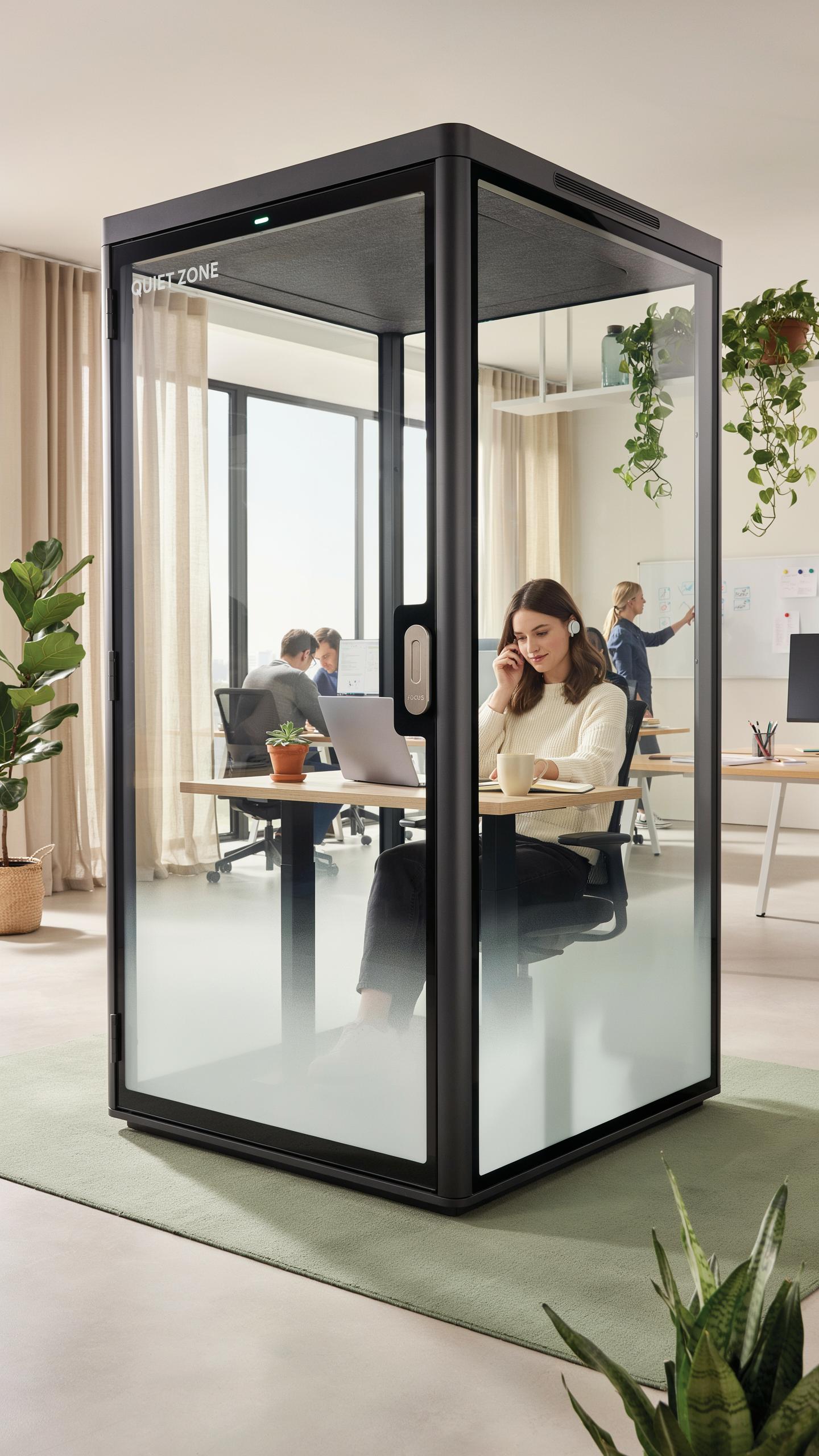
Internal dimensions directly impact usability. Most desk booths range from 2.5 to 4 feet wide and 3 to 5 feet tall. Measure your desk space before purchasing. Account for chair clearance and monitor placement. Cramped quarters defeat the purpose of a professional setup. Verify weight capacity matches your equipment needs.
- Internal Width: Ranges from 2.5 to 4 feet. Narrow models fit compact desks but limit movement and equipment placement. Wider units offer comfort but require more floor space.
- Height Clearance: Typically 3 to 5 feet from floor to ceiling. Confirm headroom prevents cramping during eight-hour workdays. Taller users need minimum 5-foot clearance.
- Sound Isolation Rating: Measured in decibels reduced. Booths achieve 20 to 40 dB reduction depending on materials and construction. Higher ratings block more ambient noise from entering.
- Ventilation System: Mechanical ventilation prevents CO2 buildup and heat accumulation. Fanless models rely on passive airflow and restrict occupancy time. Active ventilation supports full workday use.
- Material Density: Foam thickness ranges from 2 to 4 inches. Thicker acoustic foam absorbs more sound but increases weight. Combination materials perform better than single-layer construction.
Sound absorption differs from sound blocking. Absorption reduces reflections inside the booth. Blocking prevents outside noise from entering. Quality booths use both strategies through layered materials. Test acoustic performance specs against your specific noise sources. Industrial environments need higher isolation than residential settings.
Budgeting And Value For Money
Entry level booths cost 1,500 to 3,000 dollars. These models offer basic sound isolation and minimal features. They work for standard office calls but lack advanced ventilation. Mid-range options cost 3,000 to 6,000 dollars with better acoustics and comfort features. Premium booths exceed 6,000 dollars with superior materials and integrated technology.

Price correlates directly to material quality and acoustic performance. Cheaper models use thinner foam and lighter frames. Mid-tier booths invest in denser materials and reinforced construction. Expensive options add ventilation systems, lighting, and smart controls. Compare decibel reduction ratings across price points. Feature creep matters less than noise isolation if your primary goal is call quality. Purchase based on your specific noise environment, not brand prestige or marketing claims.
Set Up And Optimization Get The Most Out Of Your Phone Booth
Ergonomics And Internal Lighting
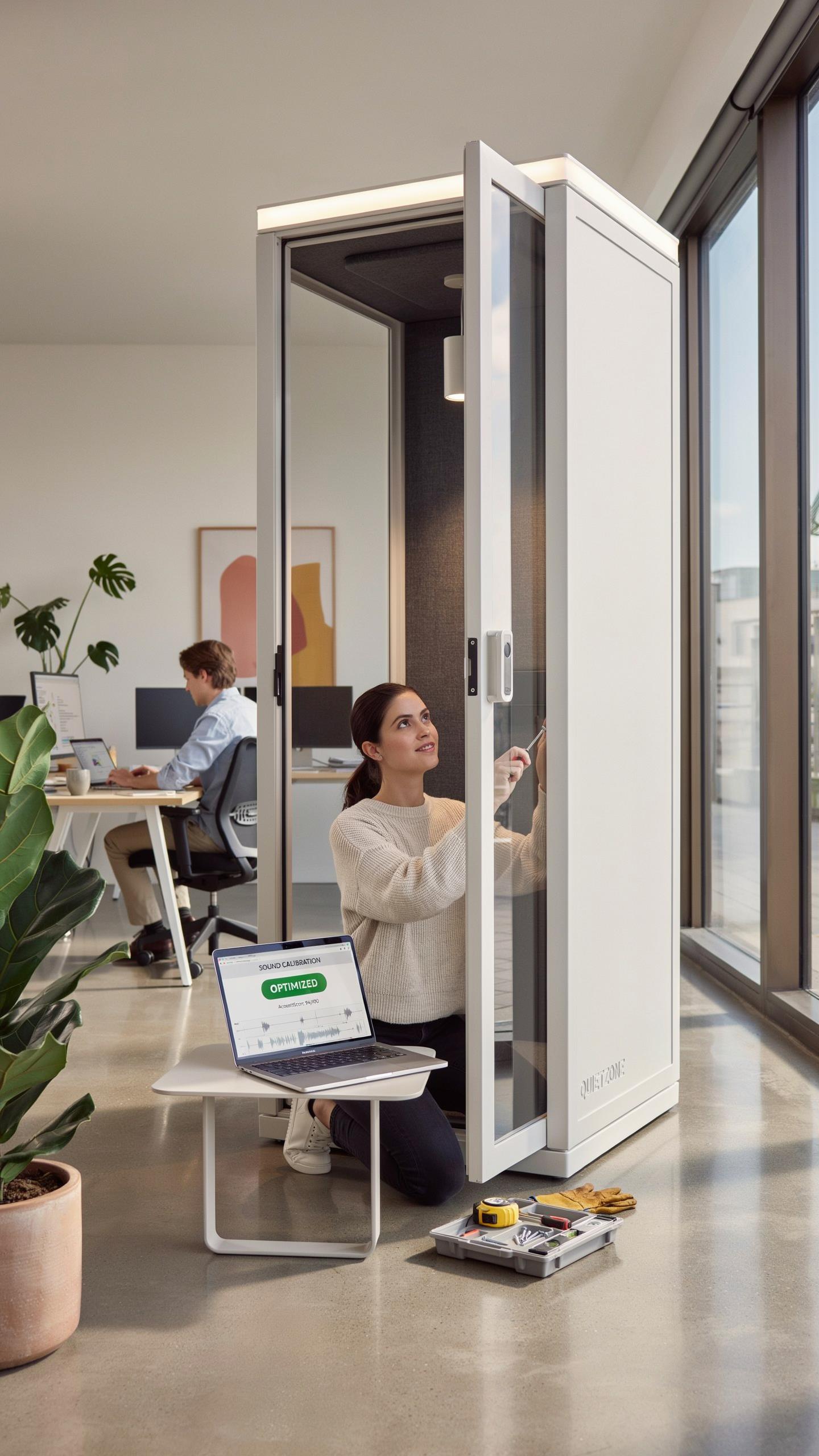
Your body position directly impacts call quality and mental fatigue. Position your monitor at eye level to prevent neck strain during extended video calls. Place your keyboard and mouse at elbow height to keep your wrists neutral. This setup reduces fatigue and keeps you alert for important conversations. Most desk phone booths have limited depth, so measure your monitor size before purchase to ensure it fits without forcing awkward angles.
Lighting transforms how others perceive you on camera. Mount a small LED panel above or beside your monitor to illuminate your face evenly. Avoid harsh overhead lights that create shadows under your eyes. Warm white bulbs perform better than cool white for skin tone reproduction. Test your lighting setup with a practice call to catch problems before real meetings. Most booths accommodate slim panel lights without blocking airflow or reducing usable space.
Integrating Technology: Power And Connectivity
Power accessibility determines whether your booth supports your actual workflow. Install a power strip with surge protection on the interior wall or floor to reach multiple devices simultaneously. Most quality booths include pre drilled cable ports at the base or sides for clean wire management. Run your power cord through these ports before positioning the booth to avoid tripping hazards. Check that your strip has enough outlets for your monitor, phone charger, and any peripherals you regularly use.
Connectivity quality depends on your router placement and device positioning. Position your phone or laptop at the booth entrance for stronger WiFi signals rather than deep inside metal-lined walls. If WiFi drops occur, run an ethernet cable through the booth port directly to your modem for stable connections. USB extension cables solve reach problems for wireless headsets and webcams. Test your connection speed inside the booth before important calls to confirm you meet your platform’s bandwidth requirements.
Future Trends In Phone Booth Furniture Ideas And Home Acoustics
Innovations In Acoustic Technology For Home Use
Materials science is advancing sound absorption capabilities for residential spaces. Melamine foam and polyurethane variants now offer better frequency control than older fiberglass products. Mylar films and mass loaded vinyl improve noise blocking without requiring thick installations. Manufacturers are incorporating Phase Change Materials that adapt acoustic properties based on temperature fluctuations. Active noise cancellation technology, proven in headphones, is moving into booth designs through embedded microphones and speaker systems that generate counter-sound waves to neutralize incoming noise.
Acoustic panels are becoming thinner while maintaining performance standards. Fabric-wrapped panels now integrate modular designs that homeowners can reconfigure without professional installation. Sound masking systems using white noise or nature sounds complement passive absorption methods. Real-time frequency analysis allows booths to adapt to specific problem frequencies in individual home environments. These advancements lower installation costs and reduce the footprint required for effective sound control.
The Evolving Role Of Dedicated Quiet Spaces In Home Design
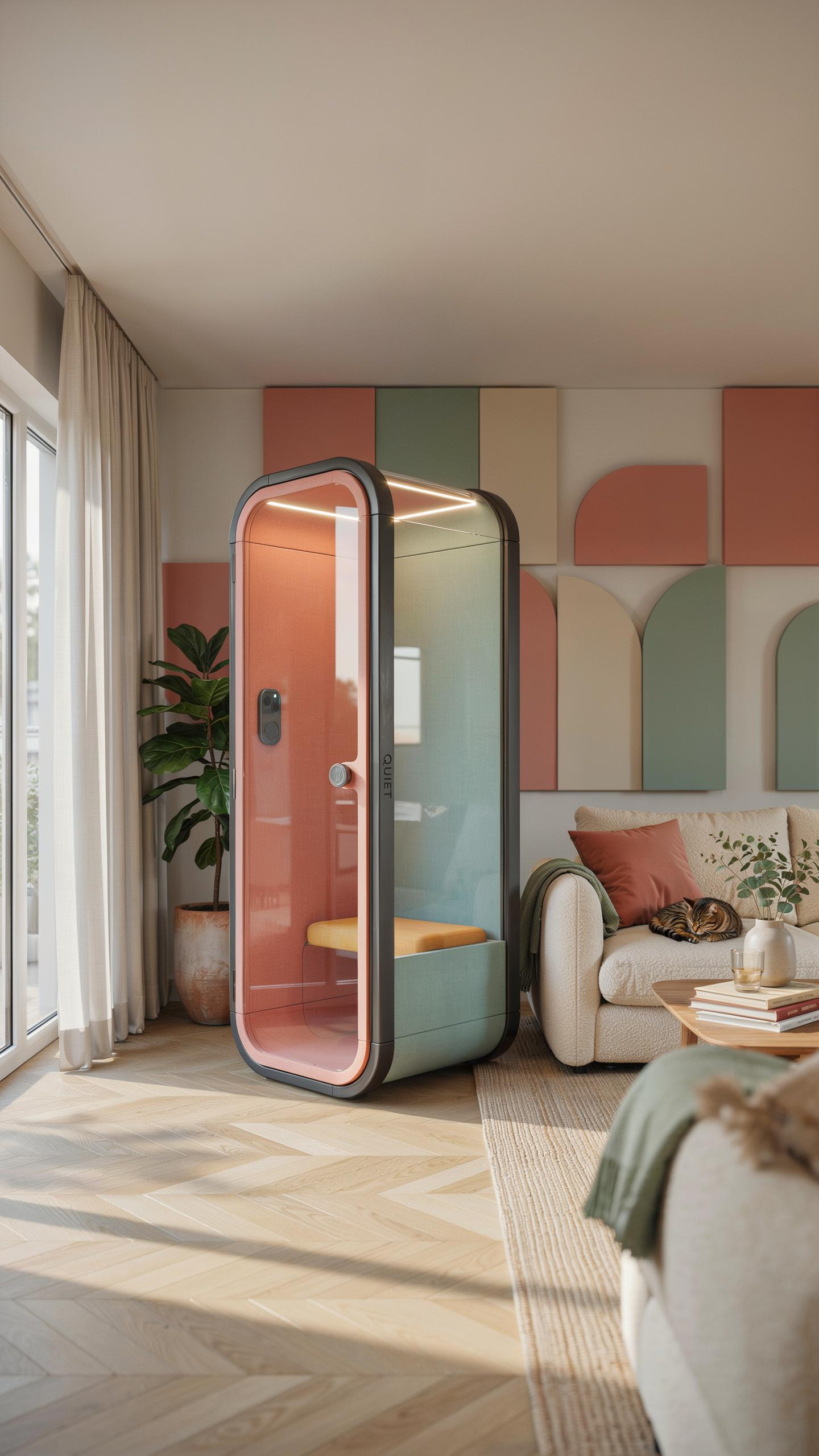
Remote work permanence is shifting how architects and interior designers approach residential layouts. Home offices no longer occupy secondary spaces or corners. Builders now allocate square footage specifically for acoustic zones during initial construction. Furniture manufacturers design booths as statement pieces rather than hidden solutions. This integration reflects the reality that video calls and focused work demand environmental control equivalent to commercial office standards.

Hybrid work models accelerate the demand for flexible quiet spaces. Homeowners invest in phone booths as practical infrastructure, similar to kitchen appliances or bathrooms. Design trends show booths transitioning from purely functional to aesthetically integrated home elements. Materials match existing decor while maintaining acoustic performance. The phone booth category now competes within the broader home office furniture market alongside standing desks and ergonomic seating, indicating mainstream acceptance of dedicated acoustic solutions for residential productivity.
Frequently Asked Questions

What exactly is a noise-cancelling desk phone booth and how does it help with video calls at home?
A noise-cancelling desk phone booth is a compact, acoustic enclosure designed to sit on your desk, providing a quiet private space for calls. It significantly reduces background noise, ensuring your video calls are professional and free from distractions like pets, household sounds, or children, thanks to its sound-dampening materials.
How do I choose the right size and features for a noise-cancelling desk phone booth for my home office?
Consider your available desk space and the size of your monitor or laptop. Look for features like built-in lighting, ventilation, and cable management ports for convenience. Measure your setup carefully to ensure the noise-cancelling desk phone booth accommodates your equipment comfortably without feeling cramped.
Are there affordable options for a noise-cancelling desk phone booth, or are they typically a high-end investment?
While some high-end models exist, you can find a range of affordable noise-cancelling desk phone booth options. Many brands offer budget-friendly solutions that still provide excellent acoustic benefits. Researching different models and materials will help you find a suitable booth within your price range for improved call quality.