

Understanding White Noise For Home Office Focus
What Is White Noise Sound
White noise is sound that contains all audible frequencies at equal intensity. Your ear perceives it as a consistent hum rather than distinct tones or patterns. Examples include the sound of a fan, air conditioner, or static. White noise masks other sounds by filling acoustic space uniformly. This prevents sudden noises from breaking your concentration during work.
The term originates from physics and mathematics, where “white” describes equal distribution across a spectrum. Just as white light contains all visible colors, white noise contains all audible frequencies. Home office applications use white noise machines to generate this sound electronically. They produce a stable acoustic environment that remains constant throughout your workday without variation or interruption.
The Science Behind White Noise For Concentration
Research shows that moderate background noise improves focus for many people working in home environments. White noise reduces the impact of irregular sounds like traffic, voices, or door slams. Your brain stops detecting sudden noises as threats when consistent sound masks them. This allows your prefrontal cortex to stay engaged on work tasks instead of redirecting attention toward new sounds.
The masking effect works through acoustic overlap. White noise fills the frequency range where disruptive sounds typically occur. Your auditory system processes the steady background instead of processing interruptions. Studies demonstrate this approach works best when white noise volume matches environmental noise levels. Too loud or too soft, and the protective effect diminishes significantly.

Why A White Noise Machine Is Essential For Your Home Office
Blocking Distractions With A Noise Machine
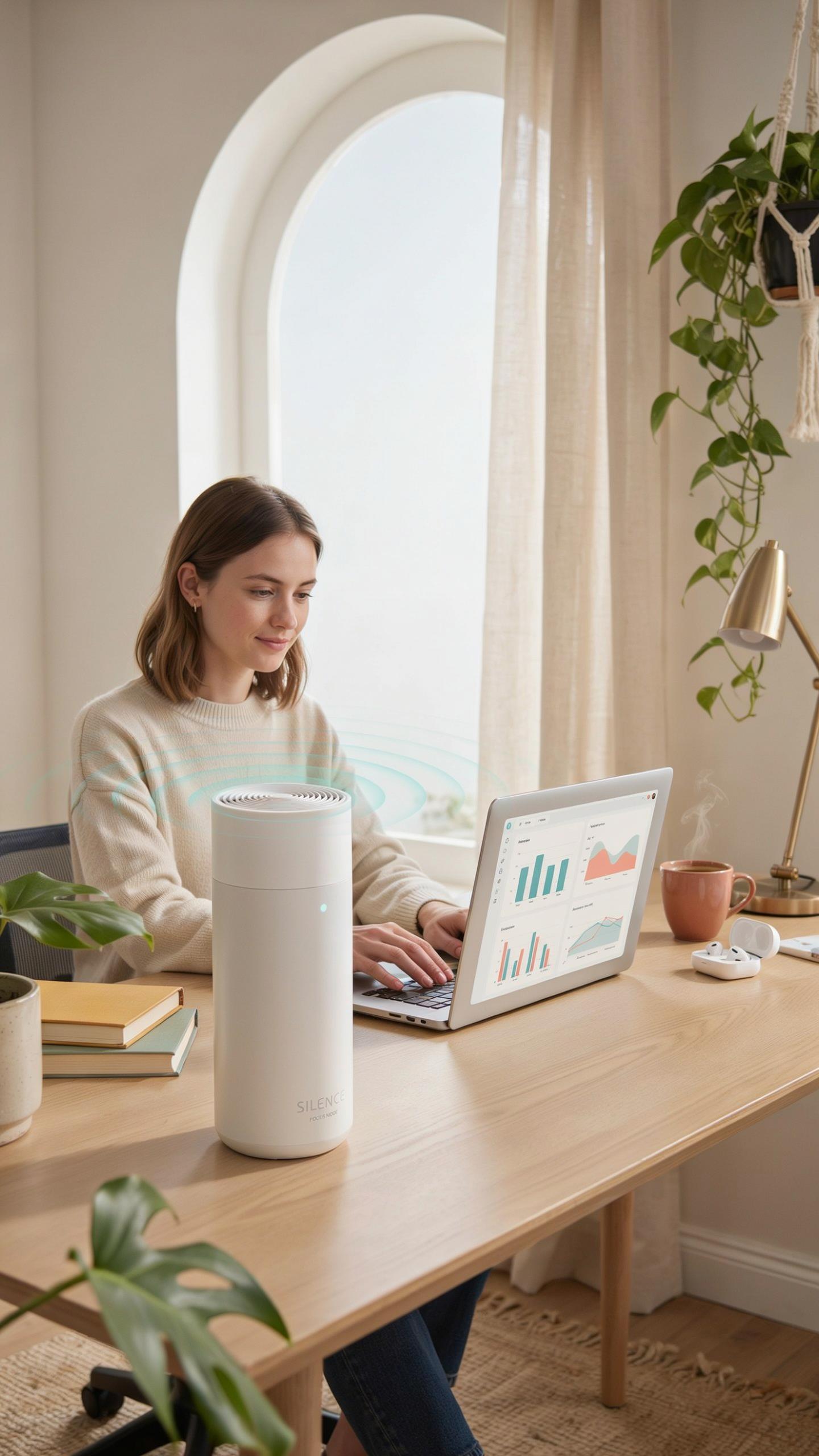
Your brain processes every sound in your environment. A barking dog, traffic noise, or a neighbor’s conversation pulls your attention away from work. White noise machines emit consistent, non-intrusive sound that masks these interruptions. This constant audio blanket prevents your brain from reacting to sudden noises, allowing you to maintain focus on tasks that demand concentration and mental effort.
The science is straightforward: your auditory system stops registering repetitive sound patterns after a few minutes. White noise accomplishes this by providing uniform frequency coverage across the hearing range. Unlike music or podcasts, white noise contains no melody, rhythm, or recognizable patterns that trigger cognitive engagement. Your brain effectively tunes it out, creating an acoustic shield that protects your work from environmental chaos.
Creating A Private Work Environment
Sound leakage happens in both directions. Your work calls and video conferences broadcast into shared living spaces, creating conflict with family members or roommates. A white noise machine masks your voice and presence, giving you acoustic privacy without physical isolation. Coworkers and clients hear less background noise from your end, improving call quality and professionalism during meetings.
This approach differs from soundproofing, which requires structural changes. A white noise machine provides immediate, portable privacy that works in any room setup. It establishes an invisible boundary between your workspace and the rest of your home. The result is a controlled acoustic environment where you work without disturbing others and others cannot easily monitor your conversations or activities.
Key Features Of A Good White Noise Machine
Sound Variety Beyond White Noise
Most machines marketed as white noise units actually produce multiple sound options. True white noise is just one preset. Machines typically include brown noise, pink noise, nature sounds like rain or wind, and ambient tones. Each sound masks different frequencies. Brown noise sits lower and suits people sensitive to higher pitches. Pink noise falls between white and brown. Nature sounds work well for those who find pure noise unsettling. Test which sound type actually helps your focus rather than assuming white noise works for everyone.
The practical value of sound variety is straightforward. Your brain adapts to repetitive sounds, which reduces effectiveness over time. Rotating between options prevents habituation. Some machines let you layer multiple sounds together, creating custom masking profiles. This flexibility matters when you share your office space or work different shift times. A machine with limited sound options forces you to choose between relevance and monotony. Invest in units offering at least five distinct sound categories.
Volume Control And Timer Functions
Precise volume control determines whether the machine helps or harms focus. Poor volume control means choosing between too quiet and too loud with nothing in between. Machines with graduated dials or digital displays let you dial in the exact level your office needs. Volume should mask distractions without forcing you to concentrate harder to hear yourself think. Test volume at your actual desk distance, not from across the room. A machine that reaches 85 decibels maximum suits most home offices. Lower ceilings and smaller spaces need less volume than open layouts.

Timer functions prevent machines from running all day and increase your control over when masking occurs. Most solid units offer timers ranging from 30 minutes to continuous operation. Some include sleep timers that gradually fade volume, useful if you work near where you rest. Programmable timers eliminate the need to manually turn off devices. Machines without timers force you to remember to switch them off, creating friction in your workflow. Prioritize units offering at least three timer options plus a manual on and off switch for maximum flexibility.
Choosing The Right White Noise Machine Aesthetic
Integrating Your Sound Machine With Office Decor
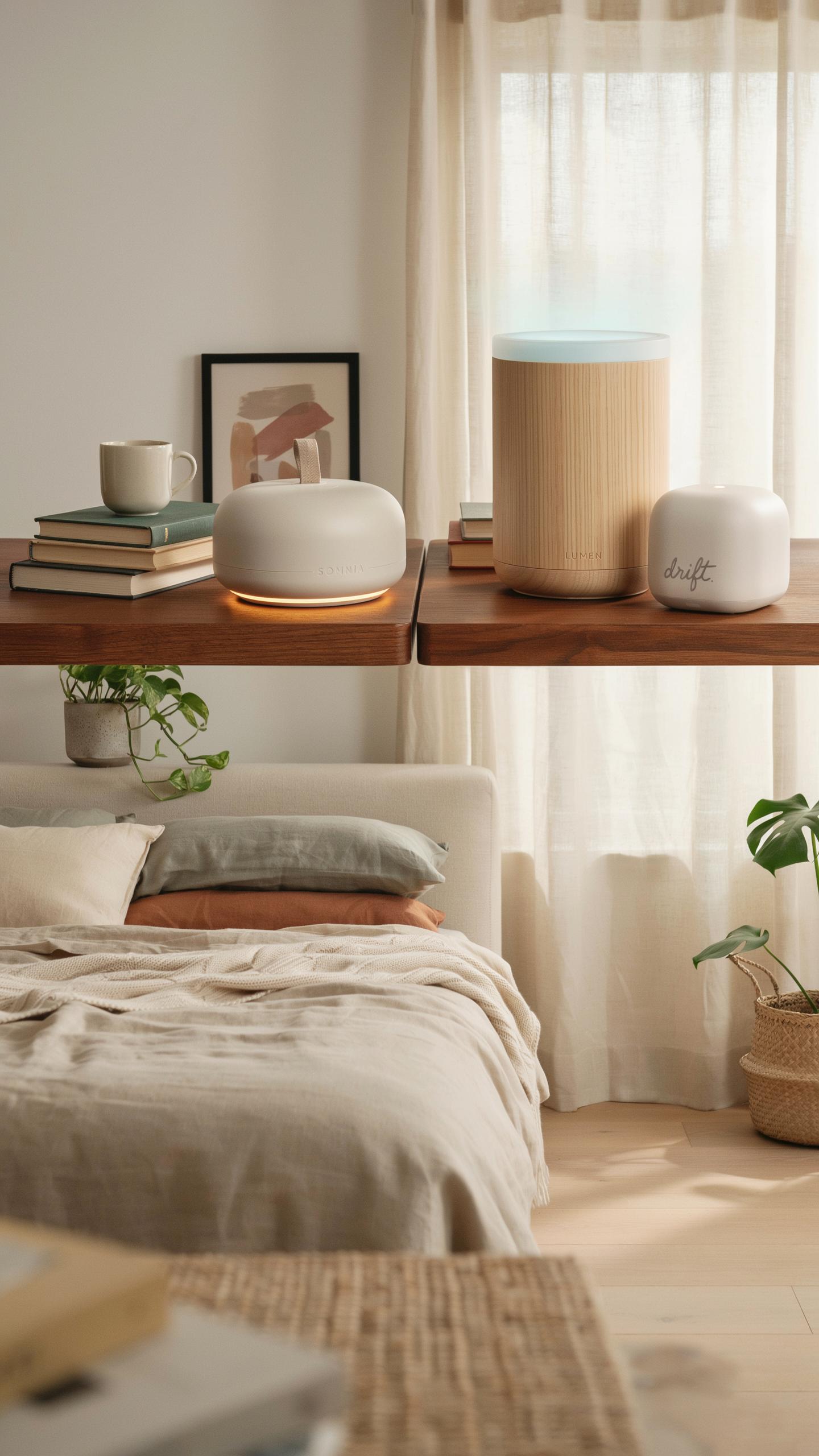
Your white noise machine occupies physical space in your office. Its appearance either blends into your environment or becomes a distraction. Choose a machine that matches your desk setup, wall colors, and existing equipment. Most machines come in black, white, or gray finishes. These neutral tones work in virtually any office style without requiring decor changes around them.
Design-forward machines use minimalist shapes inspired by Scandinavian design principles, which emphasize function over decoration. Others adopt retro aesthetics that reference vintage electronics. Consider machine size relative to your desk footprint. A compact model sits unobtrusively next to your monitor or on a shelf. Larger units need dedicated placement where cables don’t clutter your workspace. Material quality matters too. Plastic casings age poorly and look cheap. Machines with metal frames or fabric covers maintain visual appeal longer and integrate better with professional office settings.
Portable Vs Stationary Models
Portable white noise machines weigh between one and three pounds and fit into bags or backpacks. You can move them between your home office, conference rooms, or travel destinations. Battery powered models run four to twelve hours per charge. USB powered portables require access to outlets or power banks. Stationary machines plug directly into wall outlets and stay in one location permanently.

Stationary models deliver consistent sound output because they don’t move. They typically cost less than portable alternatives since manufacturers skip battery components and rugged casings. Choose stationary machines if you maintain a dedicated home office with a fixed desk setup. Select portable machines if you split time between multiple locations or frequently rearrange your workspace. Battery life becomes your limiting factor with portables, so check runtime specifications against your typical workday length.
Beyond White Noise Exploring Soothing Sounds

Nature Sounds For Relaxation And Focus
Nature sounds trigger different cognitive responses than pure white noise. Rain, forest ambience, and water streams activate the parasympathetic nervous system more effectively for many users. Research shows people retain information better when background sound mimics natural environments rather than artificial tones. Nature sounds mask disruptive office noise without creating listener fatigue that pure white noise can produce over extended periods.
Most modern machines offer nature sound libraries because they deliver measurable focus improvements. Rain and thunderstorm recordings prove most effective for concentration tasks. Water features like fountains and streams work well for creative work. Forest ambience with bird calls supports sustained attention without monotony. Your choice depends on task type and personal response patterns. Test multiple options before committing to one sound.
Fan Sounds And Other Calming Sounds
Fan sounds operate differently from nature recordings. They produce consistent frequency patterns without variation, which appeals to users seeking predictable audio environments. HVAC and ceiling fan recordings dominate this category because they replicate familiar household sounds people already associate with neutral environments. Fan sounds excel at masking unpredictable office interruptions like conversations and phone notifications.
Pink noise and brown noise represent engineered alternatives to nature and fan sounds. Pink noise contains lower frequencies than white noise and produces less listener fatigue during eight hour workdays. Brown noise emphasizes even lower frequencies and suits users sensitive to high pitched tones. Ocean waves and mechanical hums round out the calming sound spectrum. Each option targets different distraction types and individual sensory preferences. Select based on your specific office noise challenges and personal tolerance thresholds.
Optimizing Placement For Your White Noise Machine
Strategic Positioning For Maximum Effect
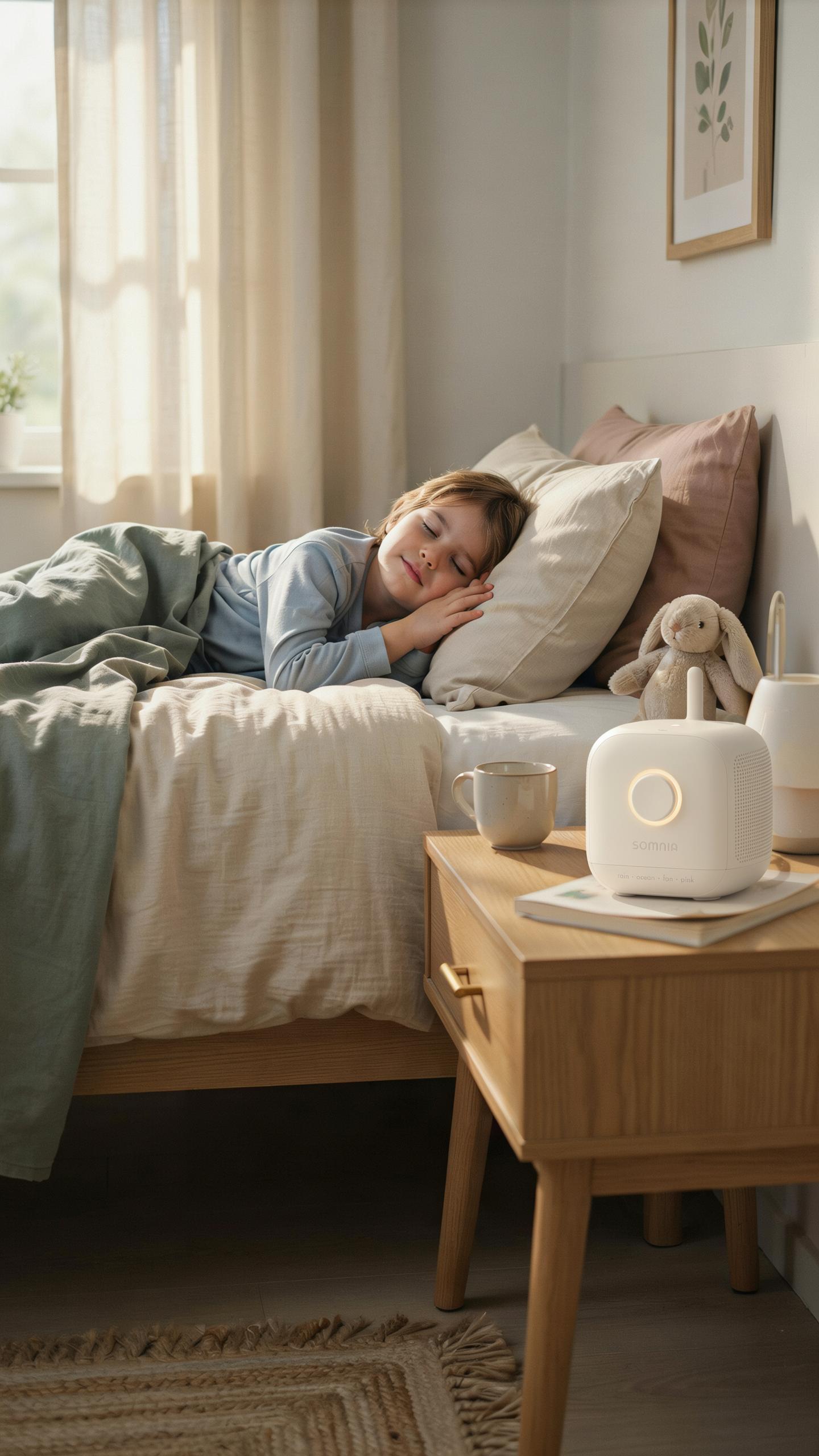
Place your machine between you and the primary noise source. This blocks unwanted sounds before they reach your ears. Position it at ear level or slightly above when seated at your desk. Distance matters. A machine three to six feet away provides better sound diffusion than one placed directly beside you. Experiment within your space to find the sweet spot where masking occurs without overwhelming your workspace.
Test placement in corners versus open areas. Corner placement amplifies sound through wall reflection, which works well for covering external noise. Open placement spreads sound more evenly across your room. Avoid placing the machine directly against walls if you want uniform coverage. Your room layout determines optimal positioning. Measure distances and note which placements reduce distractions most effectively in your specific environment.
The soft hum of a well-ordered space, like an old lullaby, can quiet the world’s clamor, allowing your thoughts to bloom undisturbed.
Understanding Sound Absorption
Hard surfaces reflect sound waves. Your office likely contains glass, wood desks, and bare walls that bounce noise around. Sound absorption materials reduce this reflection and allow your white noise machine to work more efficiently. Soft furnishings like curtains, rugs, and upholstered chairs absorb sound energy. Consider adding these elements to problem areas where external noise enters your space or where sound bounces excessively.

The relationship between your machine and room acoustics is direct. A smaller room with hard surfaces requires less output power to achieve masking. A larger room with minimal soft furnishings demands stronger output or strategic placement. Understand what surfaces dominate your office. Add absorption where it matters most, then position your machine where it performs optimally given those conditions.
White Noise Machines For Improved Sleep And Overall Well Being
Transitioning From Work To Rest
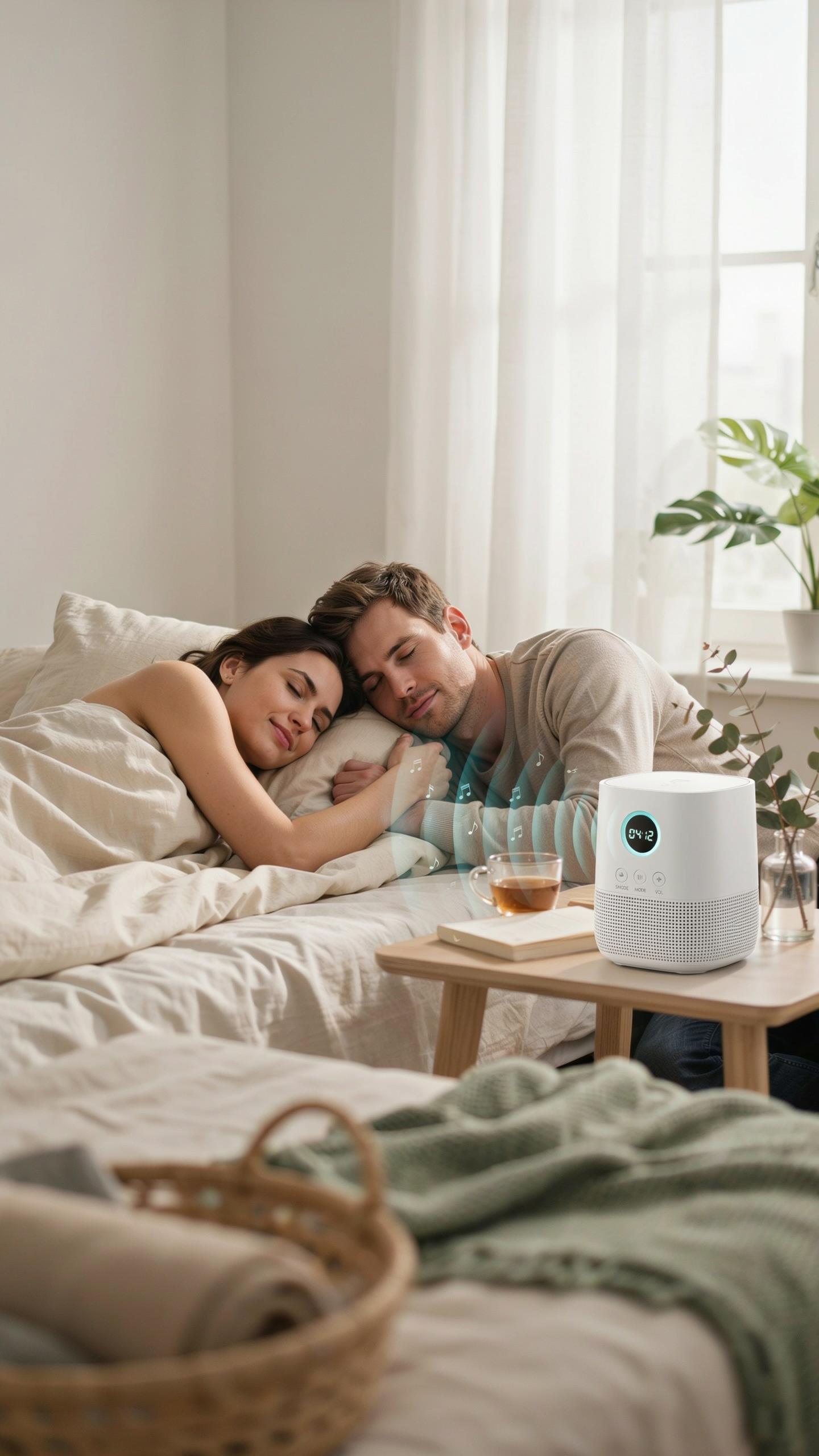
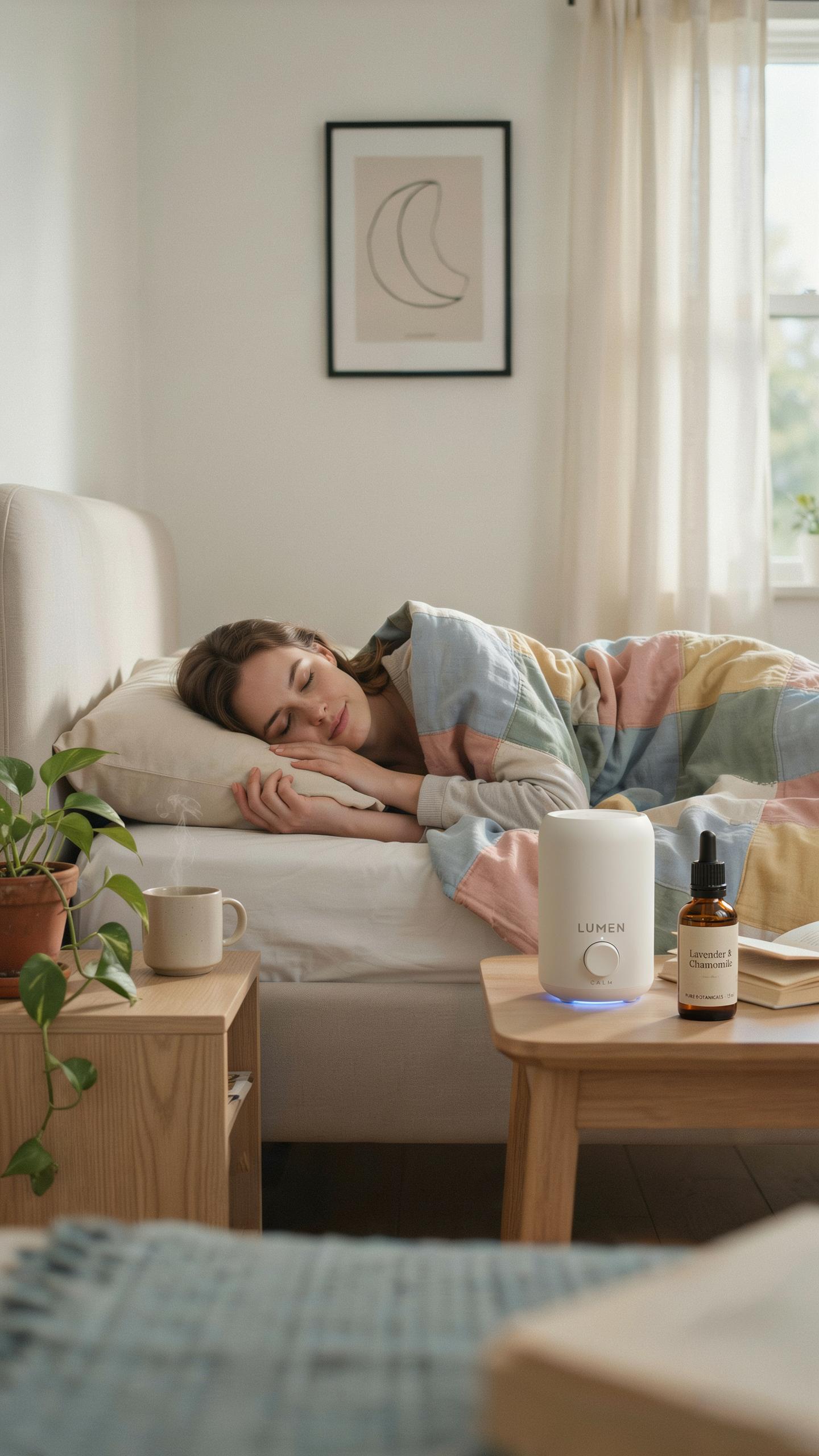
Your brain needs a clear boundary between work and sleep. White noise machines create that boundary by signaling the end of your workday. When you power on the machine at a set time, your brain registers the shift from focused work to wind-down mode. This consistent trigger helps your nervous system transition from alert to relaxed. The machine becomes an anchor point that separates professional time from personal recovery time.
Without a transition tool, work stress bleeds into evening hours and disrupts sleep onset. Your mind stays in problem-solving mode even after you close your laptop. White noise blocks residual work thoughts by occupying your auditory attention. This prevents your brain from replaying meetings, emails, or unfinished tasks. The result is faster mental shutdown and quicker entry into sleep.
The Link Between Sleep And Productivity
Sleep quality directly impacts work performance the next day. Poor sleep reduces focus, slows decision making, and increases errors. White noise machines improve sleep by eliminating unpredictable sounds that fragment rest cycles. Consistent background sound keeps your brain from reacting to environmental noise. You spend more time in deep sleep stages where actual recovery happens.
Productivity gains from better sleep compound over weeks and months. Workers who sleep well complete tasks faster and make fewer mistakes. They maintain focus longer and recover from mental fatigue more quickly. White noise machines are an infrastructure investment in your cognitive performance. Better sleep means better work output, which justifies the modest cost of the device.
Maintaining Your White Noise Machine
Cleaning And Care For Longevity
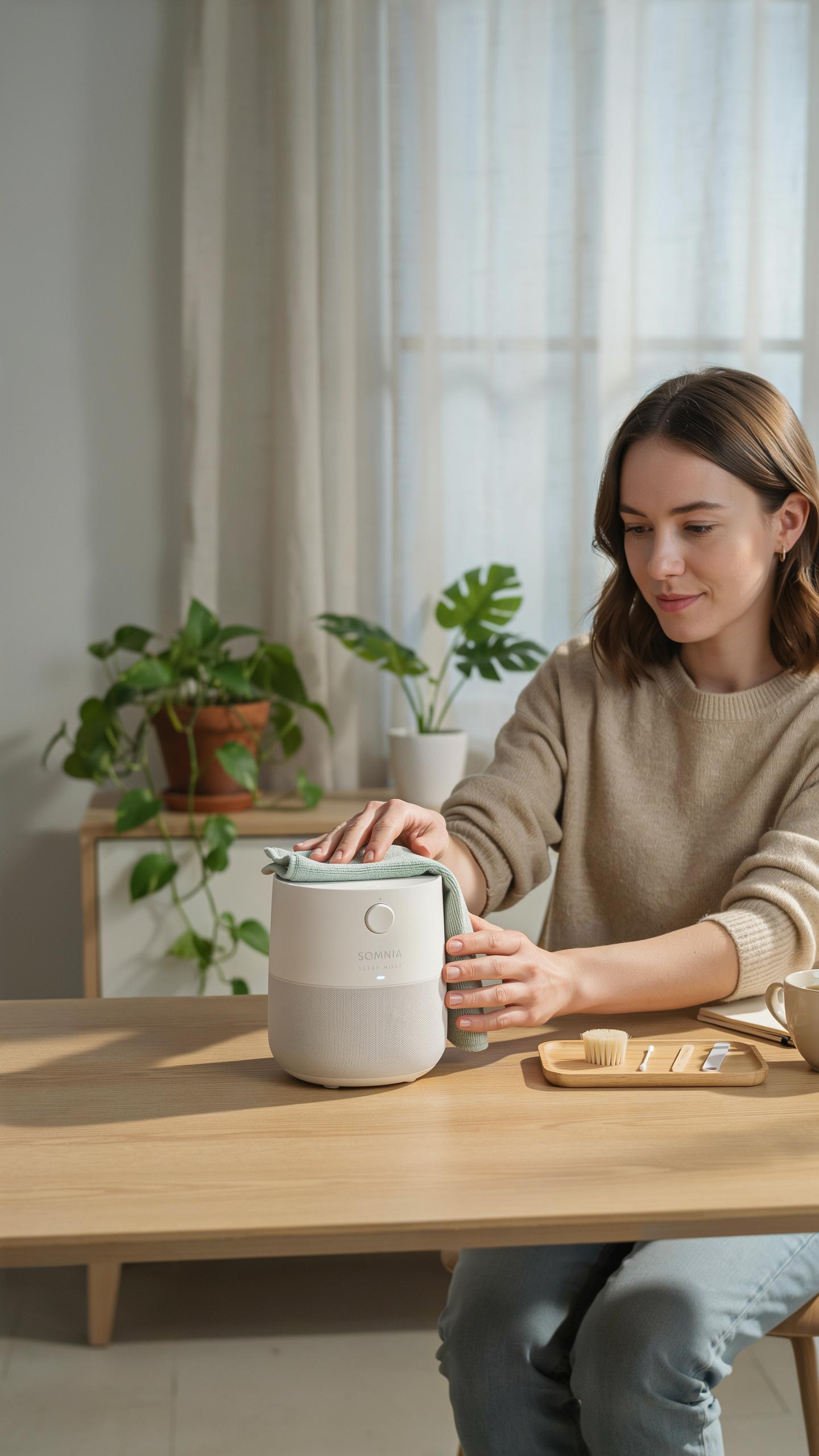
Dust accumulation degrades performance over time. Clean the exterior casing monthly with a dry microfiber cloth. For units with vents or grilles, use a soft brush attachment on a vacuum cleaner set to low suction. Never spray liquid directly onto the device. Check the manufacturer’s manual for specific materials on your model, as some use plastic while others use wood or metal components that require different care approaches.
Internal components need protection from moisture and debris. Keep your machine away from direct water sources, humidity-prone areas, and temperature extremes. If your unit has replaceable filters, follow the replacement schedule provided in the manual. Most machines require filter changes every three to six months depending on usage and air quality. Storing the device in a dry location when not in use prevents corrosion and extends overall lifespan significantly.
Troubleshooting Common Issues
Sound output dropping indicates either power issues or internal speaker degradation. First, verify the device is fully plugged in and the outlet functions with another appliance. Check volume settings and ensure they are not accidentally minimized. If sound remains low after these checks, the speaker may need professional service or replacement. Age and dust buildup inside the speaker can reduce output quality over time.

Power cycling resolves most operational problems. Unplug the machine for thirty seconds, then plug it back in. This resets the internal circuit and often fixes intermittent shutdowns or unresponsive controls. If the unit fails to power on after cycling, inspect the power cord for visible damage or loose connections. Faulty power supplies or internal components may require replacement if cycling does not restore function.
Advanced Tips For Using White Noise Machines Effectively
Combining White Noise With Other Focus Techniques
White noise works best when you layer it with structured work methods. The Pomodoro Technique pairs well with white noise. Start your 25-minute focus block as your machine activates. This creates a psychological anchor. Your brain learns to associate the sound with deep work mode. Stop the machine during breaks to signal transition time to your mind.
Combine white noise with environmental controls for maximum output. Dim your office lights or use task lighting. Set your phone to silent mode. Close unnecessary browser tabs. White noise handles auditory distractions while these actions eliminate visual and digital interruptions. The combination reduces decision fatigue and strengthens focus intensity beyond what white noise alone delivers.
Personalizing Your Sound Environment
Your sound preference determines machine effectiveness. Some workers need consistent brown noise. Others perform better with pink noise or pure white noise. Test each frequency range for two weeks minimum before deciding. Your brain adapts to sound over time, so initial preference often shifts. Track your actual productivity metrics during each trial period rather than relying on gut feeling.
Adjust volume based on your specific environment and task type. Deep work requiring intense concentration typically needs higher volumes. Administrative tasks may require lower volumes to prevent overstimulation. Experiment with volume increments of two to three decibels. Most workers find their optimal range between 50 and 65 decibels. Retest your preferences seasonally since outdoor noise levels and seasonal traffic patterns change your baseline needs.
The Future Of White Noise Technology And Home Office
Smart Features And Connectivity
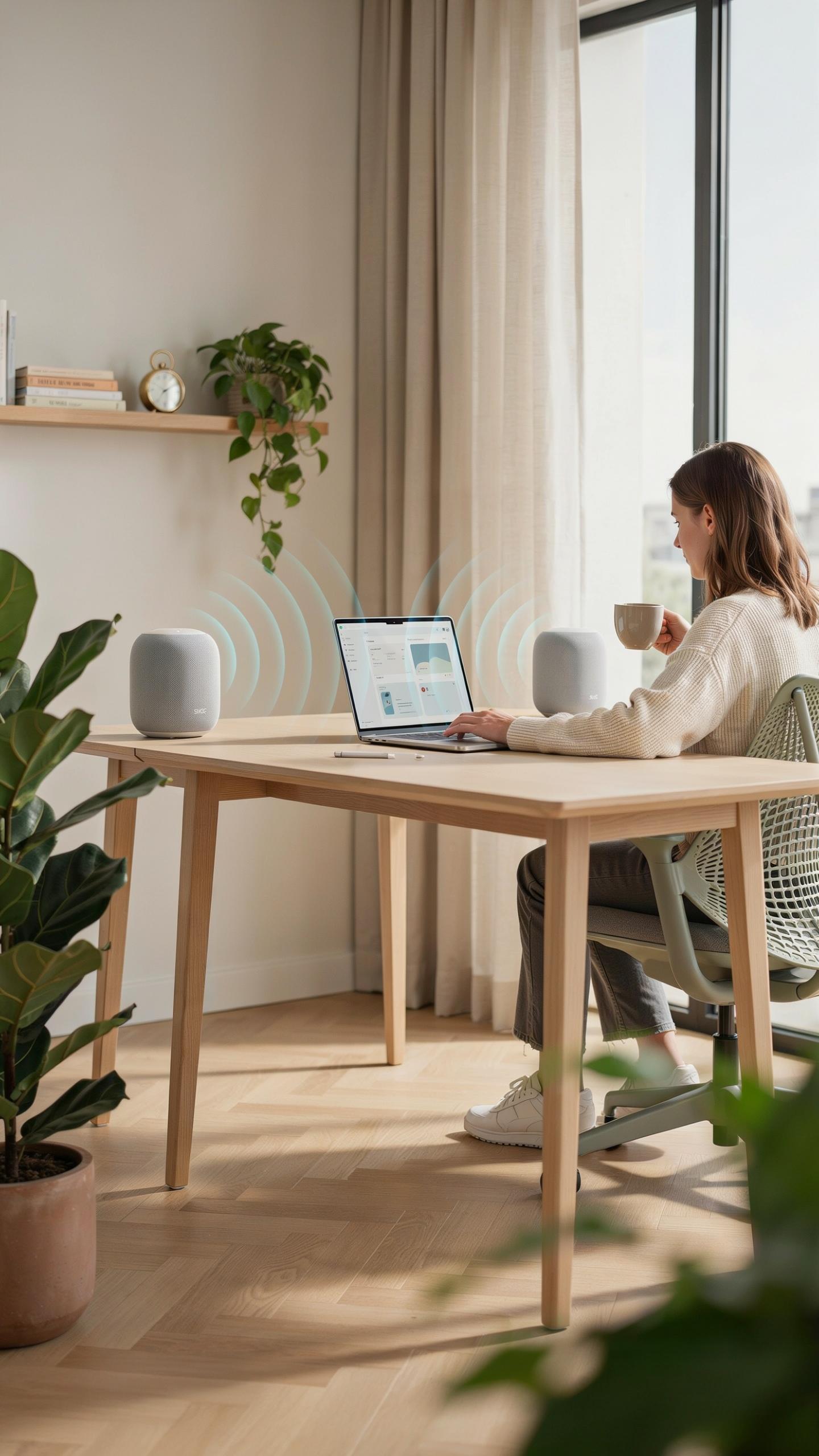
White noise machines now integrate Wi-Fi and app controls. Users adjust volume and sound selection from phones or computers without leaving their desk. Some models connect to smart home systems like Alexa or Google Home. Voice commands start machines, change frequencies, or set timers. These features reduce distractions by eliminating the need to physically interact with devices during work.
Connectivity enables scheduling and automation. Machines turn on before work hours and shut down automatically. Some track usage patterns and adapt sound output based on ambient noise levels. Integration with calendar apps allows machines to activate during scheduled focus blocks. This removes decision fatigue and creates consistent acoustic environments without manual intervention.
Eco Friendly White Noise Machine Options
Energy consumption matters for sustainability. Modern machines use LED displays instead of LCD screens, reducing power draw. Battery powered options eliminate constant electricity use. Models with auto shut off features prevent wasting power during idle periods. Machines rated for lower wattage output deliver comparable sound masking while consuming less energy than older generation devices.
Material sourcing and manufacturing impact environmental footprint. Companies now use recycled plastics and sustainably sourced wood in casings. Some manufacturers eliminated unnecessary components to reduce material waste. Durable designs last longer, reducing replacement frequency and landfill contribution. Repairable machines with replaceable parts extend product lifespan compared to disposable alternatives that require full replacement.
Frequently Asked Questions

What exactly is a white noise machine, and how can it help with home office focus?
A white noise machine for home office focus generates ambient soundscapes that mask distracting noises like street traffic or chattering. By providing a consistent, unobtrusive sound, it creates a more stable auditory environment, allowing your brain to concentrate better on tasks and improving productivity without jarring interruptions.
How do I choose the right sound setting on my white noise machine for optimal concentration?
Experimentation is key! Start with classic white noise or a gentle fan sound. If those feel too intense, try brown noise for a deeper hum or natural sounds like rain or ocean waves. The best setting for your white noise machine for home office focus will be the one that you find most soothing and least noticeable, allowing you to easily tune it out.
Are there affordable white noise machine options that still provide good quality for a home office?
Absolutely! You don’t need to spend a lot to get a quality white noise machine for home office focus. Many reputable brands offer excellent entry-level models under $30 that provide a good range of sounds and reliable performance. Look for basic features and positive reviews, and you’ll find an effective solution.