
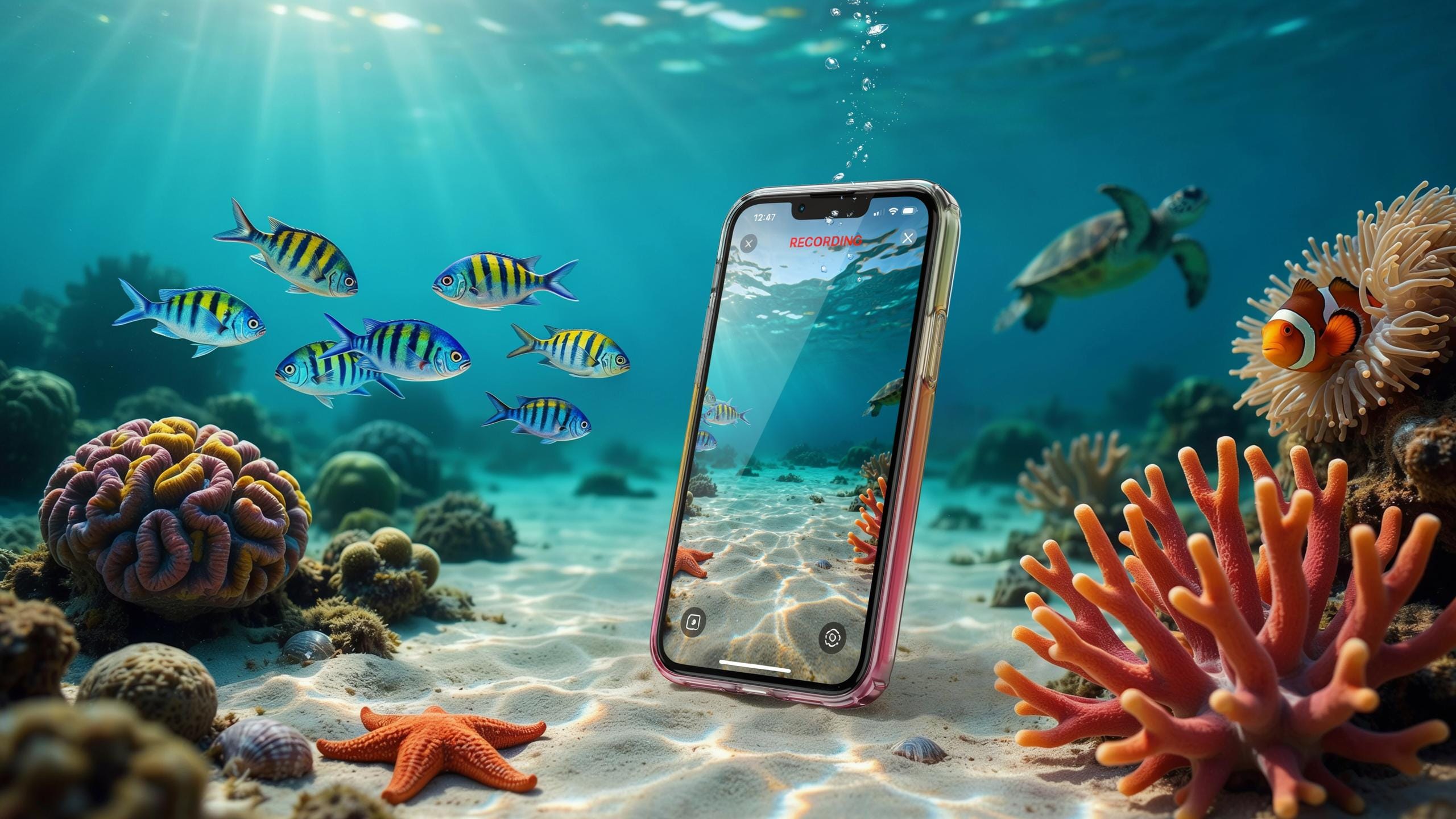
Why An Underwater Phone Housing Case Is Essential For Water Activities
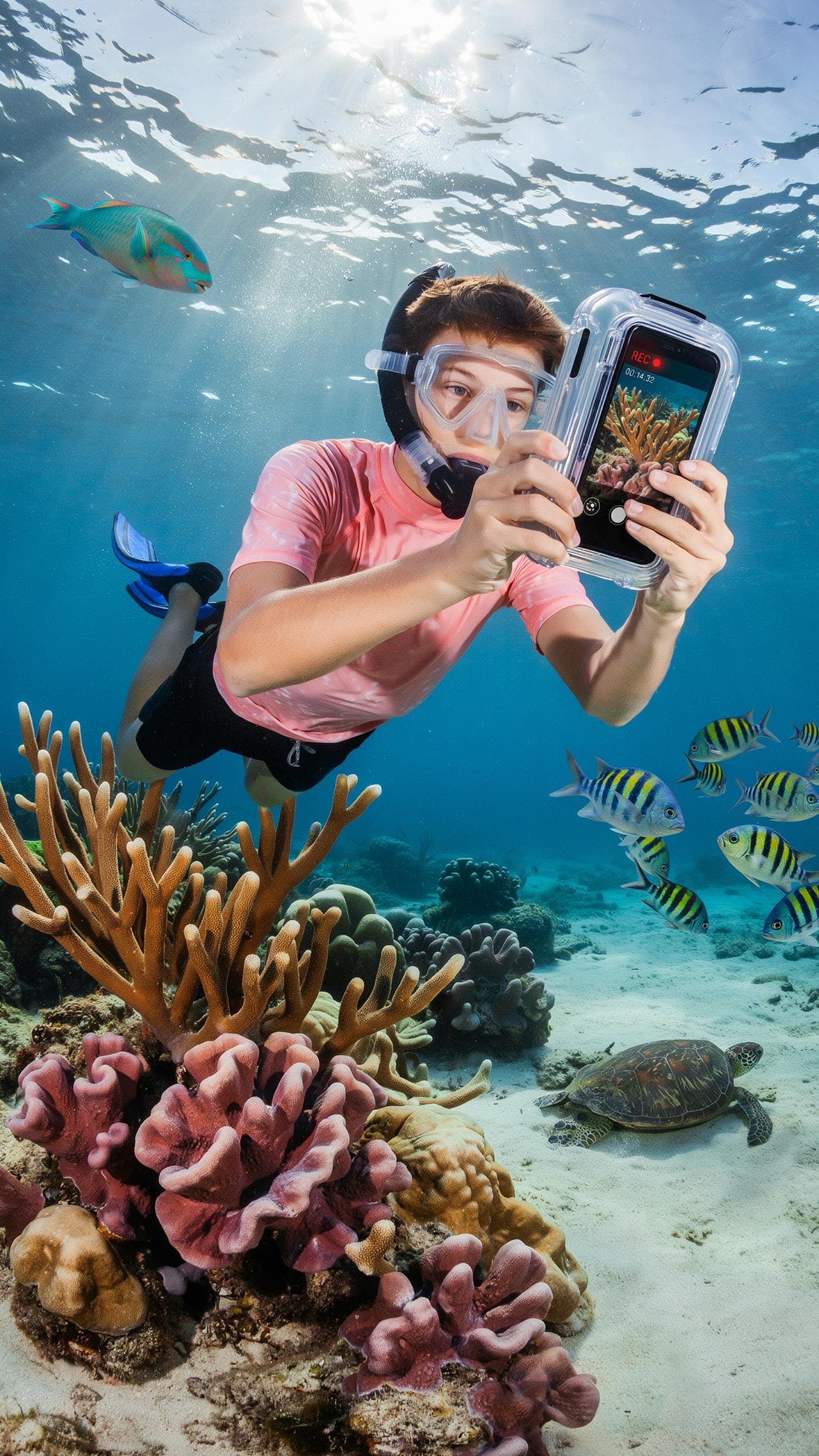
Protecting Your Investment
Your smartphone represents a significant financial commitment. Water exposure causes immediate and irreversible damage to internal components. Sand particles scratch lenses and infiltrate ports. Chlorine and saltwater corrode circuit boards and battery connections. An underwater phone housing case creates a physical barrier that prevents these threats entirely. The case keeps moisture, sand, and debris away from your device during snorkeling, pool sessions, or beach activities.
Most smartphones lack waterproof ratings or have limited water resistance that doesn’t withstand prolonged submersion. Repair costs for water damage exceed the price of a quality housing case. Insurance often excludes water damage claims. A housing case eliminates the risk calculation altogether. You protect your phone and avoid expensive repairs or replacement fees.
Enhancing Your Photography
Underwater environments offer unique visual opportunities that you lose without a dedicated housing case. Built-in phone cameras now capture impressive detail in aquatic settings. A housing case maintains full camera functionality while shielding the lens from water and salt spray. You frame shots, adjust focus, and record video without compromising image quality or device safety.
Housing cases with optical-grade materials preserve image clarity and color accuracy. Most designs feature touchscreen compatibility, so you operate your phone normally through the case. You document snorkeling trips, pool parties, and water sports moments with your existing camera instead of purchasing separate underwater equipment. The flexibility justifies the minimal investment required.

Understanding Water Resistance Ratings IPX For Your Waterproof Phone Case
Demystifying IPX Ratings
The IP rating system uses two digits to measure protection against solids and liquids. The first digit rates dust protection. The second digit rates water protection. For underwater phone housing cases, only the second digit matters. It ranges from 0 to 9, with higher numbers meaning deeper water resistance and longer submersion times.
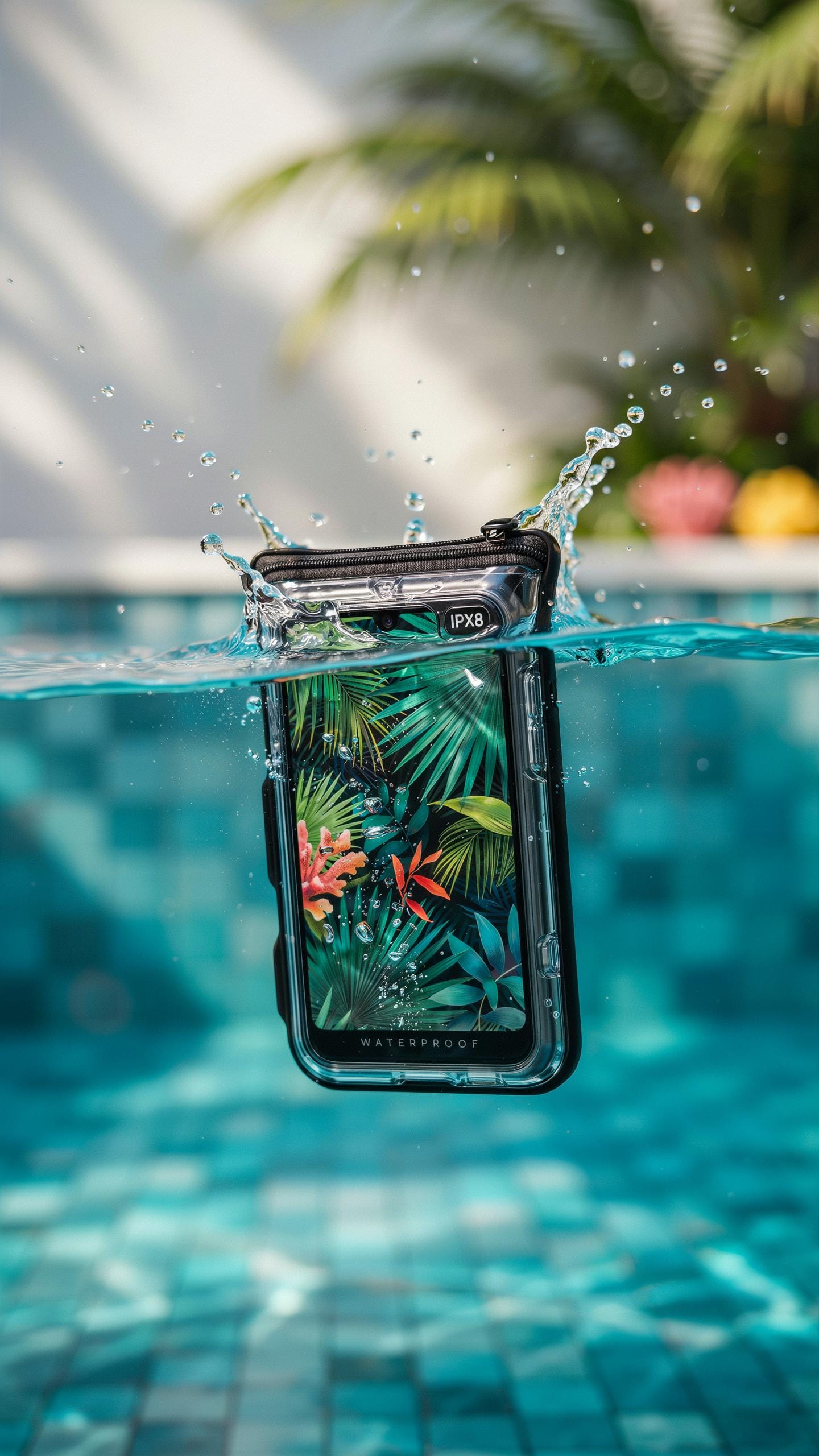
IPX ratings define specific depth and duration requirements through standardized testing. IPX7 means the case protects against temporary immersion in water up to 1 meter for 30 minutes. IPX8 allows submersion beyond 1 meter, typically to depths manufacturers specify. IPX9 indicates protection under high pressure water jets. Most underwater phone housing cases range between IPX7 and IPX8 for practical snorkeling and pool use.
Dive into those sweet, sun-dappled memories, capturing every sparkling splash and whispered underwater secret with perfect clarity. What joy it is to revisit the vibrant blue and relive those unforgettable moments, now beautifully preserved.
Choosing The Right IPX For Your Adventures
IPX7 rated cases suit casual pool sessions and shallow snorkeling. They handle splashing, accidental drops into water, and brief submersions. This rating provides reliable protection without premium pricing. Most everyday users find IPX7 sufficient for phone protection during recreational water activities near the surface.

IPX8 cases are necessary for extended snorkeling trips, diving, and activities requiring longer submersion periods. They protect phones at greater depths and durations than IPX7. If you plan underwater photography beyond 10 minutes or depths exceeding 1 meter, IPX8 becomes the practical choice. Match the rating to your actual diving depth and time spent underwater to avoid overpaying for unnecessary protection.
Types Of Underwater Phone Housing Cases From Phone Pouch To Hard Shell
Soft Pouch And Bags
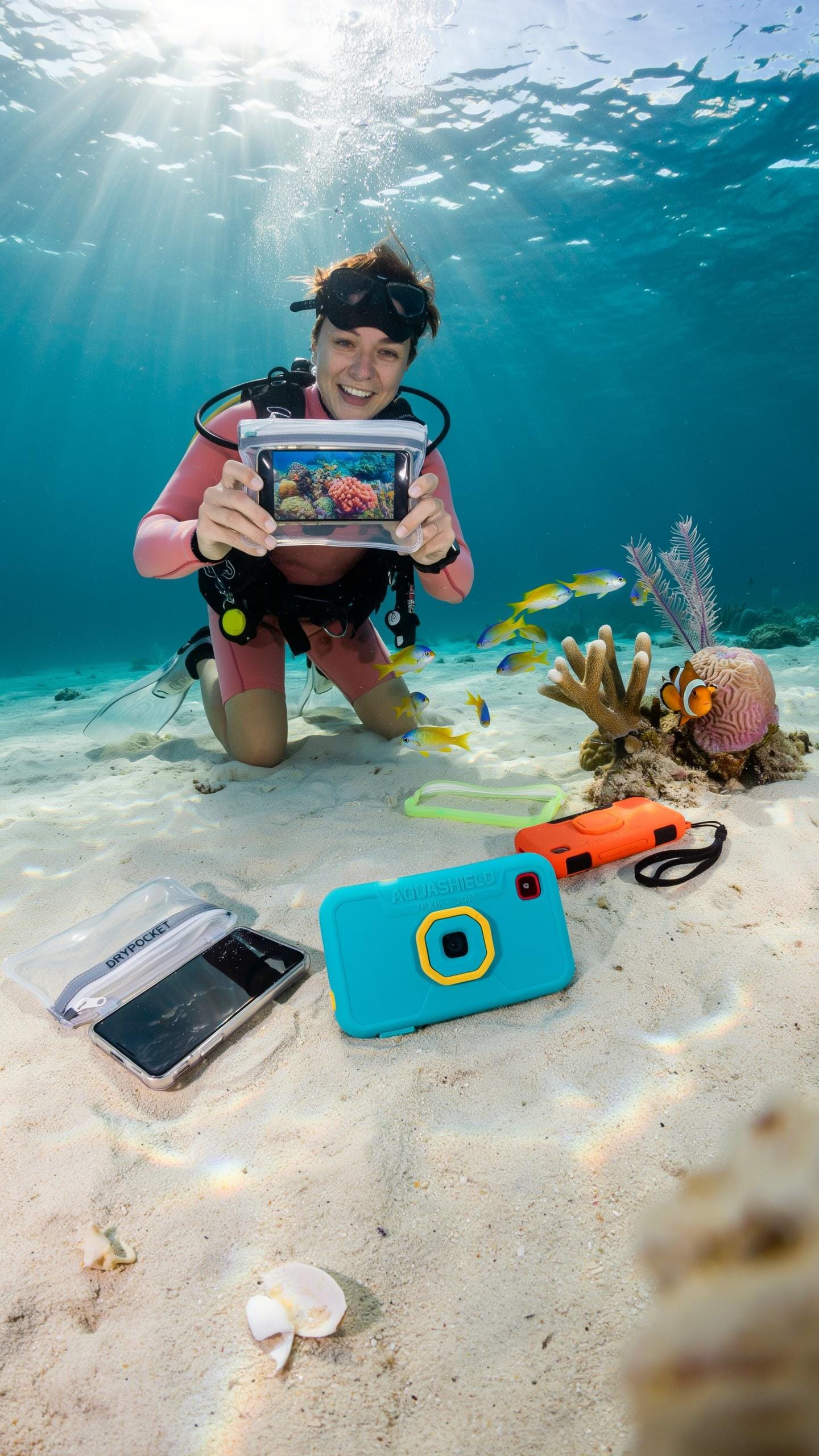
Soft pouches use sealed plastic or neoprene construction to block water entry. They work for shallow water activities where your phone stays above waist depth. The flexible material conforms to your phone, reducing bulk in bags or pockets. Cost runs low, typically five to twenty dollars for quality options.
Soft pouches have real limitations. They offer no impact protection if you drop your phone on rocks. Optical distortion occurs because water touches the lens directly through thin plastic. Depth ratings rarely exceed ten feet because water pressure stresses the seals. They handle pool use and beach splashes well but fail for serious snorkeling.
Rigid Hard Cases For Serious Underwater Photos
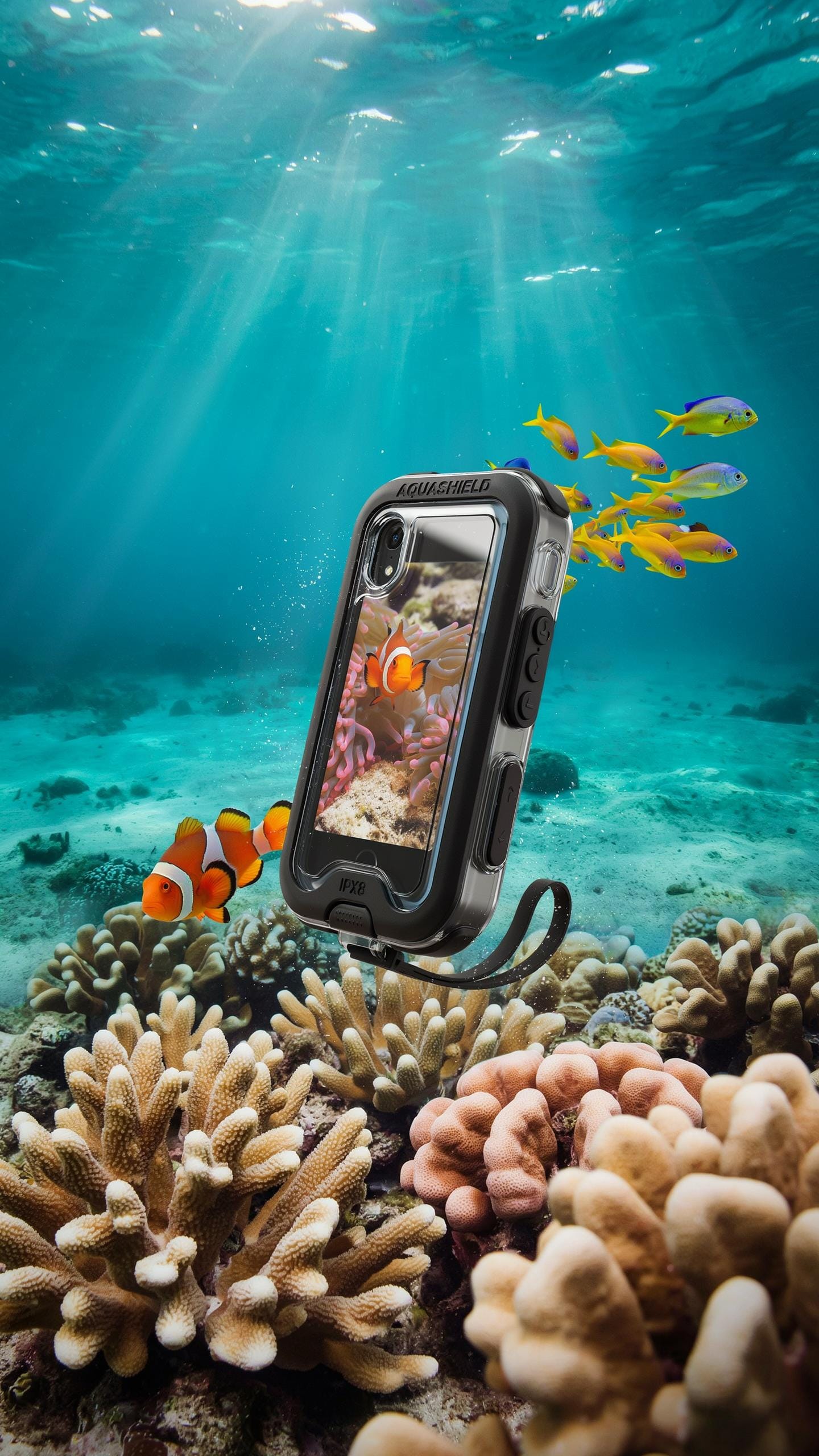
Hard-shell cases use polycarbonate or acrylic construction to maintain structural integrity under pressure. The rigid frame protects your phone from impacts and accidental drops on rocks or coral. Built-in lens ports use optical-grade materials that minimize light refraction, delivering sharper photos than soft pouches. Depth ratings reach thirty feet or deeper depending on case design and seal quality.

Hard cases cost more because engineering matters here. You pay thirty to one hundred dollars for cases that handle real underwater conditions. They include pressure-release valves that equalize internal and external pressure safely. The added weight and bulk become a trade-off for reliable protection and image quality on extended snorkeling trips and pool photography sessions.
Key Features To Look For In An Underwater Phone Housing Case
Depth Rating And Pressure Resistance
Depth rating tells you the maximum water pressure your housing can handle. This specification directly determines where you can safely use your case. Snorkeling typically reaches 10 to 40 feet, while pool use stays under 10 feet. Choose a housing rated for depths beyond your planned activities to maintain a safety margin. Pressure increases with depth and crushes housings without proper seals.
The materials and construction method determine pressure resistance. Quality housings use precision-molded silicone, polycarbonate, or acrylic with reinforced gaskets. Poor seals fail faster than weak materials do. Test your housing in shallow water before going deeper. Replace gaskets annually or after 50 to 100 uses to maintain ratings.
Lens Quality And Anti Reflection
A clear lens prevents distortion and color loss in underwater shots. Phone housings use optical glass or acrylic for the lens window. Cheaper housings use low-grade plastic that creates haze and reduces image sharpness. The lens must sit flush against your phone’s camera to avoid water pockets and internal reflections. Anti-reflective coatings reduce light bounce and improve color accuracy underwater.

Anti-reflection technology works by reducing light refraction at glass surfaces. Manufacturers apply multiple thin coating layers to minimize glare. Uncoated lenses lose 5 to 10 percent of light at each surface. Underwater, this loss compounds because water absorbs light and reduces visibility. Test the lens clarity by taking photos in sunlight before submerging to confirm quality.
Maximizing Your Underwater Photos With Your Phone Waterproof Pouch
Pre Dive Preparation Tips
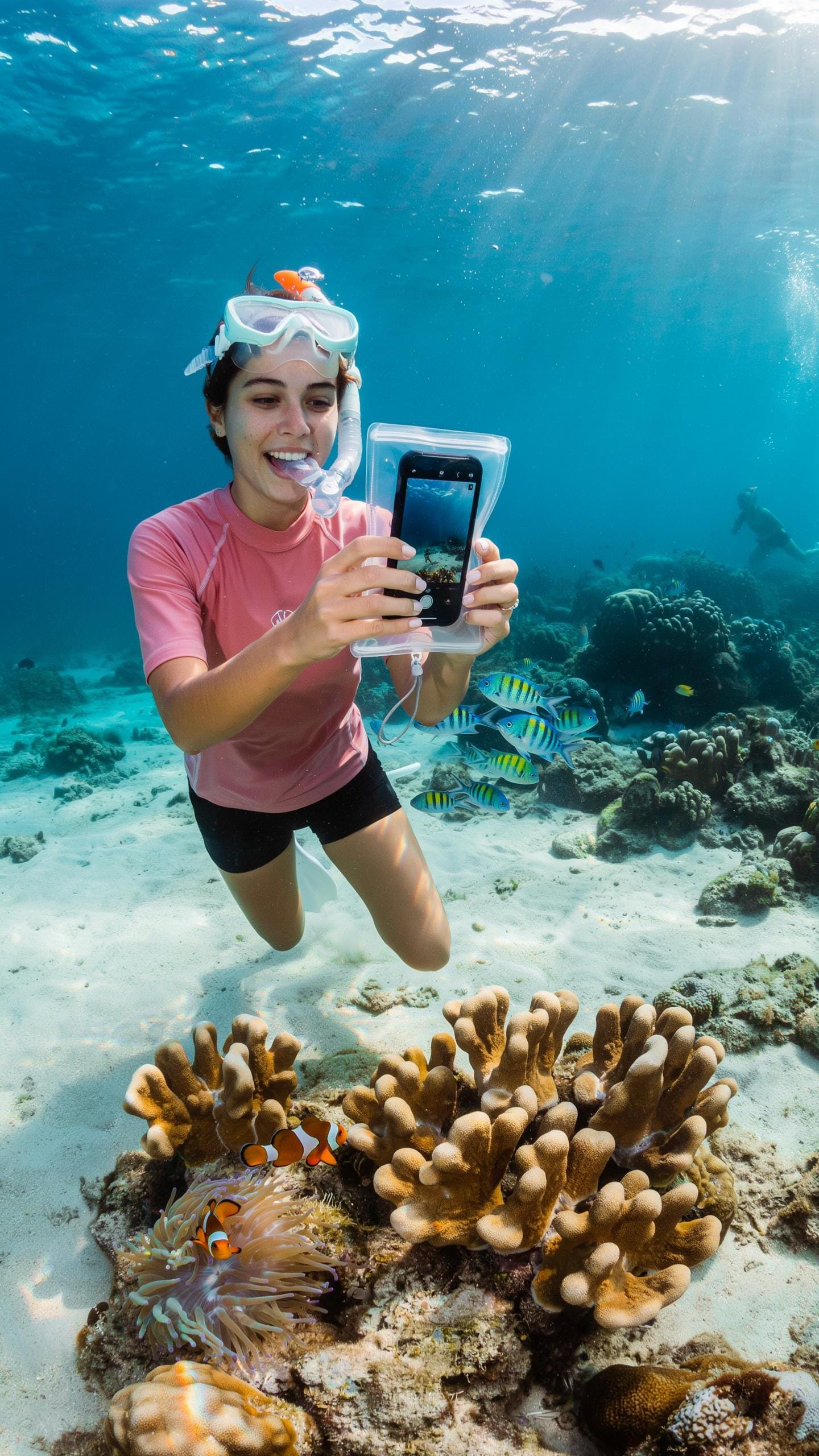
Check your underwater phone housing case before every water session. Inspect all seals and gaskets for cracks, debris, or wear. Apply a thin layer of silicone grease to rubber seals to maintain watertight integrity. Test the case with a dry run first. Wipe the internal lens port with a microfiber cloth to remove dust and fingerprints that cause blur and glare underwater.
- Seal inspection: Run your finger around all seams and gaskets. Look for visible damage, compression marks, or material degradation that compromises waterproofing.
- Lens cleaning: Use a microfiber cloth or lens cleaning solution on both sides of the phone screen and the case’s optical port for clarity.
- Button testing: Press all buttons through the case material to confirm they respond correctly and feel secure without sticking.
- Pressure equalization: Open and close the case several times to verify the seal mechanism works smoothly and creates proper air lock engagement.
- Camera settings adjustment: Switch to landscape mode, disable flash, increase exposure, and set ISO to manual before sealing the case.
- Dry test run: Seal the case with a tissue inside for 10 minutes to detect leaks before exposing your phone to water.
Enable your camera’s manual exposure controls and switch to landscape orientation before sealing the case. Disable the flash entirely since it reflects off the case port and creates unwanted glare. Set ISO to a lower value in bright conditions and increase it in deeper or cloudier water. Lock white balance to prevent constant color shifts as depth changes. These adjustments happen faster on land than underwater with gloved hands.
Techniques For Stunning Shots
Underwater lighting changes dramatically with depth and water clarity. Position yourself between the subject and the light source whenever possible. In shallow snorkel depths, overhead natural light provides the best results. Avoid shooting directly into the sun as it creates backlit silhouettes. Get close to your subject to reduce the water column between the lens and the target, which cuts through haze and improves color saturation.

Composition underwater follows the same rules as land photography but with practical constraints. Use the rule of thirds to position subjects off center for balanced frames. Keep the horizon level or intentionally tilted for purpose. Frame subjects with foreground elements like rocks or coral to add depth. Move slowly and deliberately to reduce water disturbance and sediment clouding. Take multiple shots from different angles and distances since water conditions shift quickly and delete failures immediately to preserve storage space.
Maintaining Your Waterproof Phone Pouch For Longevity And Performance
Cleaning And Storage Best Practices
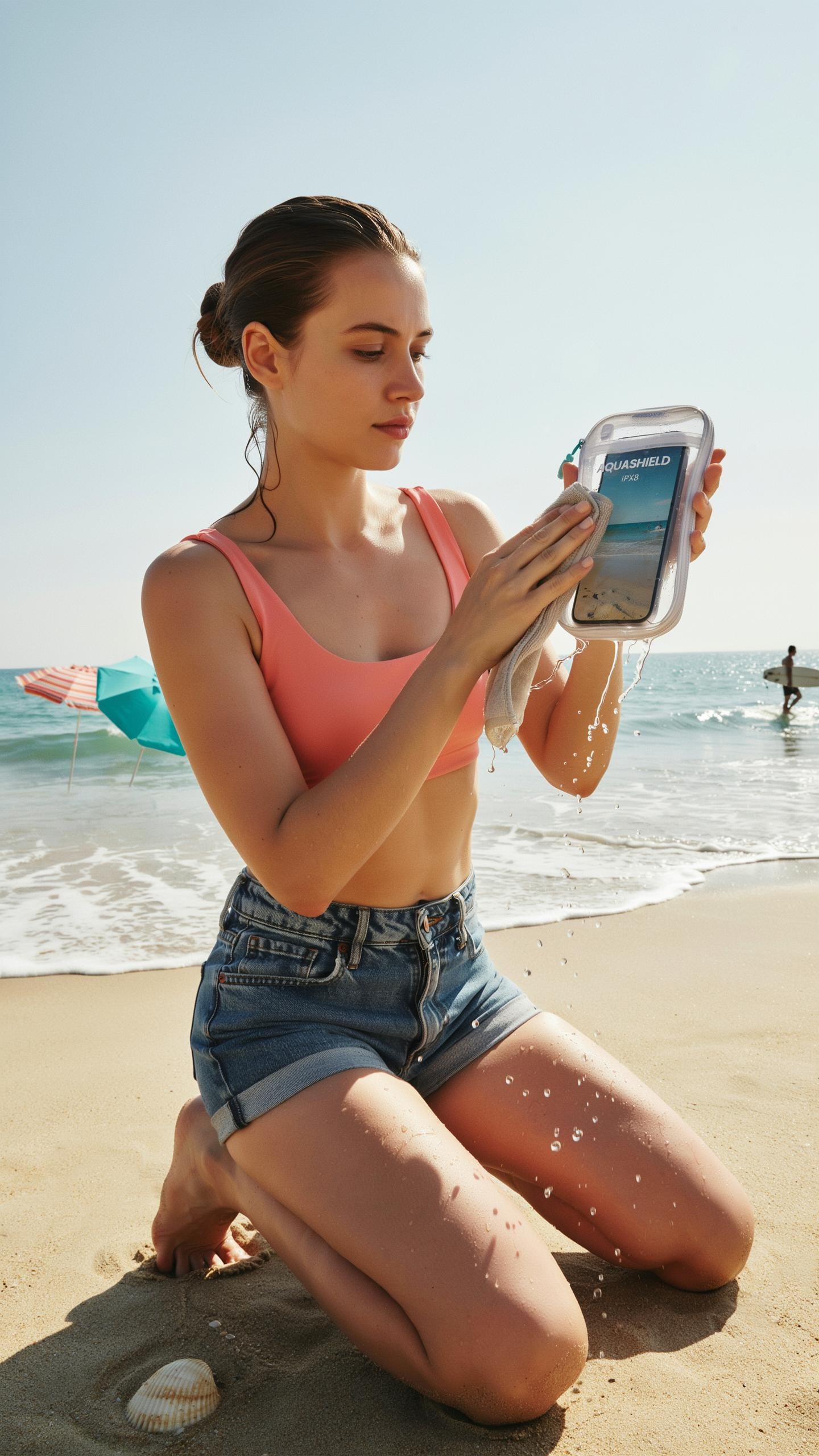
Rinse your underwater phone housing case with fresh water immediately after use. Salt water and chlorine corrode seals and metal components over time. Use a soft cloth to dry the exterior and interior surfaces completely. Store the case in a cool, dry location away from direct sunlight. UV exposure degrades rubber gaskets and can weaken plastic materials. Leave the case open during storage to allow air circulation and prevent moisture buildup.
Never use harsh chemicals or abrasive scrubbers on your case. Soap and fresh water are sufficient for regular cleaning. Inspect the gasket during cleaning for any visible damage or debris. Allow the case to air dry for at least two hours before storing. Moisture trapped inside creates conditions for mold and mildew growth. Store your case in a temperature-controlled environment to prevent material degradation.
Checking For Wear And Tear
Examine the rubber seal or gasket before each use for cracks, tears, or permanent deformation. A compromised seal allows water ingress and ruins your phone. Press gently on the seal to check for flexibility and resilience. Check all latches and clasps for proper alignment and secure closure. Bent or cracked latches fail to hold the case shut during submersion. Test the latch mechanism multiple times to ensure consistent performance.

Look for discoloration, warping, or stress marks on the case body itself. These signs indicate material breakdown from environmental exposure. Small cracks expand rapidly when submerged under pressure. Verify that the transparent viewing window remains clear and free of internal condensation. Fogging suggests seal failure or trapped moisture inside the case. Replace your case immediately if you discover any structural damage or seal failure.
Common Mistakes To Avoid With Your Water Proof Case
Ignoring Pre Use Tests
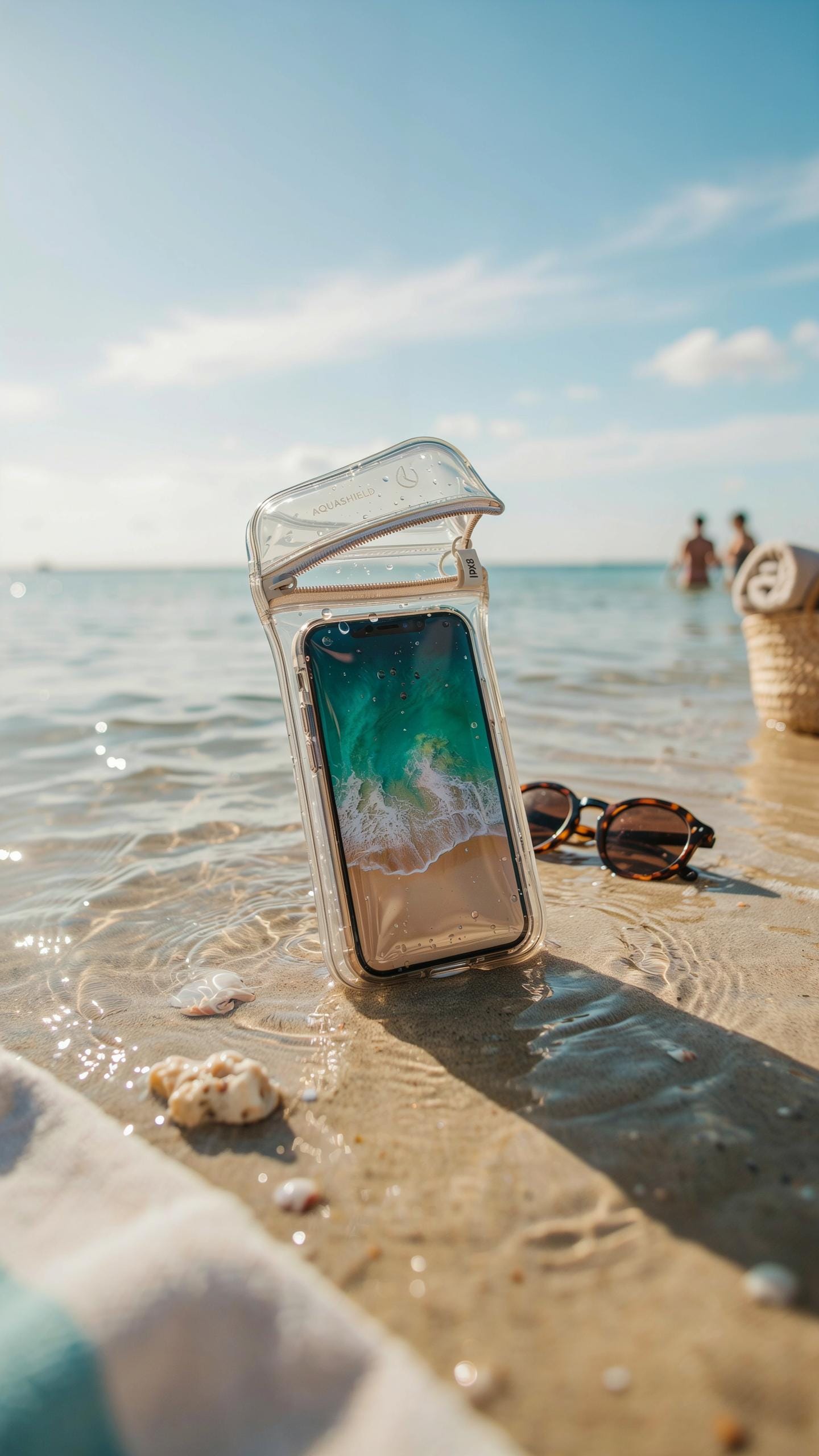
You must test your underwater phone housing case before you use it with your phone inside. Fill it with water in a sink or bucket and let it sit for several minutes. Check for any leaks around the seals, zipper, or button covers. This test costs nothing and prevents catastrophic failure during your actual dive or snorkel session.
After you use the case, clean it thoroughly and inspect all seals for damage. If you notice cracks, stretched rubber, or worn threading, replace the gasket or seal immediately. Perform another water test after any repair or maintenance. Skipping this step has caused countless phones to suffer water damage that users could have prevented.
Exceeding Depth Limits
Every underwater phone housing case comes with a maximum depth rating specified by the manufacturer. Going deeper than that rating puts pressure on the case seals that they cannot handle. Water forces its way through the smallest gaps at depths beyond the rated limit. Your phone will flood, the circuitry will short, and the device becomes permanently damaged.

The depth rating exists because of how seals and materials respond to water pressure. A case rated for 30 feet will fail at 40 feet. A case rated for 100 feet will fail at 120 feet. Check your case specifications before each use and maintain your depth well below the maximum to ensure your protection.
Top Brands And Recommendations For Underwater Photography
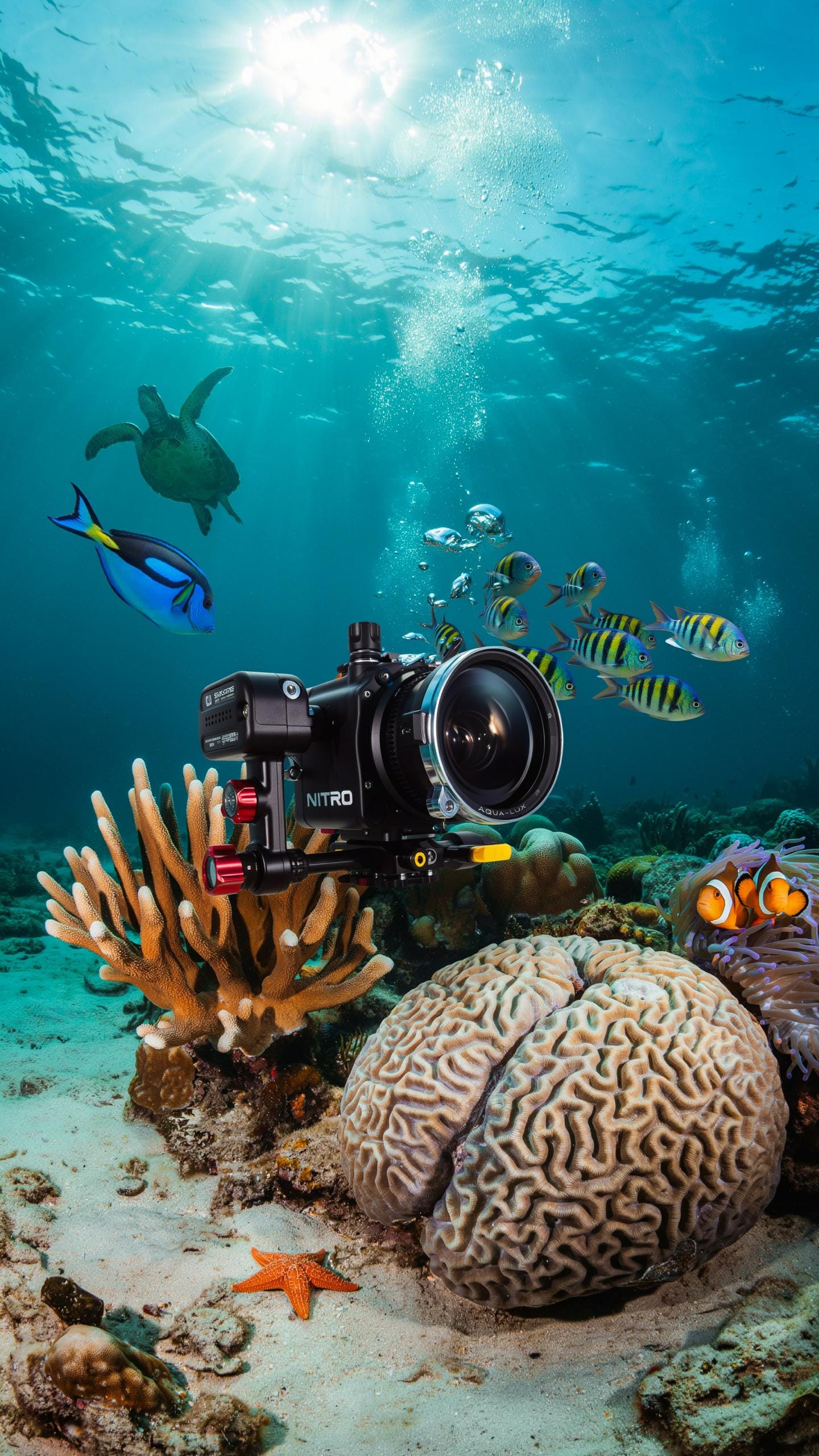
Leading Manufacturers Of Underwater Phone Housing Cases
Reputable manufacturers dominate the underwater phone housing market through proven design and material quality. Brands like Otterbox, Lifeproof, and Catalyst produce cases tested for depths ranging from 30 to 60 feet. Each manufacturer focuses on seal integrity, optical clarity, and drop protection. These companies maintain consistent quality control across production runs. They offer models compatible with most mainstream phone brands including Apple, Samsung, and Google devices. Their cases use silicone, polycarbonate, or thermoplastic materials rated for saltwater and chlorine exposure.
Established players like AquaTech and Dicapac serve specialized segments with niche features. Some manufacturers partner with underwater camera equipment companies to refine optical performance. Build quality varies significantly between budget options and premium models. Waterproof certification standards like IPX8 indicate depth ratings and protection levels. Reliable brands publish technical specifications including seal material lifespan and recommended maintenance intervals. Research verified user reviews on independent platforms before purchasing any case.
Choosing The Best Fit For Your Phone And Needs
Match case dimensions precisely to your phone model since universal cases compromise seal reliability. Check the manufacturer’s compatibility list against your exact phone version and generation. Different phone sizes require different internal dimensions to maintain proper seal pressure. Measure your device thickness including any existing protective case you plan to use underneath. Review depth ratings relative to your intended use such as snorkeling at 15 feet versus pool diving at 6 feet. Budget models typically protect to 30 feet while premium options reach 60 feet or deeper.

Evaluate optical quality based on your photography priorities since case materials affect image clarity and color accuracy. Cases with optical glass ports perform better than plastic windows for detailed photos and video. Consider touch responsiveness requirements if you need full screen access during underwater sessions. Assess accessibility features like button responsiveness, microphone clarity, and speaker volume at depth. Check seal maintenance frequency and material replacement costs before committing to a specific brand. Test the case in shallow water before relying on it for important snorkeling or pool events.
Frequently Asked Questions

What exactly is an underwater phone housing case and why do I need one for snorkeling?
An underwater phone housing case is a protective enclosure specifically designed to make your smartphone completely waterproof, allowing you to capture stunning photos and videos in aquatic environments. It’s essential for snorkeling because it safeguards your phone from water damage while letting you document vibrant underwater scenes you’d otherwise miss.
How do I ensure my phone is secure and ready to use in an underwater phone housing case before diving in?
Before submerging, always test your underwater phone housing case with a tissue inside first to check for leaks. Once confirmed, ensure your phone is snugly fitted, turn off auto-lock, and pre-select your camera mode. Most importantly, double-check all latches and seals are completely closed and secure for ultimate protection.
Are there affordable options for an underwater phone housing case, or are they all high-end specialized equipment?
Absolutely! While professional-grade options exist, there’s a wide range of affordable underwater phone housing cases available. Many excellent choices offer reliable waterproof protection and good image quality without breaking the bank. You can find durable and effective cases that fit various budgets, perfect for casual poolside fun or snorkeling adventures.