Why A Mini LED Panel Light Is Essential For Phone Video
1 1 Improving Overall Video Quality And Clarity
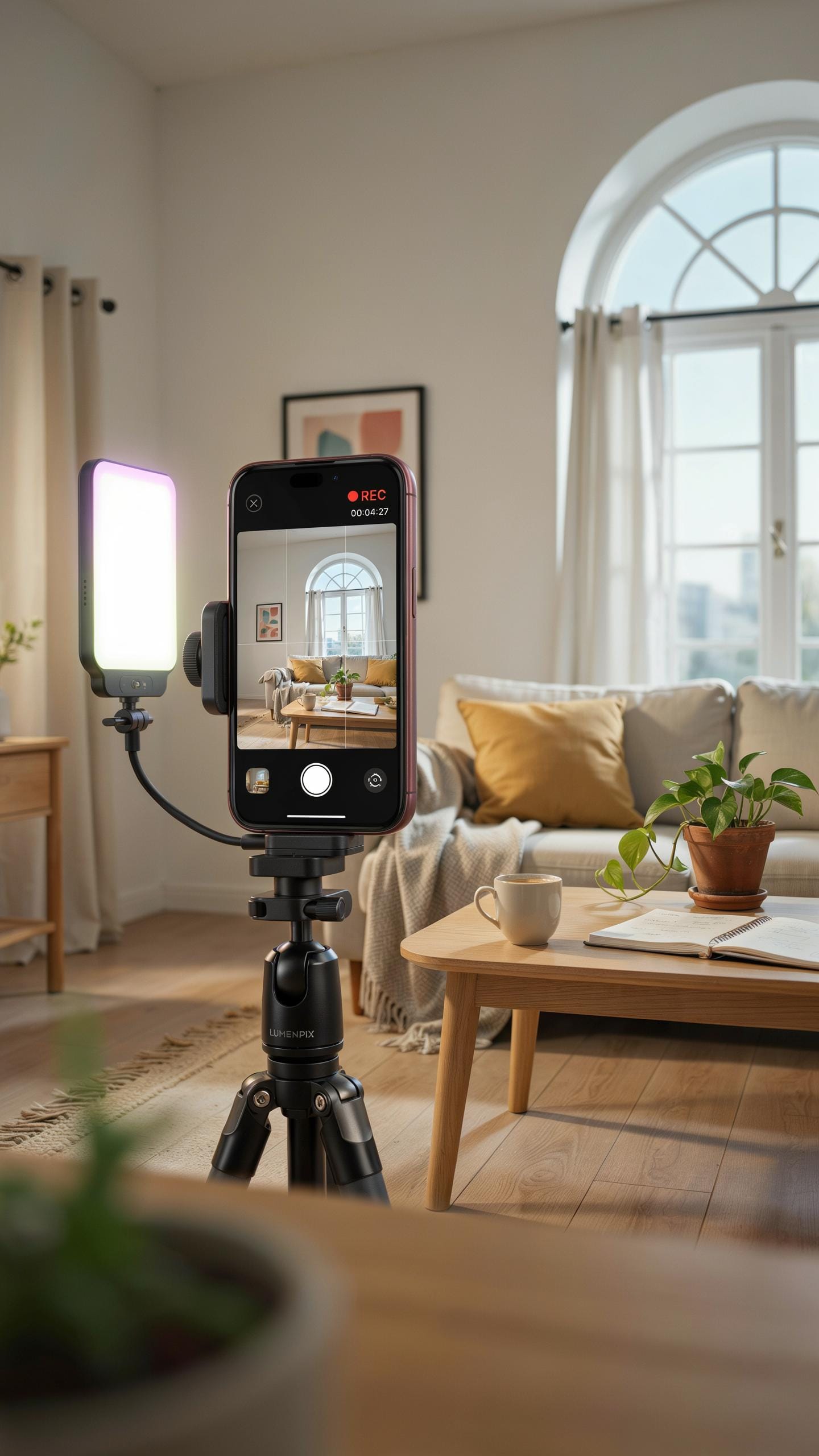
Phone cameras perform best with adequate light. When light levels drop, sensors struggle to capture detail and color accuracy suffers. A mini LED panel light delivers consistent illumination directly where you need it. This eliminates shadows, reduces graininess, and ensures your footage stays sharp across all lighting conditions. Better light means better video every single time.
Proper lighting directly controls what your phone camera can capture. Insufficient light forces the camera to boost its ISO setting, which introduces digital noise and degrades image quality. A mini LED panel light provides stable, controllable brightness that keeps ISO levels low. Your phone can then focus on capturing true colors and fine details without fighting against darkness or high-sensitivity compensation.
1 2 The Impact Of Proper Lighting On Viewer Engagement
Viewers judge video quality within the first few seconds. Poor lighting signals low production value immediately, whether consciously or not. People stop watching videos with dim, murky footage before they engage with your message. Proper lighting keeps viewers focused on your content instead of being distracted by visual problems. Clear, well-lit video holds attention and keeps audiences watching longer.
Lighting affects how viewers perceive your credibility and professionalism. Content shot in harsh shadows or dim conditions looks amateur, regardless of message quality. A mini LED panel light solves this problem quickly and affordably. Well-lit videos convey competence and care about your audience’s experience. Better lighting directly translates to higher watch-through rates and stronger viewer retention.

Understanding Mini LED Technology For Phone Lighting
2 1 What Sets Mini LED Apart From Traditional LEDs?
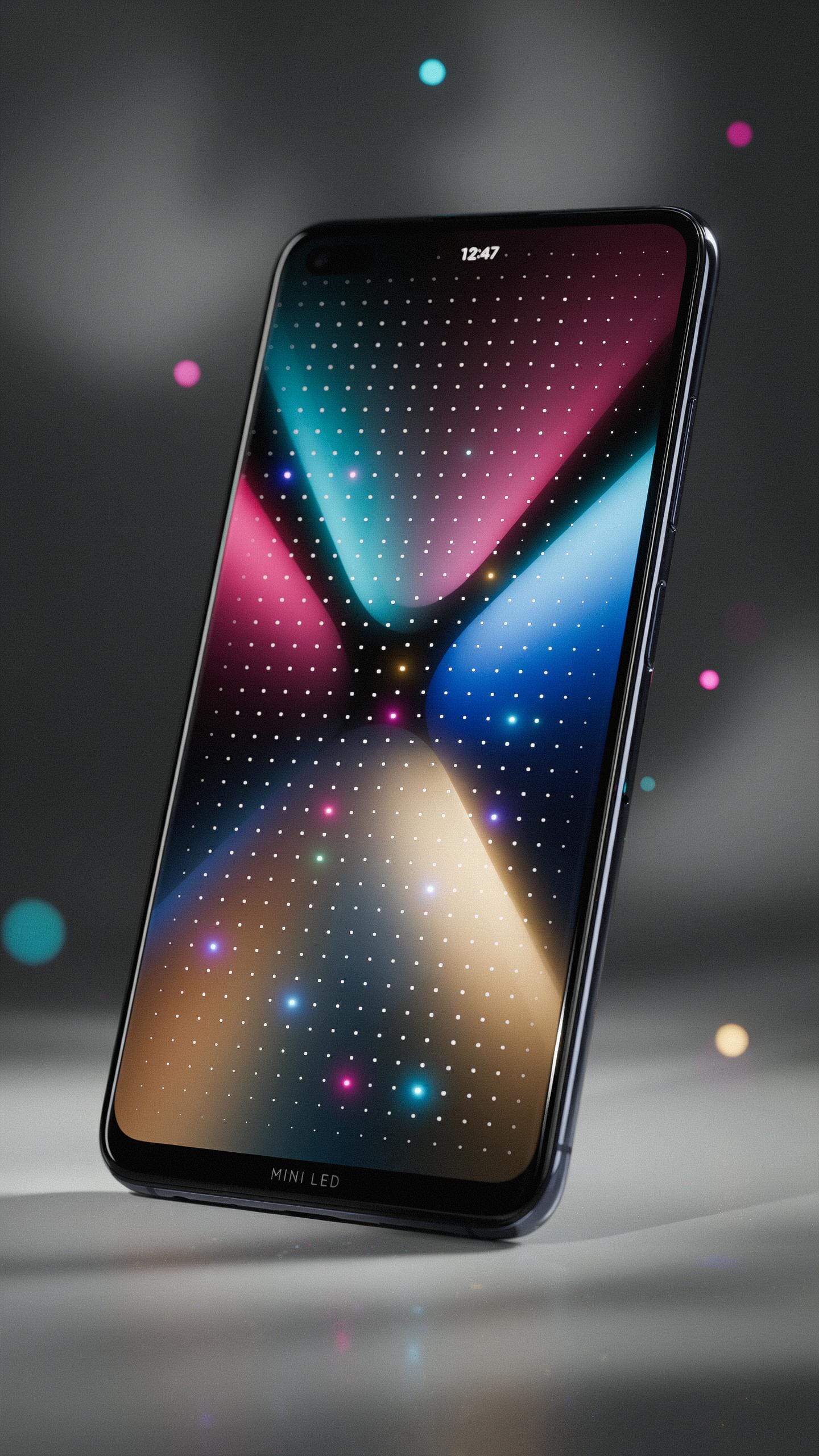
Mini LED panels use thousands of small diodes packed densely on a single board. Traditional LEDs typically feature larger individual diodes spaced further apart. This density matters because it allows mini LEDs to deliver more uniform light distribution across your phone’s frame. The compact arrangement also enables manufacturers to create thinner, lighter fixtures that fit into portable kits.
Mini LEDs generate less heat than older LED designs while maintaining brightness output. They consume power more efficiently, extending battery life on rechargeable units. The smaller diode size lets manufacturers control light in specific zones independently. This means you can adjust brightness and color temperature with precision that older LED panels cannot match.
2 2 Key Features To Look For In A Phone Light
Color temperature control determines whether your footage appears warm or cool on camera. Most quality mini LED panels offer adjustable kelvin ratings from 3000K to 6500K. This range covers tungsten bulb warmth through daylight scenarios. Dimmability is equally critical because phone videos require different light levels depending on your subject distance and ambient conditions.
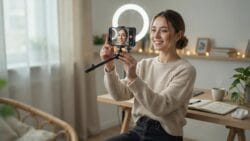
Build quality directly affects how long your light survives daily use. Look for panels with reinforced aluminum frames and shock-resistant housings. Power delivery matters too: USB-C charging ports provide faster recharge times than micro USB. Battery capacity measured in mAh indicates runtime between charges, with 2500mAh being a minimum threshold for serious work.
Top Pick Budget Friendly Mini LED Panel Lights
3 1 Analyzing Cost Effective Options With High Performance
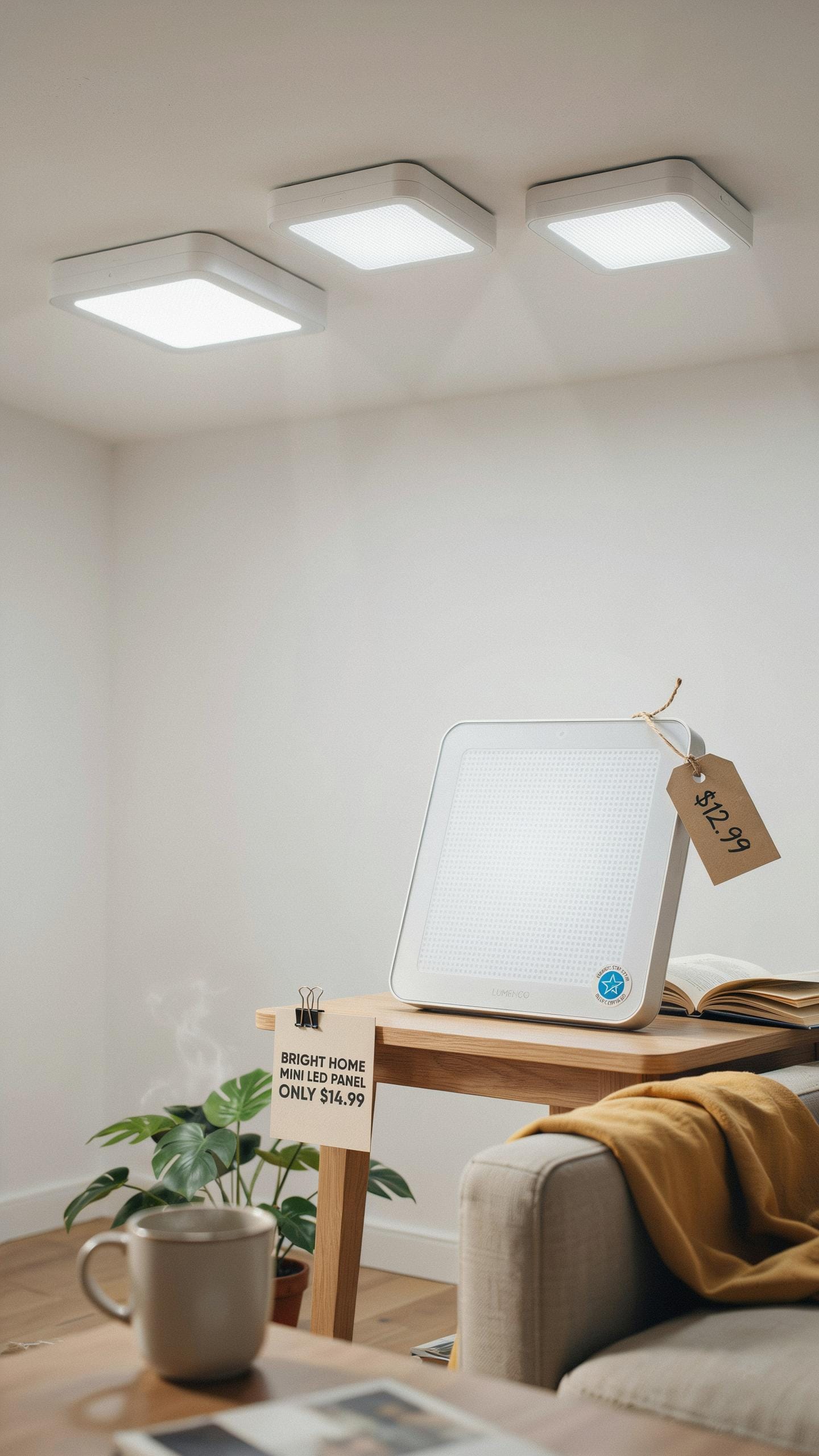
Mini LED panel lights for phone video start around 25 to 50 dollars. At this price point, you get panels with 96 to 120 LED chips. These produce output between 800 to 1500 lux at one meter distance. Color temperature typically ranges from 3200K to 5600K. Battery life runs four to six hours on a single charge.
Performance matters more than price alone. Budget panels use SMD LED technology, which delivers consistent light output. They include basic dimming controls and color temperature adjustment. Construction materials vary from plastic to aluminum frames. The key factor is whether the panel produces flicker free light at all brightness levels, not marketing claims.
3 2 User Reviews And Recommendations For Affordable Models
Real users prioritize brightness consistency and battery reliability over features. Entry level panels around 30 to 40 dollars generate positive feedback when they deliver steady light for two hour shoots. Users note that build quality determines longevity more than brand reputation. Panels with metal frames outlast plastic alternatives by significant margins. Battery degradation occurs faster in cheaper models, typically dropping to 60 percent capacity within one year of regular use.

Specific feedback shows that color accuracy matters for skin tones in video. Budget panels holding 5600K color temperature perform better than models drifting between settings. Users report that panels with manual dimming controls offer more control than touch sensitive buttons that malfunction after six months. Mounting options matter practically. Models including cold shoe mounts or adhesive backs reduce setup time by eliminating additional purchase of third party accessories.
Adjustable Lighting Customizing For Every Scenario
4 1 Controlling Brightness And Color Temperature
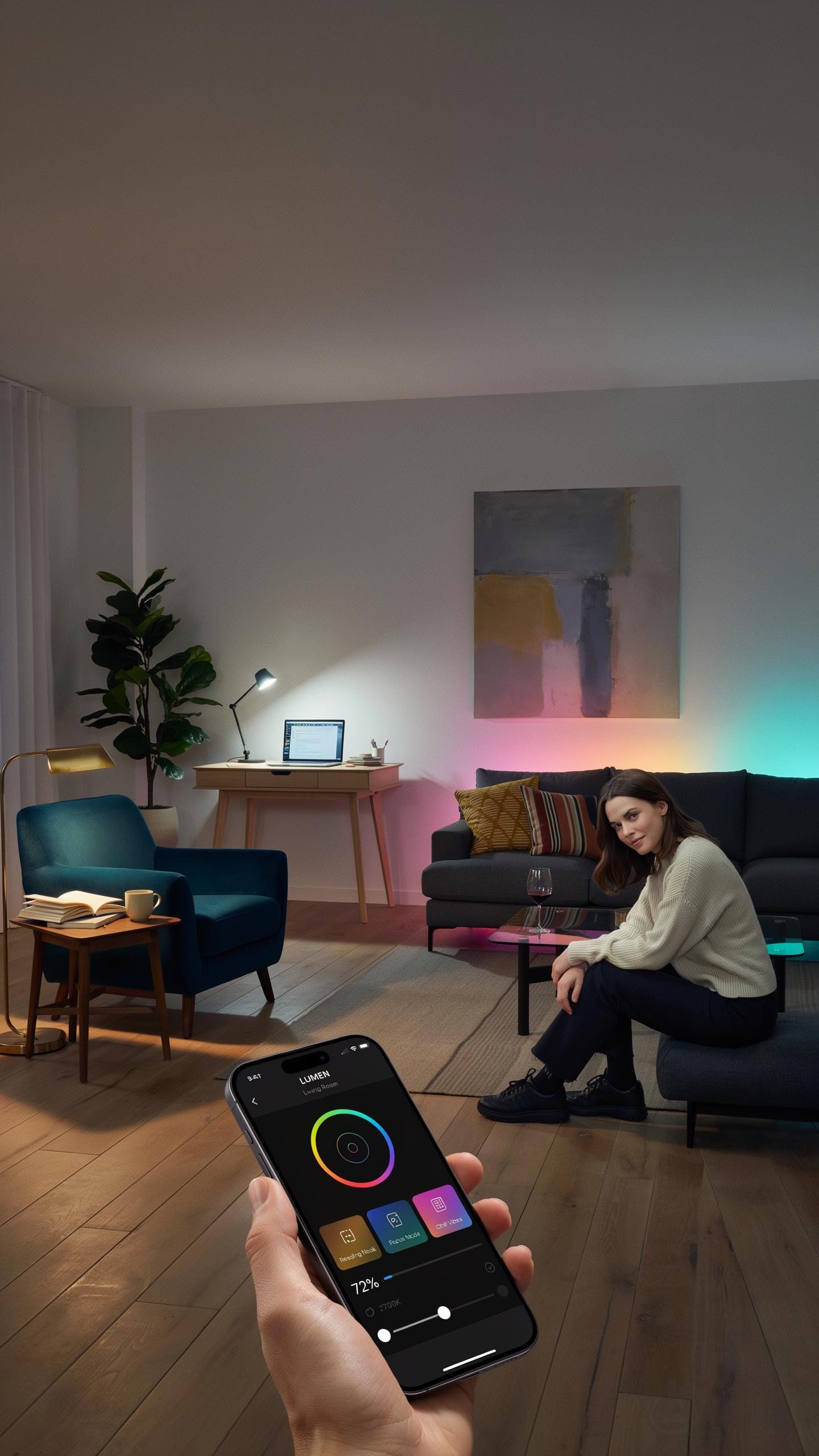
Mini LED panel lights let you dial brightness up or down in real time. Most models use a dial, slider, or app control to adjust output from 10 percent to 100 percent. This matters because phone cameras expose differently based on light intensity. Low brightness works for close-up product shots. High brightness fills larger spaces or compensates for ambient light.
Color temperature control shifts light from warm (3200K) to cool (5600K) tones. This adjustment matches your phone’s white balance and the ambient environment. Warm light suits interview setups and indoor scenes. Cool light works better outdoors or with daylight. You switch between these without swapping equipment or adding filters.
4 2 Benefits Of Adaptable Video Lighting
Adjustable panels cut setup time significantly. You dial in the exact brightness and temperature your shot needs instead of repositioning lights or adding diffusion. This speeds up production on location shoots where moving equipment wastes minutes.

Consistency across multiple takes improves with preset controls. You lock in specific brightness and color settings, then repeat them shot after shot. This prevents the jumpy exposure changes viewers notice when lighting shifts between cuts. Phone videos maintain professional continuity when light stays constant throughout a sequence.
Portable Power Battery Life And Charging For Led Lights
5 1 Understanding Battery Capacity And Runtime
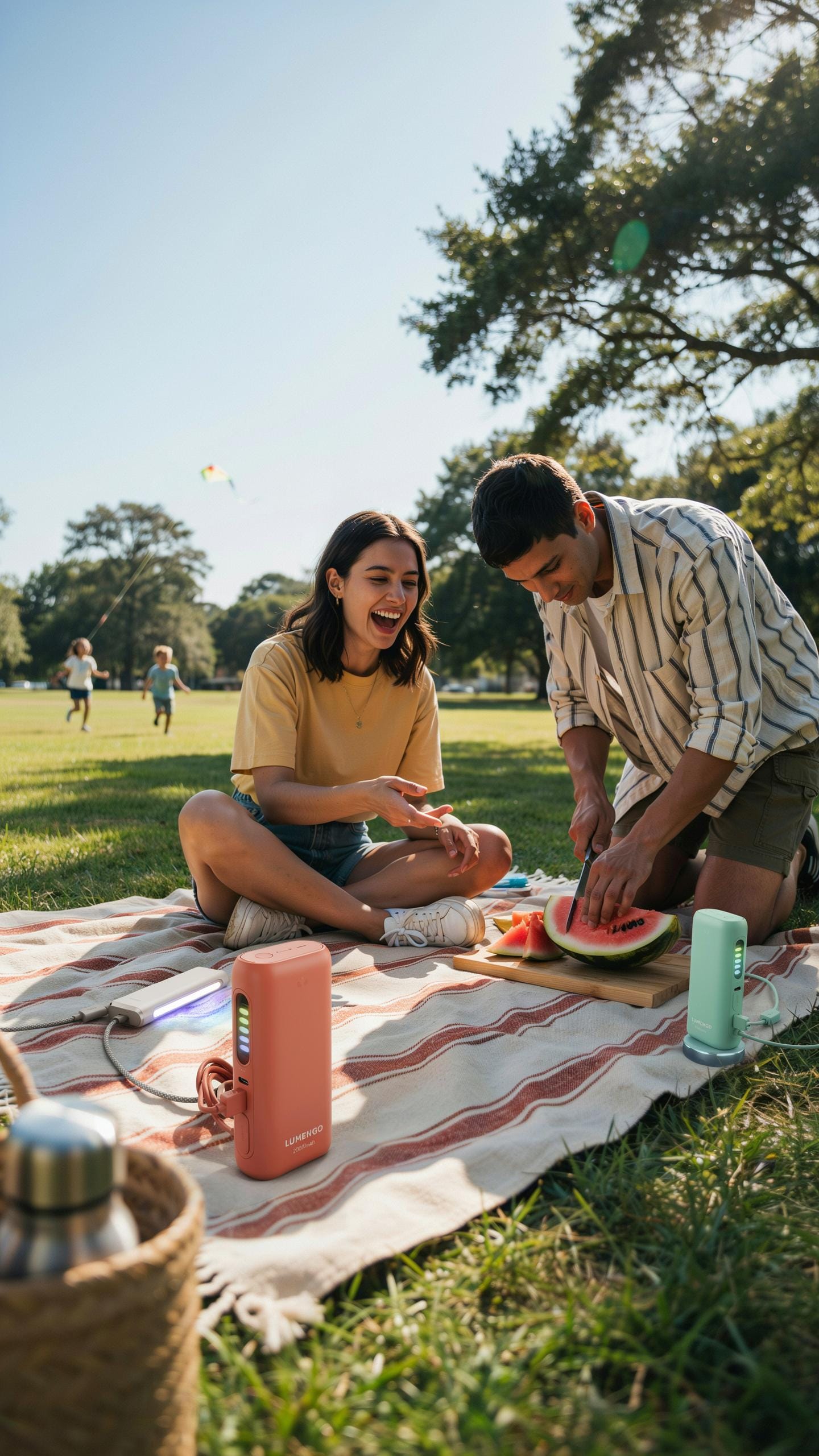
Battery capacity determines how long your LED panel runs before needing a charge. Manufacturers measure this in milliamp-hours (mAh). Higher mAh numbers mean longer runtime. Most phone-sized LED panels range from 1000mAh to 5000mAh. A 2000mAh battery typically powers a panel for 2 to 4 hours at full brightness. Runtime drops significantly when you increase brightness levels.
Power consumption varies by panel design and LED count. Panels with more LEDs drain batteries faster. Brightness settings directly impact how long you can shoot. A 3000mAh panel at 50% brightness lasts longer than the same panel at full brightness. Check manufacturer specs for runtime at different brightness levels before purchasing.
Remember those old home movies, bathed in a golden glow? With a little mini LED light, you can now rekindle that warmth and brilliance in every phone video you create, making every memory shine for generations to come.
5 2 Convenient Charging Options For On The Go Use
USB-C charging dominates modern LED panels because it transfers power quickly and fits common devices. Micro USB ports appear on budget models but charge slower. Some panels include USB-A ports to charge your phone simultaneously while you shoot. Charging times range from 1 to 3 hours depending on cable quality and charger wattage.
Battery packs and portable power banks extend shooting sessions without access to wall outlets. You can charge your LED panel from a power bank while filming on location. This setup works for multi-hour shoots where one battery charge won’t last. Choose power banks rated for at least 10000mAh to charge LED panels efficiently without draining completely.
Mounting Solutions For Your Vlog Lighting Setup
6 1 Attaching To Your Phone Clips Holders And Rigs
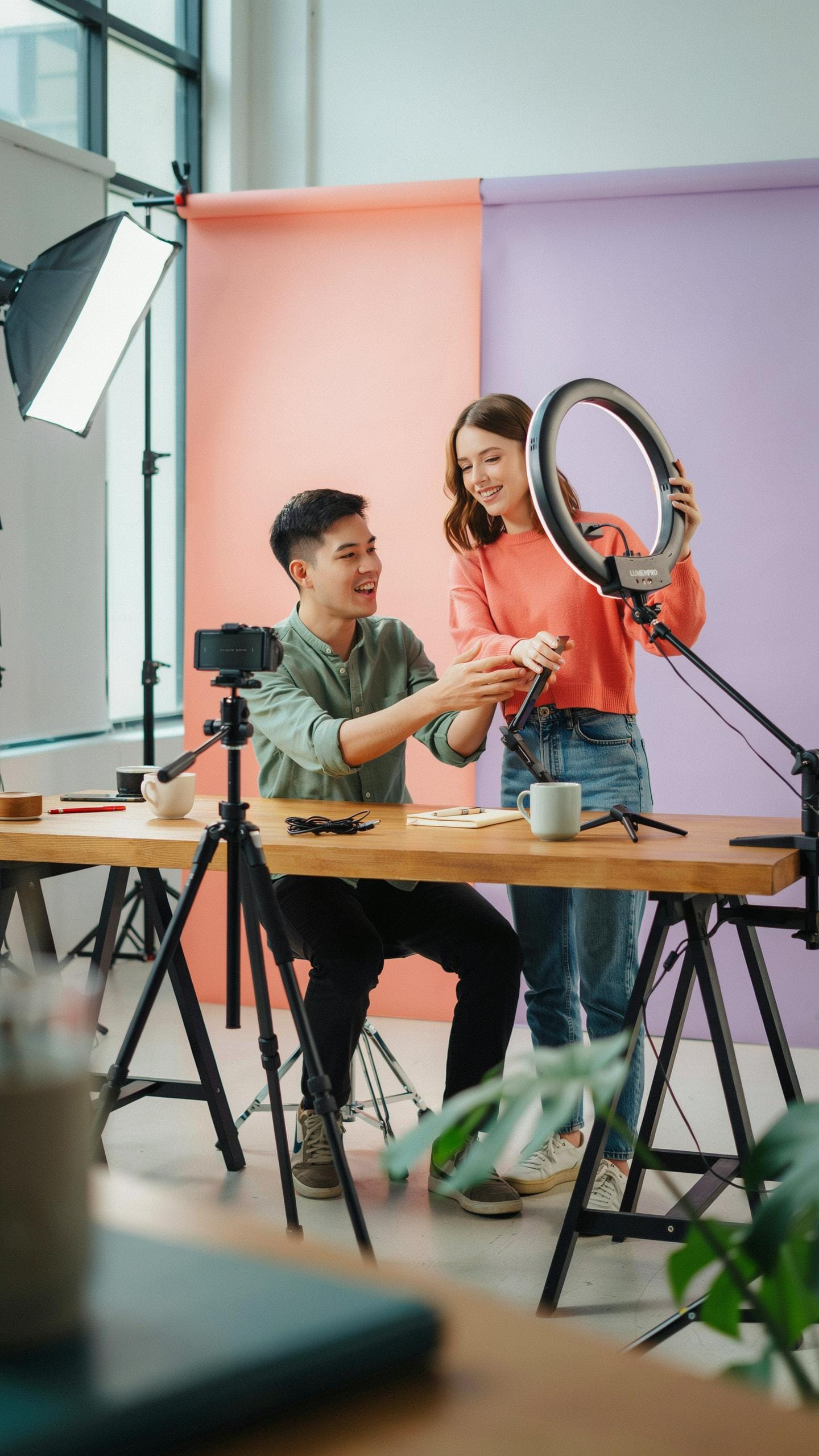
Phone clamps mount mini LED panels directly to your device using adjustable arms and rubber pads. These clamps screw onto standard tripod threads, giving you multiple positioning angles. Most accommodate phones between 55mm and 85mm wide. The clamp approach works fast for solo recording but adds weight to your phone’s top edge.
Cold shoe mounts attach panels to your phone rig without drilling holes. These metal brackets slide onto your phone’s existing flash hot shoe or mount onto optional rails. They preserve your phone’s integrity and let you swap lights quickly between shots. Professional rigs use multiple rails for balanced weight distribution across your filming setup.
6 2 Versatile Mounting For Different Filming Styles
Desk stands and tripod adapters position mini LED panels anywhere you need them on set. Ball heads rotate 360 degrees, letting you angle light from above, below, or sideways. This approach works best for stationary shots like interviews or product demonstrations. You gain complete freedom to adjust light position without touching your phone once rolling.
Shoulder rigs and gimbal mounting systems keep lights stable during movement shots. These rigs clamp panels beside or above your phone, maintaining consistent lighting while you walk or pan. Handheld gimbals distribute weight evenly, reducing fatigue during extended shooting. This setup demands more investment but eliminates shadow flicker from uneven handheld motion.
Beyond The Basics Advanced Features In Mini LED Video Lighting
7 1 RGB Options And Creative Lighting Effects
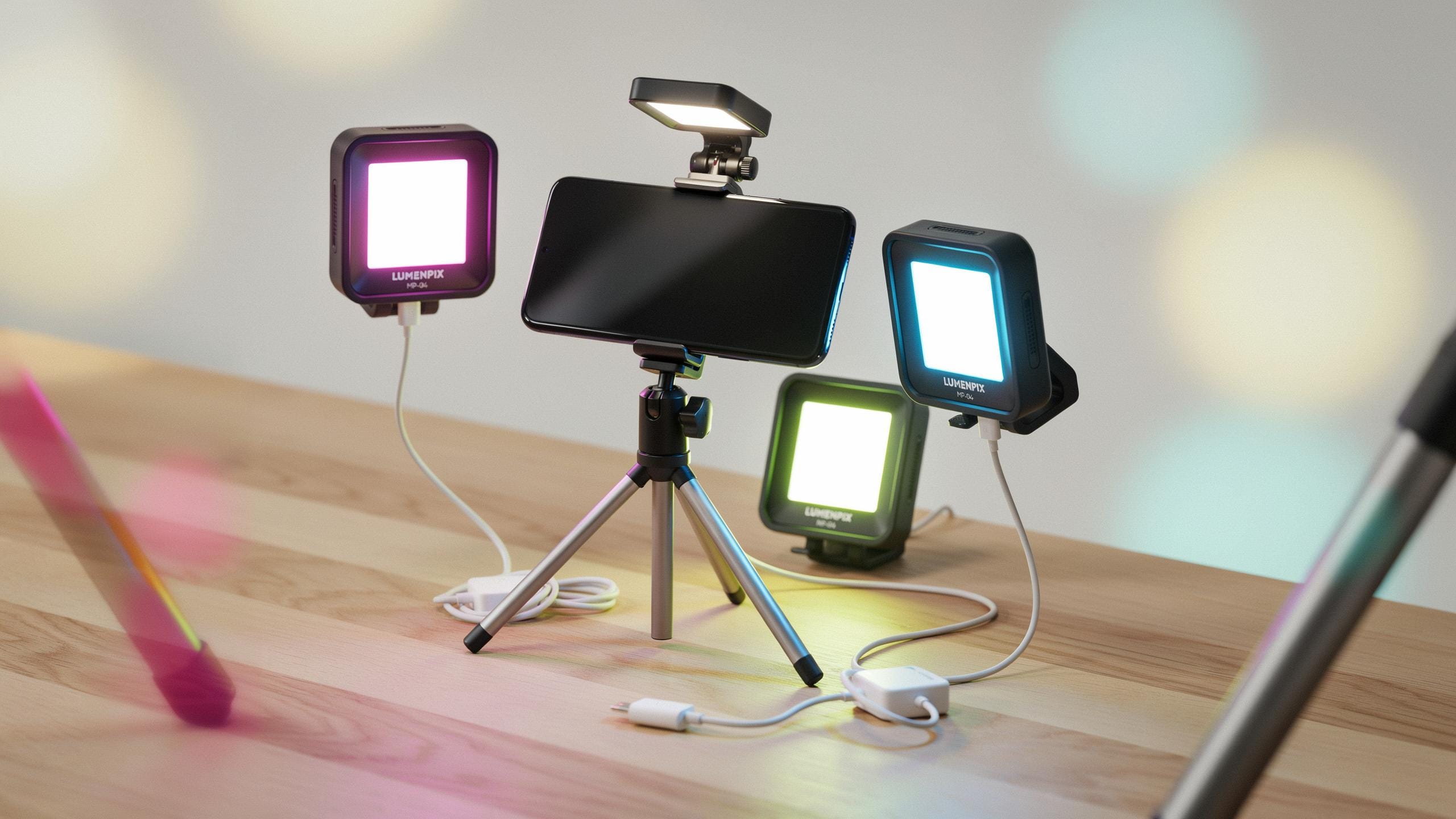
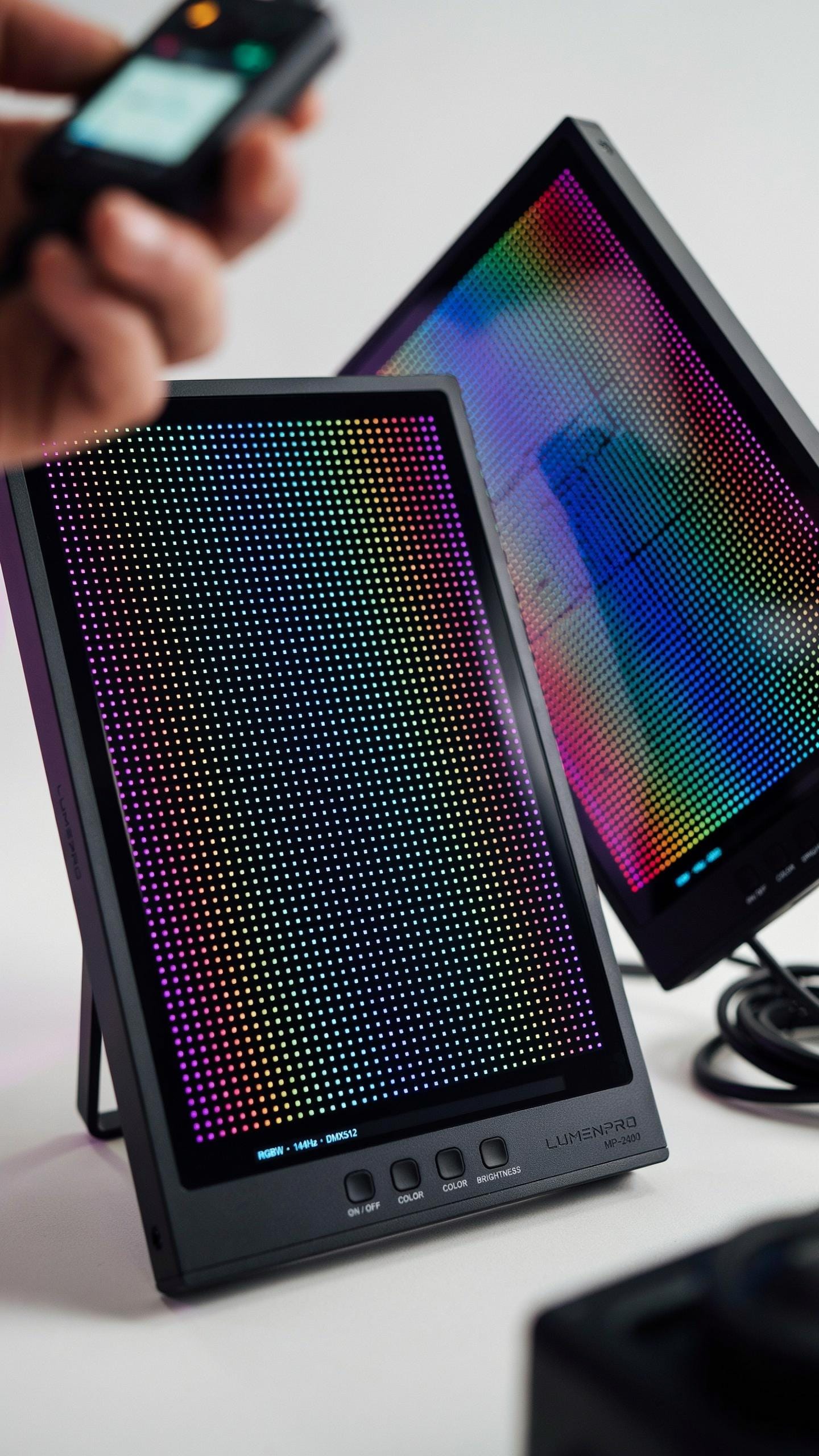
RGB mini LED panels give you control over color temperature and hue independently. You adjust red, green, and blue channels separately to dial in exactly what you need. This matters because phone videos often deal with mixed lighting environments. You can correct color casts from windows, fluorescent overhead lights, or tungsten bulbs without adding filters or gels. RGB panels range from basic two-color temperature switching to full spectrum control.
Full RGB capability opens tactical options for creative work. You can match existing ambient light, create specific mood lighting, or shift colors mid-shoot without touching your camera settings. Most RGB panels use either dial controls, button interfaces, or smartphone apps to adjust hue and saturation. The app-based approach gives fastest adjustment speed during live recording. Budget-friendly RGB panels typically offer preset color temperatures. Professional-grade options provide continuous color adjustment across the visible spectrum.
7 2 Syncing With Other Devices And Remote Control
Remote control functionality eliminates the need to reach your light during recording. Most mini LED panels with remotes use either infrared or 2.4GHz wireless protocols. Infrared remotes require line-of-sight between the remote and panel. They work well for stationary setups but fail if obstacles block the signal path. Wireless 2.4GHz remotes work through walls and around corners, making them better for dynamic shooting situations.
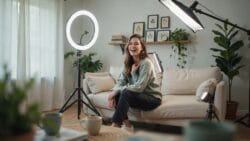
App-based control connects your panel directly to your smartphone via Bluetooth or WiFi. This approach lets you adjust intensity, color, and effects from your phone while monitoring video on screen. Some advanced panels sync brightness across multiple units simultaneously, maintaining consistent lighting across multiple angles. Wireless syncing requires your phone to stay within range, typically 30 to 100 feet depending on the protocol and panel model. Battery drain on your phone increases with constant app connectivity.
Maximizing Your Mini LED Panel Light For Phone Video
8 1 Tips For Optimal Placement And Diffusion
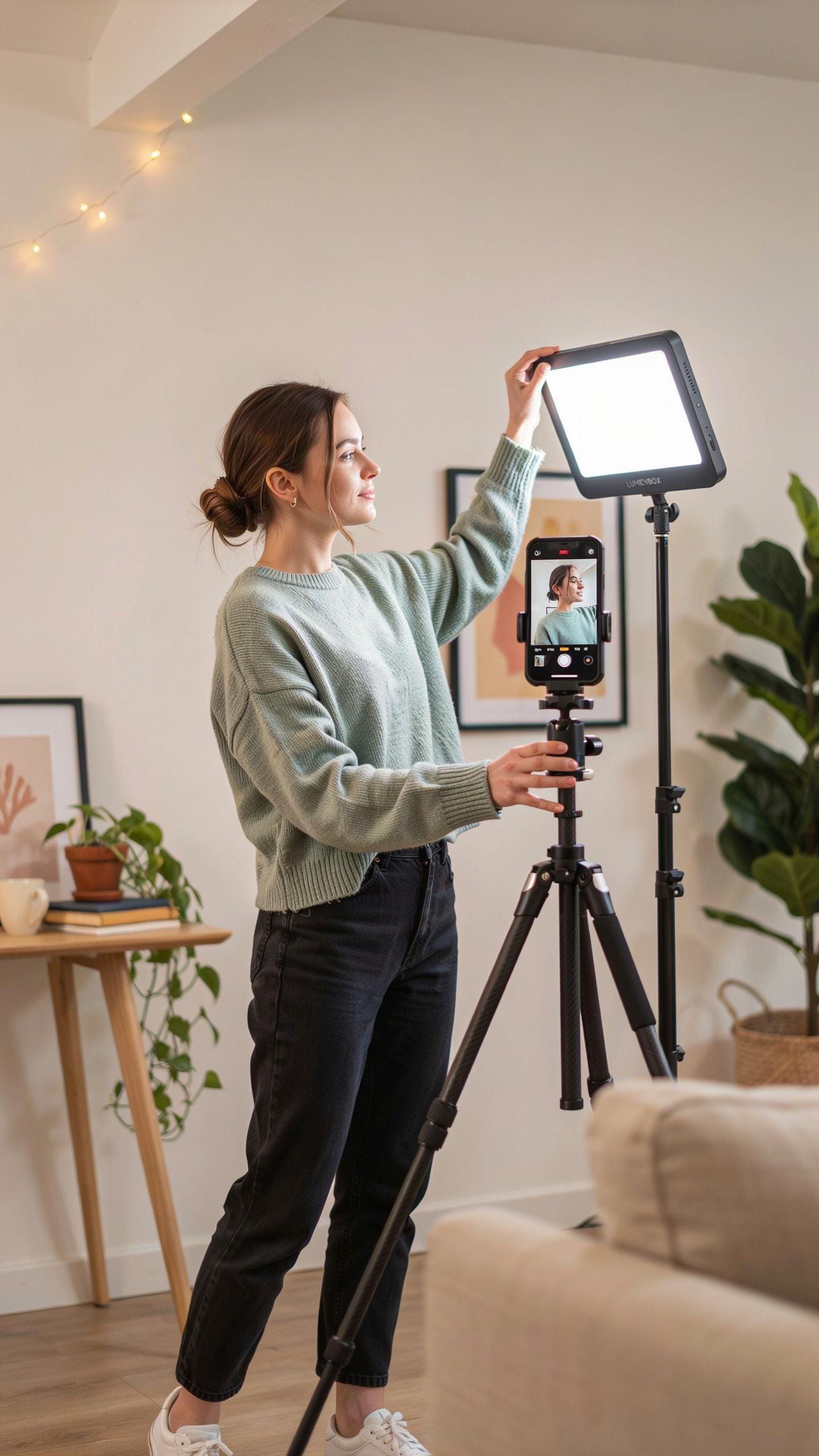
Position your mini LED panel at a 45-degree angle to your subject. This placement reduces harsh shadows while maintaining clear facial definition. Keep the light between 12 to 24 inches from your phone camera lens for balanced exposure without overexposure on skin tones.
- Three-point setup: Place the main light at 45 degrees, add a secondary panel as fill light opposite the key light, and position a third unit behind your subject for separation from the background.
- Diffusion materials: Use frosted diffusion panels, white fabric, or paper to scatter light rays and soften shadows. This reduces the harsh quality that direct LED output produces on skin and facial features.
- Distance adjustment: Move your light closer for brighter output on darker subjects or farther away for controlled exposure on fair skin tones. Test distances during setup to avoid clipping highlights.
- Angle variation: Tilt the panel downward slightly when shooting from below eye level to prevent unflattering shadows under the eyes and chin. Adjust upward when shooting from above.
- Reflector placement: Position white or silver reflectors opposite your main light to bounce fill light back onto shadowed areas. This technique reduces the need for multiple panels in tight spaces.
Diffusion quality matters more than raw brightness. Cheap diffusion materials create uneven light scatter and visible hot spots on video. Invest in proper diffusion paper or commercial panels designed for LED output to maintain consistent illumination across your frame.
8 2 Common Mistakes To Avoid For Better Results
Placing your light too close causes overexposure and blown-out highlights on skin. This destroys detail in facial features and makes your footage look unprofessional. Start at 18 inches and move closer only if your subject remains properly exposed without clipping.

Shooting with direct LED output creates harsh shadows and unnatural skin tones. Your audience sees unflattering contrast instead of usable video footage. Always diffuse your light, even if it reduces output by 30 to 50 percent. The visual quality improvement justifies the brightness loss.
Where To Buy Your Next Mini Led Panel Light
9 1 Online Retailers And Specialty Camera Shops
Amazon, B&H Photo, and Adorama stock mini LED panel lights in multiple price ranges. These platforms offer fast shipping and straightforward return policies. Specialty camera shops provide hands-on product testing and staff expertise. Online marketplaces give you access to international brands that local stores may not carry.
Direct manufacturer websites often list authorized dealers. This approach cuts out middlemen and sometimes offers exclusive deals. You can verify authenticity and access full warranty documentation directly. Checking the manufacturer site first saves time and prevents counterfeit purchases.
9 2 Comparing Prices And Warranty Information
Price variations between retailers reach 20-30 percent for identical models. Always check warranty length, coverage details, and return windows before purchasing. Some sellers bundle extras like diffusers or stands that change true value. Document prices from three sources minimum to identify the best deal.
Warranty terms vary significantly across brands and retailers. Most quality mini LED panels include one to two year coverage. Read whether warranty covers physical damage or electrical failure only. Request warranty documentation in writing before finalizing your purchase decision.
Frequently Asked Questions

What exactly is a mini LED panel light for phone video, and why would I need one?
A mini LED panel light for phone video is a compact, portable lighting device designed to dramatically improve the quality of your smartphone videos. It provides consistent, adjustable illumination, eliminating harsh shadows and dark, grainy footage, making your content look professional and polished, even in challenging lighting conditions.
How do I properly position a mini LED panel light to get the best lighting for my phone videos?
For optimal results, position your mini LED panel light slightly above and to the side of your phone, angled towards your subject. This creates flattering, soft illumination and avoids flat, direct light. Experiment with distance and angle; often, a 45-degree angle from your subject works wonderfully to sculpt details.
Are there affordable mini LED panel light options available for someone on a tight budget?
Absolutely! Many excellent and budget-friendly mini LED panel light options exist, perfect for enhancing your phone videos without breaking the bank. Brands offer entry-level models that still provide significant improvements in brightness and color temperature, proving you don’t need to spend a fortune to elevate your mobile filmmaking.