
Why A Portable Solar Charger Is Essential For Outdoor Adventures

The Growing Need For Off Grid Power
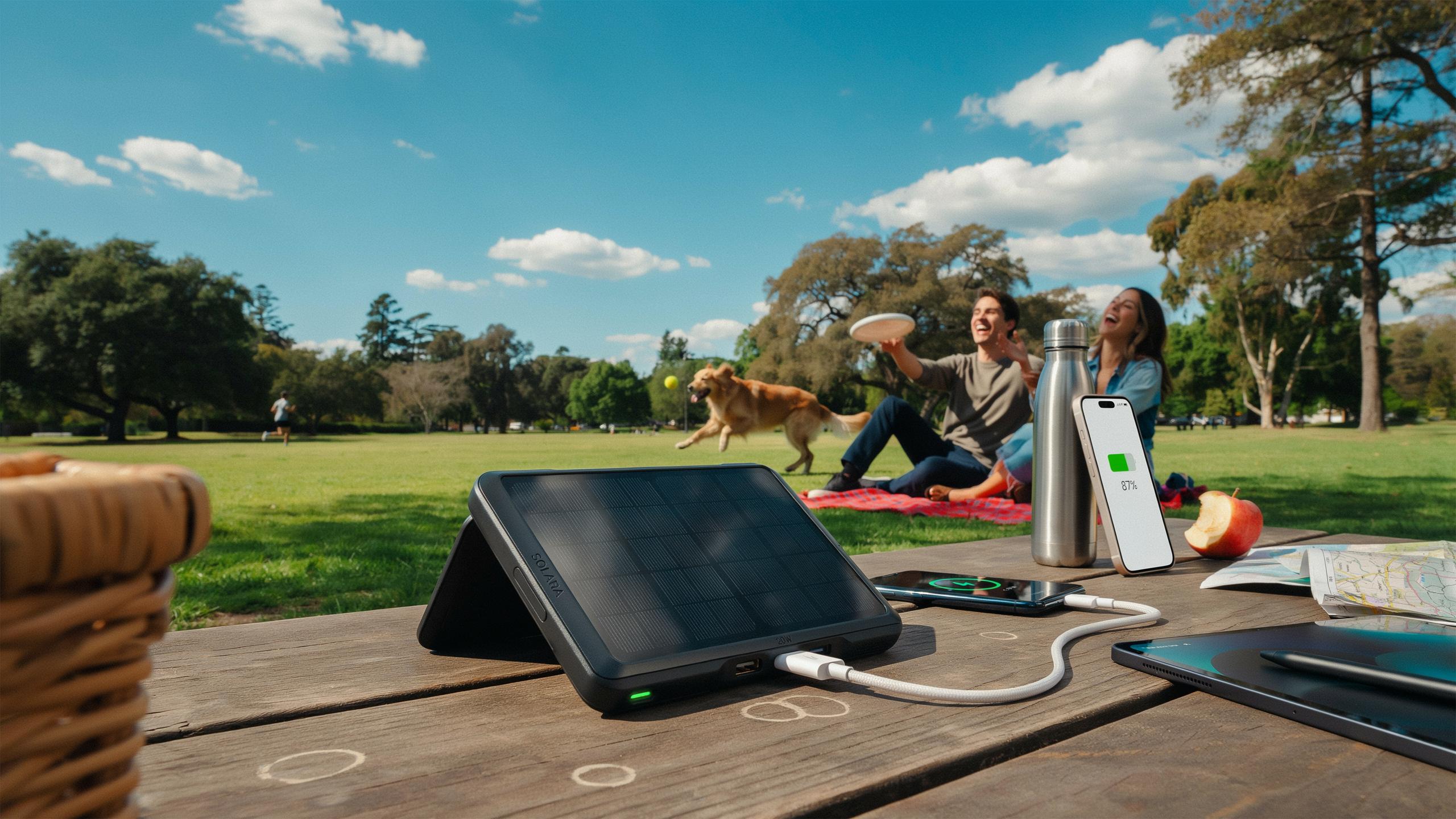
People rely on phones and tablets for navigation, communication, and emergency contact during outdoor activities. Traditional power infrastructure disappears beyond developed areas. Battery depletion becomes a real problem on multi day trips, hikes, and remote camping excursions. Standard wall outlets are useless when you’re miles from civilization. Portable solar chargers bridge this gap by converting sunlight into usable power anywhere the sun reaches.
Remote locations demand self sufficient energy solutions. Backcountry hikers, backpackers, and wilderness campers cannot depend on finding charging stations. Weather delays, unexpected route changes, and equipment failures extend trips beyond planned timelines. A device capable of generating power during daylight hours eliminates the anxiety of dead batteries in critical situations. Solar chargers provide reliable backup power when traditional infrastructure fails.
Benefits Of Solar Charging For Phones And Tablets
Solar chargers eliminate dependence on fossil fuel based electricity grids. They produce zero emissions during operation and require no fuel or consumables. Users charge devices using renewable energy that’s freely available in most outdoor environments. This reduces environmental impact compared to conventional battery replacement or grid powered charging. Sustainable power generation aligns with responsible outdoor recreation practices and reduces carbon footprint.
Communication and navigation capabilities depend on charged devices in the field. GPS mapping, satellite messaging, and emergency contact systems keep outdoor enthusiasts connected and safe. Solar chargers enable extended use of these critical tools without restricting daily activities. Tablets serve as reference guides for trail information, wildlife identification, and weather monitoring. Maintaining device charge directly improves decision making and safety outcomes during outdoor expeditions.
Understanding How A Solar Panel Charger Works

The Science Behind Solar Cells
Photovoltaic cells convert sunlight directly into electricity through the photovoltaic effect. When photons from sunlight strike the cell’s semiconductor material, typically silicon, they knock electrons loose from atoms. This creates an electric field that forces electrons to flow in one direction, generating direct current electricity that powers your devices.
The efficiency of this conversion depends on cell type and sunlight intensity. Monocrystalline cells achieve 15-22% efficiency in laboratory conditions. Polycrystalline cells reach 13-18% efficiency. Real-world performance drops when clouds block sun, when panels sit at poor angles, or when dust covers the surface. Understanding these variables explains why solar chargers work faster at midday than dawn or dusk.
Components Of A Portable Solar Charger System
A portable solar charger system contains three critical parts working together. Solar panels collect sunlight and convert it to raw DC power. The charge controller regulates voltage and current to prevent device damage from power spikes. Output ports deliver usable electricity to your phone or tablet through USB connections.
The charge controller is the working component most people overlook. It steps down voltage from panels, manages current flow, and switches between charging modes. Without it, unstable power would fry your device’s battery. USB output ports typically provide 5 volts at varying amperage levels. Quality chargers include multiple ports to charge two devices simultaneously, though this splits available power between them.
Types Of Portable Solar Panels For Your Devices
Monocrystalline Vs. Polycrystalline Panels
Monocrystalline panels deliver higher efficiency rates, typically between 17-22 percent. They convert more sunlight into usable power per square inch of surface area. This matters for portable chargers because it means smaller panels generate adequate current for phones and tablets. The manufacturing process creates single-crystal silicon structures, which costs more but produces superior performance in direct sunlight conditions.
Polycrystalline panels operate at lower efficiency levels, typically 13-16 percent. They cost less to manufacture because producers melt multiple silicon fragments together rather than growing single crystals. For budget-conscious buyers, this trade-off works if you accept longer charging times and need larger panel areas. Polycrystalline panels perform adequately in cloudy conditions and still charge devices reliably, just slower than monocrystalline equivalents.
Foldable Solar Panel Backpacks And Lightweight Designs
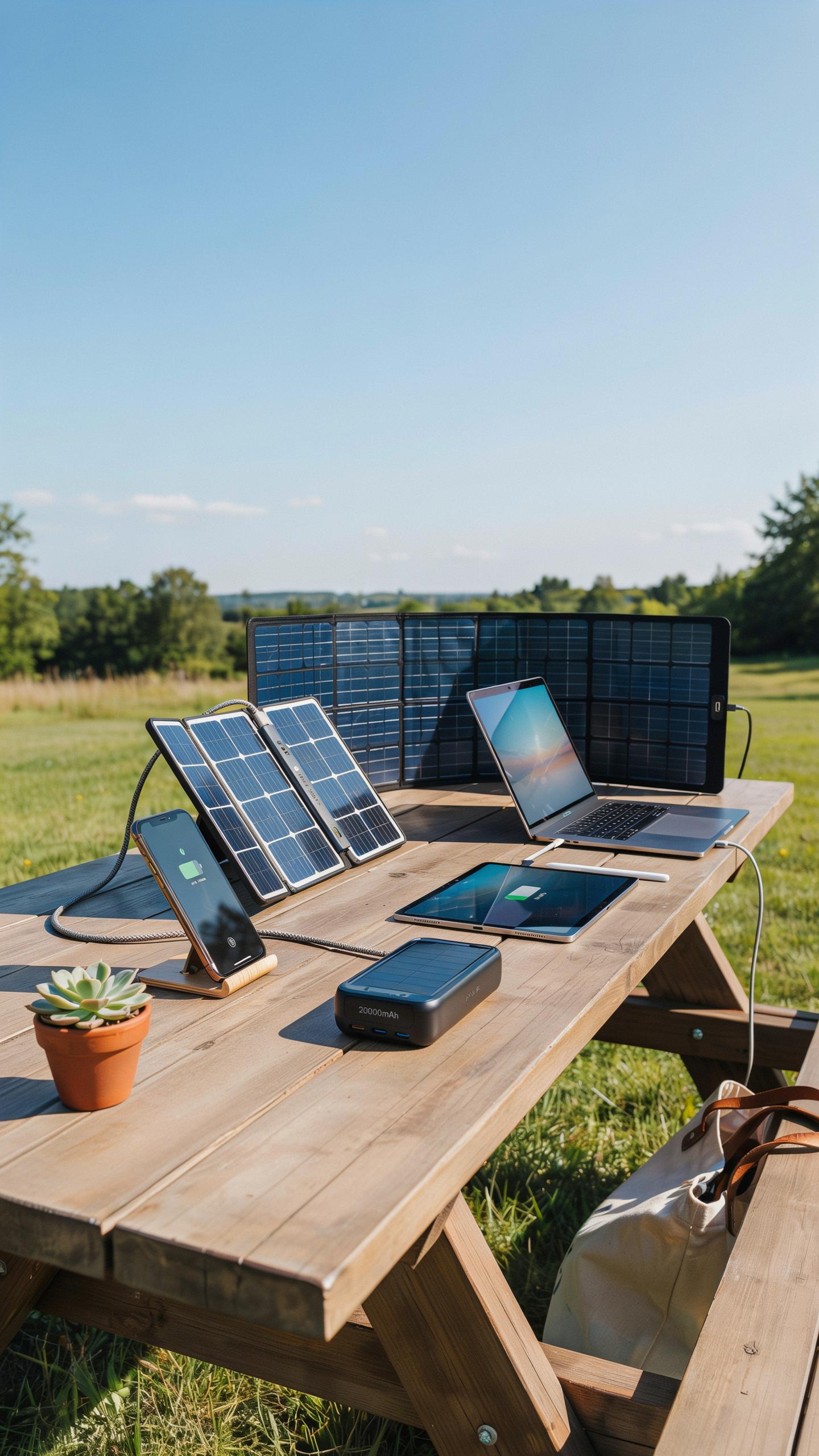
Foldable solar panels maximize portability by integrating into compact form factors that unfold when deployed. Standard foldable designs range from 5-100 watts and fold down to briefcase or tablet-sized packages. Many manufacturers build them with hinged sections that snap together, reducing bulk during transport. Weight typically stays under 3 pounds for portable phone-charging models, critical for hikers and backpackers managing pack weight over long distances.
Backpack-integrated solar chargers sew panels directly into the fabric exterior or attach via attachment points. This design eliminates separate carrying requirements since panels deploy while you move. Hikers benefit from continuous passive charging during daytime activities without stopping to set up equipment. Some models feature detachable panels, allowing flexible deployment on tents or rocks for optimized sun angle positioning.
Choosing The Right Portable Solar Charger For Your Needs

Power Output And Charging Speed Considerations
Match your charger’s wattage to your device’s input capacity. Most phones accept 5 to 18 watts. Tablets demand 10 to 30 watts. A charger rated higher than your device needs wastes money. A charger rated lower charges slowly or not at all. Check your device manual for the exact power requirement listed in watts or amperes.
Amperage and voltage work together to deliver power. Voltage stays constant at 5V for USB charging. Amperage determines speed. A 2-amp charger delivers power twice as fast as a 1-amp charger to the same device. Solar chargers with lower amperage output take longer under sunlight and perform poorly on cloudy days. Select amperage based on how quickly you need a full charge.
In every sunbeam, a connection awaits, reminding us that even far from home, our stories and conversations can always be illuminated.
— John Muir
Durability And Weather Resistance For Outdoor Use
IP ratings tell you how well a charger handles water and dust. IP65 means dust-tight and survives water jets. IP67 means dust-tight and survives brief submersion. Most outdoor solar chargers claim IP65 or higher. Check actual test data, not just marketing claims. Real durability depends on sealed connectors, reinforced corners, and protective casing around internal circuits.
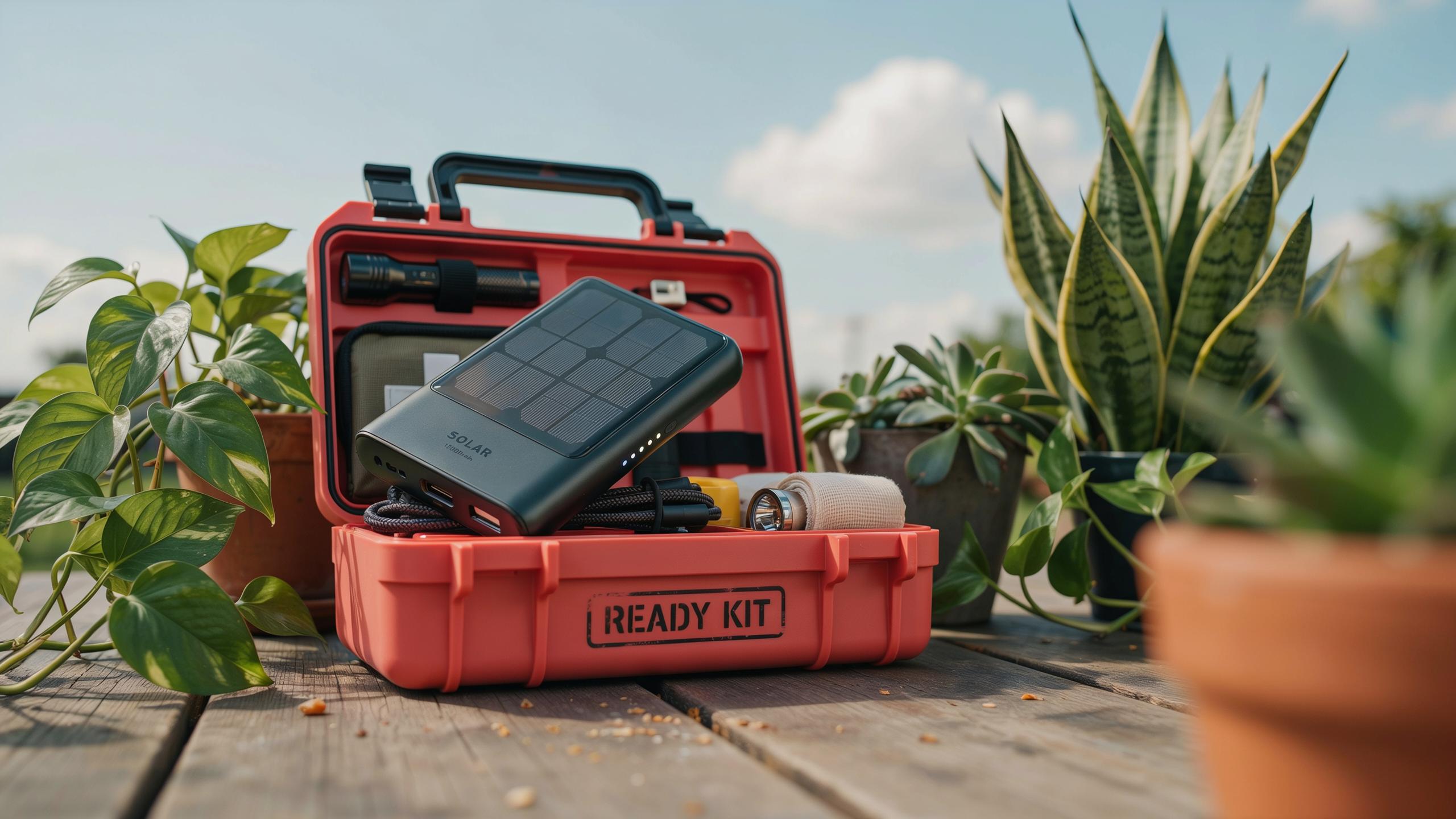
Material matters for heat and impact resistance. Aluminum frames conduct heat away from electronics. Rubberized bumpers absorb drops and protect from cracks. Polycarbonate plastics withstand temperature swings better than cheap ABS plastics. Examine the charger body for gaps around buttons and ports where water enters. Tight seals prevent corrosion inside the device during rain and saltwater exposure.
Features To Look For In A Solar Power Bank
Integrated Battery Capacity And Passthrough Charging
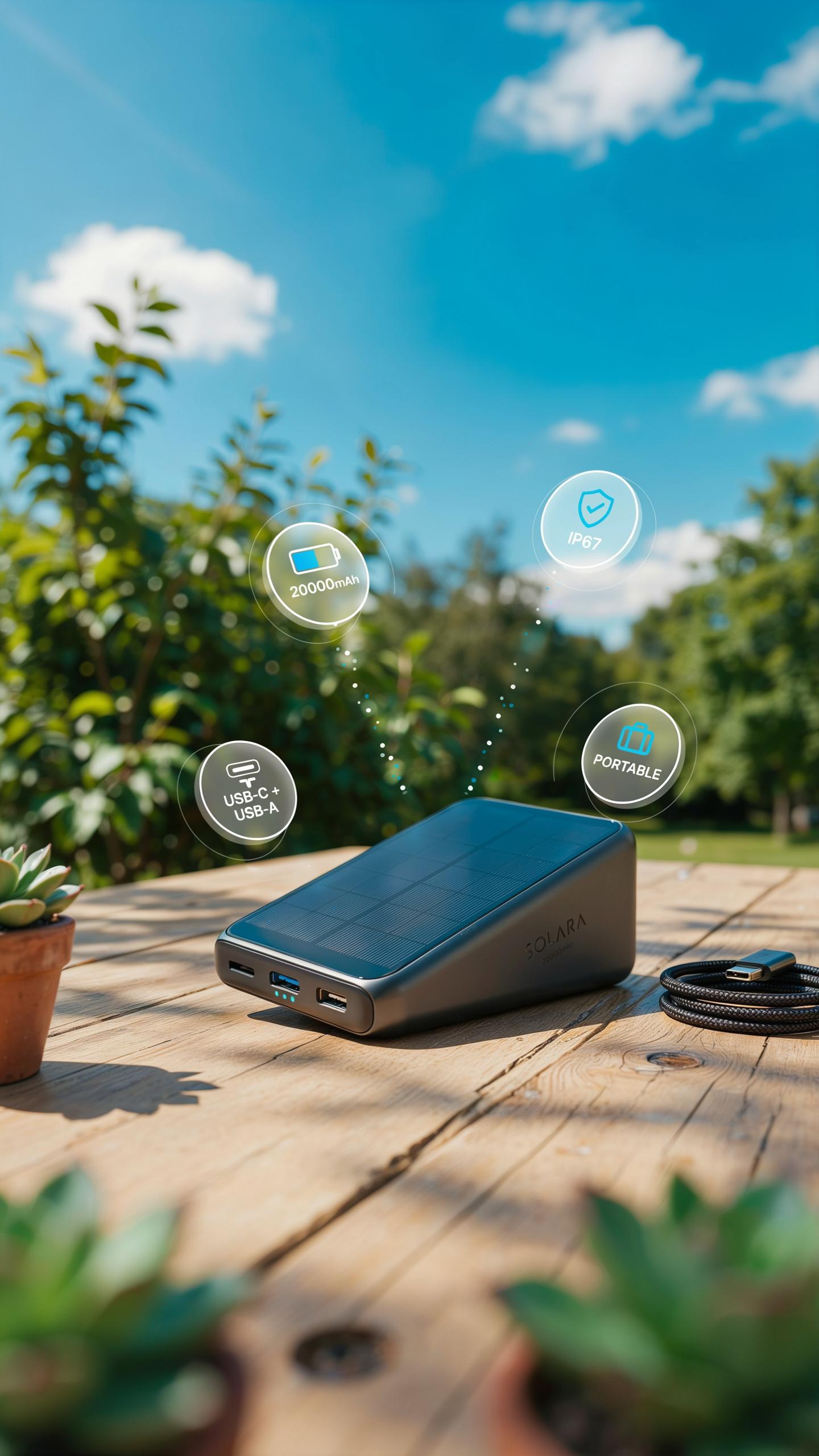
A built-in battery separates functional solar chargers from gimmicks. The battery stores solar energy when conditions are optimal, then delivers power to your devices during cloudy periods or at night. Without onboard storage, you’re limited to real-time charging only when sunlight hits the panel directly.
Passthrough charging lets you charge the battery and your phone simultaneously. This matters for extended trips where downtime cuts into productivity. Look for units with 10,000 to 25,000 mAh capacity. This range provides enough stored energy to fully charge most smartphones two to three times before requiring sunlight input.
Additional Functionality Portable Solar Charger With Flashlight And USB Ports

Multiple USB ports expand utility significantly. Dual or triple USB outputs let you charge phones and tablets at the same time without swapping cables. Each port should deliver adequate amperage, typically 2.1A or higher per port, to charge devices at standard speeds.
LED flashlights serve dual purposes on outdoor equipment. They provide emergency illumination during night travel and help you identify polarity when connecting cables in low light. Battery status indicators tell you exactly how much stored energy remains, eliminating guesswork before critical charging moments. These additions require minimal design complexity but deliver tangible operational advantages in field conditions.
Maximizing Solar Charging Efficiency
Optimal Panel Placement And Sun Exposure
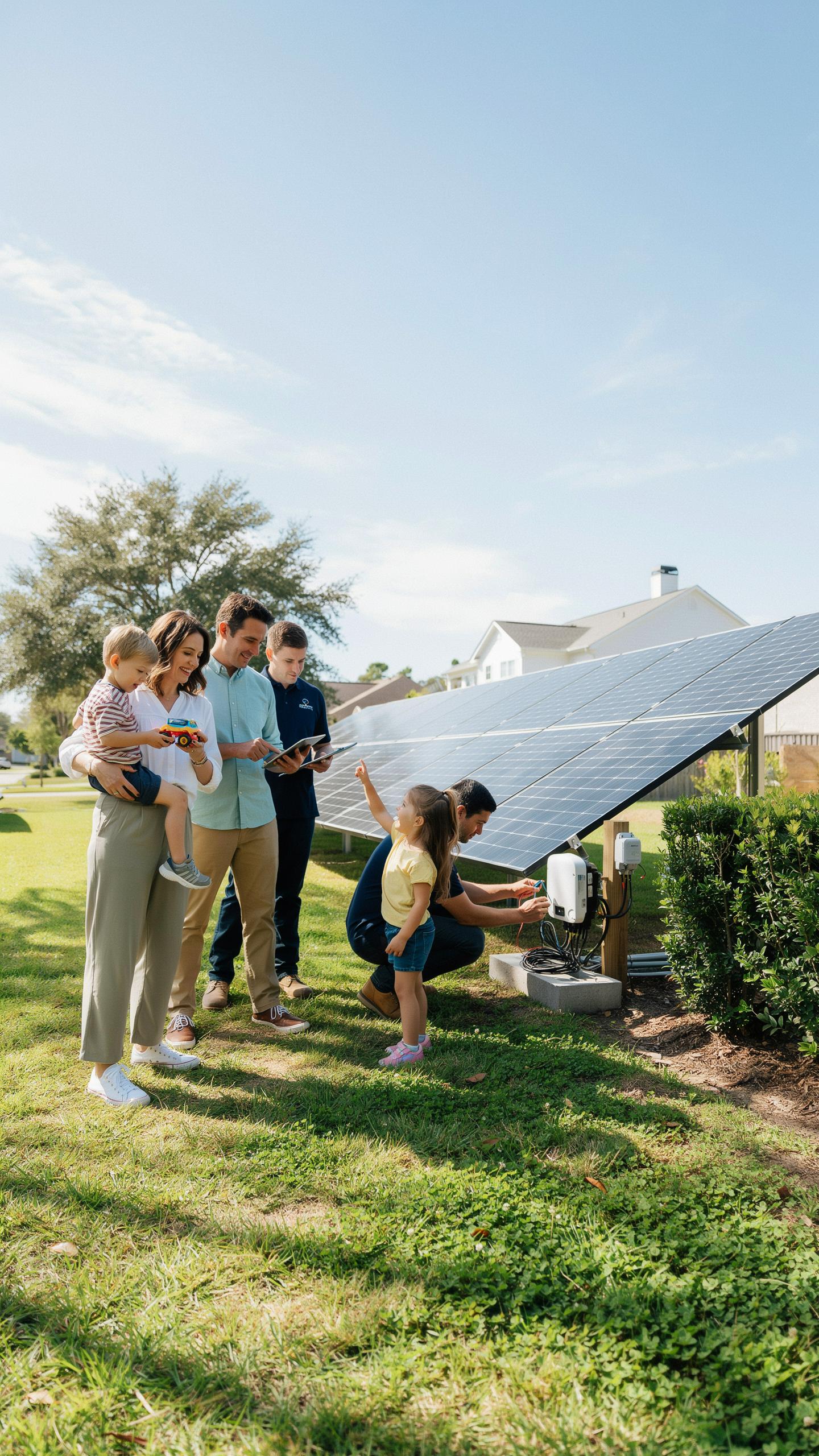
Solar panels generate power based on the angle between the sun’s rays and the panel surface. Position your charger perpendicular to the sun for maximum energy capture. In the Northern Hemisphere, angle panels toward the south. In the Southern Hemisphere, angle toward the north. Adjust the angle throughout the day to track the sun’s movement across the sky.
The sun’s intensity varies by time of day and season. Peak charging occurs between 10 AM and 3 PM when the sun sits highest. Morning and evening sessions produce significantly less power due to lower sun angles. Cloud cover reduces output substantially, sometimes cutting efficiency by 50 percent or more. Clear days deliver the fastest charge times for your phone or tablet.
Maintenance And Care For Your Solar Cell
Clean your panels regularly with a soft, dry cloth to remove dust, dirt, and debris. These particles block sunlight and reduce charging speed. Use distilled water if needed, but avoid harsh chemicals or abrasive materials. Inspect the panel surface for cracks or physical damage that compromises performance. A cracked panel leaks current and performs poorly.
Store your charger in a cool, dry location away from extreme heat or moisture. Prolonged exposure to high temperatures degrades internal components and battery capacity. Keep the device out of direct sunlight when not in use to prevent unnecessary wear. Protect connectors from corrosion by keeping them clean and dry between charging sessions. Proper storage extends the lifespan of your portable solar charger significantly.
Top Portable Solar Charger Brands And Models
Review Of Popular Portable Solar Charger Options
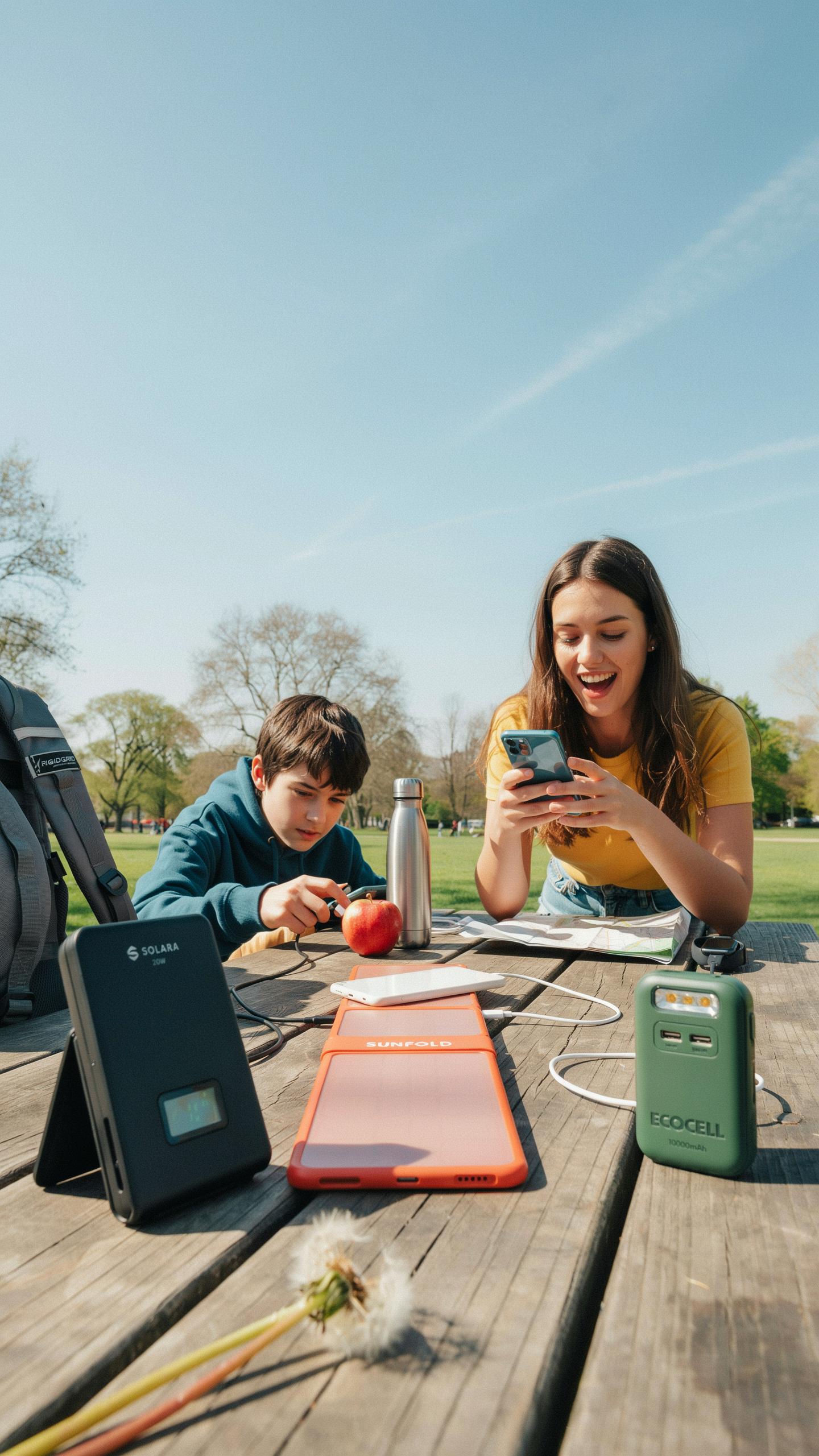
Anker and Goal Zero dominate the market for backpacking applications. Anker’s 625 Solar Charger delivers 100W output with monocrystalline panels and costs under $300. Goal Zero’s Nomad series offers durability for extended backcountry trips. Both brands provide reliable panel efficiency between 20-23 percent, which meets industry standards for portable units.
For casual outdoor use, RAVPower and CHOETECH offer budget-friendly alternatives under $100. These models typically feature 15-30W outputs and foldable designs for day trips. They sacrifice weather resistance compared to premium brands but handle standard outdoor conditions. Input capacity matters here: RAVPower units charge most phones from dead battery in 4-6 hours under direct sunlight.
User Experiences And Recommendations
Users consistently report panel degradation after two years of regular outdoor exposure. Salt air, UV damage, and temperature swings accelerate this decline. Most owners appreciate quick deployment times, with foldable models opening to full capacity in under two minutes. Weather sealing failures emerge as the primary complaint, particularly around cable connection points and zipper closures on protective bags.
Backpackers value weight per watt metrics most. Goal Zero users praise reliability but acknowledge premium pricing. Anker buyers highlight cost efficiency and customer support responsiveness. Casual users often overlook output specifications and regret purchasing underpowered models that cannot simultaneously charge tablets and phones. Experienced outdoors enthusiasts recommend buying solar chargers rated one power level higher than your actual needs to account for cloud cover and panel angle inefficiencies.
The Future Of Solar Charger Portable Technology
Advancements In Solar Panel Efficiency
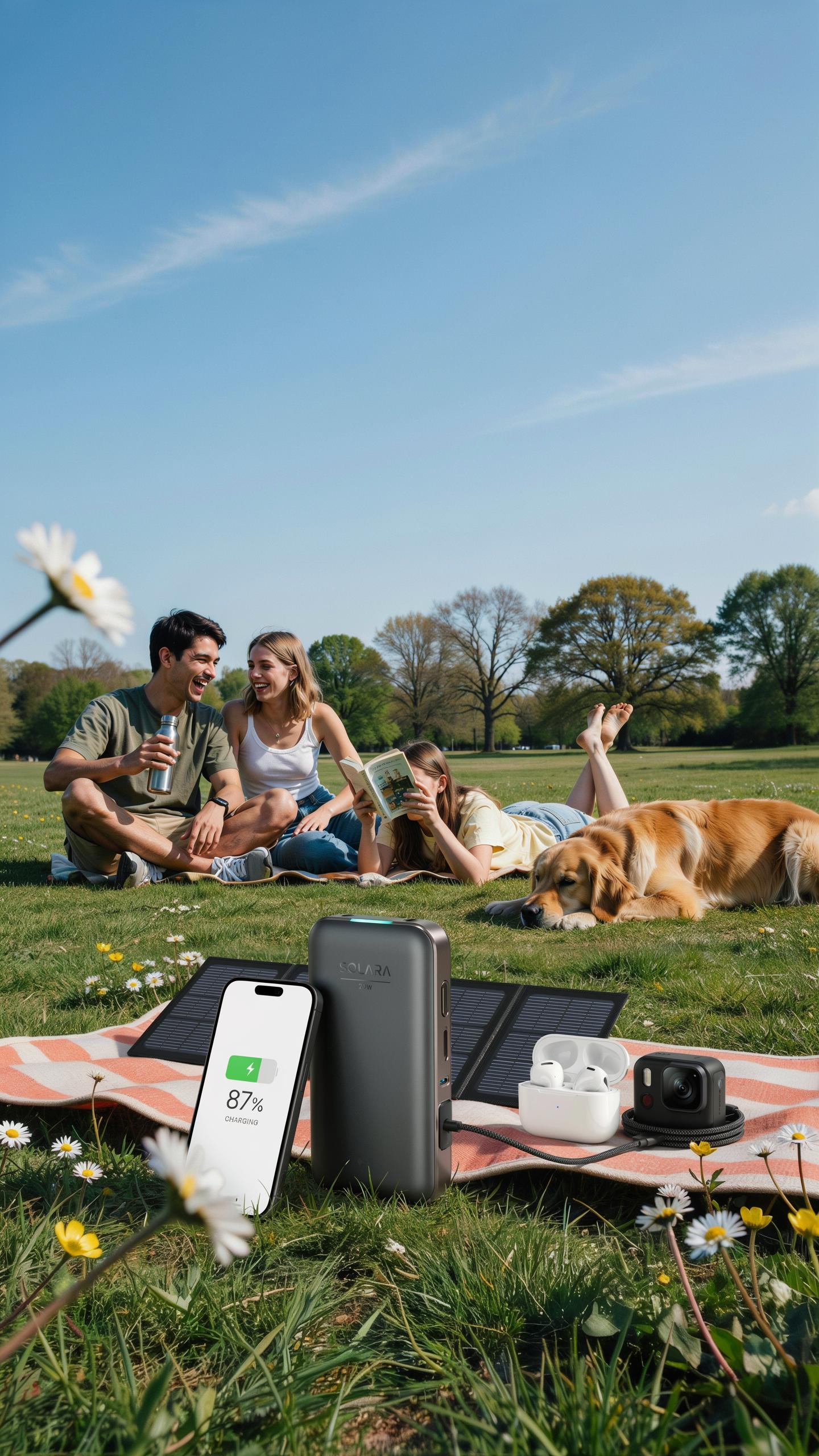
Current solar panels convert 15 to 22 percent of sunlight into usable electricity. Perovskite cells show promise for reaching 30 percent efficiency within the next five years. These materials cost less to manufacture than traditional silicon and perform better in low light conditions. Research labs worldwide are scaling production to move beyond experimental phases into commercial manufacturing.
Flexible solar cells represent a tactical shift in portable design. These thin film panels weigh less and bend around curved surfaces without losing function. They tolerate temperature swings and humidity better than rigid panels. This flexibility opens pathways for integration into backpacks, clothing, and equipment without adding bulk or weight penalties.
Integrating Solar Charging Into Everyday Gear
Solar integrated tents already exist in limited markets. Manufacturers embed thin film panels into tent fabric to generate power while users sleep or rest. The panels typically output 5 to 10 watts per square meter of surface area. This approach eliminates the need to carry separate chargers and reduces total pack weight for extended trips.
Outdoor clothing companies are testing solar fabrics woven with conductive threads and embedded cells. Jackets and hats become charging devices during daylight hours. Early prototypes deliver modest output but improve with each iteration. As manufacturing scales and costs drop, solar clothing shifts from novelty to practical tool for backcountry users who spend entire days outdoors.
Frequently Asked Questions

What exactly is a portable solar charger for phones and tablets, and how does it work?
A portable solar charger for phones and tablets harnesses the sun’s energy to power your devices. It typically consists of solar panels that convert sunlight into electricity, which is then stored in an internal battery or directly used to charge your phone or tablet via a USB cable. It’s perfect for off-grid adventures!
How do I choose the right size and power output for a portable solar charger for my specific devices?
Consider the wattage of your devices and the typical charging time you need. For phones, a 5-10W charger might suffice. Tablets often require 10-20W or more for efficient charging. Check the output ports (USB-A, USB-C) to ensure compatibility with your cables when selecting a portable solar charger for phones and tablets.
Are there affordable portable solar charger options available, or are they typically expensive?
Absolutely! You can find a wide range of portable solar chargers to fit various budgets. Basic models suitable for single phone charges can be quite inexpensive, while more powerful, multi-panel options for tablets and multiple devices will naturally cost more. Look for sales and compare features to find the best value.