
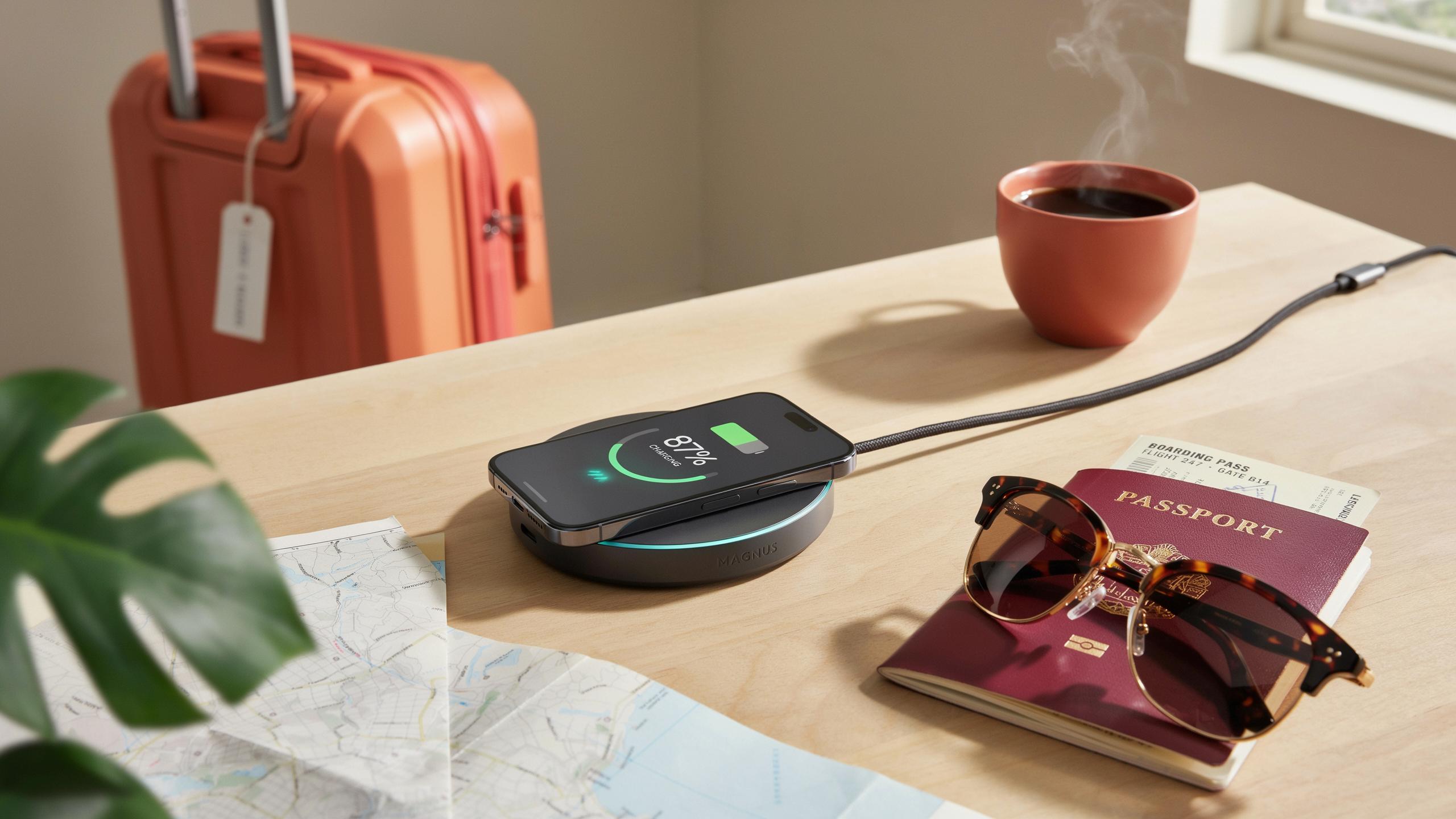
The Evolution Of The Wireless Charger
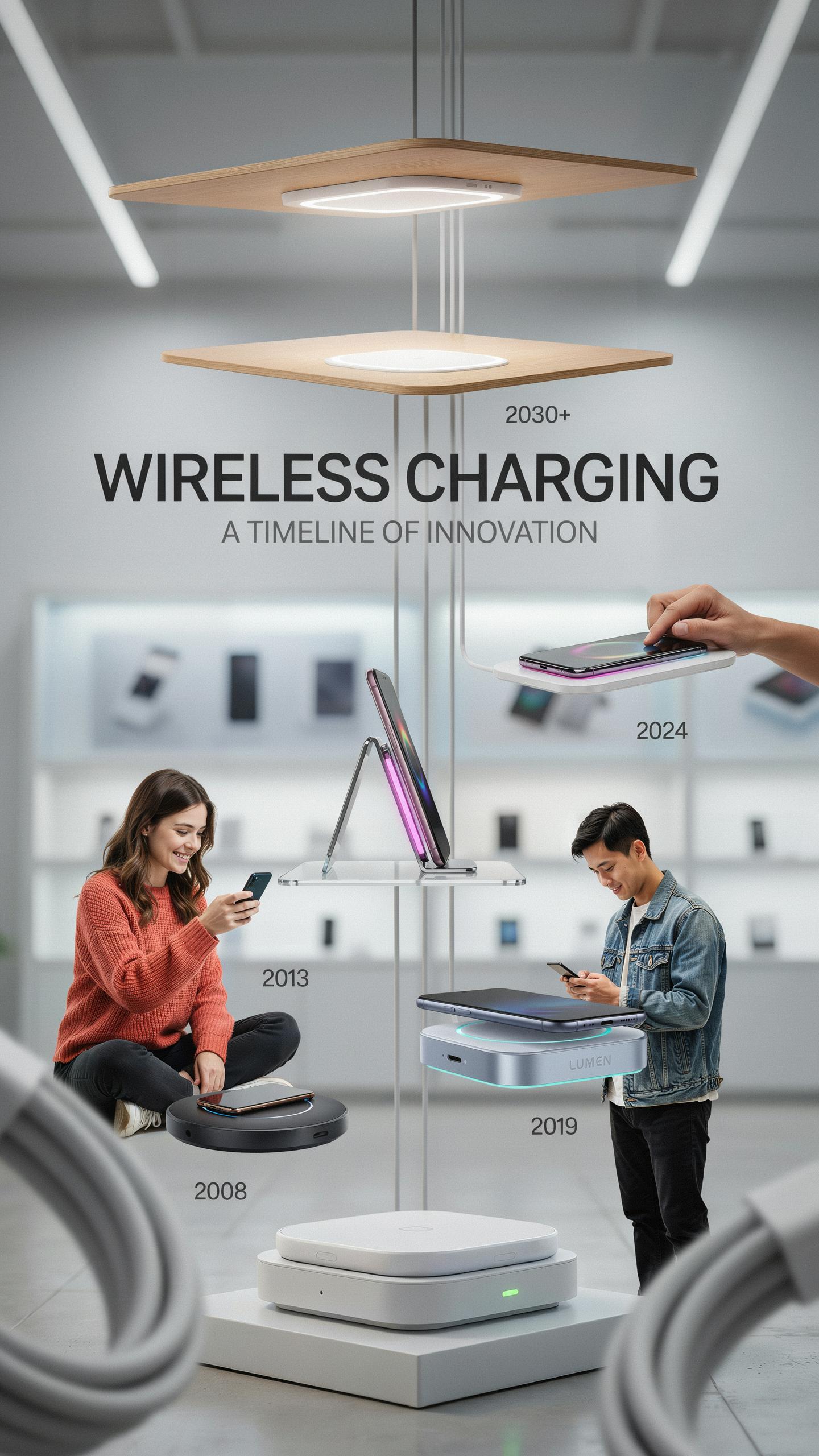
From Cables To Coils A Brief History Of Wireless Charging
Wireless charging emerged from electromagnetic induction principles discovered in the 1800s. Nikola Tesla experimented with wireless power transmission in the early 1900s. Modern wireless charging began taking shape in the 2000s when companies developed practical induction-based systems for consumer devices. The Qi standard launched in 2008, establishing a unified protocol that manufacturers could adopt. This standardization proved critical for mainstream adoption and device compatibility.
The transition from wired to wireless charging accelerated when smartphones integrated the technology. Early adopters faced limited device options and slow charging speeds compared to cables. Manufacturers refined coil design and efficiency over successive generations. Today’s magnetic wireless chargers combine induction coils with rare-earth magnets to align devices automatically. This evolution eliminated the guesswork of positioning devices for optimal power transfer, making wireless charging practical for travelers who need speed and reliability.
Why Wireless Is The Future For Tech Gadgets
Wireless charging eliminates physical wear on charging ports. Repeated cable insertion and removal causes connector degradation, reducing device lifespan. Wireless systems remove this mechanical stress entirely. They also simplify user workflows by removing cable management from daily routines. A traveler can charge multiple devices simultaneously without tangled cords consuming luggage space or hotel room surfaces.
Standardized magnetic wireless charging creates ecosystem compatibility across brands. A single magnetic charger works with phones, earbuds, smartwatches, and tablets from different manufacturers. This universality reduces the number of chargers travelers must pack. The technology also enables faster charge rates than older standards while maintaining safety through heat management protocols. Future device design will increasingly prioritize wireless compatibility as the default charging method rather than an optional feature.
Unveiling The Magnetic Wireless Charger
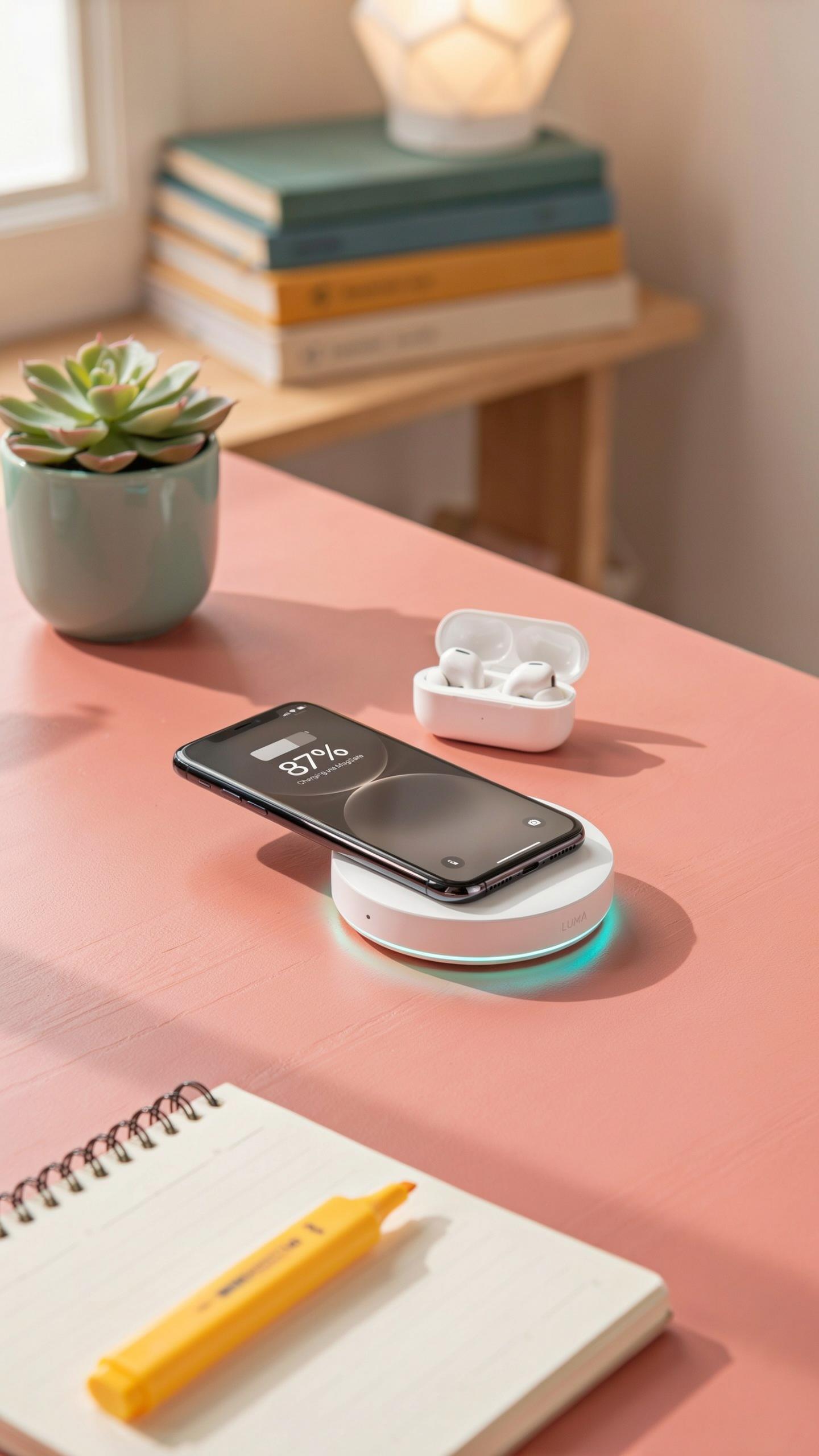
How Magnetic Alignment Enhances Charging Efficiency
Magnetic alignment positions your device directly over the charging coil without manual adjustment. The magnets create a consistent placement every time, eliminating the guesswork of positioning. This precision matters because wireless charging requires exact coil-to-coil distance. Misalignment causes power loss and slower charge times. Magnetic systems solve this by automating the positioning process the moment your device approaches the charger.
The efficiency gain is measurable. Standard wireless chargers lose power through misalignment, requiring users to fidget with placement. Magnetic chargers cut this friction entirely. Your phone or accessory snaps into the correct position instantly. This consistency maintains optimal charging speed throughout the session. For travel, this means faster top-ups between flights or meetings without wasting time repositioning your device repeatedly.
The “Snap On” Advantage For Instant Connection
Snap-on mechanisms eliminate the need to position your device with precision. You drop your phone onto the charger, and magnetic force automatically centers it over the charging coil. This takes one second instead of five. The tactile feedback confirms proper connection immediately. You know the charge session started without checking your screen. This matters during rushed travel when you grab your phone and leave without verification.
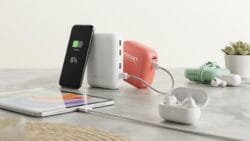
The practical benefit compounds across daily use. You never waste mental energy aligning your device. No more checking if charging started. No more adjusting placement mid-charge. For travelers, this removes a friction point that happens dozens of times monthly. Snap-on design turns wireless charging from a deliberate action into an automatic reflex. Your device charges the moment it touches the surface.
Travel Friendly Design The Portable Charger You Need
Compact And Lightweight: Essential For Every Journey
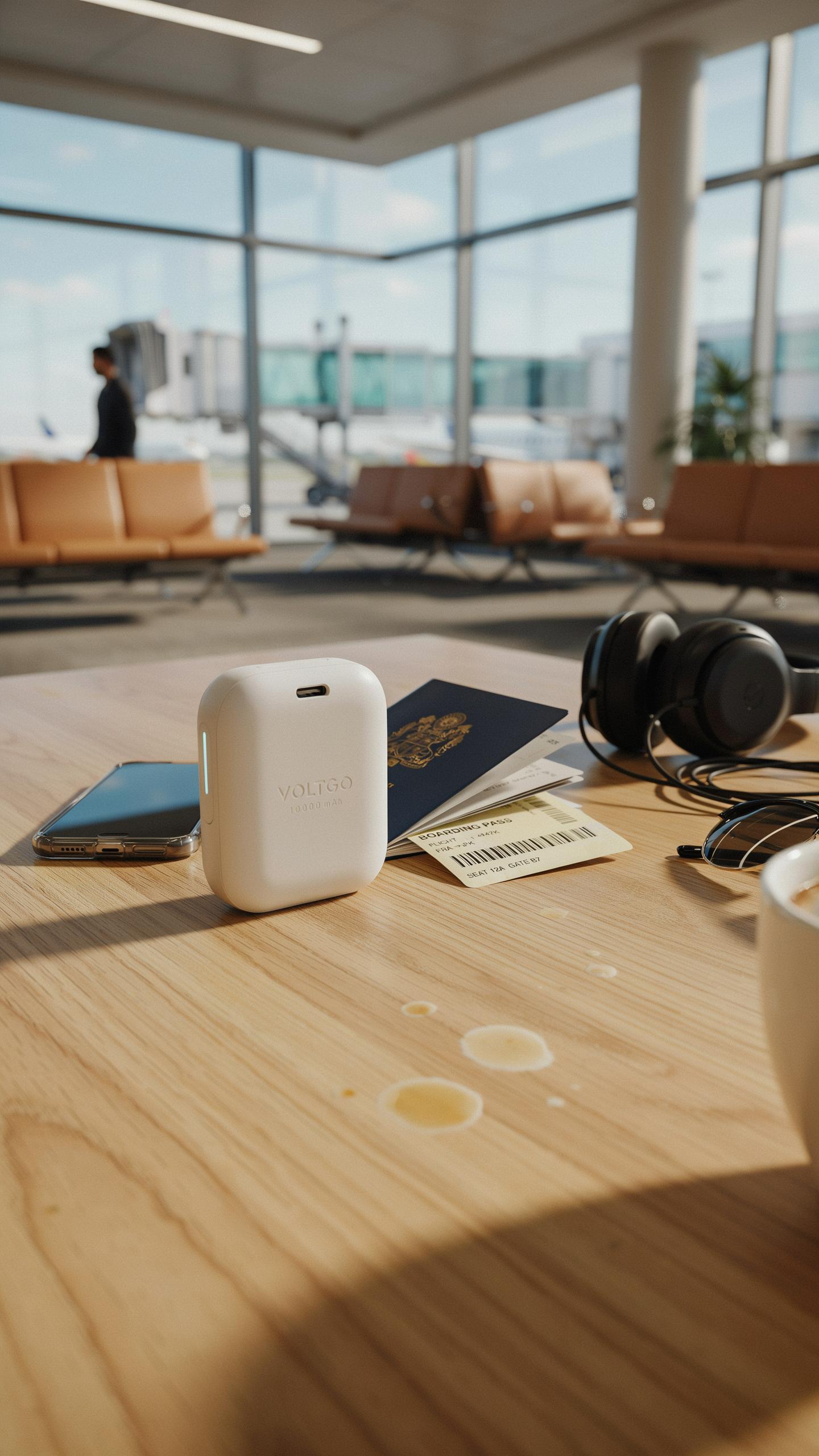
Most magnetic wireless chargers for travel weigh between 100 to 200 grams. This weight matches a smartphone or sits lighter than many portable batteries. Dimensions typically measure under 4 inches in diameter, fitting easily into carry-on bags, backpacks, or jacket pockets. The compact footprint solves a real problem for travelers who already manage luggage constraints and weight limits on flights.
The magnetic alignment mechanism reduces bulk significantly compared to traditional charging pads. No cables need wrapping or organizing since the charger connects directly to power. Travel chargers eliminate the need for multiple adapters in different orientations. Users simply place their device on the pad and the magnets handle positioning automatically, saving time during airport transitions and hotel check-ins.
Durability And Materials: Built For The Road
Travel magnetic chargers use reinforced materials designed to survive repeated packing and unpacking. Aluminum frames provide rigidity while resisting corrosion from airport humidity and transit conditions. Silicone bases prevent slipping on moving surfaces like airplane trays and train seats. These material choices reflect practical engineering rather than aesthetic preference, prioritizing function in high-stress travel environments.

The coil construction inside magnetic chargers employs heat resistant polymers that maintain performance across temperature swings. Metal contact points use corrosion resistant plating to endure moisture exposure in bathrooms and outdoor settings. Drop tests and pressure resistance matter for devices that experience constant movement. Manufacturers test these chargers against real travel scenarios including baggage handling and temperature fluctuations encountered during international trips.
Beyond Just A Phone Charger Versatility On The Go
Charging Multiple Devices: From IPhone To Earbuds
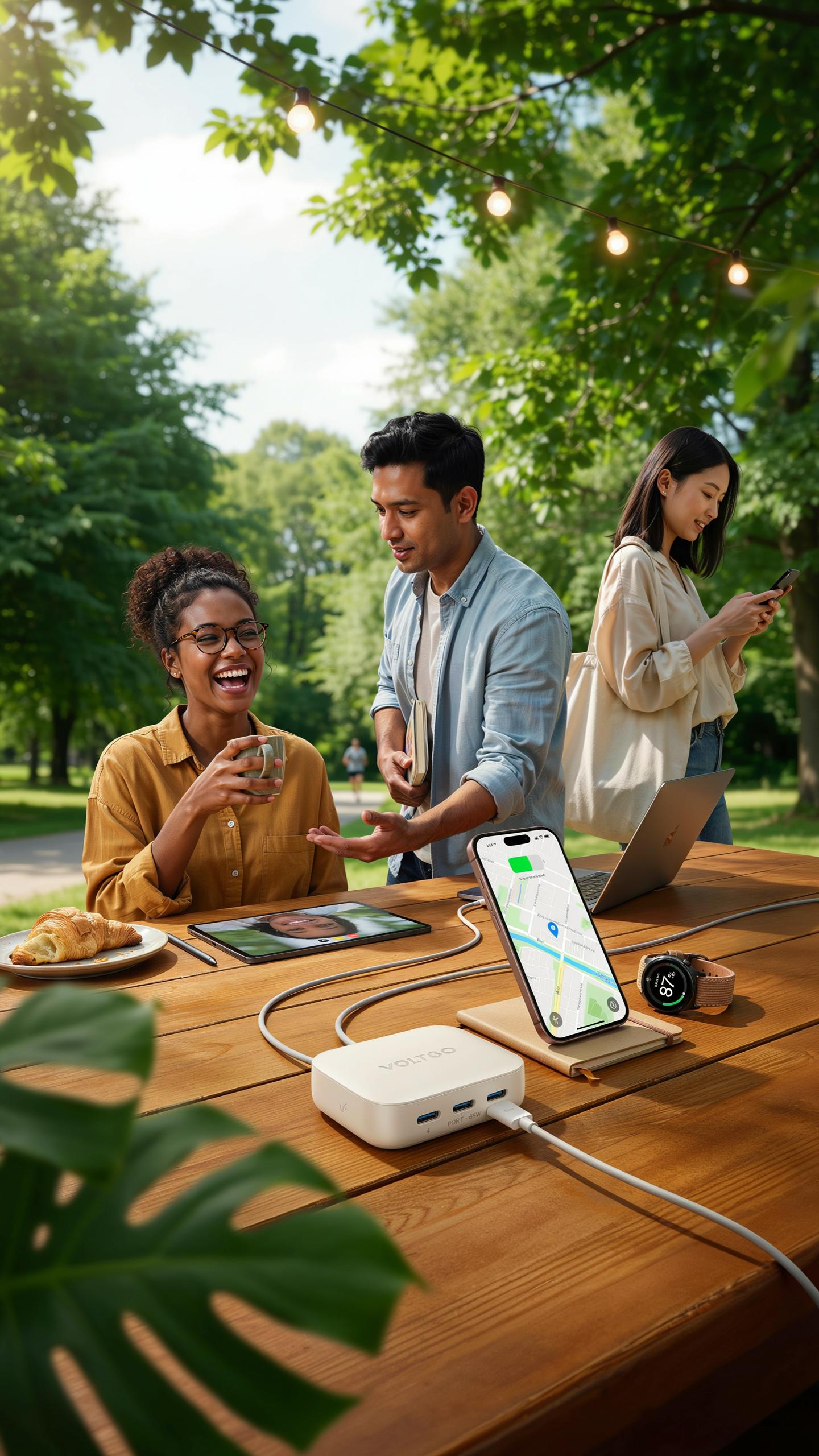
Magnetic wireless chargers handle phones first, but their real value emerges when you charge earbuds and wearables simultaneously. Most travel models include multiple magnetic alignment points or stackable designs. A single charger eliminates cable switching during travel. You skip the cable clutter and keep your hotel room organized. The magnetic alignment ensures proper charging contact without fumbling in dark spaces.
Earbuds and smartwatches benefit from magnetic positioning because they stay centered during charging. No misalignment means no dead devices mid-flight or during transit. This matters when your phone, watch, and earbuds all need power before a business meeting. Travel chargers cut charging time because they optimize contact efficiency. You charge three devices from one power outlet instead of hunting for multiple outlets.
Transforming Your Travel Kit Into A Mobile Charging Station
A magnetic wireless charger becomes your central hub when you stack compatible devices vertically or arrange them horizontally on a mat. Hotel rooms and airport lounges have limited outlets. One charger solves this problem by consolidating your entire charging needs. You dock your phone, earbuds, and watch on the same device. This replaces four separate chargers and cables with one compact unit.

Your travel kit shrinks dramatically when magnetic chargers replace traditional solutions. A compact travel charger weighs 150-300 grams with cables included. Compare this to carrying individual chargers for phone, earbuds, and watch. You save space in your carry-on and eliminate cable tangles. One power adapter charges everything, reducing your daily packing burden significantly.
Key Features To Look For In A Travel Magnetic Charger
Charging Speed And Power Output Considerations
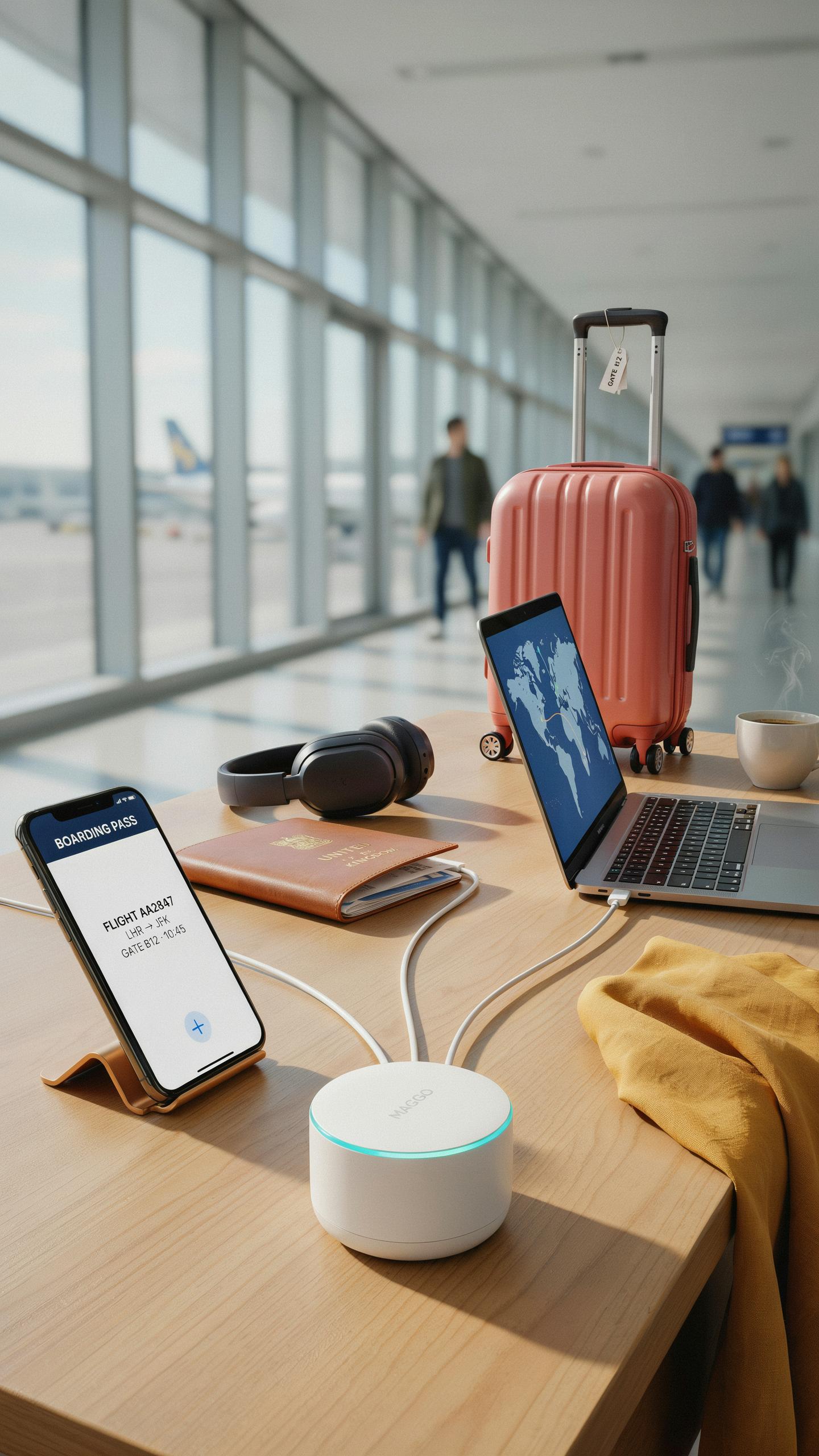
Travel chargers operate within specific wattage ranges that directly impact charging time. Standard magnetic wireless chargers deliver between 5W and 15W of power output. Higher wattage models reach 25W or more but require compatible devices and proper alignment. Match the charger’s output to your device’s maximum wireless charging capability. Mismatched power ratings waste energy and extend charging duration unnecessarily.
Real-world charging speeds depend on three factors: charger wattage, device battery capacity, and foreign power infrastructure. A 15W charger fully charges most smartphones in two to three hours. Device manufacturers specify maximum wireless charging watts in technical specifications. When traveling internationally, confirm local voltage standards match your charger’s input requirements. Incompatible voltage causes slow charging or equipment damage.
Safety Features And Certifications For Peace Of Mind
Certified chargers meet electromagnetic and thermal safety standards before market release. Look for FCC certification in North America, CE marking in Europe, and RoHS compliance globally. These certifications confirm the device underwent independent testing for radiation, heat generation, and component durability. Uncertified chargers pose fire and electrical hazard risks, particularly in hotel environments with inconsistent power grids.
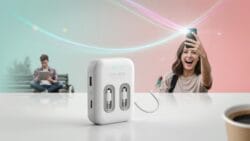
Built in protection mechanisms stop overcharging and prevent device damage during extended connection periods. Temperature sensors shut down power when coils exceed safe heat thresholds. Foreign object detection technology identifies metal debris or incompatible items on the charging surface. Quality chargers include circuitry that adapts output based on battery charge level. Travel chargers without these features create liability risks and shorten device lifespan.
Optimizing Your Travel Experience With Gadgets
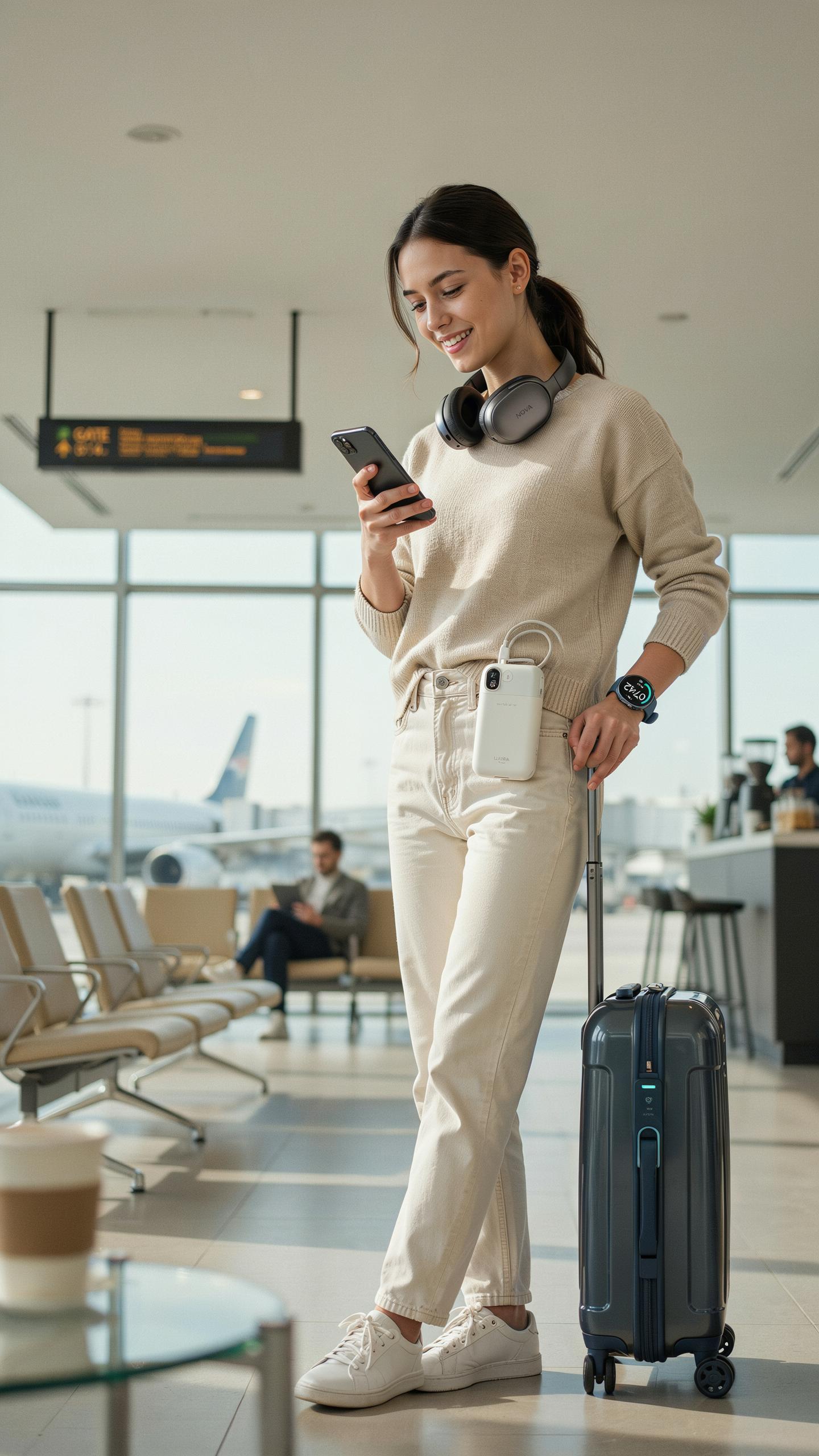
Maximizing Battery Life On Your IPhone And Other Devices
Reduce screen brightness to 30-40 percent during travel. This single change cuts power consumption by half on most devices. Disable location services for apps that don’t need it. Turn off Bluetooth and Wi-Fi when not actively using them. Enable Low Power Mode on iPhones at 20 percent battery to extend runtime by several hours. Background app refresh drains power constantly, so disable it for non-essential applications.
Magnetic wireless chargers work best when your device reaches 80 percent charge. Stop charging at this point to preserve long-term battery health. Lithium-ion batteries degrade faster under constant 100 percent charge states. Close unnecessary apps running in the background. Use airplane mode in areas with poor signal to prevent your phone from repeatedly searching for networks, which depletes the battery faster than normal operation.
Imagine those delightful journeys, where a gentle magnetic click meant your memories would always stay charged, just like our spirits on the road. It’s the simple magic of effortless power, keeping every moment alive.
Smart Packing: Integrating Your Magnetic Wireless Charger
Pack your magnetic wireless charger in your personal carry-on, not checked luggage. This keeps it accessible during layovers and prevents damage from baggage handling. Store the charger in a dedicated tech pouch with a small amount of padding. Magnetic chargers weigh between 50-100 grams, so they add minimal weight to your travel load. Keep the charging cable separate in a cable organizer to prevent tangling.

Magnetic wireless chargers mount on hotel nightstands or airplane tray tables using adhesive pads or stands. Verify your hotel room has accessible outlets before arrival. Position the charger away from metal objects like door hinges or steel furniture frames, as metal interferes with magnetic charging performance. Pack a USB power bank as backup for situations where outlet access is limited.
Addressing Common Concerns About Magnetic Phone Accessories

Are Magnets Safe For Your Phone And Other Electronics
Modern smartphones contain no magnetic storage media that magnets can damage. Phones use solid state storage, which magnets cannot affect. The concern stems from older devices with magnetic hard drives, which are not present in contemporary phones. Apple, Samsung, and other manufacturers have tested their devices against magnet exposure at levels far exceeding what wireless chargers produce.
Magnetic wireless chargers generate localized magnetic fields. These fields dissipate rapidly with distance and pose no risk to phone components, credit cards, or nearby electronics. The magnetic strength required to damage electronics far exceeds what these chargers emit. Millions of users deploy magnetic phone mounts and chargers daily without incident. Your phone’s internal components operate safely around these chargers.
Compatibility With Cases And Other Phone Accessories
Magnetic phone cases and metal plate attachments work seamlessly with magnetic wireless chargers. Metal plates install behind phone cases and attach to charging surfaces. The magnetic connection remains strong through most case materials up to 2-3mm thickness. Leather cases, silicone cases, and fabric cases do not interfere with magnetic alignment. Thicker cases or cases with built in metal frames can reduce magnetic grip slightly but do not prevent charging functionality.

Some phone accessories create conflicts worth noting. Heavy duty protective cases with metal reinforcements may obstruct charging coils or weaken magnetic connection points. Wallets with RFID blocking materials typically do not interfere since RFID operates on different frequencies than magnetic charging. Test your specific case and charger combination before travel. Most users find standard to medium thickness cases work without adjustment.
Choosing The Best Magnetic Wireless Charger For Your Adventures

Top Recommendations For Your Next Trip
Travel chargers need to balance power output, size, and compatibility. Your choice depends on device ecosystem, trip duration, and outlet access. Most travelers benefit from chargers supporting multiple device types simultaneously. Budget options handle one device at a time. Premium models stack phones and watches on single pads.
- Anker MagGo Series: Delivers 15W output for iPhones, folds compact, and includes mounting options. Works with standard USB-C power adapters. Weighs under 6 ounces. Handles multiple charging cycles per day.
- Belkin BoostCharge Pro: Outputs 15W for iPhones with magnet alignment. Includes cable and power adapter. Heat dissipation design prevents device throttling. Supports travel voltage across regions.
- Mophie Snap Wireless Charger: Lightweight and airport-friendly at 5 ounces. Magnetic array works with or without cases. Folds flat for luggage packing. Powers from standard USB-C adapters.
- ESR HaloLock Series: Offers 15W charging for iPhones and Androids. Compact footprint fits backpack pockets. Includes detachable stand for hotel use. Works with existing power bricks from laptops or phones.
- Native Union Drop Magnetic: Minimalist design at 3.5 inches diameter. Works with iPhones and AirTags simultaneously. European certification for international outlets. Premium build quality reduces replacement needs.
Select based on your device count and power needs. iPhone-only travelers skip multi-device models. Android users verify magnetic compatibility before purchase. Return policies matter when testing unfamiliar brands during travel prep.
User Reviews And Real World Performance Insights
Travelers report consistent 15W output across Anker and Belkin models during extended use. Heat management stays within acceptable ranges on full-day charging cycles. Magnetic alignment performs reliably even with repeated placement attempts. Durability holds up through airport security scanning and TSA handling.

Real-world frustration points emerge with third-party cases blocking magnetic connection. Users report occasional alignment issues on cheaper models with loose magnet arrays. Cable quality varies significantly between brands, affecting long-term reliability. Foreign outlet adapters work but add bulk to travel kits. Battery drain concerns prove minimal when charger remains dormant during flights or transit.
Frequently Asked Questions

What exactly is a magnetic wireless charger, and why is it good for travel?
A magnetic wireless charger for travel uses magnets to precisely align your device, like a smartphone, for efficient, cable-free charging. This magnetic connection ensures your device stays put, even on bumpy rides, making it incredibly convenient for quick power-ups in airports, trains, or hotels without fumbling with cords.
How do I know if my phone is compatible with a magnetic wireless charger for travel?
Most modern smartphones with wireless charging capabilities (Qi-enabled) are compatible with a magnetic wireless charger for travel. Look for models with “MagSafe” if you have an iPhone 12 or newer, or check your phone’s specifications for Qi wireless charging support. Many come with magnetic rings for non-MagSafe phones too!
Are magnetic wireless chargers for travel generally expensive, or are there affordable options?
You’ll find a wide range of prices for magnetic wireless chargers for travel. While premium brands offer advanced features, many reliable and affordable options exist that provide excellent value. Look for reputable brands with good reviews, and consider what features you truly need for your travel charging habits to find a budget-friendly choice.