
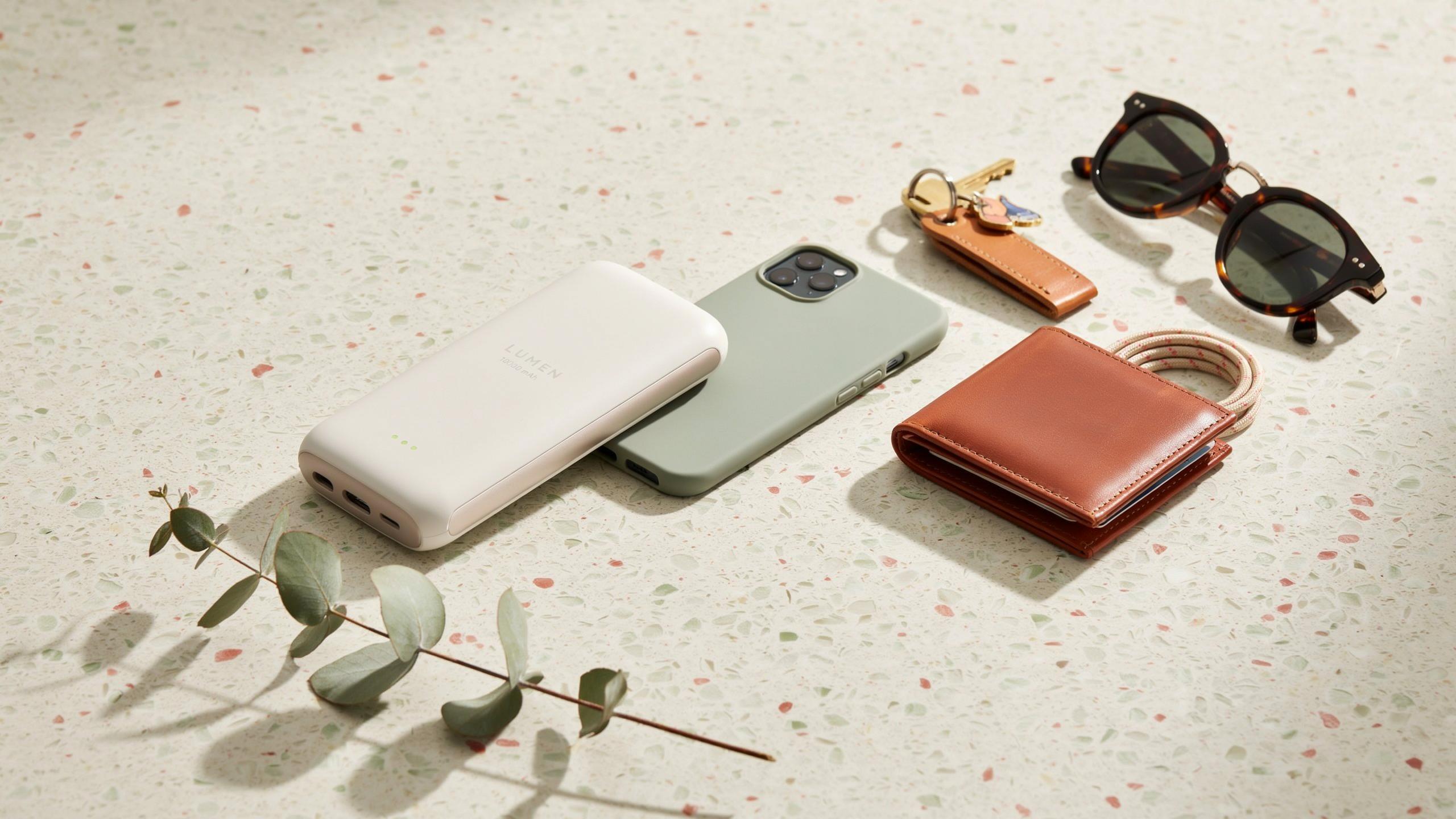
Why A Slim Power Bank Is Essential For Everyday Carry
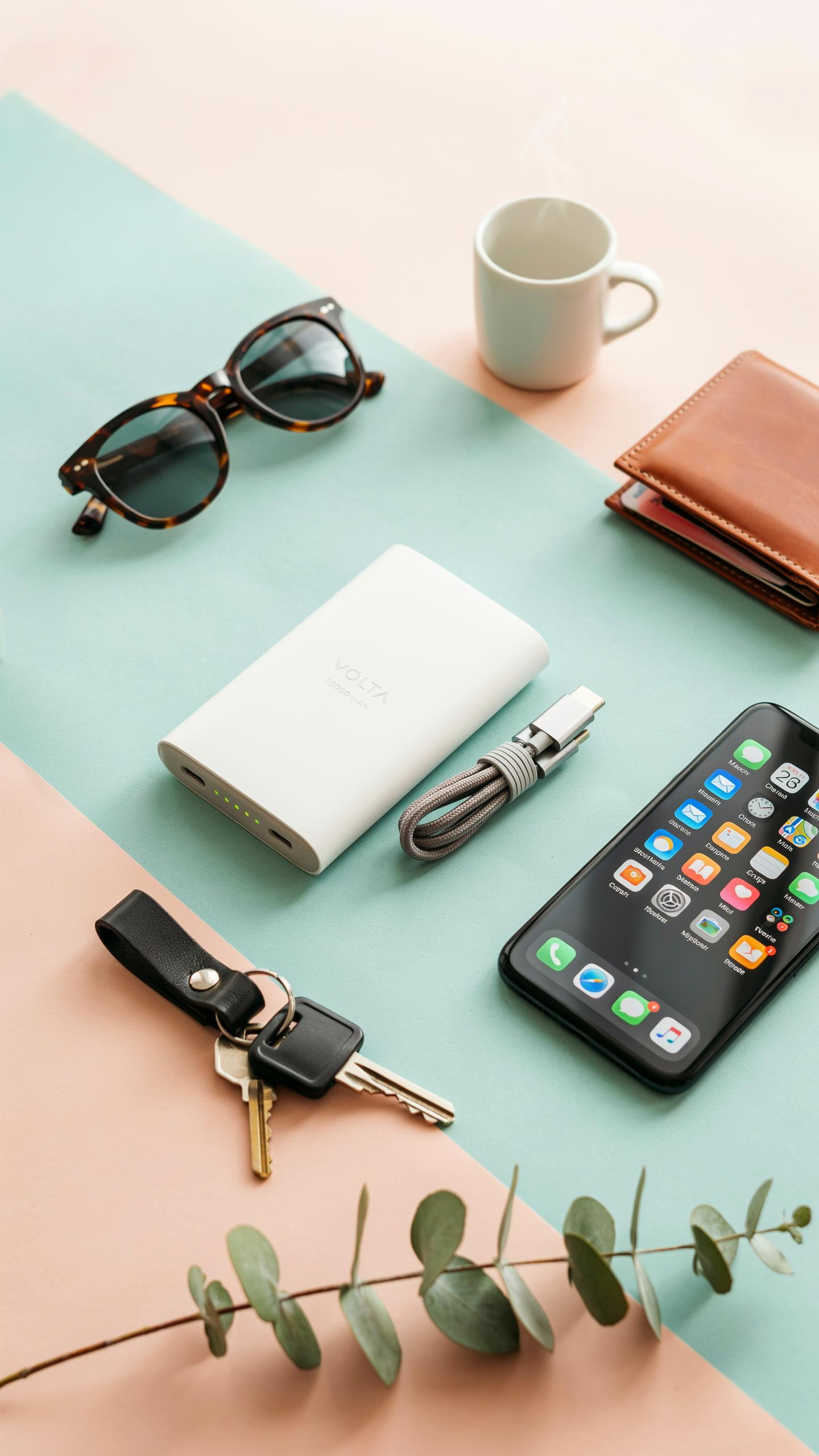
The Convenience Of Portable Power
A slim power bank eliminates the friction of finding an outlet during your workday. You carry your phone everywhere. Your battery drains throughout the day. A slim unit fits in your pocket or bag without displacing other essentials. You maintain full device access without sacrificing mobility or adding noticeable weight to your carry setup.
Modern slim power banks weigh between 100 and 200 grams. This weight distribution sits below the threshold where you notice additional burden. The form factor solves a real problem: dead batteries force you to seek outlets, waste time, and interrupt productivity. A slim power bank keeps you operational when you need it most.
Addressing Common Charging Needs
Your smartphone demands charging every 24 to 48 hours depending on usage patterns. Tablets, smartwatches, and wireless earbuds each drain independently. A slim power bank provides one to two additional charge cycles for standard smartphones. This capacity covers most daily scenarios without requiring you to carry oversized battery blocks.
Different devices require different connector types: USB C, Lightning, and Micro USB remain the dominant standards. A slim power bank with at least one universal output handles multiple devices in your ecosystem. You avoid carrying separate chargers or cables for each gadget. This consolidation directly improves your everyday carry efficiency.

Key Features To Look For In A Portable Power Bank
Capacity And Size Considerations
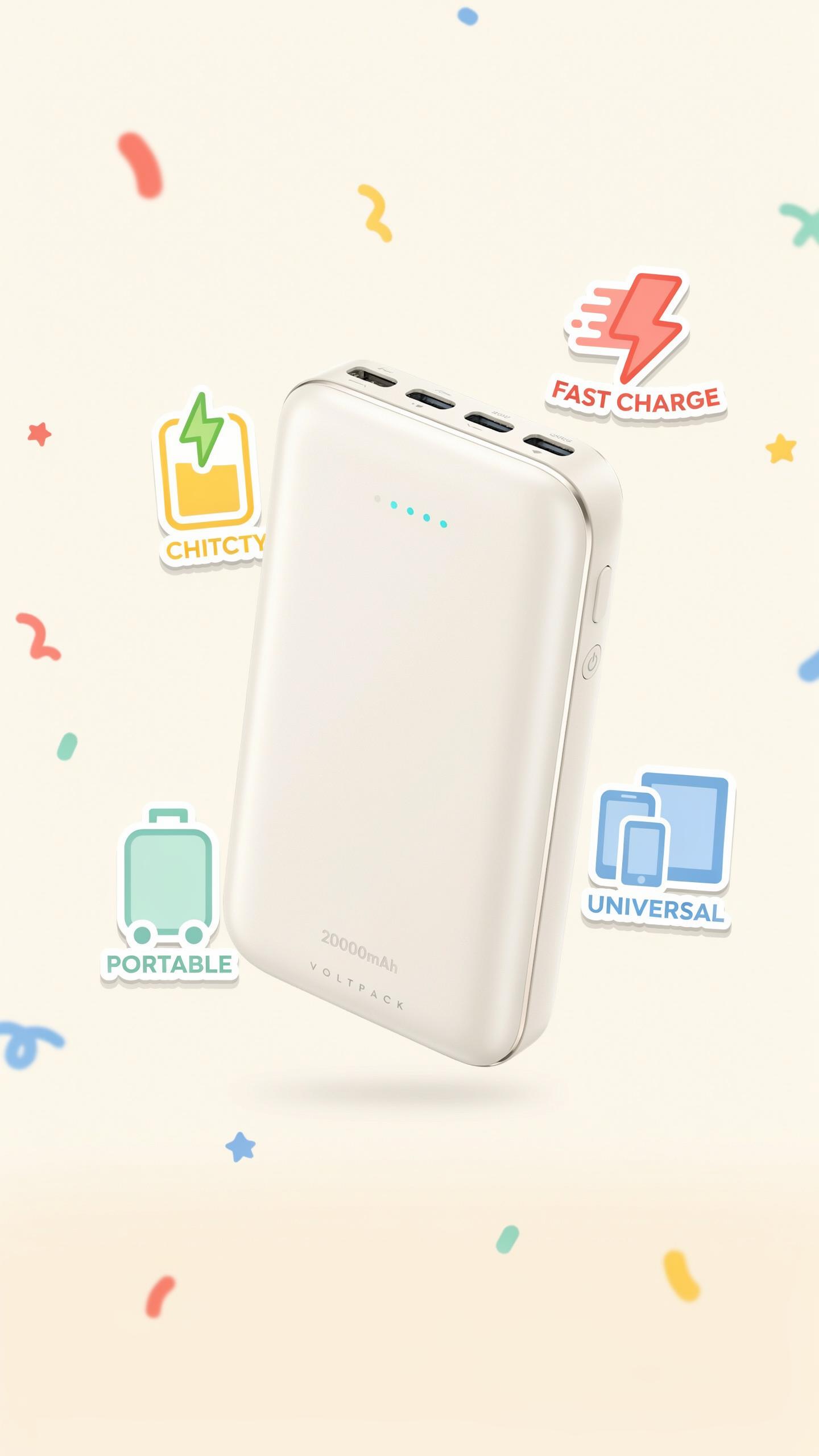
Milliampere-hour ratings determine how much charge a power bank stores and delivers. A 10,000 mAh unit typically charges a smartphone once. A 20,000 mAh unit charges most phones twice or larger devices once. Higher capacity means more weight and bulk. For everyday carry, the tradeoff between capacity and portability matters most.
Physical dimensions drive usability in real situations. A slim power bank weighs between 150 to 300 grams and fits in pockets or bags without bulk. Thickness usually ranges from 0.5 to 1 inch. Width and length vary by design, but most slim models measure around 5 to 6 inches long. Match capacity to your actual device usage patterns, not theoretical maximum scenarios.
Output Ports And Compatibility
USB Type-A ports connect to older devices and standard charging cables. USB Type-C ports handle faster charging speeds and work with modern smartphones, tablets, and laptops. Many slim power banks include both port types to cover multiple devices. Check your devices against the power bank’s output options before purchasing. Mismatched ports eliminate the convenience factor entirely.

Output power measured in watts determines charging speed for each port. Standard outputs range from 5W to 25W per port on slim models. Higher wattage ports charge devices faster but generate more heat. Dual-port models often reduce individual port wattage when both ports charge simultaneously. Verify your device’s charging requirements match the power bank’s output specifications for practical effectiveness.
The Advantage Of Fast Charging Technology

Understanding Quick Charge And Power Delivery
Quick Charge and Power Delivery are proprietary and open-standard technologies that increase voltage and amperage delivered to devices during charging. Quick Charge, developed by Qualcomm, manages power output through communication between the charger and device. Power Delivery, an open standard, allows multiple manufacturers to implement compatible charging. Both technologies negotiate optimal charging parameters to reduce charge time without damaging batteries.
These technologies require compatible hardware on both the power bank and the device being charged. A slim power bank with Quick Charge or Power Delivery support includes a controller chip that communicates with your phone or tablet. Without this communication protocol, your device charges at standard speeds regardless of the power bank’s wattage. Compatibility matters. Check your device specifications before purchasing a fast charging power bank.
Impact On Charging Time And Efficiency
Fast charging cuts typical smartphone charging times from two to three hours down to one hour or less. A 20,000mAh slim power bank with Power Delivery can charge most modern phones from empty to full in under 90 minutes. Standard charging delivers five watts. Fast charging delivers 18 watts, 30 watts, or higher depending on the protocol and power bank capacity. The difference compounds when you need multiple charges throughout a day.

Efficiency improves because fast charging technology reduces wasted energy as heat. Standard chargers generate heat during extended charging sessions. Fast charging protocols manage power distribution more precisely, keeping heat output lower while maintaining charging speed. For everyday carry scenarios, this matters. You get faster top ups without the power bank overheating in your bag or pocket.
Optimizing Your Everyday Carry With A Portable Battery
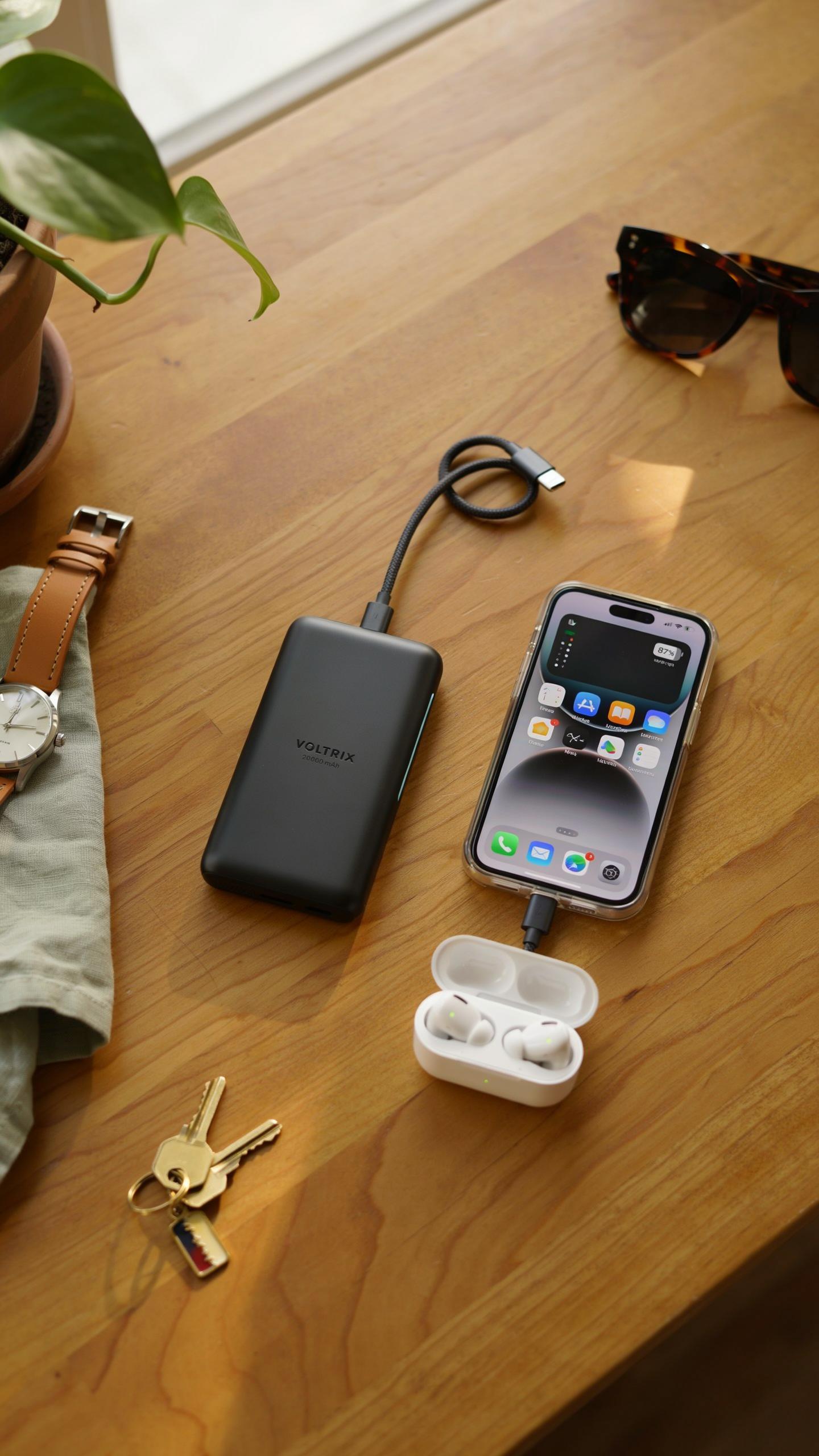
Integrating Into Small Bags And Pockets
Slim power banks fit into spaces where standard batteries cannot. Their narrow profiles slide into jacket pockets, backpack side compartments, and messenger bag sections without bulk. The reduced footprint means you carry charging capacity without sacrificing organization or access to other essentials. Design engineers intentionally minimize width and depth to match phone dimensions, creating compatibility with existing carry systems.
The thin form factor solves a core problem for daily users: carrying extra power without reshaping your bag or creating noticeable weight distribution issues. Slim power banks nestle beside phones rather than competing for space with keys, wallets, or work materials. This integration eliminates the need for dedicated battery pouches or additional compartments. You simply place the power bank where your phone sits, making it a natural extension of your everyday carry strategy.
Weight And Portability Factors
A slim power bank typically weighs between 100 to 250 grams, roughly equivalent to a smartphone. This range keeps total carry weight predictable and manageable for full-day use. Lighter models prioritize portability over capacity, while heavier ones pack more charging cycles. Your choice depends on expected usage patterns and distance traveled. The weight factor directly affects whether you actually carry the device daily or leave it behind.

Portability extends beyond raw weight to how a slim power bank integrates with your movement patterns. The compact design prevents shifting inside bags and eliminates the awkward bulk that discourages regular carrying. Users who commute, travel between meetings, or spend time outside benefit most from this balance between utility and weight. A power bank you leave at home provides zero value, making the weight-to-benefit ratio your actual decision metric.
Power Bank Design Aesthetics Meets Functionality
Materials And Durability
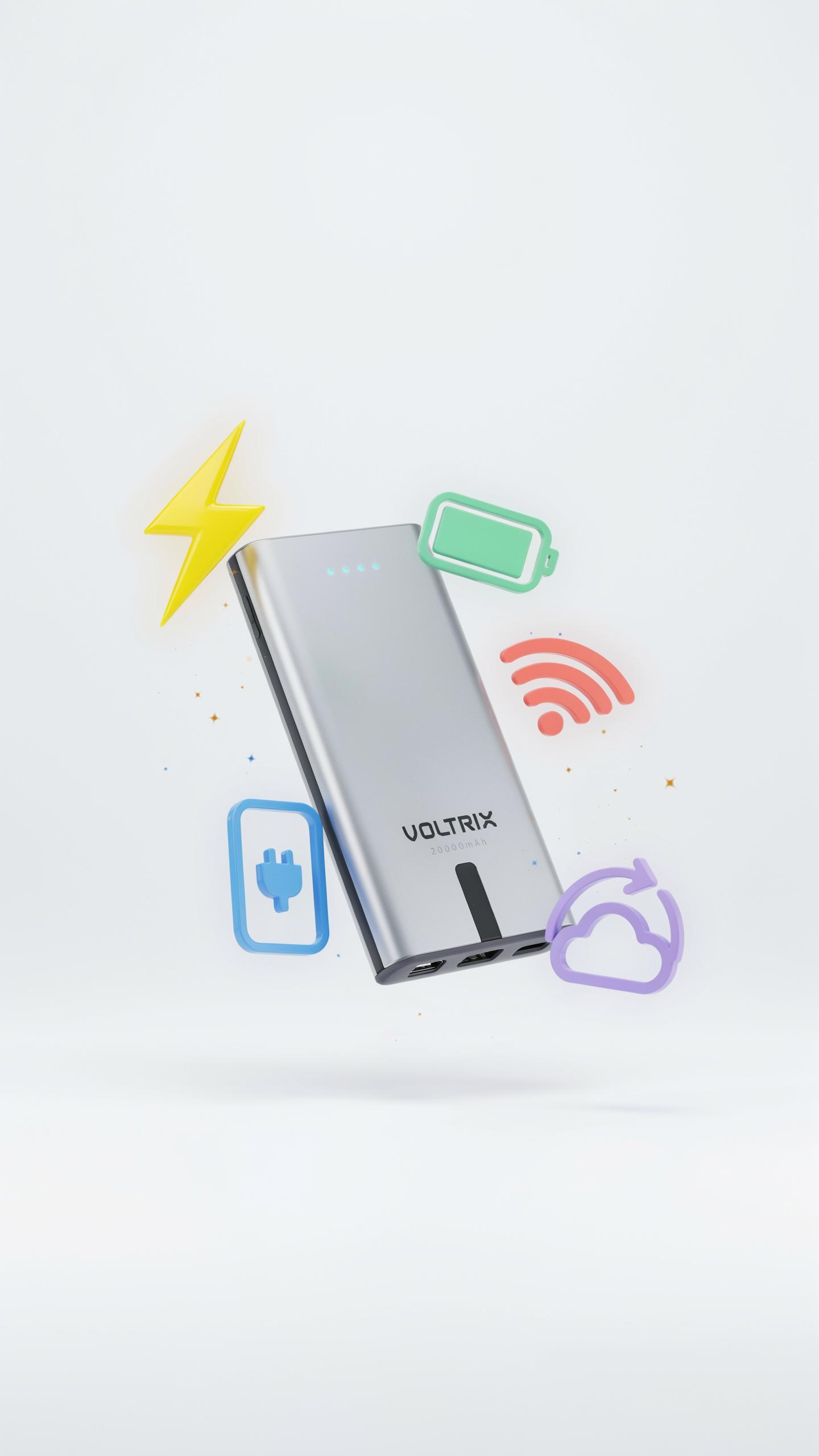
Slim power banks rely on specific materials to balance weight, protection, and lifespan. Aluminum bodies dominate the market because they dissipate heat effectively and resist dents. Plastic composites offer lighter alternatives but sacrifice durability. Rubber or silicone coatings add grip without bulk. The internal structure matters equally—quality solder joints and reinforced circuit boards prevent component failure from repeated charge cycles.
Material choice directly affects how long a power bank survives daily use. Aluminum models tolerate drops better than plastic variants. Premium brands use aerospace-grade aluminum to withstand stress. Battery cells themselves degrade over time regardless of exterior materials. A durable exterior protects the interior components but cannot extend battery lifespan indefinitely. Plan for replacement every two to three years of regular use.
Sleek Profiles And Ergonomics
Slim power banks measure under 0.5 inches thick to fit jacket pockets and slim bags. Designers achieve this by stacking battery cells vertically instead of horizontally. Curved edges prevent sharp corners from catching fabric. Weight distribution matters—heavier models positioned incorrectly create uncomfortable bulges in pockets. A well-proportioned design reduces fidgeting and pocket strain during all day carry.

Ergonomic design enhances usability during charging sessions. Textured surfaces prevent slipping when handling wet hands. Port placement on the side or end eliminates cable strain when the power bank sits in a pocket. Button positions require intentional spacing to prevent accidental activation. Flat backs enable the device to stand upright on a desk, freeing both hands during cable connection.
Choosing The Right Battery Pack For Your Needs
Assessing Your Device’S Power Requirements
Your phone’s battery capacity determines how much juice you need from a power bank. Check your device’s mAh rating in settings or the manual. A smartphone typically ranges from 3000 to 5000 mAh. A slim power bank with 10000 mAh delivers roughly two full charges for most phones. Tablets demand more capacity due to larger batteries, sometimes requiring 15000 mAh or higher for meaningful charging.
Real-world charging efficiency matters more than raw numbers. Power banks lose 15-30 percent of capacity during the conversion process. A 10000 mAh bank realistically delivers 7000-8500 mAh to your device. Calculate backwards from your actual needs. If you need one full charge daily, a 10000 mAh slim model covers most smartphones. Heavy users on all-day trips require at least 15000 mAh for security.
Comparing Brands And Models
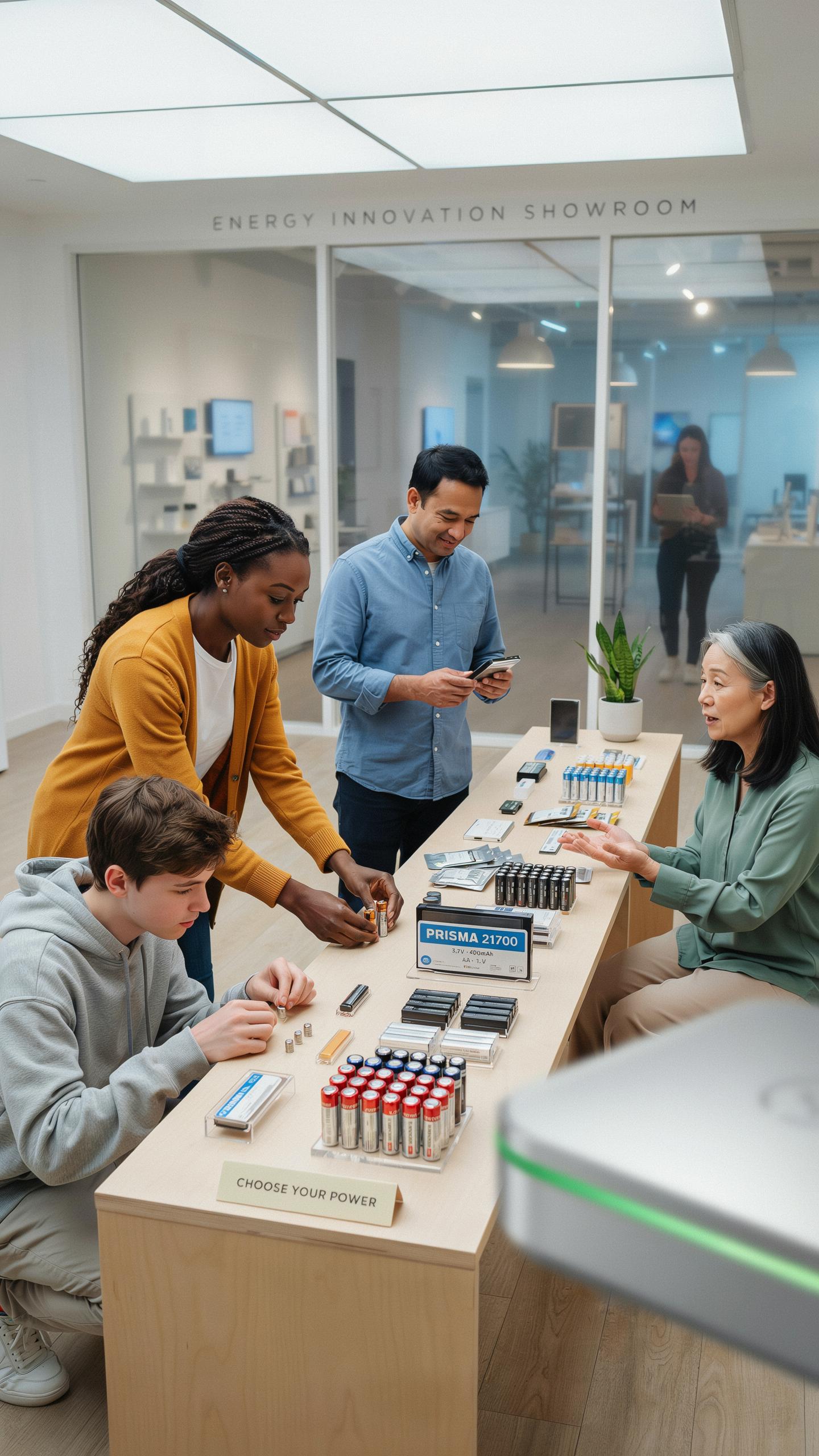
Anker dominates the slim power bank market with reliable products and widespread availability. Their PowerCore line offers models from 10000 to 26800 mAh with proven track records. Belkin, Mophie, and RavPower deliver premium options at higher price points. Budget brands like Baseus and iWALK provide solid performance at lower costs. Research actual user reviews on verified purchase channels rather than marketing claims.

Model selection depends on your specific use case and budget constraints. The Anker PowerCore 10000 remains a reference point for slim design and price. Premium options like Mophie Powerstation Pro add wireless charging and USB-C bidirectional support. Mid-range models from RavPower balance capacity and size effectively. Compare actual dimensions and weight specs, not marketing descriptions. Test return policies before buying since quality varies between individual units regardless of brand.
Safety Features In Portable Power Technology
Protection Against Overcharge And Short Circuits
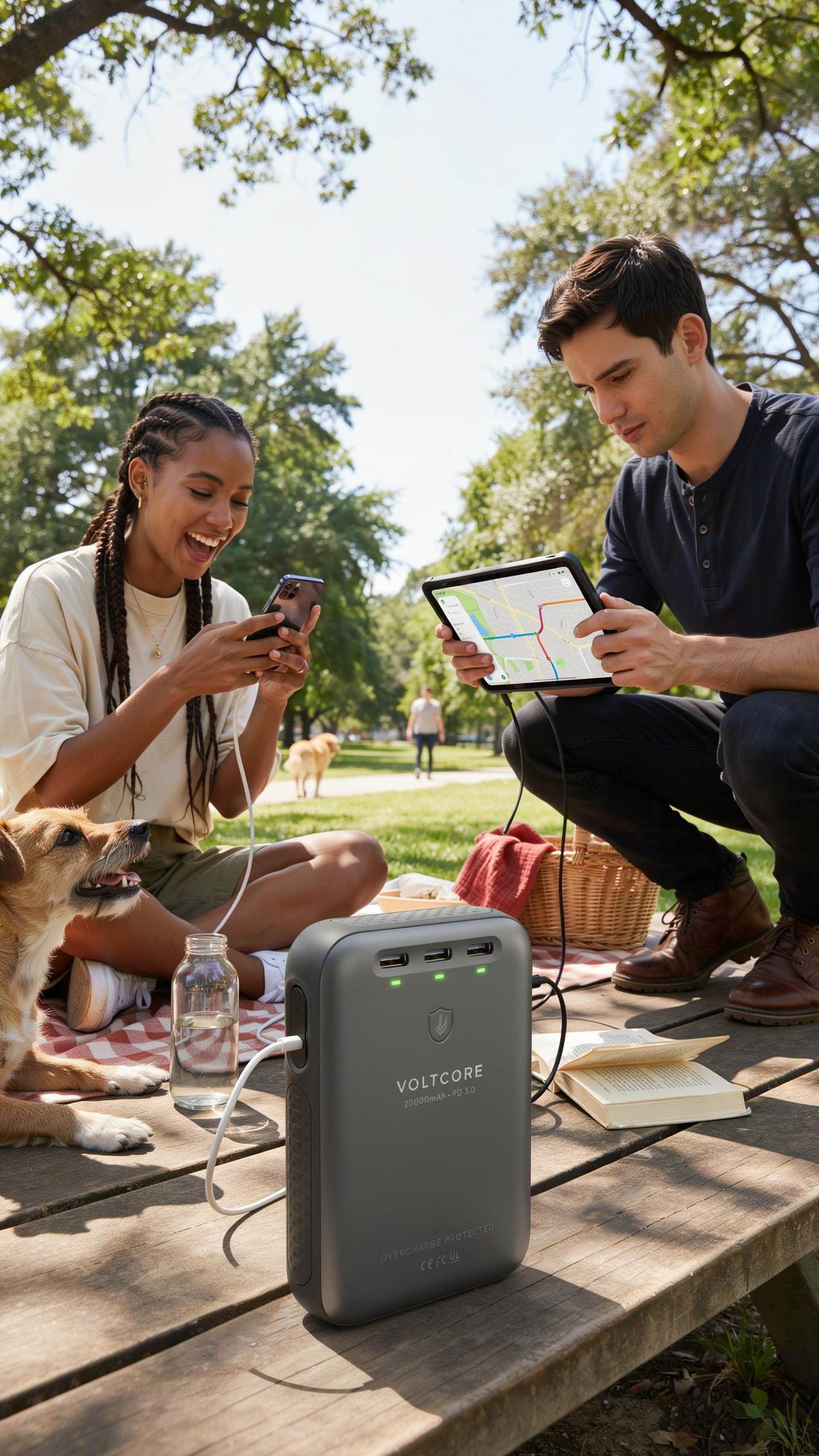
Modern slim power banks use multiple layers of circuitry to stop overcharging. A charge controller chip monitors voltage levels constantly. When your device reaches full capacity, the controller cuts power flow. This prevents battery swelling and fire risk. Without this mechanism, lithium cells would continue accepting current and degrade rapidly or fail catastrophically.
Short circuit protection works through metal oxide semiconductor field effect transistors called MOSFETs. These components detect abnormal current spikes instantly. When detected, MOSFETs cut the circuit before damage occurs. This protects both your phone and the power bank itself. Quality slim models include this on both input and output sides.
Remember those days of a dying phone and no outlet in sight? Now, your trusty slim power bank is like a tiny, always-there friend, ensuring your stories and connections never fade.
Temperature Regulation And Battery Health
Slim power banks contain thermal sensors embedded near the battery cells. These sensors feed real-time temperature data to the main control board. When internal temps exceed safe thresholds around 60 degrees Celsius, the power bank throttles output current automatically. This cooling strategy prevents thermal runaway and extends battery lifespan significantly. Manufacturers prioritize this in compact designs since space limits heat dissipation.

The control circuitry also monitors individual cell voltage across multi-cell packs. Uneven charging between cells causes premature failure. Balancing circuits route current to equalize voltage across all cells during charging cycles. This extends the overall battery life from roughly 300 cycles to 500 plus cycles. Well-designed slim power banks maintain this balance through their entire operational life.
Maximizing The Lifespan Of Your Portable Charger
Best Charging Practices
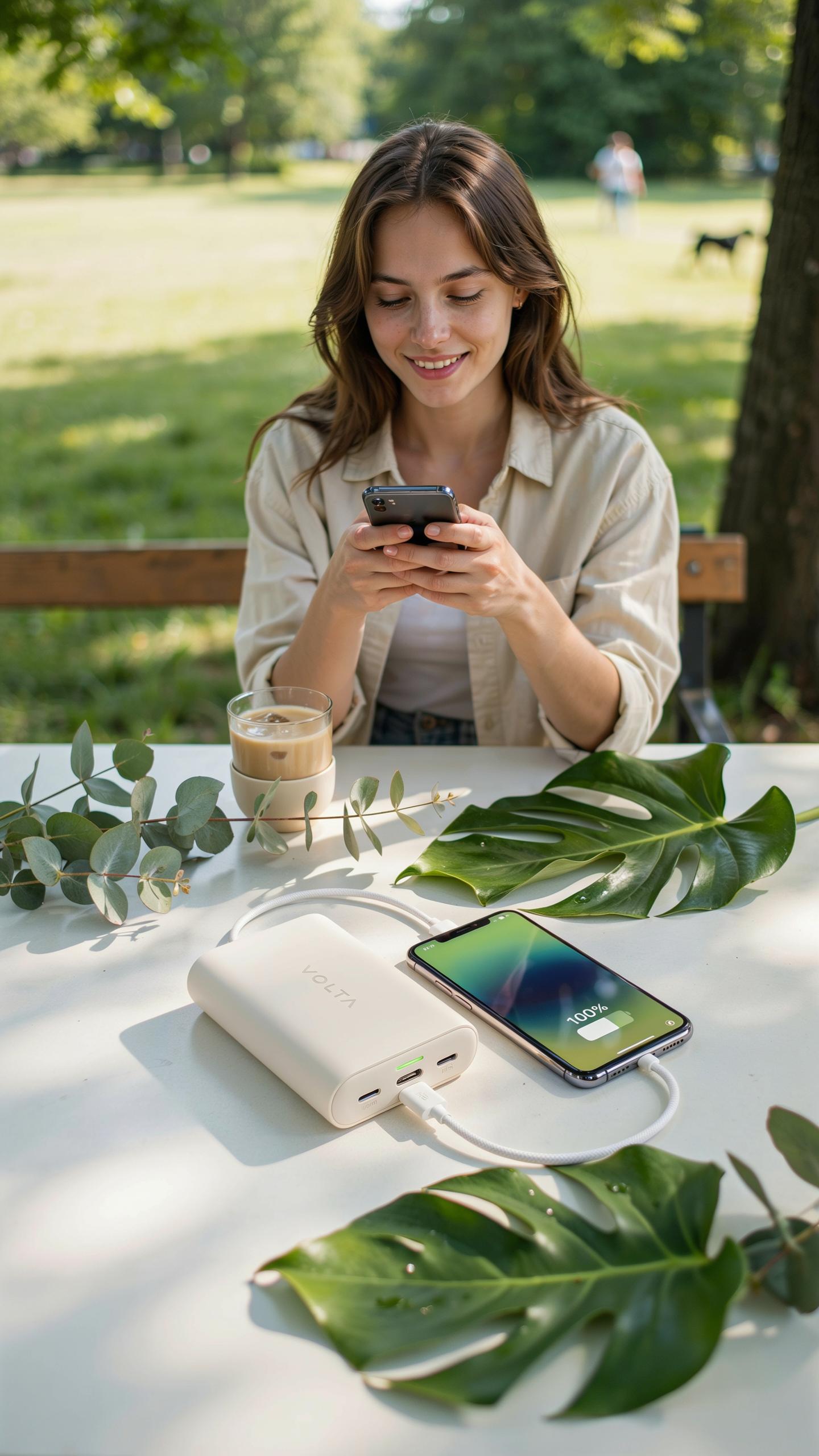
Lithium ion batteries degrade with each charge cycle. A full cycle means charging from zero to 100 percent and back to zero. Slim power banks typically tolerate 300 to 500 full cycles before capacity drops to 80 percent. You extend lifespan by avoiding these extreme endpoints whenever possible.
- Avoid Complete Depletion: Let your power bank drop below 20 percent only when necessary. Discharging to zero damages lithium ion cells faster than partial drains do.
- Skip Full Charges: Stop charging at 80 to 90 percent when you have time. This reduces stress on cells and adds months to overall battery life.
- Use Appropriate Chargers: Match the charger output to your power bank specs. Wrong voltage or amperage causes overheating and accelerates degradation.
- Charge Slowly When Possible: Use a 1 amp charger instead of high speed charging. Slower charging generates less heat and extends battery longevity significantly.
- Monitor Temperature During Charging: Power banks should feel warm, not hot. Excessive heat indicates poor charging conditions or internal issues requiring attention.
Room temperature charging produces optimal results for slim power banks. Heat accelerates chemical reactions inside batteries and shortens lifespan. Charge your portable charger in environments between 50 and 86 degrees Fahrenheit. Avoid charging in direct sunlight, cars, or near heat sources.
Storage And Maintenance Tips
Store your slim power bank in a cool, dry location when not in use for extended periods. Humidity damages circuit boards and corrodes metal contacts. Choose a place with stable temperature and low moisture, such as a drawer in your bedroom or office. Never store in basements, attics, or outdoor spaces where conditions fluctuate.

Charge your power bank to 50 percent before storing it for weeks or months. This middle state minimizes stress on battery cells during dormancy. Check the charge level every three to four months and top it up if needed. Inspect contacts and ports for dust or debris before using again after storage.
Travel Considerations For Your Power Bank

Airline Regulations For Carry On Items
The TSA permits power banks in carry-on luggage only, not checked baggage. The battery capacity limit is 100 watt-hours, which covers most slim power banks under 30,000mAh. Airlines enforce these rules because lithium batteries pose fire risks in cargo holds. Check your specific airline’s policy before traveling, as some carriers impose stricter limits than federal requirements.
International flights follow similar rules under IATA regulations. Most countries recognize the 100-watt-hour limit for lithium batteries on passenger aircraft. You cannot pack power banks in checked bags on any commercial flight. Always verify requirements with your airline and destination country before departure to avoid confiscation or delays.
Global Voltage Compatibility
Most slim power banks operate on 100-240V input, making them compatible worldwide. Check your power bank’s specifications for the input voltage range listed on the device or manual. The charging adapter handles voltage conversion automatically, so you only need a physical plug adapter for different outlet types. This universal voltage design eliminates the need for separate converters for international travel.
USB-based power banks require no voltage adjustment because USB ports deliver consistent power across all countries. Your slim power bank charges from any USB power source globally, whether in hotels, cafes, or airports. The only variable is the outlet shape, which a basic travel adapter solves. This standardization makes slim power banks ideal for frequent international travelers who need reliable charging without complications.
The Future Of Portable Power Innovations And Trends

Emerging Battery Technologies
Lithium ion chemistry has dominated portable power for years, but solid state batteries represent the next shift. These replace liquid electrolytes with solid materials, enabling higher energy density in smaller packages. Companies are working toward commercial viability, targeting the mid to late 2020s for consumer products. Solid state design reduces flammability risks and extends cycle life, directly addressing the slim power bank form factor constraint.
Lithium polymer and LiFePO4 variants continue refining within current constraints. LiFePO4 offers better thermal stability and longevity, though it demands more physical space for equivalent capacity. Graphene integration shows promise in lab settings but lacks production scale at consumer price points. The realistic near term evolution centers on optimizing existing chemistries for density gains rather than fundamental breakthroughs.
Integration With Smart Devices
Power banks now include adaptive charging protocols that communicate directly with phones, tablets, and laptops. USB Power Delivery standards enable negotiated voltage outputs, reducing heat and improving efficiency. Devices like iPhones and newer Android phones accept variable input, making intelligent power management standard rather than optional. This capability lets slim models charge premium devices at rated speeds despite physical constraints.
Real time monitoring apps track battery health, remaining capacity, and charging status through Bluetooth connectivity. Some models now incorporate USB C with power delivery bidirectional support, enabling the power bank itself to charge from any USB C source. Temperature sensors prevent overcharging scenarios automatically. These smart features shift the value proposition from raw capacity toward reliability and device compatibility, directly impacting everyday carry viability for professionals requiring guaranteed uptime.
Frequently Asked Questions

What exactly is a slim power bank, and why would I need one for everyday carry?
A slim power bank is a portable battery charger designed to be exceptionally thin and lightweight, making it incredibly easy to carry discreetly. You’d need one for everyday carry to ensure your essential devices like smartphones or earbuds stay charged throughout your day, preventing dead battery emergencies when you’re on the go.
How do I choose the right capacity (mAh) for a slim power bank for everyday carry to meet my needs?
Consider what devices you’ll charge and how many full charges you need. For a smartphone, 5,000-10,000 mAh is typically sufficient for 1-2 charges. If you also charge tablets or multiple devices, opt for a higher capacity like 10,000-20,000 mAh, while still prioritizing a compact, slim power bank for everyday carry.
Are there affordable options for a reliable slim power bank for everyday carry, or do I need to spend a lot?
Absolutely! You don’t need to break the bank. Many reputable brands offer excellent and reliable slim power banks for everyday carry at various price points. Look for models with good reviews from trusted brands, and you can find quality options starting from around $20-$30, perfect for budget-conscious users.