
Understanding Wireless Earbuds And Battery Backup
The Core Need: Why Battery Life Matters
Wireless earbuds drain battery fast. A single charge typically lasts between four and eight hours depending on the model and usage patterns. Users face a hard choice: recharge frequently or lose audio capability mid-day. Extended battery life removes this friction. It lets people work, commute, and exercise without hunting for a charger. Battery backup directly impacts real-world usability and customer satisfaction.
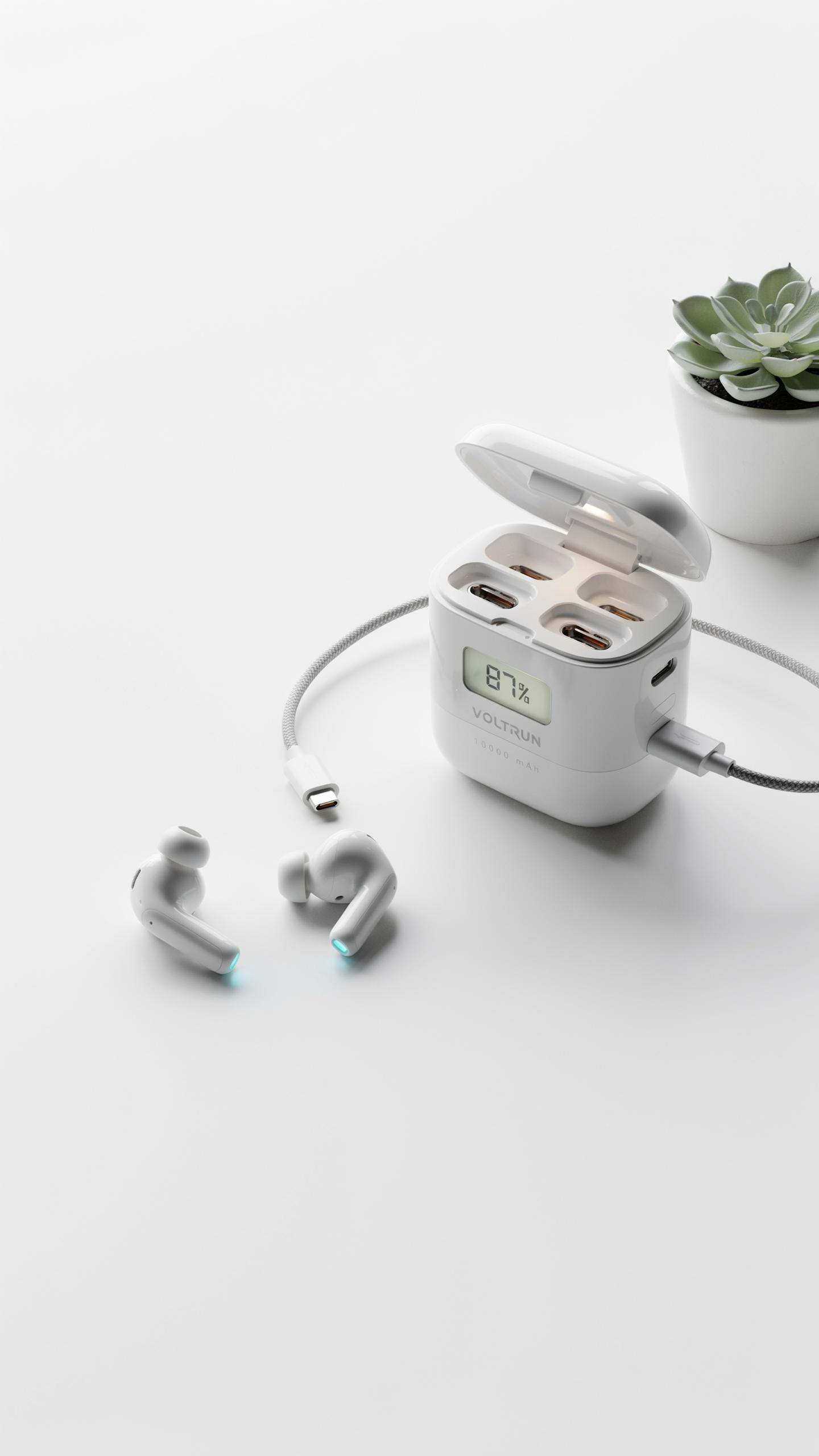
The charging case solves the immediate problem. Without it, dead earbuds mean no music, no calls, no audio access. A case with integrated backup battery extends total listening time significantly. This transforms earbuds from a four to eight hour device into a device with twelve to thirty plus hours of total use. The backup battery removes dependency on wall outlets during the day.
What Is A Charging Case With Backup Battery?
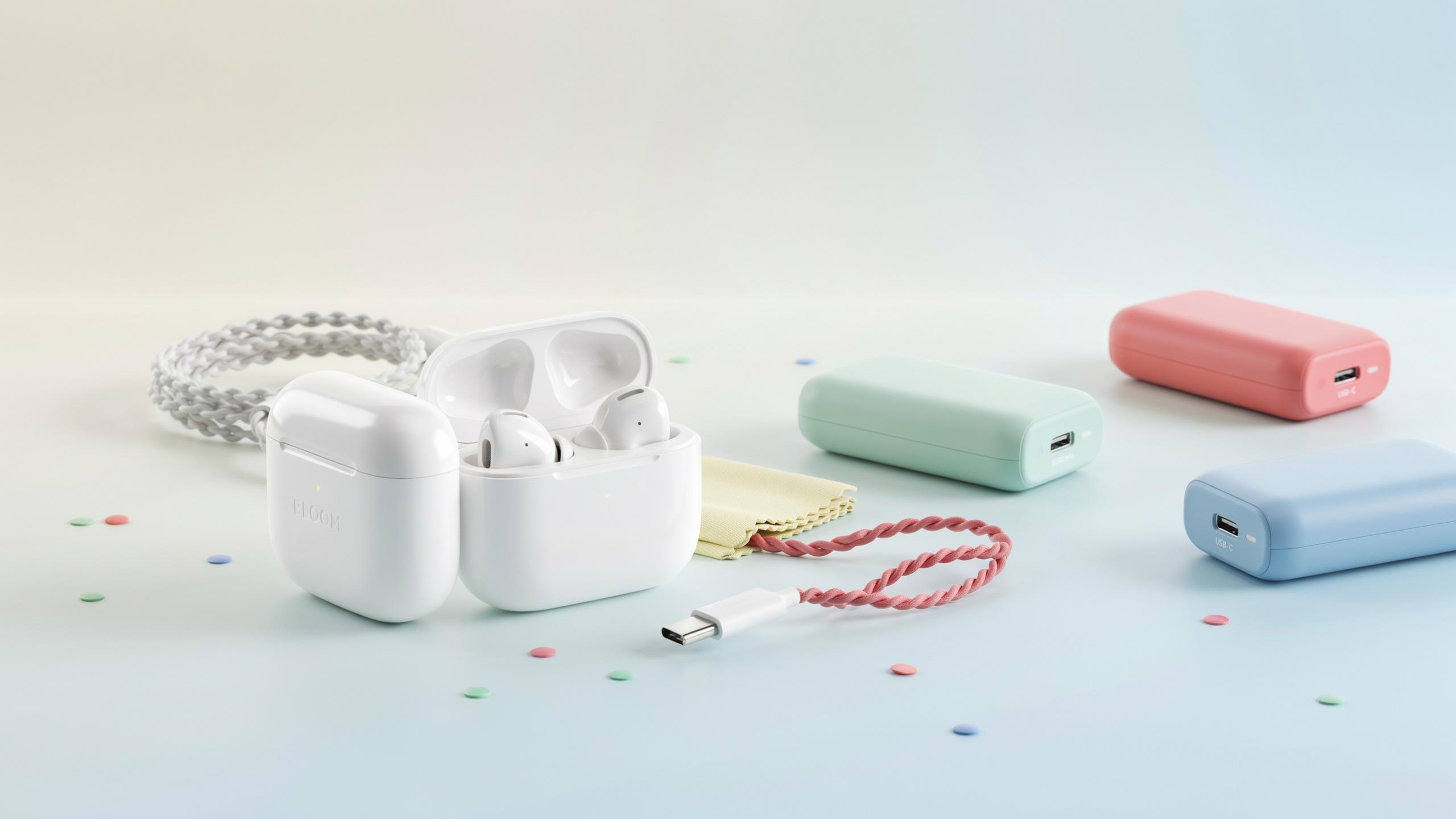
A charging case with backup battery is a portable power bank designed specifically for earbuds. The case houses two battery systems: one charges the earbuds, and one powers that charging mechanism. Standard cases without backup batteries simply store earbuds but rely on external power sources to recharge them. Cases with integrated backup batteries function independently for multiple charge cycles before needing external power themselves.
The backup battery architecture works through direct energy transfer. When you place earbuds in the case, internal contacts deliver power directly to earbud batteries. The case itself discharges to fuel this process. Once depleted, you plug the case into a wall charger or USB port to replenish both the case battery and restore its charging capacity. This design eliminates the need for separate chargers or constantly available power outlets.

The Benefits Of An Extended Battery For Your Wireless Earbuds
Uninterrupted Audio: Enjoy Longer Listening Sessions
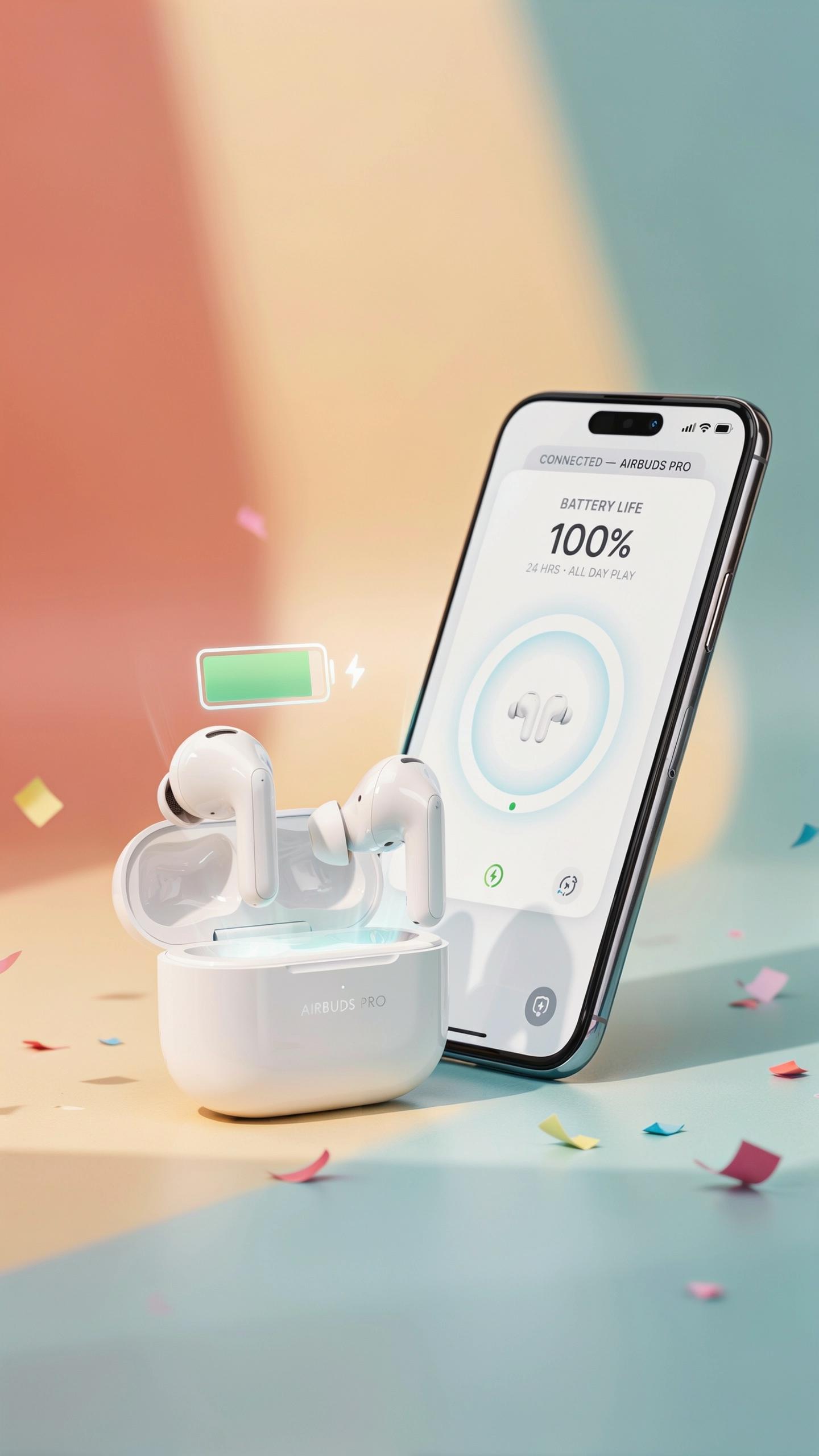
A backup battery in your charging case directly extends your total listening time. Most earbuds last three to eight hours per charge. The case battery multiplies that capacity by two to five times, depending on the model. This means you get through full workdays, long flights, or extended workouts without powering down mid-session.
Battery depletion creates real friction. You lose music during commutes. Calls drop during important conversations. Workouts get interrupted at critical moments. A properly sized case battery eliminates these gaps. You charge once and operate for days, not hours. This is pure operational advantage.
In a world of endless melodies, a charged case with a backup battery is like a cherished memory, always ready to bring the music back to life.
Convenience On The Go: Charging Without An Outlet
Your earbuds charge from the case without accessing wall power. You keep them topped up in your pocket, bag, or gym locker. No hunt for outlets in airports, offices, or vehicles. The case itself becomes your charging infrastructure.

This flexibility reshapes your device strategy. You work longer without infrastructure dependency. Travel becomes simpler because you eliminate charging logistics. You move between locations without planning around power sources. The case battery removes a genuine constraint from your daily operations. That’s functional freedom with measurable impact on productivity.
Key Features To Look For In A Wireless Earbuds Charging Case
Battery Capacity: How Much Power Do You Need?
Battery capacity in milliamp hours (mAh) determines how many times a charging case can refill your earbuds. A 500mAh case provides one full charge cycle. A 2000mAh case delivers four to five cycles. Your usage pattern dictates the right size. Heavy daily users need 2000mAh or higher. Casual users can operate efficiently with 1000mAh to 1500mAh cases.
Calculate your needs by checking earbud battery capacity first. Most earbuds hold 40mAh to 100mAh per unit. Multiply this by your desired charge cycles. Add 20 percent overhead for energy loss during transfer. This gives you the target case capacity. Oversizing the case adds weight and cost without real benefit for most users.
Charging Speed And Efficiency
Fast charging capabilities matter when you need earbuds operational quickly. Standard 5W charging takes two to three hours for a full case recharge. Quick charge cases at 10W to 15W cut this to one hour or less. Check the wattage rating on the case specifications. Higher wattage reduces downtime between uses.

Power transfer efficiency determines how much energy actually reaches your earbuds versus heat loss. Quality charging cases achieve 85 percent to 95 percent efficiency. Poor efficiency wastes 15 to 30 percent of power as heat. This affects battery lifespan and case reliability. Review manufacturer specifications for transfer efficiency ratings. Match case charging speed to your earbud input capacity for optimal performance.
Compatibility With Different Wireless Earbuds And Bluetooth Headsets

Universal Vs. Brand Specific Cases
Charging cases fall into two categories: proprietary designs made for specific earbud models and universal cases that accommodate multiple brands. Proprietary cases optimize charging efficiency and fit because manufacturers engineer them specifically for their earbud dimensions and battery specifications. They deliver faster charging and prevent contact issues that reduce power transfer efficiency.
Universal cases use adjustable charging contacts or standard USB-C connections to work across different earbud models. However, they sacrifice optimization. You gain flexibility but lose the precision fit that maximizes charging speed and reliability. Universal cases work best for consumers who switch between multiple earbud brands or want a backup option.
Ensuring Optimal Connection With Bluetooth Earbuds Wireless
The charging case itself does not directly enhance your Bluetooth connection quality. What matters is that the case properly charges your earbuds to full capacity. When earbuds operate at full battery levels, their Bluetooth transmitters and receivers function at peak performance. Low battery degrades connection stability and range.

Poor charging contacts inside the case create inconsistent power delivery to your earbuds. This leaves them partially charged, which weakens Bluetooth performance and increases connection drops. A quality case with clean, properly aligned charging pins ensures your earbuds maintain full charge, which preserves your Bluetooth connection strength throughout daily use.
Durability And Design Of Audio Accessories
Protection For Your Tech Gadgets Beyond Just Charging
A charging case does more than store your earbuds. It shields them from physical damage, dust infiltration, and moisture exposure. Most cases use rigid plastic or silicone materials to absorb impact from drops. The case design determines how well it protects against daily wear and accidental falls that would damage exposed earbuds.
Material selection directly impacts protection levels. Hard polycarbonate shells resist cracks better than soft materials. Rubberized edges absorb shock energy during impacts. Sealed seams prevent dust and water from entering internal battery compartments. Quality cases maintain earbud functionality even after repeated exposure to harsh environments.
Ergonomics And Portability For On Ear Earphones Users
Case size and weight affect how often you actually carry your earbuds with you. Smaller cases fit jacket pockets and backpack compartments without bulk. Heavier cases reduce portability but may house larger backup batteries. The physical design determines whether you treat the case as essential or burdensome equipment.

Hand feel matters during daily use. Textured surfaces prevent slipping when removing earbuds. Rounded edges reduce hand fatigue during extended handling. Cases under 150 grams feel pocket-friendly for most users. Design choices between minimalism and functionality directly impact your willingness to maintain constant earbud access throughout the day.
Advanced Features Beyond Basic Battery Backup
Wireless Charging Capabilities
Wireless charging cases eliminate the need for physical charging cables. You place the case on a compatible charging pad, and power transfers through induction. This removes wear on charging ports and reduces connector failures over time. Most wireless charging cases still include a USB-C or micro-USB port as a backup option. The technology works with standard Qi charging pads found in homes, cars, and offices.
Wireless charging adds convenience but comes with trade-offs. Cases with wireless charging capability are typically thicker and heavier due to the induction coil inside. Charging speed is slower than wired methods, often taking 30 percent more time to reach full capacity. Not all earbud brands offer wireless charging cases, and the feature increases cost. If you prioritize portability and fast charging, a wired case may serve you better.
LED Indicators And Smart Power Management
LED indicators on charging cases communicate battery status instantly. A single light shows remaining capacity through color changes or blinking patterns. Green typically signals full charge, yellow indicates mid-range power, and red warns of low battery. Some cases display percentage-based indicators with multiple LEDs. These visual cues help you plan charging sessions and avoid unexpected power loss during use.
Smart power management systems distribute energy efficiently between case and earbuds. The case prioritizes charging your earbuds first before building its own reserve. Some cases reduce output to remaining earbuds when one bud drains faster. Temperature sensors prevent overcharging and overheating, extending battery lifespan. These systems monitor voltage and current in real-time, adapting to charging patterns automatically. Intelligent management directly impacts how long your case backup battery lasts across multiple charge cycles.
Impact On Noise Cancelling And Audio Performance

Maintaining Optimal Noise Cancellation
Active noise cancellation requires consistent power delivery to function properly. When your earbud battery drops below a certain threshold, the ANC system degrades or shuts off entirely. A backup battery in the charging case ensures your earbuds stay charged enough to maintain full ANC performance throughout the day without interruption.
The power circuit that drives noise cancellation draws significant current. A depleted earbud battery forces the system to reduce ANC intensity or disable it completely to preserve remaining power for basic audio playback. With reliable case backup power, you sustain maximum noise cancellation from your first use through your last call of the day.
Ensuring Consistent Audio Quality
Audio output depends on stable voltage delivery from the battery. Fluctuating power causes distortion, frequency response shifts, and codec dropout. A well-charged earbud with backup charging case support maintains the consistent power rails needed for clean audio reproduction and reliable wireless codec transmission.

Bluetooth codecs like aptX and LDAC demand steady power to decode and transmit high-fidelity audio without errors. As earbud batteries drain, insufficient voltage causes bit errors in codec streams and forces downgrading to lower quality codecs. Backup charging from your case prevents this degradation and keeps your audio signal intact throughout extended listening sessions.
Cost Vs Value Is A Backup Battery Worth The Investment

Analyzing The Price Point Of Enhanced Charging Cases
Charging cases with backup batteries cost 30 to 60 percent more than standard cases. A basic case runs 20 to 40 dollars. Cases with backup batteries range from 50 to 100 dollars depending on brand and capacity. Premium models from established manufacturers command higher prices due to proven reliability and larger battery capacity.
The price difference reflects real engineering costs. Backup battery cases require larger housings, additional circuitry, and higher capacity cells. Manufacturers pass these production expenses to consumers. Budget models cut corners with smaller batteries that add minimal extra playback time. Quality matters here because cheap backup batteries degrade faster and deliver inconsistent charging performance.
Long Term Benefits And User Satisfaction
Extended playback time justifies the premium for frequent travelers and professionals who work long days. A case with backup battery extends total listening time by 40 to 60 hours compared to standard cases. Users avoid the frustration of dead earbuds during important calls or commutes. This reliability prevents productivity loss and eliminates the need to carry chargers in carry on luggage.

User satisfaction increases when cases perform consistently over 2 to 3 years of daily use. Backup batteries withstand more charge cycles because they distribute demand across multiple power sources. Standard cases die faster because the single battery handles all charging duty. People who use earbuds daily report higher satisfaction with backup battery cases because they eliminate repeated charging sessions throughout the day.
Tips For Maximizing Your Wireless Earbuds Battery Life
Best Practices For Charging And Storage
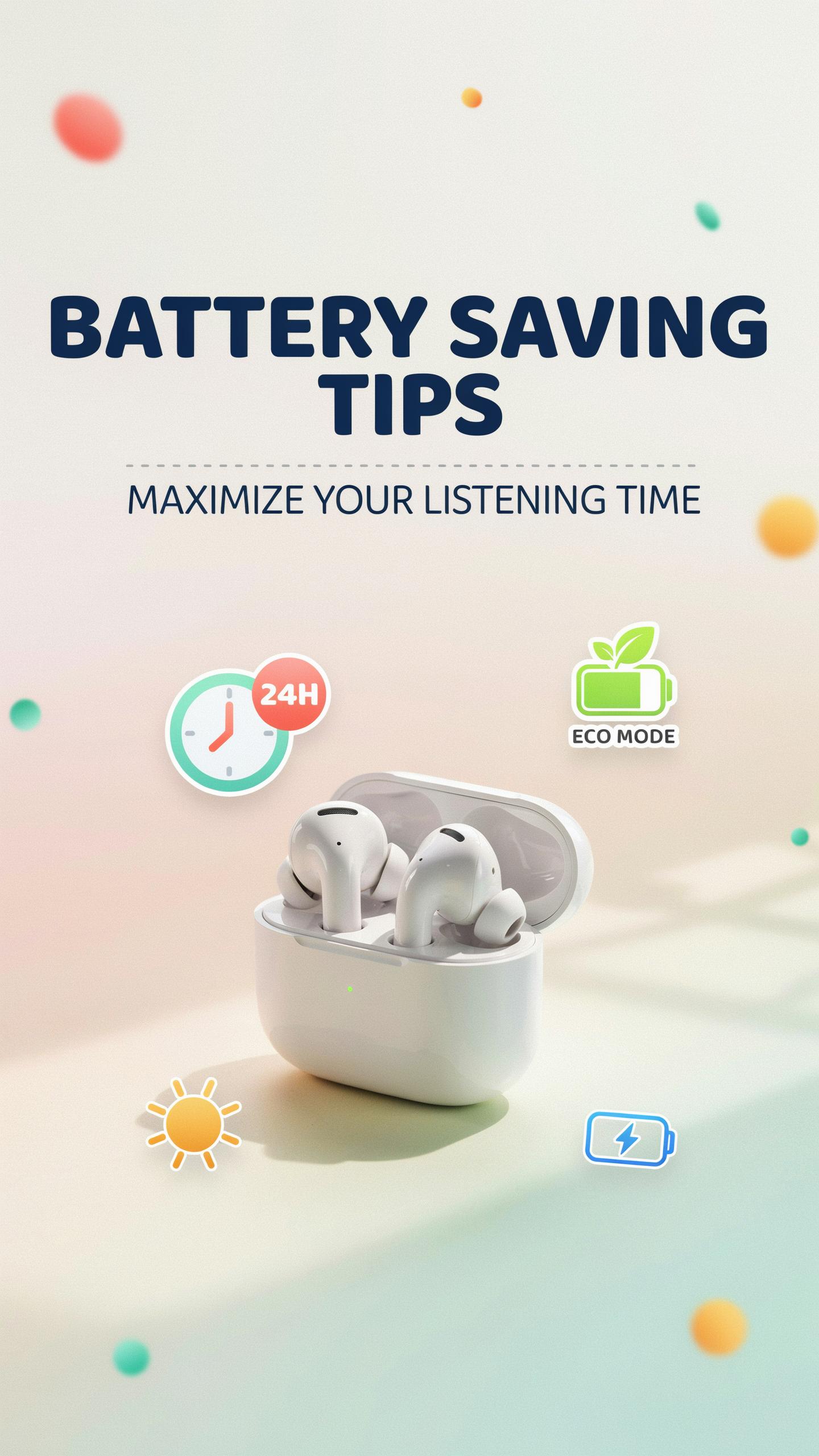
Charge your case before it drops to zero percent. Lithium-ion batteries sustain damage when fully depleted. Aim to dock your earbuds when the case reaches 20 percent charge. Store your case in a cool, dry environment between 50 and 80 degrees Fahrenheit. Heat accelerates battery degradation. Keep the charging contacts clean with a dry cloth to ensure consistent power transfer.
- Charge regularly in small increments: Partial charges stress batteries less than full discharge cycles. Plug in your case every few days rather than waiting for complete depletion.
- Avoid extreme temperatures: Heat above 85 degrees and cold below 32 degrees degrade battery performance permanently. Never leave your case in direct sunlight or freezing conditions.
- Use the original charger: Third-party chargers often deliver incorrect voltage, which damages internal circuits. Stick with the manufacturer’s cable and power adapter.
- Keep contacts dry: Moisture corrodes charging pins and reduces electrical connection quality. Wipe contacts monthly with a lint-free cloth.
- Store with partial charge: Leave your case at 40 to 60 percent charge if storing for extended periods. Zero charge and full charge both shorten battery lifespan over time.
Proper storage prevents battery degradation when your earbuds sit unused for weeks or months. A cool closet or drawer works better than a car, desk, or kitchen counter. Check your case monthly and top it up to 50 percent if needed. This approach keeps your charging case ready for immediate use without sacrificing long-term battery health.
Understanding Battery Health And Degradation
Lithium-ion batteries lose capacity with every charge cycle. A single cycle means charging from zero to 100 percent, then back to zero. After 300 to 500 complete cycles, most earbud batteries retain 80 percent of original capacity. After 1000 cycles, expect 60 to 70 percent capacity remaining. Partial cycles cause less damage than complete discharges, so frequent small charges extend overall lifespan.
Heat accelerates degradation more than charge cycles do. Every 10-degree Celsius increase above room temperature roughly doubles the rate of chemical breakdown inside the battery. Your case’s backup battery degradation follows the same pattern. A case stored in a cool room lasts significantly longer than one left in a warm car or near a window. Monitoring temperature matters more than counting exact charge cycles when optimizing battery longevity.
Future Trends In Wireless Earbuds And Power Solutions
Innovations In Battery Technology For Headphones
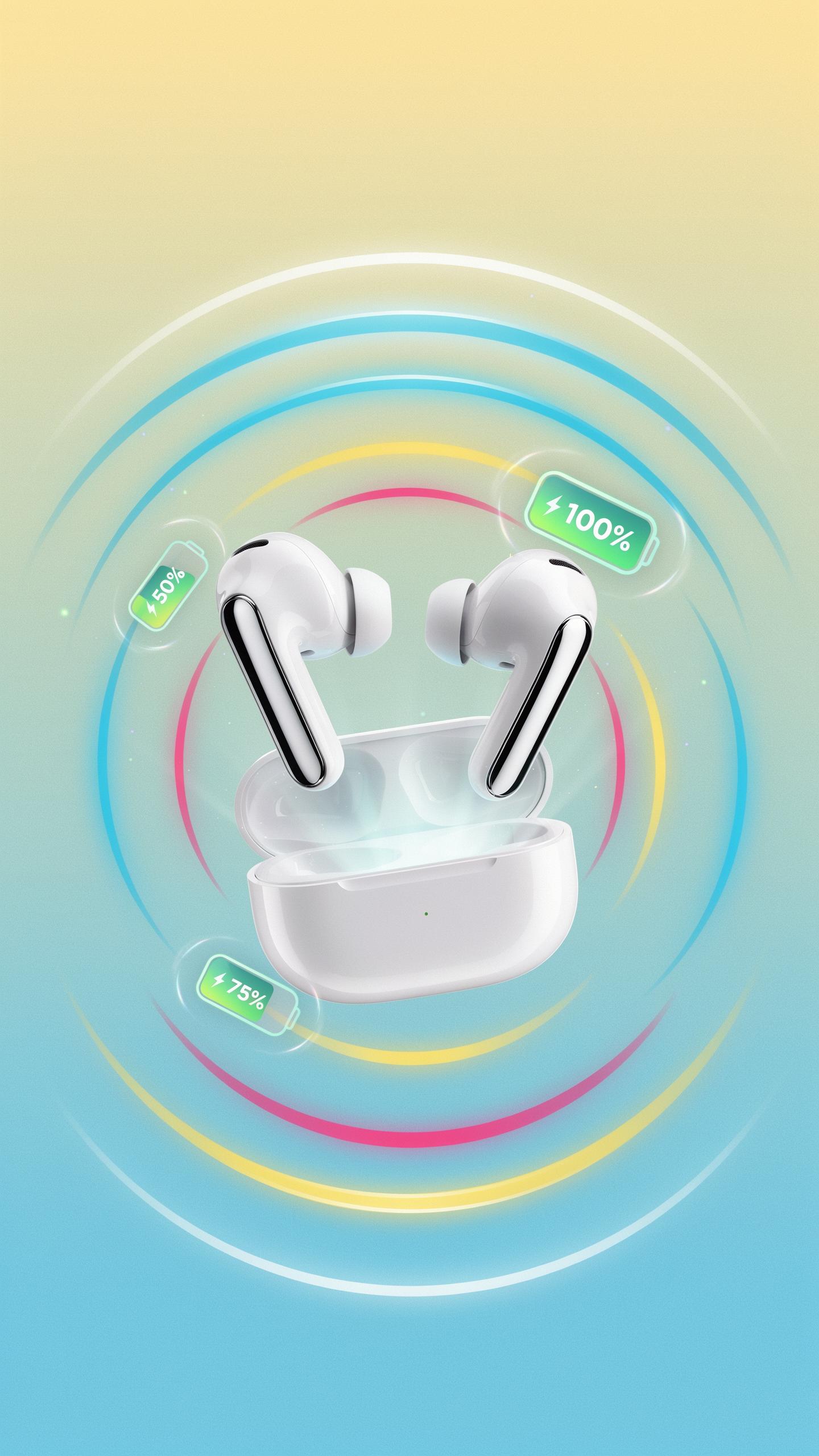
Solid state batteries represent the next practical shift in earbud power density. These cells replace liquid electrolytes with solid materials, delivering higher energy capacity in smaller form factors. Manufacturers like Samsung and Toyota have demonstrated working prototypes. Adoption timelines remain uncertain, but production-scale solid state batteries for consumer audio could arrive within 5 to 10 years. This advancement directly impacts charging case runtime and device weight reduction.
Graphene-enhanced batteries offer another tangible path forward for case design. Graphene layers improve charge acceptance rates and thermal stability compared to conventional lithium ion cells. Research institutions and battery makers currently test graphene integration at scale. Real-world deployment in mass market earbuds remains in early phases. When implemented, these batteries extend case backup power by 20 to 30 percent without increasing physical size, solving a core user pain point.
The Evolution Of Smart Charging And Connectivity
Adaptive charging algorithms will optimize power delivery based on ambient temperature and device demand patterns. Charging cases will monitor earbud battery health in real time and adjust voltage accordingly. This prevents degradation and extends overall system lifespan. Current implementations exist in premium cases from brands like Apple and Sony. Future versions integrate machine learning to predict usage patterns and preemptively charge earbuds before users need them.
Multi device charging ecosystems streamline the user experience across phones, tablets, and wearables. Unified wireless standards eliminate proprietary connector requirements and case incompatibility issues. The industry movement toward USB C adoption reflects this consolidation trend. Smart cases will communicate with home charging stations and vehicle systems to manage power distribution automatically. This convergence reduces consumer friction and creates seamless integration within digital environments.
Frequently Asked Questions

What exactly is a wireless earbuds charging case with a backup battery, and why would I need one?
A wireless earbuds charging case with a backup battery is a portable container that not only recharges your earbuds but also holds extra power to charge other small devices like your phone. It’s incredibly useful for travel or long days when you need to keep all your tech powered up on the go, offering ultimate convenience and preventing dead batteries.
How do I know if my wireless earbuds charging case backup battery is fully charged and ready to power another device?
Most wireless earbuds charging case backup battery units feature LED indicator lights. These lights typically illuminate or change color to show the case’s charge level, often blinking while charging and staying solid when full. Consult your specific model’s manual for precise light patterns, ensuring you’re always ready for a quick power boost.
Are there affordable options for wireless earbuds charging cases with backup batteries, or are they typically expensive?
Absolutely! While premium models exist, you can find many budget-friendly wireless earbuds charging case options with integrated backup batteries. Prices vary widely based on battery capacity, brand, and additional features. Shopping around and comparing specifications will help you find an accessible and effective solution without breaking the bank.