
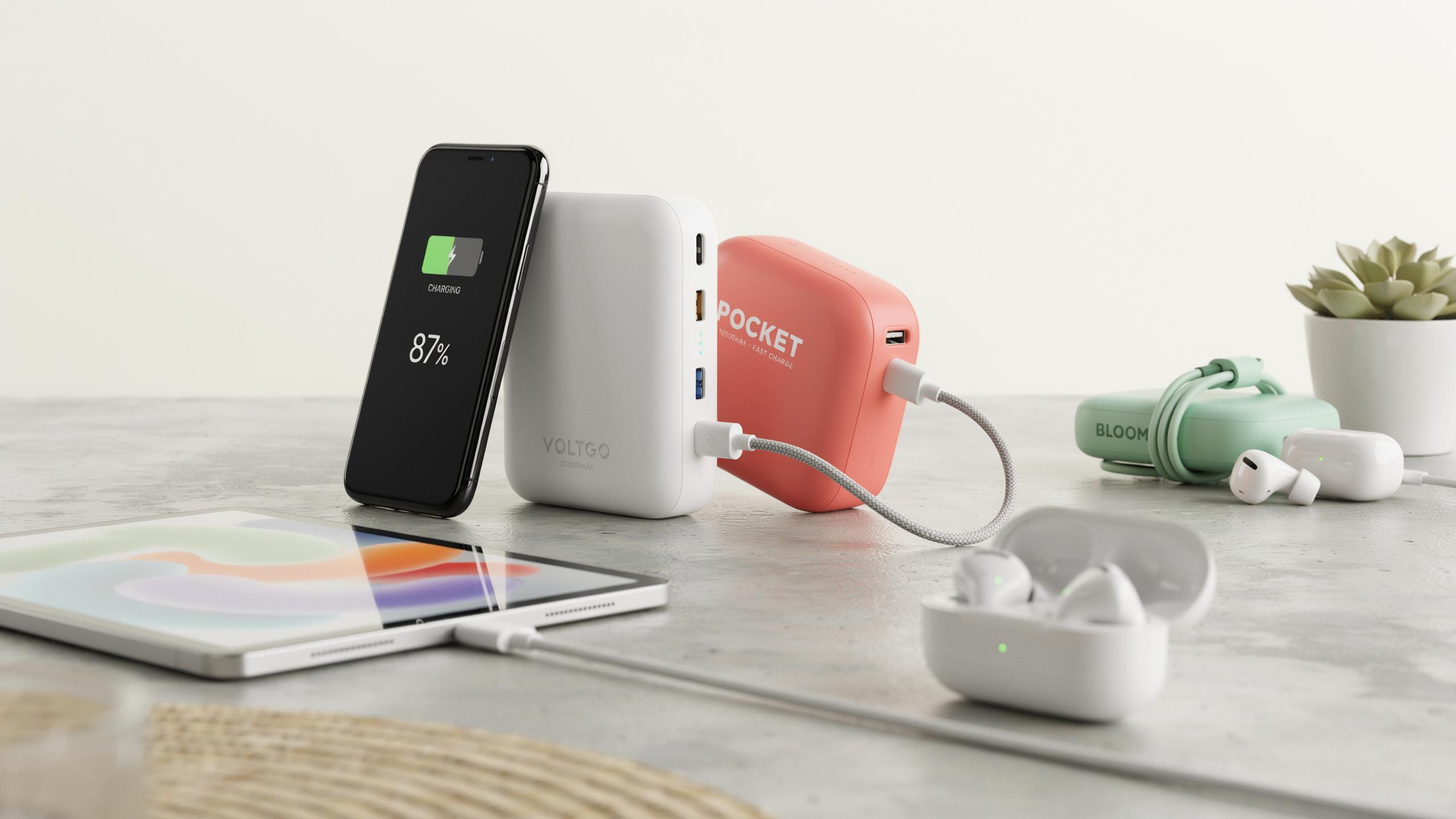
The Indispensable Portable Power Bank Staying Connected On The Go
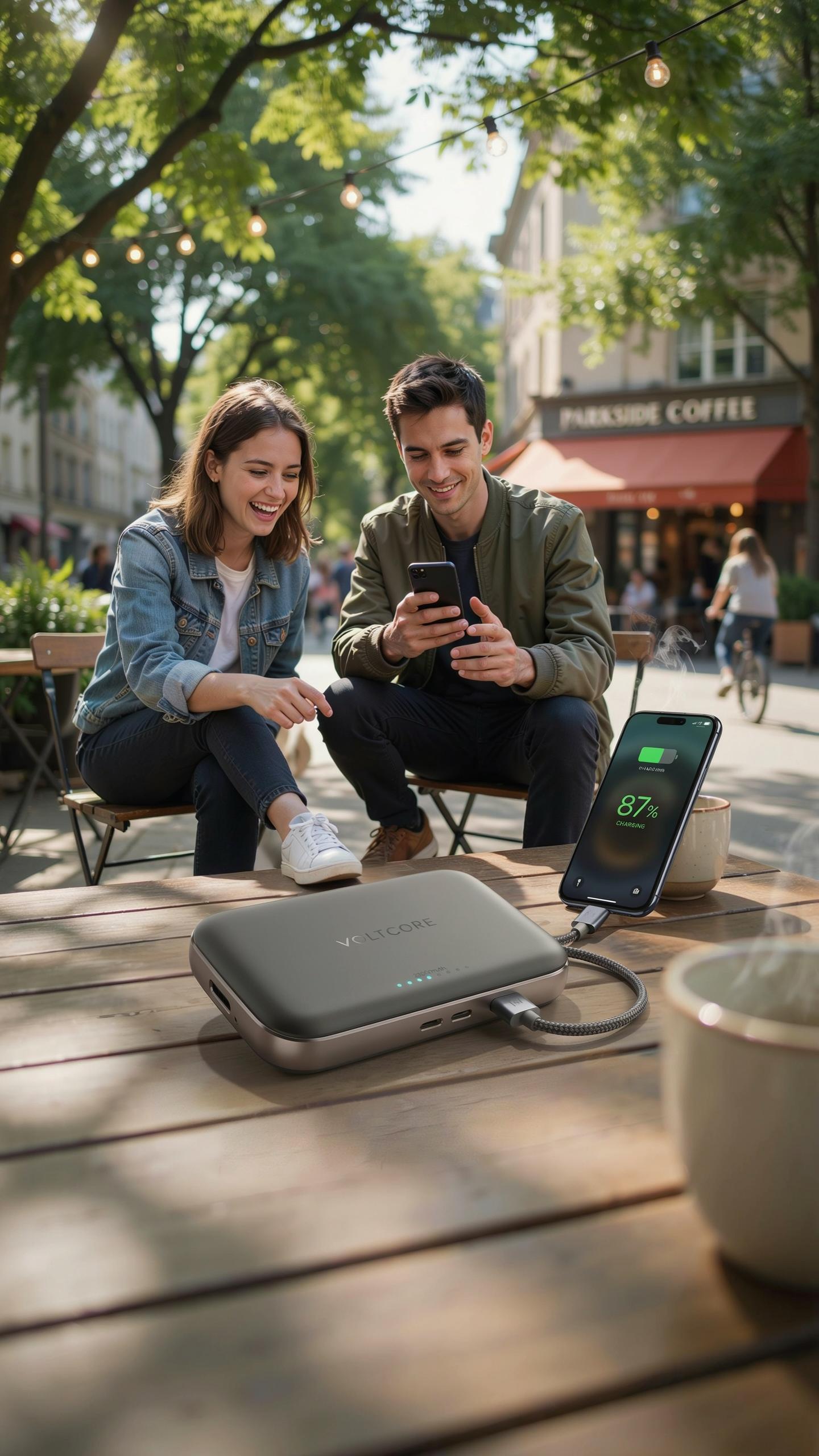
Why A Portable Power Bank Is A Modern Necessity
Most people carry multiple devices daily: phones, tablets, laptops, and wearables. Each device drains battery power independently. Modern jobs demand constant connectivity. A portable power bank bridges the gap between device battery life and actual usage time. Without backup power, you lose access to work, communication, and navigation.
Battery drain accelerates under real-world conditions. Streaming, navigation, and work applications consume power faster than manufacturer specs suggest. A single device’s battery runs empty within hours of active use. A power bank ensures you maintain connectivity throughout the workday without hunting for outlets.
Understanding Your Charging Needs
Your device mix determines the power bank capacity you need. A smartphone requires different charging resources than a laptop. Calculate total battery capacity across all devices you use daily. This reveals how much reserve power you actually need to carry. Underestimating capacity leaves you stranded mid-day. Overestimating creates unnecessary weight.
Charging frequency and speed matter equally. Some users need rapid top-ups between meetings. Others prefer slower, overnight charging. Your devices dictate required output ports and wattage ratings. A power bank handling multiple simultaneous charges requires higher wattage than single-device chargers. Match the power bank specs to your actual usage patterns, not theoretical scenarios.

Key Features Of A High Performance Portable Charger
Capacity And Output Ports Powering Multiple Devices
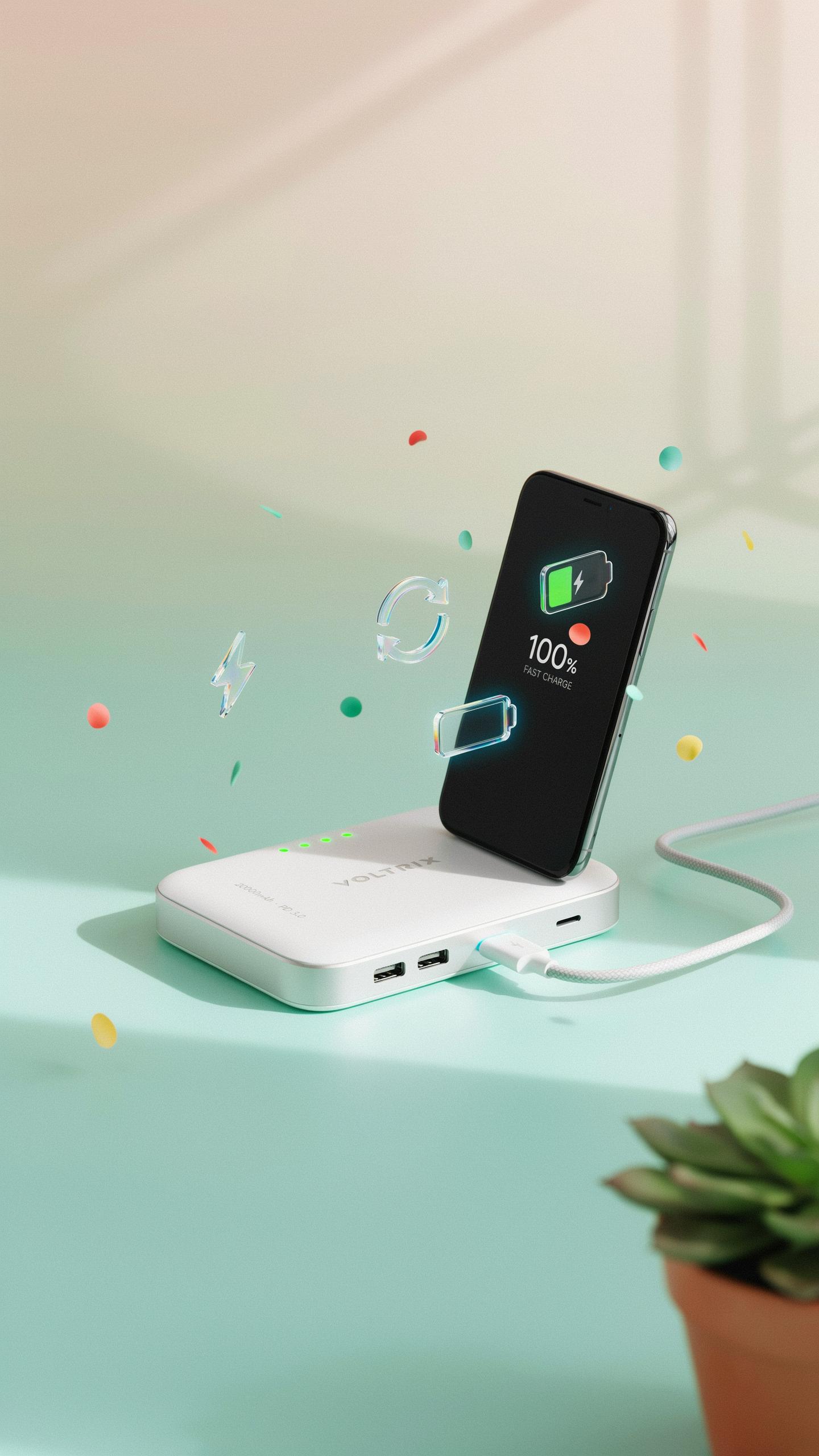
Power bank capacity, measured in mAh (milliamp-hours), directly determines how many full charges you get. A 20,000 mAh bank typically charges a smartphone twice. Capacity alone means nothing without output ports. Multiple USB ports let you charge phones, tablets, and laptops simultaneously without waiting for one device to finish.
Port configuration matters more than you think. A single USB-C port limits you to one device at a time. Dual or triple ports mean concurrent charging. Quality power banks include at least one USB-A and one USB-C port. This covers both legacy devices and modern equipment. Match port count to your actual daily devices.
Fast Charging Technologies Explained
Quick Charge and Power Delivery are the two dominant fast charging standards. Quick Charge, developed by Qualcomm, boosts voltage and current delivery to compatible Android devices. Power Delivery, backed by the USB-IF consortium, works across Android, iOS, and laptops. Both reduce charging time by 50-70 percent compared to standard 5V charging.

Understanding wattage matters for realistic expectations. A 30W power bank charges faster than 18W. However, your device’s charging circuit determines the actual speed, not just the bank’s output. An older phone may cap out at 10W regardless of available power. Check your device’s specifications to match appropriate wattage output from the power bank.
Compatibility Charging Your Smartphone Tablet And More
Universal USB A And USB C Connectivity
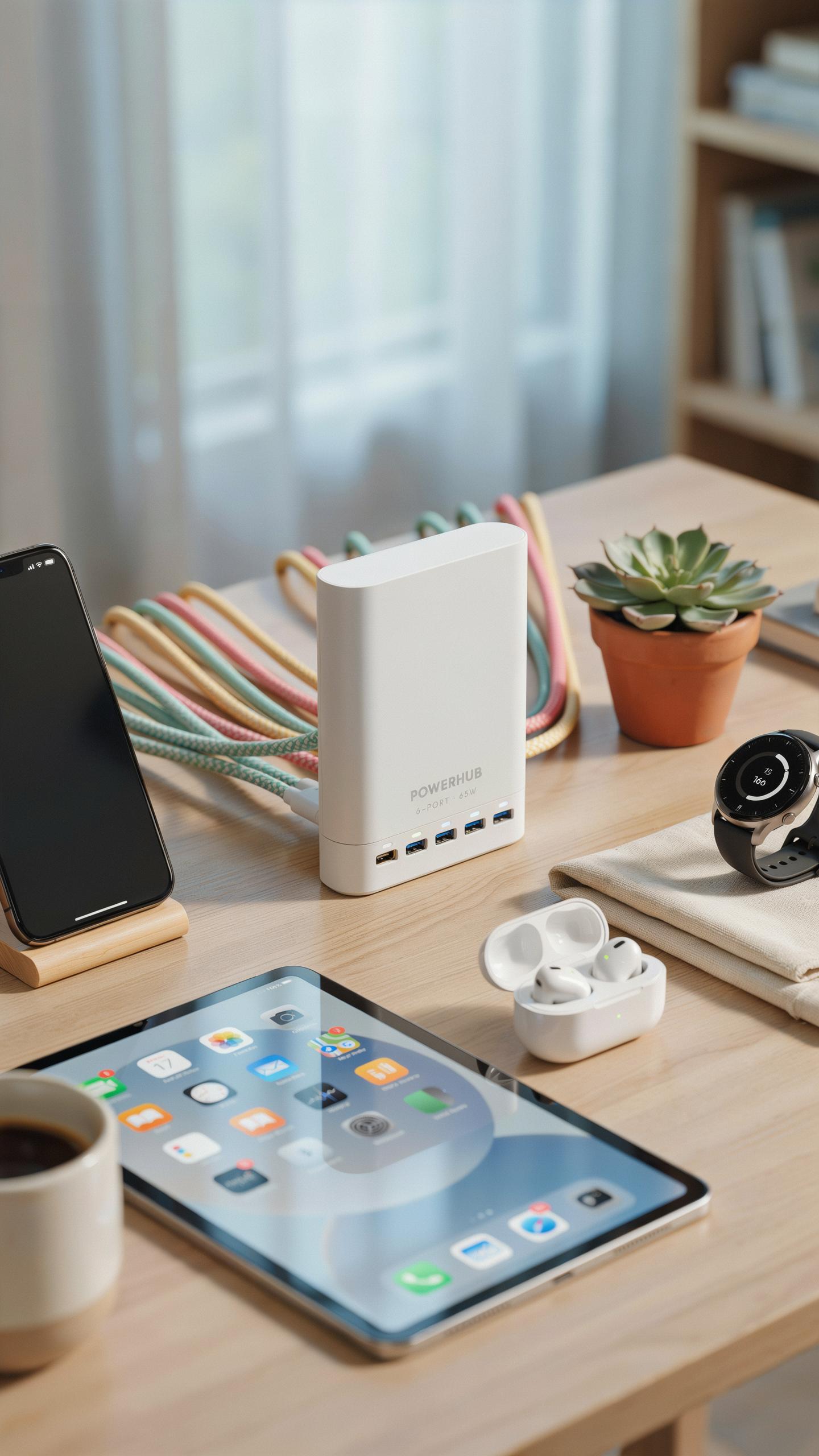
USB-A ports dominated consumer electronics for two decades before USB-C emerged in 2014. Most power banks today include at least one USB-A output port for backward compatibility with older phones, tablets, and accessories. This dual-port approach lets you charge legacy devices alongside modern ones without buying separate adapters or power banks.
USB-C has become the standard on flagship smartphones, tablets, and laptops. Power banks with USB-C outputs deliver faster charging speeds than USB-A, reaching 60W or higher on premium models. A multi-device power bank combines both port types to eliminate compatibility gaps and handle your entire device ecosystem simultaneously.
Wireless Charging Capabilities
Wireless charging pads built into power banks eliminate cable clutter for compatible smartphones. The technology uses electromagnetic induction to transfer power through short distances. You place your phone on the power bank’s surface, and charging begins without plugging in a cable. This works with any device that supports the Qi standard, which includes most modern smartphones.

Wireless charging adds thickness and weight to power banks, and typically delivers slower charge rates than wired connections. Most wireless power banks output 5W to 15W wirelessly, compared to 18W or higher through USB ports. Choose wireless charging if convenience matters more than speed, or select a hybrid model that offers both wired and wireless options for flexibility across your device collection.
Compact Design And Portability Your Travel Essentials

Lightweight And Ergonomic Designs For Easy Carrying
Power bank weight directly impacts usability during travel. Most quality multi-device chargers range from 150 to 400 grams. This weight range fits easily into backpacks, messenger bags, or jacket pockets without creating bulk. Ergonomic designs feature rounded edges and textured surfaces that prevent slipping during use. Materials like aluminum and rubberized plastics balance durability with light weight, making them practical for daily transport.
Dimensions matter as much as weight for real-world portability. A compact power bank measures roughly 5 by 3 by 1 inches, matching the size of a standard smartphone. This footprint allows users to carry the device alongside phones, tablets, and cables without additional bag space. Cable organization features, such as built-in attachment points or integrated cables, reduce the total items you need to pack and eliminate tangled cord situations during travel.
Airline Regulations For Portable Power
TSA and international aviation authorities enforce strict rules on lithium-ion battery capacity in carry-on luggage. Power banks with 100 watt-hours or less pass through security without issue. Most portable chargers stay under this limit, but capacity does vary by model and manufacturer. Always check your specific power bank specifications before traveling to confirm compliance with current regulations.

Checked luggage rules differ from carry-on requirements across various airlines. Many carriers prohibit lithium batteries entirely in checked baggage due to fire risk at high altitude. Your best strategy is carrying the power bank in your carry-on bag at all times. Contact your airline ahead of travel to verify their specific policies, as regulations change and vary between carriers worldwide.
Durability And Safety A Reliable Tech Gadget
Robust Construction For Everyday Use
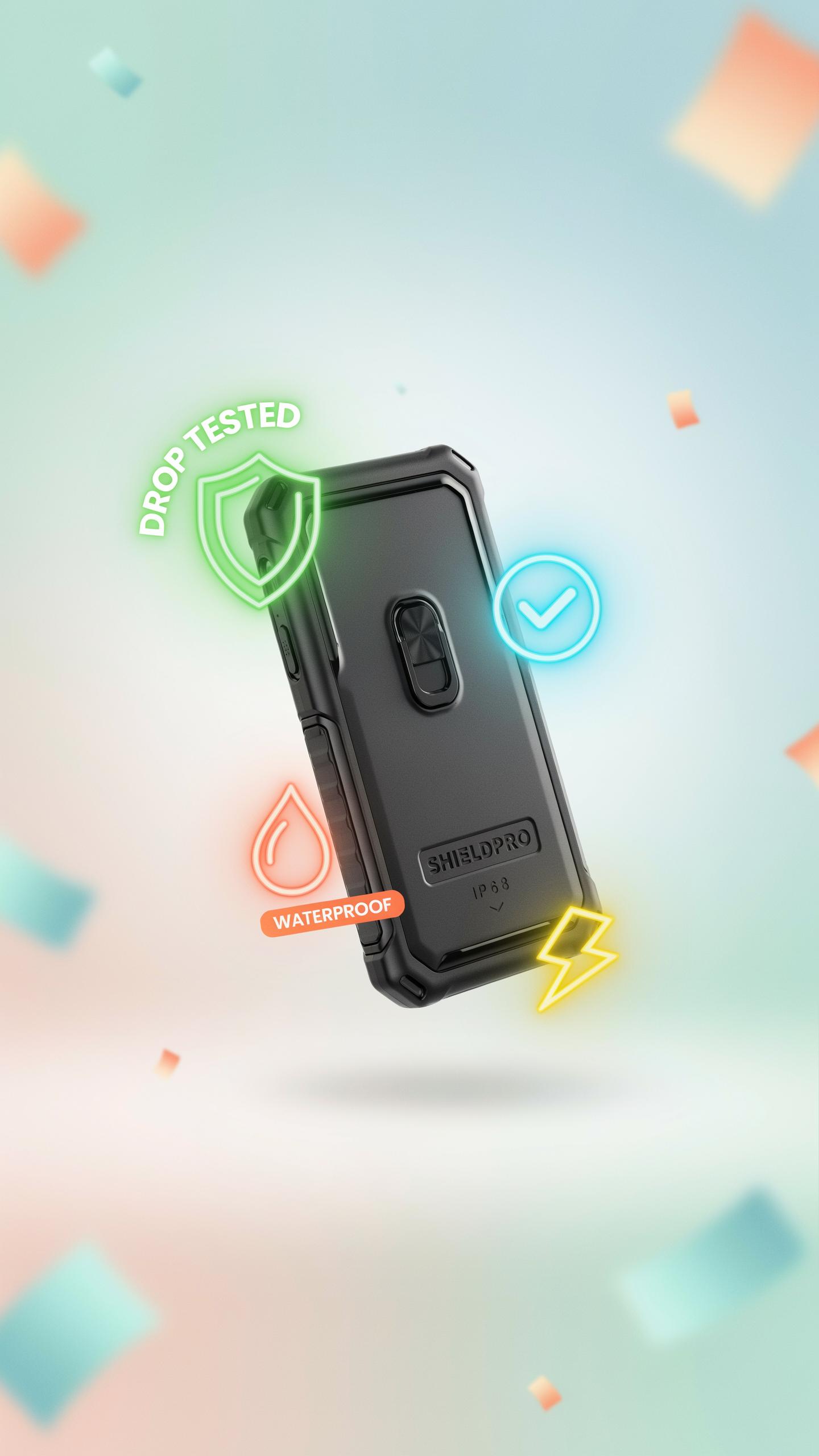
Power banks face constant physical stress from daily transport and use. Manufacturers use aluminum alloys and reinforced plastic housings to withstand drops and impacts. These materials resist denting and cracking when power banks fall from pockets, bags, or desks. Casing thickness directly affects survival rates in real-world scenarios.
Internal design protects components from damage during transport. Shock-absorbing materials surround circuit boards and battery cells. Sealed compartments prevent dust and moisture from entering critical areas. Power banks built with these standards maintain functionality after months of heavy use without degradation.
Built In Safety Features For Device Protection
Overcharge protection stops charging once batteries reach full capacity. This prevents thermal runaway, which damages batteries and creates fire hazards. Circuits cut power flow automatically to maintain safe voltage levels. Devices connected to protected power banks avoid battery damage from sustained high voltage exposure.
Short-circuit prevention detects faults in charging circuits and disconnects power instantly. Temperature sensors monitor heat levels during charging cycles. If internal temperatures rise above safe thresholds, the power bank shuts down charging operations. These mechanisms protect both the power bank and your connected devices from electrical damage or failure.
Beyond The Basics Advanced Portable Power Features

Pass Through Charging And Power Delivery
Pass-through charging lets you charge the power bank and your devices at the same time. You plug the power bank into an outlet while simultaneously connecting your phone or tablet to it. This eliminates downtime when you need continuous power. Not all power banks support this feature, so verify compatibility before purchasing if this functionality matters for your workflow.
High-wattage power delivery speeds up charging times significantly. Modern power banks deliver 65W, 100W, or higher to compatible devices. This matters for laptops, tablets, and fast-charging phones. Check your device’s power requirements to match the right power bank wattage. Mismatched wattage won’t damage devices but won’t deliver optimal charging speeds either.
Integrated Cables And Smart Displays
Integrated cables eliminate the need to carry separate charging wires. Power banks with built in USB-C, Lightning, or micro USB cables reduce clutter and ensure you always have a cable available. However, integrated cables wear faster than external ones since they experience constant flexing. Replacement of a damaged integrated cable sometimes requires replacing the entire unit.

Smart LED displays show your power bank’s remaining battery percentage in real time. Some models display charging speed, temperature status, or which port is actively drawing power. This information helps you decide whether to recharge the power bank or if it has enough capacity for your next task. Displays add minimal cost but provide valuable tactical awareness during travel or emergencies.
Choosing The Right Portable Power Bank For Your Lifestyle

Matching Power Bank To User Needs From Commuters To Adventurers
Commuters need different specs than adventurers. Daily commuters benefit from compact power banks between 10,000 and 20,000 mAh. These fit pockets easily and charge phones once or twice during a work day. Weight matters for people carrying bags for eight hours straight. A one-pound power bank becomes noticeable by afternoon.
Adventurers and travelers require higher capacity units. Extended outdoor trips demand 20,000 to 30,000 mAh power banks. These handle multiple device charges across several days without access to wall outlets. Solar charging capabilities and rugged construction matter in remote settings. Fast charging becomes less critical when you have time between activities.
In our fast-paced world, a reliable power bank is a little piece of home, ensuring your cherished devices keep humming along, just like the memories they help you make.
Budget Friendly Vs Premium Options
Budget power banks cost twenty to thirty dollars and deliver basic functionality. They charge phones reliably but include fewer ports and slower charging speeds. Build quality suffers on budget models, meaning shorter lifespan and potential safety issues. Most budget units last eighteen to twenty-four months before failing. They work fine for occasional backup power.

Premium power banks range from fifty to one hundred fifty dollars and justify the cost through durability and features. They include multiple fast charging ports, better temperature management, and longer warranties. Premium models incorporate higher quality components that endure five hundred to one thousand charge cycles. They cost more upfront but provide better value across two to three years of use.
Maintenance And Longevity Of Your Portable Charger
Tips For Maximizing Battery Lifespan
Portable power banks use lithium-ion or lithium-polymer cells that degrade over time. Heat accelerates this degradation significantly. Store your power bank in cool, dry conditions between 50-80 degrees Fahrenheit. Avoid leaving it in direct sunlight, cars, or near heat sources. Temperature control is the single most effective maintenance strategy.
- Store at moderate temperatures: Keep your power bank between 50-80°F when not in use. Extreme heat or cold reduces battery capacity permanently and increases internal resistance over time.
- Avoid full discharge cycles: Let your power bank drain to zero only occasionally. Regular partial discharges and recharges extend overall lifespan compared to frequent complete depletion.
- Use appropriate charging speed: Charge at the manufacturer’s recommended wattage. Fast charging generates excess heat that stresses battery chemistry and shortens operational life.
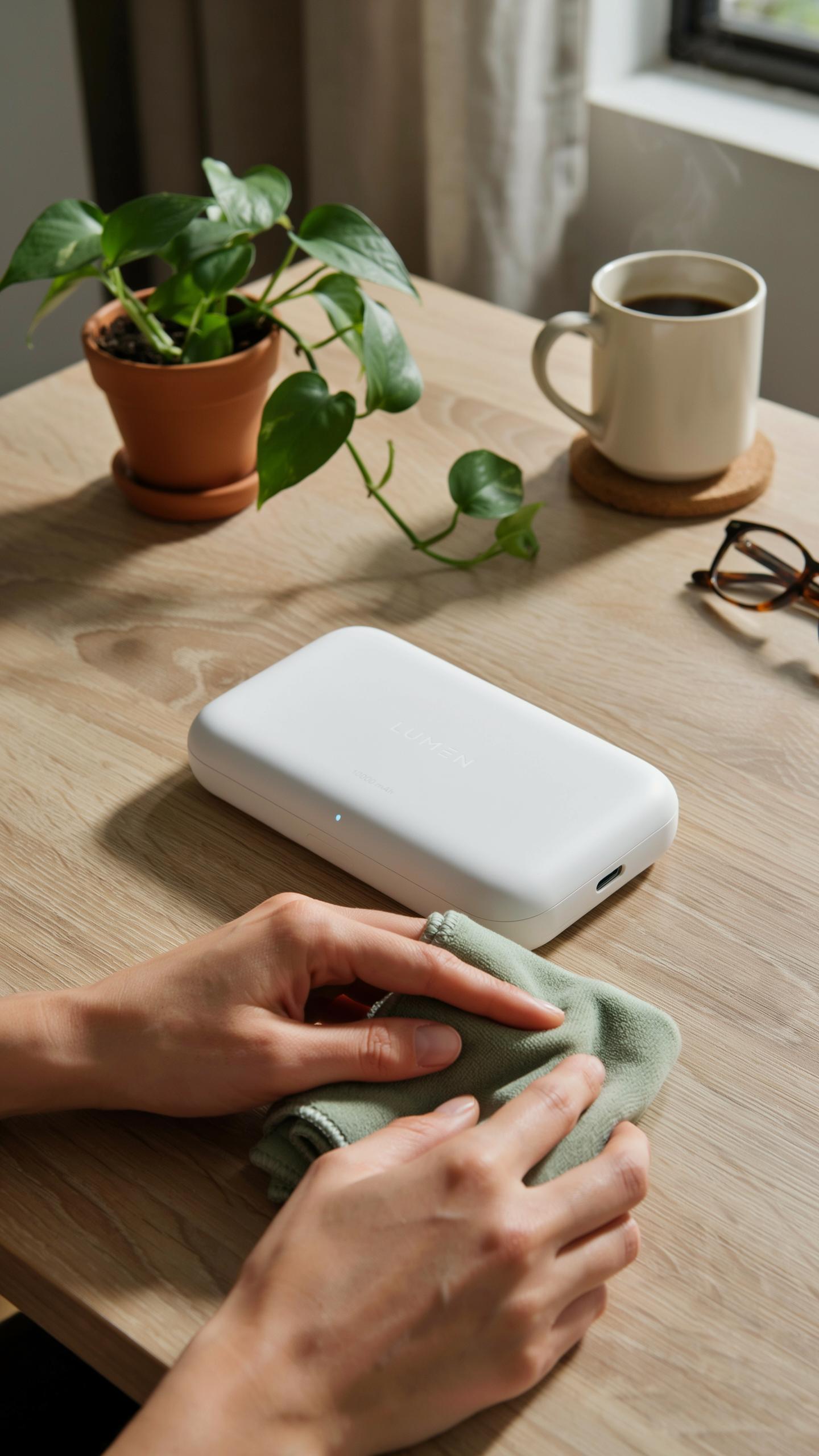
- Keep ports clean and dry: Debris and moisture in charging ports cause corrosion and connection failures. Inspect ports monthly and clean with dry cloth or compressed air if needed.
- Avoid prolonged storage fully charged: If storing for weeks or months, discharge to 40-50% capacity. Full charge state at rest causes stress on battery cells and reduces capacity retention.
Most power banks lose 5-10% capacity annually under normal use. Proper maintenance can significantly reduce this rate. Check your power bank every six months by testing actual output against rated capacity. Replace units when usable capacity drops below 80% of original specs.
Troubleshooting Common Charging Issues
Slow charging often stems from incompatible cables or weak power adapters. Test with different USB cables and wall chargers to isolate the problem. Check that your charger outputs sufficient amperage for the power bank model. Many multi-device chargers require specific input wattage to operate at full speed.

Power banks that refuse to charge typically have corroded charging ports or damaged internal circuits. Inspect the port for debris or oxidation. Try cleaning the port contacts gently with a cotton swab and rubbing alcohol. If cleaning fails, the charging controller may have failed internally and requires replacement.
The Future Of Portable Power Technology

Innovations In Battery Technology And Efficiency
Solid-state batteries represent the next major shift in power bank design. These replace the liquid electrolyte in lithium-ion cells with a solid material, enabling higher energy density in smaller packages. Companies like QuantumScape and Samsung have demonstrated working prototypes. The payoff is clear: more capacity, faster charging, and improved safety without combustion risk. We’re still years away from mass-market adoption, but the technology addresses the core limitation of current power banks.
Energy density improvements directly affect what you carry. Today’s lithium-ion banks max out around 250 watt-hours per kilogram. Solid-state designs target 400 watt-hours per kilogram or higher. This means a power bank the size of your phone could hold double the charge. Manufacturers are also refining graphene-based anodes and silicon-dominant cathodes to squeeze more output from existing form factors. These advances eliminate the trade-off between portability and capacity.
Sustainable And Eco Friendly Power Bank Options
The market for recycled material power banks is growing because manufacturers recognize supply chain costs. Companies now source aluminum and plastics from post-consumer waste and recycle programs. This reduces raw material extraction but doesn’t compromise structural integrity or performance. Solar-integrated power banks exist, though their output remains modest due to panel efficiency and surface area constraints. They work best as supplementary charging in outdoor settings, not primary power sources.
Renewable energy integration focuses on practical deployment. Solar panels integrated into power banks generate 5-10 watts under direct sunlight, enough to trickle-charge a phone over hours. Some manufacturers combine solar with wind-powered models for users in high-wind environments. The real sustainability win comes from extended product lifecycles. Modular designs that allow battery replacement reduce e-waste. This approach costs manufacturers more upfront but aligns with regulations like the EU’s Right to Repair directives.
Making The Smart Choice For Your Portable Power Needs

A Checklist For Your Ideal Portable Power Bank
Start by determining your device ecosystem. Count how many devices you charge regularly and their power requirements. A phone needs 5W to 25W. A tablet demands 18W to 45W. A laptop pulls 30W to 140W. Your checklist begins here because capacity must match actual usage, not marketing claims.
Next, evaluate capacity in milliamp hours and watt hours. A 20,000mAh power bank typically provides one full smartphone charge. Calculate your needs by multiplying daily usage hours by device power draw. Then add 30 percent for energy loss during conversion. Check the power bank’s output ports. You need simultaneous charging capability if multiple devices drain at once. Verify charging speed matches your devices’ input requirements. Mismatched wattage either wastes time or damages equipment.
Final Recommendations For The Discerning User
Heavy laptop users need 25,000mAh capacity minimum with 65W USB-C Power Delivery output. Models in this range cost between 80 and 150 dollars. They weigh 1.5 to 2 pounds, making them portable but not pocket-friendly. This profile suits remote workers and frequent travelers who prioritize device independence.
Smartphone and tablet users benefit from 15,000 to 20,000mAh capacity with dual USB-A ports and one USB-C port. These power banks cost 30 to 60 dollars and weigh under one pound. They deliver adequate speed and charging cycles for daily commuters. Budget-conscious users find solid performance here without overpaying for laptop charging capability they won’t use.
Frequently Asked Questions

What exactly is a portable power bank for multiple devices and why do I need one?
A portable power bank for multiple devices is a compact, rechargeable battery that allows you to charge various electronics like phones, tablets, and smartwatches on the go. You need one to stay connected and powered up, especially when outlets are scarce, making it perfect for travel, outdoor adventures, or busy days away from home.
How do I choose the right capacity (mAh) for a portable power bank that can charge several gadgets?
When selecting a portable power bank for multiple devices, consider the combined battery capacity of the gadgets you’ll charge. For example, if your phone is 3,000mAh and your tablet is 7,000mAh, aim for a power bank with at least 15,000mAh to get a full charge for both with some reserve. Higher mAh means more charges.
Are there affordable options for a reliable portable power bank that can handle charging various electronics?
Absolutely! You can find many reliable and affordable portable power banks designed for multiple devices. Look for brands known for quality at various price points. Prioritize safety features, reputable reviews, and a capacity that suits your typical usage without overspending on features you don’t need.