
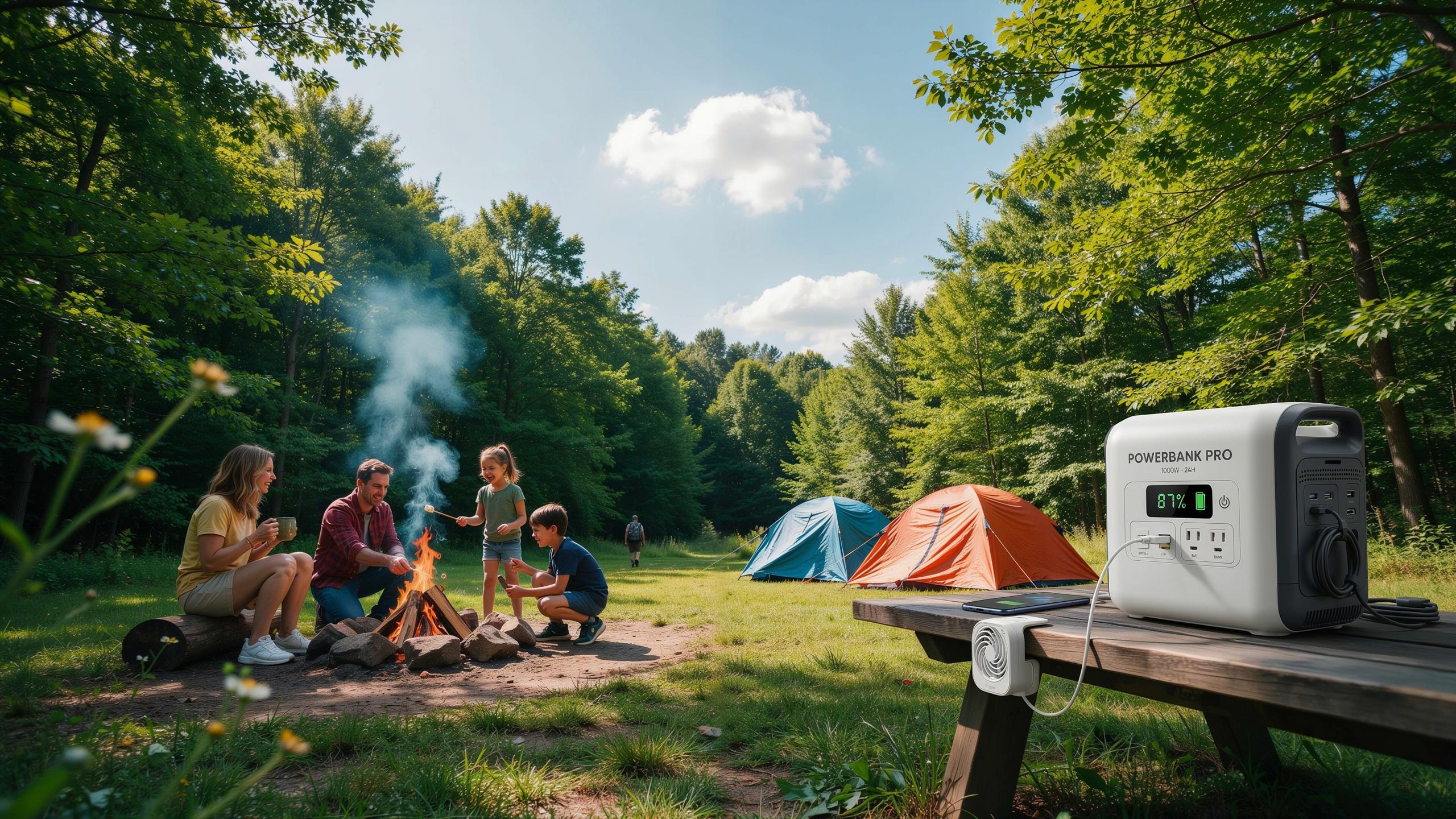
Understanding Portable Power Stations For Camping Essentials
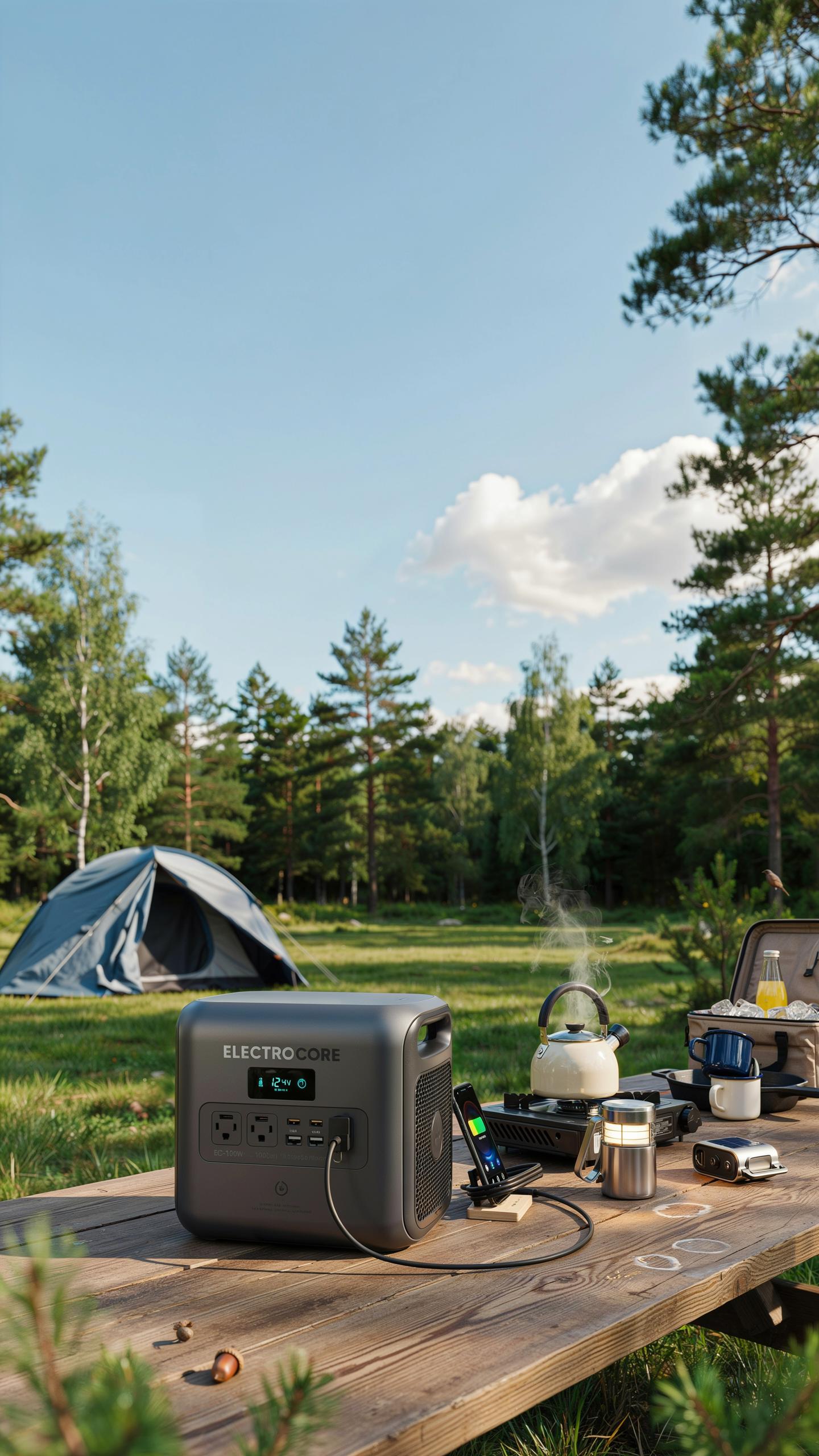
What Is A Portable Power Station?
A portable power station is a battery pack with an inverter and built-in outlets. It stores electrical energy and releases it on demand to power devices and small appliances. The core components include a lithium or lead acid battery, a DC to AC inverter, USB ports, and standard AC outlets. Think of it as a mobile electrical outlet for anywhere you need power.
Capacity is measured in watt hours, ranging from 100Wh for basic models to 3000Wh or higher for premium units. The higher the watt hour rating, the longer it powers your equipment. Weight and size vary significantly by capacity. Most campers choose models between 500Wh and 1500Wh for balance between power and portability.
Why A Portable Power Station Is A Camping Essential
Portable power stations eliminate dependence on disposable batteries and gas generators for off grid camping. They charge phones, laptops, cameras, and power tools without fuel or fumes. A single unit can run lights, refrigerators, and medical devices for extended periods. This matters for both weekend trips and emergency backup at home.
They operate silently with zero emissions, making them suitable for any environment. You recharge them using solar panels, your vehicle, or a wall outlet when you return home. Reliability increases during emergencies when grid power fails. Hospitals, RV enthusiasts, and preppers rely on these units as essential backup power systems.

Key Features To Consider For Emergency Preparedness

Battery Capacity And Output Ports
Watt-hours measure how much energy a power station stores. A 500-watt-hour unit runs a laptop for roughly 8 hours. Peak wattage tells you the maximum power output for devices. Match your devices to both metrics or you risk underpowering critical equipment during emergencies.
Output ports determine compatibility with your gear. Standard AC outlets power household appliances and medical equipment. USB ports charge phones and small electronics. DC ports support car chargers and direct device connections. An emergency power station needs multiple port types to handle diverse device requirements without adapters or workarounds.
Safety Features And Durability
Surge protection prevents voltage spikes from destroying connected devices during grid fluctuations or storms. Internal temperature management stops batteries from overheating and failing mid-emergency. Overcurrent protection cuts power automatically if devices draw too much current. These features work together to protect both your equipment and the power station itself.

Rugged construction matters during actual emergencies. Shock-resistant casings withstand drops and rough handling. Weather-sealed components keep moisture out during outdoor use or flooding scenarios. Heavy-gauge materials and reinforced handles endure repeated transport and storage in unpredictable conditions. Durability directly impacts whether your backup power works when you need it most.
The Advantage Of A Solar Generator For Off Grid Living
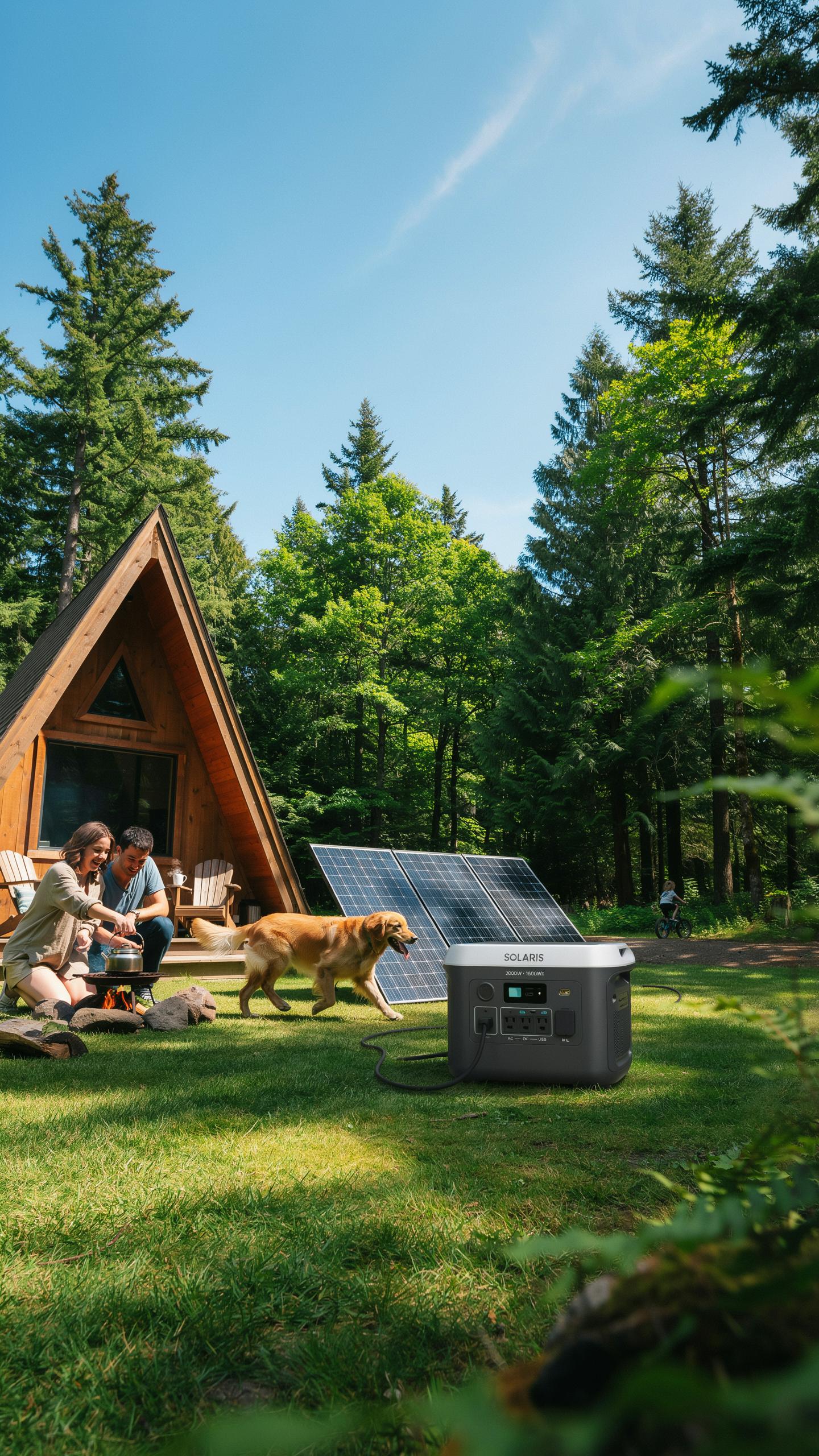
Integrating Solar Panels For Sustainable Power
Pairing a portable power station with solar panels creates a closed-loop charging system. Solar panels convert sunlight directly into electricity, feeding the power station’s battery without draining grid power or fuel reserves. Most modern portable power stations accept solar input through dedicated ports rated between 100 to 400 watts depending on the model.
The integration works through a charge controller built into the power station or installed separately. This device regulates voltage and current from the panels to prevent battery damage. During daylight hours, panels charge the battery. At night or during low-light conditions, you draw from stored energy. This cycle repeats indefinitely in locations with adequate sun exposure.
Benefits For Remote Locations And Off Grid Scenarios
Off-grid living eliminates dependence on utility infrastructure. A solar-powered portable power station provides electricity in areas where grid lines don’t reach. You gain freedom to camp, work, or live in remote locations without fuel delivery logistics or generator noise complaints.

Self-sufficiency through solar reduces operational costs over time. You stop paying electricity bills and fuel expenses once the system is installed. The setup requires minimal maintenance compared to fuel generators. Weather and seasonality affect output, but diversifying power sources through battery storage manages these variables effectively.
Portable Power For RV Travel And RV Life
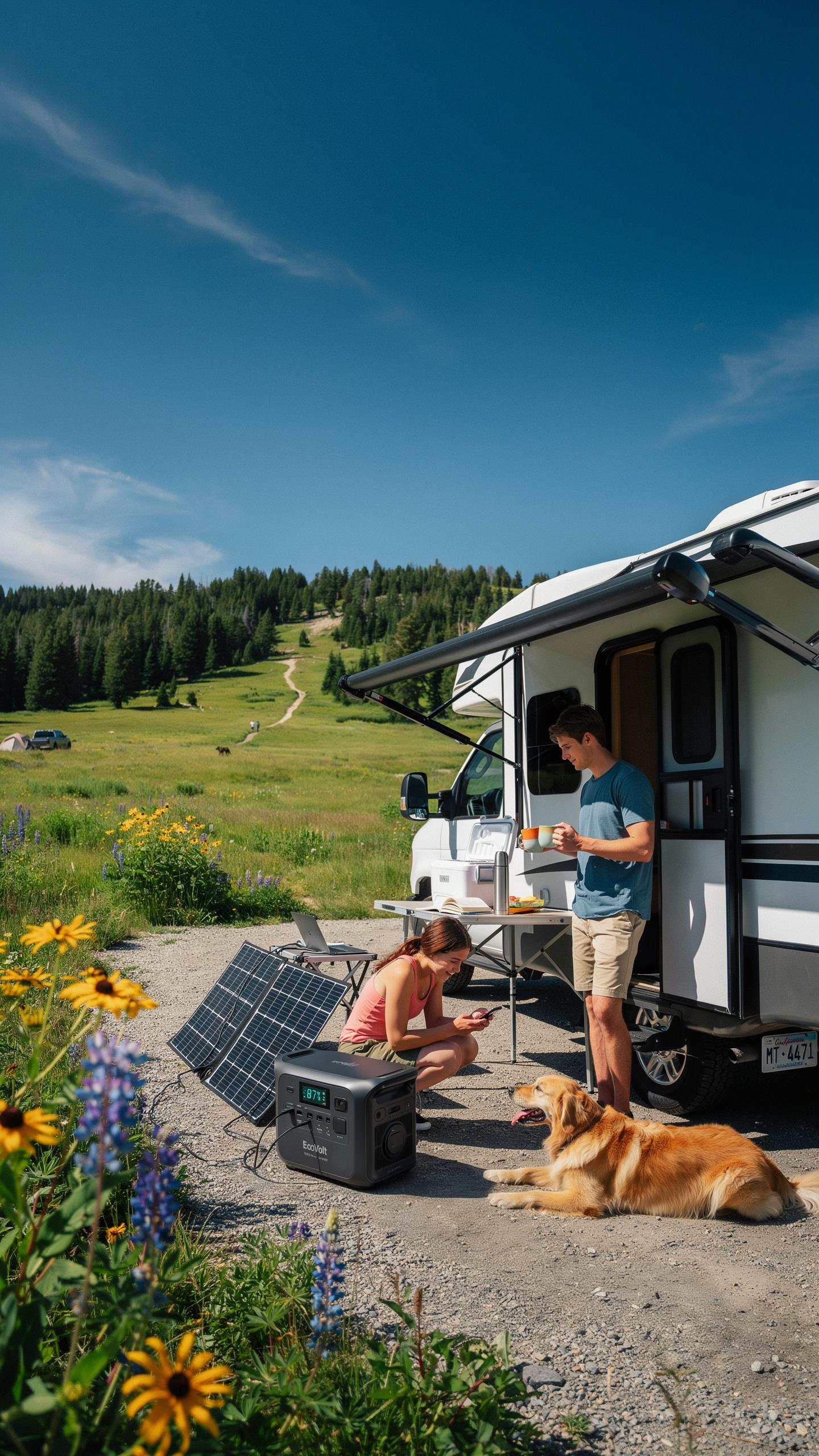
Powering Appliances And Electronics On The Road
RV power needs vary dramatically based on your setup and travel style. A basic system handles phones, laptops, and LED lighting. Mid-range setups power mini-fridges and small microwaves. High-capacity units run air conditioning units and multiple appliances simultaneously. Match your power station capacity to your actual consumption. Most RVers underestimate demand and buy undersized units that fail when needed.
Calculate wattage requirements for every device you plan to run. Add them together to find peak draw. Then add 20 percent as a safety margin. A portable power station rated for 2000 watts handles most RV appliances except large air conditioning units. Understand the difference between continuous wattage and surge capacity. Surge capacity determines if the unit starts high-draw devices like compressors and motors.
Optimizing Space And Weight For RV Setups
RV storage is finite. Every pound matters for fuel efficiency and handling. Portable power stations range from 2 to 50 pounds depending on capacity. A 500-watt-hour unit weighs around 11 pounds and fits under most RV cabinets. Larger systems demand dedicated mounting locations. Choose capacity based on your actual travel patterns, not worst-case scenarios.

Weight distribution affects RV stability and braking. Mount power stations low and near the center of your vehicle. Avoid roof placement or rear-mounted locations that shift weight distribution. Consider stackable designs that consolidate floor space. Many RVers pair two smaller units instead of one large one for flexibility. This approach lets you charge one unit while running the other.
Beyond Camping Portable Power For Power Outage

Essential Appliances To Power During An Outage
Power outages create immediate needs. Medical devices, communication tools, and lighting take priority over comfort items. A portable power station keeps critical systems running when the grid fails. You must identify what your household depends on to survive the outage, not what makes life convenient.
- CPAP and oxygen machines: Medical devices that regulate breathing demand continuous power. These cannot wait for restoration. A power station rated for sustained output prevents life-threatening interruptions during multi-hour outages.
- Refrigeration: Keeping food cold prevents spoilage and foodborne illness. A single day without refrigeration spoils groceries worth hundreds of dollars. Power stations extend this window significantly.
- Communication devices: Cell phones, routers, and radios keep you connected to emergency services and family. Dead phones isolate you during crises. Portable power restores your communication lifeline immediately.
- Water pumps: Well systems and sump pumps require electricity. Without power, you lose water access or face basement flooding. These represent serious infrastructure threats that power stations can prevent.
- Lighting: Flashlights drain batteries quickly. LED lamps powered by a station provide safe navigation and reduce fall risks in dark homes, especially for elderly family members.
Prioritization saves lives. Calculate what you absolutely need versus what you want to power. Your power station capacity determines how long you maintain these essentials. Budget for devices that matter most, not entertainment systems.
Preparing An Emergency Kit With Portable Power
A portable power station is one tool within a complete emergency plan, not the entire solution. Your kit includes water, food, first aid supplies, and the power station working together. Each component supports the others to extend survival capacity and reduce stress during outages.

Integration starts with location. Keep your power station accessible but protected from weather and damage. Store it charged to at least 80 percent capacity. Place critical cables and adapters nearby in labeled bags. Test your setup quarterly to confirm devices connect properly and the station holds charge. Assign a family member to manage power station maintenance so others know the procedure. Add charging specifications for your essential devices to your emergency binder alongside the power station manual and warranty information.
Choosing The Right Portable Power Station A BuyerS Guide
Matching Capacity To Your Needs
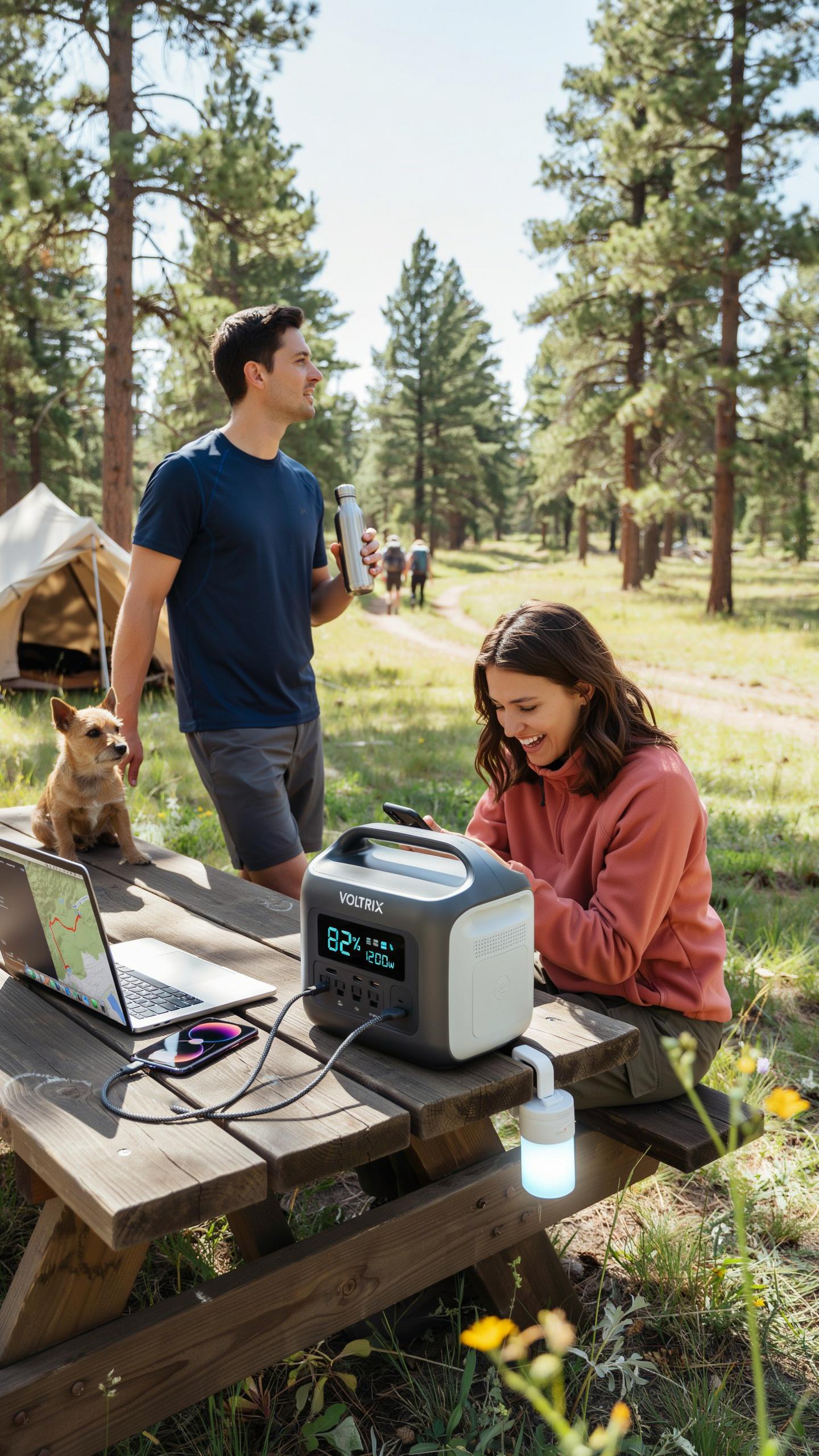
Start by listing every device you’ll run simultaneously. Phone chargers draw 5-10 watts. Laptops demand 60-100 watts. Camping fridges need 40-150 watts depending on size. LED lights use 5-20 watts. Calculate total wattage, then add 20 percent buffer. This number is your minimum continuous power requirement. Battery capacity measured in watt-hours determines runtime, not peak power.
A 500Wh station runs a laptop for roughly 5-8 hours or a camping fridge for 12-20 hours. A 2000Wh unit powers the same laptop for 20-30 hours. Know your daily consumption pattern. Weekend campers use less than emergency backup scenarios. Match capacity to your longest expected downtime without recharging, then add margin for battery degradation over time.
Understanding Brands And Price Points
Budget models between 200 and 500 dollars offer 300-600Wh capacity from brands like Jackery, EBL, and Rockpals. These handle phones, tablets, and small devices reliably. Mid-range units at 500-1500 dollars deliver 1000-2000Wh from established names like EcoFlow, Bluetti, and Goal Zero. They handle mixed loads including small appliances. Premium options exceed 2000 dollars with capacities over 3000Wh, offering expansion capability and faster recharge cycles from manufacturers with proven track records.
Higher prices reflect battery chemistry quality and inverter efficiency. LiFePO4 batteries last longer than lithium ion but cost more upfront. Reputable manufacturers provide 5-10 year warranties and documented cycle ratings. Read independent reviews testing actual runtime and peak wattage claims. Avoid unverified sellers making inflated capacity promises. Your budget should match intended use duration and device count, not aspirational scenarios.
Maintenance And Longevity Of Your Portable Power
Best Practices For Battery Health
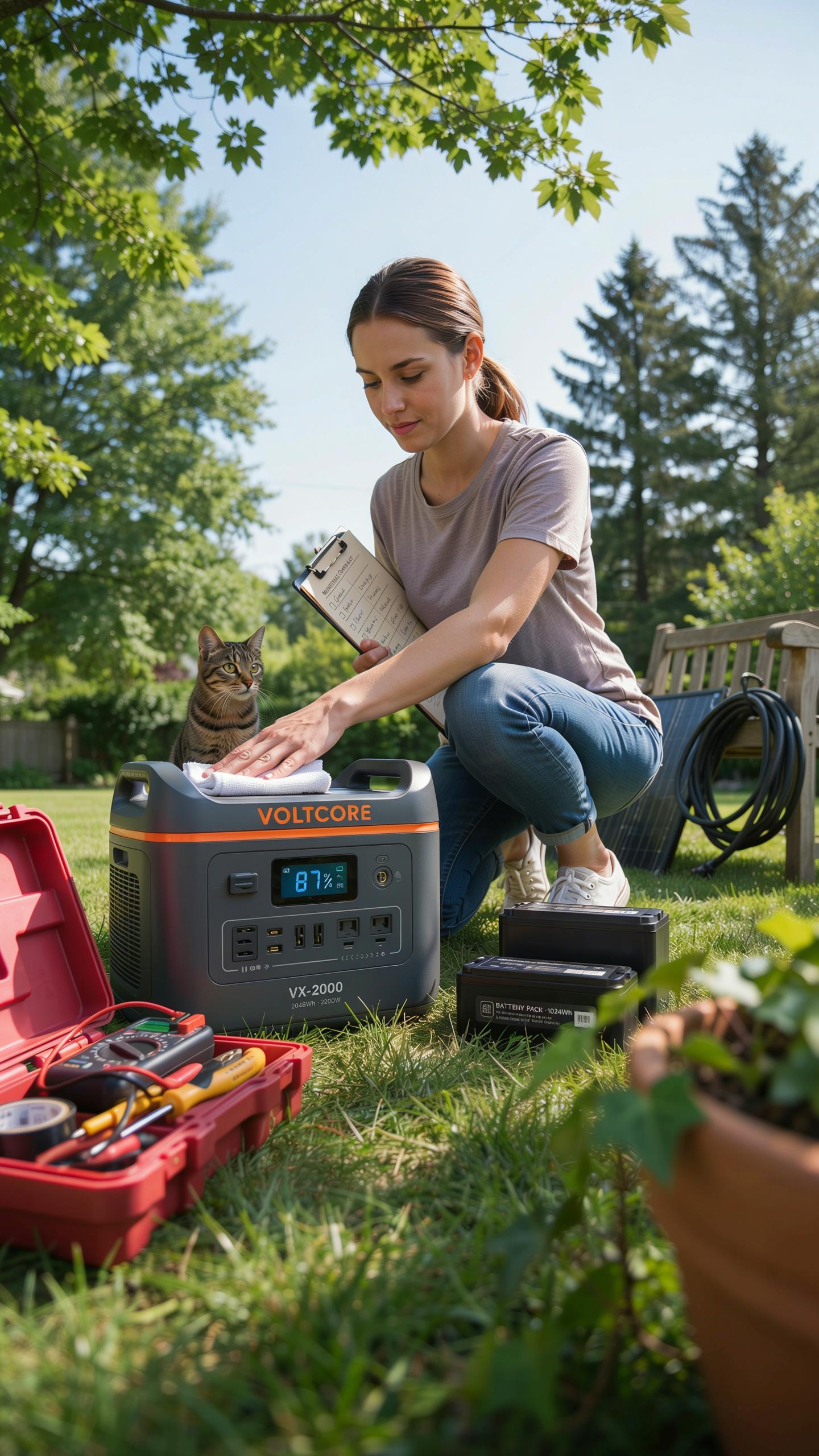
Lithium batteries degrade with every charge cycle. You extend lifespan by keeping the unit between 20 and 80 percent charge during storage. Avoid depleting the battery completely before recharging, as this accelerates degradation. Store your power station in a cool, dry location away from direct sunlight and extreme temperatures. Heat damages battery chemistry faster than any other environmental factor.
Charge your unit every three to six months during extended storage periods. This prevents the battery from fully discharging, which can cause permanent capacity loss. Use the manufacturer’s recommended charger only, as incompatible chargers damage internal cells. Check the battery percentage monthly if storing long term. Most portable power stations maintain 80 to 90 percent of their rated capacity after five years under proper care conditions.
In the quiet of nature or the unexpected dark, a reliable power source reminds us that even when the world pauses, our spirit of adventure and connection doesn’t have to. It’s the small light that keeps our stories glowing.
Troubleshooting Common Issues
Your power station won’t charge if the outlet is defective. Test the outlet with another device to confirm power availability. Check the charging cable for visible damage or bent connectors. Clean the charging ports with a dry cloth to remove dust and debris that block electrical contact. If the unit still won’t charge after these steps, the internal charging circuit may have failed and requires professional service.

Reduced output power usually indicates a depleted battery or overloaded circuit. Check the battery percentage on the display and recharge if needed. Review what devices you have connected and their total wattage requirements. Most units shut down automatically when demand exceeds rated capacity to protect internal components. Disconnect non-essential devices and restart the unit if output drops unexpectedly during use.
Portable Power Stations Vs Traditional Generators

Comparing Noise Levels And Emissions
Portable power stations operate silently because they use battery storage and inverter technology. Gasoline generators produce 80 to 100 decibels of noise during operation, making them unsuitable for campgrounds with quiet hours or noise restrictions. Power stations emit zero emissions during use since they draw stored energy from batteries rather than burning fuel. This fundamental difference stems from their core design: generators convert fuel combustion into electricity, while power stations simply release pre-stored energy.
Gasoline generators require ongoing fuel supply and produce carbon monoxide, particulate matter, and hydrocarbons. Power stations charge from the grid, solar panels, or car outlets before deployment, then deliver power without exhaust or fumes. This makes power stations safer for enclosed spaces like RVs, tents, and emergency shelters. You avoid air quality degradation and health risks associated with generator exhaust in confined areas.
Portability And Ease Of Use
Power stations weigh between 5 and 150 pounds depending on capacity, with most camping models under 50 pounds. Gasoline generators typically start at 70 pounds and reach 300 pounds for mid-range models, making transport labor intensive. Power stations feature carrying handles and compact designs that fit vehicle cargo spaces and backpacks. Setup requires connecting devices through standard AC outlets or USB ports. You plug them in and start using them immediately with no setup or safety considerations.

Gasoline generators demand fuel storage, ventilation setup, and engine maintenance before each use. Starting a generator requires pulling a cord or pressing a button while managing fuel fumes. Power stations charge during downtime and activate through a single power button. Their maintenance involves occasional cleaning and battery cycling to maintain capacity. You eliminate the complexity of fuel handling, engine tune-ups, and environmental concerns entirely.
Future Trends In Portable Power And Emergency Supplies

Advancements In Battery Technology
Solid state batteries represent the next evolution in portable power stations. These units replace liquid electrolytes with solid materials, enabling higher energy density and improved safety. Manufacturers are targeting commercial availability within the next five years. Current lithium ion technology dominates the market, but solid state chemistry reduces fire risk and increases lifespan significantly.
Energy density gains directly translate to lighter units storing more power. A portable power station weighing thirty pounds today could store equivalent capacity in twenty pounds tomorrow. This matters for backpackers and emergency responders who carry equipment long distances. Research facilities and manufacturers like Toyota and Samsung actively develop solid state prototypes for consumer applications.
Smart Features And Connectivity
App based monitoring transforms how users manage portable power stations during trips and emergencies. Real time data displays battery percentage, output wattage, and estimated runtime. Users adjust charging priorities and track which devices drain power fastest. This information guides better power allocation when capacity runs low.
Remote monitoring enables predictive maintenance and usage optimization. Smart power stations automatically balance loads across multiple outlets to prevent overload shutdowns. Firmware updates pushed over WiFi add features without hardware replacement. Integration with home automation systems allows portable units to serve as backup power that coordinates with primary systems and other devices seamlessly.
Frequently Asked Questions

What exactly is a portable power station and why would I need one for camping or emergencies?
A portable power station is essentially a large, rechargeable battery with AC outlets, USB ports, and often DC ports. It’s crucial for off-grid adventures, allowing you to power lights, charge devices, and even run small appliances. For emergencies, it provides a vital backup for essential electronics when the grid goes down, making a portable power station for camping and emergencies an indispensable tool.
How do I determine what size portable power station I need for my typical camping trip?
To determine the right size, list all the devices you plan to power and their wattage. Calculate your total estimated power consumption per day. Then, choose a portable power station with a battery capacity (measured in Watt-hours) that comfortably exceeds your daily needs, providing a buffer for extended use or unexpected circumstances on your camping and emergencies excursions.
Are there affordable portable power station options available, or are they all very expensive?
Absolutely! While high-capacity models can be an investment, many reputable brands offer entry-level and mid-range portable power stations that are quite affordable. These smaller units are perfect for charging phones, running a fan, or powering LED lights. Focus on your essential needs to find a budget-friendly portable power station for camping and emergencies without overspending.