
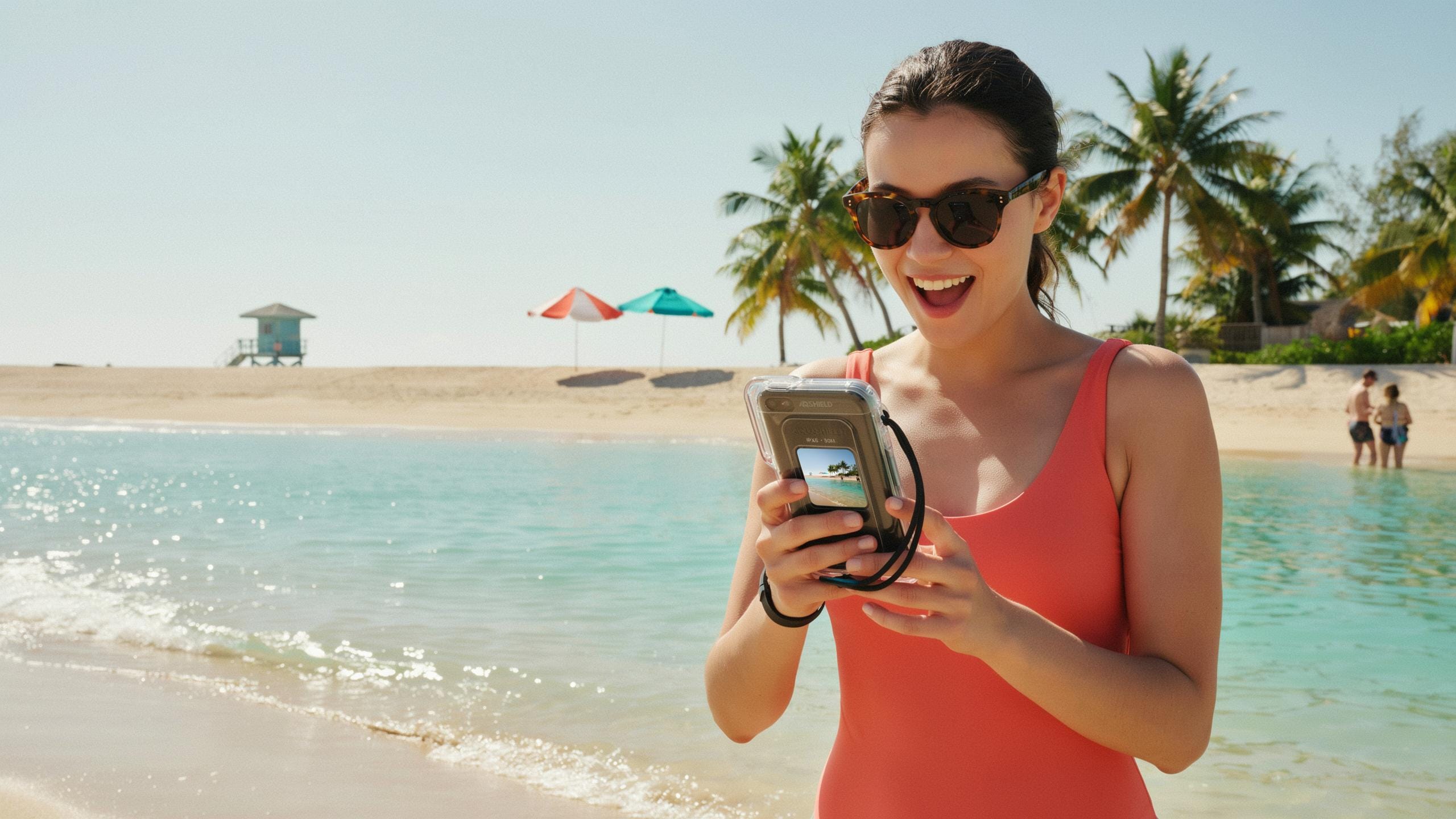
Why A Waterproof Phone Case Is Your Beach Essential
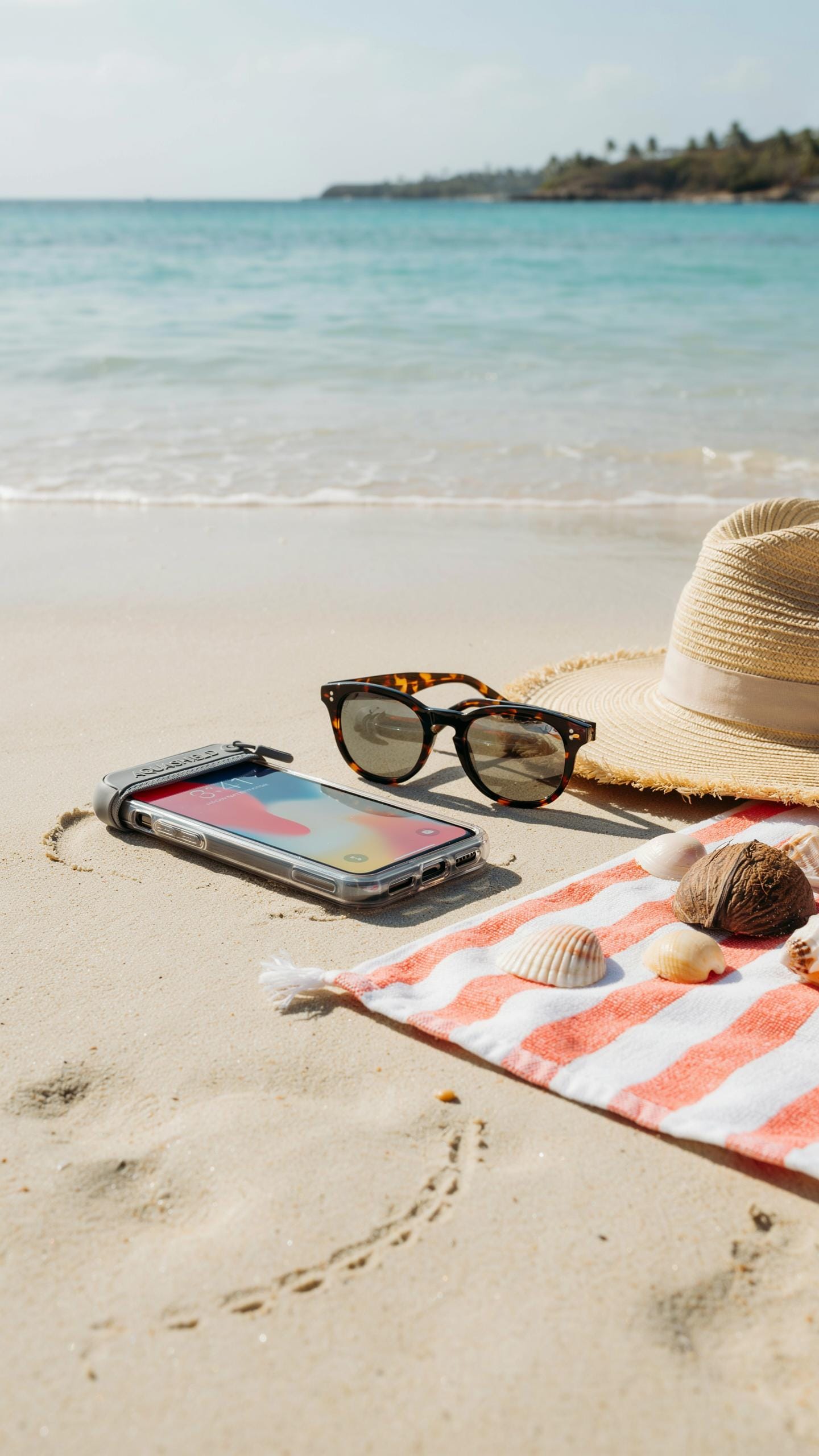
Protecting Your Device From Sand And Water
Saltwater and sand destroy phones fast. Salt corrodes metal components, particularly charging ports and speaker openings. Sand particles infiltrate seals and scratch screens. Fine sand embeds itself in buttons and crevices, causing mechanical failure. A waterproof case creates a physical barrier that stops sand from entering your phone and prevents saltwater from reaching vulnerable electronics.
Water damage claims more phones than any other cause at beaches. Standard phone seals fail under sustained moisture exposure. Saltwater accelerates corrosion compared to freshwater. A quality waterproof case isolates your phone completely, allowing you to operate it safely in wet conditions. This protection extends your device’s lifespan and preserves its resale value.
Capturing Spontaneous Moments
Waterproof cases let you shoot without hesitation. You can submerge your phone for underwater shots, capture action during water activities, and photograph during unexpected splashes. This freedom eliminates the mental barrier of protecting your device, so you focus on composition and timing instead.
You capture moments your competitors miss. A waterproof case enables you to move freely between sand, water, and sun without phone anxiety. You can hand your phone to someone for group photos without worrying about water damage. You shoot in conditions and locations that would normally require leaving your phone behind.

Understanding Different Types Of Waterproof Phone Case Protection
Full Submersible Cases For Underwater Photography
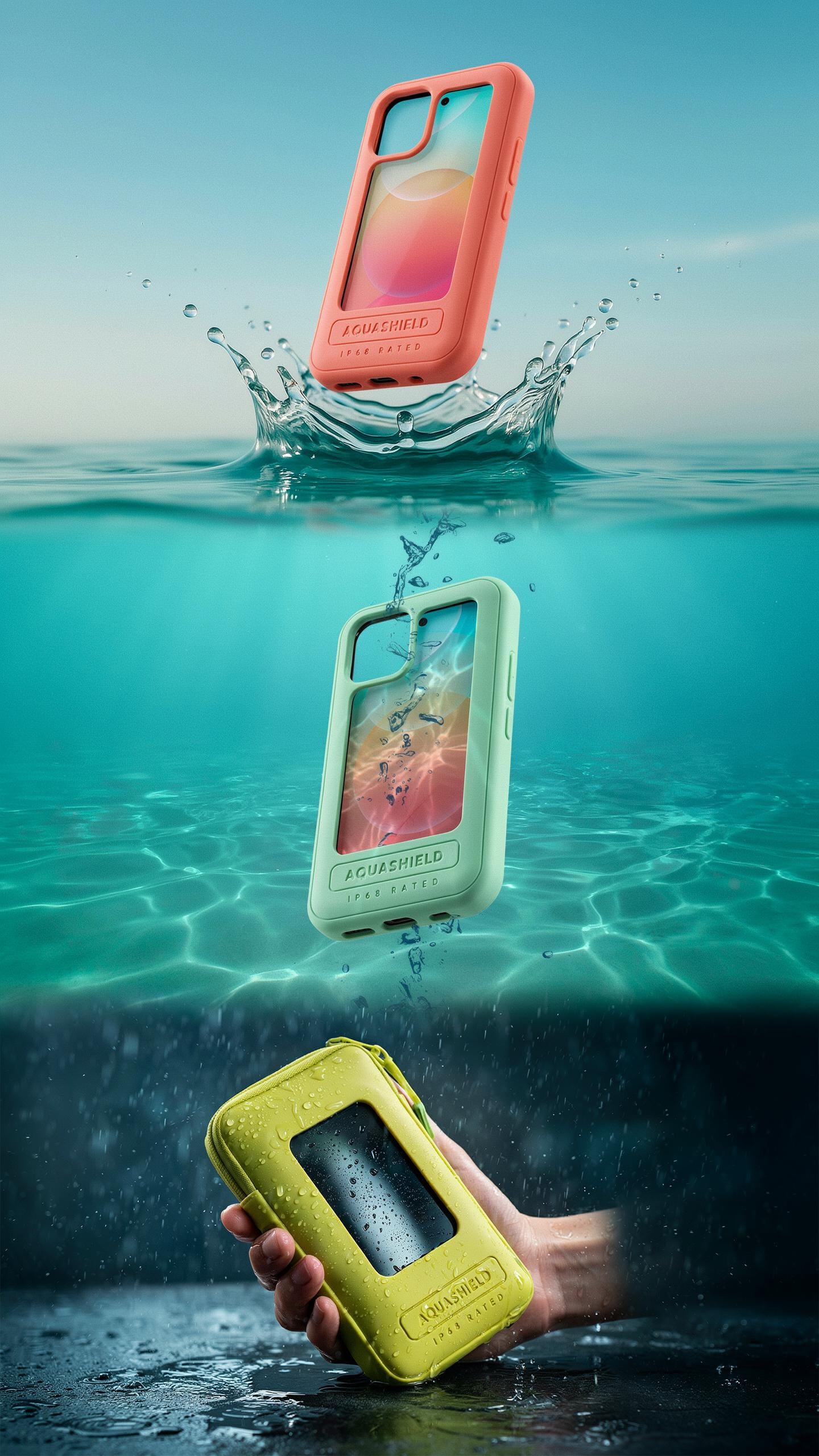
Full submersible cases seal your phone completely to protect against water infiltration. These cases feature airtight closures, reinforced seams, and pressure-tested construction. Manufacturers rate them by depth, typically ranging from 10 to 100 feet depending on design and material quality. The sealed chamber prevents water from reaching your device even during extended submersion. You control the phone through the case material, which remains responsive to touch inputs.
Submersible cases use hard plastics or specialized polymers that maintain structural integrity under pressure. The sealing mechanism usually involves a compression latch or twist-lock design that creates an airtight barrier. Depth ratings tell you the maximum underwater distance the case can handle safely. Cases rated for 30 feet work for most beach snorkeling. Higher ratings above 50 feet serve deeper diving scenarios, though few casual beach users need this capability.
Water Resistant Pouches For Splash Protection
Water resistant pouches offer flexibility and portability for typical beach conditions. These cases use soft, pliable materials that conform to your phone’s shape while blocking water spray and brief splashes. They cost significantly less than full submersible cases and weigh almost nothing. The pouches use sealed seams and water-resistant closures rather than airtight compression systems. This design prioritizes convenience and ease of use over extreme underwater performance.

Pouches typically protect against rain, ocean spray, and accidental water contact but lack ratings for full submersion. The material remains flexible enough to use your touchscreen without removing the phone. Most pouches attach to your wrist or bag via a lanyard, keeping your hands free at the beach. They work best for photographers who want protection during water activities without the bulk of rigid cases. The trade-off is accepting that they cannot withstand prolonged underwater exposure like submersible cases can.
Key Features To Look For In A Waterproof Phone Case
IP Ratings Explained: What Do They Mean For Water Proof Case
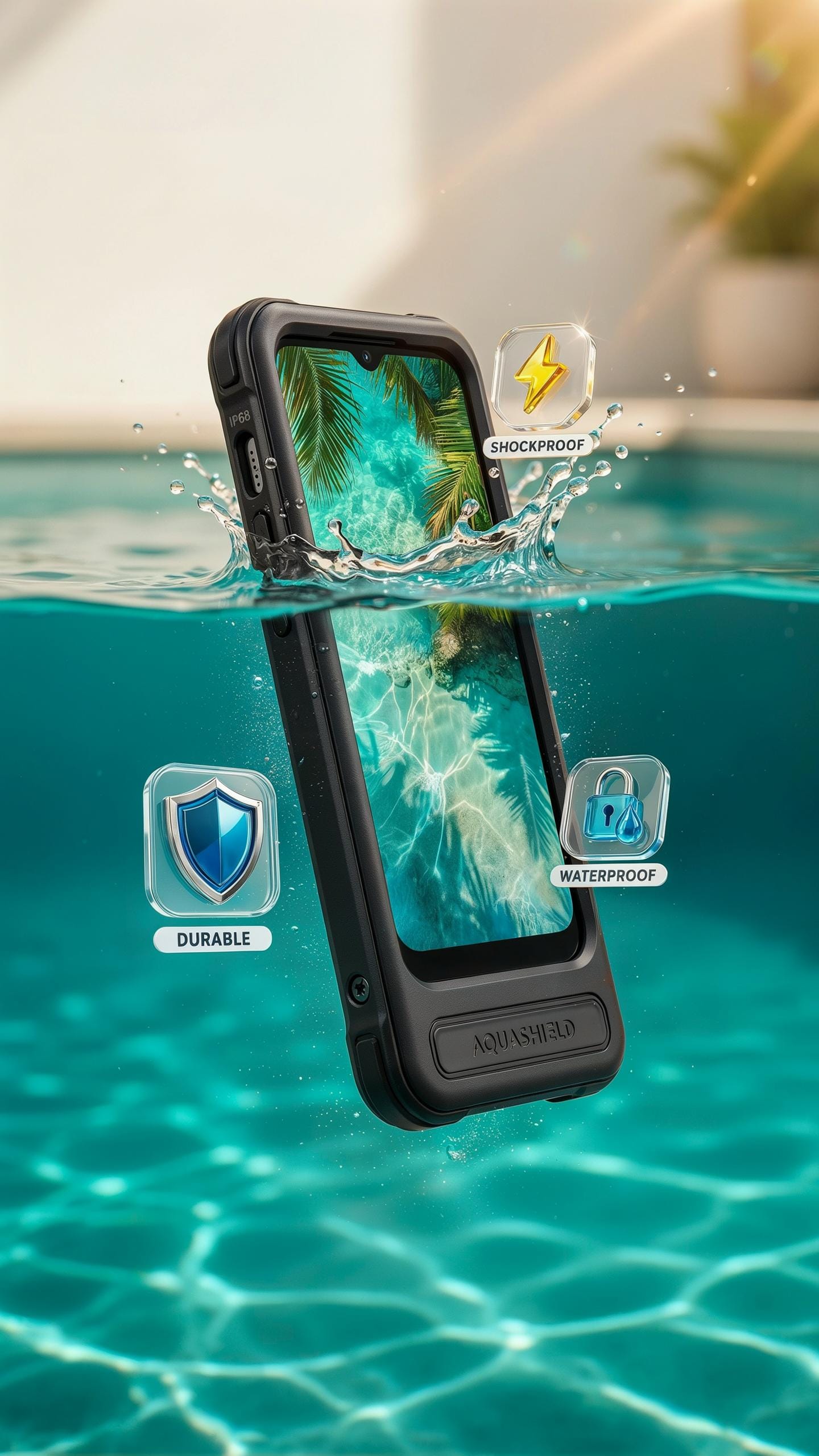
IP ratings use two digits to communicate protection levels. The first digit rates dust resistance on a scale from 0 to 6. The second digit rates water resistance from 0 to 9. A case labeled IP68 offers complete dust protection and submersion protection up to specific depths. Understanding these numbers tells you exactly what environment your phone can survive.
For beach photography, you need at least IP67 rating. This means dust-tight construction and protection during temporary immersion in water up to one meter deep for thirty minutes. Most quality beach cases meet IP68 standards, allowing deeper submersion and longer exposure times. Check the manufacturer’s specifications rather than relying on marketing claims. The rating determines whether your phone survives splashes, waves, or accidental drops into water.
Maintaining Touchscreen And Camera Functionality
Waterproof cases use specialized materials to preserve screen sensitivity without compromising protection. Most employ thin optical plastic layers over the touchscreen that transmit signals while blocking water. The best cases maintain responsiveness through precise material engineering rather than sacrificing thickness elsewhere. Test the case before purchasing if possible. Sluggish touch response defeats the purpose of capturing beach photos quickly.

Camera functionality requires equally careful design. Cases use optical-quality clear materials for the camera cutout to prevent image distortion and light loss. Poor quality plastic creates haziness, color shifting, or focus issues. Premium cases feature multi-layer lens protection that keeps optics clean while maintaining clarity. Your phone’s camera quality becomes worthless if the case degrades the image output, so prioritize cases with proven optical performance over generic alternatives.
The Best Waterproof Pouch For Clear Beach Photos

Choosing Materials That Don’T Compromise Photo Quality
The lens cover material determines whether your photos come out sharp or degraded. Polycarbonate and optical-grade acrylic are the industry standards because they transmit light with minimal distortion. Lower-quality cases use cloudy plastics that scatter light and reduce contrast. When evaluating a case, check if the manufacturer specifies the lens material and optical clarity rating. Test cases before committing by taking sample photos in store lighting.
Phone cases with anti-reflective coatings prevent internal glare that ruins shots. The coating reduces light bouncing between the phone lens and the protective cover. Cases without this coating create a mirror effect inside the pouch, washing out colors and detail. Verify the case uses multi-layer lens design, not single-sheet construction. This setup maintains image sharpness even when water clings to the outside surface.
Tips For Cleaning Your Lens Cover On The Go
Sand sticks to wet lens covers and scratches them during wiping. Rinse the entire case with fresh water before attempting any cleaning. Use a microfiber cloth stored in a dry pocket or waterproof bag. Never use your shirt or beach towel, as sand particles embedded in fabric cause permanent damage to the optical surface.
- Rinse first with fresh water: Removes salt and sand before contact with the lens cover. Never dry rub a sandy surface.
- Carry a dedicated microfiber cloth: Store it in a separate sealed bag to keep it sand-free and dry throughout the day.
- Use gentle circular motions: Apply minimal pressure when wiping to avoid micro-scratches on the lens cover.
- Pat dry instead of rubbing: Let gravity and air movement remove water droplets after rinsing with fresh water.
- Bring a small spray bottle: A personal-sized fresh water bottle lets you rinse the lens on demand without waiting for a shower station.

Sweat and sunscreen residue build up on lens covers and blur photos. Wipe these contaminants off immediately after beach sessions, before salt water dries and hardens them. Store the case in a cool place to prevent condensation from forming inside when you move from sun to shade. Check the lens before each photo to catch smudges early.
Mastering Underwater Photography With Your Phone
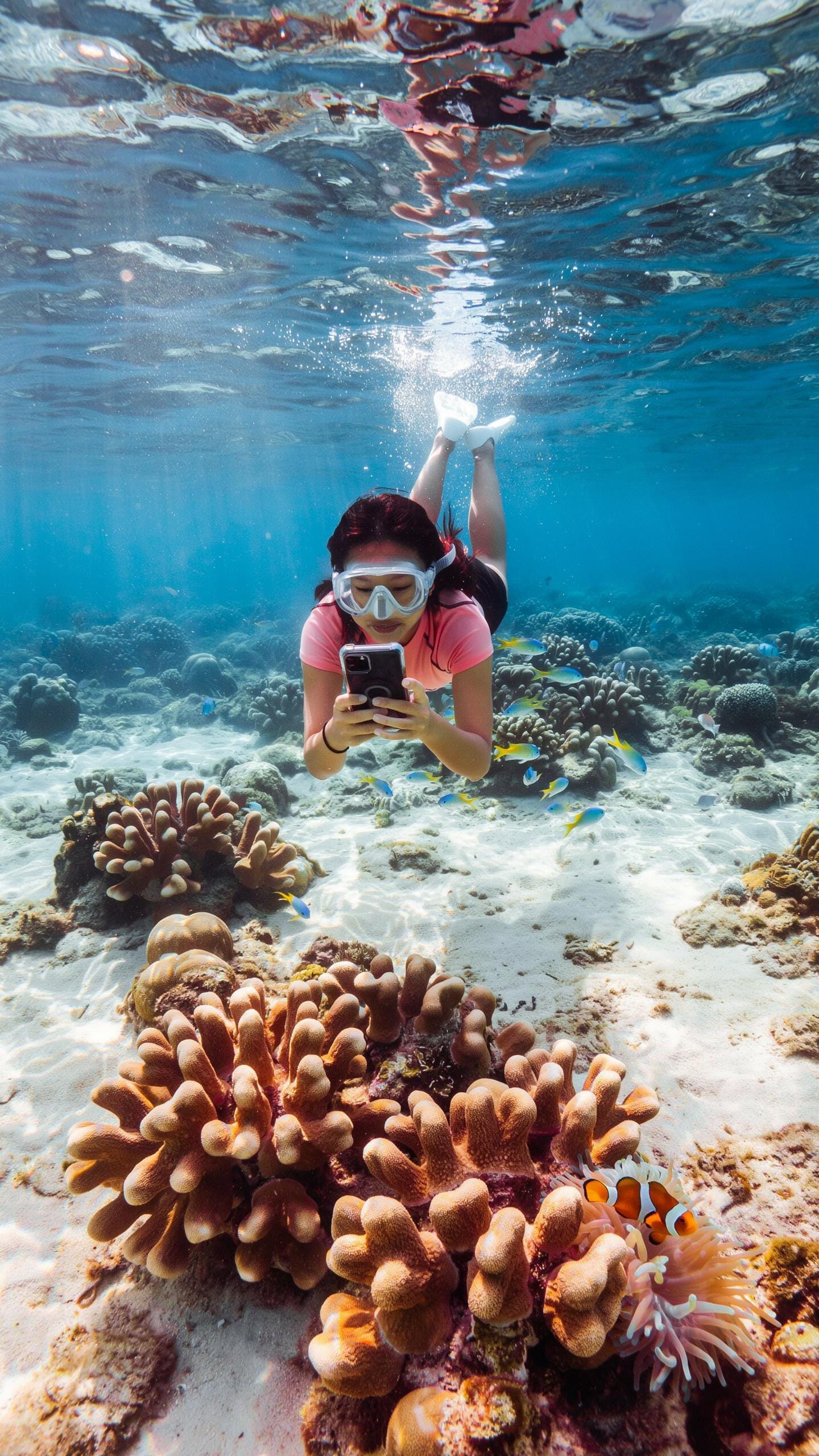
Techniques For Capturing Stunning Underwater Photos
Light behaves differently underwater. Water absorbs red wavelengths first, so colors shift toward blue and green as depth increases. Shoot in shallow water where natural light penetrates strongest. Position your subject between you and the light source to maximize color saturation and reduce murkiness in your images.
Stabilize your phone to eliminate blur from water movement and hand tremors. Use both hands to grip your case firmly, or consider a phone holder that mounts to snorkel gear. Move slowly and deliberately to keep the frame steady. Fast panning and jerky motions create unusable footage regardless of your case’s optical quality.
With a waterproof case, every sun-kissed wave and treasured memory captured becomes a timeless postcard from the heart.
Understanding Water Pressure And Depth Limitations
Every waterproof case has a maximum depth rating measured in meters or feet. Exceeding this limit causes water to force past seals and into your phone. The pressure increases exponentially with depth, so a case rated for 10 meters fails at 15 meters. Check your case specifications before entering the water and stay within those boundaries.

Depth ratings account for dynamic pressure from movement and wave action, not just static water pressure. A case rated for 10 meters works at 10 meters while stationary but fails if you dive or move aggressively in deeper water. Salt water and chlorine also degrade seals over time, reducing effective depth capacity. Rinse your case thoroughly after each use and replace seals annually or per manufacturer guidelines.
Beyond Protection Comfort And Convenience Of A Phone Pouch

Lanyards And Floats: Keeping Your Phone Secure
Lanyards attach your phone case to your wrist or neck, eliminating the risk of dropping your device in water. Most waterproof cases include attachment points designed for standard lanyard clips. Floating cases use closed-cell foam or air chambers to keep your phone at the surface if it falls overboard. These designs matter because they solve the primary failure point: human error during water activities.
Floating cases typically add minimal bulk while delivering critical functionality. The foam material displaces water equivalent to your phone’s weight, creating positive buoyancy. Not all waterproof cases float, so verify this feature before purchasing if you plan extended time in deep water. Lanyards cost five to fifteen dollars and work with almost any case design, making them a cost-effective insurance policy.
Easy Access To Controls And Ports
Waterproof cases achieve water resistance through sealed seams and protective membranes. Quality designs integrate tactile button covers that respond to pressure without creating gaps in the seal. Charging ports stay covered with removable flaps or sealed access points that maintain water protection when closed. The engineering challenge lies in creating access without compromising the waterproof integrity that protects your phone.

Premium cases use precision-molded port covers and button overlays matched to your specific phone model. This accuracy ensures controls register properly without mushiness or delay. Some cases include fully sealed charging solutions where you never open the case, transferring power through the sealed shell material. Test button responsiveness before committing to a case, as poor tactile feedback makes beach photography frustrating and time consuming.
Caring For Your Waterproof Phone Case And Beach Essentials
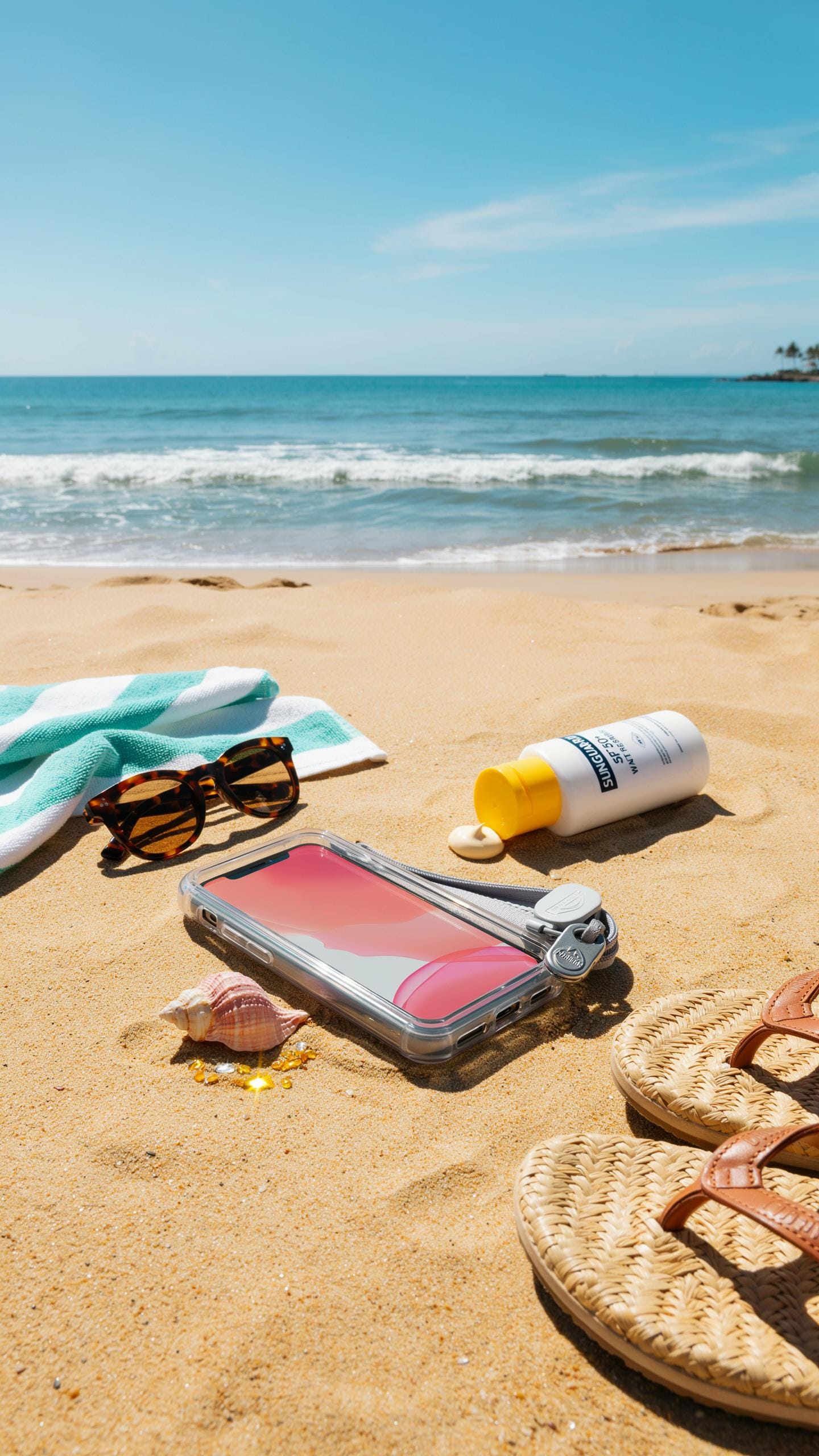
Proper Cleaning And Maintenance For Longevity
Rinse your waterproof case with fresh water immediately after beach use. Salt water corrodes seals and degrades materials over time. Dry the case completely before storing it. Use a soft cloth to remove moisture from all surfaces and crevices. Never leave it wet in direct sunlight.
Store your case in a cool, dry location away from extreme heat. High temperatures can warp plastic and compromise seal integrity. Keep the case in a protective bag or container to prevent dust accumulation. Check that all ports and openings are sealed during storage. Inspect the interior occasionally for moisture or residue buildup.
Inspecting For Wear And Tear Before Each Use
Examine the rubber seal around the case perimeter before every beach trip. Look for cracks, discoloration, or areas where material has separated from the frame. Press gently on the seal to confirm it remains flexible and responsive. A brittle or stiff seal indicates material degradation and potential leak risk. Replace the case if you detect significant seal damage.

Test the case closure mechanism before entering the water. Open and close it several times to ensure smooth operation and proper alignment. Check the port covers and access flaps for damage or improper fit. Verify that latches click into place without excessive force. Run a quick visual inspection of the case body for stress cracks or punctures.
Alternative Solutions Dry Bag And Other Water Protection

Comparing A Waterproof Phone Case To A Dry Bag
A waterproof phone case fits your phone directly and keeps it functional underwater. You access the screen and camera while the case protects it. A dry bag is a general-purpose container that holds multiple items together. It seals items inside but doesn’t let you use your phone without removing it first.
Phone cases prioritize usability during water exposure. Dry bags prioritize storage and transport of valuables when you’re not actively using them. A case handles submersion down to its rated depth. A bag keeps contents dry but requires you to open it to retrieve anything. Choose a case when you need constant phone access. Choose a bag when you need to store your phone between uses.
Temporary Immersion Vs Constant Water Exposure
A waterproof phone case handles temporary submersion like splashing, wave dunking, or brief underwater shots. You can hold it, tap the screen, and take photos while partially or fully submerged within its depth rating. The case maintains phone functionality throughout exposure. Dry bags work better for storage between activities rather than active use in water.

Constant water exposure demands a dedicated phone case. If you’re swimming, surfing, or snorkeling and need photos throughout, a case stays on your phone the entire time. A dry bag requires repeated opening and closing. Each time you access your phone, you risk water entering during the process. Cases eliminate this friction. Use cases for extended beach sessions. Use bags for protecting your phone during transitions between dry and wet environments.
Enjoying Your Beach Trip Swimming Sun And Photos
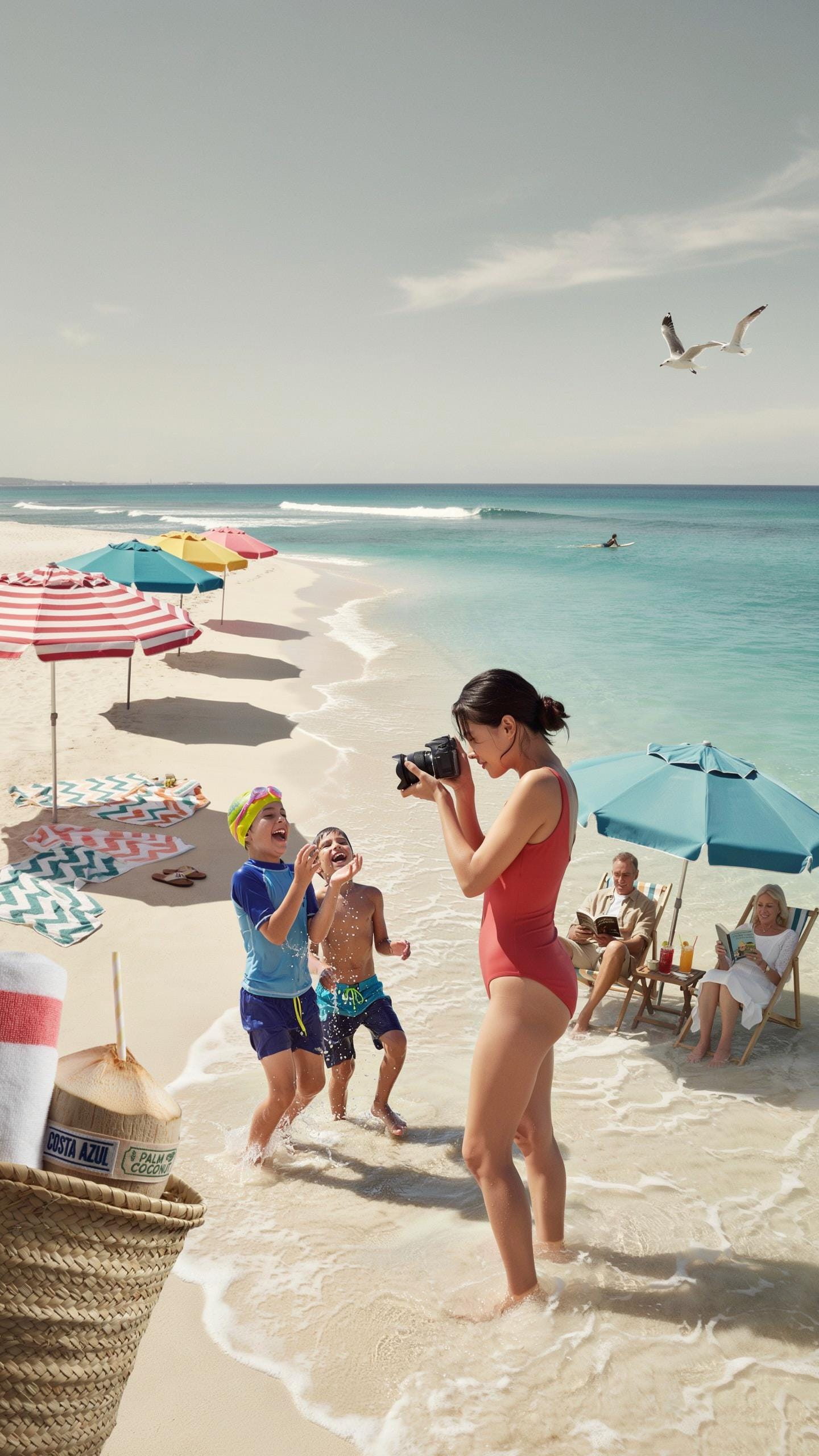
Maximizing Your Beach Experience With Peace Of Mind
A waterproof phone case eliminates the anxiety of water damage during beach activities. You can swim, wade, and play in the surf without hesitation. The case seals your device against saltwater, freshwater, and sand. This protection lets you capture moments without pulling your phone out only when absolutely necessary. You stay present instead of guarding your device constantly.
The financial protection justifies the case investment alone. Phone repairs from water damage cost hundreds of dollars. A quality waterproof case costs between thirty and eighty dollars. You avoid expensive replacements or repairs by using proper protection. This reality makes the case a practical safeguard, not an optional accessory for beach environments.
Storing Your Phone When Not In Use
Keep your phone case in a dry bag or waterproof pouch when you are not taking photos. Position the bag in shade to prevent heat damage to your device. Avoid leaving it directly on sand, which causes abrasion and enters device openings. Store the case away from direct sunlight for extended periods. This approach protects both the case material and your phone’s internal components from environmental stress.
Remove your phone from the case periodically to check for trapped moisture or sand buildup. Air dry the interior of the case in a shaded area after extended beach use. Store the case separately from your phone overnight to ensure complete drying. This maintenance routine extends the lifespan of both your phone and the protective case significantly.
Frequently Asked Questions

Why do I need a special case for my phone when taking beach photos?
A waterproof phone case for beach photos is essential to protect your device from damaging water, sand, and salt spray. Even a splash can ruin your phone’s internal components. These cases ensure your phone stays safe and dry, allowing you to capture those perfect oceanfront memories without worry.
How do I make sure my photos taken through a waterproof phone case look clear and not blurry?
To ensure clear photos, always clean both sides of your waterproof phone case and your phone’s camera lens thoroughly before use. Avoid cases with excess glare or thick plastic over the lens area. Practice taking a few shots to find the best angle and lighting, ensuring your waterproof phone case for beach photos doesn’t hinder your stunning captures.
Are there affordable options for a reliable waterproof phone case for beach photos?
Absolutely! Many reputable brands offer excellent and affordable waterproof phone cases. You don’t always need the most expensive option; look for cases with high waterproof ratings (IPX8 is great), positive reviews, and a secure sealing mechanism. Investing in a quality yet budget-friendly case is a smart way to protect your phone.