
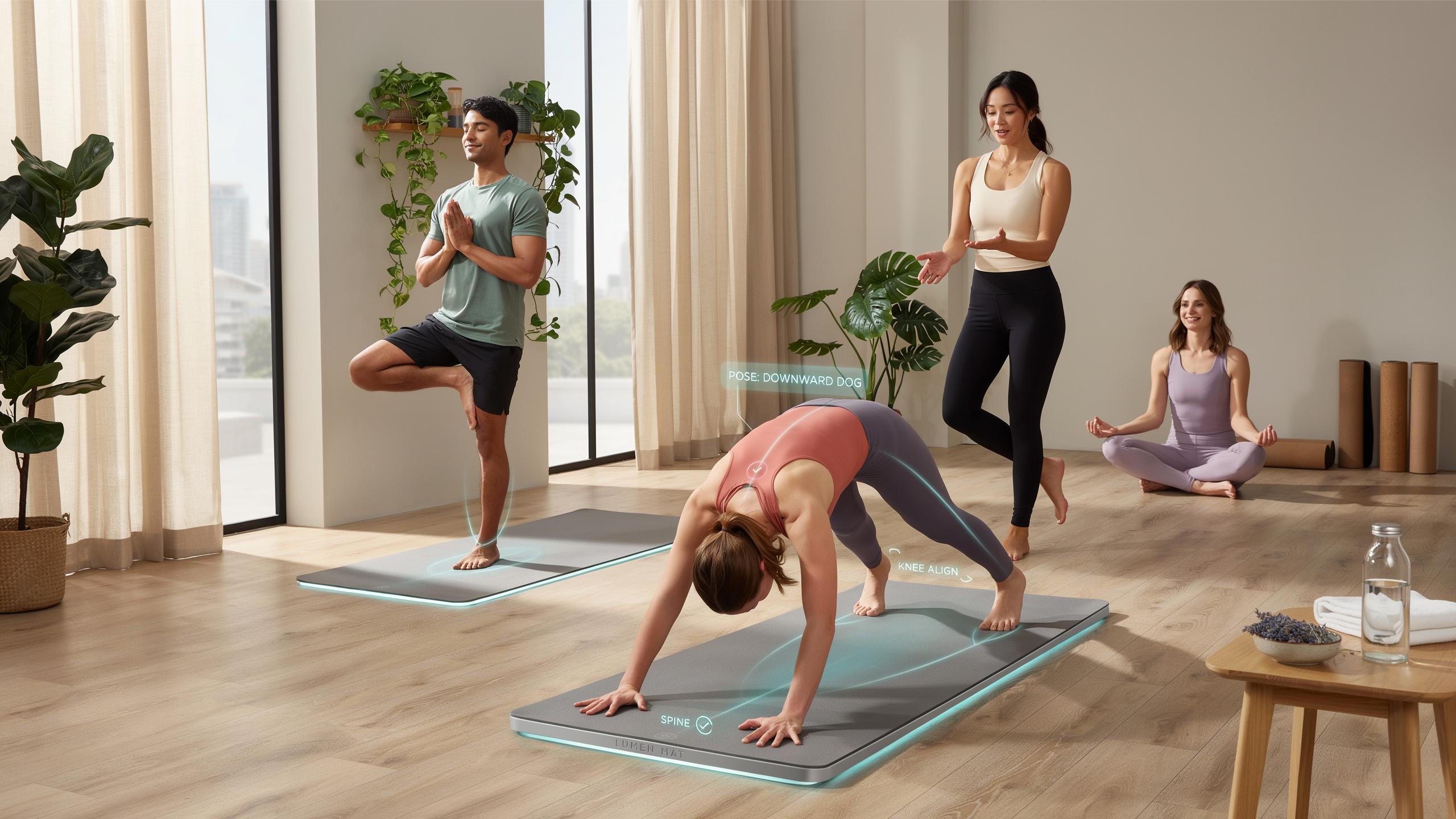
What Is A Smart Yoga Mat With Posture Feedback
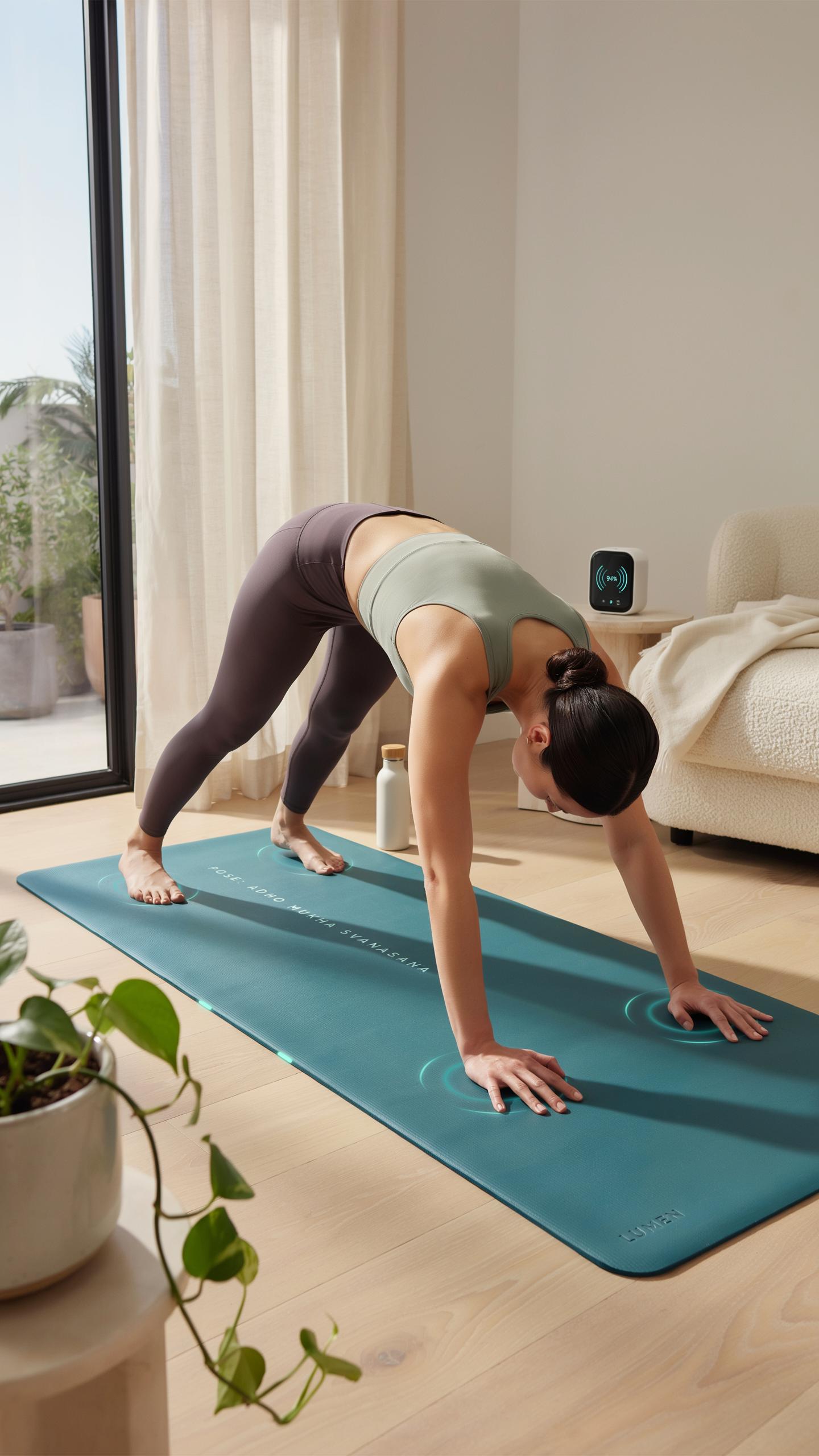
Understanding The Technology Behind Motion Mat
Smart yoga mats use pressure sensors embedded across the mat surface to detect where your body makes contact during poses. These sensors track weight distribution and alignment in real time. The mat connects to a mobile app via Bluetooth. Software analyzes sensor data and compares your positioning against proper form templates. The system then delivers immediate feedback through your phone, telling you exactly where adjustments are needed.
The AI component learns your movement patterns over time. It identifies your weak spots and areas where you consistently lose alignment. This data helps the app personalize cues to your specific body mechanics. The feedback mechanisms work through visual displays, haptic vibrations, or audio cues. This approach removes guesswork from solo practice and accelerates form improvement faster than mirror-based adjustments alone.
How A Smart Yoga Mat Enhances Your Yoga At Home Practice
A smart yoga mat brings structured coaching into your living room without hiring an instructor. The mat provides real time alignment corrections during each pose, catching mistakes before they become habits. This immediate feedback loop accelerates learning compared to practicing without guidance. You get consistent, reliable form analysis every session regardless of your experience level or time of day.
The app tracks your progress across sessions and builds workout history. You can review which poses challenge you most and focus training on those areas. The mat eliminates the intimidation factor of group classes for beginners. You practice at your own pace while still receiving professional quality feedback on every movement you make.

Why Choose A Supportive Yoga Mat With Smart Features
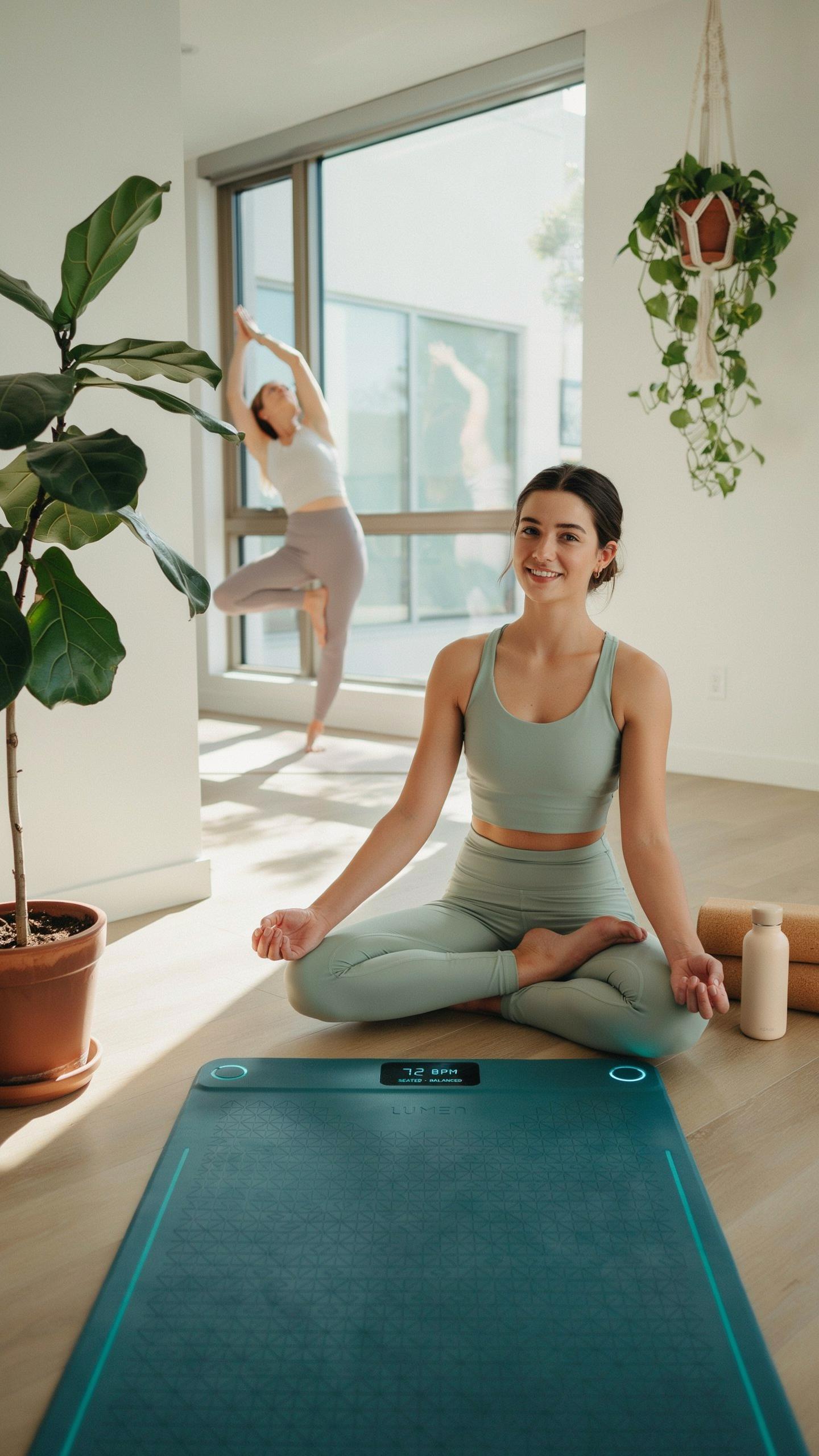
Benefits For Beginners: Avoiding Common Mistakes
Beginners make predictable alignment errors. Your spine rounds forward in downward dog. Your knees cave inward in warrior pose. Your weight shifts unevenly in standing poses. Smart mats with posture feedback catch these mistakes in real time. The sensors detect pressure distribution and joint positioning. Immediate alerts arrive through your phone or audio cues. You correct form before bad habits lock in. This prevents injuries that derail your practice.
Traditional mats offer zero feedback. You rely on guessing or watching mirrors. Mirrors create distraction and don’t show what your body does beneath the surface. Smart mats embed pressure sensors across the surface. These sensors map exactly where your weight sits. The system compares your alignment against proper form databases. Corrections happen instantly, not days later when you feel pain. Beginners cement correct patterns from day one.
The Evolution Of The Yoga Mat: From Basic To Brilliant
Yoga mats started as simple fabric layers on floors. Studios used blankets and rugs for padding. This provided basic cushioning but nothing else. Materials improved over decades. Cotton gave way to rubber and foam. Mats became portable and standardized. The industry stabilized around basic rectangular designs with moderate thickness and grip. These mats served their purpose but remained passive tools.

Smart features represent the next step in mat evolution. Technology now enables sensors to track movement data. Pressure mapping became affordable as manufacturing scaled. Fitness apps normalized real-time feedback across sports. Yoga mats followed this trajectory naturally. Smart mats combine structural support with active feedback systems. They use the same pressure-sensitive technology found in athletic performance tools. This integration shifts mats from passive surfaces to active coaching devices. Beginners gain access to form correction that previously required private instructors.
Key Features To Look For In A Smart Yoga Mat
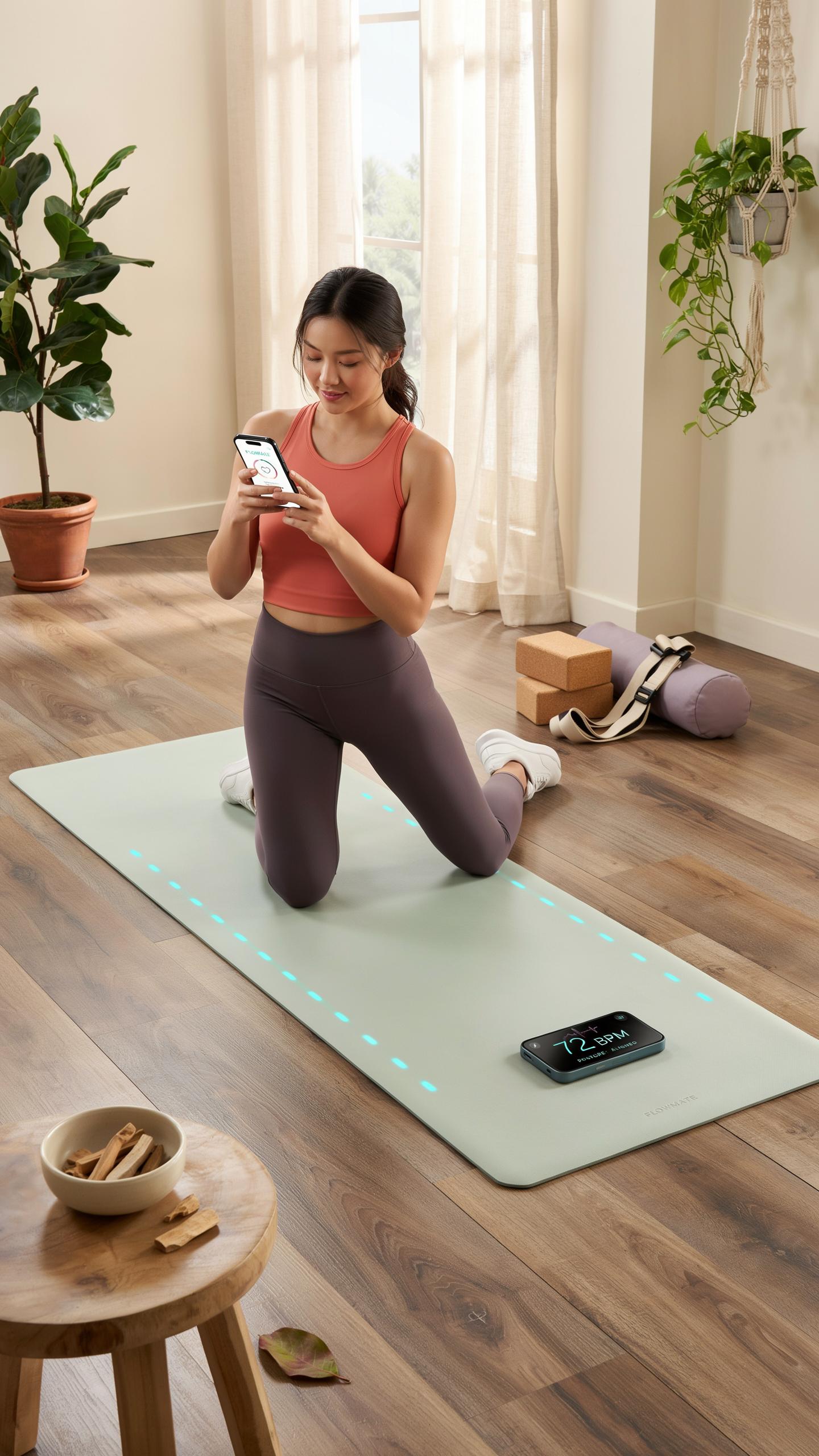
Real Time Posture Correction And Guidance
Smart yoga mats use embedded sensors to detect body position and pressure distribution during poses. These sensors track alignment in real time, comparing your form against established yoga posture standards. When the mat detects misalignment, it sends immediate feedback through audio cues, vibrations, or visual indicators on a connected device. This instant correction prevents you from reinforcing bad habits and reduces injury risk during practice.
The mat’s technology identifies specific deviations like uneven weight distribution, incorrect spine alignment, or improper limb positioning. Corrective guidance tells you exactly what to adjust rather than leaving you guessing. For beginners, this removes the guesswork of self-correction and accelerates the learning process. You build proper muscle memory faster when feedback happens in the moment rather than after the session ends.
Connectivity And App Integration
A smart yoga mat connects to your smartphone or tablet through Bluetooth or WiFi, syncing pose data to a dedicated app. The app stores your practice history, tracks which poses you perform regularly, and measures alignment improvements over time. This connectivity transforms individual sessions into a trackable progression you can review and analyze. Without app integration, the mat functions only as a real time feedback device without long term learning insights.

The app generates personalized routines based on your skill level and practice patterns. Advanced mats sync with popular fitness platforms or yoga apps to create seamless workflows. You can export session data, share progress with instructors, or adjust difficulty levels through the app interface. Reliable connectivity ensures consistent feedback delivery and uninterrupted access to your practice history and customized programs.
Smart Yoga Mat Vs Traditional Yoga Instruction
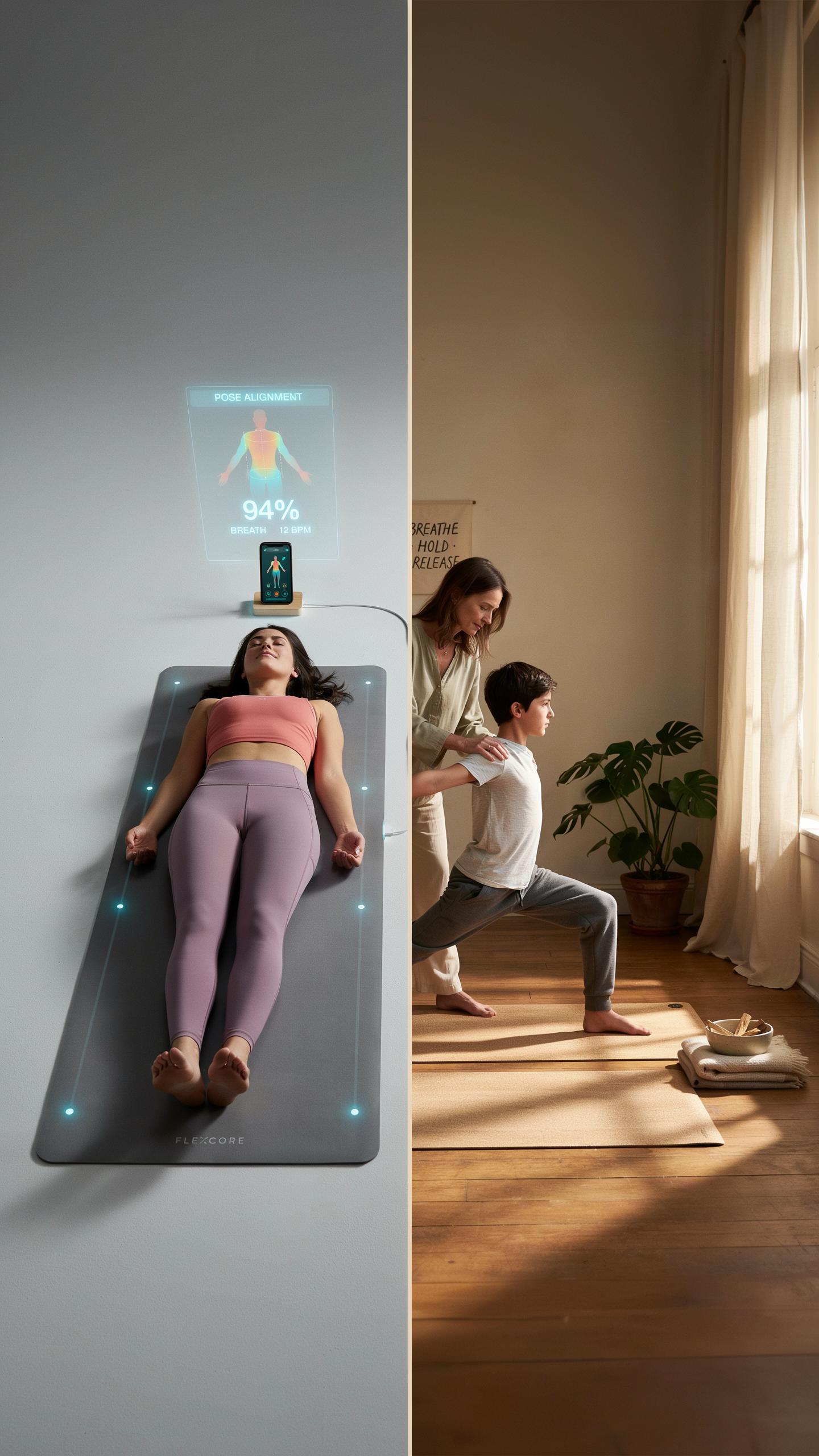
The Role Of Technology In Personalizing Your Practice
Smart yoga mats with posture feedback deliver real-time corrections based on sensor data. The mat detects where your body contacts the surface and compares your alignment against programmed poses. This happens instantly, eliminating the wait for an instructor to walk past your spot. You get feedback on weight distribution, joint angles, and balance points that traditional classes cannot measure.
AI-driven systems adapt to your skill level and track progress over weeks. Each session builds a profile of your strengths and weaknesses. The technology identifies patterns like recurring hip imbalances or ankle instability. Traditional instructors observe these issues too, but smart mats quantify them with precision. You see exact data rather than vague verbal cues.
Remember those first steps on the mat, a little unsure but filled with hopeful intention? Your smart yoga mat is like that comforting hand, gently guiding you home to perfect form.
Can A Smart Mat Replace A Yoga Teacher Hint Not Entirely
Smart mats excel at teaching form but cannot replace human instruction entirely. They cannot adjust your breath work, modify poses for injuries you haven’t disclosed, or sense when you need mental coaching. An instructor reads the room and adapts class energy based on student needs. A mat follows its program regardless of context or individual circumstances.

The smartest approach combines both tools. Use a smart mat at home for daily practice and form correction. Work with an instructor for complex breathing techniques, injury management, and philosophical guidance. Beginners especially benefit from this hybrid model. You build foundational alignment at home while developing the deeper practice aspects with a qualified teacher.
Getting Started With Your New Smart Yoga Mat
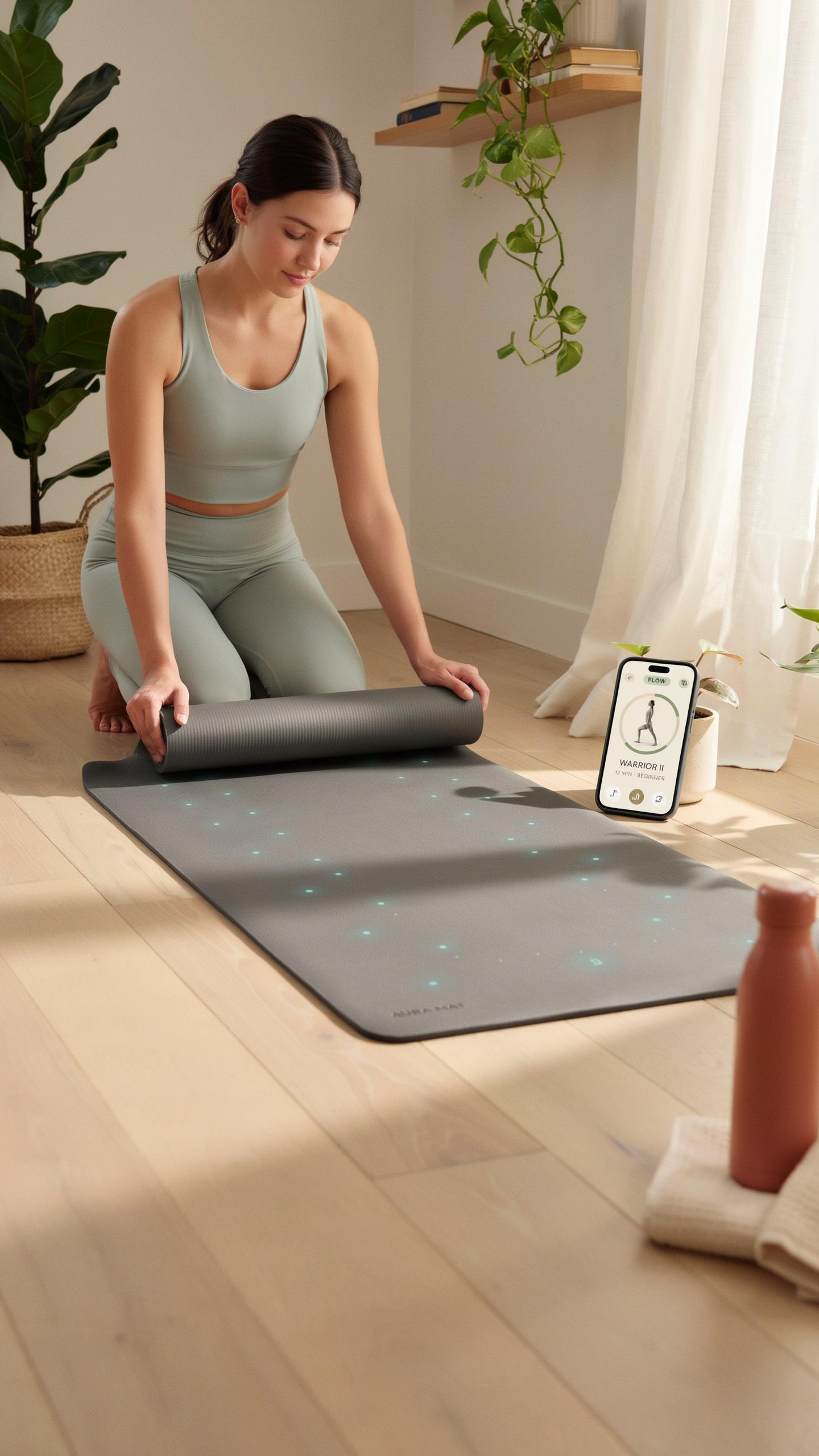
Setting Up Your Yoga Machine: A Step By Step Guide
Unbox your smart yoga mat and inspect it for damage. Most mats ship rolled. Unroll it on a flat surface and let it rest for two hours to flatten. Check that all components arrived: the mat itself, the charging cable, and the companion app download instructions. Read the quick start guide to understand your specific model’s sensor layout and connectivity requirements.
- Charge the mat fully: Connect the charging cable to the designated port. Full charge typically takes two to four hours. Most mats use USB or proprietary connectors. Do not use the mat while charging.
- Download the companion app: Search your device’s app store for the manufacturer’s official app. Create an account and verify your email. Download takes minutes on standard internet speeds.
- Connect via Bluetooth: Open the app and enable Bluetooth on your phone or tablet. Select your mat from the available devices list. Enter the pairing code if prompted. Connection happens within seconds.
- Calibrate the sensors: Follow the app’s calibration sequence before your first use. You typically stand on the mat in designated zones. Calibration ensures accurate posture feedback during practice.
- Test the feedback system: Press a few areas of the mat to verify the app responds. Take a screenshot of the sensor map. This confirms all zones transmit data correctly to your device.
Place your mat on a clean, level surface away from water and direct sunlight. Position your device on a stand or hold it at eye level during practice. Test the app’s volume and notification settings before starting your first session.
First Steps: Basic Poses And Feedback Interpretation
Start with child’s pose and downward dog to acclimate to the feedback system. These foundational poses teach you how the mat responds to weight distribution and alignment. The app displays real time data about your spine alignment, weight balance, and joint positioning. Watch the visual feedback while holding each pose for five to ten breaths. This trains your body to recognize correct alignment patterns.

Feedback typically appears as colored zones or numerical scores on your device screen. Green indicates correct positioning. Yellow signals minor adjustments needed. Red means significant form correction is required. Begin with shorter sessions of ten to fifteen minutes. Gradually extend practice as you become familiar with reading the data. Focus on one or two poses per session rather than rushing through many poses with poor attention to feedback.
Integrating Wearable Tech For Enhanced Practice

Synergy Between Smart Mats And Wearable Devices
Smart yoga mats work with fitness trackers and smartwatches to give you complete data on your practice. Your mat captures posture alignment and movement patterns. Your wearable tracks heart rate and breathing during sessions. Together they show how your body responds to specific poses and sequences.
This combination eliminates blind spots in your training. You see posture feedback from the mat while your wearable reveals physiological stress levels. Cross-referencing these inputs helps you identify which poses challenge your cardiovascular system versus your balance and stability. This dual perspective accelerates skill development and prevents overtraining.
Tracking Your Progress Metrics Beyond Posture
Wearables paired with smart mats reveal calorie expenditure, heart rate variability, and session intensity. These metrics tell you whether your practice builds endurance or focuses on flexibility and strength. You track weekly trends in heart rate recovery, which indicates cardiovascular improvement over time.

Your wearable captures data during transitions between poses that mats cannot measure alone. Heart rate spikes during challenging sequences highlight problem areas requiring extra work. Resting heart rate improvements week to week prove your practice delivers measurable fitness gains. This objective feedback removes guesswork from your training progression.
Beyond The Basics Advanced Features And Future Of Health Tech

Exploring Advanced Posture Correction Algorithms
Smart yoga mats with posture feedback rely on pressure-sensing technology to detect body position and weight distribution. Current systems map sensor data across the mat surface to identify alignment issues in real time. Algorithms compare your positioning against ideal pose templates and flag deviations immediately. The feedback mechanisms vary from visual cues on paired apps to vibration alerts embedded in the mat itself.
Developers continue refining these algorithms to account for individual body variations rather than applying one-size-fits-all standards. Machine learning models train on thousands of yoga sessions to recognize subtle compensation patterns that precede injury. Advanced systems now distinguish between intentional pose modifications and problematic misalignment. This progression reduces false alerts while improving the accuracy of corrective guidance for each user.
The Potential Of AI In Personalized Wellness Routines
AI integration into smart yoga mats enables systems to adapt sequences based on your performance history and physical limitations. The technology tracks progress over weeks and months, adjusting difficulty levels and targeting specific areas needing attention. Predictive capabilities allow the system to anticipate which poses challenge you most and recommend supplemental practice. This creates genuinely personalized routines rather than generic class recordings.

Beyond yoga, AI-enabled mats can feed data into broader health ecosystems that track sleep quality, recovery metrics, and movement patterns. Integration with wearable devices creates a more complete picture of your wellness trajectory. Future systems will likely correlate yoga practice consistency with measurable health outcomes like flexibility gains and injury prevention. This data-driven approach transforms yoga from isolated exercise into integrated health management.
Choosing The Right Smart Yoga Mat For Your Needs

Factors To Consider: Price, Features, And Durability
Smart yoga mats range from $100 to $500 depending on technology integration. Entry-level models offer basic posture detection through pressure sensors or camera technology. Mid-range options add real-time feedback via mobile apps and wearable integration. High-end mats include advanced AI analysis, multiple sensor arrays, and premium cushioning materials. Your budget determines which feedback mechanisms you access and how comprehensive the posture corrections become.
Durability depends on material composition and sensor placement. Mats with embedded electronics typically last 2-3 years with regular use. PVC or TPE surfaces withstand daily practice when properly maintained. Check warranty coverage on electronics separately from mat material warranties. Sensor sensitivity degrades over time with moisture exposure, so ventilation and storage matter significantly for device longevity.
Top Recommendations For Beginners
Beginners benefit from mats offering straightforward feedback without overwhelming data. Mats using pressure-sensitive technology provide immediate cues when alignment shifts without requiring extra equipment or setup. Camera-based systems work well for those comfortable with app interaction and smartphone placement. Look for models with adjustable sensitivity levels so you control feedback intensity as your practice develops.

Most beginner-friendly options cost between $150 and $300. These price points include reliable sensors, intuitive apps, and adequate cushioning for floor work. Avoid premium models initially since beginners need simplicity over advanced metrics. Test mats at studios or retailers when possible before purchasing to confirm sensor responsiveness matches your learning style.
Common Questions About Smart Yoga Mats And Their Answers

Addressing Concerns Privacy Accuracy And Maintenance
Smart yoga mats collect movement data through embedded sensors. Most devices store this information locally on the mat or sync to your phone via Bluetooth. Review the manufacturer’s privacy policy before purchase. Reputable brands encrypt data transmission and allow you to delete your information. Some mats work entirely offline without cloud storage, eliminating data sharing concerns altogether.
Accuracy depends on sensor quality and calibration. Most smart mats detect major alignment errors like spinal curvature and joint positioning during poses. They cannot match in-person instructor feedback on subtle adjustments. Sensors work best on flat surfaces. Thick carpets or uneven floors reduce accuracy. Test the mat on your actual practice space before committing to purchase.
The Longevity Of Your Investment Caring For Your Smart Mat
Smart yoga mats require basic maintenance to function properly. Wipe the surface with a damp cloth after each session to remove sweat and debris. Avoid harsh chemicals that damage sensors. Store the mat rolled up in a cool, dry location away from direct sunlight. Extreme heat degrades battery life and sensor components. Most mats last two to four years with proper care before performance declines noticeably.
Battery replacement determines how long you keep the mat. Some models allow you to swap out batteries yourself, extending lifespan significantly. Others use sealed batteries requiring manufacturer service. Check battery accessibility before buying. Keep the mat away from moisture when not in use. Inspect the charging port monthly for corrosion. This routine prevents unexpected failures during your practice routine.
Frequently Asked Questions

What exactly is a smart yoga mat and how does it help beginners?
A smart yoga mat is an innovative tool that uses sensors and connected apps to provide real-time feedback on your posture during yoga practice. For beginners, this means instant guidance to correct alignment, making it easier and safer to learn poses accurately right from the start, building a strong foundation.
How do I actually get posture feedback from a smart yoga mat during my practice?
Most smart yoga mats connect wirelessly to a smartphone or tablet app. As you move into poses, the app displays visual cues or even auditory instructions, highlighting areas for adjustment. This real-time guidance from a smart yoga mat with posture feedback allows you to refine your alignment instantly.
Are smart yoga mats affordable for someone just starting out, or are they a significant investment?
While traditional mats are generally less expensive, the price range for smart yoga mats with posture feedback can vary. There are options designed for various budgets, with some more entry-level models becoming increasingly accessible. Consider it an investment in accelerating your learning and preventing common beginner mistakes.