The Rise Of The Smart Water Bottle A New Era Of Water Intake
Understanding The Need For Enhanced Hydration Tracking
Most people fail to drink enough water because they lack awareness of their intake. The human body requires consistent hydration to regulate temperature, transport nutrients, and maintain cognitive function. Traditional water bottles provide no feedback mechanism. Users guess at their consumption levels. This guesswork leads to chronic dehydration for many individuals.
Smart water bottles solve this problem by automating hydration tracking. These devices measure water consumption in real time and send data to mobile apps. Users receive reminders when intake drops below daily targets. The technology removes the guesswork from hydration management. Real-time tracking creates accountability and shifts behavior toward healthier habits.
How A Smart Water Bottle Revolutionizes Daily Water Intake
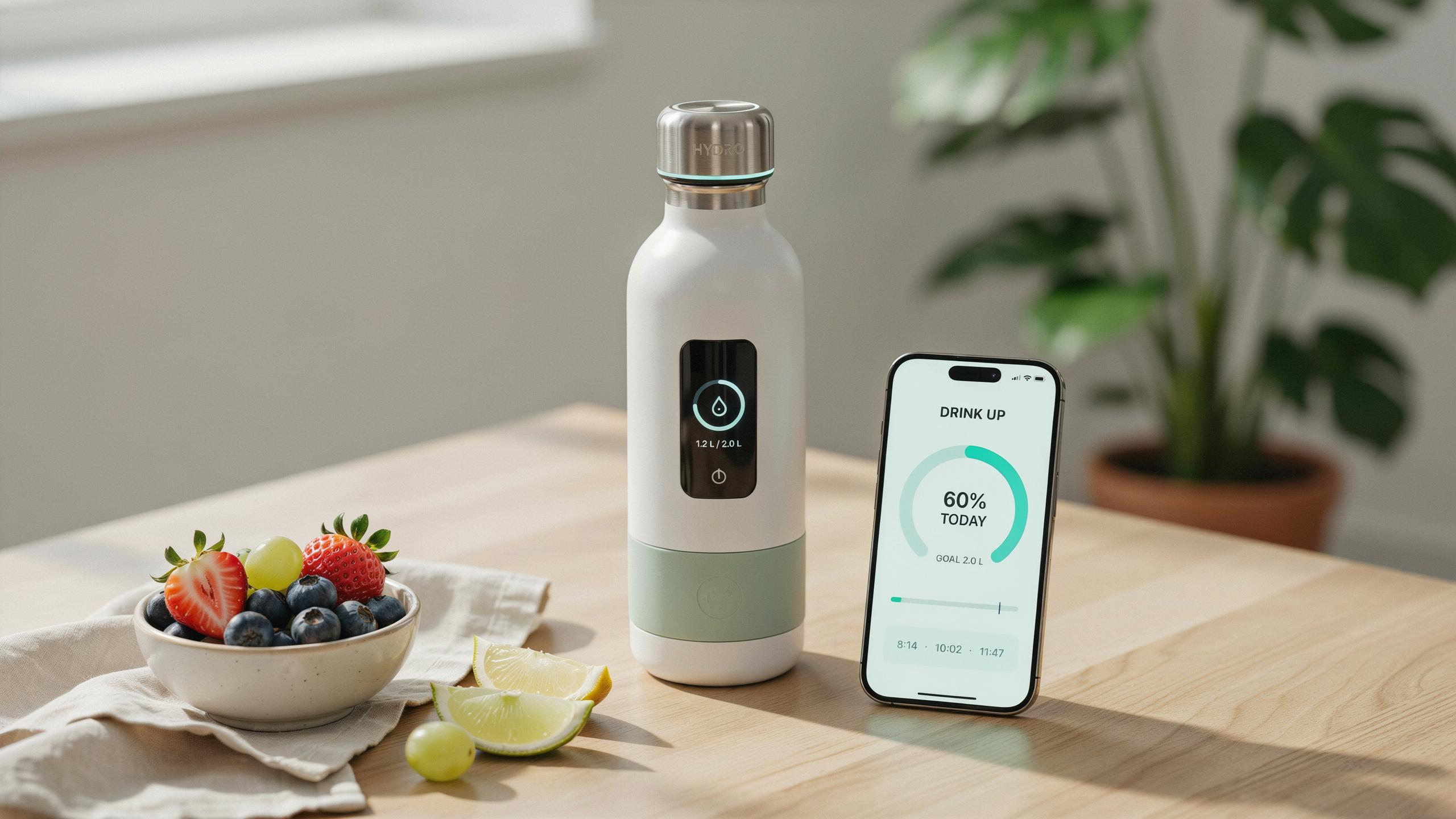
A smart water bottle combines a standard container with embedded sensors and wireless connectivity. The sensor detects each drink and logs the volume consumed. Data transmits to a smartphone app that displays cumulative intake against personalized daily goals. Users see exactly how much water they drank and when. This visibility makes hydration a measurable, trackable metric rather than a vague recommendation.
The device eliminates manual logging and memory reliance. Reminders push notifications when hydration patterns fall behind schedule. Some models integrate with fitness apps and wearable devices to correlate hydration with activity levels and sleep quality. This integration reveals how water intake impacts overall health performance. Smart bottles transform hydration from passive behavior into an active, data-driven practice.

Key Features Of A Smart Water Bottle That Tracks Hydration
Real Time Tracking And Hydration Reminders
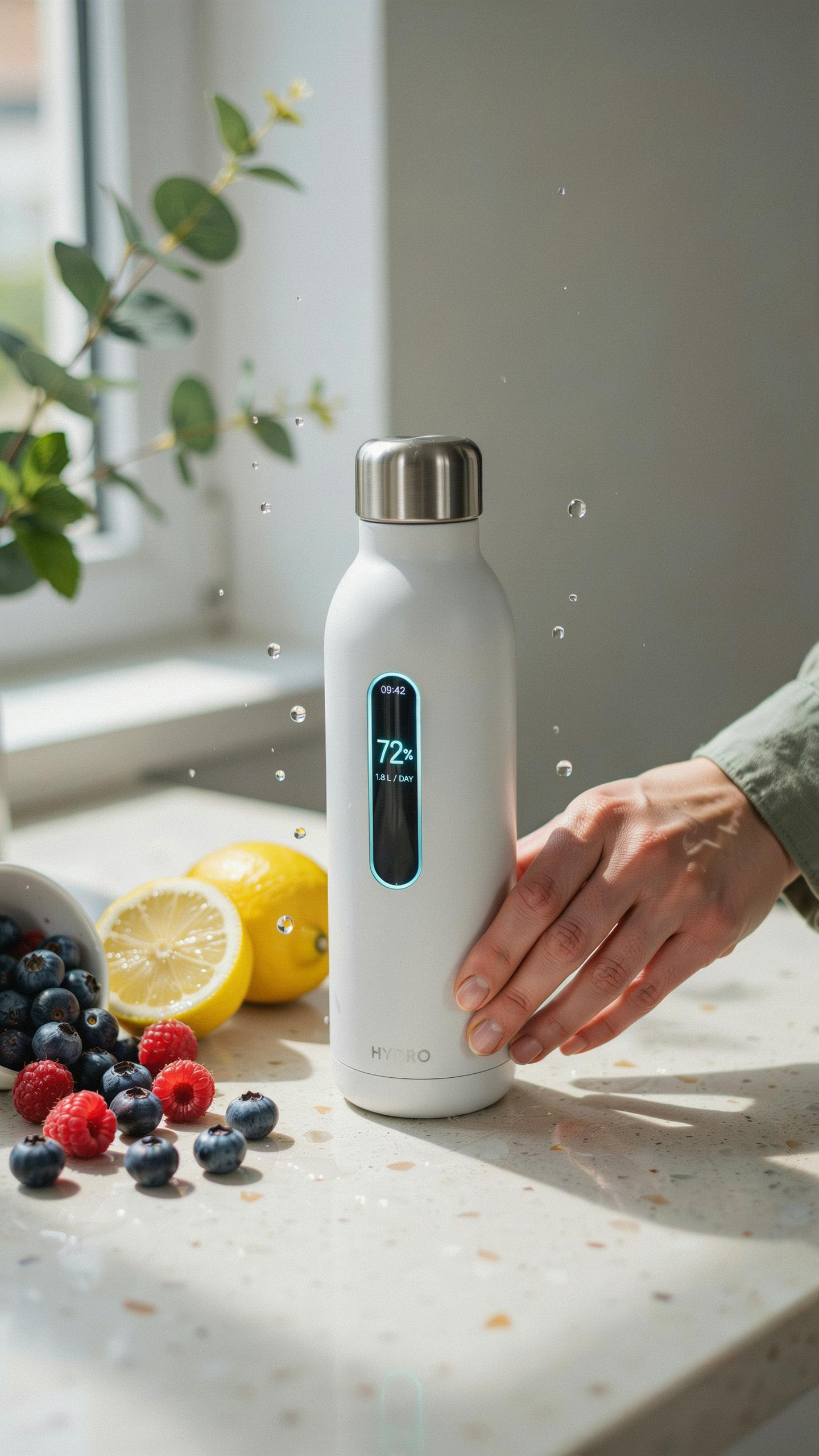
Smart water bottles use sensors to measure water consumption throughout the day. These sensors detect when you drink and log the volume in real time. The bottle records timestamps and quantities, creating an accurate daily intake record. You see exactly how much water you consume without manual entry or guesswork.
Reminders push notifications to your phone when you fall behind on hydration goals. The bottle calculates your target based on factors like body weight, activity level, and climate. You receive alerts at specific intervals if you haven’t met your hourly targets. This automated system eliminates the need to remember hydration on your own.
Connectivity And App Integration For Personalized Goals
Smart water bottles connect to companion apps via Bluetooth. The app displays your hydration data in charts and graphs. You set custom daily intake targets based on your health needs and lifestyle. The app syncs across devices, so your phone and smartwatch show the same information.

Integration with fitness platforms amplifies the value of hydration tracking. Apps like Apple Health and Google Fit receive your water intake data automatically. This creates a complete picture of your daily wellness metrics in one place. Cross platform connectivity ensures your hydration data works with your existing health ecosystem.
Beyond Basic Tracking Advanced Smart Water Bottle Features
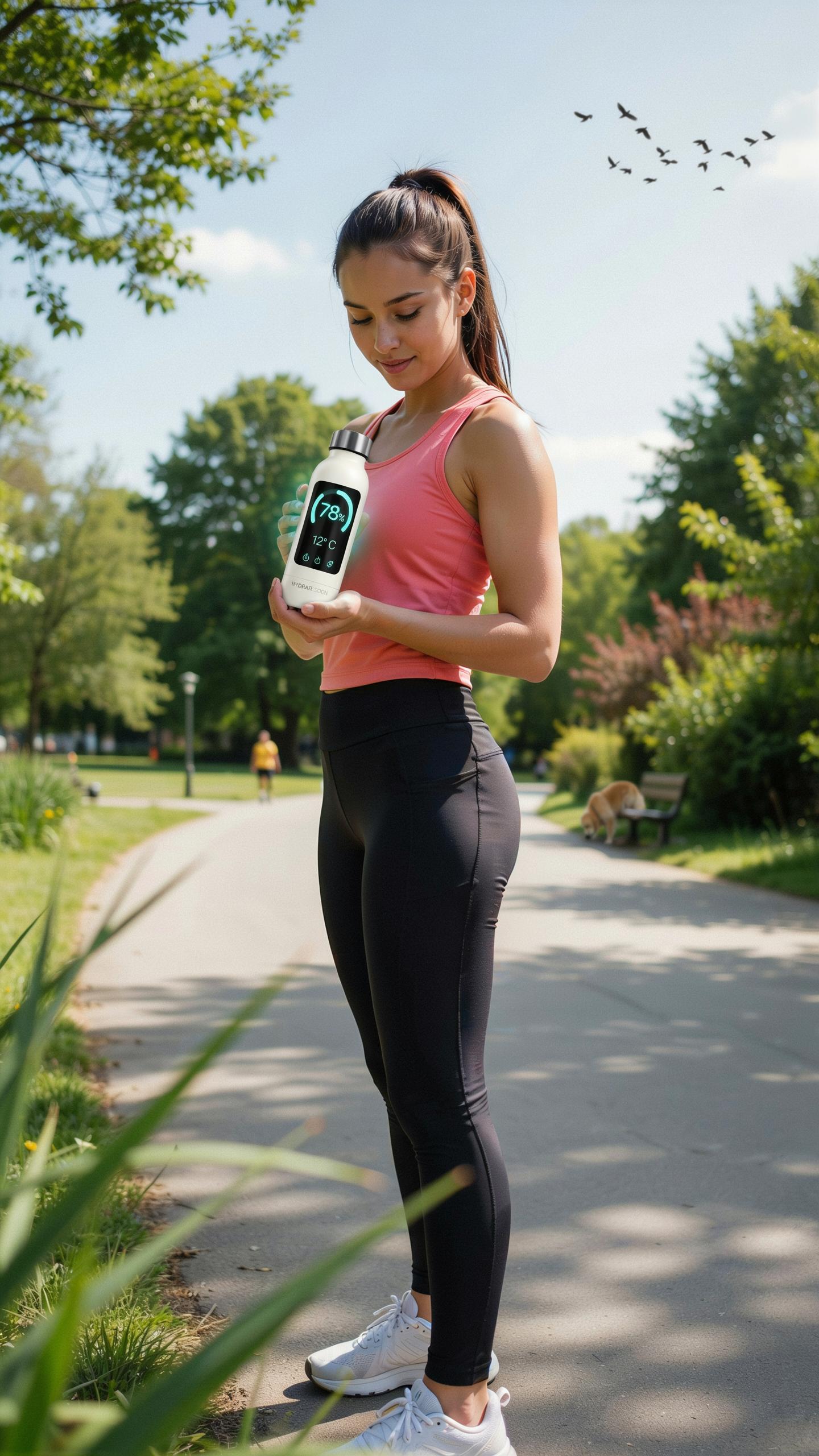
Exploring Smart Water Bottle With Lights For Visual Cues
LED light systems in smart water bottles serve a functional purpose: they remind you to drink at scheduled intervals without requiring phone interaction. The bottle emits light patterns or color changes based on your hydration goals and time of day. This removes friction from the tracking experience and works for users who don’t check notifications regularly.
The effectiveness of light cues depends on bottle placement and brightness level. A bottle sitting on your desk with a bright LED creates an obvious visual prompt during work. Dimmer lights work better in low-light environments without causing distraction. Most models use color coding where blue indicates you’re on track, while other colors signal you need to increase intake.
Considering Water Quality Sensors In Advanced Models
Premium smart water bottles now include sensors that detect mineral content, pH levels, and temperature. These sensors measure total dissolved solids and warn you if water quality drops below acceptable standards. The data feeds into the app, giving you complete information about what you’re actually drinking, not just volume consumed.

Quality sensors add significant cost to the bottle and require regular calibration to maintain accuracy. Models with these features typically range from 60 to 150 dollars compared to 25 to 50 dollars for basic tracking bottles. The ROI depends on your water source and whether you switch between tap, filtered, and bottled water regularly throughout your day.
The Health Benefits Of Consistent Daily Water Intake
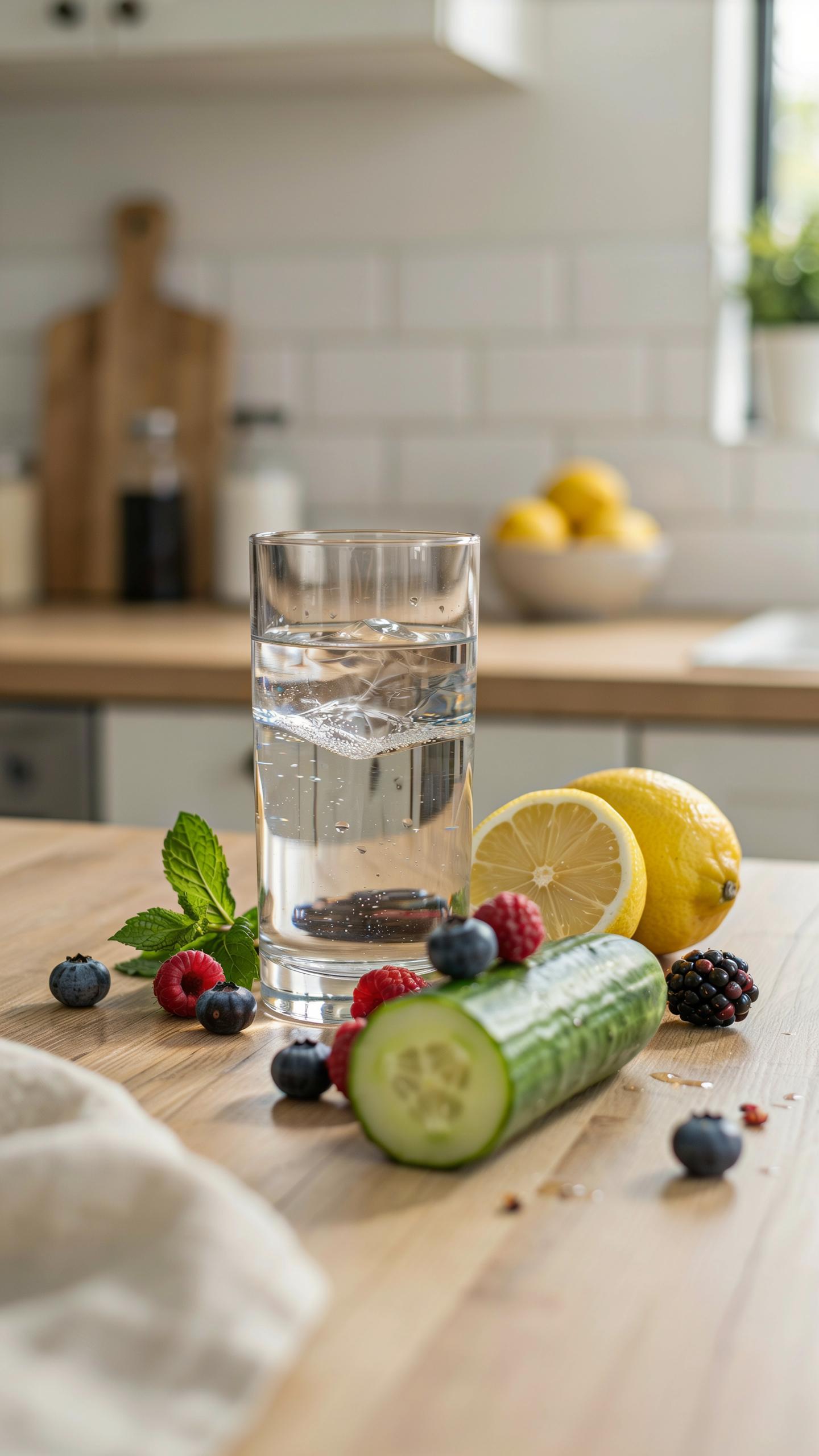
Impact On Energy Levels And Cognitive Function
Your brain operates on water. Dehydration reduces blood volume, which forces your heart to work harder to deliver oxygen to your brain. This inefficiency directly tanks mental clarity, focus, and decision-making speed. Smart water bottles track intake patterns that reveal whether you’re hitting hydration targets that support optimal brain function throughout your day.
Research shows that even mild dehydration impairs concentration and increases mental fatigue. When you maintain consistent hydration, your body sustains steady energy production at the cellular level. This translates to sustained focus during work, better reaction times, and improved problem-solving ability. Tracking daily intake with smart bottles creates accountability for maintaining the hydration state your cognitive performance demands.
Every drop you track is a gentle whisper to your body, reminding it of the simple, timeless nourishment it deserves. Nurture yourself with intention, like tending a cherished garden.
Hydration’S Role In Physical Performance And Overall Well Being
Water regulates your core body temperature during physical activity. Without adequate hydration, your body cannot cool itself efficiently, which compromises workout performance and recovery. Smart water bottles provide real-time feedback on intake, helping athletes and active individuals maintain the hydration levels required for sustained physical output and endurance.

Consistent hydration supports kidney function, nutrient transport, and waste removal throughout your body. These systems operate continuously whether you exercise or not. When you monitor daily water intake through smart tracking, you establish patterns that support metabolic efficiency, joint lubrication, and immune system stability. The result is measurable improvement in how your body performs and recovers across all physical activities.
Choosing The Right Smart Water Bottle For Your Healthy Habits
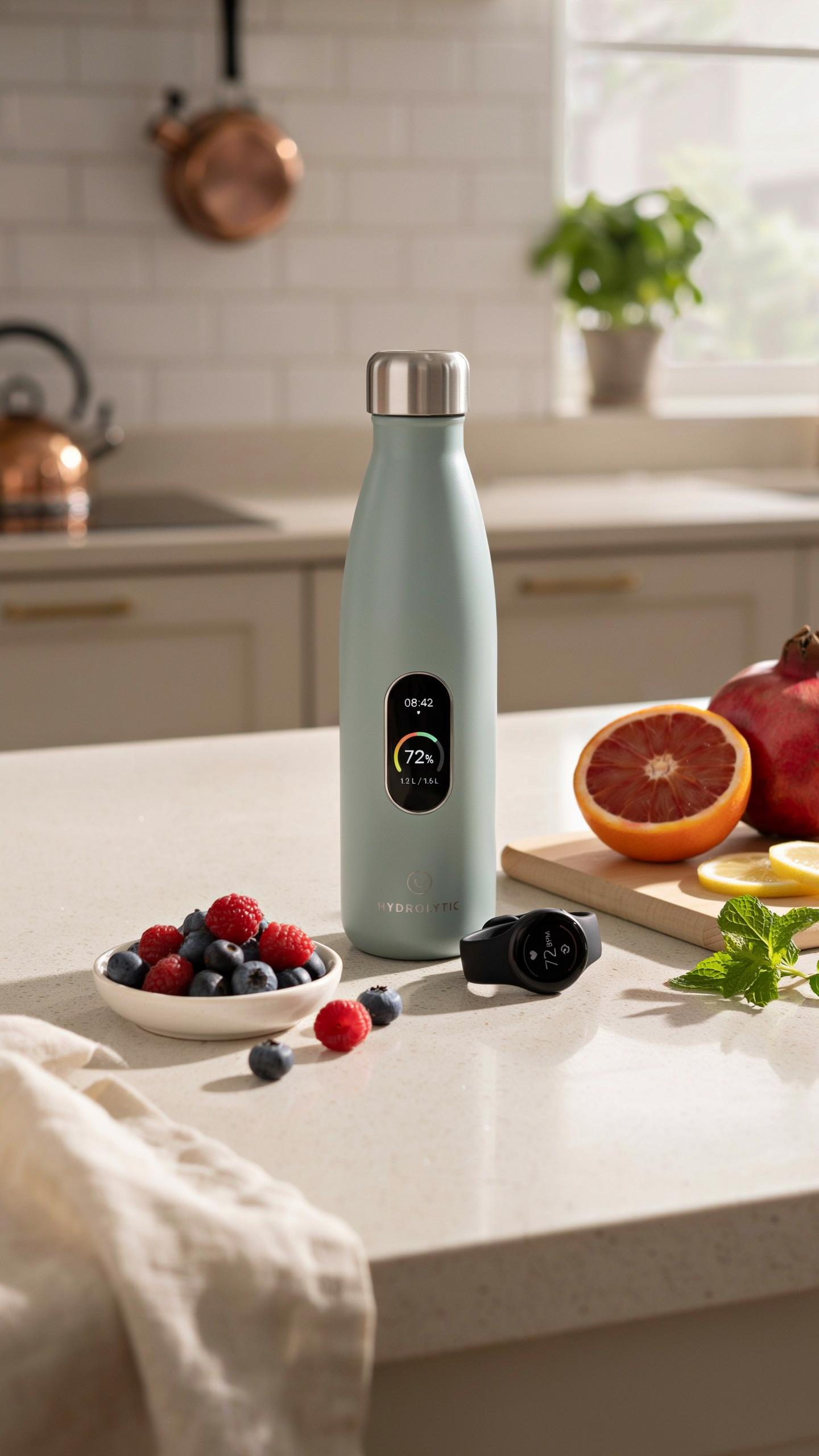
Factors To Consider Battery Life Material And Durability
Battery life determines how often you charge your device. Most smart water bottles run on rechargeable lithium ion batteries lasting between three to seven days per charge. Some models use replaceable batteries instead, eliminating charging altogether but requiring ongoing battery purchases. Evaluate your daily routine to match battery performance with your usage patterns and charging convenience.
Material and durability affect both longevity and performance. Smart water bottles use stainless steel, plastic, or glass construction. Stainless steel resists dents and maintains temperature control longer. Plastic options weigh less but may degrade faster. Check seals around sensor components since water exposure causes device failure. Warranty coverage typically ranges from one to two years, indicating manufacturer confidence in durability.
Comparing Popular Smart Water Bottle Brands And Models
Major manufacturers include HidrateSpark, LARQ, and Thermos connected models. HidrateSpark bottles use glow reminders and app tracking, compatible with fitness ecosystems like Apple Health and Fitbit. LARQ emphasizes UV purification technology alongside hydration tracking. Thermos connected bottles focus on temperature maintenance with basic hydration logging. Price points range from sixty to two hundred dollars depending on features and materials.

Each brand targets different priorities. HidrateSpark prioritizes user engagement through social challenges and detailed analytics. LARQ attracts health conscious buyers concerned with water quality, not just consumption volume. Thermos appeals to temperature sensitive drinkers combining insulation with tracking. Compare sensor accuracy, app interface design, and integration with your existing health apps before purchasing. Test trial periods when available to verify compatibility with your daily workflow.
Integrating Your Smart Water Bottle Into Your Lifestyle

Tips For Maximizing Hydration With Your Smart Device
Start by setting daily hydration goals in your app based on your body weight and activity level. Most smart bottles sync with fitness trackers to adjust targets automatically. Input your exercise duration and intensity so the system recalibrates your water needs. Enable notifications to trigger at regular intervals throughout the day. This removes guesswork and creates accountability without requiring mental effort.
- Set Time Based Reminders: Configure your app to send alerts every two hours during waking hours. This spacing prevents overwhelming notification fatigue while maintaining consistent intake patterns.
- Link To Calendar Events: Sync your bottle app with your work and workout schedules. The system sends hydration cues before, during, and after high exertion periods.
- Track Caffeine And Alcohol: Log beverages that increase fluid loss through diuretic effects. Your app adjusts recommendations upward to compensate for these drinks.
- Use Temperature Tracking: Select bottles with thermal sensors that reward you for drinking cold water. Cold water intake slightly increases calorie burn during digestion.
- Enable Social Accountability: Connect with friends or colleagues through your app’s social features. Group challenges create external motivation to hit daily targets consistently.
Consistency matters more than perfection. Miss a few hydration alerts without stress. Your smart bottle tracks weekly patterns, not daily perfection. Use this data to identify which times you naturally forget to drink. Adjust reminder schedules to match your actual routine rather than forcing artificial patterns.
Overcoming Common Challenges To Maintain Consistent Water Intake
You’ll face notification fatigue if you set reminders too frequently. Start with four to six daily alerts spread across waking hours. Reduce frequency if you notice yourself dismissing notifications without acting on them. Your goal is creating a habit that eventually requires no external prompting at all.

Bathroom frequency increases with higher water intake, particularly in the first two weeks. This is normal physiology as your body adapts to increased fluid volume. Plan your intake around your work schedule and meetings to minimize disruption. Many users find morning and evening hydration focus reduces daytime bathroom trips during work hours.
User Experience What To Expect From A Smart Hydration System
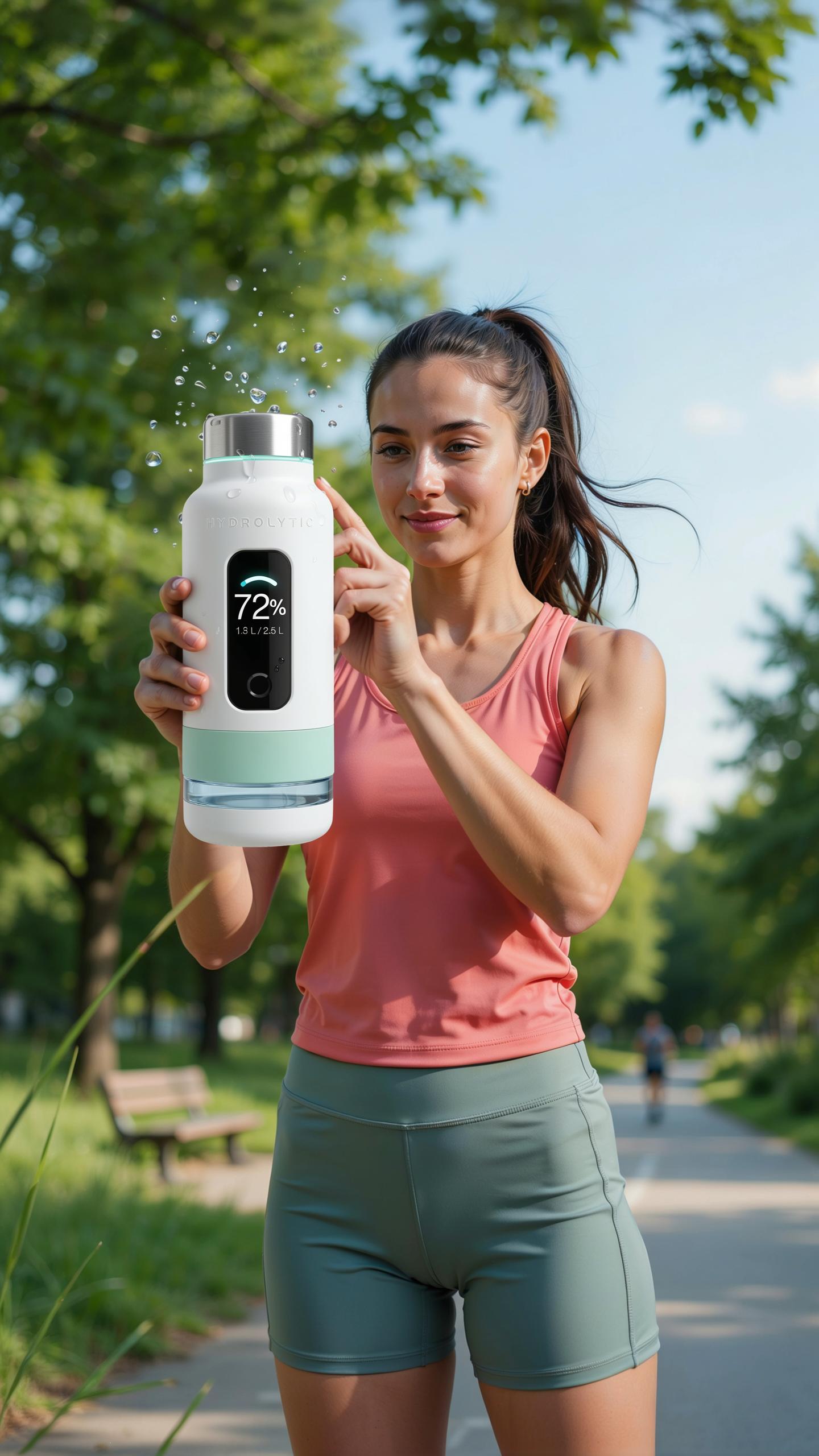
Personalized Insights And Goal Achievement
Smart water bottles that track hydration deliver real-time feedback based on your drinking patterns. The system analyzes your intake against targets you set and adjusts recommendations based on activity level, climate, and body weight. This removes guesswork from hydration management. You see exactly how much you drank, when you drank it, and how far you are from your daily goal.
Most smart hydration systems store historical data in companion apps. You review trends across weeks and months to identify patterns in your drinking behavior. The app flags when you consistently undershoot targets or when you maintain consistent hydration. This data-driven approach helps you understand your baseline needs and adjust them as your routine changes.
The Role Of Data In Cultivating Long Term Healthy Habits
Tracking creates accountability through visibility. When you see your hydration data logged daily, you become aware of gaps in your routine. This awareness drives behavioral change faster than motivation alone. The bottle becomes a feedback mechanism that reinforces good choices without judgment or external pressure.

Habit formation requires repetition and tracking accelerates this process. Smart water bottles automate the logging step, meaning you focus only on the action itself. Over time, reaching your hydration goal shifts from a conscious effort to an automatic behavior. Data visualization through app dashboards reinforces progress and maintains engagement long term.
The Future Of Hydration Technology And Smart Water Bottle Innovation
Emerging Trends In Smart Hydration Devices
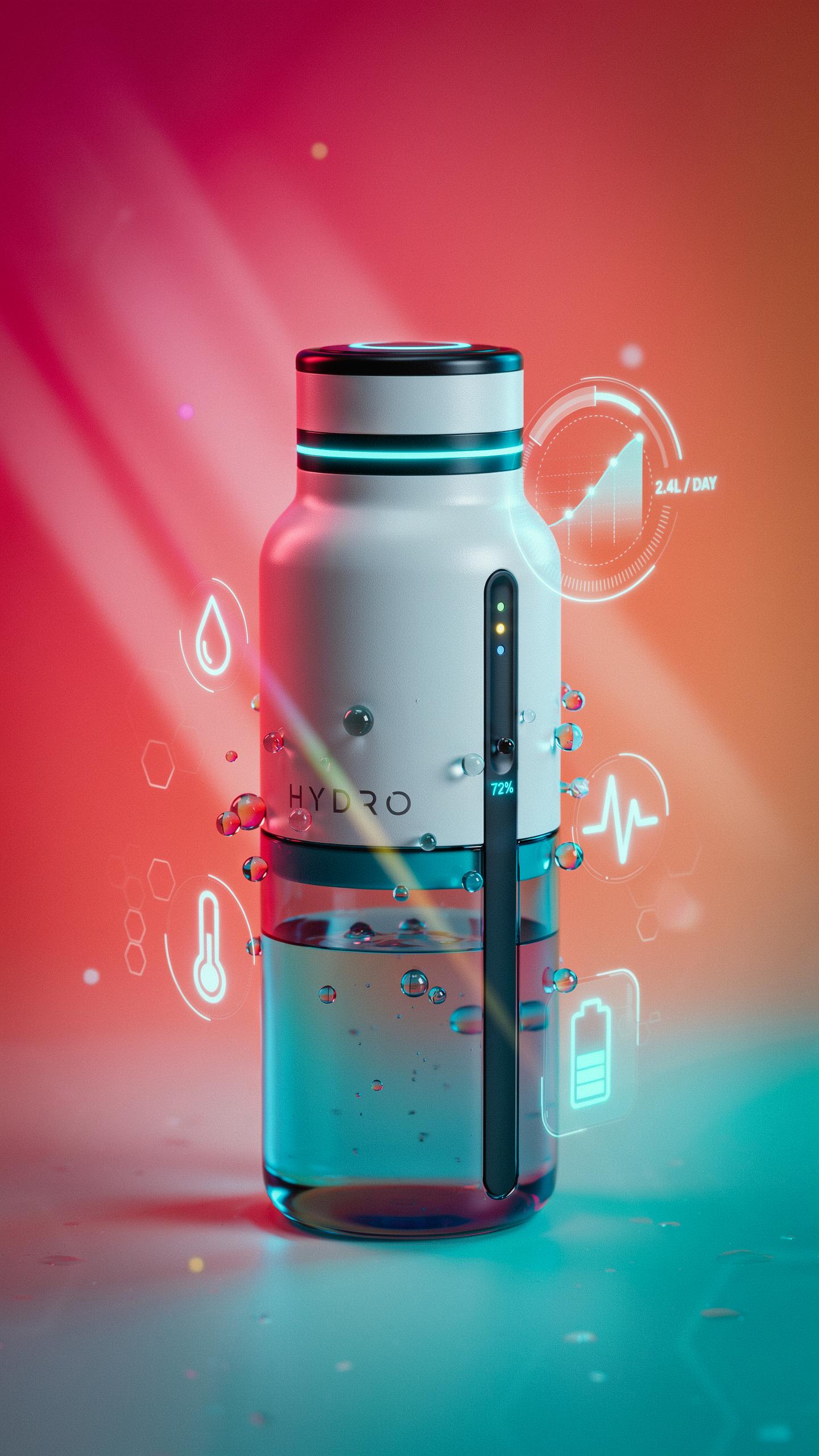
Smart water bottles are moving toward integration with wearable ecosystems. Manufacturers are embedding sensors that communicate directly with smartwatches and fitness trackers. Real-time data syncing reduces friction and keeps hydration data in one ecosystem. Battery life improvements allow devices to operate for weeks rather than days. Materials are shifting toward durable plastics and glass that withstand repeated use cycles.
Artificial intelligence is becoming standard in hydration apps. Machine learning algorithms now predict optimal drinking times based on activity level, temperature, and individual metabolic patterns. Personalization goes beyond generic recommendations. Companies are refining algorithms to account for sport type, climate, and health conditions. This approach delivers actionable guidance instead of generic prompts to drink water.
The Potential Impact On Public Health And Wellness
Hydration tracking creates measurable data for healthcare providers. Doctors gain objective metrics on patient compliance with hydration protocols. This proves particularly valuable for patients managing kidney stones, urinary tract infections, or heat-related illness. Clinical settings now incorporate hydration data into treatment plans. Employers see potential cost reduction through preventative wellness programs that emphasize consistent hydration habits.

Population health initiatives are adopting smart hydration technology to address dehydration in vulnerable groups. Elderly populations benefit from passive reminders that reduce cognitive load. Athletes use data to optimize performance and recovery. Public health organizations recognize hydration as an underutilized lever for improving outcomes across age groups. Widespread adoption depends on affordability and seamless integration into daily routines without requiring active user engagement.
Frequently Asked Questions

What exactly is a smart water bottle, and how does it help me drink more water?
A smart water bottle is an innovative device that connects to an app on your phone, tracking your water intake throughout the day. It often features glowing reminders, alerts, and personalized hydration goals based on your activity level and body metrics, making it easier and more engaging to stay consistently hydrated.
How do I choose the best smart water bottle that tracks hydration for my needs?
When selecting a smart water bottle that tracks hydration, consider factors like app compatibility (iOS/Android), battery life, bottle material (glass, stainless steel, plastic), and additional features such as temperature sensors or purification capabilities. Read reviews to find one that aligns with your lifestyle and budget.
Are there affordable options for smart water bottles, or are they generally expensive?
While some high-end models exist, there are increasingly more affordable options for smart water bottles available. Prices vary depending on features and brand, but you can find entry-level smart bottles that track hydration without breaking the bank, offering a great way to start your hydration journey.