
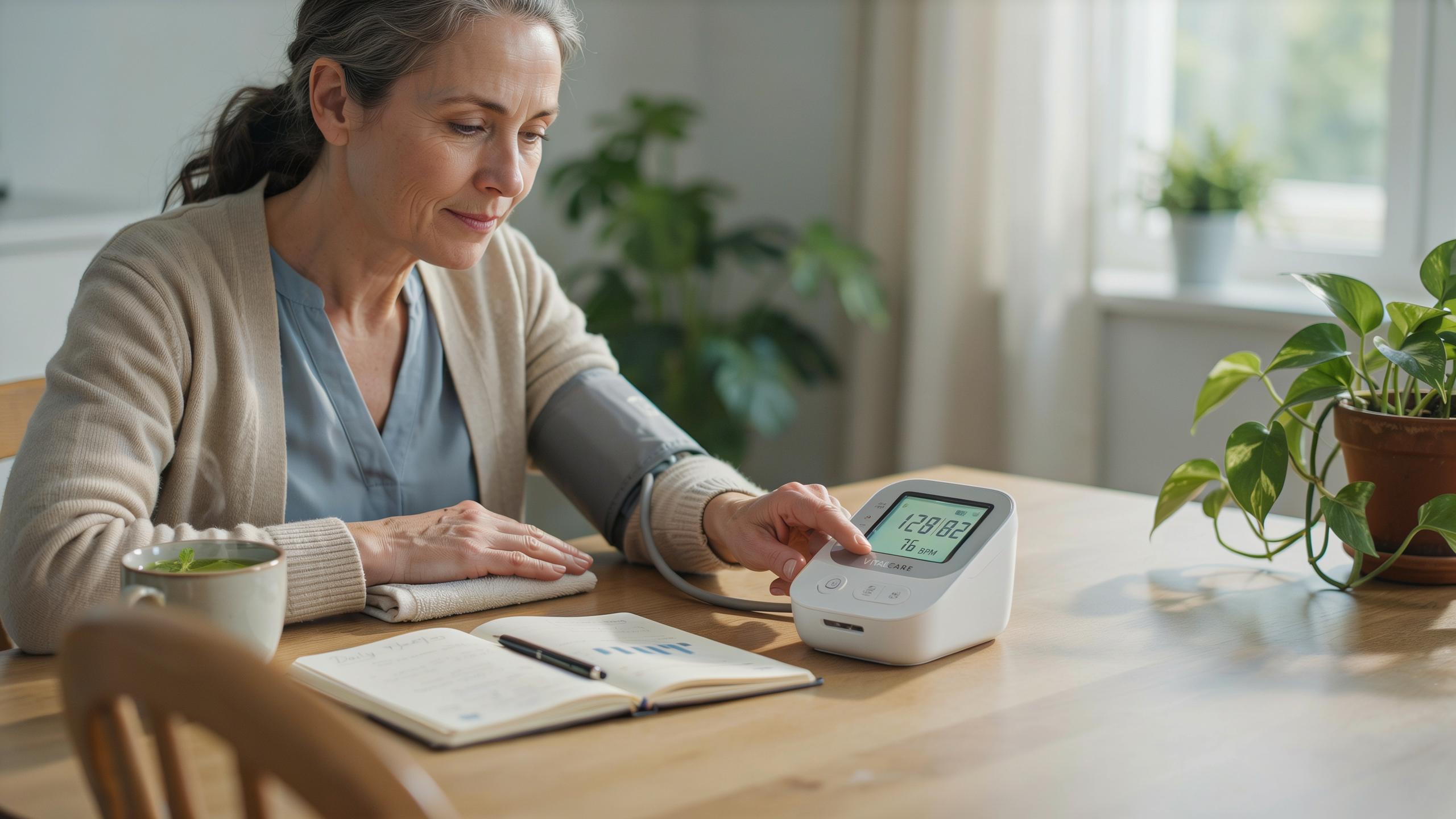
Understanding Blood Pressure And Its Importance For Home Health
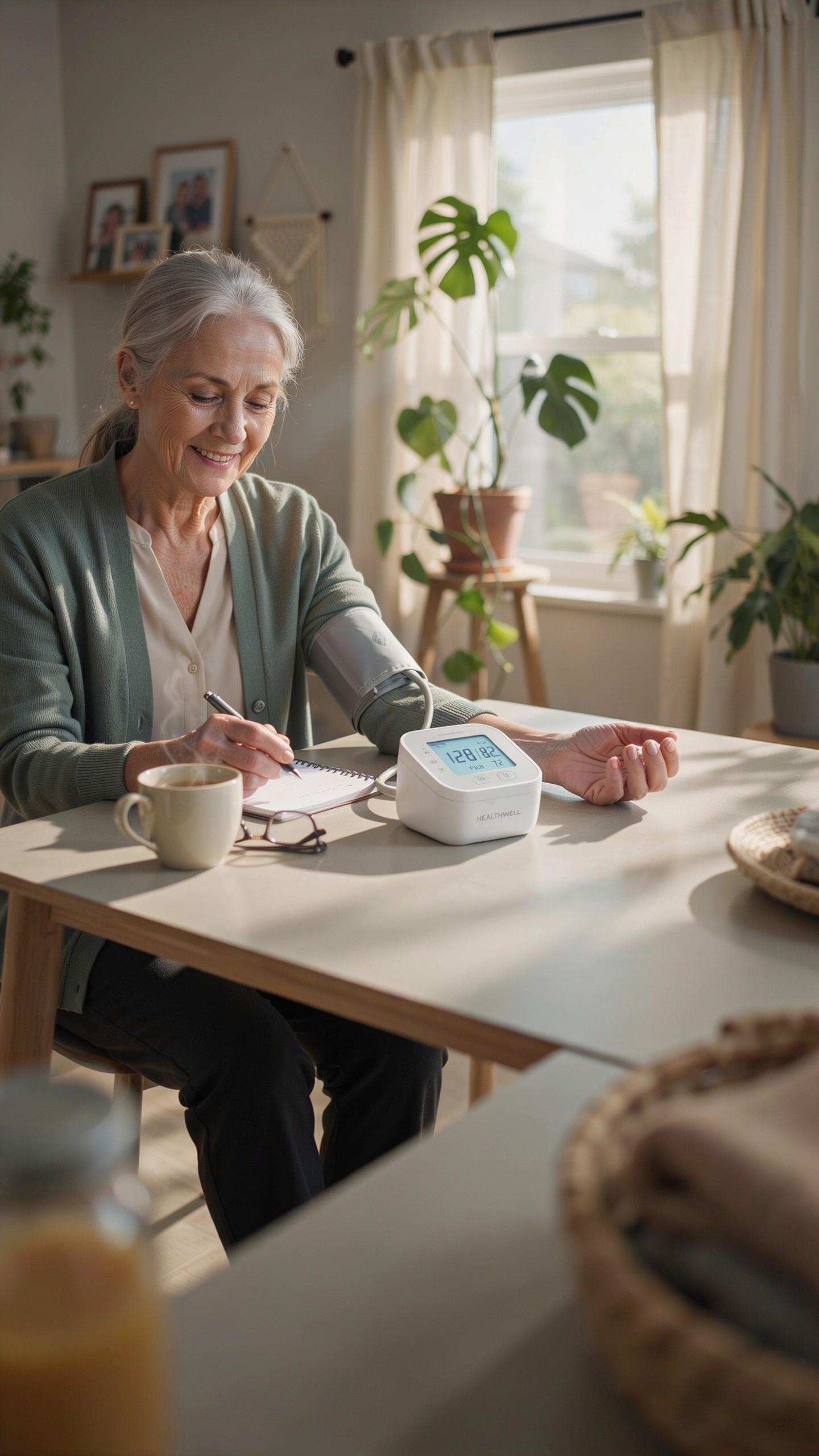
What Is Blood Pressure?
Blood pressure is the force of blood pushing against the walls of your arteries as your heart pumps blood throughout your body. This force changes with each heartbeat and varies based on activity level, stress, and overall health status. Medical professionals measure it to assess cardiovascular function and detect potential problems early.
Measurements come as two numbers expressed in millimeters of mercury, or mmHg. The systolic number, shown on top, represents pressure when your heart contracts and pushes blood out. The diastolic number, shown below, represents pressure when your heart relaxes between beats. Together, these readings provide critical data about your cardiovascular system’s performance.
Why Monitor Blood Pressure At Home?
Home monitoring captures your blood pressure patterns across different times and conditions, revealing trends that single clinic visits miss. Many people experience white coat syndrome, where anxiety during medical appointments artificially raises readings. Regular home measurements bypass this problem and give your doctor an accurate baseline for treatment decisions.
Taking readings at home puts you in control of your health management. You detect changes early, track how lifestyle modifications affect your numbers, and build accountability for medication adherence. This data empowers you to make informed decisions with your healthcare provider about prevention and treatment strategies.
The Rise Of Portable Blood Pressure Monitors
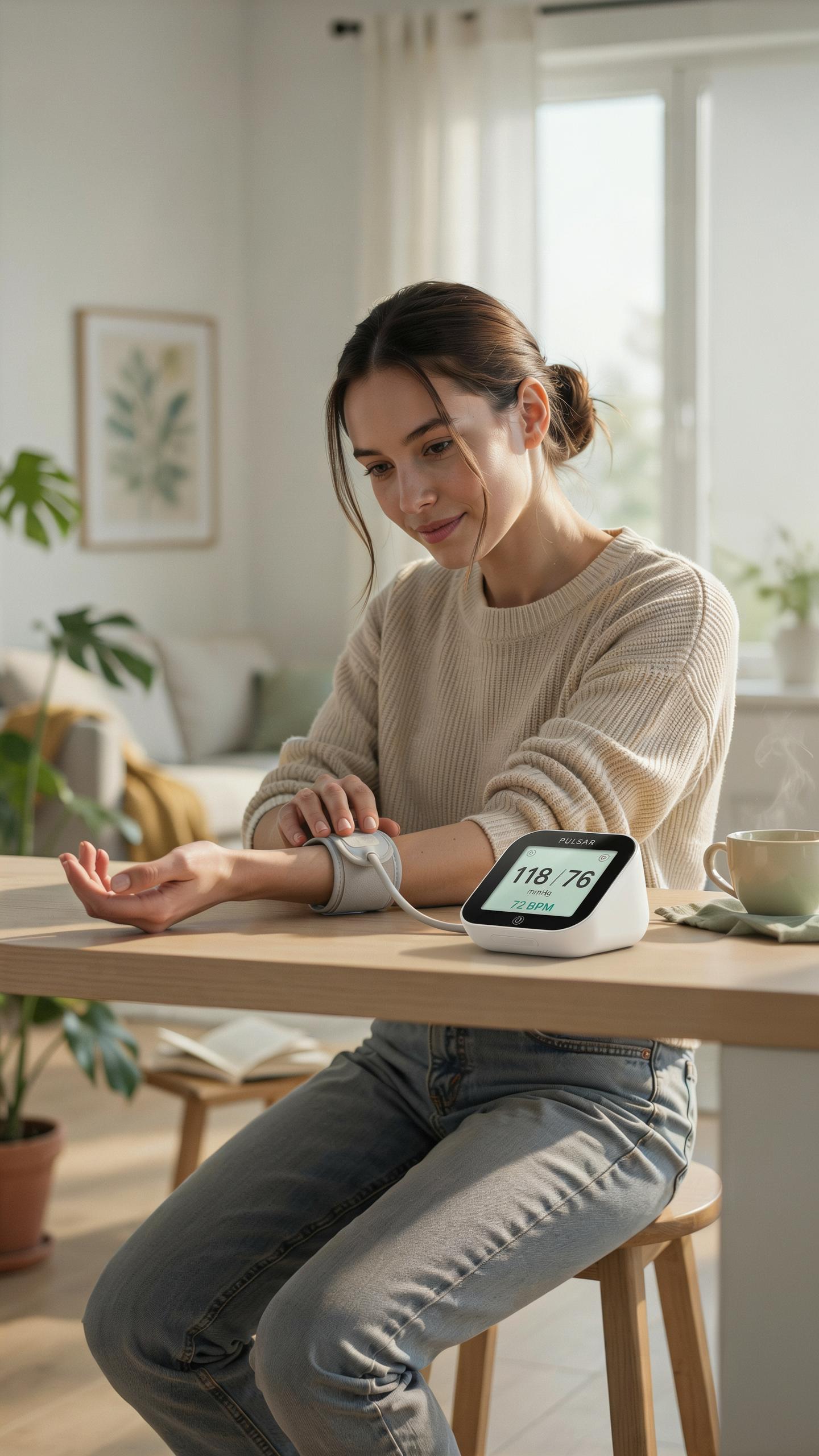
Evolution Of Blood Pressure Monitoring Devices
Blood pressure measurement started in clinical settings only. Doctors used mercury sphygmomanometers, which required trained operators and took time to complete. These devices stayed in hospitals and doctor offices because they were bulky, fragile, and demanded expertise to read accurately.
Technology shifted this reality. Engineers developed smaller, automated devices using oscillometric technology instead of mercury. These machines detect arterial vibrations electronically and calculate readings without manual interpretation. Compact designs and digital displays made home monitoring practical and accessible to average users.
Benefits Of Portable Blood Pressure Monitors For Home Use
Home monitoring eliminates the anxiety factor from clinical settings. Some people experience elevated readings in doctor offices due to stress, a phenomenon called white coat hypertension. Portable devices let users take readings in familiar environments where they feel calm and relaxed.

Regular home data provides healthcare providers with real patterns, not isolated snapshots. Multiple readings over time reveal true blood pressure trends and help doctors adjust medications more effectively. Users gain control over their health management and catch concerning changes early before they become serious problems.
Key Features Of An Accurate Portable Blood Pressure Monitor
Clinical Validation And Accuracy Standards
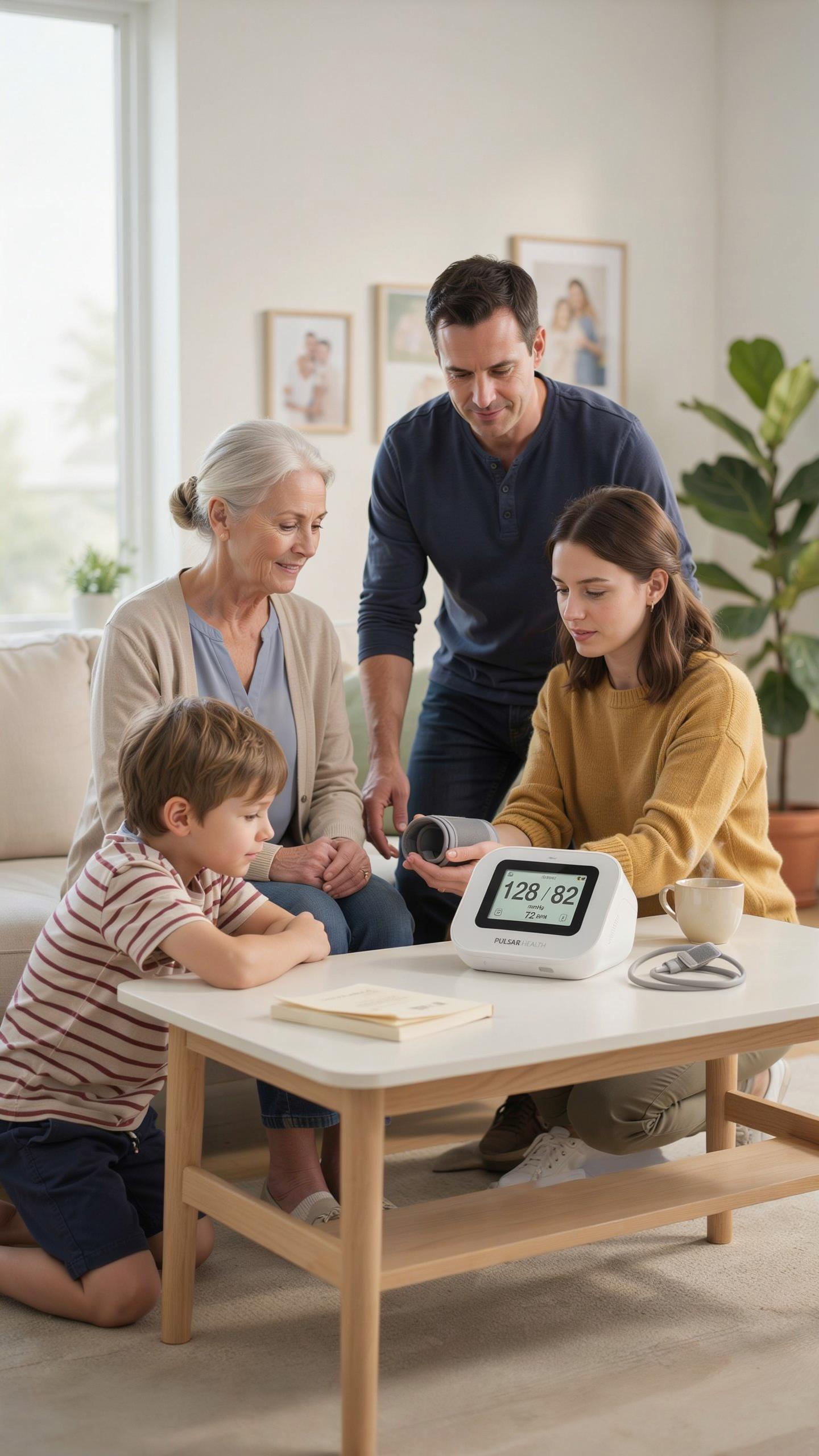
Clinical validation separates reliable monitors from mediocre ones. Independent organizations test devices against strict benchmarks before granting approval. The British and Irish Hypertension Society (BIHS) and the Association for the Advancement of Medical Instrumentation (AAMI) conduct rigorous evaluations. These certifications mean the monitor delivers consistent, dependable readings across different user populations.
Validation matters because unproven monitors generate false readings that lead to wrong treatment decisions. A clinically validated device has passed multiple rounds of testing against invasive blood pressure measurements. You reduce risk of medication errors or missed hypertension detection when you choose validated equipment. Always check the device manual or manufacturer website for BIHS or AAMI approval stamps before purchasing.
Cuff Size And Fit For Upper Arm Cuffs
Cuff size directly impacts reading accuracy. An undersized cuff generates artificially high readings while an oversized cuff produces low readings. Standard arm circumferences range from 22 to 42 centimeters, but manufacturers offer multiple cuff options to cover most users. Selecting the correct size for your arm dimensions eliminates one of the biggest sources of portable monitor error.
- Small Adult Cuff: Fits arm circumferences between 22 and 26 centimeters, typically for children and petite adults with thin arms.
- Standard Adult Cuff: Accommodates arm circumferences of 27 to 34 centimeters, suitable for most average-sized adults in typical populations.
- Large Adult Cuff: Designed for arm circumferences between 35 and 42 centimeters, necessary for individuals with larger arm dimensions.
- Extra Large Cuff: Extends to arm circumferences above 42 centimeters for users requiring specialized sizing options.
- Dual Cuff Systems: Some monitors include two cuffs allowing the same device to serve multiple household members with different arm sizes.

Measure your upper arm circumference at the midpoint between shoulder and elbow to determine correct cuff size. Place the cuff one inch above your elbow crease with one finger fitting snugly between cuff and skin. A properly fitted cuff stays in place during inflation and produces readings matching clinical standards. Improper fit represents a major accuracy variable that users can control immediately.
Choosing The Right Portable Blood Pressure Monitor For You
Types Of Portable Blood Pressure Monitors
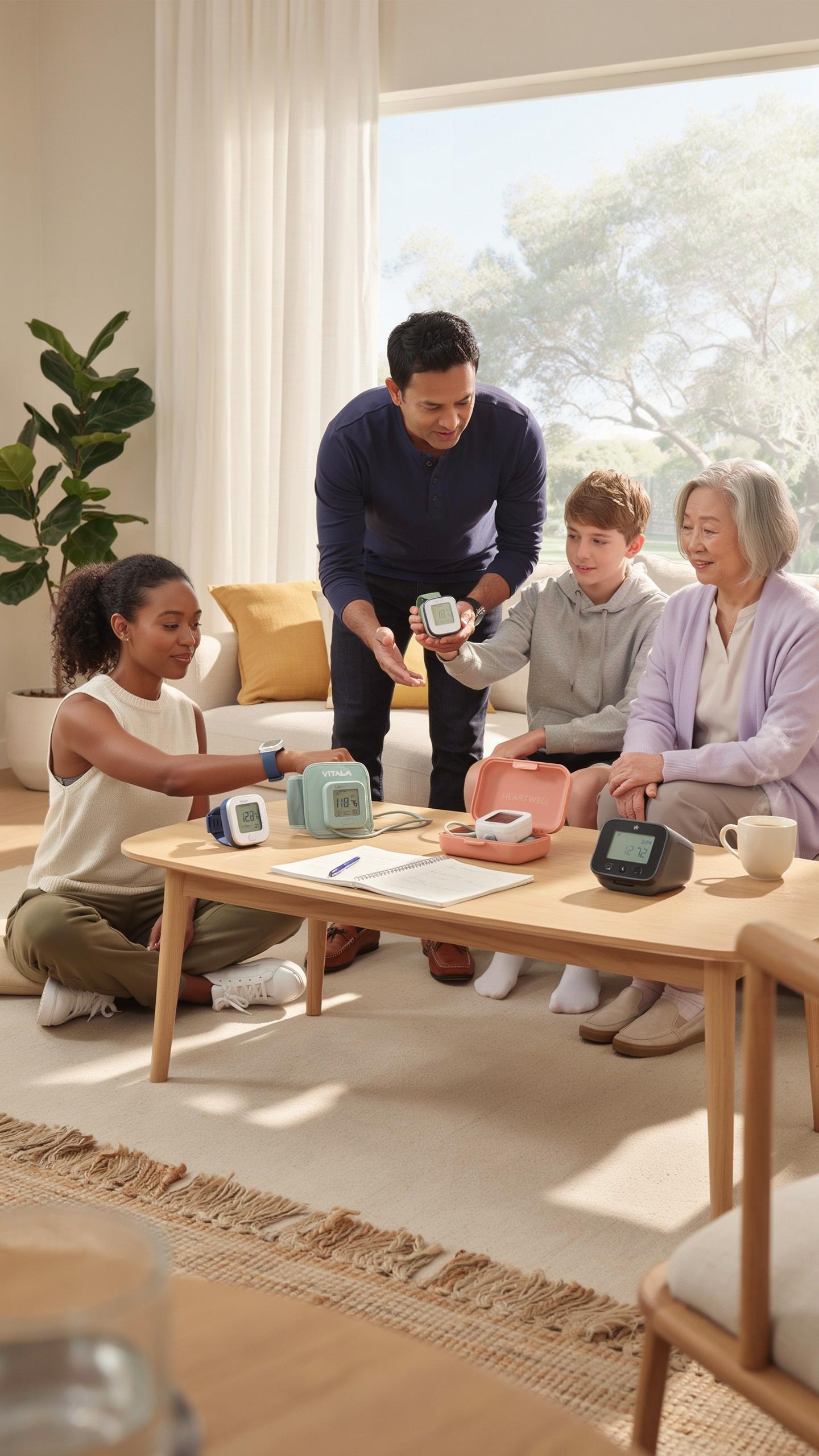
Upper arm monitors deliver more reliable readings than wrist models. Medical guidelines recommend upper arm devices for most users because they measure pressure closer to the heart. The cuff placement directly affects accuracy, and upper arm positioning minimizes measurement errors that occur with wrist monitors.
Wrist monitors work, but they demand strict technique. You must keep your wrist at heart level during every reading. Even small deviations in wrist position compromise results. Choose upper arm monitors for consistent accuracy unless portability constraints force a wrist model.
Embrace the wisdom of self-care from the comfort of your home, for a clear heart’s rhythm today ensures a brighter melody for all your tomorrows.
Smart Features And Data Management For Home Health
Bluetooth connectivity transforms how you track blood pressure at home. Modern monitors sync readings directly to smartphone apps, eliminating manual record keeping. This automatic data transfer creates a searchable history you can review anytime and share with your doctor during appointments.

Data management apps show trends over weeks and months, revealing patterns individual readings miss. You can export reports to send healthcare providers before visits. Some monitors integrate with popular health platforms, consolidating blood pressure data alongside other vital information. This capability streamlines communication with your medical team and supports better treatment decisions.
Maximizing Accuracy Tips For Using Your Blood Pressure Monitor At Home
Proper Technique For Taking Blood Pressure Readings
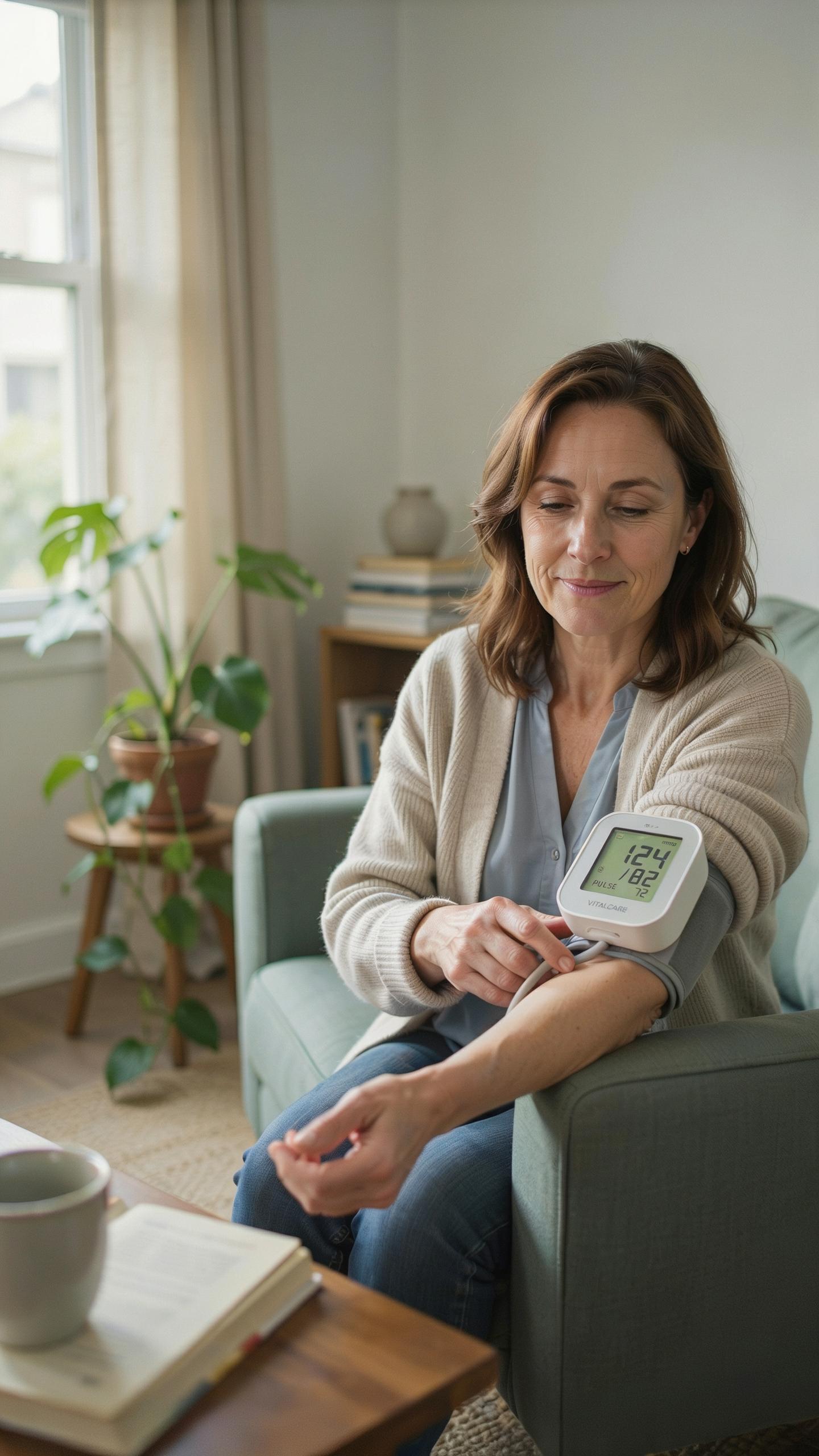
Sit still for five minutes before measuring. Your arm must rest at heart level, typically on a table or armrest. Keep your feet flat on the floor and your back supported. Do not talk, move, or check your phone during the measurement. These actions raise readings artificially and compromise data reliability.
Take readings at the same time each day, ideally in the morning before medication or caffeine. Record at least two measurements per session, spaced one minute apart. Average the results to eliminate single-reading anomalies. This routine builds a baseline that your doctor can actually use for treatment decisions.
Environmental Factors Affecting Blood Pressure Readings
Caffeine spikes blood pressure for up to three hours after consumption. Exercise temporarily elevates readings for thirty minutes post-activity. Stress, cold rooms, and full bladders all push numbers higher. Control these variables by taking readings under consistent conditions every time you measure.

Schedule readings at the same hour daily when external factors remain stable. Morning measurements before caffeine or activity give the most reliable baseline data. Document your conditions each time you record a reading. This practice helps you and your doctor distinguish between true high blood pressure and temporary spikes caused by your environment.
Interpreting Your Blood Pressure Readings And When To Seek Medical Advice
Understanding Blood Pressure Categories
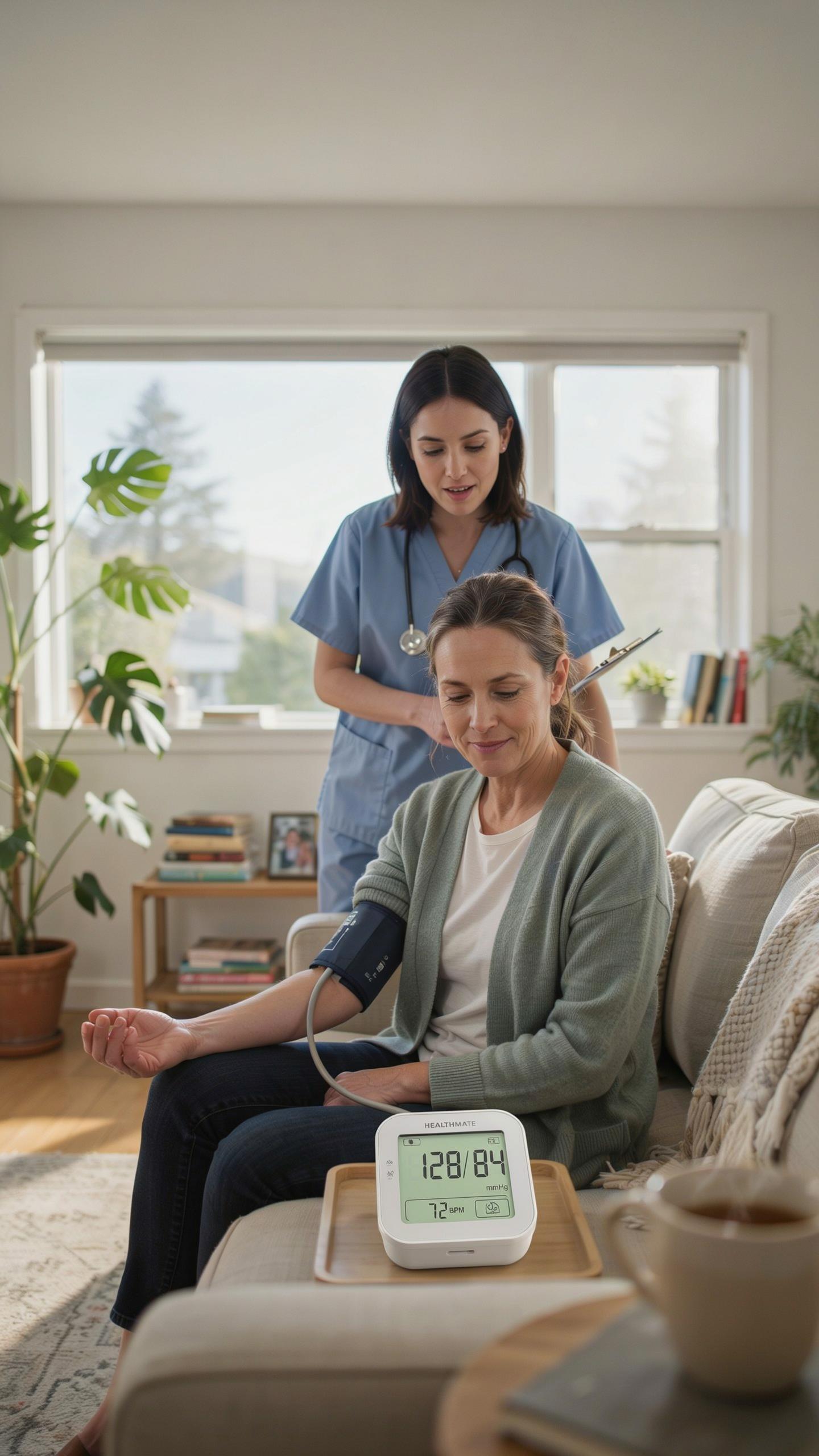
Blood pressure readings fall into five distinct categories defined by the American Heart Association. Normal readings stay below 120/80 mmHg. Elevated readings range from 120-129 systolic and less than 80 diastolic. Stage 1 hypertension spans 130-139 systolic or 80-89 diastolic. Stage 2 hypertension reaches 140 or higher systolic or 90 or higher diastolic. Hypertensive crisis exceeds 180/120 mmHg and demands immediate medical attention.
Your portable blood pressure monitor displays two numbers. The top number is systolic pressure, which measures force when your heart beats. The bottom number is diastolic pressure, measuring force between heartbeats. Both numbers matter equally for assessing your cardiovascular health. Track readings at the same time daily for consistency. Record results over time to identify patterns your healthcare provider can analyze.
When To Contact Your Health Care Provider
Contact your doctor if readings consistently fall into the elevated or hypertension range across multiple days. One high reading doesn’t signal danger, but repeated elevated measurements indicate a trend requiring medical evaluation. Your provider may adjust medications, recommend lifestyle changes, or order additional testing based on your data. Bring your recorded readings to appointments so your doctor sees the complete picture of your blood pressure patterns.

Seek immediate emergency care if you experience severe headache, shortness of breath, chest pain, or blurred vision alongside high readings. These symptoms suggest hypertensive crisis, a medical emergency requiring urgent intervention. Never ignore sudden symptoms even if a single reading appears normal. Call 911 or go to an emergency room immediately in these situations. Your portable monitor provides helpful baseline data, but symptoms take priority over numbers when seeking emergency care.
Maintaining Your Portable Blood Pressure Monitor And Blood Pressure Cuff
Cleaning And Storage Of Your Device
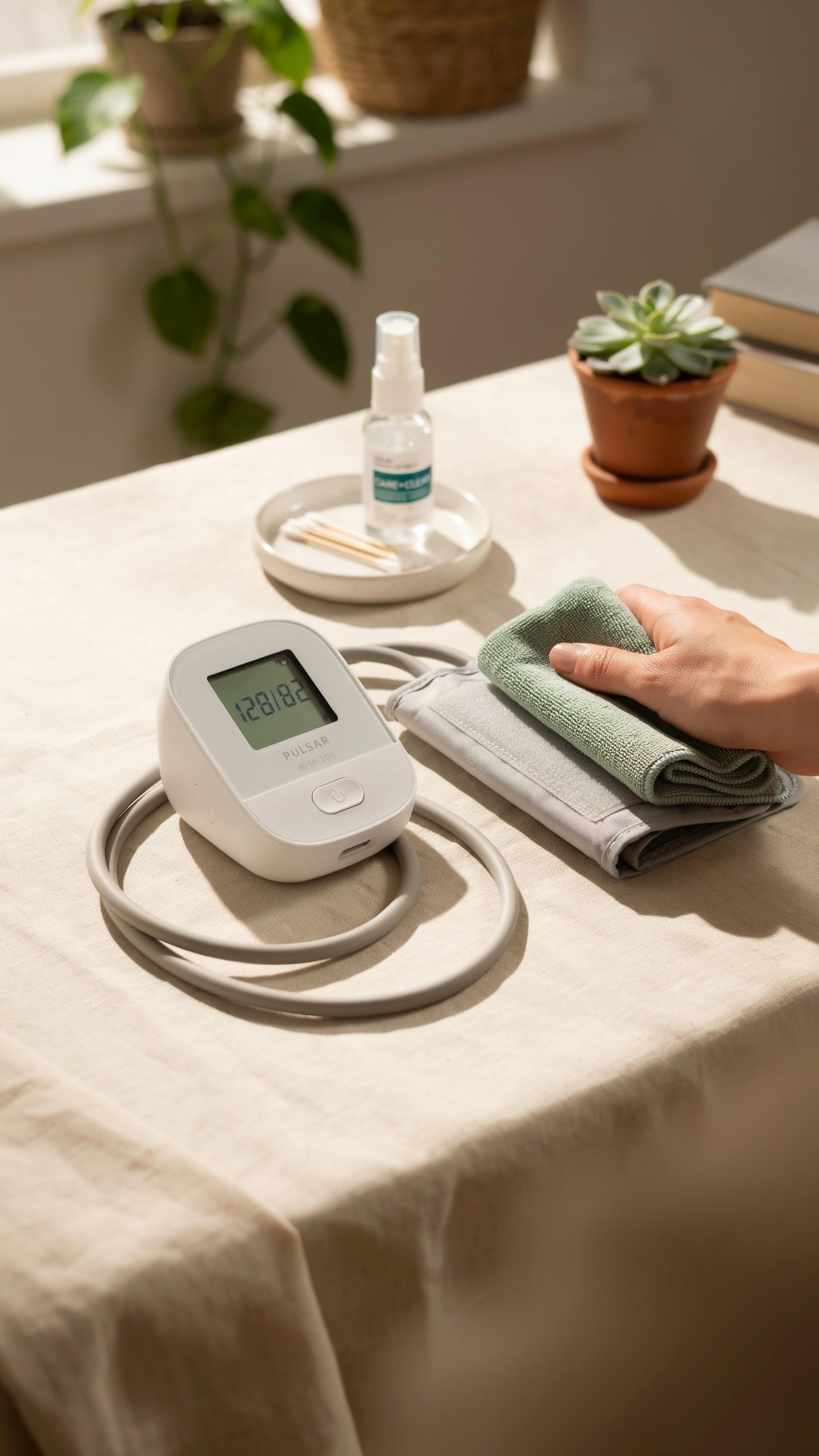
Wipe your blood pressure monitor and cuff with a soft, dry cloth after each use. Remove any sweat, dirt, or moisture that accumulates on the device surfaces and connectors. Never submerge the monitor in water or use harsh chemicals. Store the unit in a cool, dry location away from direct sunlight, heat sources, and extreme temperature fluctuations that can degrade internal components.
Keep your monitor in its original carrying case or a protective pouch to prevent physical damage. Store batteries separately if you plan extended periods without use. Check the storage area for humidity and temperature stability. High humidity and extreme heat accelerate battery drain and can corrode internal circuits over time. Proper storage extends device lifespan and maintains accuracy.
Calibration And Battery Replacement
Check your manufacturer’s specific guidance on calibration requirements. Most modern home blood pressure monitors ship pre calibrated and require no user calibration during normal use. However, some models recommend periodic professional calibration to verify accuracy. Consult your device manual or contact the manufacturer if you question measurement reliability or want official recalibration services.

Replace batteries immediately when your monitor displays a low battery indicator. Weak batteries produce inconsistent readings and can cause the device to malfunction or shut down mid measurement. Use the correct battery type specified in your manual. Fresh batteries ensure stable power delivery and consistent performance across all measurements. Keep spare batteries on hand to avoid interrupted monitoring schedules.
The Future Of Portable Blood Pressure Monitoring And Heart Rate Tracking
Integration With Wearable Technology And AI
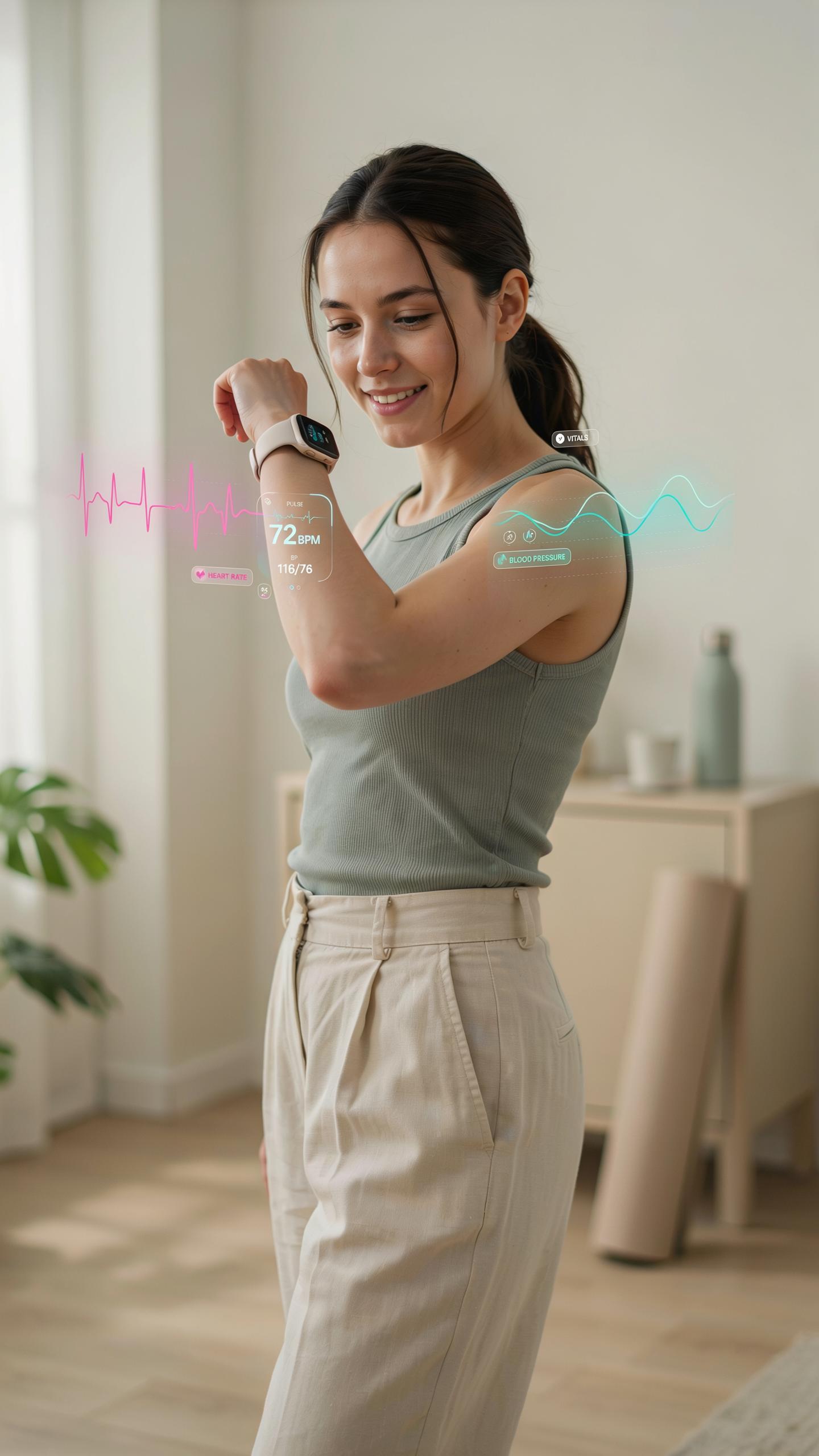
Wearable integration transforms portable blood pressure monitors from standalone devices into connected ecosystems. Smartwatches and fitness trackers now embed blood pressure sensors alongside existing heart rate and activity tracking. AI algorithms analyze patterns across multiple data points, flagging anomalies that warrant medical attention. Continuous passive monitoring reduces user burden by eliminating manual cuff inflation. Data syncs automatically to smartphones and cloud platforms, creating persistent health records doctors can access in real time.
Machine learning models improve prediction accuracy by studying individual baselines rather than population averages. This personalization matters because blood pressure varies significantly between people. AI detects subtle trend changes that hint at hypertension development or medication effectiveness shifts. Integration with voice assistants enables hands-free data logging and alerts. The convergence of wearables and AI moves monitoring from episodic to continuous, fundamentally changing how clinicians intervene.
Advancements In Accuracy And User Experience
Research teams focus on reducing error margins that plague current cuff-based devices. Oscillometric sensors improve calibration through better algorithm design and material science. Non-invasive alternatives like optical sensors show promise but require validation against gold-standard methods. Device ergonomics address compliance issues, as uncomfortable monitors get abandoned. Manufacturers simplify setup procedures and display interfaces, targeting older adults who represent the largest hypertension population.

Dual-capability devices now measure blood pressure alongside heart rate, oxygen saturation, and electrocardiogram data from single contact points. This consolidation appeals to patients managing multiple conditions simultaneously. Battery life extends through efficiency improvements, reducing charging frequency that disrupts daily routines. Validation against clinical standards becomes standard practice rather than exception. These advances position portable monitors as legitimate clinical tools, not just consumer wellness gadgets.
Frequently Asked Questions

What exactly is a portable blood pressure monitor for home use, and why would I need one?
A portable blood pressure monitor for home use is a compact device allowing you to measure your blood pressure conveniently outside a clinic. They’re vital for tracking your readings consistently, which helps your doctor diagnose conditions like hypertension, monitor medication effectiveness, and understand your health trends over time in a familiar environment.
How do I ensure I’m using my portable blood pressure monitor correctly for accurate readings?
For accurate readings with your portable blood pressure monitor, always sit quietly for five minutes before measuring. Place the cuff directly on your bare upper arm, positioning it at heart level. Avoid talking or moving during the measurement and take two to three readings, a minute apart, to ensure reliability.
Are there affordable options for an accurate portable blood pressure monitor for home use, or are they all very expensive?
Absolutely! You can find very accurate and reliable portable blood pressure monitor for home use options across various price points. Many reputable brands offer excellent, budget-friendly models that provide clinical accuracy without breaking the bank. Always look for devices validated for accuracy by medical organizations.