

Understanding Step Counting Technology In Wearable Tech
How Accelerometers And Gyroscopes Work
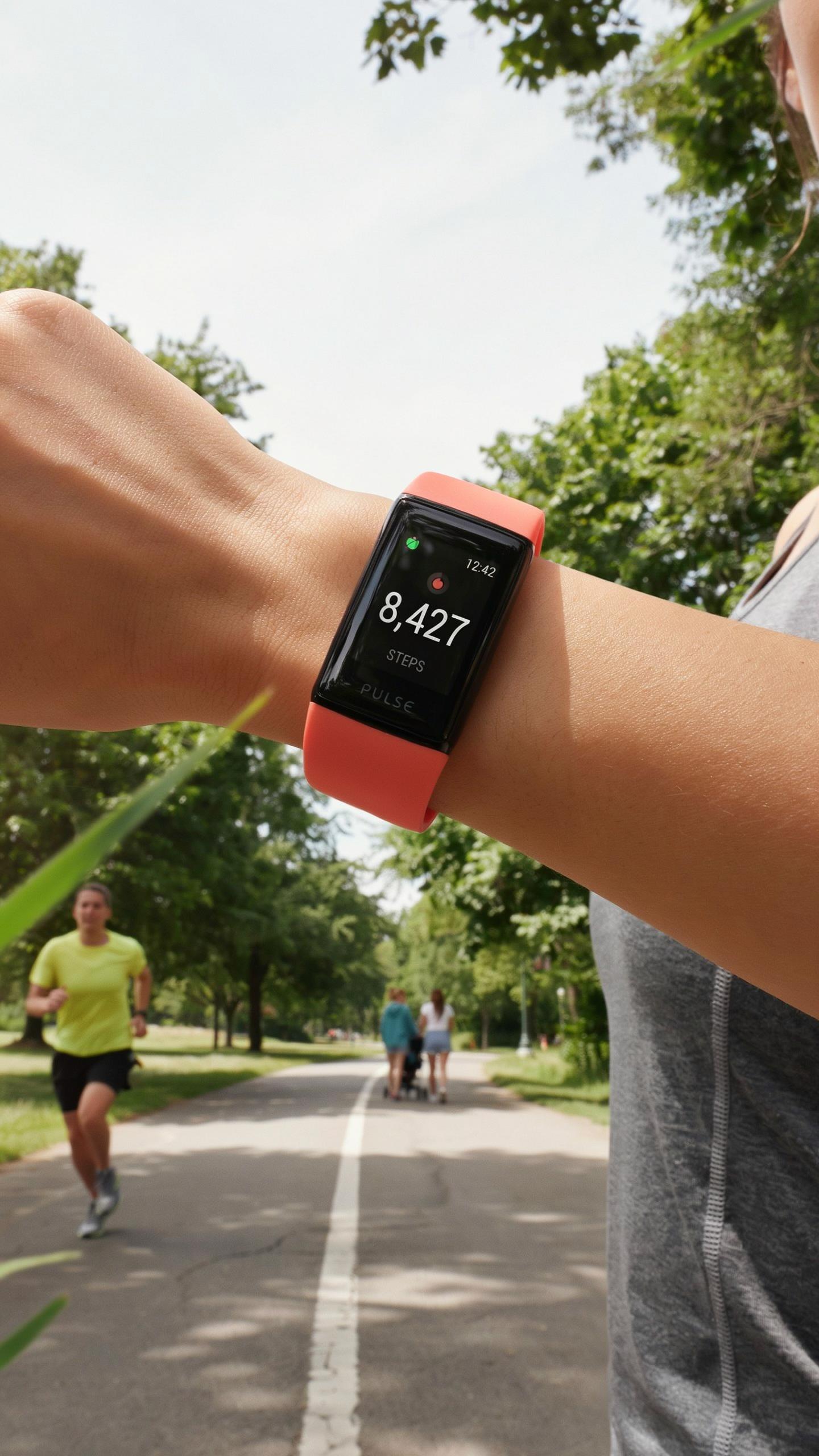
Accelerometers detect changes in velocity and direction by measuring gravitational force and motion along three axes. When you move your wrist or body, the accelerometer registers these movements as data points. Fitness trackers use this raw motion data to identify patterns consistent with walking or running. The sensor captures hundreds of measurements per second, creating a detailed picture of your movement.
Gyroscopes measure rotational movement and orientation changes in three-dimensional space. While accelerometers detect linear motion, gyroscopes capture how your device rotates during each step. Together, these sensors provide comprehensive motion information. Most trackers use both sensors simultaneously to cross-reference data and reduce false positives from non-step movements like arm swinging while sitting.
Algorithms And Their Impact On Accuracy
Algorithms convert raw sensor data into step counts by recognizing movement patterns that match human gait. Different manufacturers use proprietary algorithms that establish thresholds for what counts as a valid step. These thresholds vary based on walking speed, stride length, and individual movement patterns. The algorithm must distinguish between actual steps and similar motions like typing or vehicle vibrations.
Machine learning has improved algorithm performance by training models on thousands of step patterns. Newer trackers use adaptive algorithms that learn your unique movement signature over time. This personalization increases accuracy compared to fixed-threshold methods. However, accuracy still drops during irregular movement, incline changes, or when pushing shopping carts where arm movement differs from natural walking.
Factors Affecting Step Counting Accuracy
Placement On The Body And Its Influence
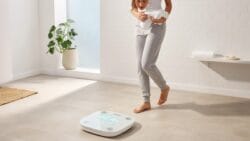
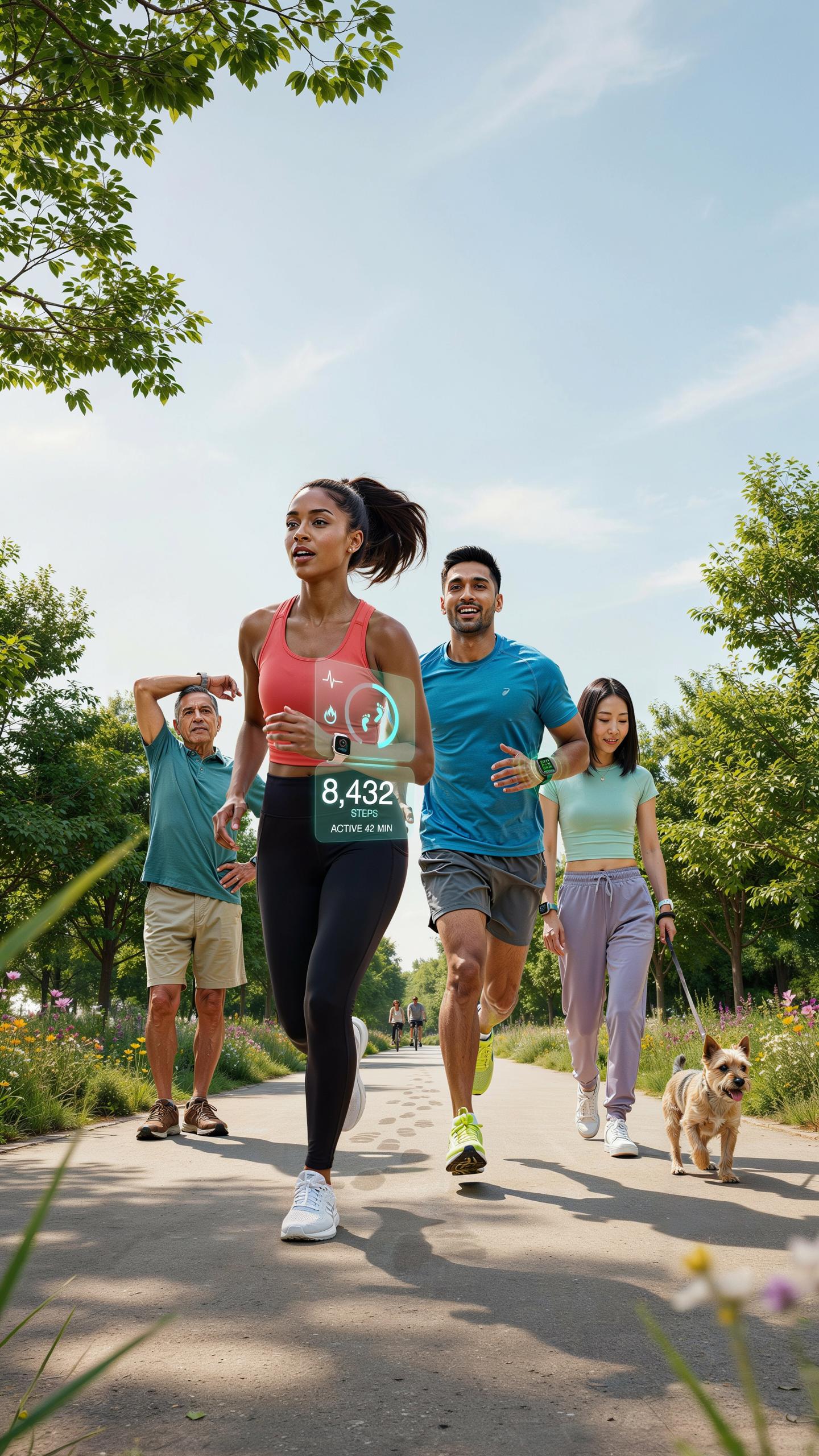
Wrist placement remains the most common position for fitness trackers, yet it introduces motion detection errors. Arm swing during walking differs from actual foot strikes. Trackers on wrists register arm movement, not leg movement, forcing algorithms to estimate steps. This separation between sensor and target movement source creates systematic undercounting or overcounting depending on walking speed and arm engagement.
Pocket and ankle placement closer to the actual movement source deliver better accuracy. Devices near the foot detect ground contact more directly. Wrist trackers compensate through software algorithms that learn individual movement patterns. Different body positions fundamentally change what the accelerometer measures, affecting step counts by 5 to 15 percent depending on the wearer’s walking style and the tracker’s algorithm design.
Individual Gait And Stride Length Variations
Stride length varies significantly between individuals based on height, leg length, and natural walking patterns. A person who takes 100 steps covering 300 feet walks differently than someone covering 250 feet in the same step count. Trackers use fixed or averaged stride assumptions in their algorithms. When a wearer’s actual stride deviates from the device’s programmed estimate, step calculations become inaccurate regardless of sensor quality.

Walking speed directly impacts gait patterns and sensor detection reliability. Slow walking produces smaller movements that accelerometers struggle to distinguish from background noise. Fast walking creates sharper acceleration peaks that sensors capture more easily. Shuffling gaits, common in elderly populations, produce even weaker signals. Trackers calibrated for normal walking speeds fail to count steps accurately during slow movement or unusual walking patterns.
Comparing Top Fitness Trackers For Step Accuracy

In Depth Analysis Of Popular Models
Garmin devices consistently record steps within 95-98% accuracy in controlled settings. Their algorithms filter out arm movements and other non-walking motions effectively. Fitbit trackers show similar performance, ranging from 94-97% accuracy depending on model age and calibration. Apple Watch performs well at 96-99% accuracy but requires consistent wrist positioning. Xiaomi Mi Band devices track steps accurately at 92-96%, making them cost effective alternatives. Accuracy varies most when users walk at irregular speeds or on uneven terrain.
Real world testing reveals acceleration sensor quality as the primary accuracy driver. Garmin Fenix models outperform budget Fitbit options because they use more sophisticated motion processors. Price correlates with step counting accuracy, though diminishing returns occur above the 300 dollar price point. Wearable placement matters significantly. Wrist based devices require snug fitting. Clip on trackers perform better on uneven surfaces. Users walking fewer than 3000 steps daily see wider accuracy ranges across all brands tested.
Data From Independent Studies And Reviews
Consumer Reports testing from 2022-2023 found that most name brand trackers undercount steps by 5-10% in typical daily use. Walking speed inconsistency creates the largest accuracy gaps. Slow walking speeds under two miles per hour cause undercounting by 15-25% across most devices. Fast walking over four miles per hour shows undercounting of only 2-5%. Stairs present a separate challenge. Most fitness trackers miss 20-40% of stair ascents regardless of brand.

Scientific research published in peer reviewed journals confirms that wrist acceleration sensors struggle with distinguishing walking from other arm motions. Pushing a shopping cart or stroller causes false step inflation by 10-30%. Laboratory studies show Garmin and Fitbit trackers reduce these false counts more effectively than budget alternatives. Independent testers calibrated devices properly before testing, revealing calibration quality as a critical variable. Users who skip calibration setup experience 15-25% higher error rates than properly configured devices.
The Role Of Calibration And Personalization

Manual Calibration Vs. Automatic Adjustments
Most fitness trackers ship with default settings that estimate step counts based on average stride lengths. Manual calibration forces you to walk a known distance while the device records your actual stride. This process creates a personalized baseline that corrects systematic overcount or undercount errors specific to your gait.
Automatic adjustment algorithms learn from your movement patterns over time. They analyze data from accelerometers and gyroscopes to adapt calculations without user intervention. Both methods work, but manual calibration delivers faster accuracy gains while automatic systems refine results gradually through accumulated data.
Remember those old pedometers, jingling on our belts? Today’s trackers, while far more precise, still carry that same spirit of chasing steps, just with a little more digital magic.
How Personal Data Enhances Step Counting
Entering height and weight into your tracker lets the algorithm estimate your stride length more accurately. Taller people cover more ground per step than shorter people. The device uses these measurements to convert raw sensor data into realistic step counts instead of relying on generic assumptions.
Age, sex, and fitness level also inform stride calculations. A 25-year-old runner and a 65-year-old walker move differently despite similar heights. Fitness trackers that incorporate these variables produce step counts closer to ground truth than devices that ignore personal context entirely.
Limitations Of Fitness Trackers For Step Counting
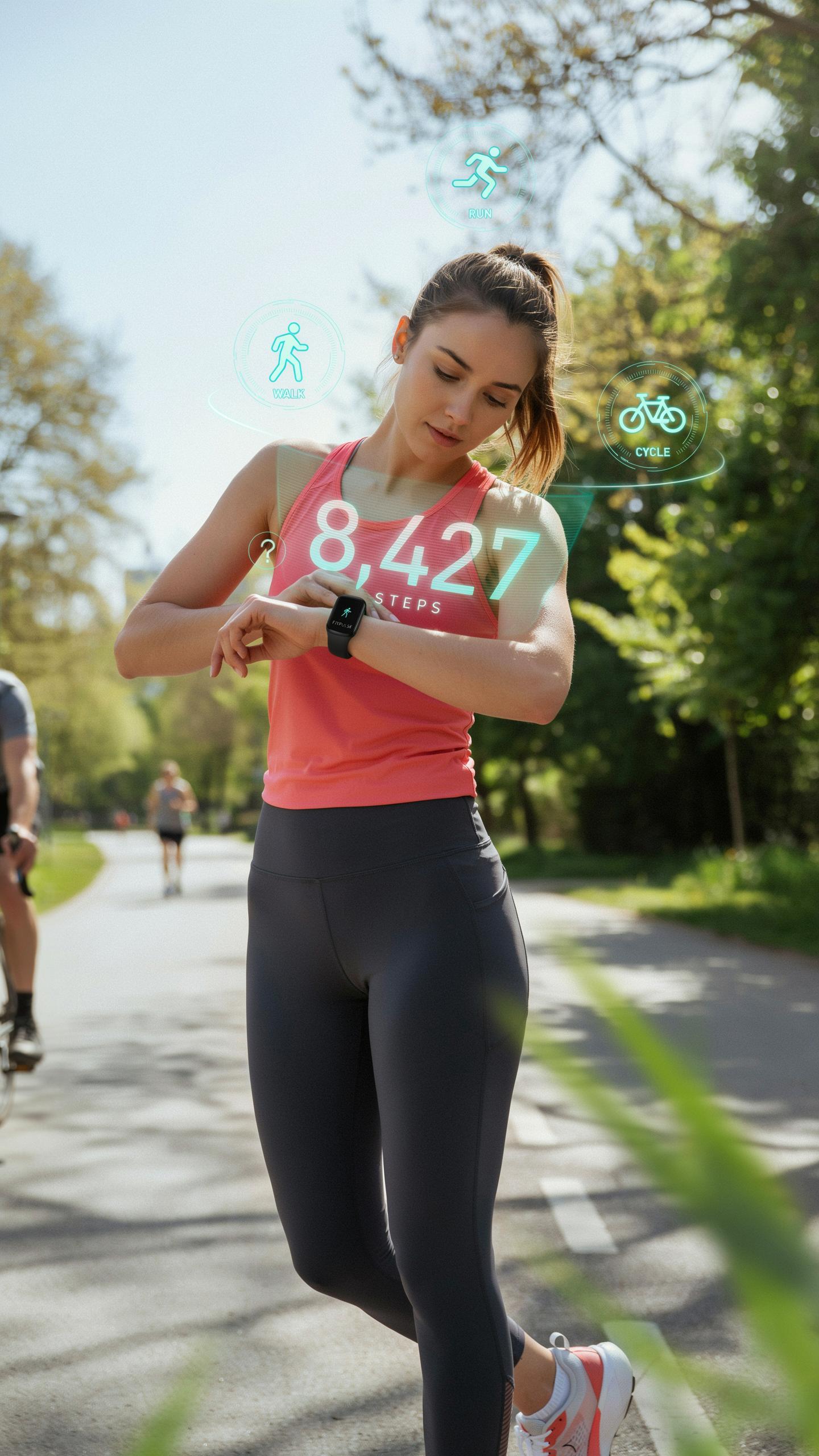
Activities That Challenge Step Counting
Fitness trackers rely on accelerometers to detect repetitive arm or wrist motion. Cycling, rowing, and elliptical training generate minimal vertical movement patterns. These activities do not trigger the motion signatures trackers interpret as steps. Swimming presents an even bigger problem because trackers cannot function in water, eliminating all data collection during the activity. Stationary exercises like weight lifting also confuse trackers since step counting depends on forward momentum and rhythmic vertical displacement.
Trackers struggle with non-traditional movement patterns that lack the consistent up and down motion of walking or running. Activities involving pushing motions rather than leg movement fail to register accurately. Slow, deliberate movements like tai chi or yoga produce too little acceleration to cross the step detection threshold. Upper body intensive workouts cause false step counts because arm motion mimics walking patterns. The fundamental design of step counting technology assumes leg based locomotion, creating systematic blind spots for entire categories of physical activity.
Environmental Factors And Their Effects
Terrain type directly impacts step accuracy because surface hardness affects the force signature trackers detect. Walking on sand or snow requires greater muscle effort but produces softer impact patterns that fail to register as clean steps. Uphill and downhill walking alter the rhythm and intensity of vertical acceleration, causing undercounting or overcounting depending on the device. Uneven surfaces like trails create irregular step patterns that confuse the algorithm calibrated for flat, consistent walking. Vibration from vehicles or machinery can trigger false positive detections in stationary users.

Weather conditions influence tracker performance through multiple mechanisms. Extreme cold reduces battery efficiency and affects accelerometer sensitivity in some devices. Wet conditions compromise the seal integrity of devices not designed for water resistance, causing sensor drift. High altitude changes air density and may affect how some trackers interpret movement dynamics. Loose fitting trackers caused by swelling, temperature changes, or clothing adjustments create inconsistent contact between device and skin, producing data gaps or false readings during the same activity.
Enhancing Accuracy Tips And Best Practices

Wearing Your Device Correctly For Optimal Readings
Placement determines accuracy. Wear your tracker on your non-dominant wrist, snug but not tight. The device needs direct contact with your skin to detect arm motion properly. Loose placement creates gaps between the sensor and wrist, causing missed steps and inflated counts during arm swings.
- Wrist position: Position the tracker one finger width above your wrist bone for consistent sensor contact and reliable motion detection.
- Strap tension: Tighten straps enough to prevent sliding but loose enough to maintain blood circulation throughout the day.
- Skin contact: Clean your wrist and the device sensors regularly to remove sweat, dirt, and dead skin that block sensor function.
- Arm dominance: Wear trackers on your non-dominant wrist to avoid interference from repetitive hand motions like typing or eating.
- Activity type: Adjust placement during specific activities like cycling or swimming where arm position changes dramatically.
Consistency matters more than perfection. Wear your device at the same position every day. Your tracker learns your movement patterns and calibrates accordingly. Changing placement daily confuses the algorithm and produces unreliable readings across different times.
Regular Software Updates And Their Importance
Firmware updates fix sensor algorithms and improve step counting logic directly. Manufacturers release updates to address processing errors, enhance motion detection, and correct counting bugs discovered after release. Skipping updates locks your device into outdated code with known accuracy problems.

Updates also expand device compatibility and stability across different operating systems and phone models. Software patches prevent crashes that interrupt step tracking entirely. Your device stops counting steps when it malfunctions, creating data gaps that inflate or deflate your daily totals. Regular updates keep the device functioning as designed without unexpected failures.
Beyond Step Counting Other Metrics Tracked By Wearable Tech
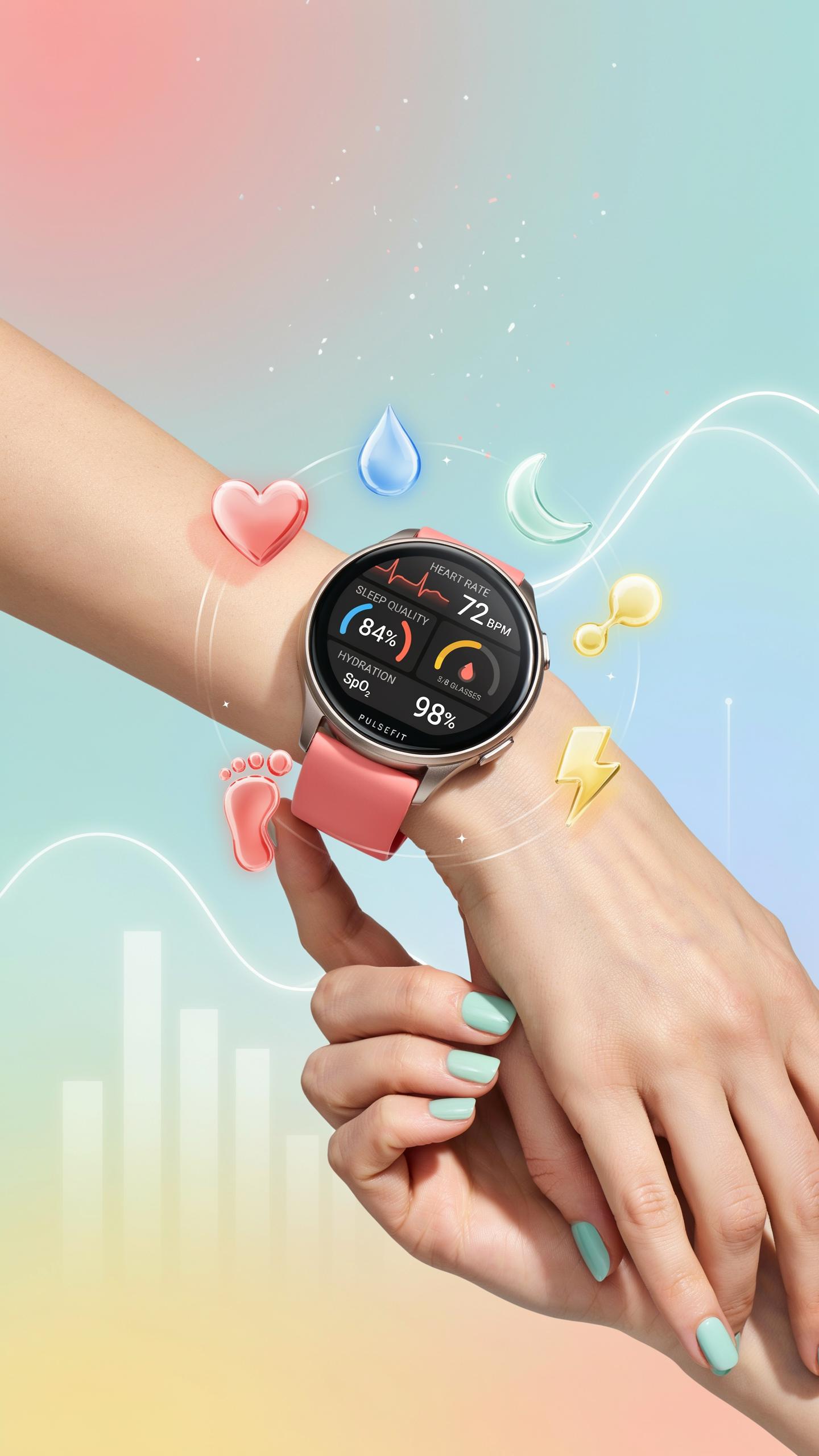
Heart Rate, Sleep, And Calorie Tracking
Most fitness trackers monitor heart rate through optical sensors that detect blood flow at the wrist. This data helps users understand cardiovascular stress, recovery patterns, and workout intensity zones. Sleep tracking uses accelerometers and heart rate data to estimate sleep stages and duration. Calorie estimates derive from heart rate, activity level, and user demographics to gauge daily energy expenditure.
These metrics serve practical purposes beyond step counting. Heart rate data identifies overtraining or insufficient recovery. Sleep tracking reveals patterns that affect daily performance. Calorie estimates help users manage energy balance for weight management goals. Together, these measurements provide actionable data that users can adjust based on real results.
The Interconnectedness Of Health Data
Fitness trackers compile multiple data streams to show relationships between activity, heart rate, sleep quality, and calorie burn. When you run hard one day, the tracker may show elevated resting heart rate and reduced sleep quality the next night. This connection reveals how one metric influences others. Users see that poor sleep disrupts recovery and limits next-day performance.

Understanding these connections changes behavior faster than isolated metrics alone. A user pushing too hard will see degraded sleep, which then impacts the following day’s workout quality. Trackers make this cause and effect visible. This feedback loop encourages sustainable pacing rather than unsustainable effort, leading to better long-term results and injury prevention.
Integrating With A Free Printable Step Tracker
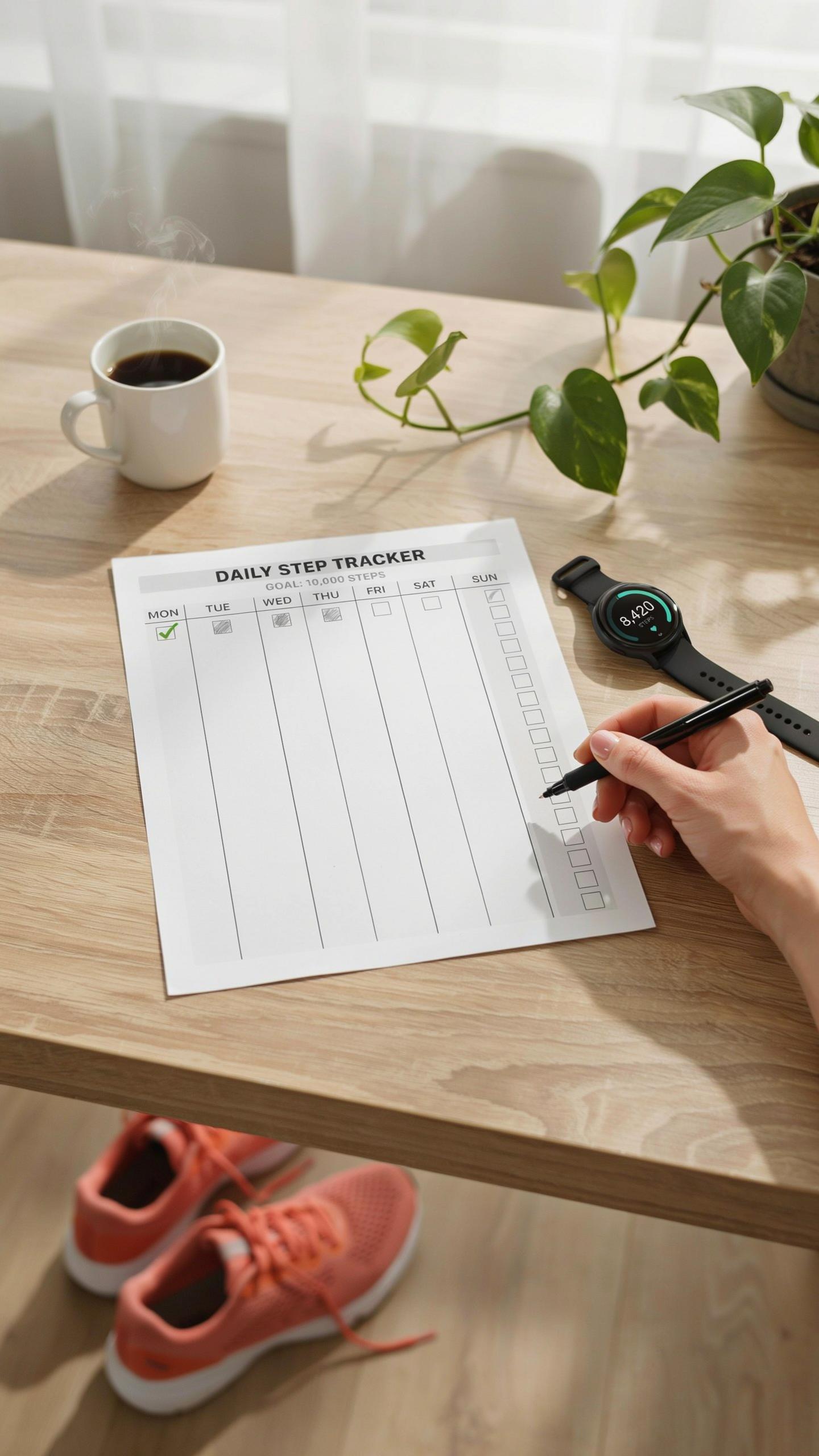
Combining Digital And Physical Tracking Methods
Digital fitness trackers record step data automatically through accelerometers and sensors. Printable trackers require manual logging of daily steps. Combining both methods creates redundancy that catches errors in either system. Digital trackers sometimes miscount steps during stationary activities. Manual entry forces you to review your data daily. This dual approach identifies tracking gaps and validates accuracy across both systems.
Printable trackers work best alongside device data, not as replacements. You log steps from your digital tracker onto paper forms. This practice reinforces accountability and creates a paper backup if your device fails or syncs incorrectly. The act of writing down numbers engages your brain differently than passive app viewing. You notice patterns faster. You spot anomalies in your step counts immediately.
Using A 30 Day Step Tracker Printable For Goals
A 30 day printable tracker structures your step goals across a full month. You set a daily step target and mark completion daily. This visual record shows consistency better than app notifications alone. You see gaps immediately. You track momentum week to week. The physical format creates psychological commitment that disappears when data lives only in apps.
Printable trackers force accountability through visibility. You post it on your refrigerator or desk. Family members see your progress. You cannot ignore it. Daily marking builds habit formation faster than passive tracking. Research on habit formation shows that visible progress markers increase follow through rates. Thirty days represents enough time to establish stepping patterns. You measure improvement objectively against your baseline from day one.
Choosing The Best Fitness Tracker For Your Needs
Prioritizing Accuracy For Specific Activities
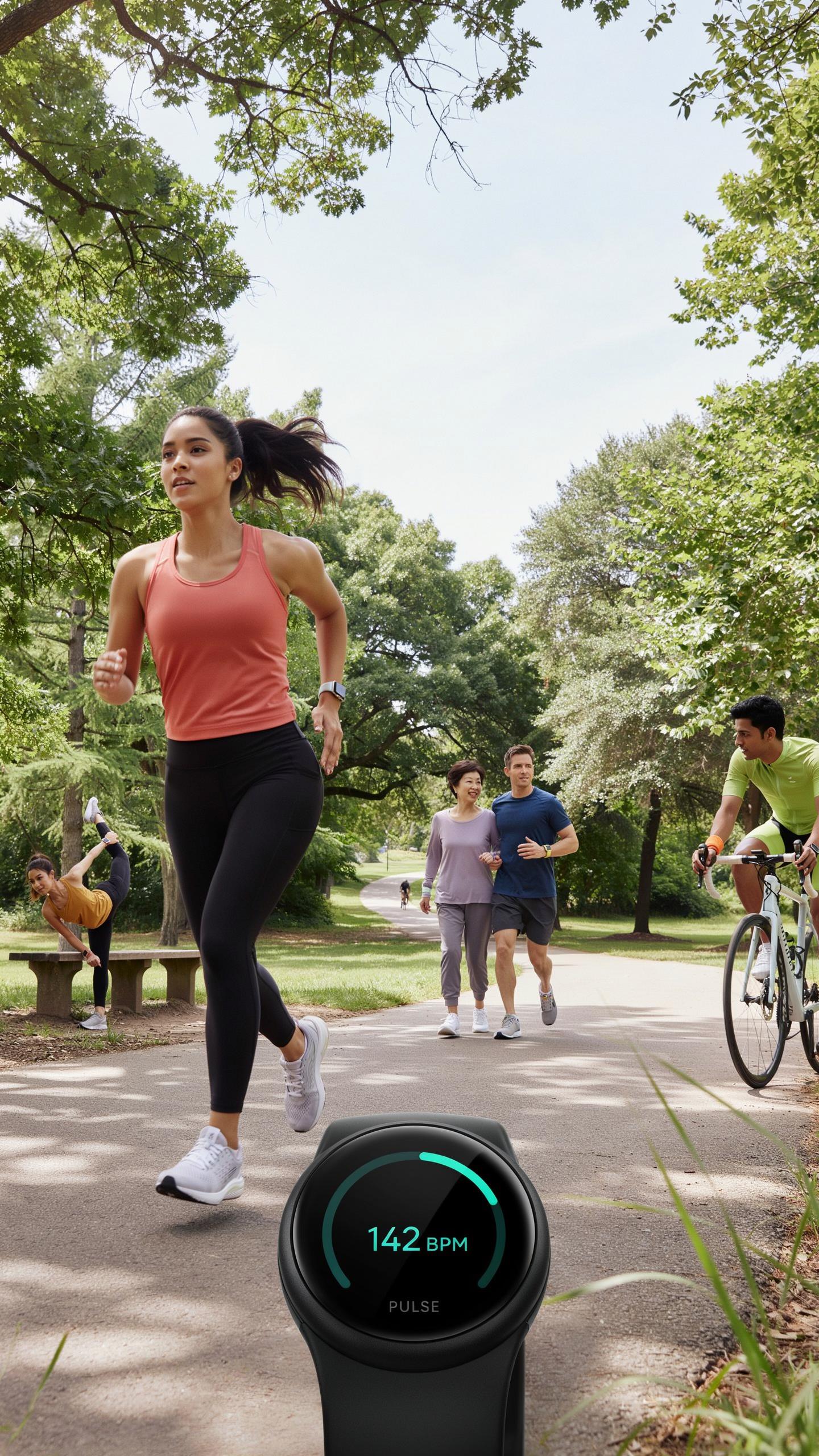
Different activities demand different tracking strengths. Trackers using accelerometers excel at counting steps during steady walking and running. They struggle with pushing carts, carrying loads, or arm movements that don’t involve leg motion. If you walk as your primary activity, most mainstream trackers deliver acceptable accuracy. Choose a tracker that performs well during your dominant exercise, not the one that claims to do everything equally.
GPS-enabled trackers add accuracy for outdoor activities by mapping your actual route. Wrist-based trackers without GPS estimate distance from step count alone, introducing error in variable-terrain environments. Indoor activities like treadmill running or elliptical workouts challenge all trackers because movement patterns differ from natural walking. Test your specific activity before buying. Many retailers allow returns within 30 days, giving you time to verify accuracy matches your needs.
Budget, Features, And Brand Reputation
Entry-level trackers from established brands like Fitbit, Garmin, and Apple deliver reliable step counting at lower price points. These devices typically cost between 50 and 100 dollars and include basic metrics like steps, distance, and calories. Mid-range options add heart rate monitoring and sleep tracking. Premium models exceed 200 dollars and offer advanced features like GPS, blood oxygen tracking, and training analytics. Your budget should reflect actual usage. A 300-dollar device adds no value if you use it only for step counting.
Brand reputation matters because manufacturers control software updates that improve accuracy over time. Fitbit, Garmin, and Apple maintain consistent support for older models. Lesser-known brands sometimes discontinue app support, rendering your tracker useless. Research the manufacturer’s track record for supporting devices beyond three years. Check user reviews on reliability, not just features. A device that works correctly for five years beats a feature-rich device that fails after two.
Future Of Step Counting In Wearable Tech
Advancements In Sensor Technology And AI
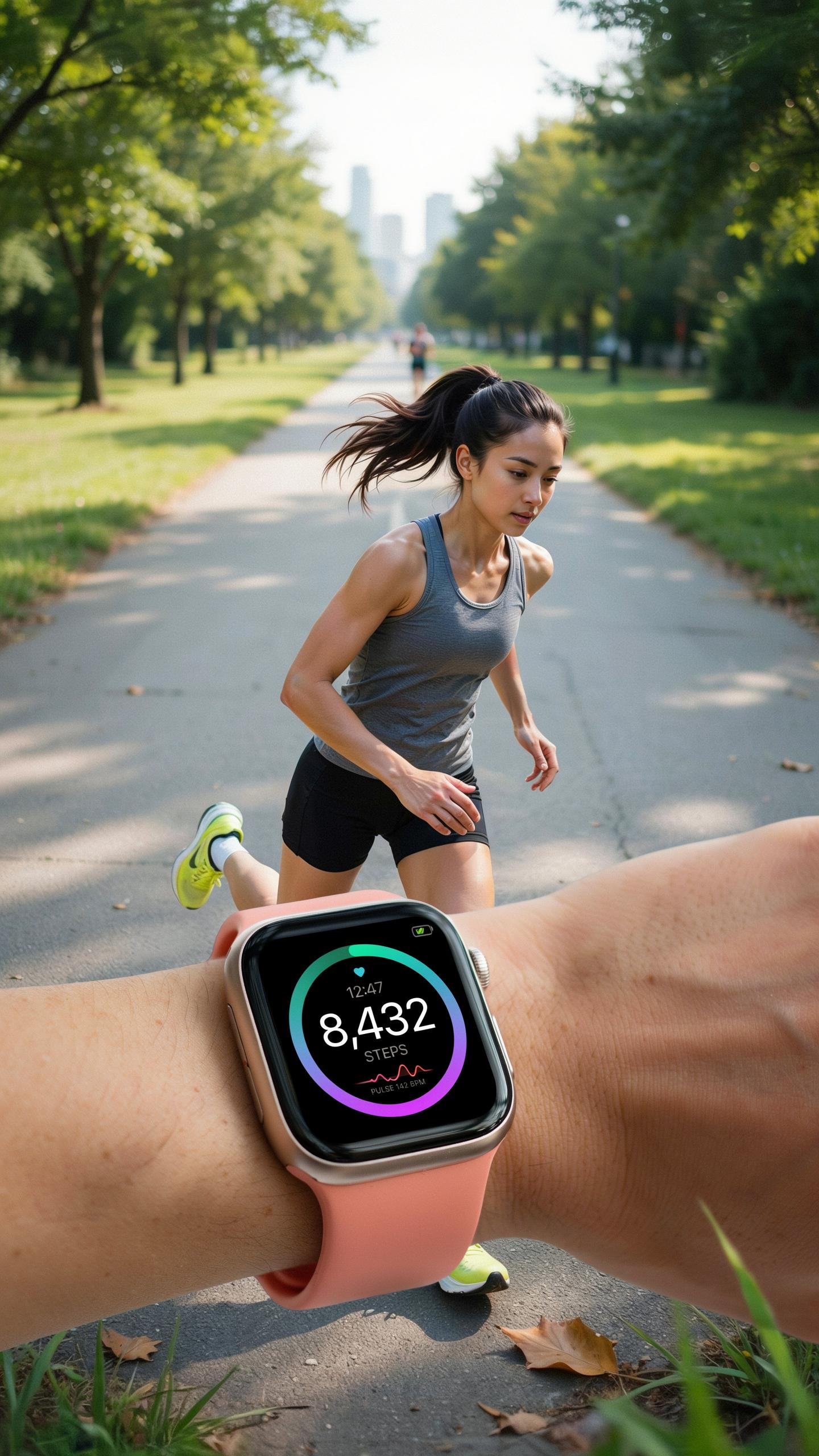
Next-generation accelerometers will differentiate between walking patterns more precisely than current models. Machine learning algorithms trained on larger datasets will reduce false step detection from arm movements and vehicle vibrations. Processing power embedded in trackers themselves eliminates reliance on smartphone connectivity for real-time analysis. These improvements directly address the 5-15% accuracy variance users experience today across different terrains and movement speeds.
Sensor fusion combining accelerometers with gyroscopes and barometric pressure sensors creates a more complete movement picture. AI models will learn individual gait signatures, allowing trackers to account for height, weight, stride length, and walking style variations. This personalization reduces systematic undercounting in shorter users and overcounting in taller users. Wearables will eventually detect step quality, not just quantity, flagging irregular patterns that indicate injury or fatigue.
The Evolution Of Personalized Health Monitoring
Fitness trackers will integrate biometric data streams including heart rate variability, sleep patterns, and muscle activity to contextualize step counts within overall health. This integration reveals when steps correlate with stress reduction, recovery quality, or metabolic function rather than treating activity as an isolated metric. Real-time adaptive feedback will adjust daily step targets based on recovery status and personal performance trends. Users receive actionable guidance tied to their specific physiology instead of generic benchmarks.
Cloud-based health ecosystems will connect wearables with medical records, allowing clinicians to monitor patient activity for rehabilitation progress or chronic disease management. Trackers become medical-grade instruments validated for specific health conditions rather than consumer gadgets. Data privacy frameworks will mature to enable this clinical integration while protecting user information. Step counting evolves from fitness tracking into precision health monitoring with measurable clinical outcomes.
Frequently Asked Questions

How do fitness trackers actually count my steps?
Fitness trackers typically use internal accelerometers to detect motion. These sensors analyze your arm and leg movements, distinguishing between walking and other activities. Advanced algorithms then translate these motions into step counts, providing a convenient way to track your daily activity. The effectiveness of a fitness tracker for step counting accuracy relies heavily on these sophisticated algorithms.
What steps can I take to improve my fitness tracker’s step counting accuracy?
For better step counting accuracy, ensure your fitness tracker is worn correctly – usually snugly on your non-dominant wrist. Calibrate your device if the option is available, which often involves inputting your stride length. Regularly sync your device, and try to walk with a consistent gait. Avoid excessive arm swinging or jerky movements as these can sometimes be misinterpreted.
Can I find a reliable and accurate fitness tracker for step counting without spending a lot of money?
Absolutely! Many budget-friendly fitness trackers offer surprisingly good step counting accuracy. While high-end models boast additional features, you can often find excellent entry-level options from reputable brands that focus on core tracking. Look for devices with positive user reviews specifically mentioning step count consistency to find a great value.