
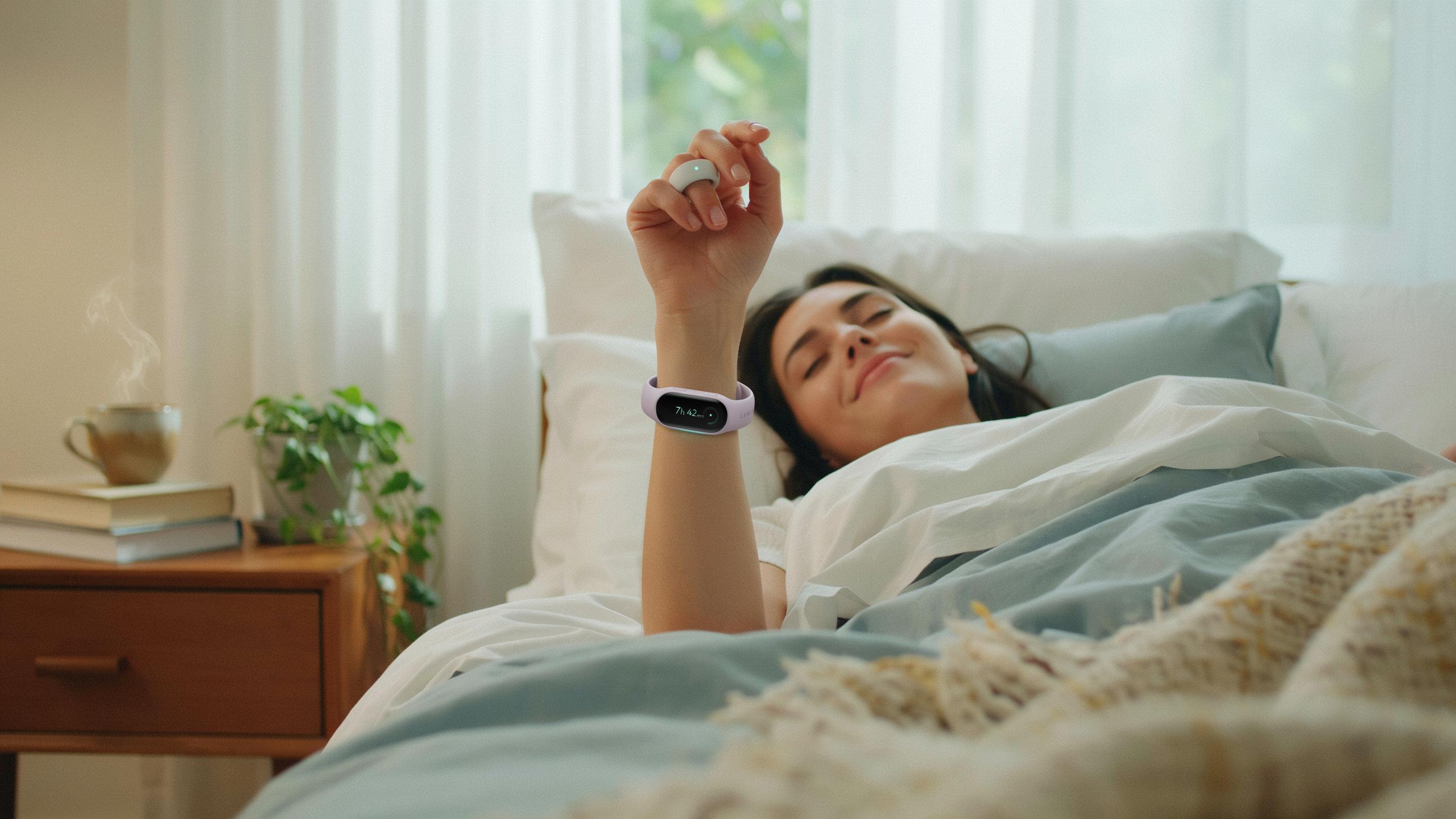
Understanding Sleep Tracking The Basics
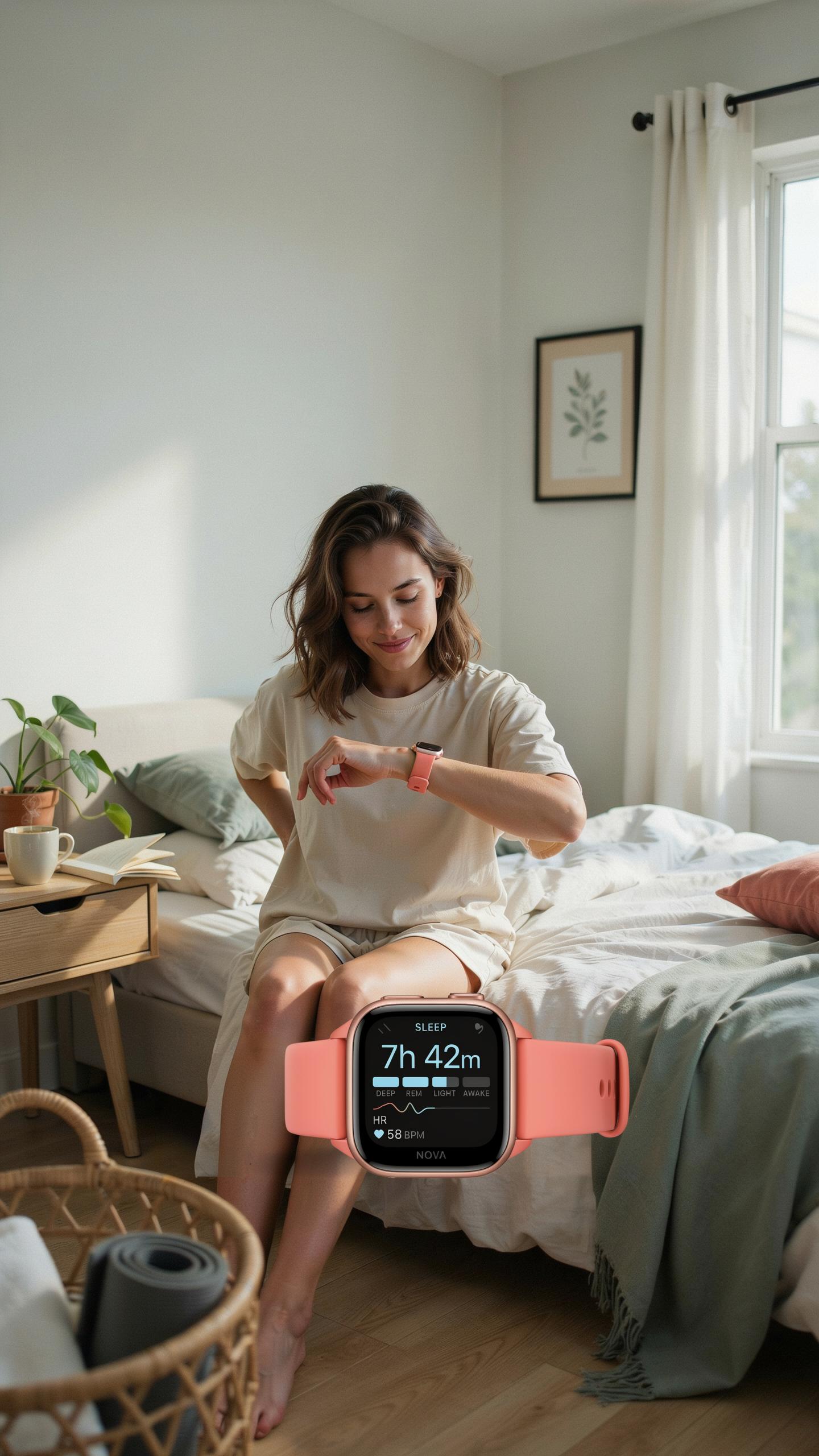
What Is Sleep Tracking And Why Is It Important
Sleep tracking measures your sleep patterns using sensors that detect movement, heart rate, and body temperature. Devices record when you fall asleep, wake up, and transition between sleep stages. This data reveals how much time you spend in light sleep, deep sleep, and REM sleep. Understanding your sleep architecture helps you identify problems like fragmentation or insufficient deep sleep phases.
Why track sleep at all? Poor sleep directly impacts cognitive function, immune response, metabolism, and emotional regulation. By tracking sleep, you spot patterns that affect your daytime performance and health. You can then adjust habits like bedtime, exercise timing, or caffeine intake based on actual data rather than guesses. This feedback loop creates actionable insights for better recovery and productivity.
Common Metrics Tracked By Sleep Devices
Sleep devices monitor total sleep time, which measures hours spent asleep each night. Sleep onset latency tracks how long it takes you to fall asleep after lying down. Devices also record wake after sleep onset, showing how many times you wake during the night and total time awake. Sleep efficiency calculates the percentage of time in bed actually spent sleeping.
Sleep stage breakdown separates your night into light sleep, deep sleep, and REM sleep percentages. Heart rate variability during sleep indicates nervous system recovery and stress levels. Respiratory rate and body temperature variations reveal physiological state changes throughout the night. Some advanced devices track blood oxygen saturation to flag potential sleep apnea episodes or altitude adaptation issues.

Introducing The Smart Ring For Sleep Tracking
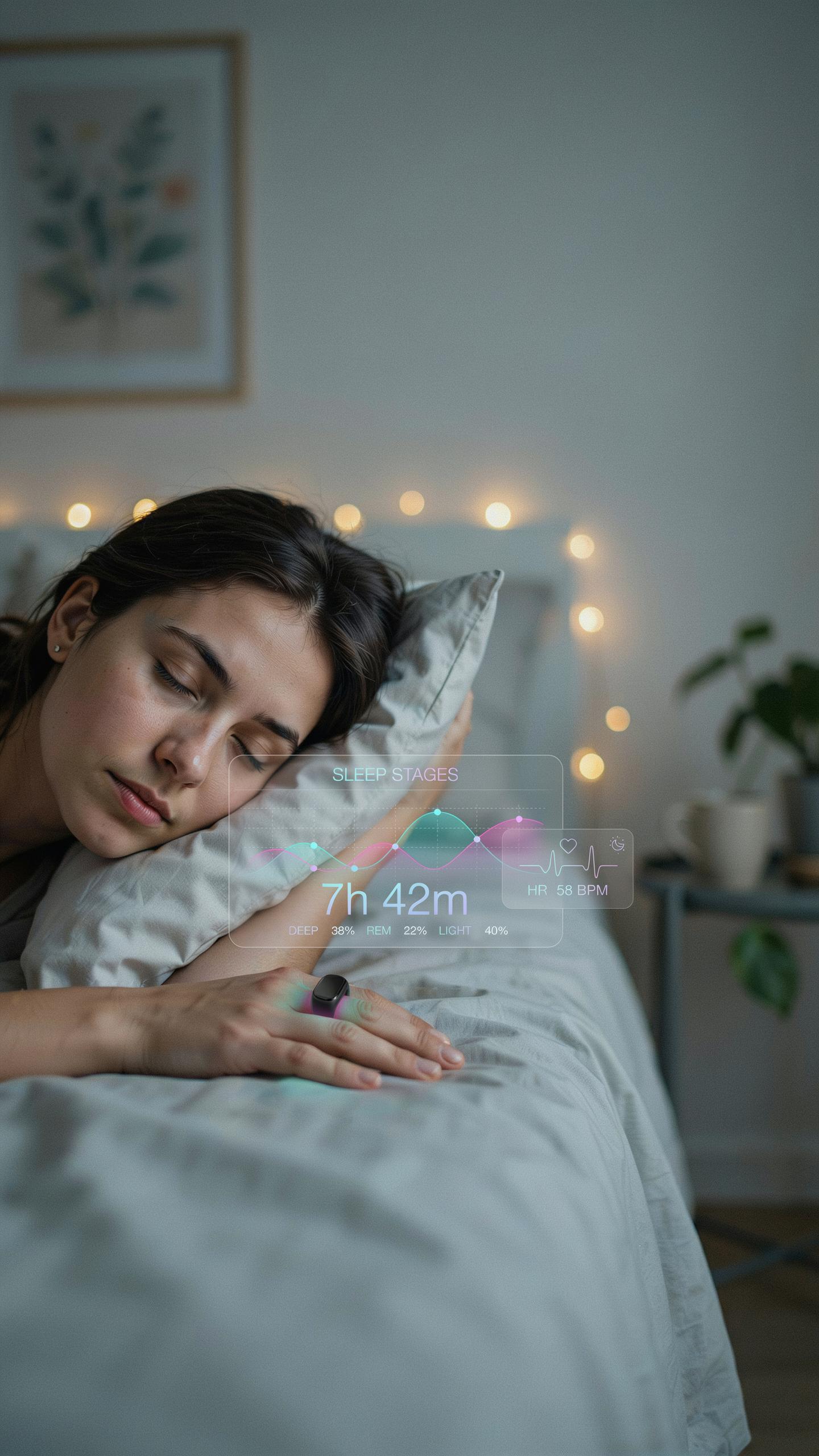
How Smart Rings Work
Smart rings use sensors built into the band to detect physiological signals during sleep. The most common sensor is an infrared LED that measures heart rate by tracking blood flow through your finger. Rings also contain accelerometers that detect motion and body position changes throughout the night. These sensors send raw data to a companion app where algorithms process the information into sleep stages and metrics.
The algorithms analyze your heart rate variability, movement patterns, and skin temperature to estimate when you enter light sleep, deep sleep, and REM sleep. Heart rate variability, or the variation in time between heartbeats, shifts noticeably during different sleep stages. Rings worn on the finger benefit from consistent contact with blood vessels, which makes signal detection more stable than on a wrist. This proximity to pulse points gives rings a tactical advantage for continuous heart rate monitoring throughout the night.
Benefits Of Ring Form Factor For Sleep Data
A ring’s small size means it sits closer to major arteries in your finger, capturing clearer heart rate signals than devices worn on the wrist or arm. The finger has less muscle and fat tissue between skin and blood vessels, reducing signal noise and interference. This direct access to pulse data translates into more accurate heart rate readings and better sleep stage classification. Rings also move less during sleep since your hand stays relatively still compared to wrist movement.

The ring form factor eliminates bulk and discomfort that wristbands create during sleep. Most people find rings less intrusive because they don’t apply pressure across the wrist joint and don’t shift position as you change sleeping positions. Lighter weight means reduced sleep disruption from the device itself. Rings require less frequent charging than wristbands, with many models lasting five to fourteen days per charge cycle, making them more practical for consistent nightly tracking.
Exploring The Fitness Tracker Wristband For Sleep
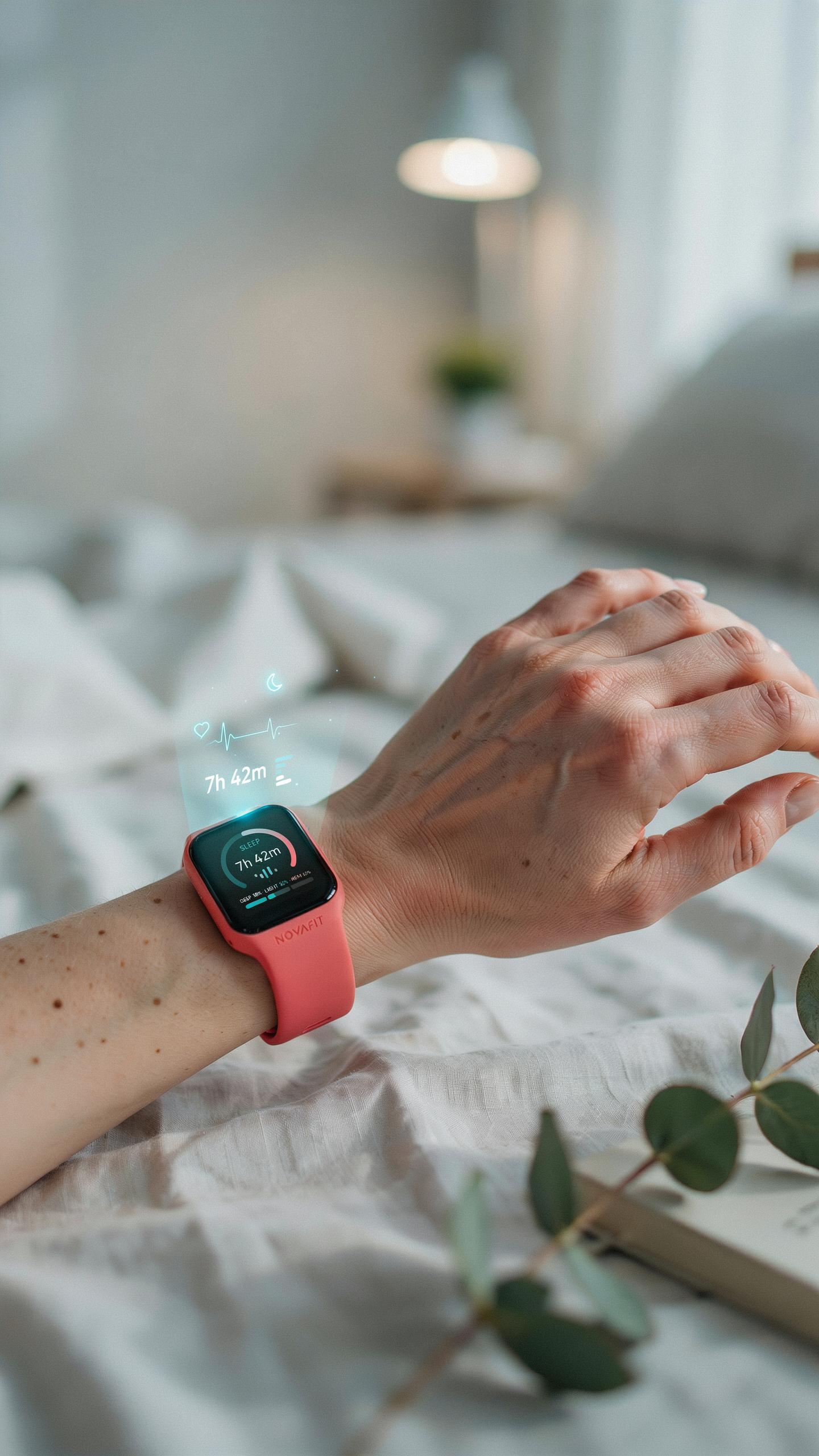
How Wristbands Work
Wristband trackers use accelerometers to detect movement patterns during sleep. The device records your wrist motion throughout the night and applies algorithms to classify sleep stages. The tracker distinguishes between light sleep, deep sleep, and REM based on movement frequency and intensity. Some wristbands add heart rate data to refine these classifications. This approach works because sleep stages correlate with reduced movement, though the accuracy varies by model.
Wristbands process raw motion data in real time or sync data to your phone for analysis. The algorithms learn your baseline patterns over multiple nights. Some devices use machine learning to improve stage detection accuracy over time. Battery life ranges from three to seven days depending on the model and screen type. Wristbands designed for sleep tracking prioritize longer battery life than those focused on daytime activity tracking.
Benefits Of Wristband Form Factor
Wristbands offer practical advantages for everyday wear. You already wear a watch or fitness tracker on your wrist, so adding sleep tracking requires no behavior change. The form factor keeps the device in a consistent position relative to your body throughout the night. Wristbands also provide daytime activity tracking without requiring a separate device. This consolidation means one charge powers both sleep and daily movement monitoring.

Wristbands deliver broader integration with fitness ecosystems and smartphone apps. Most major platforms like Apple, Garmin, and Fitbit use wristband form factors with established software ecosystems. Data syncs automatically to popular health apps and platforms. You get notifications, alarms, and coaching on your wrist during the day. The wristband’s visibility makes it easier to check your sleep data and trends without pulling out your phone.
Key Sleep Metrics Deep Sleep REM Sleep And Heart Rate
Deep Sleep Explained
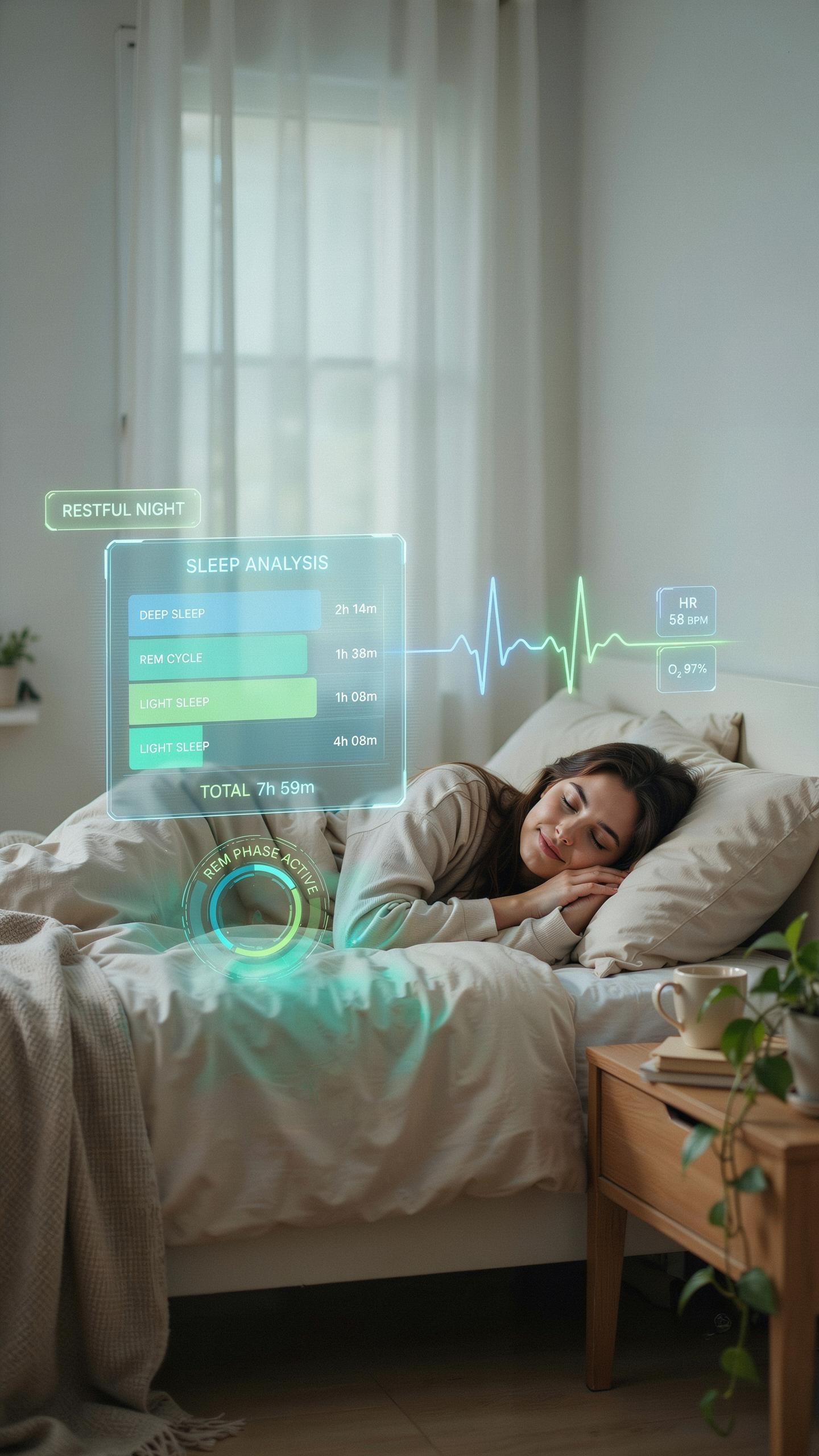
Deep sleep is the third stage of non-REM sleep. Your brain produces delta waves during this phase. Deep sleep is when your body repairs tissue, builds muscle, and strengthens your immune system. Most adults need 13 to 23 percent of total sleep time in deep sleep. Both rings and wristbands measure deep sleep by tracking heart rate and movement patterns throughout the night.
Rings and wristbands use different sensors to detect deep sleep. Rings rely on infrared light to measure heart rate variability and skin temperature. Wristbands use accelerometers and optical sensors. Neither device directly measures brain waves. They estimate deep sleep based on heart rate patterns and body movement. Accuracy varies between brands and models in both categories.
REM Sleep And Heart Rate Variability During Sleep
REM sleep is when your eyes move rapidly and vivid dreams occur. Your heart rate increases during REM sleep compared to other stages. Heart rate variability expands during this phase. REM sleep comprises roughly 20 to 25 percent of adult sleep. Your brain consolidates memories and processes emotions during REM. Both rings and wristbands track REM by monitoring heart rate elevation and movement.

Heart rate variability is the time gap between heartbeats. It changes throughout your sleep cycle. High variability typically signals deeper, more restorative sleep stages. Low variability can indicate stress or poor sleep quality. Rings measure heart rate variability more precisely due to sensor placement on your finger. Wristbands capture HRV data but face interference from wrist movement and positioning changes during sleep.
Accuracy And Data Reliability Of Each Sleep Tracker
Ring Accuracy Factors
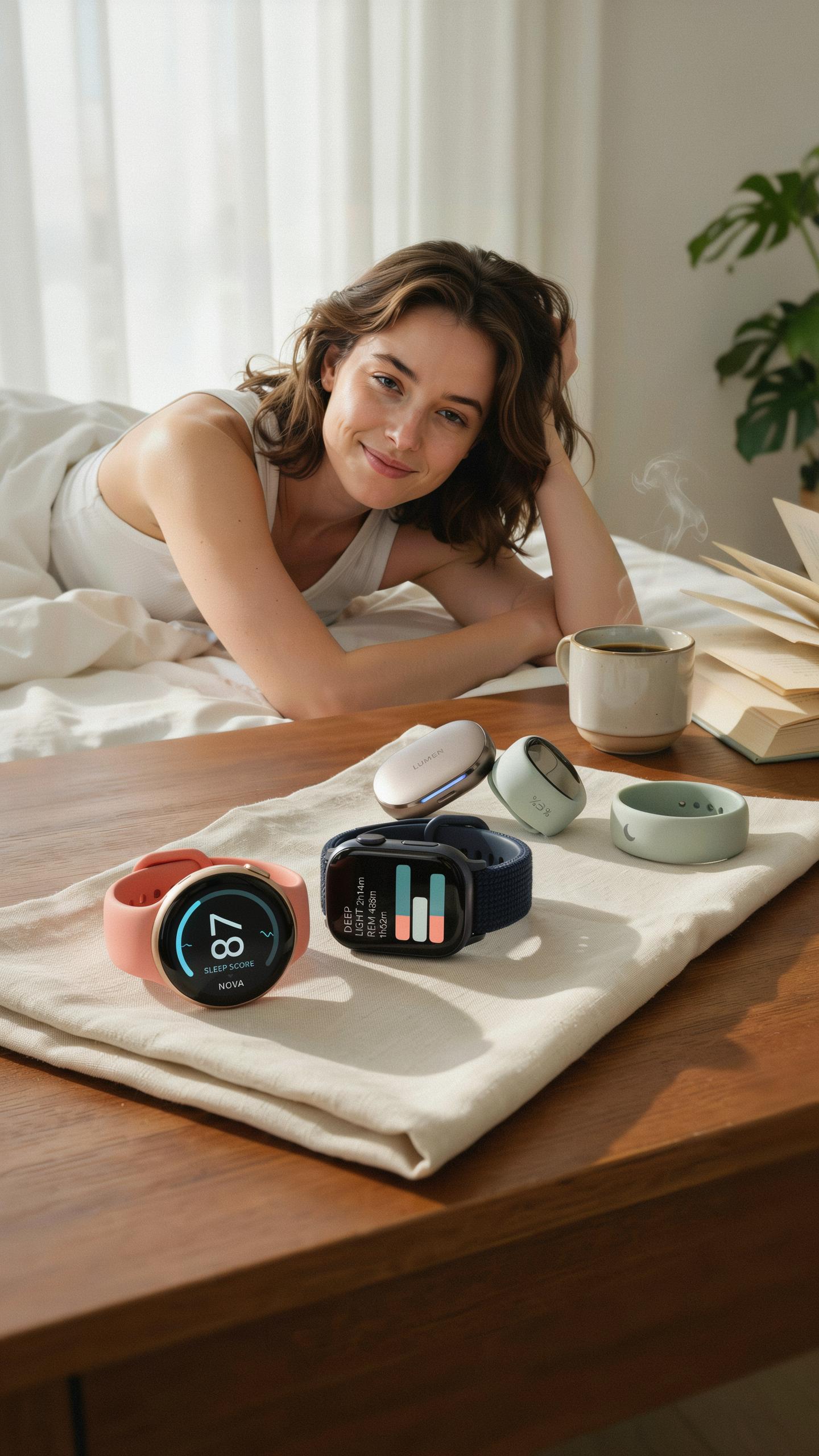
Smart rings measure sleep through sensors positioned directly against skin on your finger. This proximity reduces motion artifact and ambient light interference. Rings stay in consistent contact during sleep since finger movement is minimal. The small form factor allows continuous sensor operation without user adjustment. Ring sensors typically track heart rate variability and movement patterns to infer sleep stages. Battery constraints limit sampling frequency compared to larger devices, which affects detection sensitivity during sleep transitions.
Ring accuracy depends heavily on consistent wear and proper fit. A loose ring shifts position and creates gaps between sensors and skin. Sweat and moisture affect optical sensor performance in some devices. Individual physiological differences like skin tone and blood flow patterns influence heart rate detection. Most commercial rings achieve 80 to 90 percent agreement with clinical polysomnography for total sleep duration, but stage classification shows wider variance across brands.
Wristband Accuracy Factors
Wristbands use larger sensor arrays and more processing power than rings. This allows simultaneous measurement of multiple biometric signals including heart rate, skin temperature, and movement. Wristbands can sample data more frequently due to larger battery capacity. The broader sensor surface area captures more granular motion data throughout the night. Wristbands typically deliver better detection for REM and deep sleep stages because of enhanced algorithm complexity.

Wristband accuracy suffers from positioning variability and user adjustment during sleep. Band tightness affects sensor contact and optical signal quality. Many users loosen bands at night for comfort, which degrades readings. Wristbands sit on the wrist where movement is greatest, creating more motion noise than rings. Clinical validation studies show wristbands achieve similar total sleep duration accuracy to rings, but individual brand performance varies based on algorithm sophistication and sensor calibration standards.
Comfort And Lifestyle Integration Of Sleep Devices
Wearing Comfort Rings
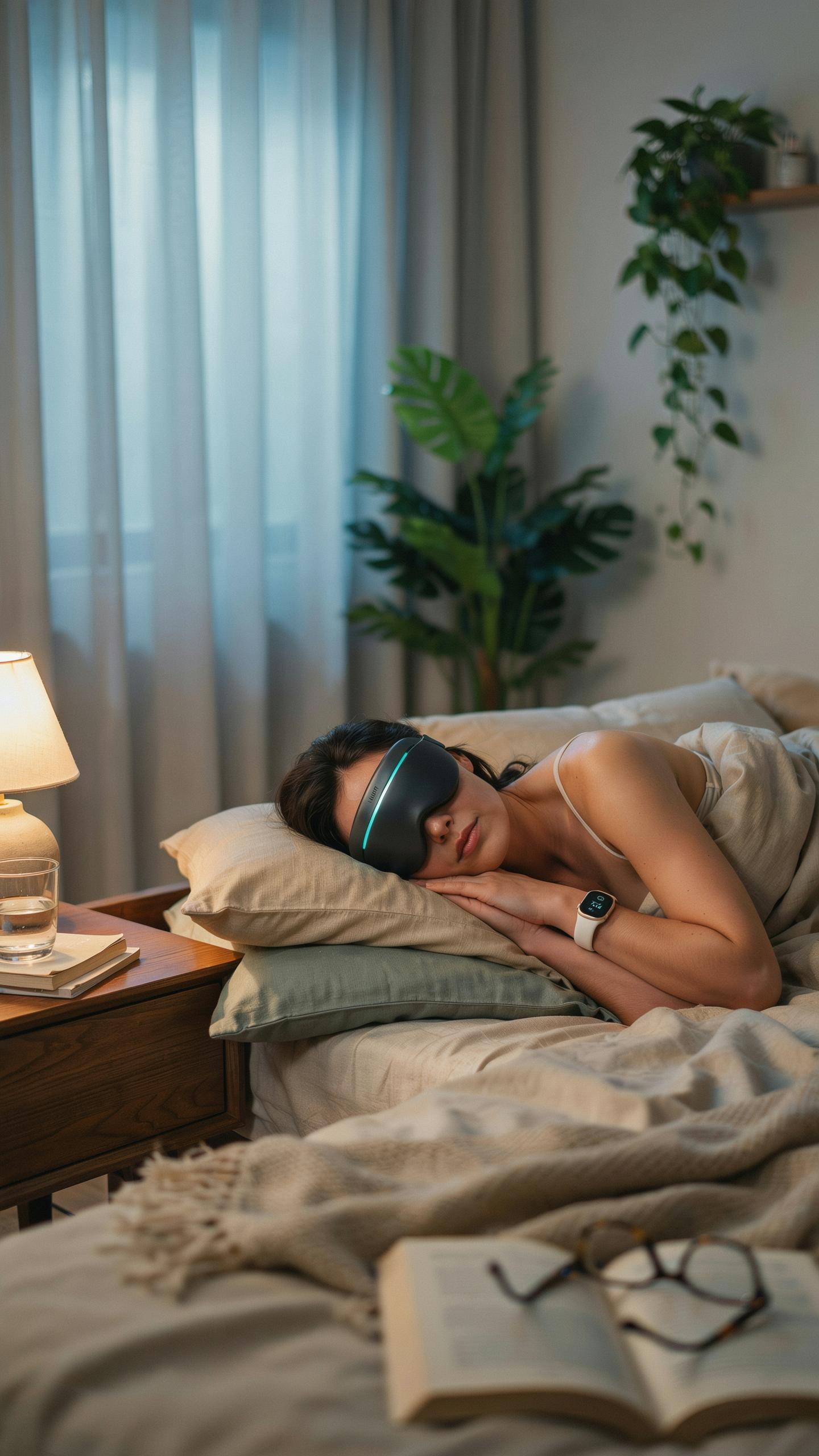
Smart rings sit on your finger and weigh between 4 to 7 grams depending on the model. The contact surface is small, so pressure points concentrate in one location. Most users report minimal awareness of the ring after the first week of wearing it. The design keeps your hands free during sleep and doesn’t interfere with pillow positioning.
Ring thickness varies from 2.4mm to 3mm across major models. Thinner rings reduce tactile sensation, but some users still notice the band around their finger during initial adjustment. Silicone bands offer flexibility and move with your skin, reducing irritation. The minimalist form factor makes rings practical for people who sleep on their sides or stomachs.
Wearing Comfort Wristbands
Wristbands cover more skin surface area than rings, typically spanning 2 to 3 centimeters across your wrist. Weight ranges from 25 to 50 grams, creating noticeable pressure on your forearm throughout the night. Band material affects comfort significantly, with silicone providing breathability while leather traps heat and moisture. Proper strap tension is critical, as overtightening restricts blood flow and under tightening reduces sensor accuracy.

Wristbands require adjustment to your sleep position since they occupy wrist real estate where you might naturally rest weight. Back sleepers experience minimal issues, but side sleepers often report band pressure against the mattress. Strap width determines weight distribution, with wider straps spreading load more effectively than narrow designs. Band durability affects long term comfort because worn elastic loses support and causes slipping during the night.
Battery Life And Charging Convenience For Your Sleep Cycle
Ring Battery Life
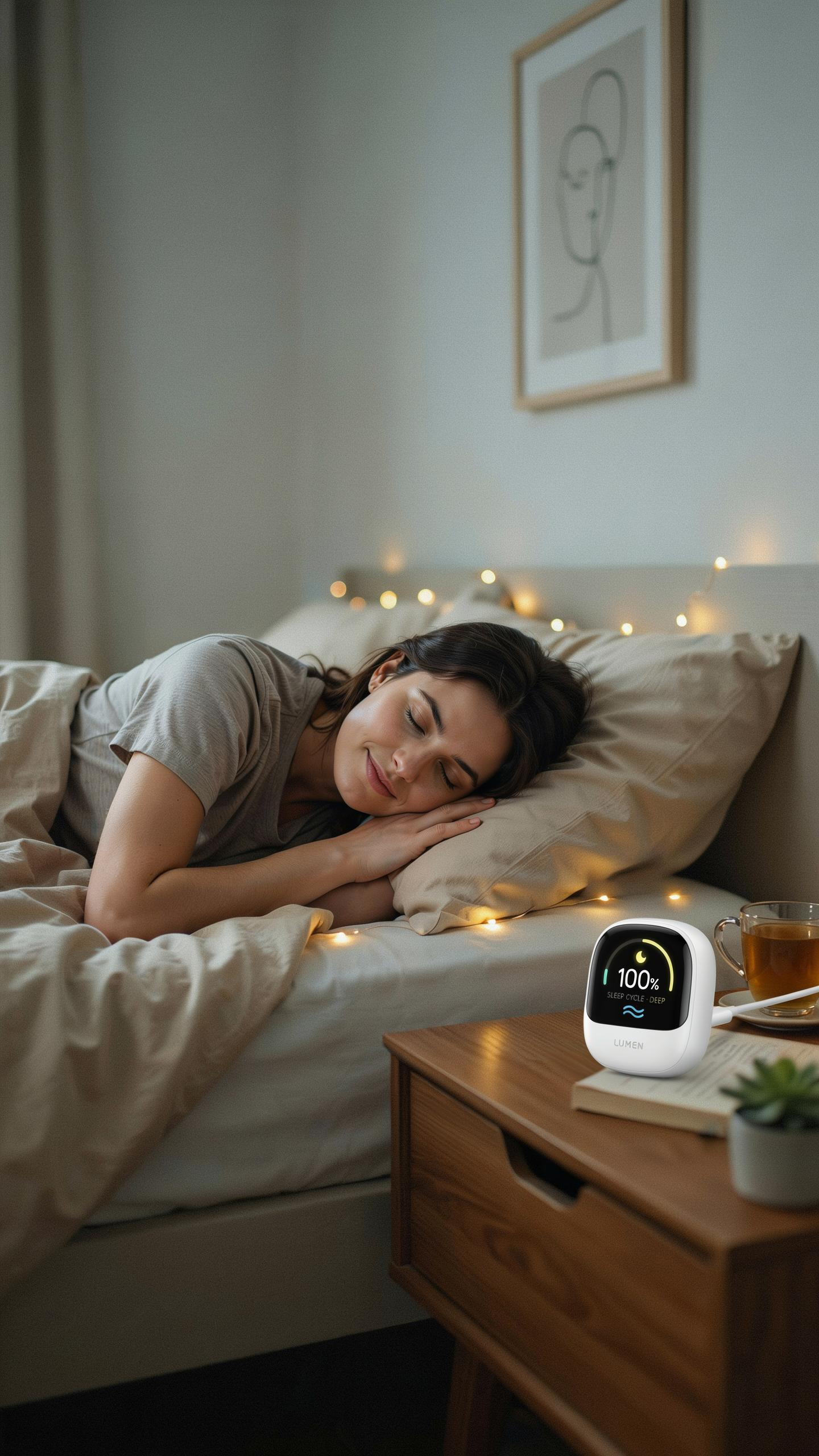
Smart rings typically deliver 3 to 7 days of battery life per charge. Most models use small lithium batteries that prioritize compact design over capacity. The Oura Ring Gen 3 lasts about 7 days. Whoop bands run 5 days. Others fall between 3 and 5 days depending on sensor density and display type. Ring size and weight constraints force manufacturers to optimize power consumption aggressively.
Charging happens via specialized pogo pin connectors or USB-C ports embedded in charging cases. Most rings charge fully in 20 to 60 minutes. You charge them separately from your wrist, which means removing the ring during the charging window. This interrupts sleep tracking during charge cycles and requires discipline to maintain consistent data collection throughout the week.
Wristband Battery Life
Fitness tracker wristbands typically last 7 to 14 days per charge. Larger form factors accommodate bigger batteries without sacrificing wearability. Devices with always-on displays drain faster than those with traditional screens. Models like Fitbit Inspire 3 achieve 10 days. Garmin trackers often reach 14 days or more. Battery life scales directly with screen technology and sensor count.

Wristbands charge via USB cables or magnetic dock connectors applied directly to the device on your wrist. Charging completes in 1 to 2 hours for most models. You can charge overnight without interruption to sleep tracking since the device stays on your wrist. Longer charging windows mean less frequent interruptions to your data stream and simpler daily routines.
Cost And Features Making A Smart Investment For Your Health

Price Comparison
Sleep tracking rings typically cost between $250 and $400 upfront, with annual subscription fees ranging from $30 to $100 for premium features. Wristbands vary more widely, from $100 entry models to $400+ for advanced fitness trackers with sleep monitoring. Rings have lower ongoing costs per year compared to many wristbands, though initial investment remains substantial for both categories.
- Oura Ring: $299-$399 with $5.99 monthly or $59.99 yearly subscription for advanced insights and historical data access.
- Whoop Band: $30 monthly subscription model with no upfront hardware cost, making it accessible for trial periods before commitment.
- Apple Watch: $249-$749 depending on model and cellular option, no sleep-specific subscription required beyond Apple services.
- Fitbit Charge: $100-$200 entry point with optional Fitbit Premium at $9.99 monthly for detailed sleep stage breakdowns.
- Samsung Galaxy Watch: $200-$400 price range with sleep tracking included at no additional cost through Samsung Health app.
Wristbands often bundle multiple features into one price, making per-feature costs lower overall. Rings excel for users prioritizing sleep alone and wanting to reduce wrist contact time. Calculate your annual total cost including subscriptions before deciding between device types, as hidden fees add up quickly across both categories.
Beyond Sleep: Other Features To Consider
Wristbands offer heart rate monitoring, exercise tracking, step counting, and stress measurement as standard features. Rings focus narrowly on sleep metrics and body temperature, delivering depth in one area rather than breadth across health domains. If you need comprehensive daily activity tracking, wristbands provide more value outside sleep hours.

Rings eliminate the need to wear two devices if you already use a wristband for daytime activity tracking. Wristbands work better for users who want one device handling everything. Choose rings if sleep is your only health priority or if wrist wear becomes uncomfortable during workouts. Choose wristbands if you track exercise, stress, or daily steps as priorities equal to or greater than sleep quality.
User Experience And Data Interpretation

App Interface
Rings and wristbands deliver sleep data through companion apps, but the delivery method differs significantly. Ring apps typically show simplified dashboards with sleep stage breakdowns, heart rate variability, and body temperature trends. Wristband apps offer more detailed graphs and customization options for display preferences. Both platforms sync data automatically once you connect your device via Bluetooth. Ring apps load faster due to lower data volume, while wristband apps handle larger datasets but sometimes lag during peak usage times.
The visual hierarchy matters for quick interpretation. Ring apps prioritize sleep score and stage distribution on the home screen, forcing you to dig deeper for granular details. Wristband apps spread information across multiple tabs or scrollable sections, giving you control over what appears first. Neither approach is inherently superior. Your preference depends on whether you want instant summary data or prefer exploring detailed metrics during longer sessions. Test both interfaces before committing to understand which workflow matches your habits.
In the gentle rhythm of night, whether a ring or wristband whispers your secrets, understanding your sleep journey is a precious gift to yourself.
Actionable Insights
Sleep trackers generate data, but translating that data into behavior change requires clear guidance. Ring apps typically deliver insights as simple recommendations tied to your sleep score trends. Wristbands often provide more elaborate coaching with specific suggestions tied to detected patterns like irregular bedtimes or caffeine timing. Neither device diagnoses sleep disorders. Both flag concerning patterns like consistent sleep deprivation or abnormal heart rate during rest, prompting you to consult medical professionals when needed.
The gap between data and action lies in the app’s feedback frequency and specificity. Ring apps send weekly or monthly summaries with general recommendations like “maintain consistent sleep timing.” Wristband apps sometimes offer real-time suggestions during your day based on last night’s performance. Most users ignore generic advice. You gain real traction by comparing your metrics week-to-week, identifying what personal factors correlate with better sleep, then experimenting with targeted changes. The device matters less than your commitment to testing and adjusting based on the data it provides.
Who Should Choose Which Sleep Tracker
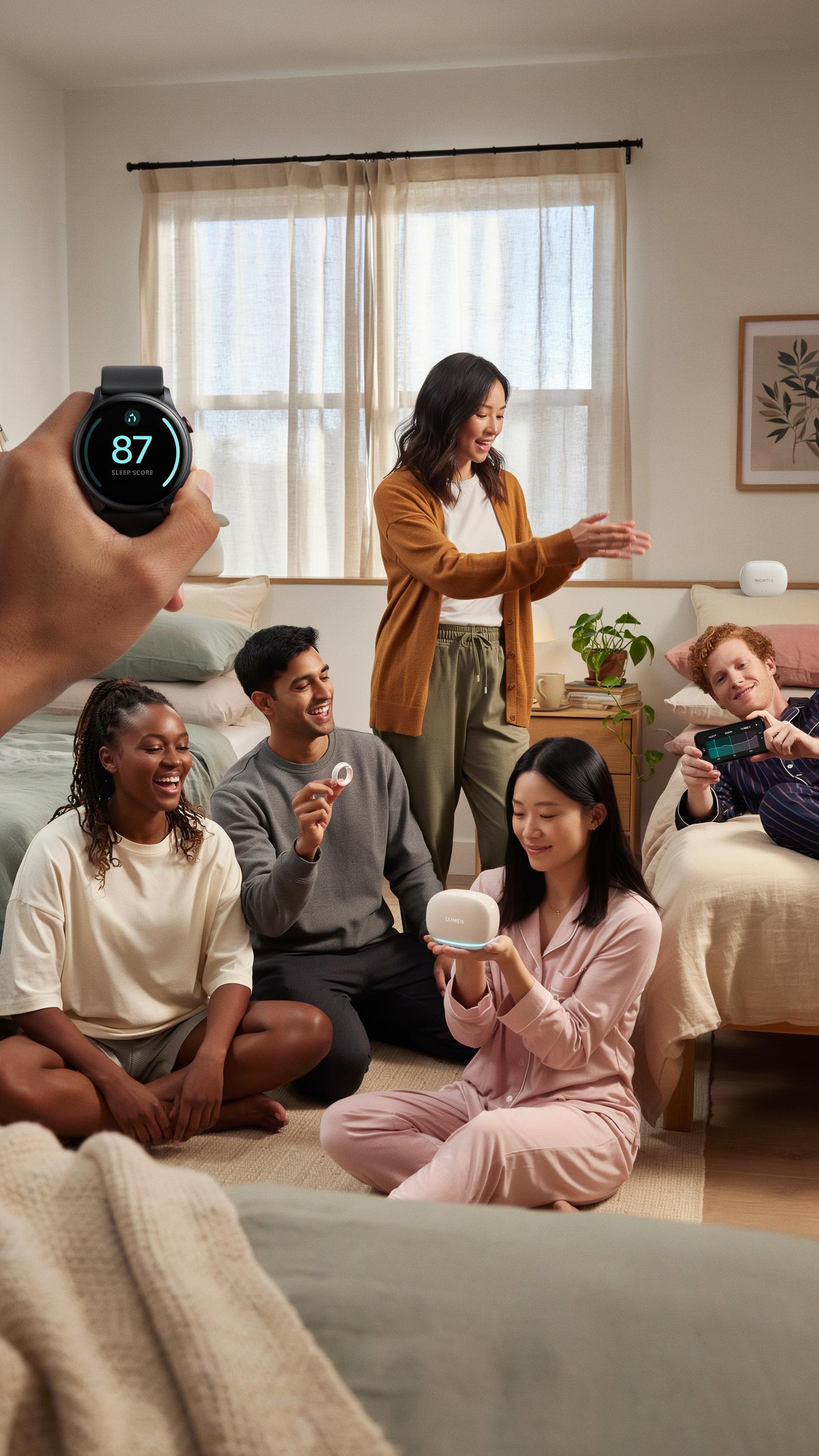
Ideal Users For Sleep Tracking Rings
Rings work best for people who need minimal wrist contact. You wear them during sleep without straps or bands pressing on your skin. They collect heart rate, temperature, and movement data throughout the night. The form factor matters if you have sensitive skin or dislike wristband pressure. Rings integrate seamlessly into your existing jewelry routine without lifestyle disruption.
- Light sleepers: Rings eliminate band shifting and strap pressure that interrupts rest cycles during the night.
- Active professionals: You can wear rings during workouts without sweat accumulation issues that plague wristbands.
- Minimalist users: Ring wearers prefer discrete tracking without visible fitness device branding or thick bands.
- People with skin sensitivities: Rings avoid prolonged contact dermatitis from wristband materials and daily band tightening.
- Night shift workers: Rings adapt to varied sleep schedules without requiring daily band adjustment or recharging friction.
- Cold climate users: Metal rings resist moisture and condensation better than fabric wristbands in freezing conditions.
Rings deliver consistent data because they maintain stable skin contact. Battery life extends to five to ten days per charge. You skip daily band cleaning and adjustment routines. Ring accuracy for sleep stages matches wristband performance when measuring heart rate variability and movement patterns.
Ideal Users For Wristband Fitness Trackers
Wristbands serve users who need comprehensive activity tracking alongside sleep data. You gain step counting, calorie burn, and exercise mode features that rings lack. Wristbands display real-time information on built-in screens. This matters if you want quick access to metrics without pulling out your phone constantly.
Wristbands integrate with more third-party apps and services than rings do. They offer smartphone notifications, music controls, and payment features. Battery life ranges from three to seven days depending on model and screen usage. Choose wristbands if you value ecosystem connectivity and daytime functionality over sleep-specific optimization. The larger form factor supports more sensors and processing power for advanced tracking features.
Frequently Asked Questions

What’s the fundamental difference between a sleep tracking ring and a wristband for monitoring my sleep?
The core distinction in a sleep tracking ring versus wristband comparison lies in their form factor and comfort. Rings are worn on a finger, often offering a less intrusive feel for sleep, while wristbands are worn like a watch. Both aim to collect similar biometric data like heart rate and movement to analyze sleep stages, but the fit and feel differ significantly for users.
How do I choose the best option for me if I’m new to sleep tracking – a ring or a wristband?
Consider your personal comfort and daily habits. If you dislike wearing things on your wrist while sleeping or prefer a more discreet device, a sleep tracking ring might be ideal. Conversely, if you’re already used to wearing a watch or need a device for daytime fitness tracking too, a wristband offers versatility. Test both if possible to see what feels best.
Are sleep tracking rings significantly more expensive than wristbands, or are there affordable options for beginners?
Generally, sleep tracking rings tend to be positioned at a slightly higher price point than many entry-level wristbands due to their compact technology and often premium materials. However, as the market expands, more accessible options are emerging for both. It’s wise to research reputable brands offering a good balance of features and cost when considering a sleep tracking ring versus wristband comparison.