
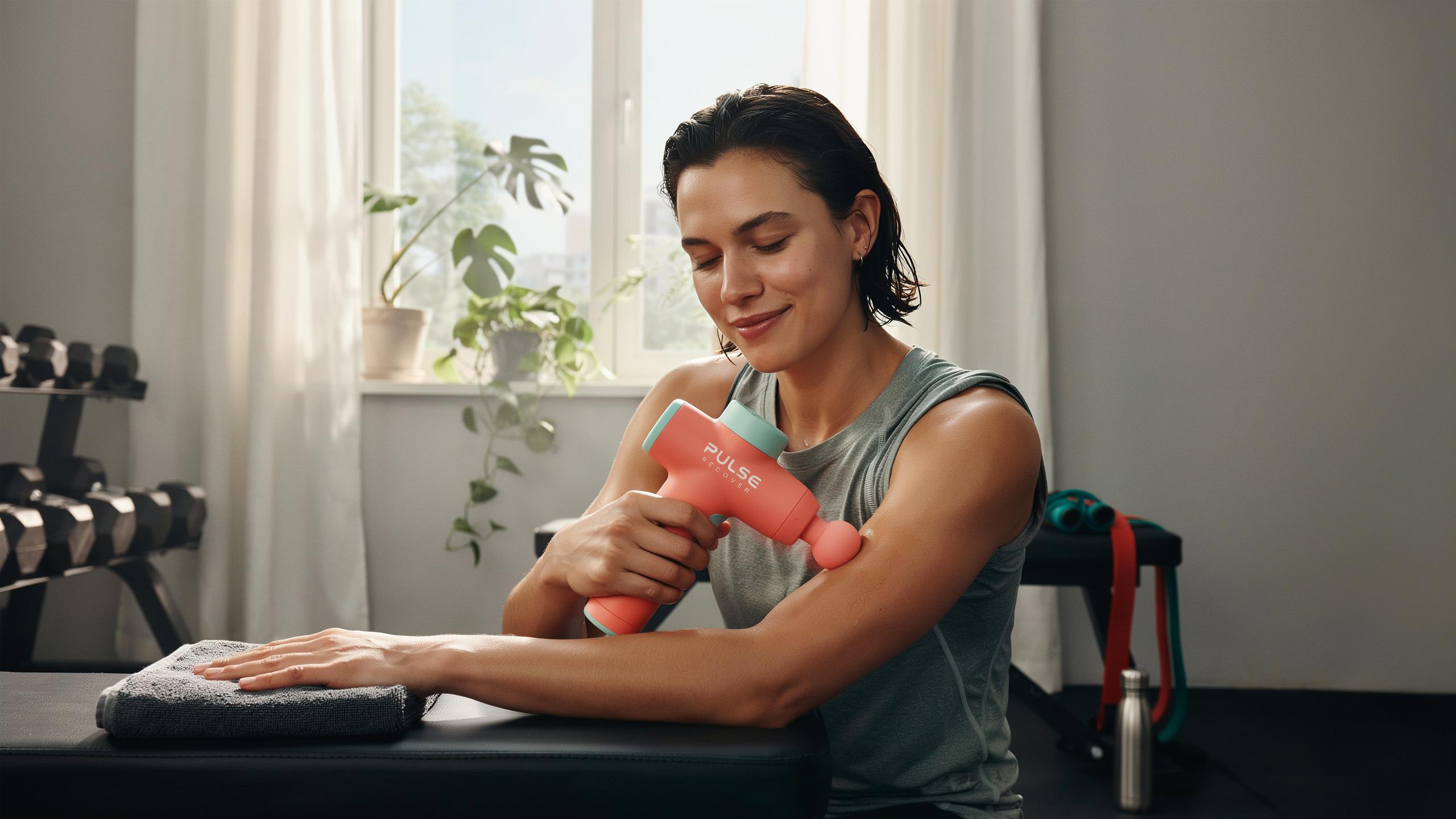
Understanding Sore Muscles After Workouts
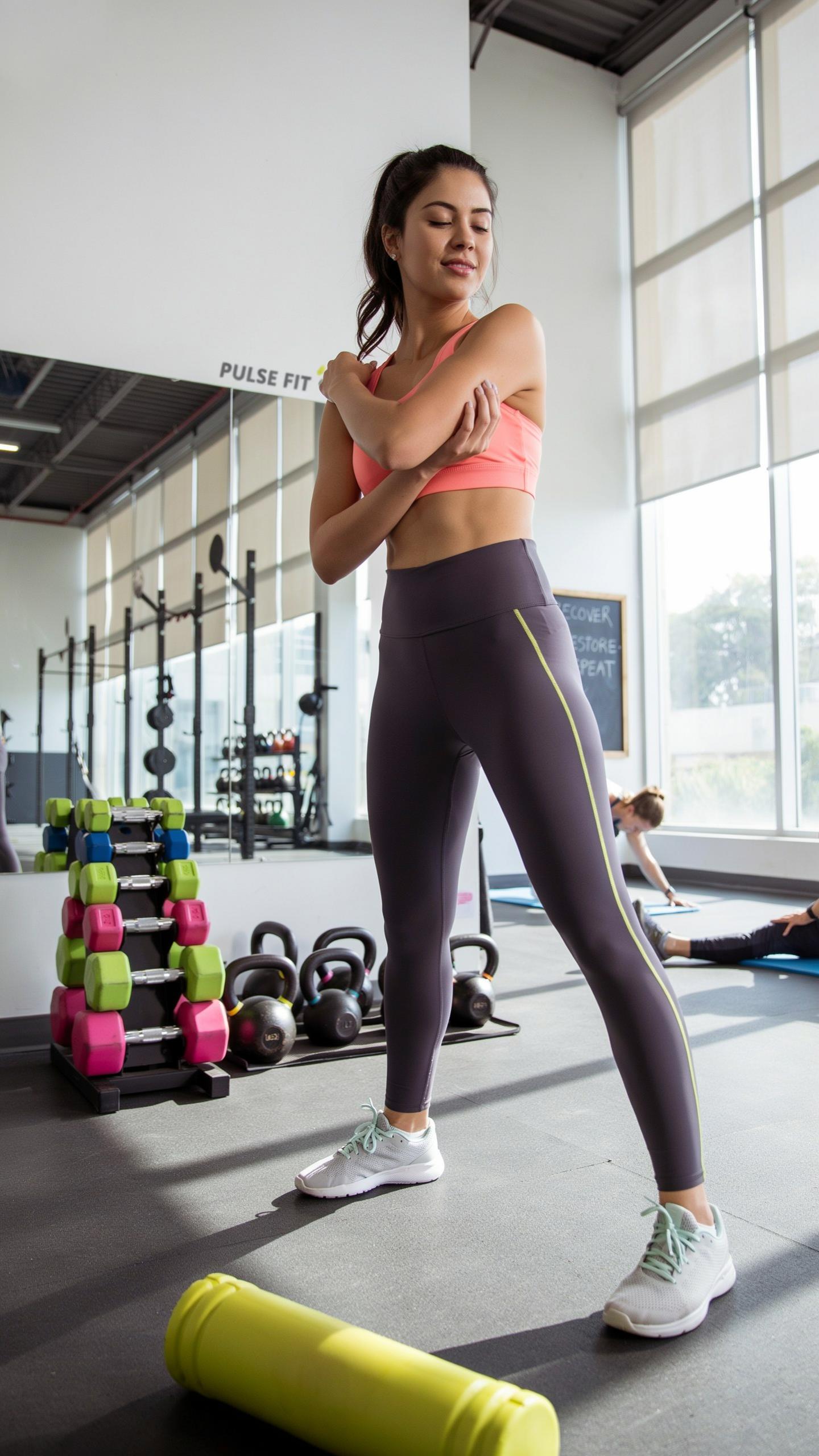
What Causes Post Workout Muscle Soreness DOMS
Delayed Onset Muscle Soreness, or DOMS, peaks between 24 to 72 hours after intense exercise. Your muscles experience microscopic tears during workouts, especially eccentric movements where muscles lengthen under tension. Your body triggers inflammation as part of the repair process. This inflammation causes the stiffness and pain you feel days after training.
DOMS is not lactic acid buildup, despite common misconception. Lactic acid clears from muscles within hours of exercise. DOMS results from actual muscle fiber damage and the inflammatory response that follows. New or intense workouts produce more soreness because your muscles adapt gradually to stress over time.
Limitations Of Traditional Muscle Recovery Methods
Ice baths and stretching provide temporary relief but don’t address underlying inflammation efficiently. Ice reduces blood flow when increased circulation actually accelerates healing. Static stretching immediately after workouts offers minimal soreness reduction and can increase injury risk when muscles are fatigued. These methods work passively, meaning they require extended time commitments with inconsistent results.
Rest alone extends recovery unnecessarily without actively promoting blood flow or muscle repair. Foam rolling provides manual stimulus but demands significant user effort and technique consistency. Over-the-counter pain relievers mask symptoms without healing tissue. These traditional approaches lack the targeted, consistent stimulation that accelerated recovery demands for serious athletes and fitness enthusiasts.
Introducing The Portable Massage Gun A Percussion Massager
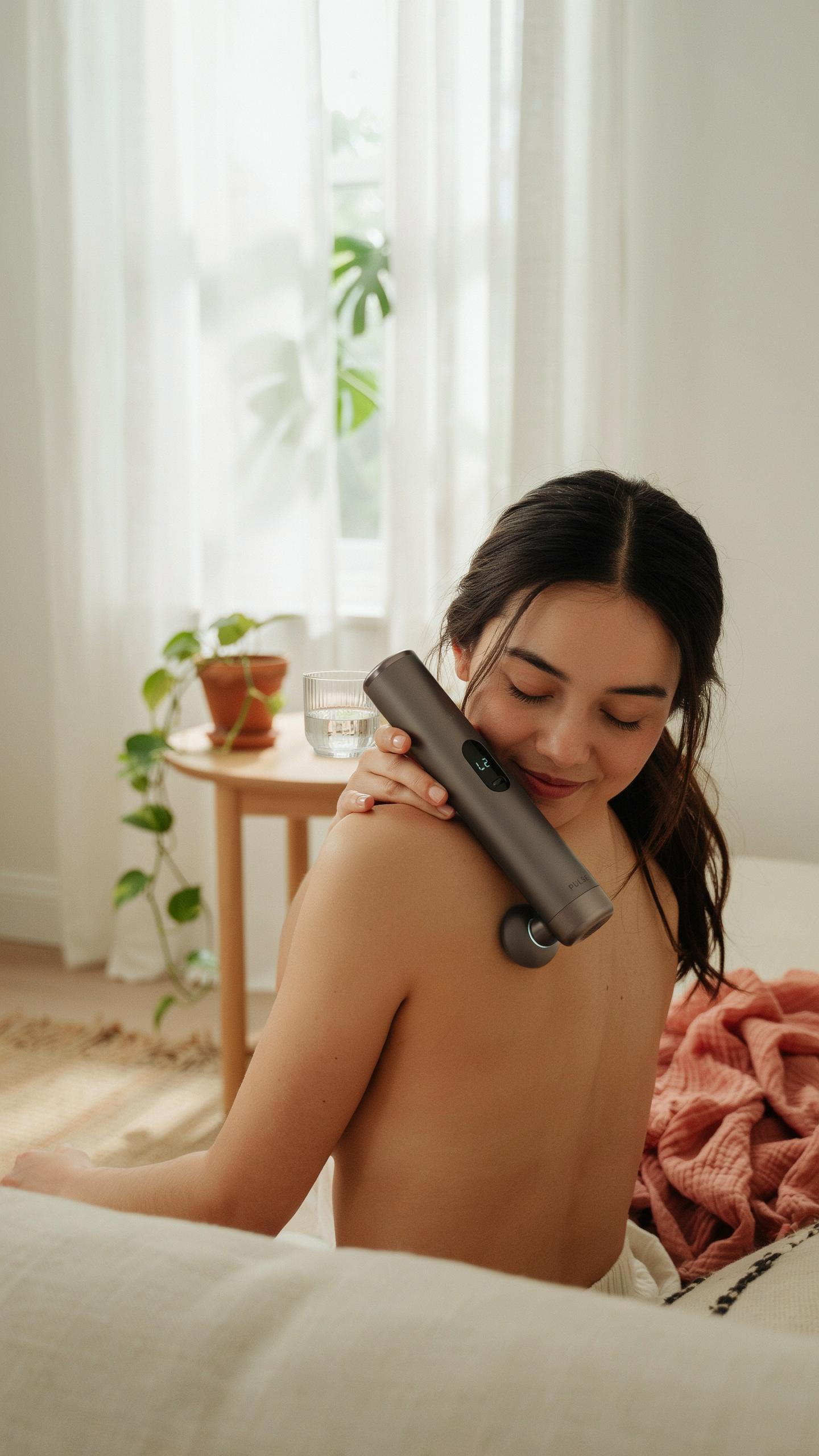
How Percussion Therapy Works
Percussion therapy uses rapid, repetitive strokes to stimulate muscle tissue. A massage gun delivers hundreds of pulses per minute to the affected area. This creates a vibration that penetrates deep into muscle fibers without requiring sustained pressure. The mechanism activates the stretch reflex, which causes muscles to relax involuntarily. Blood flow increases to the targeted region, delivering oxygen and nutrients to damaged tissue.
The percussion action breaks up adhesions and scar tissue that restrict movement. When muscles contract repeatedly at high speed, they fatigue and relax. This fatigue response reduces muscle tension faster than static stretching or manual massage alone. The repetitive stimulation also triggers proprioceptors, which send signals to your nervous system about muscle position and tension. This feedback helps retrain muscles to maintain proper length and tone.
Benefits Of Portability
A portable massage gun eliminates the need for a therapist or stationary equipment. You treat sore muscles immediately after workouts, at home, or while traveling. This on-demand access accelerates recovery because you intervene during the critical window when muscles respond best to treatment. Portability removes barriers to consistent use. Athletes and active individuals maintain recovery routines without scheduling appointments or committing to gym memberships.

Size and weight determine real-world usability. Most portable models weigh between 1 and 3 pounds, fitting easily into gym bags or luggage. Battery-powered designs eliminate cord dependency, letting you treat muscles anywhere. The compact form factor means you can target small muscle groups with precision that larger devices cannot match. This flexibility addresses recovery needs for specific body parts without excessive setup or cleanup time.
Deep Tissue Massage For Effective Muscle Relief
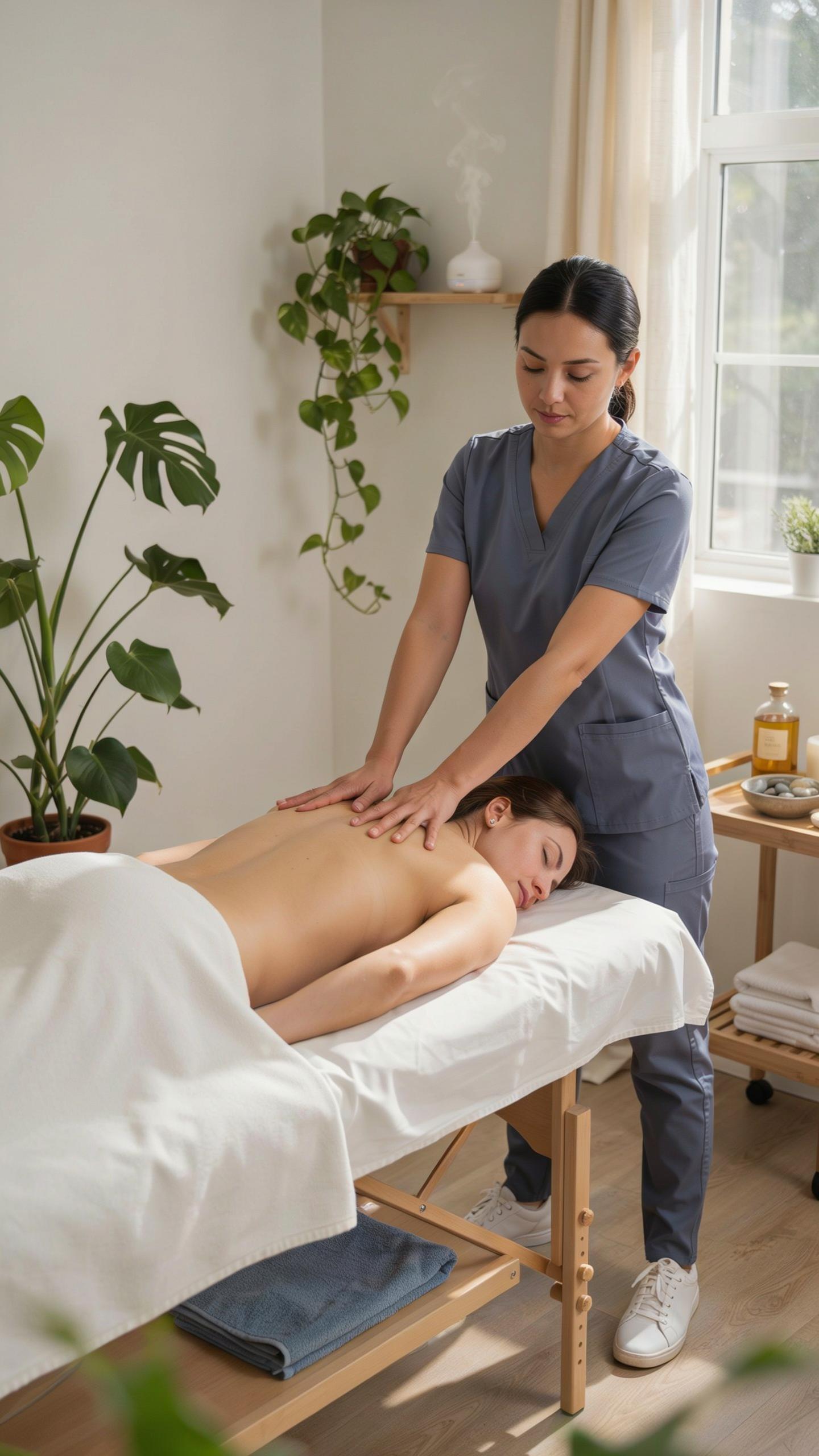
Reaching Deep Muscle Tissue With Your Portable Massage Gun
Portable massage guns penetrate muscle layers through rapid percussive motion. The vibration frequency ranges from 1200 to 3200 beats per minute, depending on the device model. This speed drives the attachment head into muscle tissue, reaching fibers below the surface. Deeper penetration occurs with firmer pressure applied during use. Selecting the right attachment head determines how effectively you target specific muscle groups and tissue depth.
The amplitude of a massage gun determines how far the head travels into tissue. Most quality portable models offer between 10 to 16 millimeters of amplitude. Greater amplitude means deeper tissue engagement. You control penetration depth by adjusting pressure applied to the device. Start with lower pressure settings on sensitive areas, then increase intensity as your body adapts to the treatment.
Breaking Up Muscle Knots And Adhesions For Enhanced Flexibility
Muscle knots form when fibers contract and fail to release. Adhesions develop when muscle tissue sticks to surrounding fascia, restricting movement and causing pain. Portable massage guns break these patterns through sustained vibration applied directly to affected areas. The repetitive motion increases blood flow and promotes tissue separation. This process restores normal muscle function and reduces tension that limits your range of motion.

Target knotted areas with slow, deliberate strokes using your massage gun. Move the device slowly across the problem area rather than holding it stationary. This technique prevents tissue damage while maximizing the adhesion-breaking effect. Apply 30 to 60 seconds per muscle group during each session. Consistency matters more than intensity. Regular use removes accumulated tension and prevents knot reformation over time.
Optimizing Muscle Recovery After Workout Sessions

Post Workout Application
Apply your massage gun within 30 minutes after exercise ends. This timing targets muscles while they still have elevated blood flow and remain responsive to treatment. Start with lower intensity settings on fresh muscles. Work systematically across each muscle group you exercised, spending 30 to 60 seconds per area without lingering on bones or joints.
- Start with lower speeds: Begin at 1500 to 2400 percussions per minute on fresh muscles to assess tolerance and prevent tissue irritation.
- Move across muscle fibers: Apply the gun perpendicular to muscle fibers, moving steadily across the entire belly of each muscle group.
- Skip sensitive areas: Avoid applying direct pressure to joints, tendons, ligaments, and bony prominences where soft tissue coverage is minimal.
- Limit session duration: Keep total massage gun sessions between 10 to 15 minutes post-workout to prevent overuse and tissue fatigue.
- Hydrate before and after: Drink water before your session and immediately after to support muscle recovery and nutrient transport processes.
- Progress intensity gradually: Increase speed settings only after your muscles adapt over several sessions to avoid delayed onset muscle soreness.
Consistency matters more than intensity. Use your massage gun daily for three to five days following intense workouts, then reduce frequency as soreness decreases. Track which muscle groups respond best to treatment and adjust your protocol accordingly based on your recovery timeline.
Improving Blood Circulation And Nutrient Delivery To Muscles
Massage gun percussion forces blood into muscle tissue, increasing oxygen supply and accelerating waste removal. The rapid pressure changes create a pumping effect that enhances capillary perfusion. This mechanical action delivers more oxygen and amino acids to damaged muscle fibers, supporting the repair process that occurs during recovery. Blood flow improvements persist for several hours after treatment ends.

The vibration frequencies used in portable massage guns stimulate muscle spindles and sensory receptors. These neural responses trigger vasodilation, which expands blood vessel diameter throughout the treated area. Enhanced circulation reduces lactic acid accumulation and other metabolic byproducts that contribute to soreness. This mechanism explains why soreness often decreases noticeably within 24 to 48 hours of treatment, independent of additional intervention.
Choosing The Right Portable Massage Gun
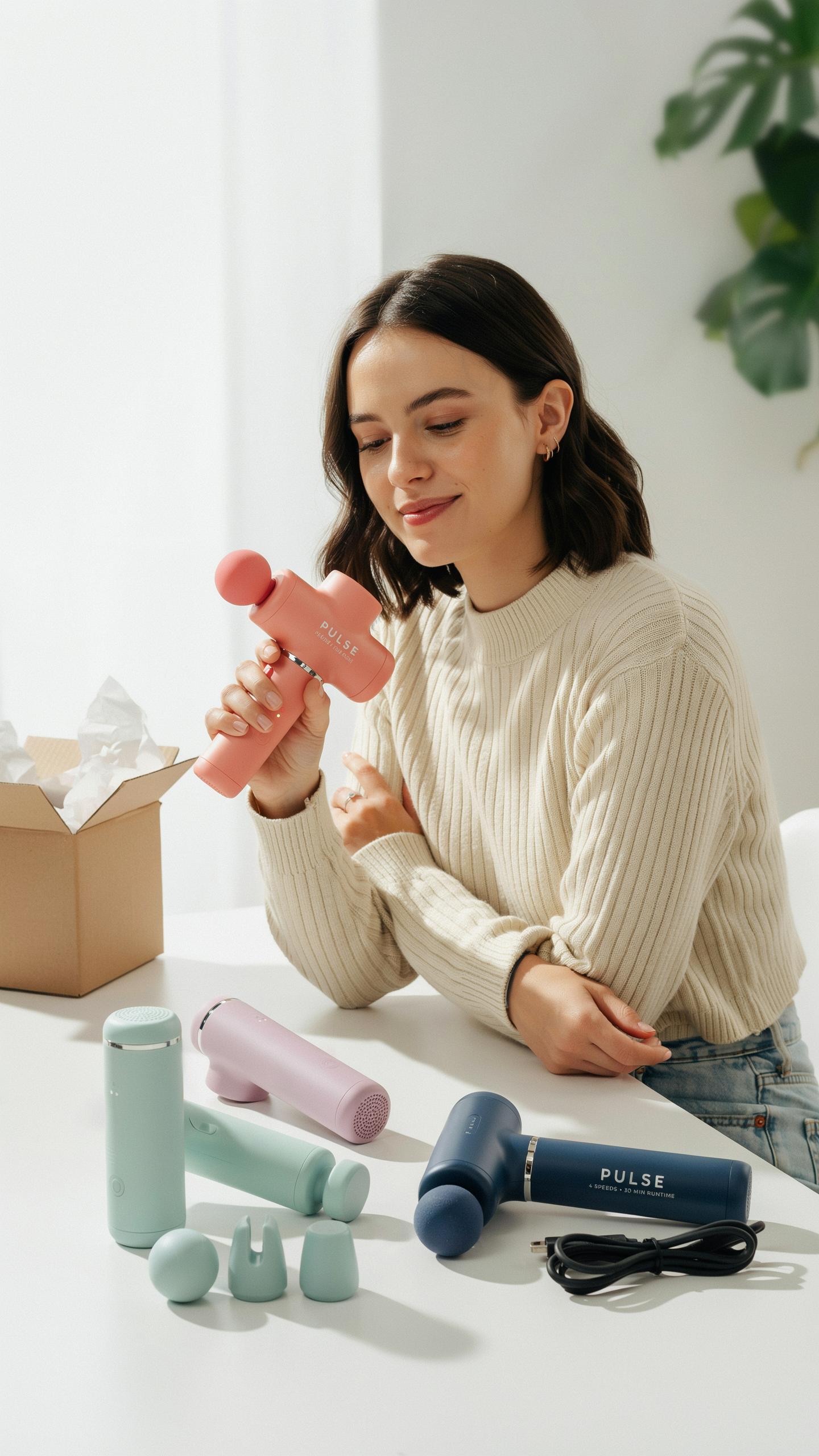
Factors To Consider
Motor power matters first. You need between 3,200 to 3,600 RPM for effective muscle penetration. Anything below 3,000 RPM won’t reach deep tissue effectively. Check the stall force rating, which tells you how much resistance the motor handles before slowing down. Higher stall force means the device maintains speed when pressed into muscle. Battery life determines real-world usability. Most quality units run 2 to 3 hours per charge. Weight affects portability directly. Devices between 1.5 to 2.5 pounds balance power with carry-ability. Noise levels vary significantly. Quieter models run around 60 to 65 decibels. Loud models exceed 75 decibels.
Build quality determines durability. Check if the housing is rubberized or plastic. Rubberized grips prevent slipping during use. Vibration dampening reduces hand fatigue during longer sessions. The warranty length signals manufacturer confidence. One year is standard. Two years or more indicates better quality control. Price correlates with performance, but not always. Mid-range devices between 150 to 300 dollars typically offer the best performance-to-cost ratio. Budget models sacrifice motor consistency and battery longevity.
Attachments And Speed Settings
Attachment variety changes how effectively you treat different muscle groups. A standard ball head addresses large muscles like quads and glutes. Flat heads target broader areas and work well on backs. Cone-shaped heads penetrate smaller, deeper muscle groups. Fork attachments fit around the neck and spine without direct contact. Each attachment design serves specific anatomical needs. You cannot treat all muscle groups effectively with one head. Switching attachments takes seconds and dramatically improves treatment outcomes.
Speed settings control intensity and let you match your recovery needs. Lower speeds between 1,200 to 2,000 RPM work for sensitive areas and post-injury recovery. Mid-range speeds between 2,400 to 3,000 RPM suit general muscle soreness. Maximum speeds above 3,200 RPM target deep tissue and athletic recovery. Quality units offer between 3 to 5 distinct speed levels. This granularity lets you dial in the exact intensity your muscles need.
Safety And Proper Usage For Muscle Relief
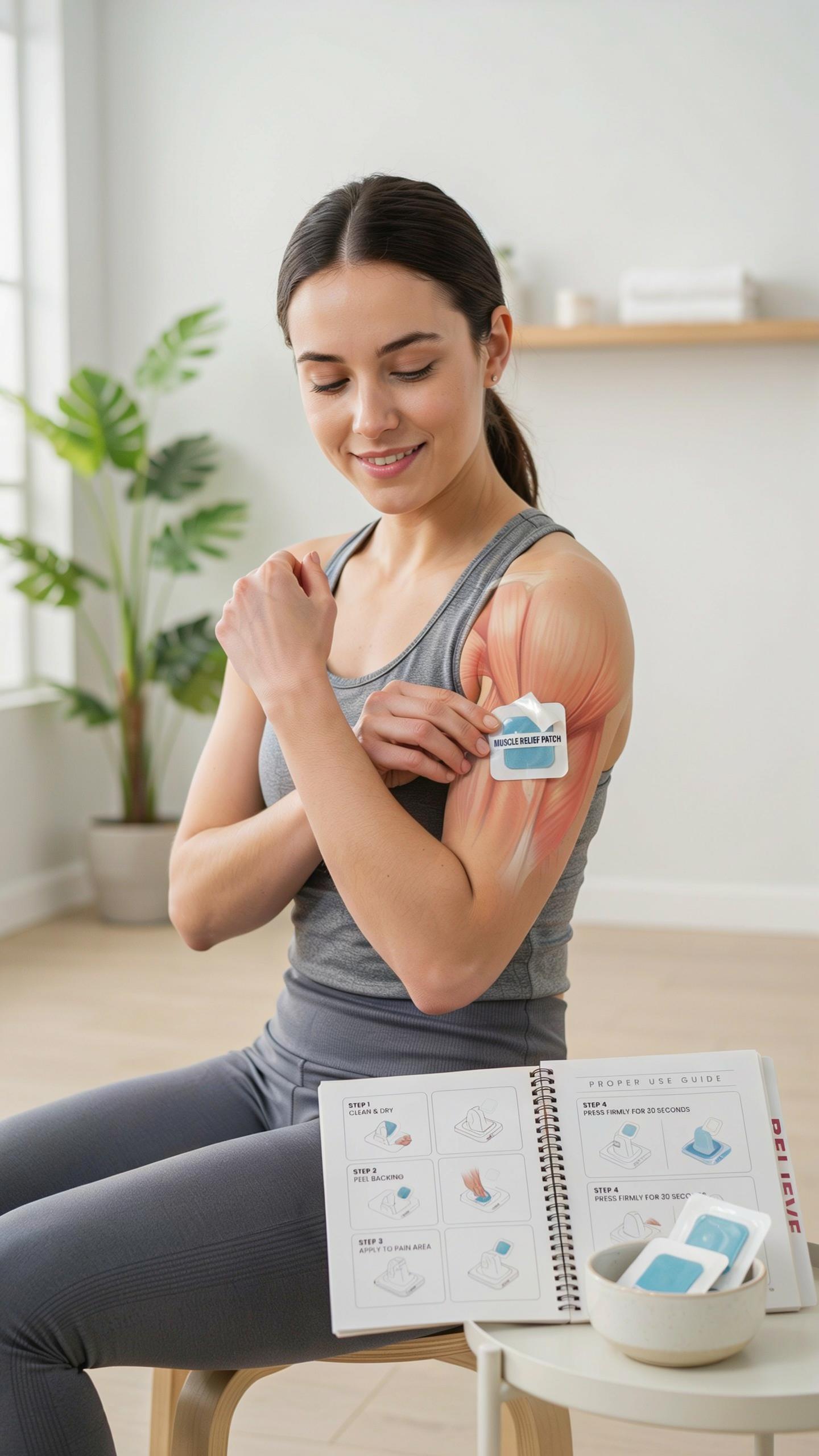
Safe Application Techniques For Avoiding Injury And Maximizing Benefit
Hold the massage gun at a 45-degree angle to your skin. Never press it directly into bone, joints, or your spine. Move it slowly across muscle groups in the direction of muscle fibers. Keep contact light to moderate. Let the device do the work rather than forcing pressure. Sessions typically last 30 seconds to two minutes per muscle group.
Start with the lowest speed setting if you are new to massage guns. Gradually increase intensity as your body adapts. Avoid treating the same area for extended periods, as this causes irritation and bruising. Never use a massage gun on injured, inflamed, or recently strained muscles without medical clearance. Stop immediately if you experience sharp pain, numbness, or tingling sensations.
When To Avoid Using A Portable Massage Gun Contraindications
Skip massage gun use on areas with acute injuries, open wounds, or skin infections. Do not apply the device over varicose veins, blood clots, or areas prone to bleeding. Individuals taking blood thinners should consult a doctor before using massage guns on any body part. Pregnancy requires medical approval before using these devices on the abdomen or lower back.

People with osteoporosis, severe arthritis, or bone fractures should avoid massage guns entirely. Do not use the device on the neck or head without professional guidance due to sensitive nerve structures. Conditions like fibromyalgia or complex regional pain syndrome may worsen with massage gun use. Always verify with your healthcare provider if you have chronic pain conditions or neurological disorders.
Integrating Your Portable Massage Gun Into Your Routine
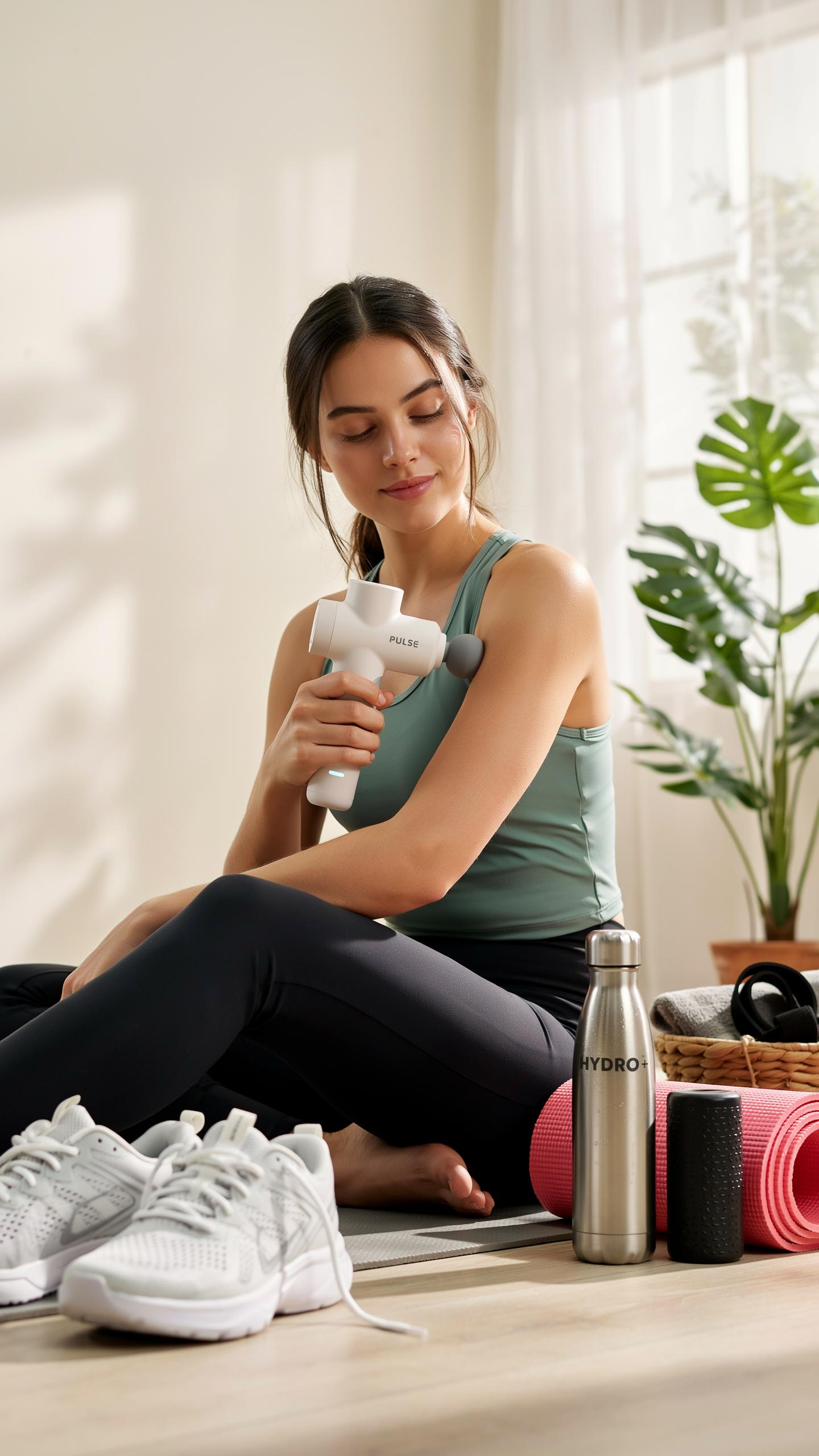
Pre Workout Benefits
Using a massage gun before exercise increases blood flow to target muscles. This warming effect raises tissue temperature and prepares muscles for load. Research supports that increased circulation improves muscle elasticity and responsiveness. Pre-workout massage gun use takes three to five minutes per muscle group and costs nothing in recovery time since it enhances rather than fatigues muscles.
Range of motion improves when you use a massage gun on tight muscles before activity. The percussion action helps break up adhesions that restrict movement. Athletes report better mobility and reduced compensatory patterns during exercise. This translates directly into better form, fewer injuries, and stronger performance during your actual workout session.
Remember that satisfying ache after a tough workout? Your portable massage gun is like a loving hand, gently easing that soreness away, bringing you back to your best, ready for tomorrow’s challenge.
Daily Maintenance For Sore Muscles
Delayed onset muscle soreness peaks between 24 to 72 hours after intense exercise. Using your massage gun during this window reduces perceived soreness without masking injury signals. Apply the device for 30 to 60 seconds per muscle group, focusing on areas that feel tight. Daily use maintains muscle quality and accelerates the removal of metabolic waste that accumulates during training.
Consistency matters more than intensity when treating sore muscles with a massage gun. Light to moderate pressure applied daily outperforms aggressive single sessions. Treat sore muscles every day until soreness resolves, then reduce frequency to maintenance mode. This approach prevents soreness from building up between workouts while keeping recovery active and efficient.
Beyond Manual Massage Tools The Future Of Muscle Recovery
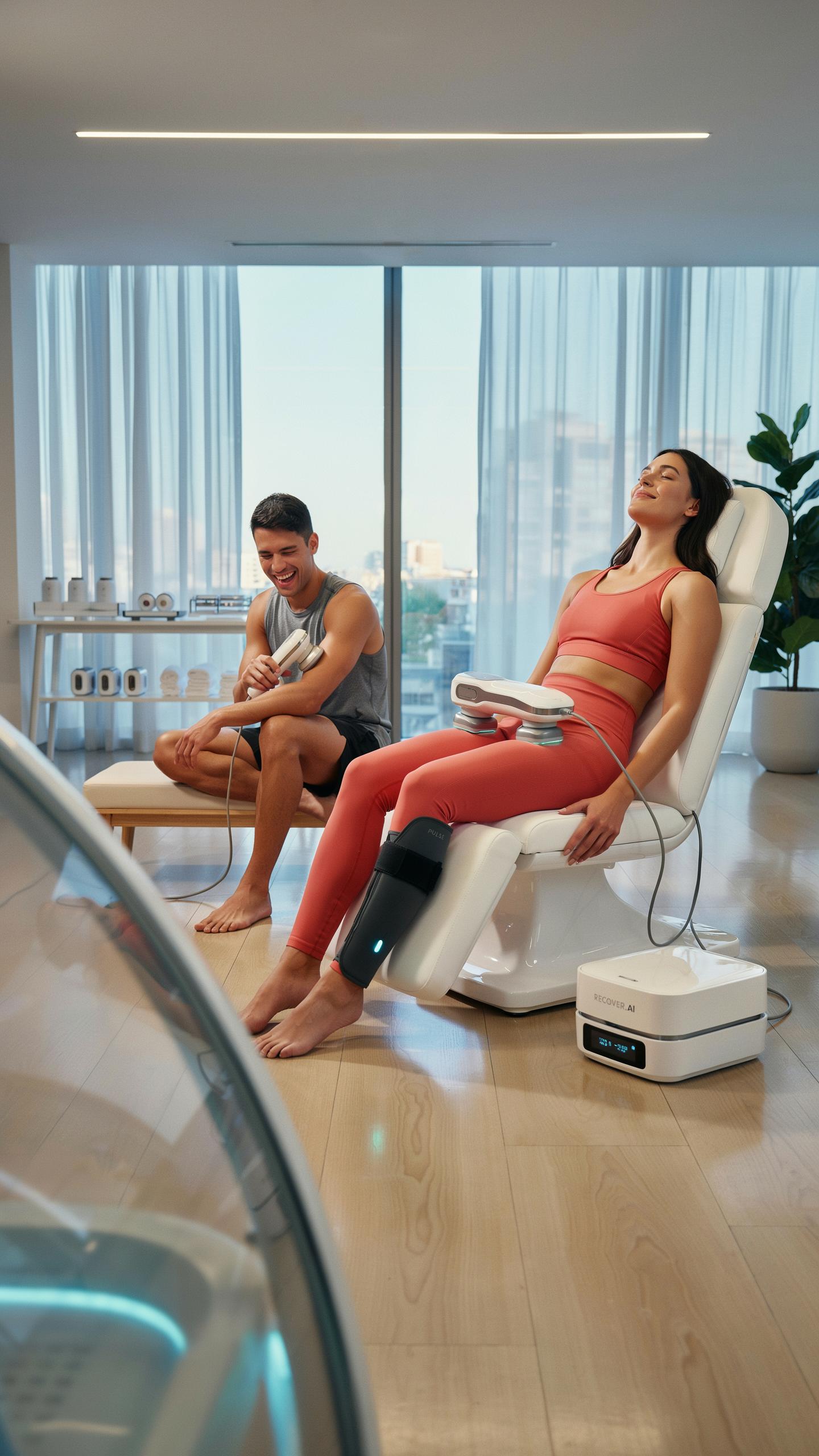
Comparison With Manual Tools
Manual massage tools like foam rollers and massage sticks require your own body weight and effort to generate pressure. You control the intensity and speed entirely through physical exertion. Portable massage guns use electric motors to deliver percussive pulses at consistent frequencies, typically between 1200 to 3200 pulses per minute. This automation eliminates user fatigue and delivers uniform force repeatedly without degradation in quality over a session.
Manual tools work through sustained pressure and friction. Massage guns work through rapid, repetitive impacts that penetrate tissue differently. Studies show percussion therapy reaches deeper muscle layers faster than manual compression alone. Manual tools cost significantly less upfront but demand more time and physical input from users. Massage guns reduce treatment duration and require minimal user effort, making them practical for daily use after workouts.
Advancements In Recovery Technology
Manufacturers now build massage guns with variable speed settings and interchangeable attachment heads designed for specific muscle groups. Brushless motor technology extends device lifespan and reduces noise compared to older brush motor designs. Battery technology has shifted toward lithium ion cells that hold charge longer and maintain consistent power output throughout a session. Ergonomic handle designs reduce wrist strain during extended use. Heat therapy integration is becoming standard in premium models, combining percussion with warmth to increase blood flow.

Smart connectivity features allow users to track recovery sessions through companion apps and adjust settings based on muscle group and recovery phase. Noise reduction has improved dramatically, with newer models operating at 60 to 75 decibels instead of previous generations at 90 plus decibels. Lighter weight designs and compact form factors make portable massage guns genuinely portable instead of stationary desktop devices. These advancements address practical limitations athletes faced with early models, making recovery tools more accessible for regular training routines.
Frequently Asked Questions

What exactly is a portable massage gun, and how does it help with muscle soreness?
A portable massage gun is a handheld device that uses rapid percussive therapy to target deep muscle tissue. This vibration helps increase blood flow, release muscle tension, and reduce inflammation, making it a fantastic tool for relieving that post-workout ache. It’s an effective way to speed up recovery and get you back to your activities faster.
How do I properly use a portable massage gun for sore muscles after a tough workout?
For optimal results, gently float the portable massage gun for sore muscles over the affected area, applying light pressure initially. Avoid bony areas and the neck. Start with a lower speed setting and gradually increase if comfortable. Focus on each muscle group for 30-60 seconds. Hydrating before and after also enhances recovery.
Are there affordable portable massage gun options that are still effective for recovery?
Absolutely! Many reputable brands offer excellent portable massage guns at various price points without compromising on effectiveness. Look for models with good battery life, multiple attachments, and varying speed settings. You don’t need the most expensive option to find a powerful tool for your post-workout recovery needs.