

Understanding Heart Rate Monitoring For Optimal Cardio
The Science Behind Heart Rate Zones
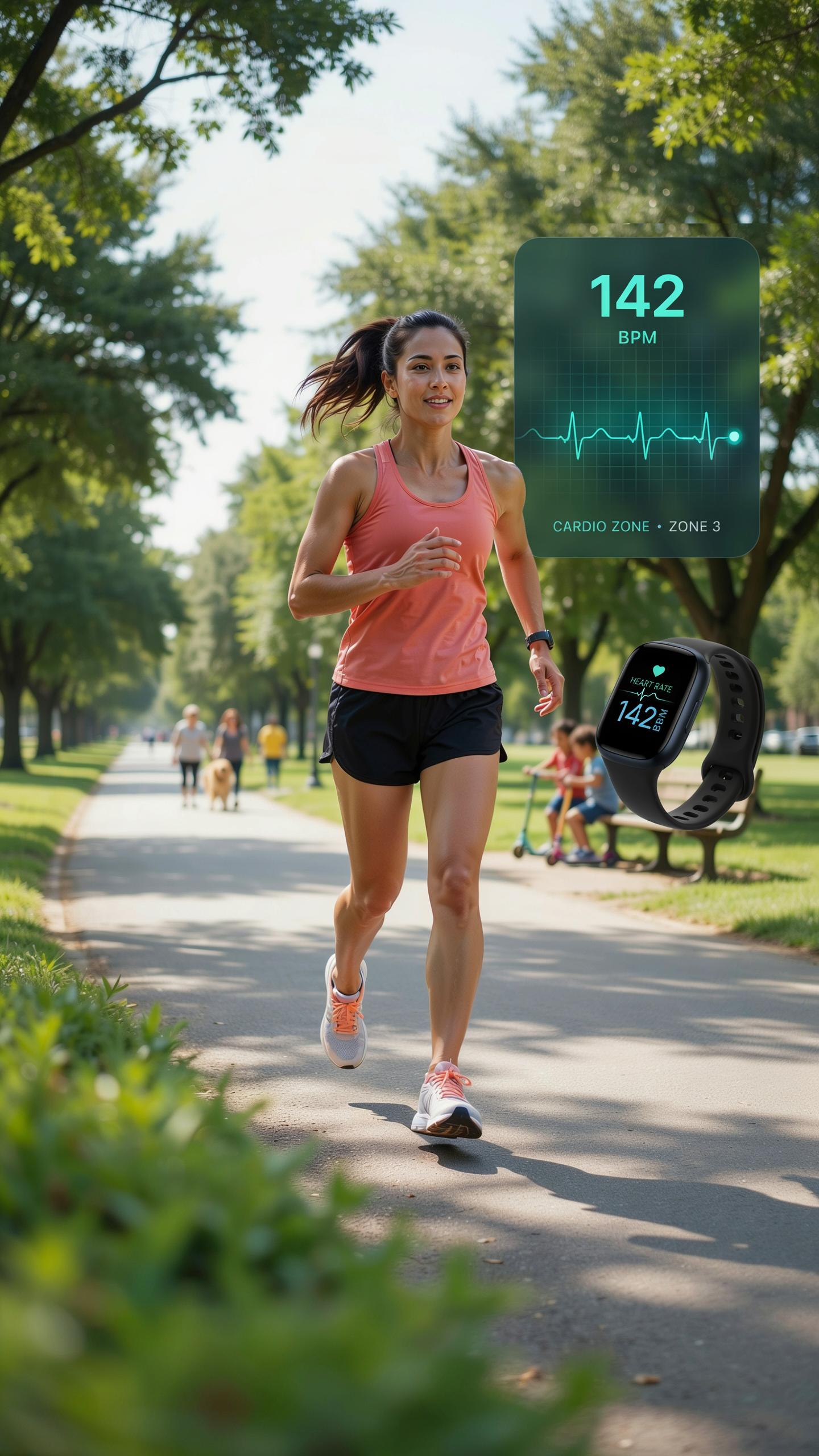
Your heart rate zones represent specific ranges of beats per minute that correspond to exercise intensity levels. These zones reflect how hard your cardiovascular system works during physical activity. Training in different zones produces distinct physiological adaptations. Lower zones build aerobic base and improve fat utilization. Higher zones increase lactate threshold and boost cardiovascular capacity. Chest straps capture beat-by-beat data, allowing you to stay within target zones and maximize training efficiency.
Zone training eliminates guesswork from cardio workouts. Athletes use zone data to structure periodized training programs that build fitness progressively. Accurate zone identification requires reliable heart rate measurement throughout your entire workout. Chest strap monitors deliver the precision needed to validate you’re training at intended intensity. This data drives better decision making about workout structure, recovery timing, and progression protocols.
Why Accurate Heart Rate Data Matters For Athletes
Precise heart rate information reveals whether your body is adapting to training stress or accumulating fatigue. Athletes who overtrain without recovery suffer performance drops and increased injury risk. Accurate monitoring prevents these costly mistakes by showing real-time cardiovascular response patterns. Chest straps track variability that indicates nervous system recovery status. This feedback lets you adjust training load before problems develop. Recovery planning based on solid data produces faster fitness gains than guessing.
Performance gains depend on training at correct intensities. Too easy and you miss adaptations. Too hard and you break down. Chest strap data shows exactly where you stand relative to your zones and previous efforts. This precision accelerates progress toward specific goals, whether building endurance or increasing speed. Athletes relying on accurate heart rate information outperform those using subjective effort ratings alone.

The Superiority Of A Heart Rate Chest Strap

Chest Straps Vs. Wrist Based Monitors: A Comparison
Chest straps detect heart rate through electrical signals the heart produces. Wrist monitors use optical sensors that read blood flow through skin. Chest straps sit closer to the signal source, capturing data with less interference. This proximity gives chest straps a fundamental accuracy advantage over wrist devices that must filter through tissue and bone.
Wrist monitors struggle during high intensity exercise when arm movement increases. They also fail in cold conditions when blood vessels constrict, reducing optical signal strength. Chest straps maintain consistent readings regardless of ambient temperature or movement intensity. This reliability makes chest straps the standard choice for serious athletes and clinical settings where accuracy cannot waver.
How A Heart Rate Chest Strap Works
Chest straps use electrocardiography technology to detect the heart’s electrical activity. The device contains two metal electrodes that contact your skin. When your heart beats, it generates electrical impulses that travel through body tissue. The electrodes pick up these signals and send data wirelessly to a receiver or smartphone app.

The strap measures the time between heartbeats to calculate your actual heart rate. This direct electrical measurement eliminates the guesswork that optical sensors require. Signal transmission happens in real time, so you get immediate feedback about your cardiac output. The technology remains fundamentally unchanged since its introduction to consumer fitness tracking decades ago because it delivers results that optical alternatives cannot match.
Key Features To Look For In A Heart Rate Monitor
Connectivity Options: ANT+ And Bluetooth
ANT+ and Bluetooth are the two dominant wireless protocols in heart rate chest straps. ANT+ uses a closed network designed specifically for sports devices, offering reliable connections with fitness watches and gym equipment. Bluetooth operates on an open standard, compatible with smartphones, tablets, and most consumer fitness apps. Your choice depends on your existing device ecosystem and whether you need multi-device pairing capability.
ANT+ typically delivers lower latency and better battery efficiency than Bluetooth, making it preferred for serious athletes. Bluetooth provides wider compatibility since most people carry smartphones. Many modern chest straps now support both protocols simultaneously, letting you connect to multiple devices at once. Verify your primary training device’s compatibility before purchasing any chest strap to avoid incompatibility issues.
Comfort And Fit: Ensuring A Seamless Workout
Material selection directly impacts comfort during extended cardio sessions. Neoprene and silicone-blend fabrics create breathability while maintaining electrode contact with skin. The strap must sit snugly without restricting breathing or causing chafing. Look for straps with soft fabric backing against your chest and moisture-wicking properties that prevent sweat accumulation.

Adjustability is non-negotiable for consistent heart rate accuracy. A strap that shifts during exercise loses contact with skin and delivers unreliable data. Straps with multiple sizing points accommodate different chest circumferences without requiring replacement. Test the fit by securing the strap and jumping in place. It should remain stationary while still allowing comfortable breathing and full arm range of motion.
Heart Rate Monitoring Sports Integrating With Your Activities

Ideal For Running, Cycling, And High Intensity Workouts
Chest straps dominate running and cycling because they stay fixed against your body. Unlike wrist worn devices that shift during arm movement, chest straps maintain consistent electrode contact with skin. This contact generates reliable beat to beat heart rate data even when your arms swing hard or your body bounces with each stride.
High intensity interval training demands accuracy during rapid heart rate changes. Chest straps detect these shifts faster than alternatives. They capture true peak heart rates during sprints and recoveries without the lag time that optical sensors experience. Runners and cyclists get the granular data needed to verify training zones and adjust intensity on the spot.
Remember those runs, the steady rhythm echoing your progress? A chest strap wasn’t just a device; it was a trusted friend, whispering the truth of every heartbeat, every hard-earned mile.
Water Resistance And Durability For All Conditions
Chest straps built for sports use neoprene or elastane materials that withstand sweat, chlorine, and saltwater. These fabrics dry quickly and resist degradation from repeated moisture exposure. The electronic components sit in sealed compartments that prevent water from reaching circuits and batteries, allowing safe use in pools and open water environments.

Construction quality determines real world lifespan. Premium chest straps use stainless steel electrodes and reinforced strap connections designed to handle thousands of workout cycles. Standard models survive typical gym use, but frequent swimmers and outdoor athletes benefit from straps rated for continuous immersion and intense conditions.
Maximizing Your Training With A Wearable Heart Rate Monitor
Setting Up Your Device For First Use
Most chest strap monitors connect via Bluetooth to your phone or sports watch. Download the manufacturer’s app first. Put on the strap snugly against your skin, ensuring the sensors make contact. Open the app and select “pair new device.” Your device will appear in the available connections list. Tap to confirm. The strap needs a few seconds of skin contact before it transmits accurate data to your receiver.
Calibration happens automatically on most modern chest straps during your first workout. Wear the strap for five to ten minutes of light activity so the device learns your baseline signal. Check that your phone or watch displays your heart rate within the first minute of exercise. If numbers don’t appear, remove the strap, rehydrate the sensor pads with water or conductive gel, and try again. Proper contact prevents signal loss during intense training.
Interpreting Your Heart Rate Data
Your average heart rate during a session tells you training intensity. Maximum heart rate is the highest number recorded during that workout. Recovery rate measures how quickly your heart rate drops after exercise ends. A fast recovery rate signals cardiovascular fitness. Compare these metrics across weeks to track fitness improvements. One workout’s data means little. Trends across months show real progress in your aerobic capacity and conditioning.

Resting heart rate, measured first thing in the morning before movement, indicates overall fitness level. Lower resting rates correlate with better cardiovascular health. Your chest strap won’t measure this accurately since you need stillness. Use your manual pulse instead. During workouts, focus on staying within your target zone. Most training plans use zones based on your maximum heart rate percentage to drive specific adaptations in your cardiovascular system.
Connecting Your Heart Rate Chest Strap To Workout Apps

Popular Fitness Apps Compatible With Chest Straps
Most modern fitness apps support chest strap connectivity through Bluetooth or ANT+ wireless protocols. Your chest strap broadcasts heart rate data directly to your phone or smartwatch. This eliminates manual entry and captures real-time metrics during workouts. Check your app’s specifications to confirm compatibility with your specific chest strap model before purchasing.
- Strava: Accepts heart rate data from chest straps via Bluetooth and ANT+ connections. Integrates metrics into training logs and performance analysis tools for road cycling and running workouts.
- Garmin Connect: Native support for Garmin chest straps and third-party devices through ANT+ protocol. Stores comprehensive heart rate zones, training load, and recovery metrics automatically.
- Apple Health: Works with any chest strap using Bluetooth connectivity. Centralizes heart rate data alongside other fitness metrics from compatible wearables and apps.
- Zwift: Supports both ANT+ and Bluetooth chest straps for indoor cycling and running. Displays real-time heart rate during virtual workouts and races.
- TrainingPeaks: Accepts chest strap data through ANT+ and Bluetooth connections. Designed for serious endurance athletes tracking structured training plans and performance trends.
App compatibility varies by device and protocol type. Test your chest strap connection in the app settings before relying on it for actual training sessions. Read user forums specific to your app and chest strap model to troubleshoot connection issues quickly.
Exporting And Analyzing Your Training Data
Export options depend on which app you use. Most apps allow you to download training files in standard formats like TCX, FIT, or CSV. These files preserve your heart rate data for analysis in other software. Check your app’s settings menu for export options before your first workout.

Heart rate data reveals training patterns over weeks and months. Average heart rate during efforts shows fitness improvements as your resting rate drops. Heart rate variability indicates recovery status. Training zones highlight which intensity levels you spend most time in, helping you balance easy and hard workouts properly.
Troubleshooting Common Heart Rate Monitor Issues
Addressing Signal Dropouts And Inaccurate Readings
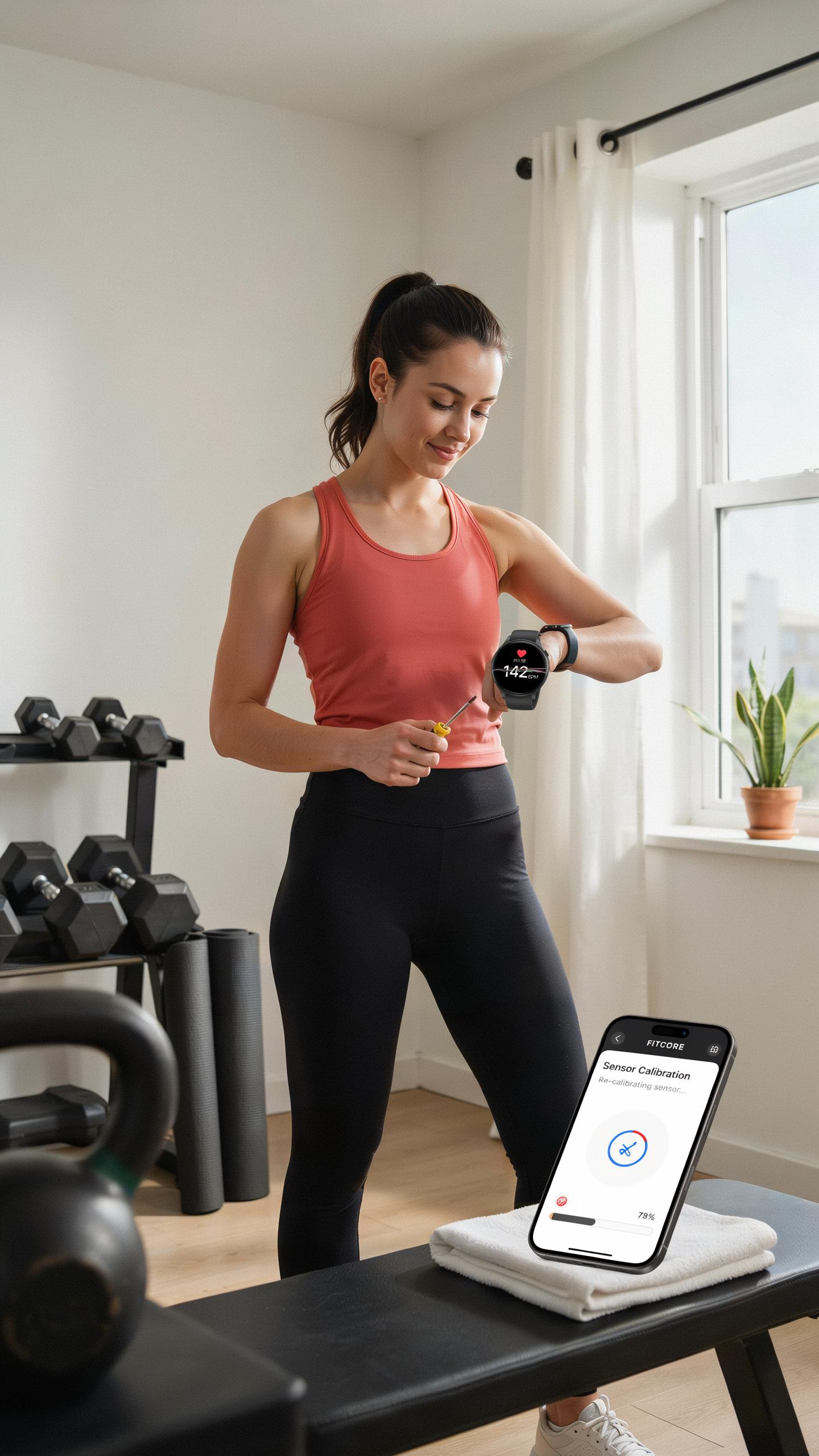
Signal dropouts happen when the chest strap loses connection to your receiver. Wet skin under the electrode increases conductivity and fixes most connectivity problems. Reposition the strap one to two inches below your chest muscles. Ensure the electrodes make full contact with skin, not over body hair or scars. Move closer to your receiver device if dropouts persist during workouts.
Inaccurate readings stem from poor electrode contact or device interference. Clean the electrodes with a dry cloth before each session. Check that the strap sits snug but not restrictive. Remove the device away from other electronics like WiFi routers or cell phones. If readings stay erratic, test the chest strap on a different receiver to isolate the problem.
Maintenance And Care For Longevity
Clean the electrodes after every workout by wiping them with a damp cloth and drying immediately. Never submerge the electronic module in water, though most modern straps tolerate water splashes during exercise. Store the device in a cool, dry place away from direct sunlight. Replace batteries according to the manufacturer’s specifications, typically annual replacement for standard models. Keep the fabric strap clean and replace it if elastic degrades or electrodes corrode.

Battery replacement prevents gradual performance decline and sudden failures mid workout. Check the battery indicator on your receiver before training sessions. Use only approved battery types specified in your device manual. Inspect the electrode pads for discoloration or cracking every few months. A well maintained chest strap remains accurate for three to five years with consistent use.
Choosing The Best Heart Rate Monitor For Athletes

Factors To Consider: Brand Reputation And Reviews
Research manufacturers with a track record in sports electronics. Garmin, Polar, and Wahoo have established themselves through years of product development and athlete feedback. Check independent testing from fitness tech reviewers. Read user reviews on retail sites and fitness forums to identify patterns. Look for complaints about strap durability, sensor accuracy, and connectivity issues.
Reputation matters because poor heart rate data ruins your training. A brand with complaints about inconsistent readings or frequent disconnections wastes your time and money. Verify that the manufacturer offers customer support and warranty coverage. Test return policies before purchasing. Companies standing behind their products typically deliver better quality.
Budget Friendly Vs Premium Options
Entry level chest straps cost between 50 and 100 dollars and deliver accurate heart rate data for basic training. Mid range options between 100 and 200 dollars add features like Bluetooth connectivity and longer battery life. Premium models exceed 200 dollars and include advanced metrics, multiple sport profiles, and superior build quality.

Your budget should match your training needs. Casual runners need basic heart rate accuracy. Competitive athletes and those using structured training programs benefit from premium features and reliability. Don’t overpay for features you won’t use. Don’t underpay and sacrifice accuracy that undermines your entire training program.
Beyond Cardio Other Benefits Of Heart Rate Monitoring

Tracking Recovery And Sleep Patterns
Heart rate variability (HRV) measures the time intervals between heartbeats. A chest strap captures this data with precision during sleep and recovery periods. Higher HRV typically indicates a nervous system in parasympathetic mode, meaning your body is recovering well. Lower HRV suggests accumulated fatigue or stress. Monitoring these patterns reveals whether your training load matches your recovery capacity.
Your resting heart rate serves as a baseline indicator of recovery status. A chest strap tracks this metric consistently night after night. When your resting rate climbs above normal, it signals insufficient recovery or incoming illness. Comparing week-to-week trends shows whether sleep quality and training load align. This data guides decisions on when to push hard or dial back intensity.
Stress Management And Mindfulness Applications
Real-time heart rate feedback during stress helps you recognize physiological arousal patterns. A chest strap provides immediate data on how your body responds to stressors. You can correlate heart rate spikes with specific situations or thoughts. This awareness creates the foundation for deliberate stress response management through breathing or mental techniques.
Chest strap data during meditation or breathing exercises demonstrates tangible progress in stress control. You observe your heart rate decrease as you practice calming techniques. This visual feedback reinforces behavior change and builds confidence in your ability to manage stress. Over time, you develop faster nervous system recovery skills through objective measurement.
The Future Of Accurate Cardio Tracking And Normal Heart Rate Monitor Technology
Advancements In Sensor Technology And Data Analytics
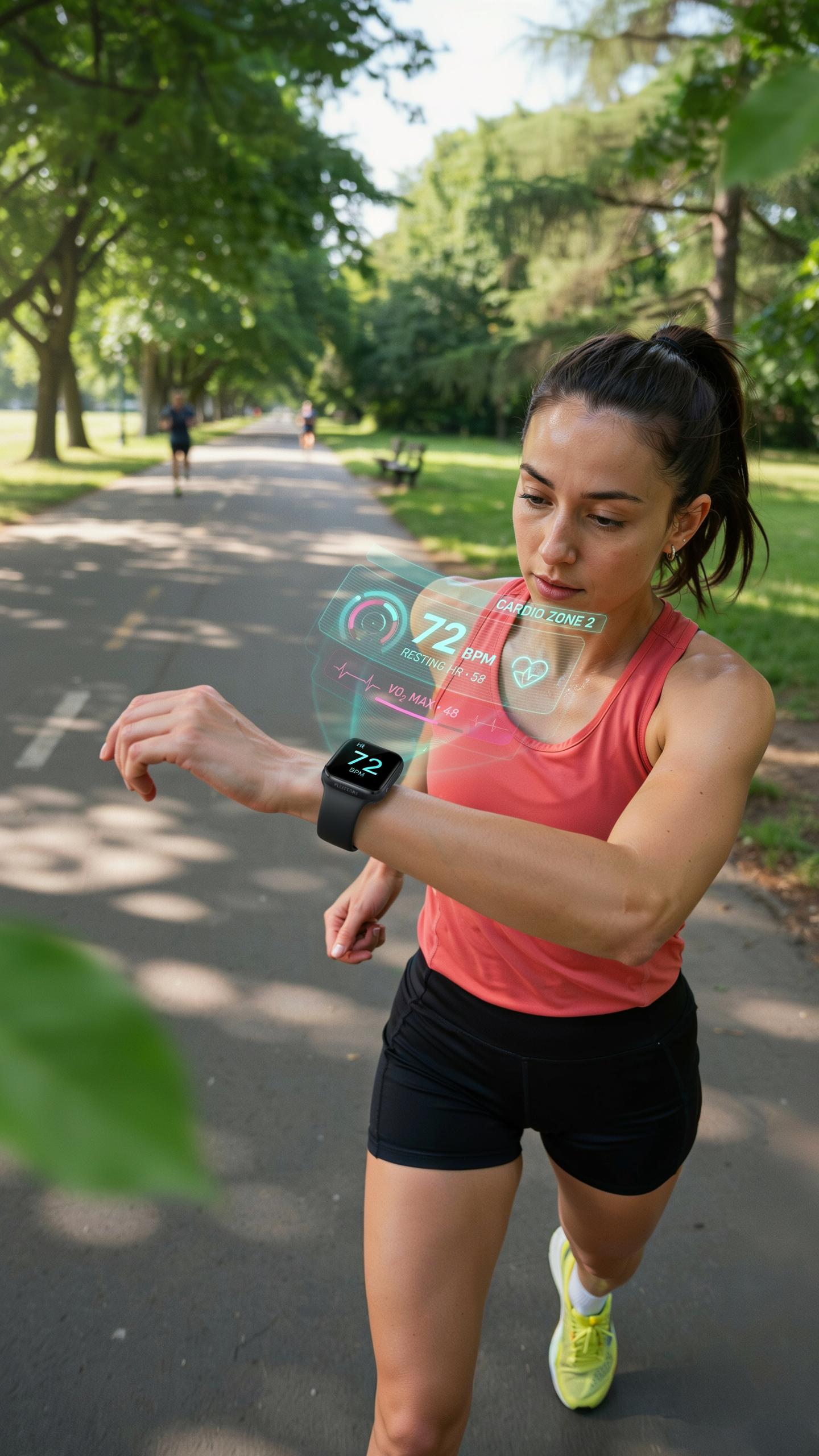
Chest strap sensors are moving toward higher sampling rates and improved noise filtering. Current electrocardiogram based chest straps capture data at 250 to 1000 Hz, which exceeds what wrist worn devices can achieve. This raw data feeds into machine learning algorithms that distinguish between actual heart rate signals and electrical interference from muscle movement or device shifting.
Manufacturers now embed multiple sensors in chest straps to cross reference readings and eliminate false spikes. Advanced algorithms analyze beat to beat interval variability with greater precision than older models. This layered approach reduces errors from physical activity artifacts that plagued first generation wearables. Data processing happens faster and more accurately than ever before.
Integration With Smart Wearables And AI
Chest straps now sync with smartphone apps and fitness platforms that aggregate heart rate data alongside other metrics like sleep quality and training load. This ecosystem approach allows AI systems to detect training stress, recovery needs, and overtraining patterns by analyzing trends across multiple data sources. The chest strap becomes a single component in a larger health intelligence network rather than a standalone tool.
Future chest straps will communicate directly with smartwatches and fitness trackers to provide real time coaching feedback during workouts. AI will interpret your heart rate data instantly and suggest pace adjustments or recovery interventions. This automation removes guesswork from training decisions and tailors recommendations to your individual physiology and goals.
Frequently Asked Questions

What exactly is a heart rate chest strap and why is it better than a smartwatch for tracking my workouts?
A heart rate chest strap is a band worn around your chest that precisely measures your heart’s electrical activity. This provides significantly more accurate data than wrist-based trackers, which can be affected by movement. For serious cardio tracking, a chest strap offers reliable, real-time feedback crucial for optimizing your training zones.
How do I properly wear and use a heart rate chest strap to ensure I’m getting the most accurate readings?
To get the most out of your heart rate chest strap for accurate cardio, moisten the sensor pads before positioning it snugly just below your pectoral muscles. Ensure a good connection to your skin. Pair it with your fitness device via Bluetooth or ANT+. Consistent contact is key for uninterrupted and precise heart rate monitoring during your activity.
Are there affordable heart rate chest straps available that still offer good accuracy for someone on a budget?
Absolutely! You don’t have to break the bank to get an effective heart rate chest strap. Many reputable brands offer budget-friendly models that provide excellent accuracy for cardio tracking. Look for options with ANT+ and Bluetooth connectivity for broad compatibility, ensuring you get great value without compromising on performance.