
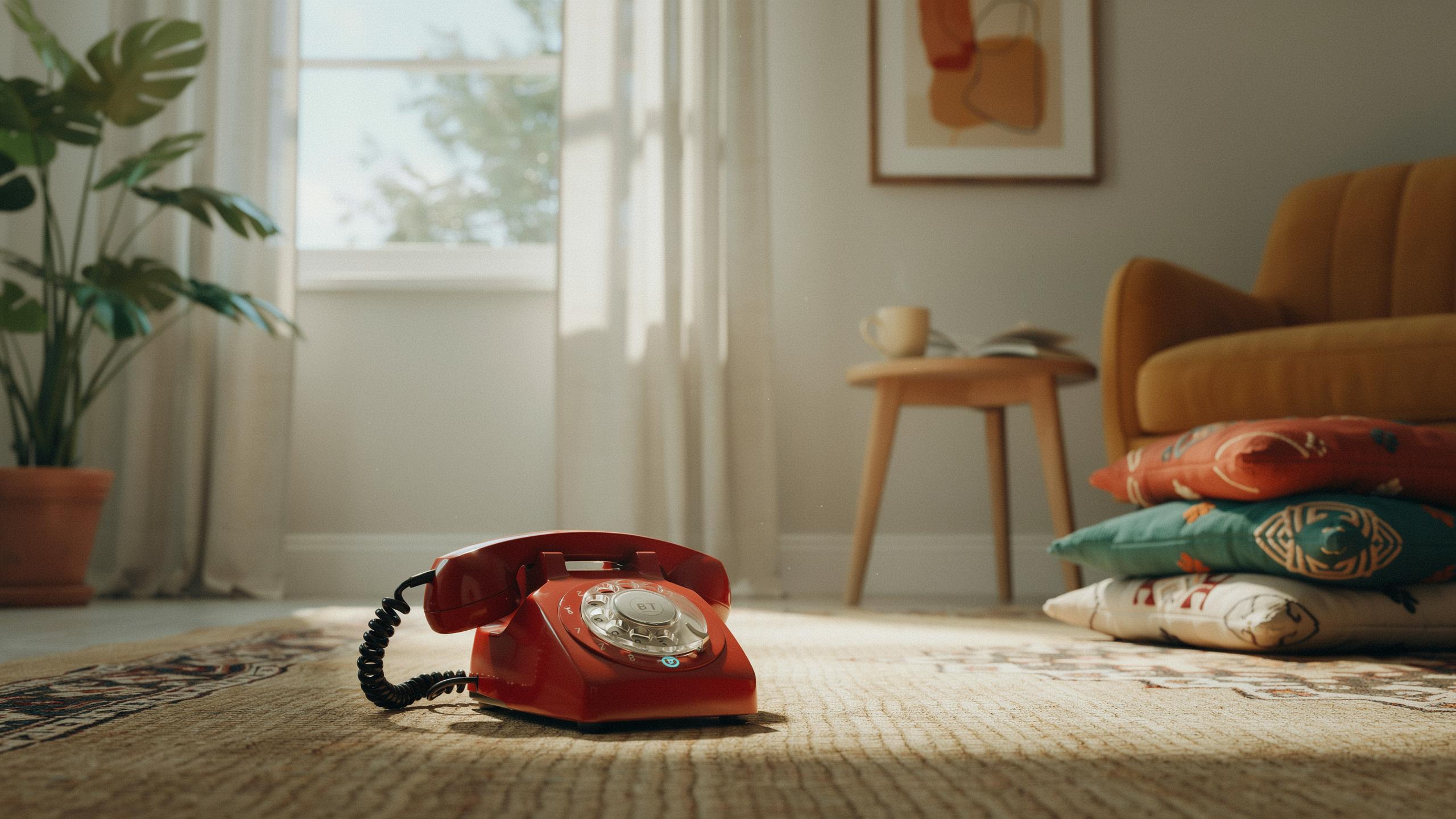
The Allure Of Retro Phones Why Vintage Telephones Endure

Nostalgia And Aesthetic Appeal
Rotary phones dominated households from the 1950s through 1980s. They represent a tangible era before digital screens consumed daily life. People drawn to vintage design seek authentic objects that mark a specific time period. A rotary phone on a shelf signals intentionality about one’s environment. It communicates that the owner values craftsmanship and history over disposable trends. This psychological connection drives demand for retro-styled phones today.
The design language of rotary phones works across multiple interior styles. Mid-century modern spaces benefit from the clean lines and material quality. Industrial lofts use rotary phones to soften hard edges. Even contemporary minimalist rooms incorporate them as focal points. The physical weight and mechanical nature of rotary phones create contrast against digital devices. This contrast appeals to people fatigued by screens and seeking analog authenticity.
Beyond Communication: A Decorative Statement
Rotary phones function as conversation starters and personality markers in living spaces. Unlike most decor, they carry historical weight and engineering story. A vintage-styled rotary phone signals taste and intentionality. It works harder than generic wall art because it combines form with implied function. Bluetooth connectivity makes modern versions practical while maintaining the visual identity. This hybrid approach solves the problem of owning beautiful objects that serve no purpose.
Interior designers and homeowners position rotary phones strategically in offices, bedrooms, and entryways. They anchor bookshelf displays and create visual rhythm on desks. The sculptural quality of rotary phones commands attention without demanding space. Colors like harvest gold, avocado, and black remain timeless in interior applications. Modern versions in contemporary colors like white and grey extend the appeal to minimalist aesthetics. A retro rotary phone with Bluetooth functions as both working device and design statement.

Marrying Old And New Retro Style Rotary Phone With Bluetooth

The Evolution Of The Rotary Dial
The rotary dial emerged in the 1890s as the first automatic telephone switching system. Users inserted a finger in the numbered hole and rotated the dial clockwise until their finger hit the metal stopper. The dial then spun back, generating electrical pulses that corresponded to each number. This mechanical process eliminated the need for operators to manually connect calls.
Touch-tone phones replaced rotary systems starting in the 1960s. Instead of mechanical rotation, touch-tone used audible frequencies for each number and symbol. Buttons replaced the dial, allowing faster dialing. Touch-tone became the standard by the 1980s. Rotary phones vanished from most households, but their distinctive mechanical design created lasting cultural appeal that endures today.
Seamless Connectivity: Bluetooth Integration
Bluetooth technology converts audio signals into wireless data packets transmitted between devices. When integrated into a retro rotary phone, Bluetooth receivers pick up calls from paired smartphones within 30 feet. The phone maintains its original appearance while functioning as a wireless handset for modern communications. This eliminates the need for traditional phone line connections.
The practical advantage is simple: users get a functional rotary phone that works with contemporary devices. The dialing mechanism remains mechanical but decorative, as most users initiate calls via smartphone apps or voice commands. The handset receives audio wirelessly, providing both aesthetic appeal and modern utility. This combination satisfies collectors and design enthusiasts seeking functional vintage style for home environments.

Choosing Your Perfect Retro Phone Styles And Features
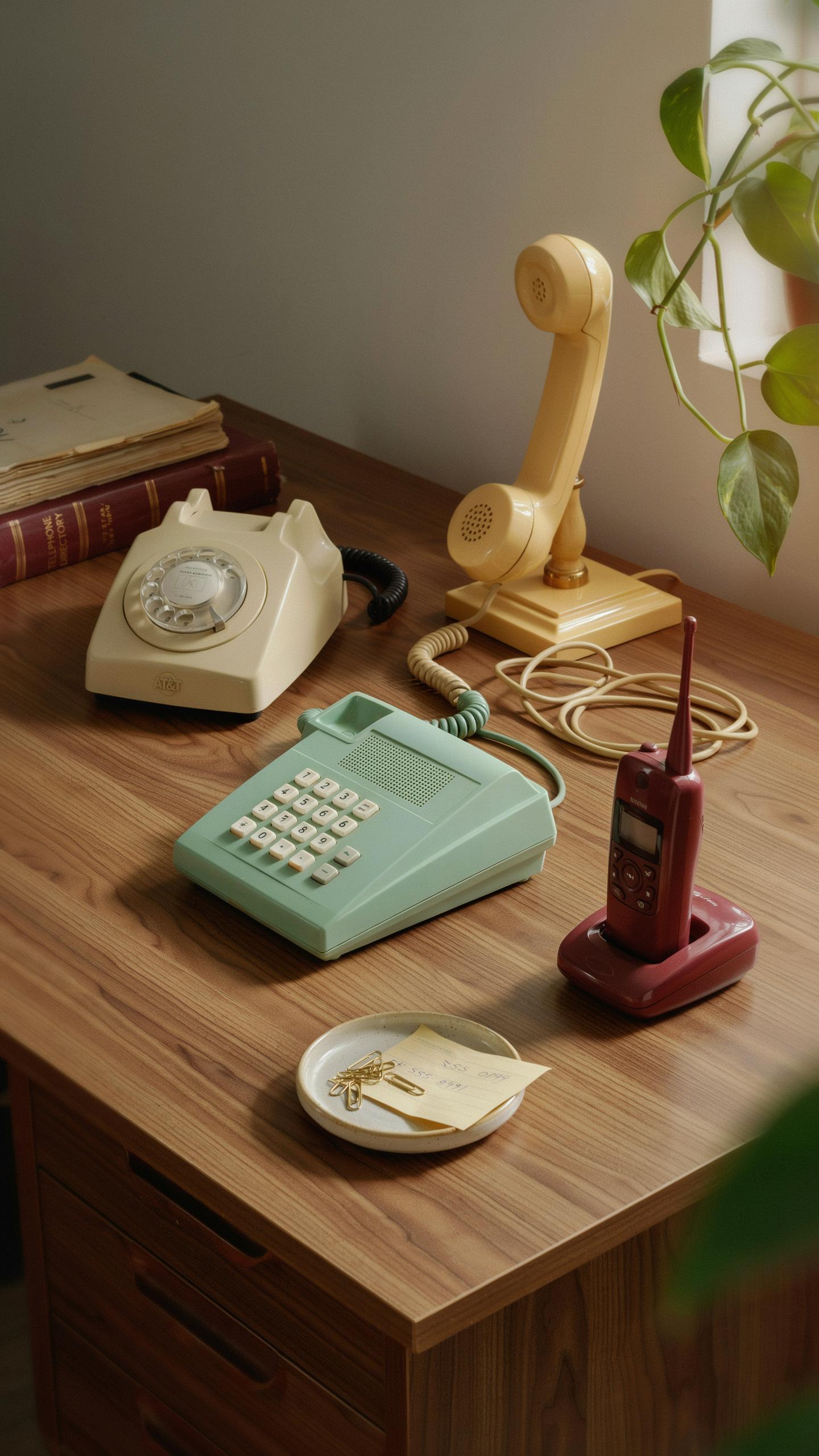
Iconic Designs: From Candlestick To Desk Phone
Candlestick phones emerged in the early 1900s as the first practical telephone design. Users held a separate handset to their ear while speaking into a mounted mouthpiece. This vertical stand design defined the era and remains instantly recognizable. Manufacturers produced candlestick phones through the 1920s before transitioning to integrated handset designs that proved more convenient for users.
Cradle phones replaced candlestick models by combining the handset and base into a single unit. The handset rested in a curved cradle on top of the phone body during idle periods. Classic desk phones from the 1940s through 1970s dominated home and office environments with their rotary dials and heavy Bakelite or plastic construction. Modern retro Bluetooth versions replicate these proven desk phone silhouettes because consumers recognize and trust the form factor.
The past is a delightful, comforting embrace, and with a touch of modern magic, it can beautifully adorn our present.
Key Features To Look For
Build quality determines whether your retro phone survives daily use while maintaining functionality. Check the materials used. Phones with metal components resist damage better than all plastic models. Test the handset weight and grip comfort before purchasing. The dial mechanism should operate smoothly without grinding sounds. Quality construction ensures your phone works reliably for years rather than becoming a decoration that fails when actually used.
- Bluetooth Connectivity: Verify the phone pairs reliably with smartphones and tablets. Range should extend at least 30 feet in open spaces without dropped connections or audio lag during calls.
- Sound Clarity: Listen for natural voice reproduction without distortion at normal speaking volumes. Speaker quality affects call experience significantly and determines whether the phone serves actual communication needs.
- Handset Compatibility: Confirm the handset fits comfortably against your ear and mouth. A poor fit causes user fatigue and makes conversations difficult despite other quality features.
- Dial Functionality: Choose between authentic rotary dials that actually pulse signals versus decorative non-functional dials. Functional dials add genuine usability but limit phone compatibility to systems supporting rotary input.
- Battery Performance: Check expected talk time and standby duration on rechargeable models. Some phones require daily charging while others last several days between charges.

Sound quality and ease of use separate functional retro phones from novelty items. Test the speaker volume and microphone sensitivity to ensure calls remain audible in typical home environments. Verify that button placement and layout don’t require awkward hand positioning during extended calls. A retro design serves no purpose if it sacrifices basic communication performance for appearance alone.
Home Decor Harmony Integrating A Vintage Telephone
Placement And Styling Tips
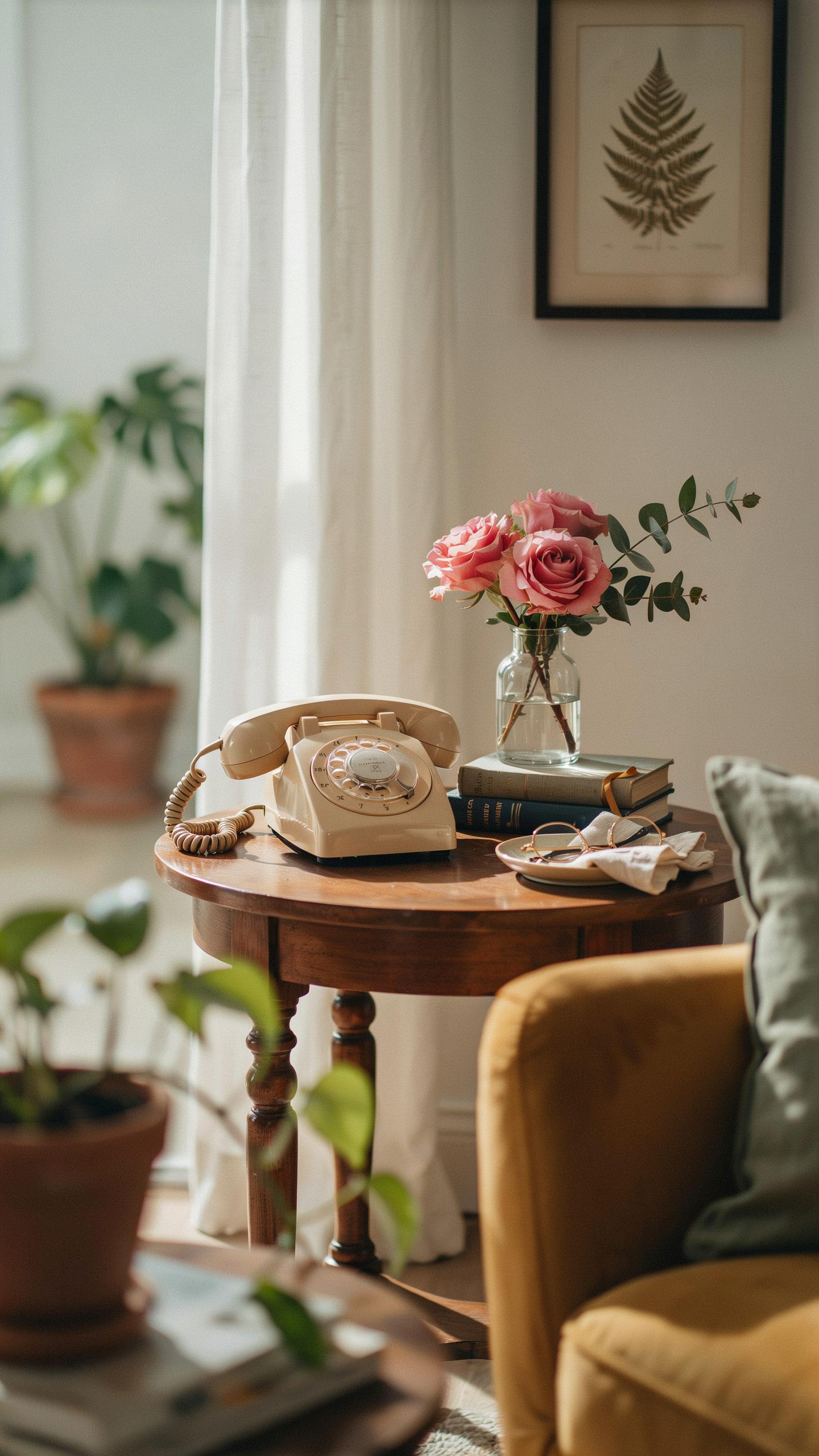
Position your retro rotary phone on surfaces that naturally draw the eye. Nightstands, entry tables, and desk corners work well because they serve functional purposes while displaying the device prominently. Avoid crowded shelves where the phone gets lost among clutter. The rotary mechanism and handset design work best when visible and accessible, not tucked away.
Pair the phone with period-appropriate accessories to strengthen its visual impact. Vintage desk lamps, old books, or analog clocks complement the aesthetic without competing for attention. Keep surrounding surfaces relatively minimal so the phone stands as a focal point. Modern décor pieces near the phone dilute its design impact and create visual confusion.
Complementary Decor Themes
Retro rotary phones fit naturally into mid-century modern spaces because they align with the era’s design principles of form meeting function. This movement, roughly 1945 to 1969, favored clean lines and practical objects displayed as design elements. Your rotary phone embodies these values. The Bluetooth integration doesn’t compromise the visual authenticity since it remains internal and invisible.
Industrial and steampunk themed rooms benefit from rotary phones as anchoring pieces. These design approaches celebrate mechanical function and visible engineering. The rotary dial’s mechanical operation appeals to this aesthetic philosophy. Shabby chic and vintage farmhouse styles also integrate these phones well since they celebrate repurposed, aged items that tell stories through their wear and design.
Beyond Calls Creative Uses For Your Bluetooth Retro Phone
The Unique Audio Guest Book Experience
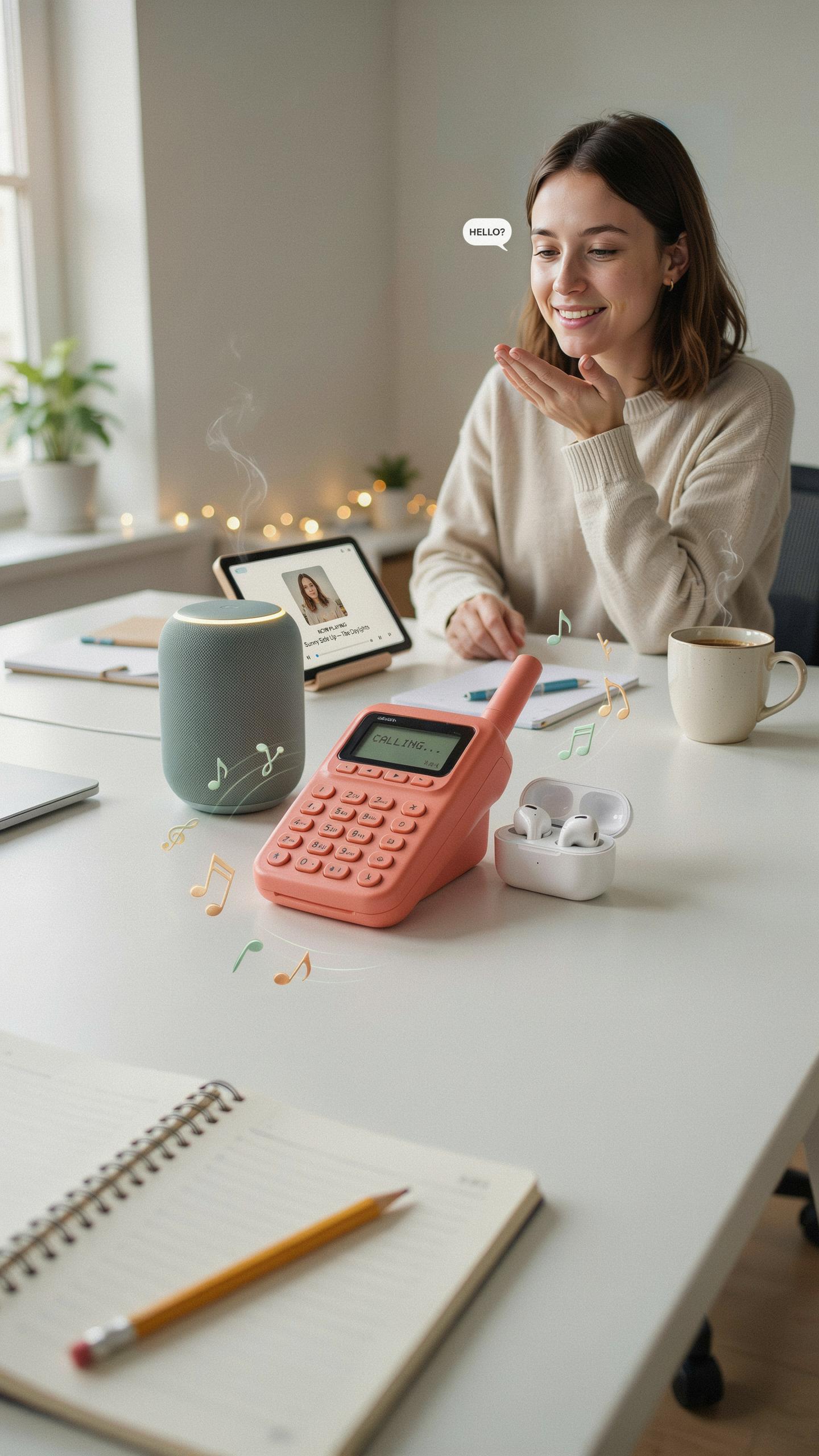
Weddings and special events benefit from alternative guest engagement methods. A Bluetooth retro phone serves this function by allowing guests to record voice messages directly into the device. The rotary dial mechanism creates a conversation starter while the Bluetooth connectivity streams messages to a paired device for storage and playback later.
Event planners position the phone as a novelty station rather than a traditional guestbook. Guests find the tactile interaction memorable and the audio format captures tone and emotion that written notes cannot. The retro aesthetic adds visual interest to reception areas while the technology delivers practical recording capability without requiring guests to understand complicated equipment.
Music Playback And Speaker Functionality
Certain Bluetooth retro phones include built in speaker systems that function independently from call features. These devices pair with smartphones or tablets to stream music while maintaining their vintage appearance. The speaker quality varies by manufacturer and model, but the novelty of audio playback through a period correct device appeals to collectors and design enthusiasts.
The audio output serves practical purposes beyond entertainment value. Users employ these phones as ambient sound solutions in living rooms, offices, and bedrooms. The mechanical components and speaker placement produce a distinct acoustic signature that differs from modern Bluetooth speakers, making them a tactile alternative to contemporary audio devices.
Maintenance And Care For Your Antique Gold Rotary Telephone
Keeping It Pristine: Cleaning And Upkeep

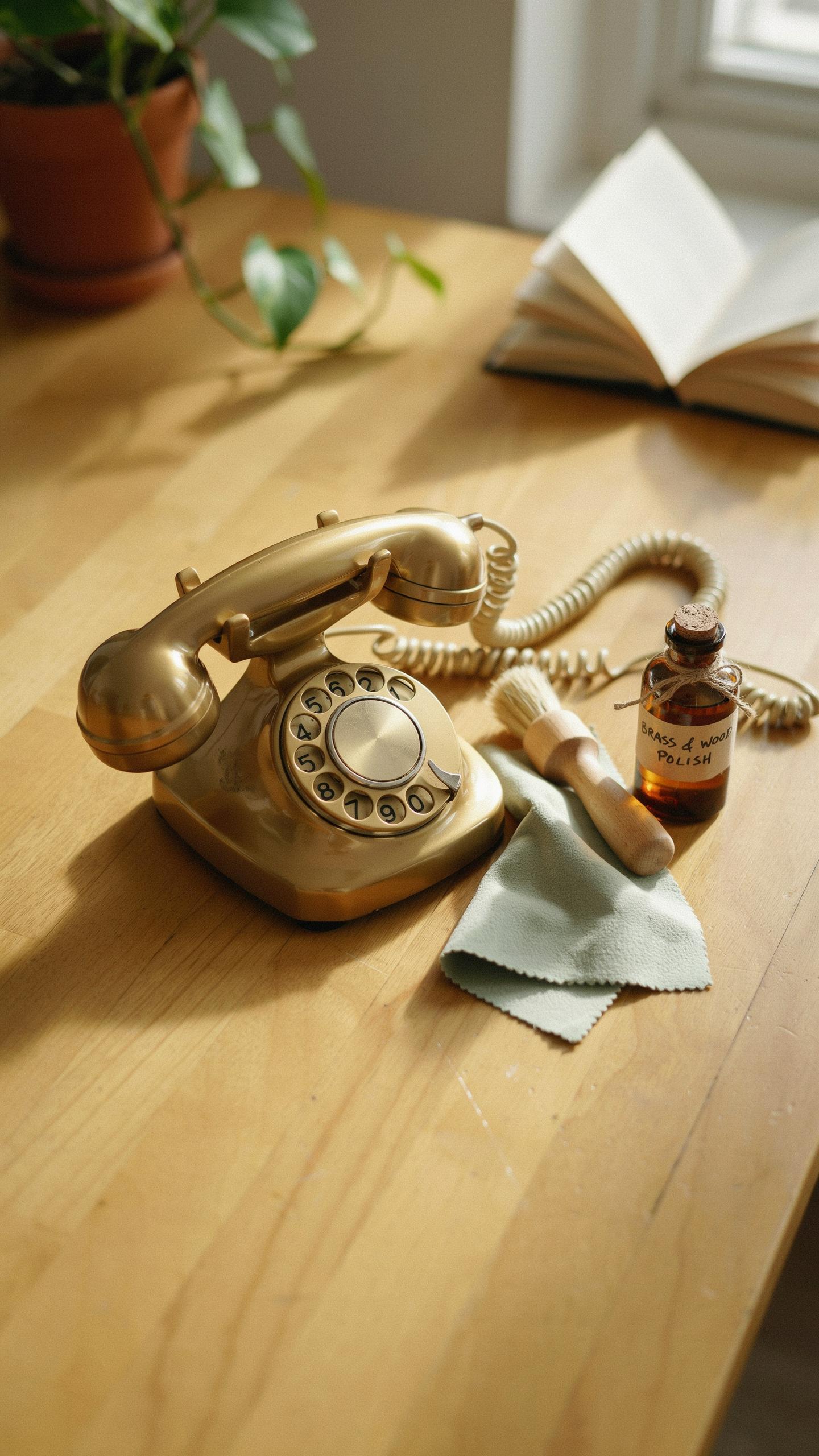
Gold plating on rotary phones requires specific cleaning methods to prevent damage. Use a soft microfiber cloth slightly dampened with distilled water to wipe the exterior surfaces. For stubborn dust in the dial mechanism, apply compressed air in short bursts. Avoid alcohol-based cleaners or abrasive materials, as these strip the gold finish and degrade underlying metal components.
The handset and cord need regular inspection for wear. Check the connection points where the handset meets the base for loose contacts or corrosion. If the cord shows cracks or brittleness, replace it with a compatible retro-style cord to maintain function. Store the phone in a climate-controlled environment away from direct sunlight, which fades the gold patina over time and affects the overall aesthetic appeal.
Troubleshooting Common Bluetooth Issues
Bluetooth connectivity fails when the pairing process doesn’t complete properly. Power cycle both the rotary phone and your connected device by turning them off for 30 seconds. Delete previous pairings from your device’s Bluetooth menu and attempt pairing again. Ensure the phone’s Bluetooth module sits within 30 feet of your device without physical obstructions like walls or metal objects blocking the signal.
Audio drops or intermittent connection problems often stem from interference in the 2.4 GHz frequency band. Move the phone away from WiFi routers, microwave ovens, and cordless phones that operate on the same frequency. Check that your device’s Bluetooth drivers or firmware are current, as outdated software causes compatibility issues. If problems persist after these steps, contact the manufacturer to verify the Bluetooth module functions correctly.
The Perfect Gift A Retro Phone For Every Occasion

For The Tech Enthusiast With A Vintage Heart
A retro style rotary phone with Bluetooth solves a specific problem for gift buyers. The recipient gets functional modern technology wrapped in authentic 1960s or 1970s design language. These phones work with current smartphones and audio devices while occupying physical space that reads as intentional design choice rather than obsolete equipment.
The appeal centers on practical nostalgia. Users operate a genuine rotary dial mechanism that requires deliberate finger movements, then connect wirelessly to contemporary devices. This creates tangible contrast between analog interaction and digital functionality. The phones work as actual communication tools, not display pieces that collect dust.
A Timeless Piece For Any Collector
Collectors value these phones because they merge two distinct product categories. Traditional rotary phones represent industrial design from the mid-twentieth century, a documented historical artifact. Adding Bluetooth transforms them into limited production items that won’t exist in five years, creating artificial scarcity that collectors pursue.
The historical significance remains grounded. Original rotary phones shaped how people communicated for decades. Modern Bluetooth versions acknowledge that era while rejecting the premise that old technology must stay dead. Collectors recognize these as genuine hybrids, not cheap replicas. The manufacturing quality determines collection value, making authenticated pieces worth tracking across production runs and manufacturers.

Where To Buy Your Retro Style Rotary Phone

Online Retailers And Specialty Shops
Amazon and eBay stock multiple retro rotary phone models with Bluetooth capability from various manufacturers. These platforms let you compare prices, read customer feedback, and check stock availability in real time. Specialty home decor retailers and vintage-focused online shops also carry curated selections. Direct manufacturer websites often provide detailed specifications and sometimes offer exclusive color options or bundle deals that mass-market retailers don’t stock.
Etsy hosts independent sellers and small manufacturers who produce handcrafted rotary phones with modern Bluetooth integration. Local antique shops occasionally carry authentic vintage rotary phones retrofitted with Bluetooth by third-party technicians. Target and Urban Outfitters stock mass-produced retro phone models designed for contemporary consumers. Checking multiple channels takes extra time but reveals price variations and availability differences that impact your final cost and delivery timeline.
What To Consider Before Purchasing
Verify the warranty length before buying. Most manufacturers offer one to two year warranties covering defects in Bluetooth connectivity, speaker function, and rotary dial mechanics. Return policies vary significantly between retailers. Amazon typically allows 30 day returns, while specialty shops may have shorter windows. Read customer reviews specifically mentioning Bluetooth reliability and call quality rather than purely aesthetic feedback, as technical performance directly affects long term satisfaction.
Battery life matters more than retailers typically emphasize. Bluetooth rotary phones require charging every 5 to 10 days depending on usage frequency. Check if the model uses rechargeable batteries or disposable ones, since replacement costs add up over time. Confirm compatibility with your smartphone’s operating system and Bluetooth version before purchasing. Ask customer service whether the dial functions purely mechanically or has electronic components that might fail, as this affects durability and repair costs down the line.
The Future Of Retro Vintage Telephones In A Digital Age
Sustaining Classic Design Through Innovation
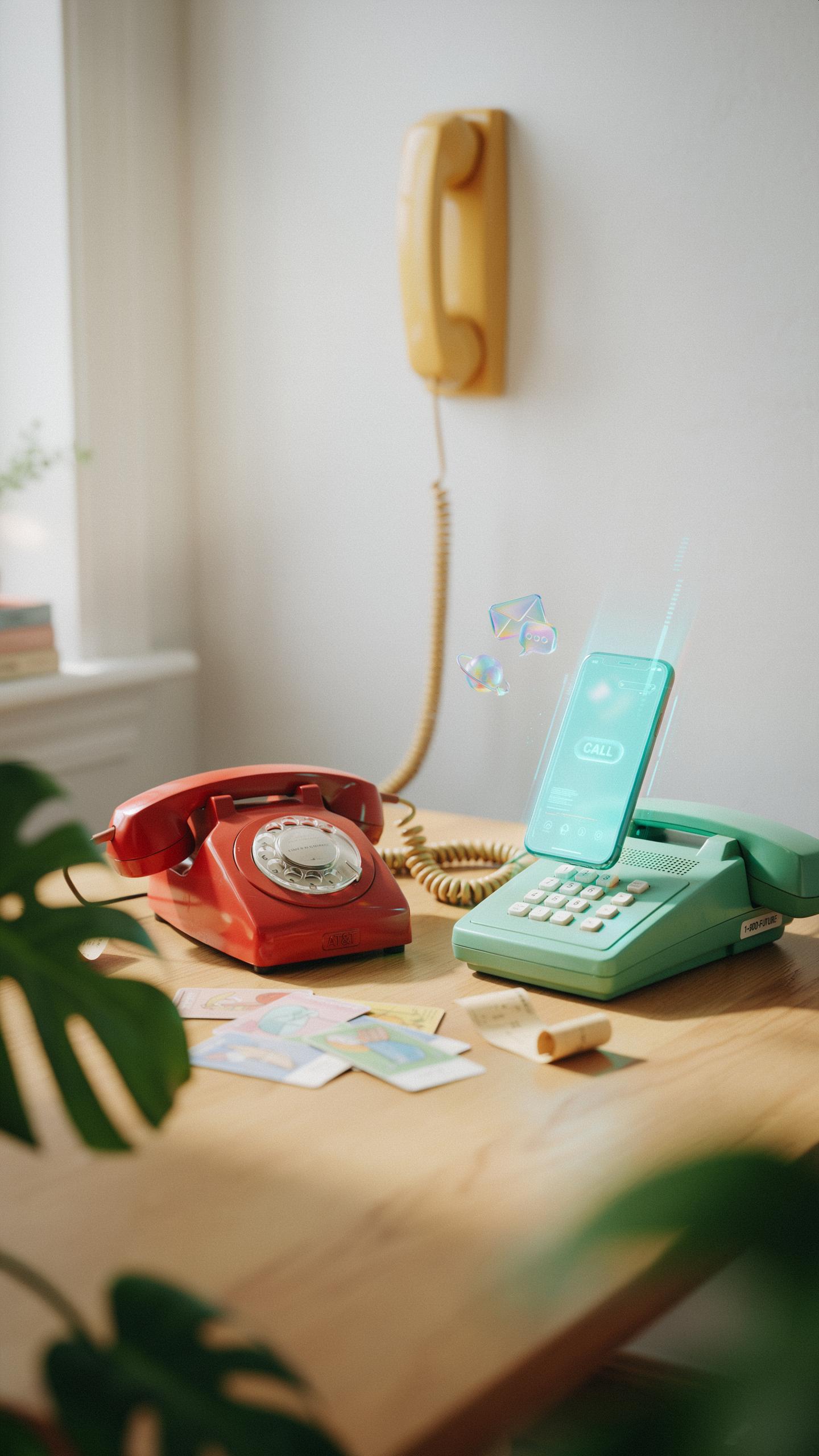
Bluetooth integration solves a real problem for rotary phone enthusiasts. These devices bridge the gap between nostalgia and functionality. Users want the mechanical satisfaction of dialing without sacrificing modern connectivity. Adding wireless capability keeps rotary phones relevant in homes where smartphones dominate. The mechanical components remain unchanged, preserving authentic design while enabling practical use.
Manufacturers achieve this through straightforward engineering. They install Bluetooth receivers inside the phone housing without altering external aesthetics. The internal speaker and microphone connect to the wireless module. This approach maintains the phone’s visual integrity while delivering contemporary features. The result attracts buyers who value both form and function in their home decor.
The Enduring Charm Of Tactile Experiences
Rotary phones offer something smartphones cannot deliver: physical engagement. The finger dial requires deliberate motion and produces mechanical feedback. This tactile process creates a different user experience than tapping screens. Consumers increasingly seek objects that demand interaction rather than passive observation. The rotary mechanism transforms a simple action into a satisfying ritual.
Touchscreens dominate modern life, creating fatigue and disconnection for many users. A rotary phone provides psychological relief through mechanical operation. The weight, resistance, and sound of the dial engage multiple senses simultaneously. This multisensory experience explains why vintage phones appeal beyond mere nostalgia. The device itself becomes a functional art piece that disrupts digital monotony.
Frequently Asked Questions

What exactly is a retro style rotary phone with Bluetooth and how does it work?
A retro style rotary phone with Bluetooth is a decorative and functional device that mimics the classic rotary phone aesthetic. Instead of a traditional landline connection, it pairs wirelessly with your smartphone, acting as a stylish handset for making and receiving calls. It brings vintage charm with modern convenience to your home decor.
How do I connect my smartphone to a retro style rotary phone with Bluetooth?
Connecting your smartphone to a retro style rotary phone with Bluetooth is typically straightforward. Simply ensure the phone is powered on, activate Bluetooth on your smartphone, and select the phone from the list of available devices. Once paired, your phone will route calls through the charming retro handset, offering a unique calling experience.
Are retro style rotary phones with Bluetooth generally affordable, or are they a significant investment?
The price of a retro style rotary phone with Bluetooth can vary. You can find options ranging from moderately priced decorative pieces to higher-end models with additional features and premium craftsmanship. It’s often a worthwhile investment for adding a unique, functional statement piece to your home decor that blends nostalgia with modern utility.