
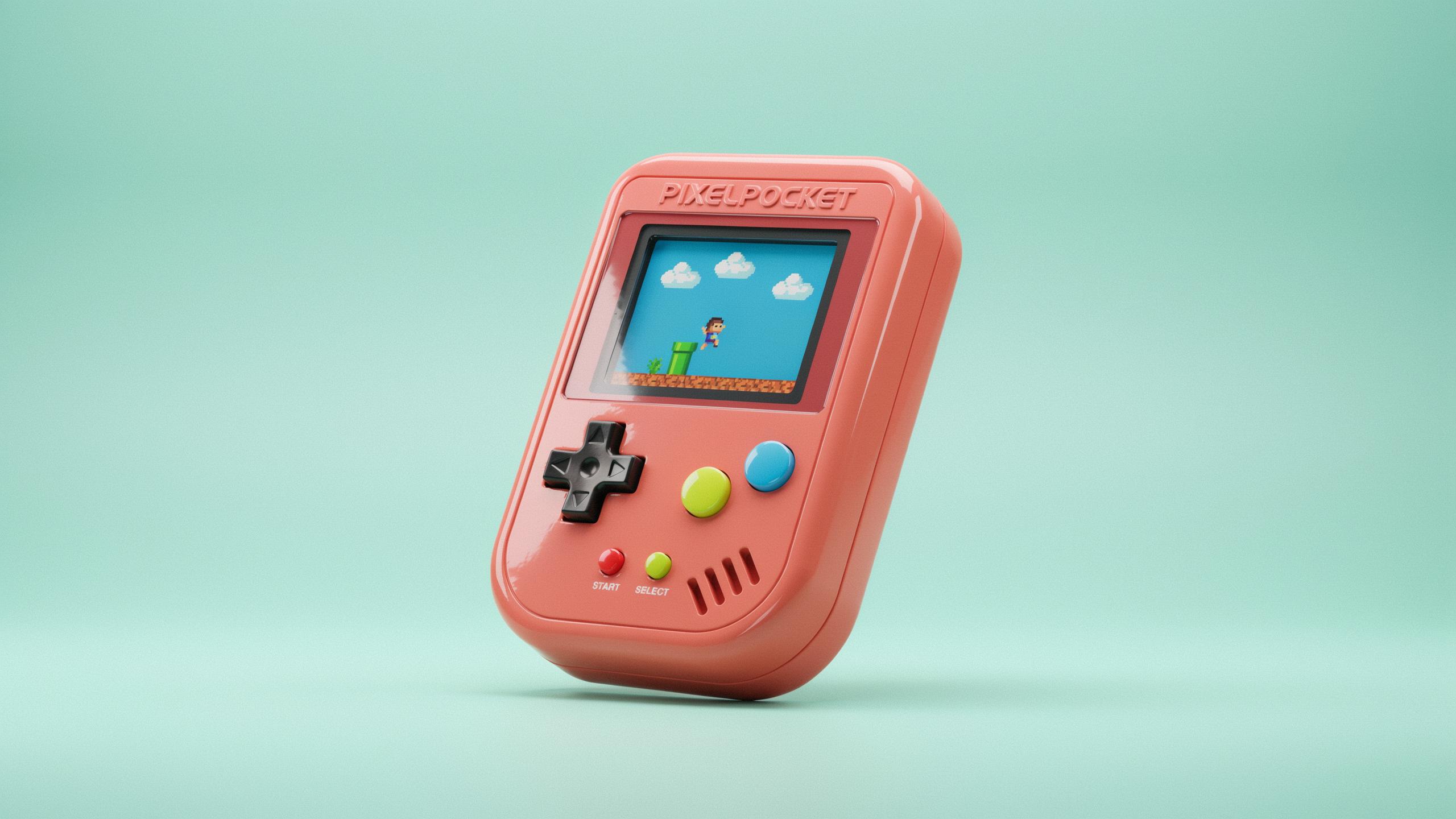
The Allure Of The Classic Handheld Gaming Console Why Reissues Resonate
Nostalgia And Its Powerful Grip On Gamers
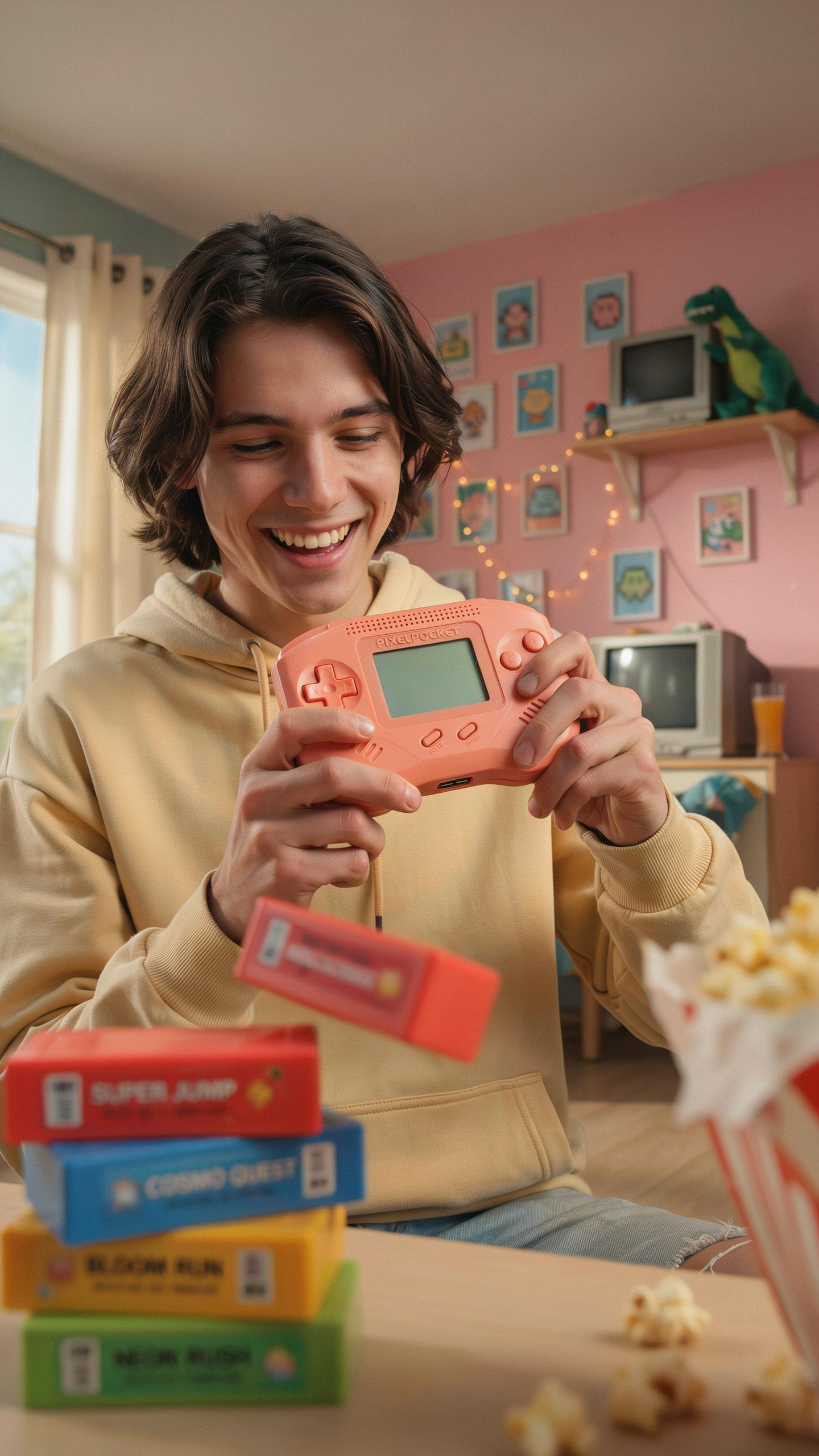
People who grew up with handheld gaming carry specific memories tied to those devices. The Game Boy, Nintendo DS, and original Game Boy Advance shaped childhoods for millions. These systems represent concrete touchpoints in people’s lives, not abstract concepts. Reissues tap into this by offering the exact same form factor and game libraries people remember.
Manufacturers recognize this connection and capitalize on it deliberately. Reissues sell because buyers want to recapture a specific moment in time. They’re not buying nostalgia abstractly. They’re buying access to games they played and the physical experience of holding those devices again. This demand drives entire product categories.
The Evolution Of Portable Gaming Technology
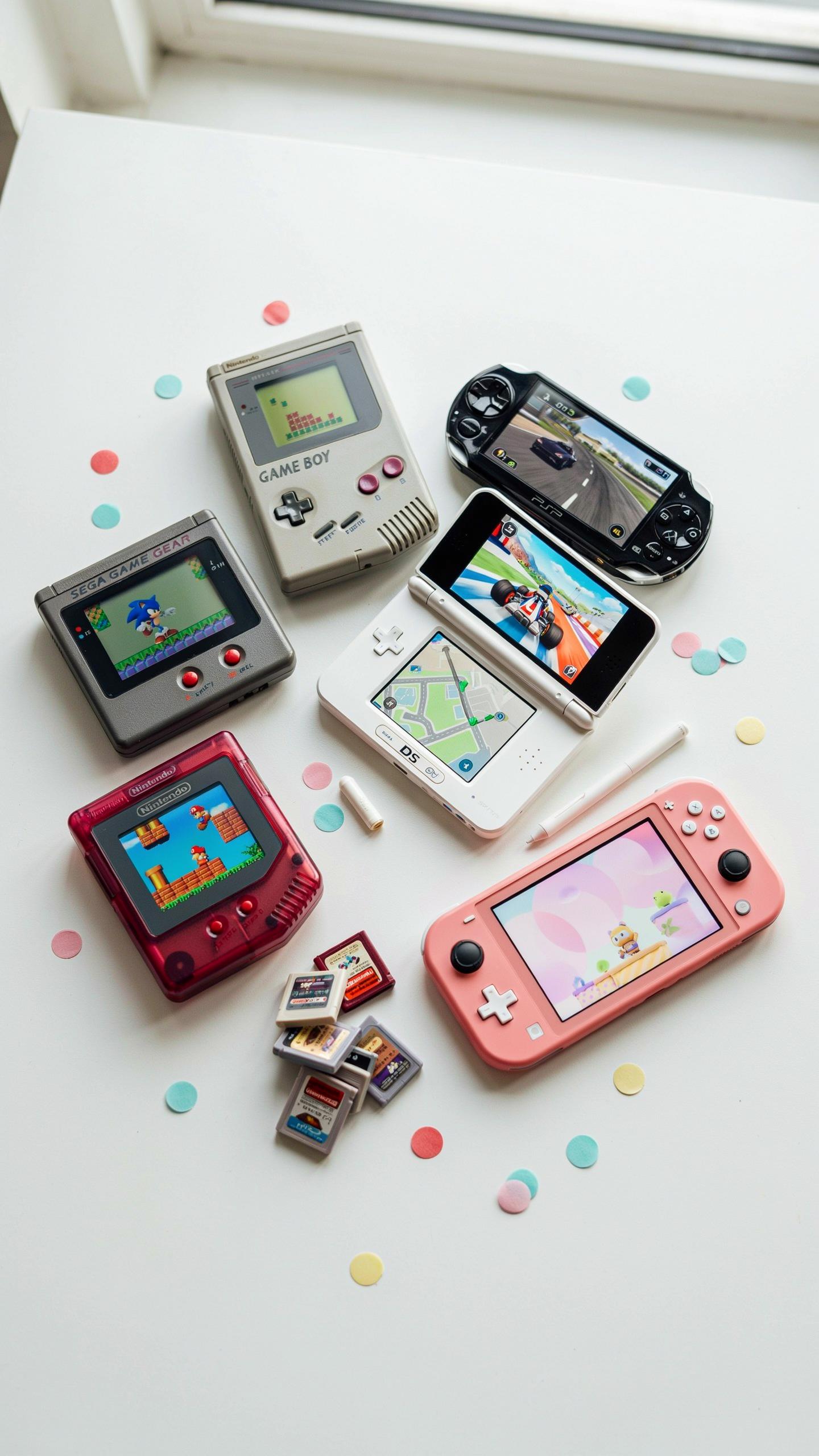
Handheld gaming started with simple LCD games in the 1970s and progressed through dedicated cartridge systems. Nintendo dominated this space with the Game Boy line, which used monochrome screens and AA batteries. Each generation added processing power, color displays, and network capabilities. The PSP introduced disc-based gaming to handhelds. The Nintendo Switch blurred lines between home and portable gaming.
Earlier handhelds succeeded through constraint, not capability. Limited processing power forced developers to create games with focused design. Longer battery life meant portable systems actually stayed portable. Simple controls reduced friction between players and games. Modern reissues preserve these design characteristics while updating internal hardware for reliability and compatibility with original game libraries.

What Defines A Quality Retro Handheld Gaming Console Reissue
Authenticity Vs Modern Enhancements
Original handheld consoles operated within hardware constraints of their era. Screen technology was limited to LCD or dot matrix displays. Battery life ranged from three to six hours depending on the device. Modern reissues face a choice: replicate those limitations or upgrade them.
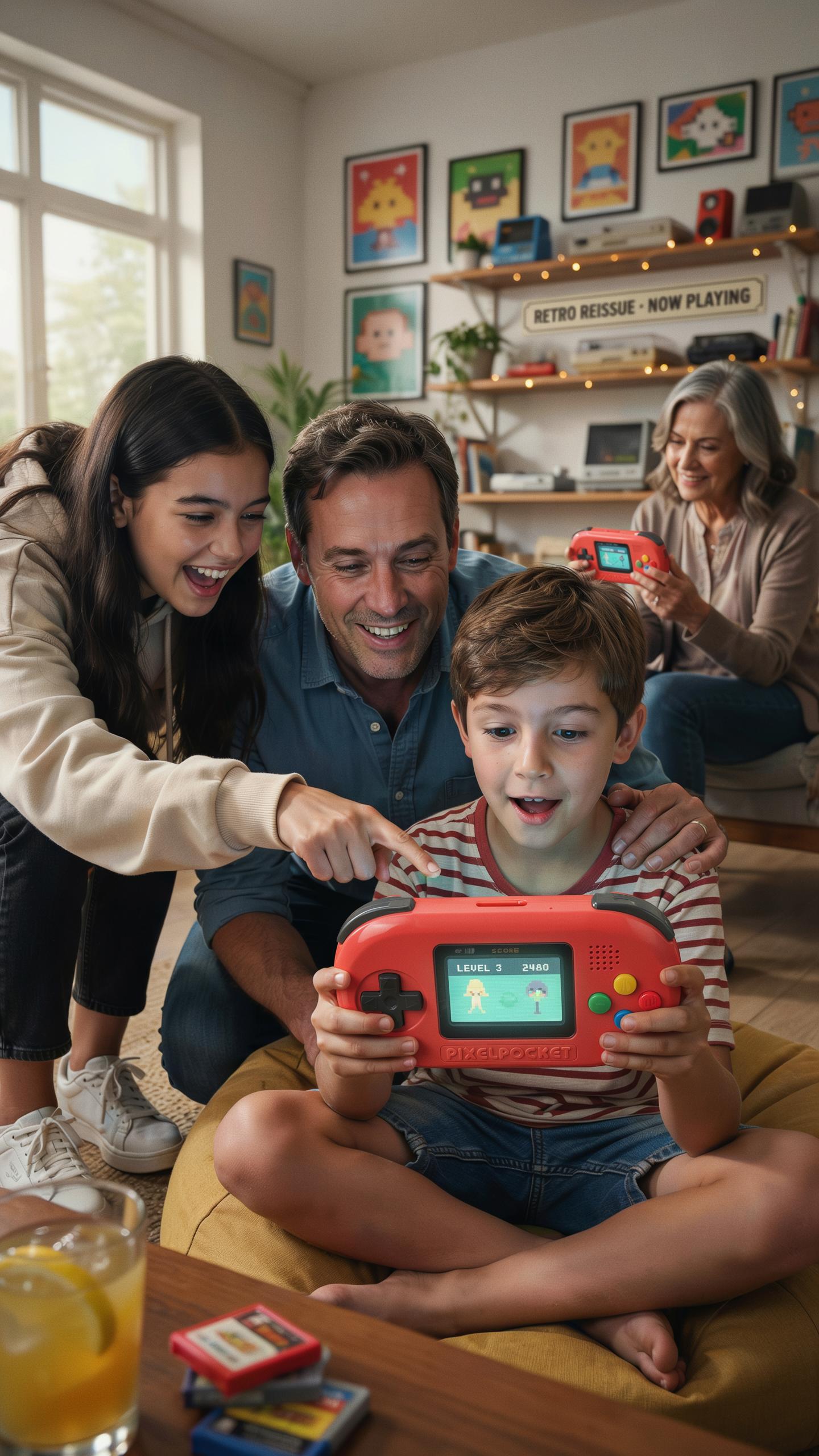
Manufacturers must decide whether to preserve the original experience or improve it. Higher resolution screens enhance visibility without changing game design. Better batteries extend play sessions without adding bulk. The tension exists because some buyers want exactness while others want practicality. Smart reissues identify which upgrades matter most and which compromise authenticity unnecessarily.
Revisit the magic of yesterday, for these reissued handhelds aren’t just devices; they’re time machines bringing joy back into your hands. Every pixel is a portal to cherished memories.
Build Quality And Durability
Reissued consoles encounter different usage patterns than originals did decades ago. Buyers expect devices to function reliably for years despite heavier handling. Original units used plastic compounds available in their manufacturing period, which sometimes degraded quickly. Modern reissues must use materials that resist wear, cracking, and discoloration over extended use.

Manufacturing standards have improved significantly since the original handheld era. Better plastics, reinforced button mechanisms, and improved solder joints reduce failure rates. Buttons must withstand thousands of presses without becoming unresponsive. Screen hinges on clamshell designs need robust engineering to handle repeated opening and closing. Poor durability kills a reissue’s reputation faster than any other single factor.
Exploring Diverse Handheld Video Game Consoles In The Reissue Market
From Official Re Releases To Independent Creations
The retro handheld reissue market splits into two distinct channels. Official re-releases come from original manufacturers or licensed partners who own intellectual property rights. Nintendo, Sega, and Atari control their own reissues through legal channels. Independent creators build devices using open-source emulation and custom hardware without official licensing agreements.
Licensed products carry brand authority and legal protection. Companies like Nintendo produce the Game Boy Advance SP reissue and NES Classic Edition through authorized manufacturing. These products maintain original aesthetics and functionality. Community projects like the Analogue Pocket and custom Game Boy modifications operate in gray areas, offering superior hardware but lacking official backing.
Key Players And Notable Reissues
Nintendo dominates the official reissue space with the NES Classic Edition, SNES Classic Edition, and Game Boy Advance SP reissue. Each product sold millions of units between 2016 and 2023. Nintendo controls the distribution, pricing, and production timelines for these devices. Their licensing strategy prevents direct competition from other manufacturers on their specific libraries.

Sega entered the market with the Game Gear Micro in 2020, offering a compact handheld with original Game Gear titles. Atari released the Atari Flashback series for home consoles and handheld variants. Analogue, a third-party company, built the Pocket as a modern handheld capable of playing original cartridges from multiple systems. These companies created alternative options when official products faced supply shortages or discontinuation.
The Rise Of The Open Source Retro Game Console

Flexibility And Customization Options
Open source retro handhelds give you direct control over your hardware and software setup. You modify the operating system, add custom emulators, and adjust performance settings without manufacturer restrictions. This approach eliminates locked ecosystems that limit your choices. Platforms like RetroPie and Recalbox run on accessible hardware, letting you build systems that match your specific needs and preferences.
Customization extends beyond software to physical modifications. You swap components, upgrade storage, and adjust controls to your specifications. Open source documentation provides clear instructions for these changes. You own the device completely, not renting access to a curated experience. This level of control defines the open source advantage in retro gaming.
Community Support And Ongoing Development

Active communities drive continuous improvements to open source retro platforms. Developers release regular updates, add new emulators, and fix bugs without waiting for corporate schedules. Users contribute patches, documentation, and troubleshooting help through forums and GitHub repositories. This collaborative approach keeps systems current with new games and technology changes.
Community support creates long term viability for your purchase. When official companies abandon products, open source communities sustain them indefinitely. You access knowledge from thousands of experienced users who solve problems and share solutions. This ongoing development means your handheld improves over time rather than becoming obsolete.
Aesthetic Appeal The Transparent Retro Handheld Game Console And Beyond

The Visual Charm Of Retro Designs
Transparent casings originated in the late 1990s as a manufacturing trend, most notably with the Nintendo Game Boy Color and later devices. These see-through shells exposed internal circuitry and components, creating visual interest without adding functionality. Consumers responded to this design because it satisfied curiosity about how devices worked internally. The trend communicated technical sophistication while remaining accessible to general audiences.

Modern reissues capitalize on this nostalgia by reproducing transparent casings in current handheld devices. Manufacturers use modern plastics that maintain clarity while improving durability over original materials. The exposed circuit boards and colored components inside serve as marketing tools, positioning these devices as premium collectibles rather than mere functional tools. This design choice directly influences purchase decisions among retro enthusiasts and casual buyers alike.
The Handheld Console Aesthetic: A Blend Of Old And New
Reissue manufacturers balance historical accuracy with practical improvements that modern users expect. Original handheld consoles featured limited button layouts, basic LCD screens, and rubber grips that deteriorated over time. Contemporary versions maintain these recognizable elements while upgrading internals for better performance and durability. This approach satisfies collectors seeking authenticity without sacrificing usability or longevity that modern consumers demand.
The aesthetic integration works because it respects original design language while improving ergonomics and materials. Modern reissues often feature premium finishes, better screen technology, and refined button mechanisms that didn’t exist in original hardware. Manufacturers preserve the visual footprint and color schemes that defined each era while quietly improving what users actually interact with during gameplay. This strategy sells the nostalgia effectively while delivering tangible value through enhanced reliability.
Curating A Collection Of Retro Handheld Gaming Consoles
Identifying Valuable Additions For Enthusiasts

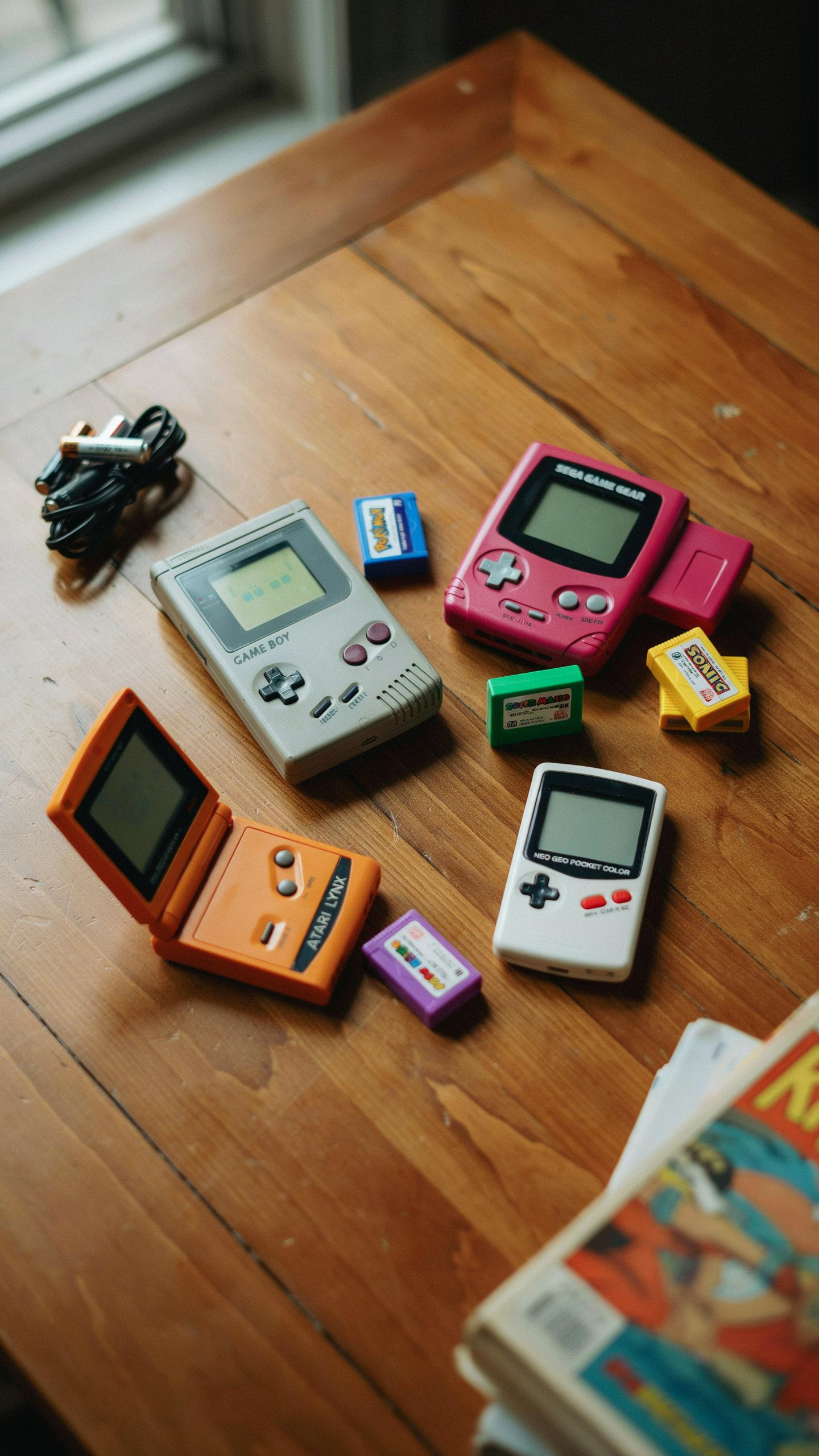
Start by understanding what drives value in retro handhelds. Rarity matters because production numbers directly impact availability. The Game Boy line sold over 118 million units, making individual units common and less collectible. Conversely, failed systems like the Atari Lynx or Sega Game Gear produced fewer units and command higher prices. Check condition carefully. Screen damage, battery corrosion, and worn buttons reduce functionality and value. Original packaging and documentation add premium value for serious collectors seeking complete examples.
Playability determines practical collection value beyond monetary worth. A reissue like the Nintendo Switch Online service offers 50 plus NES and SNES games legally without hunting individual cartridges. Original hardware requires maintenance. Batteries corrode, screens degrade, and circuit boards fail over time. Prioritize units you can actually use rather than display only pieces. Compare reissued versions against originals. Modern reissues often provide better durability and built in game libraries at lower cost with fewer repair headaches.
Display And Preservation Tips
Store handhelds in climate controlled environments between 40 and 50 percent humidity. Extreme temperature swings and moisture cause battery leakage, corrosion, and screen damage. Remove batteries from devices you store long term. Use acid free storage boxes designed for electronics. Keep original packaging if available but prioritize protection over aesthetic display. Dust collects in vents and accelerates component failure. Wipe casings with dry microfiber cloths monthly. Never use harsh chemicals that damage plastic or printing on labels and shells.
Rotate devices in your collection if you display them regularly. Prolonged direct sunlight fades screens and plastic casings. LED and incandescent lighting generates heat that degrades components. Display cases with UV filtering glass protect from light damage while maintaining visibility. Keep handhelds away from water sources and high traffic areas prone to accidental drops. For frequently used devices, invest in protective cases and screen protectors. Document your collection with photos and serial numbers for insurance and authentication purposes before problems develop.
Meephong Retro Game Console And Other Mini Game Console Options
Overview Of Compact And Affordable Retro Handhelds
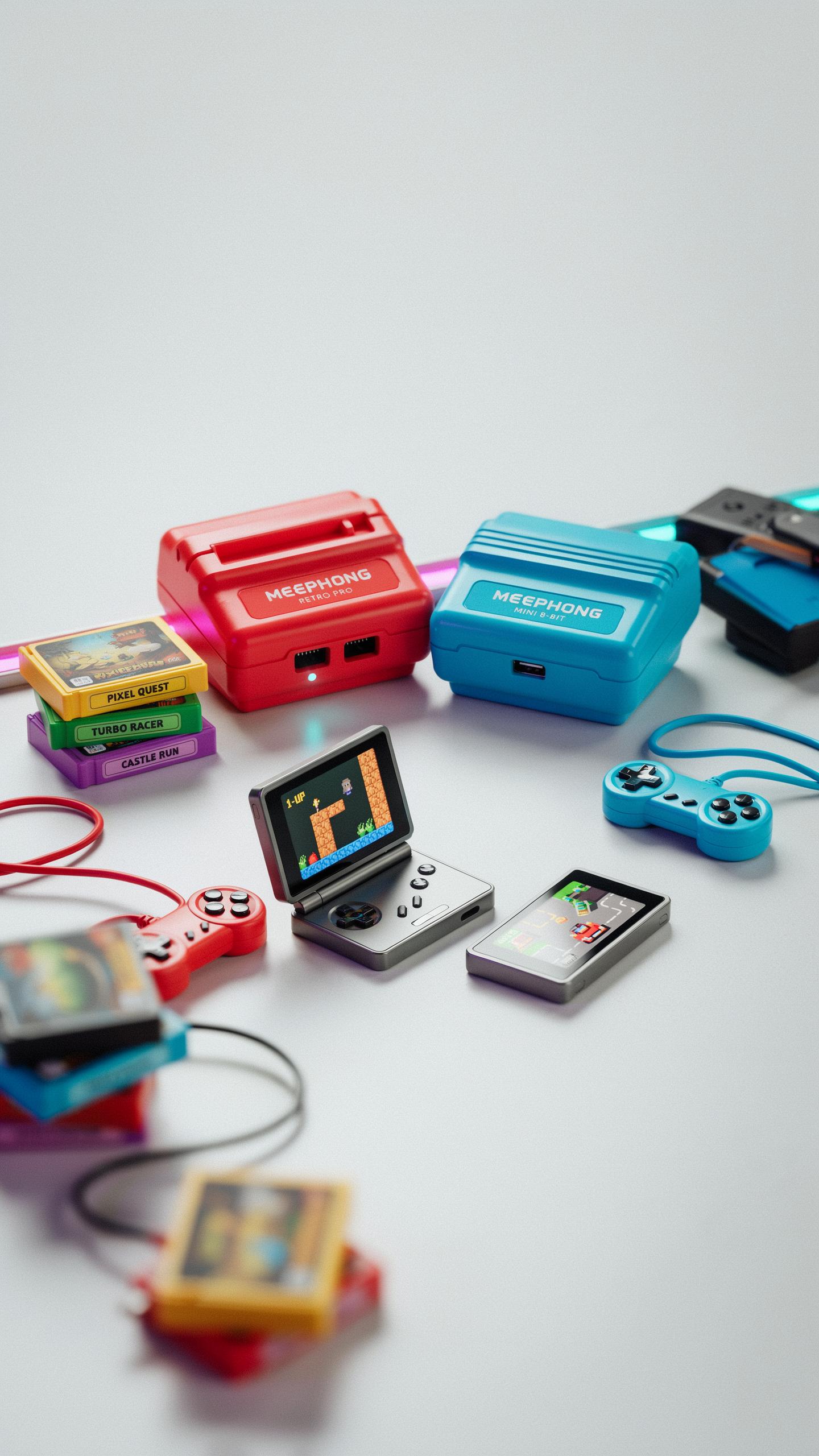
Budget retro handhelds fill a specific market gap for consumers who want nostalgic gaming without spending $200 or more. Devices in the $30 to $80 range typically use emulation technology to run games from classic systems like NES, Game Boy, and Sega Genesis. These units prioritize accessibility over technical precision, making them entry points for casual players rather than enthusiasts seeking arcade-perfect performance or expansive game libraries.
Mini consoles succeed because they require minimal setup and offer immediate playability out of the box. Most arrive preloaded with 50 to 400 games across multiple systems. They use simple controls, built-in screens or TV connectivity, and compact designs that fit in backpacks or travel bags. The trade-off is lower screen quality, shorter battery life, and limited customization compared to premium options like the Steam Deck or dedicated retro gaming handhelds.
Performance And Game Library Considerations For Mini Consoles
Performance on budget devices depends on emulation quality and hardware specifications. Lower-cost units often struggle with more demanding systems like NES and SNES titles that require accurate sprite rendering and sound emulation. Screen resolution typically maxes out at 3.5 inches with 320×240 pixel displays, which works for Game Boy era games but produces visible pixelation on larger screens when connected to televisions.
Game libraries on mini consoles vary significantly in quality and variety. Pre-installed collections often include a mix of licensed classics and lesser-known titles with inconsistent gameplay. Some devices allow sideloading additional ROM files, expanding functionality but requiring technical knowledge. Battery life ranges from two to five hours depending on screen brightness and system demands, making these devices suitable for short gaming sessions rather than extended play.

Making Your Choice Is A Retro Handheld Game Player Right For You
Factors To Consider Before Purchasing A Reissue
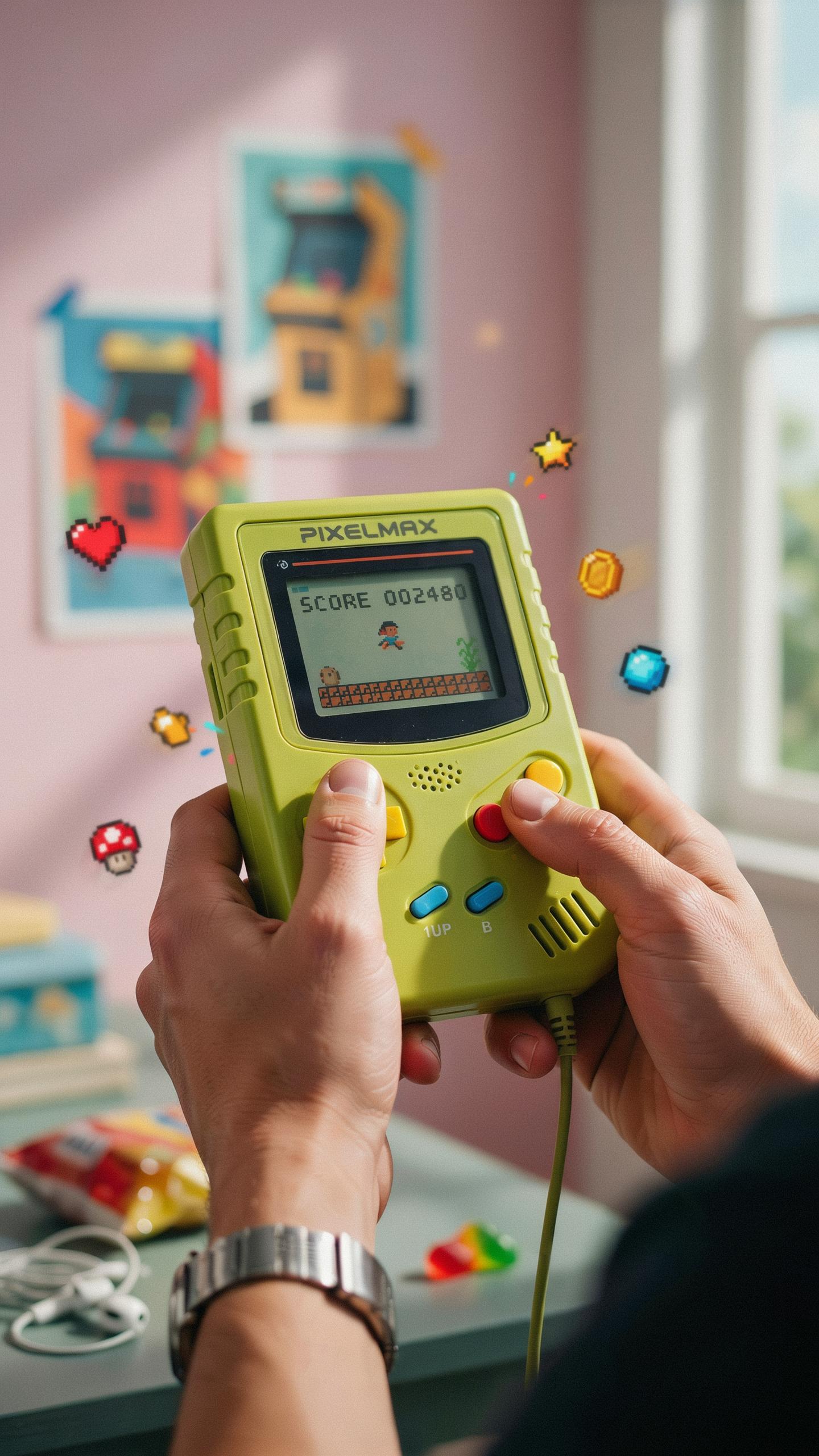
Buying a retro handheld reissue requires strategic thinking. You need clarity on what you actually want and what your budget allows. Most reissues range from 50 dollars to 200 dollars depending on the device and game library. Start by identifying which systems match your gaming history and preferences.
- Budget allocation: Determine how much you can spend. Entry level devices cost 50 to 80 dollars. Premium reissues with enhanced features reach 150 to 200 dollars or more.
- Game library requirements: List the specific titles you want to play. Different reissues offer varying game selections. Some focus on one franchise while others provide broader catalogs.
- Screen quality and display: Evaluate screen size, resolution, and color accuracy. Modern reissues use LCD or LED screens that differ from original hardware. Larger screens suit extended play sessions better.
- Battery life and power options: Check how long the device runs on batteries. Most reissues last 5 to 15 hours per charge. Some offer USB C charging while others use proprietary cables.
- Portability and build quality: Assess weight, dimensions, and materials used. Plastic construction is standard but varies in durability. Form factor affects comfort during long gaming sessions.
- Audio performance: Listen to speaker output quality if possible. Original hardware had limited audio capabilities. Modern reissues improve sound but quality varies significantly between models.
Your purchase decision hinges on matching device specifications to your actual needs. Don’t buy features you won’t use. Test devices in person when possible before committing funds.
The Future Of Retro Handheld Gaming: Trends And Predictions
The retro handheld market continues evolving based on consumer demand and technical feasibility. Manufacturers are focusing on improving screen technology, particularly addressing the compromises between retro aesthetics and modern display standards. Authentic pixel rendering matters to enthusiasts, pushing companies to develop better upscaling solutions that honor original graphics without distortion.
Battery technology improvements will extend play time significantly. Current lithium ion cells are becoming more efficient, allowing longer sessions without increased weight or bulk. Wireless connectivity features will likely expand, enabling multiplayer capabilities that original handhelds lacked. USB C standardization across devices improves user experience through consistent charging across multiple products and ecosystems.
Frequently Asked Questions

What exactly is a retro handheld gaming console reissue and why are they popular?
A retro handheld gaming console reissue is a modern reproduction or enhanced version of a classic portable gaming device. They’re popular because they offer a nostalgic trip down memory lane for older gamers, while introducing iconic titles and classic gameplay mechanics to new audiences in a convenient, often updated, format. It’s a fantastic way to experience gaming history.
How do I know which retro handheld gaming console reissue is right for me, considering all the options?
To choose the best retro handheld gaming console reissue, consider the games you want to play – do you prefer 8-bit, 16-bit, or even early 3D? Research device reviews for build quality, battery life, and screen type. Also, check for features like save states or HDMI output, as these can enhance your experience.
Are retro handheld gaming console reissues generally affordable, or are they a significant investment?
The cost of a retro handheld gaming console reissue varies widely. You can find very affordable options that emulate a range of systems, while officially licensed or premium reissues of specific consoles can be a more significant investment. There’s usually a reissue available to fit most budgets, making classic gaming accessible to many.