
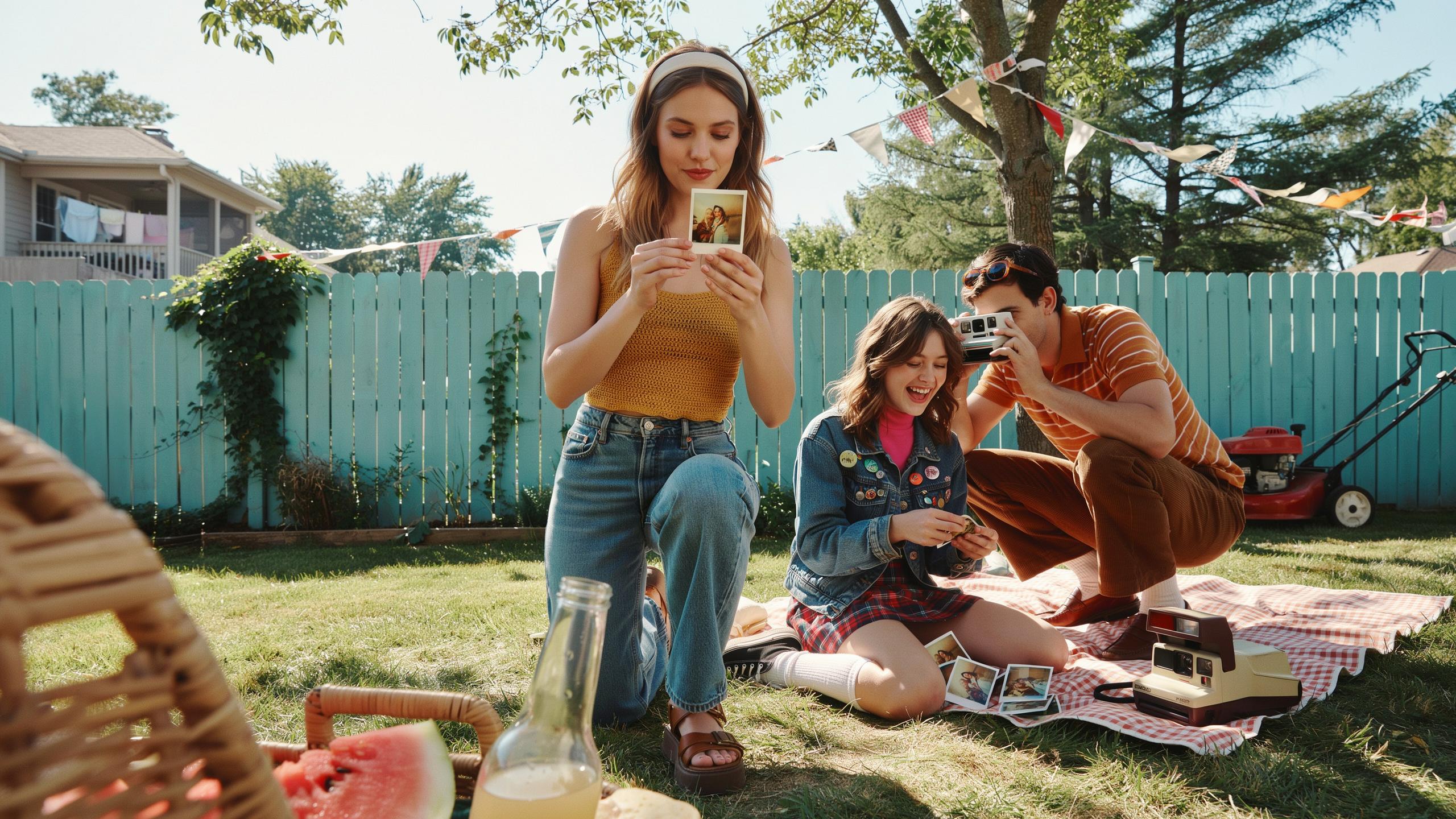
The Allure Of Instant Film For Retro Photos
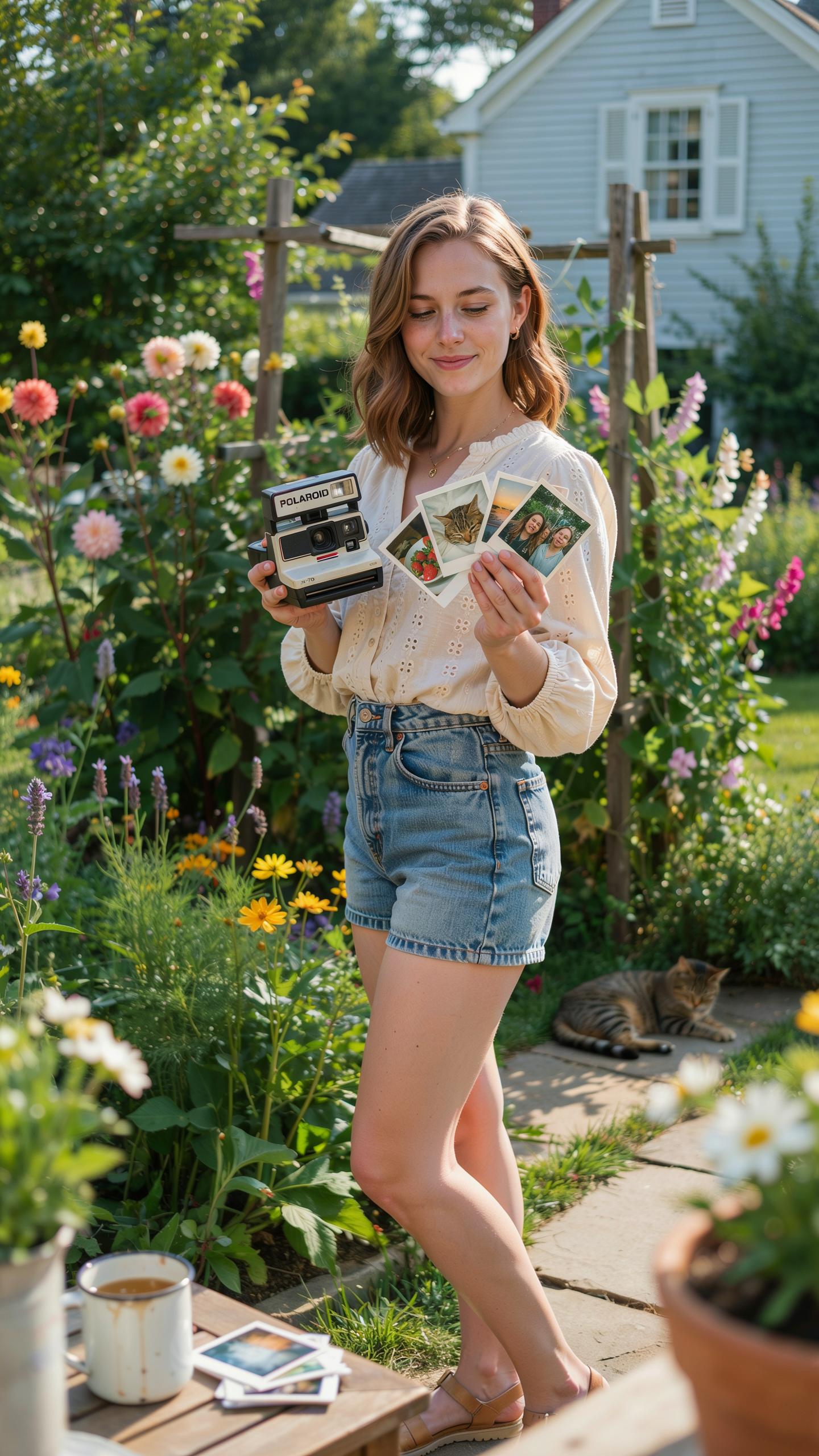
Why Choose Instant Over Digital For A Vintage Feel
Instant film produces a physical print within minutes of exposure. Digital cameras require post-processing software to mimic this aesthetic. Instant film delivers results that reflect actual chemical reactions in the film emulsion, not software filters applied after the fact. The unpredictability of instant film output creates authentic variation that feels genuine rather than manufactured through editing.
Digital retro filters apply the same effect identically to every image. Instant film chemistry varies slightly with temperature, humidity, and film age, ensuring each photo has distinct characteristics. This means you cannot replicate the exact same look twice, which defines the core appeal of instant photography. The physical print also sits in your hand immediately, removing the gap between capture and possession that digital workflows create.
Understanding The Unique Characteristics Of Instant Film Photography
Instant film uses an integral film structure that contains all chemicals needed for image development inside the film cartridge itself. When you take a photo, light exposes the film layers, then rollers inside the camera distribute developing chemicals evenly across the film. The entire process happens inside the film itself without requiring a separate darkroom or chemical bath. This self-contained system is what separates instant film from traditional film photography fundamentally.
The color palette and contrast of instant film differ from digital sensors and traditional film stock. Instant film typically produces muted color tones and lower contrast compared to modern digital photography. Edge definition tends to soften naturally during the chemical development process. These technical limitations create the recognizable aesthetic people associate with instant photography from the 1970s and 1980s, making it impossible to achieve identical results through digital manipulation alone.

Vintage Polaroid Camera Aesthetic A Timeless Classic
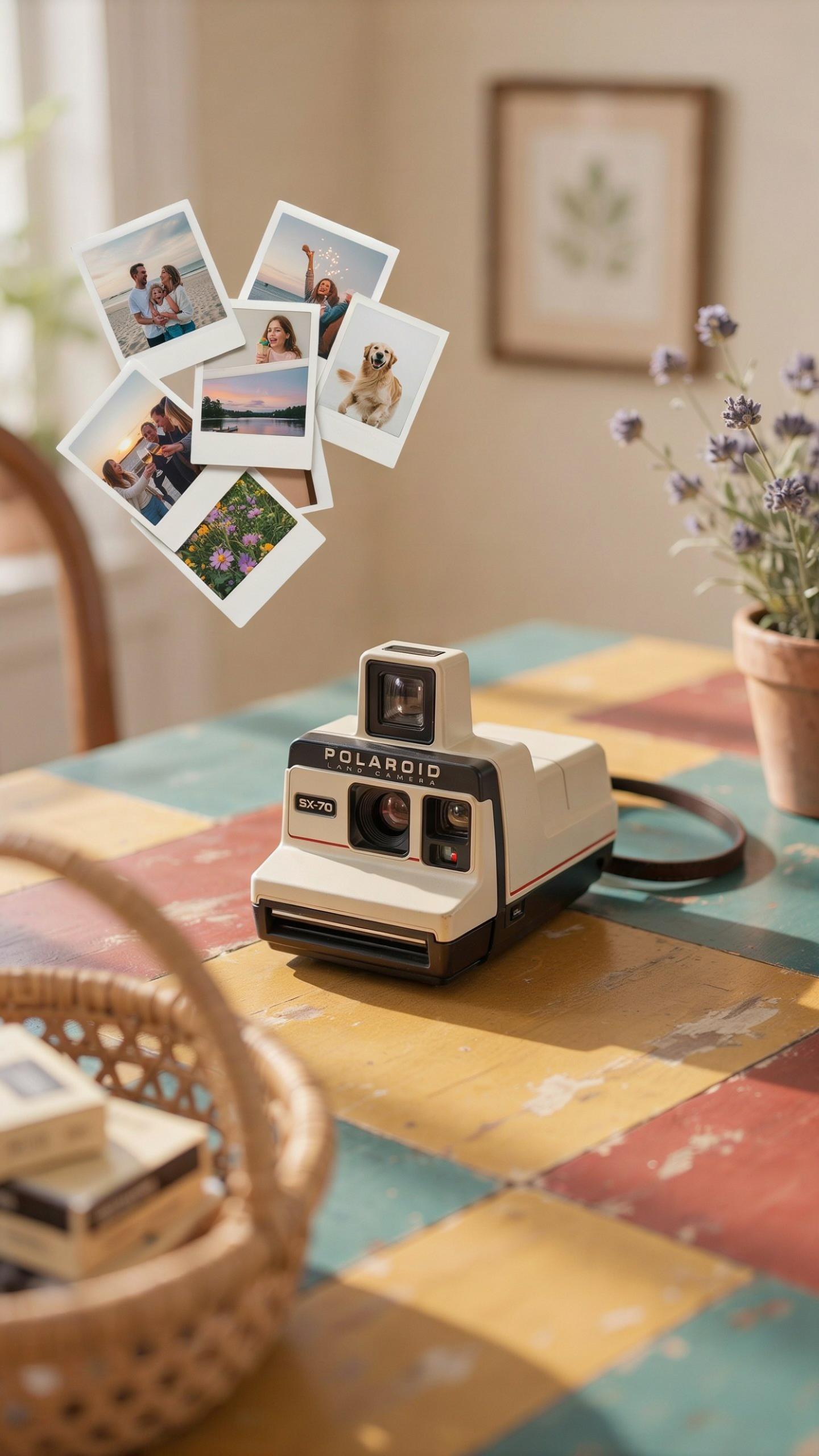
Exploring The History And Iconic Design Of Polaroid Cameras
Edwin Land invented instant photography in the 1940s and founded Polaroid Corporation. The first commercial instant camera, the Polaroid Land Camera Model 95, launched in 1948. It produced black and white prints in about one minute. This innovation eliminated the darkroom entirely, changing how people captured and shared moments forever.
Polaroid’s industrial design evolved significantly across decades. Early models featured boxy metal frames and simple mechanical shutters. The company refined aesthetics through the 1960s and 1970s, introducing colorful plastic bodies and integrated flash systems. By the 1980s, Polaroid cameras became design icons, recognized for their distinctive rectangular shapes and the characteristic white film borders that became synonymous with instant photography itself.
The Enduring Appeal Of The Old Polaroid Camera Aesthetic
The Polaroid look persists because it delivers tangible results immediately. Digital photography separated the capture from the output. Instant film cameras collapse this gap, producing physical prints users hold seconds after shooting. This tactile experience drives demand among photographers seeking authentic, non-digital workflows and genuine keepsakes rather than screen-bound images.
The visual characteristics of Polaroid film remain distinctive and difficult to replicate digitally. Color shifts, natural vignetting, and slight color saturation create recognizable visual signatures. Imperfections like light leaks and fading actually enhance perceived authenticity. Modern photographers and content creators deliberately choose instant cameras specifically because these technical limitations produce results that feel real, nostalgic, and raw compared to post-processed digital alternatives.

Choosing Your Insta Camera Modern Options With A Retro Vibe
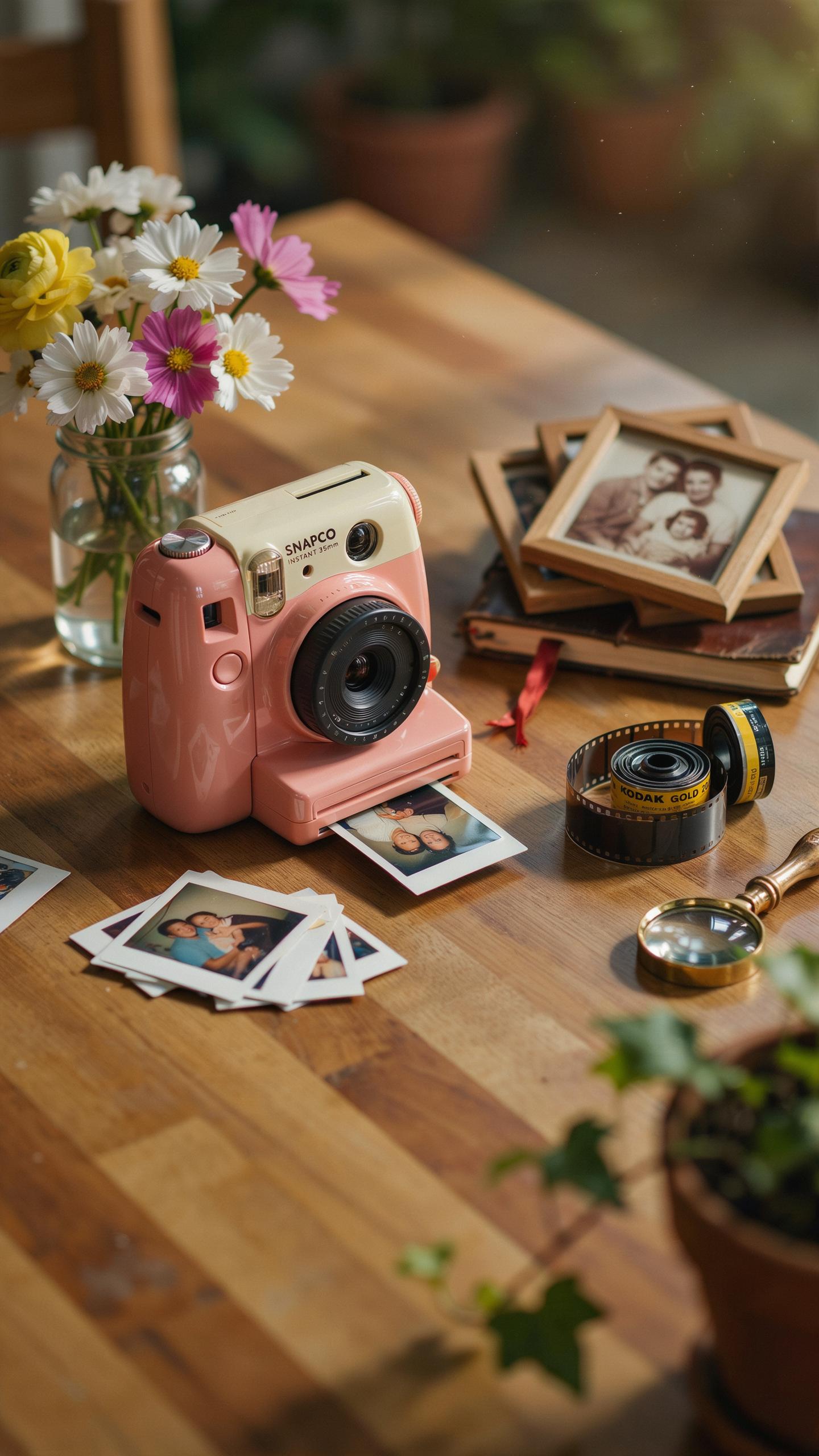
Comparing Popular Instant Camera Brands And Their Features
Fujifilm Instax dominates the current market with multiple camera models targeting different users. The Instax Mini series produces credit card sized prints using proprietary film. Instax Wide cameras output larger format images on wider film stock. Fujifilm controls both camera hardware and film supply, which means consistent quality but limited film options. Prices range from entry level under 100 dollars to premium models exceeding 300 dollars.
Polaroid Originals manufactures cameras and film under the Polaroid brand name after acquiring rights to the legacy brand. Their cameras produce larger prints compared to Instax Mini but smaller than Instax Wide. Polaroid film costs more per shot than Fujifilm alternatives. The company rebuilt its manufacturing to support vintage camera models alongside new designs. Print quality shows color and tonal variation batch to batch due to analog film production methods.
What To Look For In An Instant Camera For True Vintage Results
Manual control features directly impact retro aesthetic output. Look for cameras with adjustable flash settings and exposure compensation. Fixed focus lenses produce sharper results for standard distances than zone focus models. Optical viewfinders provide accurate framing compared to digital screens. Cameras with mechanical shutters eliminate battery dependency for core operation. Test viewfinder accuracy before purchasing because framing errors compound across entire shoots.

Film format choice determines final image size and aesthetic direction. Smaller formats like Instax Mini create square images familiar to early instant film users. Larger formats deliver more detail and visual impact for wall display. Print borders vary by film type, affecting composition decisions during shooting. Handling and build quality matter because cheap plastic bodies show wear rapidly. Purchase from retailers offering return policies to verify camera functionality before committing funds.
Mastering Instant Photography Tips For Authentic Retro Pictures
Lighting Techniques For Achieving A Classic Vintage Look
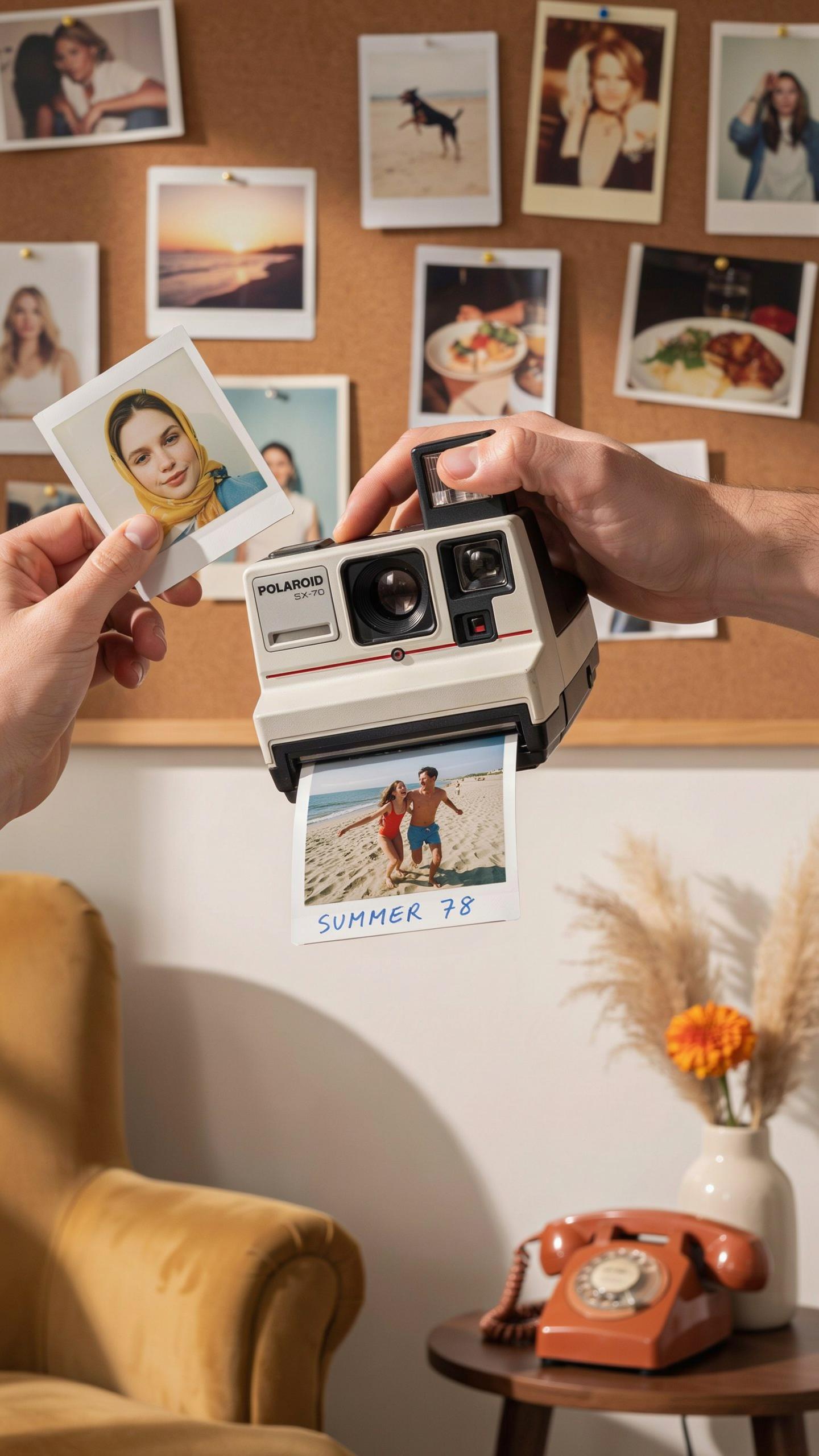
Instant film responds differently to light than digital sensors. Overexposure creates the washed-out aesthetic common in photos from the 1970s and 1980s. Shoot during golden hour or use on-camera flash in bright conditions. The film’s sensitivity means you cannot recover shadow detail like you can with modern cameras. Embrace this limitation rather than fight it.
Tungsten lighting indoors produces warm color casts that mimic aged film stock. Fluorescent lights create cool tones that feel authentically institutional. Avoid mixing light sources when possible. Shoot toward windows without direct sun for soft, even exposure. The instant film format demands you commit to lighting decisions in the moment since you cannot edit after capture.
Composition Tips For Impactful Instant Film Shots
Frame your subject with intention. Instant film’s fixed focal lengths and manual focus mean composition happens before you press the shutter. Center subjects for formal portraits or use the rule of thirds for environmental shots. The viewfinder shows approximately what the lens captures, though parallax exists at close distances. Understand your specific camera model’s framing accuracy.
- Foreground Elements: Include objects between the lens and subject to add depth and context. This technique compensates for instant film’s compressed perspective and creates layered compositions.
- Negative Space: Leave empty areas in frame rather than filling every inch. Breathing room makes subjects stand out and emphasizes the retro simplicity of instant aesthetics.
- Symmetry and Patterns: Repetitive elements create visual interest on instant film’s limited color palette. Architectural lines and repeated subjects photograph well within the format’s constraints.
- Close Range Portraits: Position subjects three to five feet away to ensure sharp focus and proper exposure. Closer distances require manual focus adjustments on mechanical models.
- Environmental Context: Show surroundings rather than isolating subjects against plain backgrounds. Context conveys story and captures the specific moment rather than generic poses.

Instant film prints develop in your hands, making composition your only tool for controlling the final image. Plan shots carefully. Waste film by experimenting with angles and framing. The physical prints demand intentionality that digital photography does not require.
Beyond The Camera Polaroid Exploring Film Types And Effects
Different Instant Film Formats And Their Unique Color Palettes
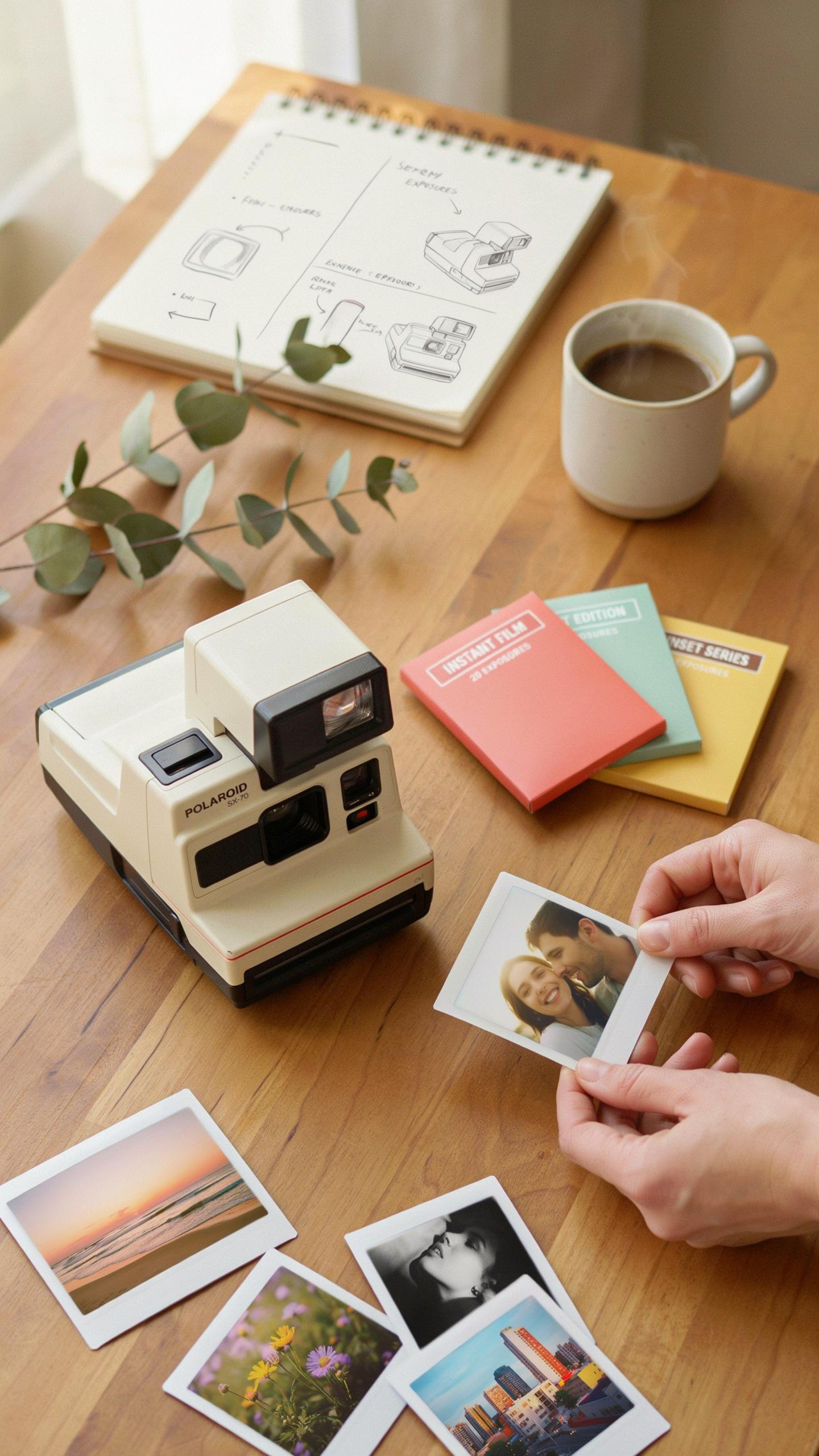
Instant film formats break into two main categories: integral and peel-apart systems. Polaroid integral film, particularly the SX-70 and 600 formats, produces images that develop inside the camera within minutes. The color palette shifts based on chemical composition and film speed. Fujifilm Instax delivers warmer tones with stronger reds and yellows compared to Polaroid’s cooler, more saturated blues and greens. Film age and storage conditions directly impact final color output.
Different film stocks produce measurable color shifts. Polaroid i-Type film renders cooler midtones than vintage Polaroid 600 stock due to formulation changes. Instax Mini film produces images with higher contrast and warmer skin tones. Instax Wide format delivers similar warmth but with expanded frame size and different light-gathering properties. Temperature exposure during development affects color intensity. Cold environments slow chemical reactions and reduce color vibrancy. Expired film stock produces unpredictable color casts, ranging from faded pastels to heavy magenta or cyan shifts.
Instant film cameras remind us that some memories are best held tangible, a warm, nostalgic glimpse back in time. It’s like holding a little piece of the past in your hands.
Experimenting With Creative Techniques For Distinct Retro Effects

Light manipulation during exposure creates intentional color shifts without post-processing. Shooting through colored filters or gels before the flash alters the reflected light reaching the film. Overexposure produces washed-out tones reminiscent of 1970s family snapshots. Underexposure intensifies existing colors and increases grain visibility. These techniques require no equipment beyond what exists in your environment.
Manipulating the film during development generates texture and color variation. Physical pressure applied to the image area during the first minutes of development creates blooming effects and color bleeding. Temperature control extends or shortens chemical reactions, shifting final color output. Shaking or tilting the camera immediately after capture introduces motion blur that compounds retro perception. These methods produce irreproducible results, making each frame unique and unpredictable.
Caring For Your Instant Camera And Film
Proper Storage And Handling To Preserve Your Instant Film
Instant film degrades when exposed to heat and light. Store film in a cool, dark place between 55 and 75 degrees Fahrenheit. Keep unexposed film in its original box or a sealed container. Never leave film in direct sunlight or near heat sources like radiators. Check expiration dates before shooting. Expired film produces faded colors and reduced contrast.

Handle film with clean, dry hands. Avoid touching the chemical coating on the back of prints immediately after ejection. Let prints develop in darkness for the first few minutes. Protect finished photos from moisture, heat, and prolonged light exposure. Store developed images flat in acid-free sleeves or boxes. Humidity damages both film and prints, so use silica gel packets in storage containers during damp seasons.
Maintenance Tips For Extending The Life Of Your Instant Camera
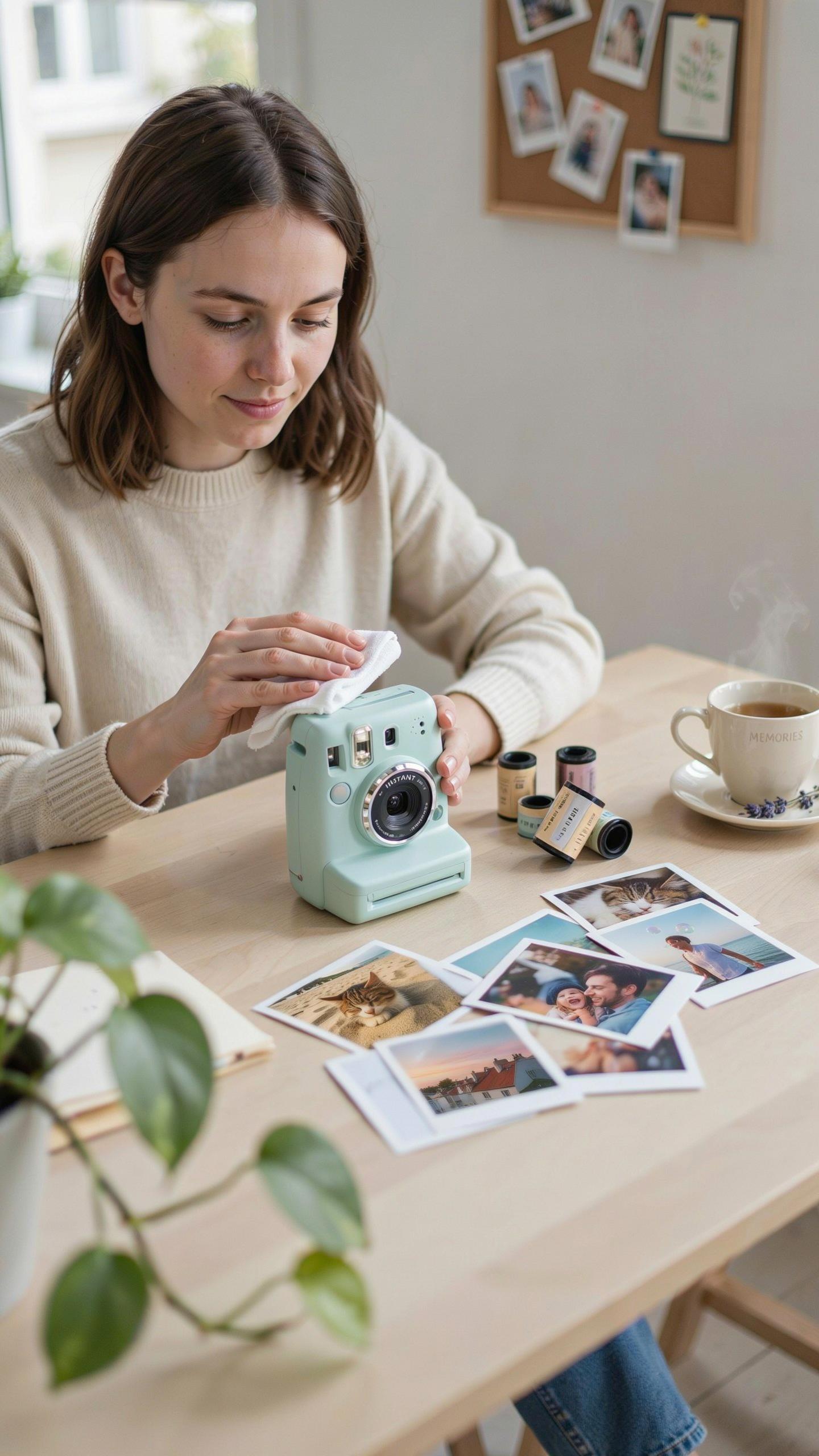
Clean the lens regularly with a soft, dry cloth to prevent dust buildup. Check battery compartments for corrosion and replace batteries annually if unused. Keep the camera dry by storing it in a protective case. Avoid dropping or subjecting the camera to impact. Test the flash and shutter mechanism monthly to catch mechanical issues early.
Remove batteries before long storage periods to prevent leakage damage inside the camera body. Never force the film advance mechanism or shutter button. If the camera malfunctions, consult the manual before attempting repairs. Replace worn rollers only through authorized service centers. Store the camera at room temperature away from extreme heat or cold, which can damage internal springs and electronic components.
Displaying Your Vintage Polaroid Pictures And Instant Art
Creative Ways To Showcase Your Instant Film Photographs
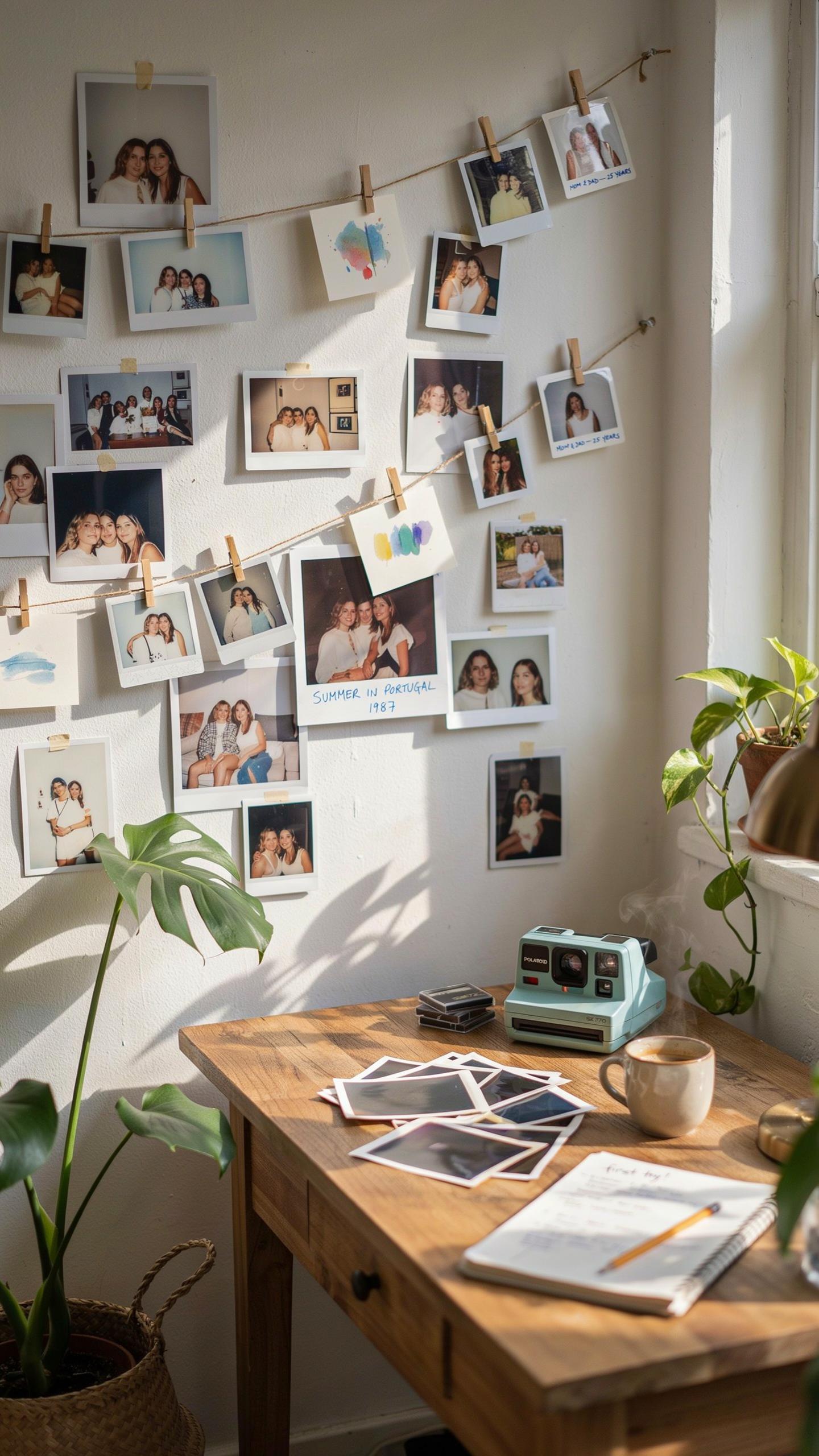
Instant film prints demand display methods that protect them while keeping them visible. Taped to walls damages the image surface and backing. Frame them behind glass to shield prints from dust, moisture, and fading while maintaining the visual impact that makes instant photography valuable.
- Shadow boxes: Mount prints on acid-free backing inside deep frames. This method protects all four edges and creates professional presentation without damaging the photo itself.
- Cork boards: Arrange prints with pushpins or thumbtacks in rotation. Cork provides grip without puncturing, and you can swap images monthly without permanent marks.
- Wire grid displays: Hang prints with small clips on metal grids. This setup allows rearrangement without wall damage and works in rental spaces where permanent mounting isn’t an option.
- Clothesline with clips: String wire across a wall and attach prints with wooden or metal clips. This approach costs little and lets you change your display in seconds.
- Photo albums designed for instant film: Use archival-quality albums with polyester sleeves. These protect prints from light exposure while keeping them organized and accessible for viewing.
- Magnetic strips on metal surfaces: Affix prints to refrigerator doors or metal picture rails using magnetic strips. This temporary method works for frequently rotated collections and high-traffic areas.

Instant prints fade faster than traditional photographs because the chemical process continues after exposure. UV-blocking glass reduces fading significantly. Rotate your displayed prints every few months to expose all images equally to ambient light and prevent uneven color loss across your collection.
Preserving Instant Prints For Long Term Enjoyment
Instant film photographs require storage conditions that slow chemical degradation. Store prints in cool, dark spaces between 60 and 70 degrees Fahrenheit with humidity around 30 to 40 percent. Attics, basements, and exterior walls create temperature swings that damage prints. Climate-controlled closets work better than most home locations.
Separate prints with acid-free paper and store them flat in archival boxes. Stacking prints face-to-face causes image transfer and surface damage over time. Never use regular cardboard boxes or plastic sleeves without protective coating. Polaroid and Fujifilm both engineered their films with specific chemical compounds, so different instant films require identical storage approaches to maintain color accuracy and prevent deterioration.
The Community Of Instant Camera Aesthetic Enthusiasts
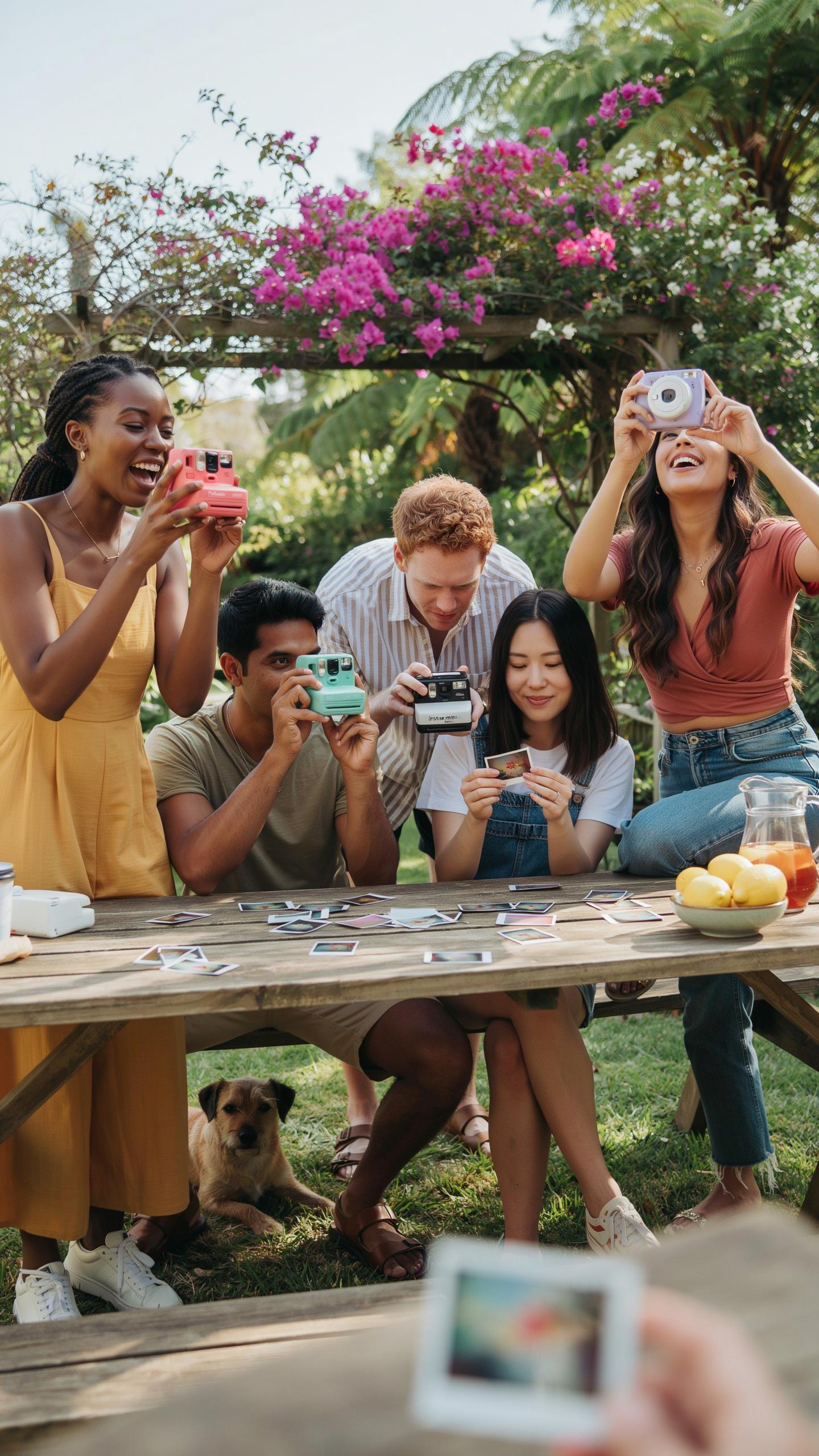
Connecting With Other Instant Photography Lovers And Sharing Experiences

Online forums and social media platforms host active instant film communities where photographers share prints, discuss camera models, and troubleshoot technical issues. Reddit communities like r/instantphotography and dedicated Facebook groups connect users globally. Instagram accounts focused on instant photography reach thousands of followers sharing real-world results. These platforms provide direct feedback on composition, film stock choices, and camera maintenance from experienced practitioners.
In-person meetups occur in major cities where instant camera users exchange prints, sell equipment, and photograph together. Local photography clubs often feature instant photography subgroups that organize group shoots. These gatherings create accountability for skill development and expose participants to different approaches. Real connections form when photographers compare camera conditions, film storage methods, and printing techniques face to face.
Workshops And Resources For Advancing Your Instant Film Skills
Established photography schools and independent instructors offer workshops specifically on instant film techniques. These sessions cover light metering for instant stocks, composition strategies for small frames, and troubleshooting common exposure problems. Online courses provide structured instruction on camera repair and film chemistry basics. Workshops typically run one to three days and cost between 100 to 300 dollars depending on intensity and location.
Published guides and manufacturer documentation serve as reference materials for specific camera models and film stocks. The Impossible Project released technical specifications and shooting guides for their film products. YouTube channels dedicated to instant photography demonstrate camera operation and film handling in real time. Reference materials combined with hands on practice accelerate skill development and reduce costly mistakes with expensive film stock.
Frequently Asked Questions

What exactly is an instant film camera and how does it create retro-style photos?
An instant film camera is a type of camera that develops and prints photographs on the spot, usually within minutes of taking the shot. It captures images on specialized film, producing prints with a distinct vintage aesthetic, characterized by soft colors and a unique, nostalgic feel that perfectly embodies retro style photos.
How can I ensure my instant film camera photos have that perfect vintage, retro look?
To achieve truly authentic retro style photos, pay attention to lighting. Soft, natural light often works best. Experiment with different angles and compositions, and embrace the imperfections that are characteristic of instant film. Don’t be afraid to try unique settings to enhance that classic, timeless feel for your instant film camera.
Are there affordable instant film cameras suitable for beginners wanting to capture retro moments?
Absolutely! Many reputable brands offer entry-level instant film cameras that are budget-friendly and user-friendly, perfect for those starting out. These models are designed to be intuitive, allowing you to easily capture charming retro style photos without a steep learning curve or a hefty investment.