
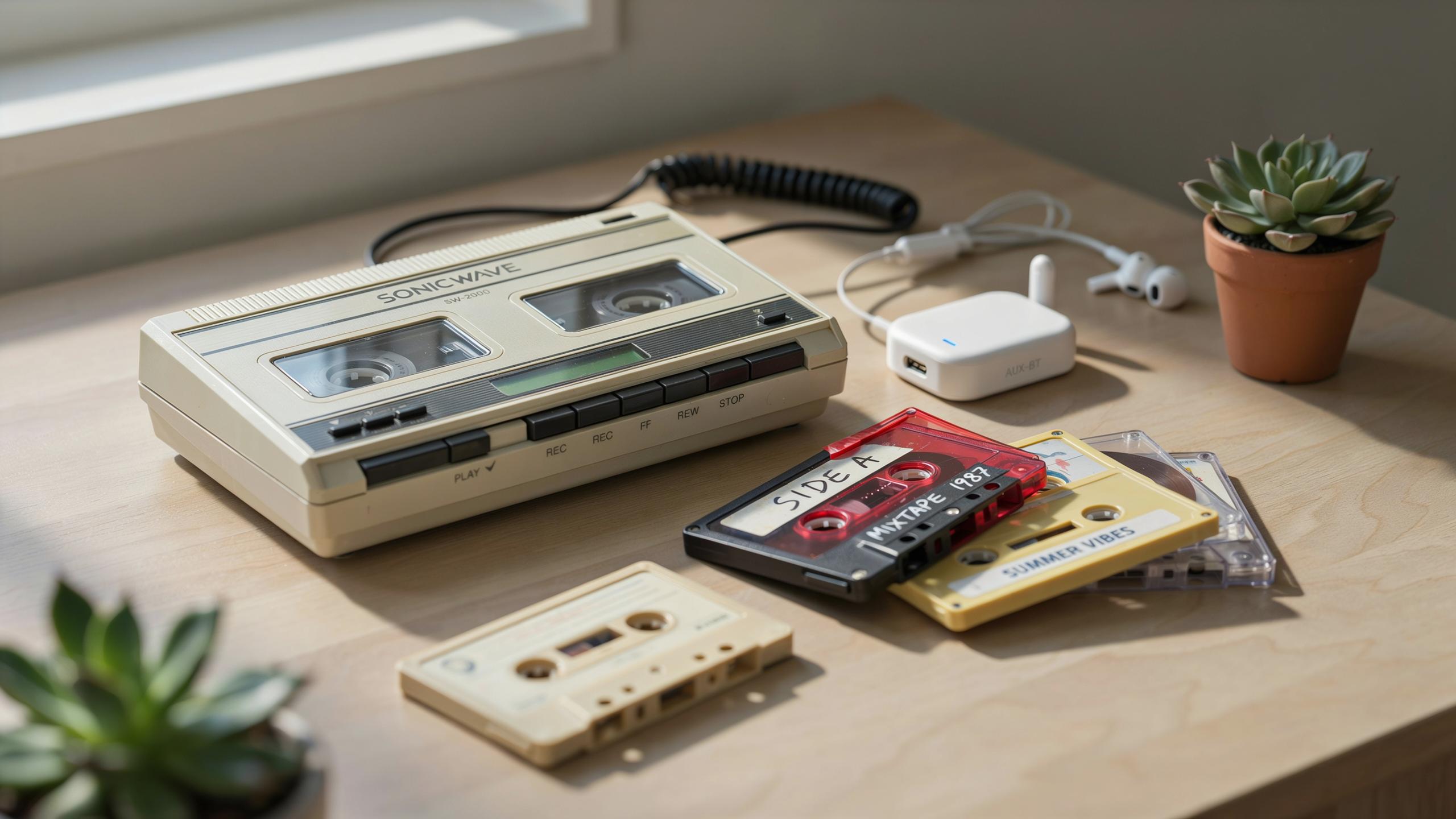
The Enduring Appeal Of The Cassette Player
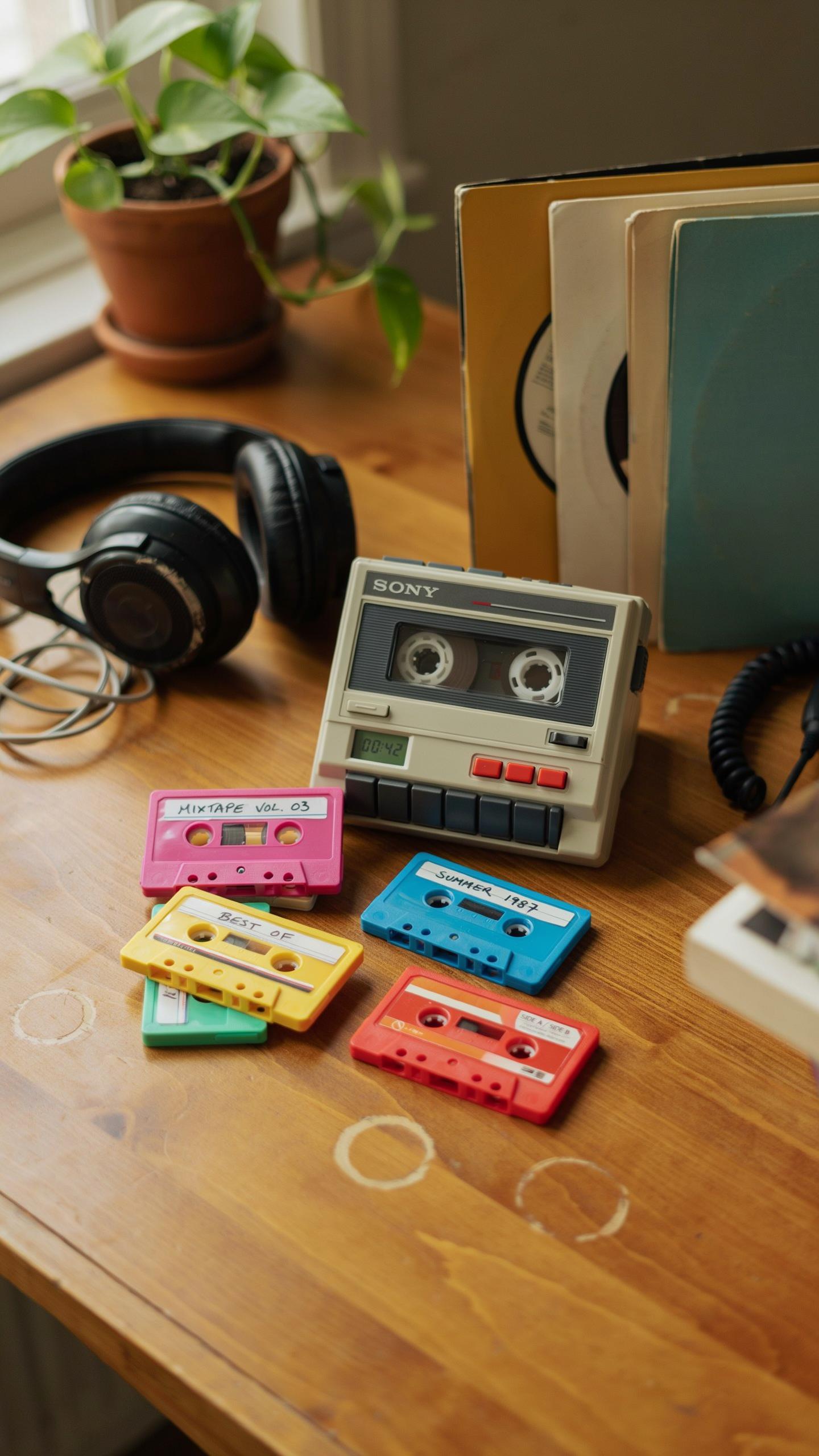
Nostalgia And Analog Warmth
Cassette tapes dominated consumer audio from the 1970s through the 1990s. People built personal libraries of recordings. The format required active engagement: users selected tapes, inserted them, and listened sequentially. This tactile interaction created attachment to the medium itself, not just the music.
Analog tape produces sound characteristics different from digital formats. The tape saturation and harmonic distortion create tonal qualities some listeners prefer. Equipment manufacturers marketed this sound profile as warm or rich. Modern listeners seeking cassette player with bluetooth conversion often cite these sonic properties as their primary motivation for preserving playback capability.
Beyond The Walkman: Diverse Cassette Player Types
Portable cassette players revolutionized personal audio starting in 1979. The Sony Walkman established the category and drove widespread adoption. Consumers carried music outside their homes for the first time at scale. This mobility shaped how people consumed audio for decades.
Stationary cassette decks served different purposes than portable units. Home stereo systems integrated cassette decks into component stacks alongside turntables and receivers. Car stereo cassette players became standard equipment in vehicles. Boomboxes combined portability with powerful speakers and recording capability. Tape format fragmentation created distinct device categories serving specific use cases and environments.

Why Convert Your Tape Player To Bluetooth
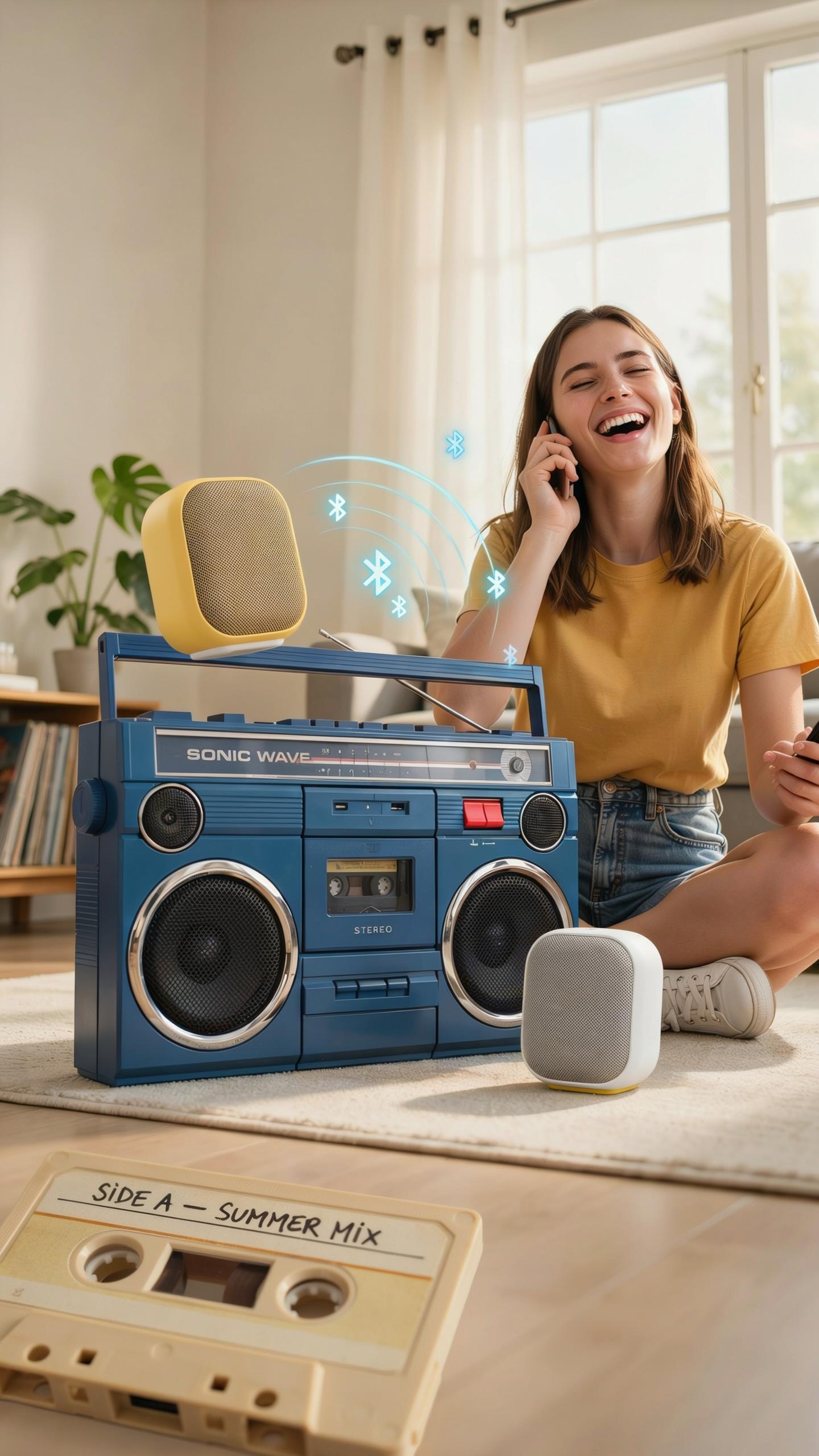
Modern Convenience For Classic Tapes
Bluetooth conversion eliminates the need for wired connections between your tape player and speakers or headphones. You gain the ability to play cassettes throughout your home without running cables across rooms. The conversion process replaces the internal speaker output with a Bluetooth transmitter module, maintaining the original tape playback mechanism while adding wireless functionality.
This approach solves a real problem: most modern audio devices lack aux input ports. Your tape player becomes compatible with contemporary speakers, soundbars, and wireless headphones without requiring adapters or workarounds. The tape deck itself continues operating exactly as designed, unchanged in its core mechanics.
Preserving Audio Heritage With New Technology
Cassette tapes contain recordings that often exist nowhere else in digital format. Converting your player to Bluetooth lets you listen to these unique recordings on modern equipment without digitizing them. The tape itself remains intact, unaltered, and playable on original equipment if needed.
Bluetooth conversion bridges two separate eras of audio technology. Your vintage tape collection gains access to contemporary speaker systems and wireless devices while maintaining its original playback quality. This pragmatic approach respects the historical value of cassette media while acknowledging that modern listening environments demand wireless audio solutions.

Understanding Bluetooth Cassette Player Conversion
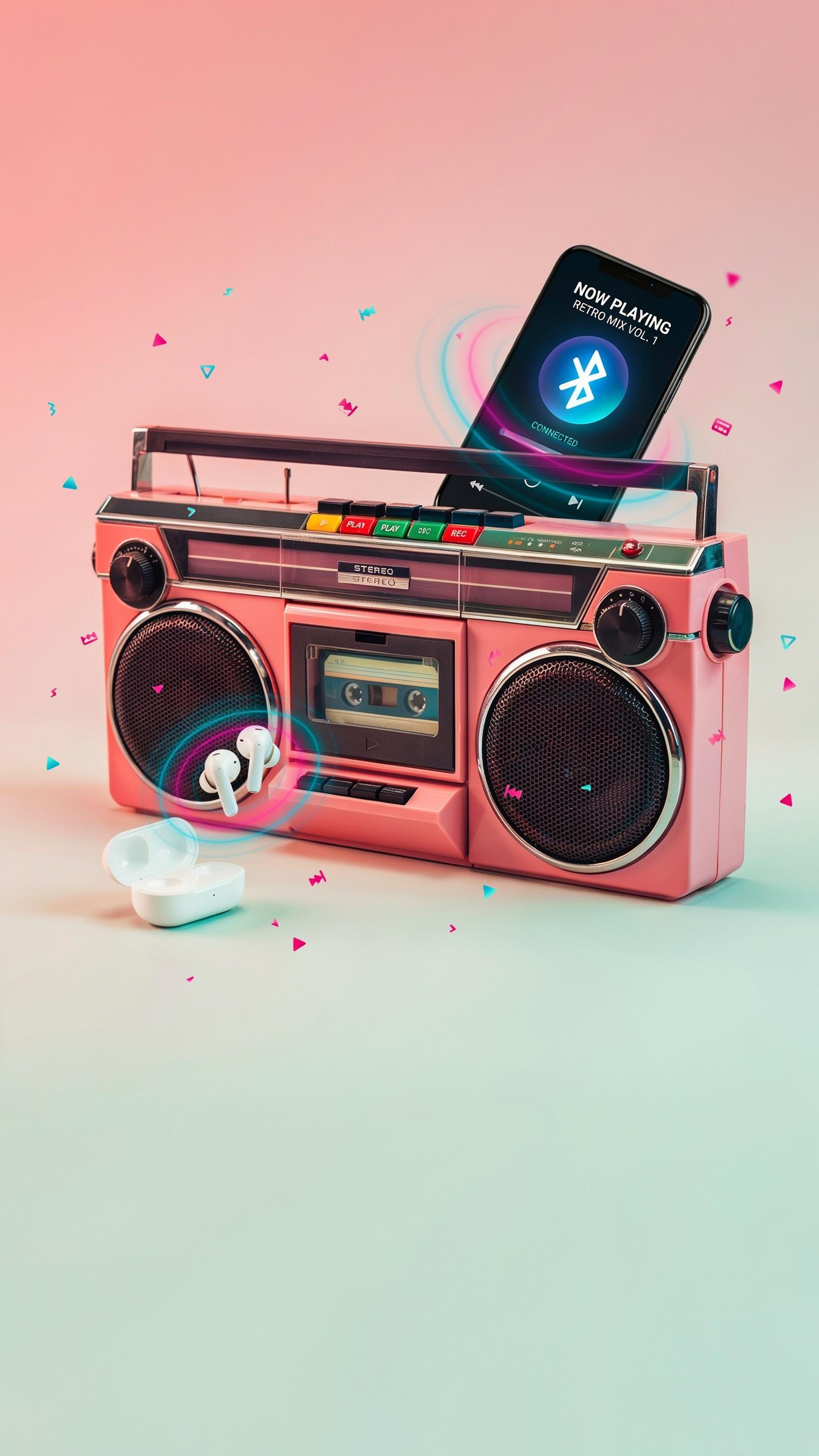
The Basics Of Bluetooth Audio Transmission
Bluetooth operates on the 2.4 GHz frequency band and uses a protocol called FHSS, or Frequency Hopping Spread Spectrum, to avoid interference with WiFi and other wireless devices. The technology transmits audio data wirelessly from a source device like a smartphone to a receiver within a typical range of 30 feet, though obstacles reduce this distance. Bluetooth codecs compress audio into smaller data packets for transmission, then decompress them on the receiving end.
Cassette player conversions use Bluetooth receiver modules that intercept the audio signal before it reaches the speaker. The module connects to the cassette player’s internal audio circuitry, replacing or bypassing the tape playback mechanism entirely. This approach preserves the original device while adding wireless capability, making it practical for reviving old equipment without destroying its vintage appeal or mechanical integrity.
Key Components For A Successful Conversion
A Bluetooth conversion requires a receiver module with adequate power output to match your cassette player’s original amplifier specs. The module needs a stable power source, either from the player’s existing battery compartment or an internal power adapter. Quality wiring, a reliable connection point to the audio circuit, and proper shielding prevent signal noise and ensure clean sound output through the existing speakers.

The conversion also depends on your cassette player’s specific design and internal layout. Models with larger internal space and simpler circuitry offer easier installation points. You’ll need basic soldering skills, a multimeter to test connections, and knowledge of your device’s audio pathways. Battery-powered players work best for conversions since they already have self-contained power systems that require minimal modification to your original device.
DIY Cassette Player Restoration Preparation Steps
Assessing Your Tape Deck Condition
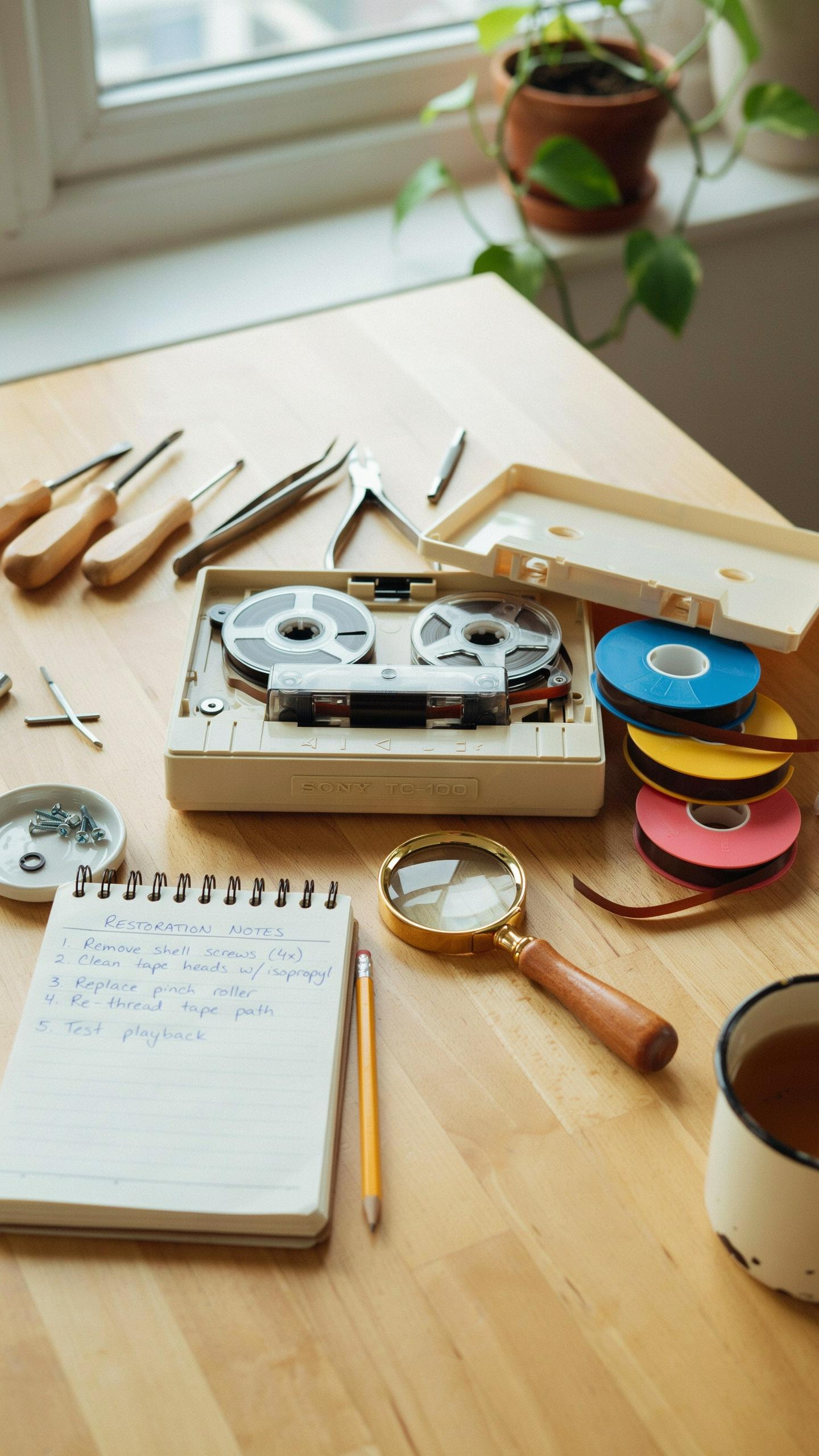
Start by powering on the deck to identify immediate failures. Listen for motor noise, check if the capstan turns, and test the play, rewind, and fast forward buttons. Inspect the cassette compartment for debris, rust, or tape residue. Look at the pinch roller for hardening or deterioration. These observations tell you what must be repaired before Bluetooth conversion works.
Next, examine the internal components without forcing anything apart. Remove the bottom panel if accessible to spot obvious damage like corroded circuit boards or loose wires. Check the power cord for damage. Test all audio outputs using headphones if the deck has a headphone jack. Document what works and what fails. This baseline assessment prevents wasting time on units requiring extensive mechanical repair first.
Gathering The Right Tools And Materials
You need soldering equipment and basic hand tools to complete this conversion. Quality matters here because poor connections create audio dropout or complete system failure. Identify which Bluetooth module matches your tape deck’s audio architecture before purchasing anything.
- Soldering iron and solder: A 25-40 watt iron with rosin core solder handles audio circuit connections reliably without overheating components.
- Bluetooth audio module: Choose 4.0 or 5.0 modules with built in amplification, rated for line level audio input from tape deck circuitry.
- Wiring and connectors: Use 22 AWG stranded copper wire for audio signals and appropriate connectors matching your deck’s internal output points.
- Desoldering tool or wick: Essential for removing old components cleanly without damaging circuit board traces during modifications.
- Multimeter: Verify voltage levels and test continuity throughout your installation to catch wiring errors before powering the system.
- Screwdrivers and tweezers: Small precision tools access tight interior spaces and handle miniature components during assembly work.

Source your Bluetooth module from electronics suppliers offering technical specifications and return policies. Verify the module accepts line level audio to avoid distortion or compatibility issues with your tape deck’s output voltage. Having all materials before starting prevents delays and mistakes caused by incomplete preparation.
Step By Step Guide DIY Bluetooth Cassette Player Conversion
Integrating The Bluetooth Module
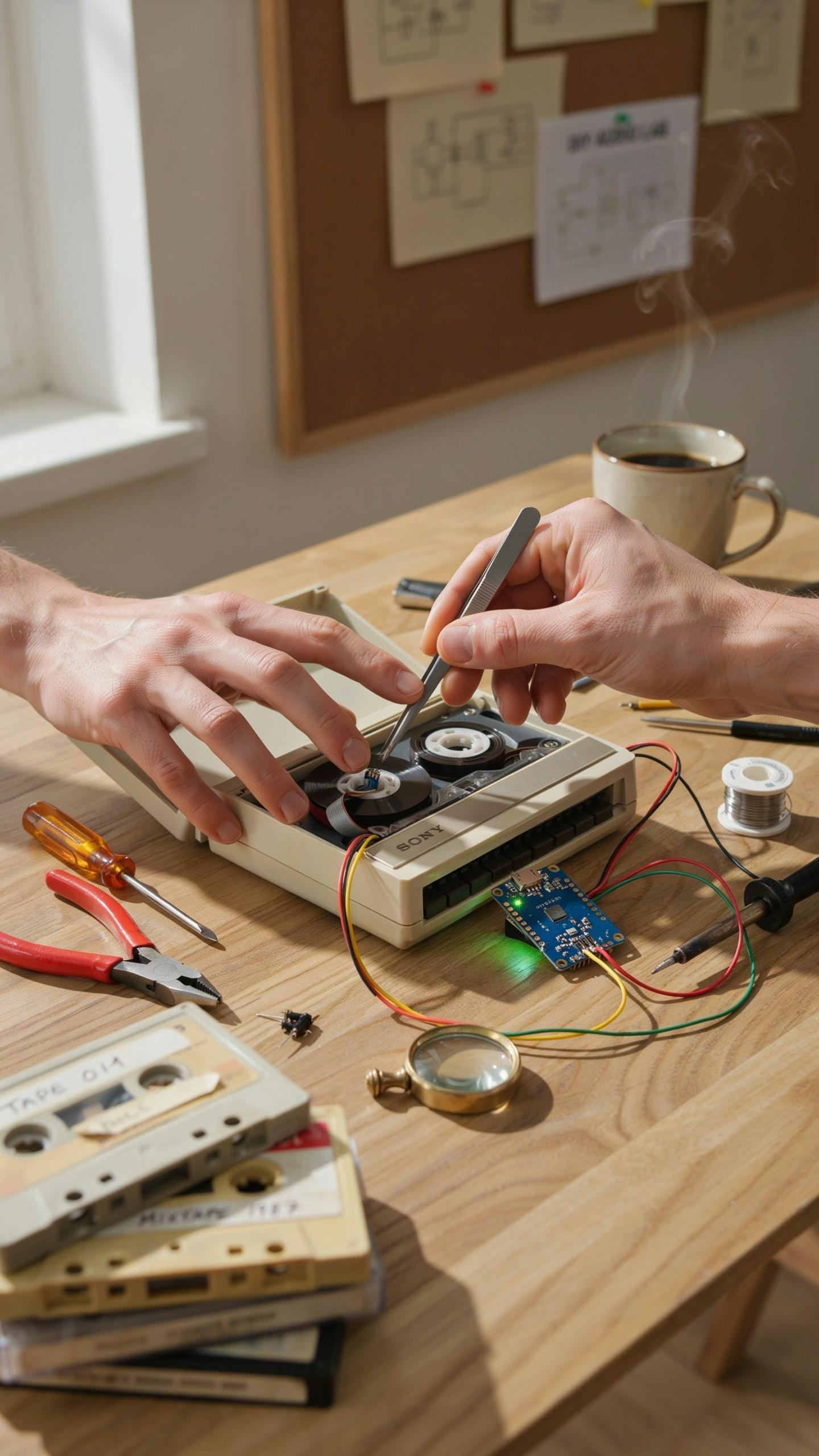
Locate the cassette player’s audio output jack or internal speaker connections. Most portable cassette players have either a 3.5mm headphone jack or direct speaker terminals. Desolder the existing connections carefully if working with internal wiring. Connect the Bluetooth transmitter’s input to these audio sources. Use quality shielded cables to prevent interference. Secure all connections with heat shrink tubing.
Mount the Bluetooth module inside the cassette player housing or attach it externally depending on space constraints. Internal mounting requires drilling access holes for antenna clearance and button controls. External mounting uses adhesive pads or custom brackets on the back panel. Ensure the module sits away from metal components that block signal transmission. Test connectivity before final assembly.
Powering The Bluetooth Component

Most Bluetooth modules draw between 50 to 200 milliamps at 5 volts, making them compatible with standard battery power. Tap into the cassette player’s existing battery compartment if it supplies adequate voltage and current capacity. Install a separate 4 or 5-volt power supply if the original batteries cannot handle the additional load. Use a voltage regulator to stabilize power output and protect the Bluetooth module from fluctuations.
Wire the power connection directly to the module’s positive and negative terminals using appropriate gauge wire. Include an inline switch to control power independently from the cassette motor. Apply heat shrink tubing over all solder joints to prevent shorts. Test the power circuit with a multimeter before connecting the audio inputs. Verify the Bluetooth module powers on when the switch engages.
Troubleshooting Common Issues In Bluetooth Conversions
Addressing Audio Quality Concerns
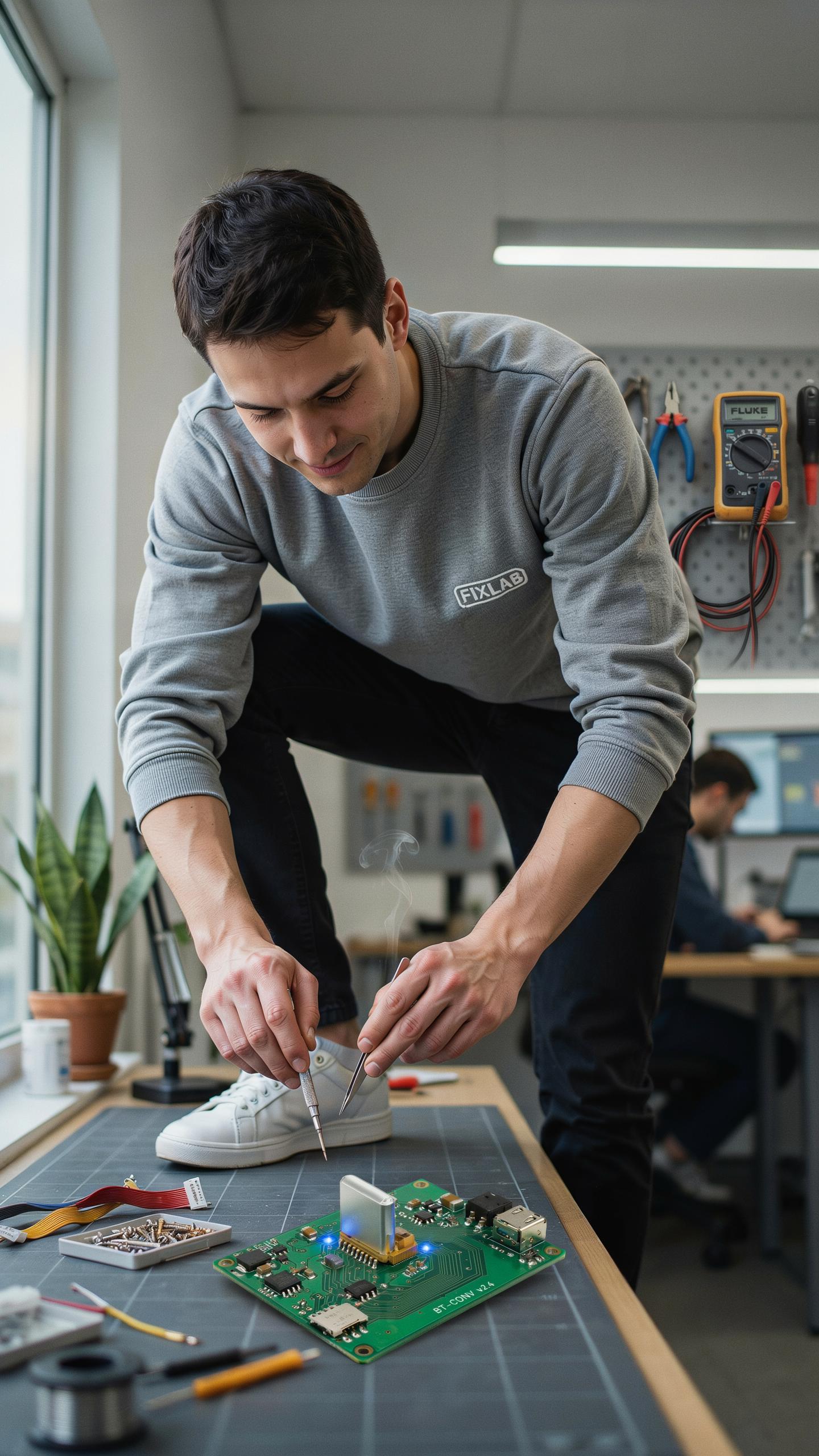
Static and hum typically stem from poor cable shielding or ground loop issues within the conversion circuit. Check all internal connections first. Reseat cables connecting the tape head to the Bluetooth module. Verify the power supply delivers clean voltage without ripple. Low volume points to either a weak tape head signal or incorrect amplifier gain settings. Adjust the preamp input level on the Bluetooth module if it has manual controls. Test with multiple cassettes to rule out tape degradation as the cause.
Noise floor improvements come from component placement and power management. Route audio cables away from power lines inside the unit. Use twisted pair shielded cable between the tape mechanism and amplifier stages. Ground all shields at a single point to prevent multiple ground paths. If hum persists after these steps, the Bluetooth module itself may have insufficient internal shielding. Consider replacing it with a model rated for line level audio inputs rather than microphone inputs.
Relive the magic of your cherished mixtapes, now with the seamless soundtrack of today. It’s like finding a hidden track from your past, perfectly remastered for the present.
Connectivity Problems And Solutions
Pairing failures usually occur when the Bluetooth module firmware lacks proper initialization sequences. Reset the module completely by removing power for 30 seconds, then restart. Hold the pairing button for the duration specified in the module documentation, typically 5-10 seconds. Ensure your phone or device has Bluetooth enabled and is not already connected to another audio device. Test pairing within three feet of the cassette player initially to eliminate range as a variable.
Connection drops during playback indicate either low battery voltage or interference from nearby wireless devices. Check that your power supply delivers the rated voltage consistently. Move away from WiFi routers, microwaves, and cordless phones operating in the 2.4 GHz band. Update the Bluetooth module firmware if available from the manufacturer. If drops persist, the antenna inside the module may need repositioning or the module itself requires replacement with a higher quality unit designed for continuous streaming stability.
Alternative Pre Built Bluetooth Cassette Player Options
Exploring Commercial Bluetooth Tape Player Devices
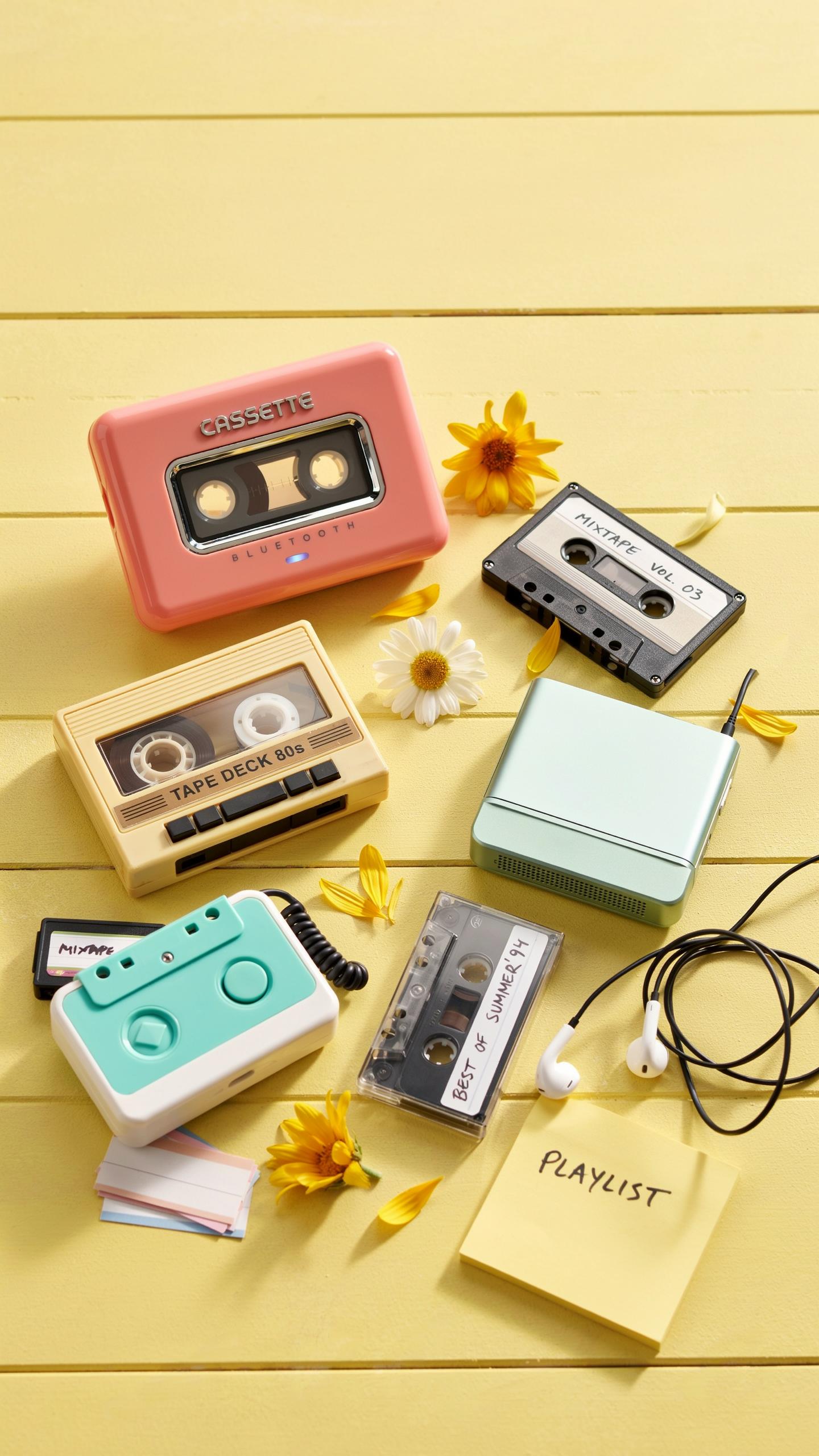
Manufacturers now produce cassette players with built-in Bluetooth transmitters. These devices play physical tapes and stream audio to wireless headphones or speakers simultaneously. Companies like Crosley, Ion Audio, and Victrola dominate this market segment. Models range from compact portable units to full-size stereo systems. Prices typically run between 60 and 300 dollars depending on build quality and features.
Most commercial Bluetooth cassette players use standard 3.5mm tape heads with basic amplification circuits. The Bluetooth module connects to the amplifier output, allowing wireless transmission without affecting tape playback quality. Battery-powered portables offer mobility while AC-powered models provide consistent performance. Sound quality varies significantly between budget and premium options. Real tape playback quality remains the primary selling point over streaming alternatives.
Pros And Cons Of Buying Vs. DIY
Buying a pre-built unit eliminates technical risk and solves the problem immediately. You get warranty coverage, customer support, and tested reliability. No soldering skills or parts sourcing required. The tradeoff is higher cost and limited customization options. You’re locked into whatever features the manufacturer included.
DIY conversion costs less overall but demands technical knowledge and time investment. You control every component and can tailor the solution to your specific needs. Troubleshooting falls entirely on you if problems arise. Parts sourcing takes effort and may involve online ordering delays. Successful conversion creates exactly what you need. Failed conversion leaves you with a broken tape player and wasted parts.
Maximizing Your Bluetooth Cassette Player Experience
Best Practices For Tape Care And Playback

Store cassettes vertically in a cool, dry environment away from direct sunlight and magnetic fields. Temperature fluctuations damage tape oxide layers and degrade sound fidelity. Keep tapes in their cases and away from heat sources like radiators or electronics. Handle tapes by their cases only, never touch the exposed tape itself. Dust particles transfer to playheads and create audio dropout.
Clean your cassette player’s playhead and capstan regularly using isopropyl alcohol and cotton swabs. Debris accumulation causes wow and flutter, the warbling effect that degrades playback quality. Replace pinch rollers if they become hardened or glazed, as worn rollers cause tape slipping. Demagnetize the playhead occasionally to prevent residual magnetism from erasing recorded content. Perform preventive maintenance every fifty playing hours for consistent performance.
Pairing With Modern Audio Devices
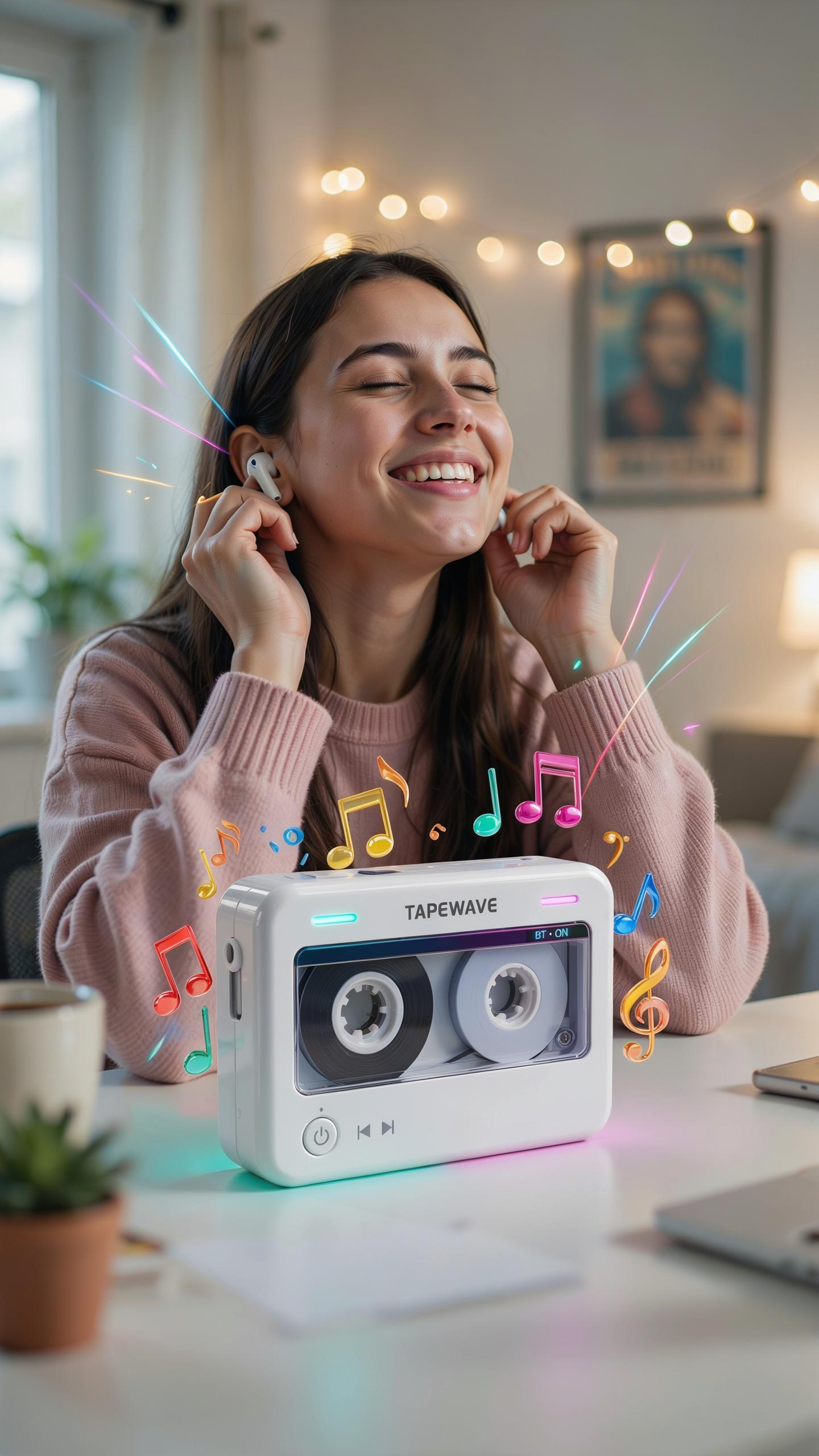
Enable Bluetooth discovery mode on both your converted cassette player and target device before initiating connection. Most modern speakers and headphones automatically enter pairing mode when powered on without an active connection. Some receivers require manual activation of Bluetooth pairing through their menu system. Check your device manual for specific pairing procedures, as they vary by manufacturer. Forget old pairings in your device settings if connection fails after multiple attempts.
Position your Bluetooth receiver within fifteen feet of the cassette player for reliable signal strength. Walls and metal objects weaken Bluetooth signal, so minimize obstruction between devices. If audio stutters or cuts out, move the cassette player closer or relocate the receiving device. Test connection quality before committing to permanent speaker placement in your listening space. Some older Bluetooth receivers struggle with audio codec compatibility, so verify your cassette player supports standard profiles like A2DP.
The Future Of Retro Audio Messenger II Cassette Player And Beyond
Innovations In Vintage Audio Technology
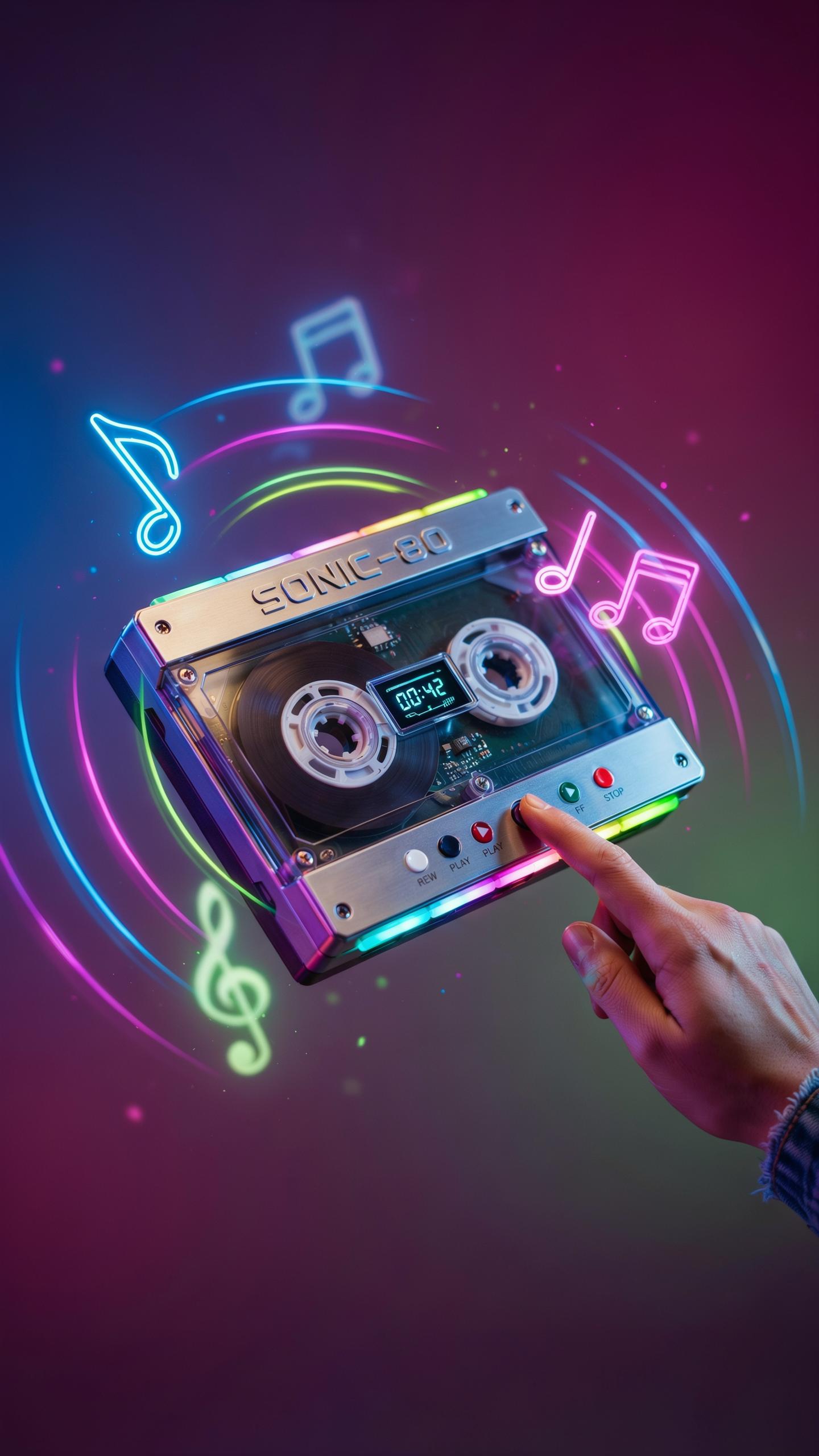
Cassette player manufacturers now integrate Bluetooth connectivity directly into new units rather than relying solely on conversion kits. The Messenger II represents a modern approach by combining cassette playback with wireless speaker pairing. This design maintains the tactile cassette experience while eliminating the need for separate adapters or external modifications. Engineers focus on preserving tape playback quality while adding contemporary features that users expect.
The conversion market itself evolves through improved cassette deck restoration services and specialized Bluetooth modules. Technicians replace worn components in vintage decks, then install quality Bluetooth receivers that connect to modern speakers and headphones. This approach extends the lifespan of original equipment rather than discarding it. The technical challenge centers on balancing audio fidelity from analog tape with clean digital transmission.
Community And Resources For Cassette Enthusiasts
Online forums like Tape Op and dedicated subreddits such as r/Cassette connect enthusiasts who share restoration techniques and modification advice. These communities document real projects, troubleshoot technical issues, and discuss equipment specifications in detail. Members exchange information about sourcing quality tape decks, identifying worn components, and evaluating Bluetooth adapter brands. This peer-to-peer knowledge base reduces trial and error for newcomers attempting their first conversions.
Local audio repair shops and regional tape collector groups provide hands-on learning opportunities for serious hobbyists. YouTube channels focused on cassette restoration demonstrate step-by-step conversion processes and equipment reviews. Vintage audio retailers often host workshops covering maintenance, tape care, and modification best practices. These resources serve practical purposes by offering guidance that prevents equipment damage and ensures successful Bluetooth integration.
Is A DIY Cassette Player Conversion Right For You
Assessing Your Technical Skill Level
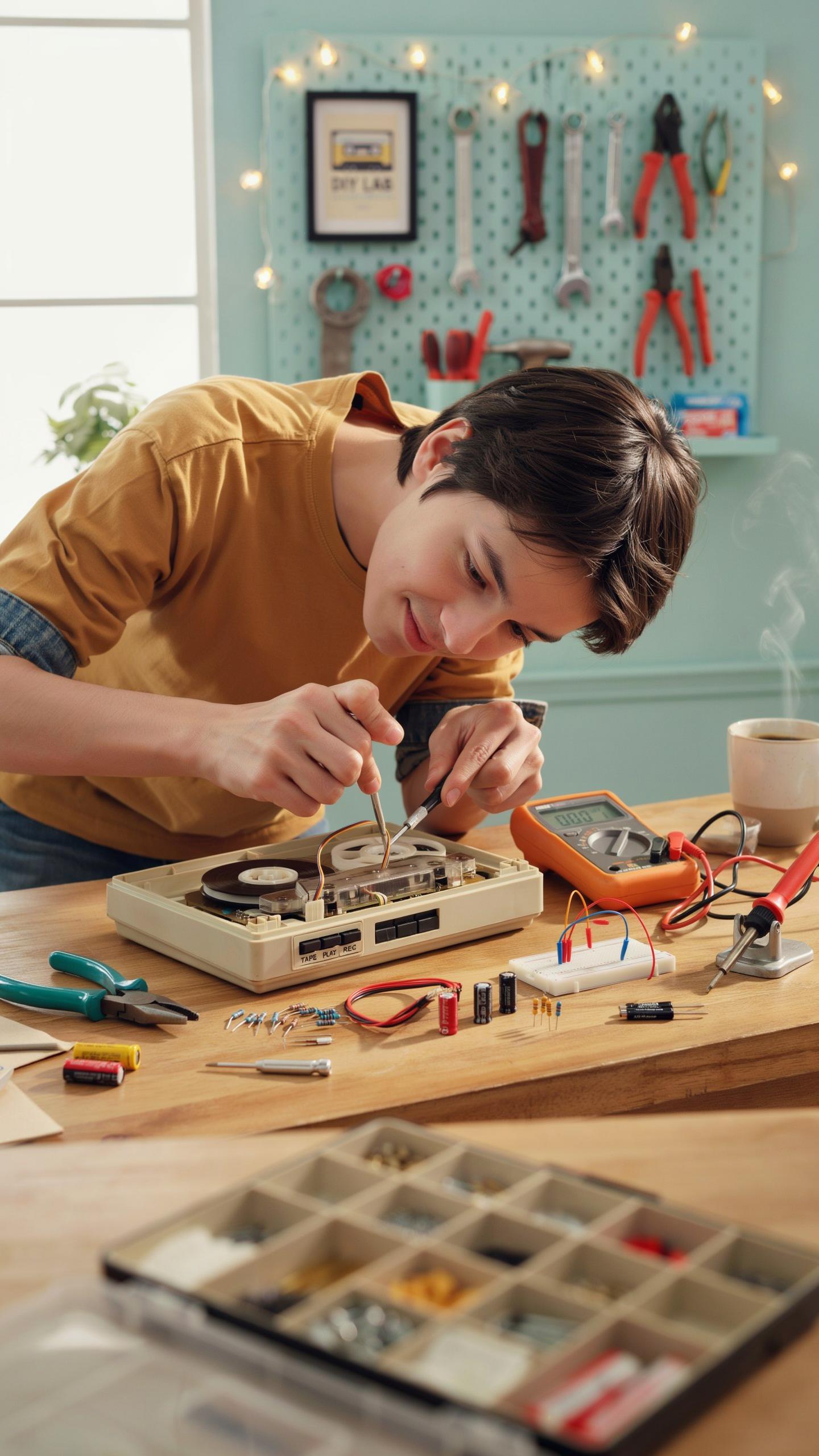
DIY cassette Bluetooth conversion requires soldering, circuit board work, and component identification. You need comfort with a soldering iron, ability to read schematics, and basic electronics knowledge. If you’ve never soldered before, this project presents real risk of damaging the cassette deck permanently. Start with simpler electronics projects first to build competency before attempting this modification.
The conversion involves removing the cassette player’s existing audio output circuitry and installing a Bluetooth receiver module. You must identify the correct power points, audio signal lines, and ground connections on the deck’s motherboard. Mistakes here result in no sound output, damaged components, or non-functional devices. Assess honestly whether you can follow technical diagrams and execute precise work under magnification.
Enjoying Your Upgraded Vintage Audio
A successful conversion restores functionality to equipment otherwise headed for disposal. Your cassette deck now pairs with smartphones, tablets, and modern audio devices wirelessly. The deck retains its original aesthetic and mechanical operation while gaining practical utility. This bridges the gap between analog hardware you own and digital devices you actually use daily.
The satisfaction comes from extending a device’s lifespan rather than replacing it. You maintain the specific sound characteristics of your tape deck while eliminating physical cable management. The project forces you to understand how audio circuits work rather than passively consuming technology. You gain a tool tailored to your needs instead of accepting whatever manufacturers currently sell.
Frequently Asked Questions
What exactly is a cassette player with Bluetooth conversion, and why would I need one?
A cassette player with Bluetooth conversion is a device that allows you to play your old cassette tapes and simultaneously stream the audio wirelessly to Bluetooth headphones or speakers. This is perfect for enjoying your vintage audio collection with modern convenience, eliminating the need for cords and giving your tapes new life.
How do I connect my new cassette player with Bluetooth conversion to my wireless headphones?
Connecting your new cassette player with Bluetooth conversion is straightforward. Simply put your Bluetooth headphones into pairing mode, then activate the Bluetooth pairing function on your cassette player. They should automatically detect each other and connect, allowing you to enjoy your tapes wirelessly.
Are there affordable options for a cassette player with Bluetooth conversion, or are they typically expensive?
Absolutely! There are many affordable options available for a cassette player with Bluetooth conversion, catering to various budgets. While premium models exist, you can find quality devices for under $50 that deliver excellent sound and functionality, making your tape collection accessible to everyone.