
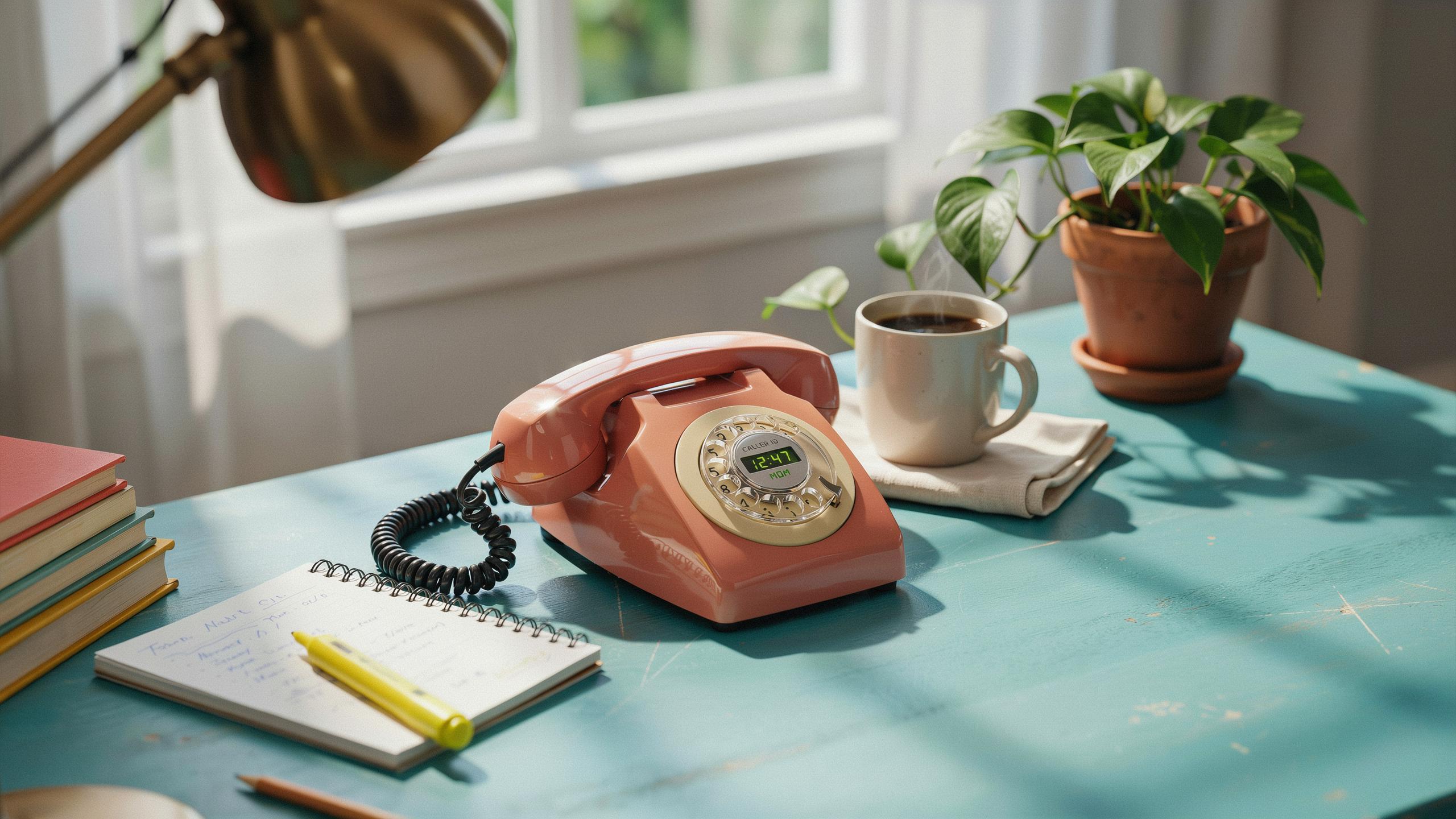
The Enduring Charm Of The Retro Style Antique Telephone
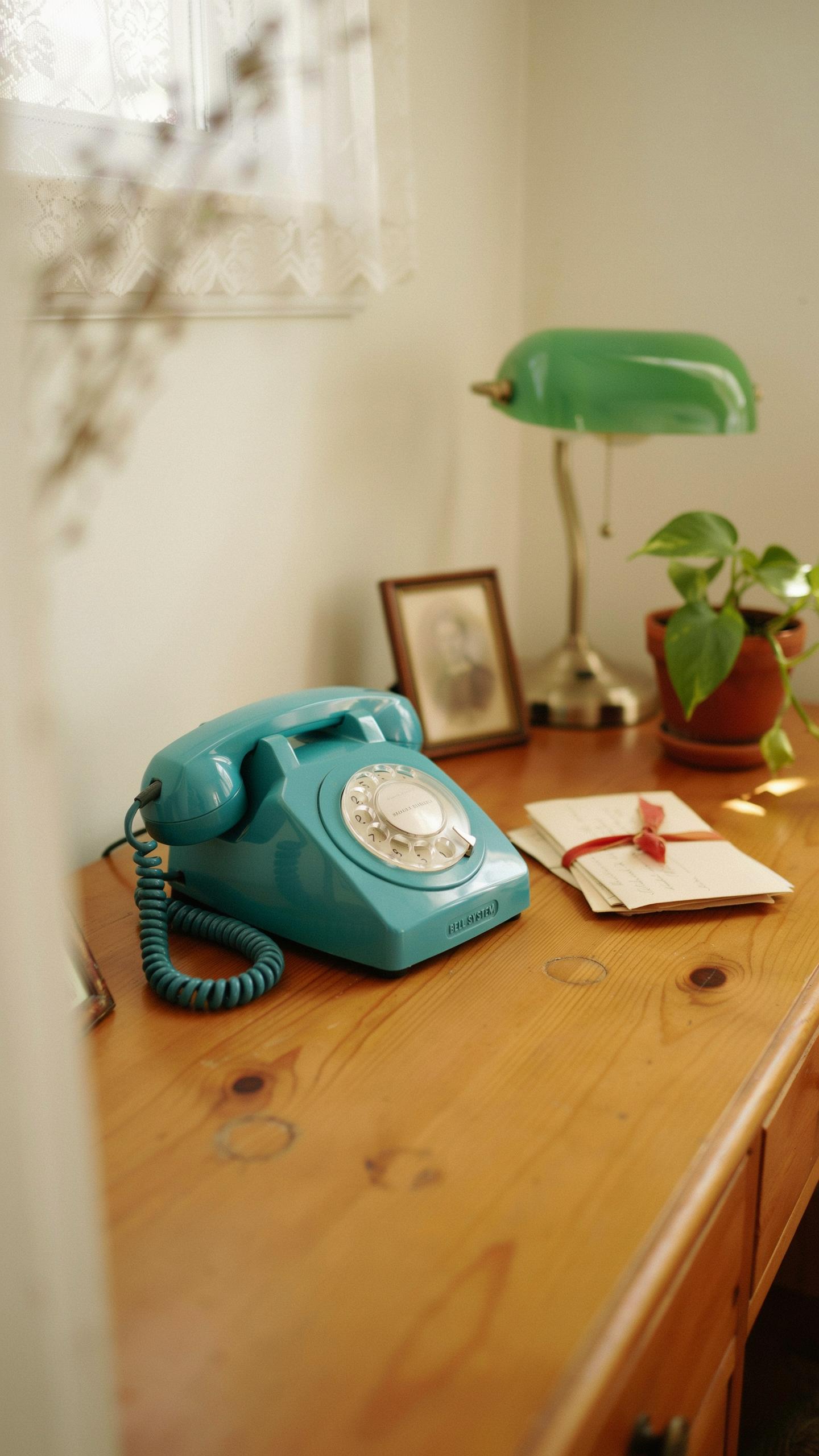
Nostalgia And Aesthetics
Vintage telephone designs tap into a specific era of manufacturing when phones were built as durable objects rather than disposable electronics. The rotary dial mechanism, bakelite housings, and metal components represent genuine engineering from the 1920s through 1970s. People choose retro style desk telephones with caller ID because these designs carry real historical weight and tangible craftsmanship that modern plastic devices cannot replicate.
The appeal operates on a practical level. Retro phones offer tactile feedback through physical dials or buttons. They demand intentional use rather than mindless scrolling. The visual presence of a vintage telephone signals a deliberate choice to slow down communication. This contrasts sharply with the uniformity of contemporary smartphones and cordless devices that blend into any environment without distinction or character.
Integrating Vintage Into Modern Decor
Place a retro style desk telephone with caller ID where it serves functional purpose, not decoration. Position it on a workspace, reception area, or bedside table where it actually receives calls. This integration appears intentional rather than forced. The phone earns its space through utility while contributing visual interest to the room simultaneously.
Match the telephone’s era to existing furniture and design elements already present. A rotary phone from the 1960s works alongside mid century modern pieces. A Western Electric model pairs with industrial or steampunk aesthetics. The key is alignment with surrounding materials like wood, metal, or glass already in the space. Avoid clustering multiple vintage items together, which reads as a museum display rather than functional decor. One statement piece anchors a room more effectively than competing retro objects.

Why Choose A Vintage Telephone With Caller ID

The Best Of Both Worlds: Classic Look, Modern Functionality
Retro style desk telephones with caller ID solve a real problem: you get the physical design language of 1960s and 1970s phones without sacrificing practical utility. The handset feels substantial in your hand. The rotary or push button interface remains tactile and responsive. Simultaneously, the built in caller ID display tells you who calls before you pick up the receiver. No compromise required.
These phones work on standard landlines and VoIP systems without modification. The caller ID screen typically mounts in the base unit or attaches to the handset cradle. You get call logging, missed call lists, and number storage alongside the authentic industrial design. This combination addresses desk workers and home office users who value both aesthetics and efficiency. The technology integrates cleanly without disrupting the original form factor.
Bridging The Past And Present
Vintage telephone design emerged from engineering constraints and manufacturing practices of the mid twentieth century. Bakelite and metal chassis construction created durable products built to last decades. Modern retro phones preserve these design principles while embedding contemporary electronics underneath. The result functions as a genuine working phone, not a decorative replica. You make calls and receive information the same way contemporary users do.
The caller ID feature represents the most direct intersection of eras. 1960s phones could not display incoming numbers because the technology did not exist. Today’s retro models add this capability without altering the external appearance that made those phones iconic. Users avoid the cognitive load of adapting to sleek minimalist designs while gaining access to caller screening, blocking, and contact management. The phone remains recognizable as a telephone from a specific design era while operating as a device from the present decade.

Features To Look For In A Retro Style Desk Telephone

Essential Modern Features
Caller ID display separates functional retro phones from decoration pieces. You need a screen that shows incoming numbers and caller names clearly. This feature works on landlines where phone companies transmit the data. The display should be visible from across your desk without straining. Redial buttons save time when you need to call back recently dialed numbers. Check that the button activates quickly without lag.
Speakerphone capability lets you take calls hands-free during work. The speaker should produce clear audio at moderate volume levels. Mute buttons control background noise during conversations. Hold functions let you place calls on pause temporarily. These features matter because they keep you productive without holding the handset constantly. Test the audio quality before purchasing to ensure it meets your needs.
Authentic Design Elements
Materials determine whether a phone feels genuinely retro or like a cheap reproduction. Thermoplastic and bakelite were standard during the 1950s through 1970s. Modern retro phones use either actual vintage materials or high-quality reproductions that replicate the weight and finish. Metal components in the handset cradle and base add authenticity and durability. Rotary dial styling or pushbutton layouts from specific eras signal genuine retro design. The cord should use cloth covering or rubber that matches the historical period you target.

Color palettes reveal the decade a phone design represents. Cream, black, and avocado green dominated the 1970s. The 1950s favored pastels like pink, turquoise, and pale yellow. Gold and harvest tones appeared frequently in 1980s designs. Authentic retro phones stick to period-accurate colors rather than inventing new combinations. Paint quality and finish texture should look aged but well maintained, not artificially distressed or overly glossy.
The Allure Of Vintage Phones A Touch Of Class For Your Office Phone
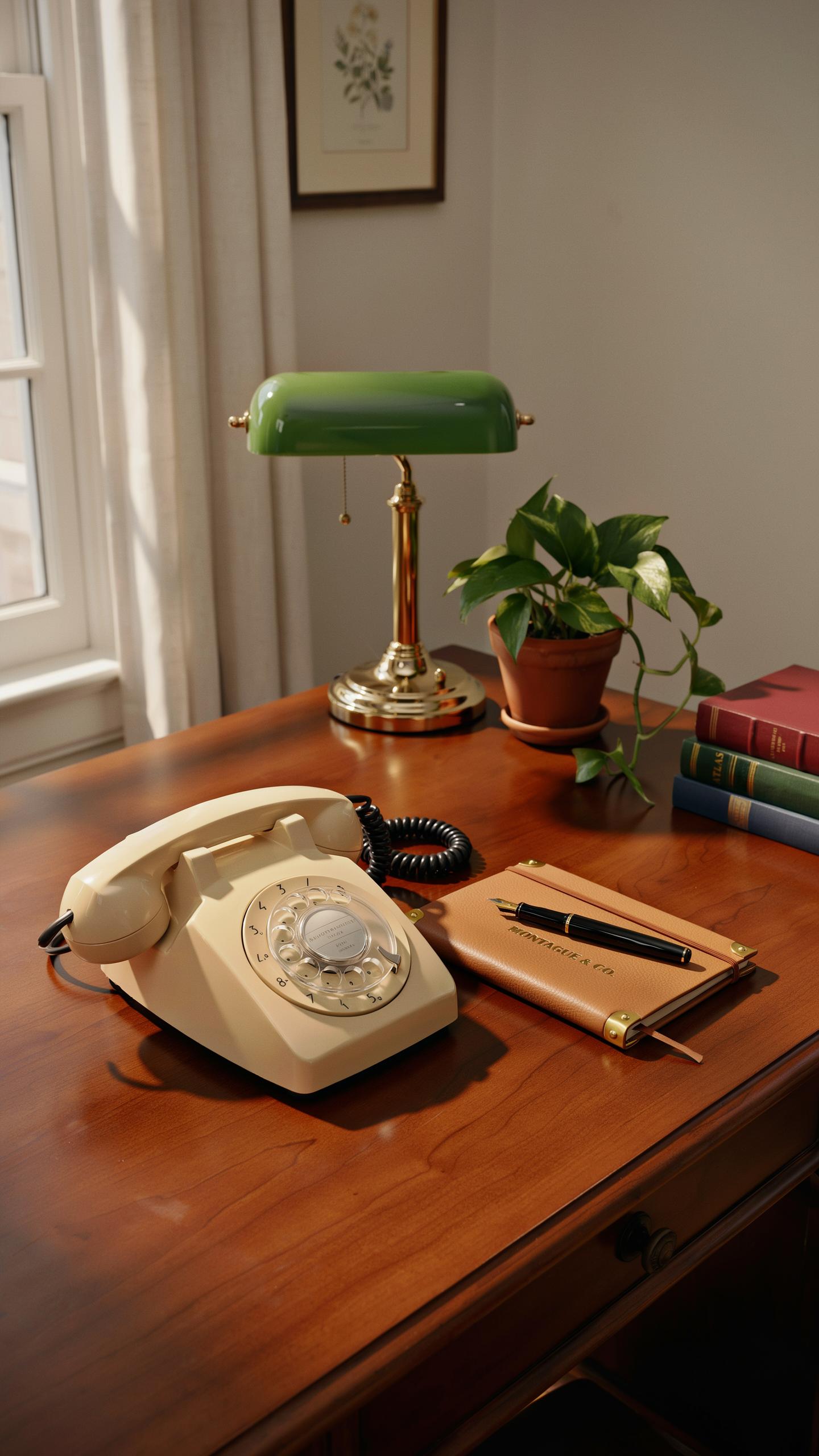
Enhancing Your Workspace Aesthetics
A retro style desk telephone with caller ID transforms your work environment through deliberate design choice. The curved lines and weighted construction of vintage-inspired phones convey stability and intentionality. Unlike modern flat surfaces, these phones occupy physical space meaningfully. They signal that your workspace values substance over trends. This approach appeals to professionals who reject disposable design.
The material composition matters tactically. Metal bases and plastic housings in period-accurate colors like avocado, harvest gold, or classic black create visual anchors on your desk. These phones work alongside traditional furniture without competing for attention. They complement leather desk accessories, wooden surfaces, and brass fixtures. The result is a cohesive workspace that feels deliberate rather than assembled from whatever was available.
Making A Statement With Your Desk Phone
A retro style desk telephone with caller ID functions as both tool and statement piece. Visitors notice it immediately. The phone breaks away from the invisible technology most offices contain. It signals you operate with confidence rather than conformity. This distinction matters in client meetings and professional interactions where environment communicates values.

The conversation starter function operates practically. Colleagues and clients recognize vintage design as intentional curation. They associate it with appreciation for quality and history rather than nostalgia alone. Your choice to use this phone demonstrates you selected your tools deliberately. This small decision influences how others perceive your professionalism and attention to detail in ways that modern plastic phones cannot achieve.
Exploring Different Retro Fashion Designs From Rotary To Push Button

Iconic Eras Of Telephone Design
Rotary dial phones dominated from the 1920s through the 1970s. Users inserted their finger into each numbered hole and rotated clockwise until it stopped. The mechanism relied on mechanical interruption of electrical pulses to signal numbers to the switching system. Rotary technology was reliable and required no batteries. This design became the standard across most residential and commercial installations worldwide.
Push button phones emerged in the 1960s and offered faster dialing than rotary models. They used tone dialing technology, where each button generated specific audio frequencies recognized by telephone exchanges. Push buttons reduced dialing time significantly and felt more modern to consumers. By the 1980s, push button phones became the dominant technology. Contemporary retro reproductions focus on these two designs because they represent distinct eras consumers recognize and value.
In a world of fleeting connections, let the enduring charm of a retro telephone ground you, as familiar voices light up your caller ID, bridging time with every ring.
Materials And Craftsmanship
Bakelite was the primary plastic used in early retro phone designs from the 1930s through 1950s. This material offered durability and could be molded into curved shapes that defined the era’s aesthetic. Bakelite turned brown or yellow over decades due to chemical breakdown, a characteristic modern reproductions attempt to replicate. Modern manufacturers use phenolic resins as bakelite alternatives since original bakelite production ceased in most countries. Metal bases and handset cords provided structural support and authentic weight to these devices.
Wood and metal combinations appeared in desk telephone designs, particularly in premium models from the mid-20th century. Manufacturers used aluminum, steel, and brass in various finishes to create robust bases and internal components. Cord materials ranged from cloth-wrapped to rubber, with color options that matched interior design trends of their periods. Modern reproductions combine vintage appearance with contemporary materials like high-quality plastics and modern electrical components. This approach ensures caller ID functionality while maintaining the authentic look consumers seek.
The Charm Of A Vintage French Style Cradle Phone

Elegant Design And European Influence
French cradle phones emerged during the mid-20th century as practical communication tools with refined aesthetics. The design features a curved handset rest that cradles the receiver, combined with rotary dial mechanics. European manufacturers prioritized both function and appearance, resulting in phones with metal bases, often chrome or brass, paired with Bakelite or ceramic components. This approach reflected the broader industrial design philosophy of the era, where utility met deliberate styling.

The French aesthetic emphasized clean lines and proportional balance. Manufacturers used materials chosen for durability and visual appeal rather than ornament alone. The cradle mechanism itself became a design signature, distinguishing these phones from competing models. Caller ID integration in modern reproductions maintains this historical silhouette while adding contemporary telecommunications functionality. The result preserves authentic proportions and material choices while delivering practical features users expect today.
A Timeless Piece For Any Room
French-style cradle phones work across interior contexts because their design avoids trend-specific details. The restrained appearance complements minimalist, mid-century modern, and even contemporary spaces without visual conflict. Desk placement becomes straightforward since the compact footprint and neutral color palette fit standard work surfaces. The retro aesthetic signals intentional design choices rather than dated obsolescence, making it read as a curated object rather than discarded technology.
Caller ID capability enhances utility in professional and residential settings alike. The phone functions as both communication device and decorative accent, performing its intended role without requiring concealment. Office environments benefit from the professional appearance, while home offices gain character through period-appropriate styling. Placing this phone on a visible desk surface announces aesthetic preferences while maintaining complete operational relevance for current communication needs.
A Nod To History The Retro Classic Antique Phone

Tracing The Evolution Of Telephone Design
The telephone emerged in the 1870s with basic functionality focused solely on voice transmission. Early models used wooden bases, metal components, and hand-crank mechanisms to operate. By the 1920s through 1940s, design shifted toward the iconic rotary dial phone with curved handsets and heavy Bakelite construction. These phones prioritized durability and reliable mechanical operation over aesthetics. Manufacturers standardized components across models, creating the recognizable shapes we associate with vintage phones today.

The 1950s and 1960s introduced sleeker designs with plastic housings and push-button technology, though rotary systems remained common. Color options expanded beyond black, offering cream, avocado, and other hues that reflected contemporary interior design trends. Modern retro designs draw directly from these proven mechanical systems and physical forms. Manufacturers reverse-engineer these classic phones to recreate their tactile feel and dependable operation while adding caller ID and digital features that didn’t exist in original versions.
Collecting And Appreciation
Collectors value retro phones for their mechanical integrity and manufacturing quality absent in modern telecommunications devices. Original phones from the mid-20th century used superior materials like solid metal bases, heavy-gauge wiring, and Bakelite or Bakelite-composite housings that resist degradation. These phones operated through pure mechanical design with no electronic components prone to failure. A working vintage rotary phone from the 1930s through 1960s demonstrates engineering standards that prioritized longevity over planned obsolescence. Functional examples command attention from those who understand the difference between temporary consumer goods and built-to-last equipment.
The market for retro style phones reflects demand from users seeking tangible connection to communication history. People appreciate the physical feedback of rotary dialing, the weight of quality handsets, and visual design that occupies desk space intentionally. Modern retro desk phones with caller ID fulfill this demand by merging historical aesthetics with practical contemporary features. Collectors and everyday users both recognize these devices as functional art objects that serve actual purposes while making design statements about their preferences and values.
Maintenance And Care For Your Antique Telephone Reproduction
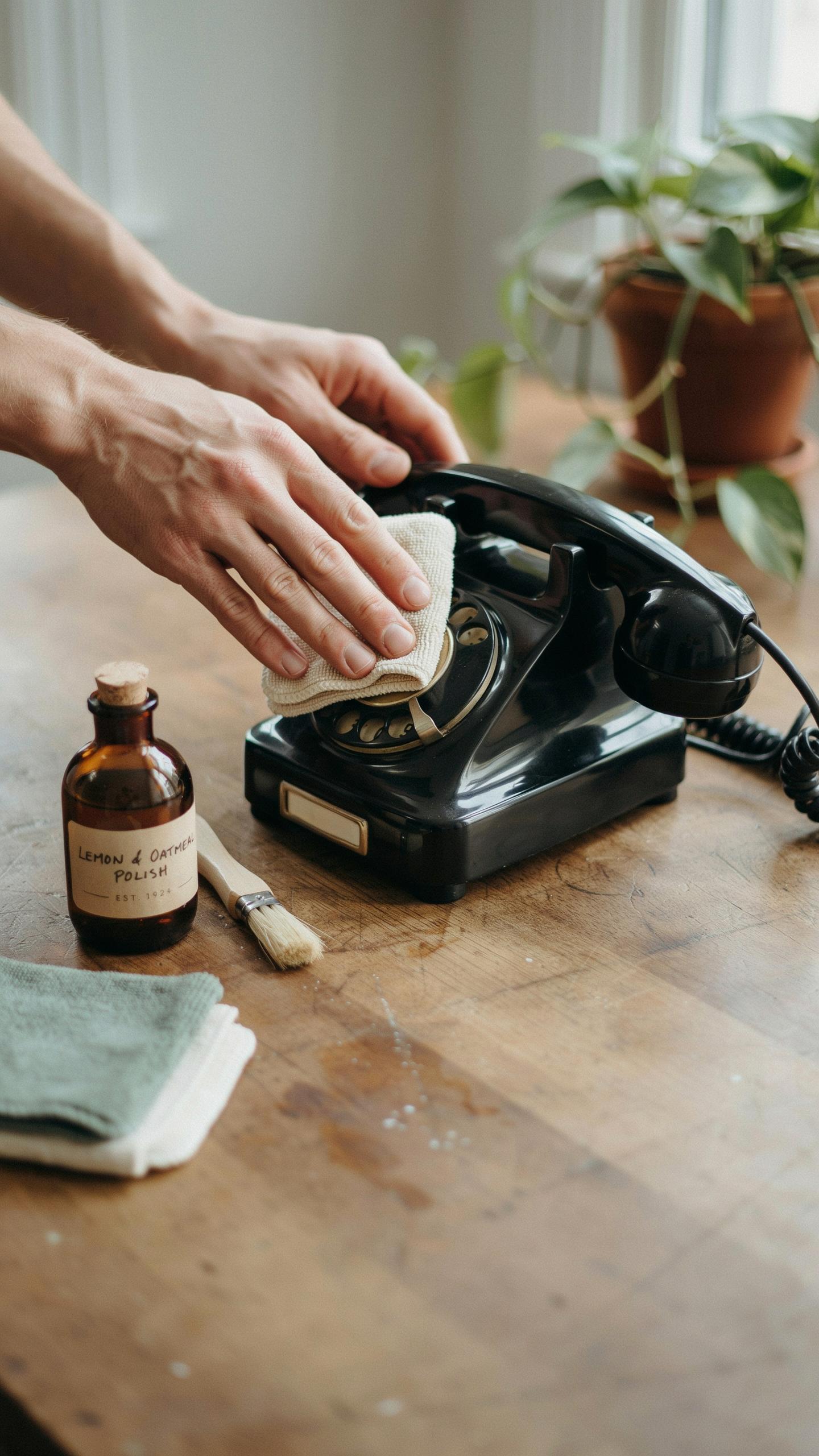
Keeping Your Retro Phone In Top Condition
Retro style desk telephones with caller ID combine vintage aesthetics with modern electronics. Both elements require different care approaches. The plastic or metal housing needs regular cleaning to maintain appearance. The internal electronics need protection from dust and moisture to function reliably. Develop a maintenance routine based on your phone’s specific materials and construction.
- Dusting the exterior: Use a soft, dry microfiber cloth weekly. Avoid abrasive materials that scratch plastic or metal finishes. Never spray liquid directly on the unit.
- Cleaning the handset: Wipe the handset with a slightly damp cloth monthly. Pay attention to the ear and mouth pieces where buildup occurs. Dry thoroughly afterward.
- Protecting the cord: Inspect the telephone cord regularly for cracks or exposed wiring. Store the cord loosely to prevent kinking and wire damage. Replace corroded connectors immediately.
- Managing humidity: Keep the phone away from high moisture areas like bathrooms. Excess humidity damages the electronic components and display. Use silica gel packets near the phone in damp environments.
- Checking connections: Verify the power and telephone line connections monthly. Loose connections cause caller ID failure or complete malfunction. Tighten connections gently without forcing them.
Most reproduction retro phones use modern caller ID circuits housed in vintage styled cases. This design makes maintenance straightforward when you follow basic guidelines. Regular attention prevents costly repairs and extends the phone’s lifespan significantly.
Troubleshooting Common Issues
Caller ID displays sometimes malfunction due to line signal problems rather than phone defects. Verify your telephone line supports caller ID service through your provider first. If the display remains blank after confirmation, the internal circuit may need replacement. Contact the manufacturer about repair options for electronic components under warranty.
Rotary dial reproductions with modern caller ID occasionally experience button recognition delays. This occurs when the phone attempts to blend mechanical dial functions with digital display systems. Ensure the phone sits on a stable, level surface for proper operation. If issues persist, the internal switch assembly may require professional service or replacement.
Where To Buy Your Retro Style Desk Telephone With Caller ID
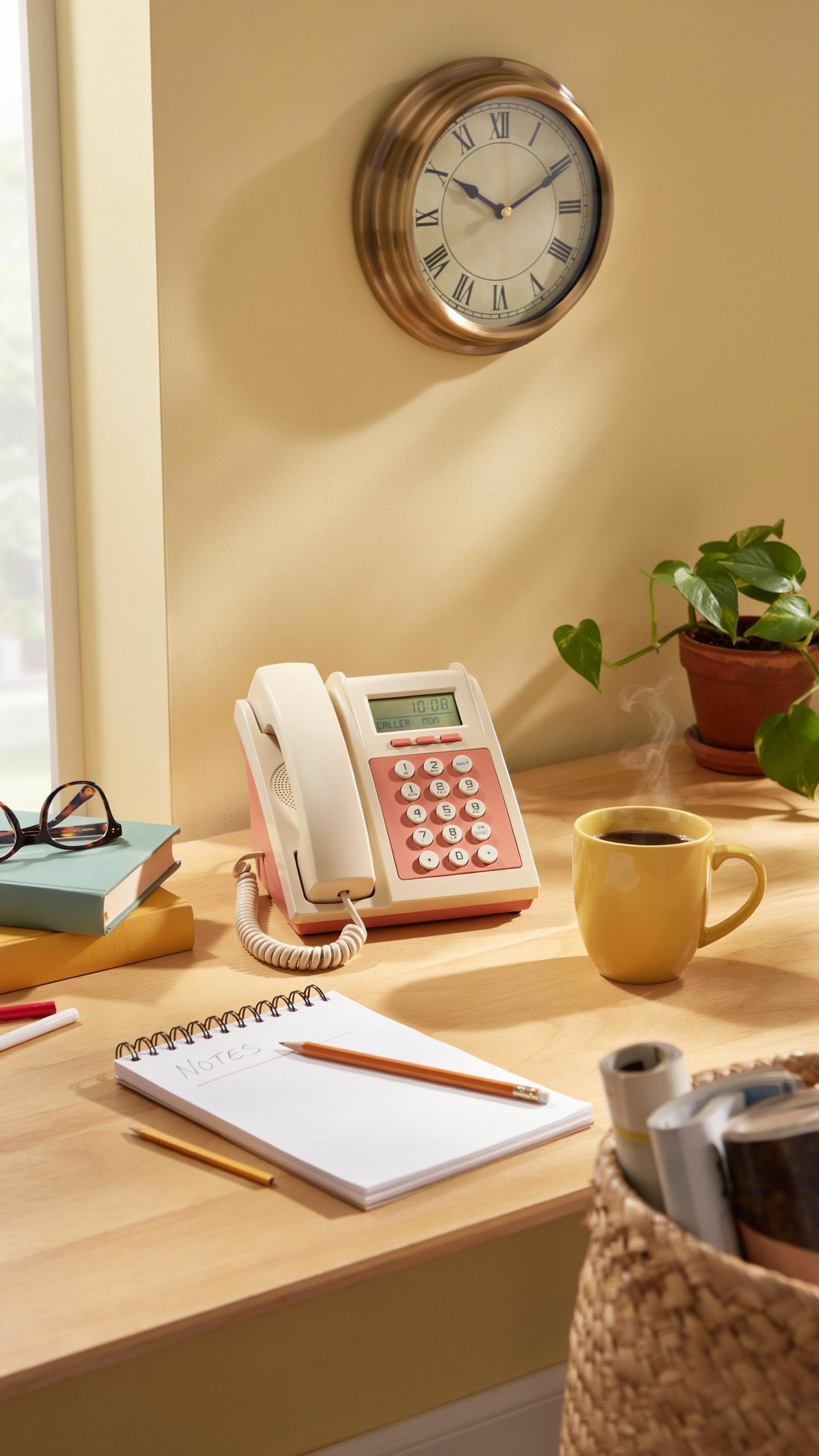
Online Retailers And Specialty Stores
Amazon and eBay stock retro desk phones with caller ID from multiple sellers. Prices range widely based on condition and authenticity. Search filters let you narrow by era, color, and functionality. Read seller ratings carefully. Return policies vary by vendor, so check terms before purchasing.
Specialty electronics retailers focus on vintage and reproduction models. Etsy hosts individual sellers offering refurbished units and new reproductions styled after mid-century designs. Local antique shops and estate sale websites occasionally carry working models. Phone condition and dial functionality determine usability. Always verify caller ID features work before committing to a purchase.
What To Consider Before Purchasing
Check the warranty length offered by the seller. Most modern reproductions carry one to two year warranties. Original vintage units rarely include warranties. Return policies matter if the phone arrives damaged or caller ID fails. Request detailed photos showing the dial, handset, and back connections before buying.
Customer reviews reveal common issues with specific models. Look for comments about dial responsiveness and caller ID display clarity. Verify the phone uses standard RJ11 connections compatible with your phone line. Some units require adapters for modern wiring. Ask the seller directly if you have questions about technical compatibility or restoration quality.
Frequently Asked Questions

What exactly is a retro style desk telephone with caller ID, and why would I want one for my home?
A retro style desk telephone with caller ID blends classic vintage aesthetics with modern functionality. You get the charming, nostalgic look of an old-school phone combined with the convenience of seeing who’s calling. It’s a fantastic way to add a unique decorative touch and reliable landline service to your home office or living space, offering both style and practicality.
How do I set up the caller ID feature on my new retro style desk telephone?
Setting up caller ID is usually very straightforward! Once you connect your retro style desk telephone to an active landline jack, the caller ID feature should automatically begin displaying incoming call information, provided your telephone service provider supports it. There are typically no complex settings; it’s designed for simple plug-and-play use.
Are retro style desk telephones with caller ID generally expensive, or can I find affordable options?
You can absolutely find affordable options! While some premium models exist, many manufacturers offer retro style desk telephones with caller ID at very accessible price points. It’s worth comparing different brands and features, as you can often get that charming vintage look and modern functionality without breaking the bank, fitting various budgets.