
The Rise Of Desk Workouts Why Office Exercise Matters

Combatting Sedentary Lifestyles With A Smart Pedal Exerciser
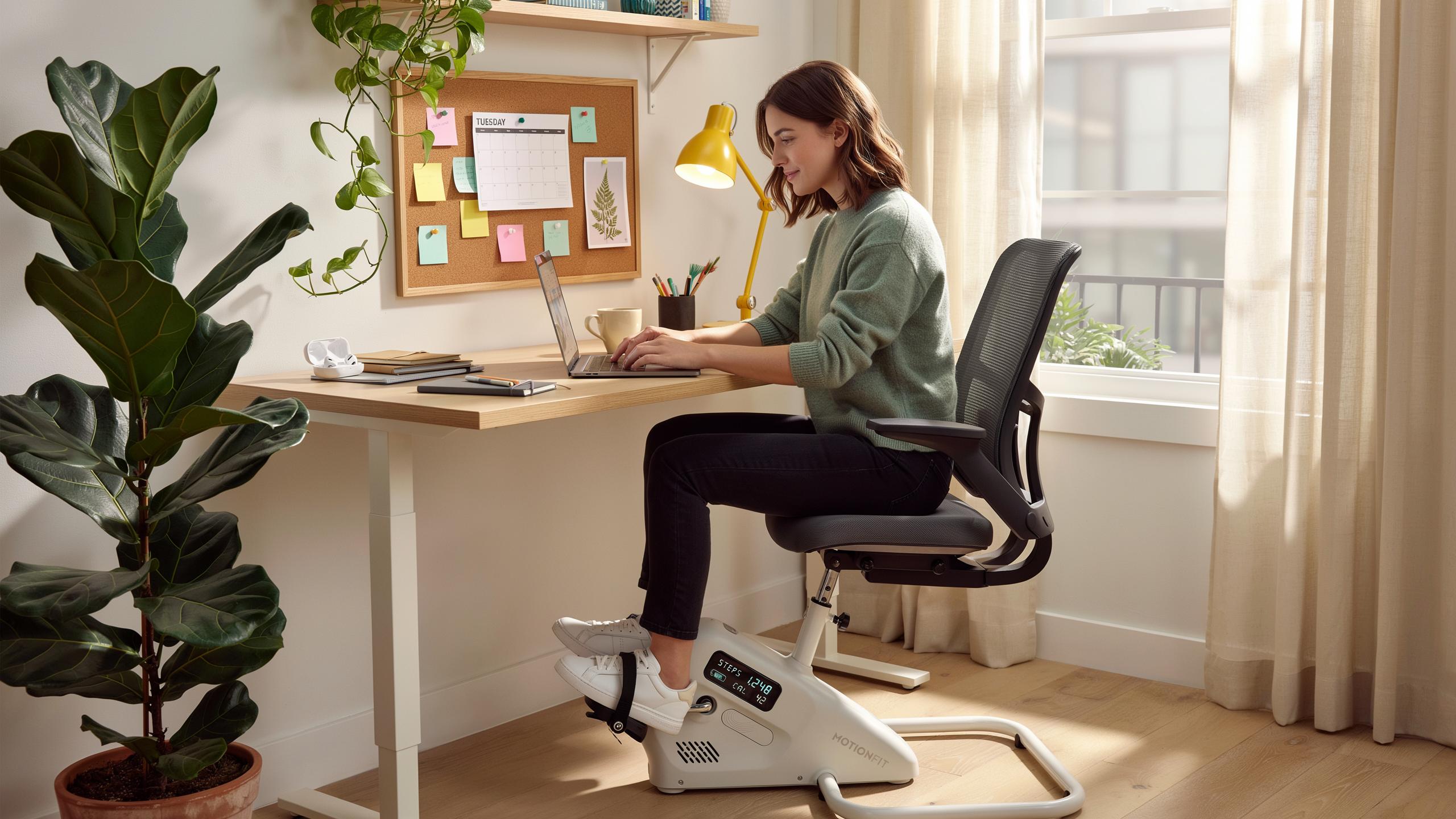
Office workers spend six to eight hours daily seated. This prolonged sitting weakens muscles, slows metabolism, and increases cardiovascular strain. A smart pedal exerciser for desk workouts tackles this directly by enabling movement during work tasks. Users pedal while typing, reading, or attending calls. The device converts dead time into active time without disrupting workflow.
Research consistently shows that breaking up sitting time reduces health risks. Smart pedal exercisers provide resistance that engages leg muscles and elevates heart rate moderately. Workers can adjust intensity to match their fitness level and energy. The low-impact nature means minimal noise and distraction in office environments. This makes sustained movement feasible throughout an eight-hour workday.
Benefits Of Integrating Movement Into Your Workday
Movement during work hours improves focus and productivity. Physical activity increases blood flow to the brain, sharpening mental clarity and decision-making. A smart pedal exerciser keeps legs active without requiring breaks or leaving your desk. Employees maintain continuous work output while gaining fitness benefits. This eliminates the false choice between getting work done and staying healthy.
Consistent desk-based movement also combats fatigue and mood decline that accompanies prolonged sitting. Regular pedaling maintains energy levels throughout the day, reducing the afternoon slump many office workers experience. Over time, this daily activity builds leg strength and endurance. Workers report feeling less stiff and more capable by end of shift. Integration of a smart pedal exerciser becomes a sustainable habit that requires no lifestyle restructuring.
Understanding The Smart Pedal Exerciser For Desk Workouts
What Is A Mini Exercise Bike For Office
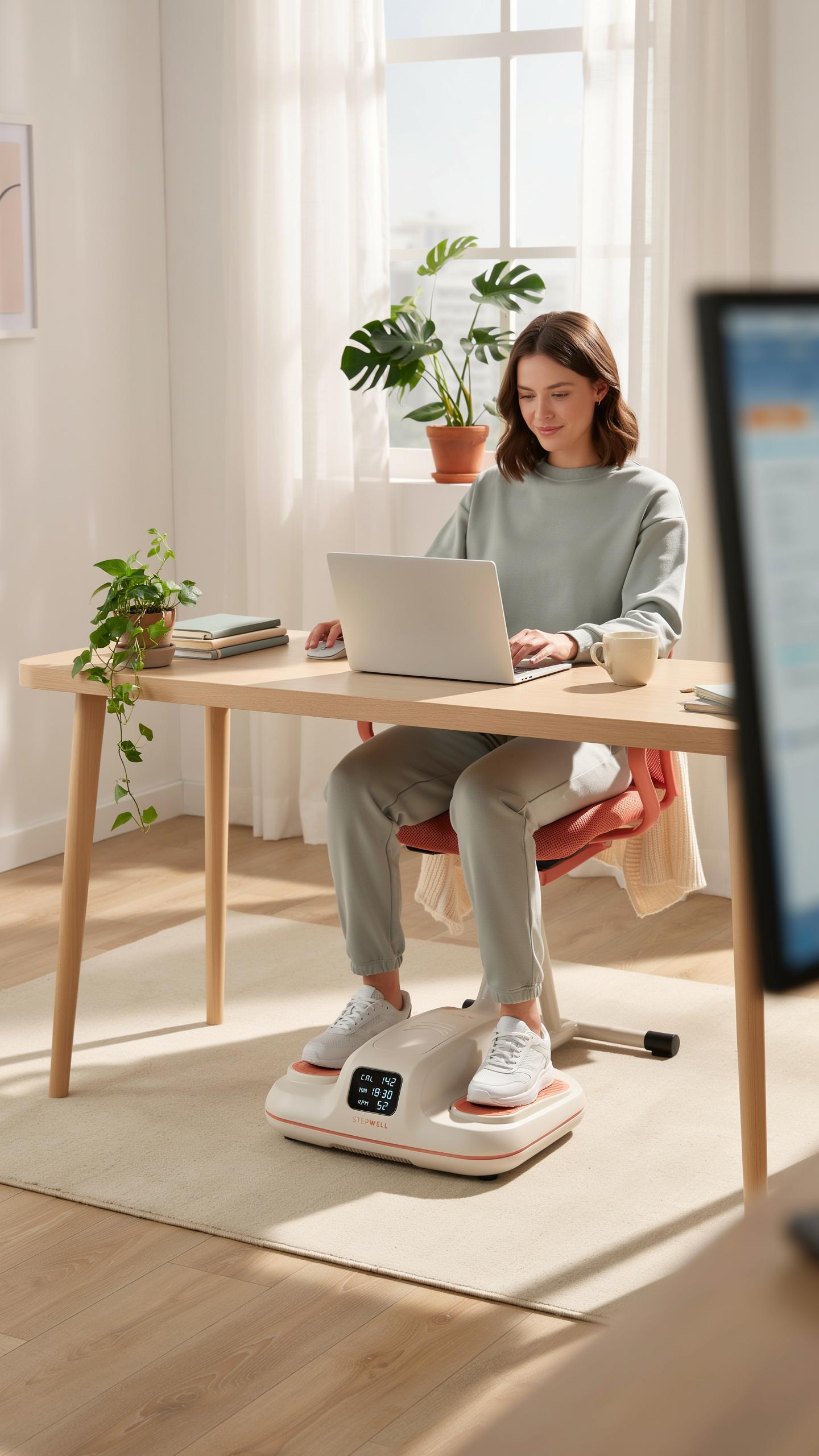
A mini exercise bike for office use is a compact pedaling device designed to fit under or beside a desk. It allows workers to pedal while sitting and working. The unit operates independently from a desk setup. Most models weigh between 15 and 40 pounds. They require minimal floor space, typically measuring 2 to 3 feet in length and width. Power sources vary between battery-operated, plug-in electric, or fully manual mechanical systems.
The device targets lower body movement during sedentary work hours. Users engage leg muscles including quads, hamstrings, and calves while maintaining desk productivity. Resistance levels adjust to accommodate different fitness levels and work intensities. Some models include digital displays showing pedal speed, distance, or calories burned. The primary function is reducing sitting time rather than replacing dedicated gym workouts. Office workers integrate pedaling into their standard workday without interrupting tasks.
Key Features Of An Effective Under Desk Bike
An effective under desk bike delivers smooth pedal motion without noise disruption. The resistance mechanism must operate quietly so coworkers remain unaffected. Ball bearings and sealed components prevent squeaking and mechanical failures. Height and distance adjustments accommodate different desk configurations and user leg lengths. Sturdy base construction prevents wobbling during pedaling. Weight capacity ranges from 220 to 300 pounds on quality models.

Digital monitoring capabilities track performance metrics without requiring manual recording. Displays show real-time RPM, time elapsed, and estimated calorie expenditure. Some units connect via Bluetooth to fitness applications for data logging. Pedal design prevents foot slippage during extended use. Compact dimensions fit standard office spaces without requiring furniture rearrangement. Maintenance requirements remain minimal with sealed bearing systems and durable construction materials.
Low Impact Workout Gentle On Joints Big On Benefits

The Importance Of Low Impact Exercise For All Fitness Levels
Low impact exercise protects your joints while building strength and endurance. This approach matters for desk workers who sit for hours daily. Movement without high force on joints reduces injury risk. Low impact routines work for people recovering from injury, managing arthritis, or simply wanting sustainable fitness without strain.
Your body needs consistent movement to function well. Desk work creates stiffness and weak stabilizer muscles. Low impact exercise rebuilds these areas without the wear. People at any fitness level benefit because progression happens through duration and resistance, not through impact force that damages joints over time.
How A Smart Pedal Exerciser Provides A Joint Friendly Biking Workout
A smart pedal exerciser uses circular pedaling motion that eliminates joint stress found in running or jumping. The seated position supports your body weight instead of forcing joints to absorb impact. Resistance adjusts smoothly, letting you control workout intensity without shocking your knees, hips, or ankles.

Smart pedal exercisers track your output through apps or built-in displays, showing metrics like revolutions per minute and calories burned. This feedback lets you increase effort gradually over weeks and months. You build leg strength, cardiovascular endurance, and desk mobility without the recovery time high impact exercise demands. The combination of gentle mechanics and measurable progress makes this tool effective for long-term fitness adherence.
Choosing The Best Workout Machines For Your Office Space
Comparing Under Desk Exercise Options
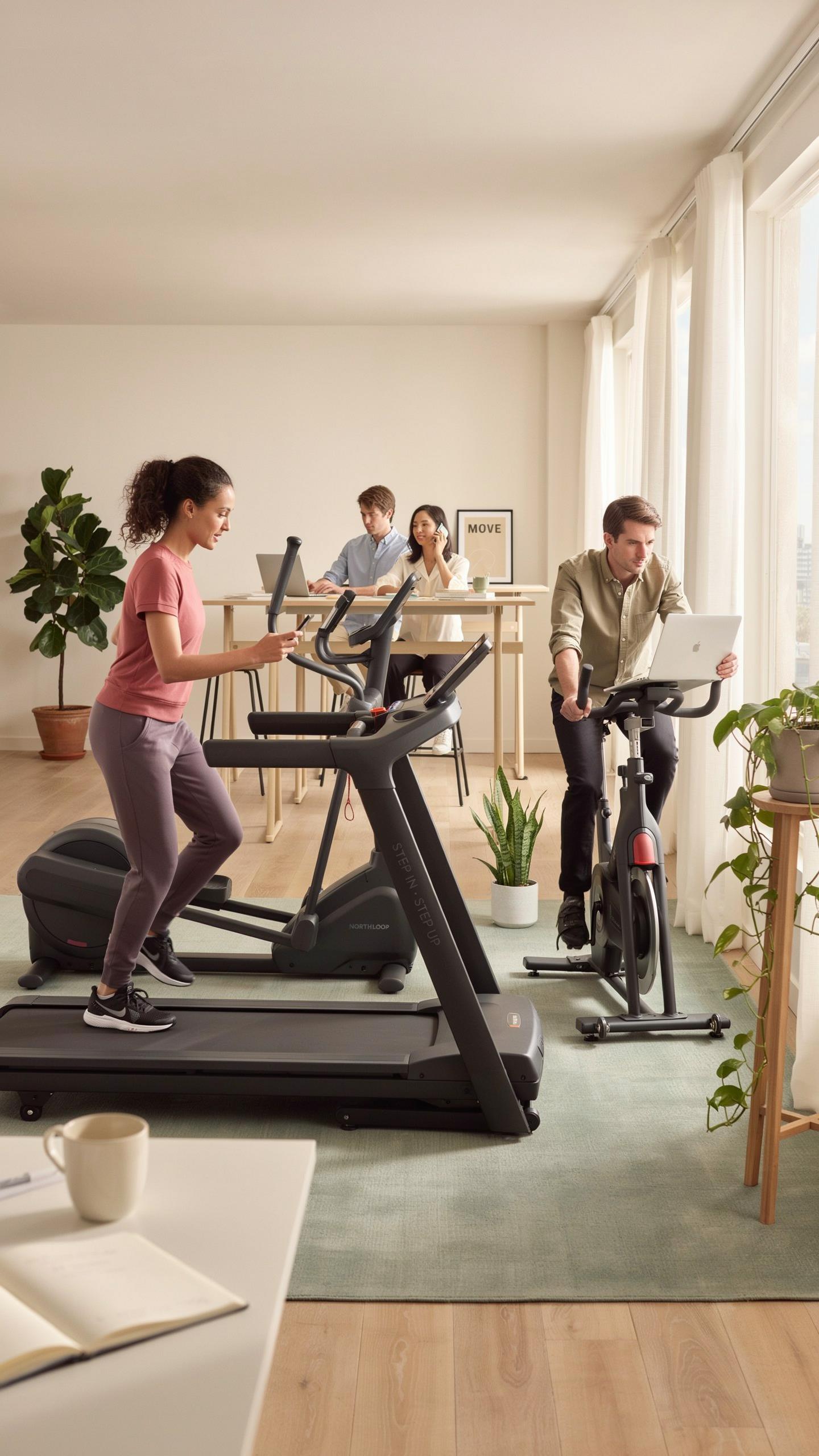
Smart pedal exercisers compete directly with stationary bikes, rowing machines, and resistance bands for desk space. Pedal exercisers occupy minimal footprint, typically 2-3 square feet, compared to upright bikes requiring 4-5 square feet. Rowing machines demand 7-8 feet of length and interrupt desk work entirely. Resistance bands offer portability but require active engagement and break workflow concentration. Smart pedal exercisers track metrics automatically without disrupting your desk setup or attention.
The core difference lies in passive versus active operation. Pedal exercisers allow continuous leg movement while typing, reading emails, or attending video calls. Rowing and stationary bikes demand dedicated exercise sessions outside work. Resistance bands require both hands, eliminating multitasking capability. For office integration, pedal exercisers solve the core problem: movement without workflow interruption. This distinction drives adoption rates among remote and office-based workers.
Factors To Consider When Selecting An Office Exercise Device
Desk height compatibility matters first. Your desk surface must accommodate the pedal exerciser underneath without collision during full leg extension. Standard desk heights range from 28-30 inches, but standing desks vary significantly. Measure your specific desk clearance before purchasing. Some pedal exercisers adjust height with removable components or adjustable platforms. This flexibility determines whether the device fits your actual workspace, not generic office standards.

Noise output and motor specifications directly impact usability. Magnetic resistance systems operate silently, essential for open offices and video conferences. Belt-driven systems produce minimal sound. Mechanical friction systems create audible noise that disrupts others and draws attention to your exercise activity. Motor durability and warranty length indicate manufacturer confidence in longevity. Devices with 2-3 year warranties typically outlast budget models rated for 1 year. Weight capacity affects stability and longevity, with most quality units supporting 220-250 pounds without degradation.
Magnetic Under Desk Elliptical Peddler Exerciser A Deeper Dive
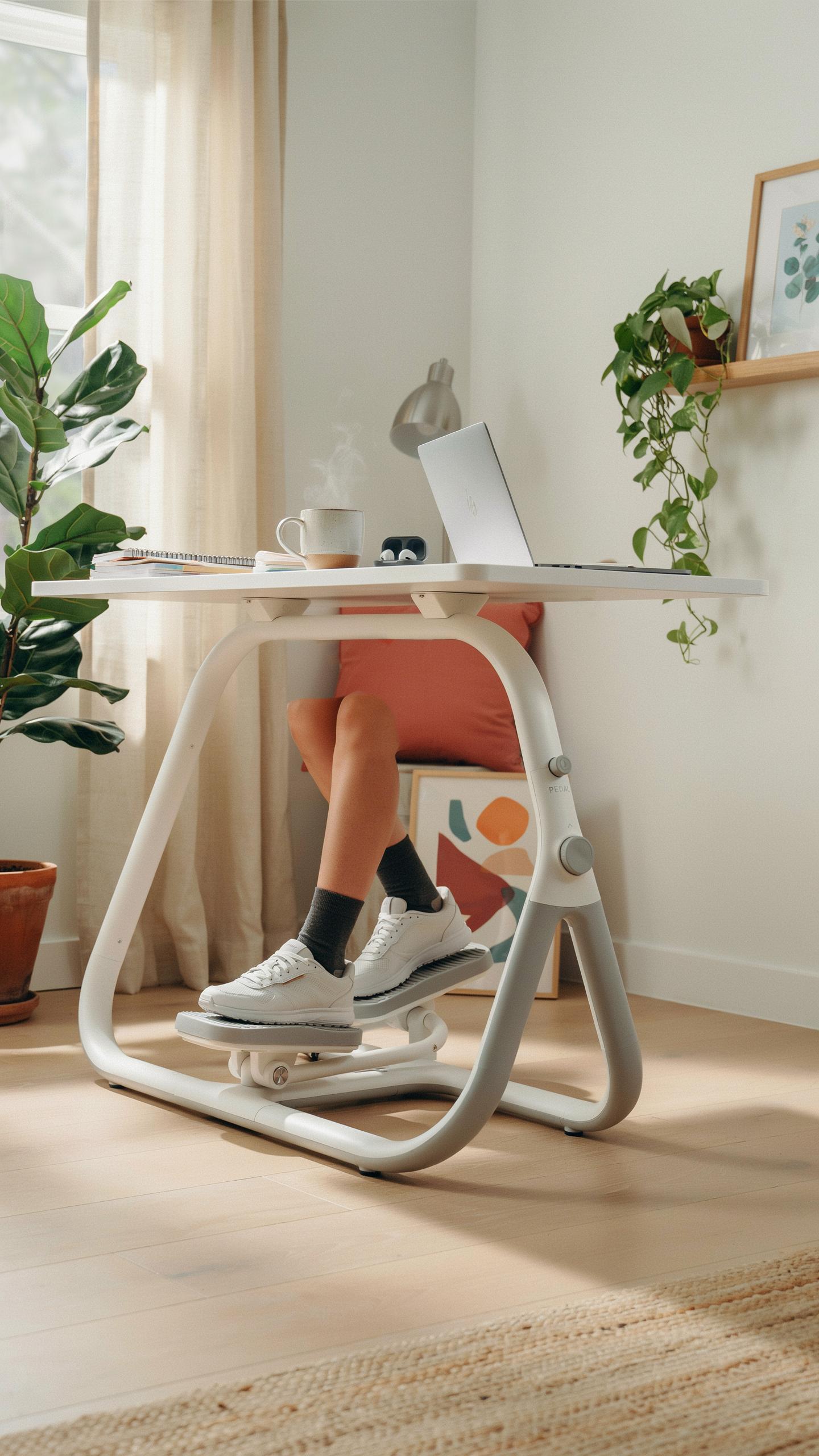
The Mechanics Of A Magnetic Elliptical Machine
A magnetic under desk elliptical uses permanent magnets positioned near a rotating flywheel to create resistance. As the flywheel spins, the magnets generate eddy currents that slow its motion. The user controls resistance by adjusting the distance between magnets and flywheel. This magnetic braking system requires no physical contact between moving parts, eliminating mechanical wear and friction points that traditional friction-based systems produce during extended use.
The flywheel design matters for pedaling consistency. Heavier flywheels maintain momentum better during the pedal stroke. Lighter flywheels respond faster to resistance changes and require less leg effort to start moving. Most desk ellipticals use flywheels between two and eight pounds. The magnetic field strength determines how much resistance the system can produce at maximum settings, directly affecting workout intensity and calorie burn potential during desk work sessions.
Even the longest journey begins with a single step, and sometimes, that step is a quiet pedal under your desk, nurturing both your body and your work.
Advantages Of Magnetic Resistance For Quiet And Smooth Operation
Magnetic resistance eliminates contact friction between components, producing minimal noise during operation. This matters in shared office spaces where loud equipment disrupts colleagues and reduces user willingness to exercise consistently. The system operates at sound levels typically between 40 and 50 decibels, comparable to a quiet conversation rather than machinery noise that draws attention or causes fatigue.
Smooth operation comes from the magnetic field’s consistent braking force throughout the entire pedal rotation. Unlike mechanical resistance that can bind or stick at certain angles, magnetic systems apply uniform pressure. This uniformity reduces jolting sensations in the pedals and creates a steadier elliptical motion pattern. Users report fewer joint impacts and more comfortable longer sessions, making sustained desk workouts more feasible without physical discomfort or interruption to work focus.
Maximizing Your Biking Workout With Smart Features
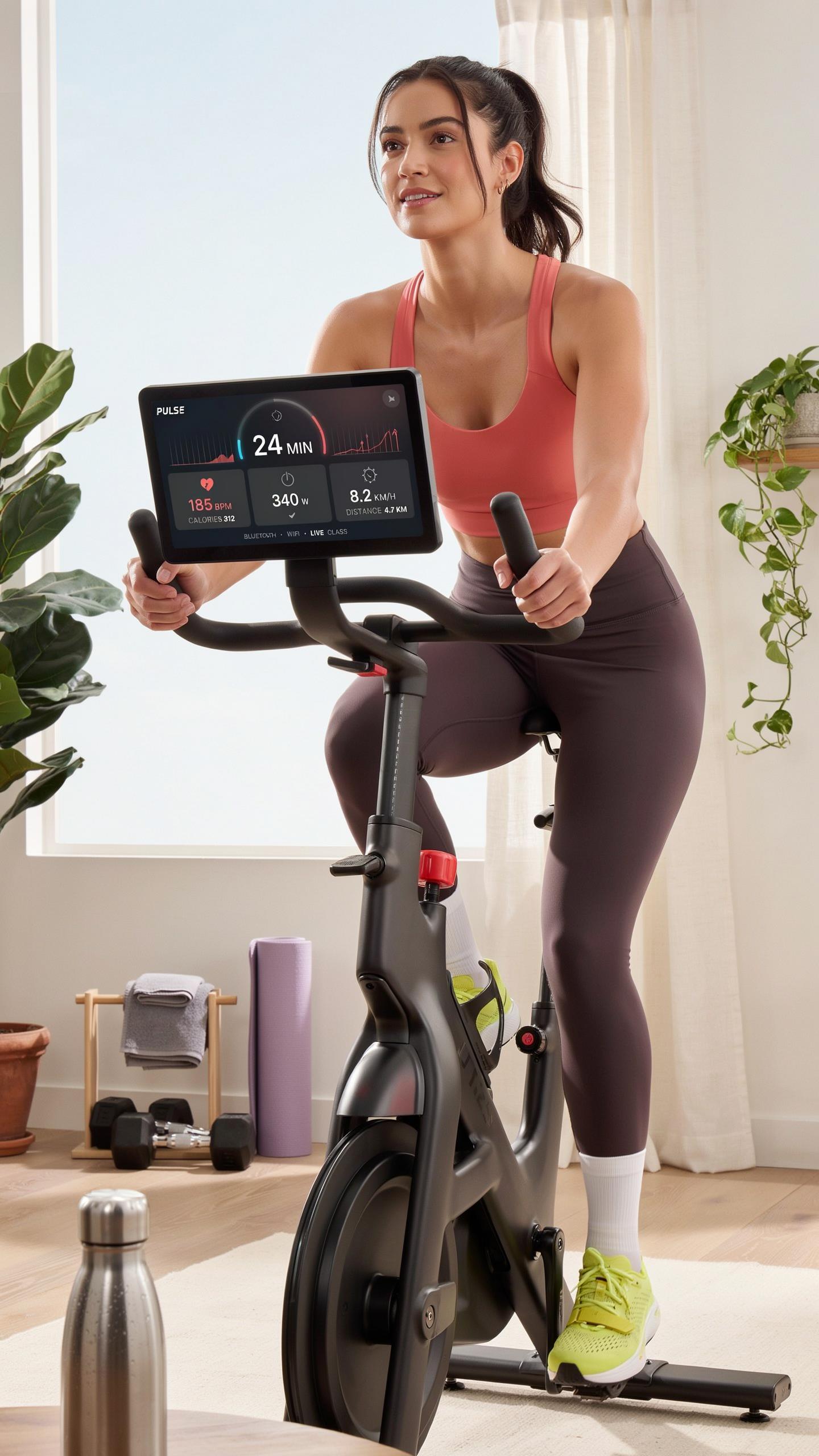
Connectivity And Data Tracking For Progress Monitoring
Smart pedal exercisers connect to apps and devices via Bluetooth to record workout metrics. These systems capture cadence, resistance levels, calories burned, and duration. You sync data to your phone or computer instantly. This connectivity lets you track performance trends over weeks and months without manual logging.
Data tracking reveals patterns in your workout behavior. You identify peak performance times, consistency gaps, and improvement areas. Most systems store historical data, allowing you to compare sessions and adjust intensity based on actual results. This removes guesswork from your training approach.
Interactive Workouts And Gamification For Engagement
Smart pedal exercisers offer structured workout programs that adjust difficulty automatically based on your fitness level. Gamification features include achievement badges, leaderboards with friends, and virtual challenges. These elements transform stationary pedaling into goal-driven activity that sustains motivation over time.
- Workout Variety: Pre-programmed routines target endurance, intervals, and strength building. Apps deliver new workouts weekly to prevent monotony and maintain challenge levels.
- Progress Visualization: Real-time dashboards show watts, heart rate zones, and calories burned during sessions. Visual feedback reinforces effort and helps you stay within target zones.
- Social Competition: Connect with friends to compare weekly mileage and monthly totals. Leaderboards create accountability without requiring gym membership or training partners.
- Reward Systems: Earn points for consistent streaks and milestone achievements. Apps convert points into unlockable content or donate them to charitable causes.
- Form Coaching: Some systems provide cadence recommendations and audio cues during workouts. Real-time guidance prevents inefficient pedaling patterns that waste energy.

Engagement through gamification increases workout frequency and session duration compared to standard pedal exercisers. Users report higher compliance rates when using apps with social features and achievement tracking. The combination of data visibility and competitive elements shifts desk pedaling from passive activity to structured training.
Integrating Your Mini Exercise Bike Into A Productive Routine
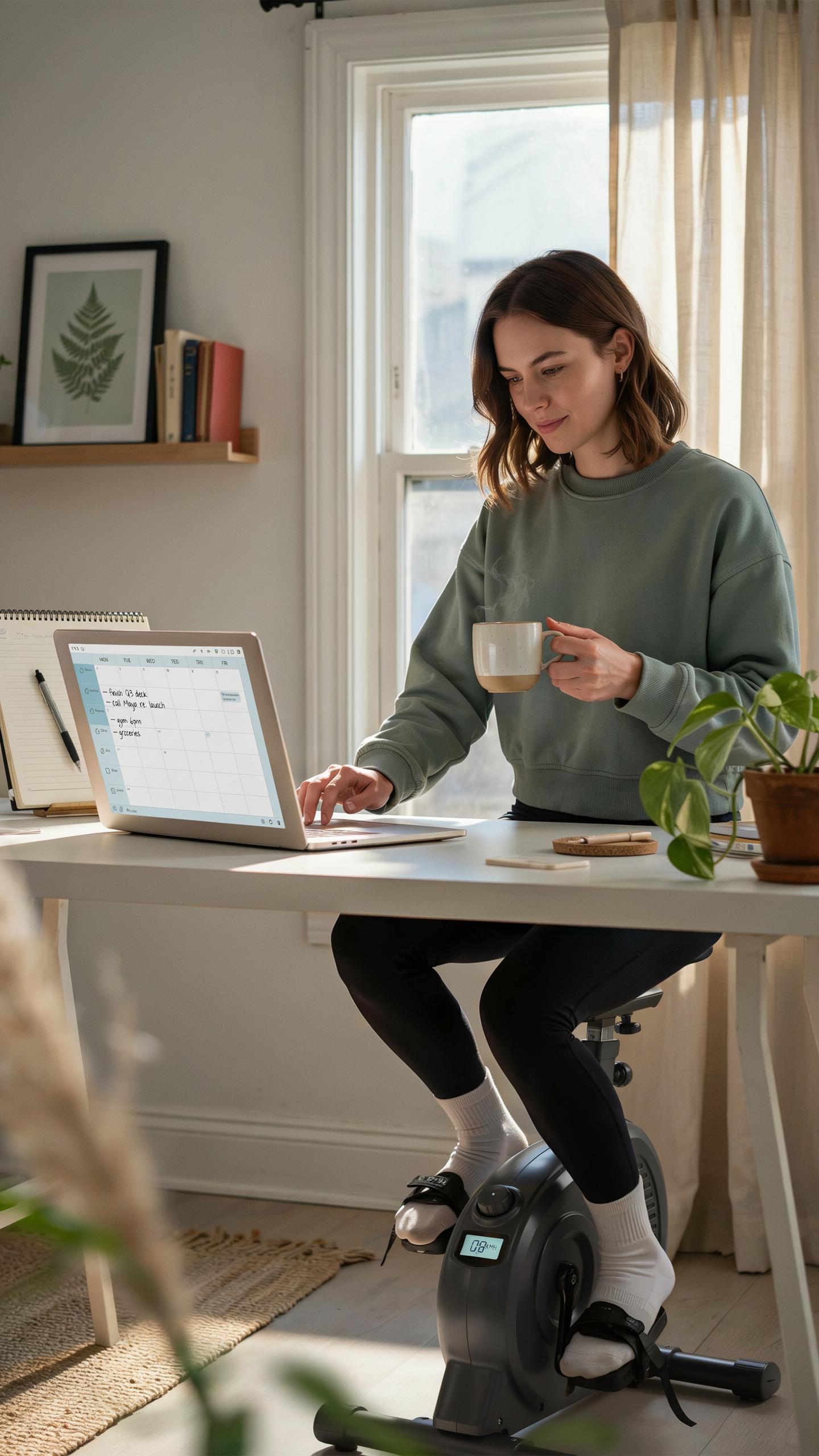
Tips For Seamlessly Incorporating Movement Into Your Workday
Start with a realistic schedule. Use your pedal exerciser during low-cognitive tasks like email management, phone calls, or document review. Set specific times to pedal, such as during meetings, video calls, or administrative work. This removes the decision fatigue of when to exercise and anchors the behavior to existing routines.
- Schedule pedaling during phone calls: Audio-only meetings require no screen focus, making them ideal times to maintain steady pedaling without productivity loss.
- Pair with email processing: Sort and respond to emails while pedaling at a moderate pace that doesn’t disrupt your typing or attention.
- Use during video conferences: Position your pedal exerciser off-screen and maintain it during calls where you’re listening but not presenting.
- Integrate with reading tasks: Pedal while reviewing documents, reports, or research materials that don’t demand intensive typing.
- Establish a consistent time block: Designate specific hours daily for desk pedaling to build habit stacking with your existing work rhythm.
Track usage data if your pedal exerciser includes it. Monitor your actual pedaling patterns over two to four weeks to identify which tasks and times work best. Adjust your routine based on what you actually do, not what you planned to do. This data-driven approach removes guesswork and shows you where movement genuinely fits without sacrificing work output.
Overcoming Common Challenges Of Office Fitness
Noise disrupts focus and annoys colleagues. Most pedal exercisers produce minimal sound, but placement matters. Position your unit on a soft surface like a rubber mat or thick carpet to absorb vibration. Test it at different times to gauge actual noise impact in your environment. If sound remains an issue, identify which tasks allow for slight background noise and reserve pedaling for those windows.

Physical fatigue from continuous pedaling happens when you push too hard initially. Start with low resistance and shorter sessions, then extend duration gradually over weeks. Your body adapts quickly to desk cycling, typically within five to seven days. The key is consistency at a manageable intensity rather than aggressive effort that leaves you drained and unable to focus on actual work.
The Future Of Office Exercise Innovation In Workout Machines
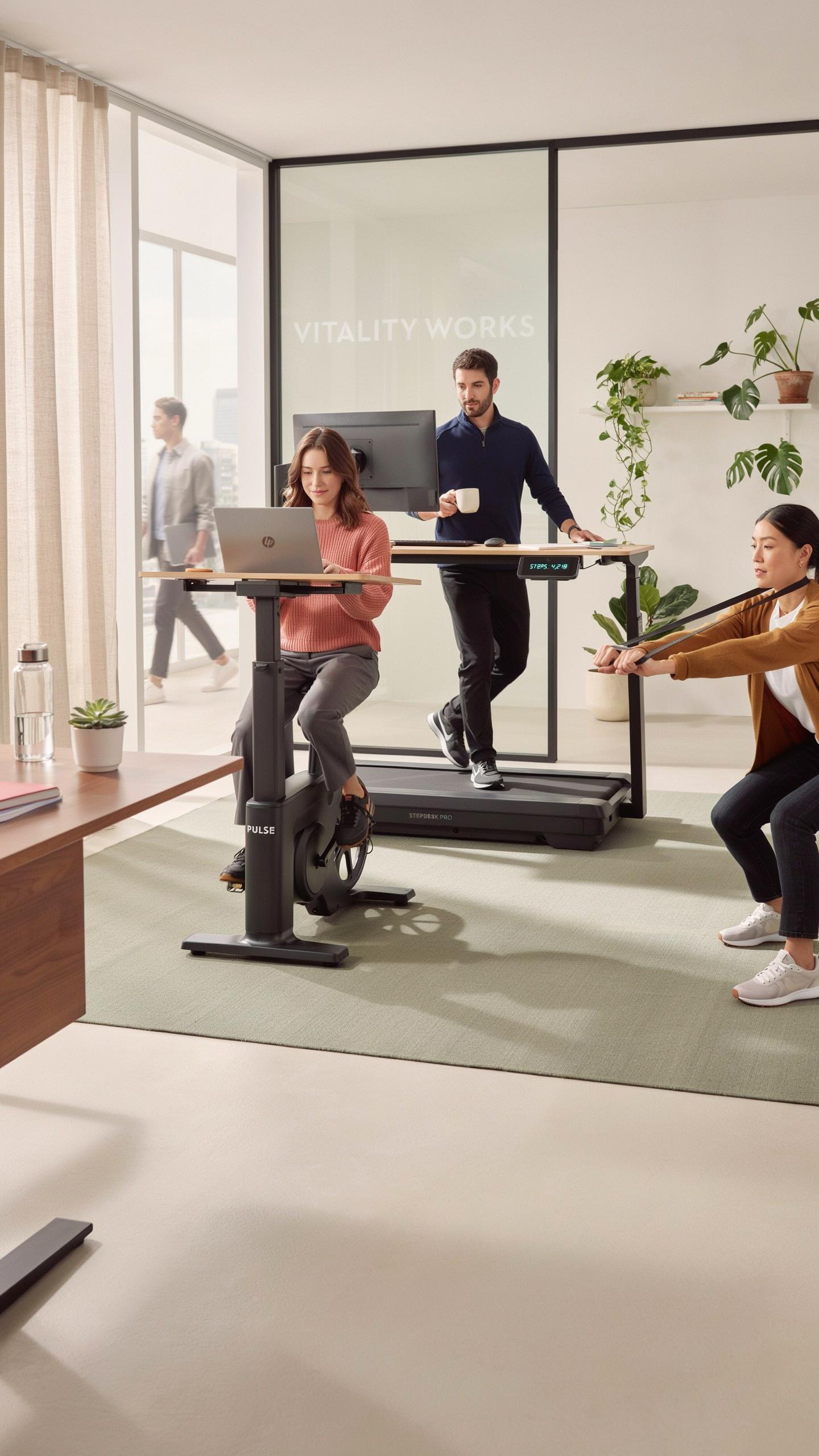
Emerging Technologies In Smart Pedal Exercisers
Smart pedal exercisers now integrate Bluetooth connectivity and mobile apps to track workout metrics during work hours. Manufacturers embed sensors that measure cadence, resistance levels, and calorie expenditure in real time. These devices connect to smartphones and computers, allowing users to monitor performance without breaking focus. The integration reduces friction between exercise and work productivity.
Resistance technology has shifted from mechanical friction to magnetic and electromagnetic systems. Magnetic systems offer smoother pedal transitions and require minimal maintenance compared to older friction models. Electromagnetic resistance enables precise micro-adjustments through app controls, letting users fine-tune intensity without manual intervention. This precision appeals to desk workers seeking consistent, predictable workout experiences throughout the day.
The Evolution Of The Under Desk Bike For Enhanced User Experience
Under desk bikes have moved beyond basic mechanical designs to incorporate ergonomic refinements based on actual workplace usage patterns. Manufacturers now prioritize foot platform positioning and pedal stroke mechanics that accommodate seated desk positions without compromising spinal alignment. Height adjustability ranges have expanded to fit users between five feet and six feet six inches tall. These changes address practical desk integration rather than theoretical fitness concepts.

Battery technology and noise reduction represent the current evolution priorities for desk pedal devices. Lithium ion batteries now power app connectivity for four to eight hours without recharging. Motor-driven magnetic resistance systems operate at decibel levels below 50, matching ambient office noise. User experience hinges on removing friction from integration, not adding features that complicate daily adoption.
Frequently Asked Questions

What exactly is a smart pedal exerciser and how does it benefit my desk workday?
A smart pedal exerciser for desk workouts is a compact device you place under your desk to pedal while you work. It tracks your activity, calories, and distance, often connecting to apps. This helps combat prolonged sitting, improves circulation, and boosts energy levels without disrupting your workflow, making your workday more active.
How can I effectively incorporate a smart pedal exerciser into my daily work routine without distraction?
Start with short intervals, perhaps 15-20 minutes, gradually increasing duration. Position your smart pedal exerciser for desk workouts comfortably so your knees don’t hit the desk. Use a low resistance setting initially to focus on your tasks. Many users find it easy to integrate during calls or less intensive computer work.
Are smart pedal exercisers an affordable and accessible option for everyone working from home?
Absolutely! There’s a wide range of smart pedal exercisers available to fit various budgets, from basic models to feature-rich smart devices. Their compact size makes them accessible for almost any home office setup, requiring minimal space. It’s an excellent investment for improving well-being during long work hours.