
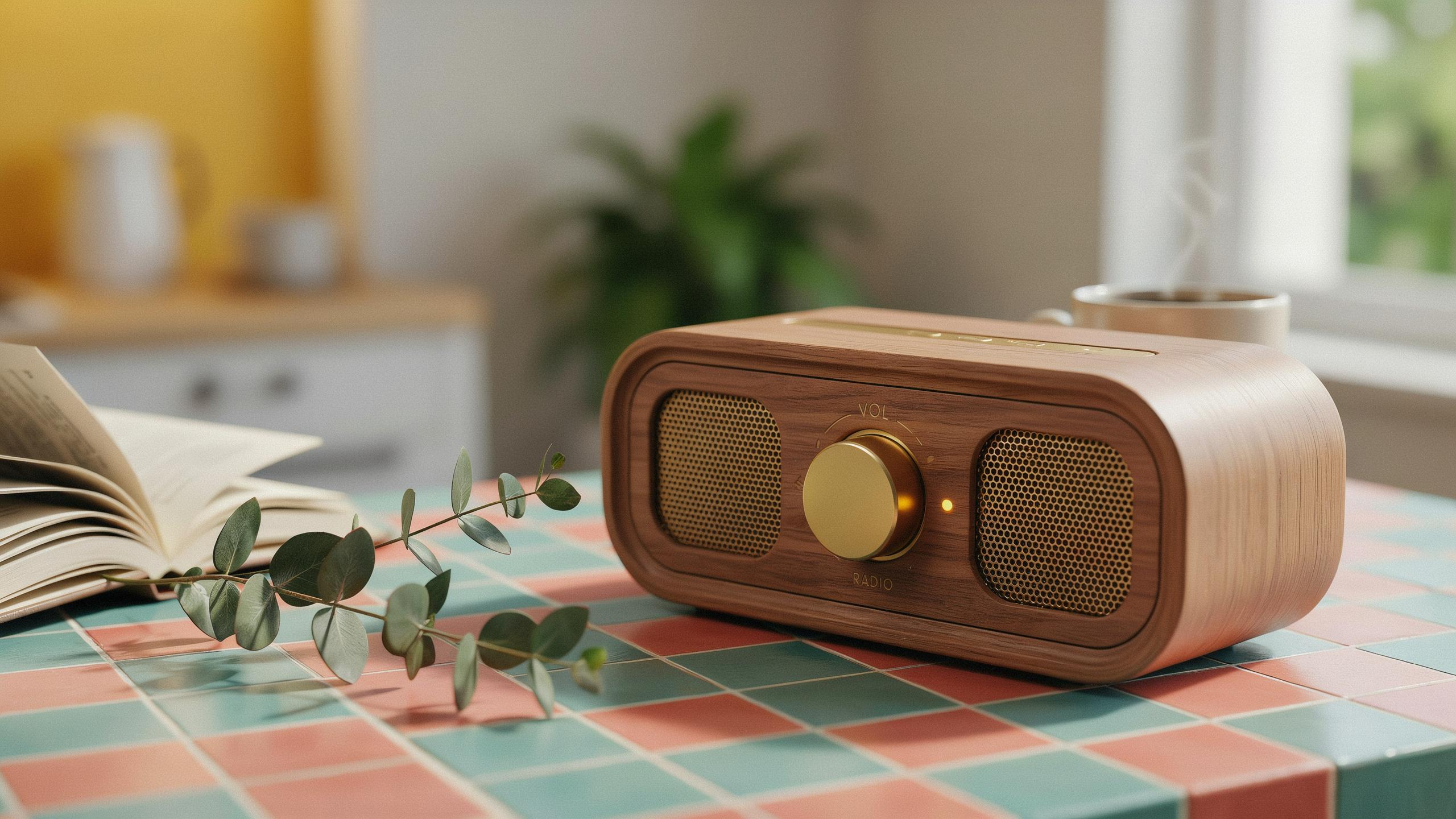
The Allure Of Retro Wireless Speaker Design
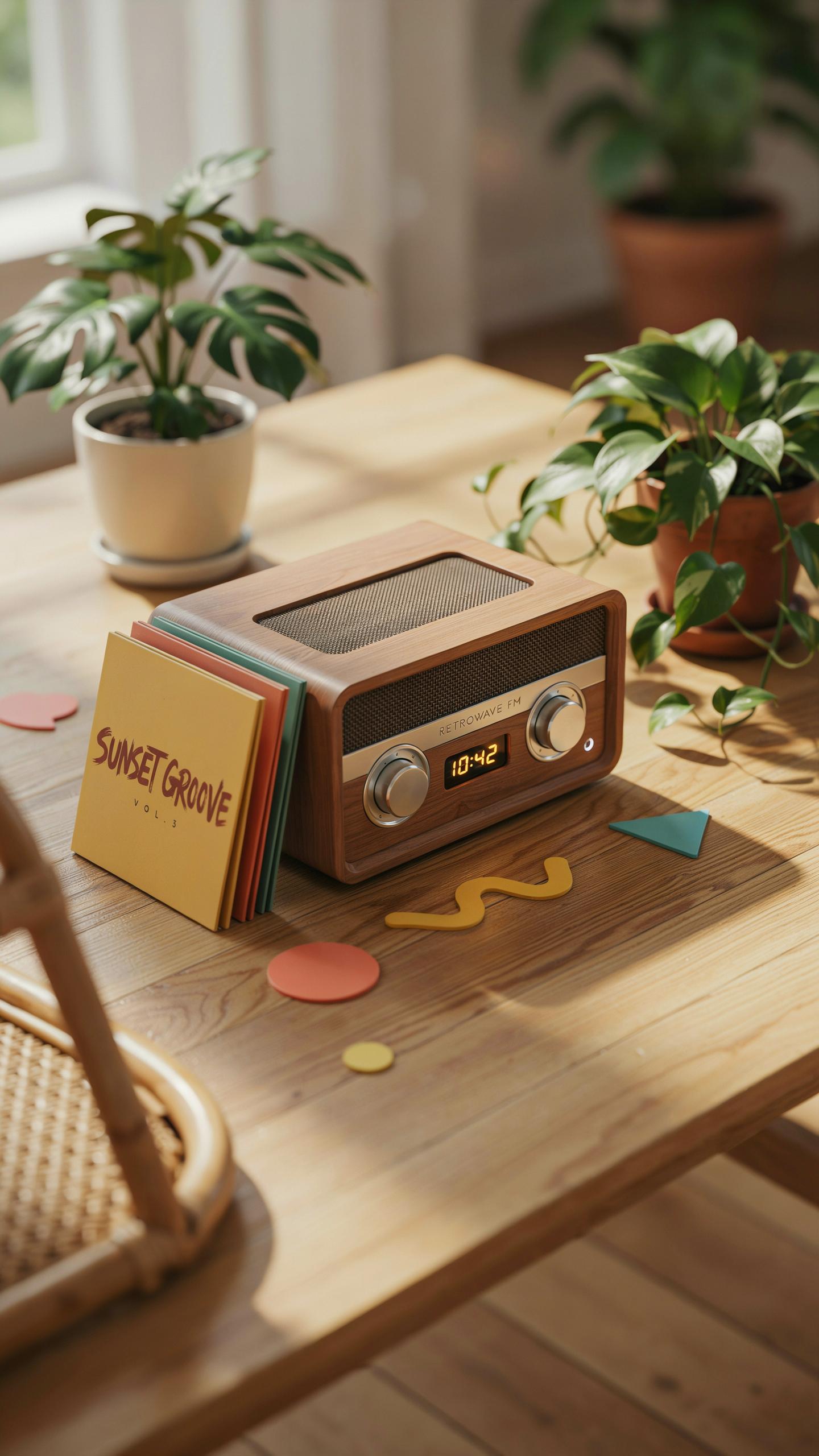
Why Vintage Aesthetics Resonate Today
Consumer interest in vintage design stems from tangible rejection of disposable electronics. People buy products designed to last, not products designed to be replaced annually. Vintage aesthetics signal durability and intentional engineering rather than planned obsolescence. Dial knobs specifically communicate mechanical reliability and user control in an era dominated by touchscreens and software updates.
The mid-century modern design movement established visual language that persists because it solved real problems. Symmetrical forms, minimal ornamentation, and exposed mechanical elements served function first. Today’s vintage inspired speakers tap this proven formula. Consumers recognize these design principles as honest, which builds trust and justifies price premiums over commodity alternatives.
Blending Classic Looks With Modern Tech
Vintage inspired Bluetooth speakers integrate period accurate materials like wood cabinets and metal grilles with contemporary wireless connectivity. Designers use dial knobs as tactile control interfaces that function alongside digital components. This combination addresses user fatigue from software menus and touch controls. Physical dials provide immediate feedback and require no batteries or charging cycles.
Modern production techniques enable manufacturers to replicate vintage finishes and construction methods at scale. Rotomolding, injection molding, and precision machining recreate 1950s aesthetics with contemporary reliability standards. Bluetooth 5.0 and lithium ion batteries fit inside retro enclosures without compromising design integrity. The result satisfies consumers seeking both nostalgia and functional modern performance.

Unpacking The Charm Of A Retro Bluetooth Speaker
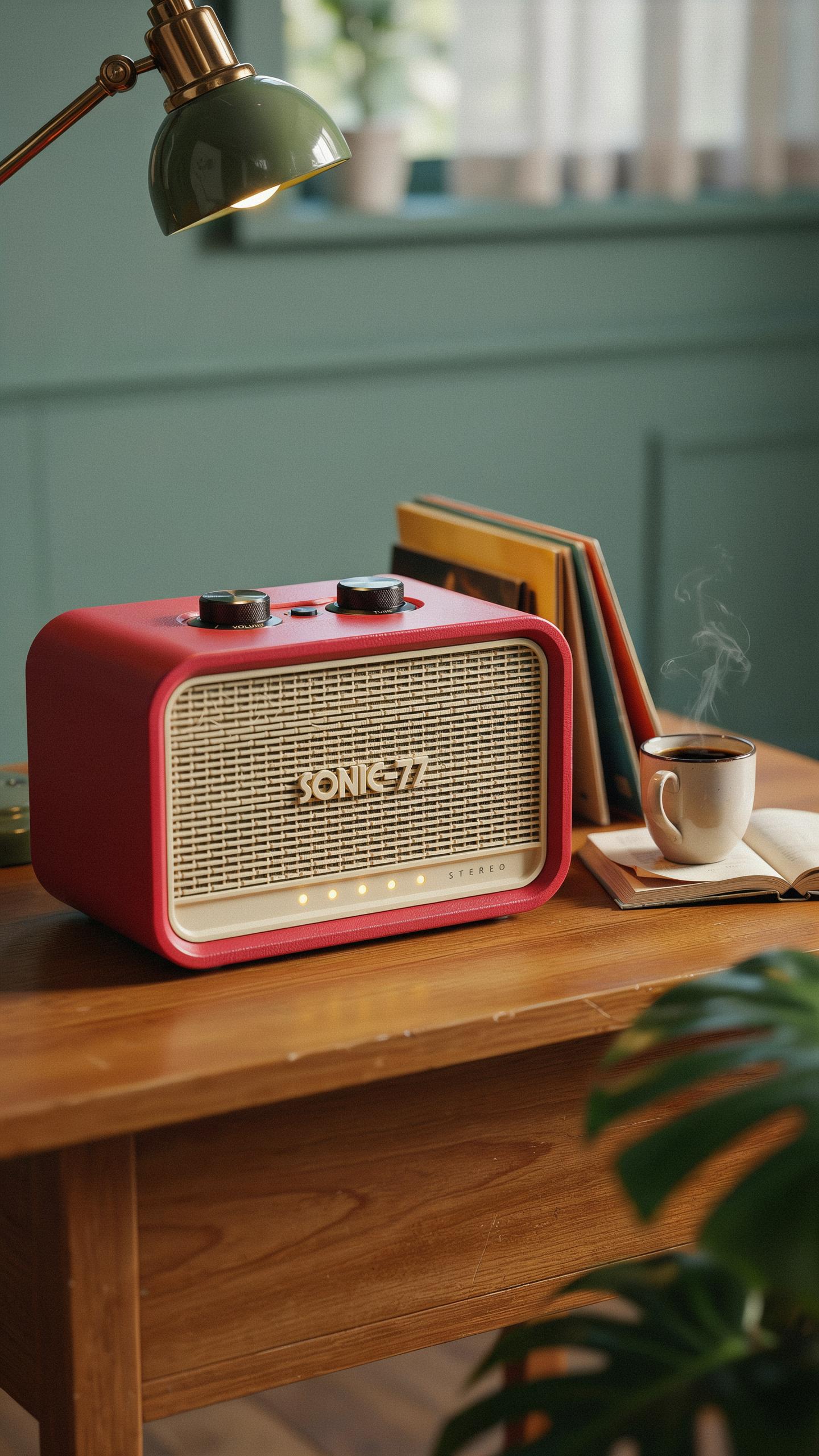
Defining The Vintage Inspired Look
Vintage-inspired design pulls directly from mid-20th century aesthetics, primarily the 1950s through 1970s. Manufacturers recreate the physical form factors of tube radios and tabletop speakers from that era. The goal is functional nostalgia, not historical replication. Modern components operate inside casings that reference past design languages through shape, material choices, and color palettes common to those decades.
These speakers use wood veneers, metal grilles, and plastic bezels to echo original construction methods. Designers maintain round or boxy silhouettes that dominated radio manufacturing. Warm color tones like cream, walnut, and copper dominate the market. The aesthetic works because it signals quality and craftsmanship without abandoning contemporary technology or performance standards.
The Significance Of The Dial Knob
The dial knob serves as the primary tactile control interface on vintage-inspired Bluetooth speakers. It handles volume adjustment and frequently manages power functions. The knob references analog radio tuning mechanisms, creating immediate visual recognition of the vintage aesthetic. Users rotate it to engage functions rather than pressing touch controls, which aligns with mechanical expectations from older audio equipment.
Dial knobs improve usability for this product category. They offer haptic feedback and require no screen interaction. Manufacturing dial controls costs less than producing responsive touch interfaces. The mechanical nature also contributes to perceived durability and longevity compared to electronic touch panels. Users intuitively understand rotation controls, eliminating learning curves for operation.

Beyond Looks The Functionality Of A Modern Bluetooth Speaker

Seamless Connectivity And Audio Quality
Vintage inspired bluetooth speakers with dial knobs must deliver modern wireless performance despite their retro aesthetic. Bluetooth 5.0 or higher enables stable connections up to 30 feet. Audio drivers ranging from 10 to 20 watts handle most indoor spaces effectively. The dial knob serves dual duty: volume control and a tactile interface that bridges analog ergonomics with digital connectivity.
Sound quality hinges on driver size and amplifier quality rather than speaker design alone. Larger drivers produce fuller bass response but require more cabinet space. Most vintage styled speakers prioritize midrange clarity over deep bass, matching the audio signature of mid century equipment. This design choice keeps form factors compact while maintaining historical authenticity.
Battery Life And Portability Considerations
Lithium ion batteries power most modern vintage styled speakers, typically delivering 8 to 15 hours per charge. Capacity ranges from 2000 to 3000 milliamp hours depending on wattage and usage patterns. Charging takes 4 to 6 hours via USB or proprietary cables. Weight distributions between 1 to 3 pounds determine whether the speaker functions as truly portable or desk bound.

Real world battery performance depends on volume levels and continuous usage rather than manufacturer claims. Playing at maximum volume drains batteries 30 to 50 percent faster than moderate listening levels. Dial knob positioned speakers allow gradual volume control, extending battery life during casual listening sessions. Portability becomes a practical asset only when the device integrates efficient power management with realistic weight expectations.
Experience The Nostalgia Of A Retro Radio Speaker
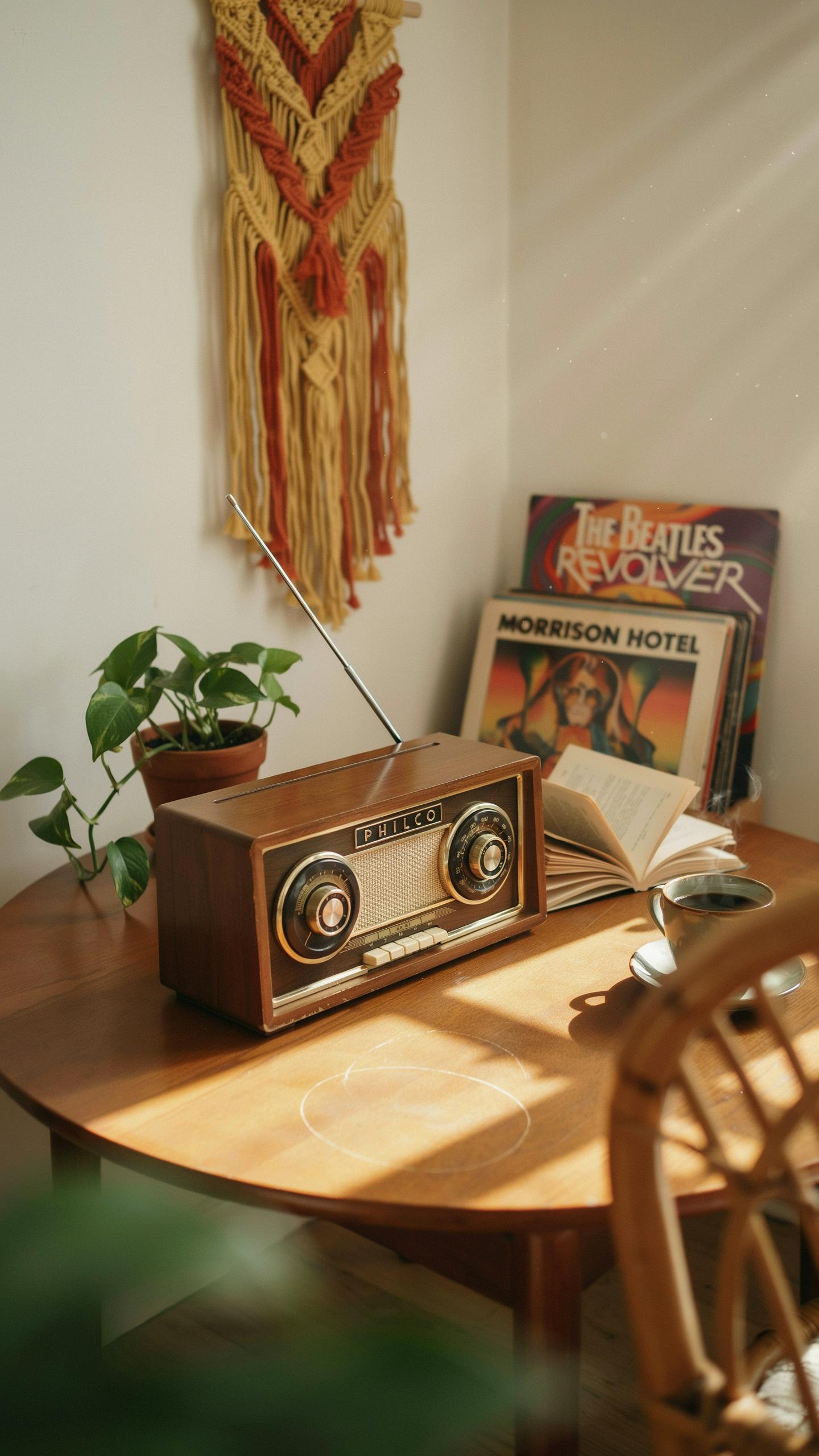
Recreating The Classic Radio Experience
Vintage inspired bluetooth speakers with dial knobs replicate the physical interface of mid-century radios. The dial knob mechanic delivers tactile feedback that modern touchscreen devices cannot match. Users physically turn the knob to adjust volume or select functions. This interaction style connects to radio designs from the 1930s through 1960s. The mechanical feedback creates engagement beyond simple button pressing.
Modern speakers using dial knobs combine analog aesthetics with digital wireless technology. Bluetooth connectivity eliminates the need for AM/FM tuning while maintaining the visual appeal of traditional radios. The speaker cabinet construction often uses wood or wood grain materials that mirror original radio manufacturing. This hybrid approach satisfies both functional demands and nostalgic preferences. Consumers gain wireless audio capability without sacrificing the tactile experience they seek.
Additional Features To Look For
A quality retro styled speaker includes functional elements beyond the dial knob design. The speaker’s construction, audio output, and connectivity options directly impact overall performance and value.
- Bluetooth 5.0 or higher: Ensures stable wireless connection with range up to 30 feet and faster pairing with multiple devices simultaneously.
- Multi hour battery life: Look for models offering 8 to 20 hours of continuous playback on a single charge for practical daily use.
- Auxiliary input jack: Provides wired audio connection option for devices without Bluetooth or as a backup connection method.
- Wood or metal construction: Cabinet materials affect durability and sound quality while contributing to the authentic vintage appearance of the device.
- Speaker driver size: Larger drivers between 2 to 4 inches generally deliver better bass response and volume capability than smaller alternatives.

Power output measured in watts determines how loud the speaker plays and its suitability for different room sizes. A 5 to 15 watt speaker handles personal spaces effectively while 20 watts or higher handles larger areas. Test the speaker’s sound clarity at maximum volume to identify distortion. Verify charging method compatibility with your existing cables and power sources.
Choosing Your Aesthetic Speakers Bluetooth
Matching Your Decor Style
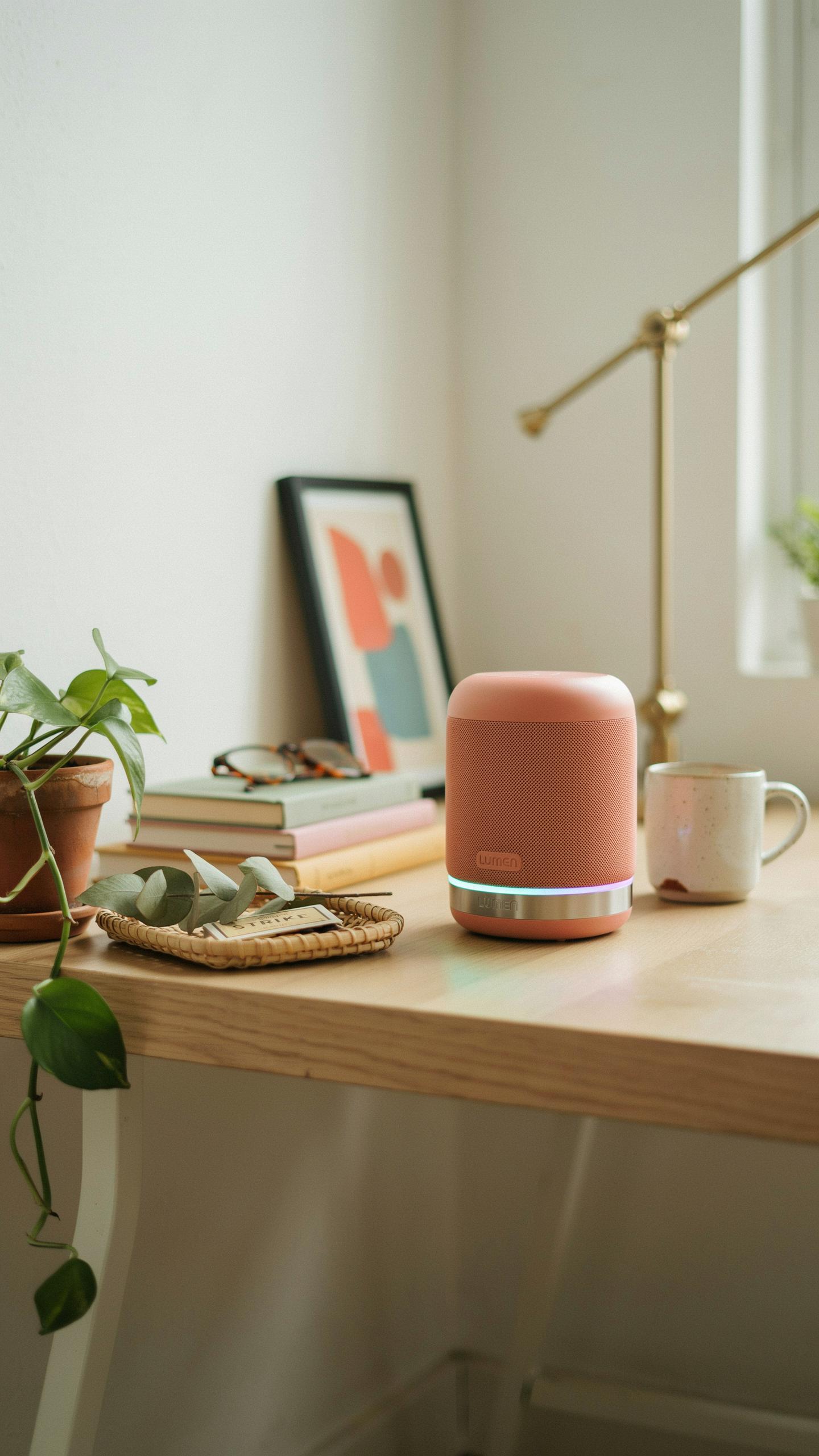
Vintage inspired bluetooth speakers work best when you match them to your existing environment. Start by identifying your dominant style: mid-century modern, retro 1950s, Art Deco, or industrial. The speaker’s materials matter. Wood cabinets pair with warm, traditional spaces. Metal frames suit minimalist or steampunk settings. Leather accents work in both classic and contemporary rooms. Consider your color palette before purchasing.
The dial knob design connects directly to functional aesthetics. Rotary controls reference radio and amplifier design from the 1940s through 1970s. This visual language requires supporting elements to feel intentional rather than forced. Pair dial-based speakers with period lighting, furniture finishes, and accessories that echo the same era. Mismatched decor makes vintage speakers look out of place or gimmicky.
Top Brands And Models
Established audio manufacturers dominate this category because they understand both sound quality and design authenticity. Marshall produces several dial-controlled models that reference their amplifier heritage. The Kilburn II and Acton II incorporate volume dials with modern bluetooth internals. Crosley manufactures entry-level options with genuine vintage-style knobs, though their audio performance trails premium competitors. These brands balance nostalgic appearance with reliable wireless connectivity.
Intermediate options from Anker’s Soundcore and JBL offer functional vintage aesthetics without premium pricing. Anker’s models feature tactile knobs for volume adjustment and straightforward controls. JBL’s retro lines combine dial interfaces with solid speaker drivers. Higher-end purchases from Bang and Olufsen or Technics provide museum-quality design and superior audio performance. Your budget determines whether you prioritize design authenticity or sound specifications.
Integrating A Vintage Radio Into Modern Living
Placement And Room Aesthetics
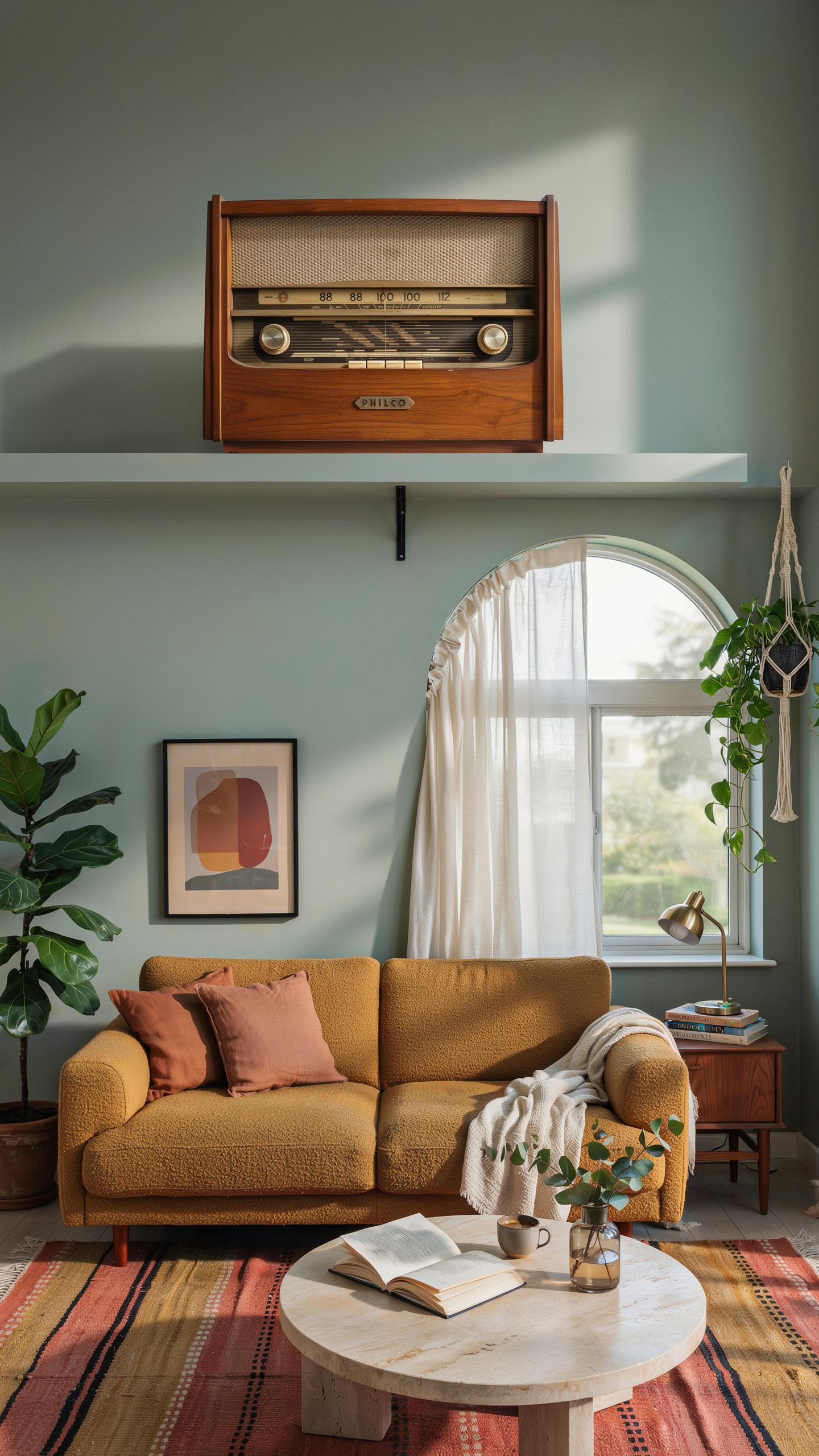
Vintage inspired Bluetooth speakers with dial knobs work best on surfaces that anchor a room visually. Nightstands, bookshelves, and side tables provide stable positioning while keeping the speaker accessible. The dial knob demands sightlines, so avoid placing the unit where furniture blocks it. Natural materials like wood shelving complement the retro aesthetic and reduce visual clutter around the speaker.

Speaker placement affects sound quality and room balance equally. Position the unit away from corners to minimize bass buildup and acoustic dead zones. Mid-room placement on elevated surfaces distributes audio more effectively than floor-level positioning. Keep the speaker away from heat sources and direct sunlight to preserve internal components and dial mechanisms over time.
Creating A Cohesive Retro Modern Space
Vintage inspired speakers fit into spaces that blend mid-century design principles with contemporary function. Pair the speaker with genuine period furniture or quality reproductions that maintain clean lines and authentic proportions. Avoid mixing too many design eras simultaneously, as this creates visual confusion rather than intentional contrast.
The dial knob itself becomes a design focal point when paired with complementary decor elements. Matte finishes on surrounding furniture balance the speaker’s tactile materials. Keep adjacent wall colors neutral to let the speaker’s form and function stand out without competing for attention. This strategic restraint allows the device to serve both practical audio needs and aesthetic purpose within the space.
Maintaining Your Retro Speakers
Cleaning And Care Tips
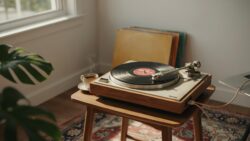
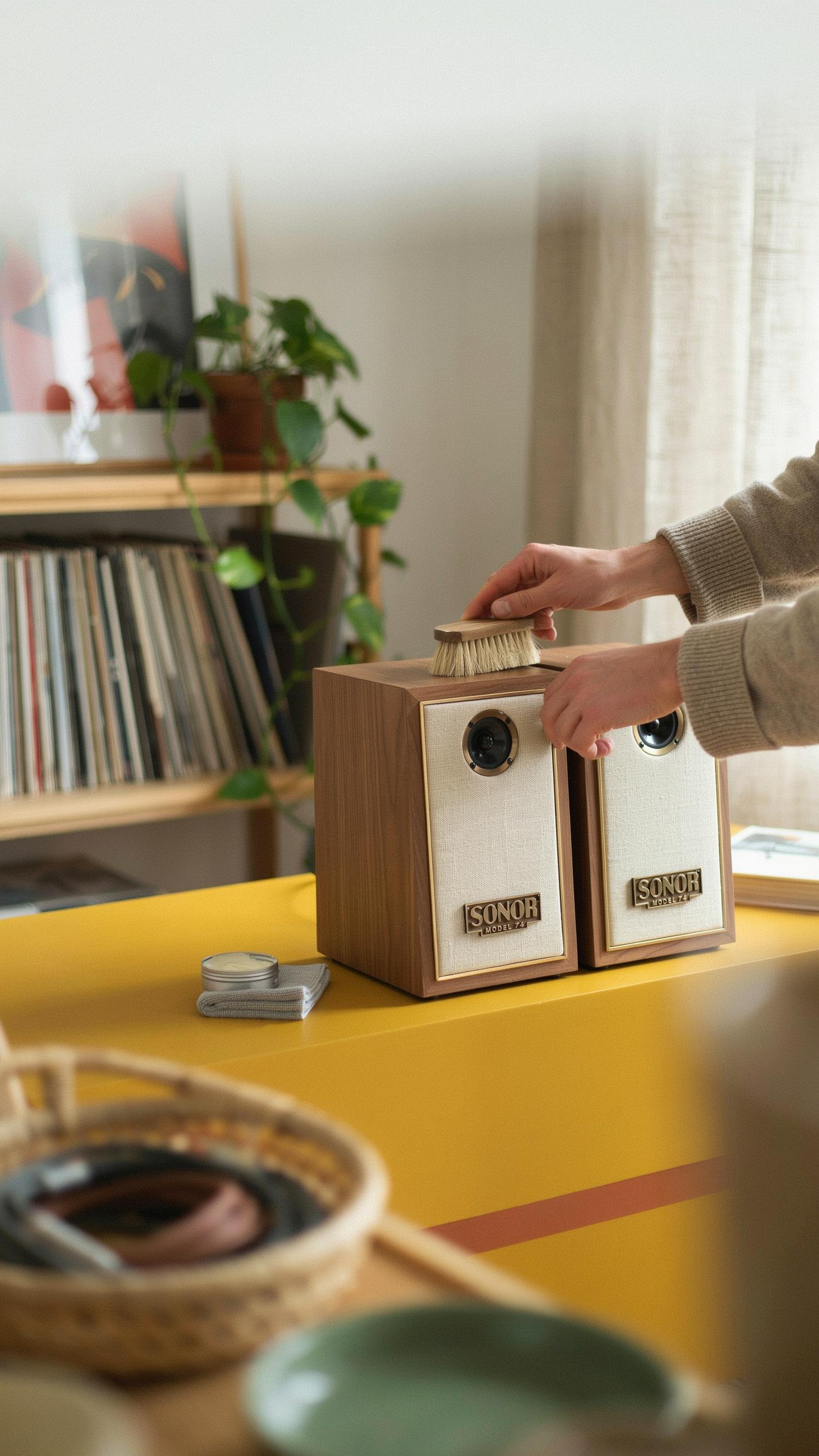
Dust accumulates on vintage-inspired speakers faster than modern designs because the textured fabric and crevices around dial knobs trap particles. Use a soft, dry microfiber cloth weekly to wipe surfaces. For the dial knob itself, rotate it gently back and forth to dislodge debris. Avoid liquids entirely. Water damages internal components and degrades the aesthetic finishes that define these speakers.
The speaker grille requires careful attention since dirt penetrates the mesh easily. Use a soft-bristled brush or compressed air to remove buildup from grille surfaces. Never apply pressure directly on the grille as it can tear the fabric. Check the wood or metal casing monthly for dust accumulation and wipe with a dry cloth. Store speakers in climate-controlled spaces away from direct sunlight to prevent material fading and finish degradation over time.
Let the past serenade your present, one elegant turn of the dial at a time.
Troubleshooting Common Issues
Bluetooth connectivity problems stem from outdated chipsets in budget retro models or interference from nearby devices. Reset the speaker by powering it off for thirty seconds, then reactivate pairing mode. Move the source device within ten feet of the speaker. Check if other wireless devices operate normally on the same network to identify environmental interference rather than speaker malfunction.
- Audio Cutting Out: Verify battery charge levels first. Low power causes dropout before the speaker powers down completely. Recharge for a full cycle then test audio playback for consistent connection stability.
- Dial Knob Stuck or Grinding: Debris inside the potentiometer causes resistance or noise. Apply compressed air around the knob base to dislodge particles. Avoid force to prevent mechanical damage to internal components.
- Weak Sound Output: Check volume settings on both speaker and source device. Battery degradation reduces maximum output over time. Test with different audio sources to isolate whether the issue stems from the speaker or paired device.
- Battery Not Charging: Examine the charging port for corrosion or debris buildup. Use a dry cloth to clean contacts. Test with a different charging cable to eliminate cable failure as the cause before concluding port damage.
- Power Button Unresponsive: Hold the button for five full seconds rather than quick presses. Internal circuitry may require longer activation signals. If still unresponsive, charge the battery fully then retry the power sequence.
Most issues resolve through basic troubleshooting without replacement parts or professional service. Document which steps solve each problem so you address recurring issues faster. Keep the speaker away from extreme temperature swings and moisture to prevent accelerated component failure and maintain consistent performance.
Exploring Speaker Accessories For Enhanced Experience


Stands And Protective Cases
A quality stand elevates your vintage inspired bluetooth speaker with dial knob off surfaces. This protects the unit from dust, spills, and accidental damage. Stands also improve sound projection by angling the speaker toward ear level. Desktop stands work for stationary setups. Wall mounts suit compact spaces. Material options include wood, metal, or rubber. Choose based on your decor and floor type.
Protective cases shield your speaker during transport and storage. Hard cases offer maximum protection against impacts and moisture. Soft cases provide lightweight portability for casual use. Materials range from synthetic leather to neoprene. Cases with padding prevent dial knob damage during movement. Check case dimensions against your speaker model to ensure proper fit and accessibility to controls.
Power Solutions And Connectivity Upgrades
Battery life determines how long your speaker operates between charges. Most vintage inspired models use rechargeable lithium ion batteries rated between 8 to 20 hours. USB C charging ports allow faster recharge times than older micro USB standards. Check your speaker’s specific charging specifications before purchasing replacement batteries or external power banks.
Connectivity upgrades extend your speaker’s functionality beyond standard Bluetooth. External antennas improve wireless range in areas with signal obstruction. Auxiliary cable adapters maintain compatibility with non Bluetooth audio sources. Some users add surge protectors to their charging setup for equipment safety. Assess your actual usage environment to determine which upgrades provide genuine value for your listening habits.
Frequently Asked Questions

What exactly is a vintage inspired Bluetooth speaker with a dial knob?
A vintage inspired Bluetooth speaker with a dial knob is a modern audio device that blends classic aesthetics with contemporary technology. It offers wireless audio streaming via Bluetooth while featuring nostalgic design elements like physical tuning knobs and retro styling. These speakers often aim to evoke a sense of timeless elegance in your home decor.
How do I connect my devices to a vintage inspired Bluetooth speaker with a dial knob?
Connecting your devices to a vintage inspired Bluetooth speaker with a dial knob is usually straightforward. Simply turn on the speaker and activate its Bluetooth pairing mode, often indicated by a flashing light or audio cue. Then, open the Bluetooth settings on your smartphone or tablet, select the speaker from the list of available devices, and you’re ready to enjoy your music!
Are vintage inspired Bluetooth speakers with dial knobs generally expensive, or are there affordable options?
The price range for a vintage inspired Bluetooth speaker with a dial knob can vary quite a bit. While some premium brands offer high-end models, there are many affordable options available that still deliver excellent sound quality and charming retro design. You can definitely find a stylish speaker to fit various budgets.