
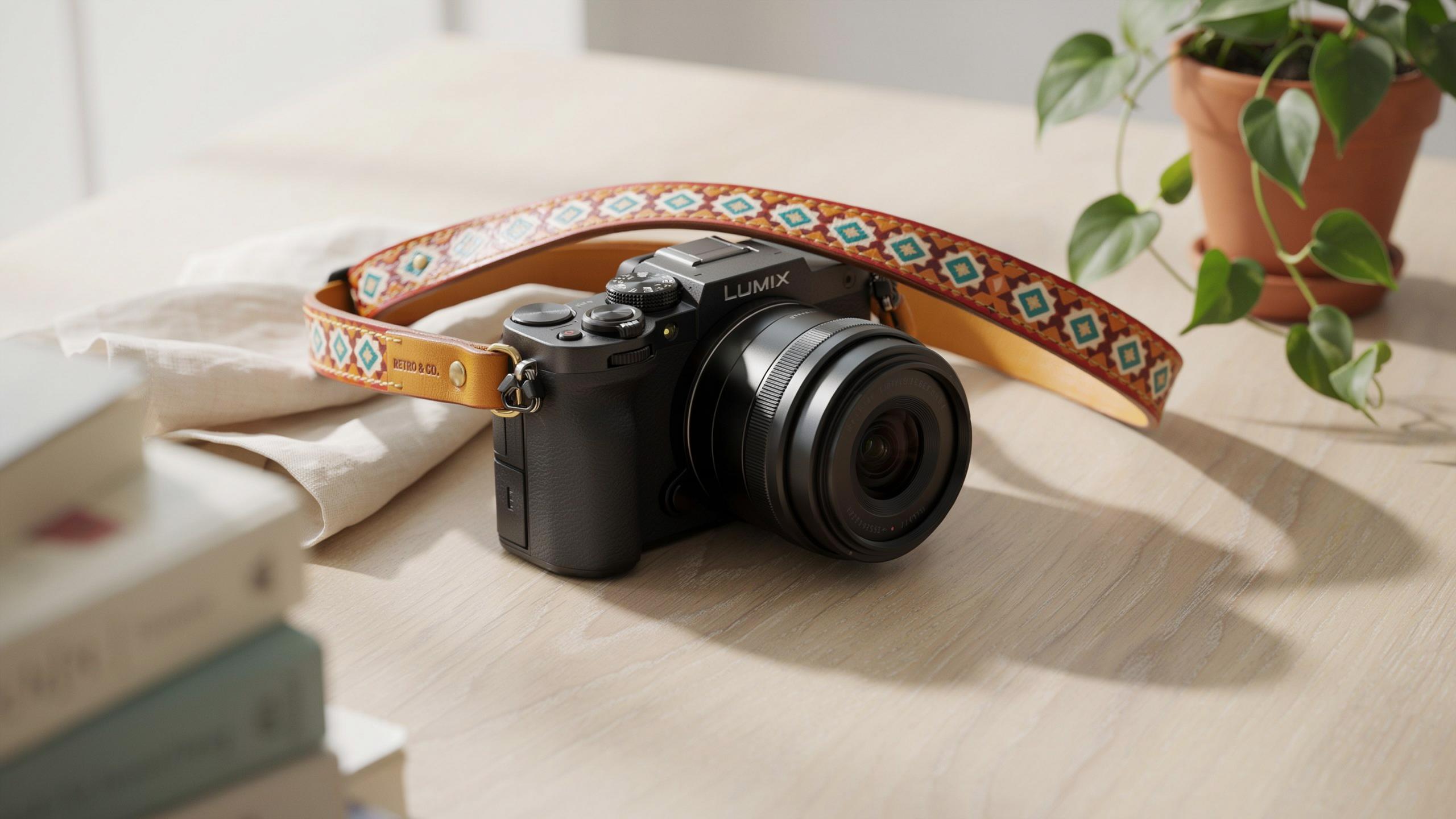
The Allure Of Vintage Camera Strap Design

Why Vintage Aesthetics Endure In Photography
Photographers choose vintage strap designs because they solve real problems. Retro straps offer superior comfort through wider fabric distribution and better padding than modern minimalist designs. The leather and canvas materials used in classic straps age gracefully, developing character over time. These accessories also reduce neck strain during extended shooting sessions, a practical advantage that translates directly to better image capture.
Vintage aesthetics persist because they represent proven engineering. Mid-20th century camera strap manufacturers like Leica and Canon designed their straps around actual user feedback from professional photographers. The tapered design of classic straps, wider at the neck and narrower at attachment points, distributes weight effectively. This functional foundation explains why photographers still seek authentic retro designs today rather than chasing trendy alternatives.
Bridging The Gap: Retro Straps For Contemporary Cameras
Modern cameras attach to straps through standardized lugs, making authentic vintage straps compatible with current equipment. Manufacturers now produce reproduction straps that match historical specifications while using attachment hardware designed for contemporary cameras. This compatibility removes the technical barrier between vintage design preferences and modern camera bodies. Photographers gain the handling benefits of proven retro designs without sacrificing equipment compatibility.
Today’s retro strap market serves photographers who prioritize durability and comfort over novelty. Leather straps develop patina, canvas straps withstand decades of use, and both materials outperform synthetic alternatives in longevity. Contemporary camera strap brands reproduce authentic vintage styles using original manufacturing techniques like hand-stitching and natural leather tanning. This approach delivers genuine vintage functionality without requiring photographers to source fragile original equipment.

Choosing The Perfect Retro Camera Strap
Materials And Durability Leather Canvas And Beyond
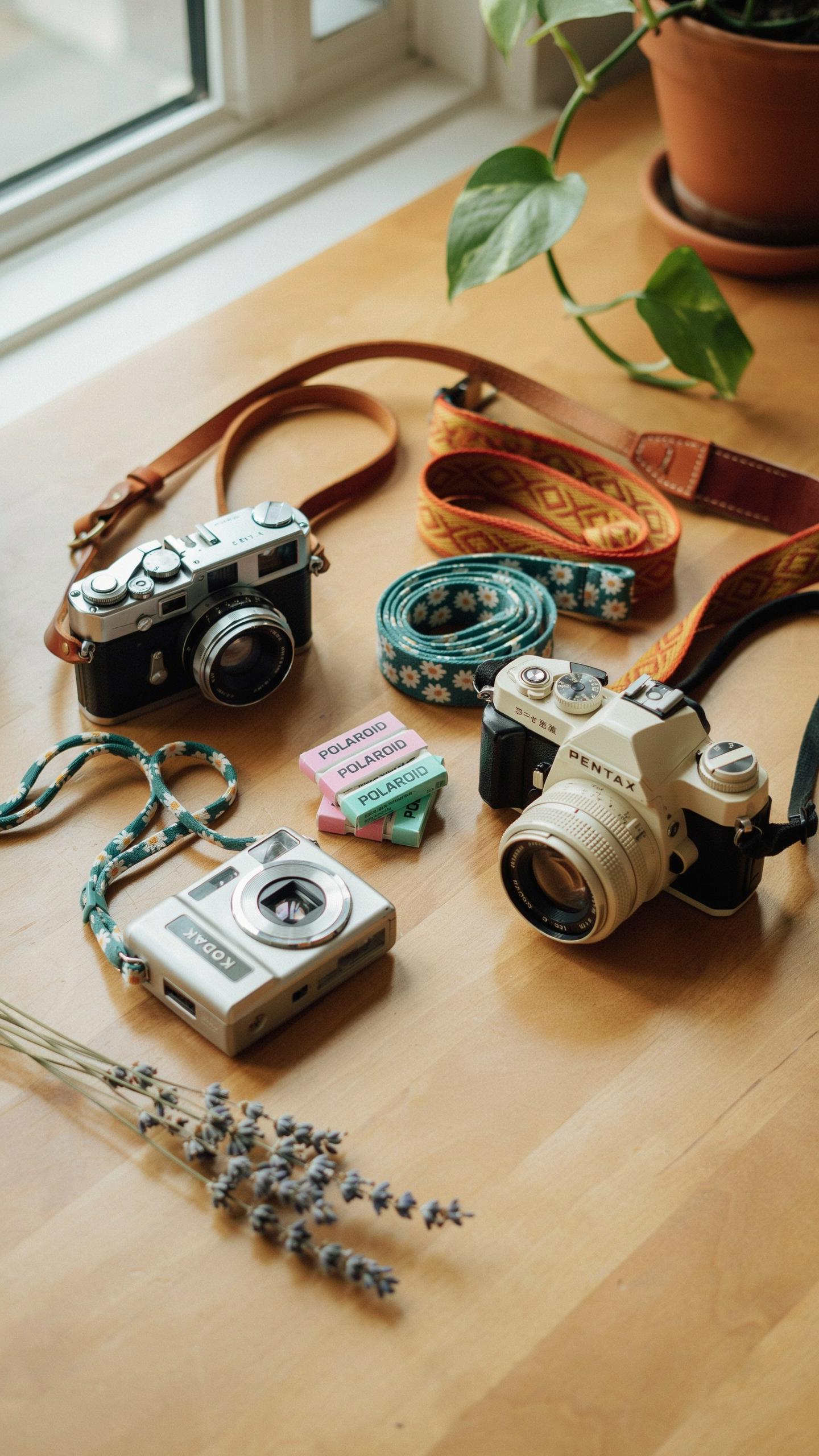
Leather remains the dominant material for retro camera straps because it ages predictably and handles load stress well. Full-grain leather develops a patina over time, which appeals to users seeking authentic vintage aesthetics. The material requires maintenance to prevent cracking, but withstands years of daily use when treated properly. Leather costs more upfront than alternatives but delivers longevity that justifies the expense.
Canvas offers a practical alternative to leather for those prioritizing weight and washability. Cotton canvas, often treated with wax or oil, resists moisture better than untreated fabric. Canvas straps work well for casual shooting and travel because they dry quickly and require minimal maintenance. Both materials outperform synthetic options in terms of durability and aesthetic consistency with retro camera designs.
Comfort And Ergonomics Supporting Your Gear
Neck and shoulder strain directly correlates to strap width and padding thickness. Vintage camera straps typically measure between one and two inches wide. Modern retro-styled straps often add subtle padding or ergonomic shaping to distribute camera weight more evenly than authentic vintage versions. Wider straps reduce pressure points, particularly for users carrying heavier film cameras or mirrorless bodies with accessories.
Hardware attachment points determine how straps perform under load. Quality leather or canvas means nothing if stitching fails at the lugs. Reinforced stitching using waxed thread prevents fraying and extends strap lifespan significantly. Test the strap’s weight capacity before committing to regular use, especially if you shoot with telephoto lenses or multiple camera bodies simultaneously.

Patterned Camera Strap Express Your Style

Iconic Patterns And Their Historical Significance
Camera straps adopted specific patterns based on practical manufacturing constraints and regional design traditions. Woven geometric patterns emerged from textile mills in the 1960s and 1970s, serving both functional and aesthetic purposes. Leather tooling techniques from earlier decades influenced strap design choices. Military-inspired webbing patterns became standard because suppliers already produced them for other industries. Manufacturers didn’t invent these patterns for cameras specifically—they adapted existing textile production capabilities to camera accessories.
Pattern choices reflected the equipment available during different manufacturing eras. Japanese manufacturers introduced detailed jacquard weaving to camera straps in the 1980s, creating intricate designs previously impossible with simpler looms. European producers relied on screen printing and embossing techniques for pattern application. The patterns you see today trace directly back to these specific production methods and regional manufacturing hubs. Understanding the pattern’s origin reveals the camera’s manufacturing era and original market.
Modern Interpretations Of Classic Designs
Contemporary manufacturers reproduce vintage patterns using digital printing and modern weaving technology, achieving accuracy impossible forty years ago. Companies source original straps from estate sales and museum collections to scan and recreate designs precisely. Vintage pattern databases now exist specifically for this purpose. Modern reproductions maintain historical accuracy while adding features like adjustable lengths and reinforced stitching that originals lacked. The aesthetic remains authentic even though production methods differ completely.

Modern strap makers balance historical fidelity with practical improvements for digital cameras heavier than their film counterparts. They engineer classic patterns onto high-denier nylon and polyester instead of original cotton blends. Reinforced attachment points handle contemporary camera weights. Vintage-inspired patterns now serve modern gear requirements. The visual style connects to camera history while the underlying construction addresses current user needs and durability demands.
Film Camera Strap Vintage Inspiration

Drawing From Classic 35mm And Medium Format Styles
Classic 35mm camera straps from the 1960s through 1980s used cotton canvas, leather, and nylon webbing. Manufacturers like Canon, Nikon, and Pentax built straps with fixed attachment points and minimal padding. These designs prioritized durability over comfort during extended shooting sessions. The width ranged from one to two inches, keeping weight down for field work.
Modern digital cameras benefit from these proven design principles. Today’s retro-inspired straps replicate the material combinations and proportions of film-era equipment. The cotton canvas construction resists moisture better than pure leather. Width and padding choices directly impact how weight distributes across the shoulder during long shoots with heavier mirrorless or DSLR bodies.
Adapting Film Era Straps For Digital Use
Film camera straps attached via simple lugs that threaded onto camera bodies. Digital cameras use identical or similar lug systems, making direct compatibility straightforward. Some vintage straps fit modern cameras without modification. Measurement matters: verify the distance between lugs on your camera body before purchasing retro straps.

Digital cameras often weigh more than their film predecessors. A vintage strap designed for a lightweight rangefinder struggles under a full frame DSLR. Manufacturers now reinforce attachment points and add cushioning to accommodate heavier equipment. Choose straps with reinforced stitching and quality materials if your camera exceeds three pounds. This prevents premature wear at the lug connection points.
Vintage Camera Strap Bundle Complete Your Look

What To Look For In A Curated Accessory Set
A curated bundle serves one purpose: it saves you from buying mismatched pieces. Quality matters more than quantity. Look for sets that pair straps with hardware that actually fits your camera. Leather quality varies drastically. Real leather ages and develops patina. Synthetic alternatives resist moisture but won’t develop character. Check if the strap attachment points match your camera’s lug diameter and spacing before committing.
Material consistency across bundled items signals manufacturing care. Cotton canvas, leather, and metal hardware should work together functionally, not just visually. Examine stitching on sample photos. Uneven stitching indicates rushed production. Bundles from manufacturers who specialize in vintage styling typically understand how these pieces integrate with modern camera bodies better than general accessory producers.
Beyond The Strap: Pouches, Lens Caps, And More

Pouches included in bundles must fit modern camera sizes while maintaining retro aesthetics. A strap alone doesn’t protect your gear. Functional pouches have padded interiors and secure closures. Canvas or leather construction should accommodate standard lenses without forcing them. Verify pouch dimensions match your most frequently used camera body and lens combination before purchasing the bundle.
Lens caps and body caps in vintage-themed bundles often feature real metal or quality plastic construction. Rubber elements degrade over time. Metal caps protect better than plastic but add weight. Some bundles include cleaning cloths, which vary in microfiber quality. Check if included accessories solve actual problems you face in daily shooting rather than treating them as throwaway additions.
The Craftsmanship Behind A Quality Vintage Camera Strap
Handmade Vs Mass Produced Understanding The Differences
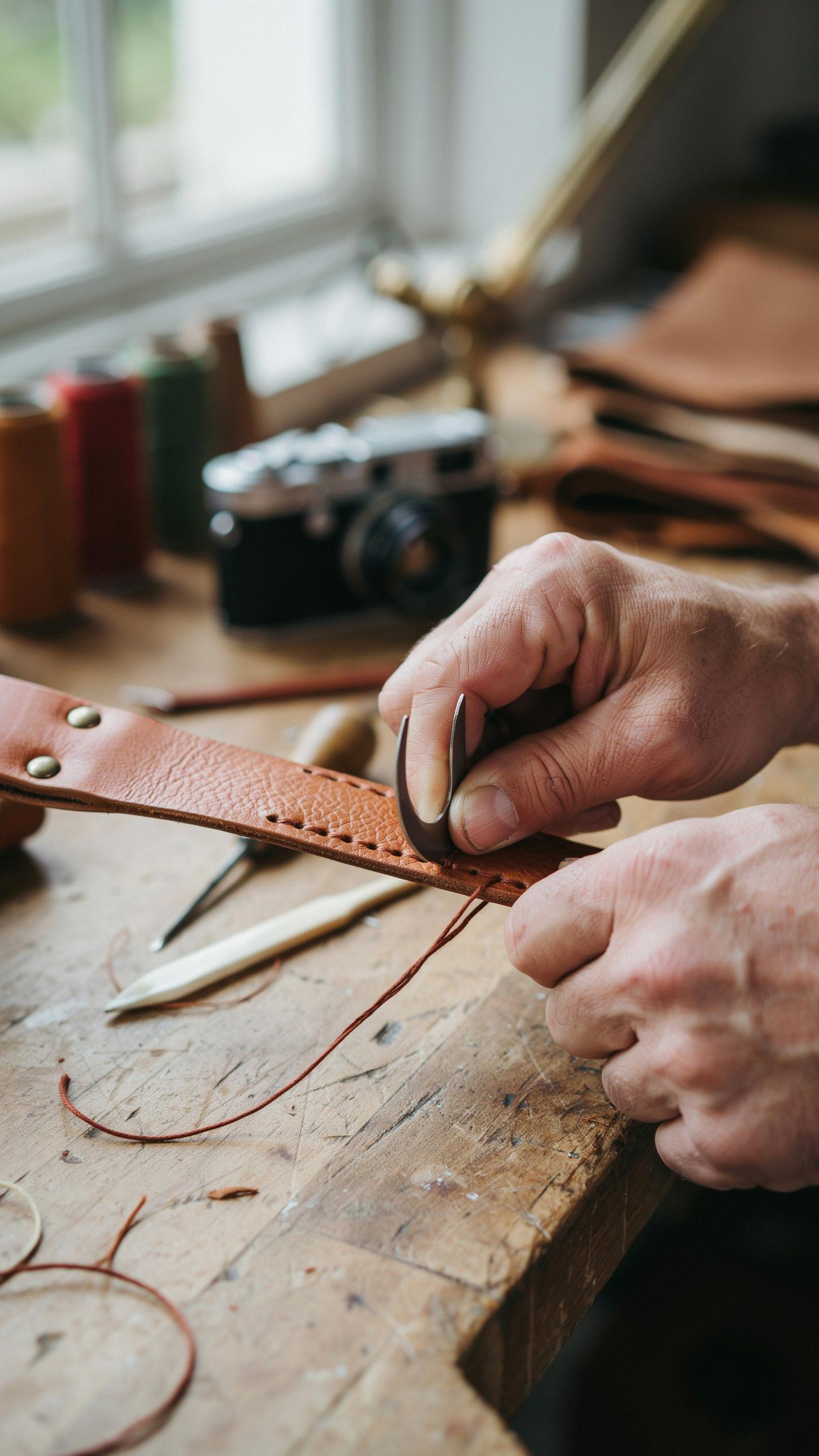
Handmade camera straps involve individual construction where artisans cut, stitch, and finish each piece. This process allows for quality control at every stage. Mass-produced straps use automated machinery to cut patterns and apply stitching at high volume. The key difference lies in consistency versus flexibility. Handmade straps tolerate material variations and allow custom adjustments. Mass-produced straps prioritize uniformity and cost efficiency through standardized processes.

Handmade straps typically use thicker thread counts and reinforced stitching patterns that withstand repeated stress. Labor costs drive up pricing for handmade options. Mass-produced straps use lighter thread and standardized stitch spacing to reduce manufacturing time. Quality in handmade straps depends on the maker’s skill and attention. Quality in mass-produced straps depends on machinery calibration and material sourcing. Neither approach guarantees durability. Both deliver functional results at different price points and production scales.
Ethical Sourcing And Sustainable Materials
Ethical sourcing means verifying where leather, canvas, and hardware originate before manufacturing begins. Tanneries vary significantly in environmental impact and labor practices. Vegetable tanning uses natural compounds and requires longer processing times than chrome tanning. Chrome tanning speeds production but introduces chemical waste streams. Sustainable materials include deadstock fabric from garment factories and upcycled leather from shoe manufacturers. These sources reduce waste while maintaining material quality for camera strap production.
Transparency in sourcing requires manufacturers to document supplier relationships and production methods. Not all brands provide this information publicly. Sustainable strap makers often publish tannery certifications and material sourcing details on their websites. This allows buyers to verify claims independently. Hemp and organic cotton alternatives exist but remain less common in retro strap design. Cost increases when makers prioritize certified sustainable materials, but environmental impact decreases measurably.
Attaching Your Vintage Camera With Strap To A Modern Body
Secure Mounting Systems And Adapters

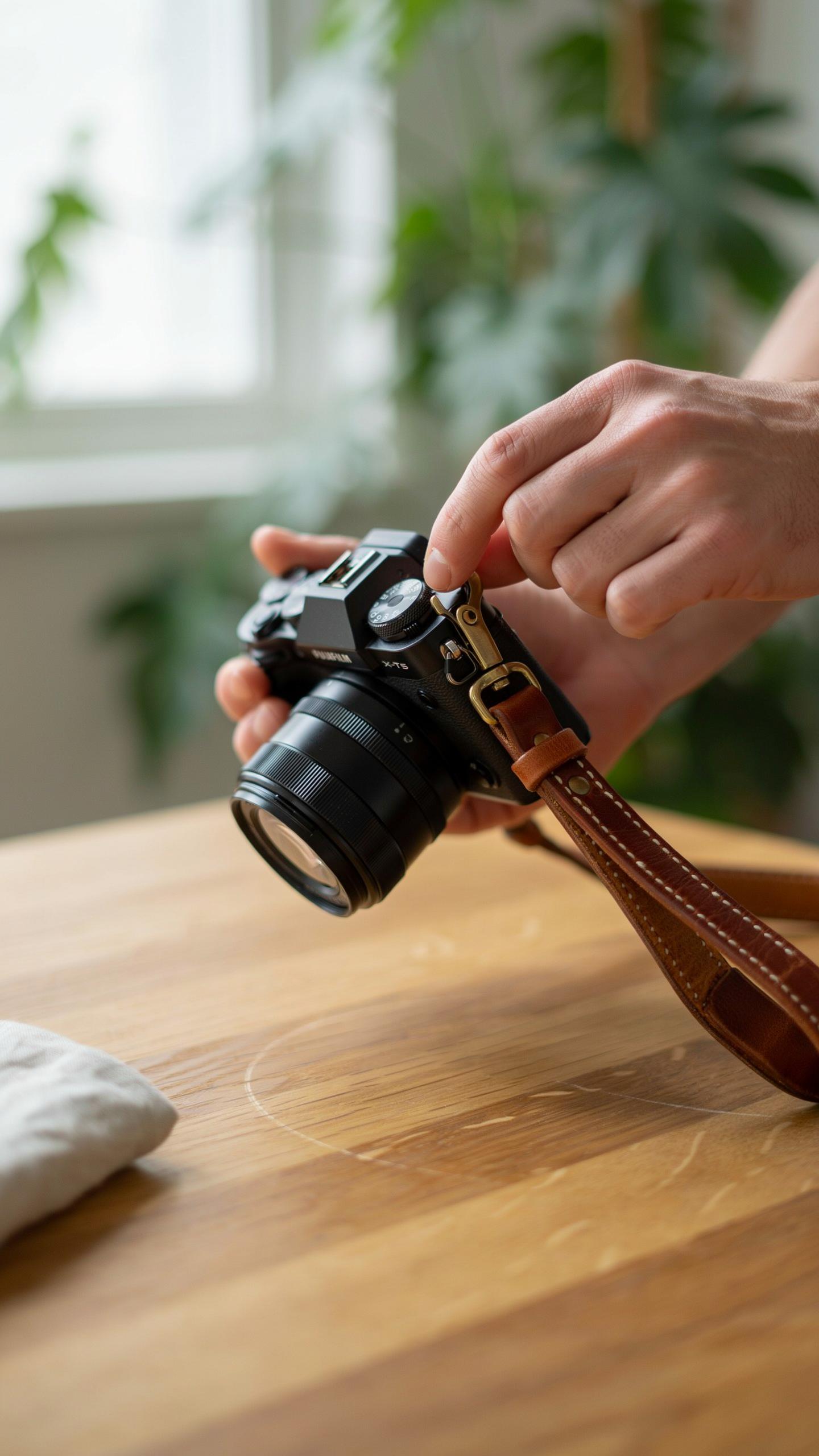
Vintage camera straps connect to cameras through lugs, small metal loops typically positioned on either side of the camera body. Modern cameras use identical lug systems, making direct attachment possible in most cases. The challenge arises when lug designs differ between eras or when materials corrode. Adapters solve this problem by bridging incompatible connection points without requiring modification to either the strap or camera body.
- Lug to lug connectors: Metal or reinforced plastic bridges that attach between existing lugs when they sit at different angles or heights on vintage versus modern bodies.
- Strap eyelet replacements: New metal eyelets that screw directly into existing lug points, accommodating straps designed for different lug configurations.
- Adhesive mounting plates: Non-permanent bonding solutions using industrial-strength adhesives, ideal for cameras where drilling or threading risks damage.
- Quick release systems: Modular connectors that allow rapid swapping between straps while maintaining secure attachment to the camera body.
- Custom fabricated adapters: Made-to-order metal pieces designed for specific camera models when standard solutions prove inadequate or incompatible.
Test any adapter before committing to extended use. Verify that connection points distribute weight evenly across both lugs. Uneven load bearing causes stress on a single lug and risks breakage during normal shooting. Check tightness regularly, as vibration and movement loosen connections over time, particularly with metal-to-metal contact points.
Maintaining Camera Balance And Safety
Weight distribution determines whether a vintage strap safely supports your modern camera. Heavier digital bodies require wider straps than their film camera predecessors. A narrow leather strap designed for a 35mm film camera cannot safely carry a full-frame DSLR or mirrorless body with attached lenses. The concentrated pressure on your shoulder causes fatigue and creates uneven stress on attachment points.
Inspect connection hardware before and after each shooting session. Look for metal fatigue, separation of stitching around eyelets, and visible cracking in leather or fabric near attachment points. Replace any strap showing these signs immediately. Test your setup by holding the camera at various angles while walking to detect movement or shifting at the lug connection. If the camera rotates or swings, tighten your adapter or choose a different strap system designed for heavier modern bodies.
Care And Maintenance For Your Retro Camera Straps

Cleaning And Conditioning Different Materials
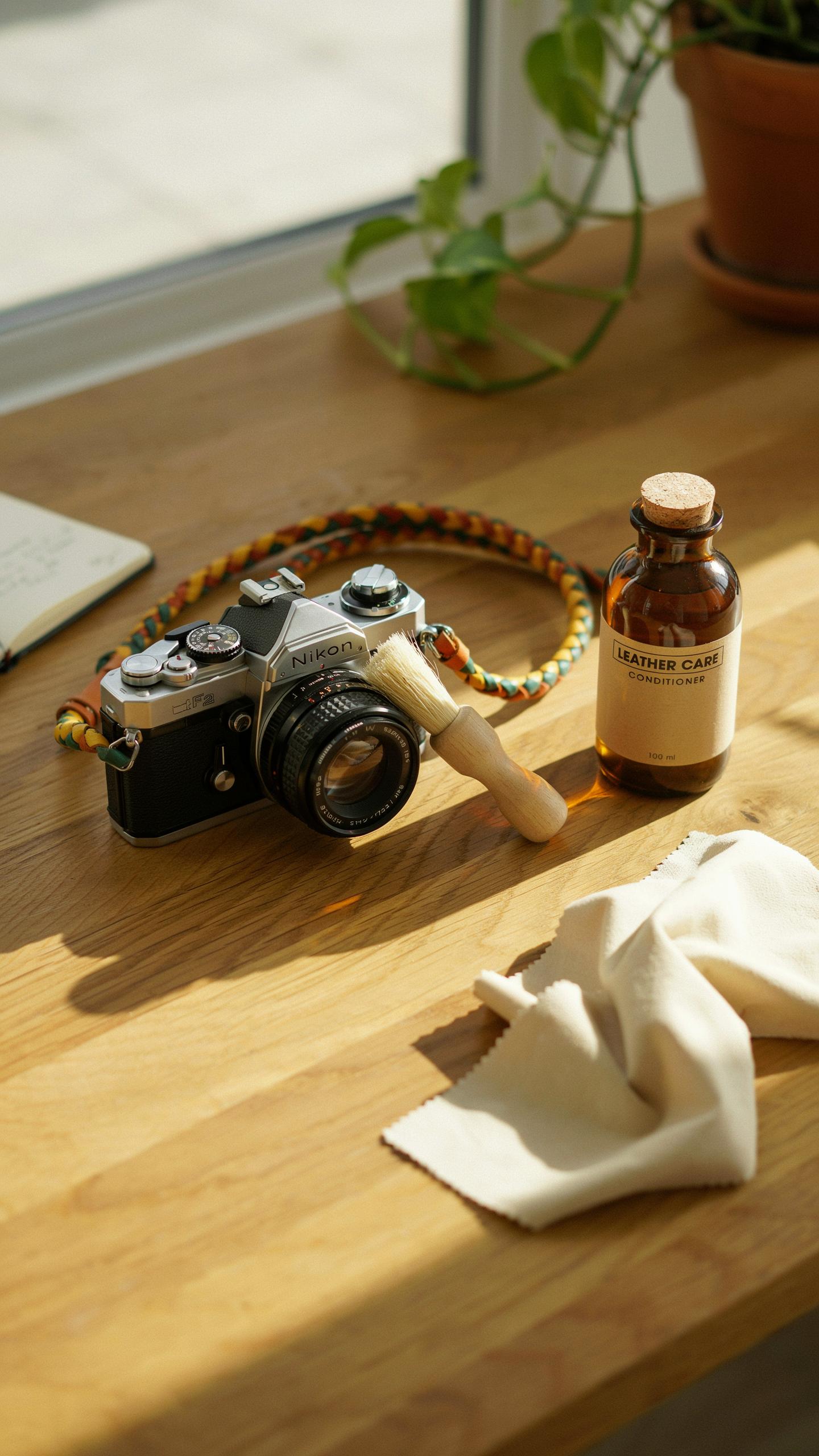
Retro camera straps use distinct materials that require tailored cleaning approaches. Leather straps dominate vintage design and demand specific care routines. Canvas and cotton blends need different treatment than leather. Nylon straps from mid-century cameras handle moisture differently. Metal hardware corrodes without proper attention. Understanding your strap’s material composition prevents damage and extends usable life significantly.
- Leather straps: Use saddle soap or leather cleaner designed for camera gear. Apply with soft cloth, work in circular motions, then buff dry immediately to prevent water spots and mildew growth.
- Canvas and cotton: Vacuum loose debris first, then spot clean with mild soap solution and soft brush. Air dry completely away from direct heat to avoid shrinkage and color fading.
- Nylon webbing: Wipe with damp cloth and mild detergent, then air dry fully. Nylon resists mold but holds moisture at seams, so ensure complete drying before storage.
- Metal hardware: Polish brass and steel with appropriate metal cleaner to prevent patina buildup. Lacquer coating prevents further oxidation on vintage buckles and D-rings.
- Stitching and thread: Inspect regularly for fraying or separation. Do not attempt home repairs on vintage stitching. Professional restoration maintains structural integrity better than amateur fixes.
Conditioning protects material and maintains flexibility. Leather conditioning creams restore suppleness but require light application. Over-conditioning creates sticky residue and attracts dirt. Apply conditioning products every six months for leather straps in regular use. Test all products on inconspicuous areas first to check for discoloration or unwanted patina effects.
Longevity Tips For Preserving Your Investment
Storage conditions determine how well retro straps survive long term. Keep straps in cool, dry spaces between use. Humidity promotes mold growth on leather and canvas. Temperature fluctuations cause material expansion and contraction, weakening stitching. Store straps loosely coiled or hung on padded pegs rather than folded, which creates permanent creases and stress points on fibers.
Rotate multiple straps if you own them. Using one strap continuously concentrates wear on specific stress areas like attachment points and hardware connections. Alternating straps distributes use patterns and extends overall lifespan. Check attachment points monthly for loose stitching or bent hardware. Catching problems early prevents catastrophic failure during shoots. Replace worn D-rings or attachment hardware before they break completely and damage the strap material underneath.
Where To Find Authentic Retro Camera Strap Accessories
Specialty Boutiques And Online Retailers
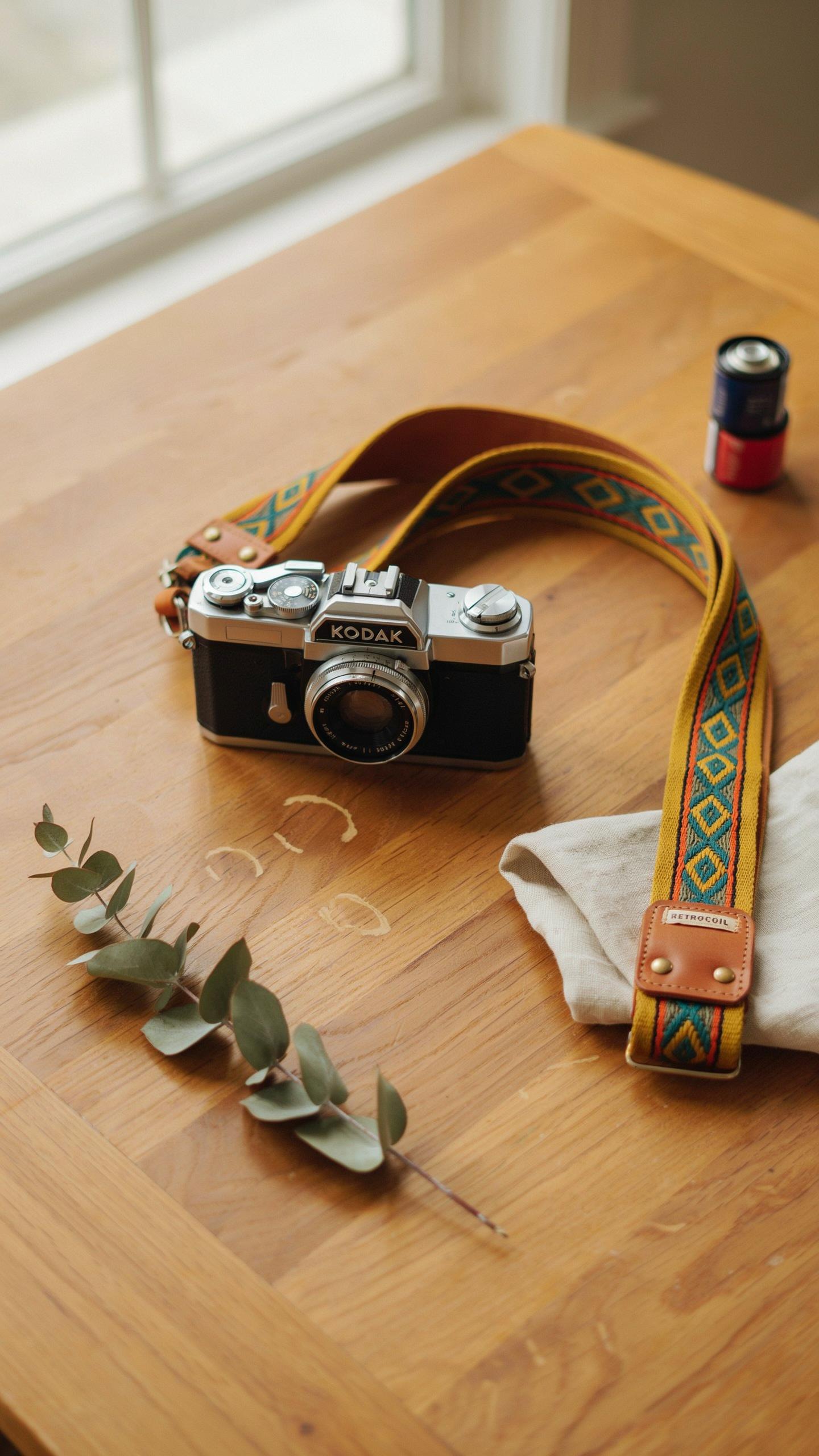
Specialty camera retailers stock genuine retro straps because they curate inventory specifically for photographers seeking vintage aesthetics. These shops understand the difference between authentic leather grades, stitching patterns, and hardware finishes from different decades. They source directly from manufacturers who replicate mid-century production methods or stock deadstock inventory. Online platforms like Etsy connect you with makers who focus exclusively on period-accurate reproduction.
Established camera shops maintain relationships with heritage strap makers like Artisan and Artist in Europe and Japan. These retailers provide documentation about materials and construction methods. They handle returns and authentication disputes, protecting your purchase. Their expertise prevents buying counterfeit straps marketed as retro when they lack structural integrity or historically accurate materials.
A beautifully crafted strap is not just a carry; it’s a whisper of history, adorning your modern lens with timeless elegance. It’s like putting a classic watch on a smartphone, connecting us to the photographic pioneers.
Customization Options For A Unique Touch
Custom strap makers accept specifications for length, width, leather type, and hardware selection. You choose between full-grain leather, vegetable-tanned hides, or canvas bases. Add brass fittings, D-rings, or vintage-style buckles to match your camera body. Makers like Peak Design offer modular systems that combine retro aesthetics with modern attachment mechanisms.
Personalization services include monogramming, tooled designs, and color treatments. Lead times extend four to eight weeks for custom orders. Costs range from $80 to $300 depending on materials and complexity. Communicating your camera model matters because strap weight capacity and attachment points vary significantly between film and digital bodies.
Integrating Retro Style Into Your Photography Workflow

Beyond Aesthetics: The Functional Benefits Of Classic Designs
Retro camera strap designs deliver measurable performance advantages beyond visual appeal. Leather straps from mid-century designs distribute weight more evenly across shoulders than modern synthetic materials. Canvas construction, used in vintage straps since the 1940s, develops a broken-in grip that improves handling over time. Metal hardware from classic designs uses proven attachment methods that outlast plastic clips found on budget alternatives.
Classic strap geometries address real ergonomic problems that modern designs often ignore. Wider shoulder pads reduce pressure points during extended shooting sessions. Leather naturally resists moisture better than untreated cotton blends. Reinforced stitching at stress points, a standard in vintage manufacturing, prevents premature wear that plagues poorly constructed contemporary straps.
Making A Statement With Your Gear
Your strap choice communicates intent to other photographers and subjects. Leather and canvas straps signal investment in quality and deliberate practice. They suggest you chose your equipment for performance rather than trending aesthetics. Professional photographers often select vintage-style straps to project competence and experience without speaking.
Retro strap selection functions as a practical filter for your shooting style. If you carry film cameras or vintage lenses, a period-appropriate strap creates visual consistency that reinforces your technical approach. The choice affects how people respond to you during shoots. A well-chosen strap becomes part of your working identity rather than an afterthought accessory.
Frequently Asked Questions

What exactly are retro camera strap accessories for modern cameras?
Retro camera strap accessories for modern cameras are stylish, often vintage-inspired additions that allow you to personalize your contemporary gear. They blend classic aesthetics like leather, canvas, and intricate patterns with modern attachment systems, offering both a unique look and comfortable functionality for today’s photographers.
How do I attach a retro-style strap to my modern mirrorless or DSLR camera?
Most retro camera strap accessories for modern cameras come with universal attachment systems. Typically, these involve small rings, flat loops, or quick-release buckles that thread through your camera’s strap lugs. Ensure the attachment method is secure and compatible with your camera’s specific lug design for safe carrying.
Are there affordable options for retro camera strap accessories, or are they all high-end?
Absolutely! While premium leather options exist, you can find a wide range of affordable retro camera strap accessories. Many brands offer stylish canvas, synthetic leather, or patterned fabric straps that capture the vintage aesthetic without breaking the bank. Look for sales or smaller independent creators for great value.