
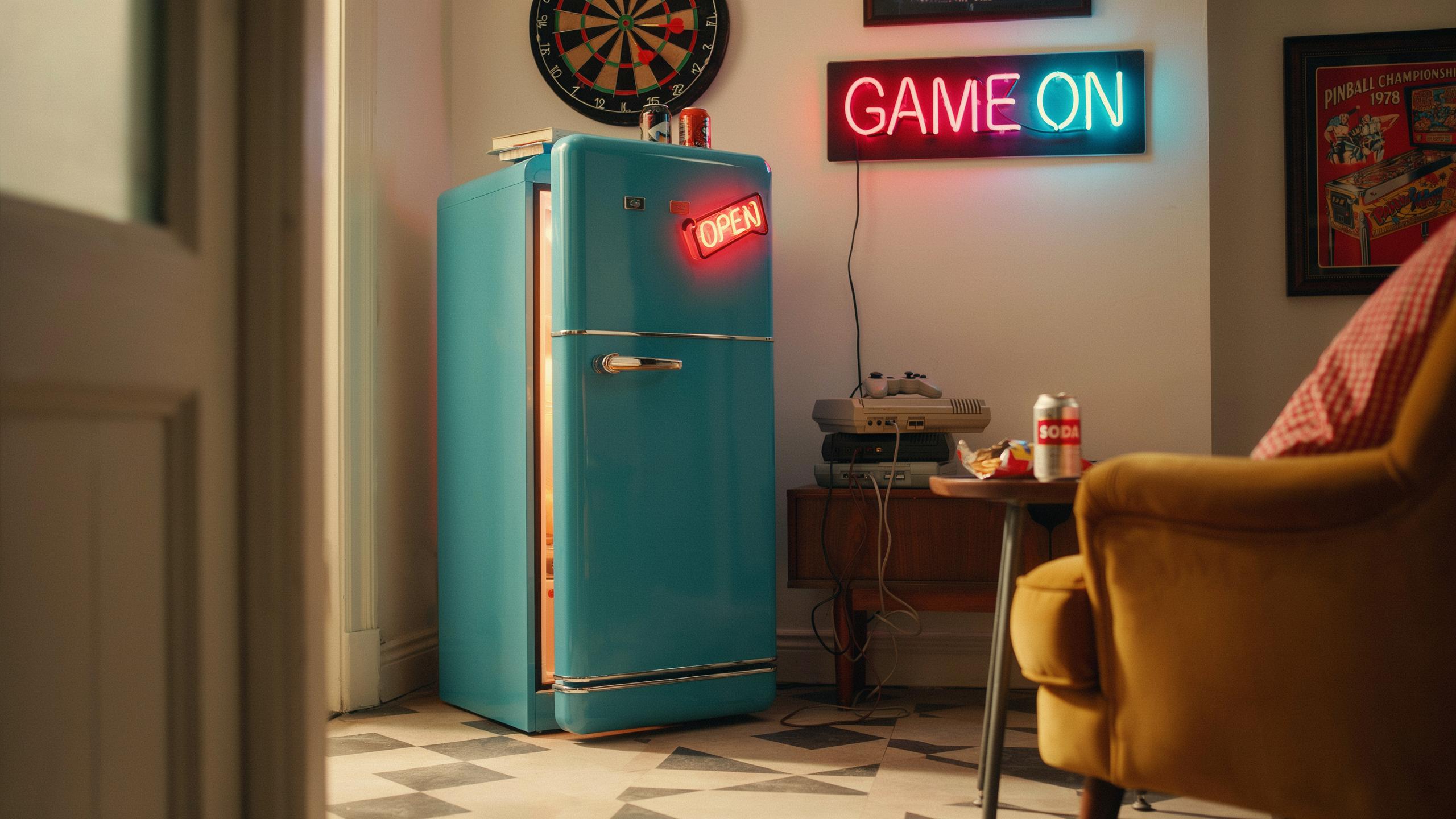
Why A Retro Mini Fridge For Game Rooms
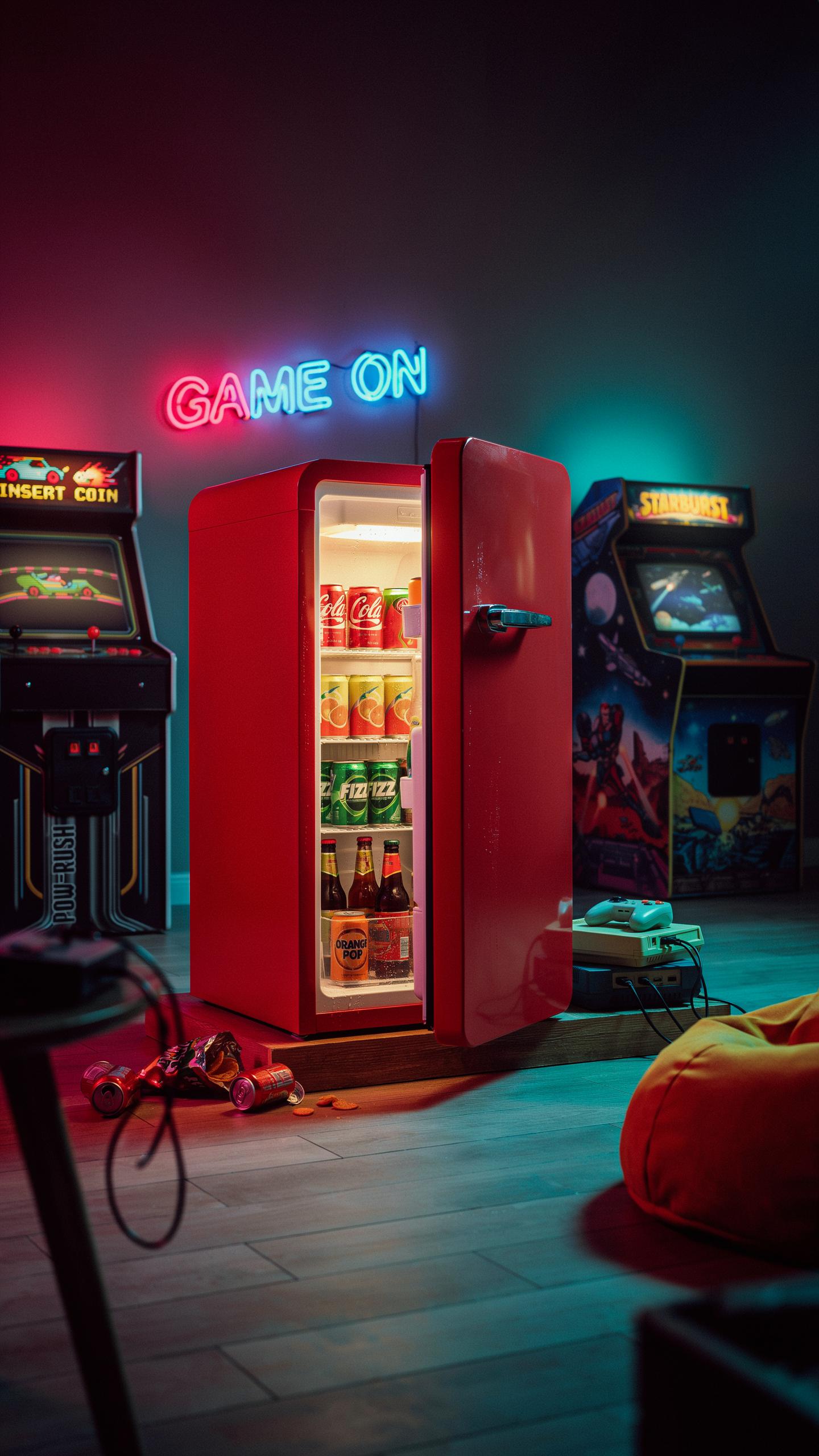
Nostalgia And Aesthetics
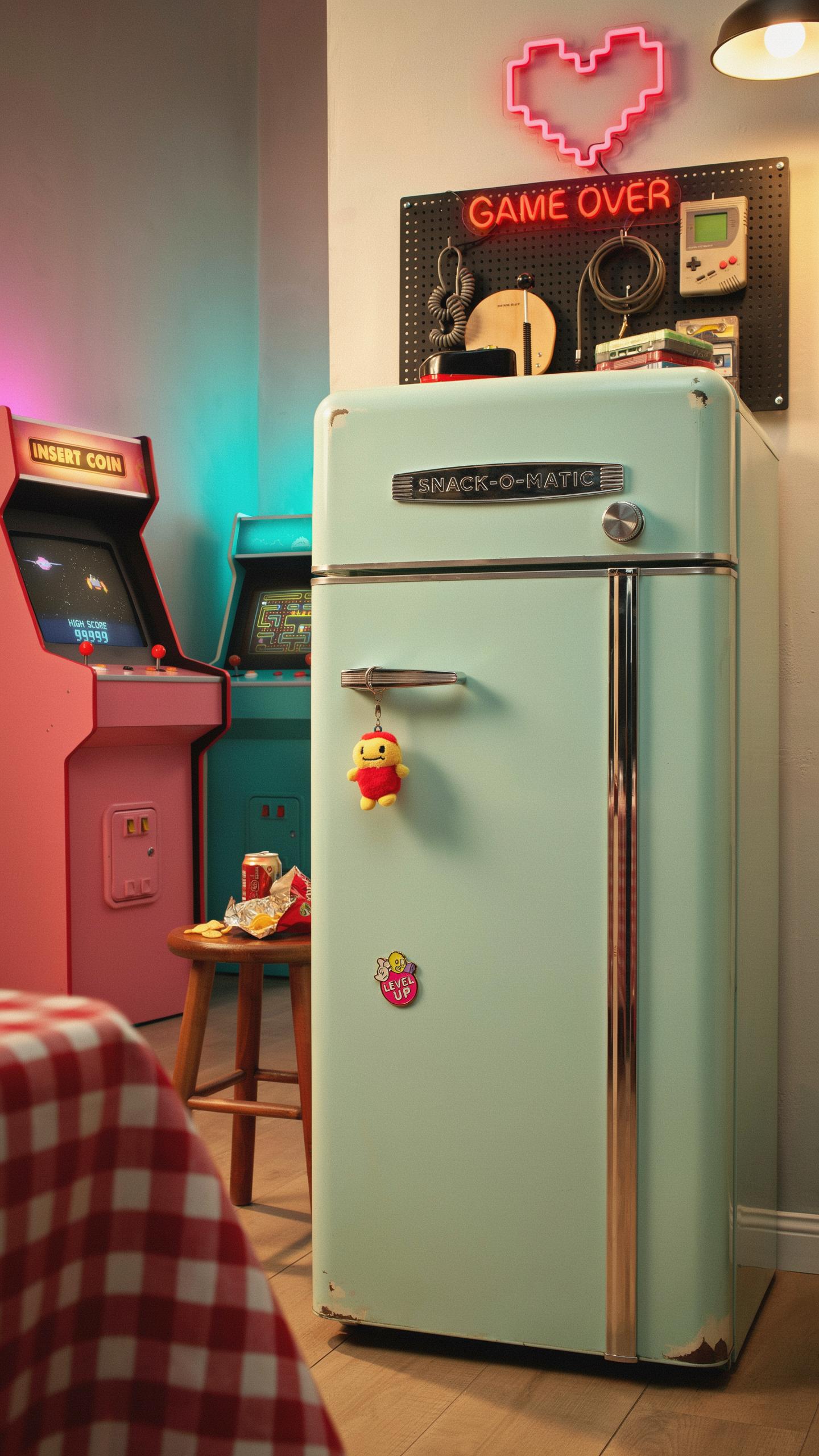
A retro mini fridge taps into design movements from the 1950s through 1980s, periods when rounded edges, chrome accents, and pastel or bold colors dominated consumer appliances. Game rooms built around retro themes benefit from authentic or reproduction vintage styling that matches period-correct gaming consoles, arcade cabinets, and furniture. The visual consistency strengthens the room’s overall theme rather than introducing modern appliances that clash with intentional design choices.
Retro mini fridges use materials and finishes historically found in vintage refrigerators, including stainless steel, powder-coated steel bodies, and enamel surfaces. These design elements communicate intentionality to visitors and reinforce the curated atmosphere you’ve built. The fridge becomes a functional piece that supports your room’s identity rather than detracting from it.
Convenience And Functionality
Gaming sessions require extended time in one location, making a dedicated cooling unit practical rather than decorative. A mini fridge keeps beverages at proper temperatures without trips to the kitchen, eliminating interruptions during competitive play or complex game narratives. Snacks stored nearby remain fresh and accessible, reducing downtime between gaming rounds or social gatherings.
Mini fridges operate efficiently at lower volumes than full-size units, consuming less electricity while still maintaining cool temperatures for standard beverage and snack storage. Placement inside game rooms means you control the space’s climate impact and noise level. The unit pays for itself through reduced kitchen traffic and improved session continuity over months of regular use.

Choosing Your Retro Mini Fridge Styles And Eras
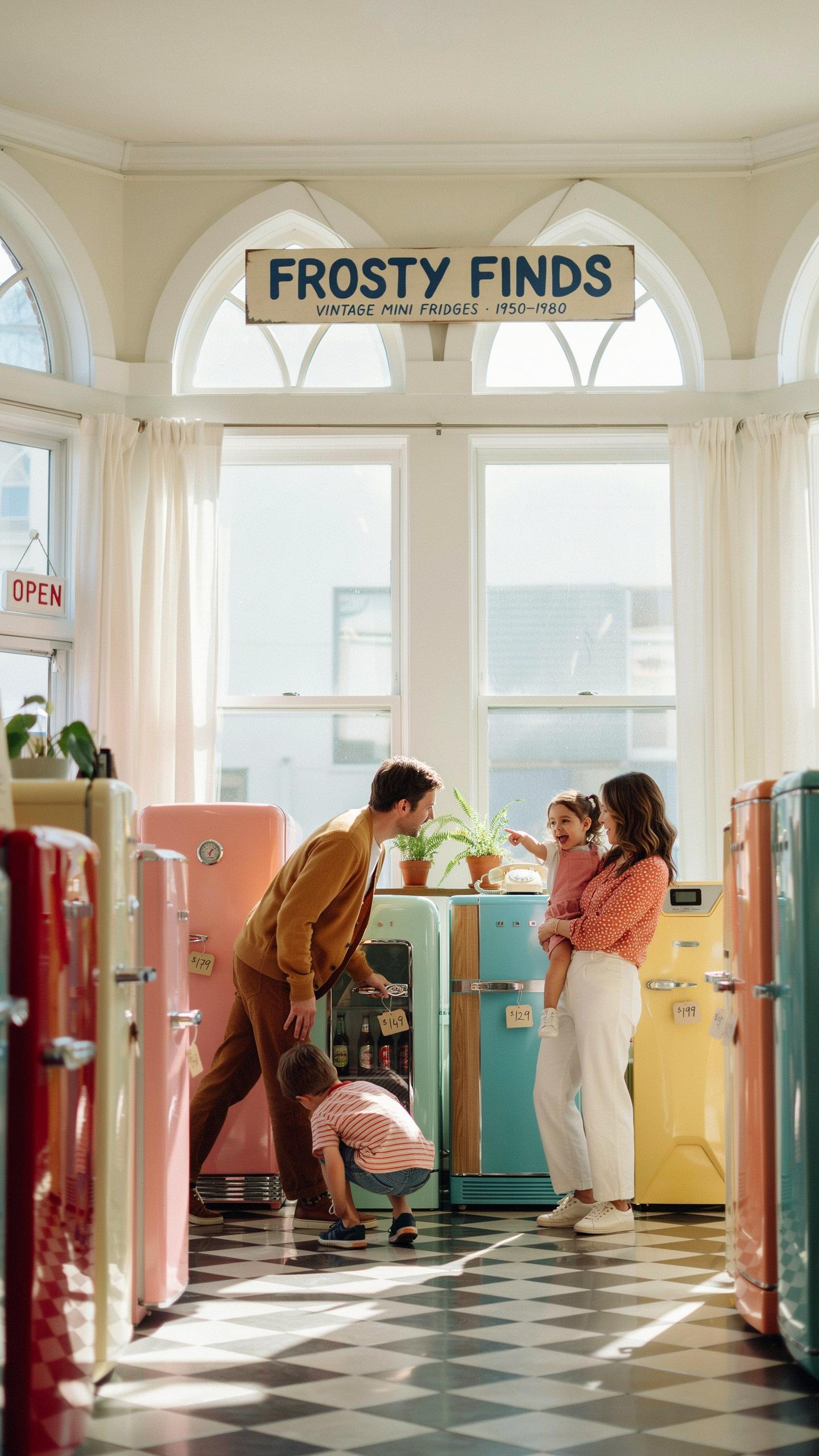
70s Mini Fridge Vibes
The 1970s produced mini fridges with harvest gold, avocado green, and burnt orange exteriors. These colors dominated appliance design during that decade. The cabinet construction used steel with textured or brushed finishes. Rounded corners and simple geometric shapes defined the period aesthetic. Door handles were typically chrome or brushed metal. Manufacturers kept interiors functional with minimal compartmentalization.
Sourcing authentic 70s mini fridges means hunting vintage marketplaces and estate sales. Original units from this era used R12 refrigerant, now banned due to ozone concerns. Restoration involves cleaning the exterior thoroughly and replacing gaskets. The mechanical cooling systems in these models run reliably if maintained. Reproduction models now copy the color schemes but use modern, efficient components.
May your retro mini fridge always be stocked with cool refreshments, fueling endless rounds of classic fun and timeless memories in your sanctuary.
80s Mini Fridge Aesthetics
The 1980s brought bright neons, metallics, and sleek angular designs to mini fridges. Manufacturers experimented with chrome accents and glass shelving. The color palette shifted toward hot pink, electric blue, and silver. Compact designs became priority as these units targeted dorm rooms and offices. Graphics and logos appeared on cabinet doors. Plastic components increased while steel remained the primary material.

Authentic 80s mini fridges feature mechanical thermostats and simple plug and play operation. Search thrift stores and online auctions for genuine models from this period. Reproduction 80s style fridges balance retro aesthetics with modern efficiency ratings. These units typically hold between 3 and 4 cubic feet. Modern versions eliminate the noise and power consumption issues of original designs.
Integrating Your Mini Fridge In Room Design
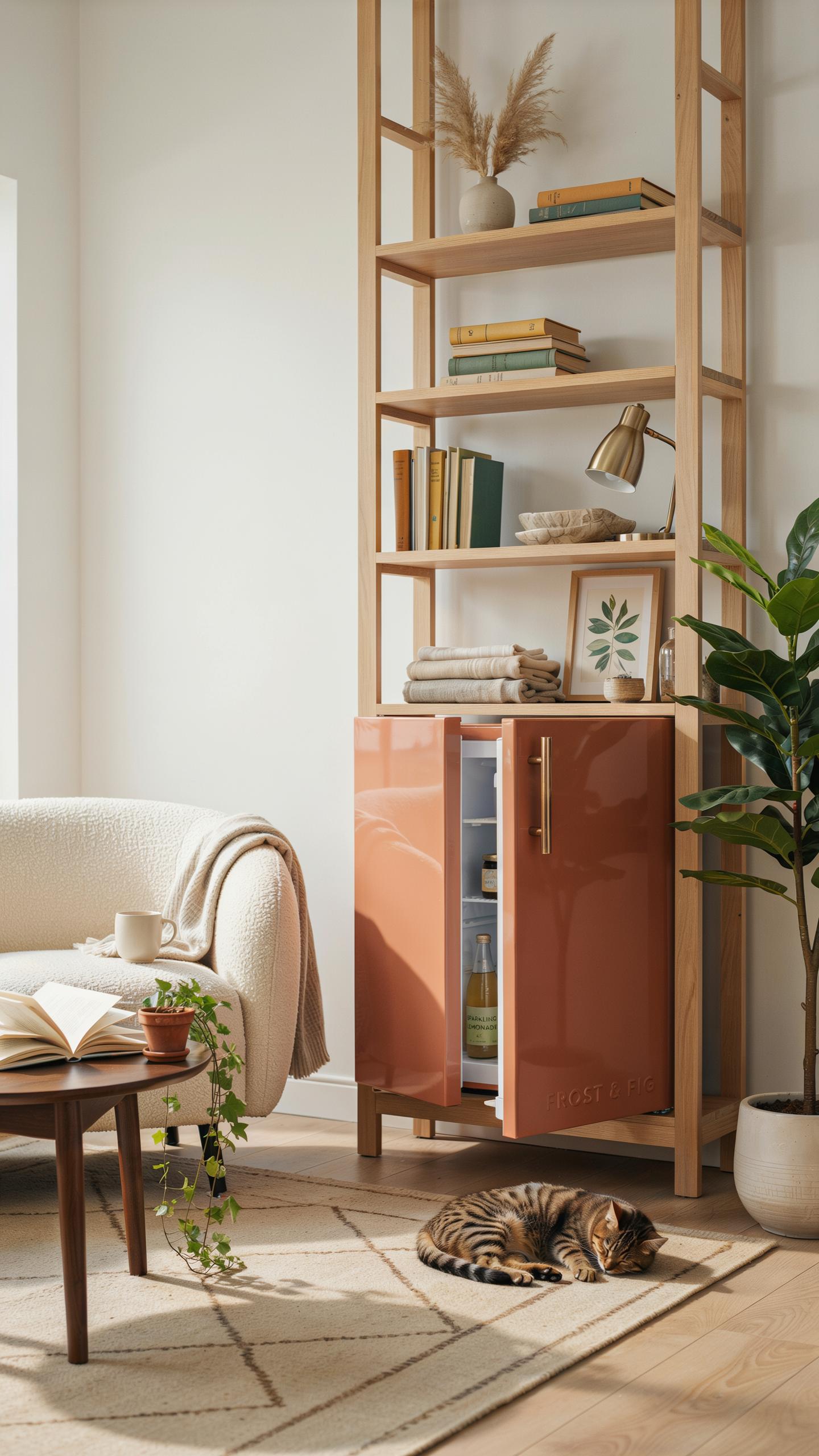
Small Space Kitchen Ideas
Mini fridges work in constrained game rooms because they occupy minimal floor space while delivering full functionality. Position yours against a wall rather than in the center of the room. This preserves traffic flow and keeps the space from feeling cluttered. Corner placements work well if your room layout allows it. Vertical storage above or beside the fridge maximizes your footprint. Choose a model that matches your existing furniture finishes, whether that’s stainless steel, matte black, or retro colors from the 1950s and 1960s design era.
Counter height and depth matter for integration. Standard mini fridges measure roughly 18 to 24 inches wide and 33 to 36 inches tall. Know your available space before purchasing. Measure twice. Mount shelving above the unit for snack storage and drinks. This stacking approach eliminates the need for additional furniture pieces. Your game room stays functional without becoming cramped or visually overwhelming.
Placement And Accessibility
Accessibility drives placement decisions. Position your mini fridge within arm’s reach of primary seating areas, whether that’s your gaming chair, couch, or arcade cabinet station. This eliminates unnecessary walking during gameplay sessions. Keep the door swing path clear so it opens fully without hitting furniture or walls. You need at least 12 inches of clearance in front for door operation and ventilation access.

Electrical outlets determine realistic placement options. Mini fridges require dedicated circuits to prevent tripping breakers, especially if you run other equipment nearby. Run power cords along walls or under rugs designed for that purpose, never across high traffic zones where people step. Keep cords away from moisture sources. Ensure ventilation space on all sides, particularly the back and top, so the cooling system functions properly and doesn’t overheat.
Custom Mini Fridge Personalizing Your Chill

DIY Fridge Makeover Ideas
Your retro mini fridge serves as both storage and décor centerpiece. Customization transforms it from generic appliance to conversation starter. The exterior takes spray paint, vinyl wraps, and adhesive decals. The interior cabinet space accepts LED strip lighting and custom shelving. Your game room theme dictates the direction you take the project.
- Paint And Primer Application: Use spray paint designed for metal and plastic surfaces. Apply thin coats to avoid drips. Primer ensures color adheres properly to the fridge exterior without peeling or fading over time.
- Vinyl Wrap Installation: Cut adhesive vinyl sheets to match fridge dimensions precisely. Smooth out air bubbles as you apply each section. This method reverses easily if you want to change themes without damaging the original finish.
- Decal And Sticker Placement: Select gaming, movie, or band decals that match your game room aesthetic. Clean the surface before application for strong adhesion. Layer decals strategically to avoid overcrowding the visual space.
- Custom Door Handle Wrapping: Wrap handles with fabric tape or leather strips for tactile upgrades. This protects handles from wear while adding themed texture. Change wrapping materials seasonally or when hosting events.
- Interior LED Strip Lighting: Install adhesive LED strips along interior shelves and cabinet edges. Connect to battery packs or plug-in power sources for flexibility. Colored lighting creates ambiance and improves visibility for grabbing drinks during gameplay.
Execution takes planning but requires minimal technical skill. Most DIY modifications take under two hours. The cost stays low since you source materials from hardware and craft retailers. Results dramatically shift how your mini fridge functions as a game room element.
Accessorizing Your Mini Fridge
Strategic additions elevate your mini fridge beyond standard cooling function. External accessories attach without permanent modification. These choices influence both appearance and practical usability during gaming sessions and gatherings.

Magnetic attachments stick to the fridge exterior and hold items securely. Magnetic shelves, hooks, and organizers utilize the metal surface without tools. Consider magnetic bottle openers, menu boards, and game-themed magnets that reinforce your room’s identity. These pieces come off instantly for cleaning or reconfiguration.
Surrounding furniture and storage pieces create a cohesive station around your mini fridge. Wall-mounted shelving above the unit displays gaming collectibles and extra beverages. Storage baskets underneath hold snacks, napkins, and gaming accessories. This setup organizes your space while making the mini fridge the visual anchor of the entertainment area.
Beverages And Bar Games The Perfect Pairing
Stocking Your Retro Cooler
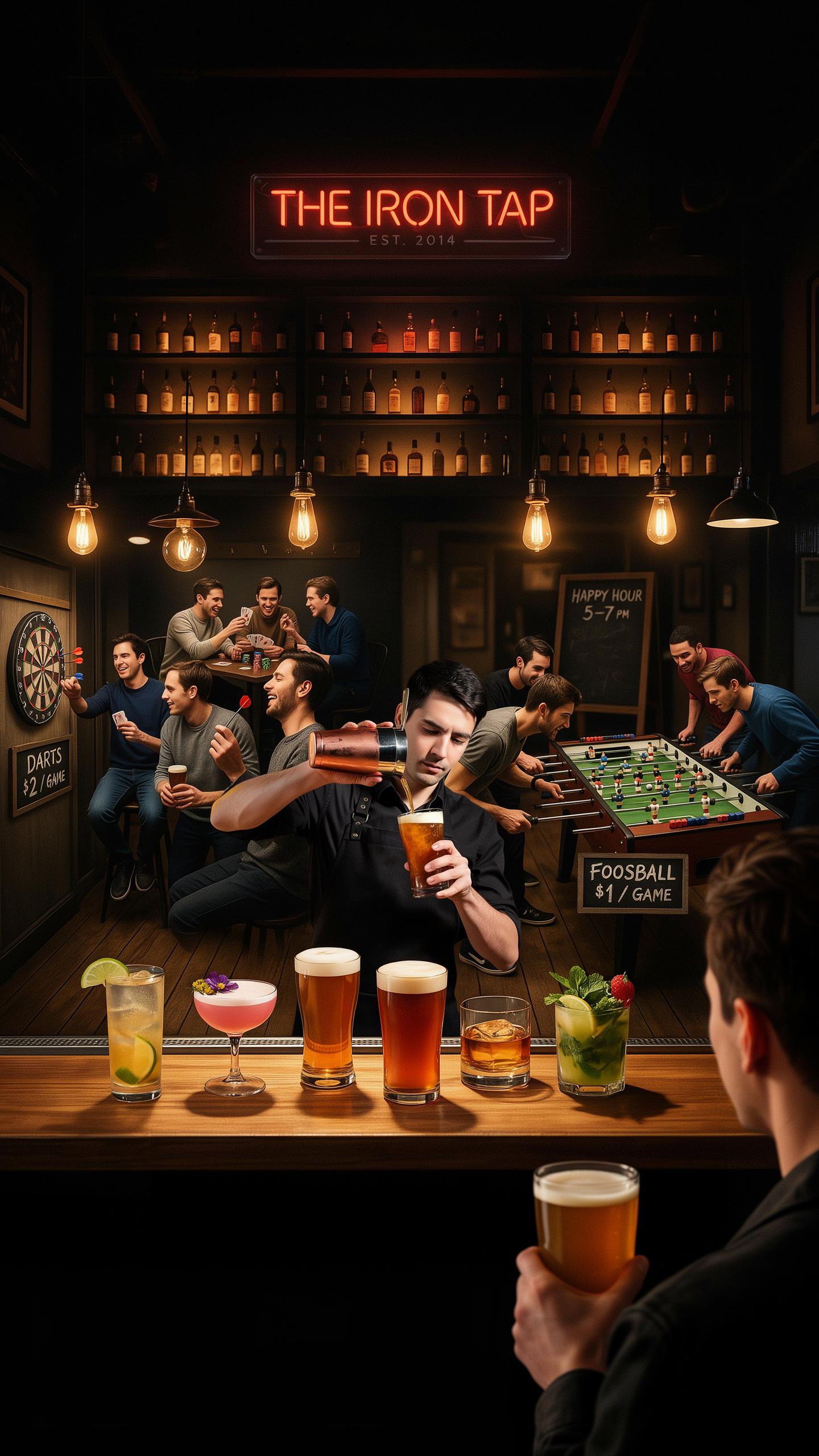
A retro mini fridge holds drinks at the temperature players expect during extended gaming sessions. Cold beverages reduce fatigue and keep participants engaged longer. Stock options depend on your crowd’s preferences and the games you play. Beer, soda, and water remain the standard choices for game room gatherings. Energy drinks appeal to competitive players during tournaments. Juice and sports drinks work for daytime sessions or family-oriented events.

Snacks pair directly with drink selection and game type. Salty foods like peanuts and pretzels increase thirst and extend play sessions. Cheese and cured meats complement beer-focused gatherings. Fruit and nuts suit health-conscious groups. Keep portions small to avoid mess near game boards and controllers. Rotate inventory based on what your group actually consumes rather than guessing.
Enhancing Your Entertainment
A stocked mini fridge removes players from the action. Without one, someone leaves to grab drinks, disrupting momentum and focus. Having cold beverages within arm’s reach keeps everyone at the table or console. This proximity maintains game flow and prevents breaks that kill competitive energy. Accessibility directly impacts how long sessions last and how engaged participants stay throughout.
Mini fridges reduce hosting friction during gatherings. Guests appreciate not needing permission to grab refreshments. This independence creates a relaxed atmosphere where people focus on games rather than logistics. The fridge becomes infrastructure that supports extended play without you managing drink requests. This practical setup increases visit frequency and strengthens your reputation as a functional entertainment space.
Classic Coca Cola Machine Decor And Beyond
Iconic Brand Integration

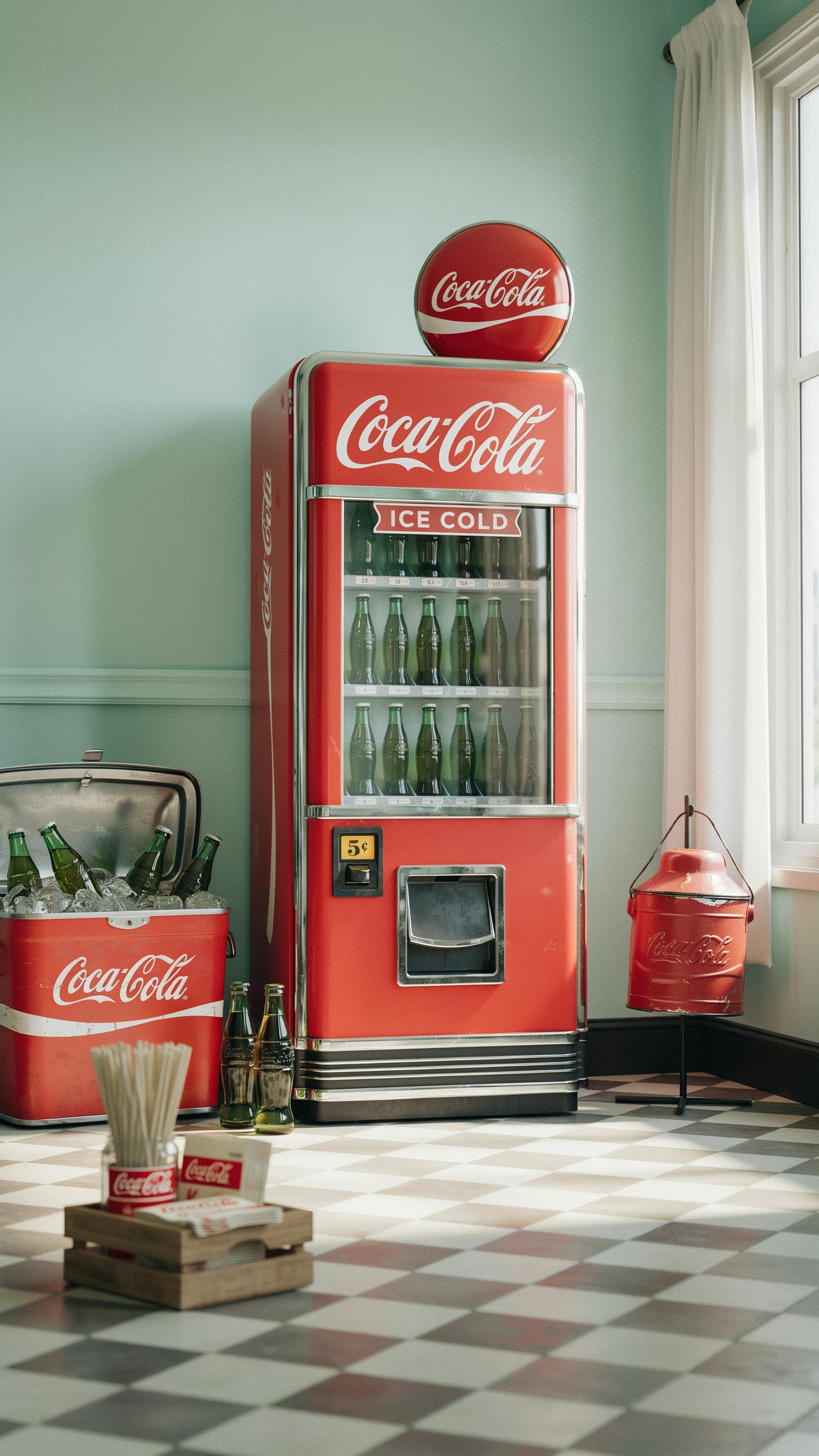
Coca-Cola mini fridges dominate the retro game room market because they tap into recognizable brand history. The red and white color scheme became culturally embedded through decades of advertising and product placement. Manufacturers reproduce vintage Coca-Cola machine designs from the 1950s and 1960s when these dispensers defined American consumer culture. These fridges work as functional decor because they reference a specific era that resonates with collectors and enthusiasts. The brand itself carries nostalgic weight that generic retro designs cannot replicate.
Buyers select Coca-Cola branded units for game rooms because they signal authenticity and period accuracy. A Coca-Cola mini fridge anchors a room’s aesthetic around mid-century Americana. The design legitimacy comes from reproducing actual historical machine proportions and graphics rather than creating fictional retro styles. Players and visitors immediately recognize the reference, making it an effective conversation piece. The brand integration transforms a cooling appliance into a statement piece that communicates the room’s intentional design direction.
Beyond Coca Cola Other Retro Brands
Pepsi-Cola mini fridges present the primary alternative to Coca-Cola dominated options. These units use blue and red branding that reflects Pepsi’s historical color palette from competing campaigns of the same era. Dr Pepper, Fanta, and vintage beer brand fridges also occupy shelf space in the retro appliance market. Manufacturers produce these designs with equivalent attention to period graphics and materials. Each brand alternative allows buyers to express preference for specific beverage companies or regional brand loyalty from childhood experiences.
Vintage gas station and diner aesthetics expand beyond single beverages into broader mid-century commercial design. Some mini fridges reference generic fuel company branding or diner checkered patterns without focusing on one product line. Budweiser and other beer brands appear frequently because their vintage advertising aligns with game room culture. These alternatives let buyers customize rooms around personal brand memories or family heritage. The result is a fragmented market where brand choice becomes a personal statement about which commercial era or company dominates the buyer’s nostalgia.
Maintenance And Care For Your Retro Mini Fridge

Cleaning And Upkeep Tips
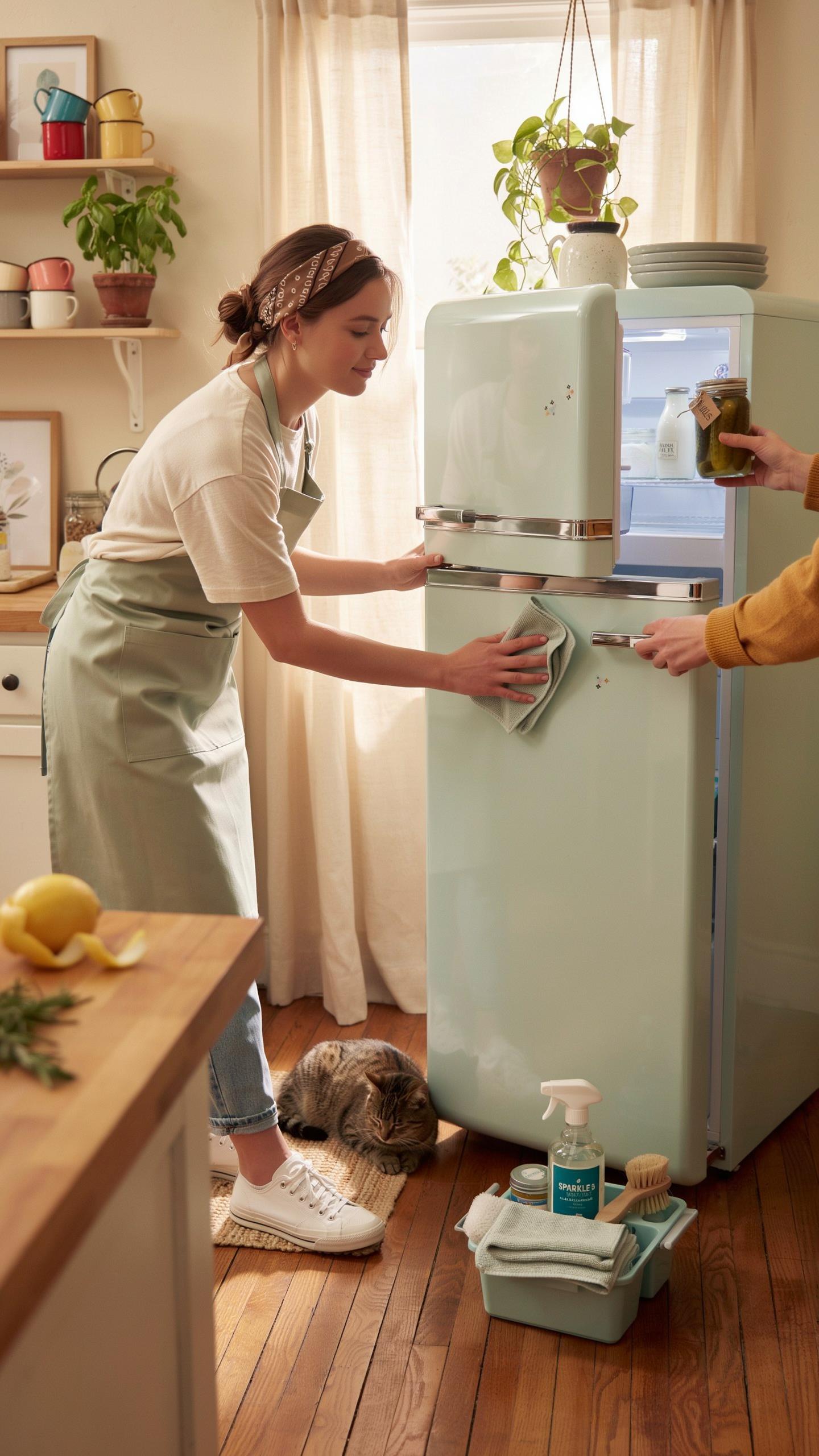
Wipe down the exterior monthly with a soft, damp cloth to remove dust and prevent buildup on vents. Use mild soap and water for stainless steel or painted surfaces. Never spray liquids directly on the unit. Clean the interior every three months by removing shelves and washing them separately. Vacuum the condenser coils at the back or bottom quarterly to maintain cooling efficiency and prevent overwork.
Check door seals monthly by closing the door on a piece of paper. If you pull it out easily, seals need replacement. Keep the unit level to ensure proper refrigerant distribution and door closure. Defrost manual units when ice buildup reaches a quarter inch thick. Store your mini fridge in a climate controlled space between 50 and 80 degrees Fahrenheit to prevent compressor strain and extend lifespan.
Troubleshooting Common Issues
If the unit stops cooling, verify the thermostat setting first and check that the condenser coils are clean. Ensure proper ventilation around the fridge with at least two inches of clearance on all sides. A clogged drain line causes pooling water inside. Locate the drain opening at the base and flush it with warm water using a turkey baster. Some models have removable drain plugs for easier access.
Unusual noises indicate potential issues requiring attention. Rattling sounds often come from loose components or items touching the walls inside. Humming that’s louder than normal suggests compressor stress from overheating. Move the unit away from direct sunlight and heat sources. Strange odors develop when spilled food decomposes or mold grows. Clean the interior thoroughly and keep an open box of baking soda inside to neutralize odors.
Where To Find The Best Retro Mini Fridge For Game Rooms
Online Retailers And Specialty Stores
Amazon and eBay dominate the retro mini fridge market with the largest inventory. Walmart and Target stock mass-produced retro-style models year-round. Specialty appliance retailers like Appliances Connection and Best Buy carry premium brands. Etsy hosts independent sellers offering vintage and reproduction units. Direct manufacturer websites like Smeg and Nostalgia Electrics provide authentic designs with warranty coverage.
Price ranges vary significantly across platforms. Amazon typically offers competitive pricing and fast shipping. Target and Walmart match prices aggressively. Specialty retailers charge premiums but guarantee authenticity and customer service. Factor in shipping costs for heavier units when comparing total expenses across channels.
Second Hand And Vintage Finds
Estate sales and auctions yield genuine vintage units from the 1950s through 1980s. Facebook Marketplace and Craigslist connect local buyers with sellers avoiding shipping fees. Thrift stores like Goodwill and Salvation Army occasionally stock working units at low prices. Antique shops specialize in period-correct models with documented provenance and restoration history.
Inspect second-hand units for refrigerant leaks, electrical function, and cosmetic damage before purchasing. Test cooling capacity and listen for unusual compressor noise. Verify doors seal properly and handles operate smoothly. Budget for professional servicing if the unit has been idle. Original documentation and manufacturing labels increase value and authenticity verification significantly.
Frequently Asked Questions

What exactly is a retro mini fridge, and why is it perfect for a game room or man cave?
A retro mini fridge is a compact refrigerator designed with vintage aesthetics, often featuring classic colors, chrome accents, and iconic branding. It’s perfect for a game room or man cave because it adds a cool, nostalgic touch while keeping your beverages and snacks conveniently chilled. It’s both a functional appliance and a statement decor piece.
How do I choose the right size and capacity retro mini fridge for my game room?
When selecting a retro mini fridge for game rooms, consider the available space and how many drinks or snacks you anticipate storing. Measure your designated area carefully. Capacities typically range from 1.6 to 4.5 cubic feet. A smaller unit is great for a few cans, while a larger one can accommodate bottles and food items, ensuring you’re always stocked.
Are retro mini fridges expensive, and are there budget-friendly options available?
The cost of a retro mini fridge can vary widely depending on brand, size, and features. While some designer models can be pricey, there are definitely budget-friendly options available that still capture that vintage charm. Look for sales, compare different brands online, and consider slightly smaller capacities to find an affordable retro mini fridge for game rooms without breaking the bank.