
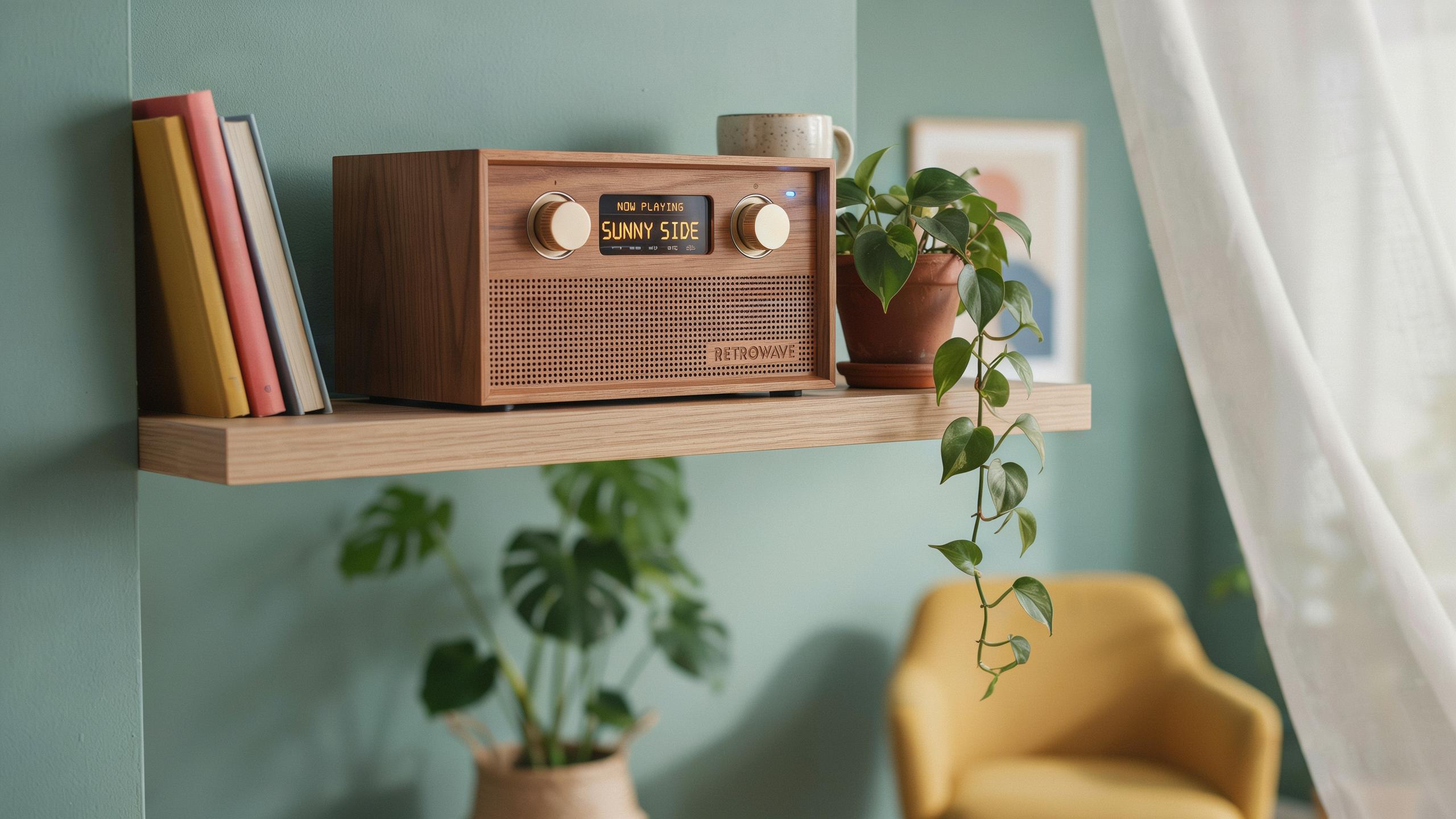
The Allure Of Retro Radio Blending Nostalgia With Modernity
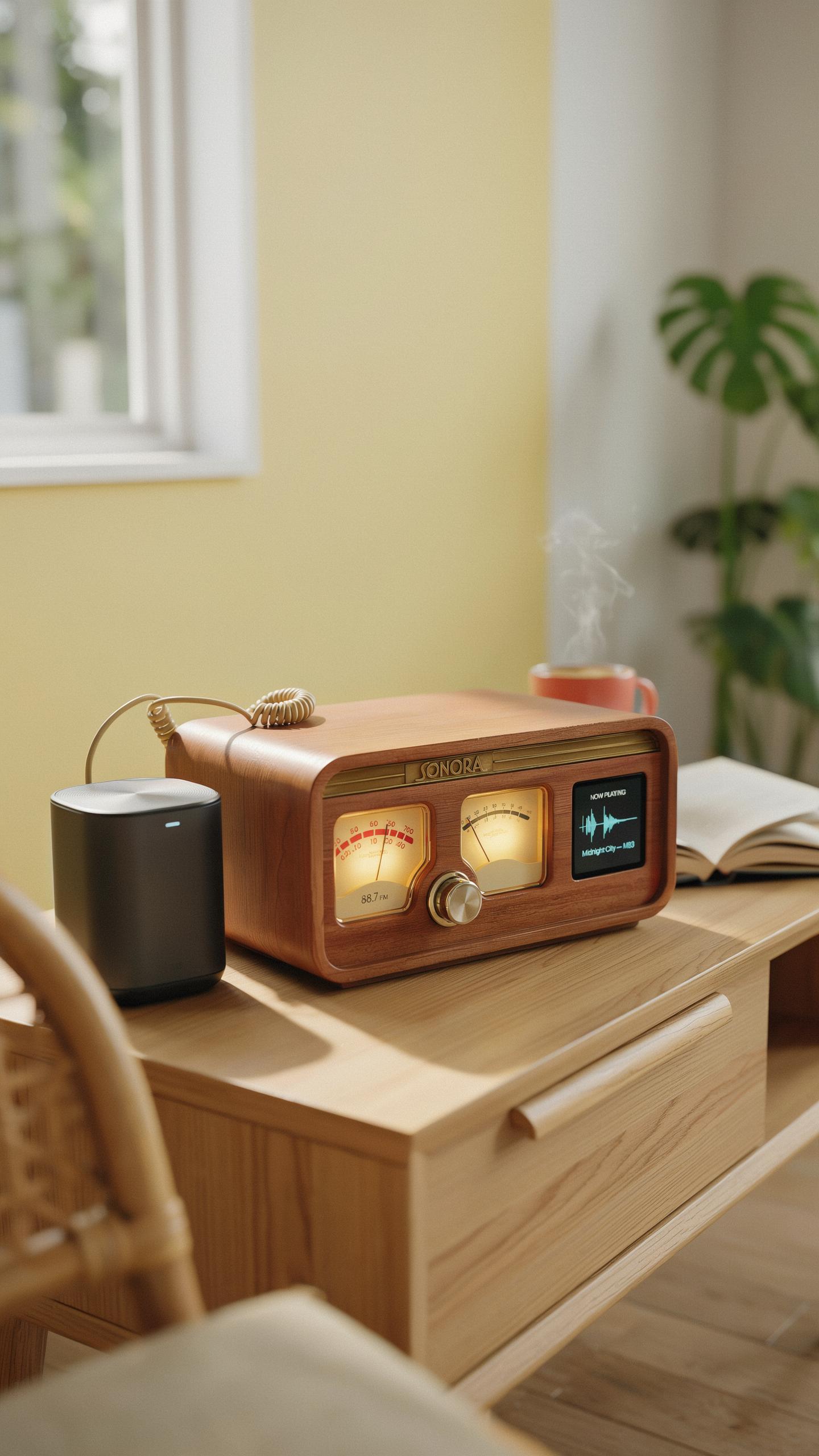
A Journey Back In Time: The Timeless Appeal Of Vintage Aesthetics
Radio design from the 1930s through 1960s established visual standards that remain recognizable today. Manufacturers used wood cabinets, metal chassis, and dial faces with distinct typography. These design choices reflected available manufacturing techniques and materials of each era. The aesthetic became culturally embedded through decades of household presence and media representation.
Vintage radio design elements persist because they solve functional problems effectively. Rounded corners reduce damage risk. Prominent dials offer intuitive operation without instructions. Warm wood tones complement interior spaces without demanding attention. These characteristics transcend nostalgia and deliver practical design value that modern minimalist approaches often overlook.
Why Modern Homes Crave The Classic Look Of A Retro Radio
Contemporary interior design increasingly rejects disposable aesthetics in favor of durable, meaningful objects. Retro bluetooth radios with vintage design satisfy this demand by combining familiar form factors with current technology. Homeowners gain functional audio devices without sacrificing visual coherence with established décor schemes. The category serves both utilitarian and decorative purposes simultaneously.
Digital-native design has created saturation with glass surfaces and uniform black rectangles. Retro bluetooth radios provide visual contrast and tactile quality that distinguishes living spaces. The vintage form factor signals intentionality in design choices rather than acceptance of default options. This positioning appeals to consumers who view their environment as an extension of personal values.

Vintage Radio Modern Sound The Evolution Of Audio Technology
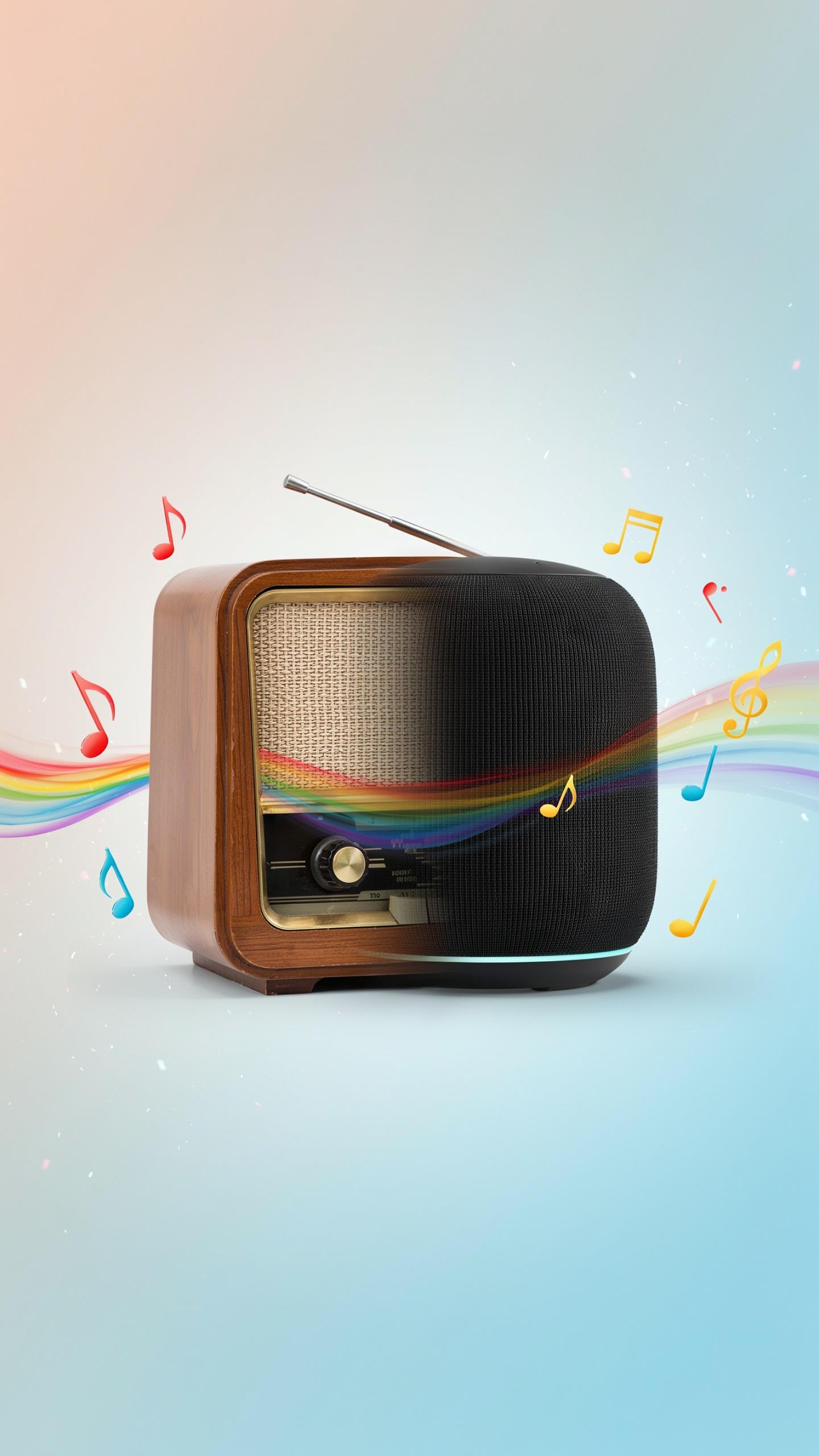
From Tubes To Transistors: A Brief History Of Radio Innovation
Radio technology fundamentally changed between the 1920s and 1950s. Vacuum tubes powered early radios, delivering sound through large wooden cabinets. These tubes generated significant heat and consumed considerable electricity. The transistor’s invention in 1947 at Bell Labs revolutionized everything. By the 1960s, transistor radios replaced tube models, offering smaller sizes, lower power consumption, and improved reliability. This shift shaped the aesthetic that vintage designs reference today.
Modern retro Bluetooth radios draw directly from transistor-era design language. Mid-century industrial designers established form factors and materials that remain visually distinctive. Aluminum chassis, fabric speaker grilles, and curved wooden frames defined the period. Today’s manufacturers reproduce these elements using contemporary materials and manufacturing techniques. They capture the original era’s visual identity while meeting current durability and performance standards. The design vocabulary remains authentic to its source material.
The Seamless Integration Of Bluetooth Into Vintage Inspired Designs
Bluetooth connectivity represents a fundamental departure from vintage radios’ original function. Vintage sets received broadcast signals through AM and FM bands. Modern retro units maintain that aesthetic while adding wireless audio reception. Designers position Bluetooth as a practical upgrade, not a replacement for period accuracy. The technology operates invisibly behind the cabinet, preserving the exterior’s historical character.
Internal engineering handles the practical challenges of combining old design with new function. Vintage cabinets now house modern circuit boards, Bluetooth modules, and rechargeable batteries. Speaker drivers improved significantly since the 1950s, delivering better audio reproduction within the same dimensional constraints. Manufacturers match power output and frequency response to period-appropriate levels, avoiding jarring modern sound that would feel incongruous. This approach respects the design intent while solving real usability problems.

Beyond The Airwaves Portable Speaker Functionality In Retro Designs
The Freedom Of Portability: Enjoying Your Music Anywhere
Retro bluetooth radios with vintage design deliver wireless audio without tethering you to a wall outlet or fixed location. Bluetooth connectivity eliminates cable dependencies, allowing you to move speakers between rooms or take them outside. Modern retro units integrate contemporary wireless technology into period-accurate housings, combining 1950s to 1970s aesthetic appeal with current functionality. This blend makes vintage-styled radios practical for kitchens, bedrooms, patios, and living spaces where traditional radio placement once dominated.
The portability factor reshapes how people interact with retro-designed audio equipment. Unlike original vintage radios that required AC power or heavy batteries, modern retro bluetooth models operate on rechargeable lithium cells lasting 8 to 20 hours per charge. Users stream content from smartphones, tablets, or computers without proximity limitations. This functional upgrade preserves nostalgic design elements while removing the spatial constraints that defined mid-century radio ownership and usage patterns.
Battery Life And Charging: Keeping The Tunes Playing On The Go
Battery performance directly determines portability value in retro bluetooth radios. Manufacturers specify runtime ratings ranging from 8 to 24 hours depending on model size, speaker count, and power consumption design. Actual performance varies with volume levels and content types. Higher volumes drain batteries faster than background listening. Users should verify manufacturer claims against independent reviews to understand realistic operating windows for their intended usage patterns.

Charging infrastructure matters equally to battery capacity. Most retro bluetooth radios use USB-C or micro-USB connections for charging, completing full cycles in 3 to 6 hours. Some units support fast charging modes reducing downtime significantly. Design considerations affect charging accessibility. Retro models sometimes position charging ports awkwardly on back panels or bottoms, complicating desk usage during power cycles. Evaluate physical port placement before purchasing to ensure practical daily operation.
Built In Speakers Vs External Audio Decoding Your Sound Preferences
The Convenience Of Integrated Sound: What To Expect From Built In Speakers
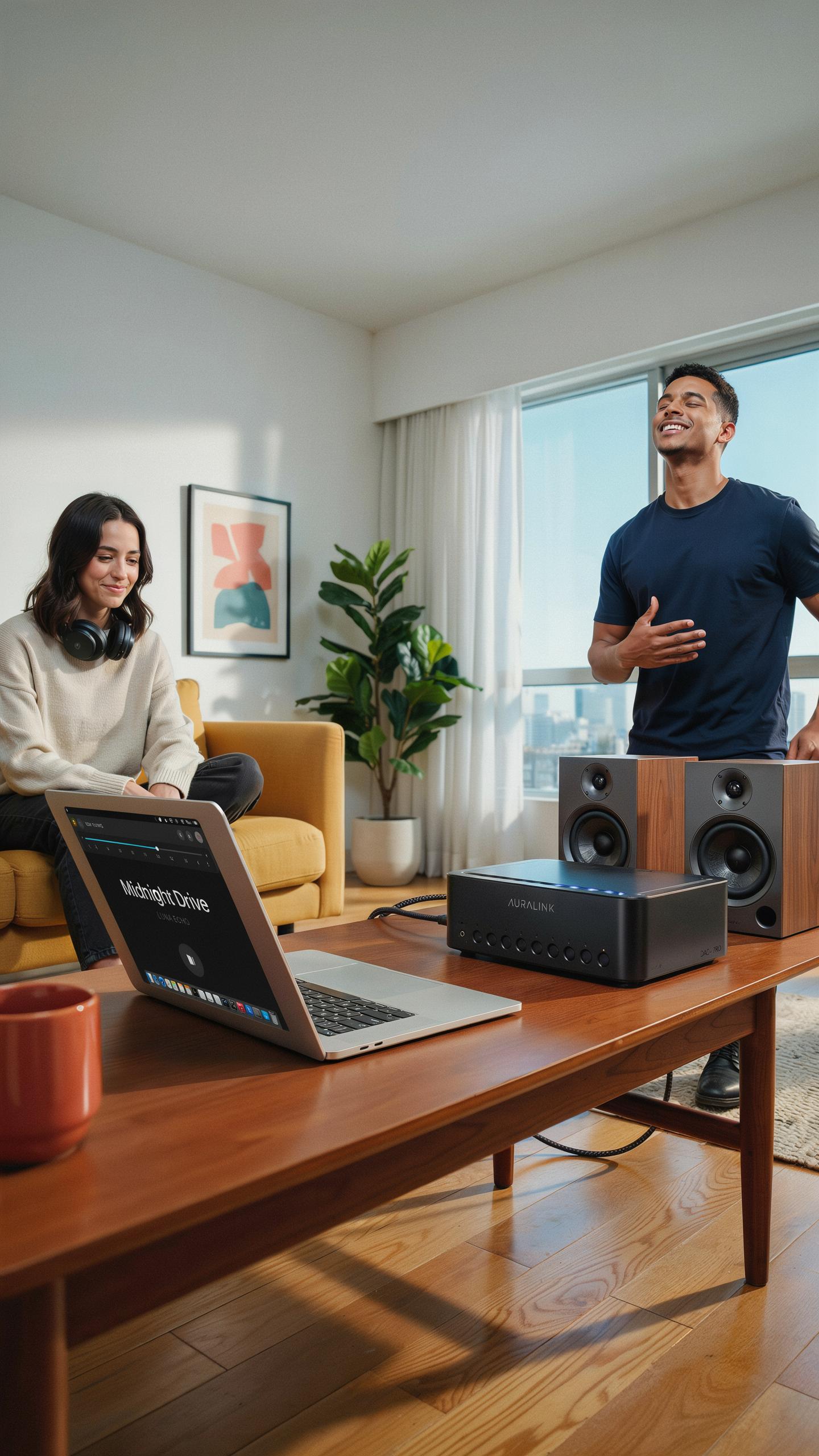
Built in speakers on retro Bluetooth radios deliver adequate sound for casual listening in bedrooms, kitchens, and living rooms. Most models use small drivers ranging from 1 to 3 inches, producing output between 3 to 10 watts. This setup eliminates cable clutter and setup complexity. You get sound immediately after pairing your device. No additional equipment needed.
Built in speaker quality depends on enclosure design and driver quality. Vintage inspired cabinets made from wood or composite materials improve bass response compared to plastic housings. Mid range frequencies suffer on compact speakers, affecting vocal clarity. Treble reproduction remains acceptable for background music and radio listening. Most people find integrated speakers sufficient for casual use without expecting audiophile performance.
Connecting To External Speakers: Enhancing Your Audio Experience
Retro Bluetooth radios with audio output ports let you connect external speakers for better sound quality. Standard connections include 3.5mm auxiliary jacks or RCA outputs. External speakers handle lower frequencies more effectively than built in drivers. You gain volume capacity and tonal range. This setup works for larger rooms or dedicated listening spaces.

External speakers restore control over your listening experience. You choose speaker quality, size, and placement independently. Wired connections eliminate Bluetooth codec limitations and latency issues. Powered speakers simplify setup by requiring only one power source and an audio cable. Passive speakers offer more aesthetic choices but demand an amplifier, adding cost and complexity to your vintage radio setup.
Retro Speakers Crafting The Perfect Auditory And Visual Experience
The Science Of Sound: How Speaker Design Influences Audio Quality
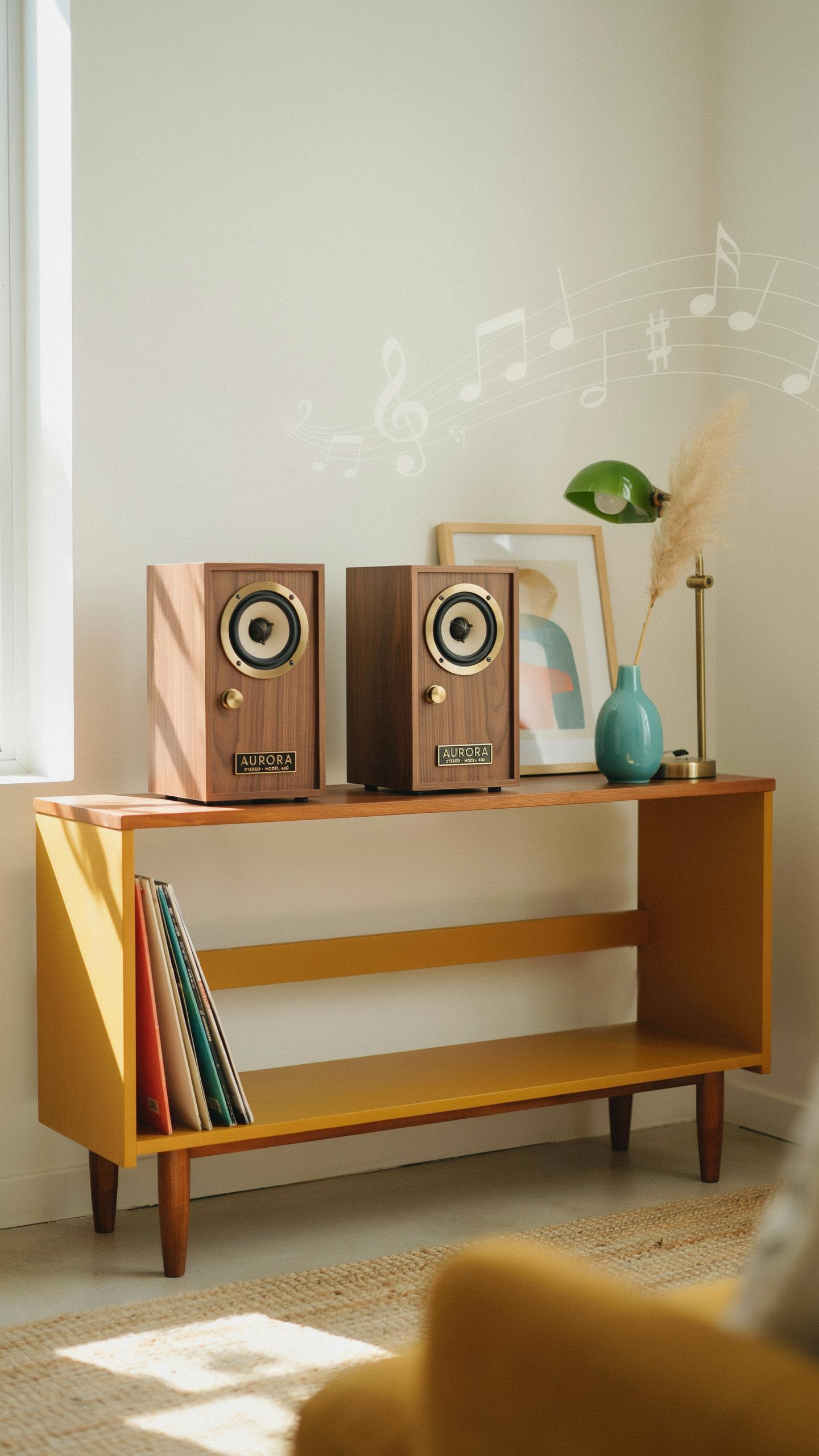
Speaker drivers convert electrical signals into sound waves. Driver size directly impacts frequency response. Larger drivers move more air, producing deeper bass. Smaller tweeters handle high frequencies with precision. Cabinet design matters because enclosure volume and material affect how sound waves propagate. Sealed cabinets produce tight bass. Ported designs enhance low-end output. Materials like wood absorb certain frequencies while reflecting others.
Vintage radio designs employed materials that shaped their acoustic signature. Early radios used paper cone drivers that naturally compressed midrange frequencies. Wooden cabinets provided natural dampening. Modern retro Bluetooth radios replicate these acoustic principles while adding contemporary driver technology. Impedance matching between amplifier and speaker ensures efficiency. Watt rating indicates power handling capacity. Understanding these mechanics helps you select units that deliver accurate sound reproduction rather than just nostalgic appearance.
Aesthetics And Acoustics: Pairing Retro Speakers With Your Decor

Retro Bluetooth radios draw from mid-century modernism, art deco, and 1950s industrial design movements. Each era emphasized different visual languages. Mid-century designs prioritize clean lines and minimal ornamentation. Art deco incorporates geometric patterns and metallic accents. Authentic 1950s models feature chrome trim and fabric grilles. Material choices include plastic housings, wood veneer, and genuine hardwood. Color palettes ranged from cream and beige to bold primary colors. Selecting models that match your interior timeline ensures visual cohesion rather than aesthetic discord.
Acoustic performance and visual design operate independently. A unit can look period-accurate while containing modern drivers and amplification. Conversely, a vintage original may sound inferior to reproductions using contemporary components. Placement affects both factors. Position speakers away from walls to reduce bass reinforcement. Keep them visible as functional decor elements. Fabric grilles in neutral tones complement most settings. Metal bezels and wood finishes anchor spaces. Match your unit’s era to surrounding furniture styles for intentional design rather than accidental clashing.
Vintage Speakers A Deep Dive Into Classic Audio Reproduction
Iconic Designs And Their Enduring Legacy In Audio
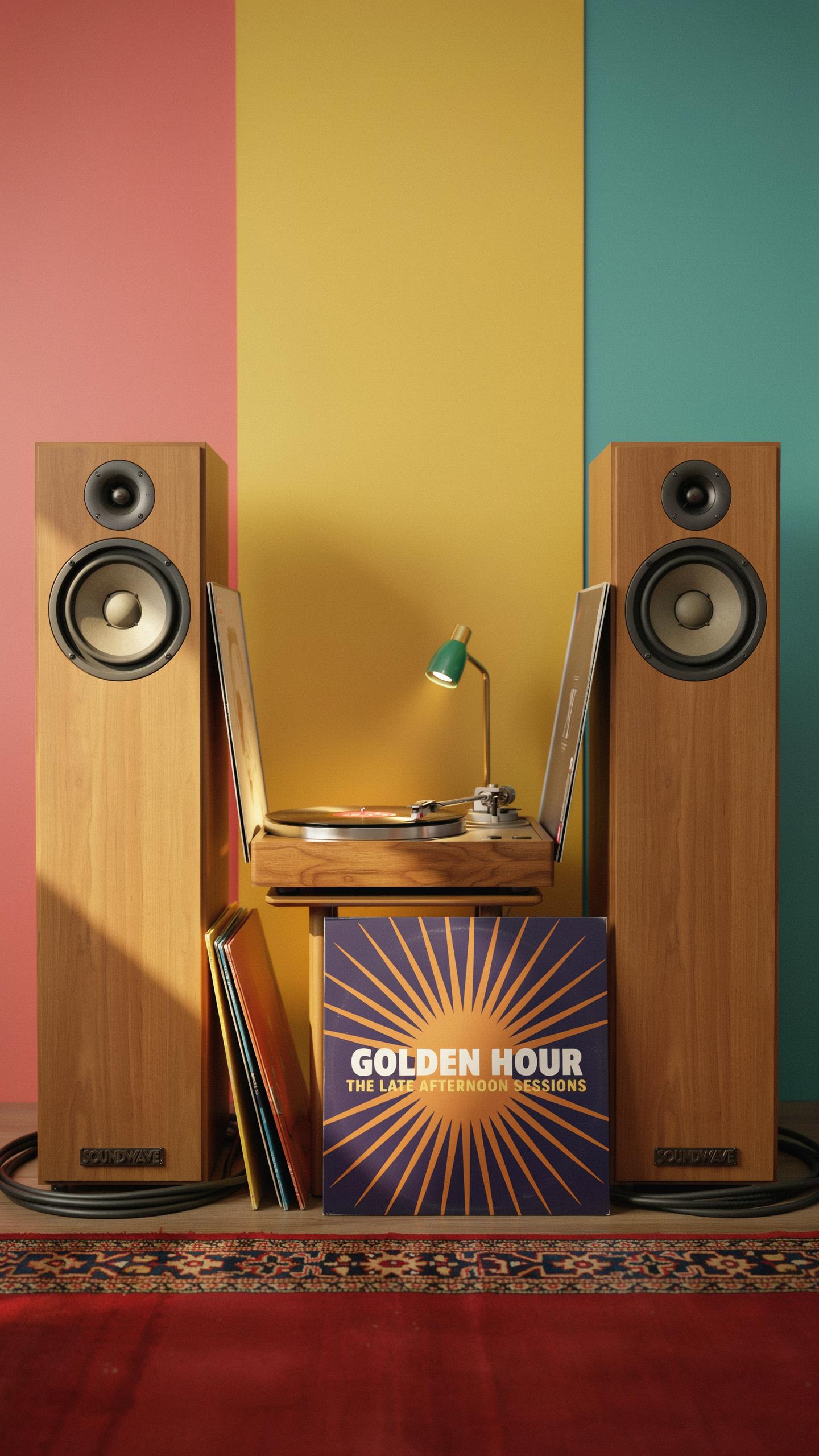
Mid-century speaker design emerged from practical engineering constraints. Manufacturers built cabinets from wood to contain sound waves effectively. The acoustic suspension design, introduced in the 1950s, changed how speakers reproduced bass frequencies. Horn-loaded designs dominated before this shift. These engineering decisions shaped the aesthetic language we recognize today in retro bluetooth radios.

Classic speaker designs succeeded because they solved real acoustic problems. Cabinet size, material density, and driver placement directly impact sound quality. Designers then refined these solutions into visual forms that became culturally recognizable. Brands like Jensen and Zenith established visual standards that modern retro products reference. The vintage speaker look persists because it represents proven acoustic engineering, not nostalgia alone.
In a world rushing forward, let your music, like your home, echo the timeless charm of yesterday, perfectly tuned for today.
Restoration And Modernization: Bringing Vintage Speakers To Life
Original vintage speakers require targeted repairs to function reliably. Foam surrounds deteriorate over decades, requiring replacement with modern materials that resist decay. Capacitors fail in crossover networks, degrading sound reproduction. Restorers source period-correct replacement components or substitute modern equivalents that maintain performance specs. This work demands technical knowledge of speaker construction and electrical systems.
Modern retro bluetooth radios integrate vintage speaker aesthetics with contemporary wireless technology. Designers retain the cabinet shapes and material choices while hiding modern amplifiers and bluetooth receivers inside. This approach delivers functional vintage appeal without restoration hassles. Manufacturers use digital signal processing to optimize sound output from smaller cabinets. The result bridges authentic design language with current connectivity standards and reliability expectations.
The Warmth Of Wood Exploring Retro Brown Wood Radio Designs
The Timeless Elegance Of Natural Materials In Home Decor
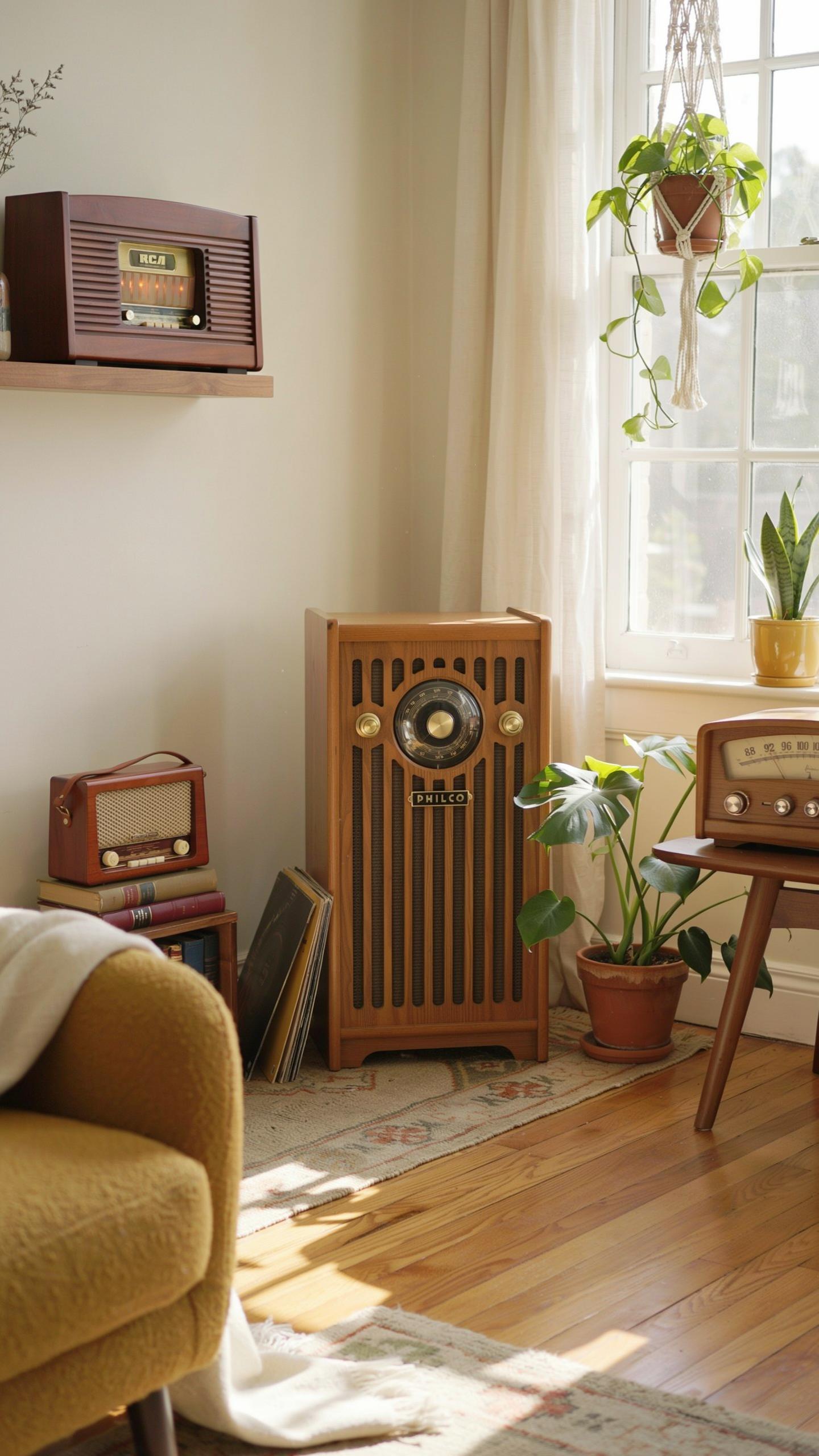
Wood has been the dominant material in radio design since the 1920s. Manufacturers chose wood because it was affordable, easy to shape, and abundant. Brown wood finishes became standard in mid-century radio production because they matched existing furniture in American homes. This material choice wasn’t aesthetic preference alone. Wood solved engineering problems while keeping production costs manageable for mass-market consumers.

Modern retro bluetooth radios use wood veneers and solid wood construction to recreate authentic vintage appearances. Walnut, oak, and mahogany finishes dominate contemporary retro designs because these woods appeared most frequently in original radios from the 1930s through 1960s. Manufacturers select these species because they darken naturally and develop character over time. Wood construction also provides practical benefits that plastic cannot match in terms of durability and perceived quality.
Beyond Aesthetics: The Acoustic Properties Of Wooden Enclosures
Wooden enclosures fundamentally alter sound performance compared to plastic housings. Wood absorbs and diffuses certain frequencies while reflecting others, creating acoustic warmth that complements voice and music reproduction. The density and grain structure of wood determine how sound waves travel through the material. This is why vintage radios with wooden cabinets deliver audio character that engineers specifically designed into the enclosure itself.
Retro bluetooth radios with wood construction benefit from these same acoustic principles. The wooden cabinet acts as a resonance chamber, adding depth to midrange frequencies without requiring additional speaker components. Mass and thickness of the wood directly impact bass response. A properly constructed wooden radio enclosure produces fuller sound than equivalent plastic designs, making the wood choice a functional decision rather than a purely visual one.
Connected Listening Internet Radio And Smart Features In Retro Style
Accessing A World Of Content: The Benefits Of Internet Radio

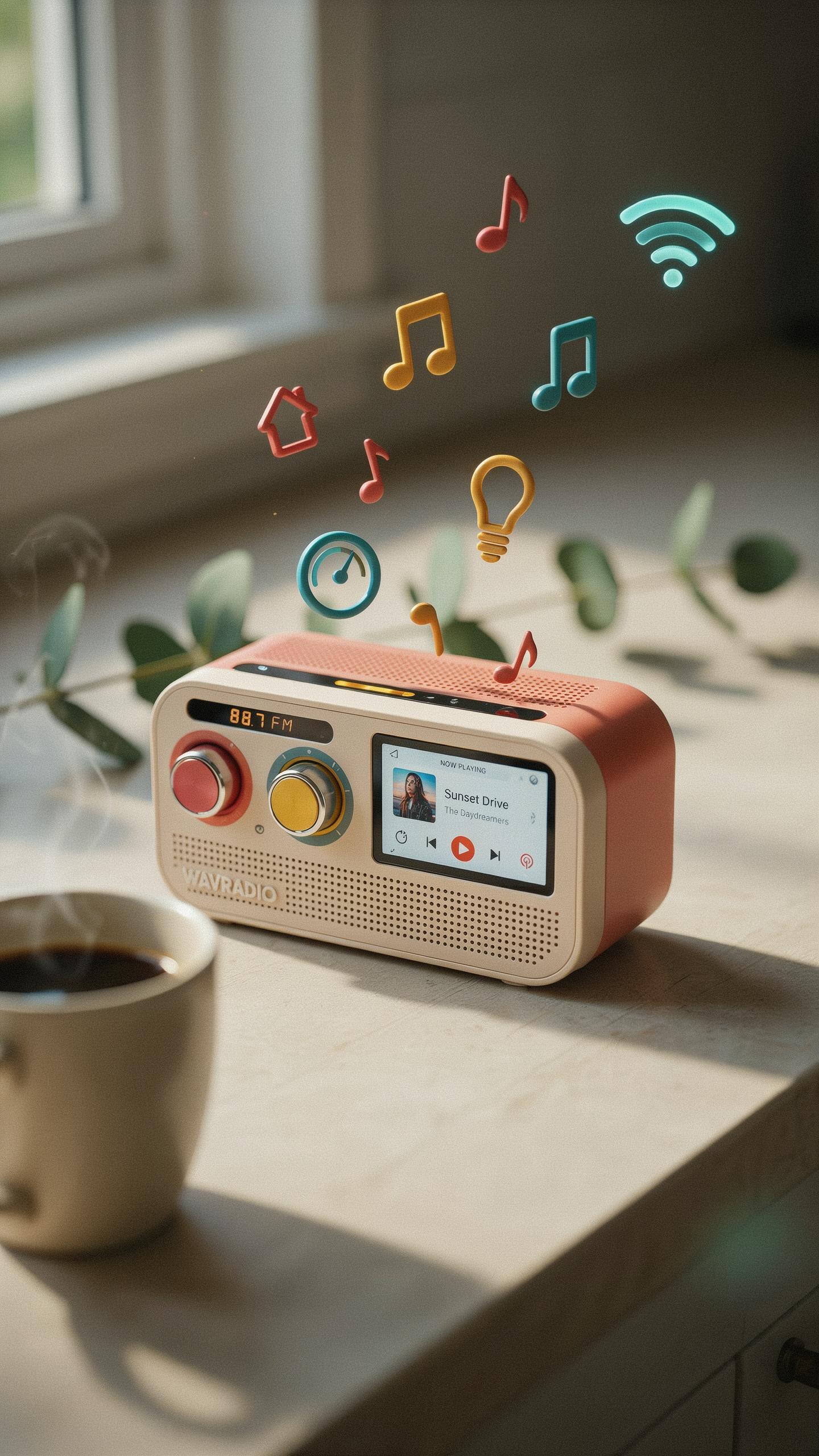
Internet radio expands station options beyond traditional AM/FM broadcasts. Retro radios with WiFi connectivity access streaming services like TuneIn, Spotify, and Apple Music. Users reach thousands of stations worldwide without changing physical location. This capability preserves the radio experience while eliminating geographic limitations that defined older models.
Internet radio delivers on-demand access rather than scheduled programming. Listeners pause, rewind, and skip tracks on connected retro devices. Alarm functions trigger specific stations or playlists instead of generic tones. This combines familiar radio aesthetics with modern listening control that traditional vintage radios never offered.
Smart Home Integration: Retro Radios With Modern Connectivity
Retro Bluetooth radios connect to smart home ecosystems through WiFi and voice assistants. Models integrate with Alexa, Google Assistant, and Apple Siri for hands-free control. Users adjust volume, change stations, and start playback through voice commands. This bridges mid-century design with 2020s convenience standards without sacrificing either.
Smart integration enables automated routines and multi-room audio coordination. Retro radios work alongside modern speakers, thermostats, and lighting systems. Manufacturers embed these radios into broader home automation platforms. The vintage shell houses current technology that responds to contemporary smart home expectations.
Choosing Your Perfect Retro Style Wireless Speaker A BuyerS Guide
Key Features To Consider: Sound Quality, Design, And Connectivity
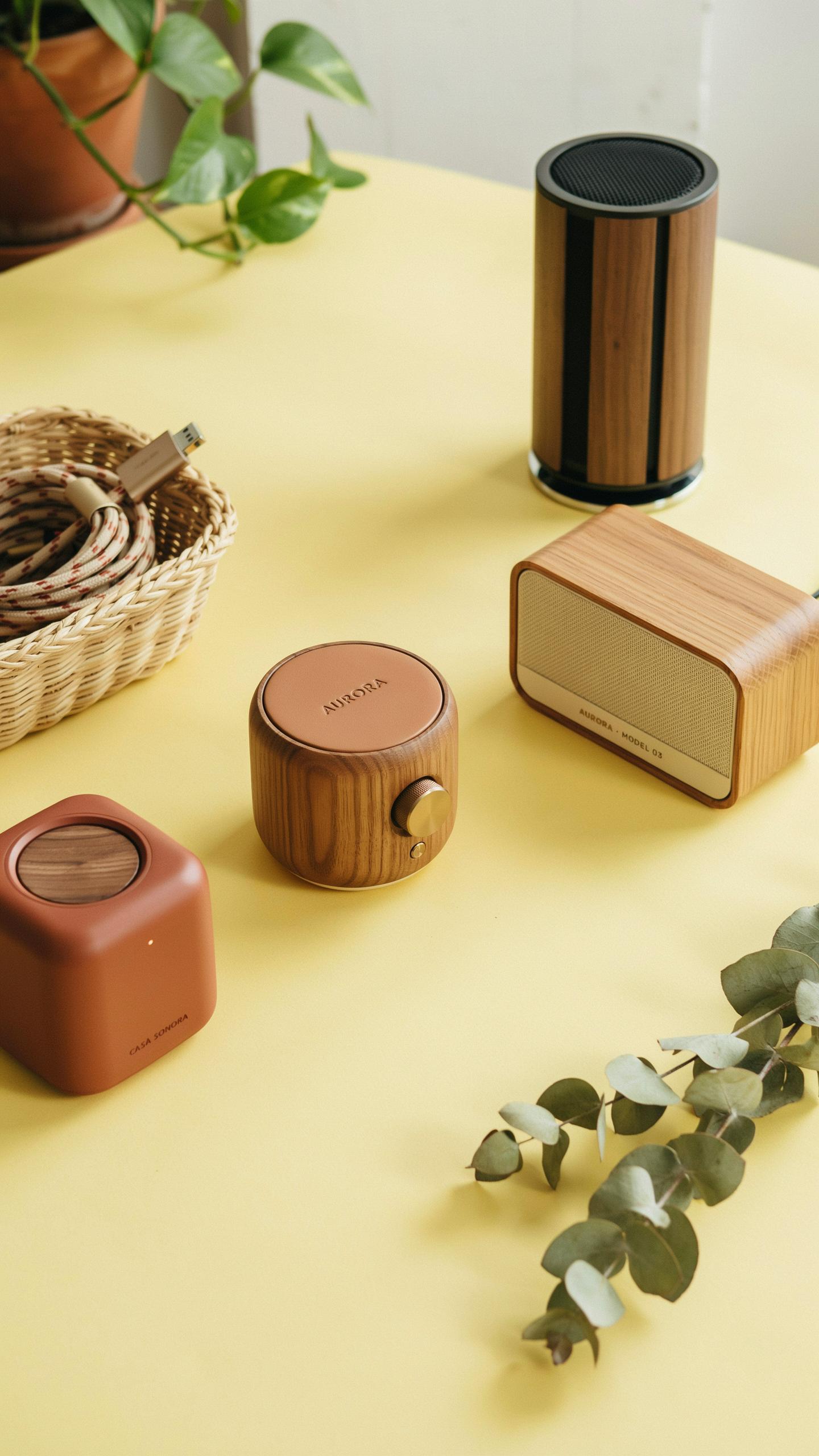
Sound quality depends on speaker size, wattage output, and driver configuration. Larger units typically deliver deeper bass and higher volume levels. Check decibel ratings and frequency ranges to match your space. Wattage alone doesn’t determine sound quality, so listen to samples if possible. Driver size and count affect clarity across different frequencies.
- Bluetooth Version: Newer versions like 5.0 and 5.3 offer better range, up to 240 feet, and stronger connectivity stability than older generations.
- Wattage Output: Ranges from 5 to 50 watts for home models. Higher wattage suits larger rooms. Lower wattage works for bedrooms or small spaces.
- Auxiliary Inputs: Physical connections like 3.5mm jack or USB allow connection to devices without Bluetooth capabilities for broader compatibility.
- Design Material: Wood cabinets, metal frames, and cloth grilles replicate 1950s-1970s aesthetics. Material choice affects sound resonance and durability.
- Power Source: AC plug models suit stationary placement. Battery-powered units offer portability but require regular charging cycles.
Design authenticity matters when matching existing decor. Period-accurate styling means checking color options, knob styles, and cabinet proportions against actual vintage radios from specific decades. Plastic vs. wood construction affects both appearance and longevity. Verify materials match the era you’re targeting.
Top Picks And Recommendations For Every Budget And Style
Budget-friendly options start around 50 to 100 dollars. These entry-level models prioritize retro appearance over premium sound. Brands like Studebaker and Sangean offer solid options in this range with AM/FM and Bluetooth. Expect basic sound quality suitable for background music in average rooms.
Mid-range units cost 100 to 300 dollars. These deliver better build quality and sound performance. They often feature wood construction, multiple connectivity options, and improved drivers. Models from Crosley and Victrola populate this tier with period-correct designs and functional modern features included.
Premium models exceed 300 dollars. High-end retro speakers use quality materials, superior audio components, and advanced technology. Brands targeting serious audiophiles combine vintage aesthetics with professional-grade sound systems. These justify cost through durability, performance, and design precision matching specific historical periods accurately.
Frequently Asked Questions

What exactly is a retro Bluetooth radio with vintage design?
A retro Bluetooth radio with vintage design is a modern audio device that blends classic aesthetics from past decades with contemporary Bluetooth connectivity. It allows you to stream music wirelessly from your phone or tablet while enjoying the nostalgic look of an old-fashioned radio, often featuring details like wooden casings, analog dials, and charming grilles. It’s the best of both worlds!
How do I connect my smartphone to a retro Bluetooth radio with vintage design?
Connecting your smartphone is straightforward! First, ensure your retro Bluetooth radio with vintage design is powered on and in Bluetooth pairing mode (usually indicated by a blinking light or a specific sound). Then, go to your smartphone’s Bluetooth settings, scan for available devices, and select your radio’s name. Once connected, you can start playing your favorite tunes instantly.
Are retro Bluetooth radios generally expensive, or can I find affordable options?
You can absolutely find affordable options! While some high-end models can be an investment, there’s a wide range of retro Bluetooth radios available at various price points. Many brands offer budget-friendly choices that still deliver excellent sound quality and a charming vintage aesthetic, making this stylish home decor accessible to almost everyone.