
What Are Smart Resistance Bands
Definition And Core Technology
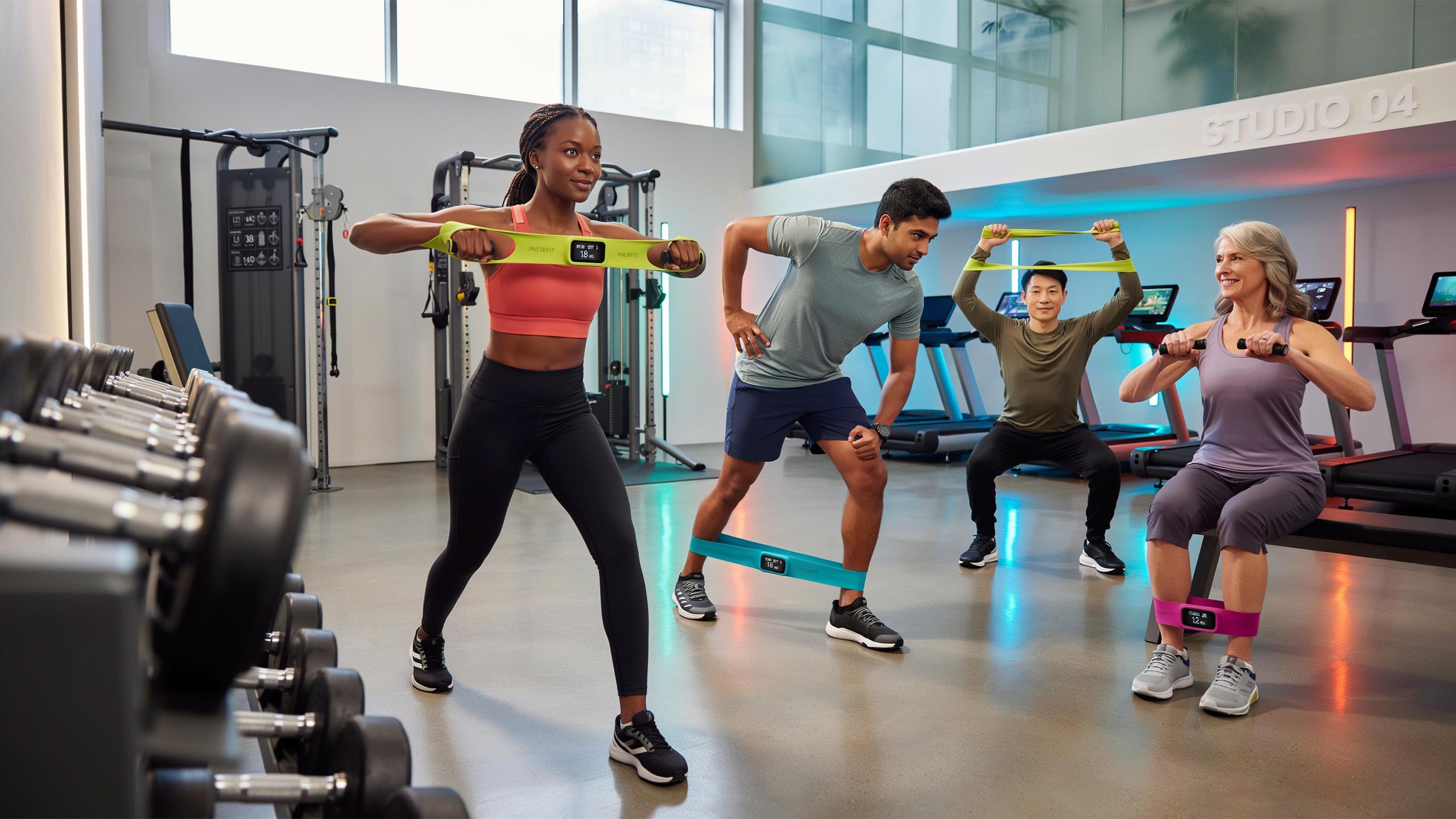
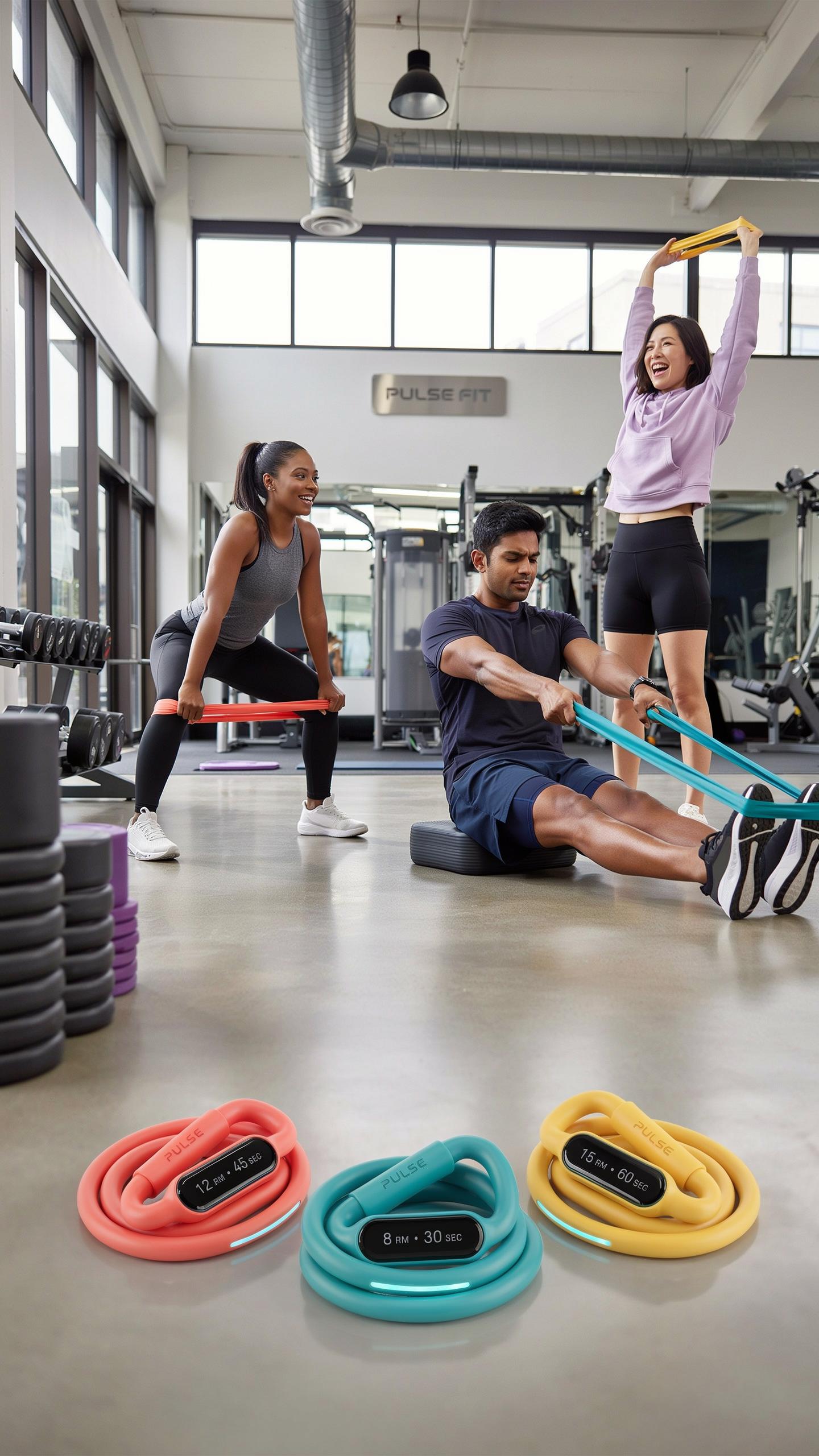
Smart resistance bands are elastic training tools equipped with embedded sensors that track movement data and connect to mobile applications via Bluetooth. The bands measure metrics like repetitions, range of motion, and force output during exercises. Accelerometers and strain gauges within the band detect motion and tension. Data transmits wirelessly to a paired smartphone or tablet where users view real-time feedback and historical performance records through dedicated apps.
The core technology relies on inertial measurement units and load cells to capture workout information. Bands require periodic charging through USB ports or battery replacement depending on the model. Manufacturers integrate these sensors into the elastic material without significantly altering the band’s flexibility or durability. The accompanying software stores data in cloud systems, allowing users to track progress over weeks and months.
How They Differ From Traditional Bands
Traditional resistance bands provide physical resistance only. They contain no electronics, sensors, or connectivity features. Users must manually count repetitions and estimate workout intensity. Form correction relies entirely on visual feedback from mirrors or training partners. Traditional bands cost significantly less and require no charging or app subscriptions.
Smart bands eliminate manual tracking by automating data collection during workouts. They provide objective measurements of performance metrics that traditional bands cannot capture. Users receive form feedback through app alerts when movement quality declines. Smart bands integrate with fitness platforms to sync data alongside other health metrics. However, smart bands cost more upfront and depend on battery life and app functionality to deliver value.

The Power Of App Tracking In Strength Training
Real Time Feedback And Performance Metrics
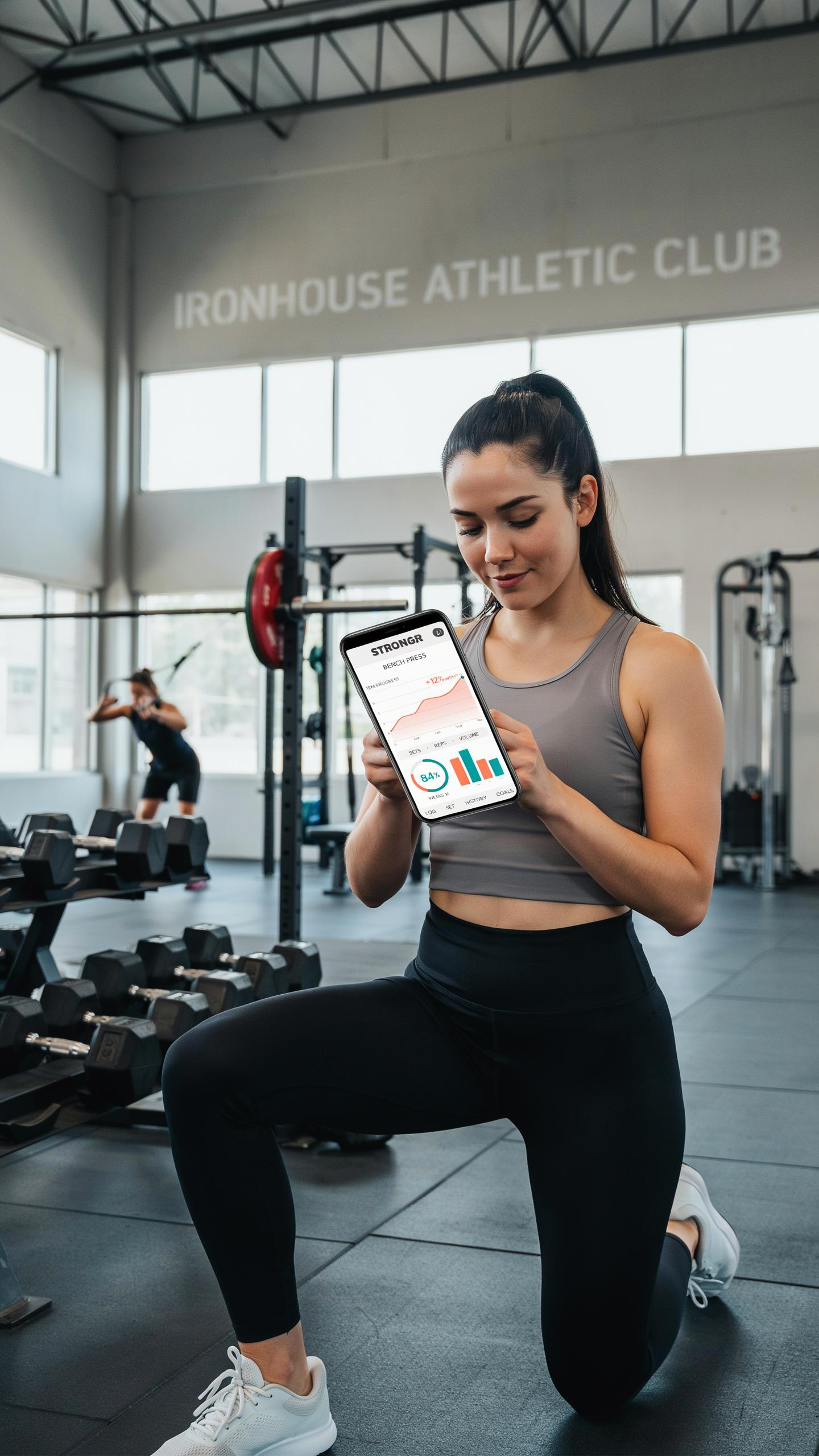
App tracking systems on smart resistance bands capture data during every rep. Sensors measure force output, velocity, and range of motion in real time. Users see immediate feedback on their phone or watch. This data tells you whether you’re lifting with proper form or cutting corners. You know your actual performance instead of guessing.
Performance metrics create accountability. Apps display total reps completed, weight resistance used, and estimated one rep max calculations. You track week to week improvements in strength and endurance. The data reveals patterns in your training consistency. Without this information, progress becomes invisible and motivation stalls.
Personalized Workout Programs And Progress Monitoring
Smart resistance band apps adapt workouts based on your performance data. The system adjusts difficulty when you complete sets too easily or struggle to finish. Personalization happens automatically as the app learns your capabilities and goals. You spend less time guessing what exercises to do next. The program evolves with your growing strength.

Progress monitoring over time shows tangible results. Apps compare current metrics against baseline measurements from weeks or months prior. Charts and graphs display strength gains in specific muscle groups. You identify which workout types deliver the best results for your body. This evidence based approach removes guesswork from training decisions.
Benefits Of Using Smart Resistance Bands With App Tracking
Enhanced Motivation And Engagement
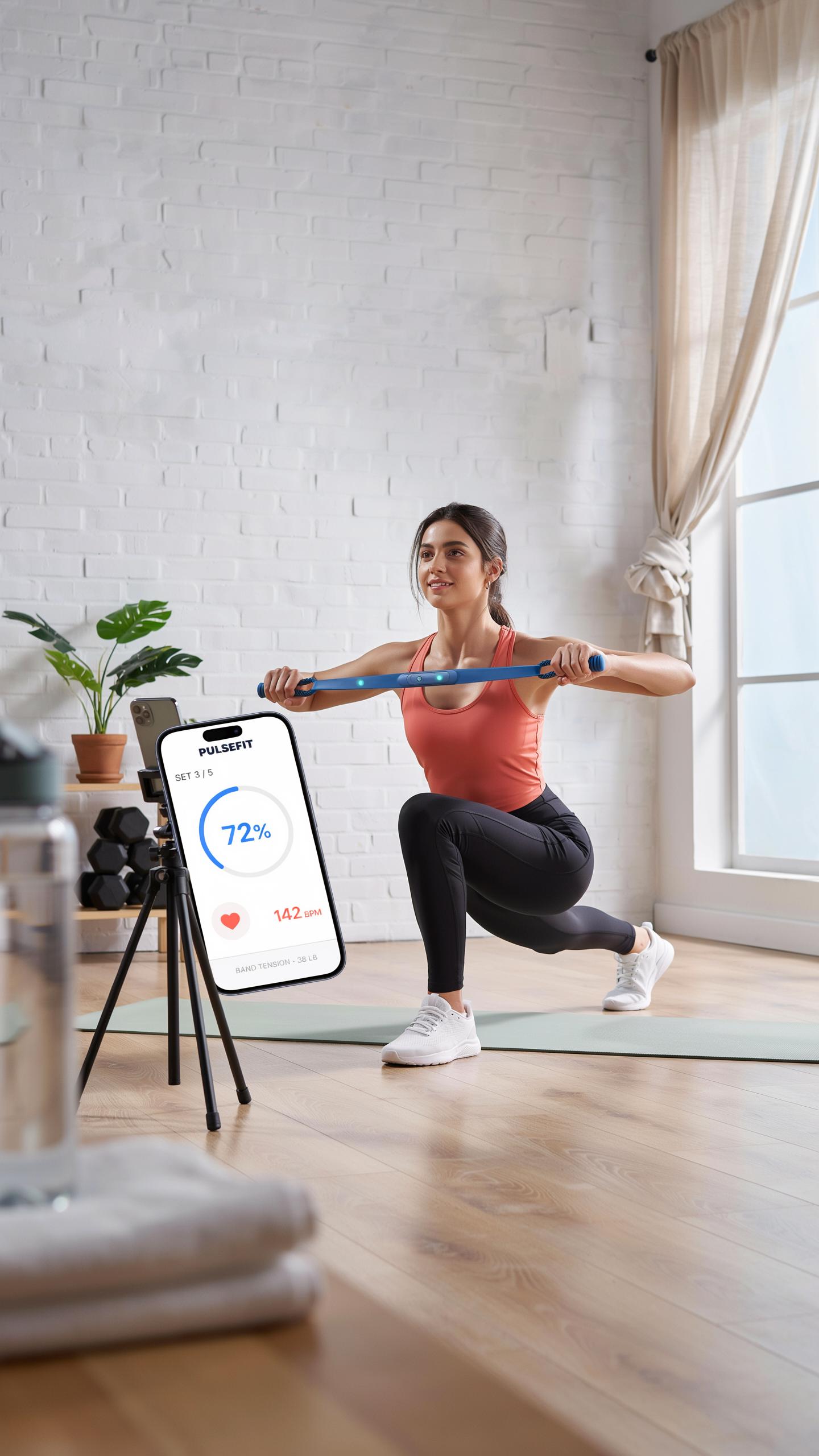
App tracking creates accountability by logging every workout session. Users see their progress in real time through rep counts, resistance levels, and workout frequency. The data becomes visible feedback that reinforces effort. This removes guesswork from training and replaces it with concrete numbers. Gamification elements in apps like achievement badges or streak counters trigger dopamine responses. Progress tracking feeds the human need to see measurable results.
Users commit longer to programs when they track data. The app becomes a training partner that records what happens inside and outside the gym. Visual progress charts show trends over weeks and months. Many users report that seeing improvement in app metrics drives them to show up for the next session. The psychological effect of tracking outperforms training without measurement.
Improved Form And Injury Prevention
Smart bands with sensors detect movement patterns during exercises. Real time feedback alerts users when form breaks down or resistance gets applied incorrectly. This immediate correction prevents compensatory movements that lead to injury. The band’s sensors measure range of motion and force distribution. Bad form gets flagged before damage occurs. Prevention costs less than recovery.

Apps provide form analysis by comparing your movement against correct technique templates. Users learn proper execution through visual cues and data driven coaching. The system identifies muscle imbalances before they cause problems. Gradual progression tracked through the app ensures users don’t jump to heavy resistance too fast. Smart progression reduces overuse injuries and tendon strain.
Choosing The Right Smart Resistance Bands
Factors To Consider Resistance Levels And Connectivity
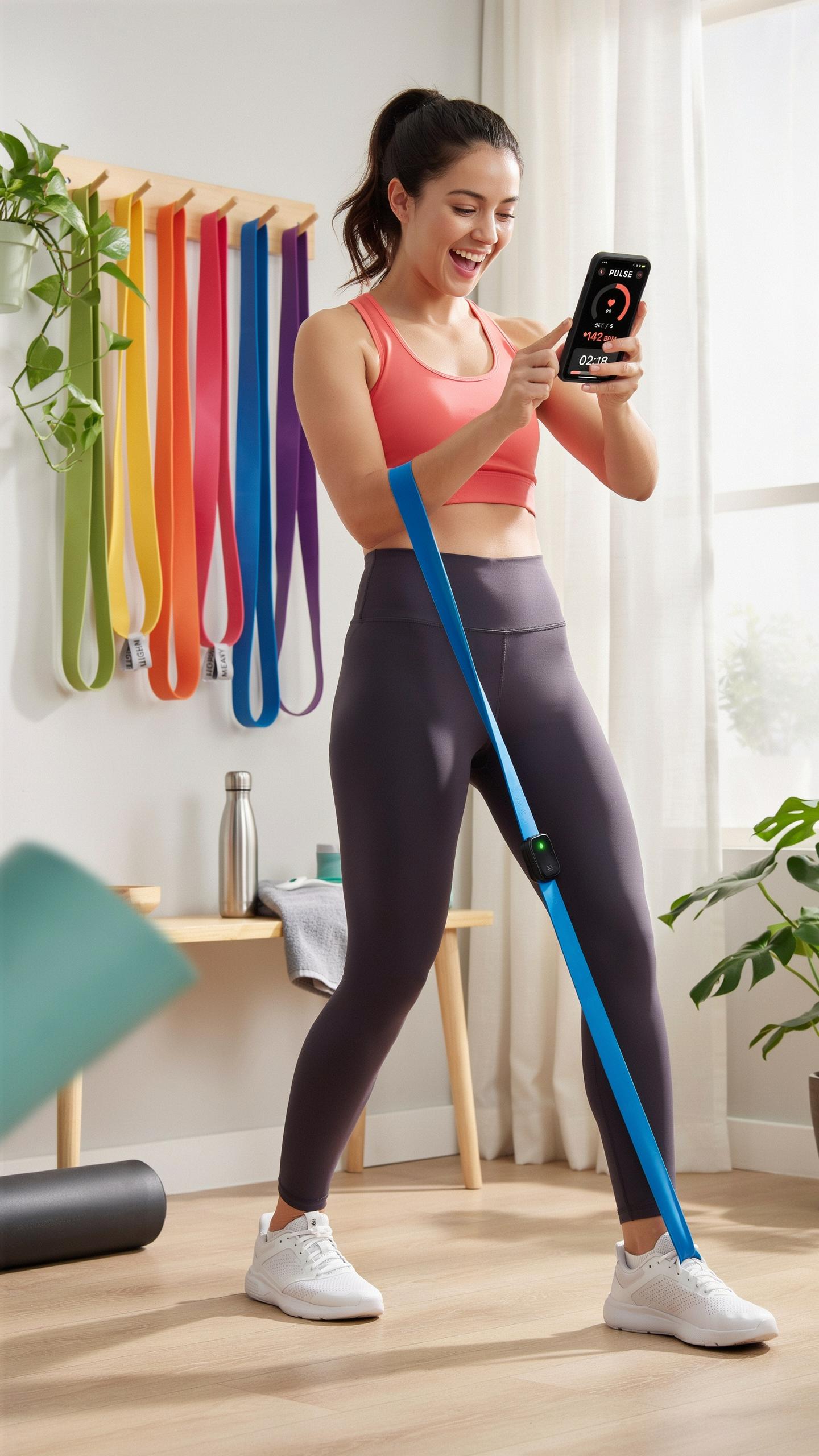
Resistance levels determine what exercises you can perform and how your strength progresses. Smart bands typically offer between two to eight resistance options per band. You need bands that match your current strength and allow progression over time. Connectivity matters because your app needs stable Bluetooth to track data accurately. Check if the band uses Bluetooth 4.0 or newer for reliable connection range.
The band’s material affects both durability and data accuracy. Latex and fabric constructions are standard in the market. Your purchase decision hinges on matching resistance capacity to your fitness level and ensuring your phone pairs reliably with the device. Weak connectivity defeats the tracking purpose entirely.
Top Brands And Features To Look For
Leading brands include Theraband, Rogue, and Wyrdeo, each targeting different user segments. Theraband focuses on rehabilitation and clinical applications. Rogue specializes in heavy-duty strength training equipment. Research the brand’s reputation for app updates and customer support before buying. App features vary significantly between manufacturers regarding exercise libraries and data analytics.

Look for bands offering real-time form feedback and exercise history tracking. The app interface should display your performance metrics without requiring multiple clicks. Battery life matters if the band uses sensors. Prioritize bands from companies that regularly update their software and maintain active customer communities for troubleshooting issues.
Integrating Smart Resistance Bands Into Your Workout

Sample Resistance Band Workout Plan
Smart resistance bands track tension, repetitions, and form data through embedded sensors or companion apps. This data reveals whether you hit target muscle groups and maintain consistent resistance throughout movements. Building a structured plan prevents wasted effort and identifies weak points in your technique.
- Upper Body Push: Chest presses, shoulder presses, and tricep extensions performed for three sets of eight to twelve repetitions with sixty to ninety second rest intervals between sets.
- Upper Body Pull: Rows, lat pulldowns, and bicep curls tracked across three sets with consistent tension feedback from your app to ensure proper activation patterns.
- Lower Body Strength: Squats, deadlifts, and glute bridges using heavier resistance levels for lower rep ranges, typically six to ten reps per set with longer rest periods.
- Core Stability: Pallof presses, wood chops, and anti-rotation holds performed with lighter resistance to prioritize form and control rather than load alone.
- Conditioning Circuits: High repetition band work combining upper and lower body movements in timed intervals to elevate heart rate while maintaining app monitored form standards.
Most users see results within two to four weeks when following a plan consistently. The app tracking removes guesswork by showing which exercises generate the most muscle engagement and which need form corrections before increasing resistance.
Progressive Overload With Smart Bands
Progressive overload requires increasing demand on your muscles systematically. Smart bands measure this through resistance level increments, repetition additions, and density improvements. The app logs baseline metrics so you track actual progress rather than relying on memory or feel alone.

Increase resistance by moving to a heavier band or layering multiple bands together when current loads become manageable for your target rep range. Add one to two reps per set weekly until you reach your goal repetitions, then jump to the next resistance level. The app highlights when you’ve stalled, showing whether form degradation or genuine strength plateaus caused the slowdown, letting you adjust strategy accordingly.
Tracking Progress And Analyzing Data With The App
Understanding Your Performance Metrics
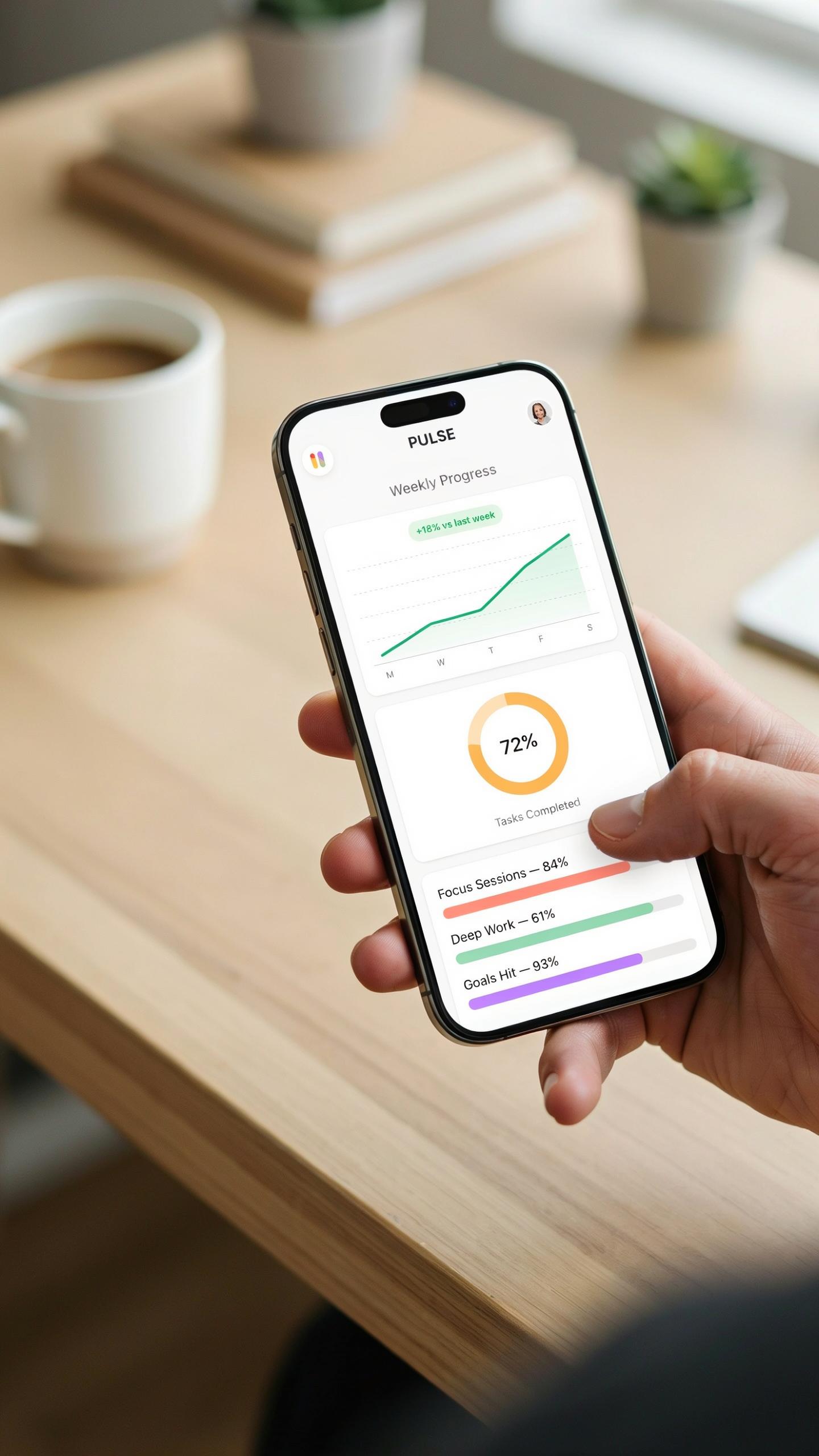
Smart resistance band apps track core workout data in real time. They measure reps completed, sets performed, total volume lifted, and time under tension. Most apps record resistance level used and rest periods between sets. This data builds a baseline of your starting point and shows measurable changes week to week.
The metrics apps capture matter because they eliminate guesswork from training. You see exactly how many reps you completed at each resistance level. Apps timestamp every workout and store historical data so you spot trends over months. This removes opinion from progress assessment and replaces it with hard numbers you can reference.
Remember when we first discovered the simple power of a band? Now, smart resistance bands are rekindling that fire, guiding us to new strength with every innovative pull.
Adjusting Your Training Based On Data
App data reveals when you plateau and need progression changes. If your reps stall for two weeks at the same resistance level, the app flags this. You then increase band resistance or add more sets to push beyond the plateau. Data-driven adjustments work faster than trial and error training approaches.

Most apps offer preset progression protocols based on your recorded data. They suggest when to increase resistance or volume based on your performance history. Some apps calculate your one-rep max equivalent and recommend training zones. You apply these recommendations immediately or adjust them based on how your body responds to actual workouts.
Overcoming Common Challenges And Maximizing Results

Troubleshooting Connectivity And App Issues
Most smart resistance band systems use Bluetooth to connect to mobile apps. Connection drops happen when devices move too far from your phone, typically beyond 30 feet. Interference from Wi-Fi routers, microwaves, and other Bluetooth devices in your training space causes intermittent signal loss. Restart both the band and your phone app to reset the connection. Check that your phone’s Bluetooth is fully enabled and that you granted the app necessary permissions.
App crashes or freezing typically stem from outdated software or insufficient phone memory. Delete the app completely, restart your device, then reinstall the latest version from your app store. Many manufacturers release updates that fix bugs and improve stability. Keep your phone’s operating system current as well, since older versions sometimes conflict with newer app builds. Contact the manufacturer’s support team if issues persist after troubleshooting, as hardware defects occasionally require band replacement or repair.
Consistency And Long Term Goal Setting
Smart bands with app tracking create accountability through data visualization. The app logs every workout session, resistance level, and rep count automatically. This historical record lets you spot patterns in your training and identify when you plateau. Set specific targets in your app, like increasing resistance by 10 percent monthly or adding five reps per week. Review your progress every two weeks to adjust difficulty and maintain momentum forward.

Long-term results require training frequency that matches your recovery capacity. Most users see measurable strength gains with three to four sessions per week across different muscle groups. The app reminds you of scheduled workouts and tracks rest days between sessions targeting the same muscles. Build streaks gradually rather than starting intense and burning out. Track metrics like total volume lifted monthly rather than daily performance, which fluctuates based on sleep and nutrition.
The Future Of Smart Resistance Bands And Fitness Technology

Emerging Trends And Innovations
Smart resistance bands are moving toward real-time biometric feedback integration. Current systems measure tension and repetitions. Next-generation bands will capture muscle activation patterns, fatigue indicators, and force output with greater precision. Manufacturers are investing in sensor miniaturization to reduce band weight while maintaining accuracy. Material science advances enable conductive fibers that transmit data without adding bulk or compromising durability.
Artificial intelligence will drive personalized workout adaptation. Apps will analyze performance data and adjust rep recommendations, rest periods, and resistance levels mid-session. Machine learning models will identify form degradation before injury occurs. Cloud storage allows long-term pattern analysis across months and years. This shift moves training from static programs to dynamic, individual response systems.
Potential For Integration With Other Wearables
Smart resistance bands connect with smartwatches, fitness trackers, and chest straps to create unified data ecosystems. This integration eliminates manual data entry and cross-references heart rate, sleep quality, and recovery metrics against strength training performance. Seamless connectivity reduces friction between devices and increases user compliance. Open API standards enable third-party apps to access band data without proprietary limitations.

Holistic training platforms will emerge that synthesize resistance band metrics with cardio data, nutrition tracking, and recovery tools. Users gain complete visibility into how strength training impacts overall fitness outcomes. Wearable integration allows coaches and trainers to access real-time client data during remote sessions. This convergence transforms isolated workout tracking into comprehensive performance management systems.
Resistance Band Workout Plan A Comprehensive Guide

Designing Your Personalized Routine
Smart resistance bands with app tracking collect real-time data on your force output, range of motion, and repetition count. This data feeds into algorithms that adjust workout difficulty based on your actual performance, not guesswork. The app learns your baseline and modifies exercises automatically. You stop wasting time on routines that don’t match your current capacity.
Your app tracks which muscle groups you’ve trained and how intensely. It prevents overuse injuries by flagging when you’ve hit a muscle group too hard in a short timeframe. The system recommends recovery days and suggests alternative exercises that hit different muscle groups while your primary areas recover. This prevents plateaus and keeps you moving forward.
Advanced Exercises For Strength And Growth
Progressive overload drives muscle growth. Smart bands measure tension throughout each repetition, not just at the peak. The app identifies weak points in your range of motion where you lose force production. You can then target those specific angles with band exercises that isolate the problem area. This precision beats generic training programs.
The app pairs advanced exercises with load recommendations based on your strength curve. It tracks velocity of movement across sets, flagging fatigue before it compromises form. When velocity drops below your threshold, the system signals that technique breaks down and suggests ending the set. This maintains quality reps while maximizing growth stimulus without injury risk.
Frequently Asked Questions

What exactly are smart resistance bands and how do they differ from regular resistance bands?
Smart resistance bands are traditional resistance bands integrated with sensors and often paired with an app. Unlike basic bands, they provide real-time feedback on your workout, tracking metrics like reps, resistance force, and even form. This data helps you optimize your training and ensures effective muscle engagement, taking your home workouts to the next level.
How do I connect and use smart resistance bands with app tracking for my workouts?
Connecting smart resistance bands with app tracking is typically straightforward. Most bands pair via Bluetooth to their dedicated app on your smartphone or tablet. Once connected, the app guides you through exercises, tracks your performance metrics automatically, and often provides personalized workout plans based on your goals and progress.
Are smart resistance bands an expensive investment compared to traditional options, and are there budget-friendly choices?
While smart resistance bands can have a higher initial cost than basic bands, they offer enhanced features like app tracking and personalized feedback. However, the market offers a range of options. You can find excellent budget-friendly smart resistance bands that still provide valuable data and improve your strength training without breaking the bank.