
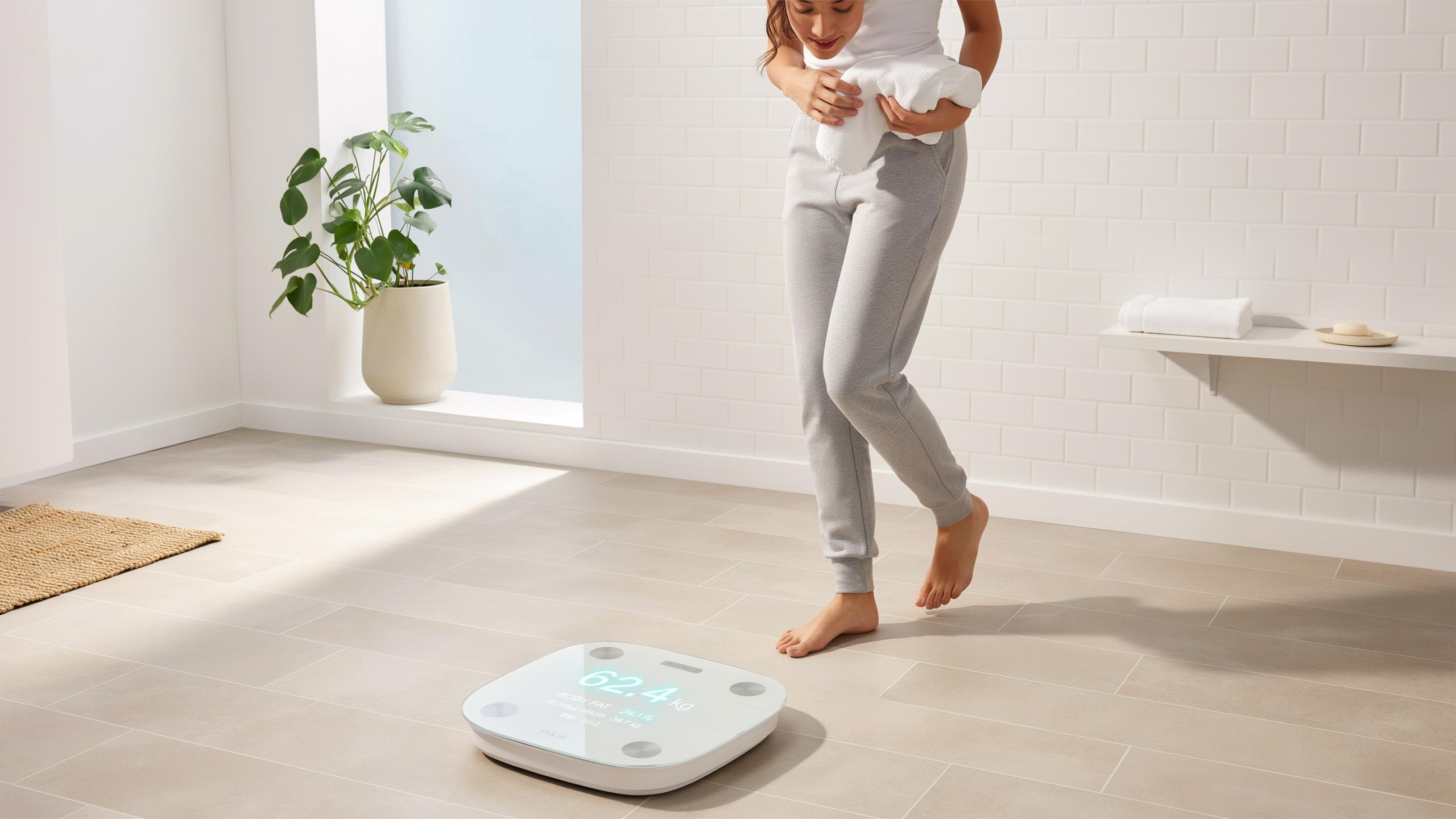
What Is A Smart Scale And How Does It Work
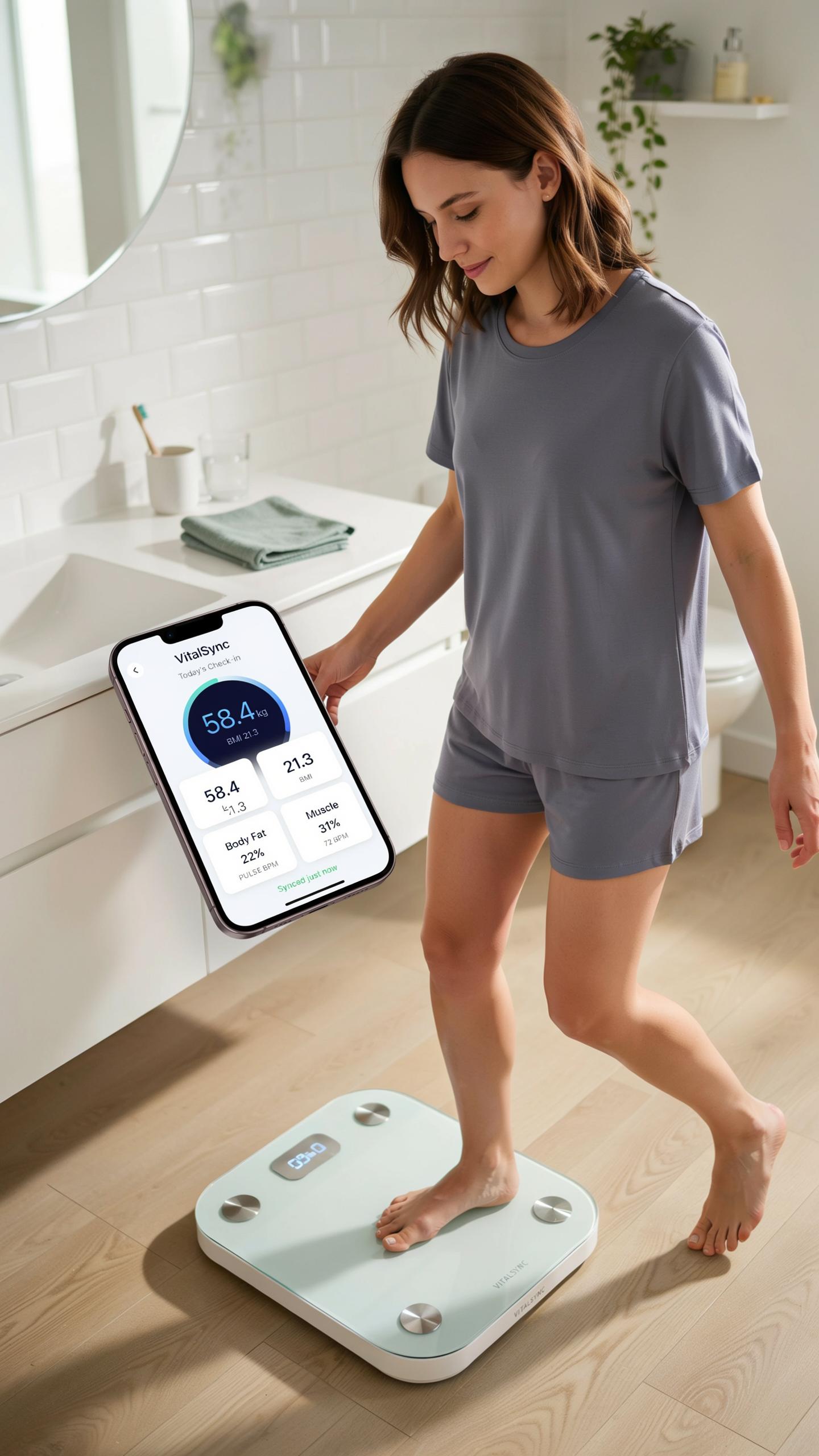
Smart Scale Definition
A smart scale is a connected device that measures your weight and body composition using electrical signals. It transmits data to your smartphone or computer through Wi-Fi or Bluetooth. The scale stores your history and syncs with health apps to track changes over time. This replaces traditional scales that only show total weight with no useful breakdown.
Smart scales give you metrics beyond weight: body fat percentage, muscle mass, bone density, and water weight. Beginners benefit from this data because weight alone masks what’s actually changing in your body. You might gain muscle while losing fat, yet the scale shows no change. These devices reveal the real picture of your progress.
Bioelectrical Impedance Explained
Bioelectrical impedance analysis, or BIA, is the technology most smart scales use to estimate body composition. The device sends a harmless electrical current through your body. Different tissues conduct electricity at different rates. Muscle conducts electricity easily. Fat resists it. The scale measures how much current flows and calculates your body composition from that resistance.
The current used in smart scales is too small to feel or cause harm. It travels up through one leg and down the other, measuring impedance during that path. The scale applies mathematical formulas based on your age, height, and gender to convert impedance readings into percentages. Results vary based on hydration levels, meal timing, and exercise, so measurements work best when taken under consistent conditions.

Understanding Body Composition Why Weight IsnT Everything

Components Of Body Composition
Your body contains three primary components that a smart scale measures to give you real insight into your physical state. Body fat is stored energy that your body carries. Muscle mass is the tissue that powers movement and burns calories at rest. Bone density reflects mineral content in your skeletal structure, which affects overall structural integrity and metabolic health.
A scale that only shows total weight masks these critical differences. Two people at identical weights can have vastly different body compositions. One person may carry excess fat while another maintains high muscle mass. Smart scales separate these components to show your actual body makeup, not just a number.
Even the longest journeys begin with a single step, and now, with gentle insights, you can truly understand the path your body is taking.
Health Implications
Body composition directly determines your metabolic rate and disease risk. High muscle mass increases calories burned throughout the day without exercise. Excess body fat, particularly around organs, correlates with metabolic disorders and cardiovascular strain. Bone density impacts fracture risk and long-term skeletal health as you age.

Tracking body composition reveals whether your health efforts work. Weight alone cannot tell you if you gained muscle or fat. A smart scale shows whether diet changes improved your metabolic markers. This data guides real decisions about nutrition, training, and recovery strategies.
Key Metrics Tracked By A Smart Scale Beyond Body Fat

Body Fat Percentage
Body fat percentage tells you what portion of your total weight is fat tissue versus lean mass. Smart scales estimate this using bioelectrical impedance analysis, which sends a mild electrical current through your body and measures resistance. The reading depends on hydration level, so timing matters. Measurements taken at different times of day vary by several percentage points.
Most smart scales display body fat percentage as a single number, but context matters more than the number itself. For adults, healthy ranges typically fall between 18 to 24 percent for women and 10 to 20 percent for men, though these ranges shift with age. Track your percentage over weeks and months rather than obsessing over daily fluctuations. Consistency in measurement conditions produces more useful data than individual readings.
Muscle Mass And Hydration Levels
Muscle mass represents the weight of your skeletal muscles, organs, and connective tissue. Smart scales calculate this by subtracting fat weight from total weight. Tracking muscle mass matters because it correlates with metabolism, strength, and injury resistance. Most people lose muscle with age unless they actively strength train and consume adequate protein.

Hydration levels determine how efficiently your body conducts electricity, directly affecting the accuracy of body composition estimates. A smart scale measures water content by analyzing electrical conductivity. Dehydration inflates fat percentage readings and deflates muscle mass readings. Consistent hydration status before weigh-ins produces more reliable trend data than sporadic measurements across varying hydration states.
Choosing Your First Smart Scale Features For Beginners
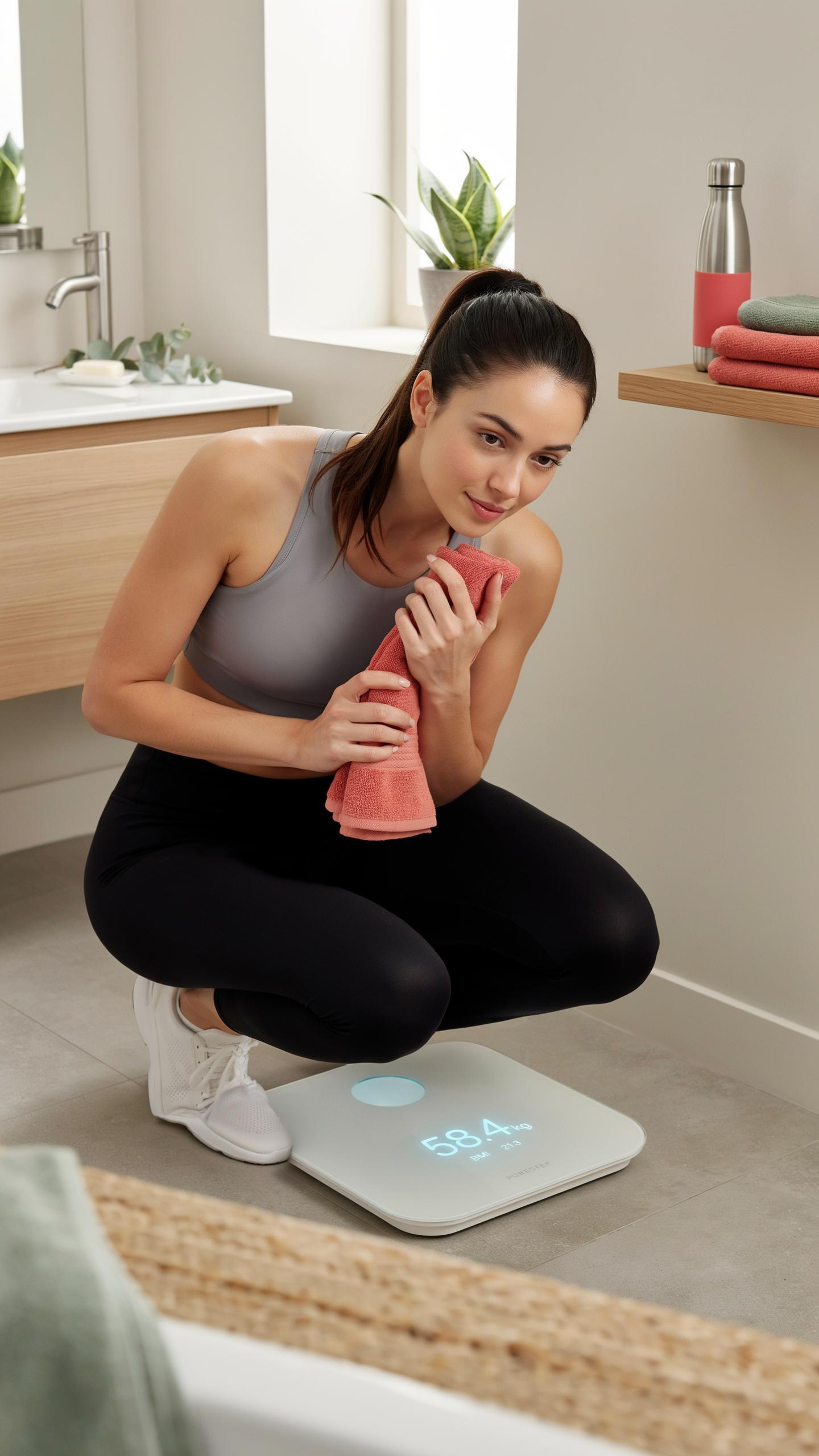
Ease Of Use
Setup time matters. Beginners need scales that connect to apps within minutes, not hours. Look for models with simple Bluetooth pairing and clear on-screen prompts. Scales that require minimal calibration steps reduce setup friction. The fewer variables you control manually, the faster you start tracking progress.
Weight capacity and platform stability affect daily use. Choose scales with a flat, non-slip surface and weight limits that accommodate your current weight plus room for change. Easy-to-read displays eliminate guesswork. Scales that auto-sync data to your phone remove the burden of manual logging. Simple is faster. Simple is better.
Essential Measurements
Body fat percentage and muscle mass form the foundation of composition tracking. These two metrics show whether weight changes come from fat loss or muscle gain. Water weight and bone density measurements add context but aren’t critical for beginners. Focus on metrics that directly answer the question: am I losing fat or gaining muscle?

Weight alone tells you nothing about body composition. A beginner needs metrics that reveal what’s actually changing beneath the scale number. Muscle weighs more than fat, so total weight can stay flat while your body transforms. Prioritize scales offering body fat percentage and muscle mass as core features. Everything else is supplementary data.
Smart Scale With App Integration Seamless Data Tracking
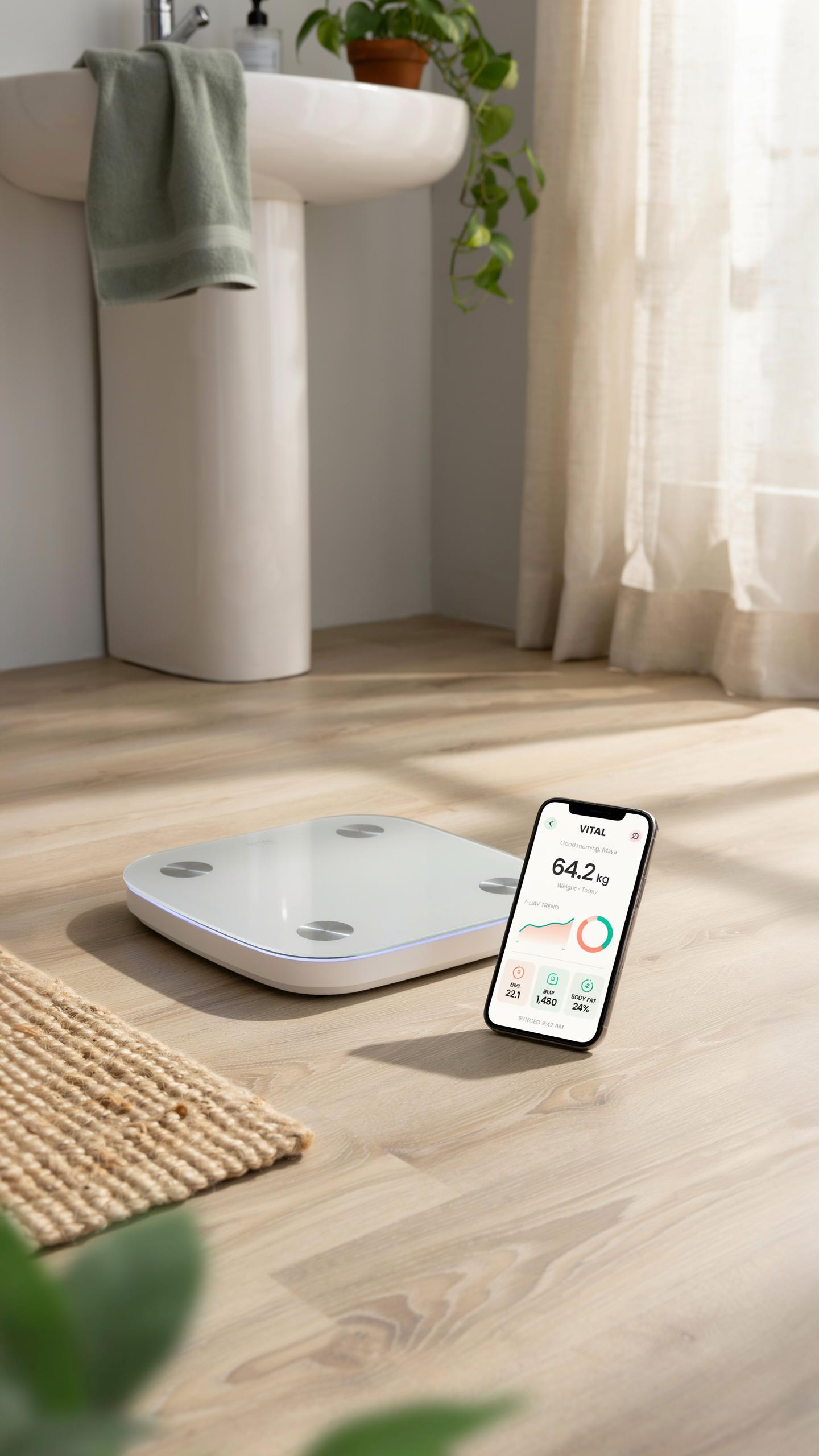
Syncing With Apps
Most smart scales connect to companion apps through WiFi or Bluetooth. The scale transmits weight and body composition data directly to your phone after each measurement. Setup requires downloading the manufacturer’s app, creating an account, and pairing the device through the app’s settings menu. This eliminates manual data entry and creates an automatic record of your measurements over time.
Integration with popular health platforms like Apple Health, Google Fit, and MyFitnessPal extends your data’s utility. Many smart scales sync to these third-party apps, allowing you to consolidate health information across multiple services. This connectivity matters if you already track calories, workouts, or other metrics in existing apps. Direct integration saves time and prevents data silos across different platforms.
Data Visualization
App dashboards display your metrics in charts and graphs that show trends over days, weeks, and months. You see weight progression as a line graph, body fat percentage changes as visual indicators, and muscle mass shifts through comparative breakdowns. These visual formats reveal patterns that raw numbers alone cannot. Trending data helps you identify whether your efforts produce results or require adjustment.

Most apps allow customization of which metrics appear on your home screen and what time period you review. You can zoom into specific weeks or expand to view six-month progressions. Some platforms generate automated insights by flagging significant changes or milestones you achieve. This targeted approach lets beginners focus on meaningful progress without information overload.
Integrating With Apple Health And Other Health Trackers
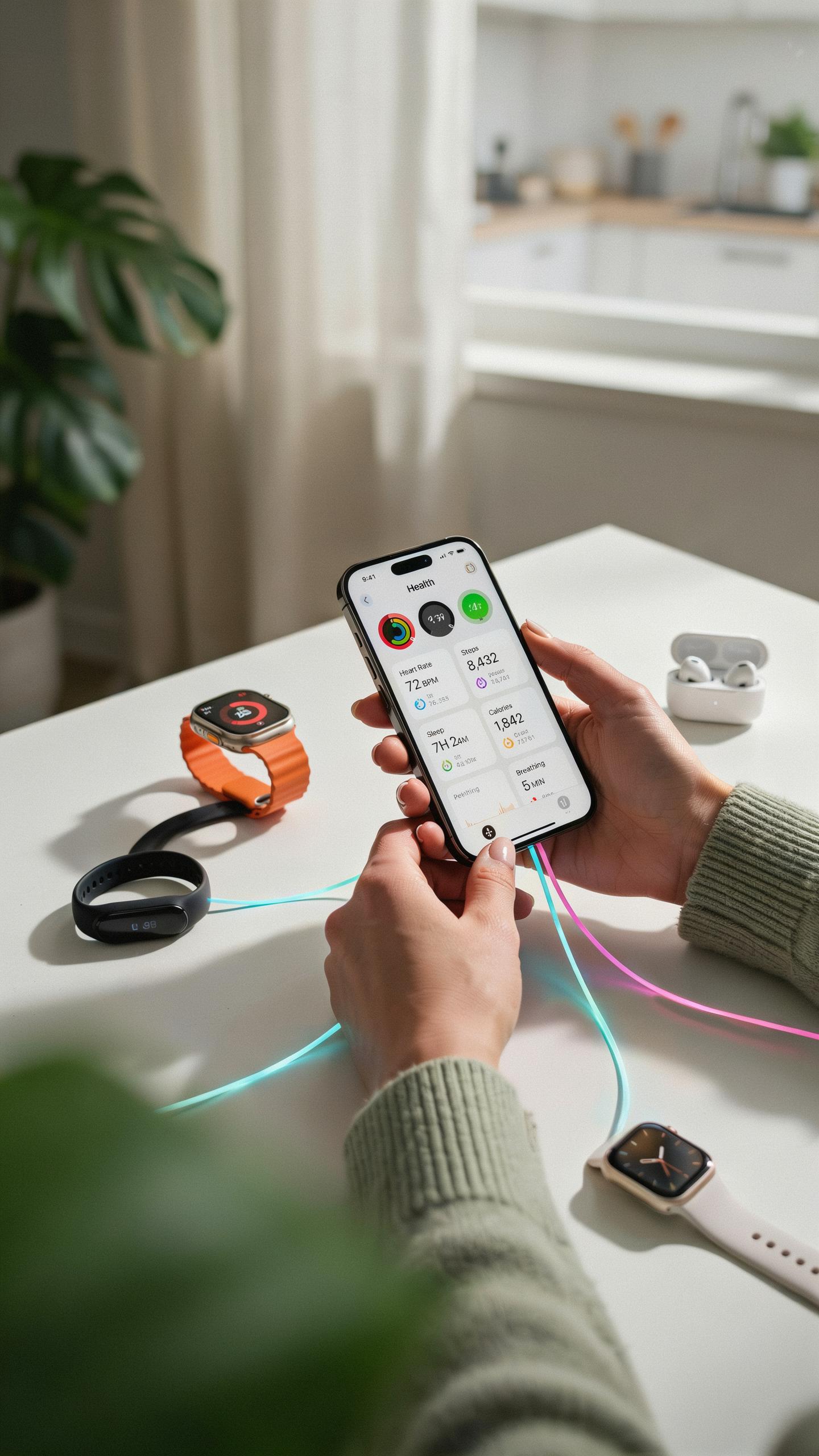
Apple Health Ecosystem
Most smart scales that track body composition sync directly with Apple Health through their native apps. This connection pulls your weight, body fat percentage, muscle mass, and bone density into one central dashboard. Apple Health acts as the hub. Data flows in automatically after each weigh-in without manual entry. You avoid redundant logging and maintain an accurate historical record across months and years.
The integration works because Apple Health uses standardized health data categories. Your scale app communicates with Apple Health using these categories as a bridge. Other Apple apps like Fitness and Workouts pull this body composition data for context. You see how your muscle mass correlates with your workout intensity. This unified view eliminates data silos and gives you a complete picture of your physical progress.
Cross Platform Compatibility
Smart scales work with Android devices, Fitbit, Garmin, and Strava through their respective ecosystems. Each platform handles data differently. Android users typically access body composition data through Google Fit or their scale manufacturer’s standalone app. Fitbit users see body composition metrics within the Fitbit app if their scale brand integrates with Fitbit’s API. You must verify compatibility before purchasing because not all scales work with all platforms.

Third party apps like IFTTT enable workarounds when direct integrations don’t exist. These automation tools push your scale data to multiple platforms simultaneously. The setup requires manual configuration but gives you flexibility across ecosystems. Some scales offer their own cloud storage and export options as fallback methods. Check the scale’s specifications for supported platforms before committing to avoid integration headaches later.
Beyond BMI A More Comprehensive Health Picture With A Body Fat Scale
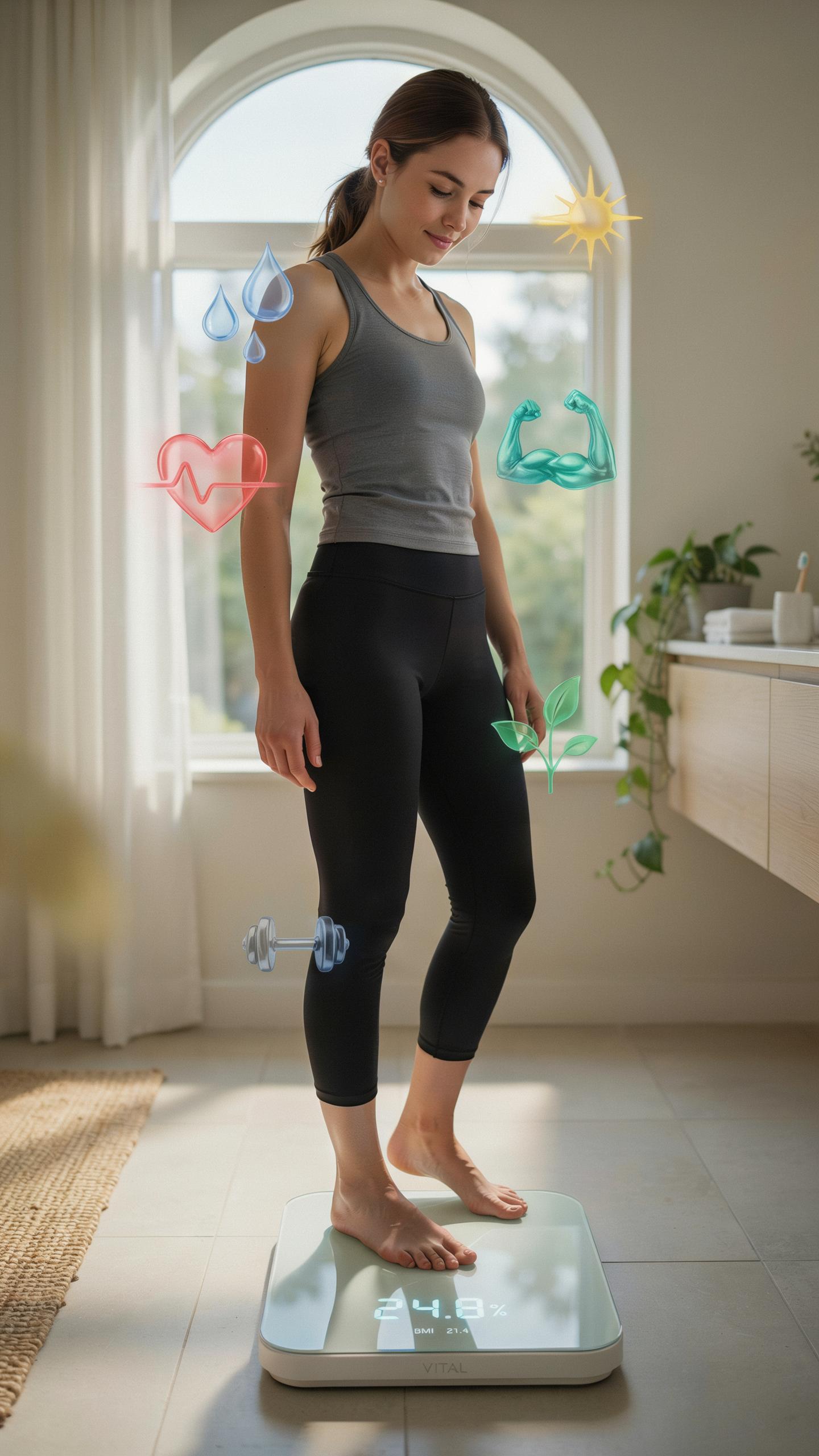
Limitations Of BMI
BMI calculates weight relative to height using a single formula. It cannot distinguish between muscle and fat. Two people with identical BMI values may have completely different body compositions. Athletes often register as overweight or obese on BMI charts despite having low body fat percentages. This metric fails to account for age, bone density, or muscle mass distribution.
BMI also ignores metabolic health markers that directly impact disease risk. Someone with normal BMI can still carry dangerous visceral fat around organs. The measurement provides no insight into cardiovascular fitness or metabolic function. Healthcare providers increasingly recognize BMI as a starting point only, not a complete health assessment.
Advantages Of Body Fat Scale
A body fat scale measures the percentage of your total weight that consists of fat tissue. This breaks down your weight into fat mass and lean mass, revealing your actual body composition. You can weigh the same but improve your body composition by gaining muscle and losing fat. Body fat percentage correlates more directly with health outcomes than BMI alone. The scale provides actionable data on whether changes in weight reflect muscle gain or fat loss.

Body fat scales also track trends over time, showing whether your fitness efforts are working. You receive specific metrics about visceral fat levels, which indicate organ health risk. This data helps you set realistic goals based on your actual composition, not arbitrary BMI ranges. Beginners gain clarity on whether their training program builds muscle or simply reduces calories.
Maximizing Your Smart Scale Data Tips For Beginners
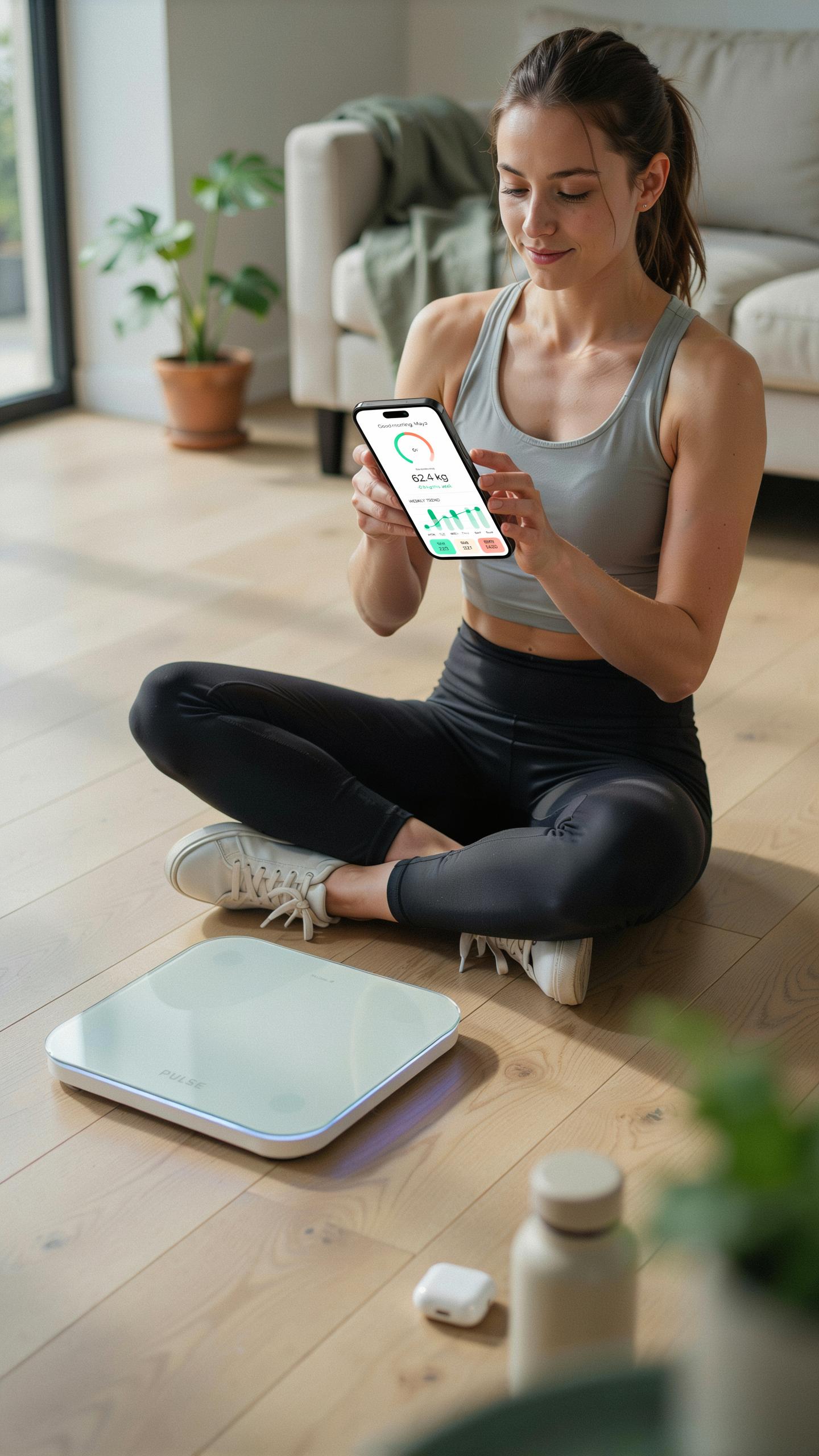
Consistent Measurements
Measurement consistency determines data reliability. Weigh yourself at the same time each day, preferably in the morning before eating or drinking. Use the same scale in the same location. Wear minimal clothing. Stand on the scale the same way each time. These variables control for water retention fluctuations and ensure your body composition readings reflect actual changes rather than timing artifacts.
Smart scales measure body composition through bioelectrical impedance analysis. This method sends electrical signals through your body to estimate muscle, fat, and water percentages. Hydration status directly affects impedance readings. Dehydration artificially inflates fat percentage estimates while overhydration deflates them. Consistency in measurement timing eliminates these variables, making week-to-week comparisons valid and actionable for tracking progress.
Setting Realistic Goals
Your smart scale data reveals trends, not daily victories. Track metrics over weeks and months rather than obsessing over daily fluctuations. Body composition changes slower than scale weight changes. Realistic beginners should expect to shift body composition by one to two percent monthly through proper diet and exercise. Use your scale’s trend data to validate whether your current approach works or requires adjustment.

Smart scales measure multiple metrics including body fat percentage, muscle mass, bone density, and water weight. Prioritize one metric aligned with your primary goal. If building muscle matters most, track muscle mass trends. If losing fat matters most, focus on fat percentage changes. Ignore metrics unrelated to your objective. This focus prevents confusion and keeps your strategy clear when interpreting the data your scale provides.
Common Questions About Smart Scales And Body Composition

Accuracy Concerns
Smart scales use bioelectrical impedance analysis to estimate body composition. The technology sends a weak electrical current through your body and measures resistance. This method works reasonably well for tracking trends over time, but individual readings carry a margin of error ranging from 3 to 5 percent compared to lab-grade methods like DEXA scans.
Multiple factors skew readings on any given day. Hydration status, meal timing, exercise, menstrual cycle, and skin conductivity all affect results. Smart scales work best when you measure under consistent conditions, like first thing in the morning. Treat individual numbers as reference points, not absolutes. The real value comes from watching patterns over weeks and months.
Who Benefits Most
People tracking fitness progress gain the most from body composition scales. These users want to distinguish between fat loss and muscle gain, which regular scales cannot show. Athletes, individuals in strength training programs, and those managing weight loss benefit from this specific data point over time.
People with basic health goals should consider their needs before buying. If you simply want to monitor overall weight, a standard scale suffices and costs less. Body composition scales make sense when you’re actively changing your body through exercise and need actionable feedback. Beginners starting a structured fitness program get meaningful insights that motivate continued effort and adjustment.
Frequently Asked Questions

What exactly is body composition, and why should I track it with a smart scale?
Body composition refers to the proportion of fat, bone, muscle, and water in your body, rather than just overall weight. Tracking it with a smart scale that tracks body composition gives you a more comprehensive understanding of your health, helping you set more effective fitness and wellness goals beyond just numbers on a traditional scale.
How do I properly use a smart scale that tracks body composition to get accurate readings?
For the most accurate results from a smart scale that tracks body composition, step on it barefoot and ensure your feet are centered on the sensors. Weigh yourself at the same time each day, ideally in the morning before eating or drinking, and after using the restroom. Consistency is key for reliable data trends.
Are there affordable smart scales that track body composition for those on a budget?
Absolutely! Many reputable brands offer smart scales that track body composition at various price points, including very budget-friendly options. While high-end models have more features, you can still find reliable and accurate scales under $50 that provide essential body composition metrics to start your wellness journey.