
Why A Mini Bluetooth Speaker Is Your Backpacking Essential
Portability And Convenience
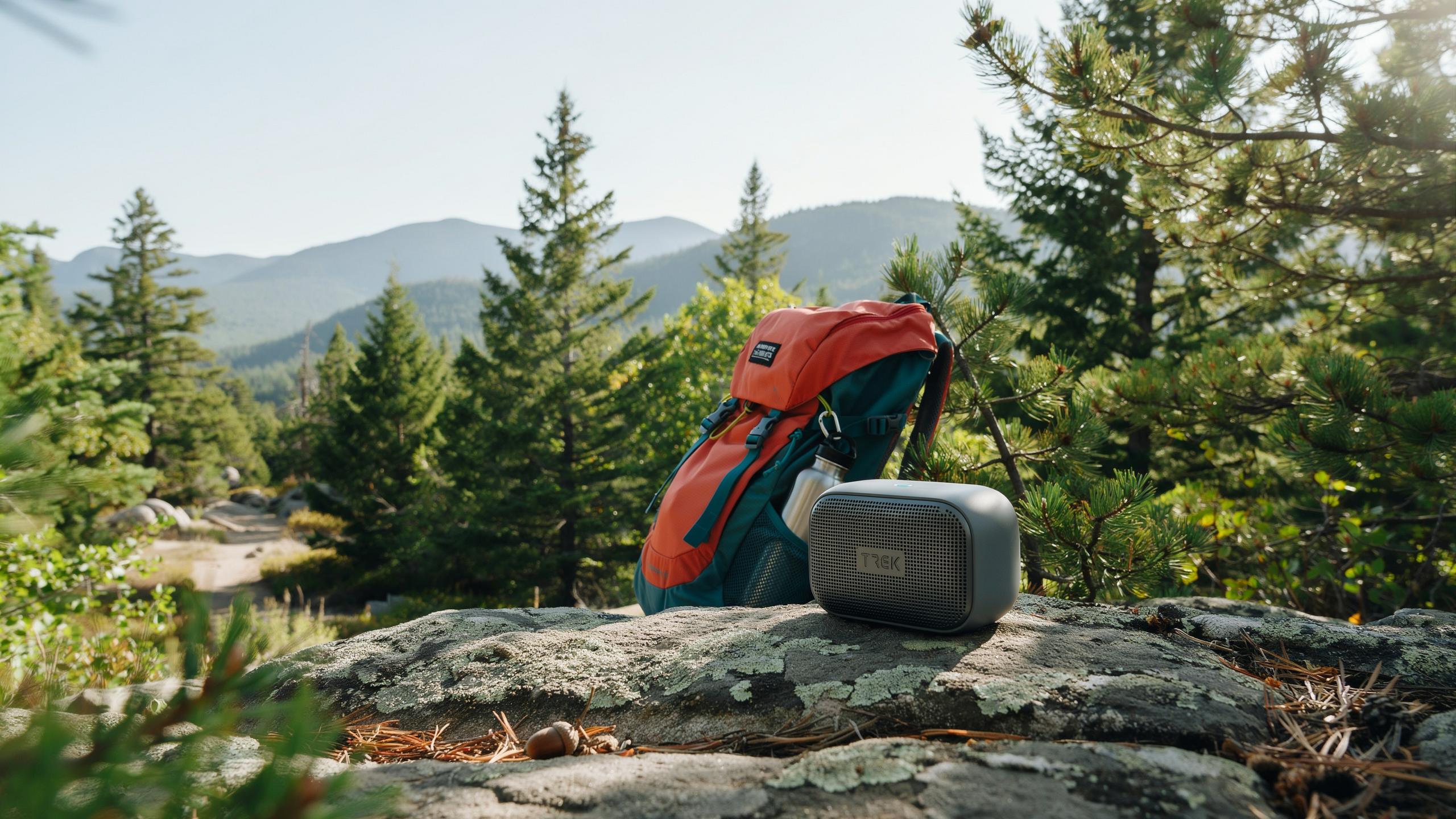
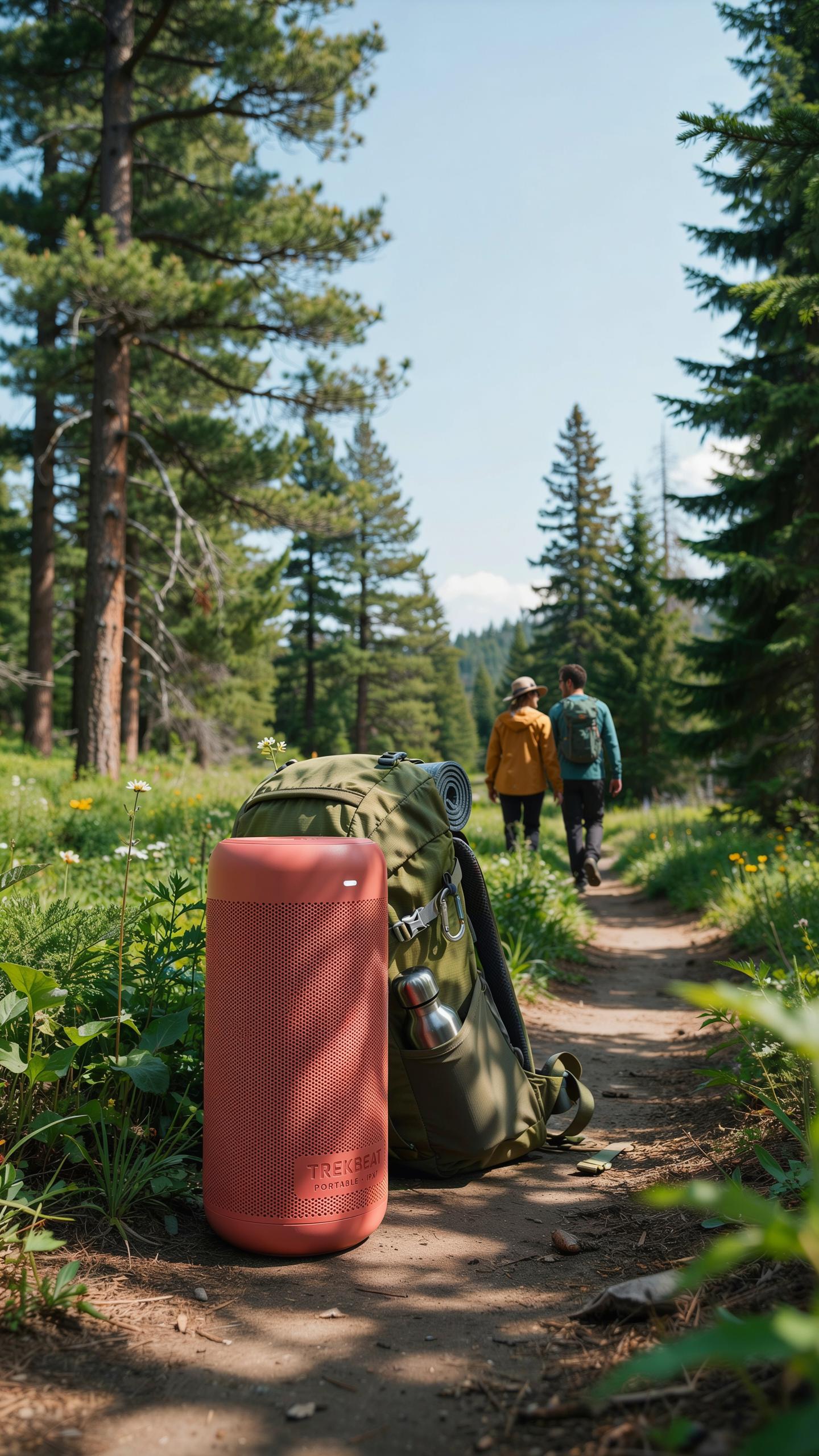
A mini Bluetooth speaker weighs between 200 to 600 grams, which fits inside any backpack without consuming significant space or adding noticeable weight. Most models measure roughly 10 to 15 centimeters in length, allowing you to stash one in a side pocket or attach it to your pack’s exterior loop. The compact form factor means you carry audio capability without trade-offs.
Battery life on these devices ranges from 8 to 20 hours depending on the model and volume settings. You charge them via USB-C or micro USB before departure, and they stay powered through multiple days of backpacking. This eliminates the need for extra batteries or power banks dedicated solely to audio playback.
Enhancing The Outdoor Experience
Music and podcasts serve practical functions during outdoor activities. They provide motivation during uphill sections, fill silence at camp, and create structure for downtime between hiking segments. Audio content keeps your mind engaged during repetitive activities like setting up camp or preparing meals.
Podcasts and audiobooks offer learning opportunities while you move through wilderness. You absorb information about local geography, wildlife, or history without carrying additional weight. Group experiences also benefit from a speaker at basecamp, enabling shared entertainment during evening hours when natural light fades.

Key Features To Look For In Wireless Speakers Portable

Battery Life And Charging Options
Battery life determines how many days your speaker functions without power. On multi-day trips, you need minimum 8 to 10 hours of continuous playback. Speakers with 12 to 20 hours last through extended backcountry use. Check the wattage and volume settings, as higher volumes drain batteries faster than lower output levels.
Charging methods matter on the trail. USB-C charges faster than micro-USB and works with most modern power banks. Solar charging adds flexibility but works slowly on cloudy days. Some speakers accept both standard charging and solar inputs. Carry a portable power bank rated 10,000 to 20,000 mAh to recharge your speaker multiple times without returning to base camp.
Durability And Waterproofing
IP ratings indicate protection levels against water and dust exposure. IPX7 means the speaker survives 30 minutes submerged in one meter of water. IPX6 handles heavy rain and splashes but fails under submersion. Most backpacking speakers fall into the IPX6 to IPX7 range. Choose IPX7 minimum for trips near lakes, rivers, or wet environments.

Rugged materials protect speakers from drops and impacts. Rubber or silicone exterior coatings absorb shock without adding significant weight. Aluminum frames provide structural integrity. Test drop resistance ratings before purchase, as manufacturers differ in testing standards. Speakers rated to survive 3 to 6 foot drops handle typical backpacking accidents on rocks and terrain.
Understanding Bluetooth Speakers Portable Technology
Bluetooth Connectivity Range And Stability
Standard Bluetooth speakers operate within a range of 30 to 100 feet, depending on the version and power class. Bluetooth 5.0 delivers extended range compared to older versions. Obstacles like trees, rock formations, and terrain significantly reduce effective distance. Backpackers should test their speaker’s range before departure to understand real-world performance on trail.
Outdoor environments introduce interference from weather, elevation changes, and competing wireless signals. Rain and moisture don’t block Bluetooth but can degrade signal strength. Line of sight between device and speaker maintains the strongest connection. Carrying your phone within 50 feet of the speaker ensures reliable playback without constant dropouts during backcountry use.
Sound Quality Vs Size
Compact speakers sacrifice bass response and volume capacity due to small driver size and limited internal space. A 2 to 3 inch speaker cannot reproduce low frequencies effectively. Backpackers gain portability but lose the depth larger speakers deliver. Understanding this tradeoff prevents disappointment when expecting bass-heavy performance from a device weighing under 300 grams.

Manufacturers maximize clarity by using passive radiators and resonance chambers to simulate larger acoustics. Mid and high frequencies remain crisp in quality mini speakers despite size constraints. Positioning the speaker away from your body and toward open space improves perceived sound quality. Accept that mini speakers excel for podcasts, audiobooks, and vocals rather than bass-dependent music genres.
Choosing The Right Mini Active Speaker For Your Adventure
Comparing Popular Models (E.G., Onn Small Rugged Speaker)
The Onn Small Rugged Speaker delivers core backpacking essentials at accessible price points. It weighs under one pound, floats in water, and handles drops from moderate heights. Battery runtime reaches approximately eight hours on a single charge. The speaker outputs enough volume for group camping situations without distortion at maximum levels. Its rugged design tolerates temperature swings and moisture exposure typical of outdoor environments.
When evaluating the Onn against competitors, focus on actual runtime versus manufacturer claims. Real-world testing shows it performs consistently in cold weather, unlike some premium models that lose capacity below fifty degrees Fahrenheit. The trade-off is audio fidelity. The Onn prioritizes durability and reliability over sound quality. For backpacking, this alignment makes practical sense since you prioritize functionality over concert-grade audio reproduction on the trail.
Budget Friendly Vs. Premium Options
Budget speakers under thirty dollars survive backpacking trips but require realistic expectations. They produce lower maximum volume and often sacrifice battery efficiency. Most last four to six hours per charge. They excel for personal listening or small groups in quiet settings. Premium models starting at sixty dollars add water resistance ratings, extended battery life, and consistent output across frequency ranges.

The spending threshold that matters falls between forty and sixty dollars. At forty dollars, you secure meaningful durability upgrades and reliable eight hour battery performance. Spending beyond sixty dollars returns diminishing gains for backpacking use. Those extra dollars fund features like multiday battery life or studio grade audio that backpackers rarely need. Match your budget to trip duration and group size rather than chasing unnecessary features that add weight and cost.
The Importance Of A Waterproof Speaker In The Wild
IP Ratings Explained
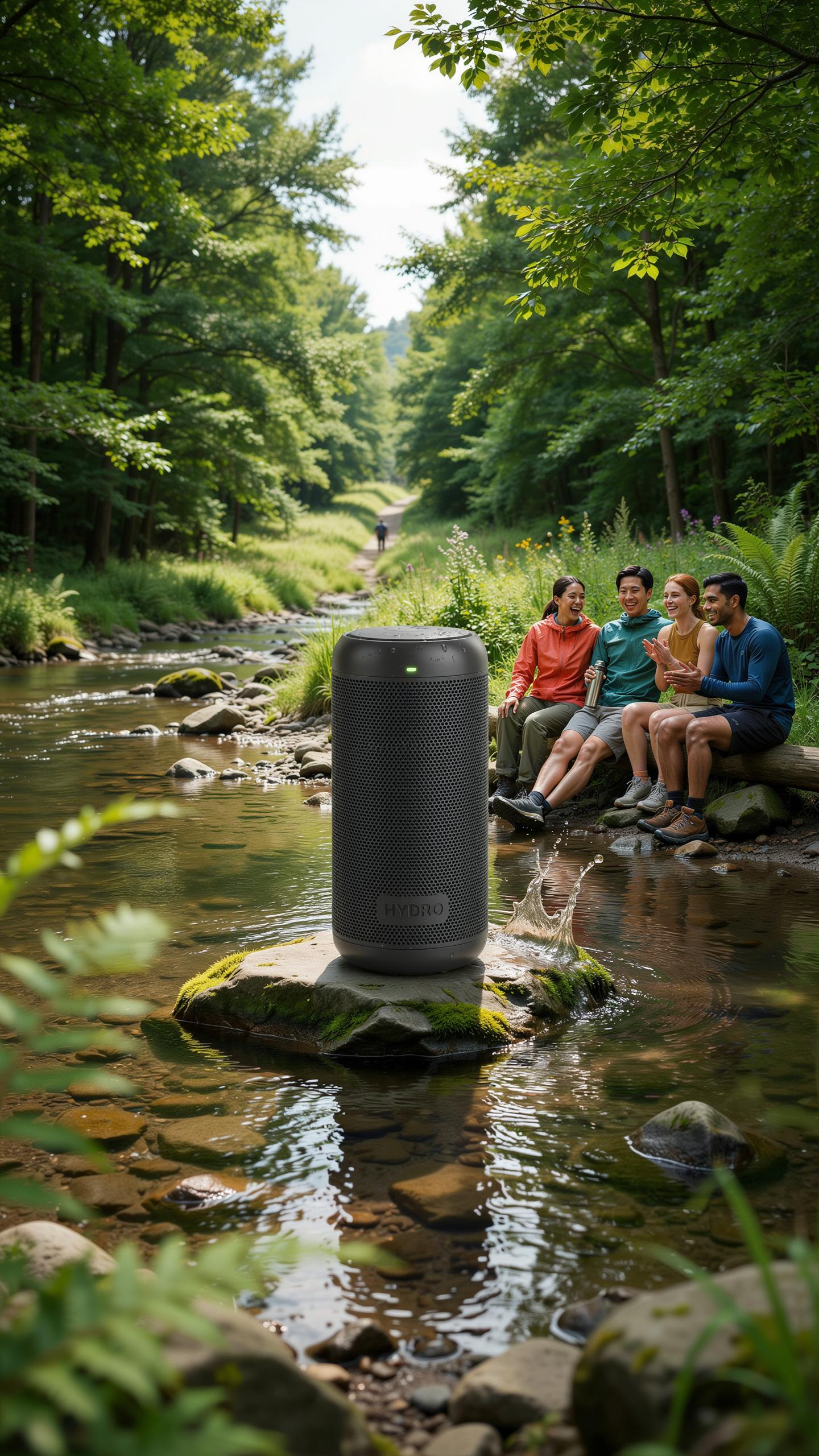
The IP rating system uses two digits to measure protection levels. The first digit rates dust resistance on a scale of zero to six. The second digit rates water resistance on a scale of zero to eight. A speaker rated IP67 resists dust completely and withstands submersion up to one meter for thirty minutes. Most backpacking speakers fall between IP54 and IP67, offering practical protection without excess bulk or weight.
Understanding these ratings helps you match speaker durability to your environment. IP54 speakers handle light rain and dust but fail during heavy downpours or water immersion. IP65 speakers resist strong water jets from any angle, making them suitable for most backpacking conditions. IP67 speakers survive temporary submersion in fresh water. IP68 speakers handle saltwater and deeper submersion, though backpackers rarely need this level of protection.
Real World Scenarios For Waterproofing
Rain stops trips fast without proper gear. A waterproof speaker keeps playing through unexpected storms while your phone stays protected in your pack. Condensation builds inside tents during humid nights, and moisture creeps into electronic devices. A waterproof speaker resists this internal moisture better than standard models, extending its lifespan through multiple trips into damp conditions.
Near water sources, accidents happen constantly. Speakers slip from rocks into streams or lakes during setup near water. Waterproof speakers survive these drops and continue functioning immediately. Splashing from rapids, waterfalls, or accidental tipping of water bottles near your speaker poses real risks. Waterproof models eliminate the anxiety of losing audio equipment to something preventable in remote backcountry locations.
Maximizing Your Experience With Bluetooth Speakers
Optimal Placement For Sound Dispersion
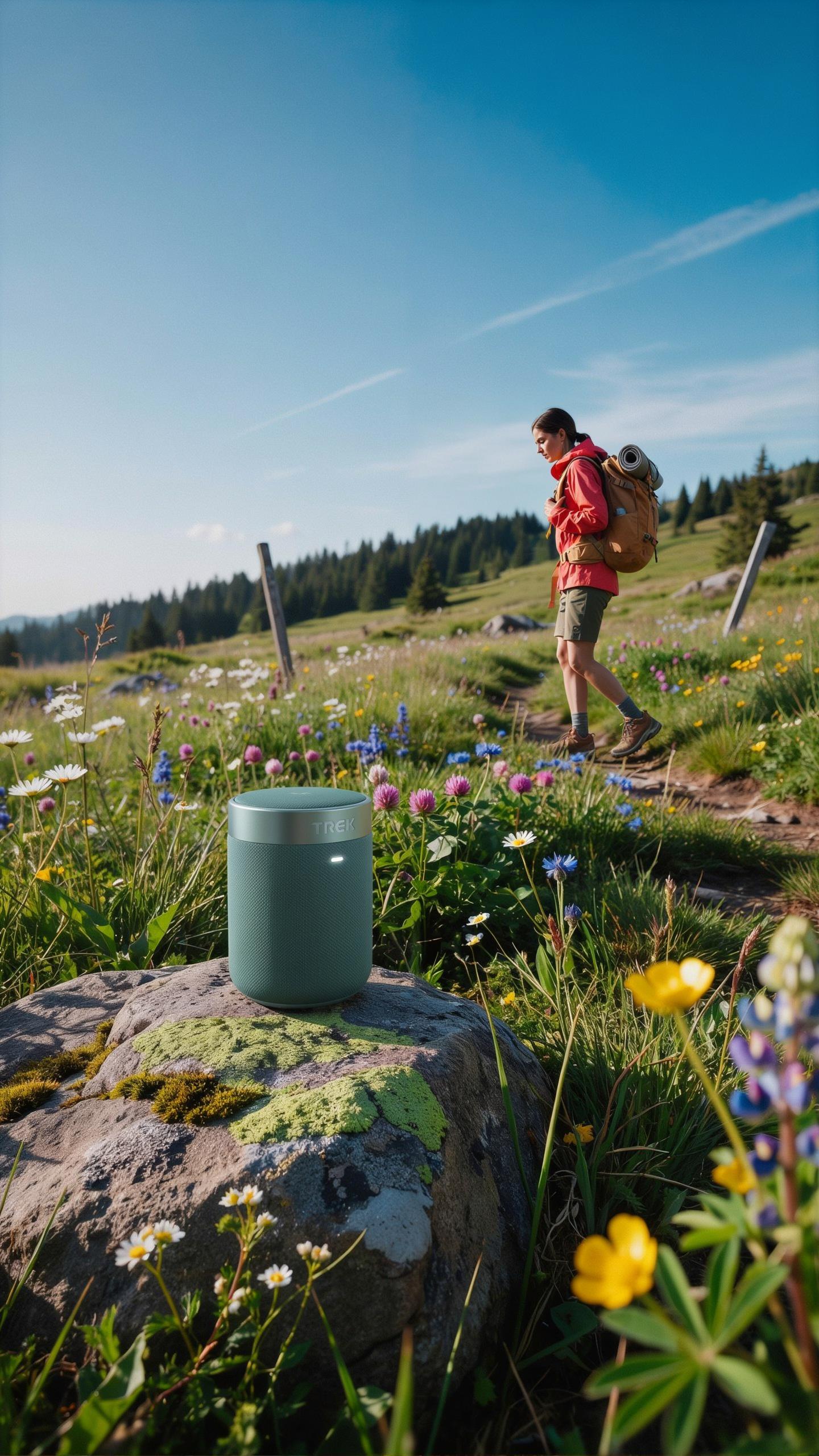
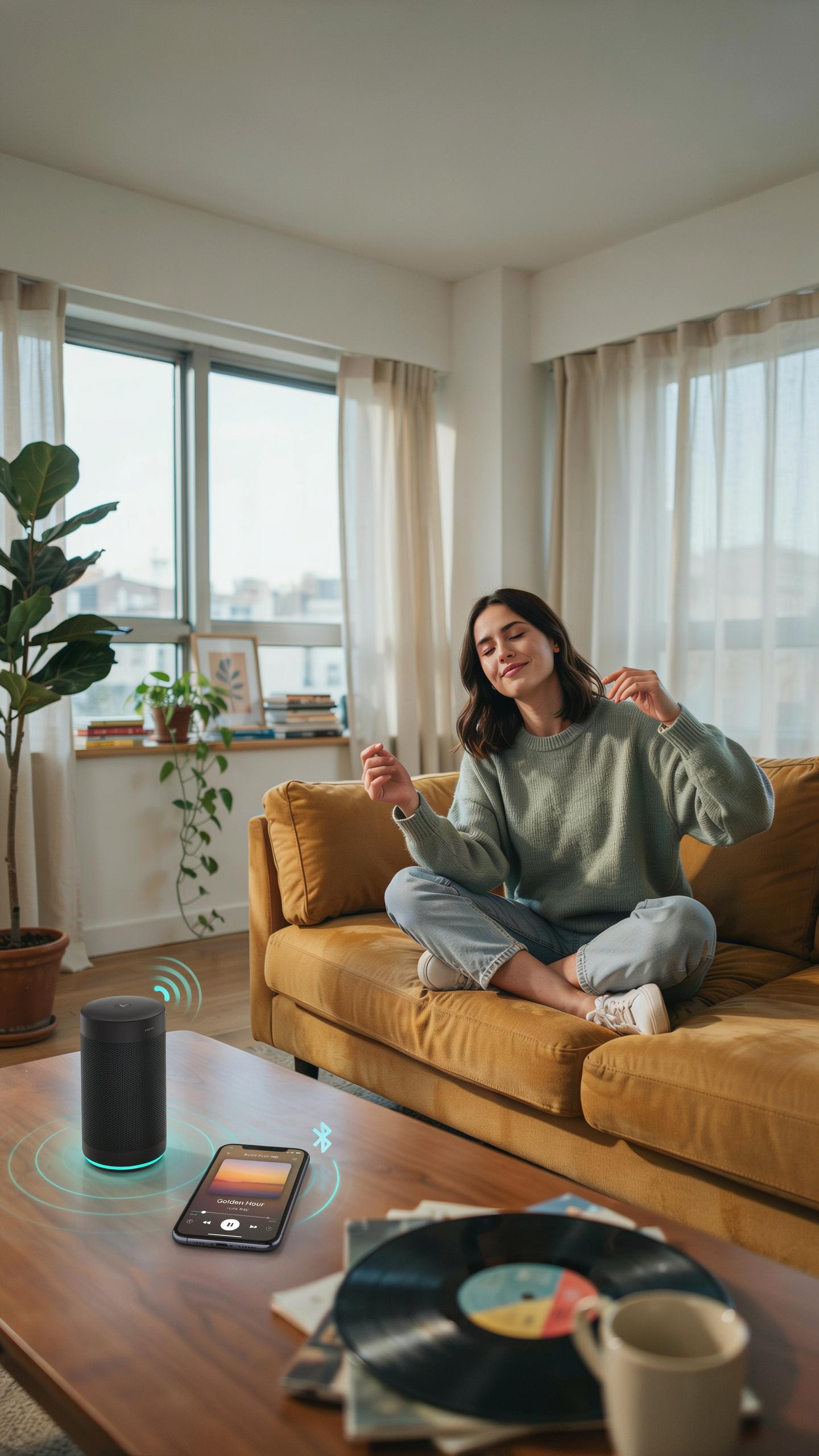
Speaker placement directly affects audio quality in outdoor environments. Sound travels differently outdoors than indoors due to lack of reflective surfaces. Position your speaker at ear level or slightly above to reduce ground absorption. Distance from obstacles matters. Place the speaker away from dense vegetation and rock formations that create dead zones. Test different positions before settling in.
- Elevated Surfaces: Place speakers on rocks, logs, or camping tables 2-3 feet high to project sound across campsites and reduce ground dampening effects.
- Open Areas: Position away from cliff faces and dense trees that absorb sound waves and create echoing dead zones that muddy audio quality.
- Wind Considerations: Face the speaker downwind when possible to prevent wind from carrying sound away from your listening area.
- Distance From Water: Place 10-15 feet away from lakes and rivers that reflect and distort sound frequencies in unpredictable ways.
- Tent Proximity: Keep speakers outside sleeping areas to avoid disturbing others while maintaining adequate volume for your group.
Sound projection improves with strategic placement. Most portable speakers deliver 360-degree output or front-facing directional sound. Understand your speaker’s design before positioning. Higher elevations prevent sound from dissipating into soil and vegetation. Avoid enclosed spaces like tent interiors that cause audio to become muffled and distorted.
With every melody from your pocket-sized companion, remember the trails you’ve danced and the sunsets you’ve shared. Music, like memories, is always better on the go.
Connecting Multiple Speakers If Applicable
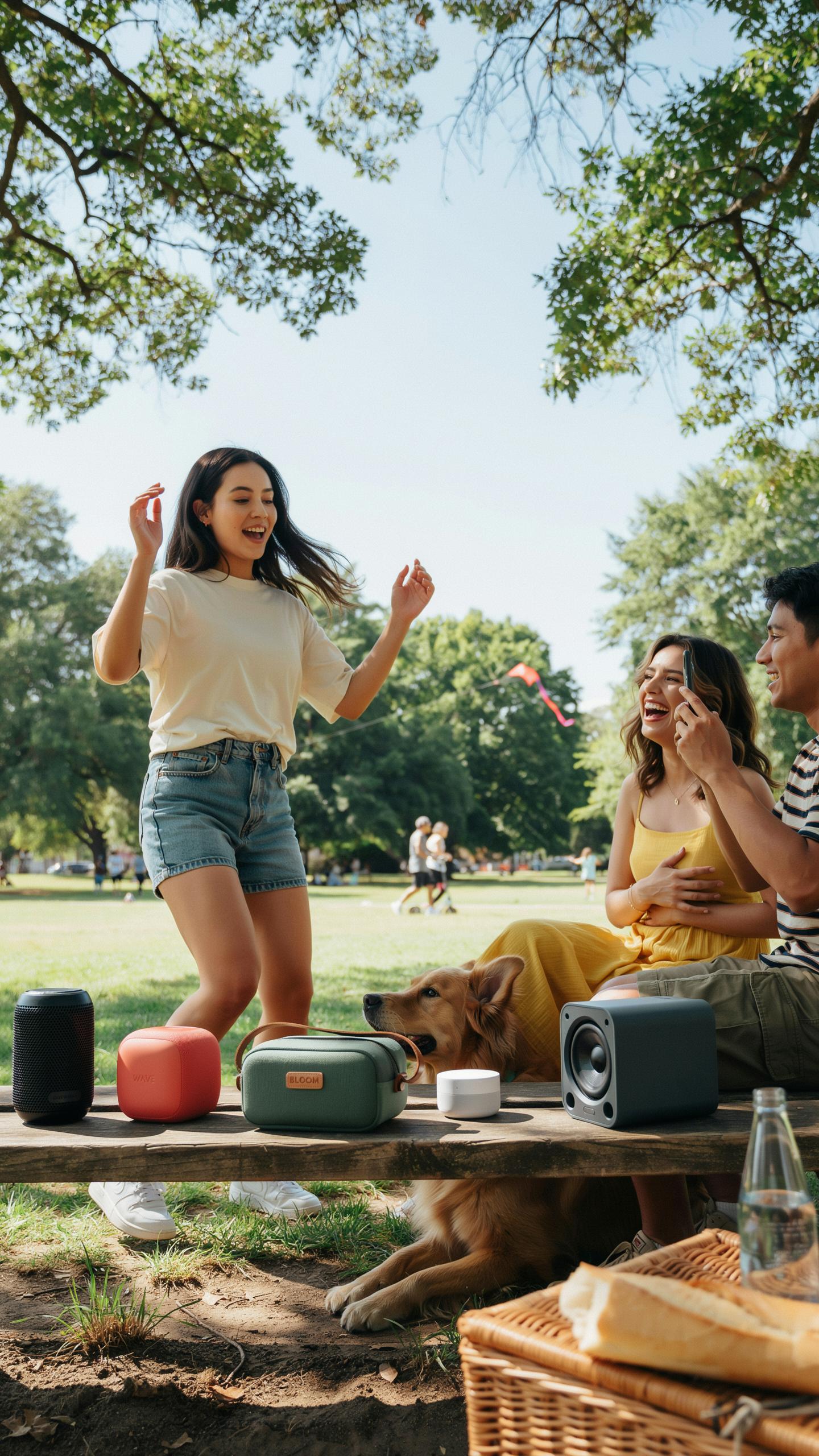
Many mini Bluetooth speakers support stereo pairing or party mode features. Check your specific model’s documentation for compatibility. Not all budget-tier speakers offer this functionality. Pairing typically requires holding activation buttons simultaneously until speakers sync, though exact procedures vary by manufacturer.

Stereo pairing creates separation between left and right audio channels across two speakers. Party mode generally increases overall volume by syncing multiple units without creating true stereo separation. Range limitations apply. Most speakers maintain stable connections within 30 feet of the paired device. Obstacles like dense forest reduce this range significantly. Battery drain accelerates when using multiple speakers simultaneously, so plan accordingly.
Beyond Music Bluetooth Speaker Photography And More
Using Your Speaker As A Remote Shutter
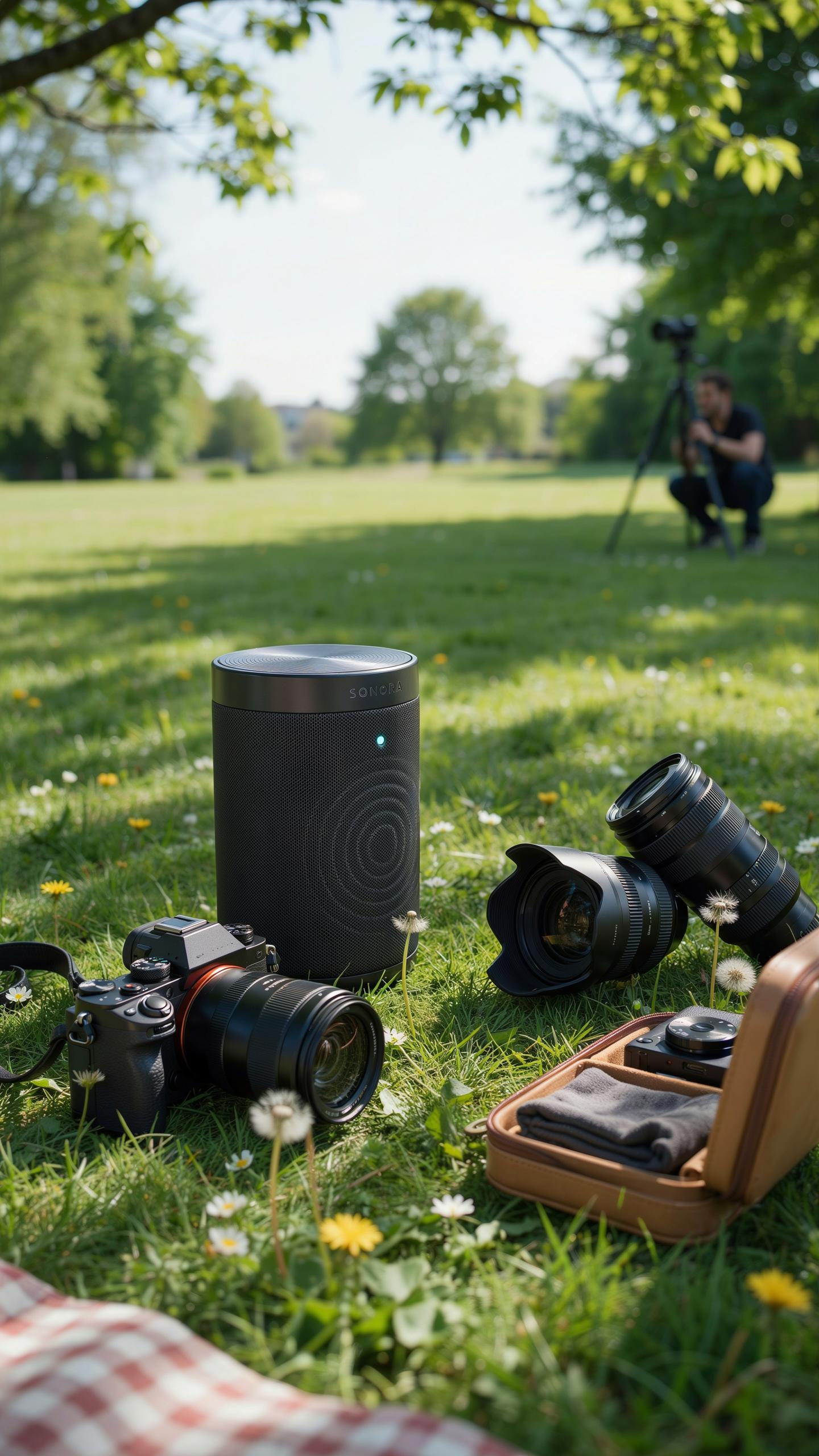
Most mini Bluetooth speakers feature physical buttons for play, pause, and volume control. These buttons connect to your phone via Bluetooth. Some speaker models allow you to reprogram buttons or access camera functions through your phone’s Bluetooth settings. This lets you trigger your phone’s camera remotely without touching the device.
The practical application is straightforward. Mount your phone on a tripod, press the speaker’s button, and capture group photos or selfies hands-free. Not all speakers support this feature equally. Check your speaker’s manual and your phone’s compatibility before relying on this function during your trip.
Integrated Microphones For Calls And Voice Assistants
Mini Bluetooth speakers include built-in microphones for phone calls and voice commands. When your phone connects to the speaker via Bluetooth, incoming calls route through the speaker’s mic and audio output. You can answer calls without removing your phone from your pack or pocket.

Voice assistants like Google Assistant and Siri work through the speaker’s microphone as well. This matters on the trail when you need hands-free access to navigation, weather updates, or emergency information. Battery drain increases with frequent voice assistant use, so plan accordingly. Test voice command accuracy with your specific speaker model before depending on it in remote areas.
Maintenance And Care For Your Mini Bluetooth Speaker

Cleaning And Storage Best Practices
Dust and moisture damage mini speakers fast. After each trip, wipe the exterior with a dry microfiber cloth. Remove debris from ports and grilles using compressed air or a soft brush. Never use liquids on the speaker itself. For water-resistant models, rinse under fresh water if exposed to saltwater or mud, then dry immediately with a cloth.
Store your speaker in a cool, dry location between trips. Keep it away from direct sunlight and extreme temperatures. Use the original case or a padded pouch to prevent impacts. Store the speaker with the battery partially charged, around 40-60 percent. Check the battery monthly during extended storage periods to maintain cell health.
Troubleshooting Common Issues
Connectivity problems stem from three sources: distance, interference, or outdated firmware. Move closer to your audio source and away from metal objects or other Bluetooth devices. Check if your speaker needs a firmware update through the manufacturer’s app. Restart both the speaker and your device. Forget the speaker from your device settings and re-pair from scratch.

Charging issues require checking the cable and power source first. Try a different USB cable and wall adapter to confirm the problem is not the charger. Inspect the charging port for debris or corrosion. If the speaker charges slowly, you may be using an underpowered adapter. Sound distortion usually points to low battery or volume set too high. Lower the volume and fully charge the speaker to resolve this quickly.
Frequently Asked Questions

What exactly makes a mini Bluetooth speaker suitable for backpacking?
A mini Bluetooth speaker for backpacking needs to be compact, lightweight, and durable, often with a rugged, water-resistant design. Key features include long battery life to last through your adventures, and good sound quality for its size. Portability is paramount so it won’t weigh down your pack.
How can I maximize the battery life of my mini Bluetooth speaker while on a multi-day backpacking trip?
To extend battery life, keep the volume at a moderate level, as high volume drains power faster. Turn off the speaker when not in use, and avoid extreme temperatures which can affect battery performance. Consider carrying a small power bank for on-the-go recharging, ensuring your mini Bluetooth speaker keeps playing.
Are there affordable options for a reliable mini Bluetooth speaker for backpacking, or do I need to splurge?
Absolutely! You don’t always need to splurge. Many excellent, budget-friendly mini Bluetooth speaker for backpacking options exist that offer solid sound, decent battery life, and durability. Look for brands known for value, and read reviews to find a great balance of features and affordability that fits your travel needs.