
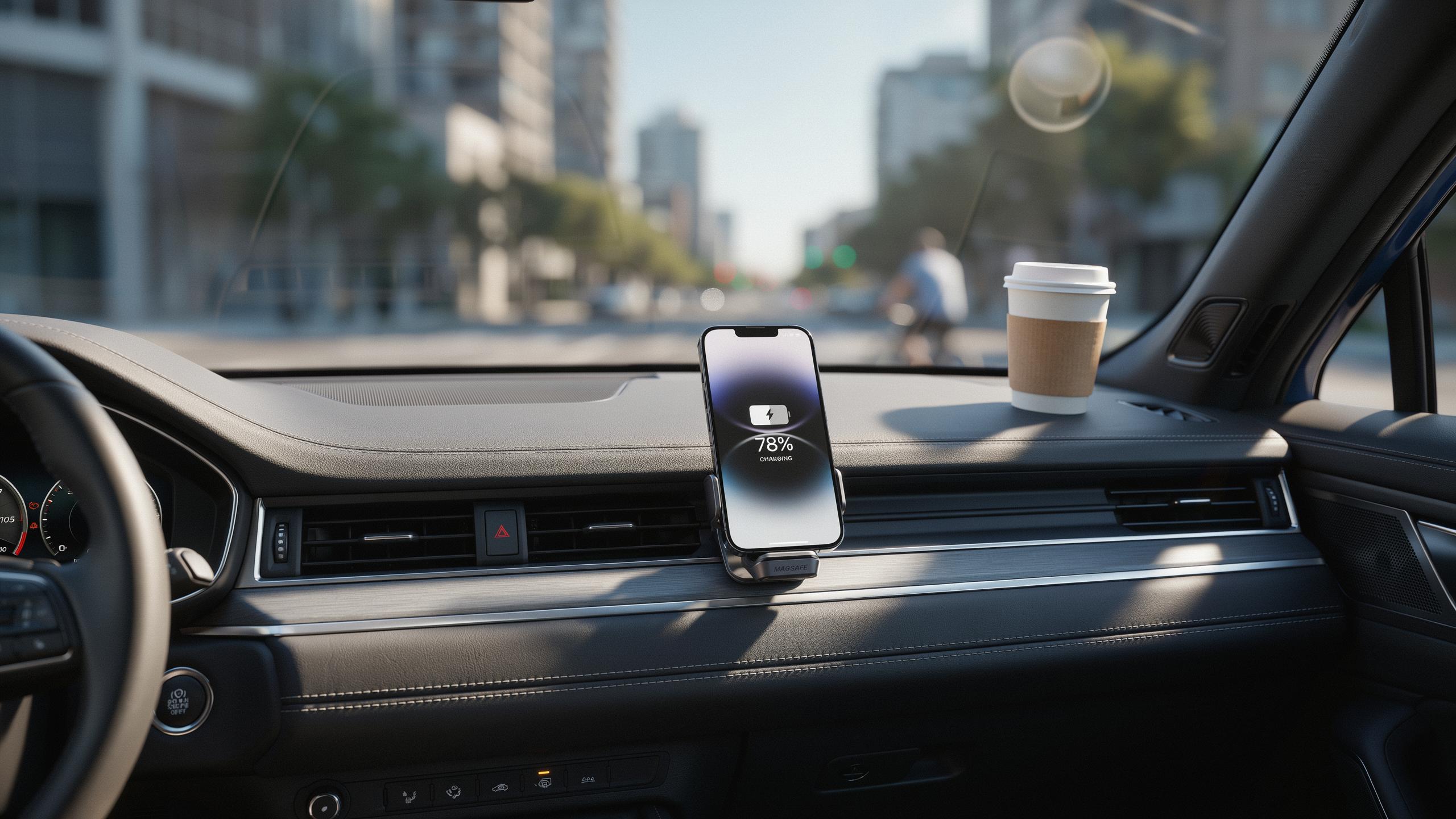
The Daily Commute Challenge Why A Car Wireless Charger Mount
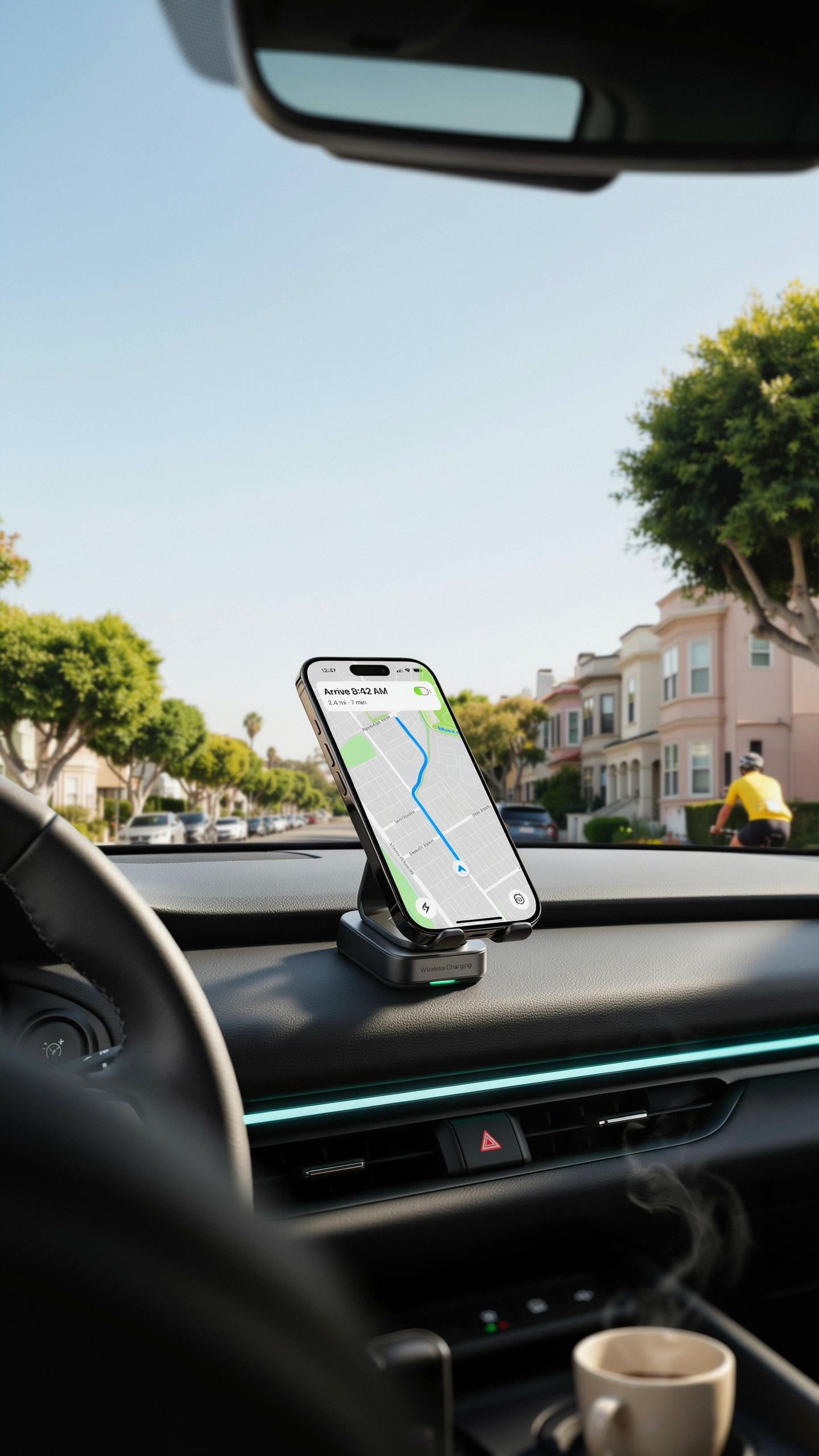
The Hassle Of Cords And Low Battery Anxiety
Traditional charging methods create friction during commutes. Drivers fumble with cables while managing traffic and navigation. Cords tangle, break, and clutter dashboards. Phone batteries drain faster during heavy GPS usage and streaming. Commuters arrive at destinations with depleted devices, unable to navigate parking or access work communications immediately.
The anxiety around battery depletion shapes daily routines. Drivers constantly monitor battery percentages rather than focusing on the road. Low battery warnings interrupt navigation apps mid-route. Charging cables add complexity to vehicle interiors. These inefficiencies compound over months of commuting, creating unnecessary stress and operational friction.
Introducing The Seamless Solution: Wireless Charging On The Go
A car wireless charger mount eliminates cable management entirely. Drivers simply place phones on the mount and charging begins automatically. No plugging, unplugging, or untangling required. The device sits secure during acceleration, braking, and turns. Commuters maintain full battery capacity for navigation, communication, and work tasks throughout their journey.
Wireless mounts integrate into vehicle interiors without cable clutter. Phones charge during the commute, arriving fully powered at destinations. Dashboard real estate remains clean and organized. Drivers reduce distractions and mental load during driving. The technology delivers functional convenience that pays dividends daily across thousands of commutes annually.

Understanding Car Wireless Charger Mount Technology
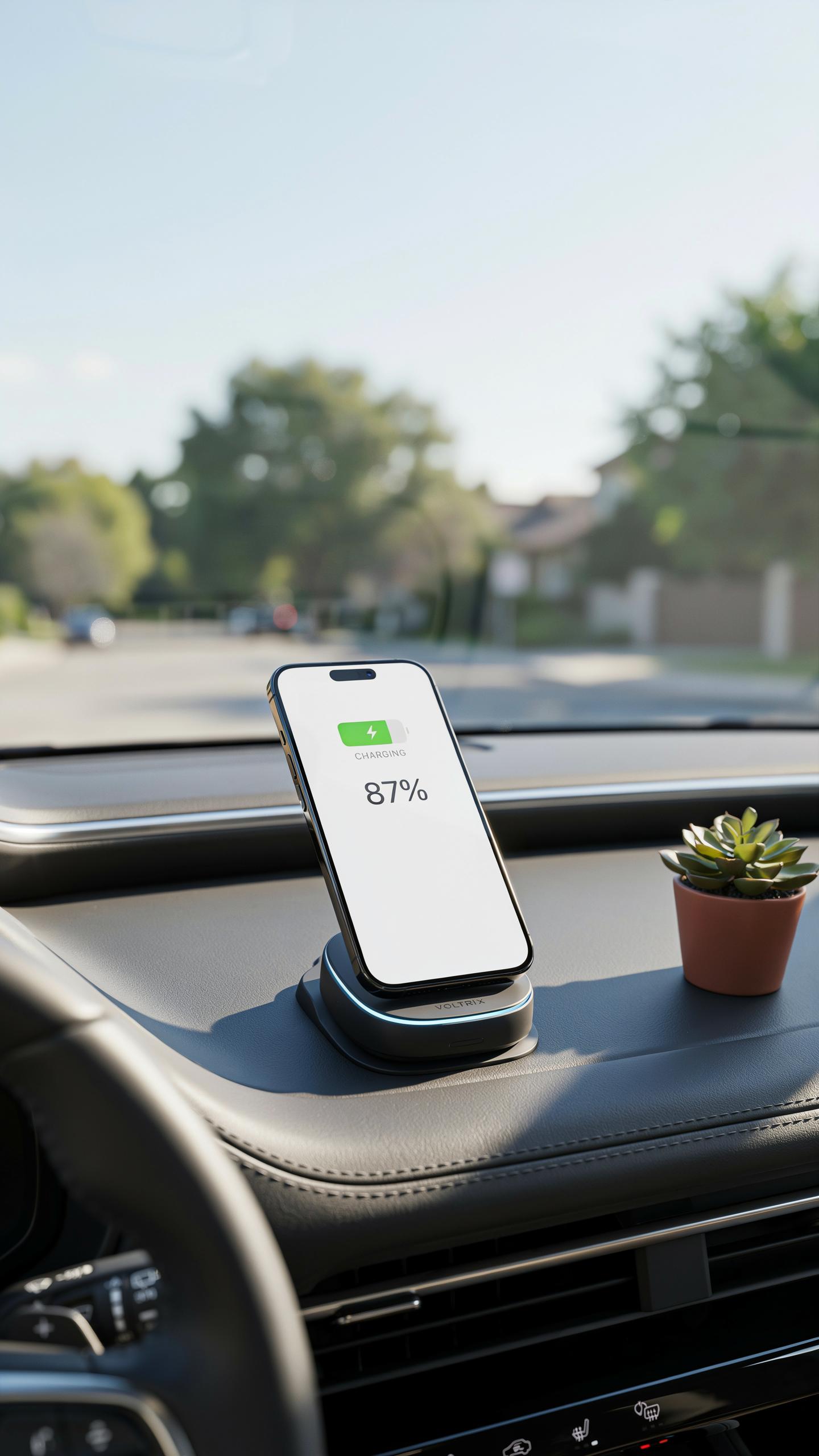
How Qi Wireless Charging Works In Your Vehicle
Qi wireless charging transmits electrical energy through electromagnetic induction. A charging coil in the mount generates an alternating magnetic field. Your phone’s receiver coil picks up this field and converts it back into electrical current to charge the battery. This process requires proper alignment between the two coils to function efficiently.
Car wireless charger mounts position your phone to maintain this critical coil alignment. The mount holds your device steady while driving, preventing misalignment that would interrupt charging. Most car mounts use a dashboard, windshield, or air vent attachment. Qi technology operates at standard frequencies, making it compatible with phones from multiple manufacturers that support the standard.
Key Features To Look For In A Quality Wireless Charger
Charging speed depends on wattage output, typically ranging from 5 watts to 15 watts in car mounts. Higher wattage delivers faster charging but generates more heat. Check the mount’s wattage rating against your phone’s maximum supported charging speed to avoid wasting power or creating unnecessary heat during your commute.
- Charging Speed: Look for 10-watt or higher output if your phone supports it. This reduces charge time during typical commutes.
- Foreign Object Detection: This safety feature prevents charging if metal objects or incompatible items sit between the coils, protecting your phone.
- Overheat Protection: Automatic power reduction or shutdown when temperatures exceed safe limits keeps your battery and charger safe.
- Alignment Guides: Physical markers or adjustable arms help position your phone correctly for optimal coil alignment and charging efficiency.
- Secure Mounting: Sturdy attachment to your dashboard or vent prevents the mount from shifting during acceleration or braking.

Quality mounts combine these features to deliver reliable performance without damaging your phone. Test the mount’s stability with your specific phone model before relying on it daily. Real-world conditions like temperature fluctuations and road vibrations demand mounts engineered for durability, not just basic functionality.
Choosing The Right Phone Mount And Charger Car Combination
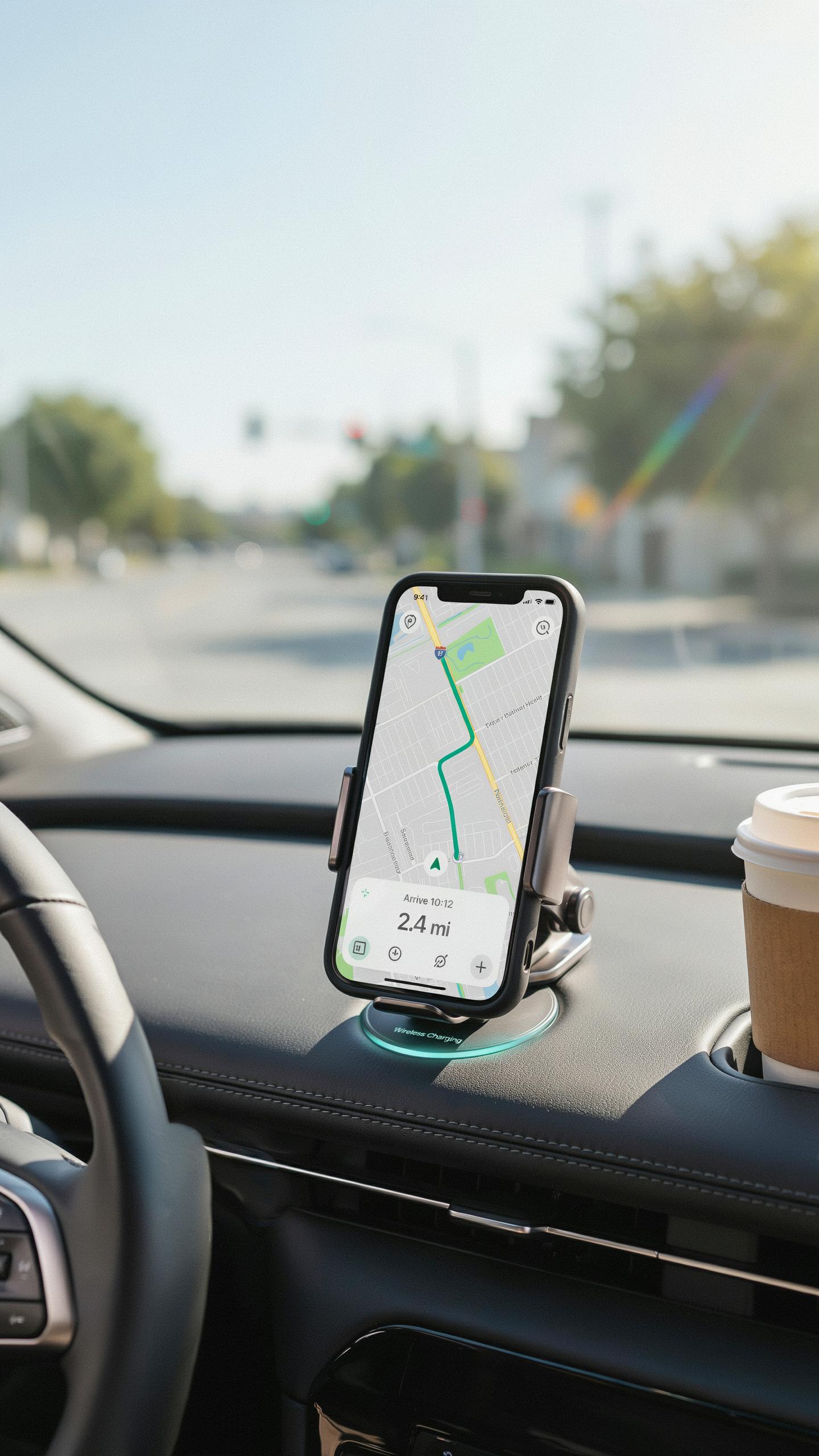
Mounting Options: Vent, Dash, And Windshield Considerations
Vent mounts grip phone sides against air vents. They require no adhesive or suction cups. Vent mounts work best in cars with horizontal vents. They obstruct airflow slightly but stay secure on bumpy roads. Dash mounts use adhesive or suction cups on the dashboard. They position phones at eye level for navigation and calls. Suction cup versions leave residue marks on dashboards over time. Adhesive mounts damage dashboard surfaces when removed.
Windshield mounts attach via suction cups to the front glass. They provide optimal sightline for GPS navigation during drives. Suction cups fail in extreme heat or on old windshields. Windshield placement violates traffic laws in some states. Vent mounts offer the best balance between security and reversibility for daily commutes. Dashboard mounts suit drivers who want quick access and visibility. Your choice depends on dash layout, airflow priorities, and local regulations.
Compatibility: Ensuring Your Phone Works With The Charger
Wireless chargers operate on the Qi standard, which most phones support since 2015. iPhones from iPhone 8 onward include Qi charging capability. Android flagships from Samsung, Google, and OnePlus support Qi charging. Budget Android phones may lack wireless charging altogether. Phone cases thicker than 5mm block charging signals completely. Thin rubber cases typically allow charging without removal. Metal cases and phone holders with metal components prevent wireless charging entirely.
Universal mounts accommodate phones between 4 and 7 inches wide. Larger phones and tablets may not fit securely in compact mounts. Heavy phones over 250 grams stress suction cups and adhesive joints. Phone size compatibility matters more than brand when selecting mounts. Check your specific phone’s wireless charging support before purchasing. Test your case thickness with the charger before committing to a mount. Mismatched combinations waste money and create frustration during daily use.
Magsafe Car Mount Charger Vs Standard Wireless Car Charger
The Advantages Of Magsafe For IPhone Users
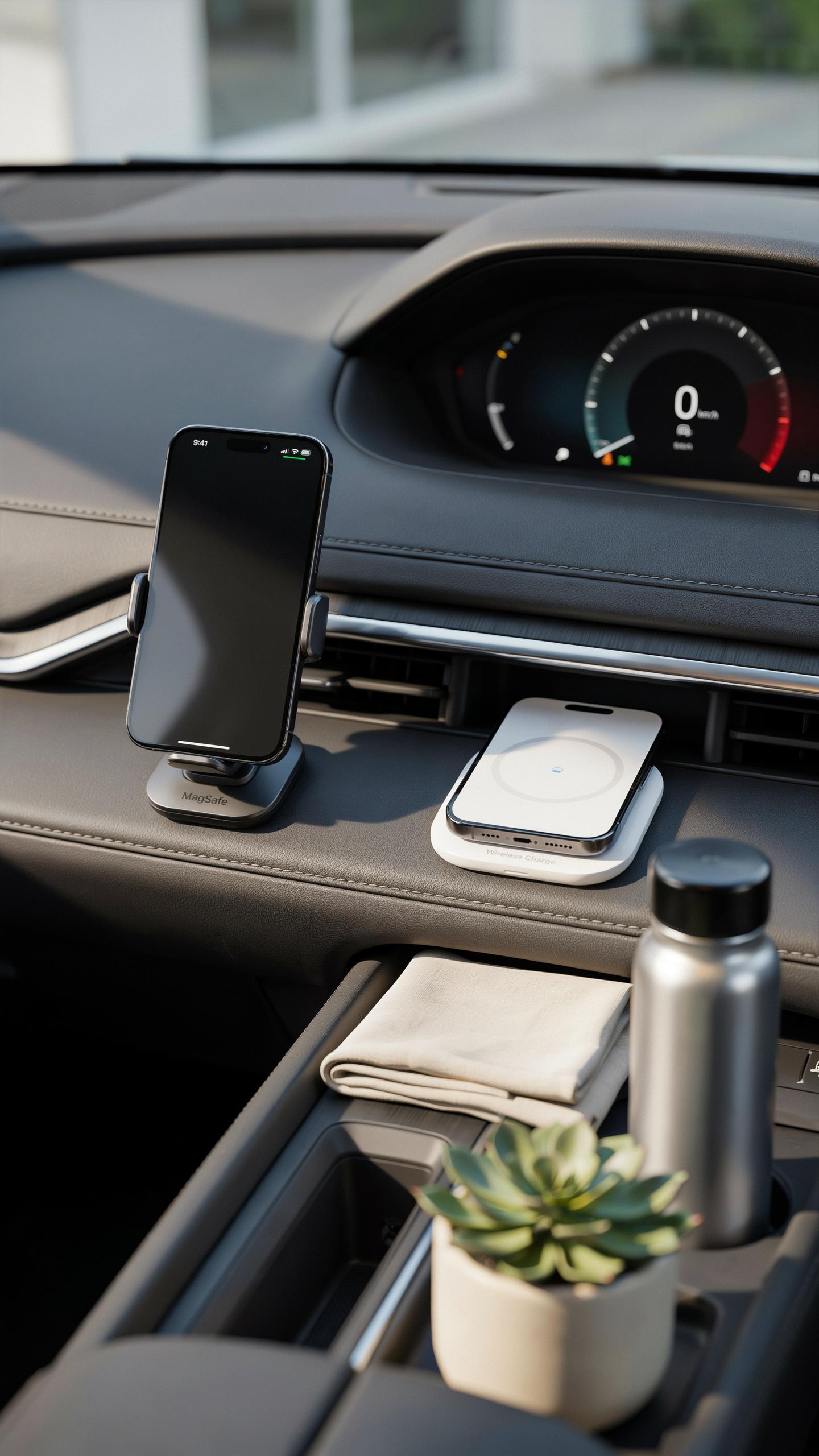
Apple introduced Magsafe in 2020 with the iPhone 12. The system uses embedded magnets to align the phone precisely with the charging coil. This magnetic alignment ensures optimal charging efficiency and eliminates the guesswork of positioning your device correctly on the charging pad every time you enter your car.
Magsafe mounts offer faster attachment and removal compared to standard wireless chargers. You simply place your iPhone near the mount and the magnets snap it into position. The secure hold reduces movement during driving, preventing your phone from shifting and breaking connection with the charger. This reliability matters for navigation, calls, and safety during your commute.
Weighing The Options: Which Wireless Charger Is Right For You?
Standard wireless chargers work with any device that supports Qi wireless charging technology, including older iPhones, Android phones, and tablets. They cost less upfront and provide flexibility if you rotate between multiple devices. However, you must position each device carefully on the pad to maintain charging connection and avoid dead spots.

Magsafe chargers limit you to compatible iPhones and cases with Magsafe rings or adapters. The price premium reflects the precision engineering and magnetic alignment. Choose Magsafe if you own recent iPhones and want reliable, hands-free charging during commutes. Select standard wireless chargers if you use multiple device types or prioritize cost savings over convenience.
Top Picks For Car Phone Holder And Charger Reviewing Performance
Evaluating Charging Speed And Efficiency In Real World Commutes
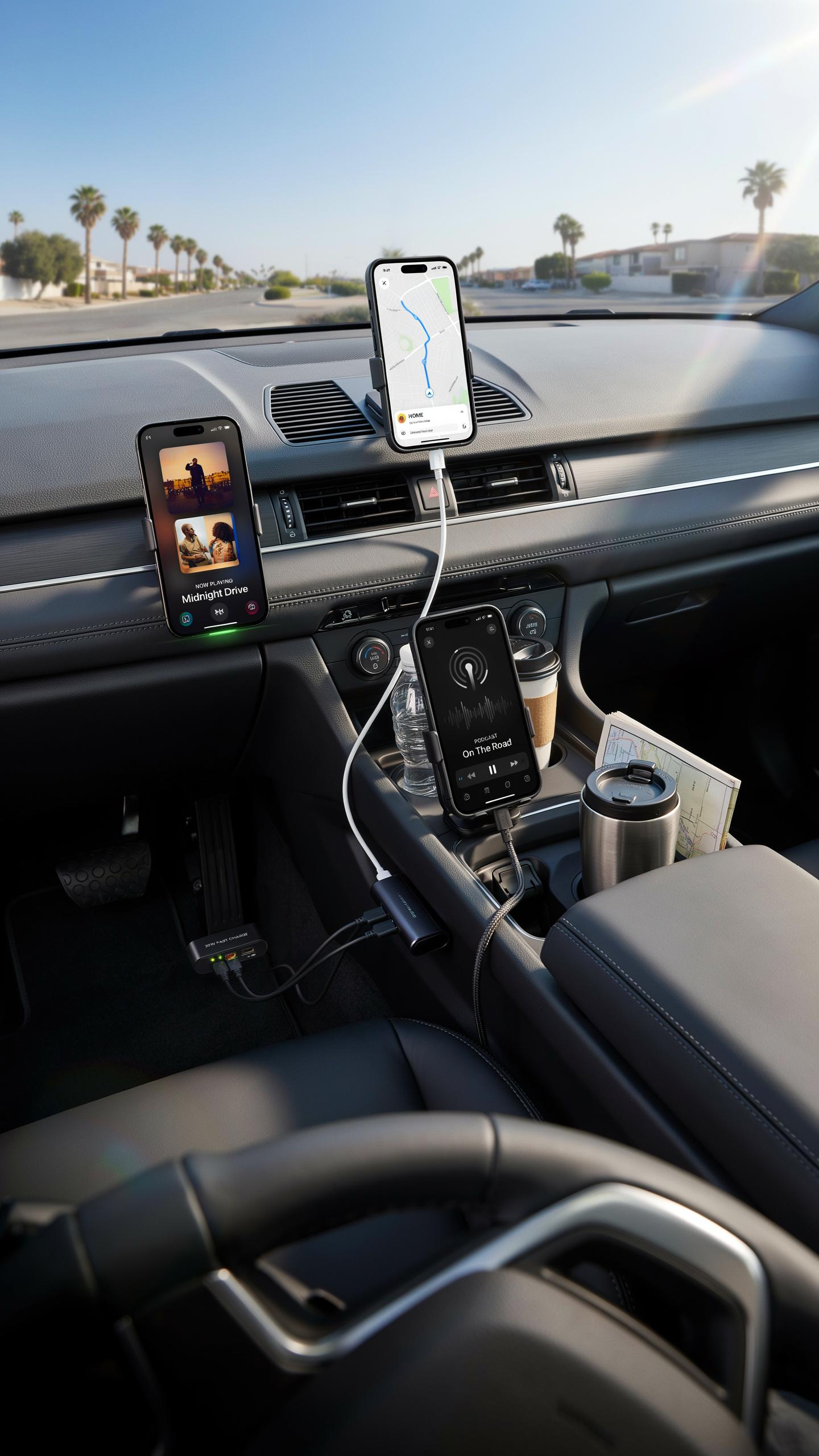
Charging speed depends on wattage output and your phone’s power delivery compatibility. Most wireless car chargers deliver between 5W and 15W. A 10W charger replenishes a standard smartphone battery faster than a 5W model during a commute. Check your phone’s maximum wireless charging wattage before buying. Not all phones accept the same power levels.
Power efficiency matters because heat generation affects battery health over time. Quality chargers include thermal management to prevent overheating. A charger that maintains stable temperature preserves your phone’s battery longevity. Cheaper models often lack this protection and generate excessive heat. Daily commutes expose your phone to prolonged charging cycles, making efficiency critical for device durability.
Stability And Grip: Keeping Your Phone Secure On Bumpy Roads
A secure grip prevents your phone from shifting during acceleration, braking, and turns. Mounts use rubber pads, silicone grips, or mechanical clamps for contact points. Wider grip surfaces distribute pressure and reduce damage to your phone’s edges. Test grip strength before purchasing by checking product reviews for reports of slippage. Road vibrations and sudden stops expose weak mounting systems immediately.

Mount positioning affects stability during typical driving conditions. Center-mounted dashboards provide better balance than side placements. Suction cup mounts require smooth surfaces and fail on textured dashboards. Vent clips offer quick installation but work only on adjustable vents. Choose a mounting method that matches your vehicle’s interior and your commute’s typical road quality.
User Experience Mpow Wireless Car Charger Mount And Beyond
Ease Of Installation And Adjustability
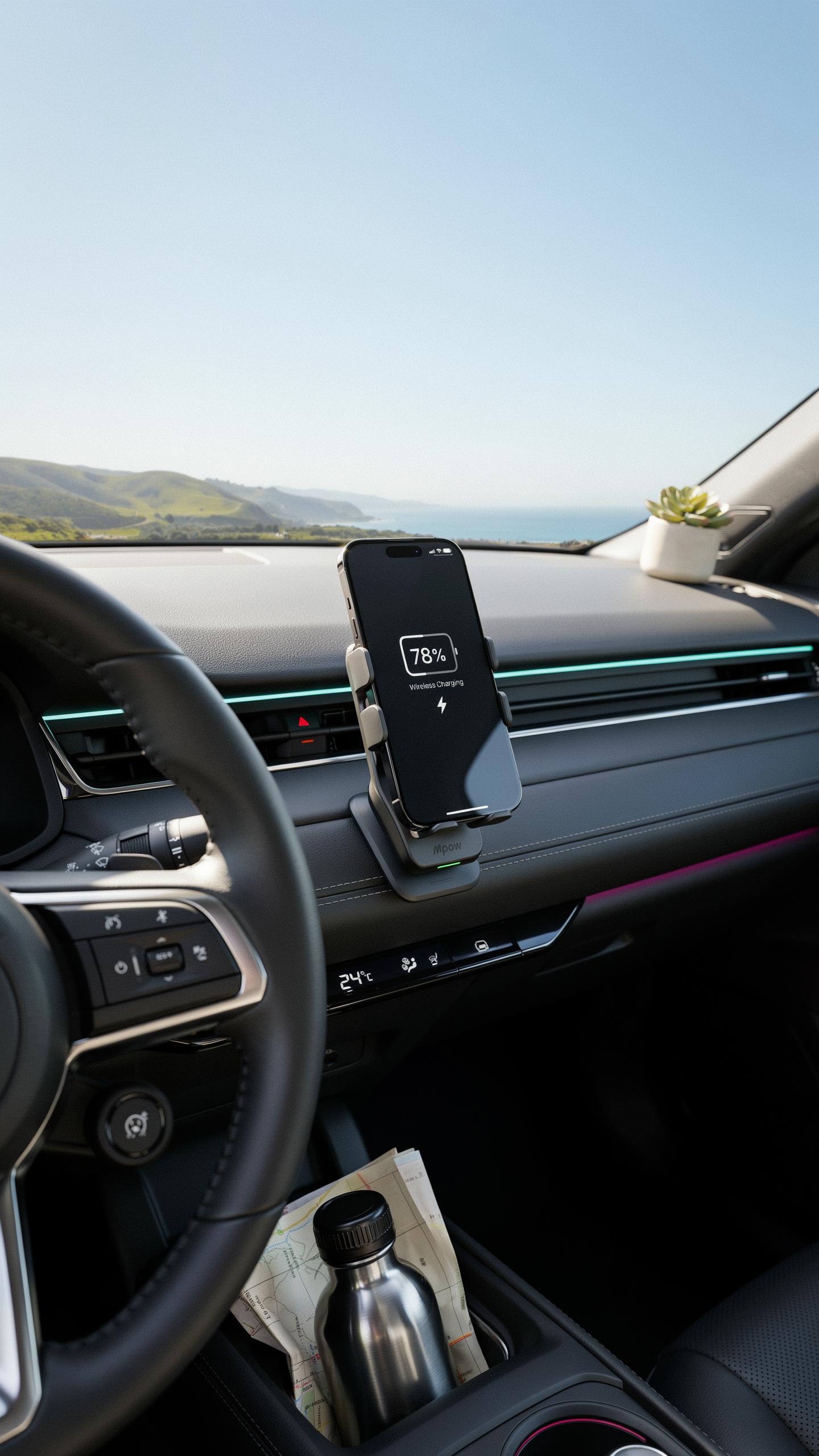
Mpow’s wireless car charger mount uses a dashboard suction cup or air vent clip system. Most users install it in under five minutes without tools. The mount accepts phones ranging from 4 to 7 inches wide, accommodating standard smartphones. Adjustment happens through a ball joint that rotates 360 degrees, letting you position your phone at any angle relative to your dash.
The suction cup grips effectively on clean glass but loses hold on dusty or textured dashboards. Air vent clips clamp without permanent damage but can loosen from repeated acceleration and braking. You adjust viewing angle by rotating the ball joint, though some tension in the joint means you won’t accidentally shift position while driving. Reinstalling in a different vehicle requires a two-minute repositioning of the mount’s base.
Durability And Build Quality For Long Term Use
Mpow constructs the charging base from aluminum alloy with rubberized contact points. The charging coils sit inside protective plastic casings that resist wear. The mount’s arm uses silicone padding to grip phones without scratching them. This combination of materials typically performs well over 18 to 24 months of daily use before degradation occurs.

Heat buildup from the charging coil can accelerate silicone aging in hot climates. The suction cup loses adhesive properties after 12 to 15 months of sun exposure. The ball joint remains stable through repeated adjustments but can develop play after extended use. Replacing the suction cup or entire mounting arm costs between 10 and 20 dollars, making incremental repairs more economical than full replacement.
Safety First Important Considerations For Your Car Mount
Minimizing Distractions: Optimal Placement For Your Phone
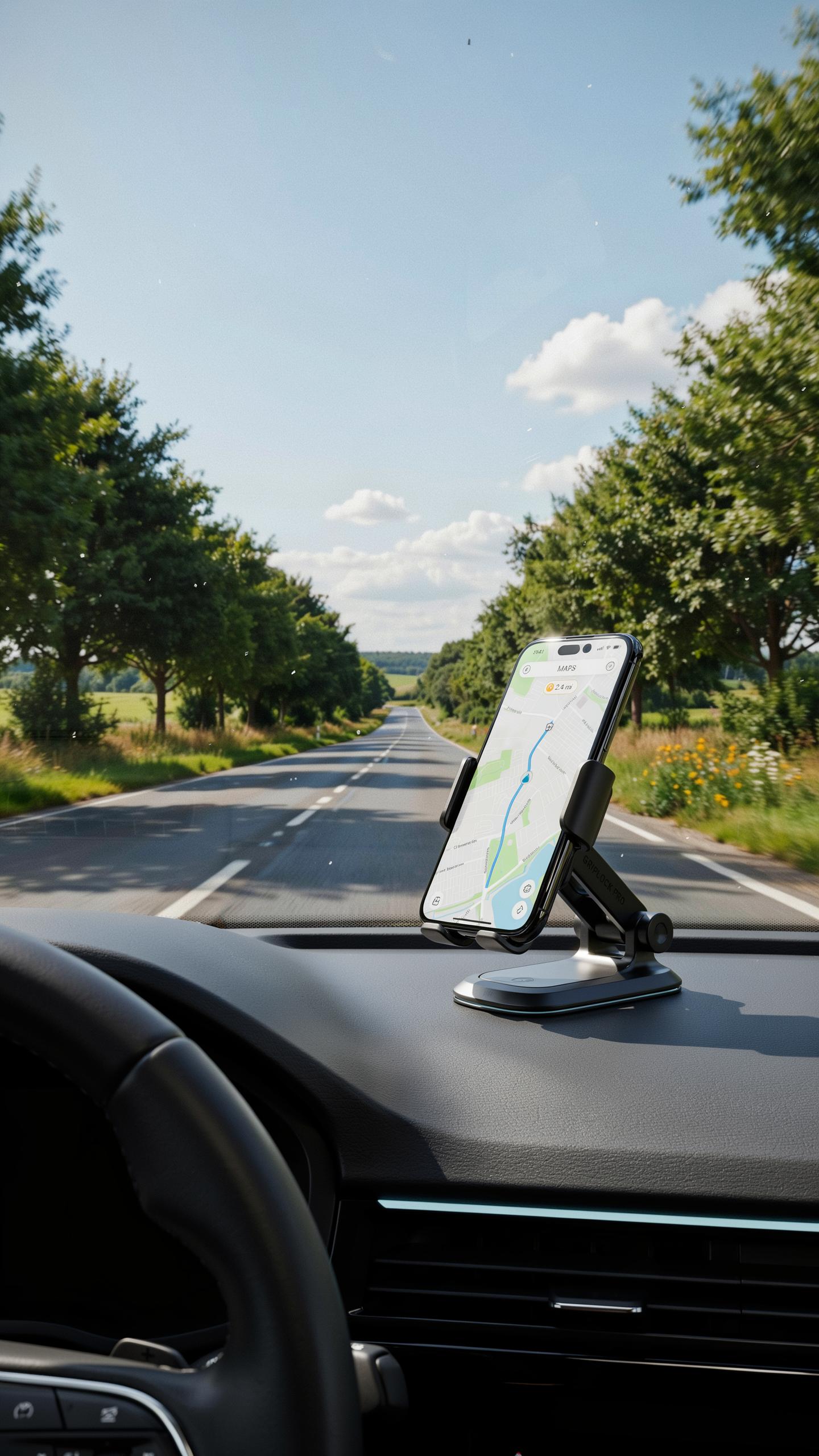
Mount your phone in your direct line of sight, slightly below eye level. Position the device on your dashboard or windshield where you view it without turning your head significantly. Never place it where it blocks instrument cluster readings or obstructs your view of the road ahead. Avoid mounting near airbag deployment zones on the steering column or passenger side.
Your mounting location determines reaction time during emergencies. A phone positioned in your peripheral vision lets you check notifications without losing focus on traffic. Check your vehicle’s manual to identify airbag locations. Poor placement can turn your phone into a projectile during accidents, creating injury risks beyond normal phone damage.
Overheating And Device Protection Mechanisms
Quality car wireless charger mounts include temperature sensors that monitor both the charger and your phone. When temperatures exceed safe thresholds, the charger reduces power output or stops charging entirely. This prevents battery degradation and protects internal phone components from heat damage. Lithium ion batteries lose capacity faster under sustained high temperatures above 113 degrees Fahrenheit.

Your phone’s processor generates heat during charging and navigation use simultaneously. Metal mounting plates conduct and dissipate this heat more effectively than plastic alternatives. Check if your charger has foreign object detection, which stops charging if metal debris enters the charging coils. Ventilation around the phone matters, so avoid fully enclosed mounts that trap heat around the device.
Maximizing Your Car Phone Charger Investment
Maintenance Tips For Your Wireless Charger And Car Mount
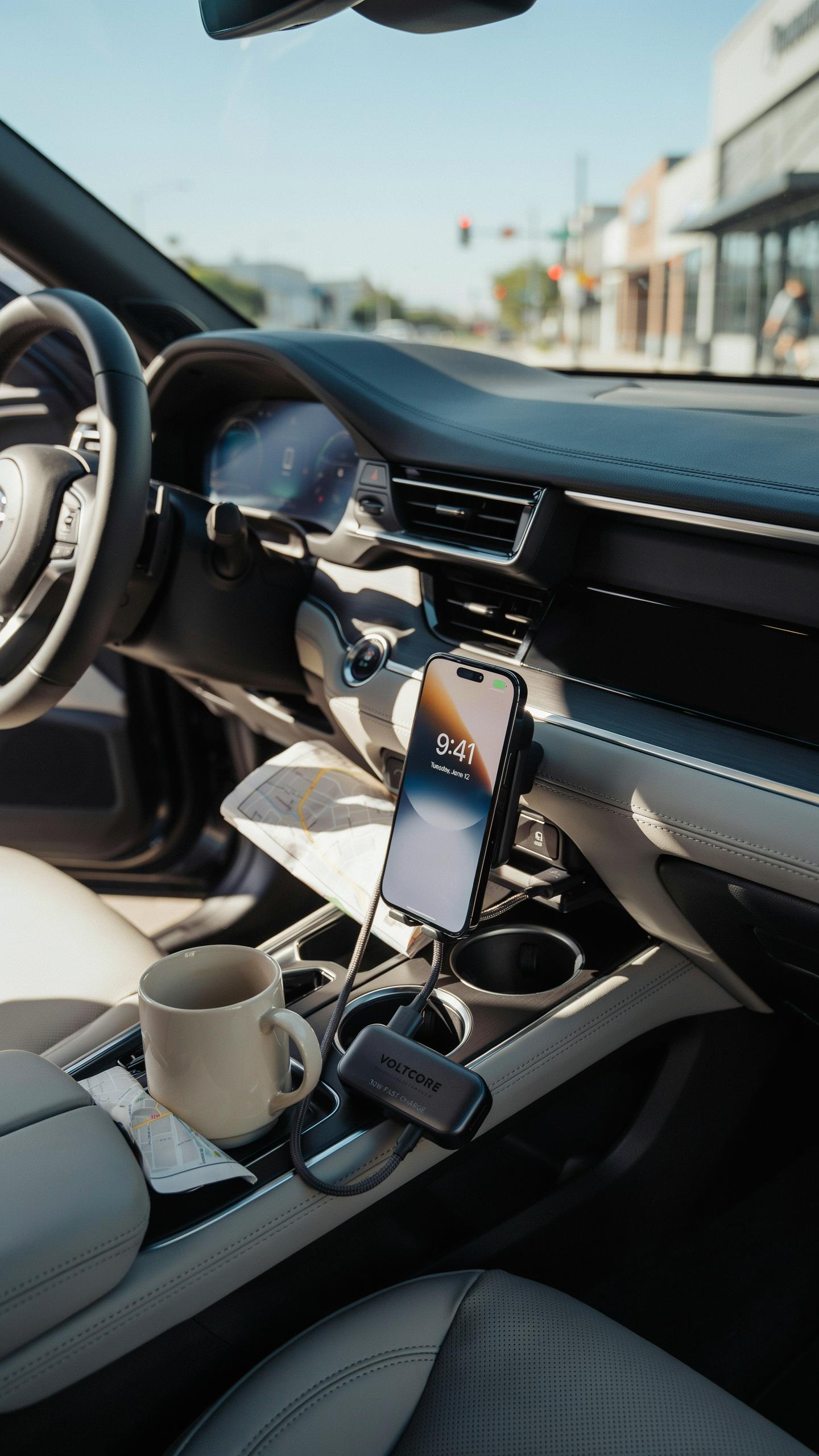
Dust and debris accumulate on charging coils and contact surfaces over time. Wipe the charger pad monthly with a dry microfiber cloth to remove dust. Clean the car mount’s gripping surfaces quarterly to maintain phone contact pressure. Inspect cables for fraying or damage every three months. Replace worn components before they fail and damage your phone.
Heat degrades wireless charger efficiency and battery lifespan. Park in shade when possible to reduce interior temperatures. Remove your phone if it feels warm during charging. Check that air vents remain unobstructed around the charger. Moisture damages internal circuitry, so avoid using the charger in wet conditions or high-humidity environments.
In the daily rhythm of our travels, a reliable charge is a quiet comfort, ensuring every journey forward is connected and clear.
Troubleshooting Common Issues With Wireless Charging
Slow charging typically indicates misalignment between the phone and charger coil. Reposition your phone directly over the charging pad. Remove thick phone cases or metal attachments that block energy transfer. Check the charger’s power adapter output rating matches specifications. A damaged cable reduces power delivery significantly and requires replacement.

Intermittent connection drops occur when dust blocks the charging coil or the phone shifts position during driving. Clean both the charger pad and the phone’s back surface with a dry cloth. Adjust the mount’s grip strength to secure the phone firmly. Test the charger with another compatible phone to isolate whether the problem stems from the charger or phone. Replace the mount if vibrations consistently cause disconnection.
The Future Of Car Phone Holder And Chargers
Emerging Trends In Wireless Charging Technology
Wireless charging speeds are accelerating beyond current 15W standards. Manufacturers are developing 25W and 30W charging systems for vehicles. These faster speeds reduce charging time during commutes. The shift toward higher wattage follows the same progression seen in smartphone chargers and portable power banks over the past decade.
Design integration is becoming tighter and more functional. Manufacturers are building chargers directly into dashboard vents and steering column mounts. This approach eliminates the need for separate accessories cluttering your cabin. Future mounts will combine charging coils with mounting structures as single unified units rather than stacked components.
Integration With Vehicle Infotainment Systems
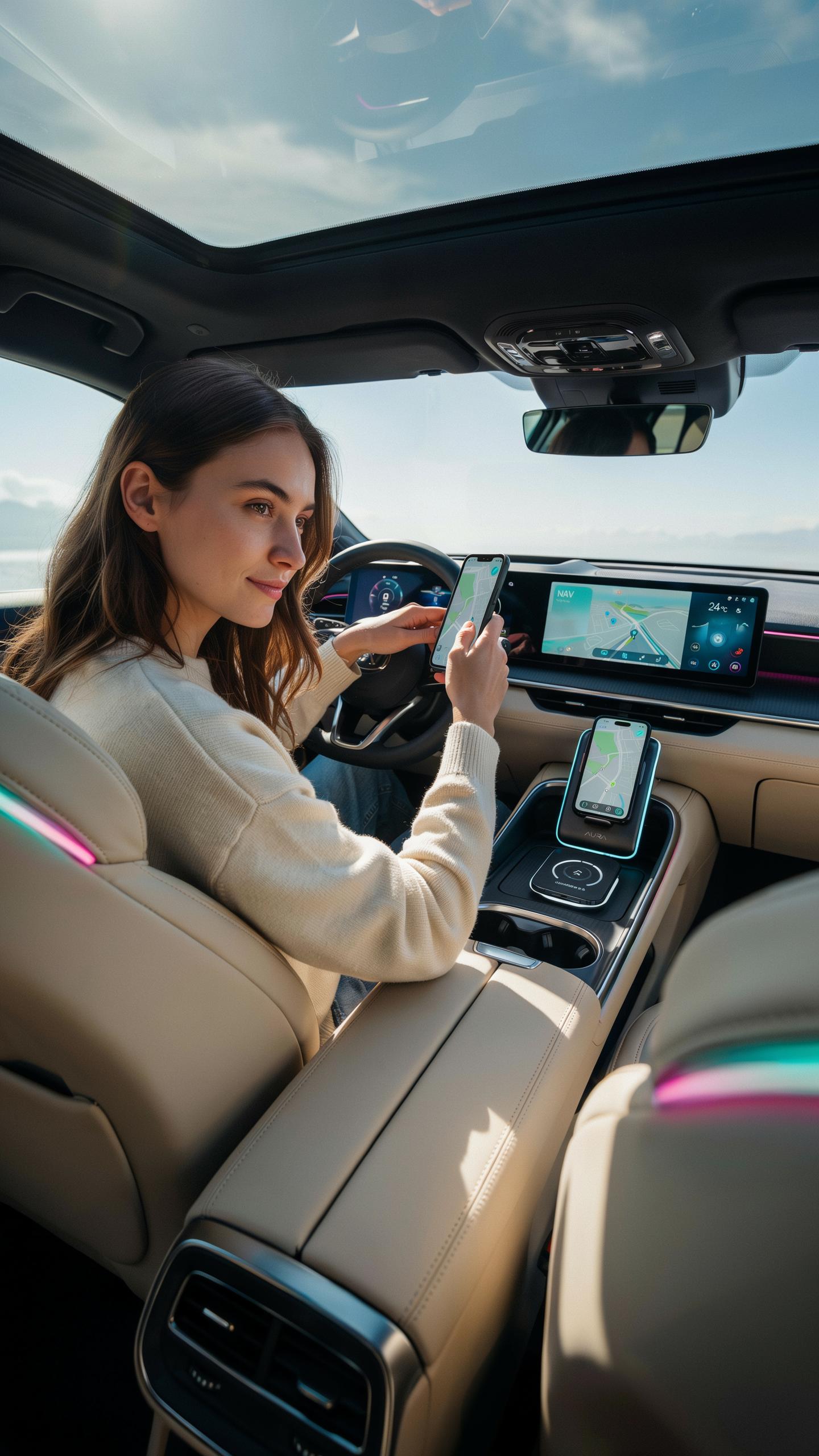
OEM manufacturers now embed wireless charging pads into factory dashboards and center consoles. This integration connects charging functionality directly to vehicle power systems and software. The next phase involves charging mounts that communicate with infotainment screens to display battery status and charging metrics. This data sharing reduces user complexity by eliminating manual monitoring of charging progress.
Aftermarket solutions are developing wireless mounts that sync with smartphone interfaces and car operating systems. Future mounts will trigger navigation apps, audio adjustments, and climate controls automatically when phones dock for charging. This ecosystem approach turns charging hardware into a control hub for your entire driving experience.
Frequently Asked Questions

What exactly is a car wireless charger mount and why would I need one for my daily commute?
A car wireless charger mount combines phone mounting with convenient wireless charging, eliminating messy cables. It securely holds your phone for navigation and hands-free calls while simultaneously charging it, making your daily commute smoother and safer by keeping your device powered and accessible without fumbling with cords.
How do I properly install a car wireless charger mount in my vehicle for optimal use during my commute?
Most car wireless charger mounts offer vent, dashboard, or windshield mounting options. Choose a spot that doesn’t obstruct your view or controls. Clean the surface thoroughly before attaching suction cups or adhesive. Ensure the mount’s arm or grip firmly secures your phone, and connect the power cable to a USB port or car charger.
Are there affordable car wireless charger mount options that still offer good performance and reliability for everyday use?
Absolutely! Many reputable brands offer excellent car wireless charger mount options at various price points. Look for models with decent wattage (typically 10-15W for fast charging) and a strong grip. Reading a car wireless charger mount review for budget-friendly models can help you find a reliable and cost-effective solution for your commute.