
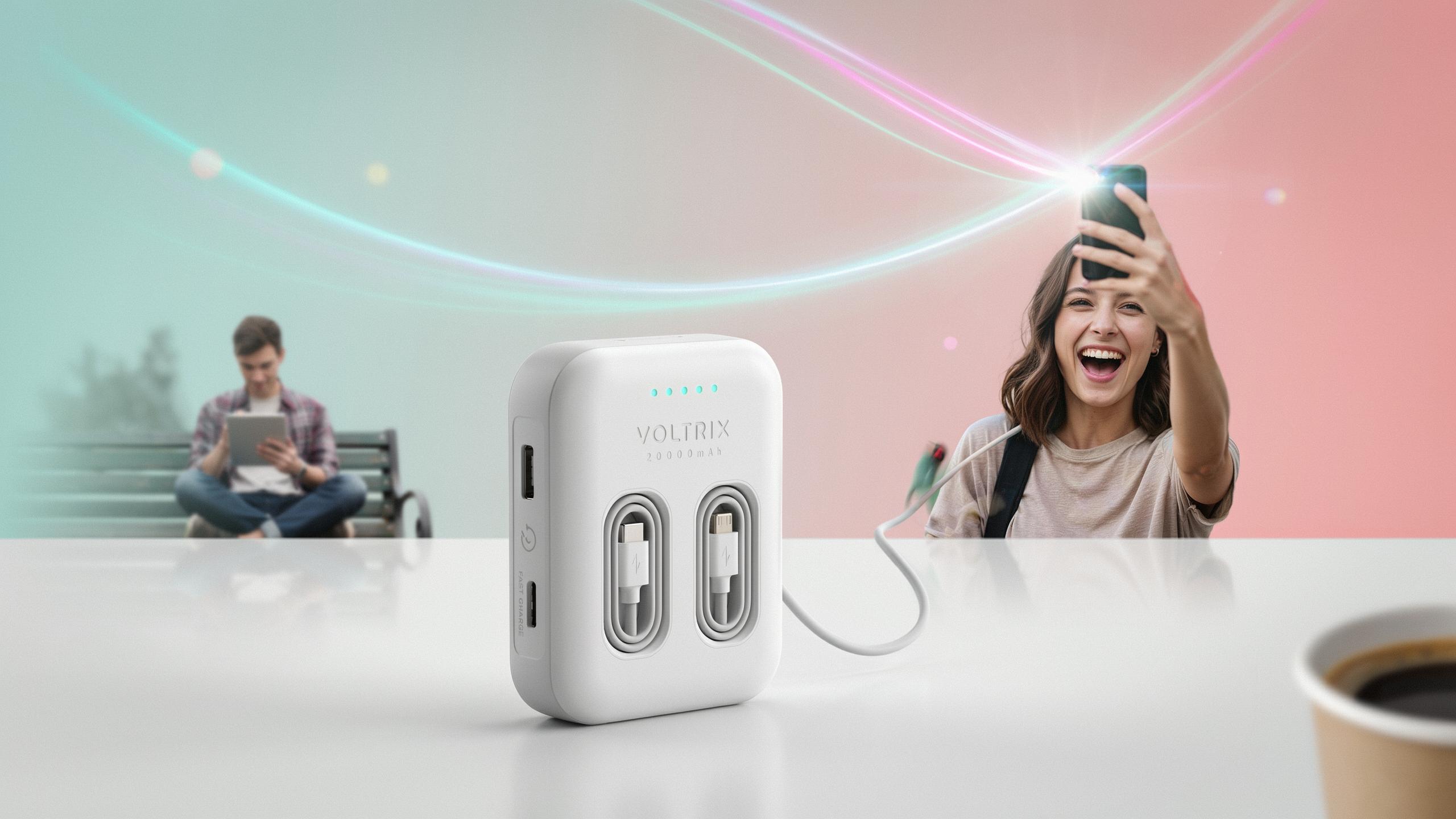
The Evolution Of Portable Power Why Built In Cables Are A Game Changer
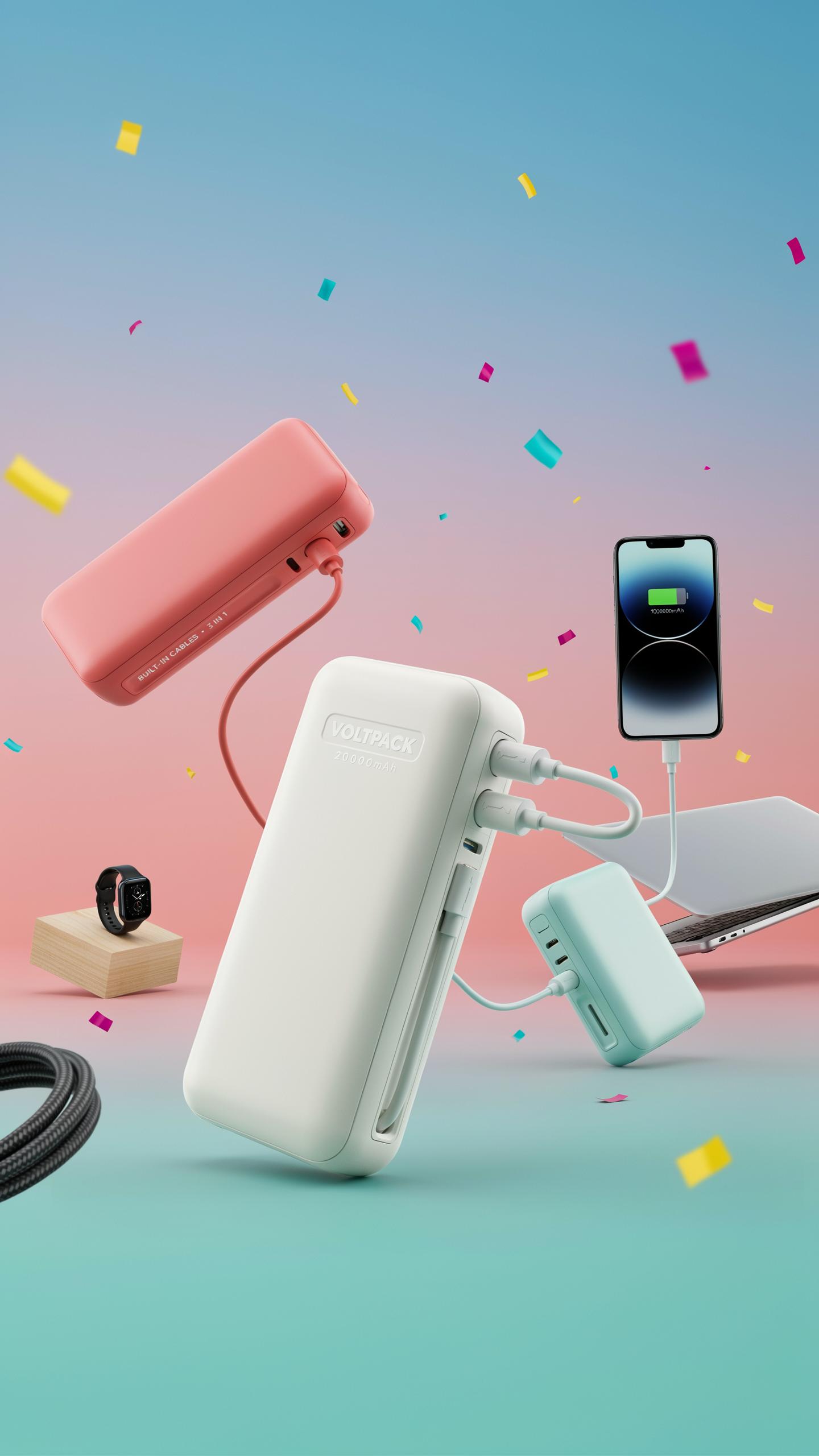
The Hassle Of External Cables
Traditional portable chargers force you to carry multiple accessories. You need the power bank itself, then separate Lightning cables, USB-C cables, or Micro-USB cables depending on your devices. Each cable adds weight and takes up bag space. Cables get tangled, damaged, or lost. You end up buying replacements constantly.
The cable management problem compounds when traveling or commuting. You grab your power bank but forget which cable you need. You arrive somewhere and cannot charge because the right cable is at home. Multiple device types mean multiple cables. This friction defeats the entire purpose of portable charging.
Streamlining Your Charging Experience
Built in cables solve this at the design level. The power bank arrives ready to charge. No hunting for cables. No separate purchases. No tangled mess in your bag. You pick up one device and charge immediately.
The integrated approach removes decision making from charging. One power bank works across your devices through multiple built in ports or switchable connectors. You travel lighter. You stress less about compatibility. The design puts function first and eliminates the gap between owning a charger and actually using it.

Key Features Of A Power Bank With Built In Cables A Tech Gadgets Essential
Universal Compatibility And Cable Types
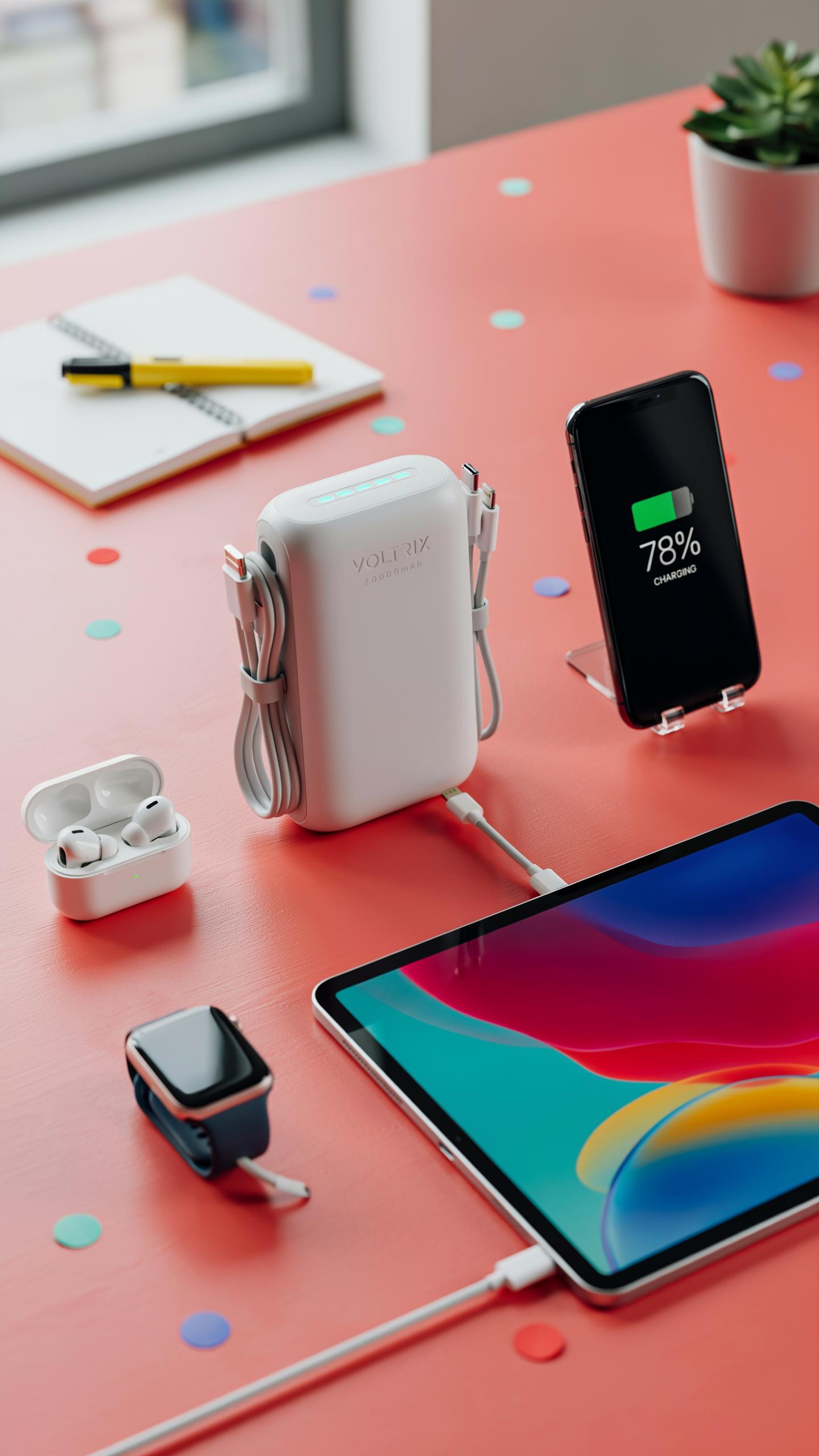
Most power banks with built-in cables ship with multiple connector types. USB-C, Lightning, and Micro-USB cables come integrated into a single unit. This multi-cable approach eliminates the need to carry separate charging cables for different devices. You charge iPhones, Android phones, and tablets from one device without switching accessories.
The cable variety addresses a core problem in consumer electronics. Different manufacturers use different standards. Apple devices use Lightning connectors. Most Android phones and tablets use USB-C or older Micro-USB ports. A power bank with all three cables built-in covers virtually every smartphone and tablet in active use today.
Compact Design And Portability Benefits
Built-in cables eliminate separate charging wires that normally take up bag space. The integrated design reduces overall footprint compared to carrying a power bank plus multiple cables. You pack less and carry more efficiently. This matters for travelers, commuters, and professionals who track their gear closely.

Integrated cables also reduce failure points. Loose cables get lost or damaged in bags. Built-in cables stay attached and protected by the power bank housing. The streamlined form factor fits standard pockets and backpacks without awkward bulges. These units perform like traditional power banks but with mandatory charging capability already onboard.
Choosing The Right Portable Charger Capacity And Fast Charging

Understanding MAh: How Much Power Do You Need?
Milliampere-hours (mAh) measure energy storage in a power bank. A 10,000 mAh unit typically charges a smartphone once. A 20,000 mAh unit charges most phones twice or tablets once. Match capacity to your usage pattern. Daily commuters need less than remote workers or frequent travelers.
Real-world capacity differs from rated capacity. Conversion losses reduce usable power by 10-30 percent. A 20,000 mAh power bank delivers roughly 14,000-18,000 mAh to your device. Check the watt-hour (Wh) rating for accuracy. Wh accounts for voltage and conversion efficiency automatically.
The Importance Of Fast Charging Technologies
Power Delivery (PD) and Quick Charge (QC) reduce charging times substantially. PD supports 18W to 240W output depending on version. QC versions range from 18W to 65W. Both technologies negotiate power levels between charger and device. Your device only accepts power it supports.

A power bank with built in cables gains tactical advantage here. The cable quality directly impacts fast charging performance. Poor cables limit power transfer despite high wattage ratings. Certified cables ensure stable current delivery without heat damage. Built in cables eliminate variable quality issues from external cables.
Durability And Safety A Reliable Battery Pack
Built In Cable Longevity And Material Quality
Built-in cables fail when manufacturers use cheap materials and poor construction methods. Quality power banks use braided nylon or rubber-coated cables that resist fraying and physical damage. The connector points need reinforced strain relief to handle repeated insertion and removal without breaking.
Cable degradation happens fastest at connection points where the cable meets the power bank body. Flex testing data shows reinforced cables last through thousands of bend cycles compared to standard cables that fail after hundreds. Material thickness matters directly. Thicker conductors and better insulation reduce internal resistance and heat generation during charging.
Remember those days of fumbling for cables? This guide reminds us that true power is not just about a full battery, but about effortless connection, leaving more time for the moments that truly matter.
Safety Features: Protecting Your Devices
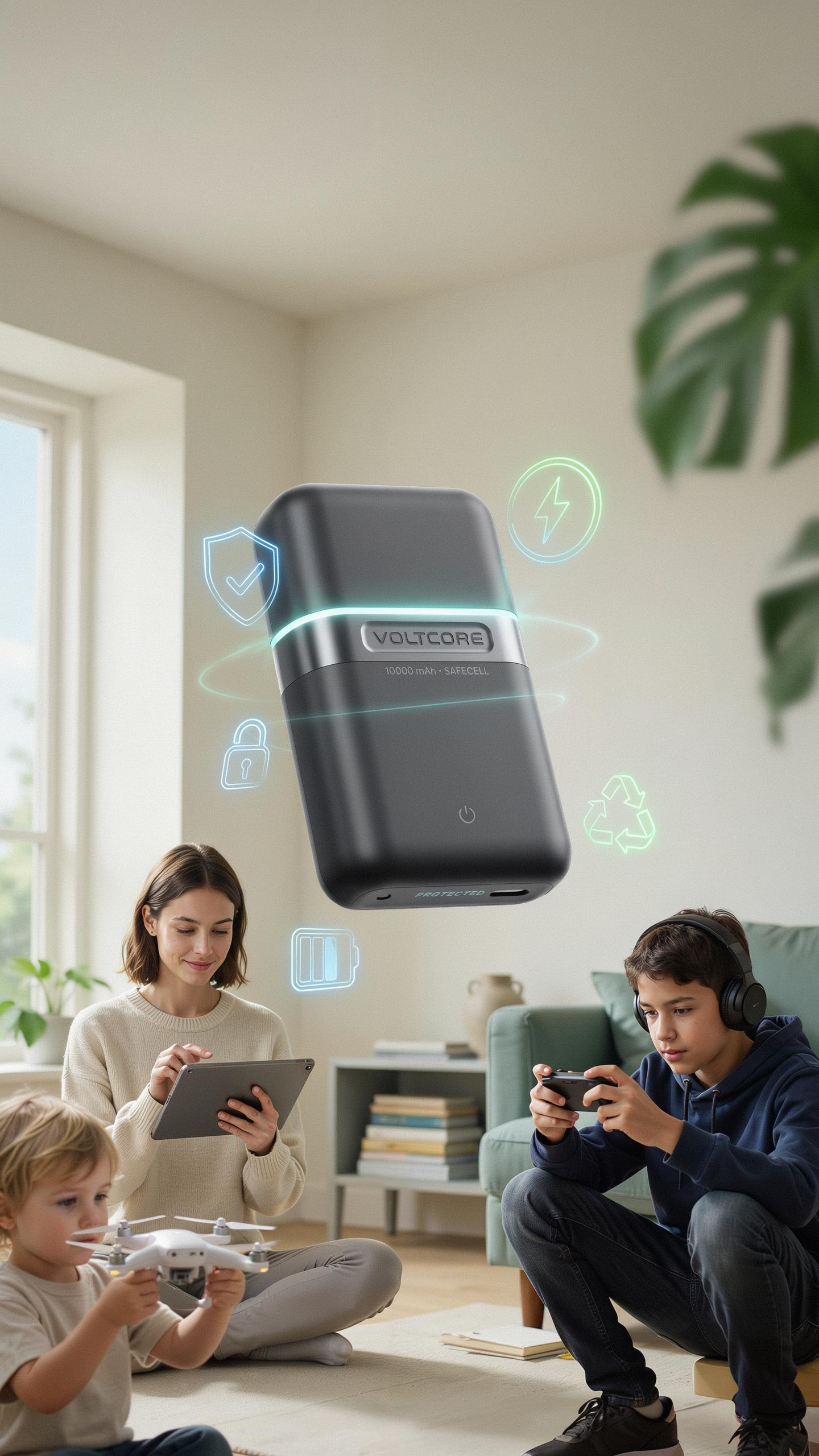
Power banks with built-in cables need multiple safety layers to prevent device damage. Overcharge protection stops charging when the battery reaches full capacity. Short-circuit protection cuts power instantly if wires touch or components fail. Temperature sensors shut down charging if the battery overheats.

Reputable manufacturers implement these protections at the circuit board level using integrated chips and firmware controls. Overcurrent protection limits the charging speed to safe levels for connected devices. These mechanisms protect smartphones, tablets, and other electronics from voltage spikes and power surges that damage internal components.
Power Banks With Built In Cables As Travel Essentials

Minimizing Luggage And Maximizing Efficiency
A power bank with built-in cables eliminates the need to pack separate charging cables. This consolidation directly reduces your total item count. You carry one device instead of three or four separate pieces. The space savings matter on trips where luggage allowances are tight or backpack capacity is limited.
Built-in cables eliminate cable tangling and organization hassles during packing. You avoid searching through bags for the right connector type. Setup takes seconds instead of minutes. This efficiency compounds across multiple charging cycles during your trip.
Always Prepared Charging On The Go
Power banks with integrated cables keep your devices charged during flights, layovers, and ground transportation. You access charging capability immediately without locating cables or adapters. Battery drain on phones and tablets stops becoming a trip constraint. Long flights and extended city exploration become logistically simpler.

This constant readiness eliminates dead device scenarios that derail travel plans. You maintain communication access, navigation capability, and documentation availability throughout your journey. Emergency situations where you need your phone at full battery become preventable. The integrated cable design means you never arrive at your destination without charging capability.
Optimizing Your Portable Power Experience Tips And Tricks

Best Practices For Charging Cable Care
Built-in cables experience wear from repeated use and storage. Avoid sharp bends at connection points where the cable meets the power bank body. These stress points fail first. Store the cable in its relaxed state without coiling it tightly around the device.
Pulling the cable with force during disconnection damages internal wiring. Always grip the connector head, not the cable itself, when unplugging. Inspect your cable monthly for visible cracks or fraying. Replace the power bank if damage appears since most built-in cables cannot be repaired separately.
Maximizing Battery Life And Efficiency
Power bank batteries degrade faster with deep discharge cycles. Charge your device before the battery reaches zero percent. Storing the power bank at 40 to 60 percent charge extends overall lifespan compared to keeping it fully charged constantly.
- Disable Bluetooth and location services: Turning off these features on your phone reduces power draw and speeds up charging time significantly.
- Enable airplane mode during charging: This cuts background data usage and allows faster power transfer to your device.
- Avoid using your device while charging: Active use pulls power away from the battery, extending charge time unnecessarily.
- Use the correct charging port: Verify your device uses the same cable type. Mismatched connectors charge slower and generate heat.
- Charge in moderate temperatures: Extreme heat or cold slows charging speed and damages battery chemistry over time.

Environmental conditions affect charging efficiency directly. Cool, dry storage maintains battery capacity better than hot locations. Check your power bank’s specifications for optimal operating temperature ranges and follow them strictly for consistent performance.
The Future Of Portable Power Bank Technology

Advancements In Battery And Charging Cable Innovation
Energy density improvements drive the next phase of power bank development. Lithium polymer and solid state battery technologies pack more capacity into smaller form factors. Manufacturers pursue these advances to deliver devices that weigh less while holding more charge. Cable innovation focuses on durability through braided materials and reinforced connectors that resist wear from repeated use and flexing.
Adaptive charging protocols represent the tactical shift in how power banks manage energy transfer. These systems adjust voltage and amperage in real time based on the connected device’s requirements. The result is faster charging for compatible devices while protecting battery health during the process. Built in cables benefit directly from these protocols, enabling optimized performance without requiring external adapters or secondary cables.
Sustainable And Eco Friendly Portable Power Solutions
The industry is shifting toward recycled materials in power bank construction. Manufacturers incorporate reclaimed plastics and metals into housing and internal components without sacrificing performance or durability. This approach reduces mining demand and manufacturing waste. Energy efficiency improvements cut the power required during production and reduce standby drain rates on finished units.

Circular economy principles guide design decisions in modern power bank development. Companies now design for repairability, allowing users to replace worn cables and aging battery cells rather than discarding entire units. Packaging uses recyclable and biodegradable materials where practical. This focus directly lowers the environmental cost per charge cycle and extends the useful life of each device manufactured.
Making The Switch Why A Power Bank With Built In Cables Is For You
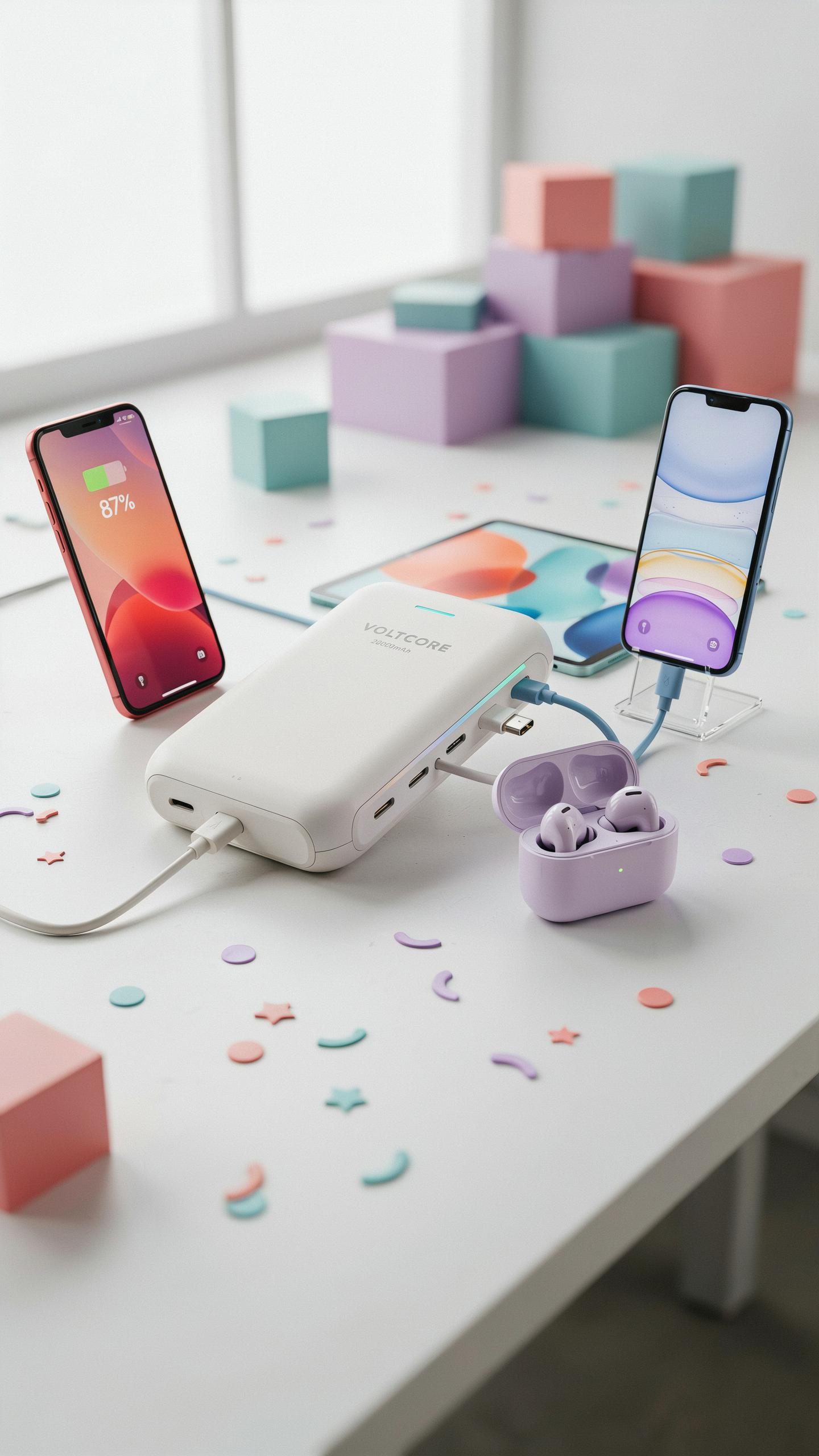
Unmatched Convenience For Daily Use
Everyday commuters, students, and professionals benefit directly from integrated cables. You eliminate the need to pack separate charging cables alongside your power bank. One device handles multiple charging scenarios without requiring additional accessories or cable management. Grab-and-go charging becomes your standard, not an exception to your routine.
The practical advantage compounds over time. You reach for one item instead of two. No more searching through bags for mismatched cables or forgotten connectors. Your device sits ready to charge phones, tablets, or other electronics immediately upon request.
A Smart Investment For A Clutter Free Life
Investing in a power bank with built-in cables directly reduces desk and bag clutter. Multiple cables create management problems and take up valuable space. Integrated solutions consolidate your charging infrastructure into a single, purposeful device. Your digital life becomes streamlined by design, not by accident.

This approach ensures the right cable stays accessible. No more incompatible connectors or missing adapters when you need them most. The investment pays dividends through simplified organization and reliable charging access whenever situations demand it.
Frequently Asked Questions

What exactly is a power bank with built-in cables, and how does it differ from a standard power bank?
A power bank with built-in cables is a portable charger that includes integrated charging cords (like USB-C, Lightning, or Micro-USB) directly within its design. This eliminates the need to carry separate cables, making it incredibly convenient compared to a standard power bank, which typically only has USB ports requiring you to bring your own.
How do I charge my devices using a power bank with built-in cables?
Charging your devices is incredibly simple! Just select the appropriate built-in cable that matches your device’s charging port (e.g., USB-C for Android, Lightning for iPhone). Plug the cable directly into your device, and the power bank will begin charging automatically. No searching for extra cords needed.
Are power banks with built-in cables generally more expensive than traditional power banks, or are there affordable options available?
While some premium models exist, you can absolutely find affordable options for a power bank with built-in cables. The convenience factor often comes with a slight price increase compared to very basic models, but numerous brands offer budget-friendly versions with various capacities and cable types, making them accessible to most users.