

The Power Of Solar Charging For Your Smart Watch

How Solar Charging Extends Battery Life
Solar charging smartwatch bands convert sunlight into electrical energy through photovoltaic cells integrated into the band material. This energy flows directly to the watch battery, reducing dependence on traditional charging methods. The amount of charge depends on sunlight intensity, duration of exposure, and the photovoltaic cell efficiency. Real-world usage shows solar bands supplement battery life rather than replace it entirely.
Most solar smartwatch bands extend battery life by one to three days per week under typical outdoor conditions. Users who spend significant time outdoors gain the most benefit. The charging rate varies based on latitude, season, and cloud cover. Even on cloudy days, bands capture ambient light and generate some charge, though at reduced rates.
Benefits Of Solar Power In Outdoor Environments
Outdoor adventurers eliminate the need to carry charging cables and power banks on extended trips. Solar bands work continuously during daylight activities like hiking, climbing, and camping. This removes a logistical constraint that typically limits expedition duration. Continuous charging keeps your watch operational without searching for electrical outlets.
Solar bands provide backup power in remote locations where traditional charging is impossible. Users maintain access to navigation, health tracking, and emergency features throughout their journey. The technology works at any altitude and in most weather conditions. This reliability makes solar bands a practical tool for extended backcountry travel where device failure creates serious consequences.

Key Features Of An Outdoor Smartwatch
Durability And Water Resistance For The Elements
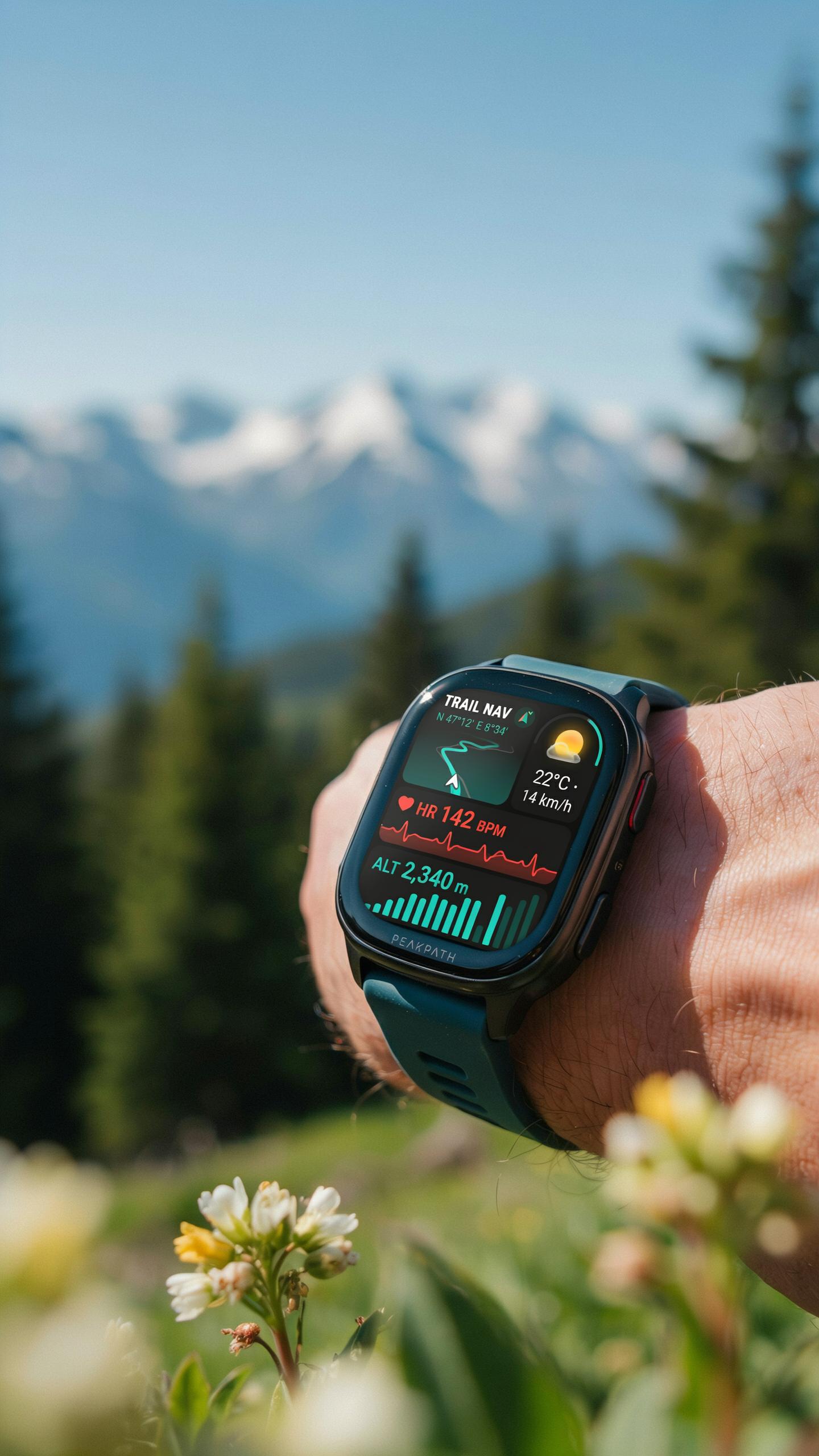
Outdoor smartwatches require materials that withstand repeated impacts and temperature swings. Manufacturers use reinforced polymers, stainless steel, and sapphire or mineral glass for casings and screens. These materials resist scratches and cracks during falls or contact with rocks and branches. The band itself needs equal durability, especially solar charging bands that integrate rigid panel materials.
Water resistance ratings determine how deep a watch survives. Most outdoor models achieve 5 ATM (50 meters) minimum, handling splashes and brief submersion. Higher ratings like 10 ATM support snorkeling. The seal quality around the charging contacts matters significantly for solar bands, as water intrusion there causes malfunction. Manufacturers test these seals through repeated submersion cycles before release.
GPS Watch Capabilities For Navigation
GPS chips in outdoor smartwatches provide real-time location tracking and route recording. They work independently of phone connectivity, letting users navigate remote areas without cellular signals. Accuracy typically ranges from 5 to 10 meters depending on satellite visibility and atmospheric conditions. Solar charging bands extend GPS usage time by keeping the battery charged during daylight hours.

Multi-GNSS systems combine GPS with GLONASS and Galileo satellite networks for improved accuracy in canyons and dense forests where single-system tracking fails. Battery drain during continuous GPS operation is significant, making solar supplementation practical rather than optional for extended outdoor trips. Recording tracks consumes data storage, so devices balance resolution with memory limits for multi-day adventures.
Integrating A Training Plan With Your Smartwatch

Tracking Performance For Running And Hiking
Your smartwatch captures raw data during outdoor movement. Most models record distance, pace, elevation gain, and heart rate in real time. This data feeds directly into training analysis. You review what happened, not what you think happened. Running metrics differ from hiking metrics because hiking involves variable terrain and lower speeds. Your watch separates these activities automatically or through manual selection. The solar charging band keeps your device powered through multi-hour sessions without battery anxiety.
Solar bands extend session duration by converting ambient light into usable energy. Standard battery drains faster during GPS tracking because the chipset works constantly. A hybrid solar system reduces charging frequency from daily to every 2-3 days for typical outdoor users. You get uninterrupted performance data collection across weeks. This continuous tracking reveals patterns in your aerobic capacity, recovery times, and terrain adaptation that short sessions miss. Long-term training decisions depend on complete data sets.
Utilizing Strength Training Plan Features
Smartwatches track strength work through motion detection and heart rate elevation patterns. Wearables record rep count, rest periods, and caloric output during weight sessions. The data syncs to companion apps where you build progressive overload tracking. You know exactly what weight and reps you used last session. This removes guesswork from training progression. Solar charging matters less during indoor gym sessions but enables you to wear the band continuously for recovery monitoring between workouts.
Continuous wear through day and night captures resting heart rate trends. These metrics show whether your strength training recovery is adequate. Overtraining appears in elevated resting heart rate patterns. You adjust volume before hitting a plateau or injury. Solar bands support this always-on approach without battery management interrupting your data stream. Charge cycles matter less when the band harvests energy passively throughout your day indoors and outdoors.
Choosing The Right Smartwatch For Adventure Garmin Watch And Beyond

Comparing Top Smartwatch Brands For Outdoor Use
Garmin dominates outdoor smartwatch markets because their devices prioritize GPS accuracy, battery longevity, and rugged construction. Apple Watch excels in ecosystem integration but drains batteries faster in field conditions. Suunto and Polar target specific niches: Suunto emphasizes navigation while Polar focuses on athletic metrics. Fitbit prioritizes fitness tracking over outdoor navigation capabilities. Each brand trades features for battery life differently, so your choice depends on what you actually need in the field.
Solar charging bands shift this calculation. They extend runtime on any compatible smartwatch, regardless of brand. Garmin watches with solar charging compatibility gain the most practical advantage because their existing outdoor focus aligns with extended outdoor time. Apple Watch remains limited since few solar band options exist for that ecosystem. Your smartwatch choice should factor in solar band availability before purchase if extended adventures matter to your strategy.
Factors To Consider When Selecting A Garmin Watch Model
Garmin produces different watch lines for different purposes: fēnix handles extreme expeditions, epix adds mapping displays, Instinct targets survival scenarios, and Venu balances features with daily wear. Your selection depends on mission length and terrain type. A weekend hiker needs different specs than a multi-week backpacking expedition. Solar charging compatibility matters most for longer trips where you cannot charge daily. Check which Garmin models support aftermarket solar bands before committing to a specific watch.

Battery life ratings vary by Garmin model and usage mode. Smartwatch mode runtime ranges from five to fourteen days depending on the model. GPS mode drains batteries significantly faster, sometimes down to fifteen hours. Solar bands compensate by adding charging during daylight hours, extending GPS runtime by twenty to forty percent depending on sun exposure and band quality. Calculate your actual power consumption before selecting a model, then determine if a solar band closes the gap.
Enhancing Comfort And Style With Silicon Bands

Advantages Of Silicon Bands For Outdoor Activities
Silicon bands deliver durability that matters in harsh environments. They resist sweat, saltwater, and temperature swings without degrading. Unlike leather or fabric alternatives, silicon won’t rot from moisture exposure. The material flexes without cracking during repeated movement. This resilience keeps your solar charging smartwatch band functional through extreme conditions and demanding terrain.
Silicon bands dry rapidly after water exposure, which prevents bacteria growth and odor buildup. The material maintains its grip in wet conditions, preventing the watch from slipping during climbing or water activities. Replacement bands cost less than premium materials, so you can rotate multiple options without financial strain. Silicon also tolerates direct sunlight without fading, preserving the band’s appearance over extended outdoor use.
Maintaining And Cleaning Your Smartwatch Band
Clean your silicon band weekly using warm water and mild soap. Scrub gently with a soft brush to remove dirt and sweat buildup. Rinse thoroughly and pat dry with a lint-free cloth. This routine prevents material degradation and maintains contact points between the band and solar panel components. Avoid harsh chemicals, bleach, and abrasive scrubbers that can damage the silicone surface.

Inspect connection points regularly for corrosion or debris accumulation. Salt spray and sand create grit that interferes with charging efficiency. Use a dry cloth to wipe connection areas after each outdoor session. Store your band in a cool, dry location away from direct heat. Proper maintenance extends band lifespan and ensures consistent solar charging performance throughout your adventures.
Advanced Metrics For The Adventurer Altimeter And More

Understanding Altimeter Readings For Elevation Tracking
Altimeters in smartwatch bands measure elevation through barometric pressure sensors. As altitude increases, atmospheric pressure drops proportionally. The device calculates height by comparing current pressure against a baseline reading. This method works reliably up to 29,000 feet, covering most terrain adventurers encounter. Accuracy depends on stable barometric conditions and proper calibration at known elevations.
Elevation data serves tactical purposes beyond curiosity. Tracking ascent and descent rates reveals physical demands and cardiovascular strain. Cumulative vertical gain shows total climbing effort across a hike or expedition. Adventurers use this metric to assess trail difficulty and plan recovery time. Weather changes affect barometric readings, so recalibrate at established elevations when conditions shift significantly.
Other Essential Sensors For Outdoor Exploration
Solar charging smartwatch bands integrate multiple sensors beyond altimetry for comprehensive outdoor tracking. GPS chipsets provide real-time location data and route recording. Accelerometers measure movement intensity and detect falls or unusual motion patterns. Temperature sensors monitor environmental conditions and body heat changes. Compass modules determine directional heading independently of GPS satellites in canyon or dense forest terrain.

These sensors work together to create a complete picture of your environment and performance. Gyroscopes detect rotation and orientation, enabling accurate step counting and activity classification. Barometric sensors track weather pressure trends, predicting storms hours before they arrive. Heart rate monitors measure cardiovascular response to elevation and exertion. Solar panels charge the battery continuously, ensuring these sensors operate throughout multi-day expeditions without dependency on external power sources.
Maximizing Your Smartwatch Experience In The Wild
Tips For Optimizing Battery Life In Remote Areas
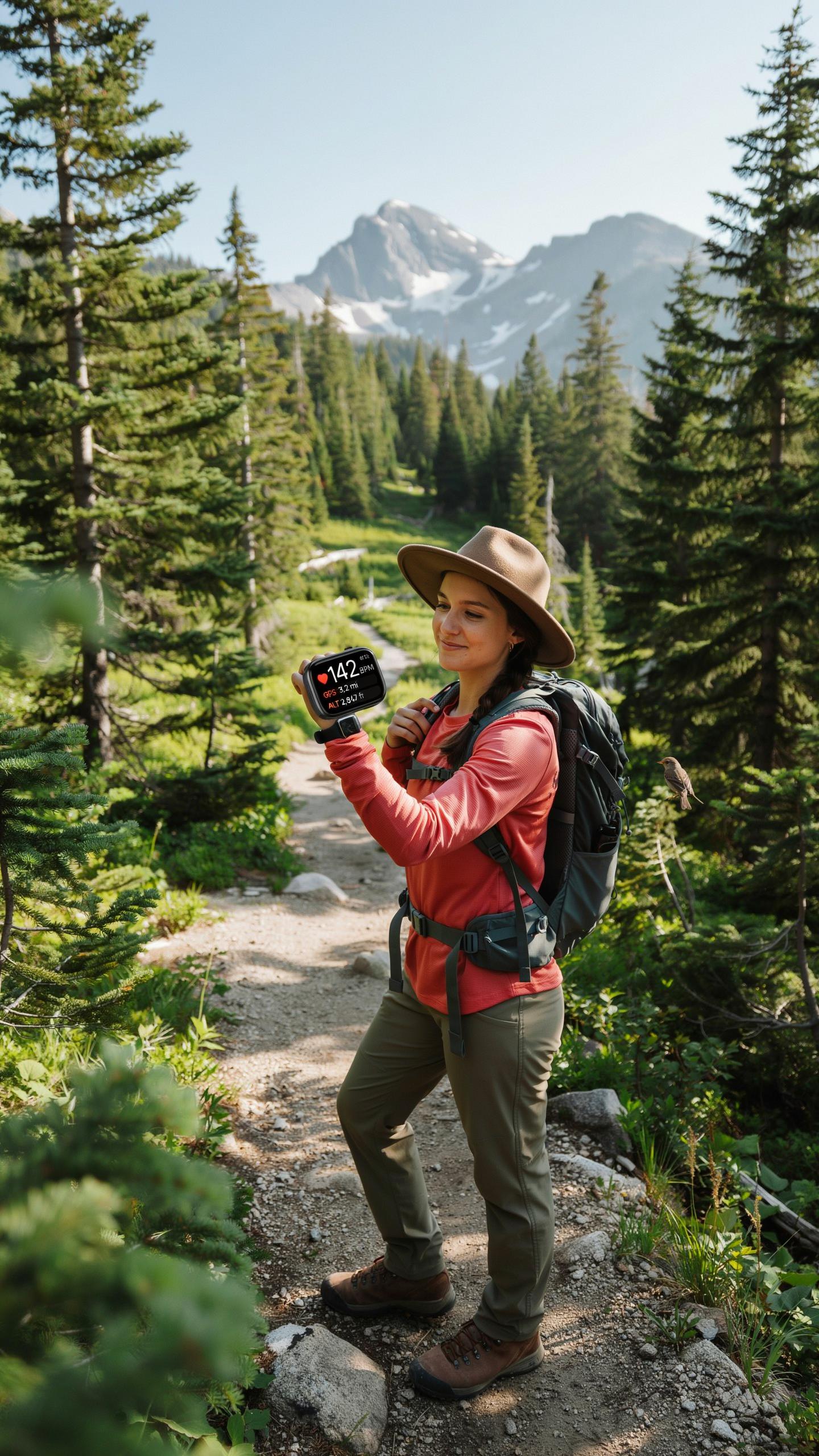
Solar charging smartwatch bands extend runtime by converting sunlight into usable power. The conversion efficiency depends on panel quality, sunlight intensity, and surface area exposed to direct light. In remote areas where charging infrastructure doesn’t exist, solar bands become critical for maintaining core functions like GPS tracking and emergency alerts.
- Maximize Direct Sunlight Exposure: Position your wrist to face the sun during daylight hours. Angle matters. Direct overhead sun charges faster than angled or filtered light through tree cover or clouds.
- Reduce Non Essential Features: Disable continuous heart rate monitoring, constant GPS tracking, and always on displays. These drain battery regardless of solar input. Enable them only when needed.
- Use Dark Watch Faces: Light colored displays consume more power. Dark faces and OLED screens reduce energy draw, allowing solar cells to charge the battery instead of fighting power drain.
- Lower Screen Brightness: High brightness settings pull significant power. Adjust to the minimum readable level for your environment. This extends effective battery life between charge cycles.
- Activate Battery Saver Mode: Most smartwatches with solar bands include power saving modes that cut non essential functions. Enable this mode during extended trips in low light conditions or cloudy weather.
- Prioritize Essential Apps: Uninstall or disable apps you don’t use in the field. Each app running in background consumes battery. Keep only navigation, emergency contact, and critical health monitoring apps active.
Solar bands generate power even on cloudy days, though at reduced rates compared to direct sunlight. Strategic power management turns solar charging from a supplementary feature into a genuine survival advantage in extended backcountry trips.
Remember those breathtaking moments under the open sky, now your adventures truly can last as long as the sun shines.
Staying Connected And Safe With Smartwatch Features
Smartwatches with solar charging bands maintain GPS and emergency communication longer than conventional models. In remote terrain, this extended runtime transforms your watch from a tracking device into a reliable safety tool. GPS functionality depends on battery power, making solar charging critical for navigation in areas without trails or landmarks.

Emergency SOS features, messaging capabilities, and location sharing require consistent power. Solar bands ensure these safety features remain operational throughout your expedition. Test all emergency functions before departure to confirm they work on your specific device and network coverage in your destination area.
The Future Of Solar Charging Smartwatch Technology
Innovations In Solar Charging Efficiency
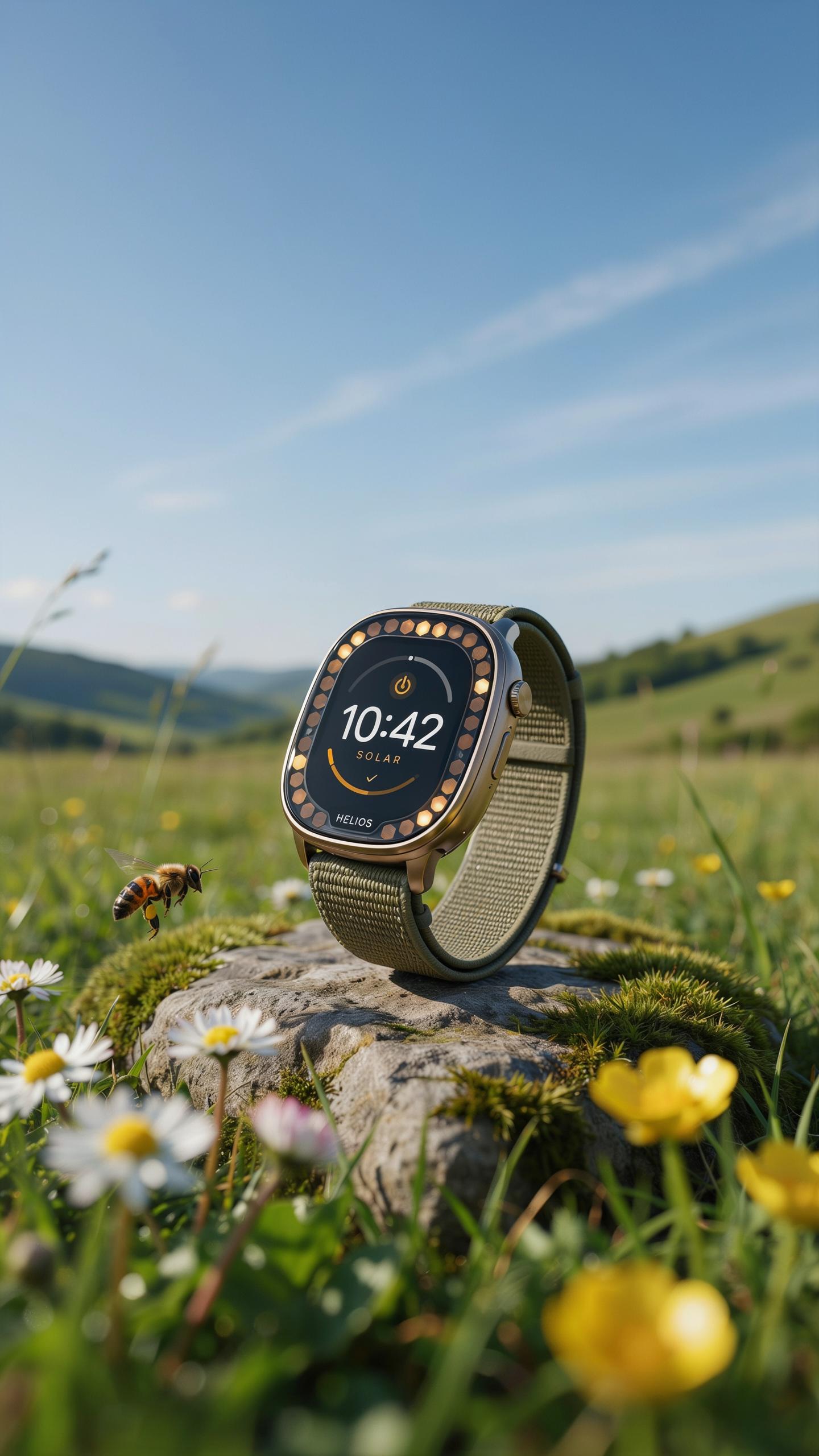
Solar cell efficiency remains the primary barrier to practical smartwatch charging. Current photovoltaic materials used in consumer devices convert 15-22% of sunlight into usable power. Manufacturers now integrate perovskite solar cells and tandem cell designs to push efficiency higher. These technologies reduce charging time and extend battery life between conventional charges. Research focuses on lightweight materials that maintain durability during outdoor conditions.
The real challenge is balancing power generation against wearable form factors. A typical smartwatch band generates 2-5 milliwatts under direct sunlight. This trickles charge rather than replaces traditional charging entirely. Developers stack multiple solar layers and use reflective band materials to capture light at different angles. Integration with existing battery management systems determines whether solar bands become standard or remain supplementary power sources.
Emerging Trends In Outdoor Smartwatch Design
Outdoor smartwatch design now prioritizes modular band systems that swap between power sources. Brands produce interchangeable bands with integrated solar panels for extended trips while maintaining lightweight standard bands for daily wear. Material choices shifted toward sapphire glass covers and composite substrates that transmit light while resisting scratch and impact damage. This approach acknowledges that solar charging serves specific use cases rather than universal functionality.

Durability standards for outdoor devices now demand water resistance ratings of 10 atmospheres minimum and thermal stability across temperature ranges. Manufacturers engineer solar bands to withstand UV exposure without degradation. The trend moves toward transparent or semi-transparent solar materials that don’t sacrifice aesthetic appeal. Outdoor adventurers increasingly choose smartwatches with removable solar bands as backup power during multi-day expeditions where conventional charging remains impractical.
Frequently Asked Questions

What exactly is a solar charging smartwatch band and how does it work?
A solar charging smartwatch band integrates small, efficient solar cells directly into the strap. These cells capture sunlight and convert it into electrical energy, which then recharges your smartwatch’s battery. This innovative technology significantly extends your device’s battery life, making it ideal for multi-day adventures where power outlets are nonexistent.
How do I ensure my solar charging smartwatch band is receiving optimal sunlight for charging?
For optimal charging, simply ensure the solar panel on your smartwatch band is exposed directly to sunlight. While hiking or resting, position your wrist so the band faces the sun. Even diffused light helps, but direct sunlight provides the fastest charge. Keep the surface clean from dirt or debris for maximum efficiency.
Are solar charging smartwatch bands generally affordable, or are they a significant investment for outdoor enthusiasts?
The cost of a solar charging smartwatch band can vary. While some premium options, especially from leading brands with advanced features, can be a moderate investment, more accessible and budget-friendly alternatives are becoming increasingly available. It’s often a worthwhile investment for the extended battery life and convenience it offers during outdoor expeditions.