
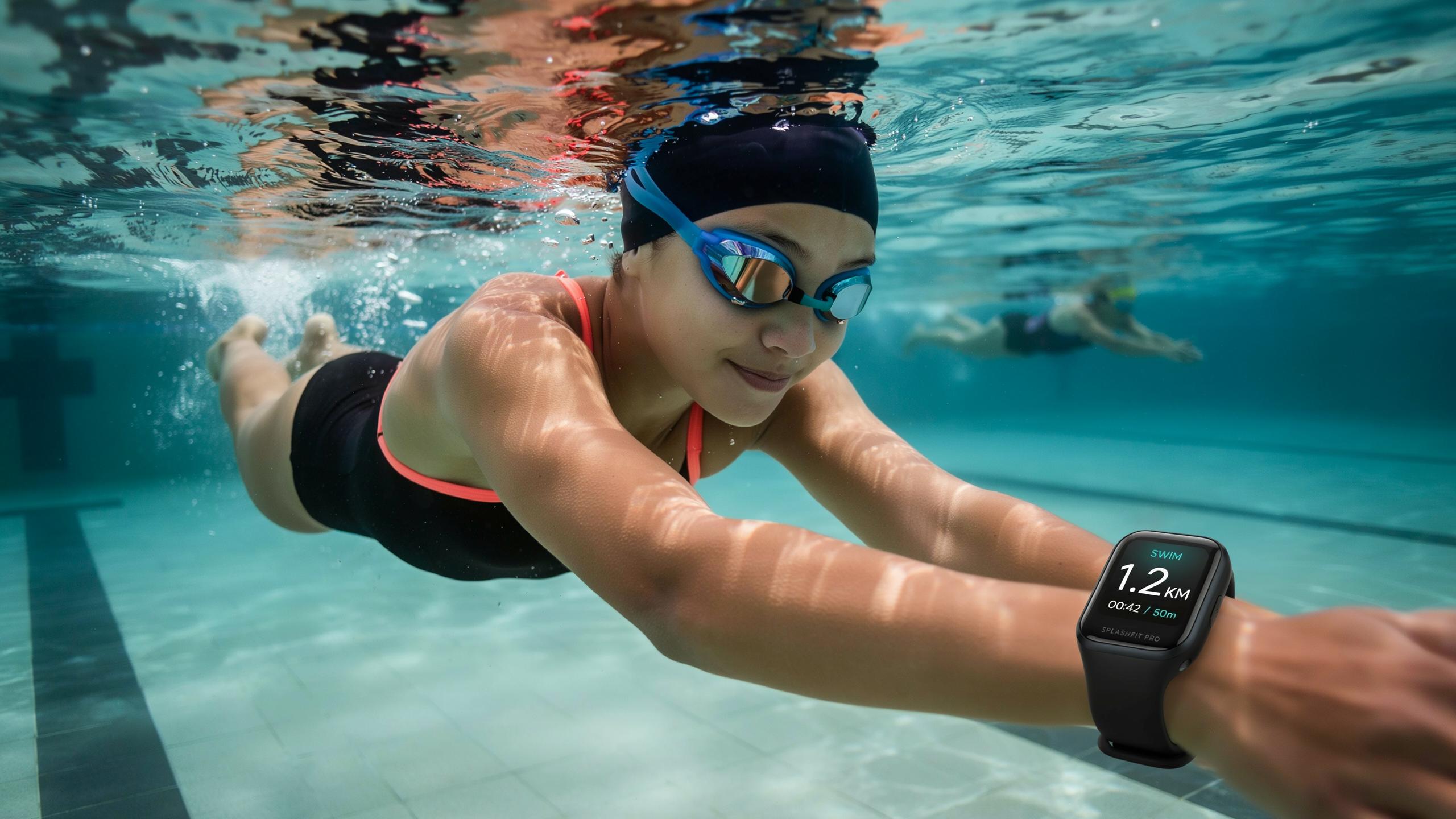
Why A Wearable Fitness Tracker For Swimmers Is Essential
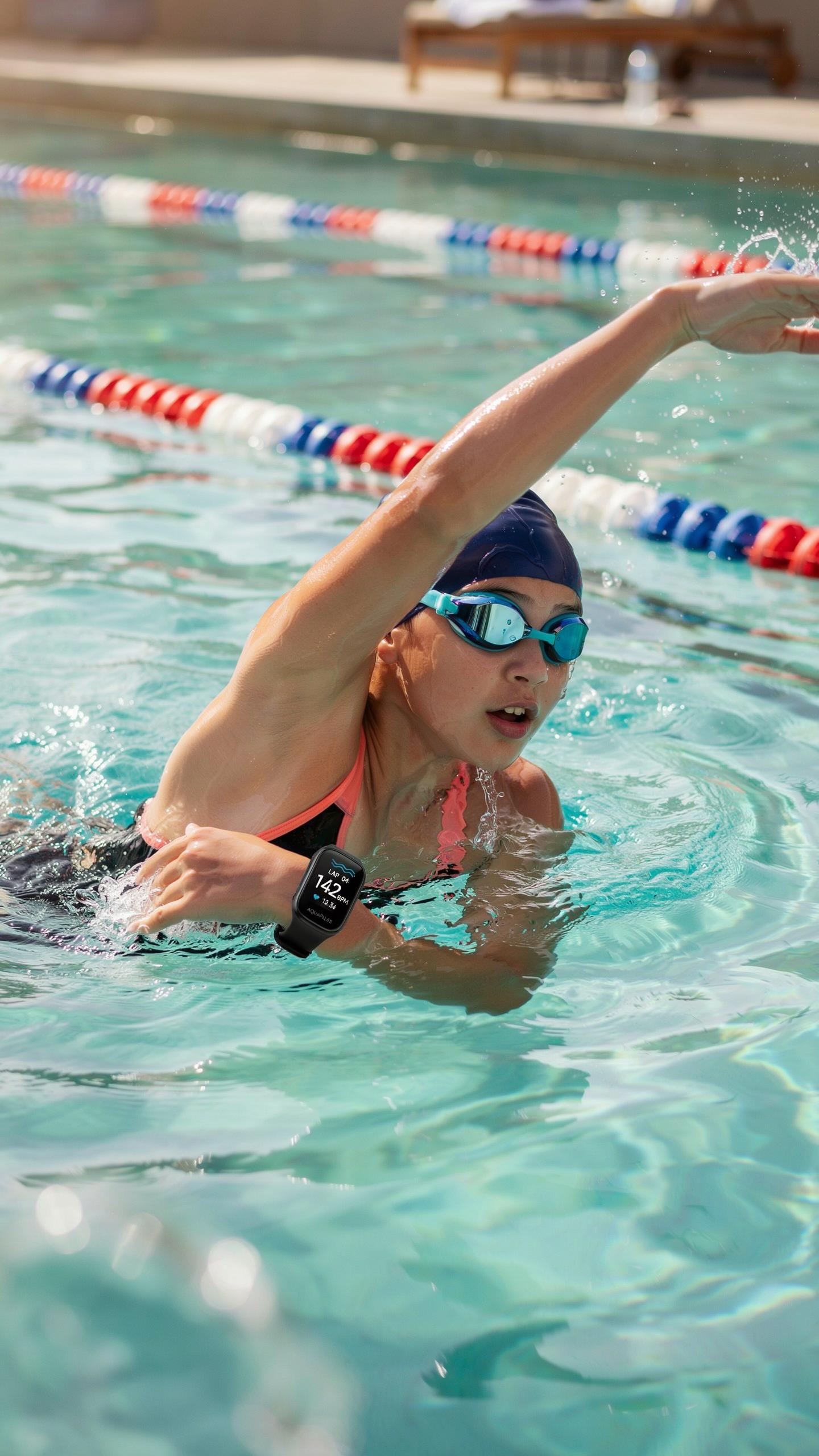
Enhancing Your Swimming Performance
A fitness tracker designed for water sports captures stroke mechanics that you cannot feel or assess visually. The device records stroke count, stroke rate, and distance per stroke, revealing inefficiencies in your technique. You see exactly how many strokes you use per lap and whether that number changes as fatigue sets in. This data transforms vague feelings about your swim into measurable feedback you can act on immediately.
Without this data, you rely on coach observations or gut instinct. A tracker gives you personal, real time metrics that show what actually happens during your session. You identify patterns that slow you down. You catch form breakdown early before it becomes habit. This direct feedback accelerates improvement faster than swimming blind.
Beyond Laps Comprehensive Data Tracking
Fitness trackers for swimmers record far more than lap count. They monitor heart rate, calorie expenditure, rest intervals, and recovery time between sets. Some models track water temperature and distinguish between pool and open water swimming. You gather a complete picture of your workout intensity, effort distribution, and physiological response to training.
This comprehensive view reveals training gaps. You see if your heart rate drops appropriately during recovery periods. You confirm whether you maintain consistent effort across multiple sets. You understand how different workout structures affect your body. This information guides training adjustments, prevents overtraining, and optimizes your preparation for competition or personal goals.
Key Features Of A Superior Swimmers Watch
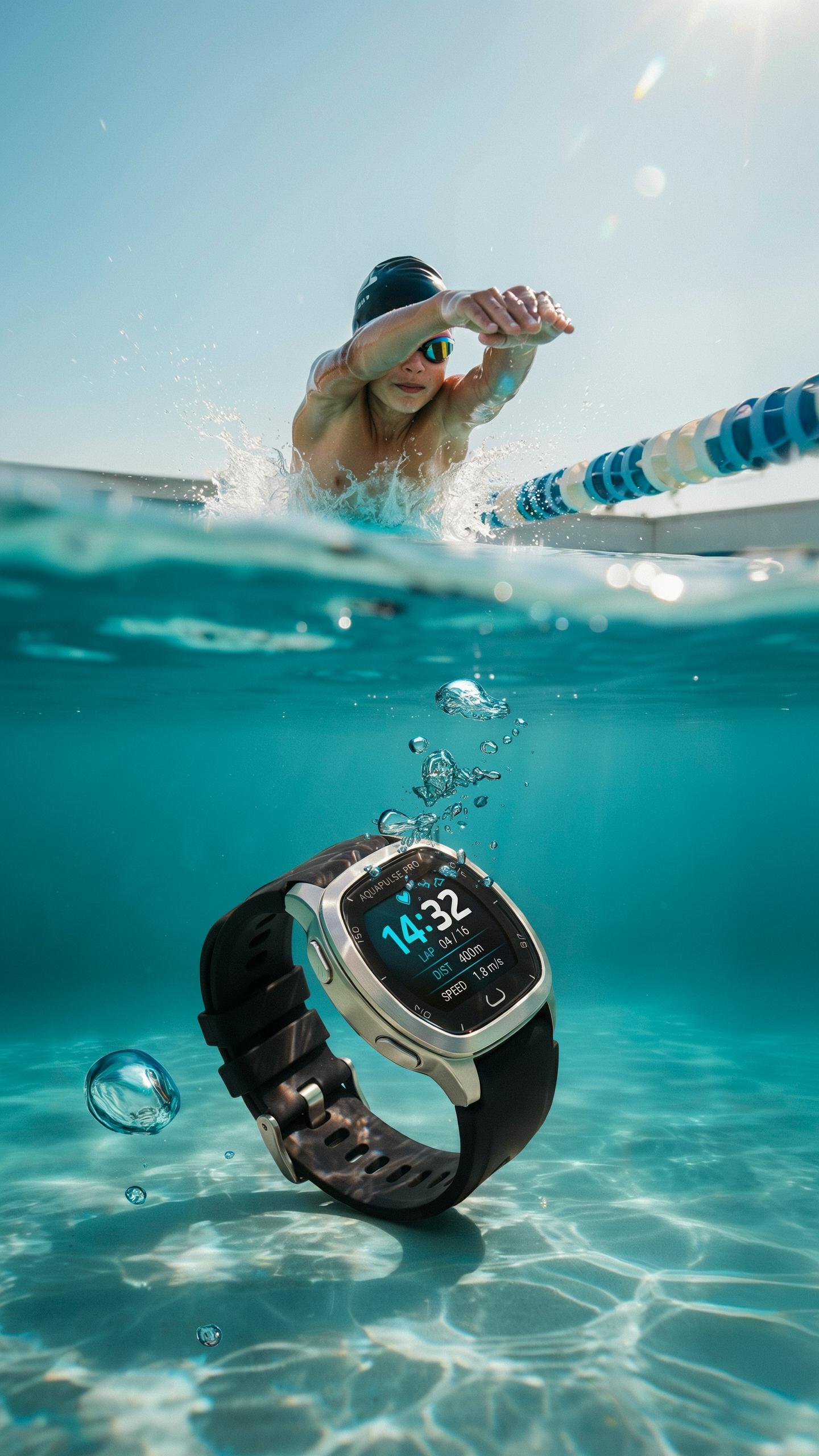
Water Resistance Ratings Explained
Water resistance ratings use ATM (atmospheres) to indicate depth tolerance. One ATM equals roughly ten meters of depth. A device rated 5 ATM handles shallow swimming and snorkeling. Most dedicated swim trackers carry 10 ATM or higher ratings, meaning they survive depths beyond recreational use. Check the specification sheet, not marketing language. The rating represents static pressure in a lab, not real-world conditions like wave action or rapid submersion.
ATM ratings guide device selection for specific swimming environments. Pool swimming requires minimum 5 ATM protection. Open water swimming and diving demand 10 ATM or higher ratings. Saltwater exposure demands corrosion-resistant materials alongside proper ATM ratings. Manufacturers test ratings by submerging devices stationary in pressurized chambers. Your actual usage determines whether a device survives extended submersion. Buy conservatively by selecting ratings higher than your planned activities require.
Accuracy In The Water GPS And Sensors
GPS signals cannot penetrate water, so trackers record distance and pace differently during swimming compared to running. The device uses accelerometers, gyroscopes, and stroke recognition algorithms to estimate distance covered. Stroke recognition technology identifies arm movements and patterns unique to different swimming styles. Wrist-based sensors detect cadence and rhythm to calculate pace and distance. Accuracy varies by manufacturer and algorithm sophistication. Pool swimmers benefit from manual pool length input, which corrects GPS limitations entirely.

Sensors measure heart rate, water temperature, and calories burned independent of GPS capability. Optical heart rate sensors work through water but show less accuracy than skin contact in dry conditions. Advanced trackers employ machine learning to improve stroke type recognition over time. Some models require manual lap recording in pools, while others automate detection. Open water swimmers using GPS achieve better distance accuracy than pool swimmers relying on sensor estimates alone. Cross-reference multiple metrics to verify accuracy for your specific swimming style.
Understanding Waterproof Activity Monitor Technology
How Waterproofing Works: Seals And Materials
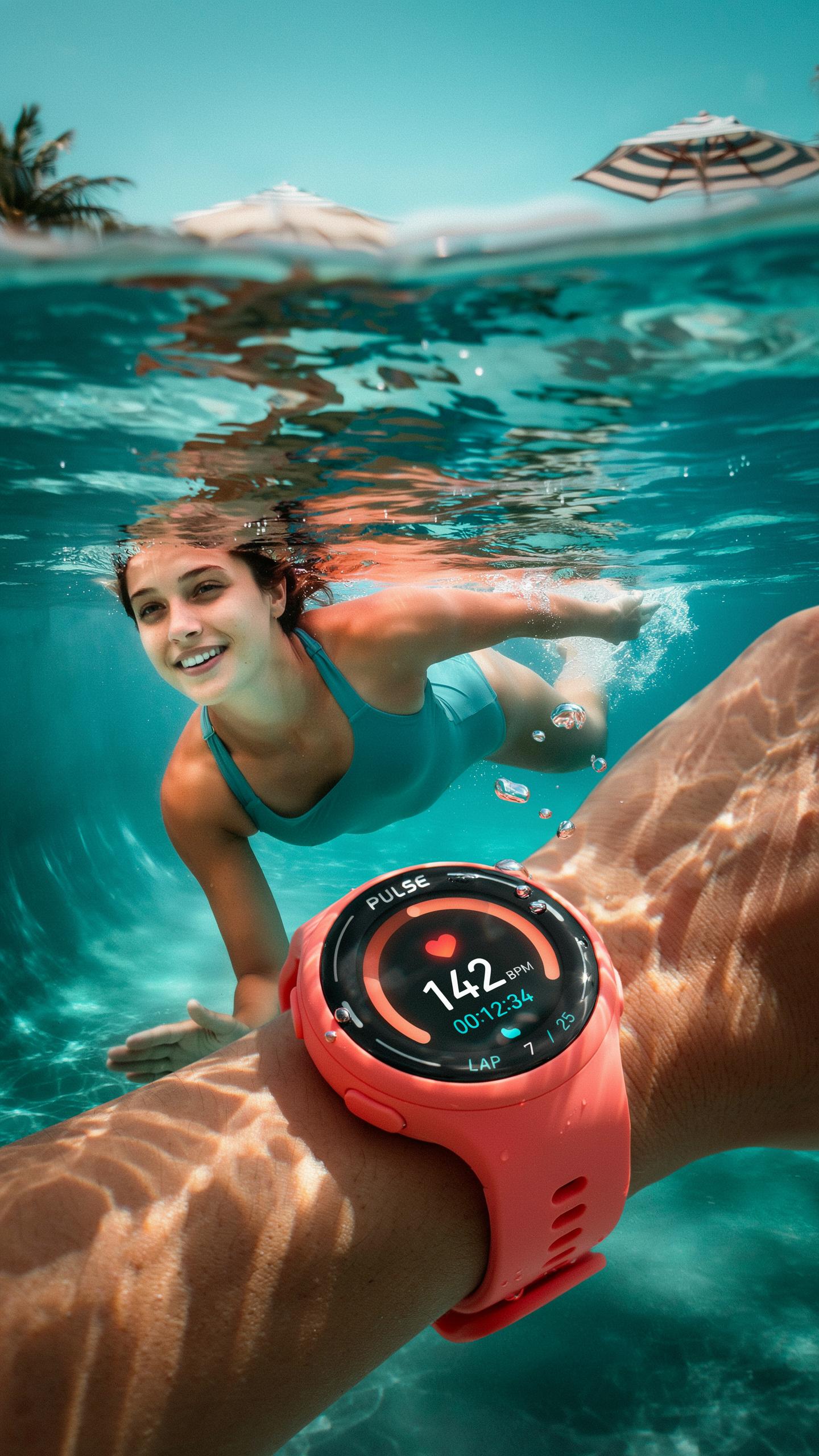
Waterproof fitness trackers use physical barriers to block water from reaching sensitive electronics. Manufacturers apply elastomer gaskets and rubber seals around openings where components connect, such as battery compartments and charging ports. These seals compress when assembled, creating watertight boundaries. The case itself typically uses polycarbonate or similar rigid plastics that resist water penetration. Internal components sit in sealed chambers separated from external entry points.
Water resistance ratings like 5ATM or 50 meters indicate how deep a device can go without water entering. Manufacturers test these claims by submerging devices in pressurized water tanks that simulate depth conditions. A device rated 5ATM handles splashes and shallow swimming but not diving. Higher ratings require additional engineering like reinforced seals, epoxy coatings on circuit boards, and specialized adhesives. The rating determines what water activities the tracker actually supports safely.
Maintaining Your Waterproof Device
Saltwater and chlorine degrade seals faster than fresh water does. Rinse your tracker with clean water after swimming in pools or oceans to remove corrosive chemicals. Dry the device completely before charging, especially around the charging port and any button areas. Check seals visually for cracks or discoloration every few months, as degraded seals lose their waterproof function even if the device still works.
Avoid exposing your tracker to extreme temperature changes, which cause condensation inside the case and compromise seals over time. Never open the device yourself to replace batteries or clean internals, as this breaks the waterproof seal permanently. Store the tracker in a dry environment when not in use. If your tracker gets submerged beyond its rated depth, stop using it immediately and contact the manufacturer, as water likely entered the case.
Top Wearable Fitness Tracker For Swimming Brands On The Market
Comparing Leading Models For Swimmers
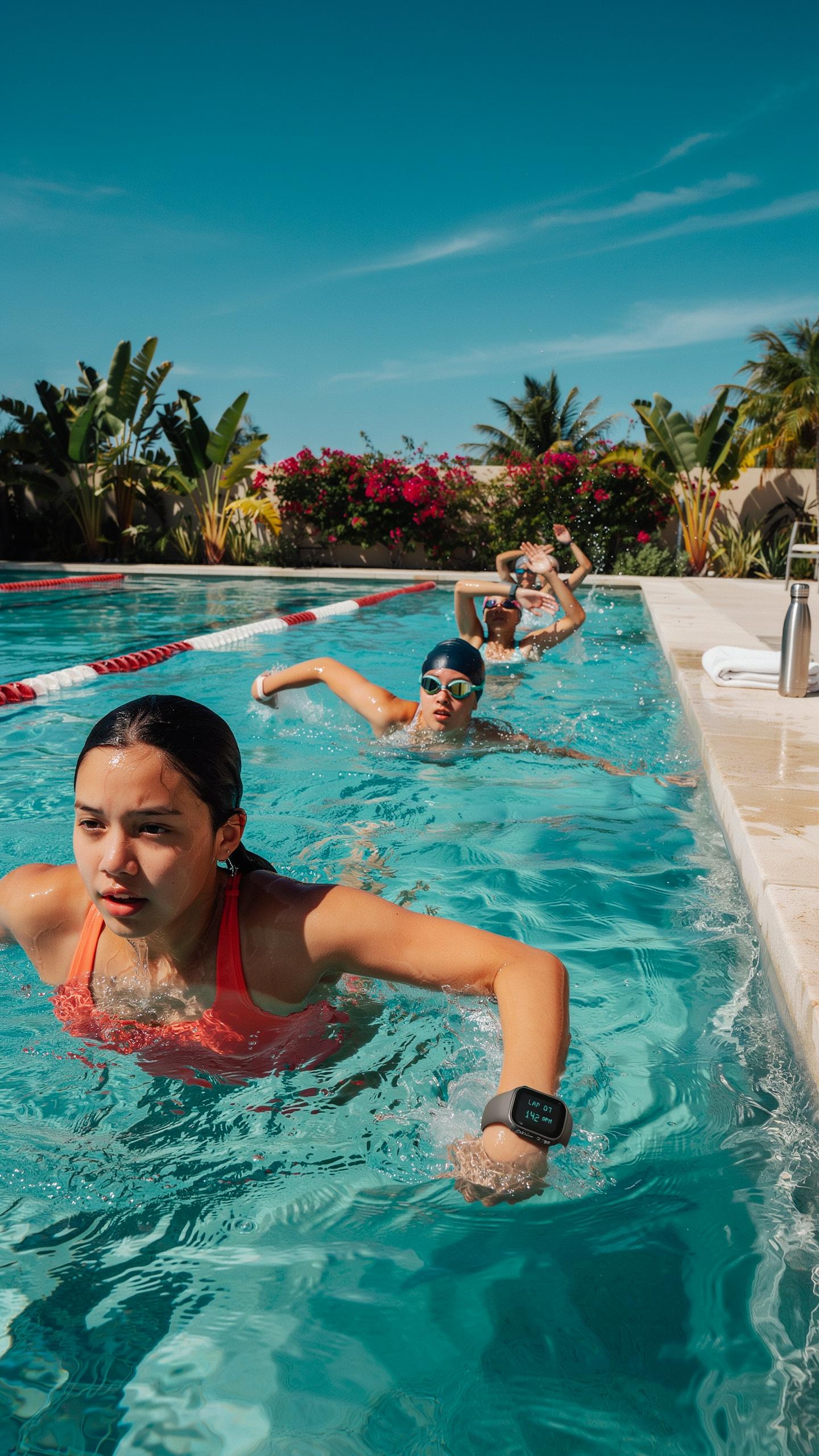
Garmin dominates the swimming tracker market with models like the Fenix and Epix series. These devices track swim distance, stroke type, and lap counting through built-in algorithms. Garmin’s appeal stems from GPS accuracy on land and reliable pool tracking via accelerometer data. The company offers waterproof ratings up to 100 meters, meeting competitive swimmer needs.
Apple Watch Series remains competitive for casual swimmers. The device tracks open water swims and pool workouts with basic metrics like distance and calories. Apple’s strength lies in ecosystem integration and general fitness features beyond swimming. However, serious swimmers often find its swim-specific data less detailed than dedicated alternatives.

Suunto and Polar target endurance athletes with sport-specific swim modes. Suunto offers detailed stroke recognition and underwater performance data. Polar emphasizes heart rate accuracy during swimming, though chest straps provide better precision than wrist-based sensors in water. Both brands maintain waterproof specifications supporting lap pool and open water use.
Fitbit’s swimming trackers like the Sense and Charge series handle basic pool workouts. These models count laps automatically and estimate calories burned during swimming. Fitbit positions itself in the mainstream market where swimmers need general activity tracking alongside dedicated swim features.
Budget Friendly Options Vs. Premium Devices
Budget trackers under 150 dollars typically offer basic swim tracking without stroke recognition. Devices in this range count laps and estimate distance through accelerometer data. Accuracy suffers compared to premium models, particularly in open water where GPS becomes essential. These options work for recreational swimmers tracking frequency and duration rather than performance details.
Mid-range devices between 150 and 300 dollars introduce stroke detection and improved waterproof ratings. Garmin’s entry-level swim watches and mid-tier Fitbit models operate in this bracket. Users gain lap counting, swim type identification, and better battery life than basic trackers. This tier represents the practical sweet spot for dedicated swimmers seeking accuracy without excessive spending.
Premium devices exceeding 300 dollars deliver advanced metrics like swolf score, stroke efficiency, and detailed workout analysis. Garmin’s flagship models, Apple Watch Ultra, and high-end Suunto watches occupy this category. These trackers offer GPS for open water navigation, extended battery life, and professional-grade data export capabilities. Premium pricing reflects specialized algorithms and comprehensive performance metrics swimmers use for training optimization.

How To Track Swimming Performance With Advanced Metrics
SWOLF Score And Its Significance
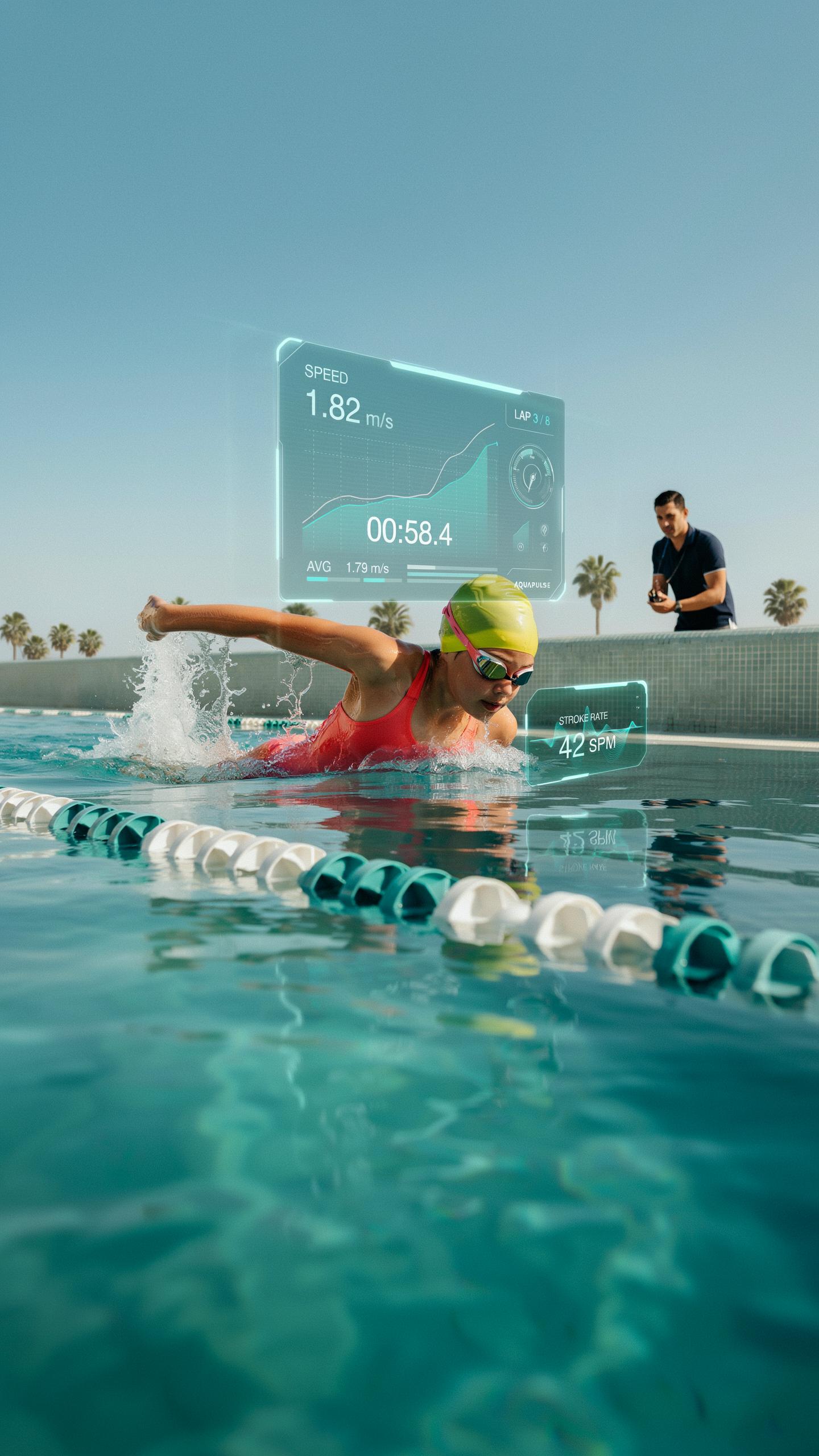
SWOLF stands for Swimming Efficiency. It combines your stroke count and lap time into one number. Lower scores mean better efficiency. The metric works by adding the number of strokes you took to complete a lap with the time that lap took in seconds. A swimmer completing a 25-meter pool in 30 seconds using 15 strokes scores 45 SWOLF.
Most swimming fitness trackers calculate SWOLF automatically using accelerometers and motion sensors. You use this data to identify whether you should focus on speed or technique. If your time improves but SWOLF stays the same, you added power without improving form. If SWOLF drops while time stays similar, your technique got better. Track SWOLF across workouts to spot patterns and measure real progress.
Heart Rate Monitoring Underwater
Water conducts electrical signals differently than air does. Wrist based heart rate sensors struggle underwater because water creates optical interference. Most swimming fitness trackers use LED sensors that bounce light off your skin to count pulses. Water absorbs and scatters this light, making readings unreliable at depths below a few inches.

Optical heart rate sensors in swimming trackers perform best when the watch sits snugly against your wrist with minimal water movement. The tracker needs steady contact with skin to get consistent data. Some newer models use improved LED arrays or red light wavelengths that penetrate water better than older infrared designs. You will still get gaps in readings during certain strokes. Accept that underwater heart rate data serves as a reference point, not a precise measurement like chest strap readings do above water.
How To Track Swim Meet Times And Training Progress
Lap Counting And Automatic Stroke Detection
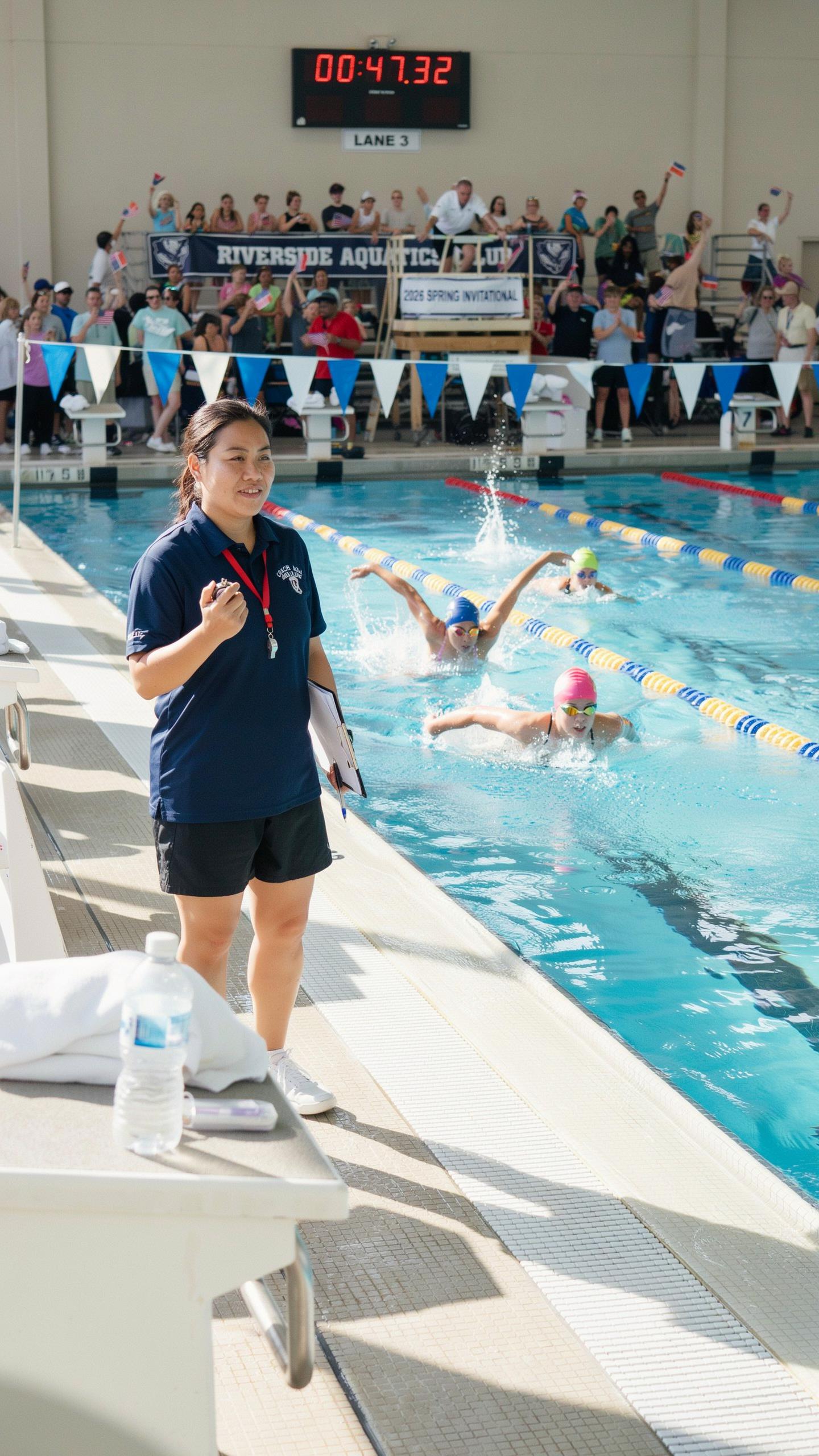
Swimming trackers count laps by detecting water pressure changes and acceleration patterns as you complete each length. The sensors recognize when you turn at the pool wall and log the distance covered. Most devices identify four main strokes: freestyle, backstroke, breaststroke, and butterfly. Detection accuracy varies by tracker model and pool conditions. Chlorine levels and water temperature do not significantly impact stroke recognition. You must set your pool length in the app before the workout for accurate distance calculations.
The tracker records stroke count, pace per lap, and rest intervals automatically during your swim. This data streams to your smartphone app where you review performance metrics immediately after exiting the pool. Some trackers require manual stroke selection at the workout start. Others switch stroke detection mid-swim based on your movement pattern. Accuracy improves when you maintain consistent stroke technique. Inconsistent form or hybrid strokes confuse the sensors and generate incorrect data.
Setting Goals And Tracking Milestones
Set specific targets in your tracker app like improving 100-yard freestyle time by 5 seconds or completing 20 laps without stopping. The app compares current workouts against baseline data to show progress. Your tracker stores historical swim data for weeks and months, revealing trends in speed, endurance, and consistency. Weekly summaries highlight which workouts moved you closer to your goals. Most apps allow you to customize goal dates and adjust targets as you improve. Real-time progress bars keep you motivated during individual training sessions.

Milestone notifications trigger when you hit personal records or achieve consecutive training days. Many swimmers use these achievements to plan periodized training cycles with escalating difficulty. You can export your data to share with coaches who review it for technique feedback. Tracking multiple metrics together, such as stroke count and speed, identifies efficiency gains. Some trackers integrate with coaching apps that recommend workouts based on your progress patterns. Consistent tracking data becomes invaluable for identifying plateaus and planning breakthrough training blocks.
Integrating Your Fitness Tracker With Other Apps For Swimming Data
Syncing With Health And Fitness Platforms
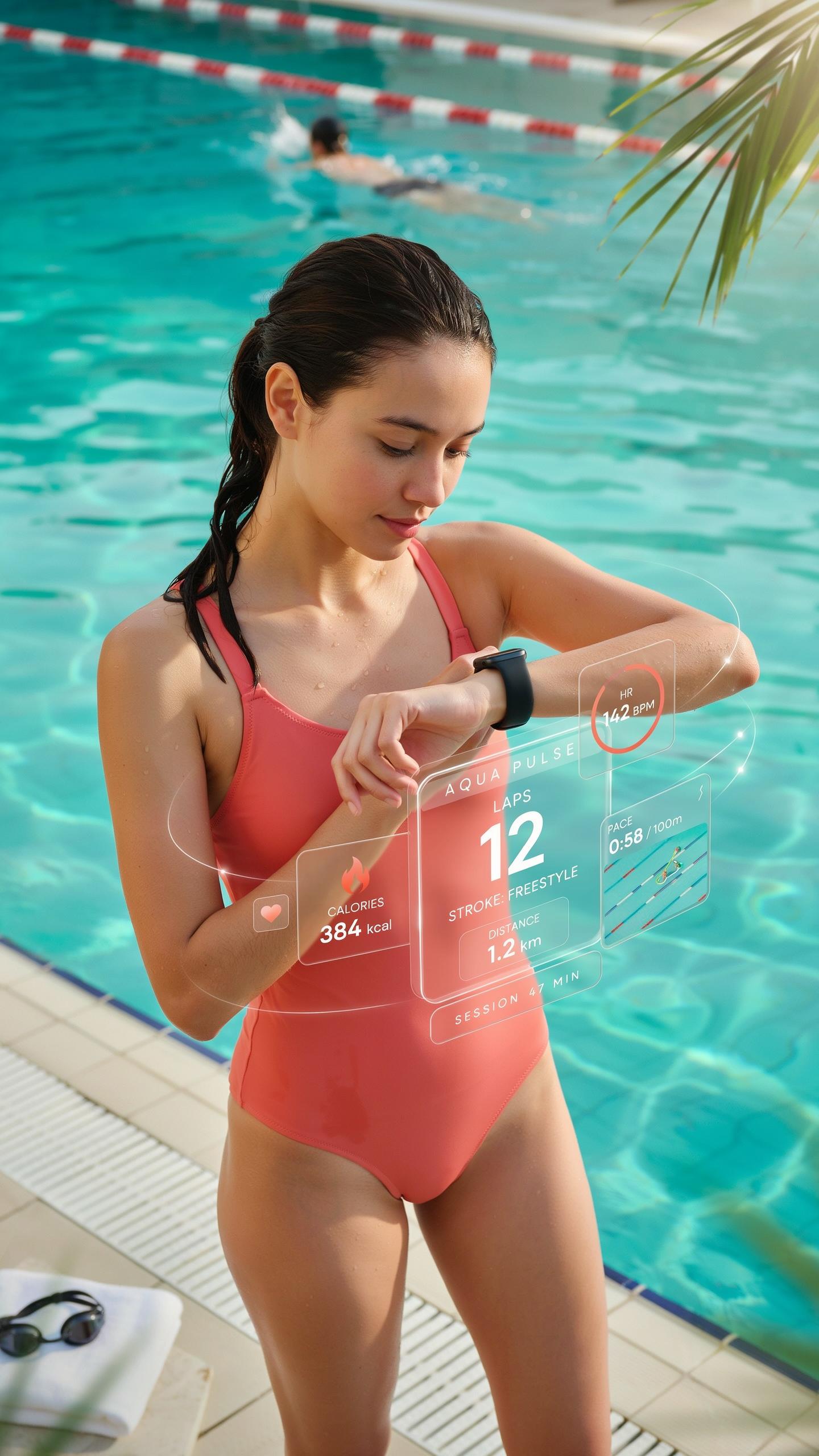
Most swim trackers connect to major platforms like Apple Health, Google Fit, and Strava through built-in APIs or third-party apps like IFTTT. This consolidation pulls your swim metrics, heart rate data, and calories burned into one dashboard. You eliminate manual data entry and get a complete picture of your training load across all activities.
The sync process varies by device. Some trackers automatically push data in real time, while others require manual syncing through their companion app. Check your tracker’s documentation for supported platforms before purchasing. Integration with fitness apps lets you spot trends that isolated data cannot reveal, such as recovery patterns or performance consistency over weeks.
Community And Social Sharing Features
Most swim trackers include built-in community features or integrate with social platforms. You can share individual swim sessions, weekly summaries, or personal records with friends directly through the app. This accountability mechanism drives consistency because progress becomes visible and measurable within your social circle.
Online communities specific to swimming exist on platforms like Strava, where you join local swim groups and participate in challenges with other swimmers. Competitions range from monthly distance challenges to speed benchmarks. These communities provide real-time feedback, training tips from experienced swimmers, and motivation during plateaus without requiring in-person interaction.
Beyond The Pool Versatility Of Your Fitness Tracker
Multi Sport Tracking Capabilities
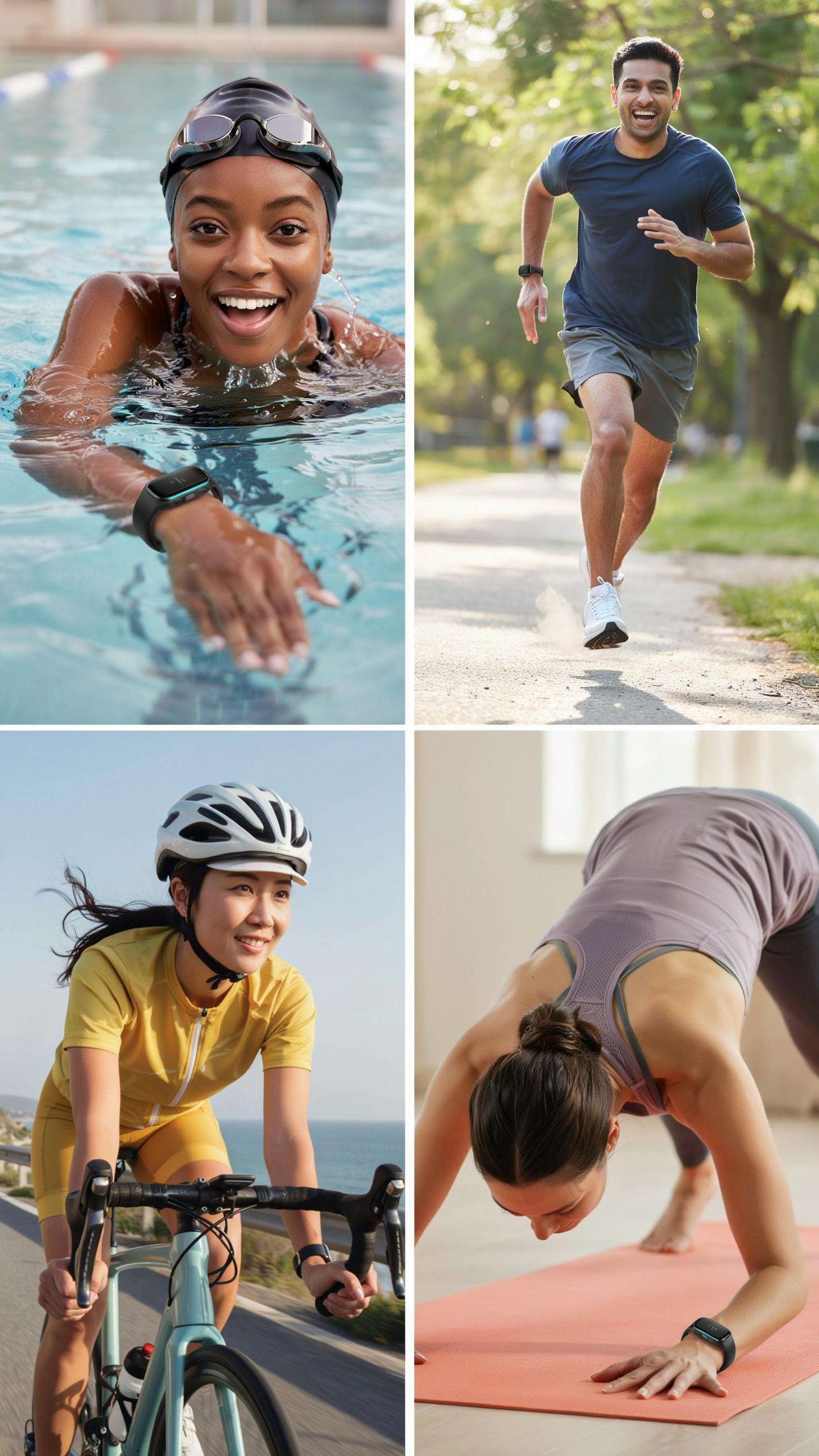
Swimming trackers handle running and cycling through accelerometer data and GPS sensors. These devices log distance, pace, and calories for land based activities without requiring pool specific algorithms. The same wearable switches modes instantly. You don’t need separate devices for different sports.
Sleep tracking operates independently of water resistance ratings. Accelerometers detect movement patterns during rest periods. Most swimming trackers record sleep duration and detect light versus deep sleep cycles. This data integrates with your overall fitness profile. You get a complete picture of recovery alongside your training load.
Just keep swimming, and let your tracker chart every stroke of your unwritten aquatic adventure.
Smartwatch Features For Daily Use
Notifications reach your wrist without pulling your phone from your pocket. Incoming calls, texts, and app alerts display on screen. You can dismiss or respond to priority messages immediately. This functionality works during workouts and daily activities equally well.
Music control and contactless payments add daily convenience. You skip songs or adjust volume during runs without stopping. NFC enabled trackers let you tap registers for purchases at supported retailers. These features justify wearing the device beyond training sessions.
Making The Right Choice Finding Your Ideal Fitness Tracker

Considerations For Your Swimming Needs
Battery life determines how often you charge your device. Most swim trackers last between three to seven days per charge. Longer battery life means fewer interruptions to your training routine. Select a tracker based on your workout frequency and travel schedule. If you swim daily, prioritize models with five-day minimums. This prevents dead batteries from cutting sessions short.
Display visibility underwater matters more than land sports. Bright screens with high contrast work better in pool environments. Chlorine and saltwater exposure affect screen clarity over time. Test visibility before purchasing by checking the device in bright light conditions. Some trackers prioritize durability over screen brightness, so weigh this tradeoff carefully for your needs.
Future Trends In Wearable Fitness Technology
Manufacturers are developing improved sensor accuracy for stroke detection and form analysis. Current trackers struggle to distinguish between different swim strokes consistently. Next generation devices will use advanced gyroscopes and accelerometers for precision. Expect models within the next few years to track kick frequency and body rotation with real data. This technology will move from basic lap counting to biomechanical feedback.
Battery technology will shift toward faster charging and longer intervals between charges. Solid state batteries are entering consumer markets and promise extended use between recharges. Integration with AI coaching features will become standard rather than premium. Trackers will process swimming data on device instead of relying on cloud transfer. This means real time feedback during workouts and reduced privacy concerns for athletes serious about performance.
Frequently Asked Questions

What exactly is a wearable fitness tracker for swimmers, and how does it differ from a regular fitness tracker?
A wearable fitness tracker for swimmers is specifically designed to withstand submersion and accurately track swimming metrics like stroke count, distance, pace, and laps. Unlike standard fitness trackers, these devices are built with superior waterproofing and specialized algorithms to differentiate water movements from other activities, providing precise data for your aquatic workouts.
How do I ensure my wearable fitness tracker for swimmers is properly charged and maintained for optimal performance?
Always charge your waterproof wearable fitness tracker for swimmers fully before each use, especially for longer sessions. After swimming, rinse it with fresh water to remove chlorine or salt, then dry it thoroughly. Regularly check the charging ports for debris and ensure the band is clean for comfortable wear and accurate sensor readings.
Are there affordable options for a reliable wearable fitness tracker for swimmers, or are they generally expensive?
Absolutely! While high-end models exist, you can find excellent and reliable wearable fitness trackers for swimmers across various price points. Many reputable brands offer entry-level or mid-range waterproof trackers that provide core swimming metrics without breaking the bank. It’s wise to compare features and read reviews to find the best value for your needs.