
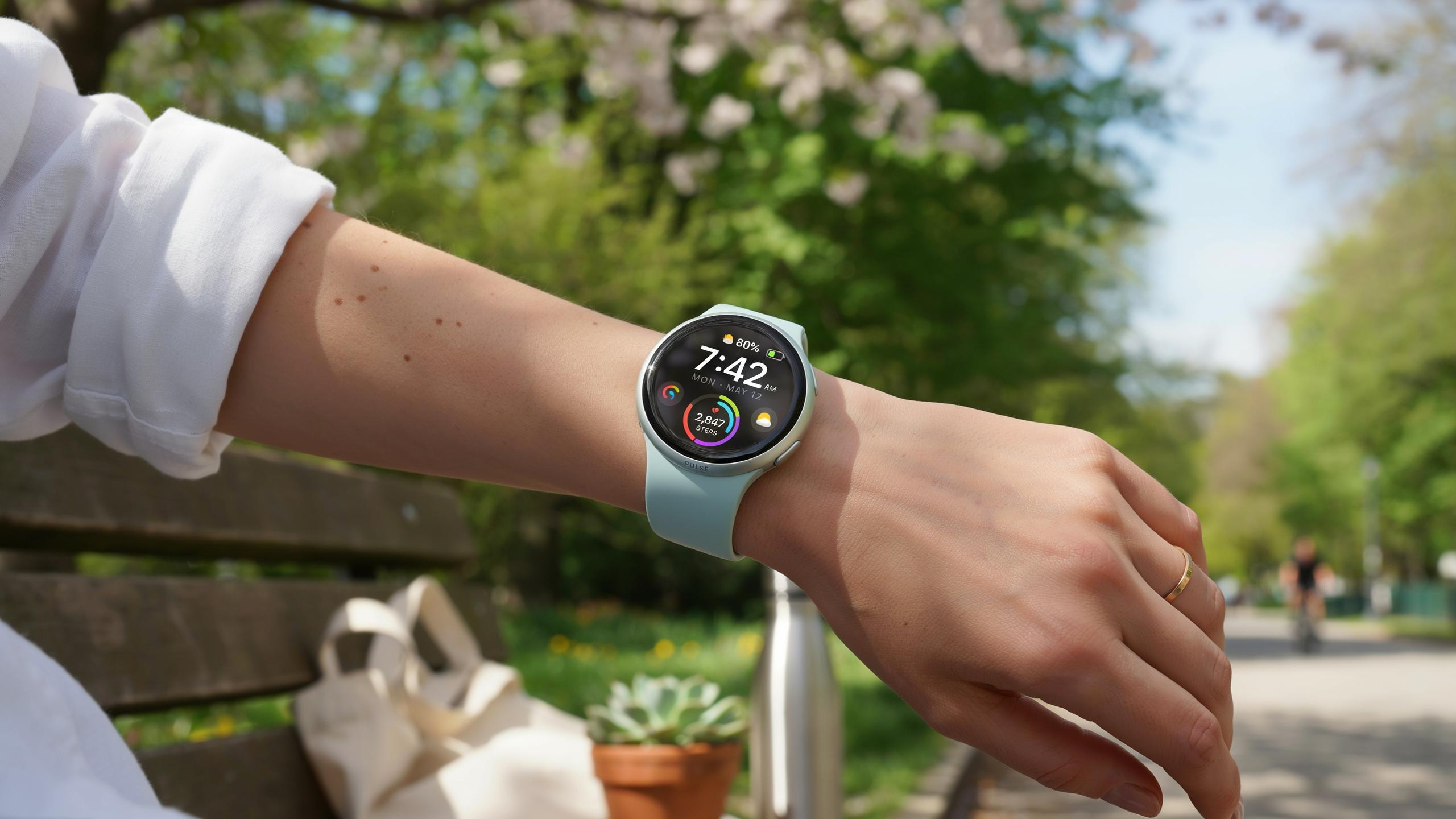
The Appeal Of A Budget Smartwatch With Long Battery Life

Cost Effective Wearable Tech
Budget smartwatches deliver core functionality without premium pricing. Users gain fitness tracking, notifications, and health monitoring for under 100 dollars. This price point removes the barrier to entry for consumers testing wearable technology. The market expanded when manufacturers optimized processors and displays instead of chasing flagship features.
Battery longevity became the defining advantage in this segment. Long runtime means fewer charging cycles and less daily maintenance. Users value devices that work for days or weeks without needing power. Extended battery life solves a critical pain point that expensive smartwatches still struggle to overcome.
Durability Meets Affordability
Budget smartwatches use proven materials and tested construction methods rather than experimental designs. Plastic bezels and composite bands cost less but withstand daily wear effectively. Manufacturers cut costs through simplified architecture, not by compromising structural integrity. This approach produces reliable devices that handle typical user scenarios without failure.
Price reduction does not mean sacrificing water resistance or screen protection on competent budget models. Most options include 3 to 5 ATM water ratings for basic splash protection. Corning Gorilla Glass or equivalent coatings protect screens from scratches. Consumers receive durable wearables designed to survive routine use and occasional impacts at realistic price levels.

Understanding Smart Watch Battery Life
Factors Affecting Battery Longevity
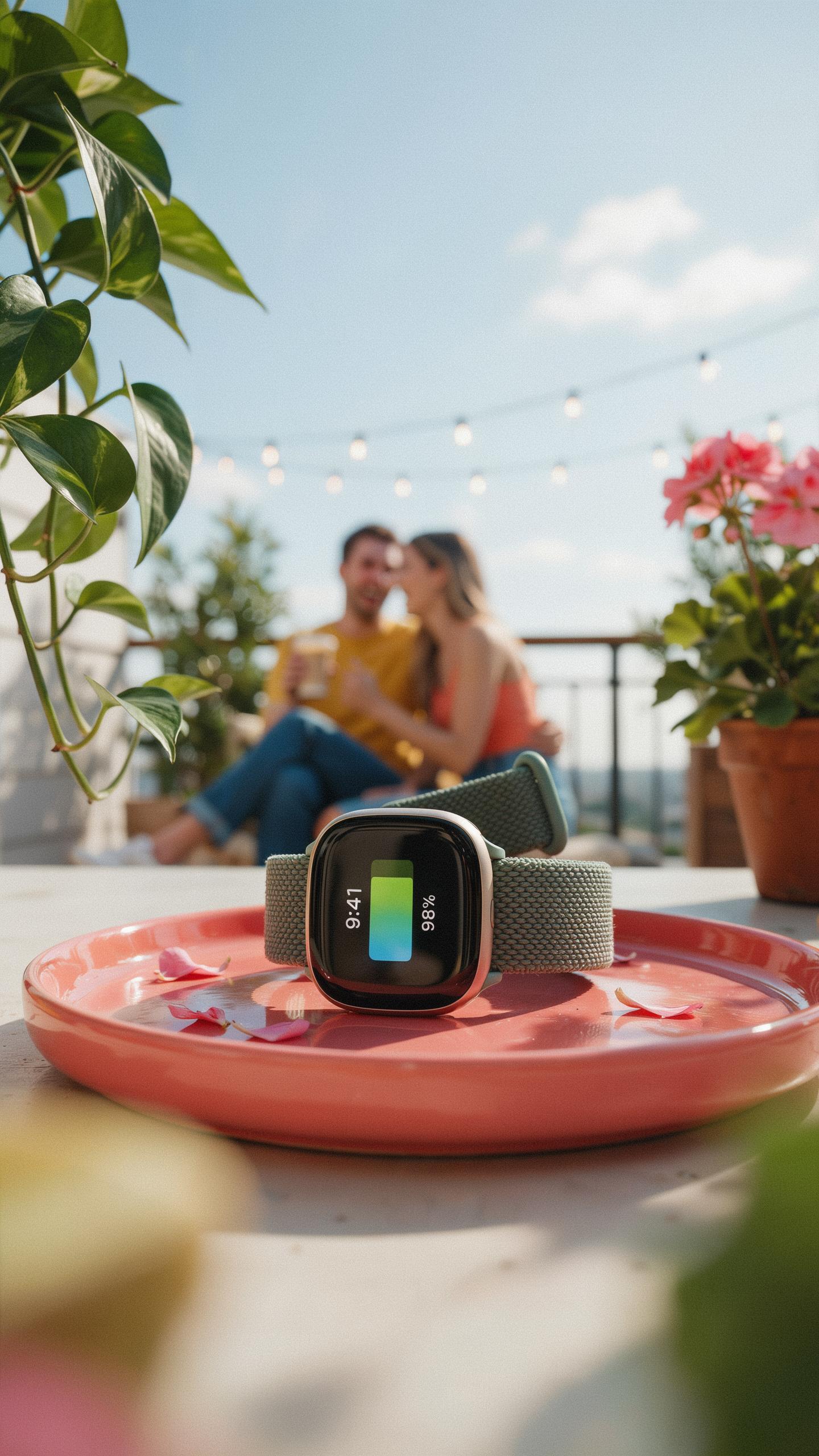
Display technology drives battery drain more than any other component. OLED screens consume less power than LCD displays, but most budget smartwatches use LCD to keep costs down. Processor speed, sensor usage, and wireless connectivity all pull energy from the battery. GPS and cellular connections drain batteries fastest. Always-on displays and high refresh rates accelerate power depletion significantly.
Battery capacity measured in mAh determines how long a smartwatch runs between charges. A 400mAh battery lasts longer than a 200mAh battery under identical usage. Larger batteries weigh more and take up space, forcing manufacturers to choose between battery life and design. Budget models prioritize battery capacity over thinness to justify their low price point and attract users seeking multi-day performance.
Optimizing Settings For Extended Use
Disable features you don’t use daily. Turn off GPS when you’re not tracking workouts or navigation. Reduce screen brightness to the lowest comfortable level. Disable always-on display mode, which keeps the screen lit constantly and drains power rapidly. Switch the watch to grayscale if the interface supports it. Lower the heart rate monitoring frequency from continuous to periodic checks.

Extend battery life by limiting background app syncing and notifications. Disable Wi-Fi scanning when Bluetooth handles all your data needs. Close unused apps running in the background. Reduce the number of active watch faces and complications displayed on the home screen. Switch to power-saving or battery saver mode if your smartwatch offers it. These adjustments cut power consumption without sacrificing core functionality.
Key Features Of A Good Budget Smart Watch
Essential Smart Watch Functions
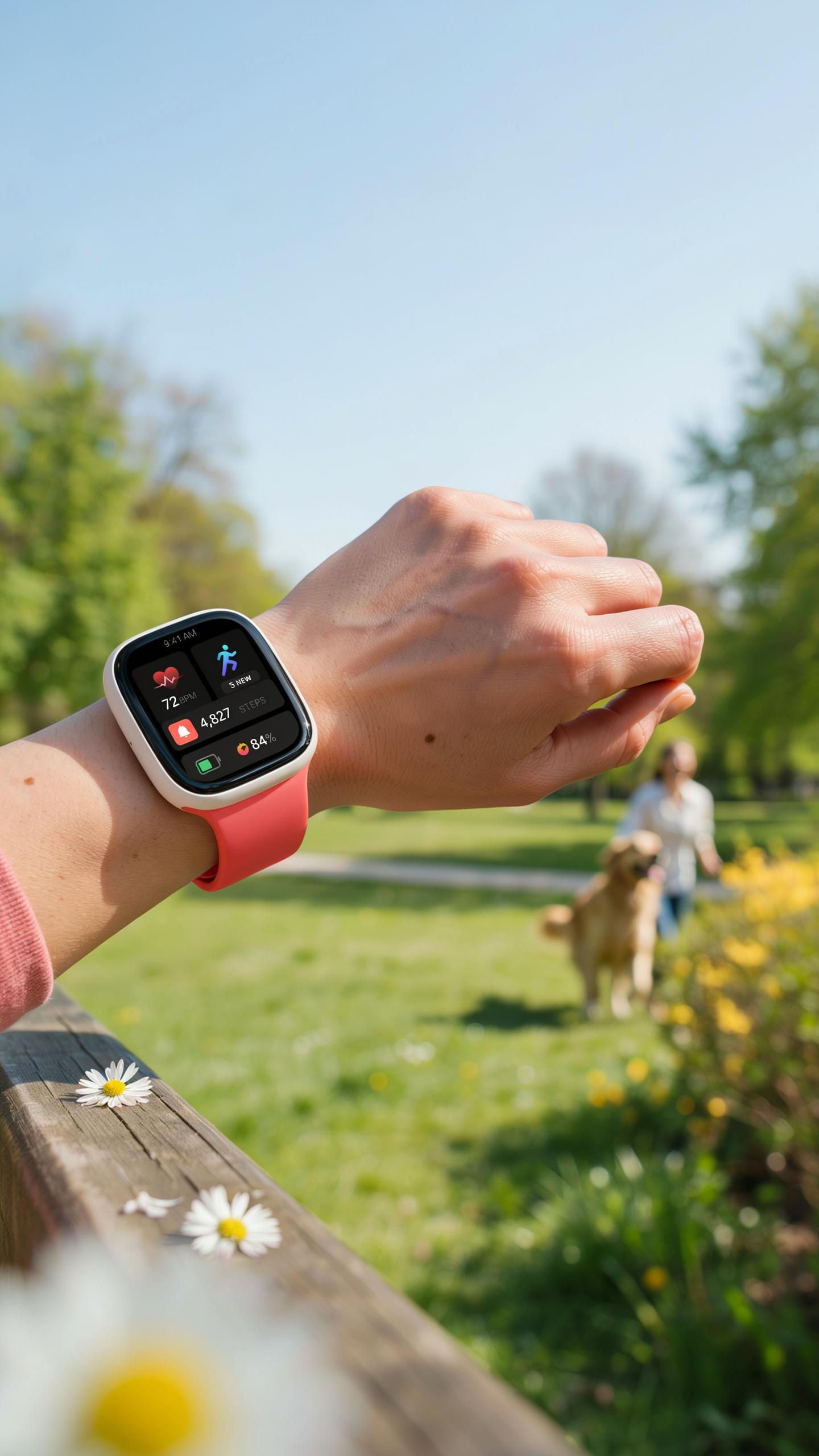
A budget smartwatch must track time accurately and display notifications from your phone. These core functions justify the purchase price and deliver immediate value. Heart rate monitoring ranks high on user priority lists, though accuracy varies by model. Step counting and basic activity tracking round out the fundamental feature set that most users expect.
Battery life separates budget smartwatches from premium alternatives. A device lasting 5 to 14 days between charges serves daily users without constant charging hassles. Display technology matters for readability in sunlight and power consumption. Most budget models use LCD screens instead of AMOLED to extend battery performance.
Beyond The Basics: Valued Extras
Water resistance opens up usage scenarios without inflating costs significantly. Most budget smartwatches offer 3 to 5 ATM ratings, handling splashes and shallow water exposure. Sleep tracking appeals to health conscious users tracking recovery patterns. GPS functionality appears in some models, enabling accurate distance measurement for runs and walks without phone dependency.

Music control functions let users skip tracks and adjust volume from the wrist. Smartphone finder features help locate misplaced devices quickly. Weather display and calendar integration reduce the need to check your phone constantly. These additions enhance daily convenience without requiring premium pricing, making them strategic inclusions in competitive budget models.
Fitness Tracker Capabilities On A Budget

Tracking Your Activities Affordably
Budget smartwatches deliver measurable fitness tracking without premium pricing. They record steps, distance, and calories burned through built-in accelerometers and motion sensors. Most models track multiple activity types including walking, running, and cycling. The data syncs to companion apps on your phone for analysis. You get actionable metrics without spending $300 on a flagship device.
The accuracy of budget models depends on sensor quality and calibration. Step counting typically falls within 5 to 10 percent variance compared to premium watches. Distance calculations rely on step count multiplied by estimated stride length, which introduces some margin of error. For casual fitness tracking and daily movement goals, this level of accuracy serves the purpose effectively. Serious athletes need higher precision, but budget watches work fine for general activity monitoring.
Remember the days when your watch seemed to run forever? Now, with a smart watch that truly lasts, every moment is yours to track, without missing a beat or the need for a charger.
Heart Rate Monitoring And Health Insights
Budget smartwatches include optical heart rate sensors that use LED lights to detect blood flow through your wrist. These sensors work reasonably well during steady-state activities like jogging or cycling. Accuracy drops during high-intensity intervals or when the watch sits loosely on your wrist. The continuous monitoring feature tracks resting heart rate trends over time, providing useful baseline data for fitness progress.

Heart rate data on budget devices shows limitations compared to chest straps or medical-grade monitors. Wrist-based sensors struggle with tattoos, dark skin tones, and movement artifacts that interfere with readings. Despite these constraints, budget smartwatches deliver heart rate estimates suitable for zone training and general wellness awareness. Most users find the data consistent enough to detect fitness improvements and recovery patterns over weeks and months.
Top Picks Budget Smartwatches Known For Long Battery Life
Leading Models Under $100
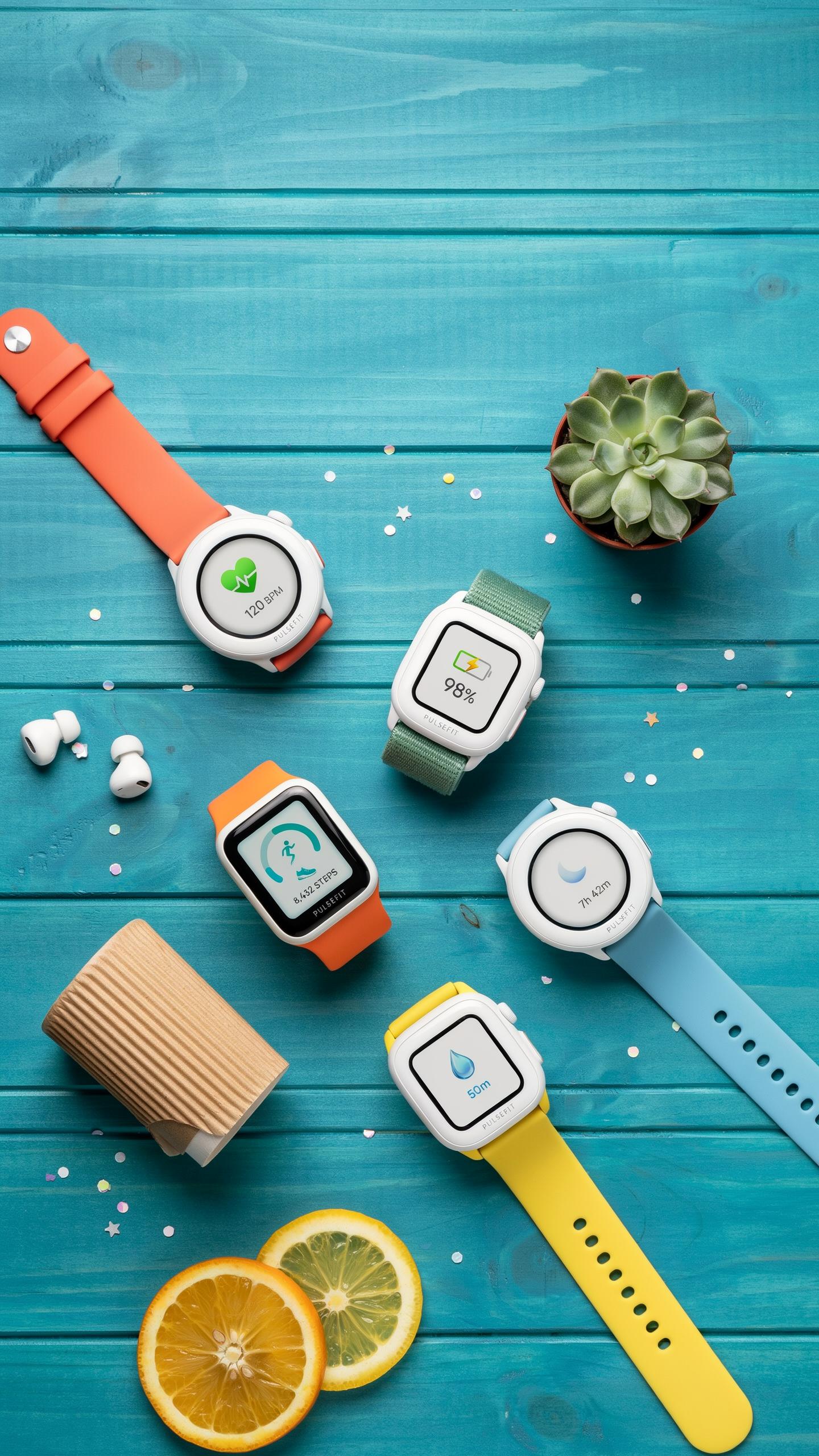
The budget smartwatch market has matured enough to deliver real battery performance. You get choices that last 10 to 30 days on a single charge. These models skip premium processors and unnecessary features. They prioritize core functions: time, steps, heart rate, and notifications. The tradeoff is worth it if battery life matters more than a color screen or advanced apps.
- Amazfit Bip U: Delivers 9 days of battery life with a monochrome display. Includes heart rate monitoring, sleep tracking, and 50 sports modes. Priced around $50, making it one of the cheapest options with solid performance.
- Amazfit Band 5: Offers 14 days of battery with a small AMOLED touchscreen. Includes blood oxygen monitoring and stress tracking. Sits around $40 to $50 and handles basic smartwatch tasks without draining power.
- Garmin Instinct: Rugged solar-powered option lasting 11 days without solar charging. Adds GPS and military-grade durability. Cost ranges from $80 to $100 but justifies the price through durability and reliability.
- Xiaomi Mi Band 6: Achieves 14 days of battery life with a small color screen. Tracks workouts, stress, and sleep effectively. Available under $50 and competes directly with Amazfit on value.
- Fitbit Inspire 2: Lasts 10 days per charge with a simple touchscreen interface. Focuses on fitness tracking and sleep monitoring. Typically priced around $100, offering familiar Fitbit software at the budget tier.
These watches skip high refresh rates, GPS-only mode, and constant connectivity. They use efficient processors and smaller screens. Battery life translates directly from smart engineering choices, not from gimmicks or marketing claims.
User Reviews And Ratings For Durability
Real users report consistent battery performance across budget models when they treat devices properly. Amazfit and Xiaomi watches hold 80 to 90 percent of claimed battery life in actual use. Garmin devices sometimes exceed advertised specs. Reviews highlight that avoiding constant notifications and disabling unnecessary sensors preserves stated battery ratings.

Users consistently praise models that deliver predictable battery life over months. The Amazfit Bip U and Band 5 receive feedback confirming their 9 to 14 day claims hold true. Garmin Instinct owners report minimal battery degradation after a year of daily use. Battery longevity matters more than peak performance in budget segments. People keep these watches longer when they stop chasing weekly charges.
Making The Smart Choice Considerations For Budgeting Your Wearable Tech
Value Vs Cost: A Balanced Approach
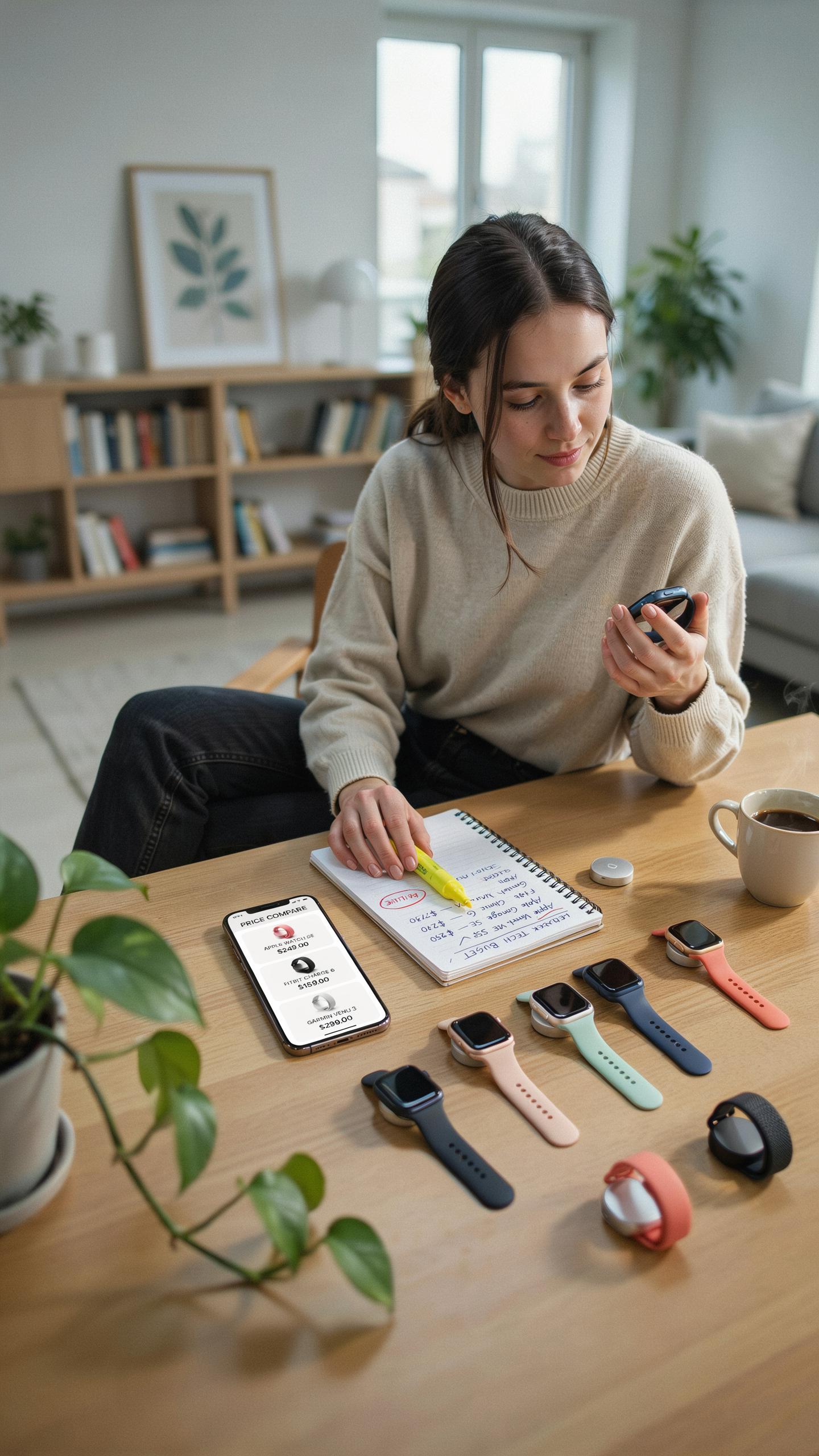
Start by defining what you actually need the smartwatch to do. Most budget models handle core functions well: step counting, heart rate monitoring, sleep tracking, and notifications. Identify which features matter to your daily routine and which are extras you can skip. This prevents overspending on capabilities you won’t use.
Compare price against battery life directly. A watch costing fifty dollars but lasting five days delivers better value than one costing sixty dollars with two days of battery. Calculate cost per day of use to see the real economics. Factor in how often you’ll charge and whether that fits your lifestyle. The cheapest option isn’t always the smartest financial choice.
Future Proofing Your Purchase
Check if the manufacturer still releases software updates for the model you’re considering. Older budget smartwatches often stop receiving updates within two years, making them vulnerable to bugs and incompatibility issues. Pick models from brands with proven track records of supporting devices across multiple years. This keeps your watch functional as your phone’s operating system evolves.

Verify that replacement bands and chargers remain available for your chosen model. Some budget brands discontinue accessories quickly, leaving you with no way to repair or customize your watch. Select established brands whose accessories you can still buy online. This matters because a broken band or missing charger can render an otherwise functional watch useless.
Maximizing The Good Things About Your Budget Smartwatch

Integrating Into Daily Life Seamlessly
A budget smartwatch functions best when you treat it as a tool, not a novelty. Start by enabling notifications for essentials only: messages, calls, and calendar alerts. Disable everything else to reduce battery drain and mental clutter. Sync it with your phone’s core apps, then stop there. This focused approach keeps the device useful without demanding constant attention.
Use your budget smartwatch for specific tasks where it excels. Track sleep patterns to identify rest quality issues. Monitor heart rate during workouts to gauge intensity. Set timers and reminders for work blocks. Leave demanding tasks like email replies to your phone. This division of labor means your smartwatch stays relevant without becoming another screen competing for your time.
Maintenance For Longevity
Clean your budget smartwatch weekly with a soft, dry cloth. Remove sweat and dirt from the band and casing after workouts. Once monthly, wipe the charging contacts with a slightly damp cloth to prevent corrosion. Never submerge non-waterproof models. Store it in a dry location away from direct heat sources. These basic habits prevent the degradation that shortens device lifespan.

Manage your charging habits strategically. Charge your budget smartwatch when the battery reaches 20 percent, not when it dies completely. Use the original charger to avoid voltage inconsistencies that damage batteries. Avoid leaving it plugged in overnight regularly. Let the battery cycle fully once every few months to recalibrate the power meter. These practices extend battery health by 15 to 20 percent over the device’s usable life.
The Evolution Of Best Smart Watches On A Budget
Historical Advancements In Affordable Wearables
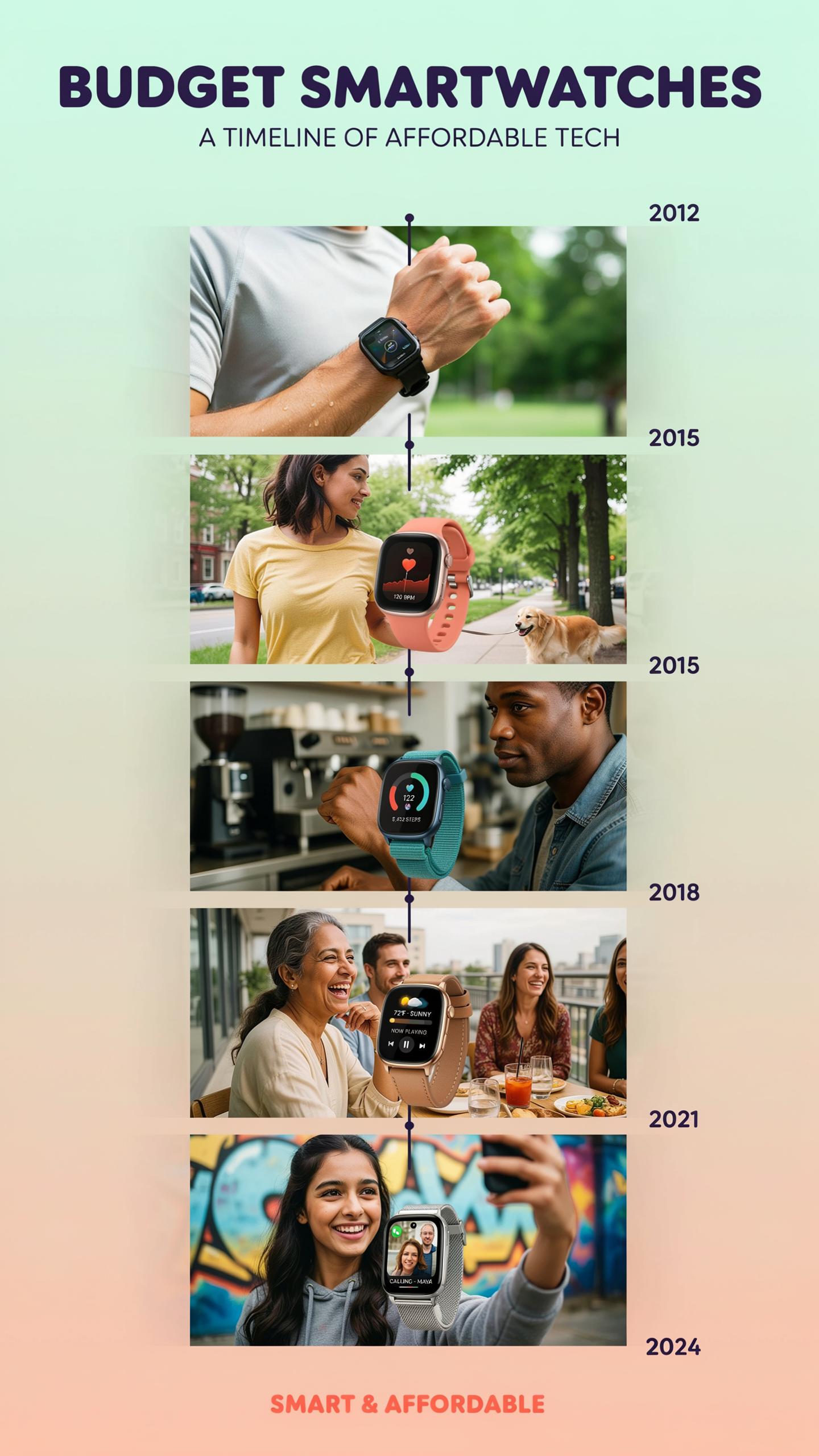
Budget smartwatches emerged around 2014 as manufacturers outside traditional watch companies entered the market. Early models sacrificed processing power and display quality to hit lower price points. Fitness tracking dominated these devices because sensors cost less than advanced processors. Battery life suffered initially due to power hungry screens and inefficient chipsets. Manufacturers gradually solved these problems by adopting e-ink displays and lower power processors between 2016 and 2018.
The shift toward health monitoring capabilities changed what consumers expected from cheap wearables. GPS integration became standard on budget models by 2019, eliminating a key differentiator between premium and affordable options. Materials improved significantly, with stainless steel and reinforced plastics replacing purely plastic construction. Battery technology benefited from advances in lithium chemistry that trickled down from flagship devices. Today’s budget smartwatches deliver two to three week runtimes where early models lasted days.
What To Expect Next In Smart Watch Technology
Battery density will improve through solid state and lithium polymer refinements reaching mainstream affordable watches within three to five years. Manufacturers will shift from AMOLED to more efficient display technologies like microLED and advanced e-ink to extend runtimes beyond current limits. Processing power will increase without draining batteries faster because chip designs continue optimizing for efficiency rather than raw speed. Sensor accuracy will match premium models as manufacturing costs decline for health monitoring components like ECG and blood oxygen readers.

Connectivity standards will evolve as budget watches adopt newer Bluetooth and WiFi protocols consuming less power during data transmission. Modular battery systems may become standard, allowing users to swap power cells without replacing entire devices. Software optimization will prioritize background task management to eliminate power waste that currently shortens battery life. Material science advances will introduce lighter weight options that reduce overall power consumption across all wearable functions.
Frequently Asked Questions

What exactly is a “budget smartwatch with long battery life” and why should I consider one?
A budget smartwatch with long battery life offers essential smart features like fitness tracking, notifications, and timekeeping without the premium price tag. They’re ideal for everyday use, providing convenience and connectivity for days or even weeks on a single charge, perfect for those wanting tech without constant recharging or a huge investment.
How can I maximize the battery life of my budget smartwatch for everyday use?
To maximize your budget smartwatch’s battery life, try disabling unnecessary features like always-on display or continuous heart rate monitoring. Adjusting screen brightness, limiting frequent notifications, and opting for simpler watch faces can also significantly extend its power, ensuring your budget smartwatch with long battery life stays charged longer.
Are there genuinely reliable budget smartwatches with long battery life available for under $100?
Absolutely! Many reputable brands offer excellent budget smartwatches with long battery life for under $100. Look for models focusing on core functionalities and optimized power consumption. These options often provide fantastic value, delivering dependable performance and impressive battery endurance without breaking the bank.