
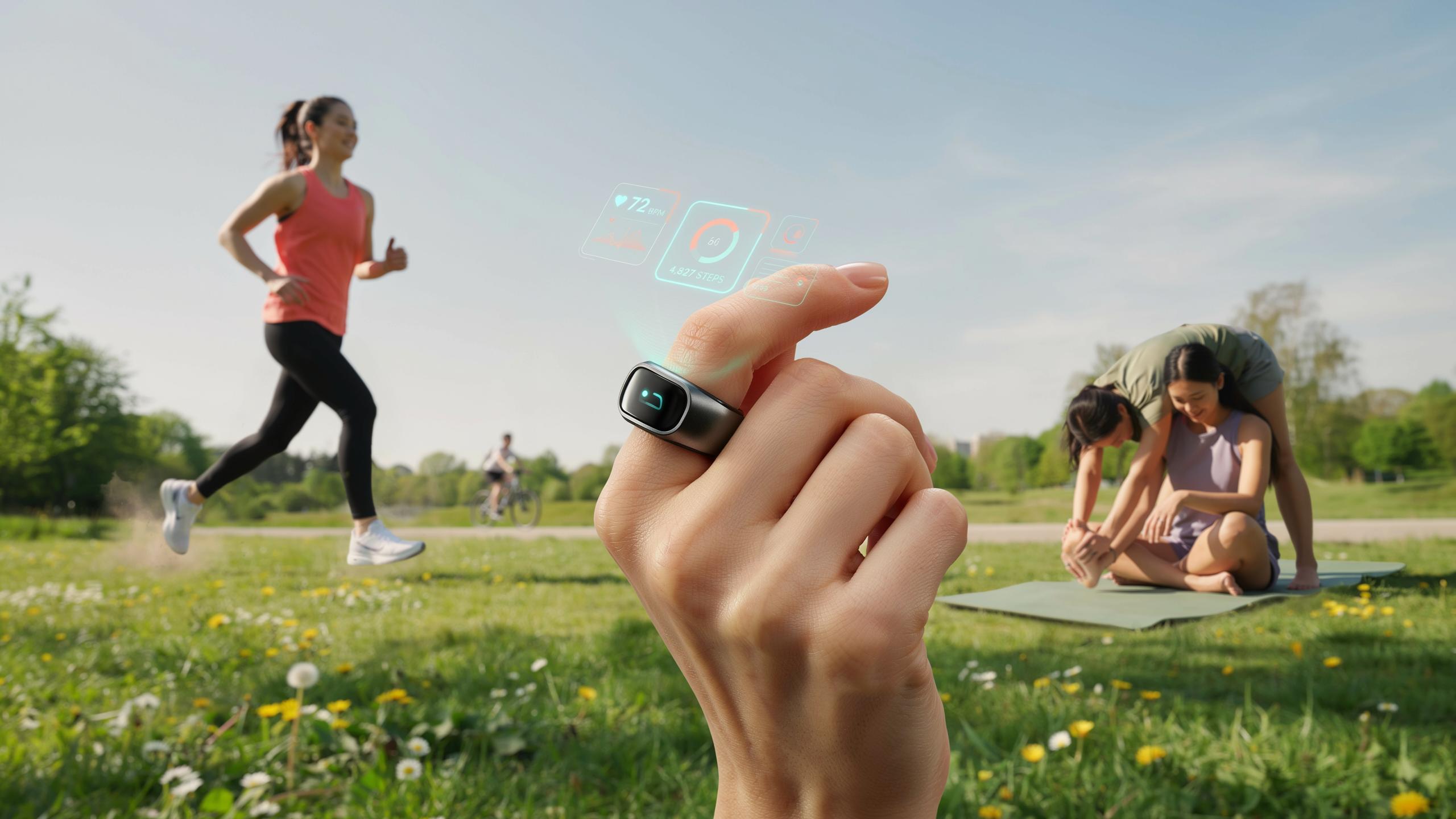
What Is A Smart Ring Health Tracker
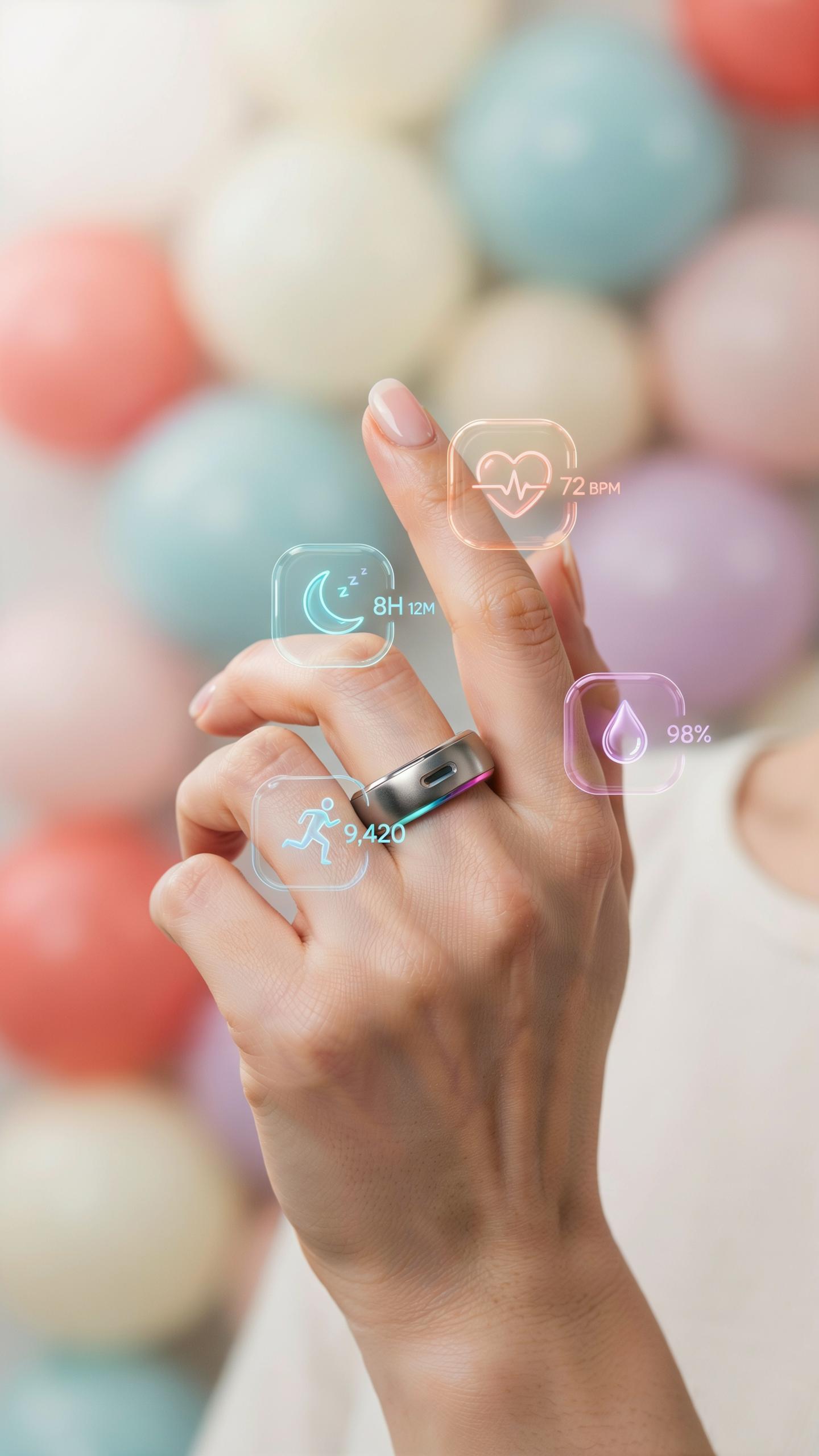
Understanding The Core Concept Of Wearable Tech
A smart ring is a compact wearable device worn on your finger that collects health and activity data. The ring contains sensors that measure heart rate, sleep patterns, body temperature, and movement throughout the day. Processing happens locally on the device or syncs to your smartphone via Bluetooth for analysis and storage.
Smart rings use the same sensor technology found in smartwatches but shrink it into a form factor that weighs less than five grams. The device runs on a rechargeable battery lasting anywhere from three to seven days depending on the model. Your phone’s app displays the collected metrics and provides insights about your health trends over time.
Beyond The Watch How Smart Rings Differ From Traditional Wearables
Smart rings offer distinct advantages over smartwatches because they’re less obtrusive and easier to wear consistently. A smartwatch requires daily charging, takes up wrist space, and feels bulky for some users. Rings sit underneath clothing, work during workouts without feeling heavy, and maintain contact with your skin for more accurate readings.
The smaller size forces manufacturers to prioritize which health metrics matter most. Smart rings focus on sleep tracking, heart rate variability, and activity detection rather than displaying notifications or running apps. This specialization means better battery life and simpler interfaces compared to smartwatches that try to do everything.
Why Choose A Smart Ring As Your Wellness Tracker
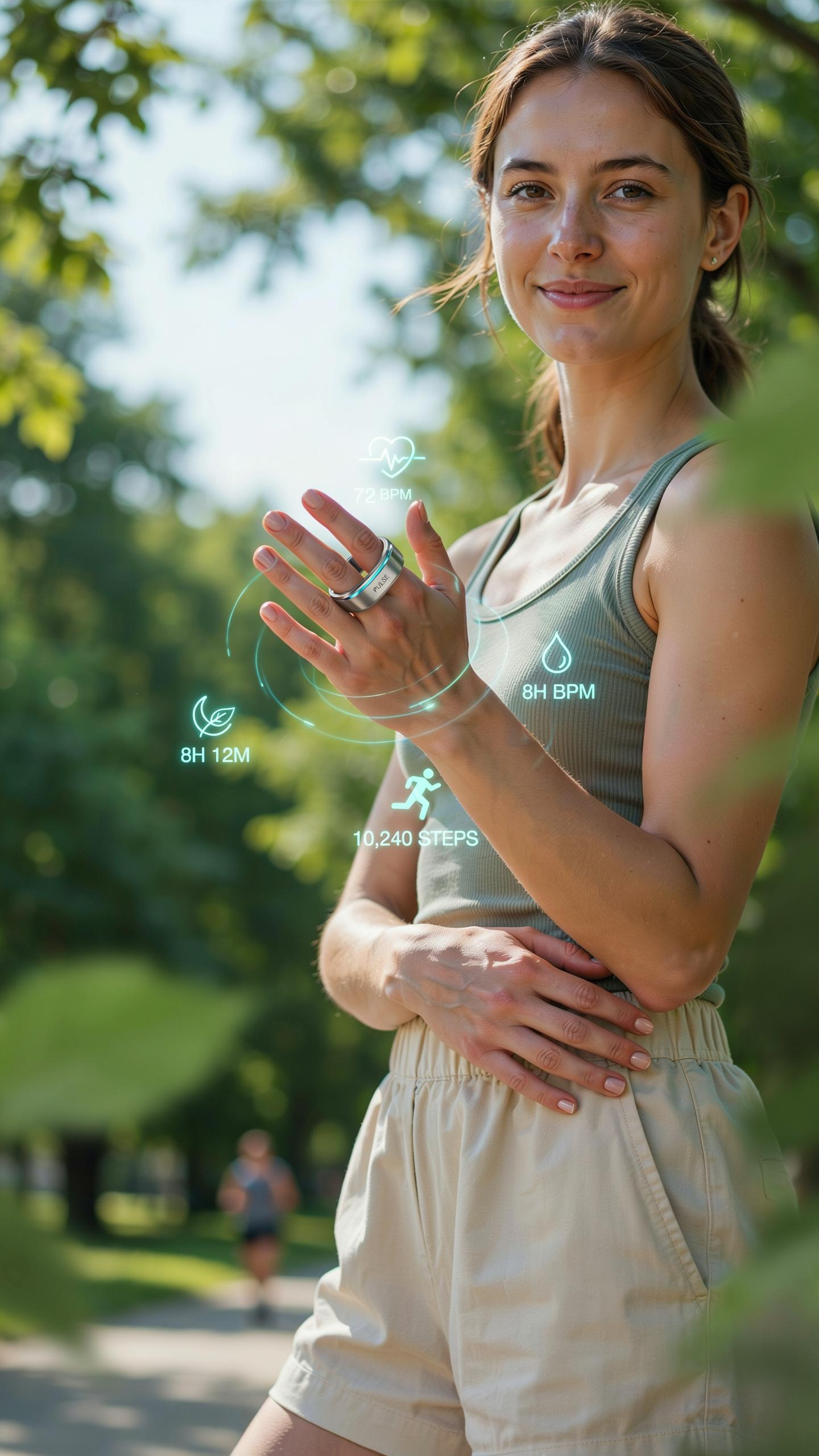
Discreet Design And Comfort: The Appeal Of Wearable Technology
Smart rings sit on your finger, making them invisible during work calls, meetings, and formal events. Unlike smartwatches, they don’t demand wrist space or announce your health tracking to everyone around you. The form factor works because rings are already normalized jewelry. You wear one without thinking about it, which means data collection happens without behavioral changes or self-consciousness.
Most smart rings weigh between 4 and 6 grams and use titanium or stainless steel construction. These materials withstand daily wear without breaking or warping. Battery life typically spans 3 to 7 days, so you remove them less frequently than other wearables. The minimal profile makes rings practical for people who find smartwatches bulky or uncomfortable during sleep tracking.
Continuous Monitoring: Uninterrupted Health Tracking
Smart rings collect biometric data 24/7 without user intervention. They measure heart rate variability, skin temperature, and movement patterns throughout the day and night. This constant data stream reveals trends that spot-check measurements miss. You get real health signals instead of snapshots.
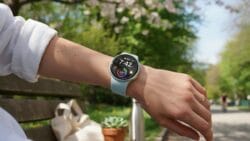
The extended battery life means fewer charging interruptions compared to smartwatches. You remove the ring for 30 to 60 minutes every few days, not multiple times daily. This consistency matters for accurate sleep tracking and recovery metrics. Continuous monitoring builds a complete picture of your health patterns over weeks and months.
Key Features To Look For In A Smart Ring Health Tracker Capabilities
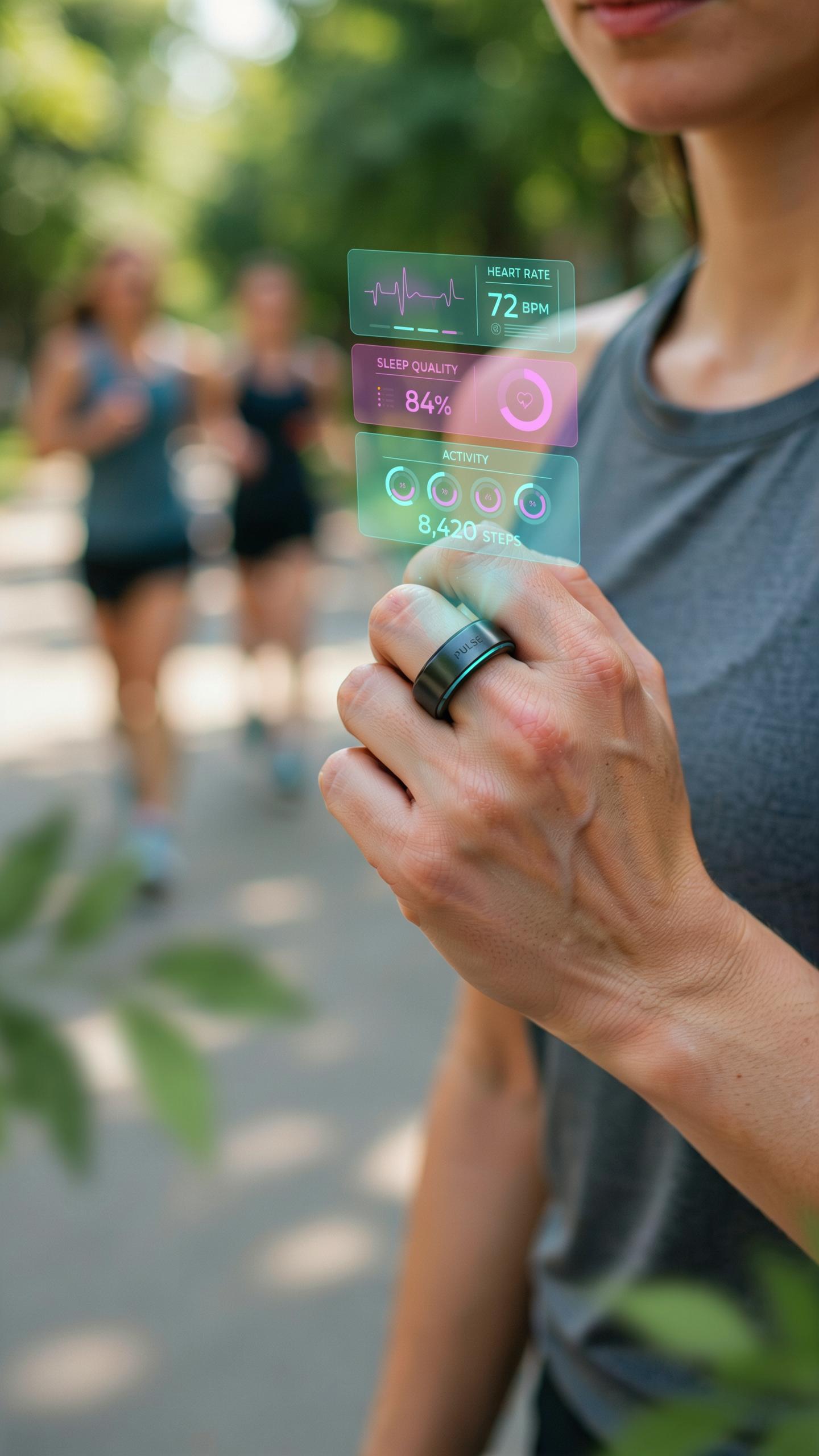
Heart Rate And HRV Understanding Your Cardiovascular Health
Smart rings detect heart rate through photoplethysmography, a technology that uses LED lights to measure blood flow through your wrist. The sensor reads pulse changes throughout the day and night, giving you baseline cardiovascular data. This constant monitoring reveals patterns you’d miss with occasional checkups.
Heart rate variability measures the time intervals between heartbeats. Higher HRV typically indicates better recovery and lower stress levels. Smart rings track this metric to flag when your nervous system needs rest. The data helps you adjust training intensity and stress management based on real physiological markers.
Temperature And Sleep Tracking Optimizing Your Rest And Recovery
Smart rings include temperature sensors that detect skin temperature fluctuations during sleep. This capability identifies fever onset before symptoms appear and tracks hormonal cycles through temperature shifts. Temperature data combined with other metrics creates a more complete recovery picture than heart rate alone provides.

Sleep tracking uses accelerometers and heart rate data to distinguish between light sleep, deep sleep, and REM stages. Rings measure sleep duration and consistency to show how well you recover between activities. This information drives decisions about workout timing and intensity, preventing overtraining and burnout through objective sleep quality metrics.
Smart Ring For Activity Tracking Beyond Steps
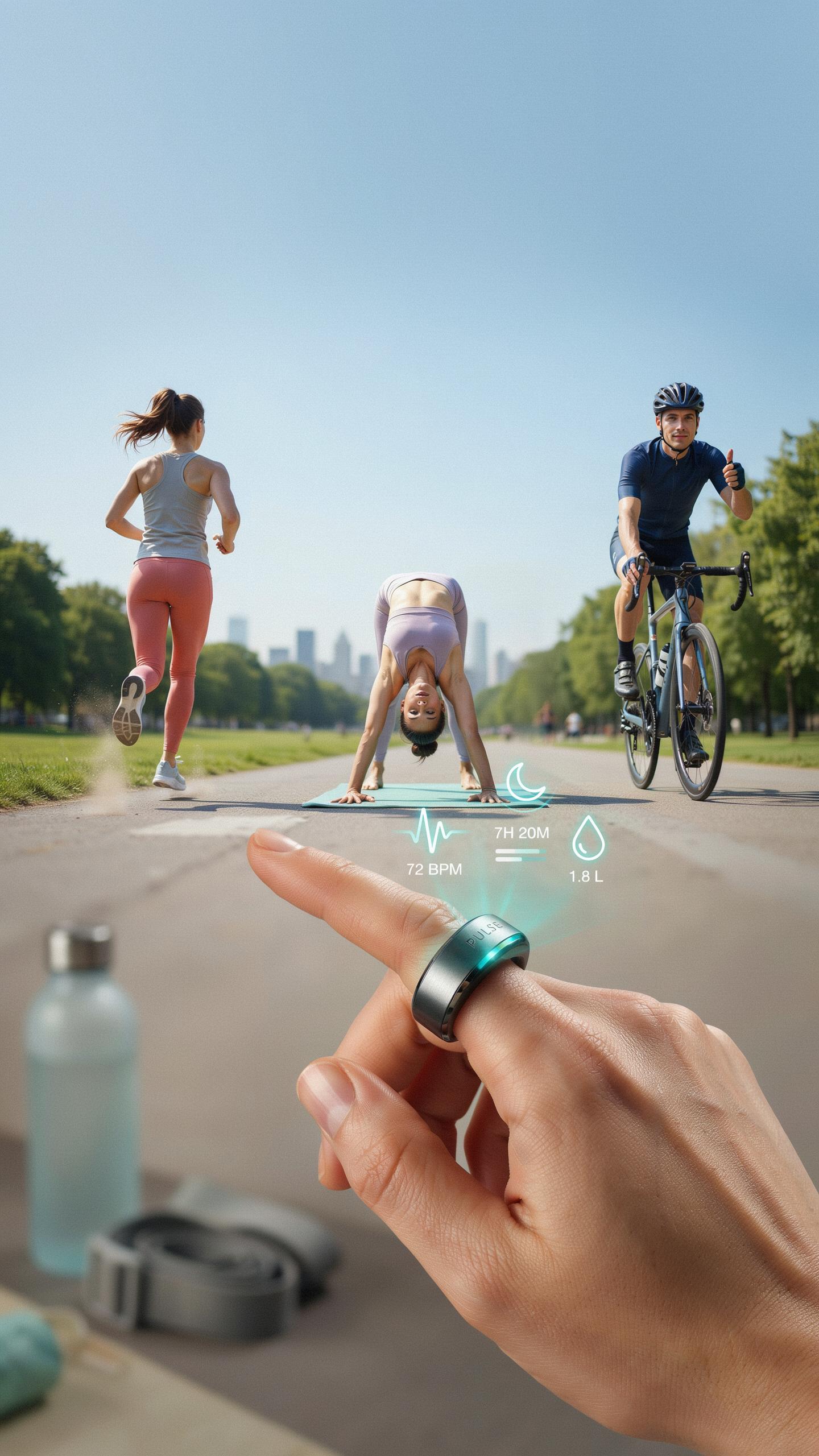
Automated Activity Recognition: Effortless Fitness Tracking
Smart rings use accelerometers and motion sensors to detect movement patterns and classify activities without manual input. The device recognizes walking, running, cycling, and swimming based on motion signatures and frequency patterns. This automation eliminates the need to manually start and stop workout tracking. The ring logs activities in real time and stores the data for later analysis.
Most smart rings struggle with accuracy during cross-training or hybrid workouts where you switch between activities. The sensors work best with steady-state exercises like running or walking on flat terrain. Complex movements or sports with irregular patterns may not register correctly. Accuracy improves when you wear the ring consistently on the same finger and keep it snug against your skin.
Calorie Burn And Movement Patterns: A Deeper Dive Into Fitness
Smart rings estimate calorie expenditure using your heart rate, movement data, and personal metrics like weight and age. The algorithm multiplies intensity level by duration to calculate total calories burned. Heart rate serves as the primary input for calorie calculations. Movement patterns alone cannot accurately determine calorie burn without heart rate data.

The ring tracks your daily movement through step count, distance traveled, and active minutes. This data reveals patterns in your routine and identifies sedentary periods throughout the day. You can see which hours you move most and adjust your schedule accordingly. The insights help you understand your baseline activity level and set realistic targets for improvement.
Sleep Tracking With A Smart Ring Unveiling Your Nighttime Data
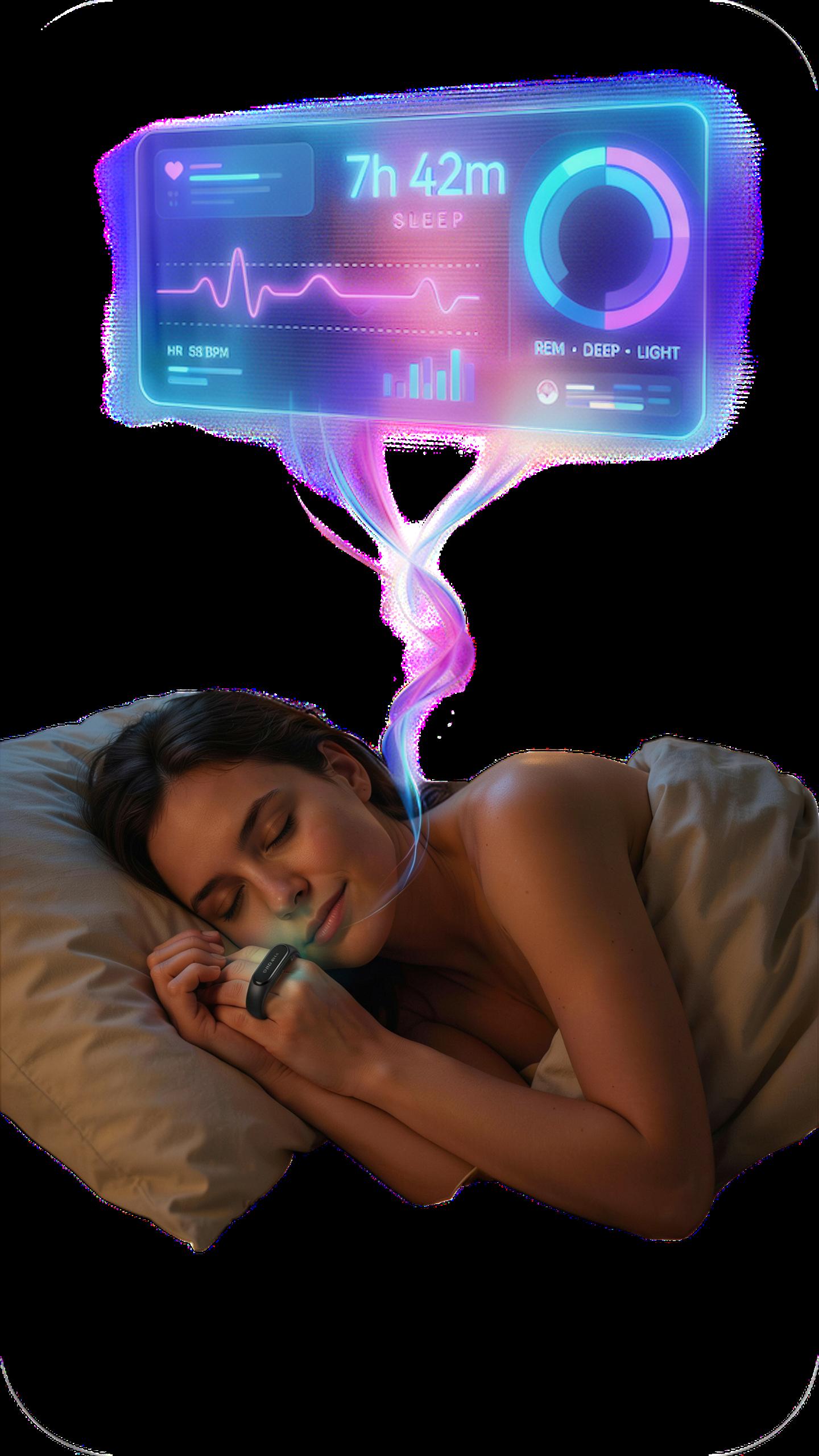
Sleep Stages And Quality: Decoding Your Rest Cycles
Smart rings use accelerometers and heart rate sensors to detect movement and physiological changes throughout the night. These sensors identify patterns that correspond to light sleep, deep sleep, and REM sleep stages. The ring distinguishes stages by analyzing how your heart rate and body movement change during different phases of sleep. This data gives you actionable insight into whether you’re spending enough time in restorative deep sleep.
Sleep quality scores aggregate your stage data into a single metric. Rings calculate this by measuring how long you stay in each stage and how many times you wake during the night. A high quality score means you spent sufficient time in deep and REM sleep without frequent disruptions. Understanding your sleep quality helps you identify patterns and adjust habits that impact your rest.
Recovery Insights: Maximizing Your Body’S Restoration
Sleep data directly informs your recovery status. Smart rings combine sleep metrics with daytime activity and stress levels to generate recovery scores. These scores tell you whether your body has adequately restored itself or needs more rest before intense activity. Acting on recovery data prevents overtraining and reduces injury risk by matching your effort to your actual readiness.

Optimizing performance requires using sleep insights to guide training decisions. When your recovery score is low, the ring recommends lighter activity or rest days. When recovery is high, you can push harder during workouts. This feedback loop creates a direct connection between nighttime restoration and daytime performance gains, making sleep a strategic tool rather than passive downtime.
Understanding The Data Making Sense Of Your Health Tracker Information
Companion Apps And User Interface: Navigating Your Wellness Dashboard
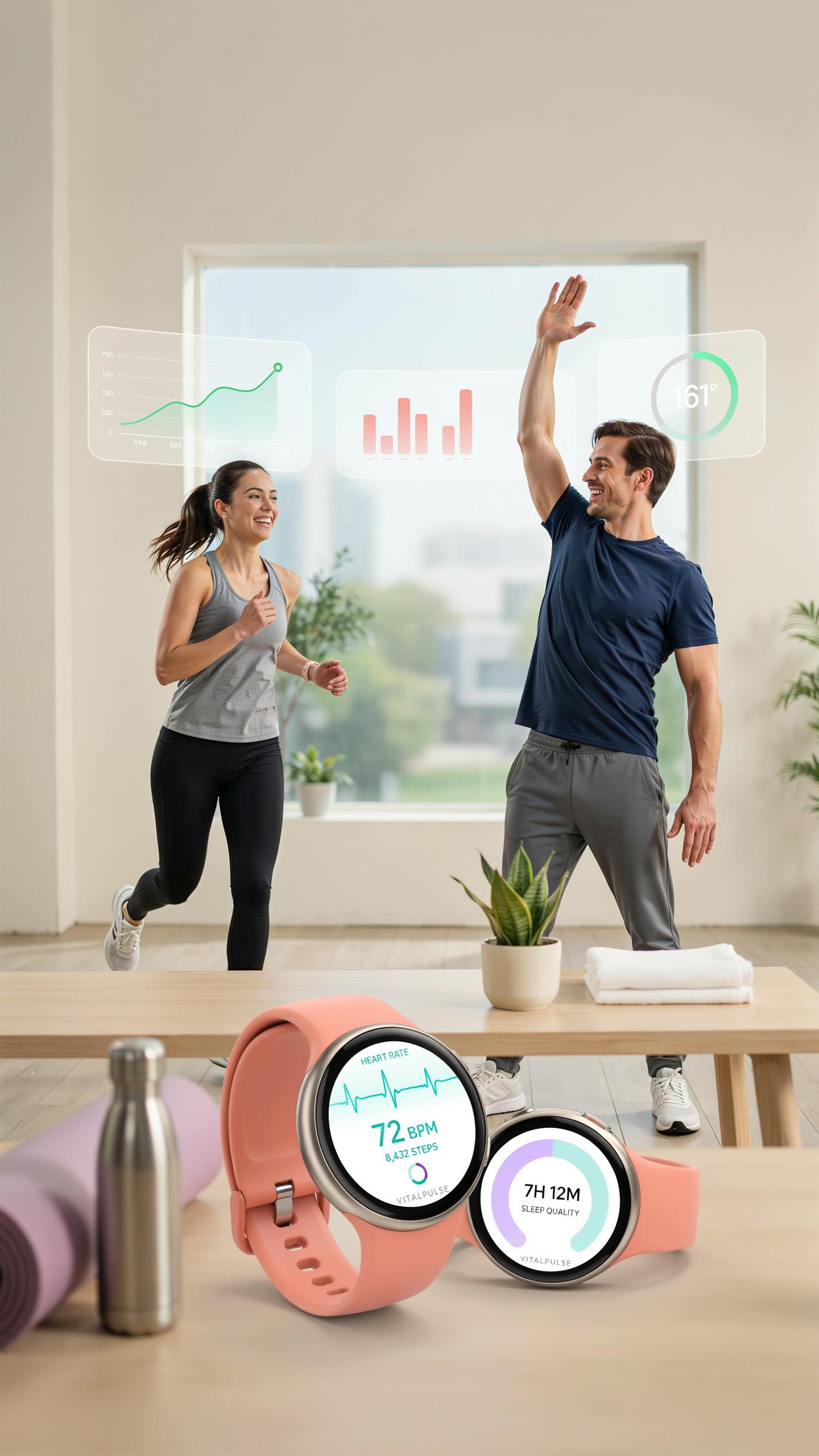
The companion app determines whether you actually use your smart ring data or ignore it. Most rings sync data to your phone via Bluetooth and display metrics like heart rate, sleep stages, and activity levels. A cluttered interface buries critical information. A clean one surfaces trends you need to act on. You spend more time in the app than on the ring itself, so app quality matters more than ring design.
Different manufacturers take different approaches to data presentation. Oura prioritizes sleep and recovery scores. Apple focuses on activity rings and daily movement targets. Whoop emphasizes strain and recovery balance. The best app for you depends on which metrics align with your health goals. Test the demo version before buying if available, since you cannot change ecosystems easily after purchase.
Personalized Insights And Actionable Recommendations
Smart rings that only show raw numbers waste your time. The value comes from algorithms that translate your data into specific actions. A good ring tells you to rest today because your recovery score is low, not just that it is low. It flags irregular sleep patterns and suggests when to adjust your schedule. It connects dots between your daily choices and health outcomes.

Personalization requires the ring to learn your baseline first. Most rings need one to two weeks of data before insights become accurate. Early recommendations feel generic because the algorithm lacks context. After a month, you get recommendations tied to your specific patterns. Advanced rings use machine learning to improve suggestions over time, though no ring predicts the future. You still make the final decisions based on what the data shows about your individual body.
Battery Life And Durability Practical Aspects Of Wearable Tech
Extended Use: The Importance Of Long Lasting Power
Smart rings require battery management that differs from phones or watches. Most current models deliver 4 to 10 days per charge, depending on the brand and tracking features enabled. This range matters because it determines how often you charge and whether the ring captures complete sleep cycles and recovery data without interruption.
Battery longevity directly impacts tracking accuracy. When you charge frequently, you risk missing data points during low battery states. Rings with longer battery life maintain consistent sensor performance and provide uninterrupted health metrics. This consistency is critical for detecting patterns in heart rate variability, sleep quality, and activity levels over time.
Remember those little wonders we dreamed of as kids, the ones that could know our secrets and keep us well? Your smart ring is like that, a tiny, glowing promise of a healthier tomorrow, always there.
Water Resistance And Materials: Built For Daily Life
Smart rings use titanium, stainless steel, or ceramic for the band structure. These materials resist corrosion from sweat and water exposure. The construction matters because rings stay on during showers, workouts, and swimming, so material quality directly affects lifespan and performance reliability in wet conditions.

Water resistance ratings typically range from 5ATM to 10ATM on current smart ring models. ATM stands for atmospheres of pressure and indicates submersion depth capability. A 5ATM rating handles daily water exposure like handwashing and light swimming. A 10ATM rating supports lap swimming and water sports. Check the manufacturer’s specification sheet because ratings vary significantly between models and determine actual use scenarios.
Privacy And Data Security Trusting Your Smart Ring
Safeguarding Your Personal Health Information
Smart ring manufacturers implement encryption protocols to protect health data during transmission and storage. Most major brands use industry-standard security practices, though the specifics vary by company. You should verify whether your chosen ring encrypts data end-to-end and what happens to information after transmission. Check if the manufacturer stores data on secure servers with access controls and regular security audits. Request their privacy policy directly from their website to understand their specific safeguards.
The responsibility for protection extends beyond the manufacturer. Your phone’s security matters because it receives synced data from your ring. Use strong passwords for your associated accounts and enable two-factor authentication where available. Update your device’s operating system and the ring’s companion app regularly. Physical security also counts, so keep your ring and phone away from unauthorized users.
Understanding Data Usage And Sharing Policies
Ring manufacturers collect heart rate, sleep patterns, temperature, and activity data as standard practice. They use this data to generate your personal health insights and improve their algorithms. Read the privacy policy to determine whether they share anonymized data with research partners or third parties. Some companies sell aggregated health trends to researchers or health insurers. The policy should clearly state who accesses your data and under what circumstances they do so.

Your consent controls matter significantly. Most manufacturers allow you to opt out of certain data uses while keeping core ring functions active. Check whether you can delete your historical data and account information completely. Some policies permit data retention even after account deletion, so verify the timeline. Request clarification on law enforcement data requests and how the company handles them. These details determine your actual control over your health information.
Choosing The Right Smart Ring A BuyerS Guide Wearable Device Considerations
Budget And Brand Reputation: Finding Your Ideal Fitness Tracker
Smart ring prices range from 250 to 400 dollars depending on brand and features. Oura Ring dominates the market with established consumer trust and consistent product updates. Samsung Galaxy Ring and Amazon Halo entered later but backed by major tech companies. Evaluate long-term costs including optional subscriptions for advanced health insights before purchasing.
Brand reputation matters because companies control software updates that unlock new capabilities. Research how each manufacturer handles data privacy and how long they support older models. Read independent reviews from established tech outlets rather than marketing materials. Brands with strong reputation typically deliver better battery life and accurate health metrics.
Compatibility And Ecosystem: Seamless Integration With Your Devices
Your smart ring must sync with your smartphone operating system to function properly. Most rings work with both iOS and Android, but feature depth varies between platforms. Check what apps your ring connects to before buying to ensure your health data flows where you need it. Ecosystem integration determines whether you get full value from your purchase.
- iOS Integration: Oura Ring and Samsung Galaxy Ring sync with Apple Health for centralized data storage and third party app access.
- Android Ecosystem: Google Fit compatibility matters for Android users, allowing data sharing across Google devices and partner applications.
- Third Party App Support: Strava, MyFitnessPal, and Apple Health integrations let you consolidate fitness and sleep data in one dashboard.
- Smartwatch Pairing: Some rings work alongside smartwatches from the same manufacturer for redundant health tracking and improved accuracy.
- Cloud Storage: Cloud backup ensures your health history remains accessible if you lose the ring or upgrade to a new device.
Test compatibility before purchase by checking the manufacturer’s official specs against your current devices. A ring that doesn’t connect to your phone or favorite health app becomes useless regardless of sensor quality. Verify that data syncing works reliably and that you can export information if you switch brands later.
Setting Up Your New Smart Ring Health Tracker Getting Started
Initial Setup And Calibration: Ensuring Accurate Data
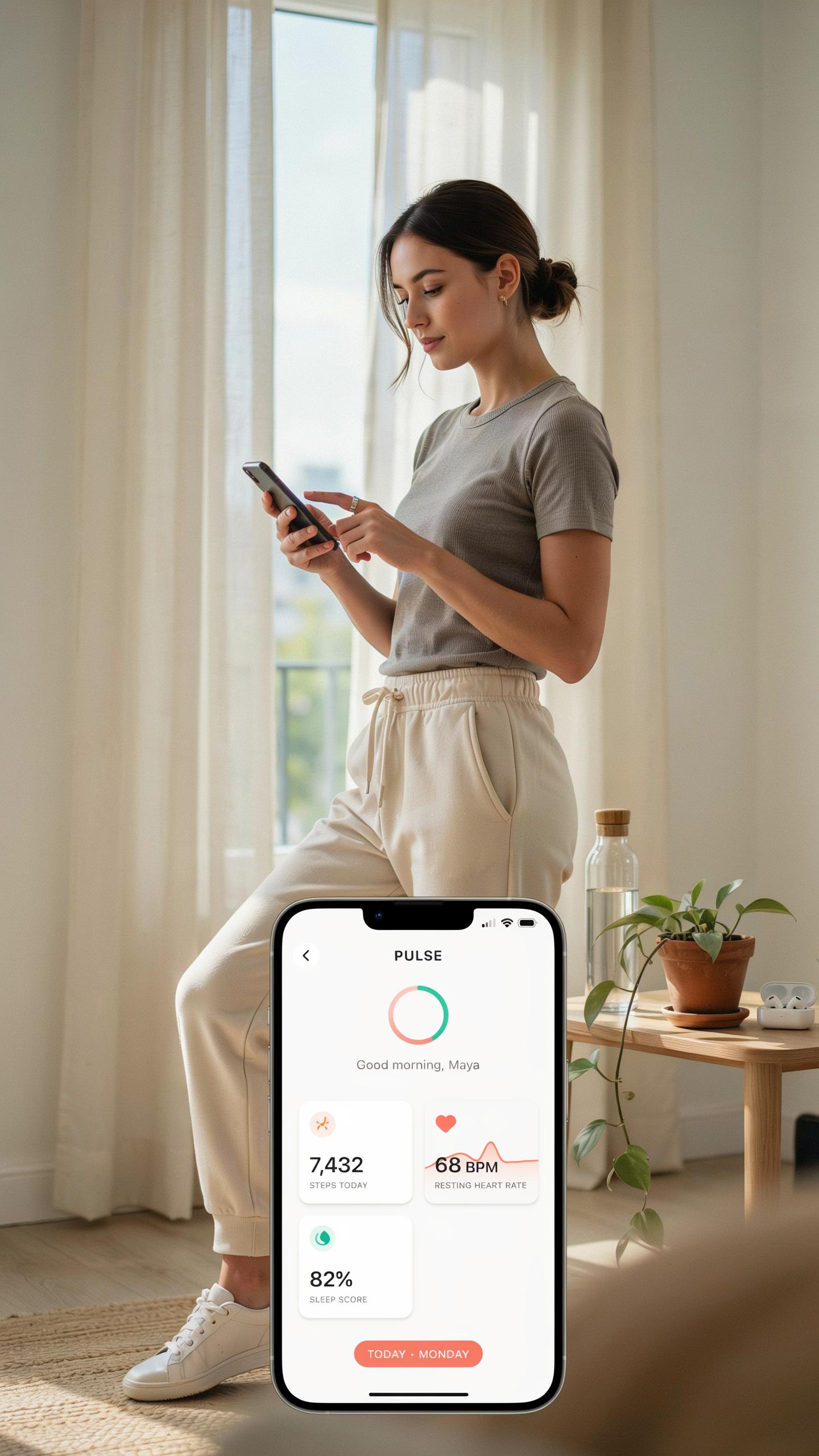
Download the manufacturer’s app before opening your ring. Create your account with accurate personal data including age, weight, and height. These details calibrate the ring’s algorithms for your body. Place the ring on your dominant hand’s ring finger initially. Most rings need 24 to 48 hours to establish baseline metrics before generating reliable data.
Calibration continues as you wear the ring daily. The device learns your resting heart rate, sleep patterns, and activity levels over time. Accuracy improves after one to two weeks of consistent wear. Keep the ring clean and dry during setup. Adjust the fit so it sits snugly without restricting blood flow to get the most accurate readings.
Integrating With Other Health Apps: Building Your Wellness Hub
Most smart rings connect to major health platforms through their native apps. Check the manufacturer’s app for integration options with Apple Health, Google Fit, or Fitbit. Enable these connections in your smart ring app’s settings menu. Grant permission when prompted so data syncs automatically. This creates a centralized dashboard where you monitor all health metrics in one place without switching between apps.
Synced data includes heart rate, sleep duration, activity minutes, and stress levels across platforms. Real-time sync happens automatically on most systems. Manual syncing is rarely needed with modern smart rings. Third party apps like Strava or MyFitnessPal often connect through Apple Health or Google Fit rather than directly. This indirect method still pulls your smart ring data into these apps through the main health platform.
Frequently Asked Questions

What exactly is a smart ring health tracker and how does it work?
A smart ring health tracker is a discreet wearable device, worn on your finger, that continuously monitors key health metrics. It uses tiny sensors to track data like heart rate, sleep patterns, temperature, and activity levels. This information is then sent to a smartphone app, providing insights into your overall well-being. Think of it as a miniature, fashionable health coach.
How do I choose the best smart ring health tracker for my personal needs if I’m a first-time buyer?
When researching a smart ring health tracker review, consider your primary health goals. Do you prioritize sleep tracking, activity monitoring, or stress management? Look at battery life, app interface, and comfort. Read multiple smart ring health tracker review articles to compare features and user experiences to find a model that aligns with your lifestyle and desired data.
Are smart ring health trackers generally affordable, or are they a significant investment for a first-time user?
The price of smart ring health trackers varies quite a bit. You can find entry-level models that are relatively affordable, similar to a mid-range fitness tracker. However, premium smart rings with advanced features and more robust materials can be a significant investment. Consider your budget and the specific health insights you’re seeking before making a purchase.