
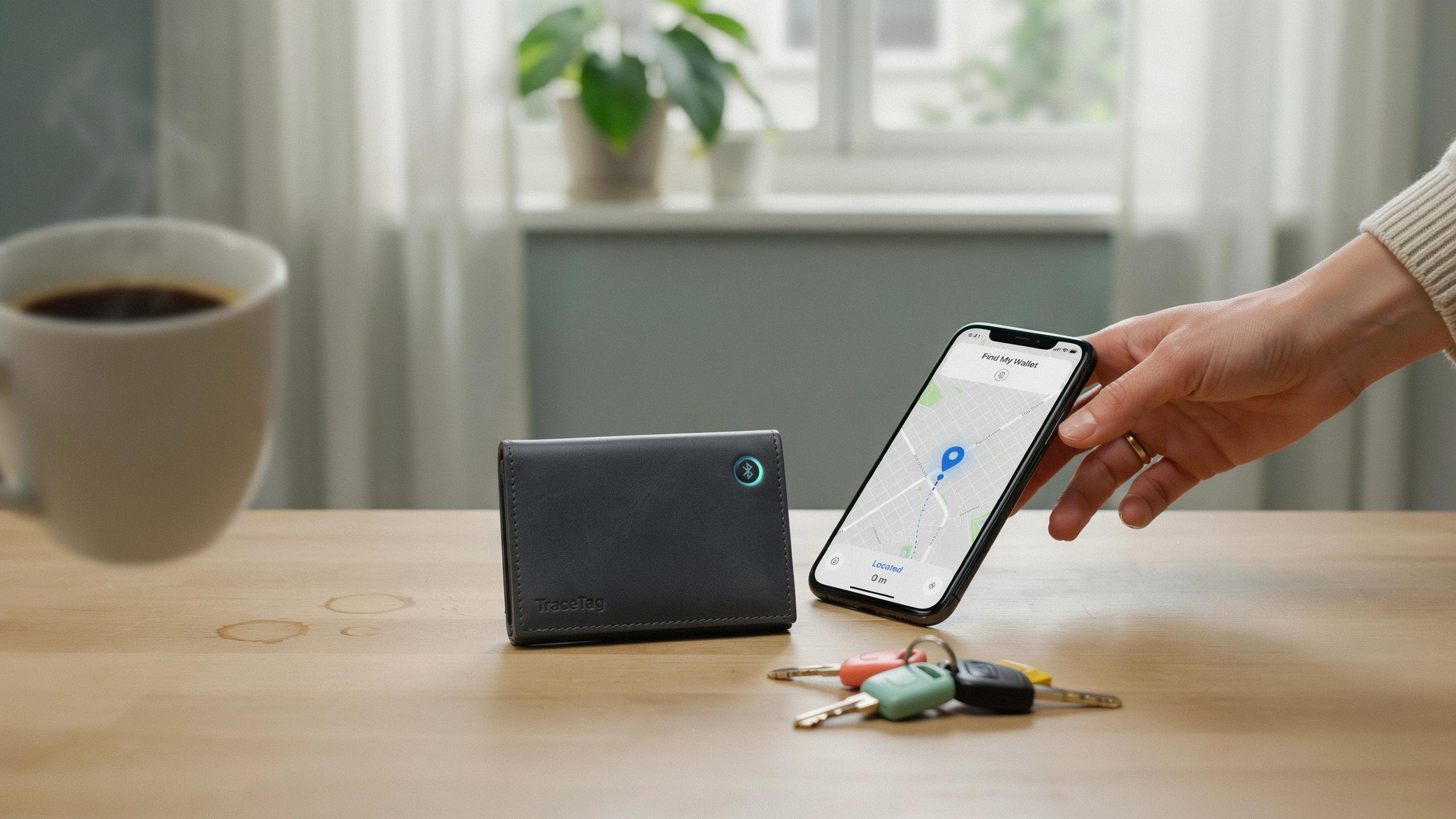
The Evolution Of Wallets From Basic To Smart Wallet
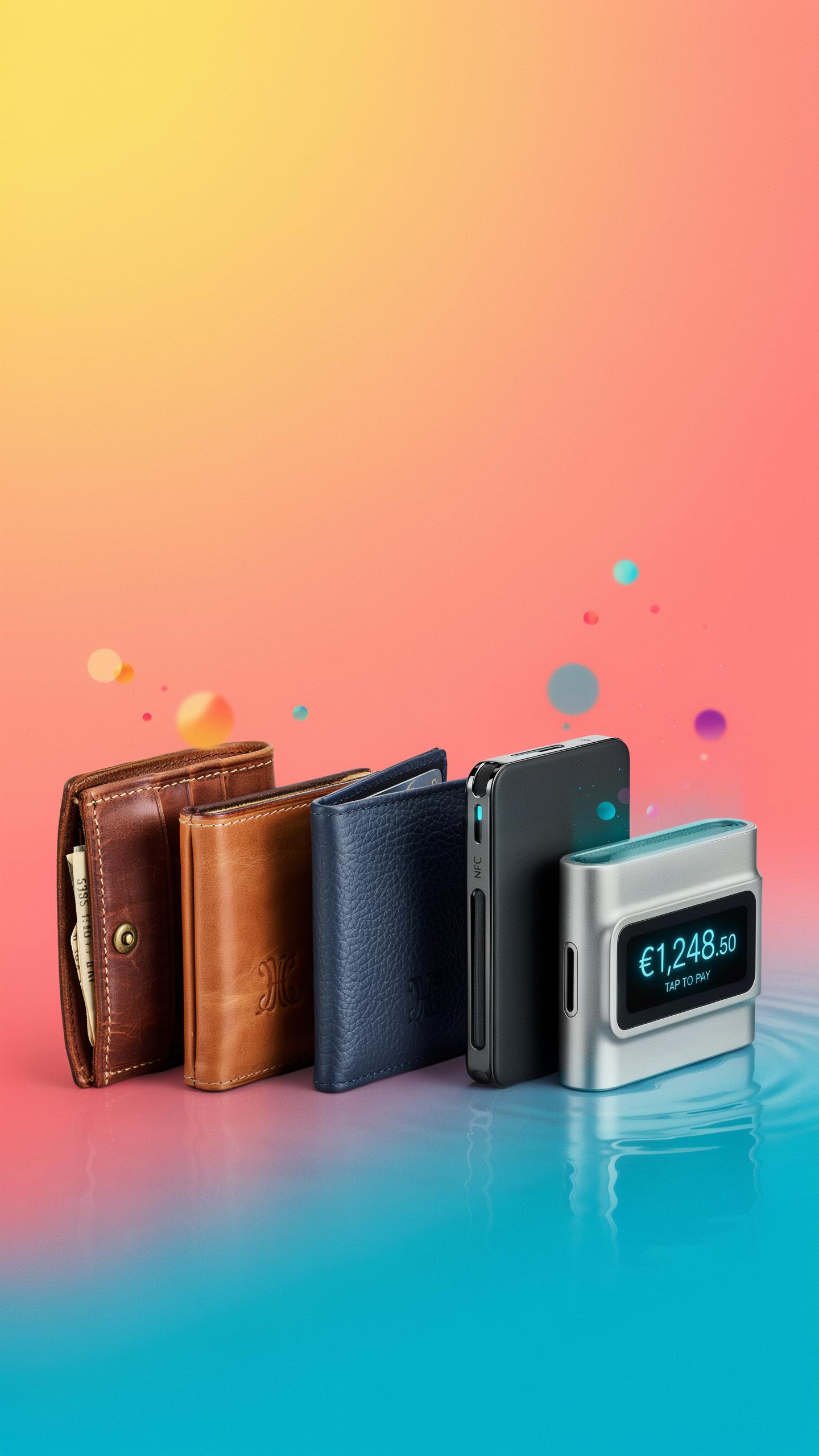
A Brief History Of Wallet Design And Functionality
Wallets emerged as practical storage solutions when currency and documents required portable containment. Early wallets used leather and canvas, materials chosen for durability and weather resistance. Medieval merchants carried leather pouches tied to belts. By the 1800s, bifold and trifold designs standardized wallet construction. These designs reflected the need to organize bills, coins, and identification in compact form without adding bulk to pockets or clothing.
The 20th century brought standardized wallet shapes driven by standardized currency sizes and identification requirements. Men’s wallets became fixture accessories during the 1950s as consumer culture expanded. Manufacturers experimented with synthetic materials and zipper closures to improve security. The functionality remained static for decades: store cash, hold cards, carry identification. No significant innovation occurred until digital technology created new problems that traditional wallets could not solve.
Why A Smart Wallet Is A Modern Necessity
Traditional wallets cannot solve the core problem of modern life: lost items disappear permanently. Losing a wallet costs money, time, and identity security. Replacing cards, obtaining new identification, and contacting financial institutions creates friction. Smart wallets integrate Bluetooth tracking technology to address this gap directly. They enable users to locate wallets using smartphone apps or trigger alarms when wallets move outside designated zones.
Lost wallets represent financial and administrative burden that grows each year. A 2015 Harris Poll found the average wallet loss costs people roughly 150 dollars in replacement fees and time. Digital tracking technology now makes prevention practical at consumer price points. Smart wallets combine traditional storage functions with active location tracking. This combination transforms wallets from passive storage into recovery-enabled devices that reduce loss impact significantly.

Understanding Bluetooth Tracking How Does It Work For Your Lost Wallet
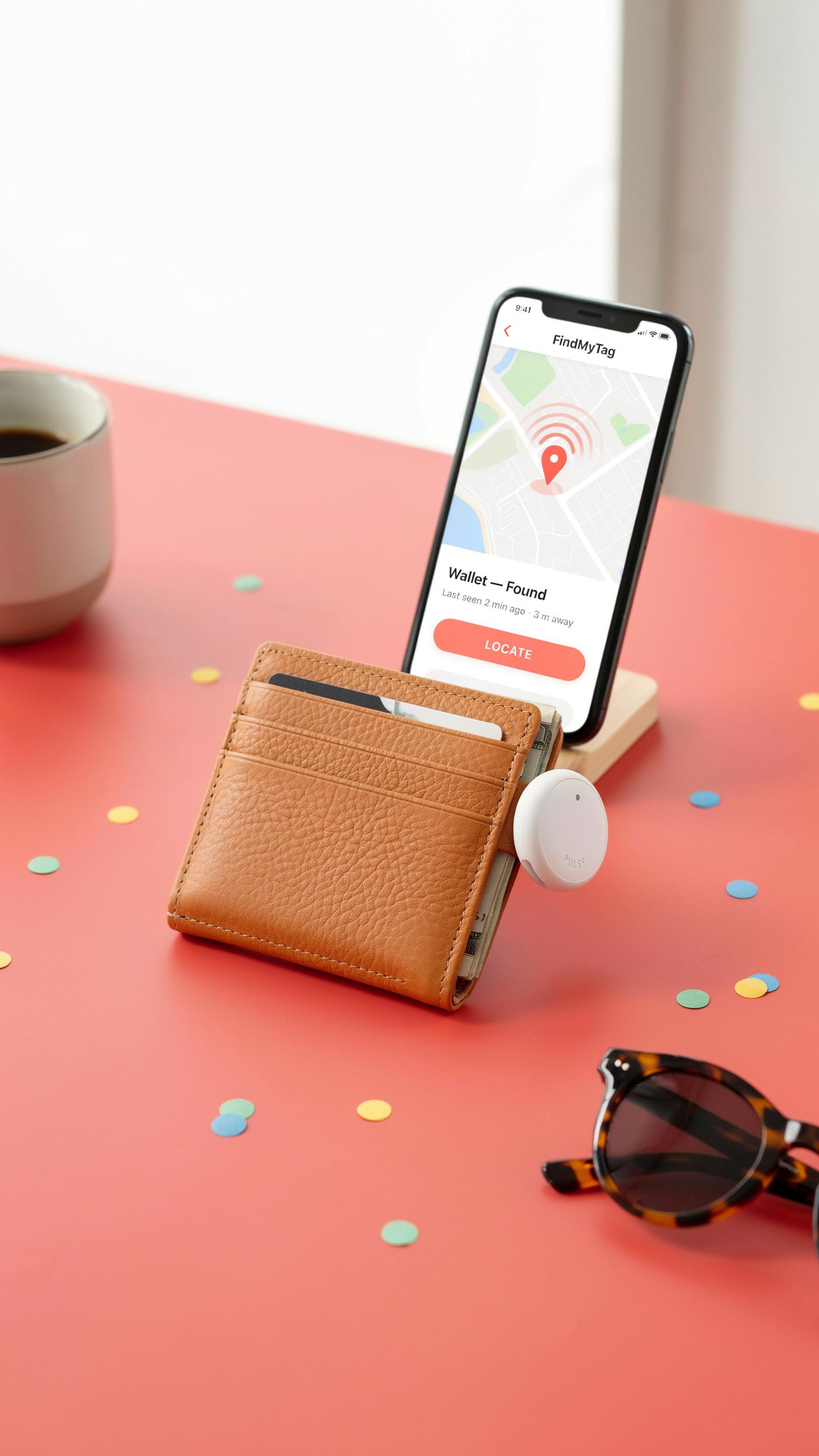
The Technology Behind Bluetooth Low Energy Tracking
Bluetooth Low Energy (BLE) operates on the 2.4 GHz frequency band, the same spectrum used by Wi-Fi and other wireless devices. BLE transmitters in smart wallets broadcast signals at regular intervals that nearby devices can detect. These signals carry minimal power, which extends battery life significantly compared to standard Bluetooth. The technology uses a mesh networking approach where multiple devices relay signals to expand range and coverage across distances.
Your smart wallet’s BLE chip sends out advertisement packets that smartphones and other receivers interpret to calculate distance and direction. The strength of the received signal determines approximate proximity to the lost wallet. When you trigger the wallet’s tracker through an app, it activates the transmitter to send stronger signals. This two-way communication allows your phone to locate the wallet or trigger an audible alert on the device itself.
Connecting Your Smart Wallet To Your Devices With Its Me App
The setup process requires downloading the manufacturer’s companion app, typically called a “Me” app or branded tracker app. You enable Bluetooth on your smartphone and launch the app to scan for nearby devices. The app detects your smart wallet during the initial pairing sequence and creates a secure connection. This pairing stores the wallet’s unique identifier on your phone, allowing future recognition without repeating the full discovery process.

After pairing completes, the app displays your wallet’s location on a map interface or shows signal strength bars indicating distance. Most apps let you set custom alerts for when your wallet moves beyond a specified range. You can activate the wallet’s speaker through the app to emit a sound that helps you locate it in nearby spaces. The app also tracks your wallet’s last known location when the connection drops, which proves useful for retracing your steps or contacting locations you recently visited.
Key Features Of A Smart Wallet With Bluetooth Tracking
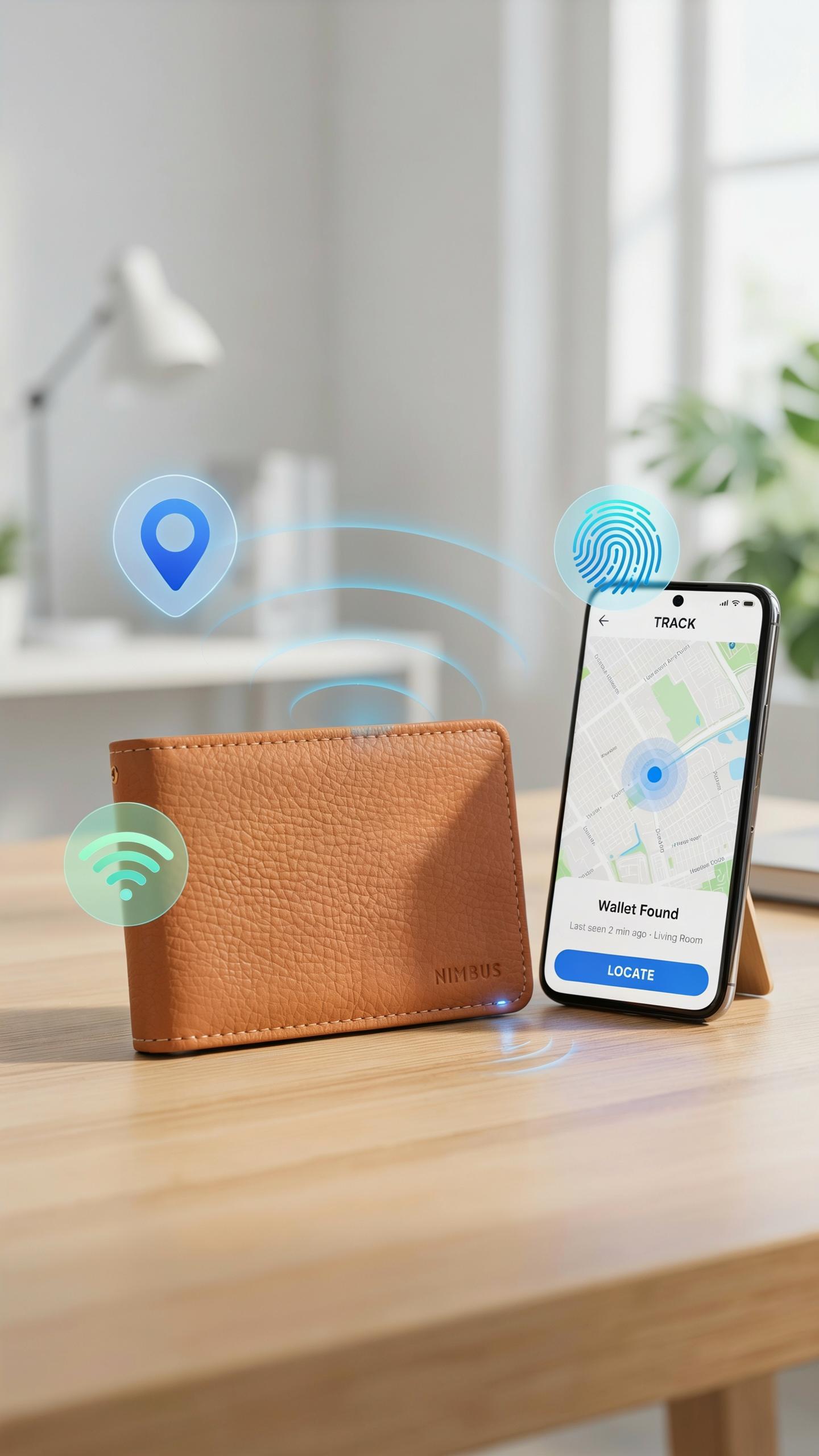
Real Time Location And Proximity Alerts
Smart wallets use Bluetooth technology to maintain constant communication with your smartphone. When your wallet moves beyond a set range, typically 30 to 100 feet depending on the model, your phone sends an alert. This distance threshold prevents false alarms during normal daily use while catching genuine separation events before they become problems.
The proximity alert system works in both directions. Your phone notifies you when the wallet exits range. Simultaneously, many models trigger an alarm on the wallet itself when your phone moves too far away. This dual alert mechanism addresses the common scenario where you leave your phone behind instead of your wallet, ensuring you catch the mistake immediately.
Two Way Tracking And The Integrated Key Finder Feature
Two way tracking means your smartphone locates your wallet, and your wallet locates your smartphone. You trigger a sound or vibration on the wallet from your phone app to find it on a desk or in a bag. Activate the reverse function to locate your phone when it goes missing, using a button or long press on the wallet device itself.
The integrated key finder feature combines wallet tracking with a secondary locator for keys or other items. Many smart wallets include an attachment point or ring where you clip a small tracking tag. This consolidates multiple tracking devices into one ecosystem, reducing the number of gadgets you carry while maintaining coverage for your most valuable portable items.
RFID Blocking Protecting Your Digital Assets
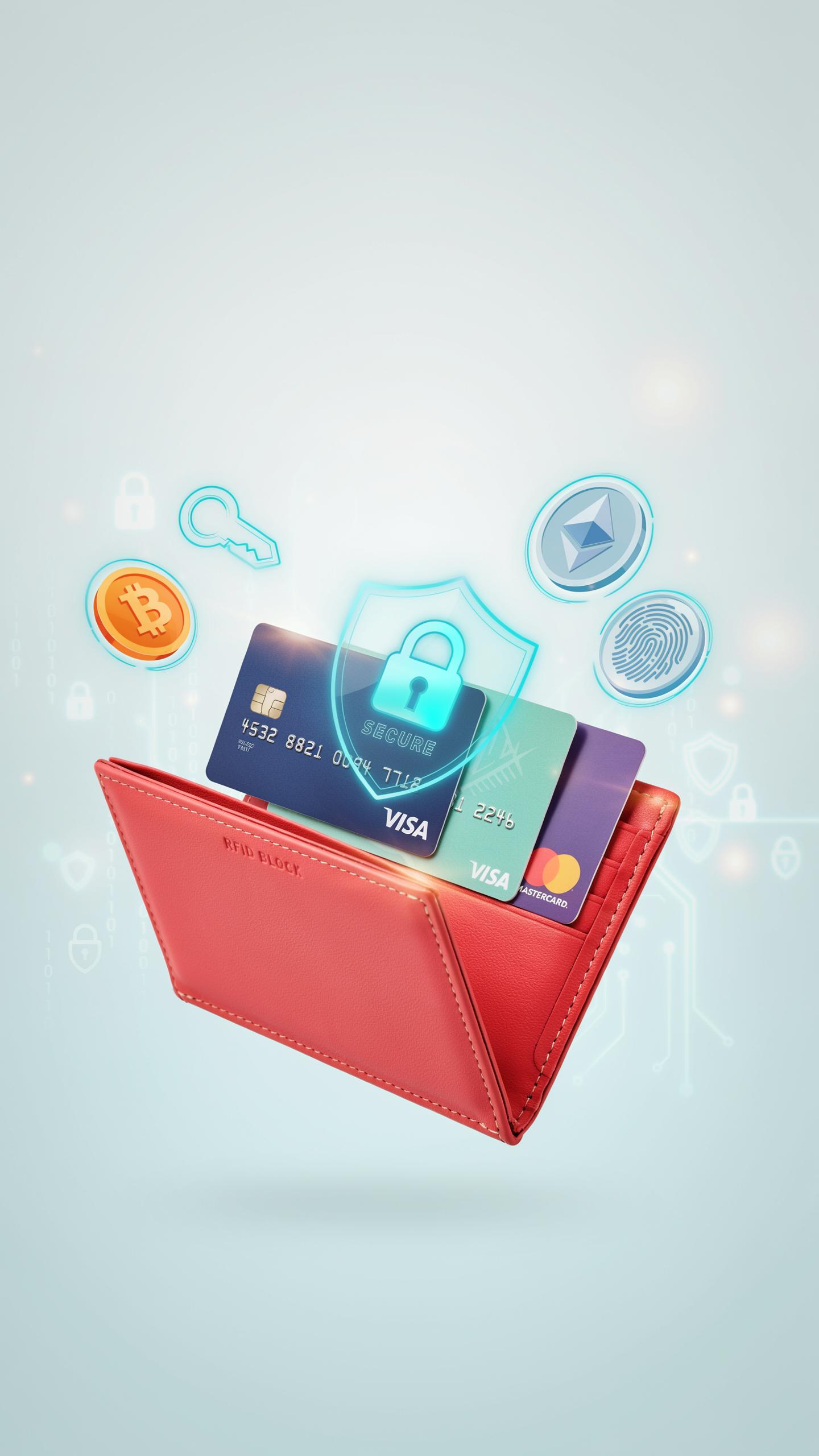
What Is RFID And Why Is RFID Blocking Important?
RFID stands for radio frequency identification. The technology uses electromagnetic fields to read data stored on small chips embedded in credit cards, passports, and ID documents. Criminals use handheld RFID readers to intercept this data from a distance without touching your wallet or bag.
RFID blocking matters because your financial information travels wirelessly. Thieves can capture card numbers, expiration dates, and personal identification data during transactions or while you walk through crowded spaces. Smart wallets with RFID blocking technology create a barrier that disrupts these unauthorized scans and keeps your sensitive information secure.
How The Smart Wallet Provides RFID Protection
Smart wallets incorporate RFID blocking through specialized materials and design. Manufacturers integrate conductive layers, typically made from materials like aluminum or copper mesh, into the wallet’s interior compartments. These layers generate a signal that jams incoming RFID frequencies, preventing readers from accessing your card data.

The blocking works by shielding cards in designated slots within the wallet. When you place a card in an RFID-protected pocket, the conductive material surrounds it and deflects radio waves attempting to read the chip. This means your cards stay protected whether they sit in your wallet at home or move with you throughout your day.
Beyond Tracking Anti Theft Wallet Features And Security
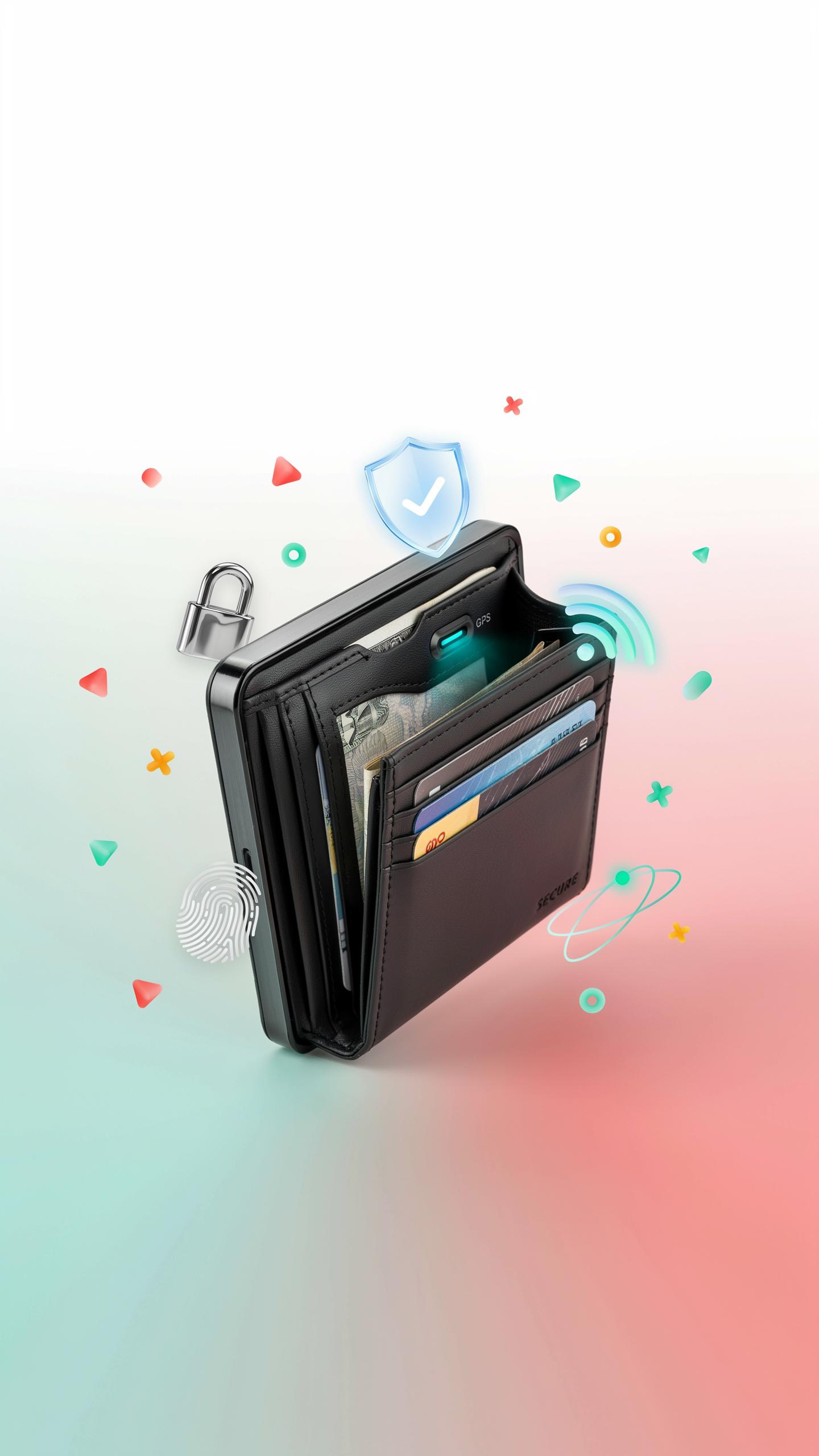
Alarm Functions And Remote Selfies For Enhanced Security
Alarm functions work by triggering an audible alert from your phone when the wallet moves outside a set range. You control the alarm threshold through the companion app. Most systems emit 80 to 100 decibels, loud enough to draw attention in public spaces. The alarm stops when you reconnect to the wallet or dismiss it manually from your phone. This feature deters opportunistic theft by making the stolen wallet an immediate liability.
Remote selfie captures represent a tactical security layer. When you trigger this feature through your app, the wallet’s paired phone camera activates and captures a photo of whoever possesses it. Some platforms upload this image directly to cloud storage or send it to your email. This creates documented evidence of the thief’s appearance. Law enforcement and insurance claims benefit from this visual record. The feature works best when your phone remains in the thief’s possession after the wallet separates.
Designing For Security: Materials And Construction
Smart wallets use materials chosen specifically to survive daily abuse and resist tampering. Genuine leather, ballistic nylon, and reinforced plastics form the outer shells. Interior components sit in protective chambers that minimize exposure to moisture and impact damage. The Bluetooth module connects to a reinforced PCB board secured against movement. Stitching patterns follow established leather goods construction techniques to prevent peeling and separation. Metal hardware distributes stress across larger surface areas rather than concentrating it at single points.

Construction methods determine how long the wallet functions under real world conditions. Manufacturers use ultrasonic welding or epoxy bonding for internal components to eliminate mechanical failure points. The battery compartment seals separately from the tracking module to prevent electrical failures from spreading. Stress tested designs account for drops, bending, and moisture exposure before reaching consumers. Quality control inspections verify component placement and electrical connections before shipment. This builds wallets that maintain tracking capability over years of use.
The Smart Wallet In Everyday Life Convenience And Peace Of Mind
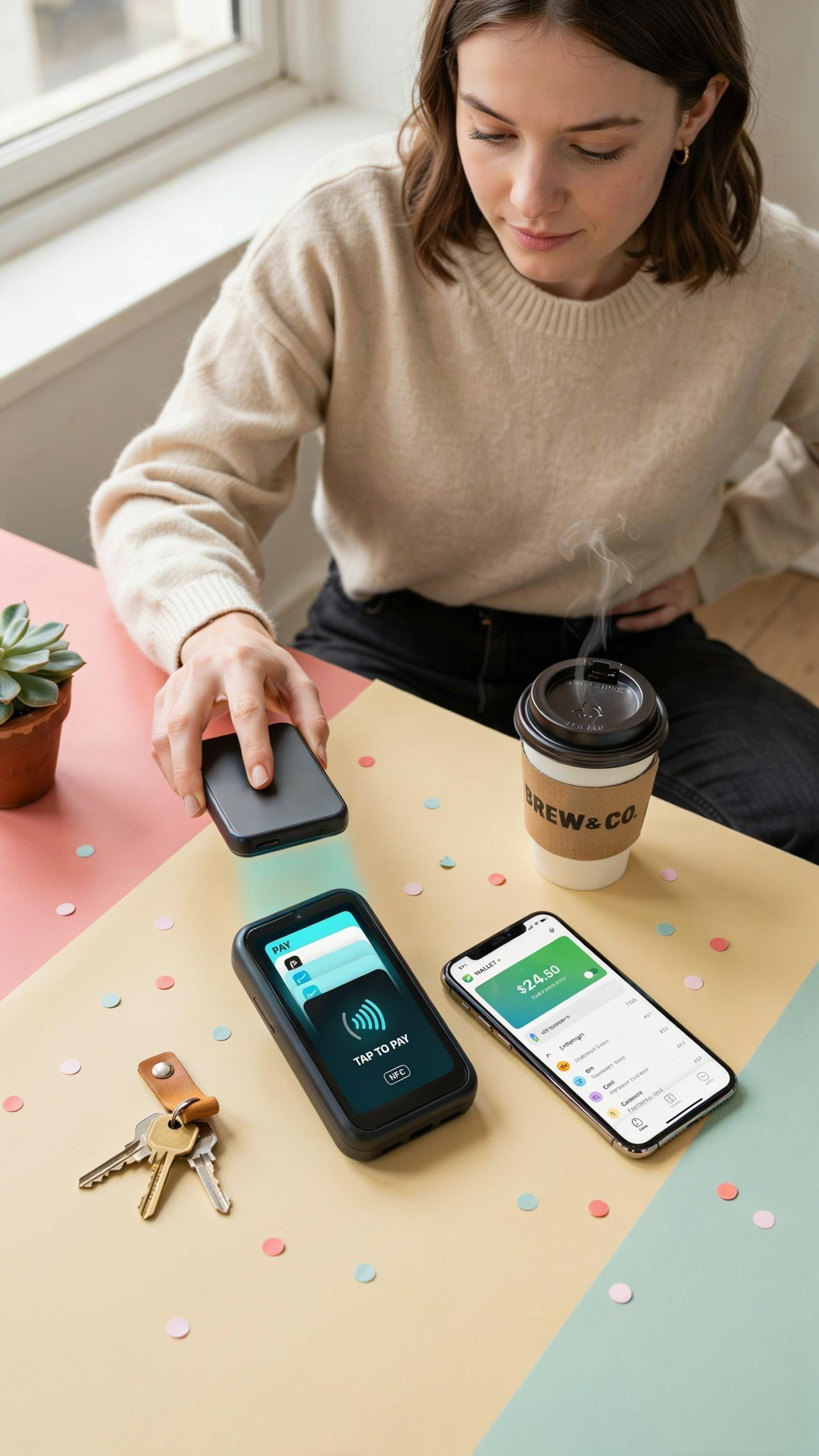
Streamlining Your Daily Carry With Functional Wallets
A smart wallet with Bluetooth tracking consolidates multiple functions into one device. You carry fewer items because the wallet stores cards, cash, and locates itself through your phone. The Bluetooth chip communicates with your smartphone within a typical range of 30 to 100 feet, depending on model and environment. This integration eliminates the friction of managing separate tracking devices.
The weight and thickness of smart wallets remain comparable to traditional wallets because manufacturers embed tracking technology into existing card slots or use thin circuit boards. Dual functionality means your daily carry becomes lighter, not heavier. You access your phone’s companion app to trigger an alert on the wallet, which emits a sound or vibration to help you locate it in nearby spaces.
Reducing The Stress Of Misplaced Or Lost Wallet Scenarios
Losing a wallet disrupts your day and creates financial exposure. A smart wallet with Bluetooth tracking reduces this window of vulnerability by enabling you to find it quickly before it’s discovered by someone else. You receive alerts when the wallet moves out of range, signaling potential theft or that you left it behind. This real time monitoring shifts your position from reactive to proactive.

The tracking feature works only within Bluetooth range, which means the wallet cannot locate itself across city distances or in places without your phone nearby. Understanding this limitation is critical for setting realistic expectations. For scenarios beyond Bluetooth range, some smart wallets integrate with community tracking networks where other app users’ devices help locate lost items, though this depends on population density in your area.
Choosing The Right Smart Wallet What To Look For
Factors To Consider: Battery Life, Range, And Durability
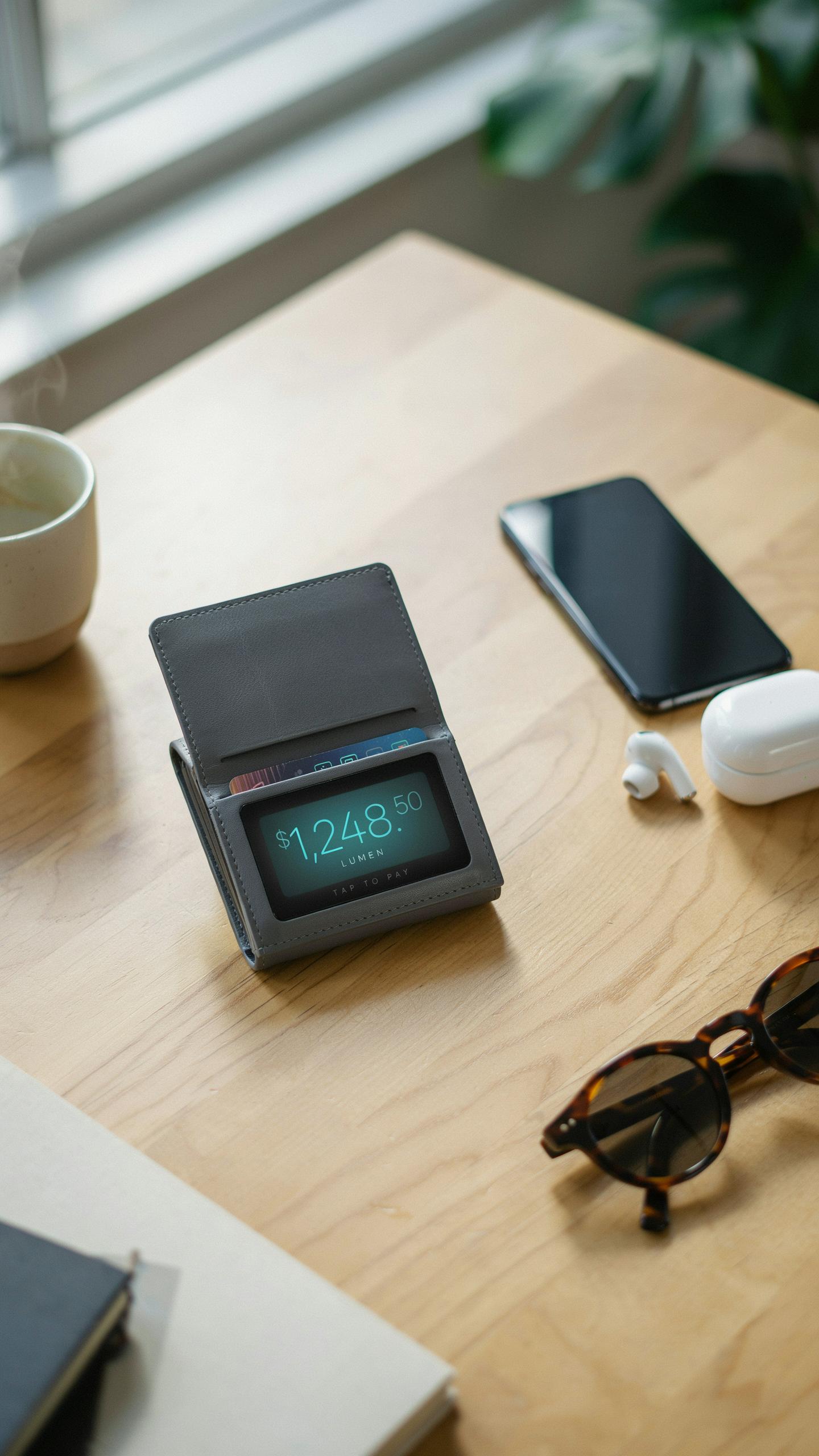
Battery life determines how often you charge your smart wallet. Most Bluetooth tracking wallets run between three to seven days per charge. Some models use replaceable coin cell batteries that last months. Check the manufacturer specs. A wallet that dies in two days creates a false sense of security and becomes useless fast.
- Battery Type: Lithium ion batteries charge via USB and last three to seven days. Coin cell batteries offer months of use but require manual replacement when depleted.
- Bluetooth Range: Standard Bluetooth 4.0 or 5.0 operates between 30 to 150 feet in open space. Walls and interference reduce range significantly in real conditions to 20 to 50 feet.
- Water Resistance Rating: IPX4 rating handles splashes and light rain. IPX7 rating means submersion in water up to one meter for 30 minutes. Check if your wallet needs this level of protection based on your habits.
- Material Durability: Leather wallets wear faster than synthetic materials. Stitching at stress points determines lifespan more than material choice alone.
- Drop Testing: Manufacturers rarely publish drop test data. Real world durability comes from reinforced corners and flexible frames that absorb impact without cracking.
Range matters because a tracker loses value if the signal cuts out after 40 feet. Test the range in your environment before committing. Water resistance becomes critical if you travel, use public transit, or live in wet climates. Durability prevents the tracker from failing after a fall or daily wear stress.
Design And Style: Form Meets Function
Smart wallets trade thickness and weight for internal electronics. Standard leather wallets measure 4 to 5 millimeters thick. Smart wallets add 2 to 3 millimeters from the Bluetooth module and battery. Your pocket or bag needs to accommodate this change. Test the fit before purchase.

Style choices limit functionality. Minimal RFID blocking designs leave cards exposed to skimming. Full protection models add bulk. Card capacity ranges from six to twelve cards depending on design. The smart module occupies space that traditional wallets use for cash or cards. Balance your storage needs against the size increase from adding tracking technology.
RFID Blocking Functional Wallets For On The Go

The Benefits Of A Minimalist Yet Secure Design
A minimalist wallet with RFID blocking serves one purpose: protect your cards while carrying less. RFID-blocking material stops unauthorized scanners from reading your card data from a distance. This technology works by using conductive materials that disrupt electromagnetic signals. You get security without bulk. The tradeoff is intentional.
Minimalist design forces you to carry only what you use. No reward cards gathering dust. No expired memberships taking up space. Smart wallets with Bluetooth tracking add another layer by letting you locate the wallet itself if lost. You combine physical security through RFID blocking with digital recovery through tracking technology. This dual approach covers both theft prevention and loss recovery.
Remember the comfort of knowing where your treasures are, now reimagined with a gentle pulse of technology, keeping those precious memories always within reach.
Integrating Technology Seamlessly Into Your Lifestyle
Smart wallets integrate Bluetooth seamlessly when they fit your existing device ecosystem. Your phone already has Bluetooth enabled. Adding a wallet tracker requires no new infrastructure. The wallet pairs once, then works passively in the background. You notice the technology only when you need it. This is integration done right.

Real-world use means checking your phone app when you can’t find your wallet instead of retracing steps for an hour. Bluetooth range typically extends 30 to 100 feet depending on the device and environment. You can trigger an alert on the wallet itself to locate it in your home or car. The technology supports your lifestyle rather than demanding attention. That efficiency matters when you live a fast-paced life.
Maintaining Your Smart Wallet Tips For Longevity
Battery Maintenance And Software Updates For Optimal Performance
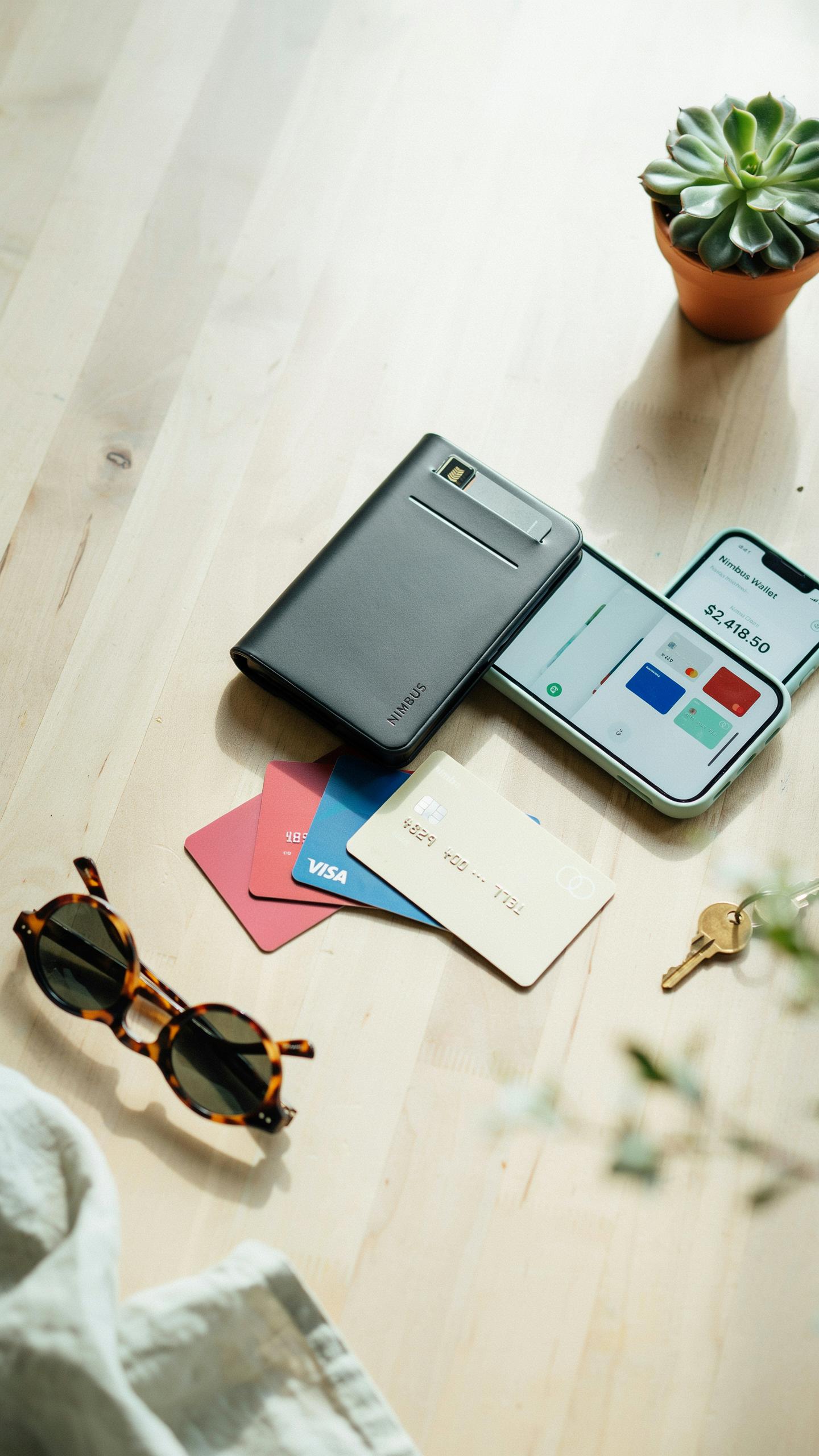
Smart wallets run on rechargeable lithium-ion or coin cell batteries that deplete over time. Check your wallet’s battery level through its companion app weekly. Most models last between five to seven days per charge under normal use. Recharge before the battery drops below twenty percent to prevent memory degradation and extend overall lifespan.
Software updates roll out regularly to patch security vulnerabilities and improve tracking accuracy. Enable automatic updates in your wallet’s app settings whenever possible. Manufacturers release these updates to fix bugs that drain battery faster and enhance Bluetooth connection stability. Skipping updates leaves your device exposed to performance issues and potential security gaps that attackers exploit.
Cleaning And Care For Your Smart Wallet
Water resistance ratings vary across smart wallet models, so check your manual for exact specifications before cleaning. Use a soft, dry microfiber cloth to wipe the exterior weekly and remove dust buildup. For deeper cleaning, dampen the cloth slightly with distilled water and avoid soaking seams or electronic components. Never use harsh chemicals, abrasive materials, or ultrasonic cleaners that damage circuit boards and internal sensors.
Leather and synthetic materials age differently when exposed to moisture and temperature swings. Store your wallet in a cool, dry place away from direct sunlight to prevent material degradation. Extreme heat warps plastic components and damages battery cells, while humidity corrodes metal contacts inside the device. Keep your wallet at room temperature between sixty and seventy-five degrees Fahrenheit for optimal preservation.
The Future Of Personal Security WhatS Next For The Smart Wallet
Emerging Technologies And Advanced Tracking Capabilities
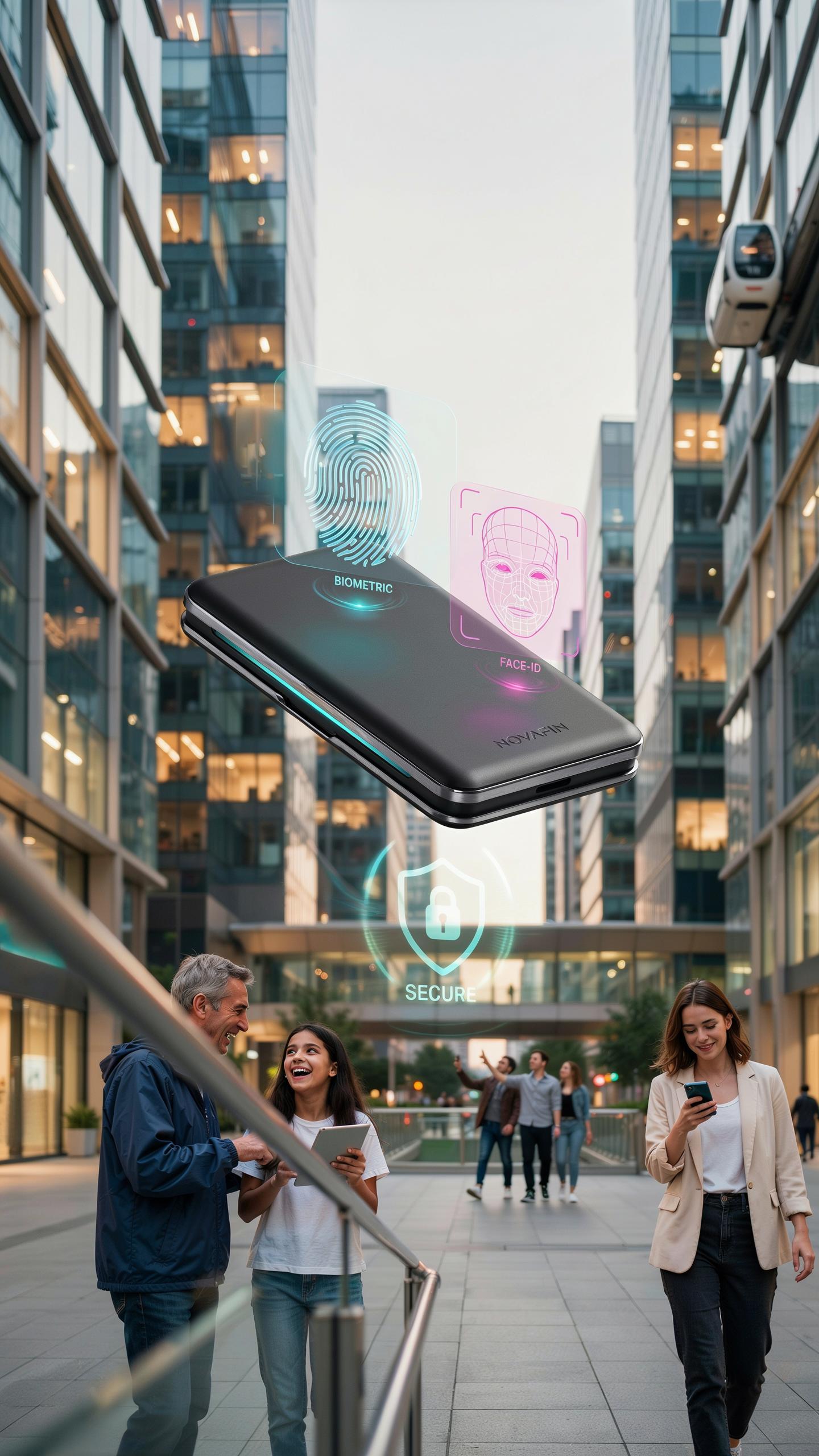
Smart wallets currently use Bluetooth Low Energy (BLE) to maintain connection ranges between 30 and 240 feet depending on environmental conditions and device generation. Manufacturers are developing ultra-wideband (UWB) technology integration, which offers precise directional tracking and increased range compared to standard Bluetooth. UWB provides spatial awareness that helps users locate wallets with greater accuracy in complex indoor environments like offices and shopping centers.
The next phase involves GPS integration for outdoor tracking beyond Bluetooth range. Some manufacturers already embed cellular modules in premium models, enabling real-time location updates independent of smartphone proximity. Battery optimization remains the critical bottleneck. Current smart wallets achieve 6 to 12 month battery life through power-efficient chips and strategic notification systems that reduce unnecessary data transmission. Future iterations will likely extend battery performance through energy harvesting technologies and improved power management algorithms.
The Growing Ecosystem Of Connected Personal Items
Smart wallet platforms are expanding into broader personal item networks where multiple devices communicate through shared mobile applications. Manufacturers now offer companion tracking tags for keys, bags, and phones that sync with wallet location data. This ecosystem approach creates redundancy, allowing users to track multiple items from a single interface and identify patterns about where they typically lose items.
Integration with smart home systems is already underway. Some wallets now connect with voice assistants and home automation platforms to trigger alerts when users leave home without their wallet or receive notifications if items enter geofenced zones. Insurance companies are beginning to recognize connected personal items as risk mitigation tools, potentially offering premium discounts for tracked high-value items. This market expansion signals that smart wallet technology is transitioning from niche consumer gadget to practical security infrastructure.
Frequently Asked Questions

What exactly is a smart wallet with Bluetooth tracking and how does it work?
A smart wallet with Bluetooth tracking is a modern wallet embedded with technology that connects to your smartphone. If you misplace it, your phone can ping the wallet, making it ring or showing its last known location on a map. This provides peace of mind, knowing your essentials are always traceable.
How do I set up and use the tracking features on my new smart wallet once I get it?
Setting up your new smart wallet with Bluetooth tracking is usually very straightforward. Typically, you download a dedicated app, pair your wallet via Bluetooth, and follow the in-app instructions to activate tracking features like ring alerts or location history. You’ll be ready to track in minutes!
Are smart wallets with Bluetooth tracking generally expensive, and are there budget-friendly options available?
While some smart wallets with Bluetooth tracking can be a premium investment, there are indeed many budget-friendly options available on the market. Prices vary depending on materials, brand, and advanced features, but you can definitely find an effective and affordable smart wallet with Bluetooth tracking to suit your needs.