
Understanding Fitness Trackers With Sleep Monitoring
What Are They
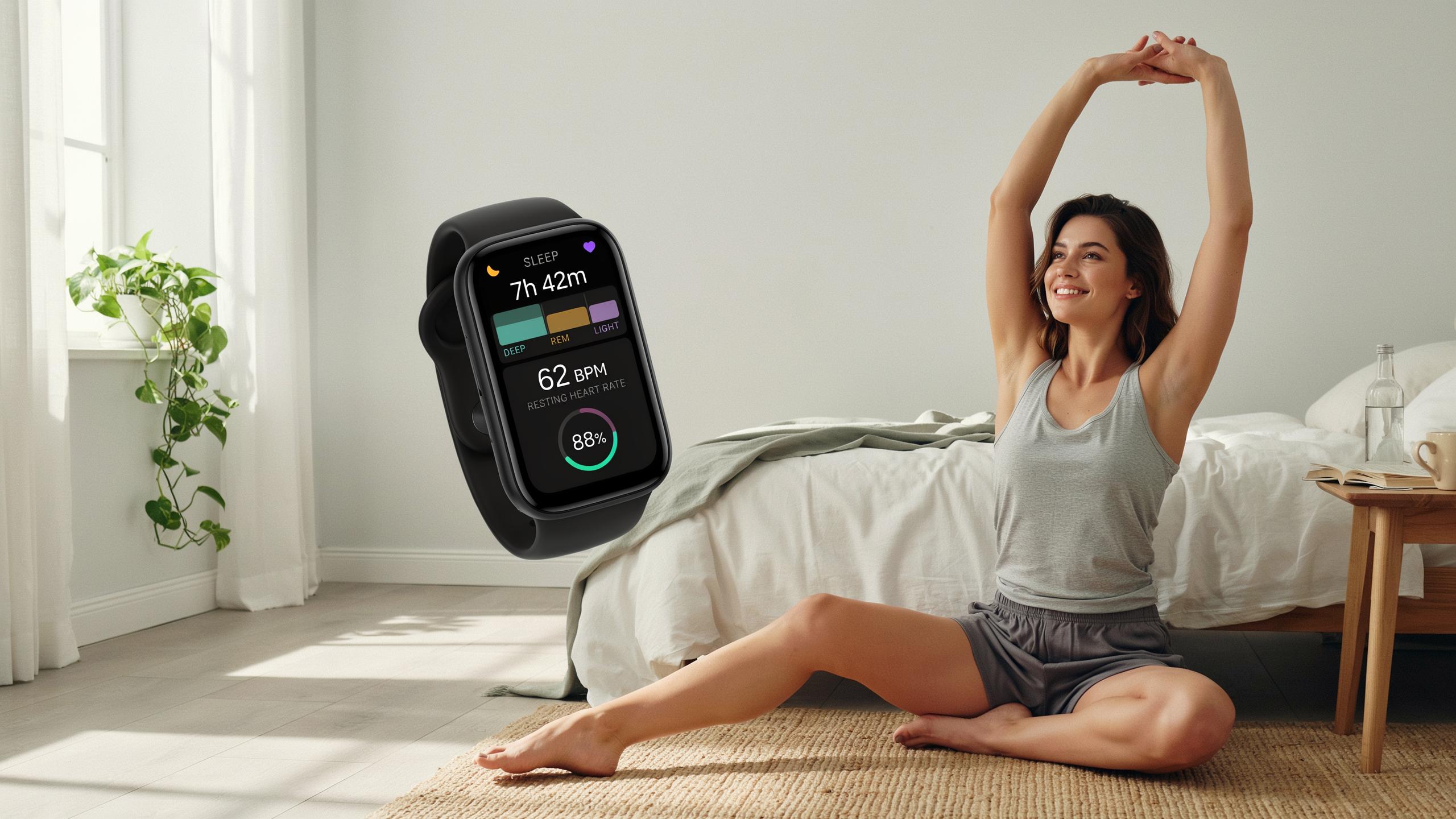
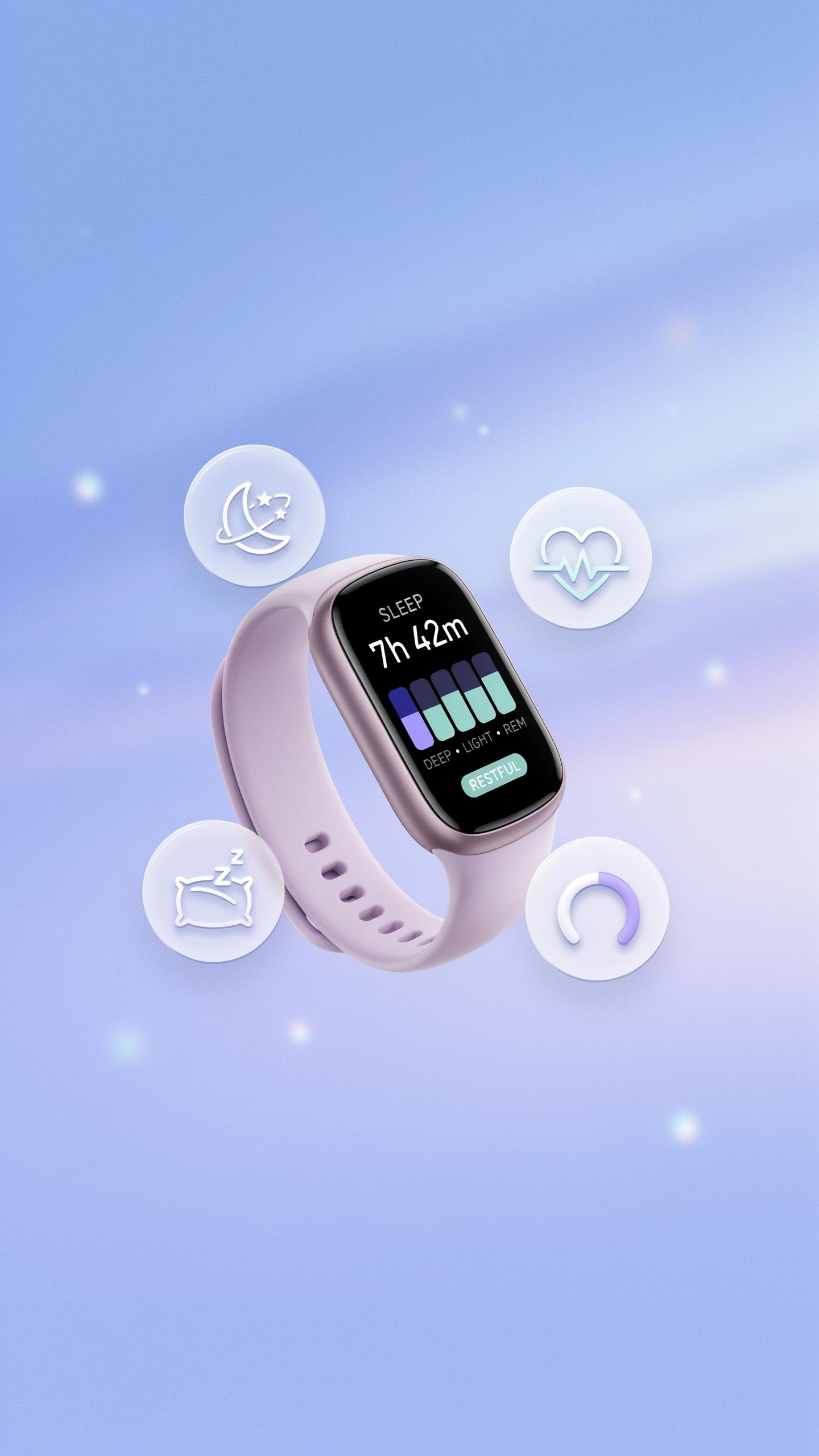
A fitness tracker with sleep monitoring is a wearable device that records your physical activity and sleep patterns simultaneously. These devices use accelerometers to detect body movement and translate that data into metrics like steps, calories, and sleep stages. The tracker stays on your wrist or body continuously, collecting information throughout the day and night without requiring manual input.
Sleep monitoring works by analyzing movement patterns. When you move less during certain periods, the device classifies that time as sleep. More advanced trackers use heart rate variability and additional sensors to distinguish between light sleep, deep sleep, and REM sleep. This combination of sensors provides insight into your recovery and overall health trends over time.
Key Features To Look For In An Activity Tracker With Sleep Monitoring
Sleep tracking accuracy depends on how the device measures movement and physiological signals. Look for trackers that combine accelerometer data with heart rate monitoring. Devices with these dual sensors catch nuances that movement alone cannot detect. Check the brand’s specifications for sleep stage detection capabilities. Some trackers only report total sleep time, while others break down your sleep into distinct phases that matter for recovery assessment.
Battery life directly impacts tracking reliability. A tracker that dies after two days forces you to recharge frequently, creating gaps in your data. Aim for devices lasting at least five to seven days on a single charge. Water resistance matters if you swim or shower regularly. Display clarity affects usability, especially when checking metrics at night. Companion app quality determines whether you actually understand your sleep data or ignore it.

The Science Behind Sleep Tracking
How It Works
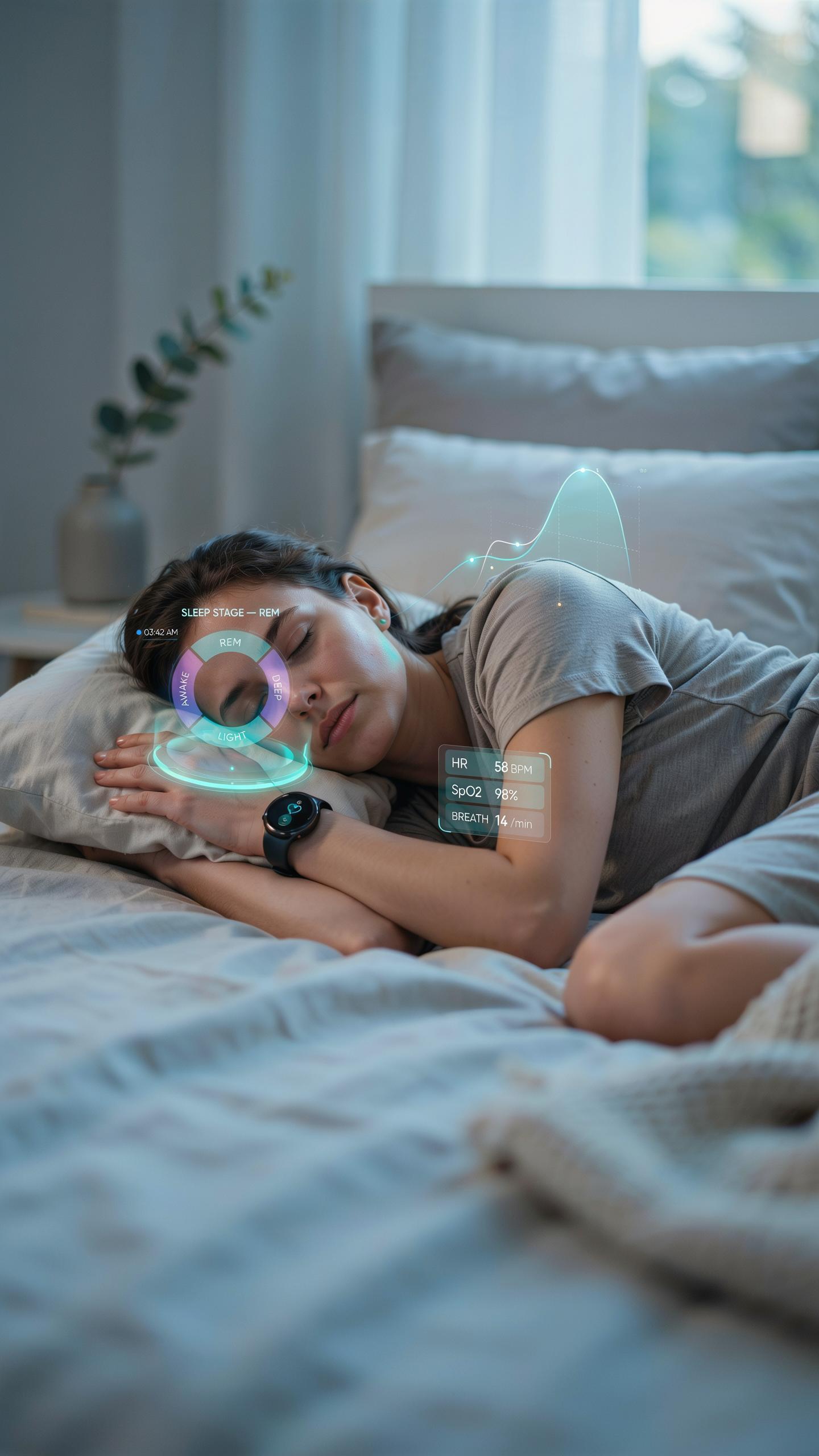
Fitness trackers detect sleep using accelerometers and heart rate sensors. The accelerometer measures movement patterns. When movement stops for extended periods, the device logs sleep onset. Heart rate variability supplements this data. The tracker compares your resting heart rate against your active heart rate to distinguish sleep stages. Most devices cannot measure brain waves like clinical equipment does. Instead, they use movement and heart data to estimate light sleep, deep sleep, and REM sleep.
The algorithms powering these estimates rely on machine learning trained on polysomnography data. Each manufacturer develops proprietary models that analyze your unique patterns over time. Trackers improve accuracy as they collect more nights of your personal data. However, the fundamental limitation remains: consumer devices work with incomplete physiological information. They make educated guesses rather than direct measurements. This approach works adequately for trend tracking but introduces inherent margin of error.
Accuracy Of Consumer Sleep Trackers Vs Polysomnography
Polysomnography is the clinical gold standard for sleep measurement. It records brain waves, eye movement, muscle activity, heart rhythm, and breathing through multiple sensors. Studies show consumer trackers correctly identify sleep versus wake about 80 to 90 percent of the time. However, accuracy drops significantly when distinguishing between sleep stages. Most trackers overestimate deep sleep and underestimate light sleep. REM detection performs poorly compared to lab equipment because trackers lack the necessary brain wave data.
The practical takeaway: consumer trackers work well for measuring total sleep duration and general trends. They fail at granular stage-by-stage accuracy. For clinical diagnosis of sleep disorders, polysomnography remains necessary. For personal optimization and habit tracking, the tracker’s margin of error proves acceptable. You gain actionable insights about your sleep patterns without clinical precision. Understanding this limitation prevents misinterpreting your data as medically definitive.
Benefits Of Sleep Monitoring For Your Health
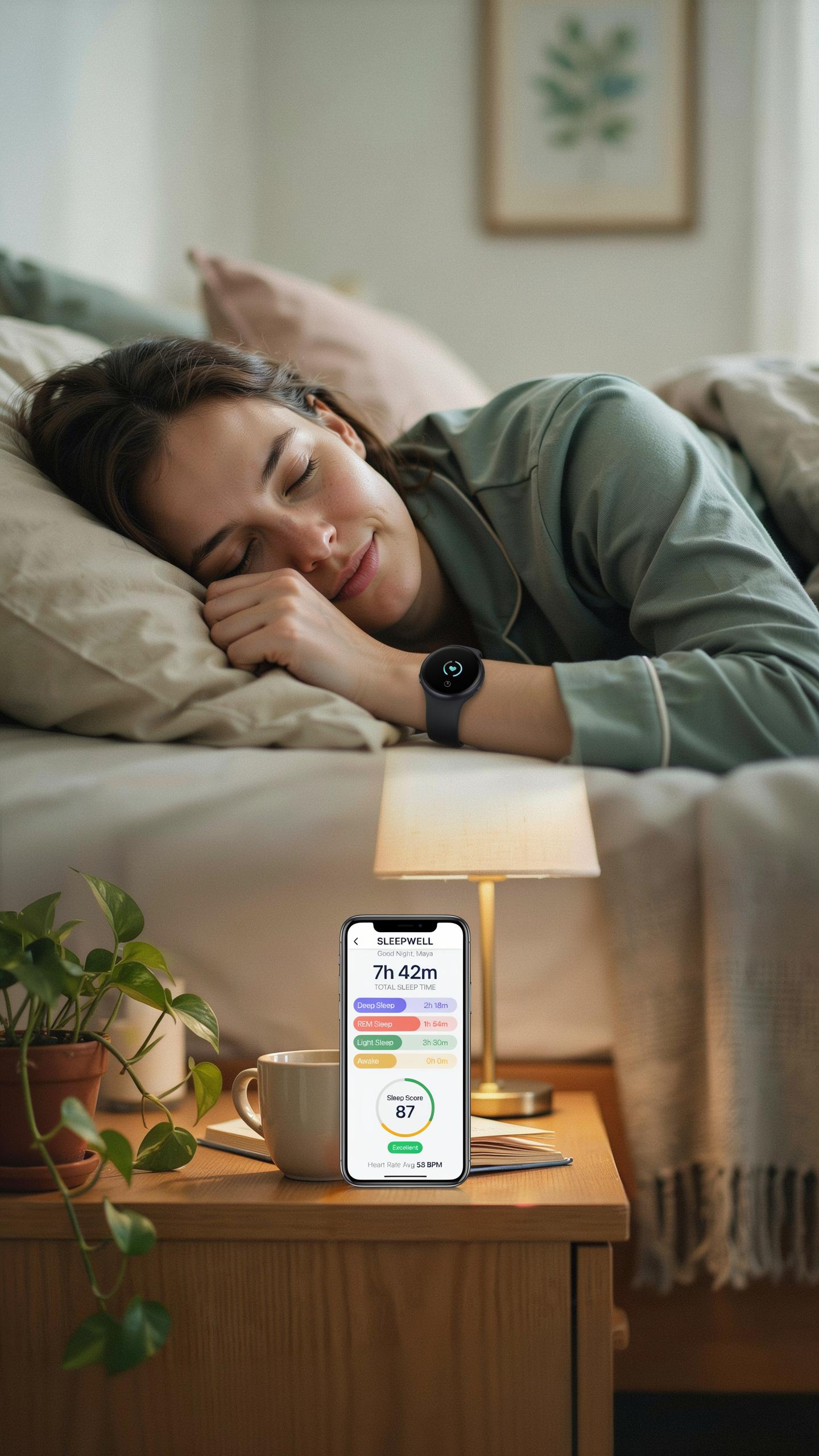
Identify Sleep Patterns And Improving Sleep Hygiene
Sleep tracking devices record your sleep duration, stages, and disruptions throughout the night. This data reveals patterns you cannot detect on your own. You see when you sleep deeply, when you wake, and how often interruptions occur. Fitness trackers with sleep monitoring use accelerometers and heart rate sensors to distinguish between light sleep, deep sleep, and REM sleep. Armed with this information, you adjust bedtime routines and environmental factors to optimize rest.
Sleep hygiene improves when you have concrete data instead of guesses. Trackers show how caffeine timing, exercise schedules, and screen use affect your sleep quality. You identify which nights yield the best rest and replicate those conditions. Most devices provide actionable recommendations based on your tracked patterns. Consistency emerges as the primary driver of better sleep, and trackers enforce that consistency by holding you accountable to measurable standards.
The Impact Of Quality Sleep On Physical And Mental Health
Quality sleep directly influences physical recovery, immune function, and metabolic regulation. During deep sleep stages, your body releases growth hormone, repairs muscle tissue, and consolidates memories. Poor sleep disrupts these processes, leading to slower recovery from workouts and reduced physical performance. Trackers quantify your deep sleep duration, helping you understand whether your body receives adequate recovery time. When deep sleep remains consistently low, you recognize a problem before it compounds into injury or chronic fatigue.

Mental health deteriorates rapidly with insufficient or fragmented sleep. Sleep deprivation impairs decision-making, emotional regulation, and stress response. Your cognitive function drops noticeably after just one poor night, affecting focus and productivity. Fitness trackers with sleep monitoring establish baseline data so you connect mood changes, anxiety levels, and cognitive performance to sleep quantity and quality. This connection empowers you to prioritize sleep as a non-negotiable health factor rather than a luxury.
Integrating Heart Rate Data For Comprehensive Health Tracking
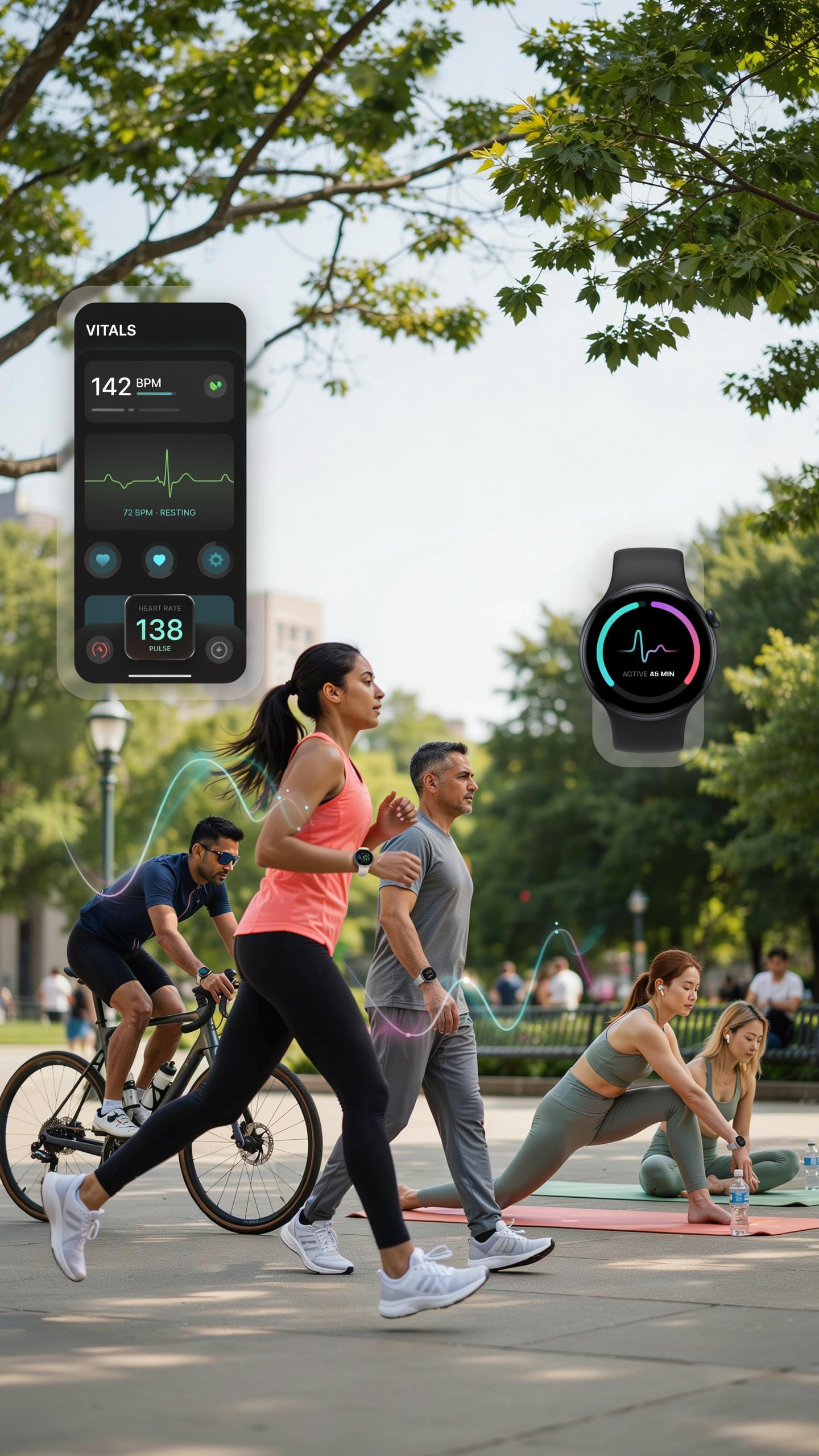
Heart Rate Variability Relates To Sleep Quality
Heart rate variability measures the time gaps between heartbeats. During sleep, your heart rate drops and variability patterns shift. Low variability during sleep signals stress or poor recovery. High variability indicates your body transitions through sleep stages normally. Trackers record these patterns to assess sleep quality objectively.
Your nervous system controls heart rate during sleep. The parasympathetic system dominates during deep sleep, lowering your heart rate. Stress hormones suppress variability and fragment sleep stages. Fitness trackers with heart rate sensors capture this data continuously. This reveals whether you actually recover or just spend time in bed.
Achieving A Holistic Health Tracker Perspective
Heart rate data alone misses the full picture. Combine it with sleep duration, sleep stages, and movement data. Your tracker should show when you enter REM and deep sleep. It should correlate heart rate patterns with how you felt the next day. This connection reveals what actually improves your recovery and performance.

Trackers that integrate multiple metrics let you identify real patterns. You see which nights of poor sleep coincide with elevated resting heart rate. You spot when stress impacts both sleep quality and daytime heart rate. This data drives tactical decisions about training intensity and recovery days. Single-metric trackers force you to guess. Multi-metric trackers let you know.
Evaluating The Value Cost Vs Benefits Of A Sleep Tracker
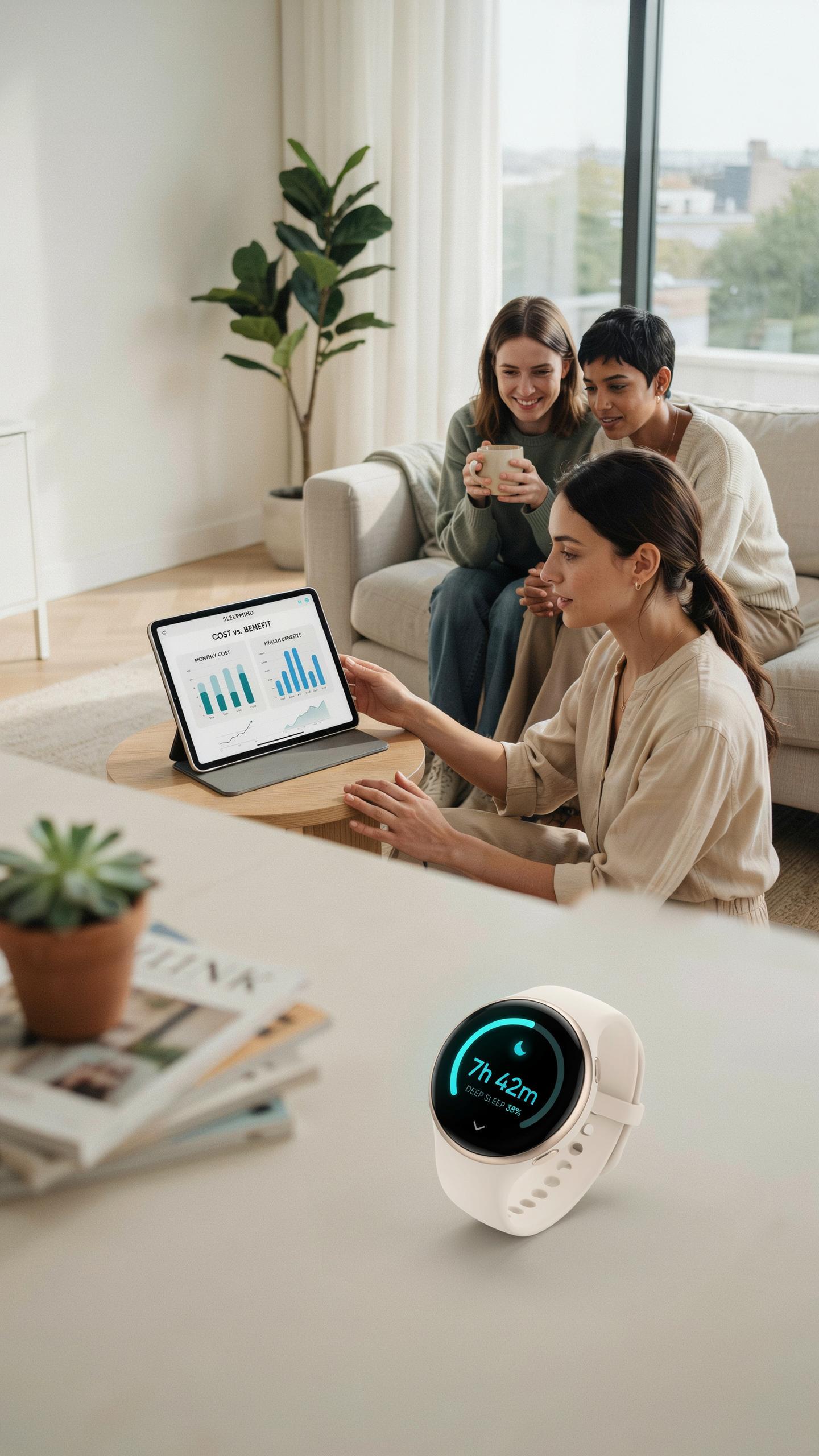
Price Points
Entry level trackers cost between 50 and 150 dollars. These devices monitor basic sleep stages and duration. They sync to smartphones via Bluetooth. Mid range options run 150 to 300 dollars and add heart rate variability tracking and blood oxygen monitoring. Premium models exceed 300 dollars and offer advanced metrics like respiratory rate and detailed sleep architecture analysis. Price differences reflect sensor quality and software sophistication, not marketing hype.
The tracker you choose depends on your specific needs and budget constraints. A casual user tracking total sleep hours needs less expensive hardware. Someone managing a sleep disorder benefits from advanced metrics that justify premium pricing. Entry level devices provide reliable data for most people. Premium features help only if you act on the additional information they provide.
Recall the gentle hum of healthier days—a fitness tracker with sleep monitoring whispers, “Yes, your well-being is truly priceless.”
ROI On Health
Sleep trackers justify their cost when users change behavior based on tracked data. Better sleep directly improves recovery, cognitive function, and immune response. Wearables cost less than one month of poor sleep outcomes. If a tracker helps you gain one extra hour of quality sleep nightly, the health gains compound over months and years. Medical studies consistently show sleep quality correlates with reduced illness, fewer doctor visits, and better medication effectiveness.

The real return depends on your commitment to using the data. A 100 dollar device becomes worthless if you ignore its insights. Users who review sleep trends weekly and adjust habits see measurable improvements in energy levels within two weeks. Compare this timeline to other health investments. A gym membership requires months to show results. Sleep optimization delivers faster, measurable changes because tracking alone often prompts corrective behavior automatically.
Key Considerations Battery Life And User Experience
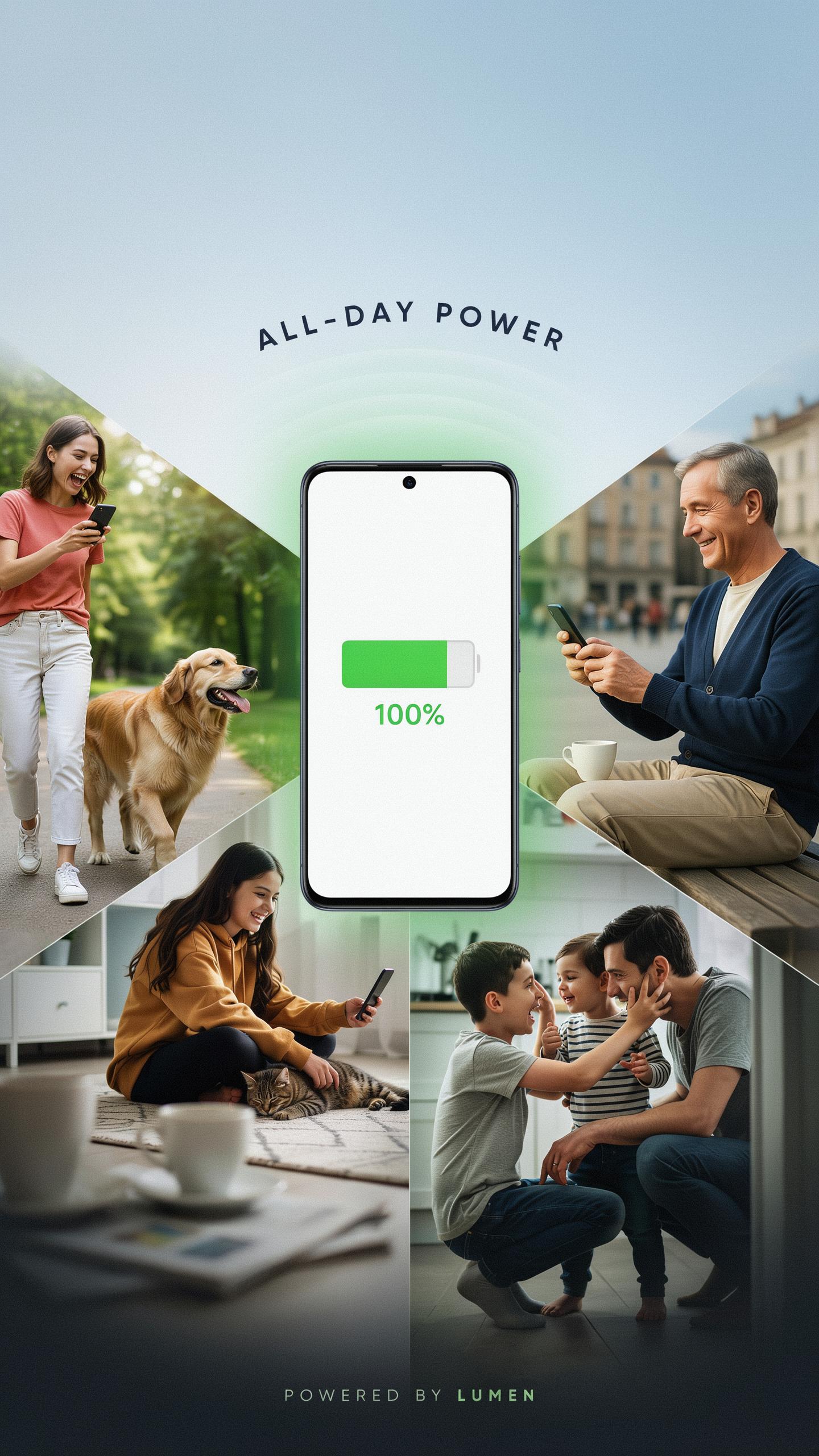
Battery Life Importance
Sleep monitoring runs continuously. Your tracker collects data all night, every night. This demands power management that most casual wearables cannot sustain. A device that dies after two days destroys the value of sleep tracking entirely. You lose data continuity, which ruins pattern analysis.
- Five to seven day battery life: The minimum threshold for practical sleep tracking. Shorter cycles force frequent charging and create data gaps that corrupt sleep pattern recognition.
- Charging frequency impact: Daily or every-other-day charging interrupts wear consistency. Devices charged nightly may miss sleep data on charging nights, fragmenting your records.
- Battery degradation over time: Lithium batteries lose capacity with each charge cycle. After 18 months, expect 10 to 20 percent capacity loss, shrinking battery life progressively.
- Power consumption of sensors: Accelerometers and heart rate monitors drain batteries faster than basic step counters. Sleep tracking specifically demands both sensors running simultaneously throughout night hours.
- Display and wireless connectivity drain: Always-on screens and constant Bluetooth syncing accelerate battery depletion. Devices with passive displays or delayed sync perform better across longer intervals.
- Real world versus marketing claims: Manufacturers often cite best case scenarios. Actual battery performance typically runs 20 to 30 percent shorter under normal use conditions.
Battery life determines whether you maintain consistent sleep data collection or face gaps that weaken your insights. Prioritize devices delivering genuine five-plus day performance under active monitoring, not theoretical maximums in ideal conditions.
Comfort And Design
Wearables fail when they irritate skin or shift during sleep. A tracker that slides around your wrist captures poor motion data and creates false sleep stage classifications. Material matters directly to data quality and long-term wear compliance.

Most effective sleep trackers use silicone or elastomer bands that flex with your wrist. Metal and leather straps trap heat and moisture, causing discomfort during eight-hour wear cycles. Band width affects data accuracy too. Wider bands stabilize sensors better than thin designs.
Top Fitness Tracker Brands With Sleep Monitoring
Market Leaders
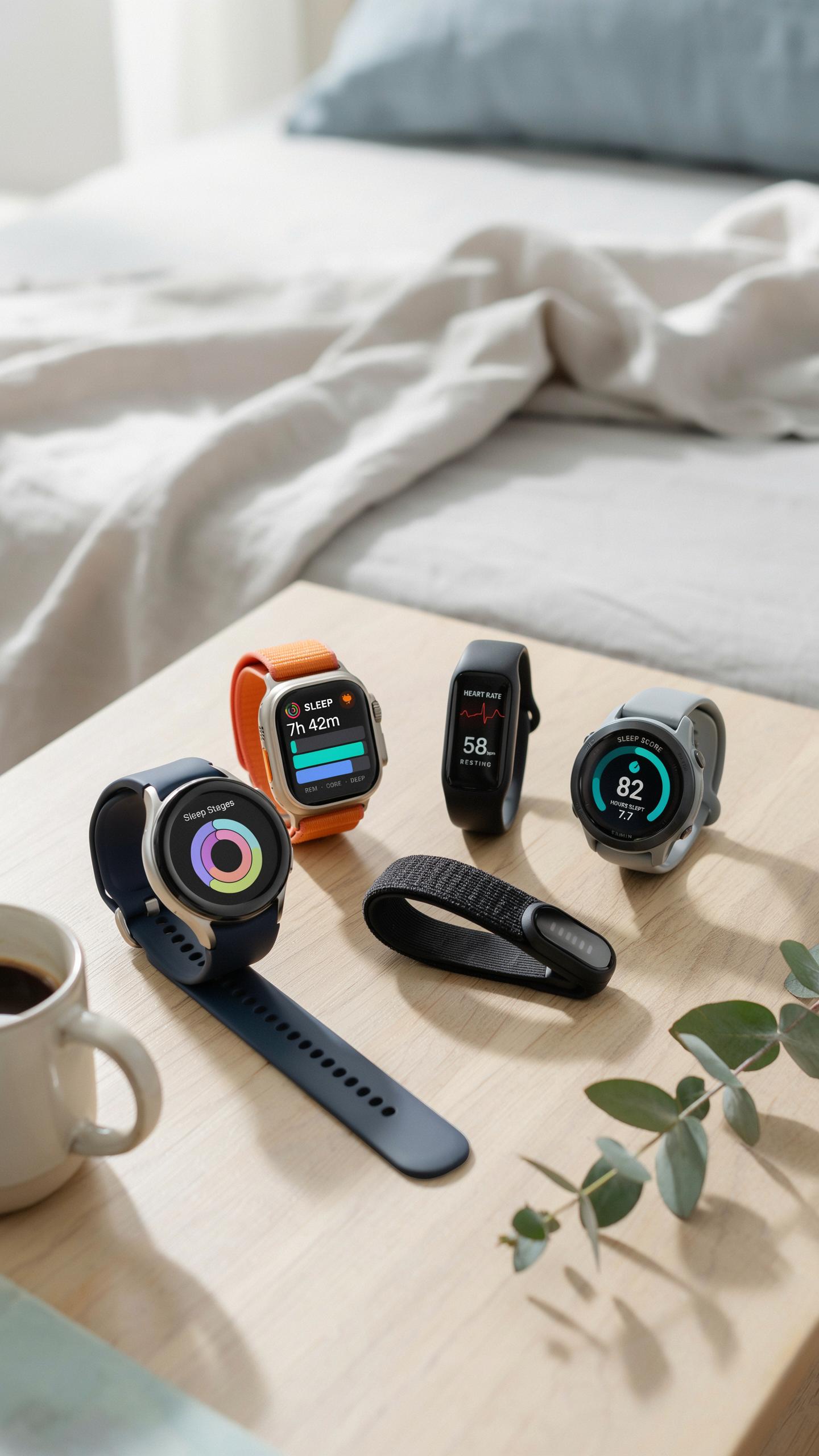
Fitbit dominates the consumer sleep tracking market through sustained product iterations and integration with Google’s ecosystem. Their devices use accelerometer data to estimate sleep stages and duration. Garmin competes by bundling sleep tracking into sports watches targeting athletes. Apple Watch includes sleep tracking but prioritizes fitness metrics. Samsung Galaxy Watch offers sleep monitoring through their Tizen platform. Each brand applies different sensor strategies and algorithms, affecting accuracy and battery drain differently.
The market divides into budget and premium segments. Budget trackers like Xiaomi Mi Band provide basic sleep duration tracking at lower cost. Premium options from Fitbit, Garmin, and Apple offer stage detection and sleep score metrics. Market share reflects consumer priorities regarding brand ecosystem lock-in rather than pure tracking capability. Most brands update algorithms annually, making previous generation devices less accurate over time compared to current models.
Feature Comparison
Sleep stage detection varies significantly across brands. Fitbit uses REM, light, and deep sleep classifications through accelerometer patterns and heart rate variability. Garmin employs similar methodology but adds pulse oximetry on higher-end models for better accuracy. Apple Watch relies on motion and heart rate data without pulse oximetry. Samsung Galaxy Watch includes blood oxygen tracking on newer models. WHOOP bands focus on heart rate variability and recovery metrics rather than traditional sleep stages.
Practical differences emerge in sleep scoring systems. Fitbit generates sleep scores explaining quality factors. Garmin calculates sleep metrics tied to training load and recovery needs. Apple provides basic sleep duration and consistency tracking. Samsung offers sleep stage breakdown with recommendations. WHOOP emphasizes recovery status relative to training strain. Battery life inversely correlates with tracking sophistication: more sensors drain power faster, forcing weekly charging rather than multi-week intervals.
Maximizing The Benefits Of Your Sleep Monitoring Device
Data Interpretation
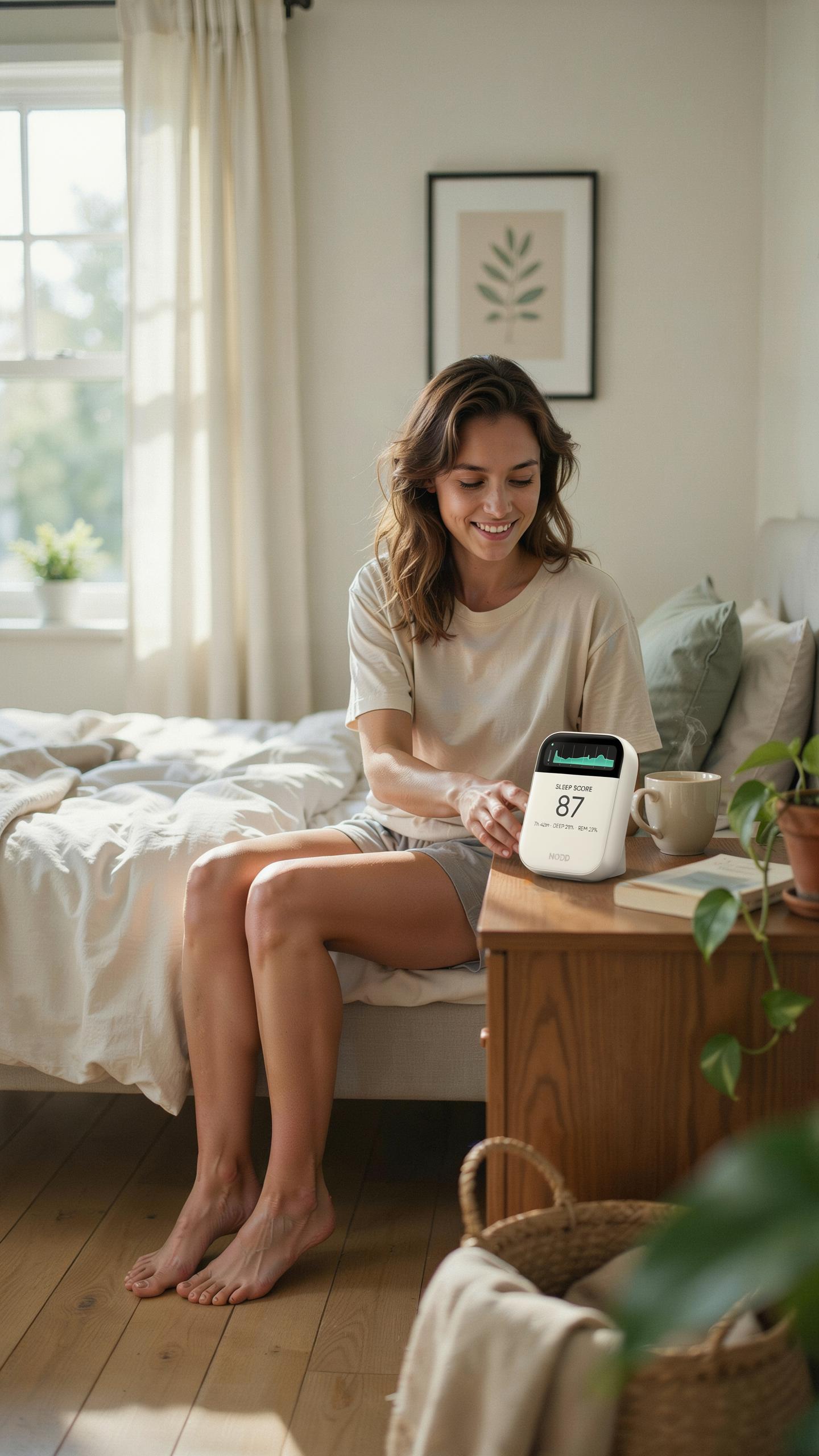
Your sleep tracker generates raw numbers that mean nothing without context. The device measures sleep stages, heart rate variability, and movement patterns. You need to identify trends across weeks, not obsess over single nights. A bad night happens. A pattern of bad nights reveals actionable problems worth fixing.
Start by establishing your baseline. Track your data for two weeks before making changes. This shows your normal sleep architecture and where you actually struggle. Most people discover they get less deep sleep than they think. Others find their REM sleep drops on specific days. Baseline data prevents you from chasing phantom problems that don’t exist.
Lifestyle Changes
Sleep data only matters if you act on it. Your tracker shows you sleep poorly after evening workouts or caffeine intake. Stop doing those things. Test one variable at a time. Change your exercise timing for one week and measure the impact. Then adjust something else. This method isolates what actually affects your sleep versus what doesn’t.

Environmental factors matter more than most people realize. Temperature, light, and noise drive measurable sleep quality changes. Your device will show better sleep metrics when you drop room temperature to 65-68 degrees Fahrenheit. Blackout curtains and white noise machines create measurable improvements. Don’t guess what works. Let your data guide decisions and verify results through follow-up tracking.
Making An Informed Decision Is It For You

Who Benefits Most From A Fitness Tracker With Sleep Monitoring
People with irregular sleep patterns gain direct value from sleep trackers. They identify disruptions, wake events, and total sleep duration with measurable data. This information helps them adjust habits and track whether changes work. Athletes and shift workers particularly benefit because their schedules conflict with standard sleep cycles. They need concrete data to optimize recovery between training sessions or work rotations.
Individuals managing sleep disorders find trackers useful for monitoring treatment progress. Doctors use the data to assess whether medication or behavioral changes improve outcomes. People concerned about overall health but lacking obvious sleep problems may not see proportional value. The tracker cost and learning curve may outweigh the benefit for casual users with naturally sound sleep.
Final Assessment: Weighing The Pros And Cons For Your Needs
A fitness tracker with sleep monitoring justifies its cost only when you have a specific reason to track sleep. If you already sleep well and maintain consistent routines, the device becomes an expensive habit tracker with limited actionable insight. Budget models range from 50 to 150 dollars, while premium options exceed 300 dollars. Cost and features should align with your actual tracking needs, not aspirational ones.
Your decision hinges on three factors: your current sleep quality, your ability to act on data, and your budget. If you struggle with sleep, train seriously, or manage a health condition affecting rest, the investment pays dividends. If your sleep is stable and you have no specific health concerns, save the money and invest in proven sleep habits instead. Track the tool’s performance after one month to determine whether the data produces meaningful behavior change.
Frequently Asked Questions

What exactly does a fitness tracker with sleep monitoring do for me?
A fitness tracker with sleep monitoring not only tracks your steps and calories but also analyzes your sleep patterns. It can tell you how long you slept, how much time you spent in light, deep, and REM sleep, and even detect disturbances, helping you understand your sleep quality better.
How do I interpret the sleep data my fitness tracker provides to improve my rest?
Look for consistent patterns rather than obsessing over a single night’s data. Compare your average deep sleep and REM percentages over a week or two to spot trends, and note how factors like caffeine, exercise, or screen time before bed affect your numbers. If you consistently see low deep sleep or frequent disturbances, try adjusting one variable at a time, such as your bedtime consistency, and track whether your scores improve.
How accurate is fitness tracker sleep data compared to a clinical sleep study?
Consumer fitness trackers are reasonably accurate at detecting when you’re asleep versus awake, but they’re less precise at distinguishing sleep stages like light, deep, and REM compared to a clinical polysomnography study. Think of tracker data as a useful trend indicator rather than a diagnostic tool. If you suspect a sleep disorder, use your tracker’s data as a conversation starter with a doctor rather than a substitute for professional testing.