

Understanding The Appeal Of Solar Pathway Lights

Environmental And Economic Benefits Of Solar Powered Lighting
Solar pathway lights eliminate grid electricity consumption for outdoor illumination. A single pathway light runs on renewable energy harvested during daylight hours. This cuts your electricity costs to zero for that fixture. Over time, eliminating dozens of pathway lights from your electrical load produces measurable savings on monthly utility bills.
Solar lights generate zero operational emissions. They require no trenching for electrical lines, which means no site disruption and no landscape damage from installation work. The environmental impact stops after purchase. No fuel, no wiring infrastructure, no ongoing resource extraction needed to power these fixtures.
Convenience And Ease Of Installation For Walkway Lights
Solar pathway lights require no electrician. You drive the stake into soil or insert it into a deck, and the light operates immediately. No permits, no inspections, no electrical code compliance issues. Installation takes minutes per fixture instead of hours for wired systems.
You move solar lights freely after installation. Damaged lights swap out in seconds without cutting wires or rerouting circuits. Battery replacement happens annually or less frequently depending on model quality and climate. This flexibility lets you redesign pathways without professional intervention or additional expense.

Key Components Of Durable Solar Pathway Lighting
Solar Panels And Battery Types
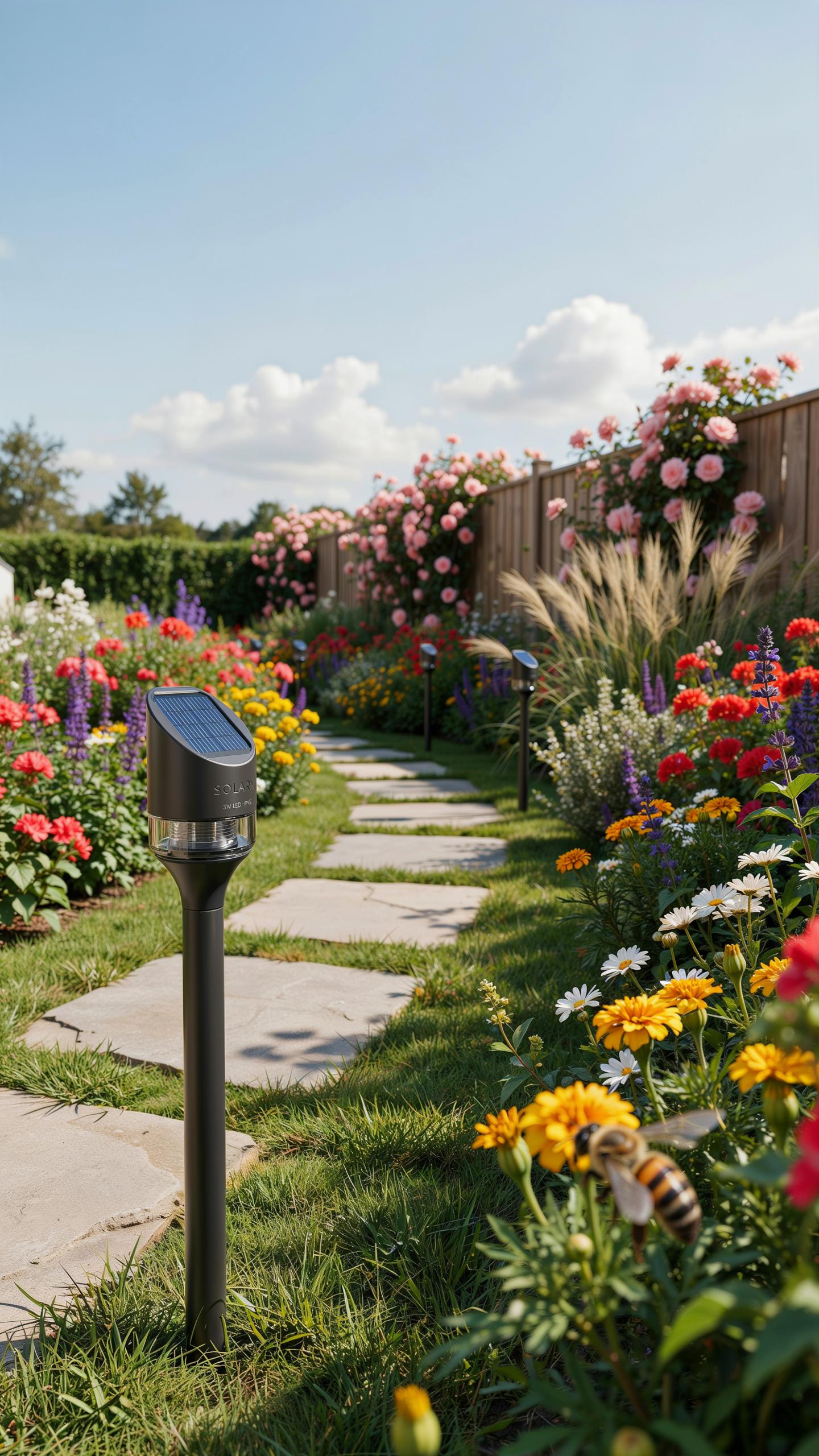
Solar panels convert sunlight into electrical current through the photovoltaic effect. Monocrystalline panels deliver higher efficiency rates than polycrystalline alternatives, typically converting 15-22% of available sunlight into usable energy. Panel degradation occurs naturally over time, with most quality panels losing 0.5-0.8% of output annually. Panel size and wattage directly impact how much energy the system stores during daylight hours for nighttime operation.
Battery chemistry determines how long your lights operate after sunset. Lithium iron phosphate batteries offer longer cycle life and better performance in cold temperatures compared to older nickel-cadmium options. Lead-acid batteries remain cheaper upfront but require more maintenance and deliver fewer total charge cycles before replacement becomes necessary. Battery capacity, measured in milliamp-hours, dictates runtime duration on fully charged systems.
LED Technology And Material Quality
LED chips convert electrical current into light with minimal heat waste. Modern LEDs operate at 80-90% efficiency compared to incandescent bulbs at 5% efficiency. Color temperature ranges from 2700K warm white to 5000K cool white, affecting both aesthetics and visibility. LED lifespan extends 25,000 to 50,000 hours under normal operating conditions before brightness degrades noticeably.

Material quality in housing and lens components determines weather resistance and longevity. Aluminum bodies conduct heat away from LEDs but corrode without proper anodizing. Polycarbonate or tempered glass lenses withstand UV exposure better than acrylic alternatives over multi-year outdoor exposure. Gasket seals prevent water infiltration that degrades internal components and shortens system lifespan significantly.
Choosing Bright Solar Pathway Lights For Optimal Illumination

Understanding Lumens And Light Distribution Patterns
Lumens measure the total amount of light a fixture produces. A solar pathway light typically outputs between 20 and 100 lumens, depending on the battery capacity and LED wattage. Higher lumen counts illuminate larger areas but drain batteries faster. You need to match lumens to your specific pathway width and length requirements.
Light distribution patterns determine how that light spreads across your pathway. Most solar pathway lights use either a focused beam or a wide-angle spread. Focused beams work for narrow walkways and create distinct illuminated zones. Wide-angle distributions cover broader areas but with less intensity per square foot of pathway surface.
Factors Influencing The Brightness And Coverage Of Pathway Lights
Battery capacity directly controls how long a light operates and how bright it shines. Larger batteries store more energy from daytime sun exposure, enabling extended nighttime output. A 600 mAh battery typically lasts 8 to 10 hours at full brightness. Climate and seasonal sunlight availability affect daily charging, which impacts consistent brightness performance.

LED chip quality and wattage ratings determine actual light output versus claimed specifications. A 0.5-watt LED produces noticeably less light than a 1-watt LED in the same fixture. Lens design and reflector quality shape how efficiently the light reaches your pathway. Solar panel size and efficiency ratings influence how much charge accumulates during daylight hours, directly affecting nighttime brightness levels.
Enhanced Aesthetics With Solar Pathway Lights With Star Pattern

Decorative Elements For A Unique Outdoor Ambiance
Star pattern solar pathway lights serve a functional role beyond basic illumination. The perforations or lens designs cast defined shadows on surrounding surfaces, creating visual interest without requiring additional landscaping elements. This approach works because the light itself becomes the design feature rather than an accent to existing hardscape.
Homeowners choose star pattern designs for walkways and garden borders where ambient light matters as much as navigation. The shadow projection changes throughout the evening as light intensity shifts, giving static pathways dynamic visual appeal. Installation remains straightforward since these lights mount identically to standard pathway options with no additional wiring or configuration needed.
Celestial Led Solar Pathway Lights And Other Creative Designs
Solar pathway lights now come in varied cutout patterns beyond traditional stars, including moons, geometric shapes, and abstract designs. These options let property owners match outdoor lighting to existing architectural or landscape themes without compromising durability or solar performance. The pattern choice affects light distribution but not battery capacity or charging efficiency since the solar panel sits on the light’s top surface.

Creative pattern designs gain traction in residential settings where cookie-cutter aesthetics fail to differentiate properties. Mixing multiple pattern types along a single pathway creates intentional visual rhythm while maintaining consistent brightness levels. Selection depends on personal preference and the outdoor space’s existing design language rather than technical performance differences between pattern options.
Installation And Placement Of Outdoor Solar Powered Garden Landscape Lighting

Strategic Positioning For Maximum Solar Exposure
Solar pathway lights require direct sunlight to charge effectively. Position lights where they receive unobstructed sun for at least six hours daily. Avoid shadows from trees, buildings, or structures that block morning or afternoon light. North-facing locations collect less solar energy than south-facing positions in the Northern Hemisphere. Test your placement during different times of day before permanent installation.
The solar panel angle matters as much as location. Install panels perpendicular to the sun’s path for peak energy absorption. Adjust angle seasonally if possible, or choose a compromise angle that works year-round. Dust and debris on panels reduce charging efficiency by up to thirty percent. Clean panels monthly to maintain optimal performance throughout the year.
Tips For Effective Placement Of Solar Powered Garden Lights On Lawn
Begin by mapping your pathway and identifying the sunniest sections of your property. Mark these zones before purchasing lights to ensure adequate inventory for well-lit areas. Place lights every three to four feet along pathways for consistent illumination. Spacing affects both safety and aesthetic function. Too wide creates dark gaps; too close wastes solar units unnecessarily.
- Ground stability and compaction: Install lights on firm, level ground to prevent tilting that angles panels away from sunlight. Soft or loose soil allows lights to shift, compromising charging efficiency and appearance.
- Pathway edge placement: Position lights along pathway edges rather than the center to define borders clearly. Edge placement provides directional guidance while avoiding foot traffic damage to units.
- Distance from water features: Keep lights at least two feet from ponds, fountains, or sprinkler spray zones. Water damage degrades battery performance and corrodes internal circuitry over time.
- Clearance from vegetation: Maintain three feet minimum distance from shrubs, grasses, and groundcover that grow quickly. Fast-growing plants shade panels and create debris accumulation on solar surfaces.
- Elevation and drainage: Install on slightly raised areas to prevent water pooling around bases. Poor drainage causes rust on metal components and moisture inside sealed units.
- Traffic pattern avoidance: Place lights outside high-traffic zones where foot or vehicle traffic could damage them. Protected placement extends operational lifespan and maintains consistent light output.

Test your layout at dusk to verify light distribution before finalizing positions. Adjust spacing or relocate units based on actual illumination patterns. This hands-on verification prevents reinstallation after discovering inadequate coverage or blind spots in your pathway design.
Maintaining Your Solar Pathway Lights For Longevity

Simple Cleaning And Upkeep Routines
Solar panels collect dust, pollen, and debris that block sunlight and reduce charging efficiency. Clean the panel surface every two weeks using a soft, dry cloth. For stubborn dirt, use a slightly damp cloth with distilled water. Never use abrasive scrubbers or harsh chemicals that damage the panel coating.
Check battery contacts quarterly for corrosion. Corrosion forms when moisture reaches metal terminals and reduces power transfer. If you spot white or green buildup, disconnect the battery and clean contacts with a dry cloth. Replace batteries every two to three years since lithium-ion and NiMH cells degrade over time regardless of use.
Troubleshooting Common Issues With Pathway Lights
Lights that won’t turn on typically fail due to dead batteries or blocked solar panels. Test the light in direct sunlight for two full days first. If still dark, remove the battery and inspect for leaks or visible damage. Replace the battery if it shows corrosion or swelling.

Inconsistent brightness indicates either insufficient charge or a failing LED. Move the light to a location with six to eight hours of direct daily sunlight. If brightness remains poor after a week of proper sun exposure, the battery is depleted and needs replacement. LED failure itself is rare but requires replacing the entire light unit when it occurs.
Comparing Different Types Of Solar Powered Outdoor LED Pathway Lights

Spotlights Vs Area Lights Which Is Right For Your Needs
Spotlights concentrate light in a narrow beam, typically 15 to 45 degrees. They illuminate specific features like trees, architectural details, or focal points along pathways. Area lights spread illumination across wider zones, covering 60 to 120 degrees. Choose spotlights when you need directional accent lighting on particular landscape elements.
Area lights serve pathways, patios, and open spaces where broad coverage matters. Spotlights demand precise positioning to avoid dark gaps between fixtures. Area lights need fewer units to light the same square footage. Your choice depends on whether you want focused accent lighting or general navigation illumination.
Remember the soft glow of a well-lit path on a summer evening? With a little care, those solar lights can guide you home for years to come.
Evaluating Durability And Weather Resistance In Various Models
Solar pathway lights use aluminum, stainless steel, or plastic housings. Aluminum resists corrosion and withstands temperature swings from minus 40 to 140 degrees Fahrenheit. Stainless steel outperforms aluminum in coastal salt-spray environments. Plastic models cost less but degrade faster under UV exposure and temperature cycling.

IP ratings measure water and dust ingress on a 0 to 68 scale. IP65 rated fixtures block dust and handle water jets from any angle. IP44 models tolerate splashing but fail under direct spray. Check gasket seals around battery compartments and solar panel frames. Models with welded seams last longer than screwed assemblies in wet climates.
The Future Of Solar Pathway Lighting Technology

Advancements In Battery Life And Charging Efficiency
Lithium iron phosphate batteries are replacing older lithium ion and nickel metal hydride cells in high end pathway lights. These deliver more charge cycles, better cold weather performance, and longer usable lifespan. Manufacturers are pushing beyond 1000 charge cycles. This extends product life from three to five years into the seven to ten year range on premium models.
Solar panel efficiency gains matter more than battery chemistry alone. Modern monocrystalline panels convert 18 to 22 percent of sunlight into usable energy, up from 15 to 17 percent five years ago. This means pathway lights charge faster on cloudy days and store more power in shorter daylight hours. Faster charging directly reduces the gap between summer and winter performance.
Smart Features And Integrated Home Automation For Pathway Lighting
Motion sensors and dusk to dawn timers now integrate with broader home automation platforms through WiFi and Bluetooth connectivity. Homeowners control pathway lights via smartphone apps and sync them with security systems. This eliminates guesswork about when lights activate and allows real time adjustments based on weather or schedule changes.

Integration with voice assistants and home hubs remains limited for pathway lights specifically, but the infrastructure now exists. Most smart pathway systems require a hub or bridge device to function reliably. Manufacturers continue expanding compatibility with major platforms. The real value lies in motion detection that reduces battery drain and scheduling that matches actual household patterns instead of generic presets.
Frequently Asked Questions

What are solar powered outdoor LED pathway lights and how do they work?
Solar powered outdoor LED pathway lights are eco-friendly lighting solutions that illuminate your garden paths, driveways, and yards without needing external electricity. They feature a small solar panel that charges a built-in battery during the day, then automatically turn on at dusk, converting the stored solar energy into light via efficient LEDs.
How can I ensure my solar powered outdoor LED pathway lights receive enough sunlight to charge properly?
For optimal performance, position your solar powered outdoor LED pathway lights in an area that receives at least 6-8 hours of direct, unobstructed sunlight daily. Avoid placing them under trees, awnings, or in shadows, as this will significantly reduce their charging efficiency and overall run-time at night.
Are dependable solar powered outdoor pathway lights an expensive investment, or are there affordable options?
While high-quality, durable solar powered outdoor pathway lights can be a modest investment, there are many affordable options available. Look for sets from reputable brands during sales, or consider simpler designs for less critical areas. The long-term savings on electricity bills also make them a wise and accessible choice for many budgets.