
Why Motion Sensor LED Strip For Stairs Are A Smart Choice
Enhanced Safety And Visibility
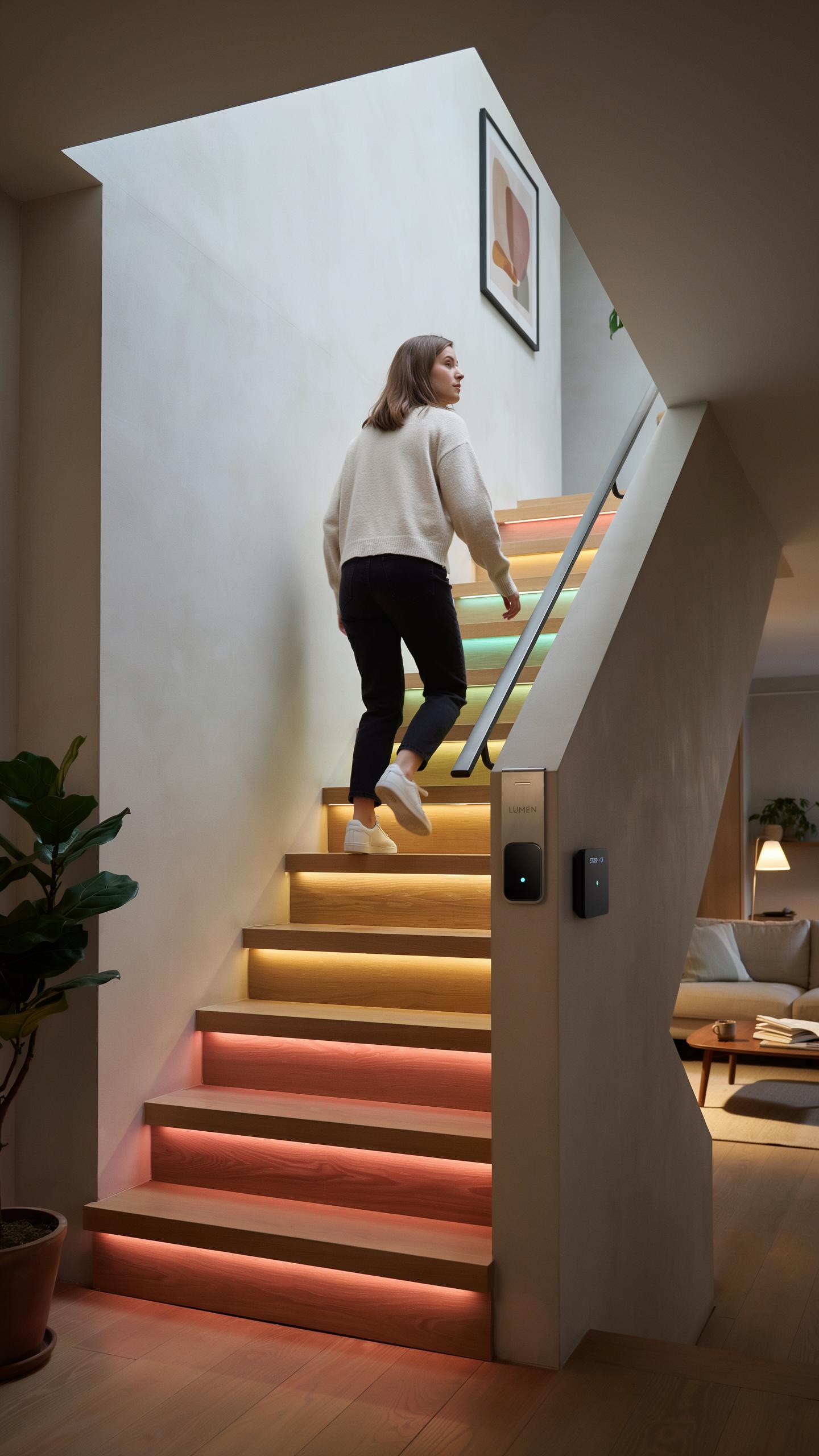
Falls on stairs cause significant injuries, particularly among children and elderly adults. Motion sensor LED strips eliminate dark stair zones by activating light instantly when movement occurs. This removes guesswork about foot placement and stair edge location. Visibility reduces missteps, twisted ankles, and falls. The lights activate before you reach the stairs, giving your eyes time to adjust.
Households with multiple users benefit from consistent illumination regardless of time of day. Motion sensors trigger lights during midnight bathroom trips, early morning routines, and evening descents. Unlike traditional switches, you never fumble in darkness searching for wall controls. The automated activation creates predictable lighting patterns that users learn and rely on, building safer navigation habits over weeks and months of use.
Energy Efficiency And Cost Savings
Motion activation eliminates wasted energy from lights left running in empty spaces. LED strips consume 75 to 80 percent less power than incandescent bulbs while producing equivalent brightness. Sensors ensure lights run only when needed, cutting electricity usage dramatically compared to always-on fixtures. A typical motion sensor LED strip for stairs draws 5 to 15 watts during operation and zero watts when inactive, compounding savings across months and years.
Reduced runtime directly lowers monthly electricity bills. A stairwell lit continuously costs significantly more than one using motion activation. LED bulbs last 25,000 to 50,000 hours, meaning fewer replacement cycles and lower maintenance costs. Motion sensor models pay for themselves through decreased energy consumption within 12 to 24 months, then deliver pure savings without additional investment required.
Understanding Motion Sensor Technology For Led Stairs Design
Types Of Motion Sensors PIR Radar Etc
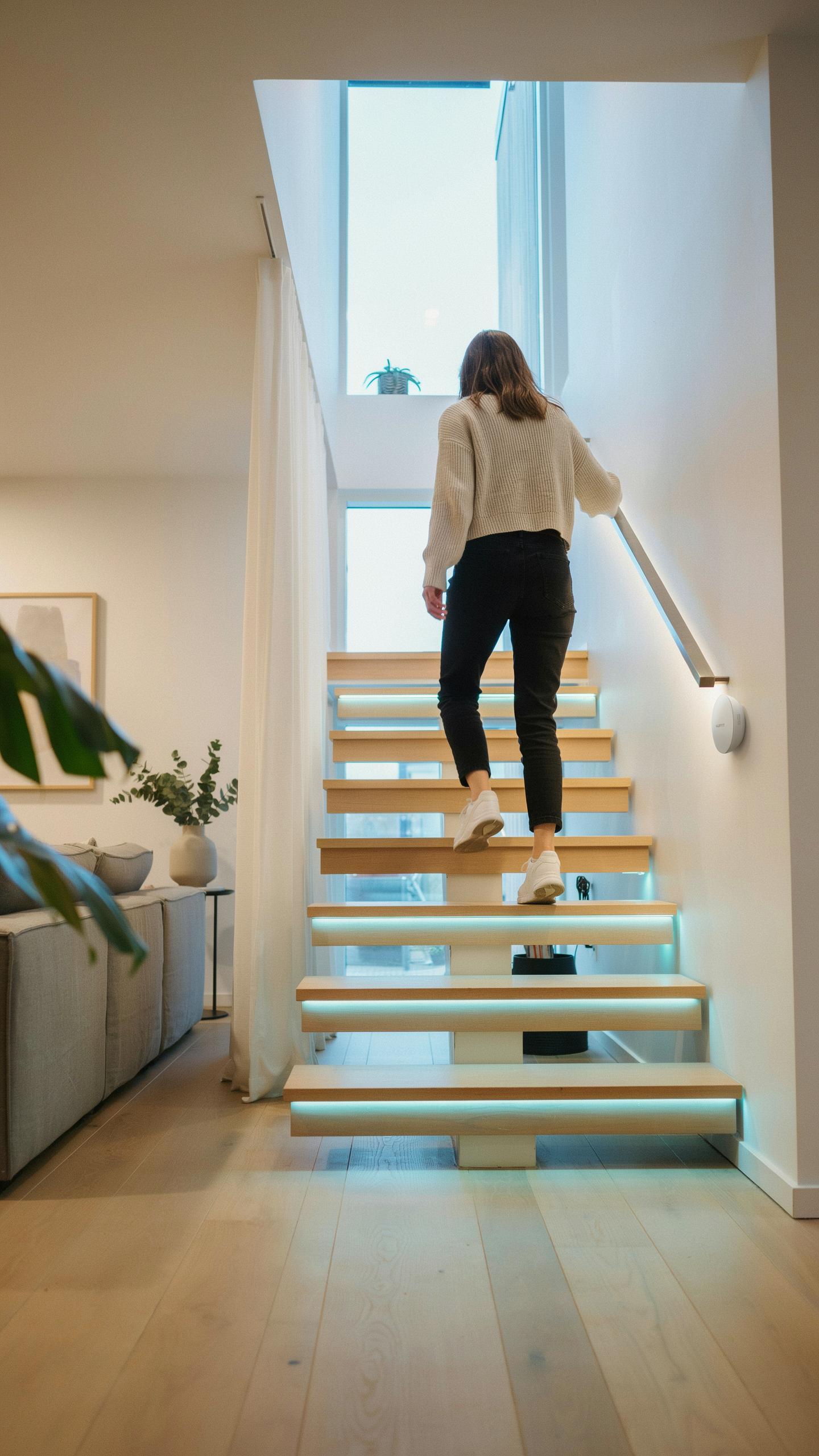
Passive infrared sensors detect heat signatures from moving objects. PIR technology works by measuring temperature changes across a detection zone. When someone moves, their body heat triggers the sensor to activate your LED strip. PIR sensors are the most common choice for stair applications because they consume minimal power and cost less than alternatives.
Radar-based motion sensors emit microwave signals and detect reflections from moving objects. Unlike PIR, radar sensors work through walls, fog, and dust without requiring a direct line of sight. Radar technology excels in outdoor stair environments and areas with temperature fluctuations that confuse PIR sensors. Both technologies serve different purposes, so your choice depends on your specific stair layout and environmental conditions.
Adjustable Sensitivity And Time Settings
Sensitivity adjustment allows you to control how easily your sensor triggers. Higher sensitivity catches subtle movements from farther distances, while lower sensitivity requires closer or more pronounced motion. For stairs, moderate sensitivity prevents false triggers from pets or passing vehicles outside windows. You calibrate sensitivity through a dial or digital control on the sensor module itself.

Time delay settings determine how long your LED strip stays illuminated after motion stops. Options typically range from 30 seconds to several minutes depending on your sensor model. Short delays work well for high-traffic staircases where people move through frequently. Extended delays suit low-traffic areas where you want lights to stay on longer after detecting movement.
Choosing The Right Led Lights Staircase
Factors To Consider: Brightness, Color Temperature, And Length
Brightness matters most for safety on stairs. Measure lumens, not watts. Most stair applications need 300 to 800 lumens per meter depending on ambient light. Too dim creates hazards. Too bright causes glare and eye strain. Test brightness levels in your actual stairwell before committing.
Color temperature affects both mood and visibility. Warm white (2700K to 3000K) suits residential spaces and reduces harsh shadows. Cool white (4000K to 5000K) works better in commercial or modern minimalist settings. Length determines coverage. Measure your stair run and landing lengths precisely. Standard strips come in 5-meter rolls, but many cut to custom lengths at connection points.
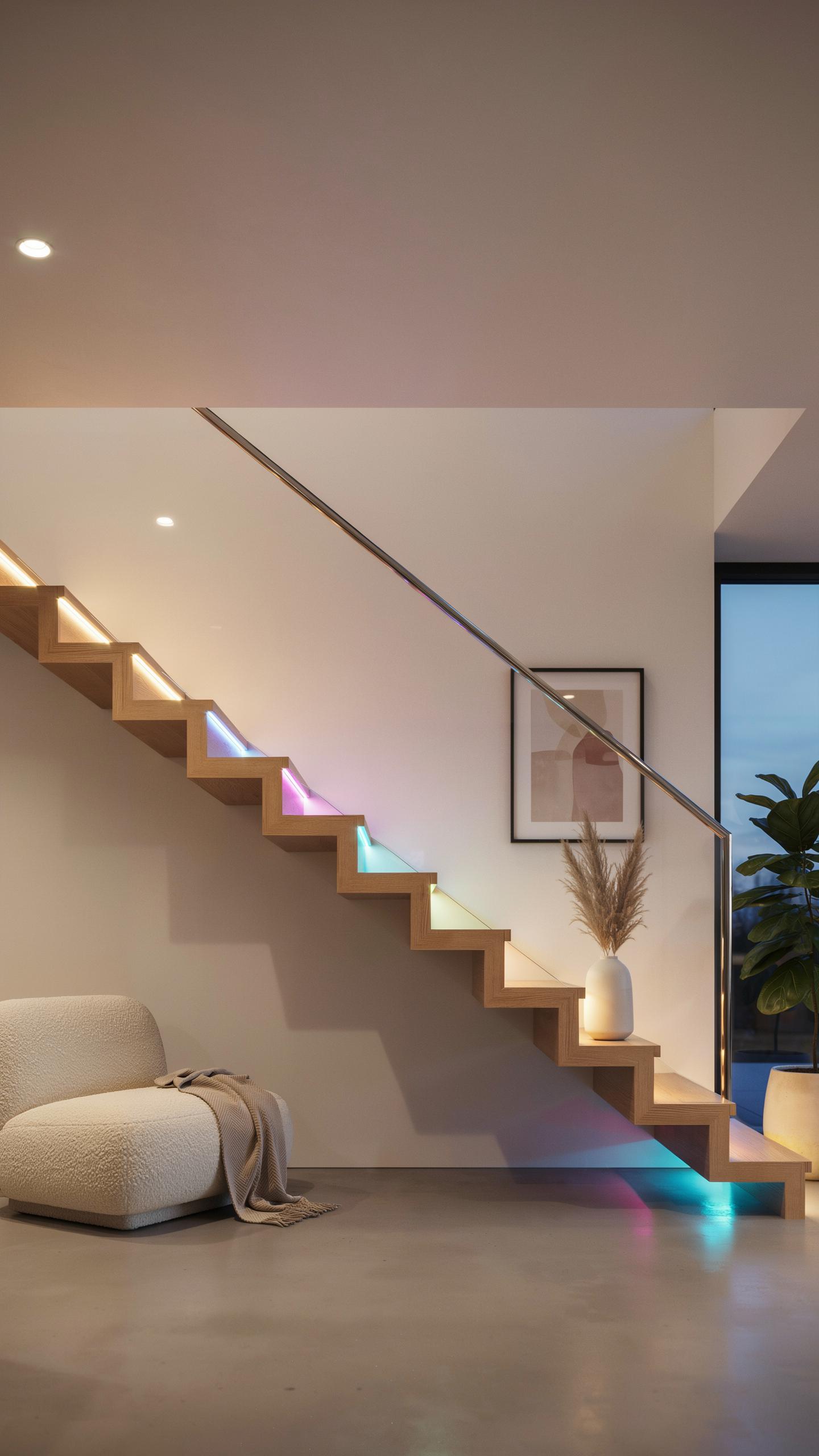
As twilight deepens, let gentle light guide your way, a silent guardian in the halls of home. Each step illuminated is a memory waiting to be made, safe and warm within the glow.
Waterproof And Durable Options For Various Environments
Moisture exposure demands IP67 or IP68 rated strips. IP67 handles splashing and brief water contact. IP68 withstands full submersion. Outdoor stairs and bathrooms require IP68. Indoor stairs typically handle IP65 or IP67. Check the product spec sheet, not marketing claims. Rating directly impacts lifespan and safety.
Heavy foot traffic areas need rigid aluminum channels to protect strip edges and connections. Silicone or epoxy coatings add durability in kitchens and entryways. Adhesive-backed strips alone fail under repeated pressure and temperature swings. Install channels on high-traffic stairs to extend strip life from 2 to 5 years. Material quality varies dramatically. Budget strips fail within months under harsh conditions.
Staircase With Led Lights Aesthetic And Practical Benefits
Creating Ambient Lighting And Modern Aesthetics
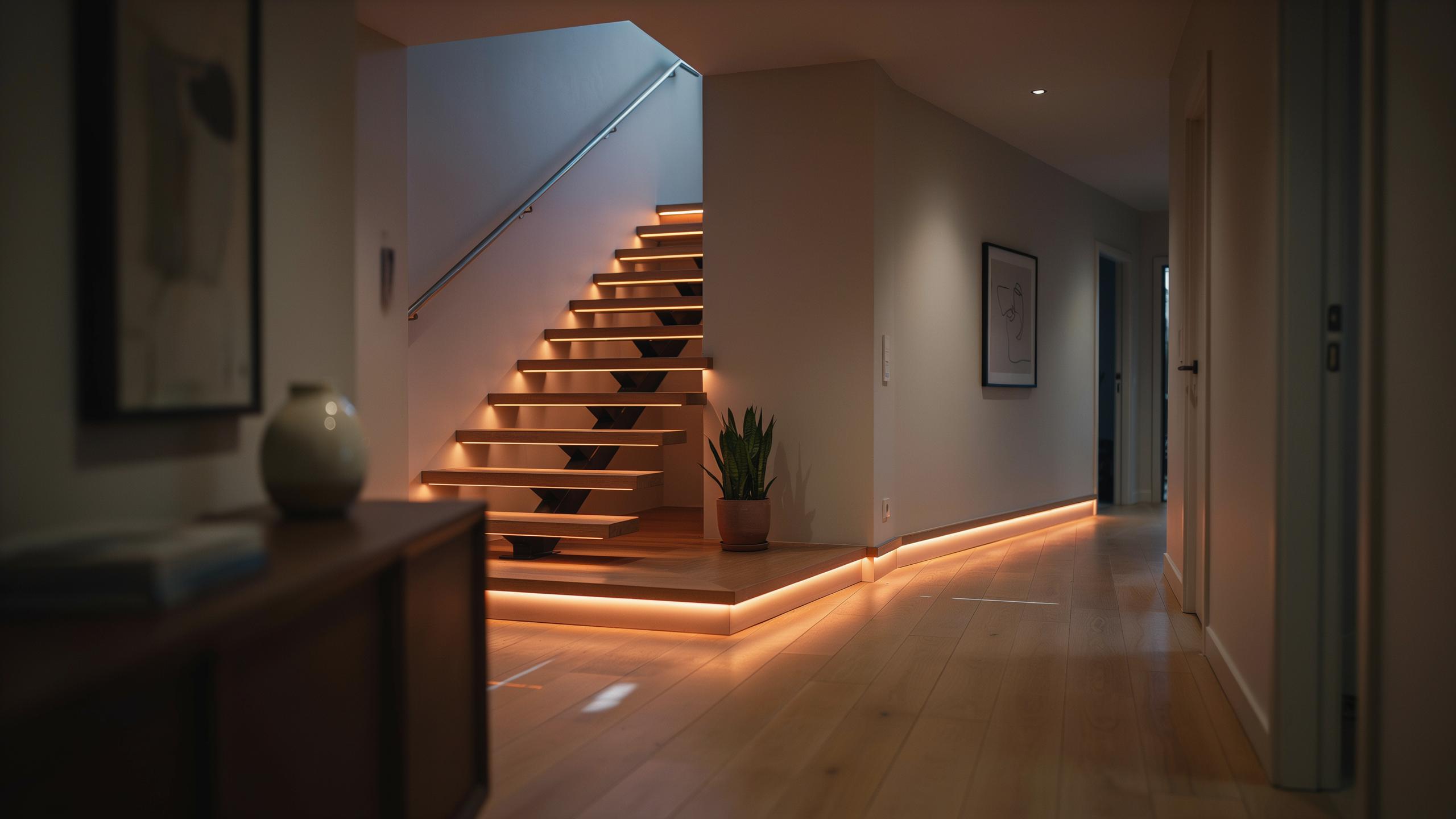
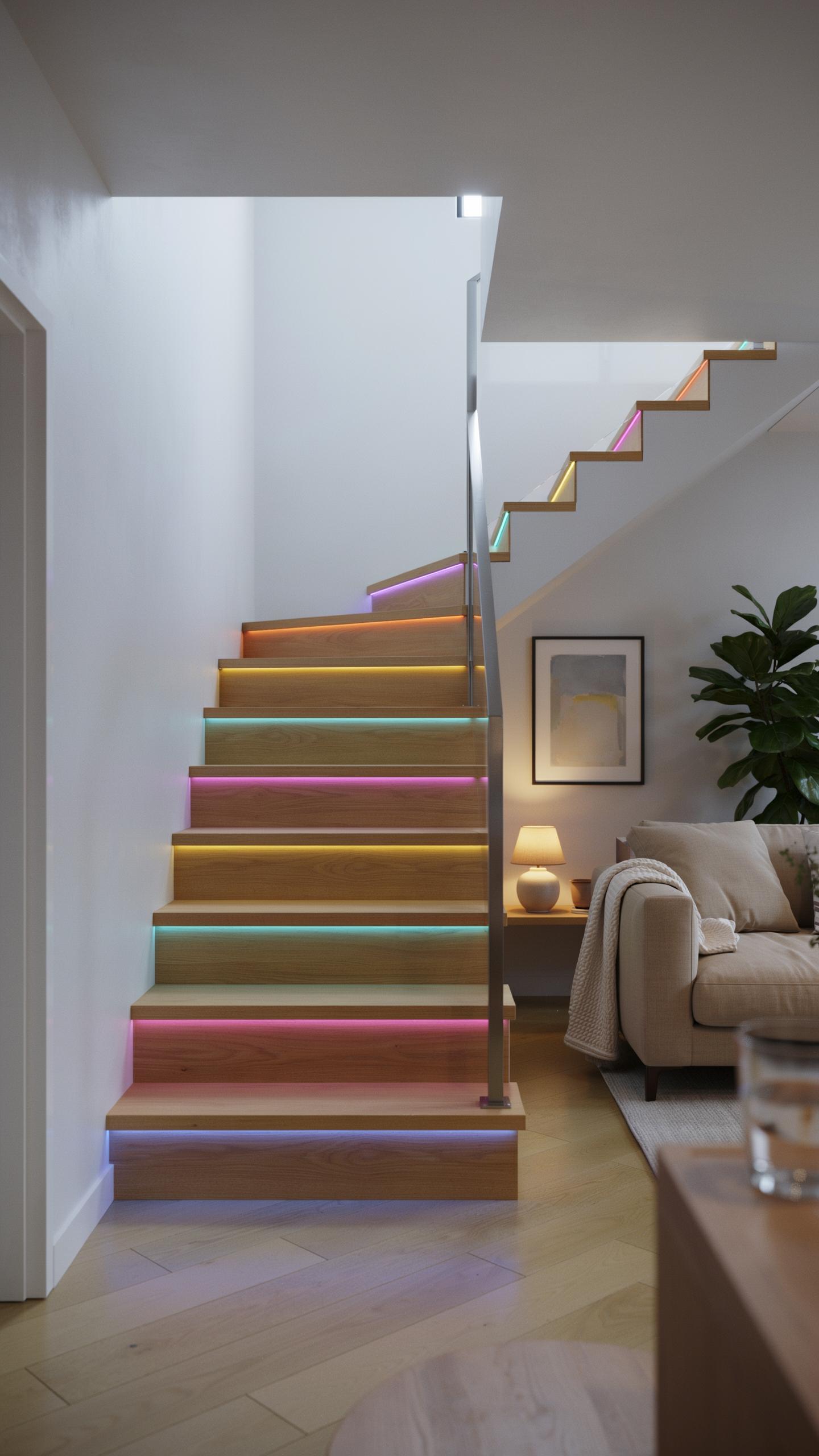
Motion sensor LED strips deliver functional lighting without the visual clutter of traditional fixtures. Install them along stair edges or under handrails to create continuous, unobstructed light paths. The strips emit clean light in various color temperatures, from warm white to cool white, matching your interior design scheme. This approach eliminates shadow zones where people trip while maintaining a sleek, minimalist appearance throughout your staircase.
LED strips consume 80 percent less energy than incandescent alternatives while producing equivalent brightness. The motion activation feature means lights only run when needed, further cutting power usage. Many strips fit flush against surfaces, requiring no bulky hardware or wiring modifications. This makes them ideal for both new construction and retrofitting existing staircases without structural changes.
Highlighting Architectural Features And Design
LED strips accent specific staircase elements by directing light toward materials, textures, or structural details you want visible. Mount strips behind railings, along baluster sections, or underneath treads to emphasize the staircase geometry itself. Color temperature choices allow you to warm stone steps or cool down metal railings based on the effect you need. Strategic placement transforms utilitarian staircases into intentional design focal points within your home or commercial space.

The motion sensor function keeps accent lighting operational only when people traverse the stairs, reducing unnecessary illumination of empty spaces. This targeted approach highlights design features precisely when occupants can appreciate them. Modern LED strips integrate with existing decor styles from industrial to minimalist to traditional architecture. The result is enhanced visual interest without overwhelming the space or creating visual fatigue from constant bright light exposure.
Installation Guide How To Install Led Strip Lights On Stairs
Step By Step Installation For DIY Enthusiasts
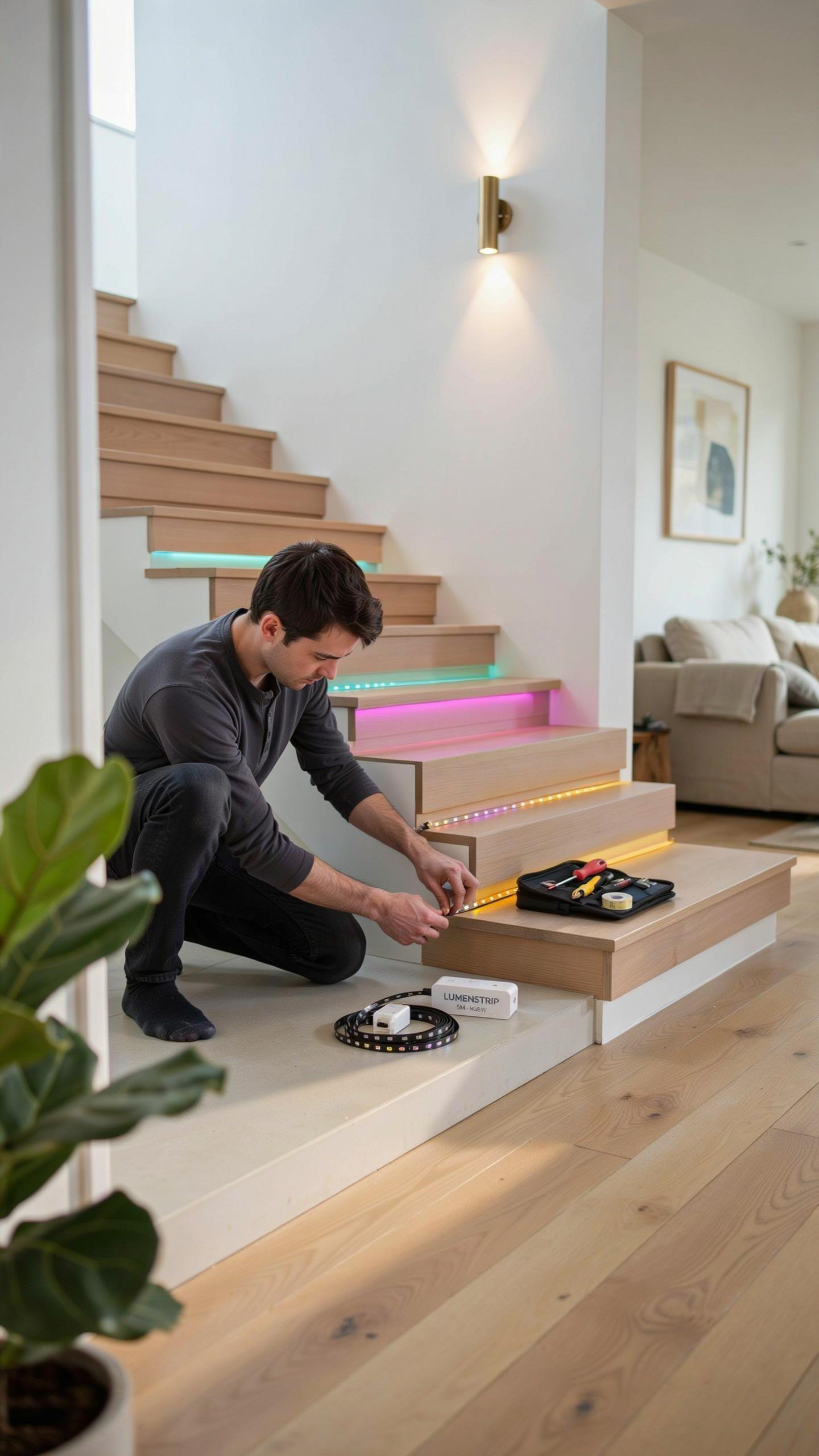
Start with a clean, dry staircase. Wipe each step with a degreaser to remove dust, dirt, and residue. LED strips need direct contact with the surface to adhere properly. Measure the length of each step from edge to edge. Cut strips to exact length using the designated cut lines marked on the strip itself. Never cut strips arbitrarily as you risk damaging circuitry.
- Power source placement: Position the main power adapter near an outlet at the top or bottom of your stairs. Keep the adapter away from moisture and foot traffic areas.
- Peel and stick application: Remove backing from one strip section. Press firmly onto the stair edge for five seconds. Work from one end to the other to avoid air bubbles and wrinkles.
- Connection points: Use connector clips if your system requires them between strip sections. Align the connectors flush with the strip ends to prevent tripping hazards or physical damage.
- Test before final placement: Connect the strips to power and verify all sections light up correctly. This catches defective units before permanent installation.
- Mounting location on stairs: Place strips on the nosing (front edge) or riser (vertical face) of each step. Nosing placement provides better visibility for foot placement during descent or ascent.
After installation, run the wiring along the same path you’ll conceal it. Verify motion sensor placement provides adequate coverage across the stairwell. Test the motion detection range from various angles and distances to confirm activation performance before declaring the job complete.
Tips For Concealing Wires And Achieving A Clean Look
Route wires along the inside edge of railings or against baseboards where foot traffic never occurs. Use adhesive-backed wire channels to keep cables flat against surfaces and prevent snagging. For open stairwells without railings, run wires underneath the stair structure or through the interior of the stringers if accessible.

Paint wire channels to match your wall or stair color for visual consistency. Install wires before attaching strips so you can correct routing errors without adhesive complications. Never run wires across step surfaces where people walk, as this creates both safety hazards and accelerates wire degradation from repeated foot pressure.
Stair Motion Sensor Lights Customization And Smart Features
Integration With Smart Home Systems
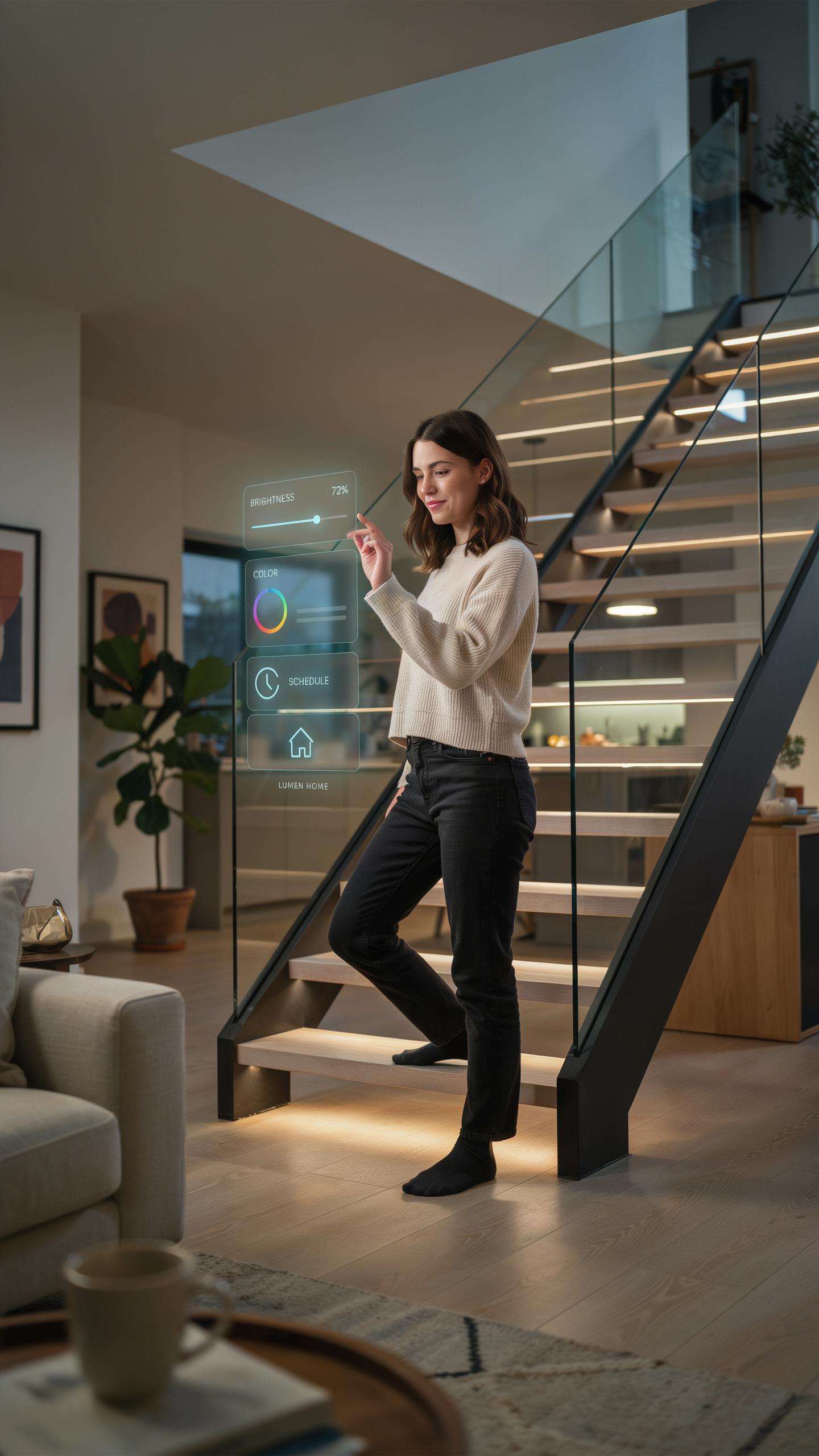
Motion sensor LED strips connect to major smart home platforms like Amazon Alexa, Google Home, and Apple HomeKit. This integration lets you control lights remotely, set automation routines, and monitor energy usage from your phone. Most modern strips use WiFi or Zigbee protocols to communicate with your hub. Setup typically requires downloading the manufacturer’s app and following pairing instructions. Compatibility varies by brand, so verify your strip works with your existing ecosystem before buying.
Integration eliminates manual adjustments and creates coordinated lighting across your home. You can trigger stair lights through voice commands or tie them to other smart devices. For example, when your security system arms at night, stair lights activate automatically. This coordination improves safety and convenience without adding extra switches or wiring. Cross-platform compatibility keeps your system flexible if you upgrade devices later.
Programmable Settings And Remote Control Options
Programmable settings let you create lighting schedules based on time of day, occupancy patterns, and user preferences. You set brightness levels, duration of illumination after motion detection, and sensitivity thresholds through the app or physical controls. Remote access means adjusting settings from anywhere, not just from your stairs. Most systems store multiple profiles for different household members or seasonal changes. Response times typically range from instant activation to adjustable delays of several seconds.

Remote control simplifies ongoing management and troubleshooting without climbing your stairs repeatedly. You dim lights for evening navigation or boost brightness for morning activity without touching anything. Scheduling features reduce energy waste by deactivating lights during low-traffic periods. Some systems track motion patterns and suggest optimal settings automatically. This data-driven approach cuts electricity costs while maintaining adequate illumination when needed.
Maintenance And Troubleshooting For Led Stair Lights For Home
Simple Cleaning And Care For Longevity
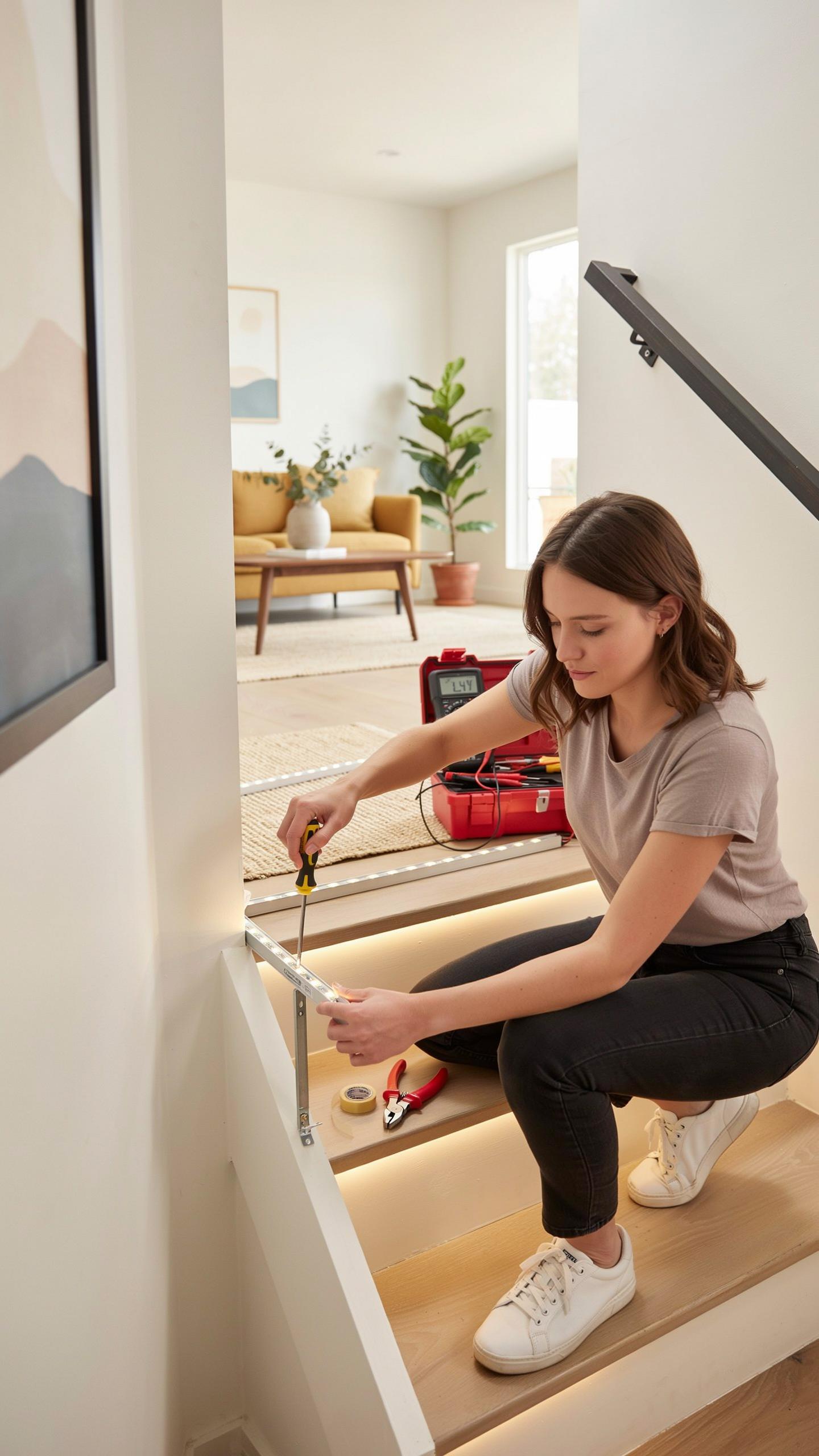
Dust accumulation reduces light output on motion sensor LED strips. Wipe the strip surface monthly with a dry microfiber cloth to remove buildup. Avoid water unless your strips carry an IP65 rating or higher. For waterproof models, use a slightly damp cloth. Never apply solvents or abrasive materials. Keep adhesive backing clean before installation to ensure proper contact with the surface.
Check your power connections every six months. Loose wiring causes dimming or flickering. Inspect the motion sensor lens for dust or debris that blocks detection. Clean the sensor with a dry cloth. Verify that no objects obstruct the sensor’s field of view. Replace batteries in wireless models according to manufacturer timelines, typically every 12 to 24 months depending on usage patterns.
Common Issues And Quick Fixes
LED strips that fail to power on require immediate diagnosis. First, verify your outlet delivers power using another device. Test the power adapter for damage or overheating. Check all connection points for corrosion or loose contacts. If the adapter shows damage, replace it with the manufacturer-approved unit. Confirm the strip itself has power by checking for any indicator lights on the control module.

Motion sensor malfunction prevents automatic triggering. Adjust sensor sensitivity settings if available on your controller. Ensure nothing blocks the sensor’s detection range, typically 5 to 8 feet depending on model. Clean the sensor lens with a dry cloth to restore responsiveness. If the sensor still fails, replace the sensor unit if it’s modular. For integrated sensors, you may need to replace the entire strip or controller unit.
Smart Lights For Stairs Beyond Basic Illumination
Creating Ambiance With Color Changing LED Strips
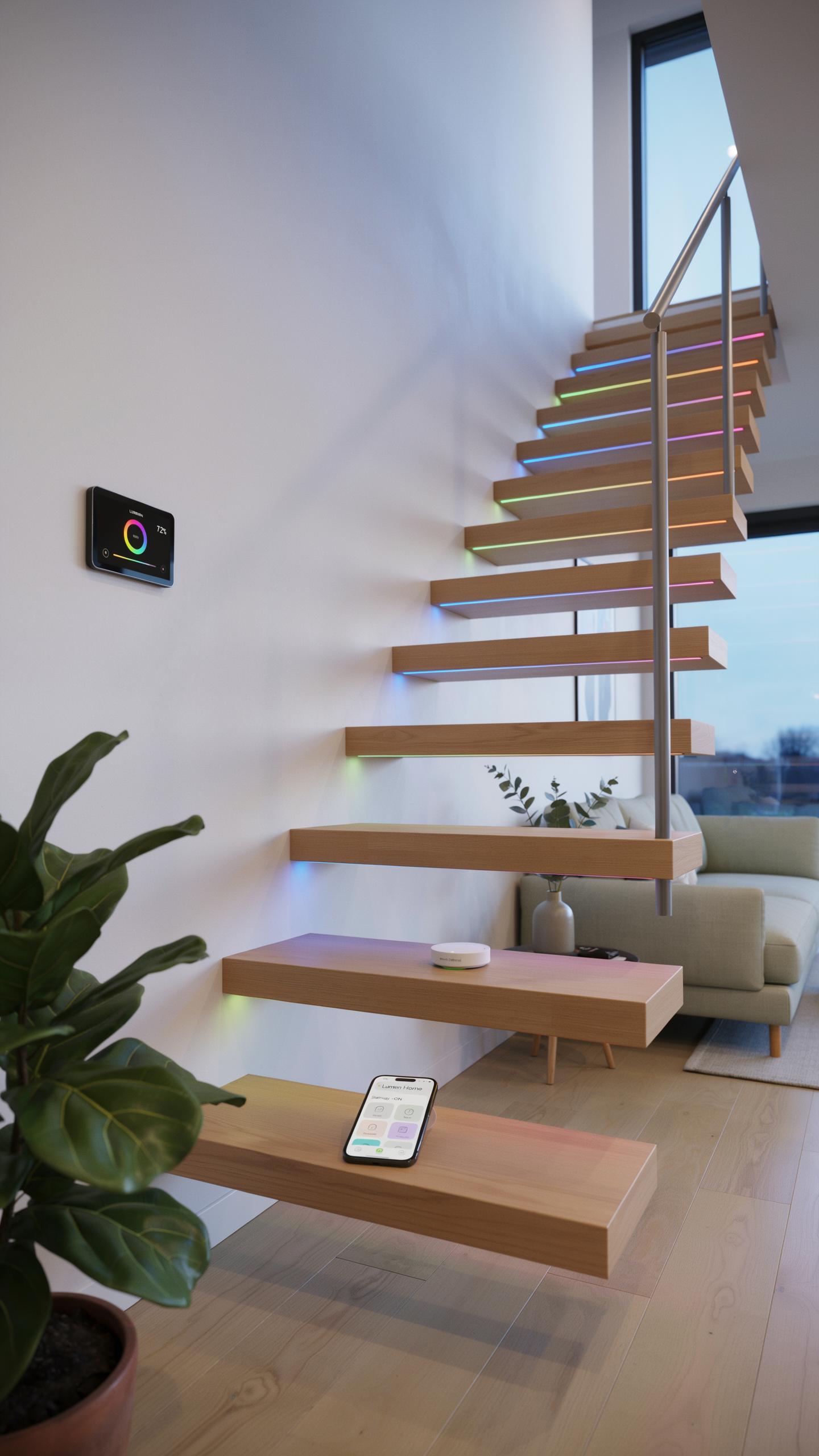
RGB LED strips deliver programmable color output across the visible spectrum. You control hue, saturation, and brightness independently, enabling millions of color combinations. This functionality transforms your staircase from basic safety lighting into a dynamic environment. Smart controllers sync these strips to schedules, voice commands, or manual adjustments. The hardware cost runs slightly higher than single color strips, but the versatility justifies the investment for most applications.
Color changing strips serve practical purposes beyond aesthetics. You can program cool white light during morning hours for alertness, then shift to warm amber tones at night to minimize circadian rhythm disruption. Some users set different colors for different family members or times of day. The ability to adjust intensity independently means you reduce eye strain during late night navigation. This flexibility makes RGB strips a tactical choice for households wanting customized lighting behavior.
Security Benefits: Deterring Intruders With Motion Lighting
Motion sensor LED strips activate instantly when movement triggers the sensor, exposing dark staircases and hallways in real time. This unexpected illumination disrupts potential intruders by eliminating shadows and hidden entry points. Criminals typically avoid well lit properties because visibility increases detection risk. A staircase that suddenly floods with light signals an active, alert occupancy. The psychological impact of immediate illumination functions as a low cost deterrent without requiring additional security infrastructure.

Layering motion sensor strips with other security measures amplifies protection. Visible motion activated lights suggest an occupied property even during extended absences. Intruders cannot predict light activation patterns, creating uncertainty about occupancy status. Unlike static outdoor lights that burglars recognize as passive fixtures, motion activated interior lighting implies active monitoring. This tactical advantage costs significantly less than professional alarm systems while delivering measurable deterrent value through behavioral psychology.
Comparing Different Motion Sensor Options For Your Staircase
Wired Vs. Wireless Solutions: Pros And Cons
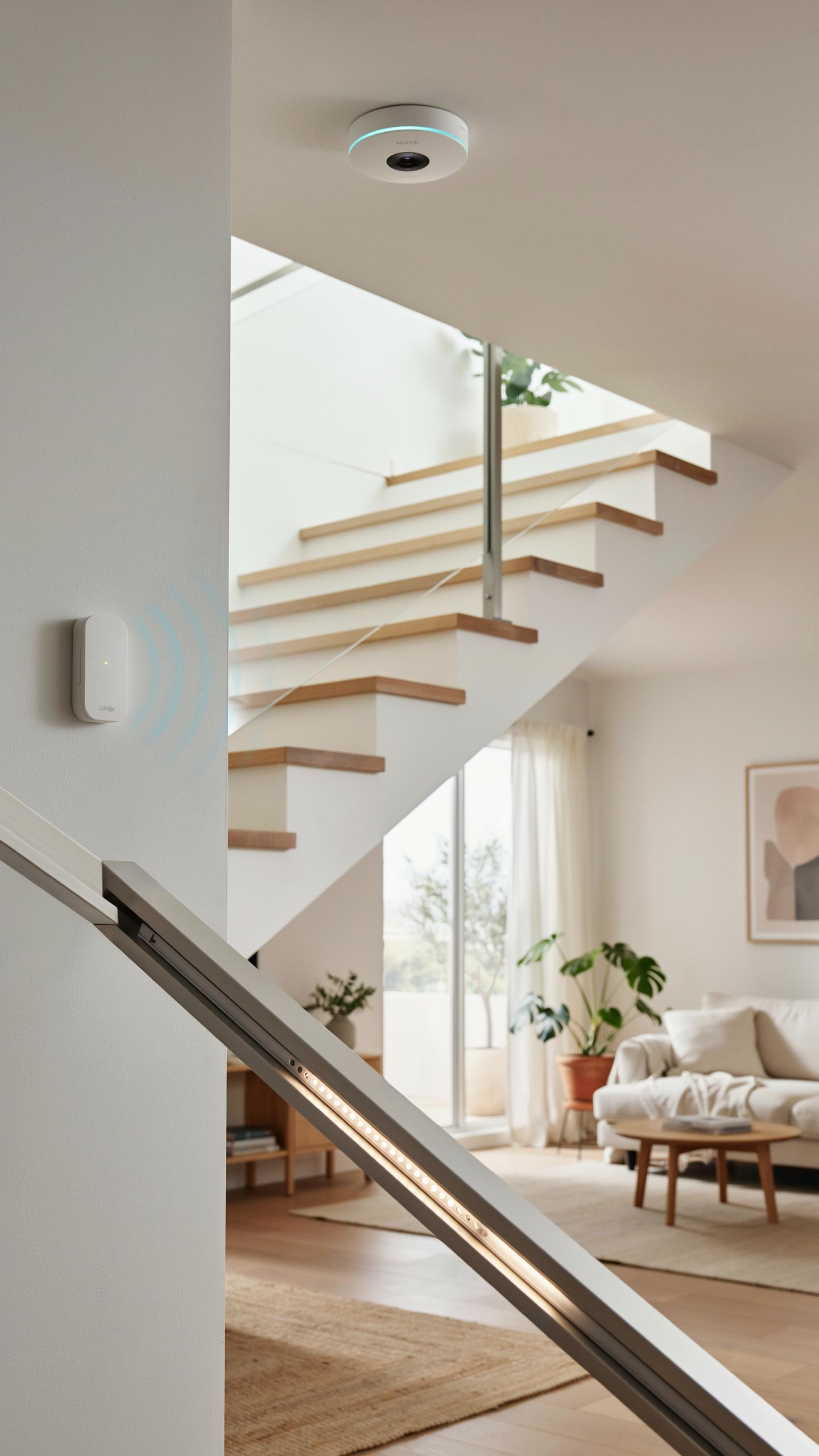
Wired motion sensor LED strips connect directly to your home’s electrical system. This approach eliminates battery replacement and provides consistent power delivery. Installation requires running wires through walls or along baseboards, which demands more planning and often needs professional help. Wired systems cost more upfront but operate indefinitely without maintenance concerns.
Wireless motion sensor LED strips run on batteries or plug into standard outlets without hardwiring. Setup takes minutes and requires no structural modifications to your home. Battery-powered versions need periodic replacement, while plug-in wireless models stay tethered to nearby outlets. Wireless systems offer flexibility but sacrifice the set-it-and-forget-it reliability of hardwired alternatives.
Battery Powered Alternatives For Easy Installation
Battery-operated motion sensor LED strips mount anywhere without electrical work. They activate instantly and move easily between locations. Most use AA or rechargeable lithium batteries lasting weeks to months depending on usage frequency and sensor sensitivity settings. This flexibility makes them ideal for rental properties where permanent installation isn’t possible.
Battery strips trade longevity for convenience. Frequent motion detection drains batteries faster than occasional use patterns. Some models offer extended battery life through low-power LED chips and improved sensor algorithms. You’ll manage replacement schedules and maintain a supply of backup batteries. Battery cost compounds over years, making wired options more economical for permanent installations.
Future Trends In Motion Sensor Led Light Staircase Technology
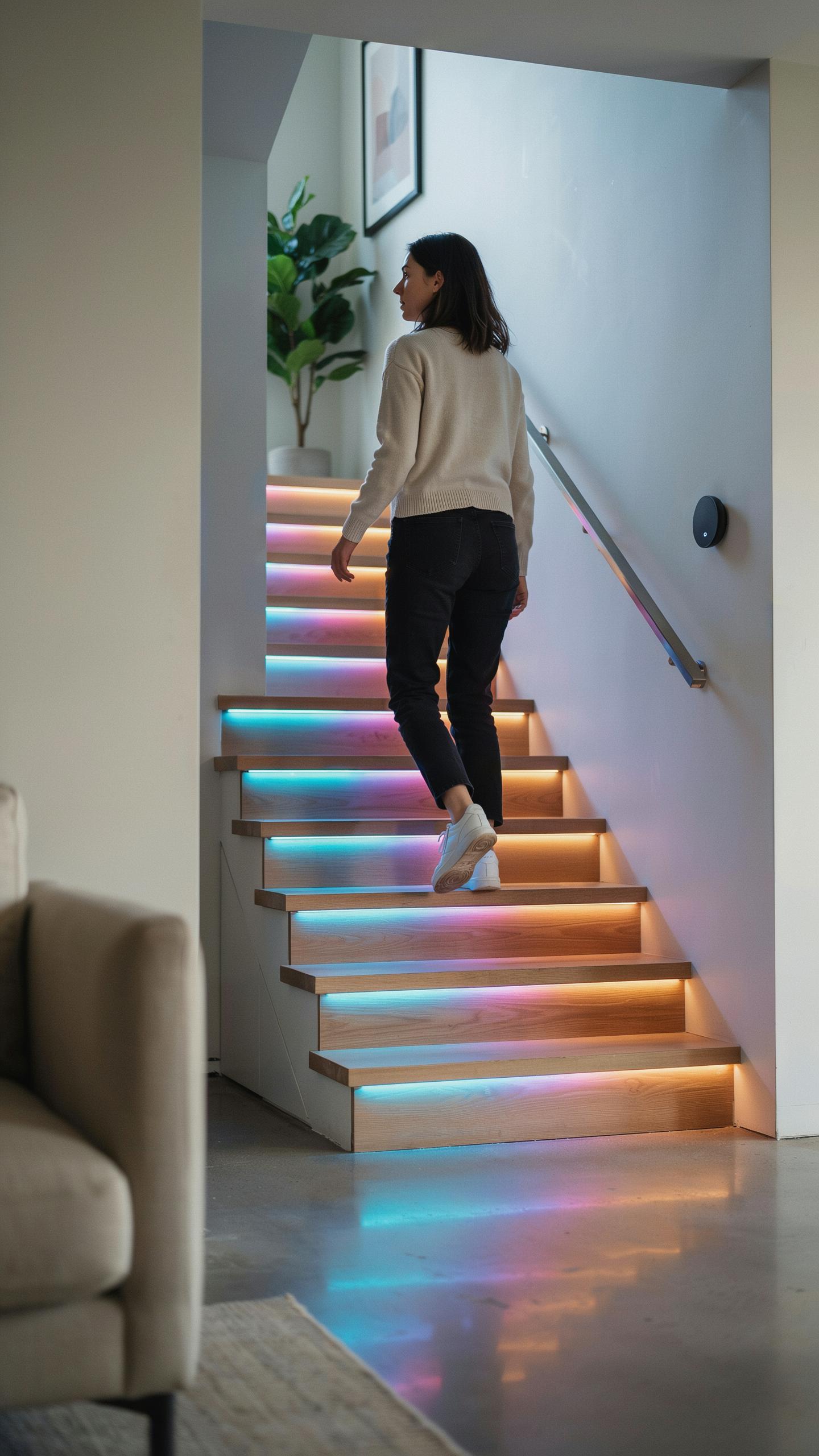
Advancements In Sensor Integration And AI
Motion sensor technology is moving toward multi-sensor fusion systems that combine passive infrared, microwave, and ultrasonic detection. These hybrid approaches reduce false triggers and improve accuracy in complex staircase environments. Machine learning algorithms will process sensor data to distinguish between people, pets, and environmental changes. This eliminates wasted energy from unnecessary activation while maintaining safety and convenience for residents.
Smart integration with home automation platforms continues expanding. Future systems will communicate with security networks, voice assistants, and occupancy tracking systems. They’ll adjust brightness based on time of day, user patterns, and ambient light conditions. This data-driven approach optimizes energy consumption while delivering responsive lighting tailored to actual usage patterns in residential settings.
Sustainable And Eco Friendly Lighting Solutions
LED efficiency gains continue through improved phosphor technology and better thermal management. Manufacturers are transitioning toward organic LED and micro LED technologies that consume less power while producing consistent light output. These advances reduce electricity demand from staircase lighting systems over their operational lifespan. Battery technology for wireless sensors is also improving, extending replacement intervals and reducing electronic waste from frequent power source changes.
Recycling infrastructure for LED components is developing across major markets. Manufacturers now design motion sensor strips with modular components that separate easily for proper material recovery. Power consumption benchmarks are becoming standard in product specifications, allowing consumers to compare actual energy performance. This transparency drives competition toward genuinely efficient solutions rather than marketing claims alone.
Frequently Asked Questions

What exactly are motion sensor LED strips for stairs and how do they work?
Motion sensor LED strips for stairs are adhesive lighting solutions that illuminate automatically when movement is detected. They typically consist of a strip of LEDs and an integrated sensor that turns the lights on and off, providing safe and convenient illumination in dark areas as you approach.
How do I install a motion sensor LED strip for stairs effectively to ensure optimal lighting?
For optimal lighting, clean the surface thoroughly before adhering the strip. Position the motion sensor where it can best detect movement – often near the top or bottom of the stairs. Many models are plug-and-play, making installation of your motion sensor LED strip for stairs straightforward and requiring minimal tools.
Are motion sensor LED strips for stairs expensive, and are there budget-friendly options available?
Motion sensor LED strips for stairs are surprisingly affordable, with many budget-friendly options starting from $20-$40. While high-end systems can cost more, basic models offer excellent value for enhancing safety and ambiance without breaking the bank, making them accessible for most homeowners.