

The Evolution Of Camping Lanterns From Fuel To Rechargeable Versatility
Historical Overview Of Camping Lights
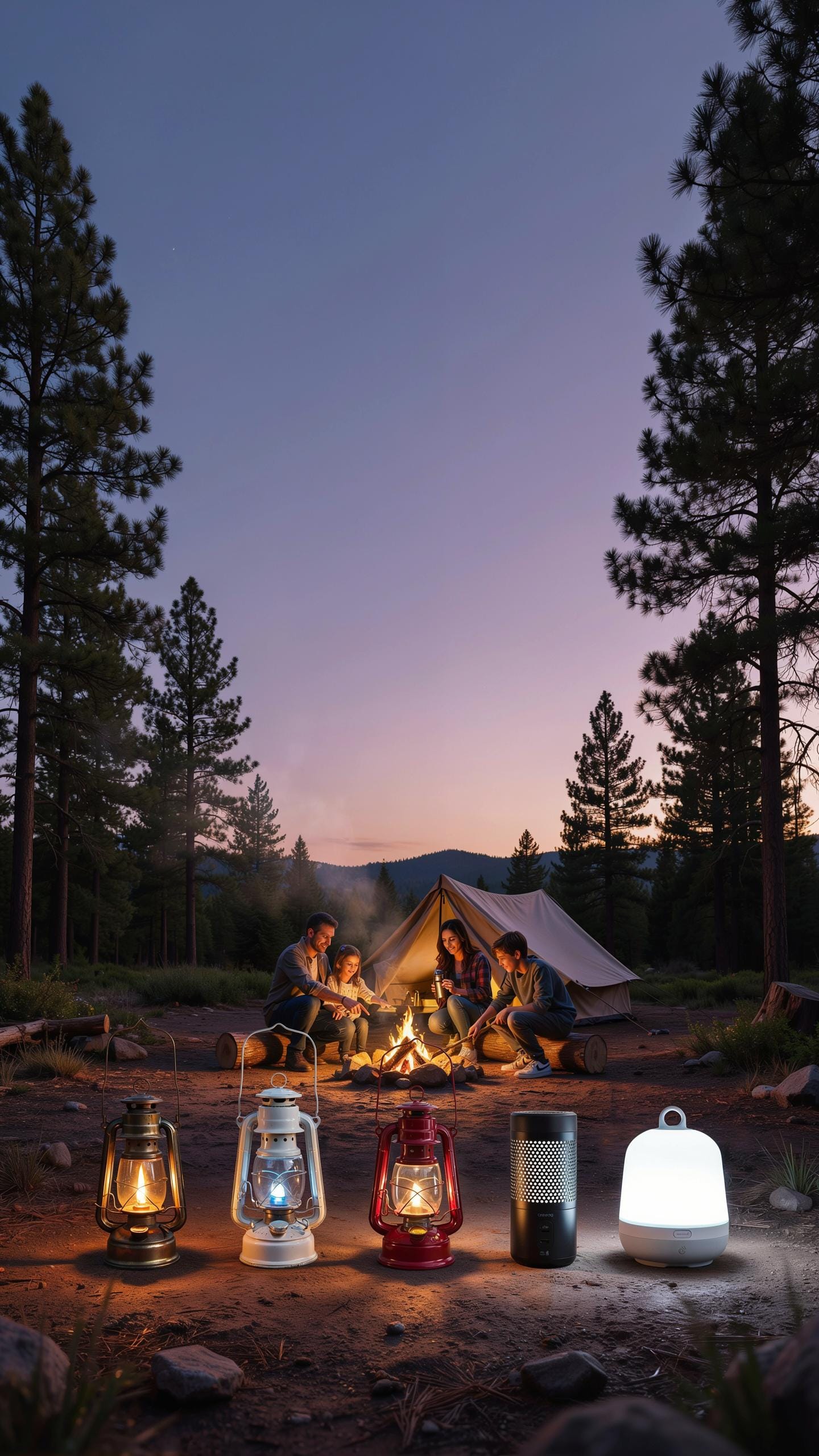
Camping lights started with open flames. Early campers used torches and fires for visibility. Candles came next, offering portable light but with serious burn risks. Oil lamps emerged in the 1800s, providing better control and longer burn times. Kerosene lanterns dominated the outdoor market for over a century. They were reliable but messy, smelly, and dangerous. Battery powered flashlights arrived in the early 1900s and changed portable lighting. These devices eliminated fuel handling but required frequent battery replacements.
The shift accelerated with LED technology in the late 1990s. LEDs consumed less power and lasted far longer than incandescent bulbs. Manufacturers began integrating rechargeable batteries into lantern designs around the 2000s. This eliminated disposable battery waste and cut replacement costs significantly. Modern camping lanterns now combine LED efficiency with USB charging ports. The rechargeable camping lantern with power bank represents the current standard for overnight outdoor trips. This hybrid design addresses multiple user needs in one device.
Why Modern Camping Lanterns Are A Game Changer
Contemporary lantern technology eliminates dependency on fuel and disposable batteries. A rechargeable camping lantern with power bank charges via USB from any power source. You can charge it at home, in your vehicle, or at camp with a solar panel. Runtime extends to 50-100 hours on a single charge depending on brightness settings. This reliability matters during night hikes when lighting fails midway. The power bank function means your lantern becomes a backup phone charger. No more choosing between phone battery and light sources.
Modern rechargeable lanterns deliver consistent brightness without the dimming curve of aging batteries. They generate minimal heat compared to fuel based models, making them safer around tents and gear. Weight reduction improves backpack load management on multi day trips. LED technology produces zero emissions and no carbon monoxide risks indoors or in enclosed spaces. Durability increased significantly with sealed electronics and waterproof ratings reaching IP64 and higher. These lanterns handle drops, rain, and temperature swings that would destroy older models. The combination of efficiency, safety, and versatility makes them essential for serious outdoor enthusiasts.

Understanding Rechargeable Camping Lantern Functionality

How They Work Inside A Rechargeable Lantern
A rechargeable camping lantern converts stored electrical energy into visible light through LEDs powered by an internal battery. The battery charges via USB or AC power before deployment. When activated, current flows from the battery through a circuit board that regulates voltage to the LED array. This produces light output measured in lumens without generating significant heat.
The power bank function operates independently from the lantern’s lighting system. A secondary charging circuit within the lantern detects when external devices connect via USB output port. The internal battery then supplies power to charge phones, tablets, or other USB-compatible gear. A microcontroller manages power distribution to prevent simultaneous high-demand operations from draining the battery too quickly.
Comparing Battery Types And Their Lifespan
Different battery chemistries power these lanterns with distinct performance characteristics and degradation rates. Manufacturers select battery types based on required light output, weight constraints, and cost targets.
- Lithium Ion (Li-Ion): Most common choice offering 3.7V nominal voltage per cell. Delivers 500 to 1000 charge cycles before capacity drops to 80 percent. Powers high-output lanterns effectively but requires protection circuits against overcharging.
- Lithium Polymer (Li-Po): Flexible form factor allows slim lantern designs. Provides similar cycle life to Li-Ion around 500 cycles. Lighter weight than comparable Li-Ion packs but more prone to swelling if damaged.
- Nickel Metal Hydride (NiMH): Older technology still used in budget lanterns. Offers 500 to 1000 cycles with lower energy density than lithium options. Safer chemistry with no fire risk but heavier for equivalent capacity.
- Lithium Iron Phosphate (LiFePO4): Premium option delivering 2000 to 3000 charge cycles. Superior thermal stability and longer lifespan justify higher cost. Slightly lower voltage per cell requires more cells for equivalent output.
- Alkaline Batteries: Non-rechargeable option in older lantern designs. Lanterns using alkalines lack power bank capability. Single-use only making them impractical for regular camping use.

Battery lifespan depends on charge depth, storage conditions, and operating temperature. Lanterns stored in moderate conditions with partial discharge cycles outlast those subjected to extreme heat or repeated full-drain cycles. Most rechargeable camping lanterns maintain 70 to 80 percent of original capacity after two years of typical use.
The Power Bank Advantage Stay Connected With Emergency Lighting
Beyond Illumination: Charging Your Devices On The Go
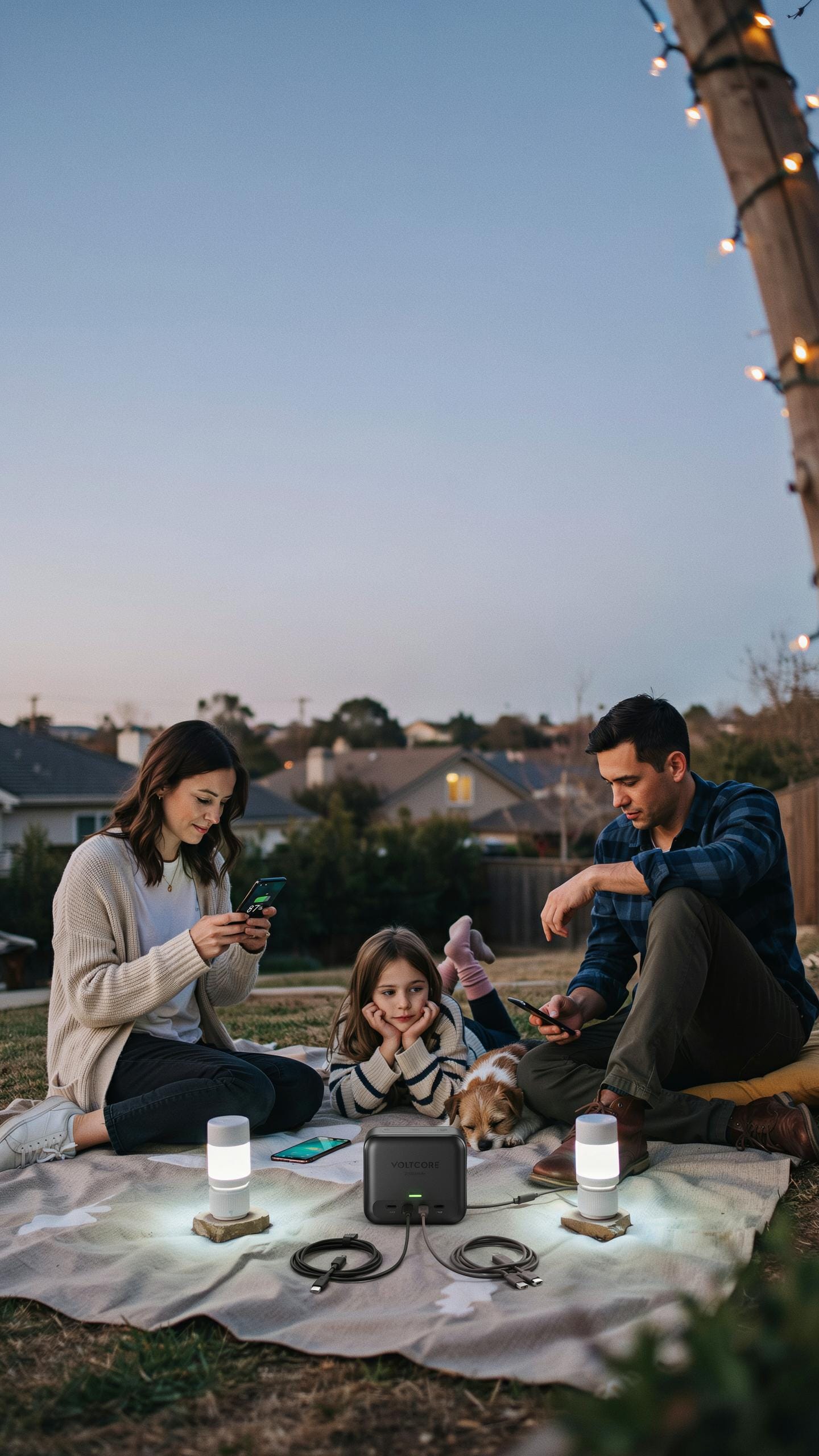
A rechargeable camping lantern with integrated power bank serves dual functionality on night hikes. The lantern’s battery stores energy while you hike during daylight. When darkness falls, you activate the light while simultaneously accessing the power bank to charge phones, GPS devices, or headlamps. This eliminates carrying separate equipment.
Most models offer USB output ports, typically USB-A or USB-C connections. Your phone charges at standard rates, usually between 1-2 amps depending on the power bank’s capacity. Battery capacity ranges from 2000mAh to 10000mAh on commercial units. Higher capacity means more charge cycles before the lantern itself needs recharging at a power source.
Emergency Preparedness: A Dual Purpose Tool
Power outages require immediate lighting and communication access. A rechargeable camping lantern with power bank addresses both needs simultaneously. When grid power fails, the lantern provides task lighting for your home or camp while the power bank keeps communication devices operational. This combination reduces dependency on multiple devices during outages.

The tool functions effectively for extended outages lasting several days. You maintain lighting for 8 to 48 hours depending on brightness settings and battery capacity. Meanwhile, the power bank keeps at least one mobile device charged for emergency calls or communication. This two-in-one approach increases survival preparedness without adding weight to your emergency kit.
Optimizing Light The Benefits Of LED Camping Lantern Technology
Brightness And Efficiency: What Makes LED Superior?
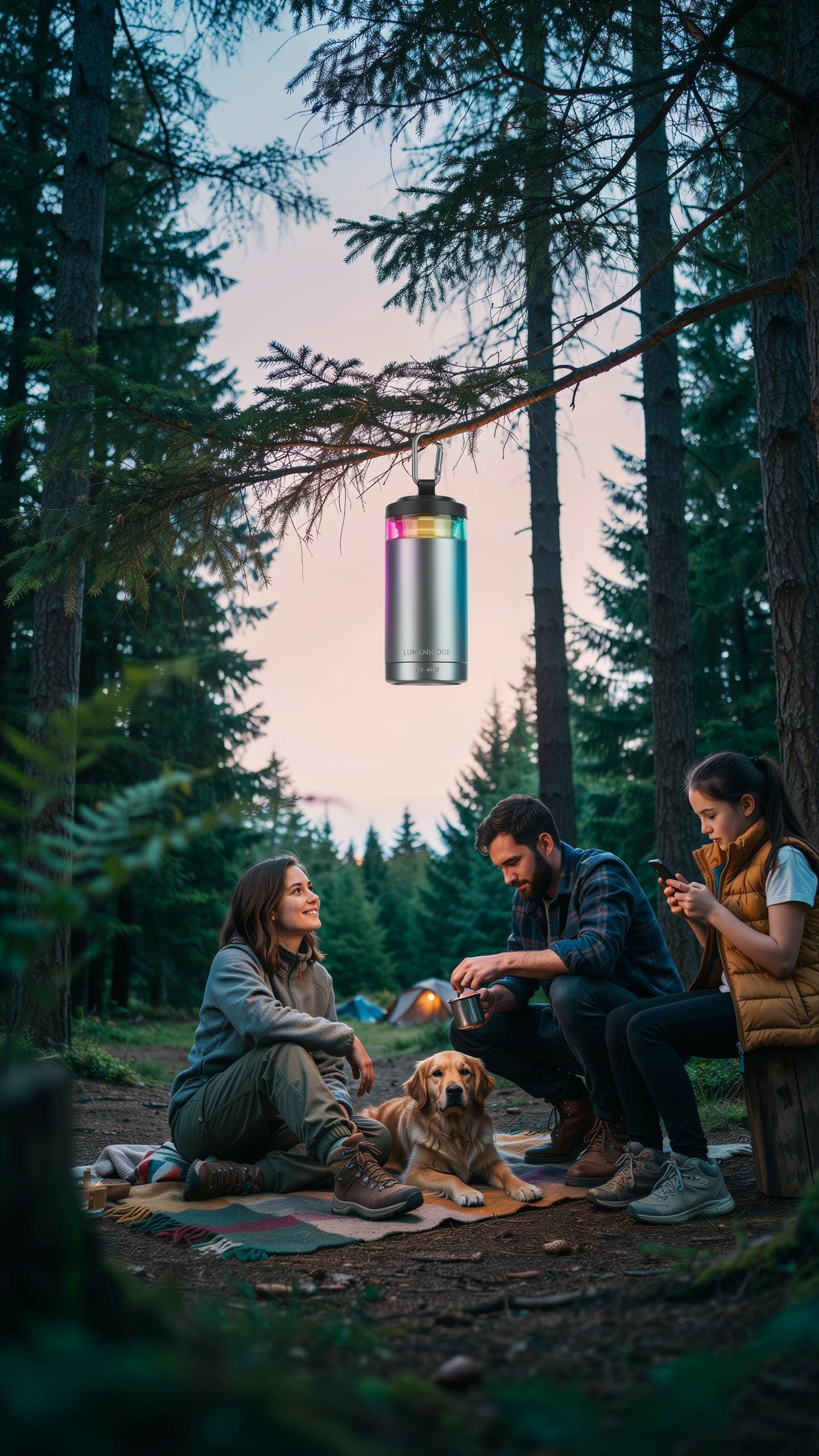
LED lanterns deliver brightness through lumens, the actual measurement of light output. A quality camping lantern produces between 200 and 1000 lumens depending on the model. Kelvin rating measures color temperature, with 4000K to 6500K providing neutral to cool white light ideal for outdoor visibility. LEDs consume far less power than incandescent bulbs to generate equivalent brightness, directly extending battery runtime on your power bank.
An LED lantern running 400 lumens uses roughly 10 to 15 watts, while an older incandescent producing similar output demands 60 to 100 watts. This efficiency gap means your rechargeable power bank supports extended night hikes without depletion. LEDs also reach full brightness instantly, unlike some traditional sources that require warm-up time. The energy savings translate to more nights on a single charge.
May your night hikes be aglow with adventure, and your spirit, like your lantern, forever fully charged.
Durability And Lifespan Of LED Lanterns
LED bulbs survive 30,000 to 50,000 hours of operation, dwarfing incandescent lifespans of 1,000 to 2,000 hours. This longevity eliminates frequent bulb replacements during camping trips or backcountry expeditions. LED lanterns handle temperature swings, vibration, and impact far better than fragile filament bulbs. The solid-state design produces no heat signature, reducing risk of damage from thermal shock.

Rechargeable camping lanterns with integrated LEDs bypass bulb failure entirely since the light source is permanent. You charge the unit, not replace components. This design cuts maintenance overhead and ensures consistent performance across seasons and years of regular use. A quality LED lantern becomes a reliable investment rather than a consumable tool.
Choosing Your Ideal Rechargeable Camping Lantern

Factors To Consider: Brightness, Battery Life, And Weight
Brightness measured in lumens determines visibility range and task capability. Most camping lanterns deliver between 100 and 1000 lumens. Higher lumens consume more battery power, so match output to your hiking distance and terrain difficulty. Shorter hikes need 200 to 400 lumens. Extended backcountry trips demand 500 to 800 lumens for safety and navigation.
Battery life depends on lantern size, LED efficiency, and brightness settings. Compact models run 8 to 15 hours on full charge at medium brightness. Larger units reach 20 to 40 hours when you use lower settings. Weight matters on night hikes. Aim for lanterns between 200 and 600 grams to avoid fatigue during multi-hour treks.
Features For Night Hikes: From IP Ratings To Hanging Hooks
IP ratings indicate waterproofing and dust protection levels. IP44 handles light rain and dust exposure. IP65 or higher provides full weather protection during storms and wet conditions. Night hiking involves unpredictable weather, so prioritize IP65 minimum. This rating ensures the lantern functions in downpours and muddy terrain without failure.

Hanging hooks and carrying handles improve practicality on trails. Carabiners attach to backpacks or tent poles for hands-free operation. Dimmable controls let you reduce brightness for night vision preservation and battery conservation. Red light modes maintain dark adaptation while illuminating surroundings. USB output ports power phones and GPS devices during extended trips.
Maintaining Your Rechargeable Camping Lantern

Battery Care Maximizing Longevity
Lithium ion batteries degrade over time regardless of use. Charge your lantern before storage, ideally between 20 and 80 percent capacity. This range minimizes stress on battery cells and extends overall lifespan. Avoid complete discharge cycles whenever possible. Store the lantern in a cool, dry location away from direct heat sources.
Temperature control matters more than most users realize. Heat accelerates chemical reactions inside battery cells, reducing capacity faster. Keep your lantern between 50 and 77 degrees Fahrenheit during storage. If you use the lantern seasonally, charge it every three months to maintain cell health. Dead batteries left uncharged can develop internal resistance and fail to hold charge properly.
Cleaning And Storage For Optimal Performance
Water and dust compromise LED components and electrical contacts. After each trip, wipe down the exterior with a dry cloth. Remove any dirt from crevices and battery compartments. Check that seals and gaskets remain intact before the next use. Never submerge the lantern in water unless the manufacturer explicitly rates it for full submersion.

Store the lantern with batteries removed if you plan extended periods without use. This prevents potential leakage from corroding internal circuits. Keep the power bank function separate if your model includes it as an accessory. Place the lantern in a protective case or bag to prevent impact damage. Inspect the LED lens regularly for cracks or cloudiness that reduce light output.
Solar Camping An Eco Friendly Power Solution For Your Lantern
Integrating Solar Charging For Sustained Power
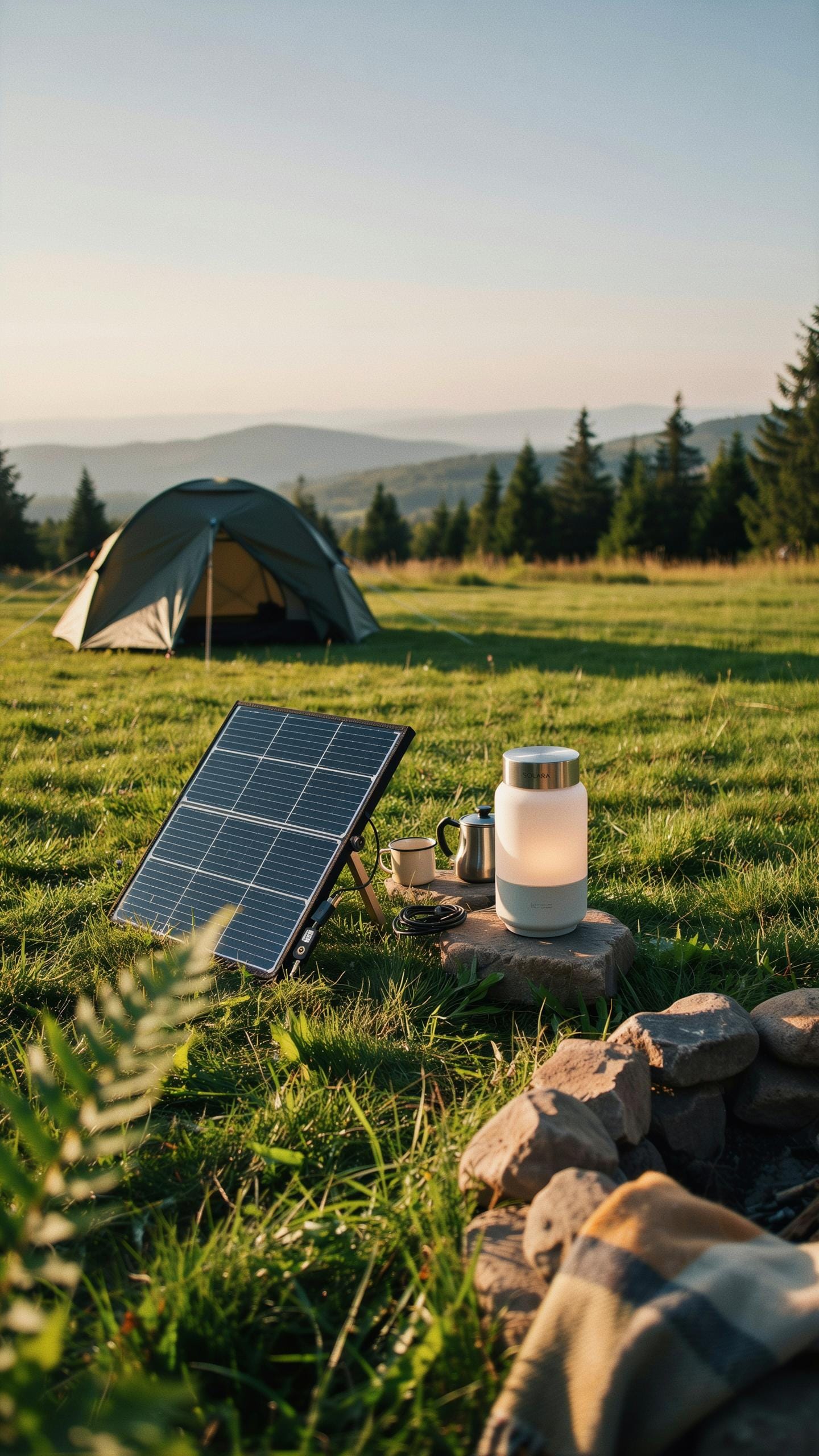
Solar panels paired with rechargeable camping lanterns eliminate dependency on electrical outlets during multi day trips. Lanterns with built in solar panels charge during daylight hours and power LED lights through the night. This dual power approach combines solar charging with battery storage, extending your camping duration without carrying extra batteries or finding power sources.
- Monocrystalline Solar Panels: Convert sunlight to electricity with 15 to 20 percent efficiency. These panels work in cloudy conditions and charge faster than older silicon types used in previous decades.
- Hybrid Charging Systems: Accept solar input, USB charging, and hand crank mechanisms. This redundancy ensures your lantern charges even when sun exposure is limited during extended backcountry trips.
- Battery Integration: Most solar lanterns store power in lithium ion or lead acid batteries. These batteries retain charge for weeks without use and handle repeated charge cycles without significant capacity loss.
- Panel Angle Optimization: Adjustable solar panels maximize light capture throughout the day. Positioning panels perpendicular to sunlight increases charging speed by 30 to 40 percent compared to fixed orientations.
- Weather Resistance: Sealed solar components survive rain, dust, and temperature swings. IP65 or higher ratings ensure water and dust don’t degrade electrical connections or reduce panel output.
Solar charging extends lantern runtime indefinitely on extended trips. A four to six hour full sun exposure typically generates enough power for eight to twelve hours of LED operation, making solar integration practical for week long camping excursions.
Environmental Benefits Of Solar Powered Camping Lights
Solar powered lanterns eliminate waste from disposable batteries. Single use batteries create mining operations, manufacturing emissions, and landfill contamination. Rechargeable solar lanterns operate for five to ten years with zero battery waste, reducing your ecological footprint significantly across your camping lifetime.

Solar lanterns reduce carbon emissions tied to power generation. Grid electricity often comes from fossil fuels. Solar camping lights harness free sunlight instead, cutting energy related greenhouse gases. For night hikers who camp frequently, switching to solar powered lanterns prevents tons of carbon emissions over a decade of use.
Beyond The Hike Other Uses For Rechargeable Lanterns

Home Emergency Lighting And Power Outage Preparedness
Power outages hit without warning. Rechargeable camping lanterns with power banks solve two problems at once: they provide reliable light during blackouts and charge your phone when the grid fails. Most models store enough charge to run for 8 to 40 hours depending on brightness settings. Position them in hallways or main rooms to navigate safely during extended outages.
The power bank function matters when communication lines go down. You need your phone charged to call emergency services or receive alerts. Rechargeable lanterns eliminate the dead battery problem by keeping devices powered in your home. This dual functionality makes them essential for households in storm-prone areas or regions with aging electrical infrastructure. Store at least one fully charged unit in an accessible location year-round.
Tent Lighting And Ambient Illumination
Interior tent lighting requires different tactics than trail navigation. Hang your rechargeable lantern from the tent ceiling or peak using the built in hook or loop found on most models. This overhead positioning spreads light evenly without creating harsh shadows. Lower brightness settings extend runtime while providing enough visibility for reading, cooking, or social activities around camp.

Brightness control separates quality lanterns from cheap alternatives. Adjustable settings let you match light output to activity. High brightness works for setup and cooking. Medium brightness suits dinner and games. Low brightness preserves battery life during sleep hours. LED technology makes these adjustments efficient, delivering 8 to 12 hours on low settings for many models. This flexibility makes rechargeable lanterns superior to fixed output flashlights or traditional fuel lanterns for extended camping trips.
Safety First Using Your Rechargeable Camping Lantern Responsibly

Proper Handling And Placement For Night Hikes
Secure your lantern to prevent drops that damage electronics and batteries. Use a carabiner or attachment loop to clip the lantern to your backpack, belt, or tent structure. Keep the lantern away from water sources when possible, even if it has water resistance. Position it on stable, level ground to avoid tipping. Never leave it unattended near the edge of a trail or campsite where someone could kick it.
Store the lantern in a protective case during transport to prevent impact damage to the lens and housing. Check all mounting points and straps before each trip. Keep the power bank separate if your model includes one to distribute weight and reduce stress on connection points. Remove batteries or power down the unit before storing for extended periods to prevent corrosion and battery drain. Test all safety features and attachment mechanisms in daylight before heading out on a night hike.
Understanding Weather Resistance And Durability
IP ratings determine how well your lantern handles water and dust exposure. IP54 means basic dust and splash protection. IP65 provides full dust protection and water jet resistance. IP67 allows temporary submersion up to one meter. IP68 handles continuous underwater conditions. Check your lantern’s rating before purchasing to match your hiking environment and conditions.
Water resistance matters on overnight trips where weather changes rapidly. A higher IP rating protects internal components, batteries, and the power bank from moisture damage that causes short circuits. Durability depends on materials too. Aluminum or reinforced plastic housings resist impacts better than cheap plastics. Verify the lantern’s weather rating on the manufacturer’s specifications, not marketing claims. Test your unit in mild wet conditions before relying on it during heavy rain or challenging trips.
The Future Of Rechargeable Camping Lanterns Innovations And Trends
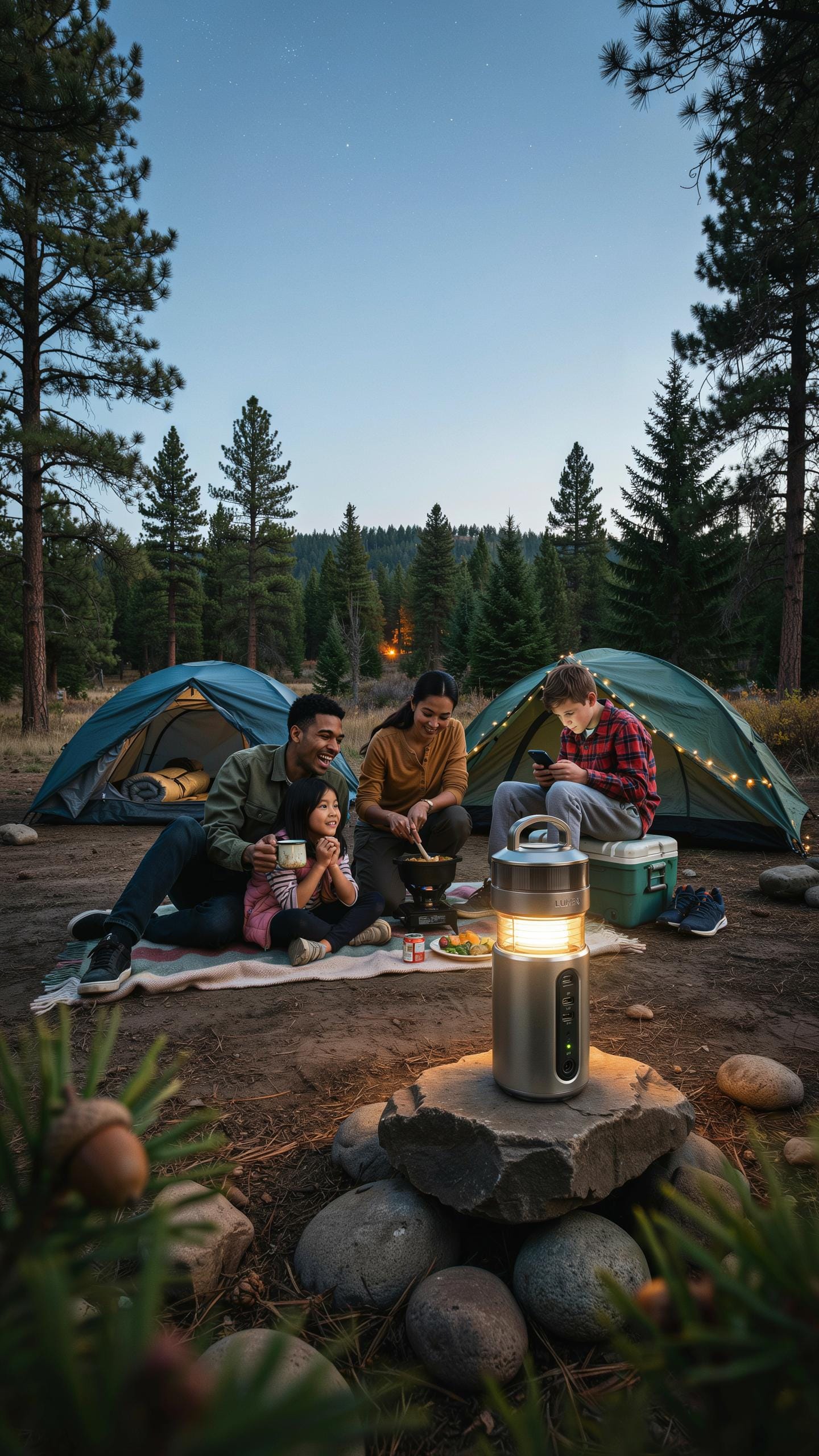
Smart Features And Connectivity
Manufacturers are integrating Bluetooth and Wi-Fi connectivity into rechargeable camping lanterns. These features enable remote dimming, scheduling, and battery status monitoring through smartphone apps. Some models now include GPS integration for location tracking during multi-day expeditions. Voice control compatibility with major ecosystems expands hands-free operation options.
Battery management systems are becoming more sophisticated. Real-time voltage monitoring prevents over-discharge and extends lifespan. Integration with solar charging systems creates hybrid power solutions for extended trips. These electronics require minimal power draw and add practical value without compromising durability in field conditions.
Sustainable Materials And Design
Manufacturers are shifting from plastic housings to recycled aluminum and composite materials. Aluminum offers superior durability, heat dissipation, and recyclability compared to traditional polymers. Some brands now use ocean-bound plastic for components, addressing waste reduction targets. These material choices improve product longevity while reducing manufacturing carbon footprint.
Design efficiency focuses on modular construction that allows component replacement without replacing entire units. Removable battery packs enable independent recycling streams. Manufacturers are reducing excess material in structural design while maintaining impact resistance. This approach extends product lifecycle and reduces end-of-life environmental impact significantly.
Frequently Asked Questions

What exactly is a rechargeable camping lantern with power bank, and why would I need one for night hikes?
A rechargeable camping lantern with power bank is a versatile device that provides illumination for your night adventures while also allowing you to charge your essential electronics. It’s perfect for ensuring you have light to navigate trails and keeping your phone or GPS device powered for safety and communication.
How do I efficiently charge my electronic devices using the power bank feature of my rechargeable camping lantern?
To efficiently charge your devices, simply connect them to the USB output port on your rechargeable camping lantern with power bank using the appropriate cable. Ensure the lantern itself is adequately charged beforehand to provide the most power for your phone or other gadgets while on the hike.
Are there affordable options for a reliable rechargeable camping lantern with power bank that still perform well?
Absolutely! Many reputable brands offer excellent and budget-friendly rechargeable camping lanterns with power bank features. You can find reliable options that provide sufficient brightness and charging capabilities without breaking the bank, making night hiking accessible to everyone.