
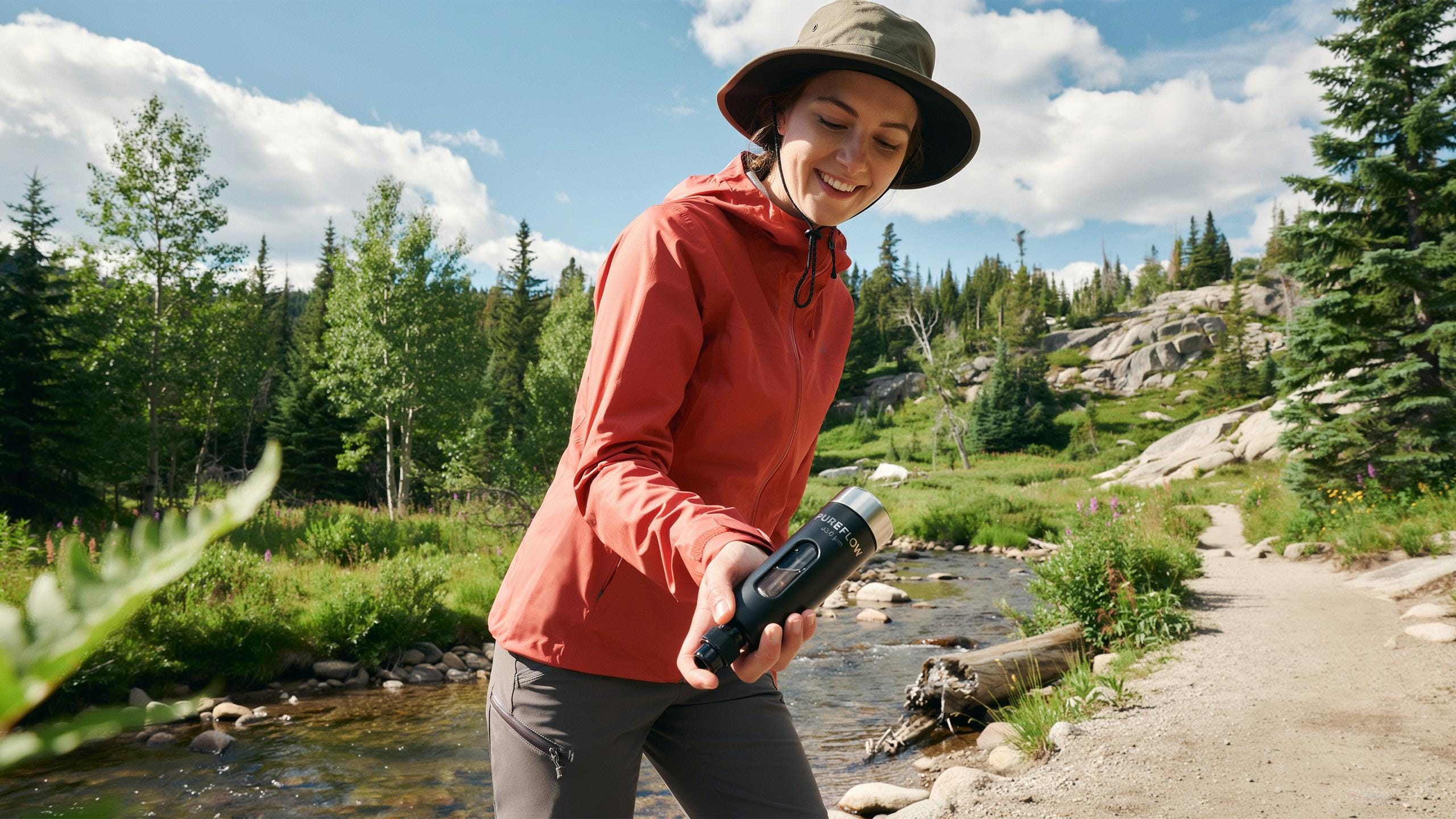
Why A Portable Water Purifier For Backpacking Is Non Negotiable
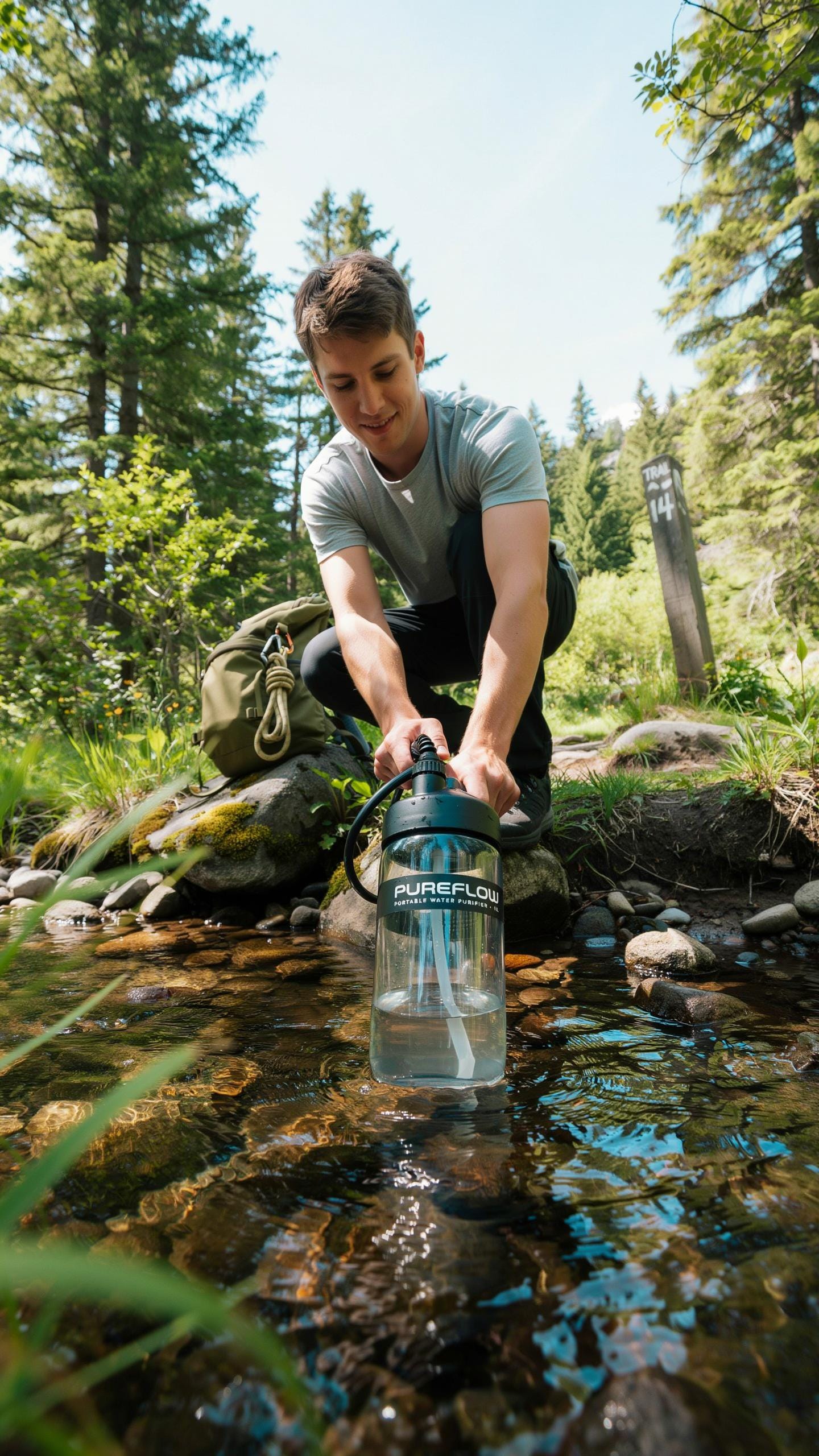
The Risks Of Untreated Water On Remote Trails
Natural water sources harbor pathogens that cause serious illness. Giardia lamblia, a protozoan parasite, contaminates streams and lakes across North America and creates severe gastrointestinal problems lasting weeks. Cryptosporidium poses similar threats. Bacteria like E. coli and Campylobacter thrive in water you cannot see or taste. Viruses including hepatitis A and norovirus survive in cold mountain water. Drinking untreated water means rolling the dice with your digestive system and immune response.
Remote locations amplify these risks because medical help sits hours away. Once infected, you face debilitating symptoms that end your trip immediately or worsen during the hike out. Symptoms emerge days after infection, meaning contamination today becomes illness tomorrow. Prevention through purification removes guesswork and protects your health in real time. The cost of a portable purifier is negligible compared to the medical bills and recovery time of waterborne illness.
Peace Of Mind Ensuring Safe Drinking Water Anywhere
A portable water purifier transforms any water source into drinking water within minutes. Mechanical filters, chemical treatment, and UV options each remove specific threats with proven effectiveness. You carry independence from bottled water and water stations. Your route flexibility increases because you no longer plan trips around known water caches or resort to rationing.
Tactical backpackers use purifiers to reduce pack weight and eliminate logistics headaches. Clean water means sustained energy, proper hydration, and better decision making during emergencies. You drink confidently without second guessing water quality. This certainty lets you focus on navigation, wildlife safety, and the actual experience of being on the trail. Portable purifiers convert anxiety into action.

Understanding Portable Water Filtration System Technologies
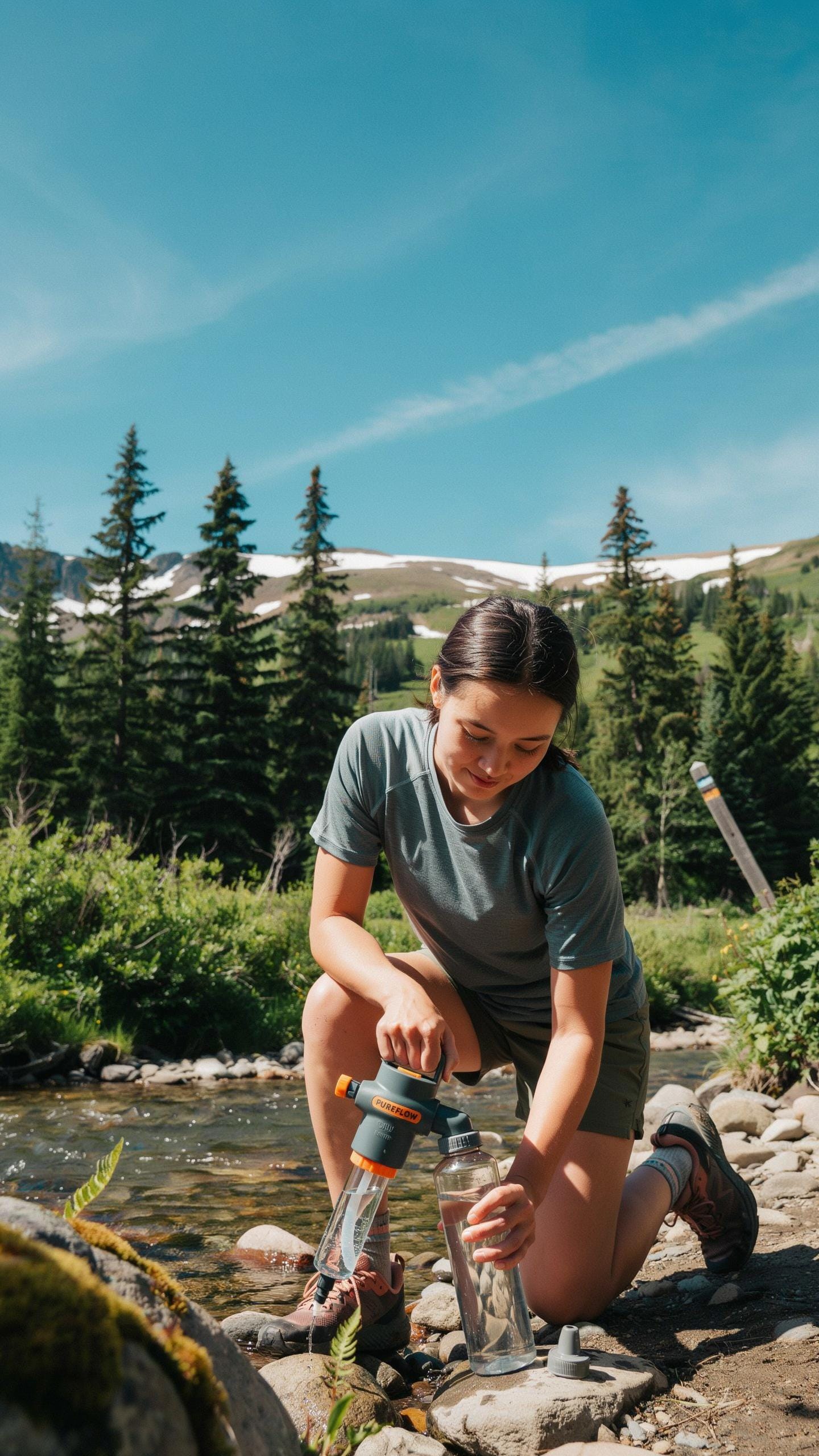
Filter Vs. Purifier: What’S The Difference?
Filters remove bacteria and protozoa through mechanical barriers. They trap particles larger than their pore size, typically 0.1 to 10 microns. Filters do not eliminate viruses. Purifiers handle bacteria, protozoa, and viruses using multiple methods like activated carbon, UV light, or chemical treatment. On remote trails with untreated water sources, purifiers offer broader protection than filters alone.
Choose filters for established backcountry where bacterial contamination is the primary concern. Use purifiers in regions with unknown water quality or high viral risk. Most North American backcountry water sources pose minimal viral threats, making quality filters sufficient. However, international travel or heavily populated watersheds warrant purifier use. Understand your water source before selecting your system.
On those secluded paths, a sip of pure, flowing water is a memory etched deeper than any summit view. It’s the silent comfort of knowing you’re always home, no matter how far you roam.
Types Of Filtration: Manual Pumps, Gravity, And Squeeze Filters
Manual pump filters force water through a cartridge via handle pressure. They deliver filtered water on demand and work with any container. Pumps require two hands and generate fatigue during high-volume filtering. They excel for solo backpackers needing speed and control over the filtering process.
Gravity filters use elevation difference to move water through filtration media into a collection bag. They require minimal user effort and filter large quantities passively. Setup demands finding suitable hanging locations and takes longer than pumps. Gravity systems work best at established camps where you filter water once for multiple days.
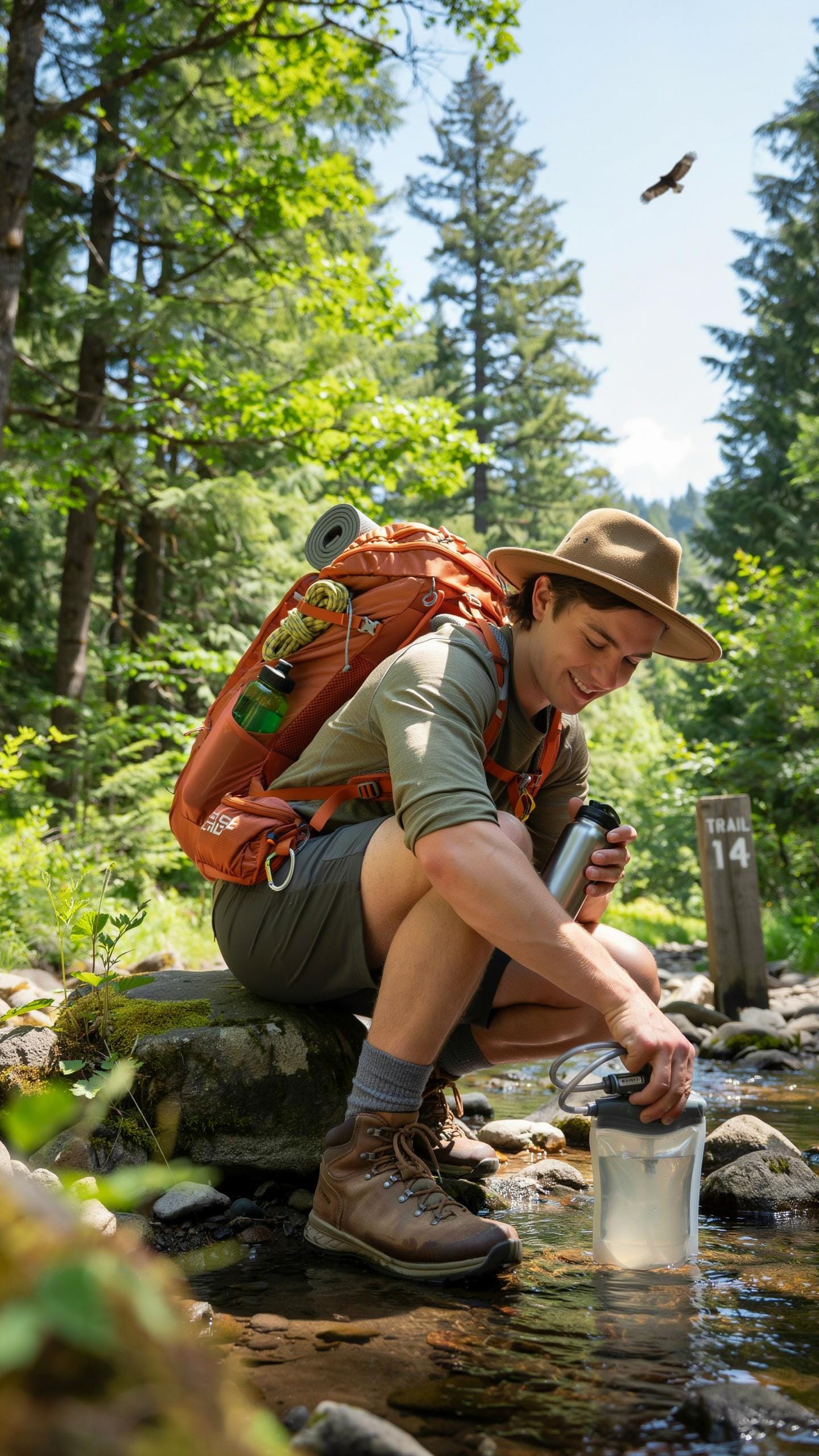
Squeeze filters attach to water bottles and filter water as you drink. They demand zero setup time and pack minimal weight. Squeezing requires moderate hand effort per bottle. They suit day hikes and minimal-weight trips where you filter small quantities frequently throughout your journey.
Chemical Treatment And UV Purification A Backpacking Water Filtration Alternative
Tablets And Drops: Chemical Purification Methods
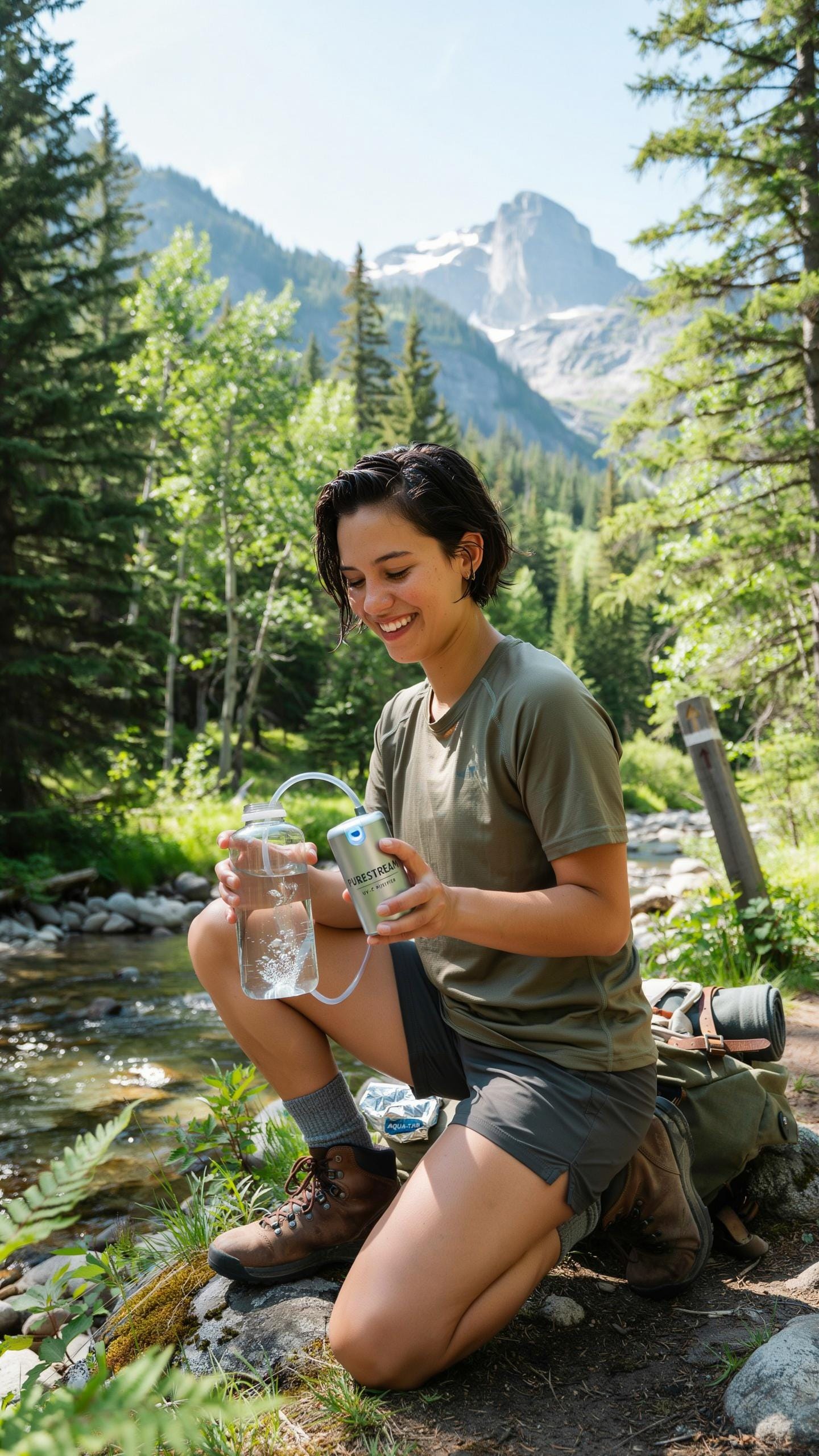
Chemical treatments like iodine and chlorine dioxide kill bacteria, viruses, and protozoa through oxidation. They work in minutes to hours depending on water temperature and chemical type. Iodine works faster in warm water but tastes metallic. Chlorine dioxide handles a wider range of pathogens and leaves less taste. Both methods require no moving parts, weigh almost nothing, and cost pennies per use.
Chemical treatment has real drawbacks. Iodine can discolor water and poses concerns for people with thyroid issues or pregnancy. Chlorine dioxide takes longer than iodine in cold water. Neither method removes sediment, so you must pre-filter cloudy water. Taste remains the biggest complaint from backpackers. Many people cannot tolerate the chemical flavor even with neutralizing tablets added after treatment.
UV Light Sterilization: Quick And Effective
UV light purifiers use ultraviolet radiation to damage the DNA of microorganisms, rendering them unable to reproduce. The SteriPen and similar devices sterilize water in seconds to minutes by inserting the UV pen into your water container. They work on all pathogens including viruses, bacteria, and protozoa. No chemicals enter the water, so taste stays unaffected. Battery powered models work reliably in the field with proper charge management.
UV purifiers have critical limitations for backpacking. They require batteries and backup power sources you must carry. Cloudy water reduces UV effectiveness, so pre-filtering remains necessary. They do not provide residual protection during storage like chemicals do. Cost runs higher than tablets or drops. Cold temperatures do not affect UV performance, making them solid for alpine trips where chemical methods slow down.
Choosing The Best Backpacking Water Filter For Your Needs
Factors To Consider: Flow Rate, Weight, And Durability
Flow rate determines how long you spend filling your bottles. Measured in liters per minute, faster rates save time on the trail. Most backpacking filters process between 0.5 and 2 liters per minute. Slower filters frustrate users during high-volume needs. Balance speed against your trip length and water source access.

Weight matters on multi-day treks where every ounce counts. Typical portable filters weigh between 2 and 8 ounces. Heavier purifiers offer more features but demand trade-offs with pack weight. Durability requires materials that withstand drops, freeze-thaw cycles, and extended use. Test equipment before committing to remote areas where replacement is impossible.
Capacity And Maintenance: Longevity Of Your Portable Water Filtration Kit
Filter capacity indicates how many liters the cartridge treats before replacement. Most backpacking filters last between 100 and 1,000 liters depending on water quality and filter type. Sediment-heavy water clogs filters faster than clear water. Check manufacturer specifications for your typical water sources. Plan replacements accordingly for trips exceeding filter capacity.
Maintenance extends filter life and prevents performance drops. Backflush your filter regularly by reversing water flow through the cartridge. Store filters dry during off-seasons to prevent mold growth. Replace cartridges when flow rate drops noticeably or you reach the rated capacity. Some filters require field cleaning with brushes to remove trapped sediment between uses.
Popular Personal Water Filter Backpacking Options Life Straw And More
Life Straw: An Icon Of Personal Water Filtration
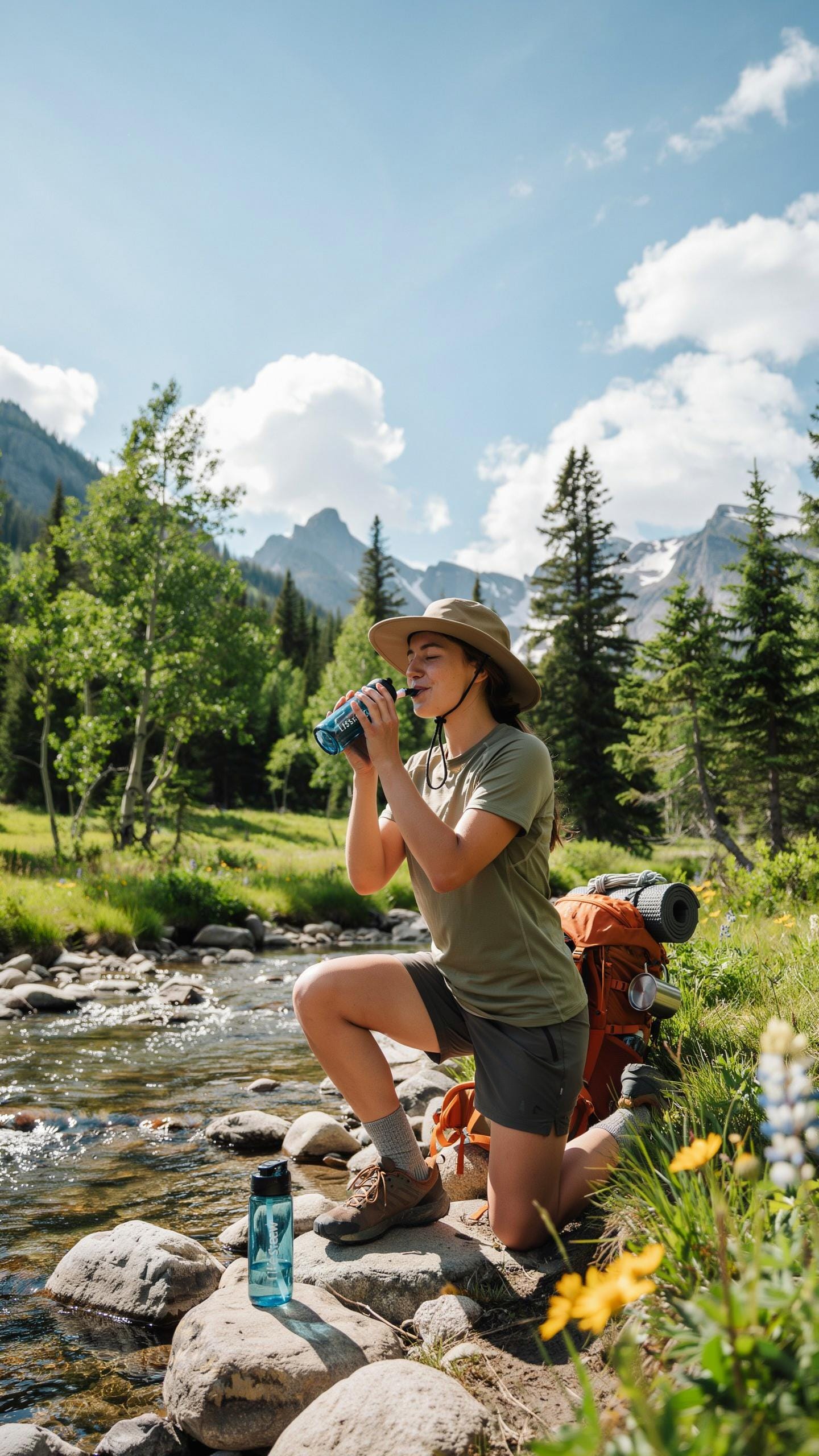
LifeStraw dominates the personal filtration market because it solves a specific problem. The device lets you drink directly from water sources through a straw with a built-in filter. The hollow fiber membrane inside blocks bacteria, protozoa, and microplastics. Solo backpackers favor it for weight and simplicity. No bottles or containers required. You just find water and drink.
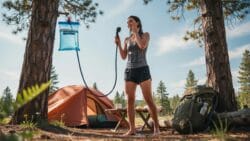
LifeStraw filters approximately 1,000 liters before needing replacement. The filter removes 99.99% of bacteria and 99.9% of protozoa. It does not remove viruses, making it less suitable for international travel or contaminated urban water. For remote trail use in developed regions, it handles giardia and cryptosporidium effectively. The device costs between 20 and 30 dollars.
Exploring Other Leading Brands And Their Features
Sawyer produces compact squeeze filters that attach to standard water bottles or hydration bags. The SP128 model filters 1 million gallons and removes bacteria and protozoa. Users prefer squeeze filters for flexibility. You can pre-filter water into a bag or drink directly. Sawyer filters cost 25 to 50 dollars depending on the model.
Katadyn offers pump-based systems and gravity filters for group trips or base camp use. Their Hiker Pro pump filter handles 50,000 liters and removes viruses along with bacteria and protozoa. MSR manufactures bottle-integrated filters like the TrailShot that combine storage and filtration. Grayl produces squeeze bottles with replaceable filter cartridges. Each brand targets different trip scales and contamination levels. Choose based on group size, trip duration, and water source risk assessment.
How To Use Your Portable Water Filter Effectively
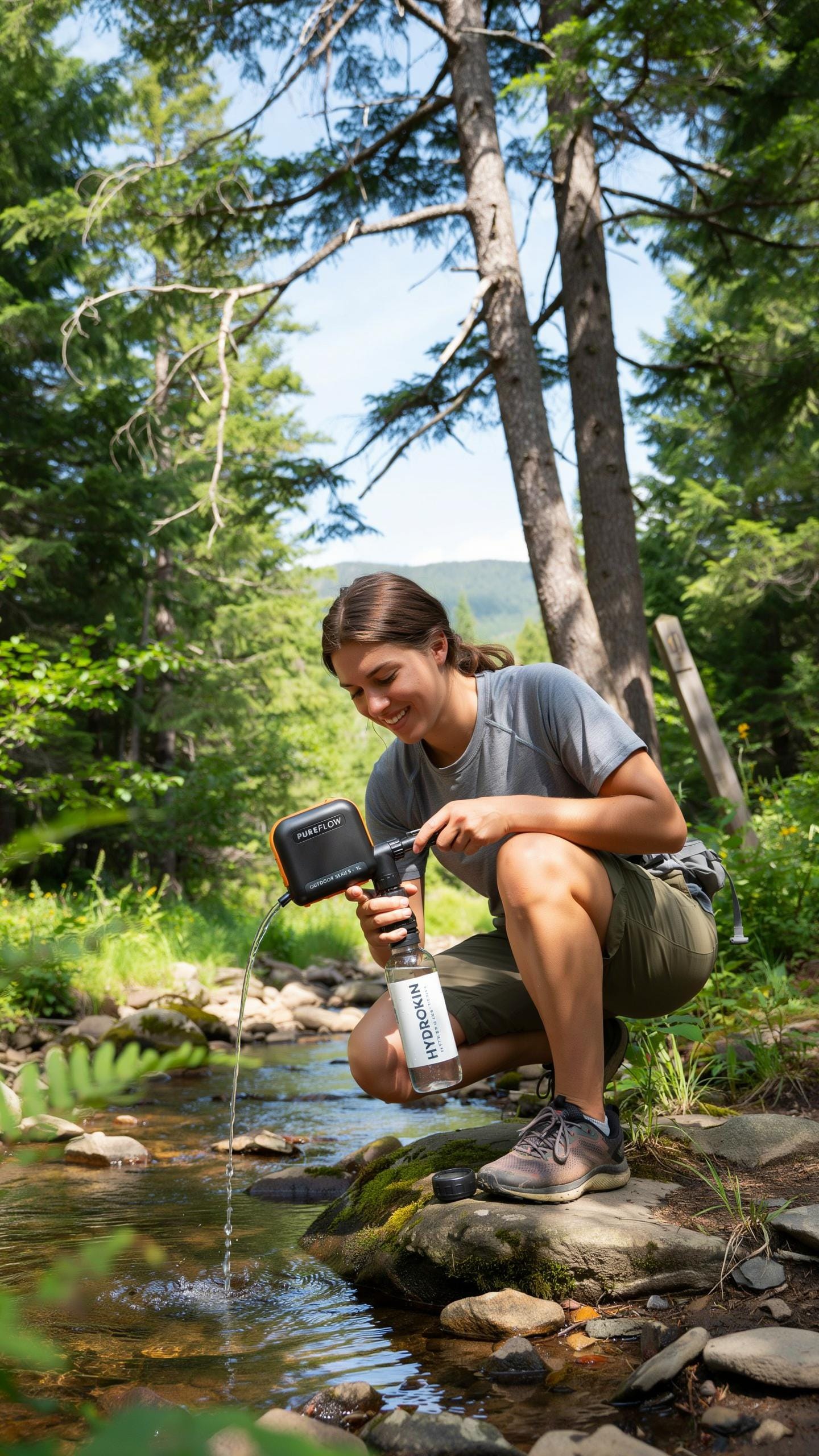
Step By Step Guide To Field Water Purification
Collecting source water starts with finding the cleanest available option. Look for moving water over stagnant sources. Fill your collection container away from the immediate bank to avoid sediment. Pre-filter cloudy water through cloth or a coffee filter before processing through your purification system. This step extends filter life by removing large particles that clog membranes.
- Locate water source: Choose moving water from streams or springs rather than stagnant ponds or lakes when possible.
- Fill collection container: Use a dedicated bottle or bag to gather water without contaminating it with your hands or pack.
- Pre-filter sediment: Pour water through cloth or fine mesh to remove visible particles before using your filter.
- Follow manufacturer instructions: Operate your specific filter according to its design, whether gravity fed, squeezed, or pump action.
- Store purified water: Transfer treated water to clean containers and seal them to prevent recontamination during transport.

Operating your filter or purifier depends on its type. Squeeze filters require consistent pressure through the source container. Pump filters need steady hand strokes to move water through the element. Gravity systems work passively but take time. Always read the output rate and volume capacity before relying on it for your trip duration. Know how many liters your filter produces per minute to plan water collection stops.
Best Practices For Filter Care And Longevity
Cleaning your filter immediately after use prevents biofilm growth and keeps pores open. Backflush your filter by running clean water backward through the element according to manufacturer specifications. Most filters backflush in either field conditions or at home. Store your filter dry in a cool location after trips. Never store filters wet or frozen, as this damages the membrane or element structure and reduces effectiveness.
Protecting your filter during transport prevents physical damage and contamination. Keep filters in a padded case or pack compartment away from sharp objects. Avoid dropping or crushing filters under pack weight. Replace filter elements when flow rate slows significantly or after the manufacturer’s recommended usage cycle, typically measured in gallons or liters. Maintain a maintenance log to track when you last cleaned or backflushed your system, ensuring consistent performance across multiple trips.
Integrating A Portable Water Filtration Kit Into Your Backpacking Strategy
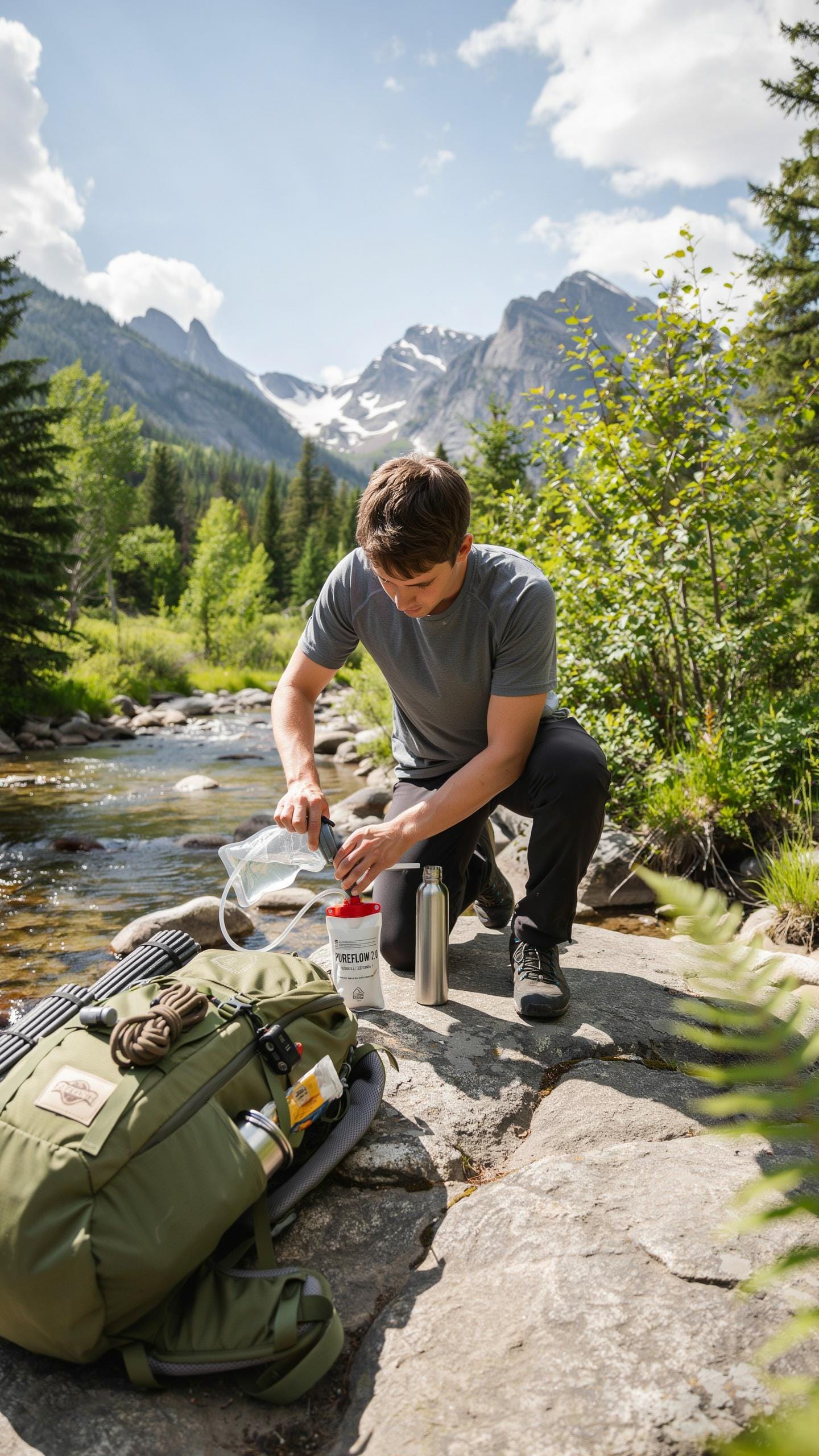
Water Sources On Remote Trails: Identification And Collection
Moving water moves pathogens downstream. Flowing streams and creeks present lower contamination risk than stagnant sources. Collect from the fastest-moving section you can reach safely. Avoid water near animal trails, campsites, or obvious debris. Springs that emerge directly from rock or soil offer the cleanest untreated water in wilderness settings. Always filter or treat collected water regardless of apparent clarity.
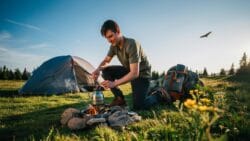
Time your collection strategically. Fill containers during early morning when water flow peaks. Carry collection bags that collapse when empty to save pack space. Use gravity to your advantage by collecting uphill from your campsite. Never collect water directly into your drinking vessel. Use a separate container for raw water collection, then transfer filtered water to your hydration system.
Emergency Preparedness: Redundancy In Your Water Plan
Carry two purification methods minimum on remote trails. If your primary filter fails, your backup keeps you hydrated. Chemical tablets weigh almost nothing and serve as insurance against filter damage. Boiling works everywhere if you have fuel and time, though it consumes resources. Stack methods strategically: primary filter handles most days, backup handles emergencies.
Plan your water intake before you hike. Know reliable water locations on your route and spacing between sources. Calculate consumption needs based on distance, weather, and elevation. Carry extra capacity if the next reliable source exceeds 10 miles. Test your complete filtration system at home before deployment. Field failures teach expensive lessons on remote terrain where resupply is impossible.
Beyond The Basics Advanced Tips For Clean Drinking Water
Pre Filtering Techniques To Extend Filter Life
Start pre-filtering before water enters your main purifier. Larger particles clog cartridges fast, reducing lifespan and flow rate. Use a bandana, coffee filter, or dedicated pre-filter cloth to catch sediment, leaves, and debris. This single step doubles or triples how long your primary filter lasts in the field.
Pre-filtering takes 30 seconds and saves money. Strain water through fabric into a container first, then run it through your portable purifier. Remote trails mean you cannot replace filters easily. Protect your investment by removing what you can before it reaches the cartridge.
Combining Purification Methods For Ultimate Safety
Layering purification methods catches what single systems miss. A filter removes particles and some bacteria, but certain protozoa survive intact. UV treatment kills viruses and bacteria that slip through mechanical filtration. Together, these methods eliminate nearly all waterborne threats you encounter on remote trails.
Use this sequence: filter first, then UV or chemical treatment. Filtering removes particles that block UV light penetration. Chemical tablets or UV pens finish the job by targeting microorganisms the filter did not catch. This approach guarantees safe water when you cannot verify the source or suspect contamination.
Frequently Asked Questions

Why do I need a portable water purifier for backpacking on remote trails?
When venturing onto remote trails, natural water sources can harbor harmful bacteria, viruses, and parasites. A portable water purifier for backpacking ensures access to safe drinking water, preventing illness and keeping you hydrated and healthy throughout your adventure. It’s a crucial piece of safety equipment for any backcountry explorer.
How do I properly use and maintain my portable water purifier for backpacking?
Always follow your purifier’s specific instructions for use and maintenance. Generally, you’ll filter water as directed, then clean and dry the components after each trip. Proper cleaning prevents mold or bacterial growth and extends the lifespan of your portable water purifier for backpacking, ensuring reliable performance when you need it most.
What’s an affordable yet reliable portable water purifier option for a budget-conscious backpacker?
If you’re on a budget, consider personal straw filters or squeeze pouch filters. Brands like Sawyer Mini or Lifestraw offer excellent filtration technology at a lower price point. These options are lightweight, compact, and highly effective at removing contaminants, making safe water accessible without breaking the bank.