
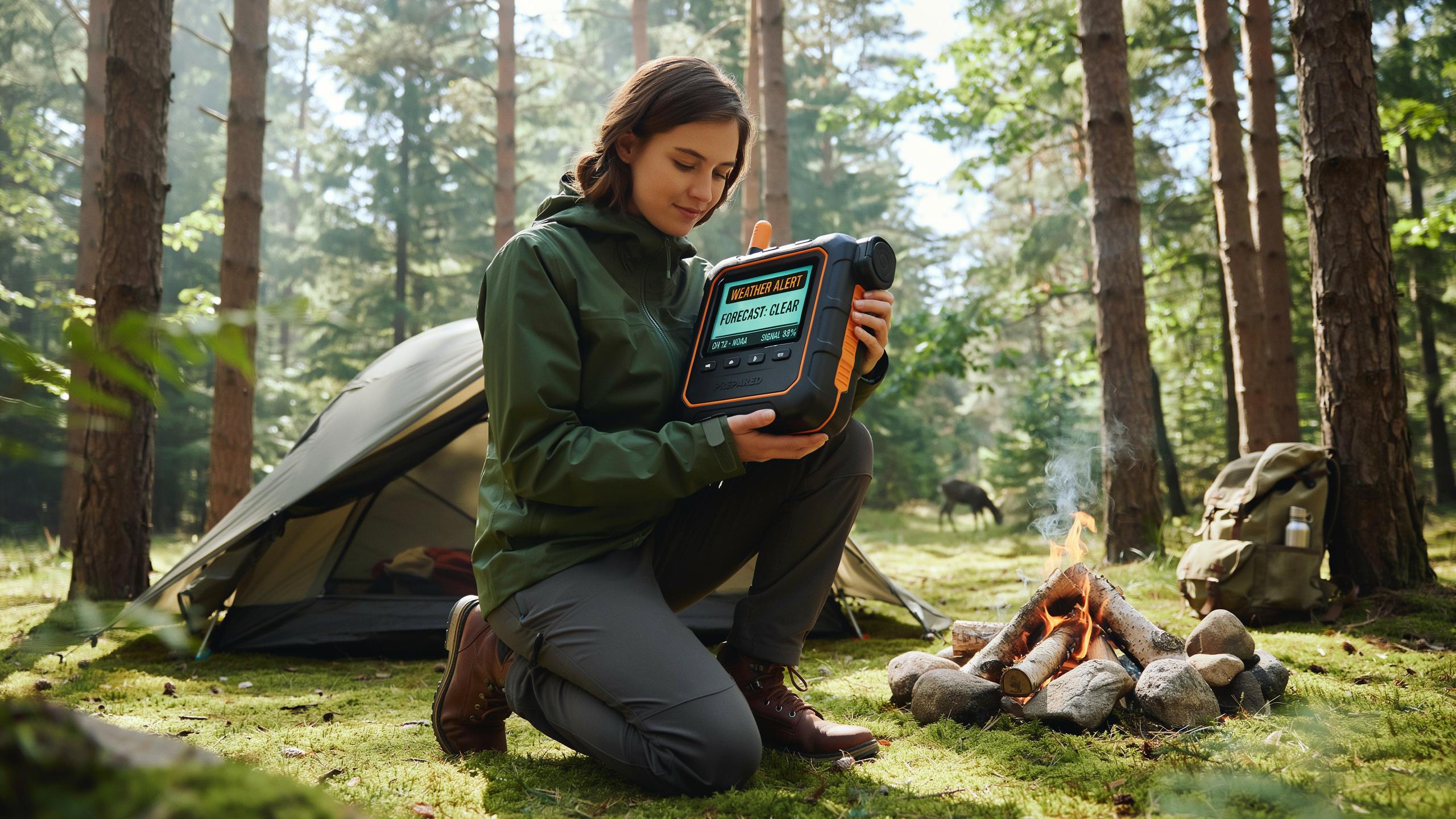
Why An Emergency Weather Radio Is A Camping Essential
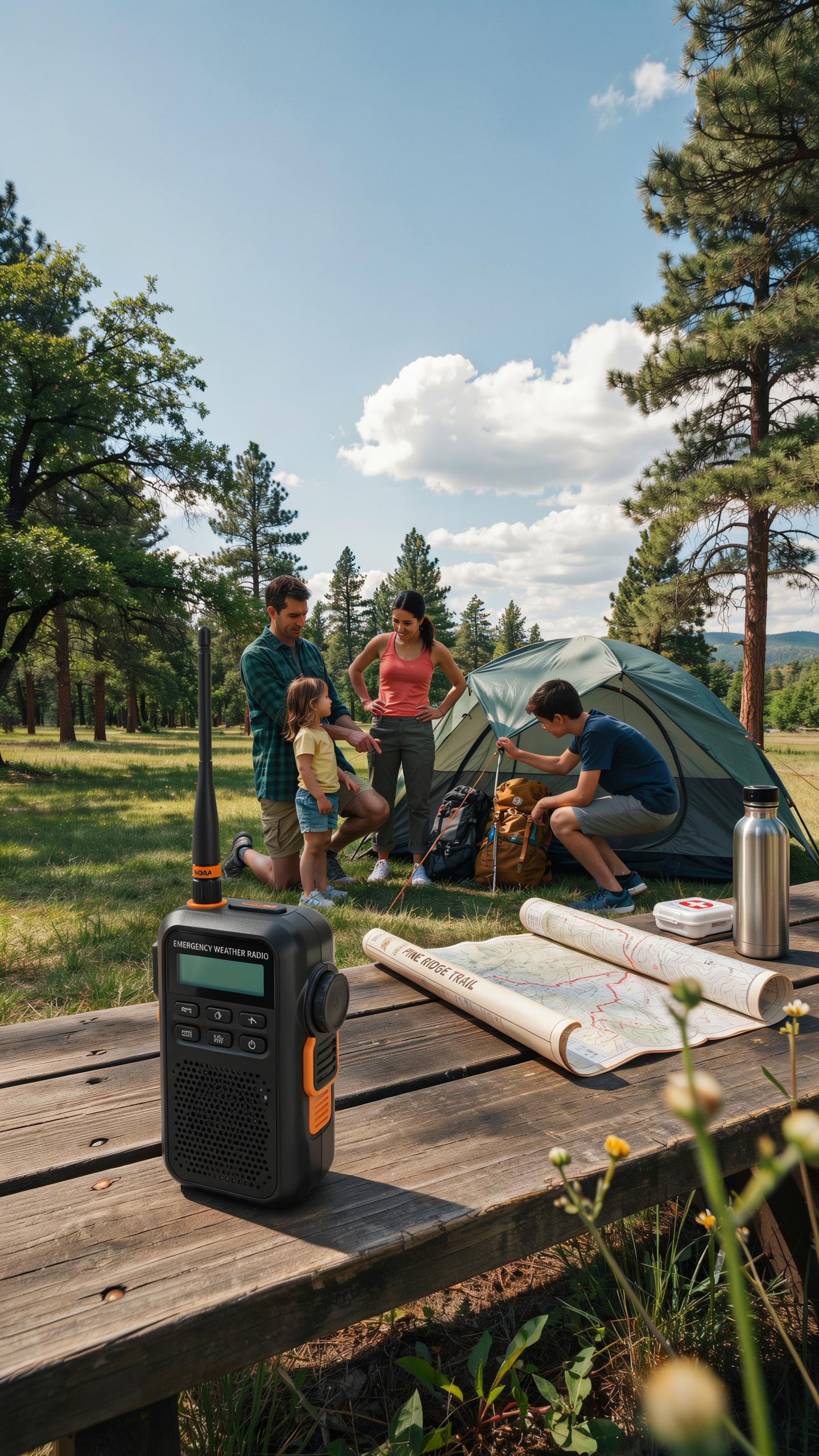
Understanding The Risks Of Remote Camping Without Communication
Camping in remote areas cuts you off from cell networks. Weather changes fast in wilderness zones. You lose real time access to alerts, forecasts, and emergency updates. A sudden storm, flash flood, or temperature drop becomes life threatening when you don’t see it coming. Without warning systems, you make decisions based on incomplete information.
Weather radios solve this problem directly. They receive continuous broadcast signals that work where cells don’t. You get alerts for severe thunderstorms, tornadoes, flash floods, and winter weather. This information reaches you before conditions turn dangerous. Access to current data changes your survival odds dramatically.
The Role Of NOAA Weather Radio In Wilderness Safety
NOAA Weather Radio broadcasts 24/7 from transmitters across the United States. The system covers most populated camping areas and many remote zones. It transmits on frequencies between 162.400 and 162.550 MHz. Receivers pick up these signals without requiring subscriptions, accounts, or internet access. Coverage depends on your location and radio antenna quality, but the network stays operational during widespread outages.
The system alerts you to specific hazards for your area. You receive tornado warnings, severe thunderstorm alerts, flash flood watches, and winter storm information. NOAA adds location specific details that generic weather apps cannot provide. Many camping emergencies stem from weather you didn’t anticipate. A NOAA weather radio gives you the tactical advantage of early warning.

Key Features To Look For In A Portable Emergency Radio
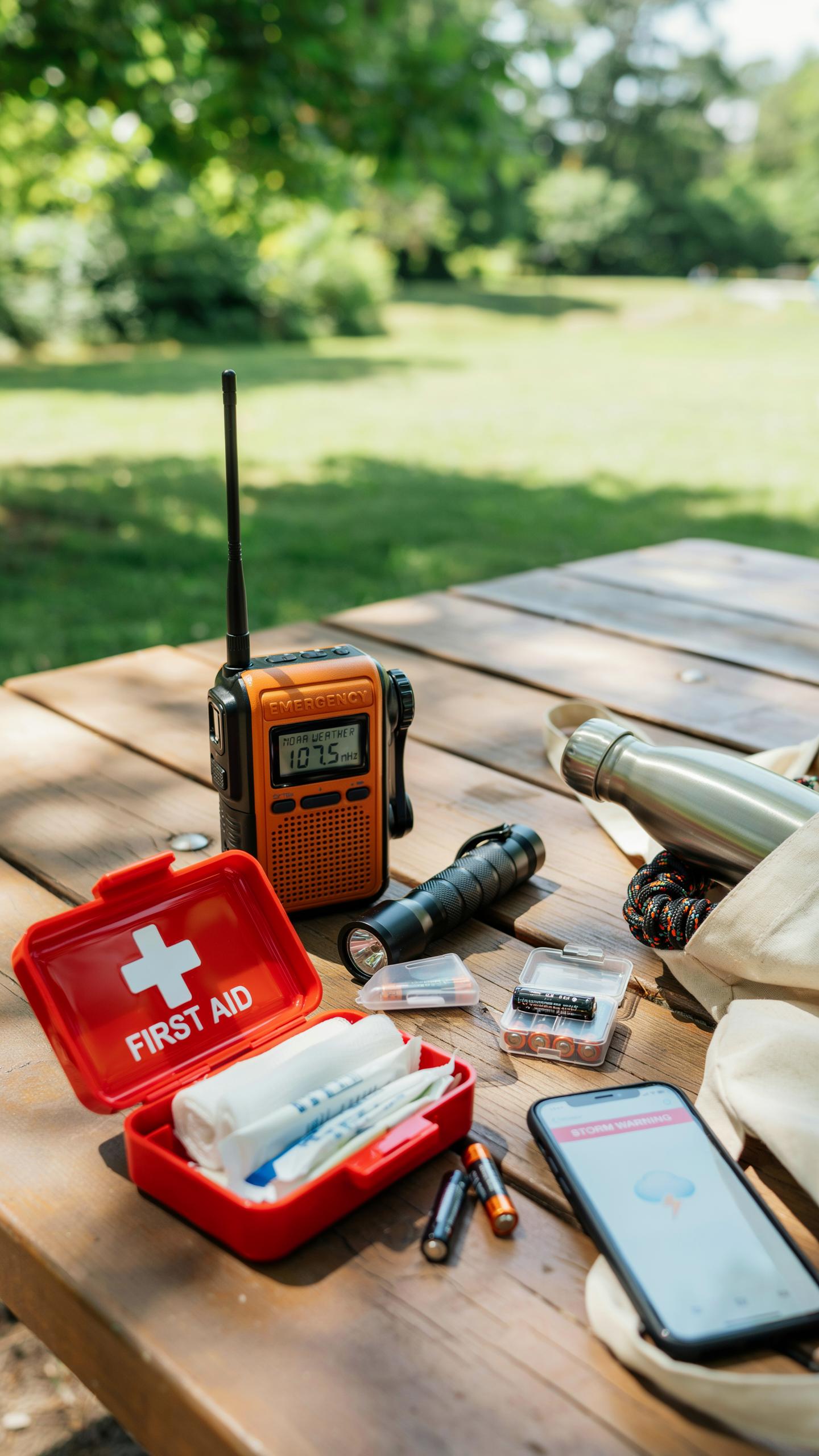
Durability And Water Resistance For The Outdoors
Weather radios must withstand harsh conditions without failing. Look for radios rated IP64 or higher, meaning they resist dust and water spray from all directions. Materials matter. Rubberized exterior coatings protect against drops and impacts. Sealed battery compartments prevent moisture from corroding connections and ruining electronics.
Test ratings tell you what survives in the field. A radio rated for submersion to one meter handles stream crossings and heavy rain. Military-grade construction uses reinforced housing and stainless steel hardware. Your radio sits in a backpack with sweat, dirt, and temperature swings. Pick models designed for these realities, not theoretical camping conditions.
Multiple Power Sources Crank Radio Solar Charging And Batteries
Remote camping cuts you off from wall outlets. Emergency radios need redundant power to stay operational. Crank mechanisms generate power through hand rotation, requiring no external fuel. Solar panels charge internal batteries during daylight hours. Standard alkaline batteries provide backup when other sources fail.

Radios combining all three sources outlast single-power designs in extended backcountry trips. A crank mechanism works in any weather and at any time. Solar panels charge slowly but run free during the day. Batteries drain fastest but provide instant power when needed. Stack these sources together and your radio functions regardless of conditions or how long you stay remote.
NOAA Weather Radio Your Lifeline To Critical Alerts
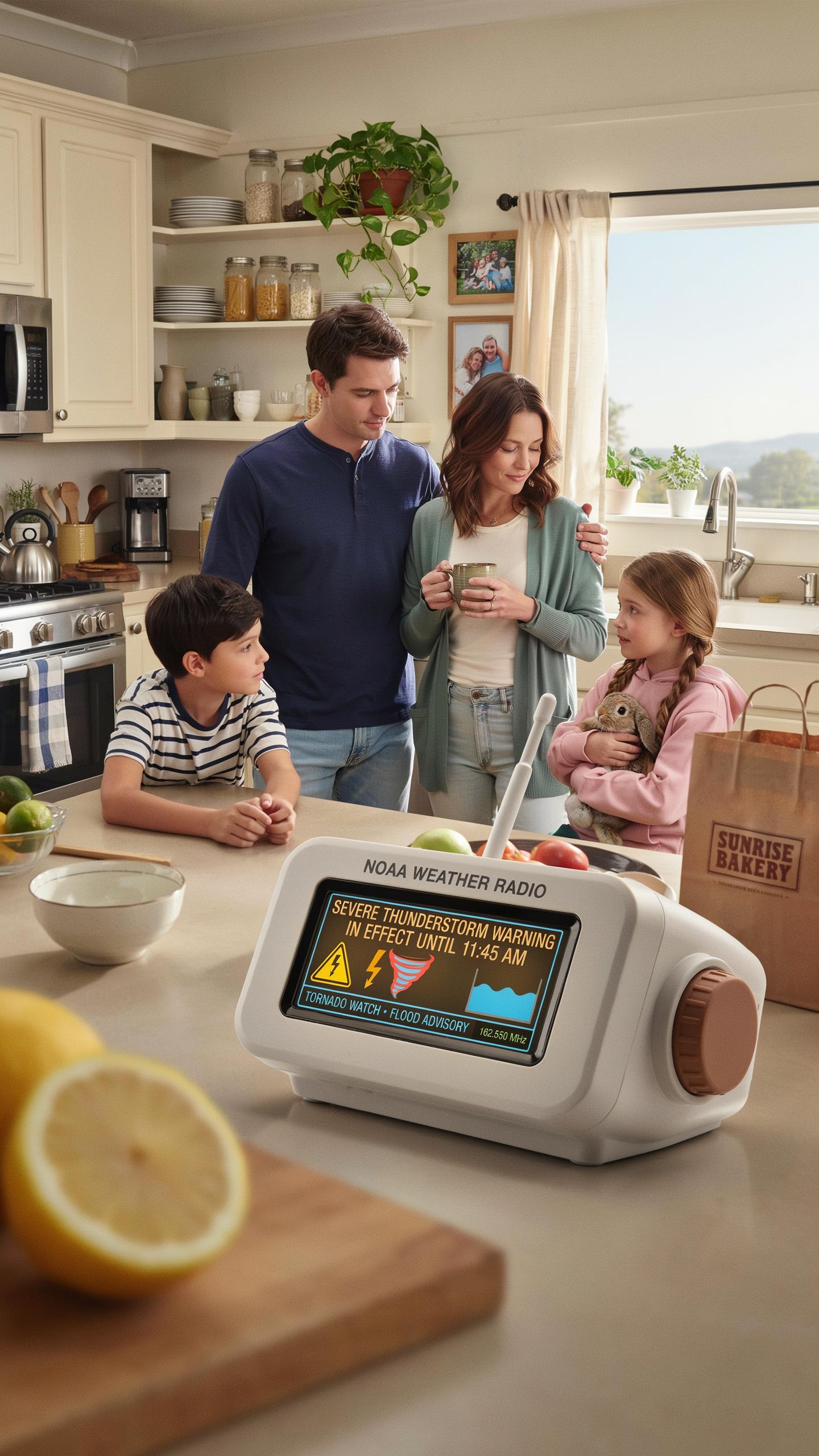
How NOAA Alerts Keep Campers Informed Of Severe Weather
NOAA Weather Radio broadcasts alerts directly from the National Weather Service. These stations transmit continuous weather data and emergency information 24/7 on specific frequencies. Campers receive real-time warnings about thunderstorms, flash floods, high winds, and other threats before conditions deteriorate.
A NOAA weather radio with alert capability activates automatically when the National Weather Service issues warnings for your location. The radio decodes the alert signal and sounds an alarm, waking you even in remote areas. This early warning gives you critical time to seek shelter or take protective action before severe weather arrives.
Understanding SAME Technology For Localized Warnings
SAME stands for Specific Area Message Encoding. This technology allows NOAA radios to receive only alerts relevant to your exact geographic location. The radio stores your county codes and ignores alerts from other regions, eliminating false alarms during your camping trip.

When you program SAME-enabled radios with your camping area’s county codes, the radio filters incoming data automatically. You receive warnings for flash floods, tornado watches, severe thunderstorm alerts, and winter weather specific to where your tent sits. This precision targeting means you act on genuine threats rather than dismissing every alert as irrelevant background noise.
Powering Your Emergency Radio In Remote Areas
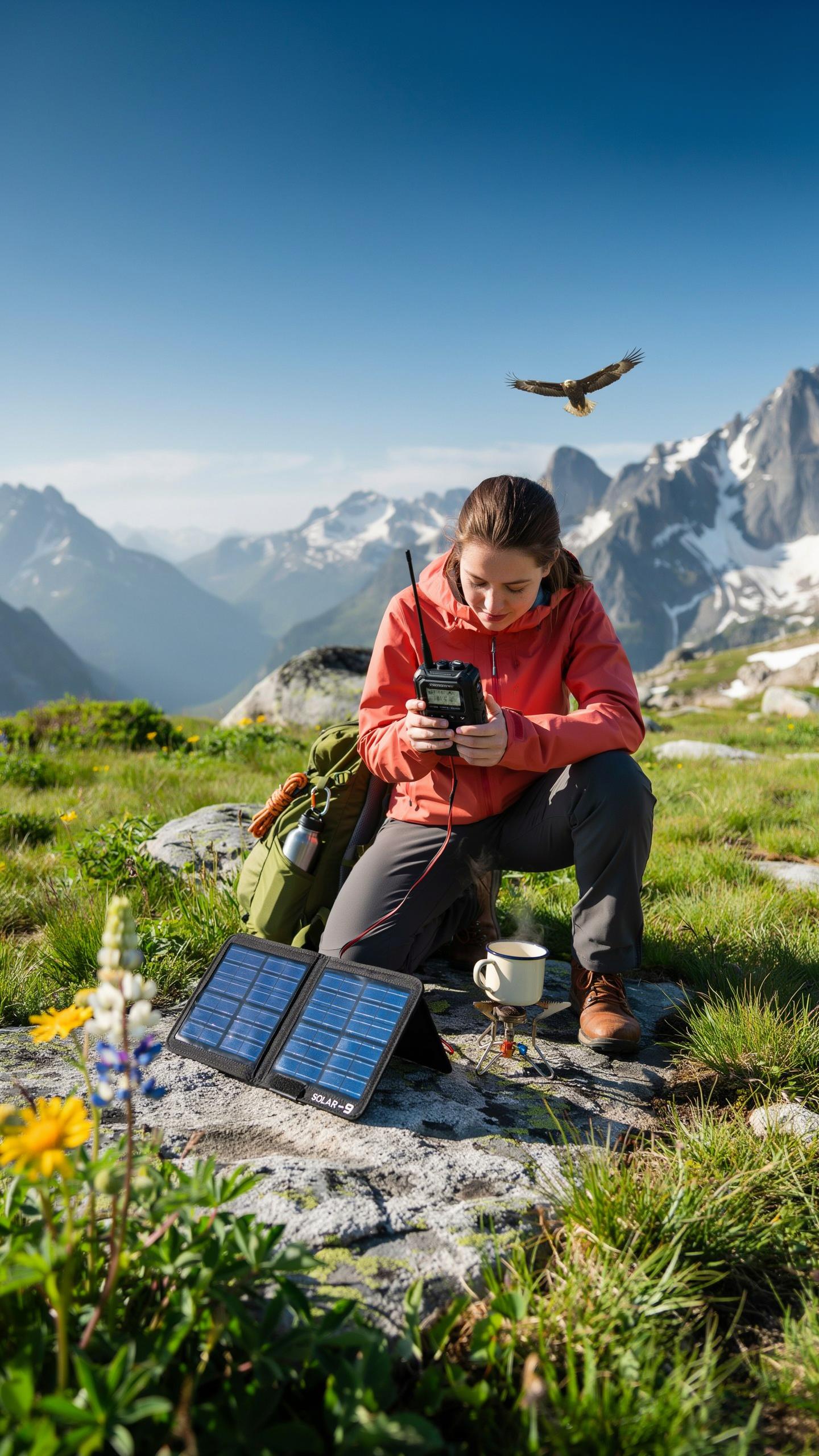
Maximizing Battery Life And Utilizing Solar Charging
Battery life determines how long your radio keeps receiving critical weather data. Standard alkaline batteries drain faster in cold temperatures and high-drain devices. Lithium batteries outperform alkalines in extreme cold and extend runtime by thirty to fifty percent. Carry spare batteries in an insulated container to prevent temperature degradation. Test your radio before departure to establish baseline battery consumption rates under actual operating conditions.
Solar charging extends deployment time without carrying excess weight. Built-in solar panels trickle-charge internal batteries during daylight hours. Panels generate minimal power on overcast days, so they supplement rather than replace batteries. Position the radio to face direct sunlight during the day. Solar functionality works best as a backup system, not a primary power source for extended emergencies.
The Efficiency Of Crank Radio Mechanisms In Emergencies
Hand crank mechanisms generate electricity through manual rotation. One minute of cranking produces enough power for approximately ten to fifteen minutes of radio operation. Crank radios demand no external power sources and function reliably in any climate. The trade-off is physical effort required during fatigue or injury. Crank efficiency varies by design, with sealed bearing systems outperforming cheap mechanisms with friction losses.

Combine cranking with battery power for redundancy in extended emergencies. Crank radio designs store energy in capacitors or rechargeable batteries, so you avoid losing generated power. Rotate the crank at steady, moderate speed rather than rapid bursts for maximum output. Test crank function before trips to identify mechanical issues. In survival scenarios, cranking provides independence from battery depletion and keeps you receiving emergency broadcasts when other power sources fail.
Beyond Weather Additional Emergency Radio Features
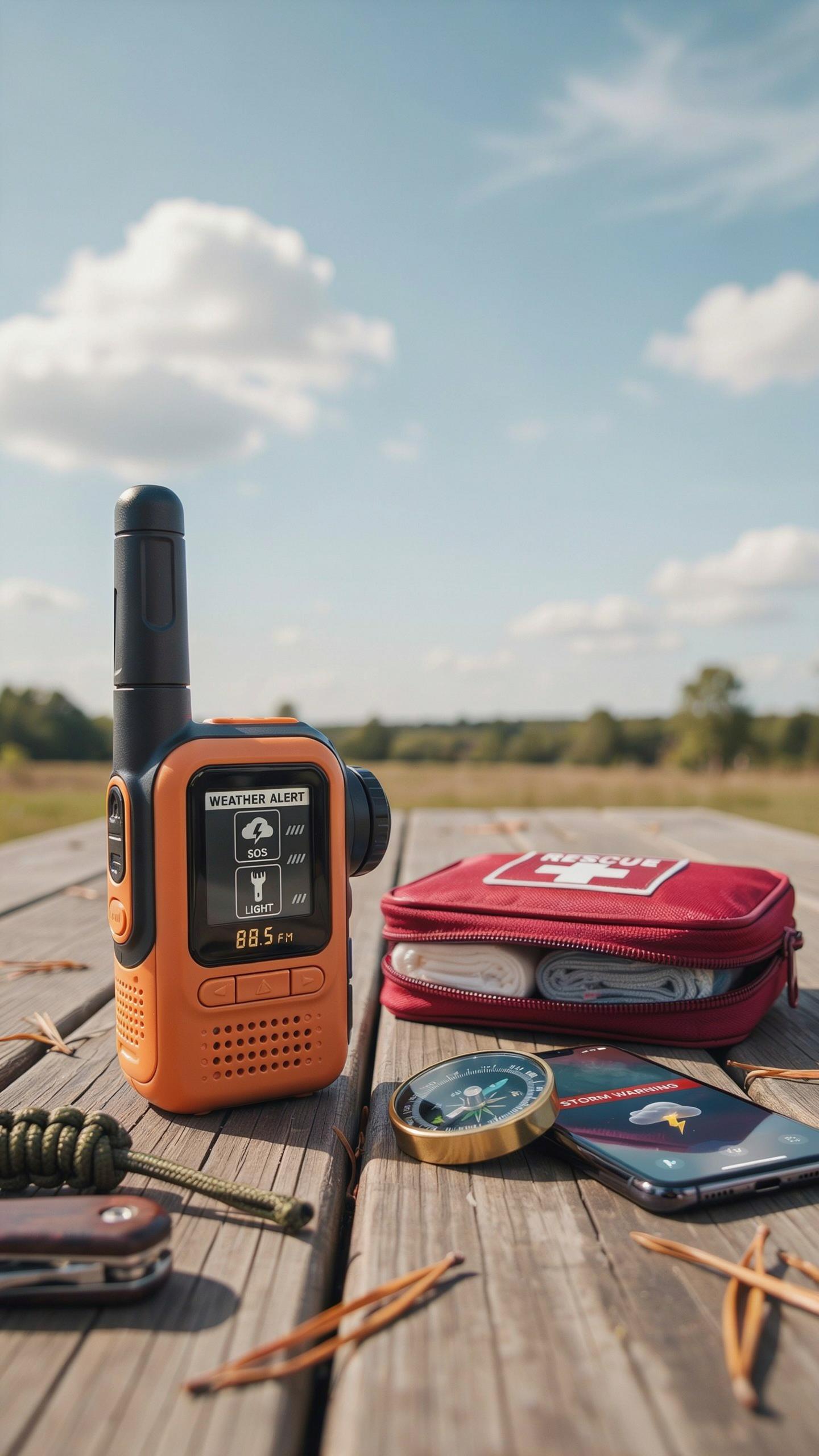
USB Charging For Devices And Built In Flashlights
Most modern emergency weather radios include USB charging ports that output power to phones, tablets, or other devices. This feature matters because your primary communication tools drain battery faster under stress. You charge the radio through solar panels, hand cranks, or wall outlets, then use stored power to keep your phone alive. The radio becomes a backup power bank when grid access disappears.
Built in flashlights serve dual purposes on emergency radios. They provide illumination during nighttime emergencies without requiring separate batteries or equipment. LED flashlights on these units consume minimal power compared to traditional incandescent bulbs, extending both flashlight runtime and radio operation time. Mount the radio where the light reaches your workspace effectively.
SOS Alarms And Other Safety Functions
SOS alarms emit loud sounds that signal distress to nearby people or rescue teams. When you activate this function, the radio produces consistent noise patterns that carry across terrain and through obstacles. The alarm runs independently from weather monitoring, so you can trigger it manually during non weather emergencies like injuries or equipment failure. Test your radio’s alarm volume and activation method before heading into remote areas.

Additional safety functions on emergency radios include alert repetition, vibration modes, and tone customization. Some models automatically repeat warnings until you acknowledge them, ensuring you never miss critical information. Vibration modes preserve battery life in situations where audible alerts attract unwanted attention. These layered functions transform the radio from a passive information receiver into an active safety tool under multiple emergency scenarios.
Choosing The Best Radios For Emergency Situations In USA
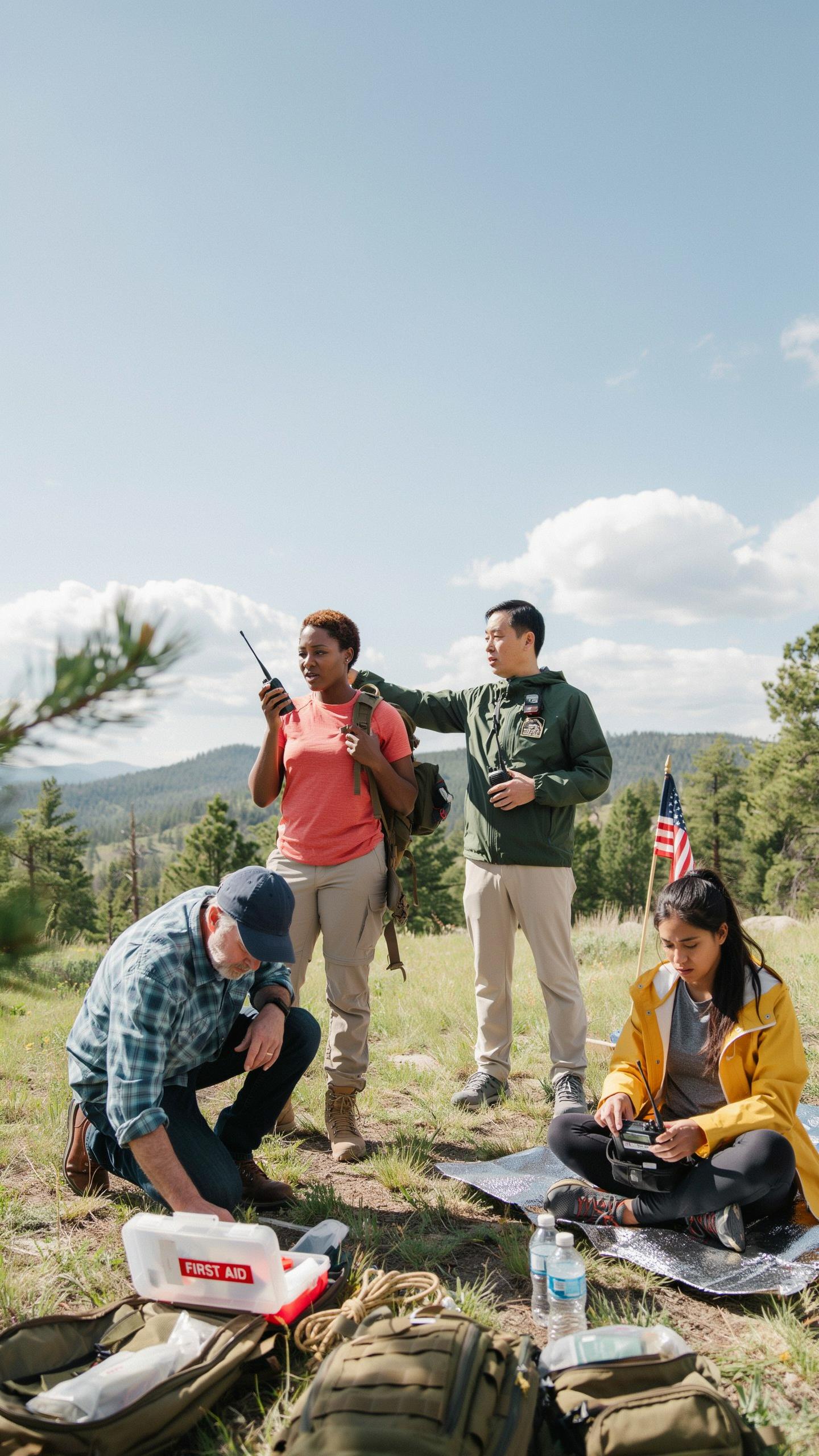
Top Rated Portable Emergency Radio Models For Campers
Emergency radios for campers fall into distinct categories based on power source and alert capability. NOAA Weather Radio receivers pick up National Weather Service broadcasts across the US. Hand-crank and battery powered models provide backup when grid power fails. Dual-power systems combine solar panels with battery reserves for sustained operation in remote camps.
- Midland WR400: Includes NOAA alerts, AM/FM reception, and USB charging capability. Compact size fits standard backpack compartments. Battery life extends 12 hours on four AA batteries. Alert function activates automatically when severe weather warnings issue for your region.
- Eton FRX5: Hand-crank generator powers the unit without batteries. Flashlight and reading lamp included. Covers NOAA frequencies plus AM/FM bands. Stores in survival kits due to rugged construction and compact design.
- Sangean MMR 88: Solar panel charges internal battery during daylight hours. Covers all standard weather and commercial frequencies. Weight remains under one pound. Weatherproof housing handles rain and temperature fluctuations common in backcountry camps.
- Kaito KA500L: Combines hand-crank, solar, and AA battery power sources. Includes emergency alarm function and LED flashlight. Receives NOAA alerts across all US regions. Rubberized exterior provides grip during wet conditions.
- Grundig FR200: Portable frame antenna improves signal strength in valleys and forest cover. AM/FM and NOAA weather bands included. Battery compartment accepts common alkaline types. Waterproof rating handles submersion up to one meter.
Model selection depends on your trip duration and camp location. Multi-power options eliminate reliance on battery type availability. Test any radio before departure to confirm local reception quality at your planned campsite.
Factors Influencing Range And Reception In Remote Locales
Topography directly controls signal reach in mountain and canyon environments. Valleys block or weaken radio waves, creating dead zones where NOAA transmitters become unreachable. Higher elevations improve reception significantly. Dense tree cover in forests attenuates frequencies, particularly above 400 MHz. Metal structures near your camp location interfere with incoming signals unpredictably.
Radio frequency characteristics determine how far signals travel through terrain obstacles. NOAA frequencies operate in the VHF band between 162.4 and 162.55 MHz. VHF signals travel line of sight, meaning physical barriers block transmission completely. Antenna design and orientation affect practical range by 20 to 40 percent in real conditions. External antennas outperform internal designs substantially when set perpendicular to the ground.
Integrating Your Emergency Radio With Other Camping Essentials
Building a Complete Survival Kit Around Your Radio
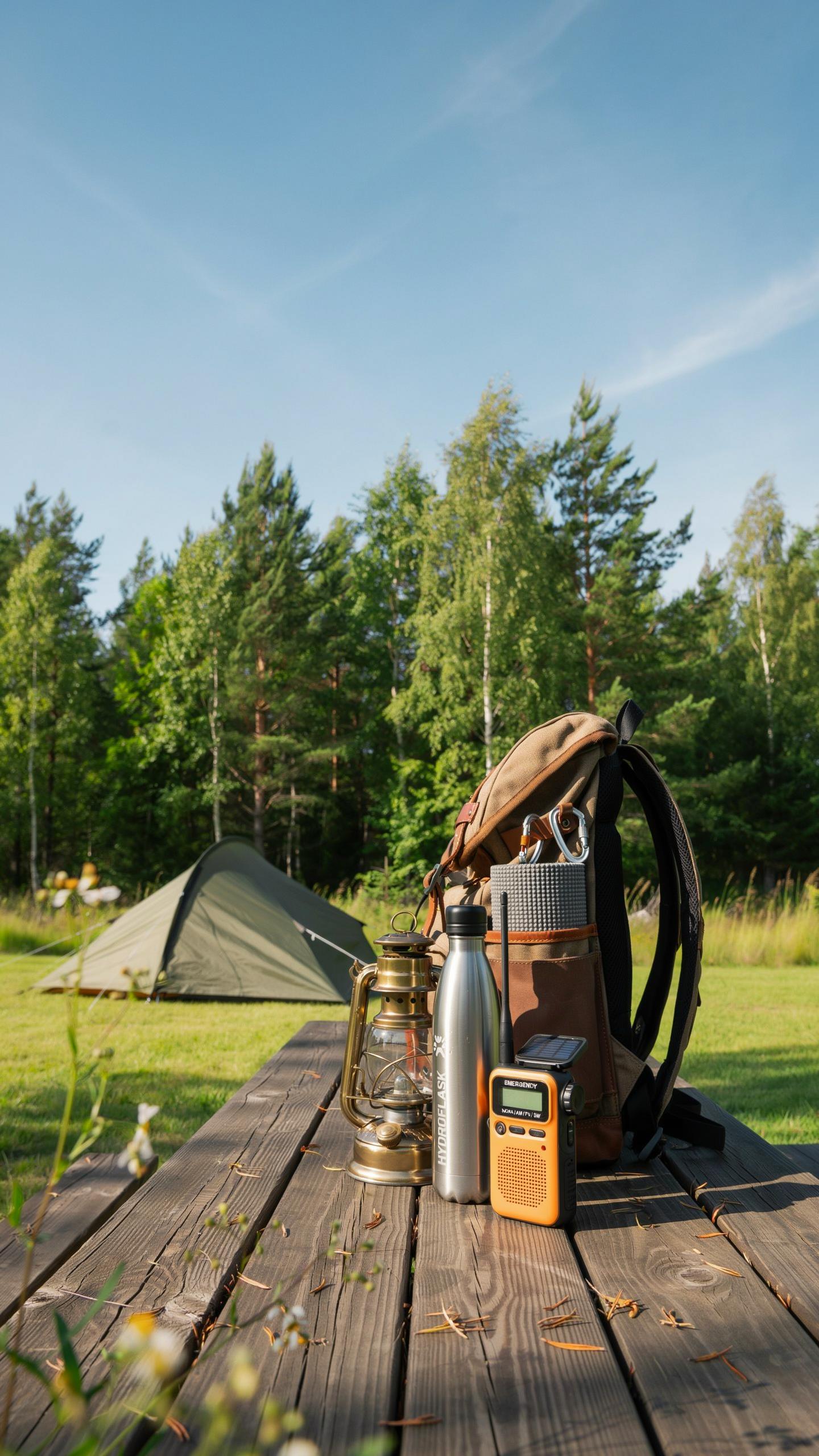
An emergency weather radio works best as part of a larger survival system, not alone. Your kit needs water, shelter, first aid, and navigation tools alongside the radio. The radio alerts you to danger. Other gear keeps you alive while you respond to that alert. Think of the radio as your early warning system and everything else as your response toolkit.
Build your kit around the specific terrain and season of your trip. Desert camping requires different priorities than mountain trips. Winter demands more insulation and heat sources. Spring and fall bring flash flood risks in certain regions. Your emergency weather radio tells you what’s coming. The rest of your gear determines whether you survive it.
In the quiet heart of the wilderness, a tiny radio’s voice can become the most comforting melody, whispering tales of distant weather and keeping us safe, just like an old friend’s familiar hum. It’s a reminder that even when far from the well-trod path, we are always connected to the world’s gentle rhythm.
Testing and Packing Spare Batteries
Your emergency weather radio needs battery power to function during critical moments. Test all batteries before departure. Bring spares that match your radio’s power requirements, whether AA, AAA, or proprietary cells.
- Battery testing: Verify batteries work by powering on the radio and checking signal reception for at least two minutes before the trip starts.
- Water protection: Inspect seals and gaskets on your radio for cracks or gaps that could allow moisture inside during rain or river crossings.
- Frequency verification: Confirm your radio receives NOAA Weather Radio All Hazards broadcasts on the correct frequencies for your camping region before departure.
- Backup power: Include a hand crank or solar charging option if your trip exceeds three days or takes you beyond regular resupply opportunities.
- First aid integration: Store your radio near medical supplies so you can access both quickly if weather forces an injury response decision.

Pack your emergency weather radio in a waterproof case or dry bag. Keep it accessible but protected from drops and crushing weight. Never bury it at the bottom of your pack where you cannot reach it quickly when alerts sound.
Preparing For A Power Outage While Camping

Hand Crank and Solar Powered Radios for Power Outages
When you lose power at a remote campsite, your weather radio becomes your lifeline. Hand crank models generate electricity without batteries or external power. Solar powered units charge during daylight hours. These radios access NOAA Weather Radio All Hazards broadcasts, which transmit continuously regardless of commercial power status. Your radio receives alerts about severe thunderstorms, flash floods, high winds, and other hazards affecting your location.
Position your radio where it captures the strongest signal, typically away from dense tree cover and rock formations. Keep the antenna fully extended and pointed vertically. Test your radio before entering the backcountry to confirm it receives your local NOAA frequency. During an actual outage, activate the alert feature so the radio sounds automatically when warnings broadcast. Monitor your power source regularly, cranking or exposing solar panels to sunlight before emergencies occur.
Establishing a Group Communication Protocol
Establish a communication protocol with your group before departing. Designate one person as the radio monitor during daylight and evening hours. Brief everyone on what specific alerts mean and how you will respond to warnings. Practice activating your radio’s alert function monthly to ensure familiarity. Discuss shelter locations and retreat routes your group will use if severe weather approaches during camp.

Run a full emergency drill at least once per year at your regular camping location. Simulate a tornado warning or flash flood alert and execute your planned response. Time how long it takes your group to reach shelter or higher ground. Identify gaps in your plan. Adjust procedures based on what the drill reveals about your actual response capability and communication effectiveness.
Frequently Asked Questions

What exactly is an emergency weather radio for camping and why do I need one for remote trips?
An emergency weather radio for camping is a portable device that receives NOAA Weather Radio alerts and other emergency broadcasts. For remote camping, it’s crucial for real-time weather updates, allowing you to prepare for storms, floods, or other hazards when cell service is nonexistent, ensuring your safety in the wilderness.
How do I choose the right power source for my emergency weather radio?
Look for a radio with multiple charging options rather than relying on a single power source. The best models combine hand-crank generation, solar panels, and standard AA battery backup, so you’re never fully dependent on one method. Hand-crank radios typically deliver 1-2 minutes of runtime per minute of cranking, which is enough for a quick weather update during an emergency. Always test all charging methods before your trip, not just when you first unbox the radio.
What features should I prioritize when shopping for an emergency weather radio?
Prioritize NOAA Weather Radio All Hazards compatibility, since this gives you access to continuous government broadcasts regardless of commercial power status. A built-in flashlight and USB charging port for your phone add real value without much extra bulk. Look for a rugged, water-resistant housing if you’re camping in unpredictable weather, and check the antenna quality, since reception in remote or mountainous terrain depends heavily on it.