
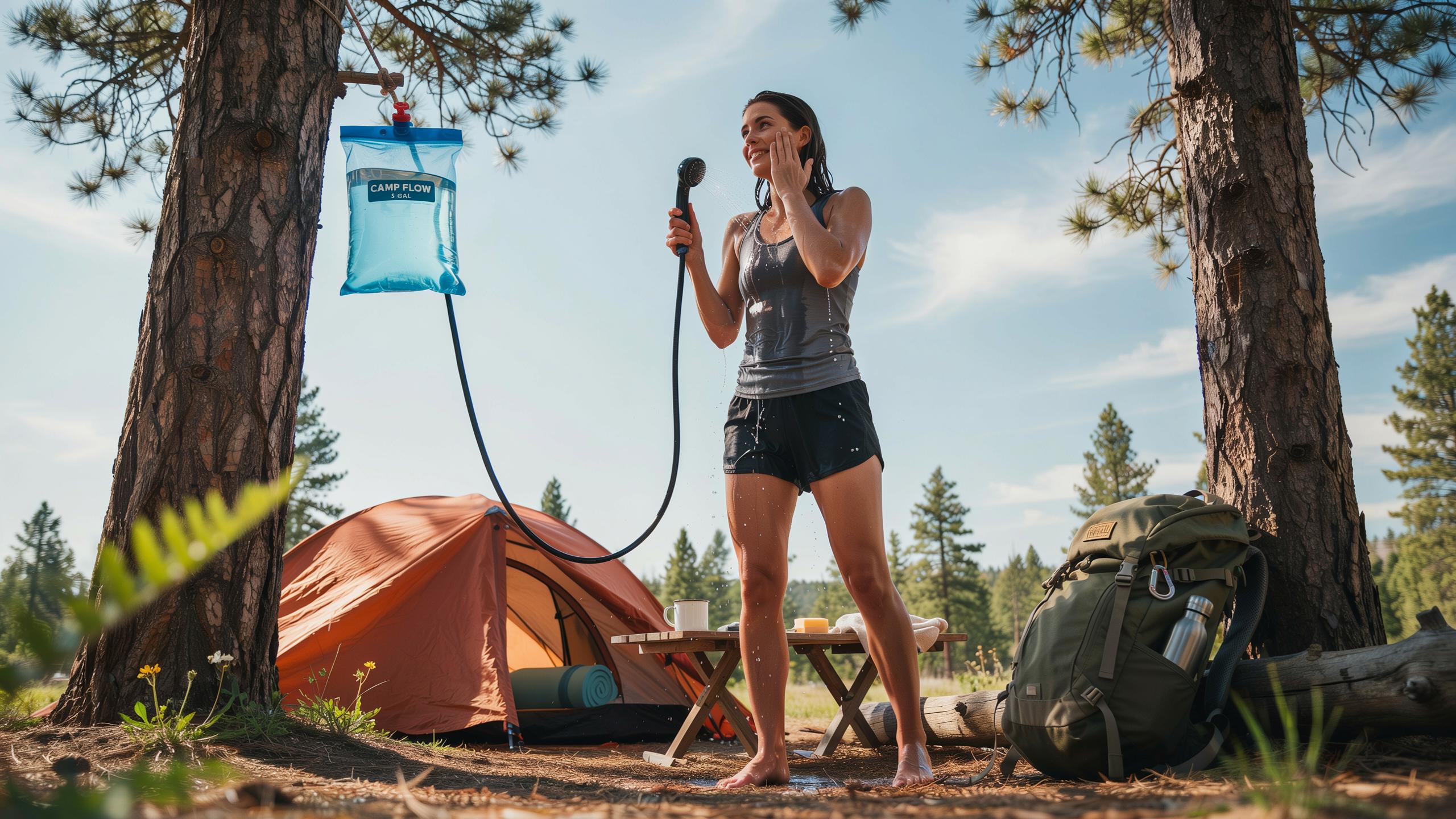
Why A Portable Camping Shower Is Essential For Multi Day Trips

Hygiene Benefits
Camping for multiple days creates real hygiene challenges. Sweat, dirt, and bacteria accumulate on your skin. A portable shower with pump lets you rinse off regularly. This reduces skin irritation, prevents bacterial growth, and lowers infection risk from cuts or abrasions. Clean skin regulates temperature better during sleep. You maintain baseline hygiene standards without access to facilities.
Extended trips mean prolonged exposure to dirt, insects, and environmental contaminants. Regular washing removes these irritants before they cause problems. Showering also removes salt from sweat that can chafe and cause rashes. Clean hair prevents scalp issues from dirt and oil buildup. Basic hygiene directly impacts your physical comfort and prevents minor issues from becoming trip killers.
Comfort Convenience
A shower breaks up the monotony of camping and boosts morale. Warm water on your body provides mental relief after physical activity. The ability to clean yourself restores a sense of normalcy in the wilderness. This psychological reset improves sleep quality and keeps your mind sharper for the next day. Most campers report better rest after washing.
Portable showers save time and energy compared to bathing in lakes or rivers. You control water temperature and pressure. No need to hike to water sources or struggle with makeshift cleanup methods. A shower takes 10 to 20 minutes versus the hour required for alternative methods. This efficiency means more time for actual camping activities rather than hygiene workarounds.

Understanding The Pump In Your Portable Shower System
Types Of Pumps
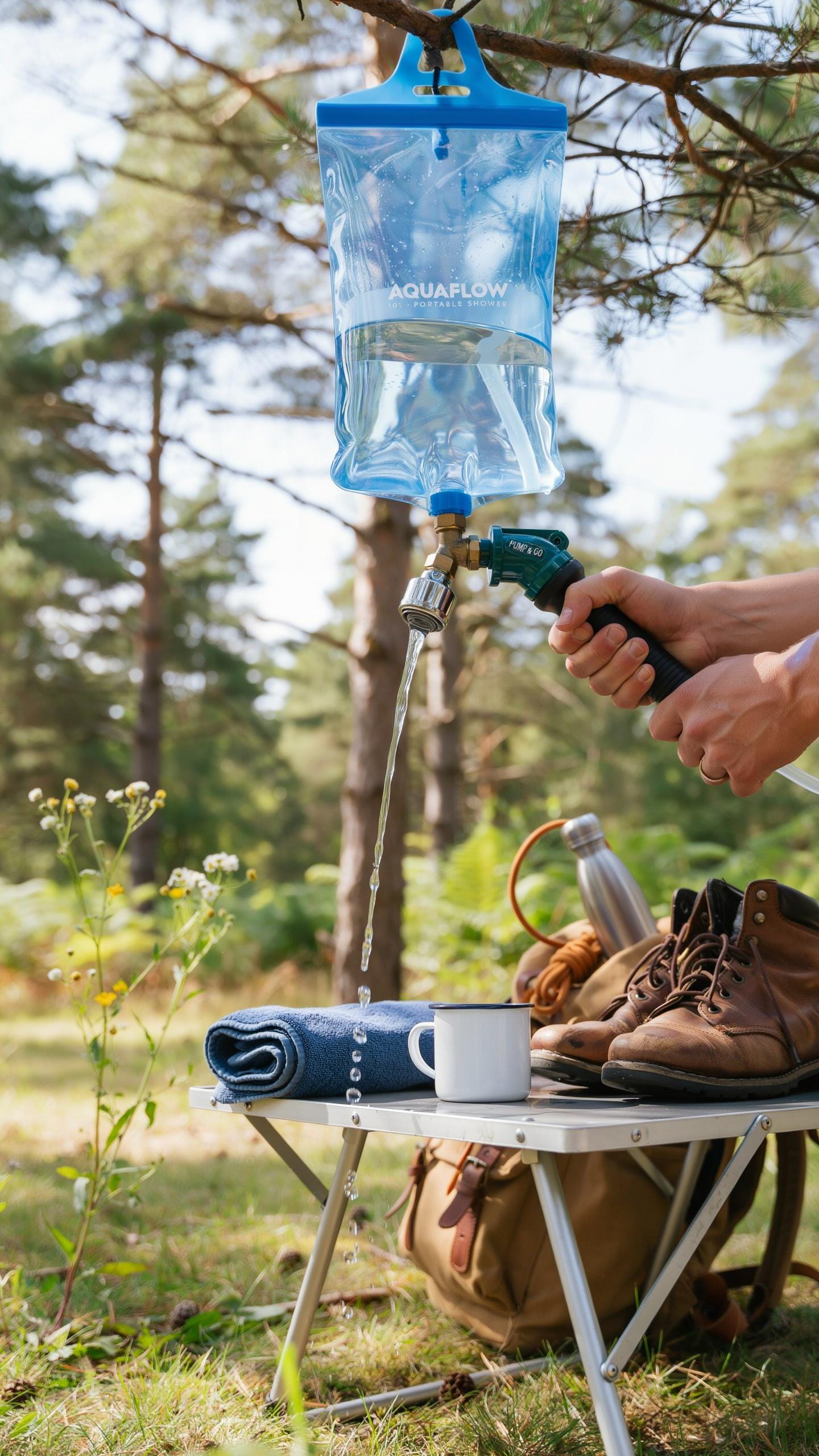
Manual pumps require you to operate them with hand or foot power. You push or pull a handle repeatedly to build pressure and force water out. This method demands physical effort but costs less and never fails due to dead batteries. Manual pumps work reliably in remote locations where electricity is unavailable.
Electric pumps run on batteries or rechargeable power sources. They do the work for you by drawing water from a reservoir and pressurizing it automatically. Most models use AA, AAA, or lithium batteries. Electric pumps reduce fatigue on long trips but depend on battery life and charge status.
Pump Functionality
Pumps create pressure to move water from a storage container through tubing and out a showerhead. Manual pumps compress air or liquid directly to generate this force. The repeated strokes build pressure that pushes water upward against gravity and through the system.

Electric pumps use small motors to spin impellers or create vibrations that move water. These motors draw current from batteries and convert electrical energy into mechanical motion. The pump circulates water continuously as long as power remains available. Pressure consistency depends on battery voltage and motor efficiency.
Key Features To Look For In A Portable Camping Shower Kit
Water Capacity Duration
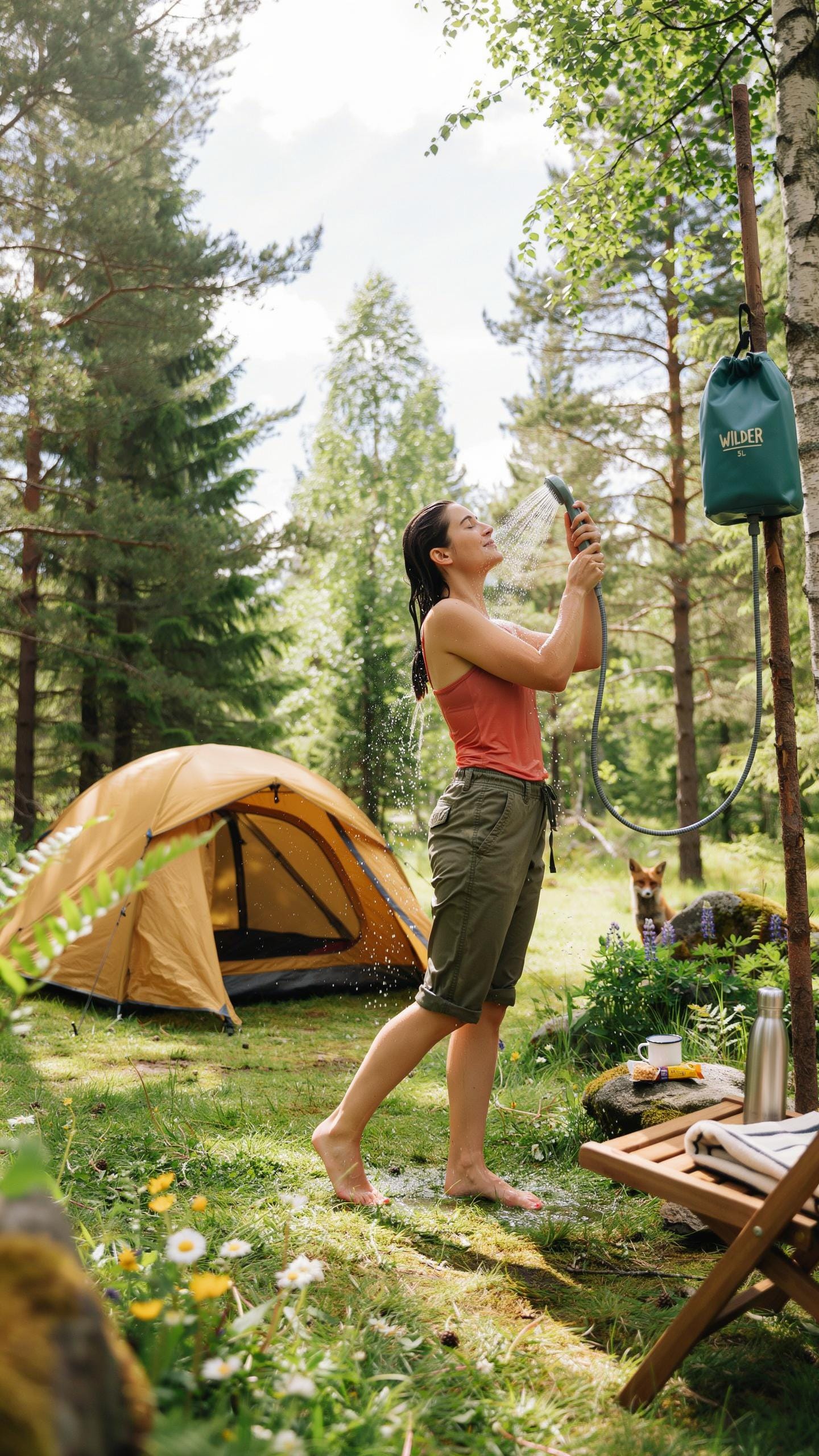
Tank size directly determines how many showers you take before refilling. A 5-gallon tank supports one full shower per person. A 10-gallon tank covers two showers or splits between two people. Calculate daily water needs by multiplying shower count by gallons per shower, typically 2.5 gallons per person. Match capacity to water source availability at your campsite. Remote locations require larger tanks. Car camping allows smaller tanks since you refill easily.
Duration also depends on pump flow rate and nozzle type. Most portable shower pumps deliver 1.5 to 2 gallons per minute. Lower flow rates extend water supply but reduce shower pressure and comfort. Higher flow rates deplete tanks faster. Choose based on trip length and refill frequency. Weekend trips need less capacity than week-long expeditions.
Power Source Options
Battery-powered pumps offer the most flexibility for remote camping. Most use rechargeable lithium-ion batteries lasting 20 to 40 minutes per charge. USB charging ports allow recharging via power banks or car chargers. Manual hand pumps eliminate battery concerns entirely but require physical effort. Solar charging options exist but deliver inconsistent power in cloudy weather.

Electric pump runtime matters when you lack charging infrastructure. A 40-minute charge handles two to three showers depending on flow rate. Bring backup battery packs for multi-day trips without power access. Manual pumps work as emergency backups. Consider trip duration and number of users when selecting power type. Hybrid systems combining manual and electric capability provide insurance against battery failure.
Setting Up Your Portable Shower For Optimal Use
Site Selection Privacy
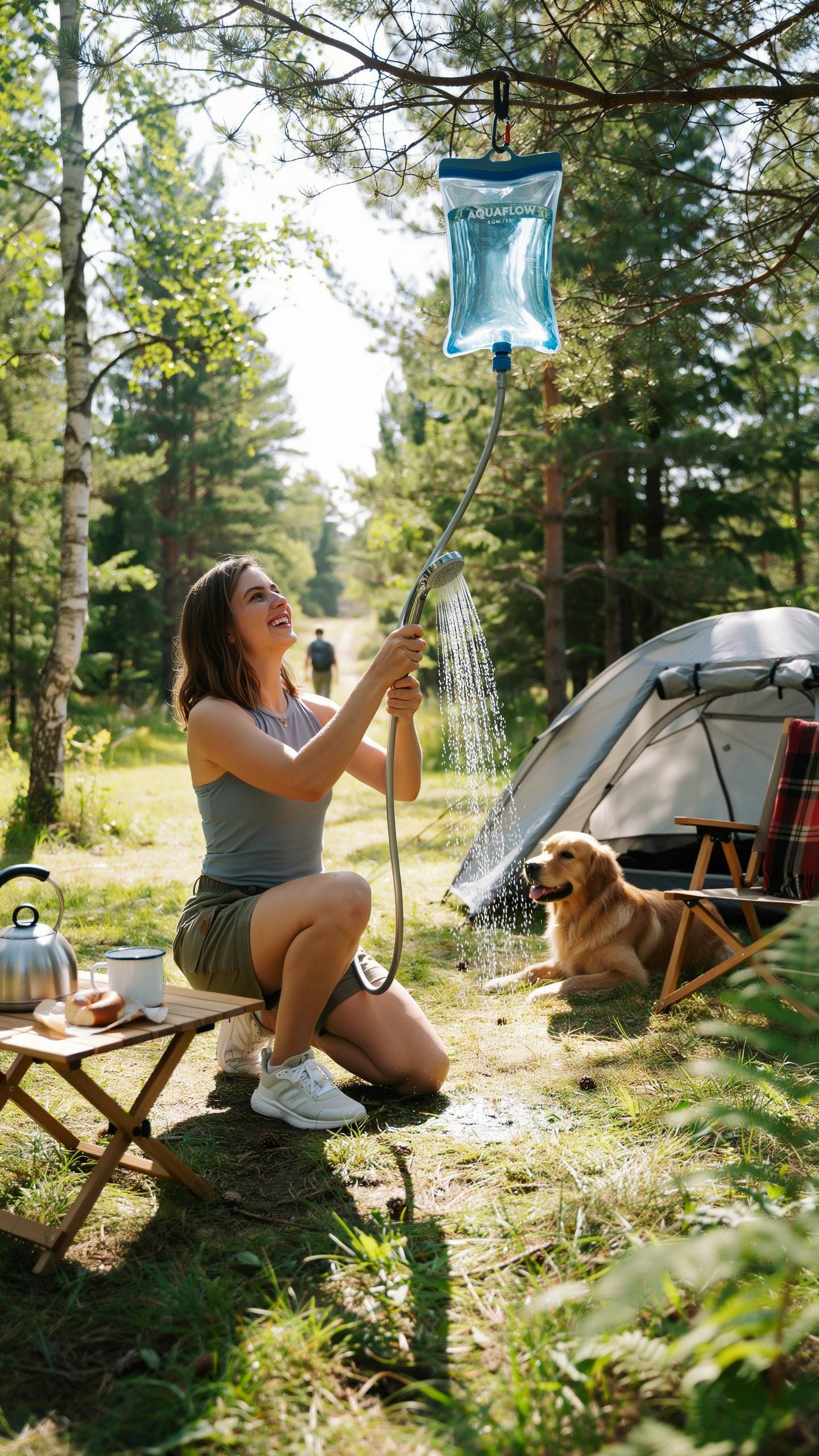
Location matters because water drainage, wind exposure, and sight lines affect your comfort and function. Choose flat ground to prevent water pooling around your feet. Position your shower downwind from your camp to avoid spray blowing toward tents or cooking areas. Check for natural barriers like trees or rock formations that block views from neighboring campsites. Distance your shower at least 200 feet from water sources to prevent contamination when you drain gray water.
Privacy comes from elevation changes and vegetation density. Use existing terrain features rather than building structures that draw attention. Early morning or late evening setup reduces foot traffic near your location. If trees are sparse, a simple privacy screen or lightweight tarp creates a barrier without excessive weight. Scout your site during daylight to identify the best position before you need hot water.
A clean soul in the wilderness feels like a fresh start to every day’s adventure, a simple joy that refreshes more than just the body.
Assembly Tips
Speed comes from organizing parts before you start. Lay out the pump, bag, hose, and nozzle in order of assembly. Read your specific model’s instructions once to understand the sequence. Most pumps attach to the bag opening with a threaded or quick-connect fitting that requires hand tightening only. Fill your water bag first, then connect the pump to avoid air pockets that reduce pressure and flow rate.

Pressure builds as you operate the pump handle. Prime the system by pumping five to ten times before expecting steady water flow. Attach the hose to the pump outlet, then connect your nozzle or showerhead last. Test water temperature by running a small amount over your hand before committing to a full shower. Keep your pump strokes steady and rhythmic to maintain consistent pressure throughout your wash cycle.
Beyond Personal Hygiene Versatile Uses For Your Portable Shower
Washing Dishes Gear
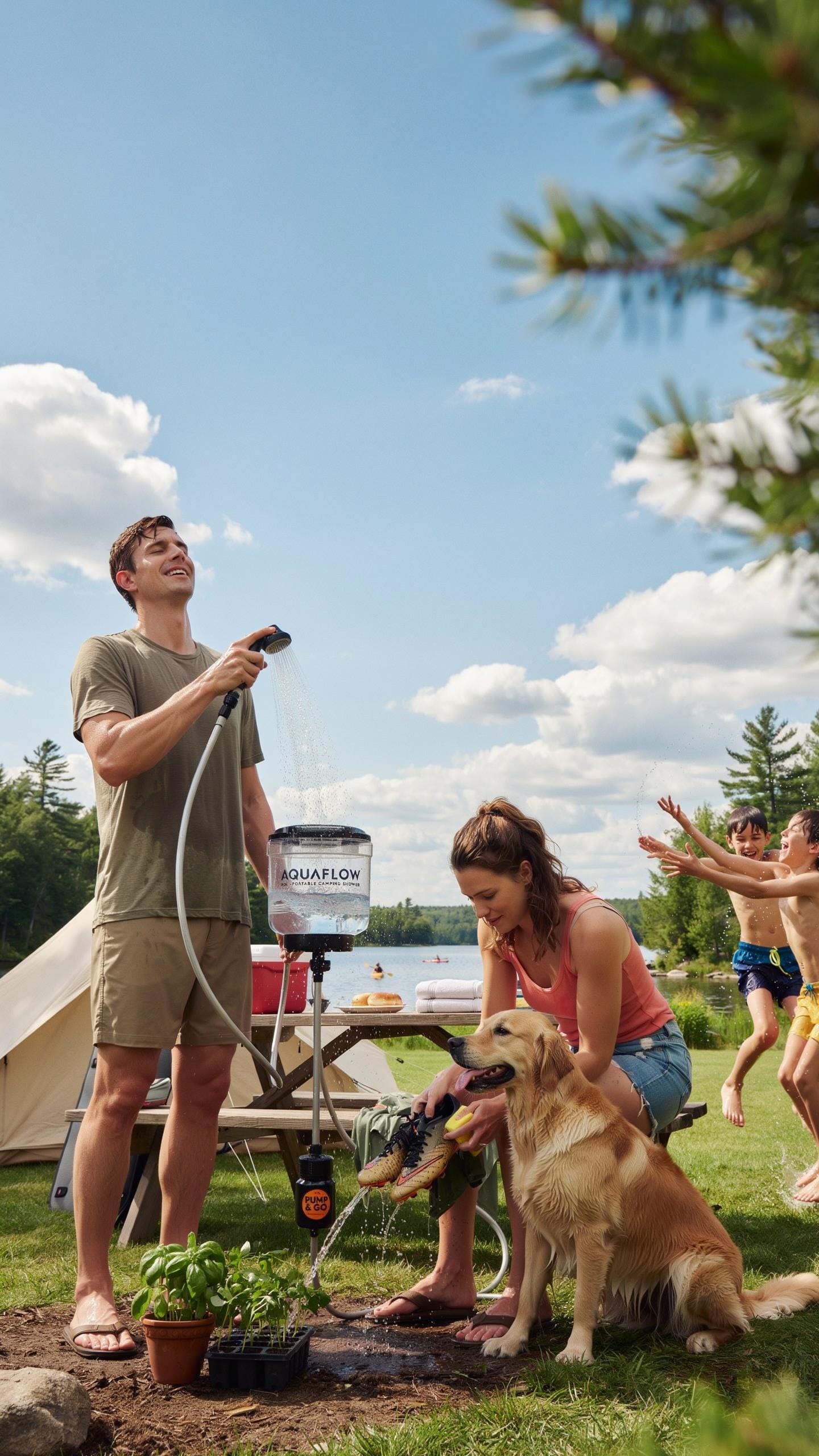
A portable camp shower with pump delivers pressurized water on demand, making it effective for cleaning cookware and utensils. The pump mechanism lets you control flow rate and intensity. You can rinse dishes quickly without wasting water, then use the same system to clean muddy boots, tent floors, or gear before packing out.
The gravity-fed models work during downtime when you refill the reservoir. Pressurized tanks heat faster in sunlight, allowing warm water for washing dishes and scrubbing stuck food. This eliminates the need for separate water carriers or bucket systems. One device handles multiple camp cleaning tasks efficiently.
Pet Cleaning Solutions
Dogs and cats accumulate dirt, debris, and insects during camping trips. A portable shower rinses mud from fur without requiring a stream or lake nearby. Set the pump to low pressure to avoid startling your pet. Quick rinses remove ticks, pollen, and dirt that cause discomfort during multi-day trips.

Warm water from a heated tank makes the process less stressful for animals. Use gentle pressure on sensitive areas like the face and ears. Dry your pet immediately after rinsing to maintain body temperature in cold weather. This approach prevents skin irritation and keeps your camp cleaner by containing wet fur in one location.
Maintaining Your Portable Camping Shower With Pump
Cleaning Storage Best Practices
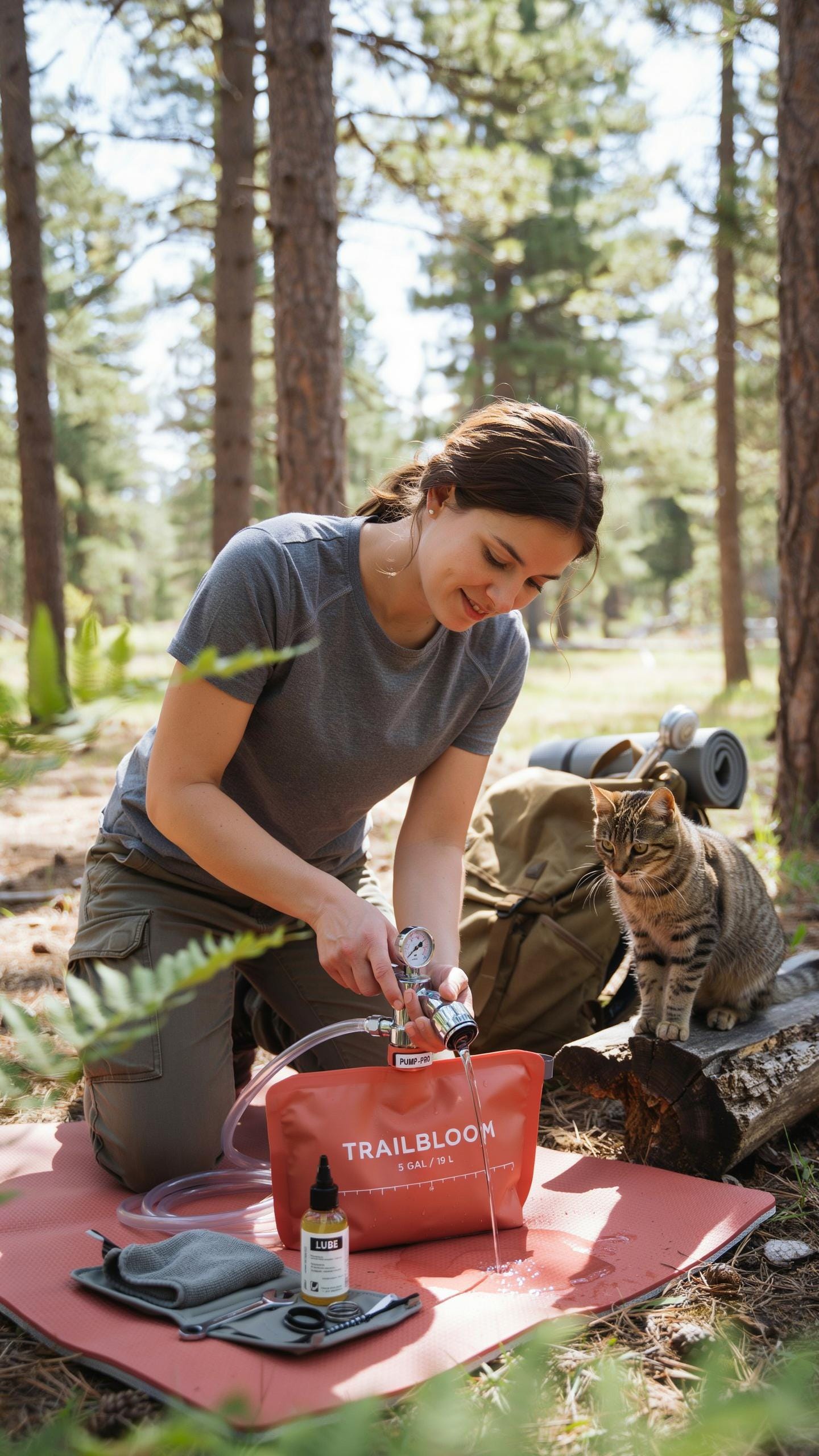
Drain all water from the tank and hose immediately after each use. Water left inside creates conditions for mildew and bacterial growth. Disconnect hoses from the pump and shake out trapped moisture. Store the unit in a cool, dry location away from direct sunlight. UV exposure degrades plastic components and shortens the lifespan of seals and tubing.
Rinse the interior tank with fresh water monthly during storage periods. Use a soft brush to scrub the tank walls if algae appears. Never use bleach on the pump itself, as it corrodes metal parts and seals. Air dry all components completely before reassembling. Store hoses coiled loosely, not kinked, to prevent permanent deformation that restricts water flow.
Troubleshooting Common Issues
Loss of pressure usually points to air leaks in the hose connections. Check all fittings and tighten them by hand first. If pressure remains low, disconnect the hose and test the pump alone against your palm. You should feel steady resistance. Inspect seals inside connection points for cracks or deterioration.

Weak flow without pressure loss typically indicates a clogged intake filter or valve blockage. Remove the intake strainer and rinse it thoroughly under running water. Sediment from standing water clogs these components quickly. If flow remains weak after cleaning, detach the pump head and check internal one-way valves for debris. Mineral deposits from hard water can restrict valve movement, requiring manual cleaning with vinegar and a small brush.
Choosing The Right Portable Camping Shower For Your Needs
Factors To Consider
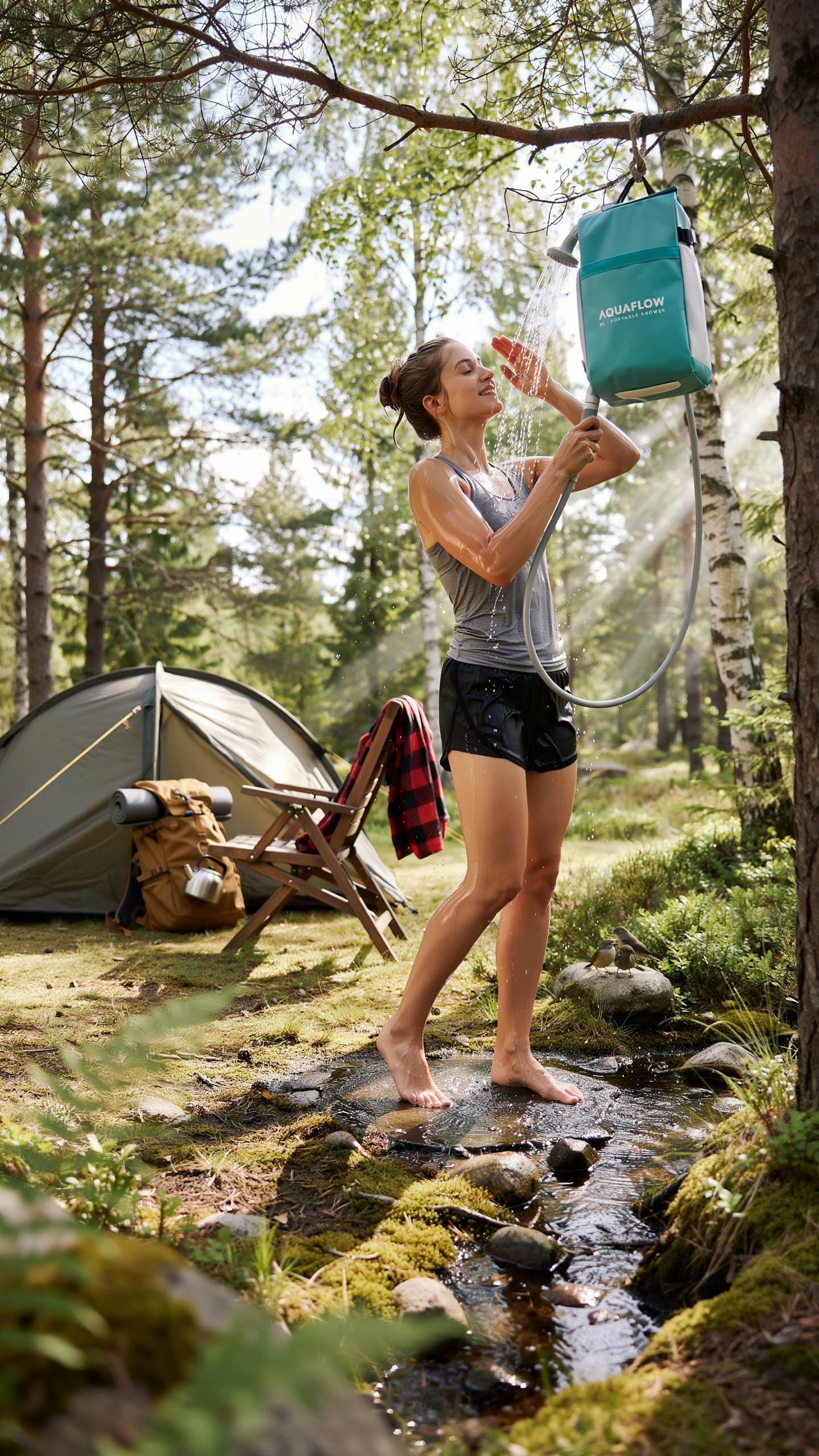
Weight directly impacts your trip. Most portable camp showers range from 1 to 5 pounds. Lighter models use thinner materials and smaller water tanks. Heavier units typically hold more water and generate stronger pressure. Calculate total pack weight before committing to any model.
- Water Capacity: Tank size determines shower duration. Most models hold 2.5 to 5 gallons. Larger tanks require more pack space and weight. Match capacity to your trip length and group size.
- Pump Mechanism: Manual pumps demand physical effort. Battery-powered pumps use AA or rechargeable batteries. Electric pumps deliver consistent pressure but depend on battery life during multi-day trips.
- Water Pressure Output: Measured in PSI, typical ranges span 5 to 40 PSI. Higher PSI creates better spray patterns. Low pressure produces weak flow and wastes water during camping.
- Material Construction: Nylon bags withstand punctures and UV damage. Vinyl breaks down faster in sunlight. Reinforced materials cost more but last multiple seasons.
- Portability Features: Built-in handles simplify transport. Compact designs fit standard backpacks. Collapsible models compress to minimal volume when empty.
Portability means nothing without functional pressure. Test water flow before purchasing. A shower that delivers 15 PSI cleans effectively. Anything below 10 PSI leaves you frustrated and dirty.
Top Brands Models
Coleman produces the camp shower line that dominates the market. Their models use solar heating and manual pump systems. Most Coleman units deliver adequate pressure for basic rinsing. They balance affordability with reliable performance across multiple seasons.

Ivation manufactures pump-driven showers that use rechargeable batteries. Their designs emphasize portability and consistent water pressure. Advanced models include temperature gauges and flow control valves. These showers perform well on multi-day trips with adequate battery management.
Sustainable Practices With Your Portable Camping Shower
Water Conservation Techniques
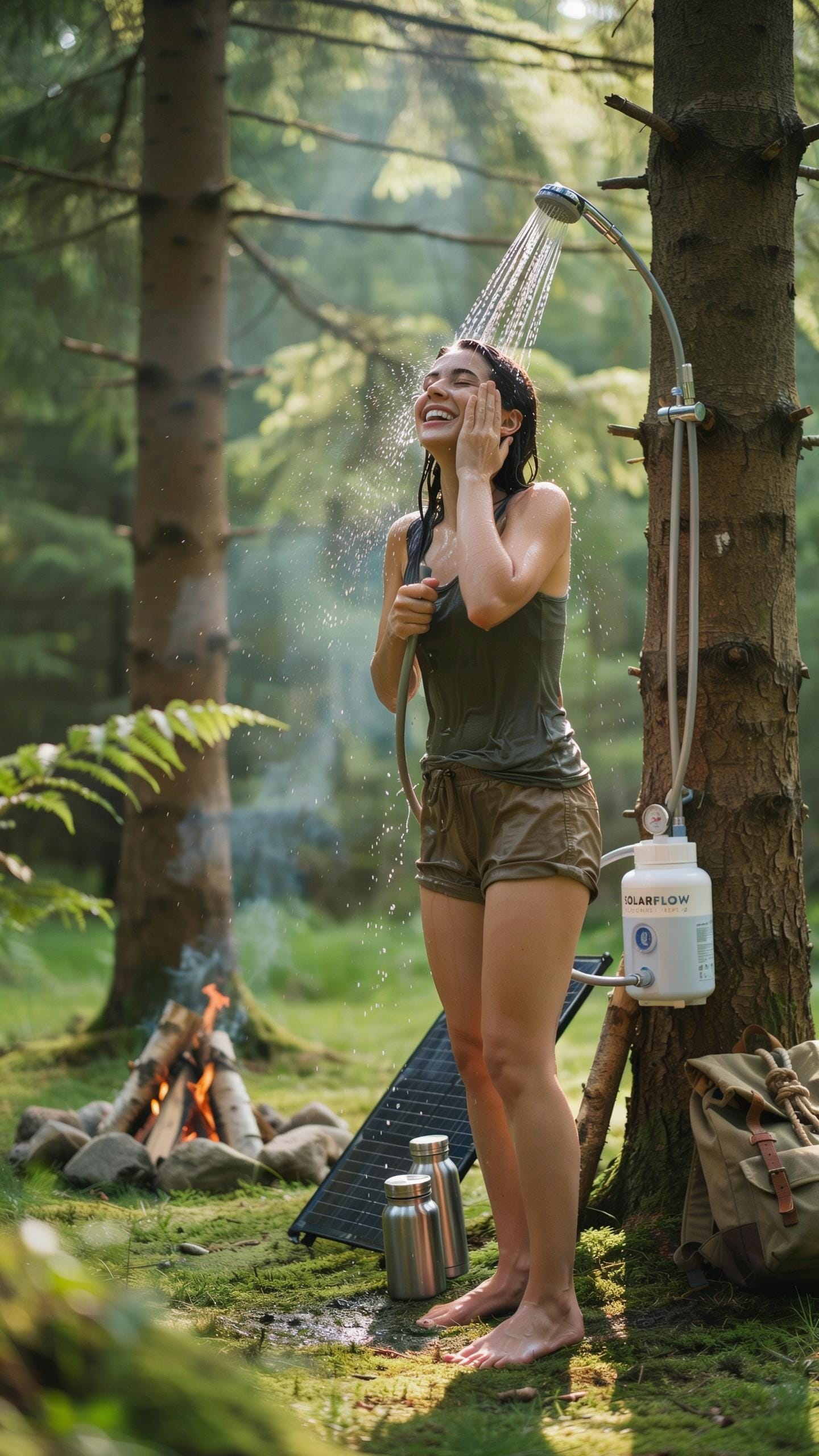
A portable camp shower with pump uses gravity and manual pressure to deliver water. You control the flow rate directly. Start by pre-rinsing with minimal water, then pump soap onto your body. Rinse with targeted water bursts instead of continuous flow. This approach cuts water usage by 60 to 80 percent compared to traditional showers.
Position your shower bag to maximize pressure without opening the valve fully. Use a spray nozzle attachment if your pump includes one. These nozzles restrict flow while maintaining adequate pressure for cleaning. Collect runoff water in a basin beneath you to reuse for rinsing or cleaning camp gear. Strategic water management extends your supply across multiple days without frequent refills.
Biodegradable Products
Biodegradable soaps break down naturally in soil and water within days, not months or years. Standard soaps contain synthetic compounds that persist in ecosystems. Campgrounds and wilderness areas require biodegradable options to prevent contamination. These products work equally well for cleaning skin and gear as conventional soaps do.
Biodegradable soaps accomplish full decomposition through bacterial action in soil. They contain plant-based ingredients instead of synthetic surfactants. Camp retailers stock concentrated versions that reduce weight in your pack. Always apply soap at least 200 feet from water sources, then rinse away from streams and lakes. This separation prevents soap residue from entering natural water supplies directly.
Frequently Asked Questions

What exactly is a portable camp shower with pump, and why would I need one for multi-day trips?
A portable camp shower with pump is a self-contained unit that uses a hand or battery-powered pump to deliver pressurized water for washing. It’s essential for multi-day trips to maintain personal hygiene, feel refreshed, and prevent odor buildup, especially when access to traditional showers is limited.
How do I effectively set up and use a portable camp shower with pump for a comfortable experience?
To set up your portable camp shower with pump, first fill its reservoir with water, ideally warmed in the sun. Then, hang the shower head from a tree branch or tripod. Activate the pump to start the flow. Remember to use biodegradable soap and position yourself away from water sources to avoid contamination.
Are there affordable options for a portable camp shower with pump, or are they all high-end specialized gear?
Absolutely! While high-end options exist, many affordable and effective portable camp shower with pump models are available. You can find basic manual pump versions that are very budget-friendly, or slightly more expensive battery-operated ones, making excellent hygiene accessible for various budgets.