
The Unseen Threat Why Basements Are Prone To Water Leaks
Common Causes Of Basement Water Damage
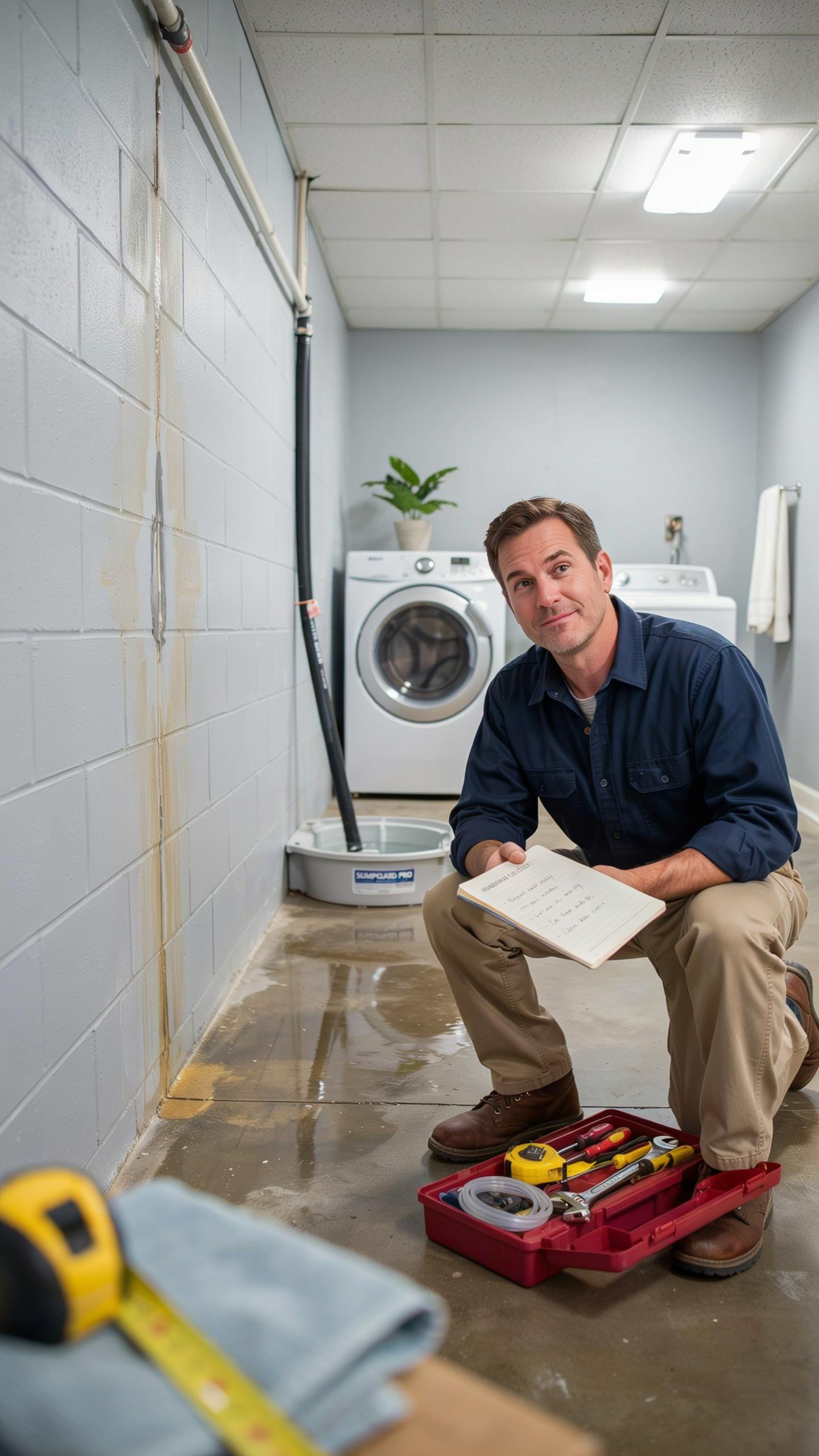
Basements sit below ground level. Water naturally moves downward through soil. Hydrostatic pressure pushes groundwater against foundation walls and floors. Cracks in concrete allow water to seep through. Poor exterior drainage systems direct water toward foundations instead of away. Heavy rainfall overwhelms drainage capacity. Aging sump pumps fail without warning. These conditions create persistent moisture problems that damage structures and contents.
Foundation walls absorb water through concrete’s porous nature. Mortar joints between concrete blocks crack over time. Window wells collect standing water. Plumbing leaks from pipes running through basements go unnoticed. Condensation from HVAC systems adds moisture. Soil erosion around foundations exposes lower sections to direct water contact. These mechanisms work simultaneously to compromise basement integrity year after year.
The High Cost Of Undetected Leaks
Water damage repairs run thousands of dollars per incident. Mold remediation exceeds foundation repairs in expense. Structural damage to framing and joists requires replacement. Replacement of finished materials, insulation, and drywall multiplies costs fast. Contents stored in basements suffer permanent loss. Insurance may not cover damage from poor maintenance or gradual leaks.
Undetected leaks cause compounding damage over months and years. Small seepage becomes major structural failure. Property values drop significantly when water damage appears in inspections. Health costs from mold exposure accumulate quietly. Temporary solutions like buckets and dehumidifiers waste time and money. Early detection through sensors prevents exponential cost growth by catching problems before they spread.

Introducing The Water Leak Detector Sensor
How They Work
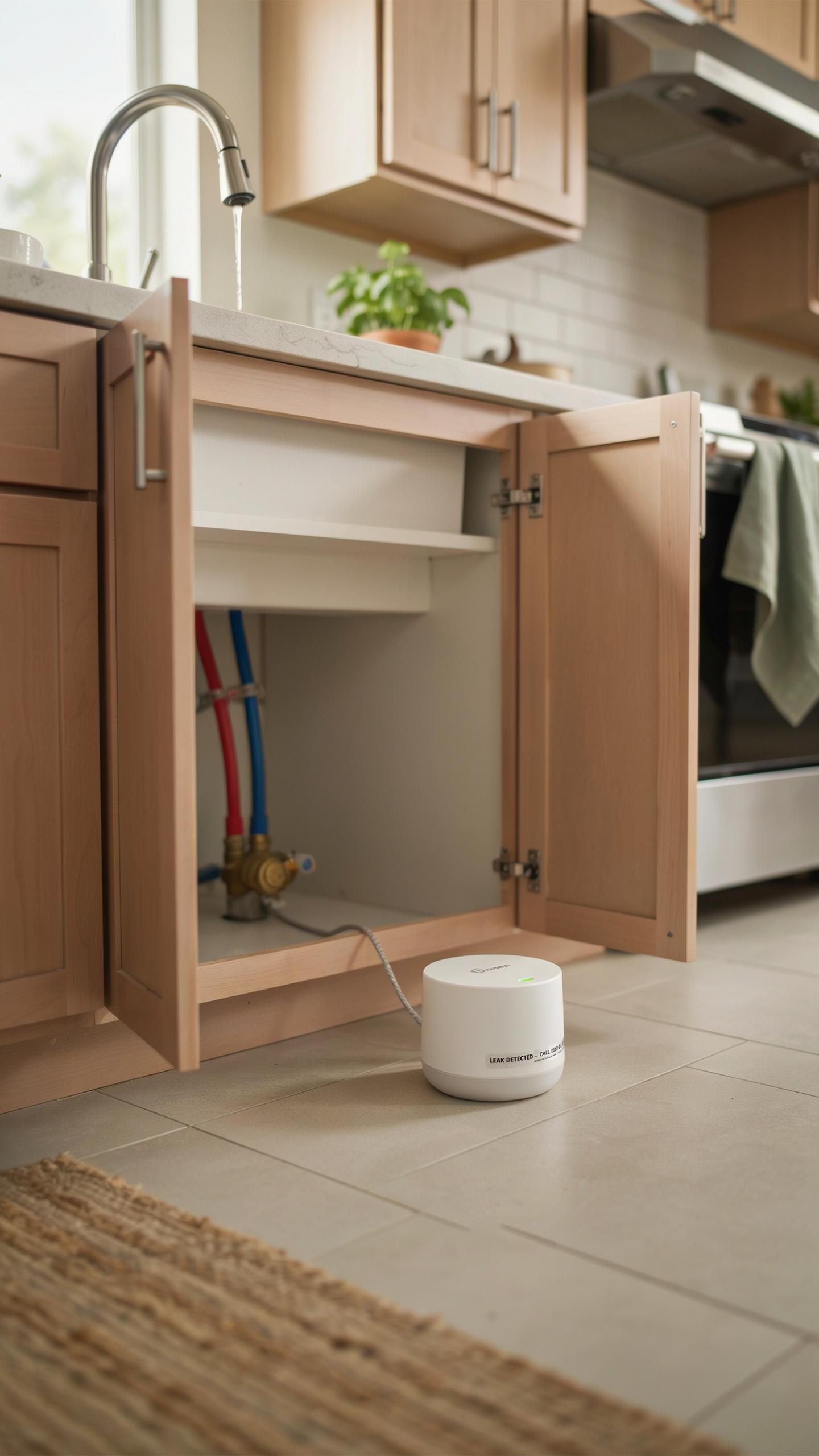
Water leak sensors detect moisture through two core methods: conductivity and absorbency. Conductivity sensors have two metal prongs that complete an electrical circuit when water bridges the gap between them. This triggers an alert signal to your phone via a connected hub or WiFi module. The sensor requires power, typically from batteries that last months to years depending on model and usage frequency.
Absorbency sensors use materials that swell or change resistance when exposed to moisture. These activate similarly to conductivity models but respond faster in some cases. The sensor communicates through wireless protocols like WiFi, Zigbee, or proprietary frequencies. Installation is straightforward: place the sensor near potential water sources like sump pump discharge areas, water heater bases, or foundation cracks where seepage occurs.
Benefits Of Sensors
Water leak sensors catch problems before they cause structural damage or mold growth. Early detection stops small leaks from becoming expensive foundation repairs or health hazards. You receive phone alerts instantly, allowing you to respond even when away from home. This shifts water damage from reactive crisis management to preventive maintenance.

Multiple sensors across your basement create comprehensive coverage of high-risk zones. Combining sensors with automatic shut-off valves or sump pump systems amplifies protection. Insurance companies often provide discounts for homes with leak detection systems installed. The modest upfront cost pays for itself through avoided repairs and reduced water damage claims.
Smart Water Leak Detection Beyond Basic Alerts

Smart Features
A smart water leak sensor moves beyond simple audio alarms. These devices connect to your home network and send real-time notifications directly to your phone. They detect moisture, measure water levels, and report data instantly. You know what’s happening in your basement the moment water appears, whether you’re home or across the country.
Smart sensors store historical data about moisture patterns in your basement. You can review trends, identify recurring problems, and time maintenance accordingly. Some models integrate temperature sensors to track conditions that may accelerate mold growth. This data transforms a basic alert into actionable intelligence about your basement’s health.
Integration Options
Most modern water leak sensors connect through WiFi or cellular networks to cloud platforms. Your phone receives alerts through dedicated apps or messaging services like email and SMS. Integration requires a stable internet connection in your basement or a relay device to extend signal range. Direct smartphone access means you control notifications and check sensor status without special hardware.

Smart home platforms like Amazon Alexa, Google Home, and Apple HomeKit support certain water leak sensors through compatibility protocols. Integration lets you automate responses, such as triggering sump pump alerts or sending notifications to multiple family members simultaneously. Check compatibility before purchasing, as not all sensors work with all platforms. Direct integration eliminates the need for separate apps and centralizes your home monitoring strategy.
Real Time Home Protection With Phone Alerts

Instant Notifications
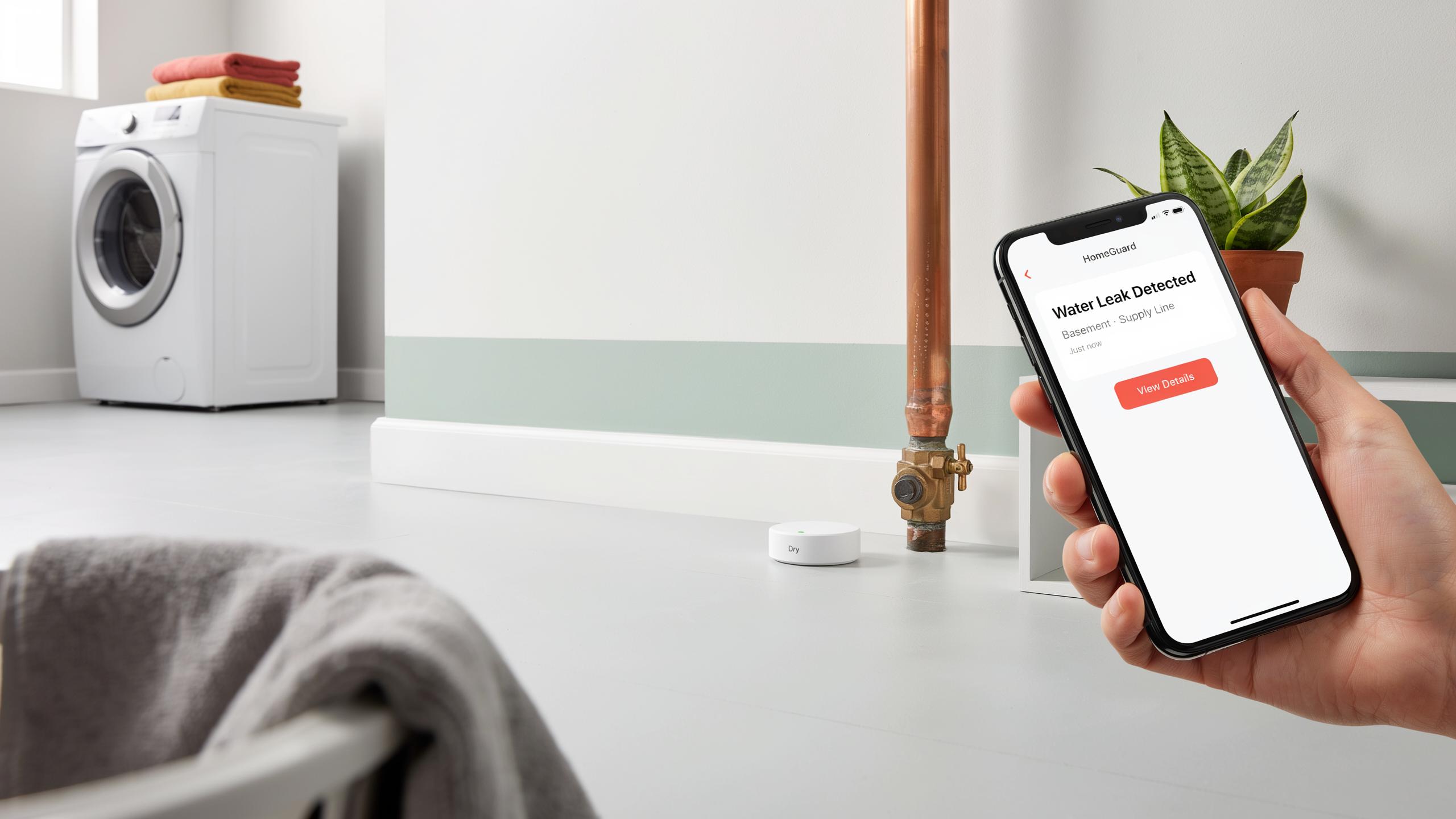
Water damage spreads fast. A basement leak that goes undetected for hours can cause thousands in damage. Phone alerts eliminate that gap. When a sensor detects moisture, it sends a notification to your phone immediately. You know about the problem within seconds, not days. This speed matters because early intervention stops small leaks from becoming expensive disasters.
The notification system works through your home wifi network or cellular connection. Most sensors connect to a hub or directly to your phone via an app. You receive alerts even when away from home. This means you can call a plumber, shut off water valves, or take action before returning. The notification gives you control over the situation regardless of your physical location.
Remote Monitoring
Remote monitoring lets you check your basement status from anywhere. Open the app on your phone and see sensor readings in real time. You know the exact moisture level without going downstairs. This matters for people who travel, work long hours, or manage multiple properties. You stay informed without being present.

Most systems show historical data and trends. You can track whether moisture levels are rising slowly or spiking suddenly. This information helps you decide if a problem needs immediate attention or allows time to schedule a plumber. Remote access transforms reactive leak detection into proactive basement management. You make informed decisions based on actual data, not guesses.
Choosing The Best Water Leak Sensor For Basements

Factors To Consider
Water leak sensors detect moisture before it causes damage. You need sensors that trigger alerts fast and work reliably in basement conditions. Basements stay cold, damp, and sometimes flooded. Your sensor must handle those conditions without failing.
- Detection Speed: Sensors must alert you within seconds of moisture contact. Fast detection stops water damage before it spreads across your basement floor or foundation walls.
- Battery Life: Most sensors run on batteries. Look for models lasting six months to two years. Check whether the device warns you before batteries die completely.
- Smartphone Integration: Your sensor needs app compatibility with iOS or Android. Real-time alerts let you respond immediately even when you’re away from home or at work.
- Sensor Placement Range: Purchase sensors with adhesive pads or mounting clips. You need flexibility to position them near sump pumps, floor drains, or foundation cracks where leaks start.
- Alarm Decibel Level: Basement alarms should reach 80-100 decibels. This volume cuts through concrete and reaches upper floors so you actually hear the warning.
- Hub Requirements: Some sensors need a central hub to communicate with your phone. Others connect directly to WiFi. Decide which setup fits your basement infrastructure and router placement.
Basement water sensors come from brands that specialize in home water protection or general smart home systems. Research which companies offer local customer service in your area. Test the app interface before buying to ensure you understand how notifications work.
Wireless Vs Wired Which Is Right For Your Basement
Wireless sensors dominate the market because they eliminate installation complexity. You place them anywhere without running cables through walls or floors. Battery replacement happens annually or less frequently depending on the model. Wireless systems adapt easily if you rearrange your basement layout or add new protection zones.

Wired sensors require professional installation in most cases. They need power sources and network cables routed through your basement infrastructure. Wired systems eliminate battery concerns since they draw power from existing circuits. However, installation costs run higher and future relocations become difficult. Choose wired only if you have existing conduit or are building new basement systems simultaneously.
Installation And Placement For Optimal Home Safety

Strategic Placement
Place sensors at the lowest points in your basement where water naturally collects. Corners, floor drains, sump pump bases, and foundation cracks are priority zones. Water flows downhill and pools in these spots. Install sensors before water reaches valuable items or causes structural damage. One sensor catches nothing. Multiple sensors create redundancy and cover different failure points.
Position sensors away from high-traffic areas where foot traffic or equipment movement could damage them. Mount them on the floor or slightly elevated on walls near known problem areas. Check your basement during heavy rains to identify where water enters or collects. Place sensors at those exact locations. Test sensor signal strength from your phone at each placement spot before final installation to ensure alerts reach you reliably.
Easy Installation Tips
Most basement water leak sensors require no tools or professional installation. Remove the adhesive backing and press the sensor firmly onto a clean, dry surface. Wipe the floor or wall with a cloth first to remove dust and moisture. Position the sensor so the water detection plate sits flat against the floor. Battery installation is straightforward: insert the included batteries into the sensor compartment and close the cover. Activate the sensor through its companion app or physical button.

Connect each sensor to your home wifi network using the manufacturer’s app. Follow the pairing instructions specific to your device model. Test the alert function immediately after setup by manually triggering the sensor or using the app’s test feature. Verify you receive notifications on your phone. Check battery levels monthly through the app. Replace batteries annually or when the app indicates low power. This prevents false alarms from dead batteries and ensures protection during critical times.
Sump Pump Monitoring An Essential Home Gadget
Sump Pump Failures
Sump pumps fail for specific, predictable reasons. Power outages kill pump operation instantly. Float switches jam or corrode, preventing activation. Check valves clog or crack, allowing water to drain backward into the basin. Discharge pipes freeze in cold climates or become blocked by debris. Motor bearings wear out after years of cycling. Most homeowners discover failure only after water reaches the basement floor.
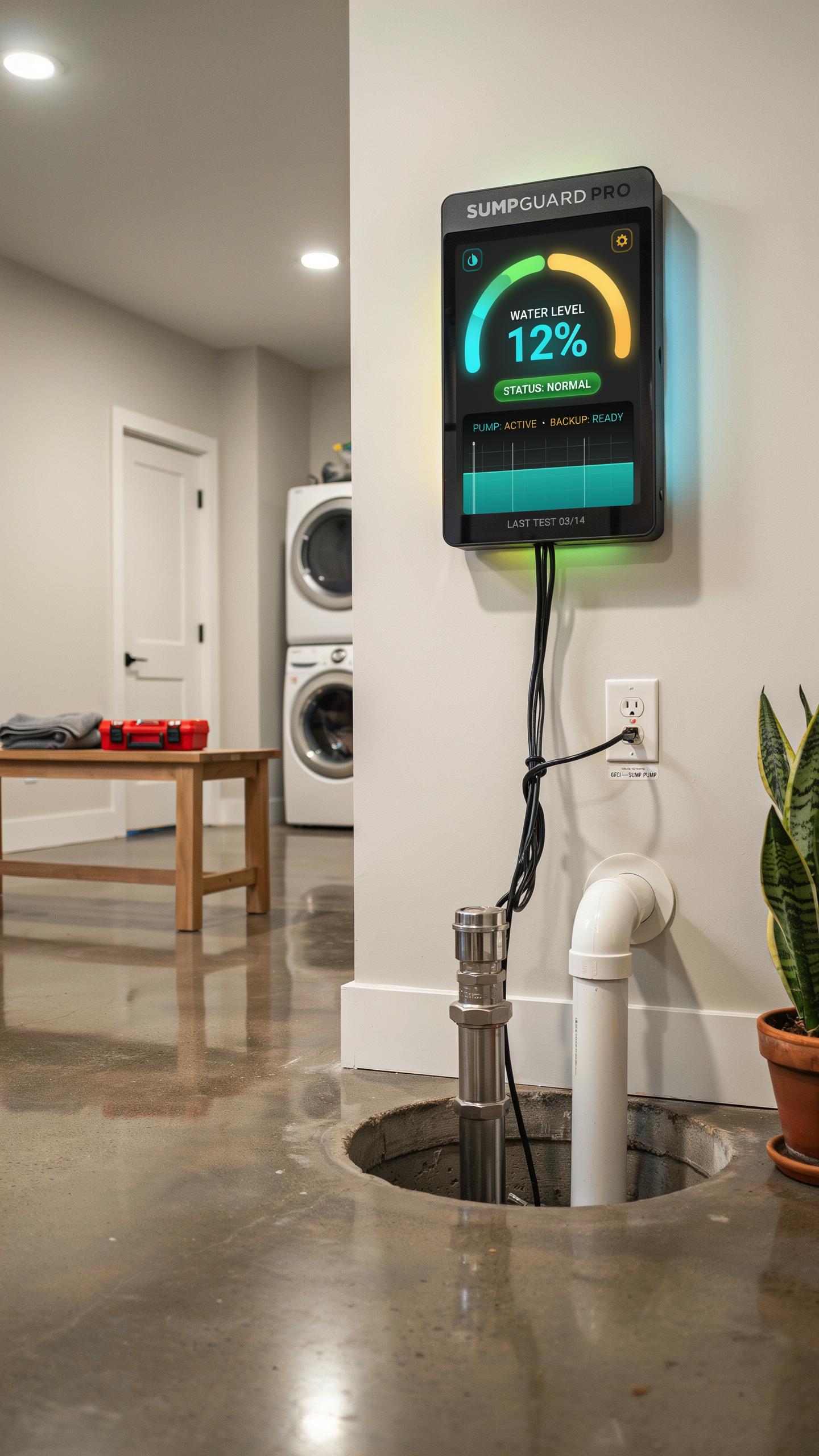
Water leak sensors detect sump pump failure before flooding occurs. They monitor the basin water level continuously and trigger alerts when levels rise abnormally. Phone notifications reach you immediately, whether you’re home or away. This early warning system gives you time to activate backup pumps, call a plumber, or manually remove water. Detection prevents thousands of dollars in property damage and mold remediation costs.
In every cherished home, a quiet guardian now sleeps, ensuring precious memories are never washed away, and our hearts remain at peace.
Sensor Integration
Sensors enhance sump pump systems by providing real-time visibility into pump performance. Modern sensors monitor water depth, pump cycling frequency, and power status simultaneously. Integration with your smartphone creates a direct communication line between your basement and your pocket. You receive instant alerts when the pump fails, the basin fills too quickly, or the water level exceeds safe thresholds. This data transforms a passive pump into an active safety system.

Wireless sensors eliminate the need for complex wiring or professional installation. Battery-powered models communicate through WiFi or cellular networks directly to cloud platforms. You can check your basement status from anywhere without physically inspecting the sump pit. Historical data tracking shows pump performance trends and identifies emerging problems before catastrophic failure. Sensor integration turns reactive basement management into proactive protection.
Streamlabs Water Leak Detector And Other Top Brands
Brand Overview
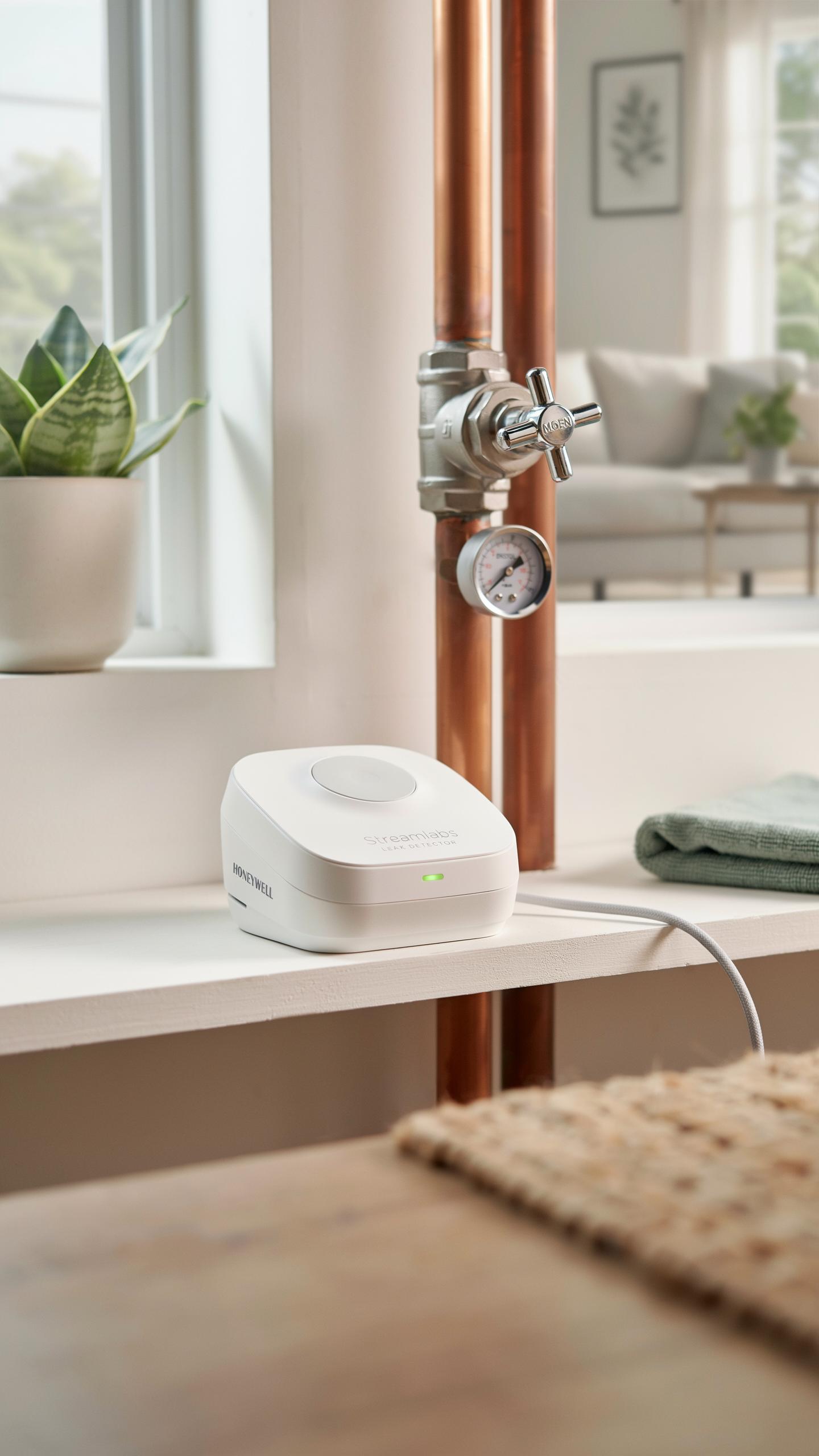
Streamlabs dominates the smart home water detection market through direct integration with their water management ecosystem. The company positions leak detectors as part of a broader strategy to monitor home water usage and prevent damage. Streamlabs sensors connect to their app and work alongside their main water shutoff valve system. This integration matters because users can receive alerts and potentially automate water shutoff when leaks occur. The brand focuses on the connected home approach rather than standalone sensors.
Other established players like Fibaro, Eve Systems, and traditional plumbing suppliers offer water leak detectors with different integration strategies. Fibaro embeds sensors into their Z-Wave home automation platform. Eve Systems leverages Apple HomeKit for users already invested in Apple products. Each brand makes different bets about which ecosystems matter most to homeowners. The choice between brands depends on your existing smart home setup, not just sensor quality alone.
Feature Comparison
Streamlabs sensors trigger phone alerts within seconds of detecting moisture. The devices communicate through Wi-Fi connectivity via your home network. Battery life typically runs 2 to 3 years depending on alert frequency. The sensor itself is small and wireless, designed to place in tight basement corners and near water heaters. Streamlabs charges a subscription for advanced features like historical data and integration with their shutoff valve, though basic leak detection works without it.

Fibaro and Eve sensors offer similar core functionality but connect through different protocols. Fibaro uses Z-Wave, which requires a separate hub but creates a more reliable mesh network for larger homes. Eve uses Thread for faster response times and better stability than Wi-Fi alone. Battery life across brands ranges from 2 to 4 years. The key tactical difference is reliability in your basement environment. Basements with concrete walls and metal pipes may struggle with Wi-Fi connectivity, making hub-based systems like Fibaro more practical despite the added equipment.
Maintaining Your Smart Water Leak Detection System
Battery Life And Maintenance
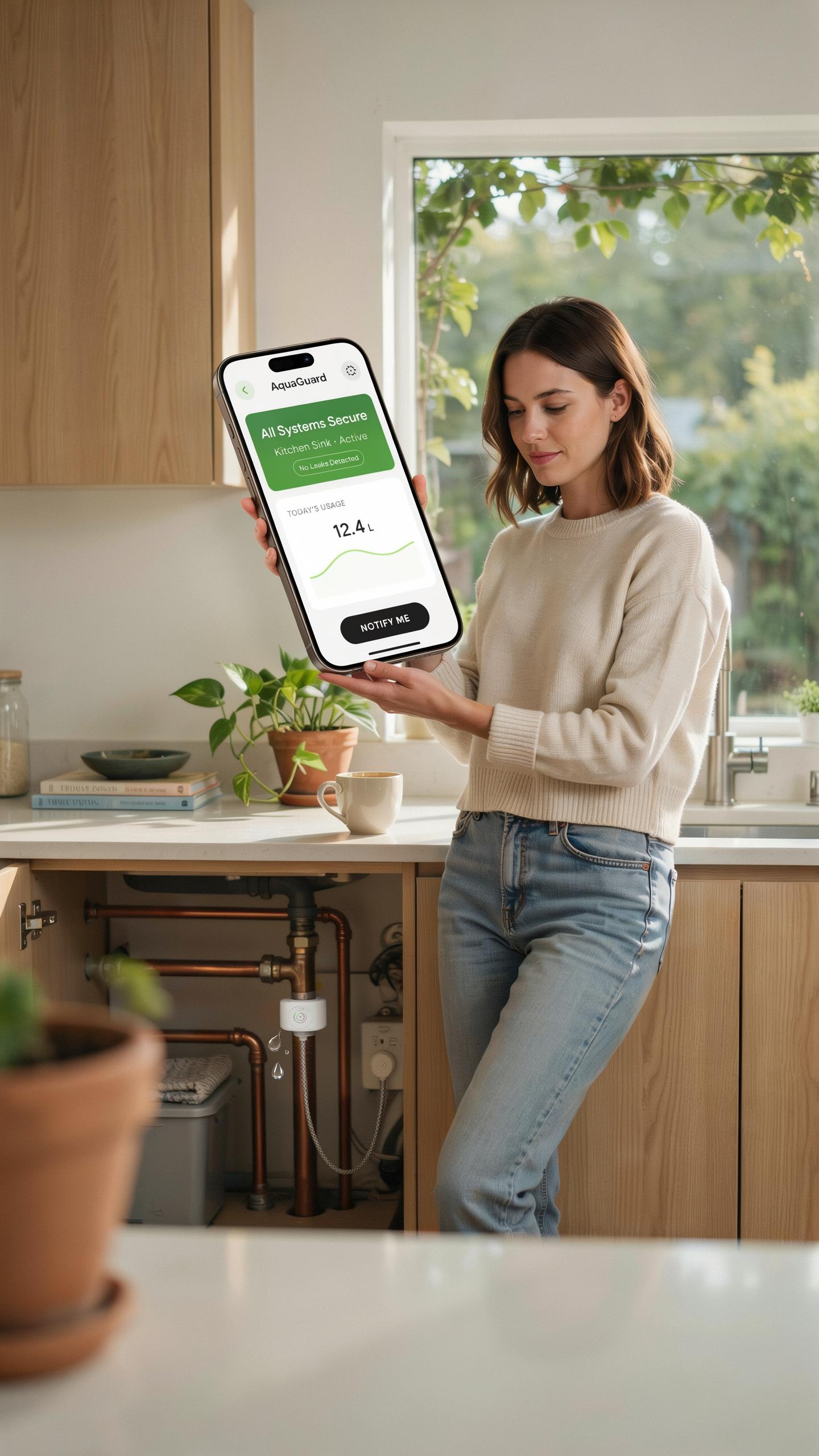
Most basement water leak sensors run on AA or AAA batteries that last between six months and two years depending on model and alert frequency. Check battery levels quarterly through your system’s app or control panel. Replace batteries before they fully drain to prevent missed alerts during critical water events. Some systems display low battery warnings weeks in advance, giving you time to purchase replacements.
Install fresh batteries during seasons when basement water risk peaks in your region. Mark replacement dates on your calendar to avoid gaps in protection. Keep spare batteries stored in your basement for quick access when needed. Battery compartments typically use simple pull-tabs or standard screws, requiring no specialized tools for replacement.
Troubleshooting Common Issues
Sensors fail to transmit alerts when they lose connection to your home network or hub. Verify your WiFi signal reaches your basement by checking router placement and removing physical obstructions. Restart both the sensor and your network hub if alerts stop arriving suddenly. Most systems reconnect automatically within minutes after a restart cycle.
False alarms occur when sensors detect humidity spikes from normal basement moisture rather than active leaks. Reposition sensors away from laundry areas, dehumidifiers, and HVAC vents that generate steam. Clean sensor probes monthly with a dry cloth to remove dust and mineral deposits that cause erratic readings. Test sensors quarterly by triggering them manually according to manufacturer instructions to confirm they still function properly.
Frequently Asked Questions

What exactly is a water leak sensor for basements and how does it work to protect my home?
A water leak sensor for basements is a smart device designed to detect the presence of unwanted water, often before it becomes a major flood. It typically uses probes that, when in contact with water, trigger an alert. This alert is then sent directly to your smartphone, allowing for immediate action and potentially saving you from extensive damage and costly repairs.
How do I install and set up a water leak sensor for basements effectively in my home?
Most water leak sensors for basements are surprisingly simple to install. You’ll typically place the sensor in known problem areas like near water heaters, sump pumps, or laundry machines. Then, you’ll connect it to your home’s Wi-Fi network using a dedicated app on your smartphone, following the manufacturer’s step-by-step instructions for pairing and alert preferences.
Are there affordable water leak sensor options for basements, or are they generally expensive?
Fortunately, there’s a wide range of water leak sensor for basements options available to fit various budgets. While some advanced models offer extensive features and integration, many basic yet highly effective sensors are quite affordable. You can find reliable options that provide essential smartphone alerts without breaking the bank, making basement protection accessible.