

Understanding Window Sensor Alarms For Apartments
The Need For Apartment Security Why Wireless Matters
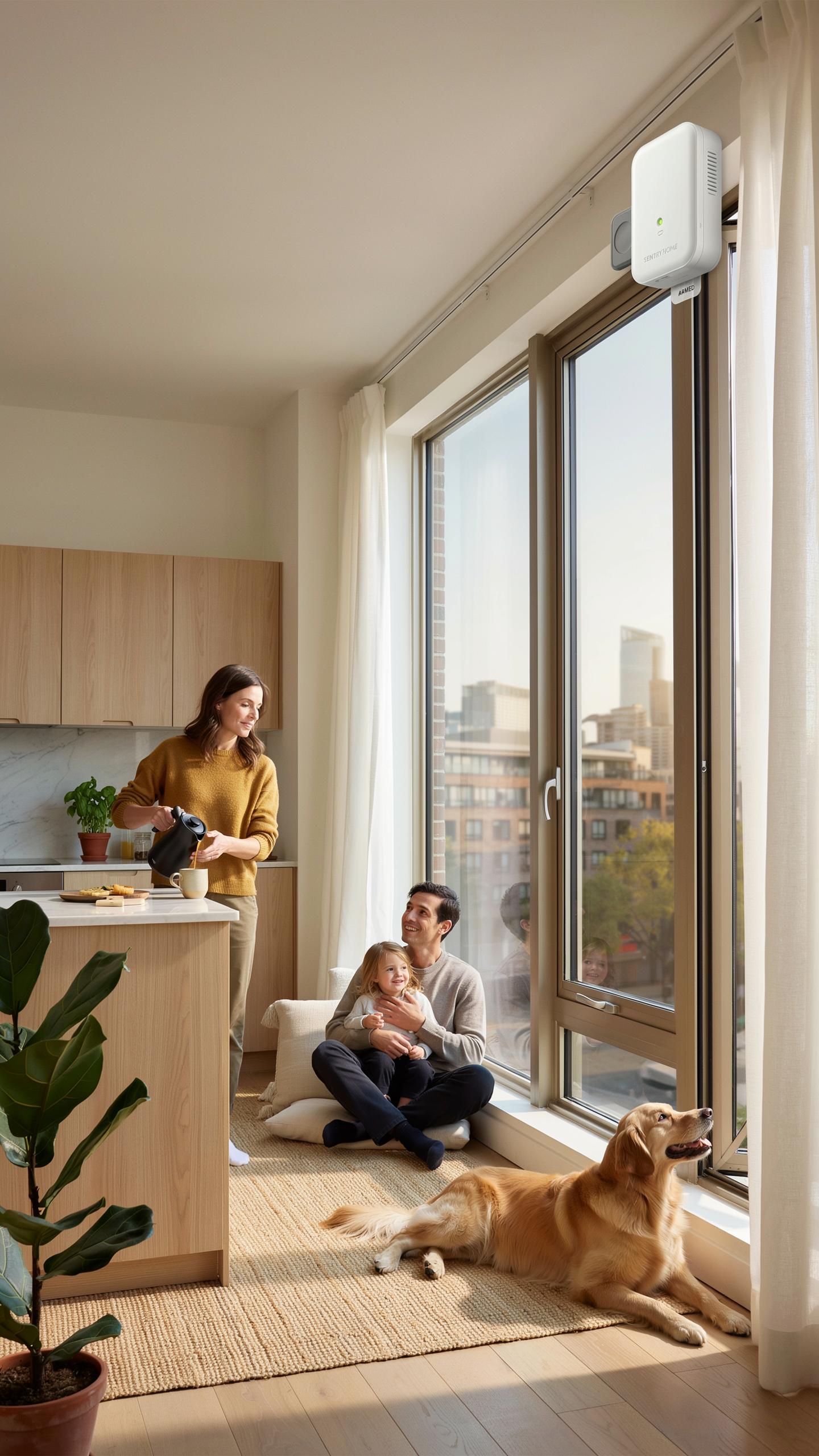
Apartment dwellers face security challenges that differ from homeowners. You share walls with neighbors, have limited control over building access, and often rent rather than own. Landlords rarely install professional security systems. Wireless window sensors solve this problem because they require no drilling, permanent installation, or landlord approval.
Renters need security solutions they can install today and remove tomorrow without losing deposits. Wireless sensors stick to window frames using adhesive or magnetic mounts. They communicate with a hub or your phone through WiFi or cellular signals. This approach gives you immediate protection without waiting for contractors or dealing with complex wiring through apartment walls.
How Wireless Window Sensors Work
Window sensors contain two components that work together to detect opening. One part mounts on the window frame, the other on the sash or door itself. When you open the window, these components separate and trigger an alert. The sensor transmits a signal to your hub or directly to your smartphone through a wireless network.
The system operates on battery power, typically lasting six months to two years depending on model and usage. Sensors communicate on frequencies like 433 MHz or through your home WiFi network. When triggered, they send an instant notification to your phone or sound an alarm through your hub. You control sensitivity settings through a mobile app, adjusting response times and notification preferences to match your needs.

Types Of Window Sensor Alarms For Apartments
Magnetic Contact Sensors
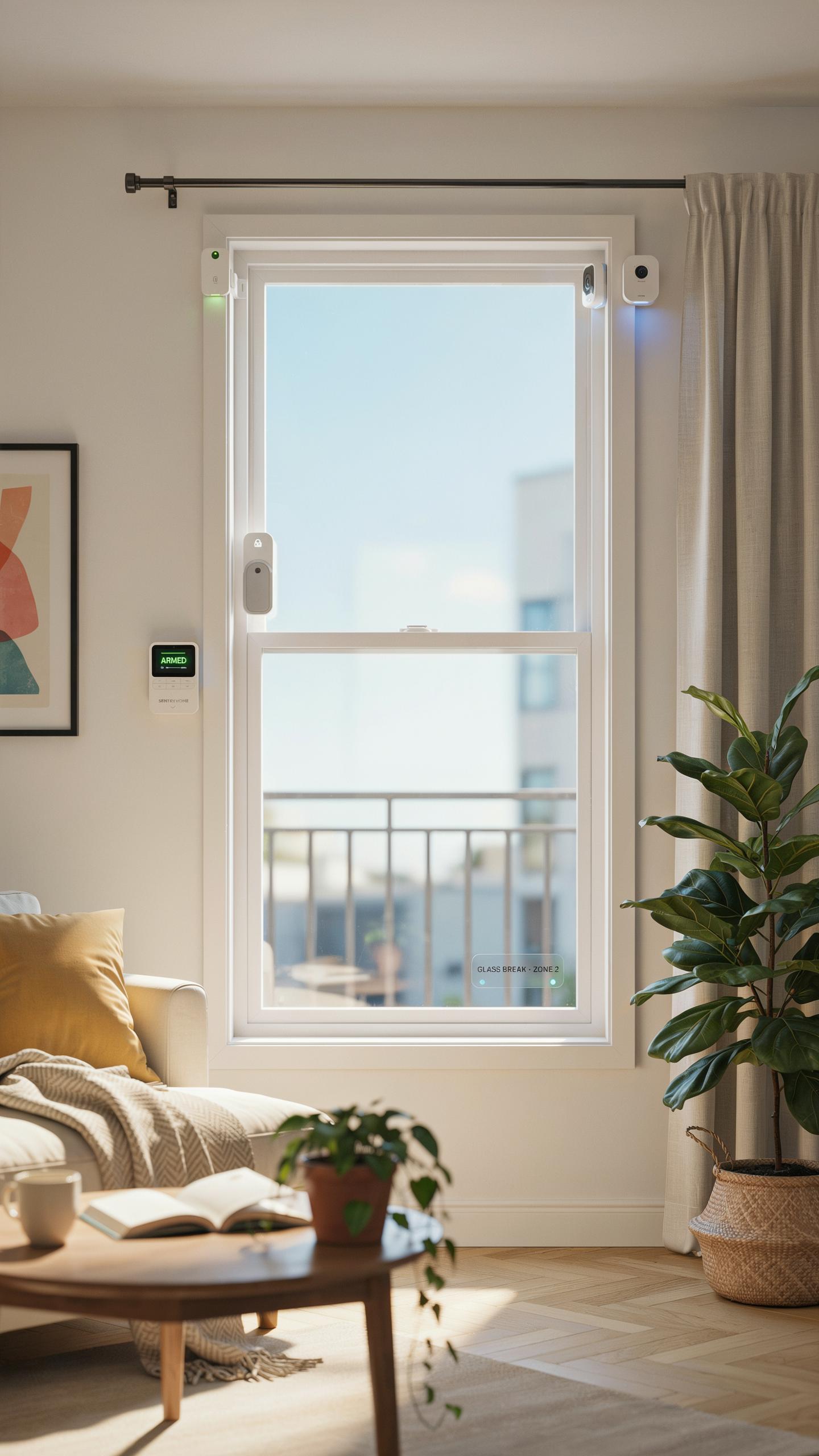
Magnetic contact sensors detect window opening through two components: a magnet and a switch. When the window closes, the magnet aligns with the switch, completing a circuit. Opening the window separates the magnet from the switch, breaking the circuit and triggering an alarm. This mechanism requires no wiring between components, making installation straightforward in apartments where drilling is restricted.
These sensors mount on the window frame and sash using adhesive strips or small screws. Battery-powered wireless models transmit signals to a hub or directly to your phone. The technology has remained largely unchanged for decades because it works reliably. Apartment dwellers prefer magnetic sensors because they leave no permanent marks and install in minutes.
Vibration And Glass Break Sensors
Vibration sensors detect motion or impacts on windows through piezoelectric technology. When vibrations exceed a set threshold, the sensor triggers an alert. Glass break sensors specifically listen for the acoustic signature of breaking glass, responding to frequencies around 8000 to 15000 Hz. Both types sit independently on windowsills or attach to frames without requiring wiring connections.

Vibration sensors catch forced entry attempts, kicks, or sustained pressure on windows. Glass break sensors provide detection even if a window opens slowly or partially. Most wireless models run on batteries lasting six months to two years depending on activity levels. These sensors work alongside magnetic contact sensors to create layered apartment security that catches both slow openings and sudden impacts.
Key Features To Look For In A Wireless Window Alarm System
Ease Of Installation And Portability
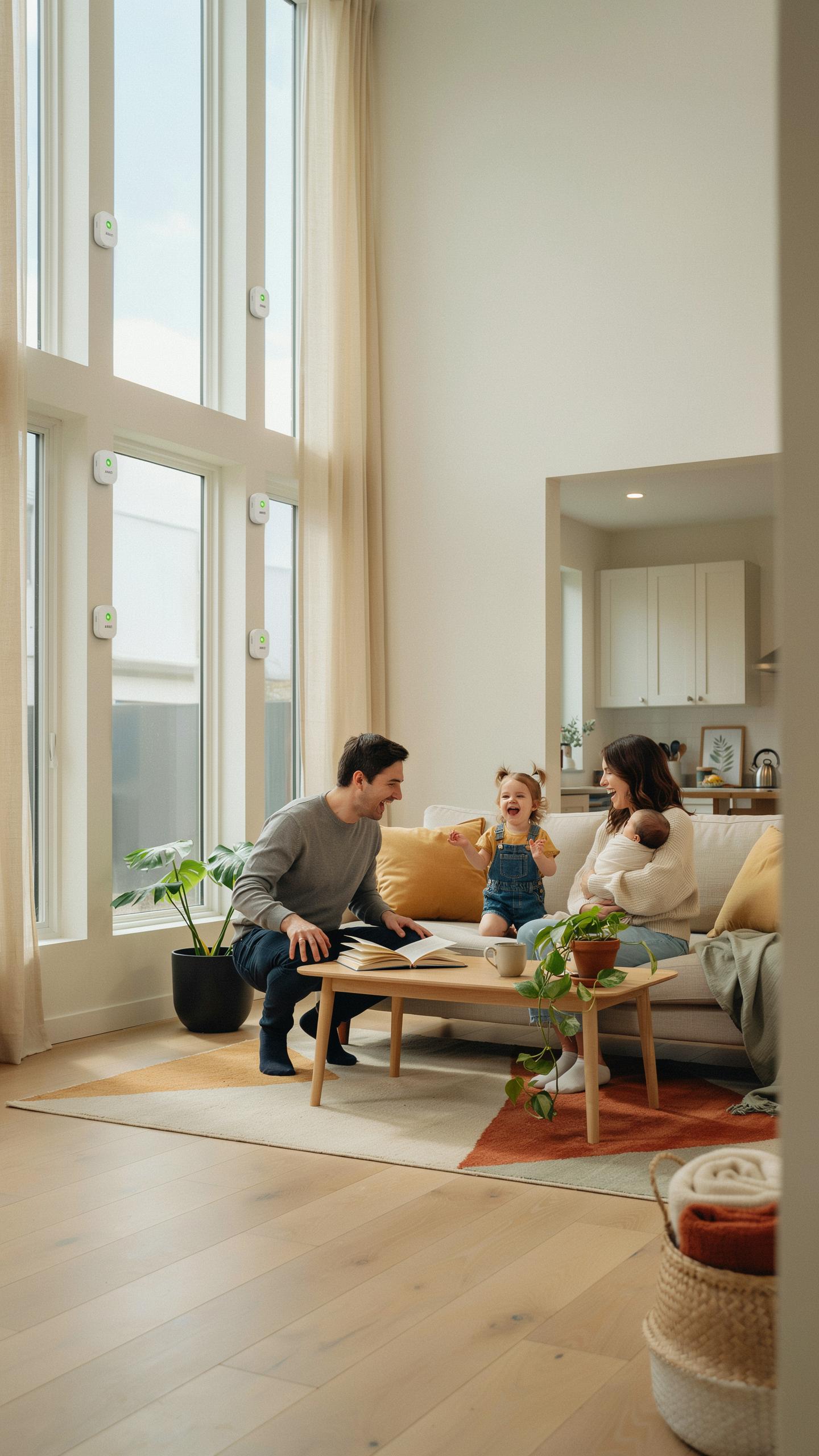
Wireless window sensors mount directly to frames with adhesive strips or small brackets. No drilling, running wires, or calling technicians. You install them in minutes. Renters benefit most because you remove sensors without damage when you move. The entire system moves with you to your next apartment.
Battery-powered sensors let you place alarms anywhere on your windows. You control placement without outlet proximity or wire routing constraints. This flexibility matters in apartments with unusual window configurations or limited wall access. Portability means you’re not locked into one location or lease term.
Battery Life And Power Options
Most wireless window sensors run on AA or AAA batteries lasting six to twelve months depending on sensor model and activity frequency. Some systems use coin cell batteries for smaller sensor designs. Check manufacturer specifications for exact battery life projections. Replacement costs stay low, typically one to three dollars per battery.

Backup battery systems keep main hubs operational during power outages. Hub units typically plug into standard outlets but include rechargeable batteries for continuity. Sensor batteries fail independently from hub batteries, so you maintain window monitoring even if the main power fails. Test battery indicators monthly to catch low power before sensors stop working.
Smart Home Integration For Enhanced Security System
Connecting Sensors To Smart Hubs
Wireless window sensors connect to smart hubs using radio frequencies like Zigbee, Z-Wave, or Wi-Fi. Your hub acts as the central command center, receiving signals from each sensor and coordinating system responses. Most apartment-friendly sensors pair directly to hubs through a simple process: place the hub in pairing mode, activate the sensor, and confirm the connection. The hub then stores the sensor data and manages automation rules you create.
Hub placement matters for signal strength. Position your hub centrally in your apartment to ensure sensors on distant walls maintain stable connections. Walls and metal objects weaken radio signals, so avoid corners or enclosed spaces. Test sensor response times after installation to confirm reliable communication. Most modern hubs support dozens of sensors simultaneously, giving you room to expand your system across multiple windows and doors.
Remote Monitoring And Notifications
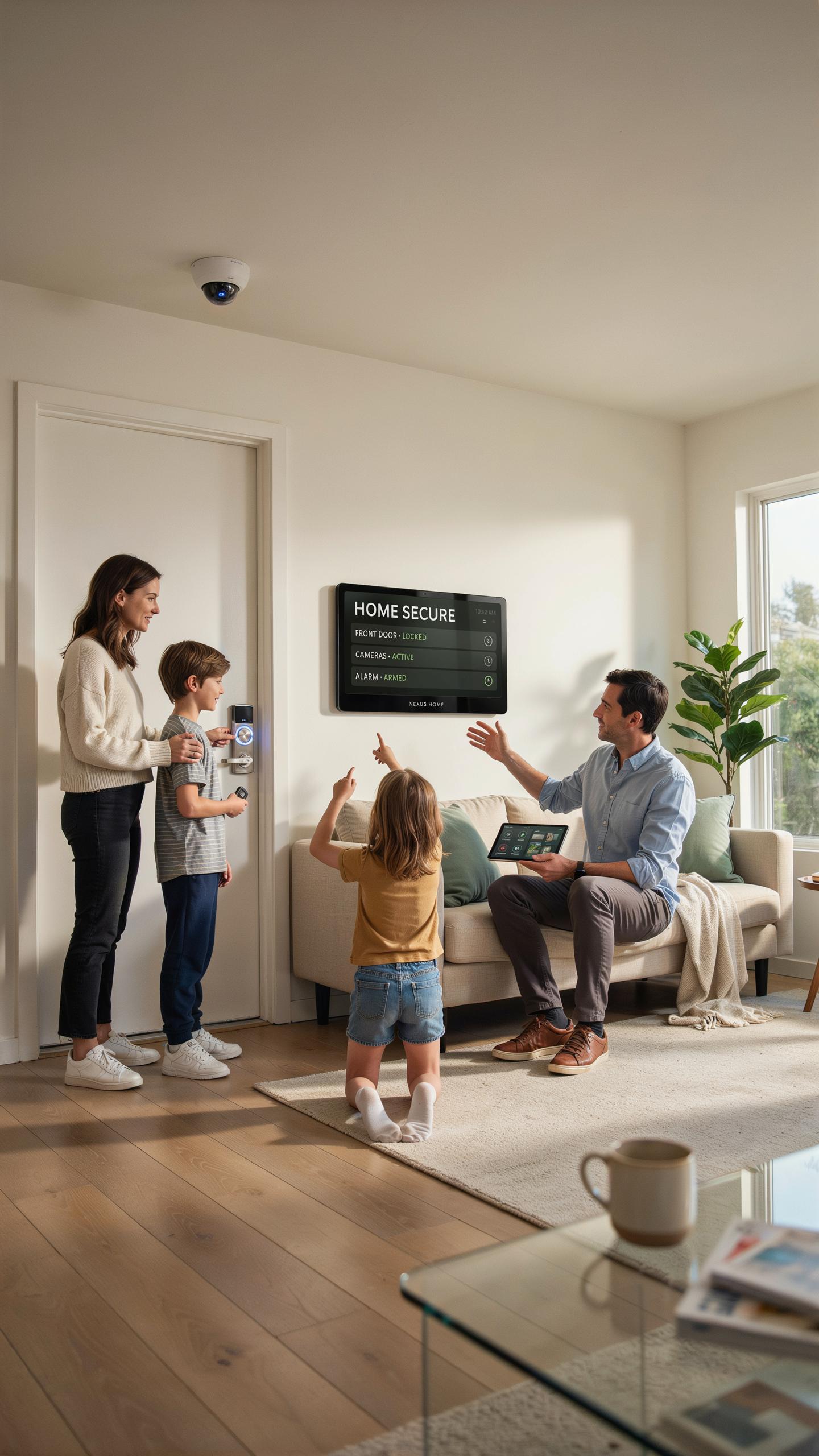
Remote monitoring lets you check your apartment’s security status from anywhere using a smartphone app. When a sensor detects a window opening, the hub sends an alert to your phone immediately. You choose notification settings: instant alerts, silent logging, or specific time windows when you want notifications. Most systems let you customize which windows trigger notifications based on entry points you prioritize.

Smart hub apps provide real-time dashboards showing the status of every sensor. You view which windows are open or closed, historical activity logs, and system performance metrics. Advanced integrations let you combine window sensors with other smart devices like cameras or locks. This creates automation rules such as turning on lights when windows open unexpectedly or locking doors when an alarm triggers.
Popular Wireless Window Sensor Brands And Models
Ring Alarm Door Sensor An Overview
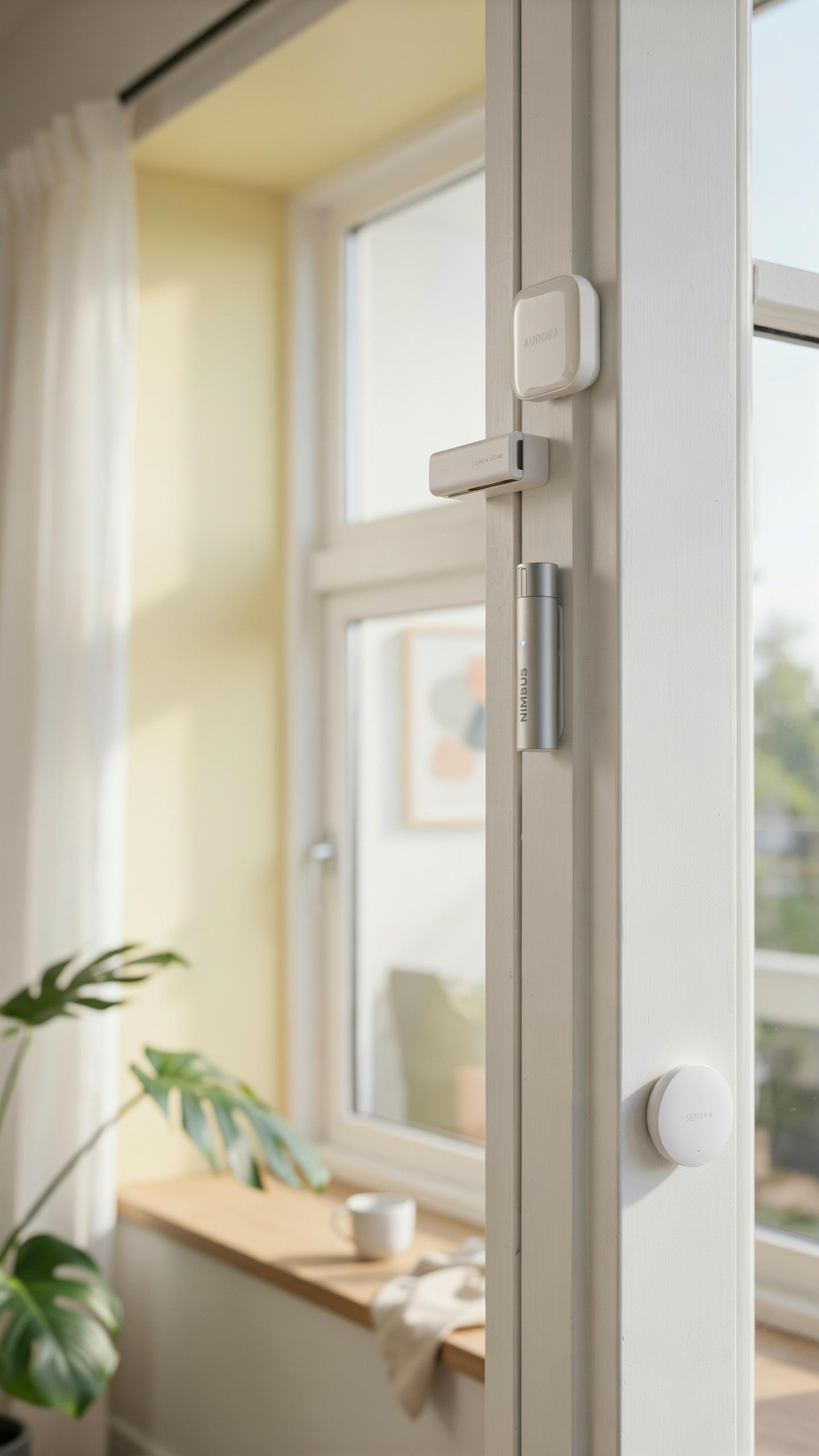
Ring’s door sensor works on windows through contact-based detection. When a window opens or closes, the magnetic sensor triggers an alert. The device runs on a single CR2 battery lasting up to three years. Ring integrates these sensors into its broader alarm ecosystem, which requires a Ring Alarm base station to function. Installation takes minutes and requires no drilling or permanent mounting solutions.
The sensor communicates via Z-Wave protocol to the base station. Range extends approximately 80 feet in open space, though walls reduce this distance. Ring charges no monthly fees for basic alerts, making it cost-effective for renters. The companion app sends push notifications to your phone when windows open or close. This direct integration appeals to users already invested in Ring’s security cameras and smart home devices.
Alternatives And Comparison
Wyze Sense and Eve Window Contact sensors compete directly with Ring on price and functionality. Wyze sensors cost roughly 40 percent less than Ring equivalents and communicate through Wyze’s proprietary protocol. Eve sensors work exclusively within Apple’s HomeKit ecosystem, limiting compatibility for non-Apple users. SimpliSafe, Abode, and LifeShield offer comparable window sensors bundled with full alarm packages rather than individually.
Key differences emerge in ecosystem lock-in and battery longevity. Ring, Wyze, and SimpliSafe sensors last 2-3 years on batteries, while Eve claims up to 5 years. Installation difficulty remains identical across brands—all mount with adhesive backing or small screws. Price ranges from 25 dollars per sensor at the low end to 50 dollars for premium models. Your choice depends on existing smart home infrastructure and whether you need standalone sensors or full system integration.
Installation Guide Setting Up Your Window Alarms
Step By Step Installation For Magnetic Sensors
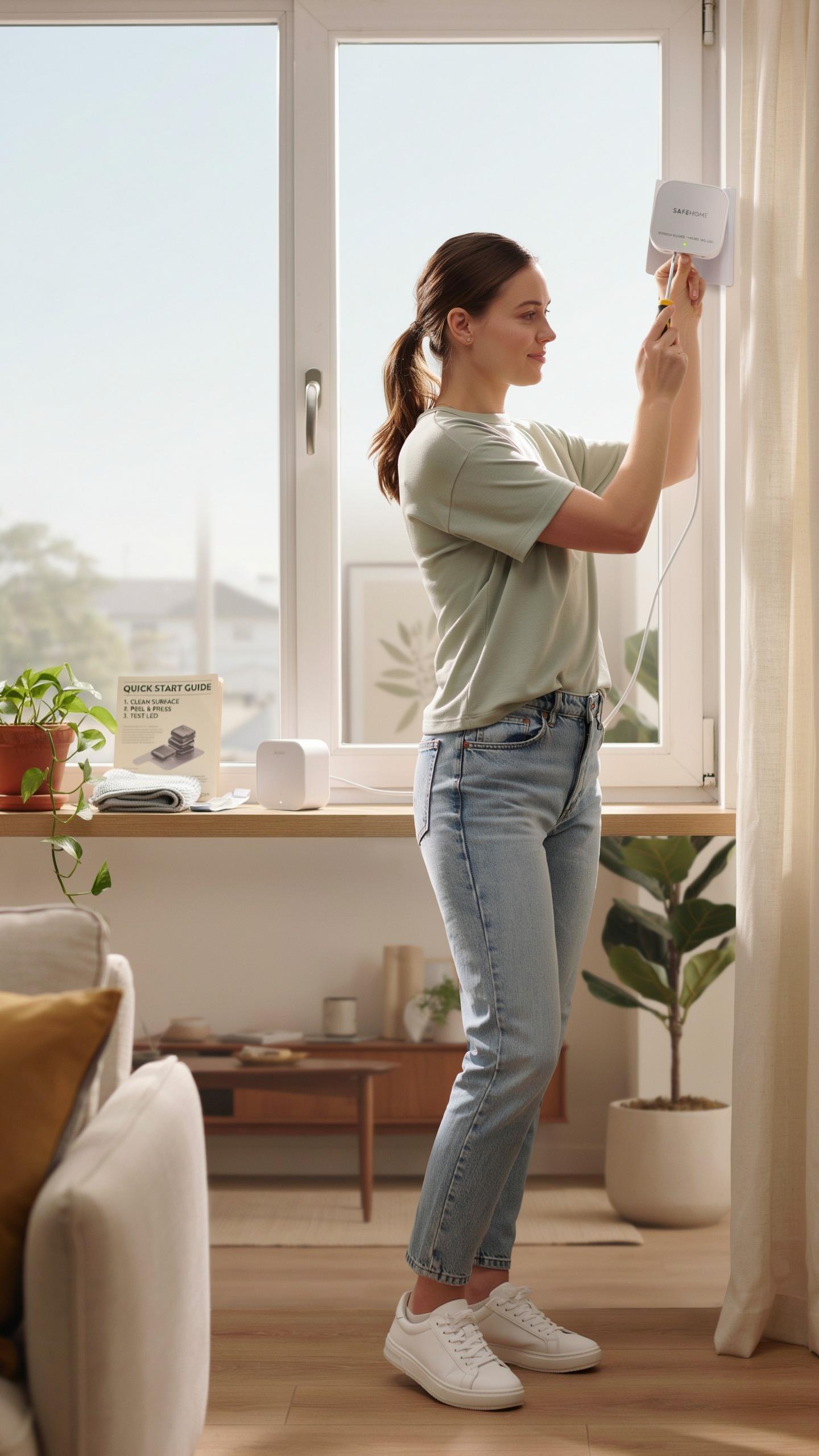
Magnetic sensors require no wiring, making installation straightforward. Start by cleaning the window frame and sash with a dry cloth to remove dust and debris. This ensures proper adhesive contact. Mount the magnet on the moving sash and the sensor on the stationary frame. Peel the backing from the adhesive strips on both components. Press each firmly into place and hold for 10 seconds.
Test the sensor before finalizing placement. Open and close the window several times to confirm the alarm triggers when the window opens and stops when closed. If the sensor fails to activate, reposition the magnet closer to the sensor. Magnetic alignment matters for consistent performance. Once testing passes, your installation is complete.
In our cozy spaces, peace of mind is a gentle melody. These clever guardians, like trusted friends, ensure our homes are always singing a safe tune, without a single wire to interrupt the harmony.
Tips For Optimal Placement
Proper placement directly impacts sensor reliability and false alarm prevention. Consider window type, magnet distance, and environmental factors when deciding where to mount components.
- Magnet and sensor alignment: Keep the magnet and sensor facing each other within one half inch of separation for reliable detection.
- Avoid metal frames: Mount sensors on window frames without metal backing, as metal interferes with magnetic field strength and detection accuracy.
- Window type compatibility: Sliding windows need horizontal magnet placement, while hinged windows require vertical orientation along the frame edge.
- Temperature considerations: Install sensors away from direct sunlight and heat sources that degrade adhesive over time.
- Accessibility for testing: Place sensors where you can easily access them to test functionality and replace batteries without obstruction.

Test each sensor after installation by opening and closing windows multiple times. False alarms often result from poor magnet alignment or debris between components. Take time during setup to verify every sensor works before relying on your system for security monitoring.
Maximizing Protection With Ring Alarm Glass Break Sensor
Understanding Glass Break Detection
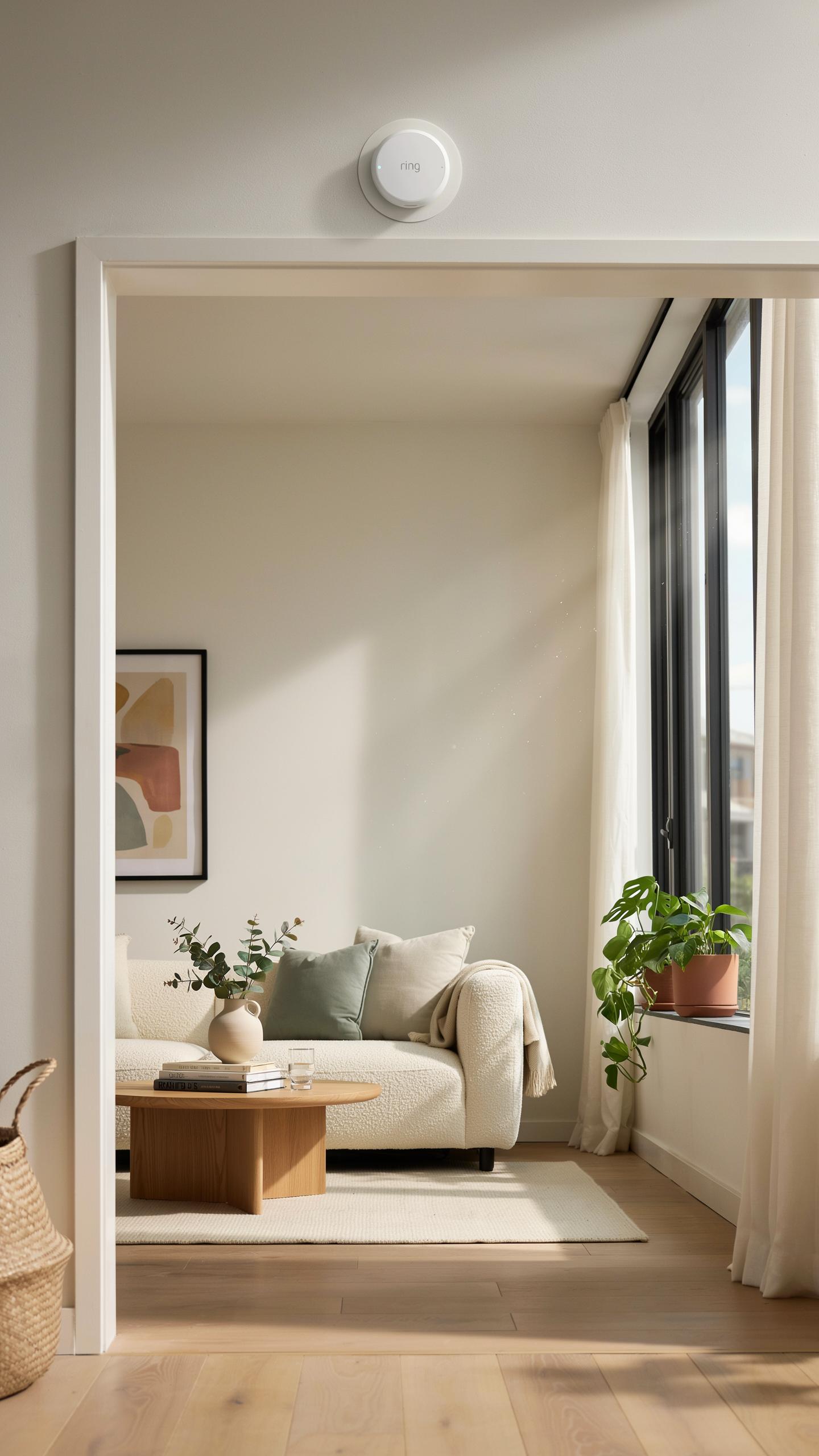
Glass break sensors detect the acoustic signature of breaking glass. They use microphones to monitor sound frequencies that match shattering glass patterns. This technology distinguishes real glass breaks from similar sounds like dishes or loud noises. The sensor triggers an alarm when it identifies the specific frequency range and intensity of glass breaking. Ring’s glass break sensor covers up to 25 feet of detection range in most apartment layouts.
Ring’s glass break sensor works independently from window and door sensors. You install it near windows you want to monitor. It does not require contact with the glass itself. The sensor picks up breaking glass sounds rather than monitoring physical window position. This approach covers multiple windows from one device placement, making it efficient for apartments with several windows.
Ring Alarm Glass Break Sensor Instructions And Setup
Install the Ring glass break sensor on a wall or shelf within 25 feet of windows you want to protect. Mount it at least three feet above the floor for optimal sound detection. Use the adhesive strip or screws provided in your Ring package. Position the device away from speakers, televisions, or other loud electronic equipment. Activate it through the Ring app after placing the physical unit in location.

Pair the sensor with your Ring Alarm Hub through the Ring app. Open the app and select “Add Device.” Choose “Alarm” then “Glass Break Sensor.” Follow the prompts to complete pairing. Test the sensor using the app’s test function to confirm proper operation before relying on it for security.
Troubleshooting Common Issues With Wireless Door Alarms And Window Sensors
Connectivity Problems And Solutions
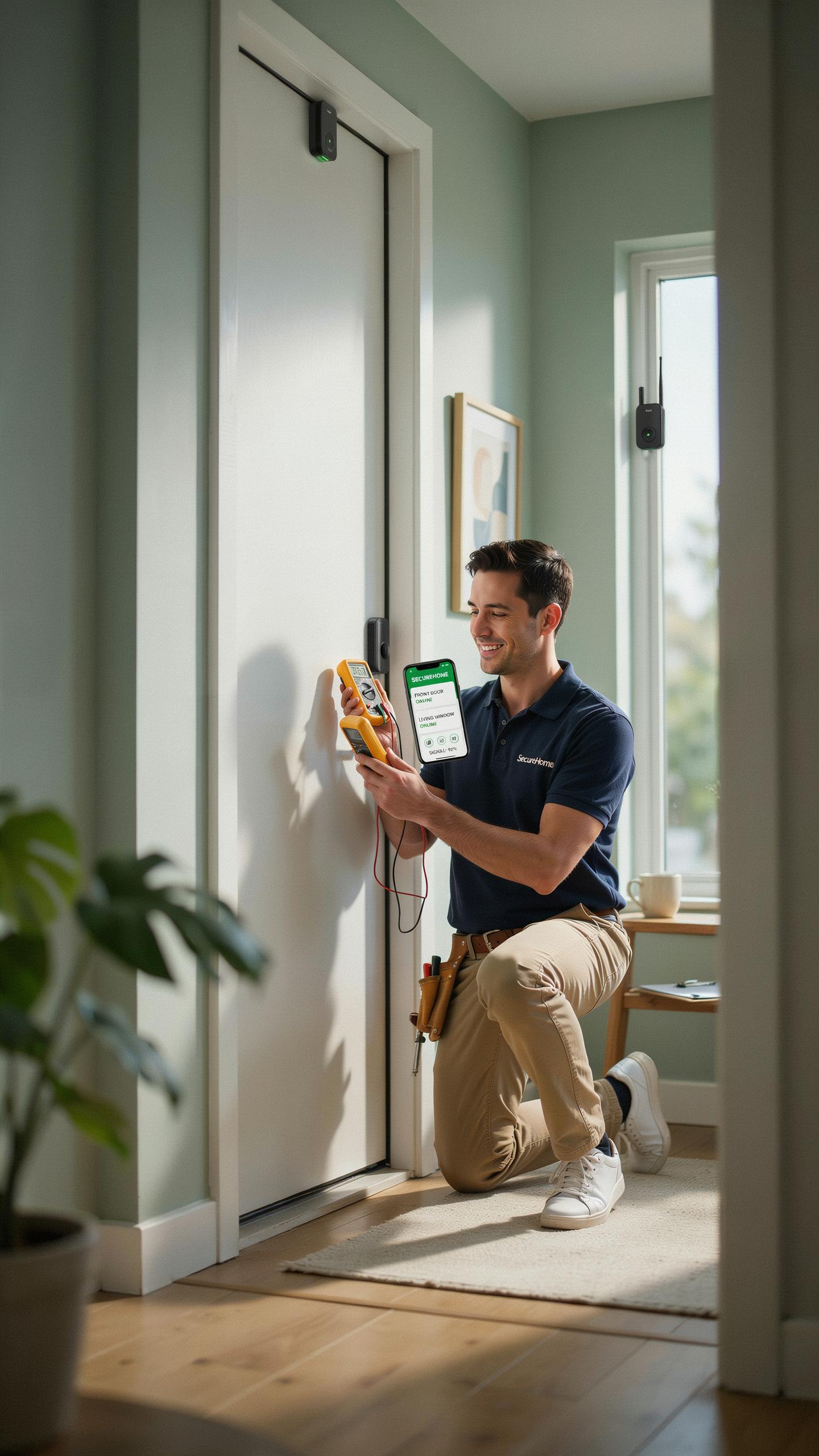
Wireless sensors lose connection due to distance, interference, or dead batteries. Most systems operate on 2.4 GHz frequency, the same band as WiFi routers and microwaves. Move your hub closer to sensors or relocate the hub away from appliances. Replace batteries every six to twelve months depending on usage. Test signal strength by triggering sensors from different rooms to identify dead zones.
Radio frequency obstacles weaken signals in apartments with thick walls or metal frames. Concrete, steel, and dense insulation block transmission between hub and sensors. Reposition your hub on a shelf or wall mount rather than enclosed cabinets. If distance exceeds your system’s range, add a wireless repeater or relocate sensors to reduce the gap between hub and devices.
False Alarms And Sensitivity Adjustments
False alarms occur when sensors trigger from wind pressure, vibration, or accidental contact. Most systems allow you to adjust sensitivity settings through the app or control panel. Lower sensitivity reduces false triggers but may miss actual break-in attempts. Test adjustments by opening windows gently and observing system response. Document which sensors require adjustment to maintain consistent performance across your apartment.

Vibration from traffic, heavy footsteps, or HVAC systems can activate poorly positioned sensors. Mount sensors on stable surfaces away from air vents and moving objects. Ensure the magnet aligns properly with the reed switch component inside the sensor. Check mounting brackets for looseness that allows unwanted movement. If false alarms persist after adjustments, contact manufacturer support to verify sensor functionality.
Beyond Windows And Doors Comprehensive Apartment Home Security

Integrating With Other Security Devices
Window sensor alarms work best when connected to a broader security network. Most wireless systems communicate through the same hub or app, allowing you to monitor windows, doors, motion sensors, and cameras from one platform. This integration reduces response time and eliminates blind spots. You control everything through a single interface instead of managing multiple apps and devices.
The key to effective integration is choosing devices that use compatible communication protocols. Zigbee, Z-Wave, and Wi-Fi are the most common standards for apartment systems. Before purchasing additional sensors or cameras, verify they connect to your existing hub. Mixing incompatible protocols forces you to juggle separate apps and defeats the purpose of a unified security system. Test compatibility before committing to purchases.
Future Trends In Wireless Apartment Security
Battery technology is advancing to extend sensor life beyond current five to ten year standards. Manufacturers are developing sensors that last longer while maintaining real-time responsiveness. Lower power consumption means cheaper devices and less frequent replacements. This shift directly impacts apartment dwellers who cannot hardwire systems and rely on battery-powered solutions.
Artificial intelligence integration is becoming standard in apartment security systems. Next-generation hubs distinguish between normal activity and genuine threats by learning your patterns. They reduce false alarms and send alerts only when necessary. AI-powered systems also enable predictive features like detecting forced entry attempts before they happen, shifting security from reactive to preventive.
Frequently Asked Questions

What exactly is a window sensor alarm for apartments and how does it work without wires?
A window sensor alarm for apartments is a security device designed to detect if a window is opened or disturbed. These wireless versions typically use battery-powered magnetic sensors. One part attaches to the window frame, the other to the window itself. When the magnetic contact is broken (i.e., the window opens), an alarm sounds, notifying you of potential entry.
How do I install a wireless window sensor alarm in my apartment without damaging the property?
Installing a wireless window sensor alarm is incredibly easy and apartment-friendly! Most models come with strong adhesive backing, so no drilling or tools are required. Simply peel and stick the two sensor parts onto your window and its frame, ensuring they align closely when the window is closed. Test it by opening the window slightly to confirm the alarm activates.
Are wireless window sensor alarms an affordable and accessible security solution for apartment dwellers on a budget?
Absolutely! A wireless window sensor alarm for apartments is one of the most cost-effective and accessible security upgrades you can make. They are significantly cheaper than wired systems, require no professional installation, and many individual sensors can be purchased for under $20. This makes enhanced security attainable for almost any budget.