
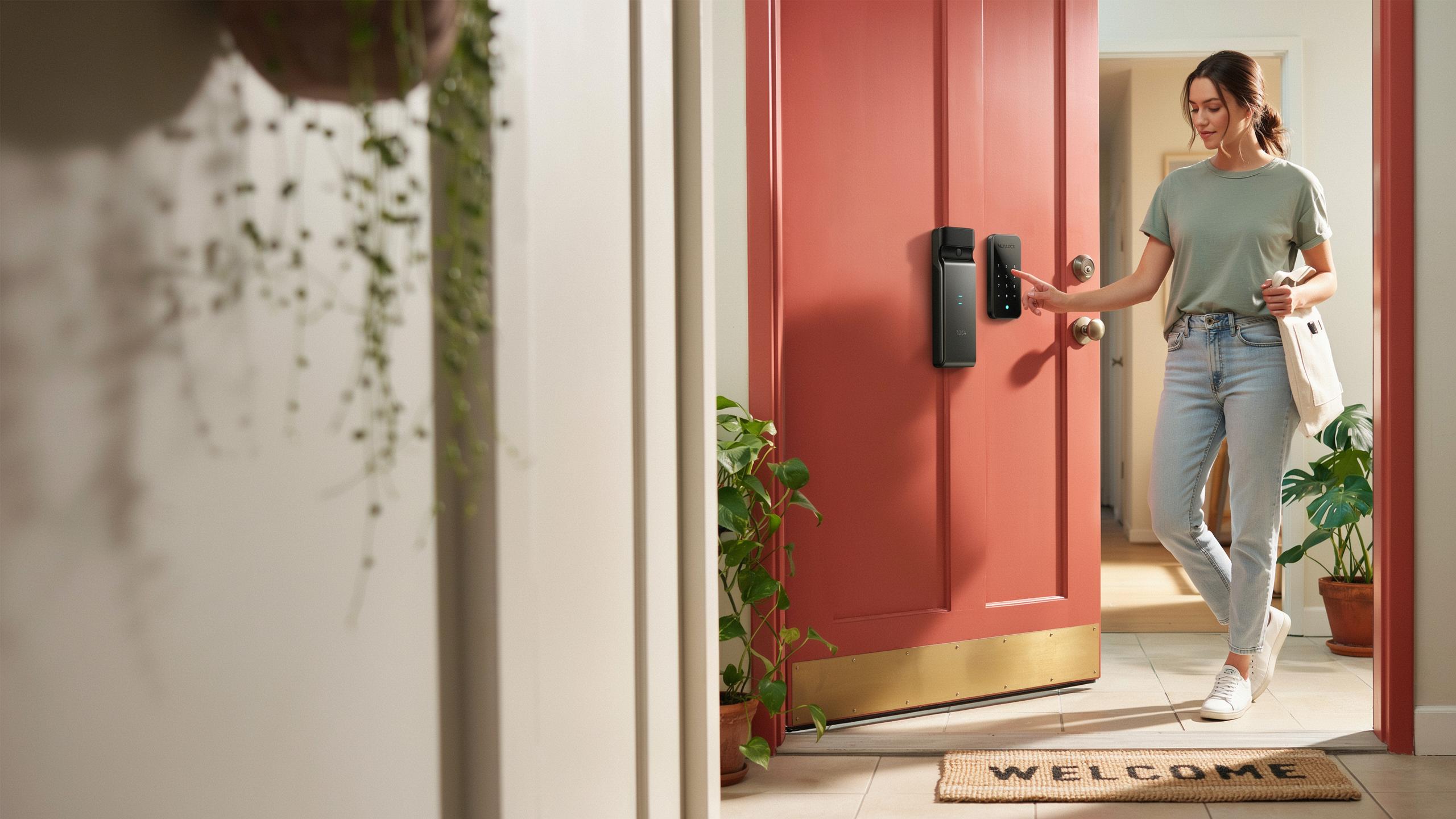
The RenterS Dilemma Security Vs Convenience With Smart Door Locks
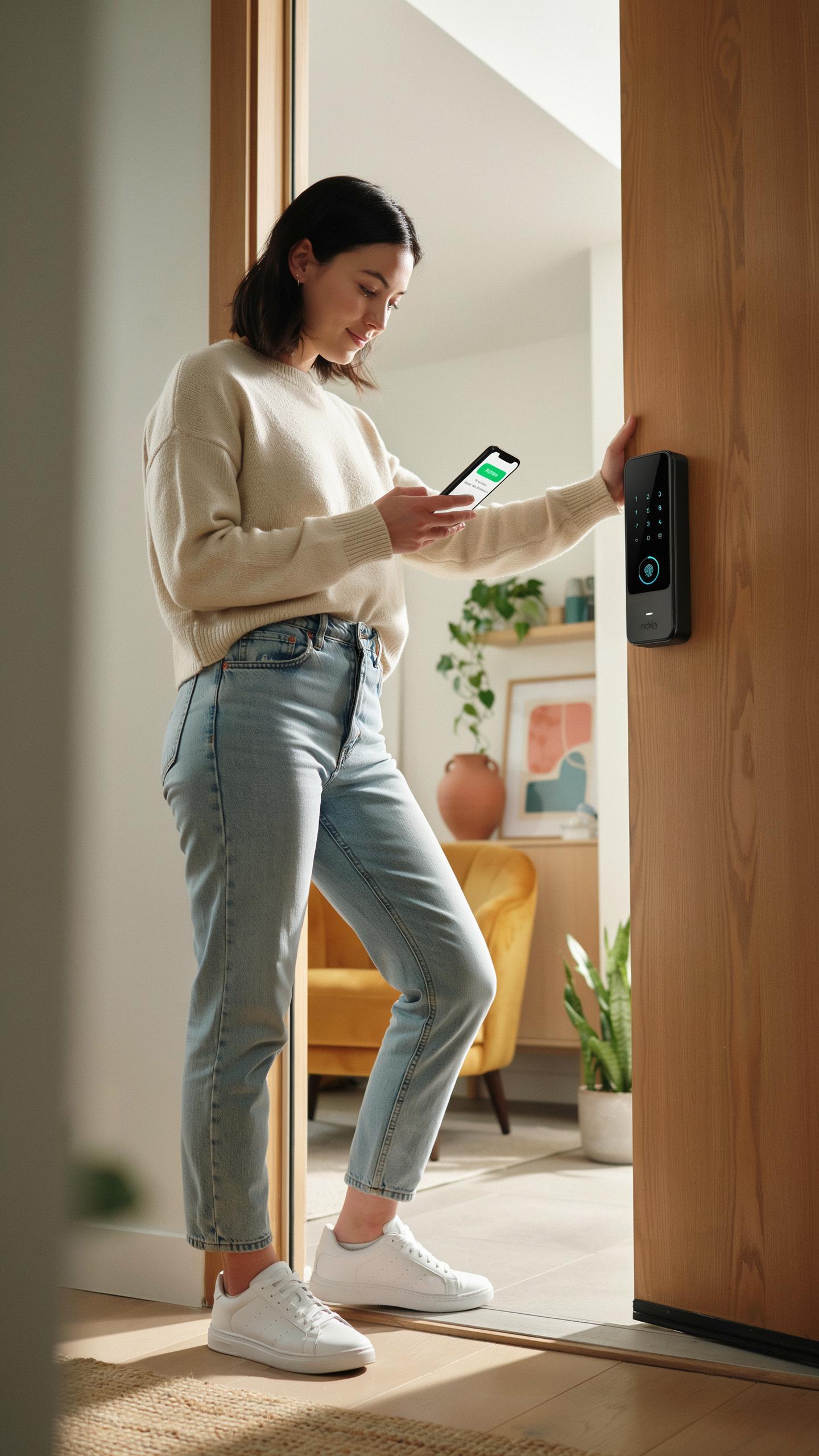
Understanding Rental Restrictions On Door Locks
Most leases prohibit permanent modifications to rental units without explicit landlord approval. Installing a traditional deadbolt replacement violates this clause and risks your security deposit. Smart locks with keypad entry offer a workaround because many models mount over existing locks or attach without drilling into door frames. Before purchasing any smart lock, review your lease agreement for specific language about alterations and contact your landlord in writing to request permission.
Landlords often reject permanent lock changes due to liability and control concerns. However, many accept temporary solutions that preserve the original lock underneath. Document your landlord’s response in writing, whether approval or denial. This protects you legally if disputes arise later. Some landlords appreciate smart locks because they eliminate rekeying costs and provide access logs for maintenance emergencies.
Balancing Enhanced Security With Rental Friendly Solutions
Smart locks with keypad entry boost security by eliminating traditional key vulnerabilities like lockpicking and key duplication. Renters benefit from temporary installation methods that don’t damage door hardware. Models designed for apartments use adhesive strips or clamp mechanisms instead of screws. You remove them cleanly when you move without leaving holes or marks that cost your deposit.
The trade-off involves accepting limited customization compared to permanent installations. Your smart lock must work with the existing door frame and bolt design. Battery life becomes critical since you cannot hardwire power. Choose models with 6-12 month battery performance to avoid frequent replacements. This approach delivers meaningful security upgrades while keeping your rental status intact and your deposit safe.
What Is A Smart Lock With Keypad Entry
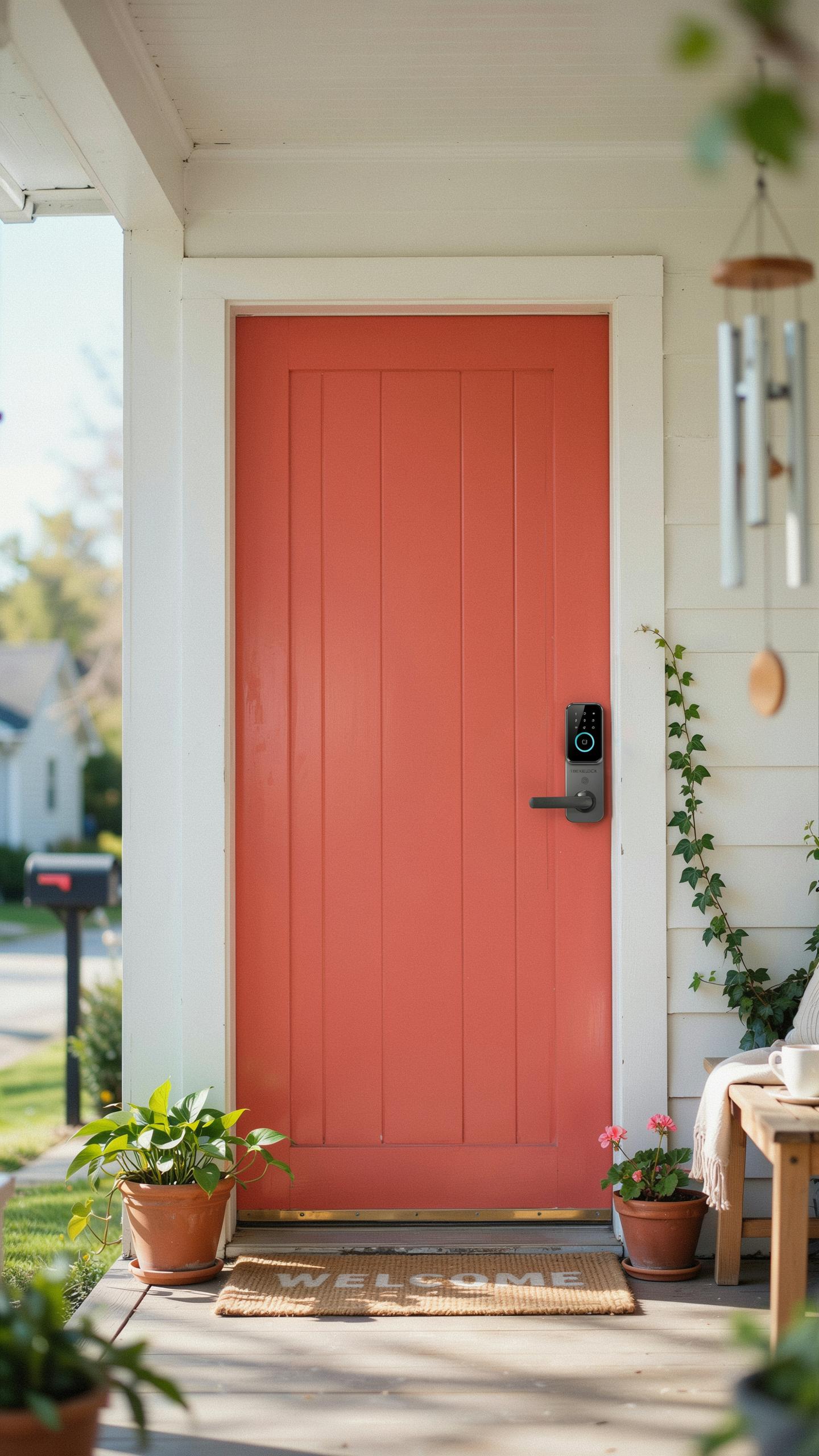
Defining Keyless Entry And Smart Door Technology
A smart lock with keypad entry is a door lock that opens through a numeric or alphanumeric code instead of a physical key. The keypad is the input device. The smart lock is the mechanism that controls the deadbolt or latch. Most models connect to your smartphone through WiFi or Bluetooth, allowing remote access and monitoring. Some operate independently without internet connectivity.
Smart locks with keypads replace traditional mechanical locks. They eliminate the need for physical keys entirely. The technology stores multiple access codes for different people. You change codes without replacing hardware. Battery power runs the lock, not electricity from your home’s electrical system.
How Keypad Entry Enhances Daily Living For Renters
Renters benefit from keypad entry because landlords cannot require key return procedures. You never lose a keypad code the way you lose a physical key. Multiple household members access the door without sharing one key. Each person gets their own code, creating accountability for who enters and when.
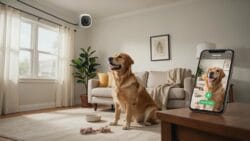
Keypad entry removes the friction of fumbling for keys while holding groceries or children. Guests receive temporary codes instead of requiring you to be home. Maintenance workers gain time-specific access without needing your supervision. When you move out, the landlord simply deletes your code, making the transition seamless and final.
Key Benefits Of Keyless Entry Door Locks For Renters
Convenience And Accessibility For Multiple Users
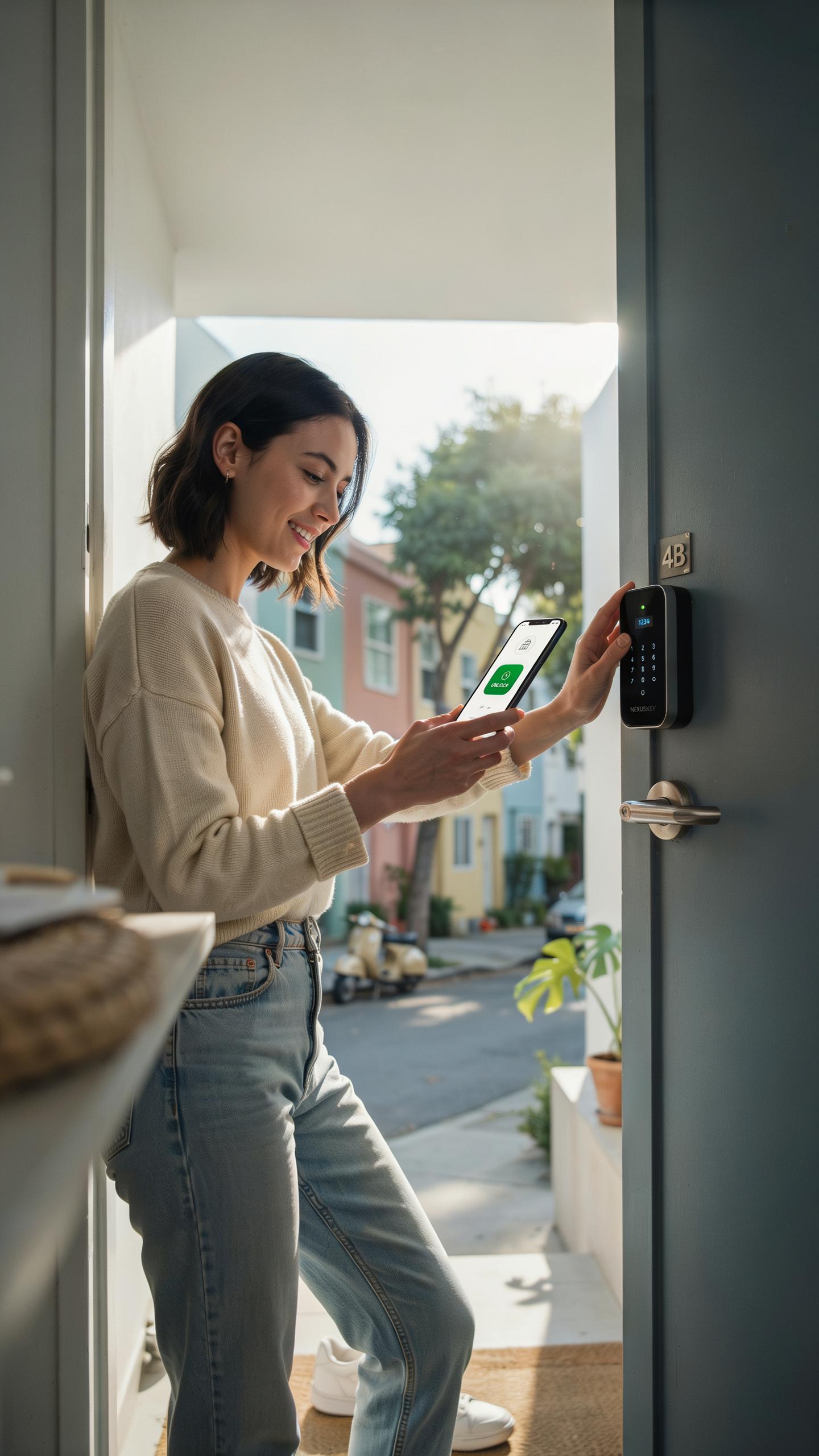
Keypad codes eliminate the need to distribute physical keys to roommates, guests, and service providers. You create unique codes for each person and revoke access instantly when needed. No more tracking who has copies or paying for lock rekeying when someone moves out. Each user enters their assigned code rather than fumbling with keys, reducing time spent at the door.
Temporary codes solve the guest problem entirely. You generate a code that works for a specific timeframe, then expires automatically. Maintenance staff, package delivery services, and visitors gain entry without you being present. This approach works particularly well for rental situations where tenant turnover happens frequently and permanent key distribution becomes impractical.
Enhanced Security Features Beyond Traditional Door Locks
Auto-locking engages the deadbolt immediately after entry, removing the human error factor. You never worry whether someone forgot to lock up after entering. The lock secures itself on a timer, typically between 5 to 30 seconds after the door closes. This feature works independently of keypad usage, protecting the door whether accessed via code or manual key.

Tamper alerts notify you when someone attempts unauthorized entry or manipulates the lock physically. The device tracks failed code attempts and alerts your phone when thresholds are exceeded. Temporary codes give renters visibility into who accessed the door and when. These logs prove invaluable if disputes arise with roommates or landlords about entry and security incidents.
Installation And Compatibility Finding The Right Smart Lock For Your Rental
DIY Installation Vs Professional Help For Smart Door Locks
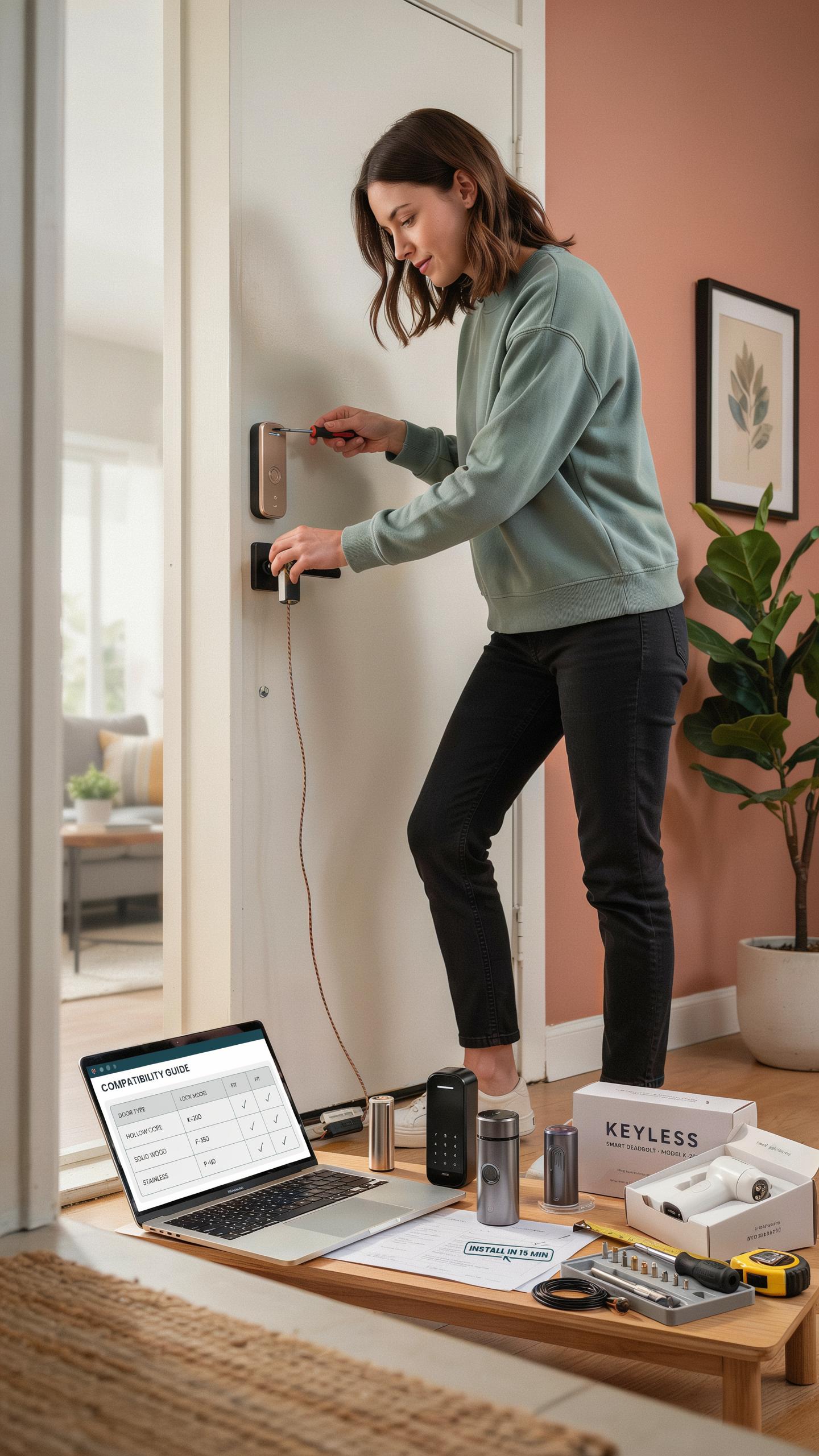
Most smart locks with keypad entry install without drilling or permanent modifications, making them practical for renters. You remove the interior lock assembly, install the smart mechanism, and reinstall the cover plate. This process takes 30 minutes to two hours depending on your mechanical skill. No special tools are required beyond a screwdriver.
Professional installation costs $100 to $300 but eliminates risk of damaging your door or misaligning components. Hire a professional if your door has unusual hardware, stripped screws, or if you rent from a landlord who demands professional installation. For standard doors with standard locks, DIY installation saves money and gives you direct control over the setup process.
Ensuring Compatibility With Existing Door Hardware
Check your current lock’s backset measurement before purchasing any smart lock. Backset is the distance from the edge of the door to the center of the lock hole. Standard backsets are 2.375 inches or 2.625 inches. Most smart locks accommodate both measurements, but verify before ordering.

Measure your door’s bore hole diameter and check the lock type on your existing deadbolt. Your door likely has either a standard cylindrical lock or a mortise lock. Smart locks with keypad entry typically replace cylindrical locks only. If your door has a mortise lock, you need a specialized smart lock model or professional consultation to determine feasibility.
Top Features To Look For In A Smart Lock With Keypad Entry
Battery Life And Power Options For Reliable Operation
Most smart locks with keypad entry run on AA or AAA batteries. They typically last six to twelve months depending on usage frequency and lock model. You need locks that show low battery warnings before they die. This prevents lockouts when power depletes unexpectedly. Check manufacturer specs for actual battery life claims rather than relying on estimates.
Backup power options matter for renters since you cannot modify wiring. Some locks offer USB charging ports or removable battery cartridges for quick swaps. Others use mechanical keys as fallback entry methods. Evaluate your building’s power access before choosing a lock. A dead battery in a rental unit creates liability issues you want to avoid.
Connectivity Options: Wi Fi, Bluetooth, And Smart Home Integration
Bluetooth locks communicate directly with your smartphone within range, typically 30 to 100 feet. They require no home internet and function independently. However, they only work when you are physically close to the lock. Wi-Fi locks connect through your home network for remote access from anywhere. This matters if you manage rentals across locations or need emergency access capabilities.
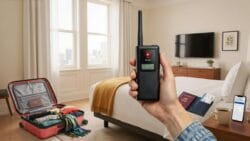
Smart home integration determines compatibility with platforms like Amazon Alexa, Google Home, or Apple HomeKit. Some locks work with multiple ecosystems while others lock you into one platform. Renters should prioritize locks with broad compatibility to avoid vendor dependency. Check integration requirements before purchase since apartment internet quality varies significantly. Confirm your lock functions during WiFi outages since Bluetooth fallback varies by model.
Security Considerations For Smart Door Locks
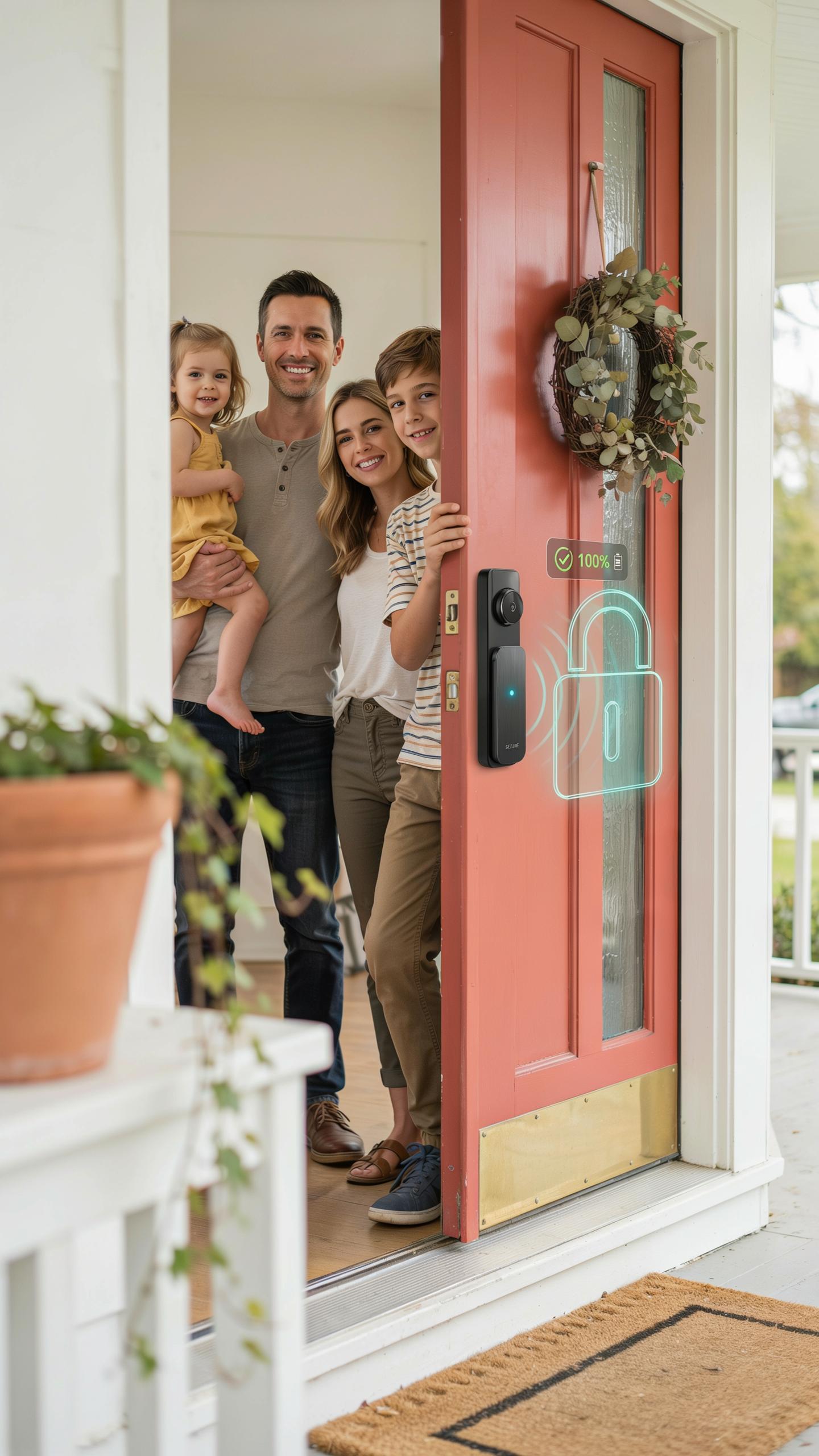
Protecting Your Keypad Codes And Digital Access
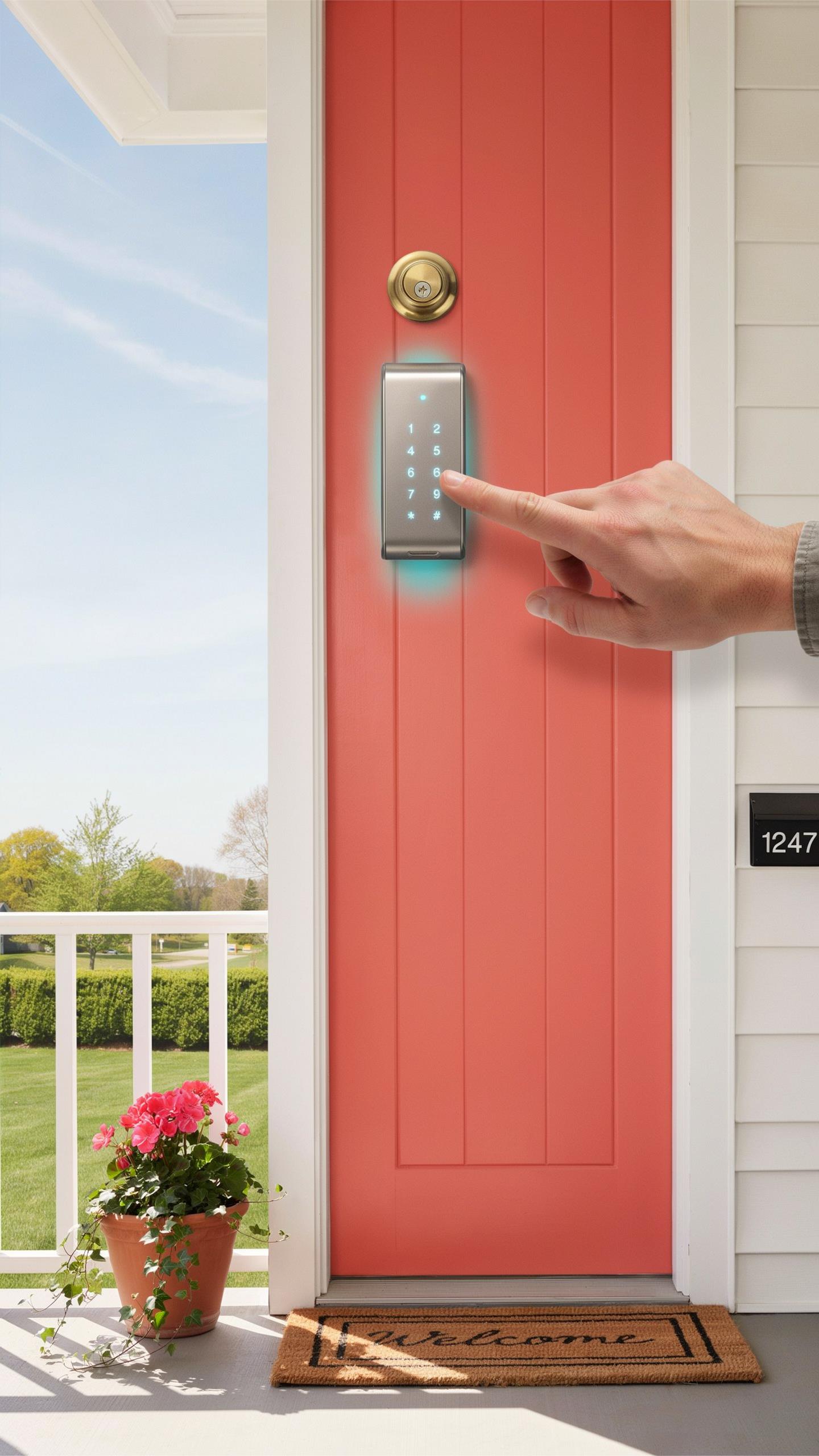
Your keypad code is your primary entry method. Treat it like a password. Change default codes immediately after installation. Never use predictable sequences like 1234 or birthdays. Create codes with at least six digits using mixed numbers. Share codes only with people who need access. If a renter moves out, delete their code from the lock’s memory. Check your lock’s access log regularly to spot unauthorized entry attempts. Most smart locks maintain a digital record of who entered and when.
Renter situations create code management challenges. Landlords must remove codes when tenants leave. Document all code changes in writing. Request that tenants never share codes with unauthorized guests. Use temporary codes with expiration dates for maintenance workers or service providers. This limits exposure if someone writes down or shares the code. Rotate primary codes every six months as a precaution.
Understanding Encryption And Data Privacy In Smart Lock Technology
Smart locks use encryption to protect data transmitted between your lock and its app. This encryption scrambles information so unauthorized parties cannot read it. Most modern smart locks use industry standard encryption protocols like AES 256-bit. The lock communicates with your phone or hub through encrypted connections. Verify that your lock brand uses established encryption methods before purchasing. Check the manufacturer’s security documentation or contact their support team directly.

Data privacy requires understanding what information the company collects. Some locks track entry times and user identity. Others log location data or connect to home automation systems. Read the manufacturer’s privacy policy before installation. Know whether the company sells data to third parties. Understand how long they store your access history. Request data deletion from the manufacturer if you move or terminate service.
Comparing Popular Smart Lock Brands With Keypad Entry
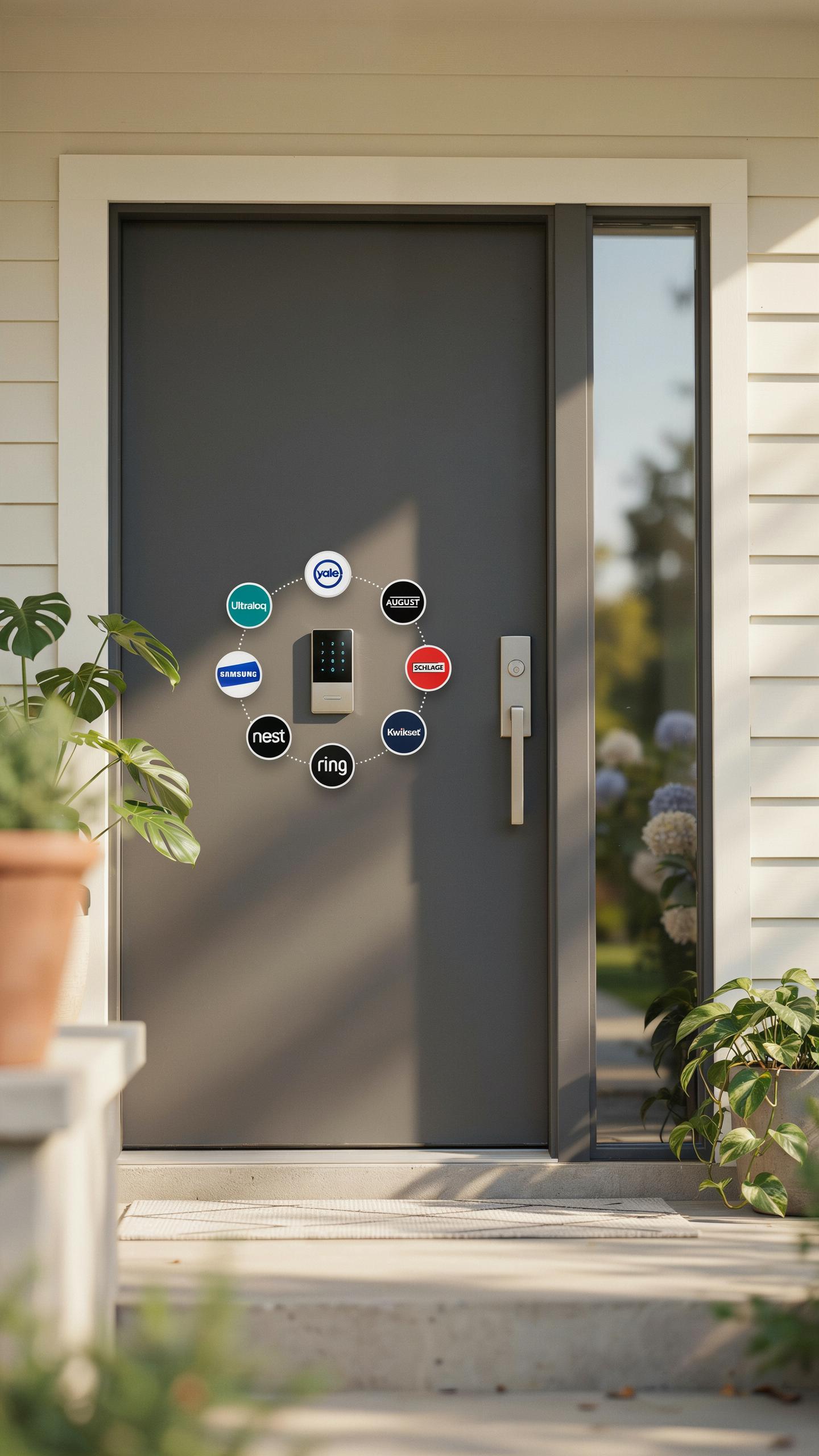
Reviewing Options From August, Yale, Schlage, And Kwikset
August makes keypad locks that work with their app and support temporary access codes. Their models connect via WiFi or Bluetooth and integrate with smart home systems. Yale offers keypad options through their Assure line, which provides app control and physical keypads. Their locks appeal to renters who want professional-grade hardware without installation difficulty.
Schlage produces keypad locks in the Encode and Connect series. These models deliver reliability and work with major smart home platforms. Kwikset positions keypad locks as budget options through their Halo and SmartCode series. All four brands offer models suitable for renter situations where permanent installation matters.
Factors To Consider When Choosing A Specific Smart Door Lock Model
Battery life determines how often you replace batteries inside the lock. Most keypad models run 6 to 12 months on standard batteries. Verify battery type and cost since some use expensive specialty batteries that drain quickly with heavy use.

Installation requirements separate renter friendly locks from permanent installations. Check if the lock fits your existing door hardware without modification. Compare app functionality, offline keypad operation, and whether the model requires a hub for full features. Read user reviews specifically from renters who detail removal and reinstallation experiences. Pricing varies from 100 dollars to 400 dollars depending on features and connectivity options.
Managing Your Smart Lock Apps Codes And Troubleshooting
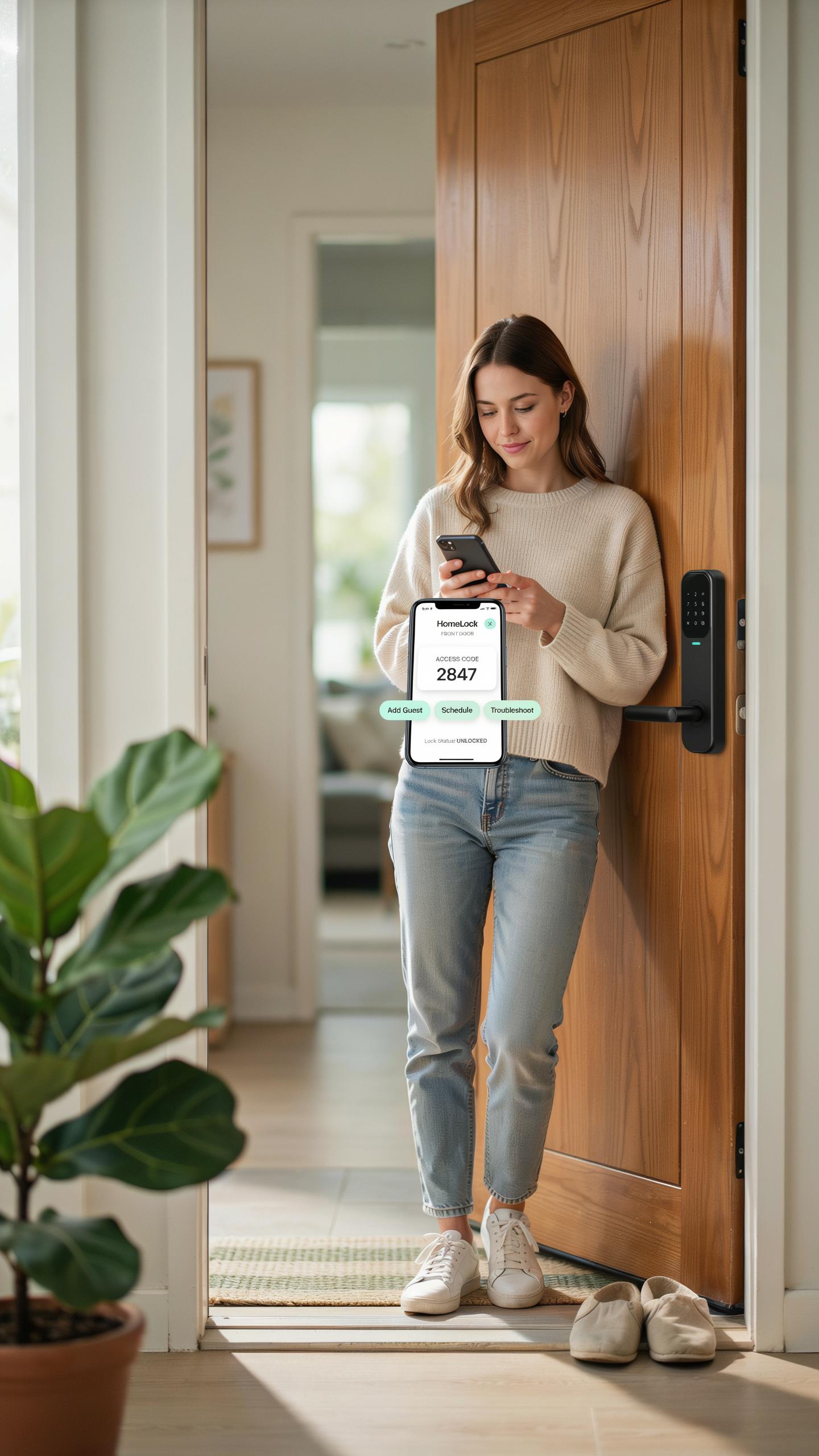
Utilizing Mobile Apps For Remote Management And Monitoring
Most smart locks operate through manufacturer apps that let you control access from anywhere with internet. These apps show real-time lock status, let you grant temporary codes to guests or service providers, and maintain activity logs showing who entered and when. For renters, this means you track entries without managing physical keys and can revoke access instantly if needed.
The apps typically allow you to set schedules so locks engage automatically at specific times. You can receive notifications when someone uses a code or when battery levels drop. Some apps integrate with smart home systems like Google Home or Alexa, though this depends on your lock model and what your lease permits you to install.
Remembering the ease of accessing our apartment, knowing my landlord trusted me with this simple, secure solution, still brings a smile. It truly made coming home feel like a warm embrace.
Common Troubleshooting Tips For Keypad Entry Issues
Battery depletion is the primary reason keypads fail to respond. Smart locks drain batteries faster in cold temperatures and with frequent use. Check battery levels through your app monthly and replace batteries before they fully die. Keep replacement batteries on hand so you maintain access during transitions between old and new installations.
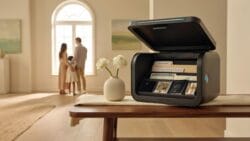
Connectivity issues prevent apps from communicating with your lock. Move your router closer to the lock or ensure your wifi signal reaches your entryway. Reset the lock by removing batteries for 30 seconds, then reinstalling them. If codes don’t work after entry attempts, your lock may have frozen from repeated incorrect entries and requires a factory reset through the app or manual override with a master code.
Cost Benefit Analysis Is A Smart Lock With Keypad Entry Worth It For Renters
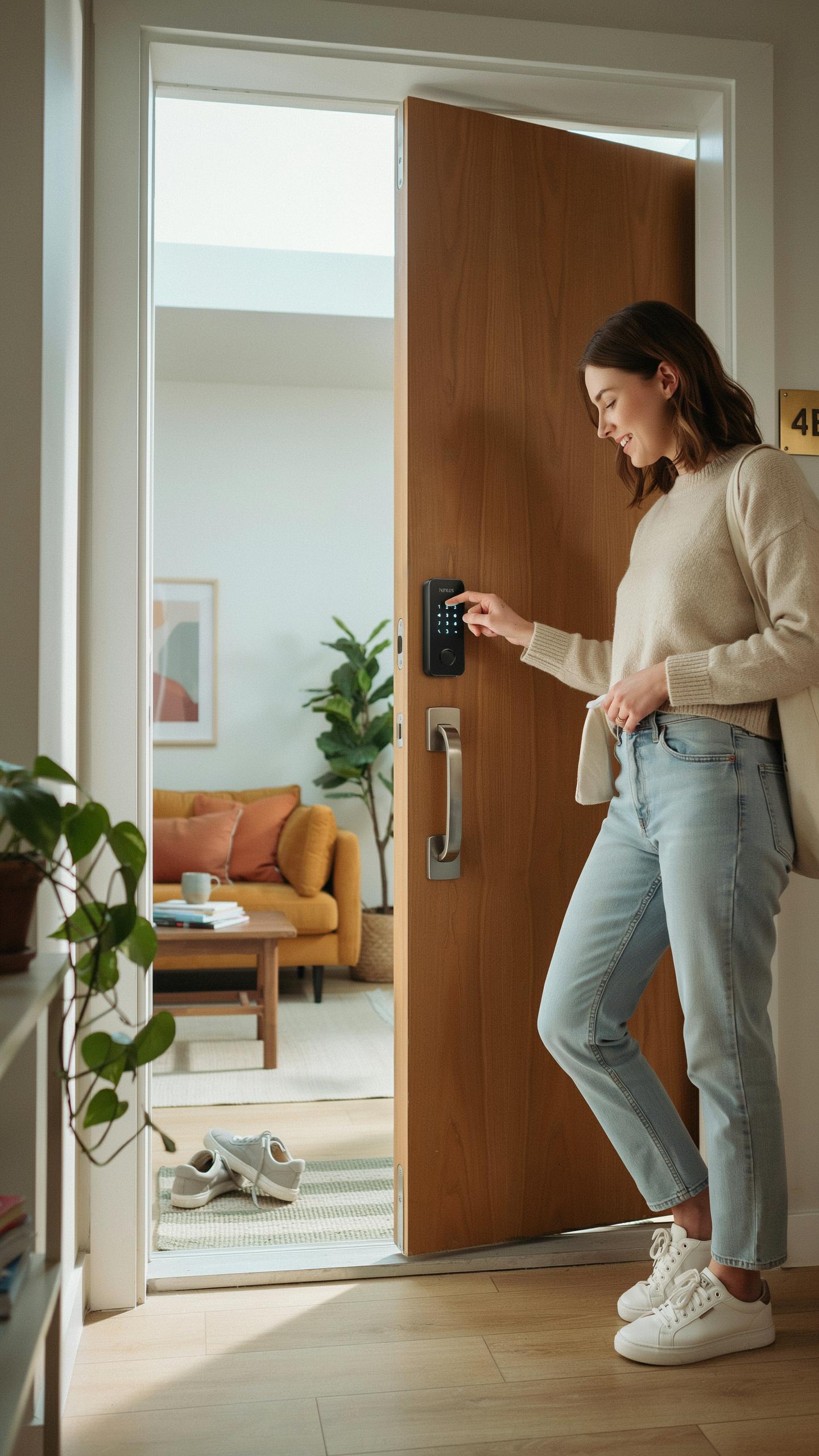
Initial Investment Vs. Long Term Convenience And Security
Smart locks with keypad entry cost between $100 and $400 depending on brand and features. You eliminate the need for physical keys, which cuts down on lockouts and replacement costs. Convenience matters: keypad access means guests and service providers enter without you being present, saving time and coordination headaches.
Security improves with audit trails showing who entered and when. You can change access codes instantly without rekeying. Battery replacement runs $10 to $30 annually and takes minutes. The math works if you value your time and experience frequent lockouts or key management issues.
Potential Resale Value Or Transferability To Future Rentals
Most smart locks with keypad entry uninstall cleanly and transfer to new rental properties. Brands like Level Lock, August, and Schlage maintain compatibility across standard deadbolts. You recoup 60 to 80 percent of your purchase price when selling used units online. Installation typically takes 30 minutes, so moving costs stay minimal.
Landlord permission is non negotiable before installation. Many leases restrict lock modifications. Check your agreement first. If denied, the lock becomes sunk cost. Some landlords accept temporary installations you remove at move out, preserving your investment. Verify this flexibility with your landlord before buying.
Making Your Rental A Smart Home Beyond The Front Door Security
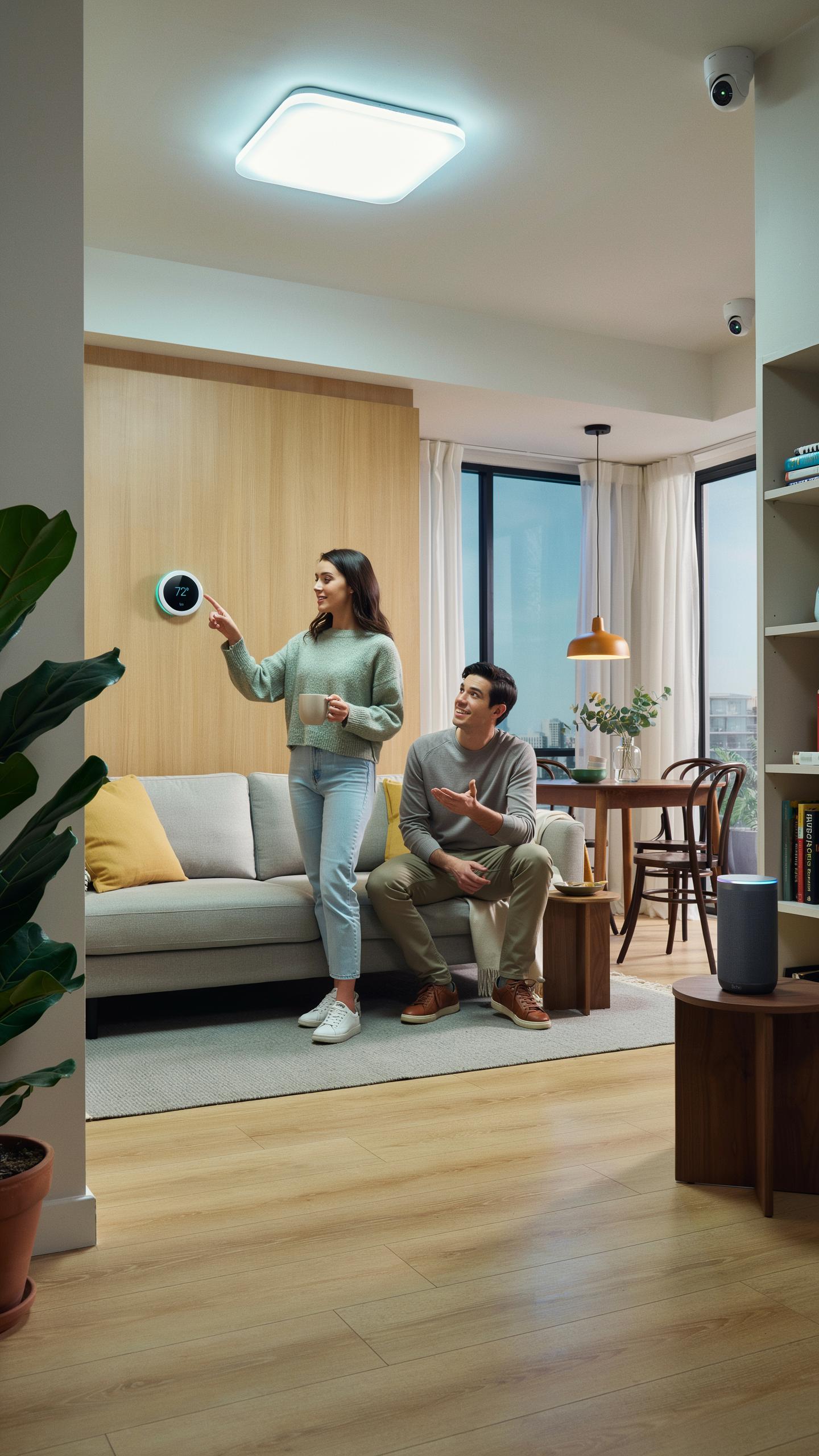
Integrating Your Smart Lock With Other Smart Home Devices
Smart locks work with other devices through your home’s WiFi network or a central hub. Most modern smart locks connect to platforms like Amazon Alexa, Google Home, or Apple HomeKit. This integration lets you automate routines. For example, unlock your door and turn on lights simultaneously when you arrive home. Smart lighting responds to your lock’s status. Thermostats can adjust temperature when the lock detects your presence or absence. Security cameras trigger recording when the lock unlocks at unusual times.
The real value comes from automation rules you create. Your rental becomes responsive to your behavior patterns. Motion sensors combined with smart locks can illuminate hallways before you enter them. Video doorbells send alerts to your phone when someone approaches, giving you warning before your lock activates. These integrations require compatible devices and a stable internet connection. Renters benefit because these devices are portable and removable without damaging walls or doors.
Future Proofing Your Rental With Smart Home Technology
Smart home adoption continues growing as technology becomes cheaper and more reliable. Current trends show integration between locks, cameras, and access management systems becoming standard. Matter, an open-source connectivity protocol launched in 2022, aims to reduce compatibility issues between brands. This means future smart locks will work more seamlessly across different ecosystems. Voice control and biometric authentication are becoming more common in entry-level products. Battery life improvements mean less frequent replacements.
Renters gain long-term protection by choosing devices built on widely supported standards. Avoid proprietary systems that lock you into one brand’s ecosystem. Focus on devices that work with multiple platforms rather than single-brand solutions. As technology evolves, your investment in compatible devices remains valuable across different rentals. Battery-powered locks without complicated installation protect your security deposit. The smart lock market will likely consolidate around open standards, making interoperability less of a concern in future generations.
Frequently Asked Questions

What exactly is a smart lock with keypad entry, and how does it benefit a renter?
A smart lock with keypad entry is a keyless door lock that allows you to open your door using a PIN code instead of a traditional key. For renters, this offers convenience by eliminating lost keys and making it easy to grant temporary access to guests or service providers, enhancing both security and flexibility without permanent modifications.
How do I install a smart lock with keypad entry without damaging my rental property?
Most smart locks with keypad entry are designed for DIY installation and often replace your existing deadbolt without requiring new holes. Always check the manufacturer’s instructions, but generally, you’ll only need a screwdriver. This non-invasive approach makes a smart lock with keypad entry an ideal upgrade for renters, easily reversible when you move out.
Are there affordable smart lock with keypad entry options suitable for renters on a budget?
Absolutely! Many manufacturers now offer budget-friendly smart lock with keypad entry models that provide essential keyless entry features without breaking the bank. Look for brands known for reliability and good customer reviews. While advanced features might be omitted, you can still enjoy the core benefits of enhanced security and convenience.